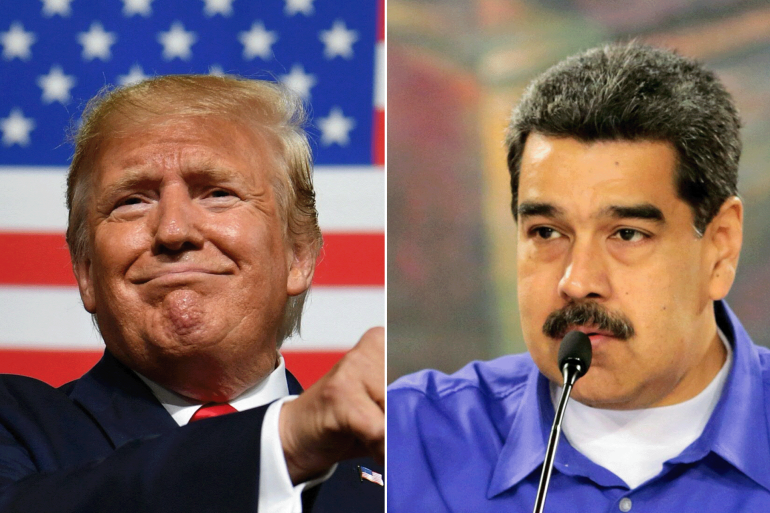
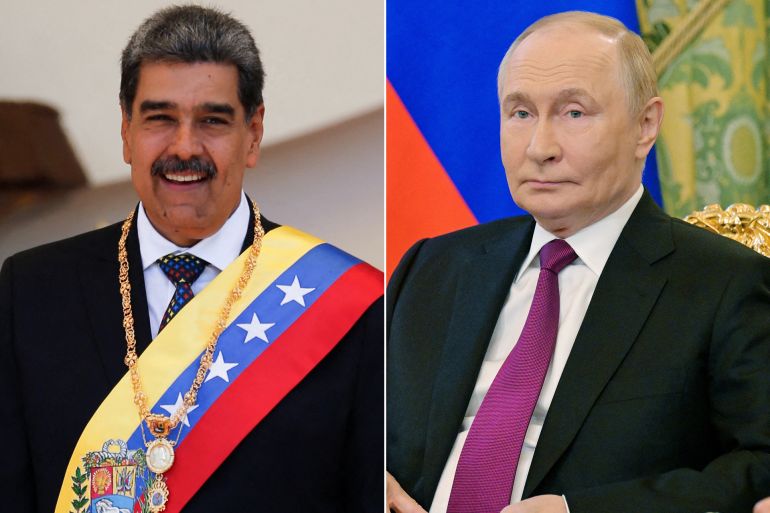
Washington announced on Tuesday the imposition of sanctions targeting Iran’s drone trade with Venezuela, a move that comes amid escalating American pressure on leftist Venezuelan President Nicolas Maduro.
The US Treasury Department targeted ten individuals and entities in Venezuela and Iran over issues including the purchase of Iranian-made drones, efforts to obtain chemicals used in ballistic missiles, and other matters.
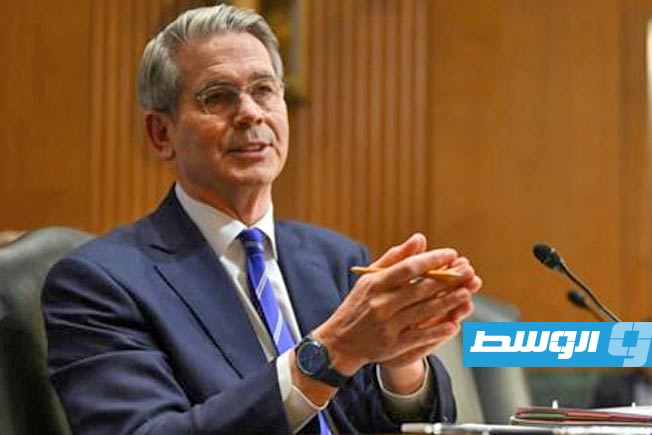
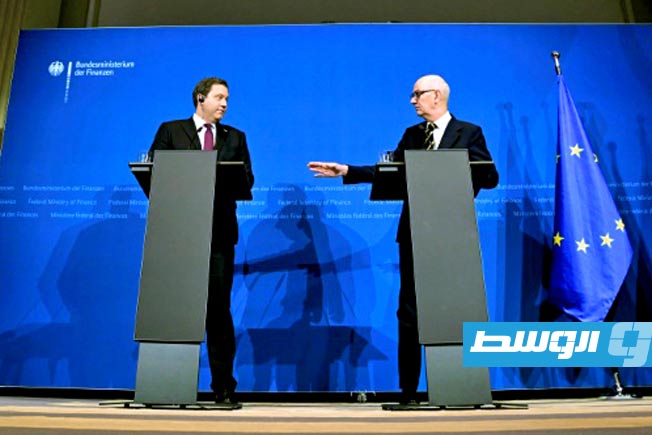
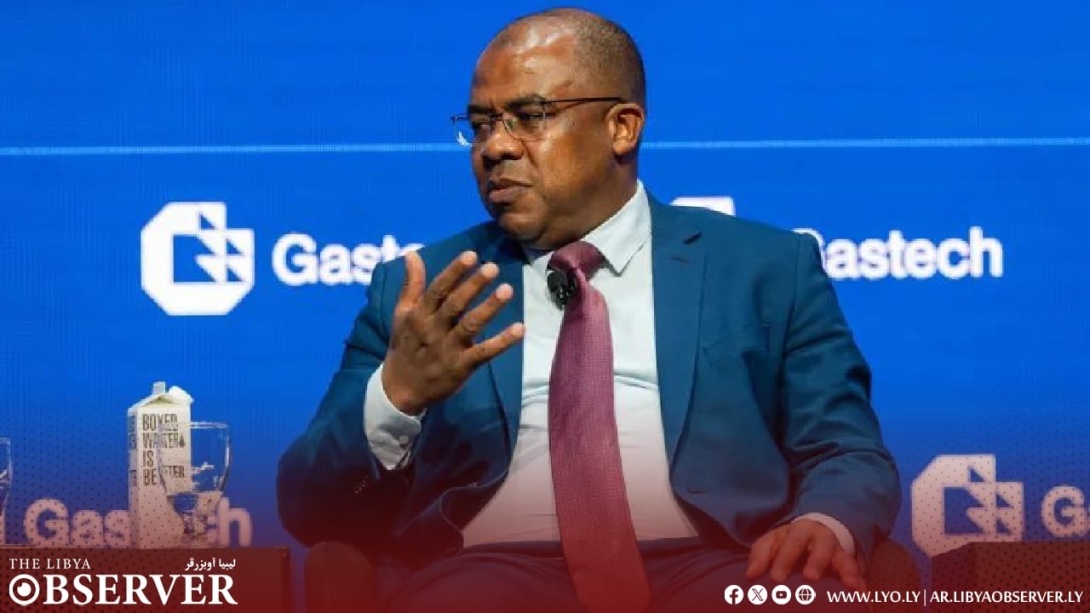
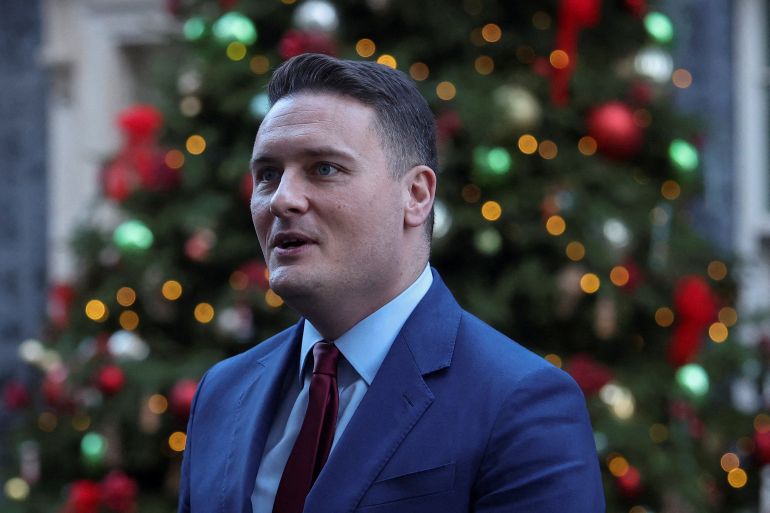
The Deputy Treasury Secretary for Terrorism and Financial Intelligence stated, “The Treasury is holding Iran and Venezuela accountable for their persistent and reckless dissemination of lethal weapons worldwide.”
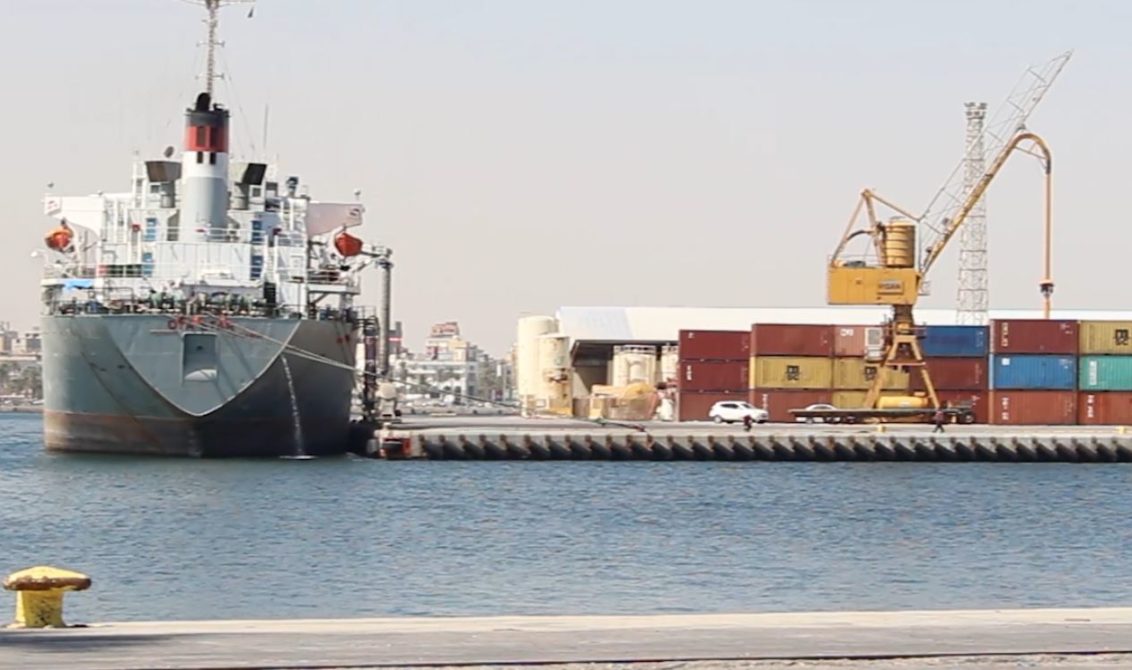
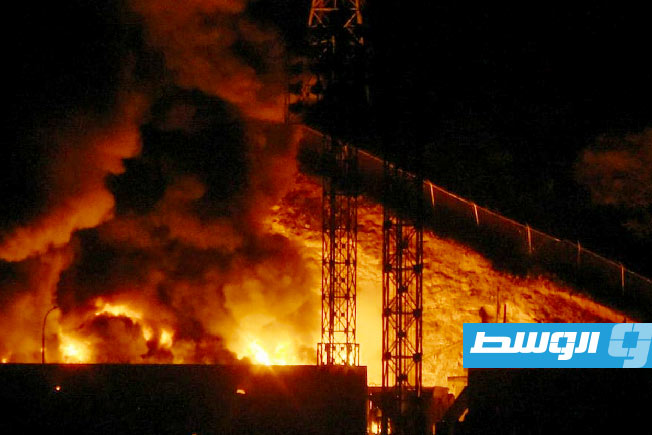
United States bombs and destroys Venezuelan dock
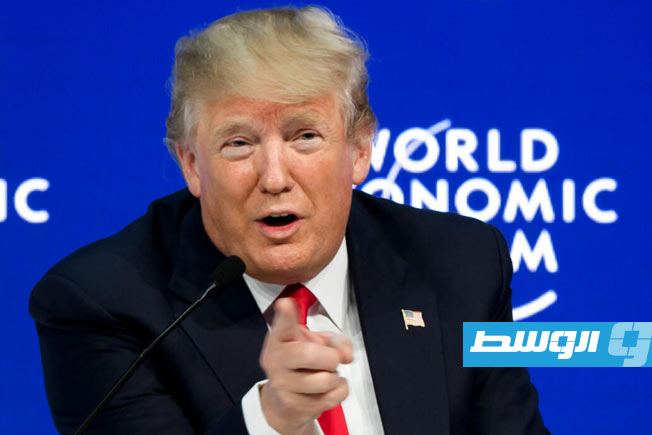
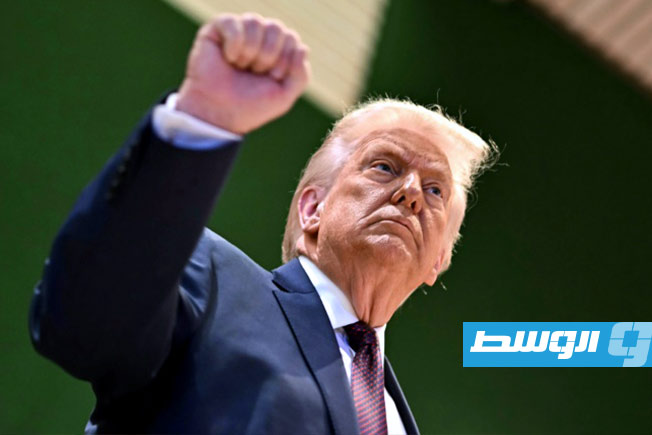
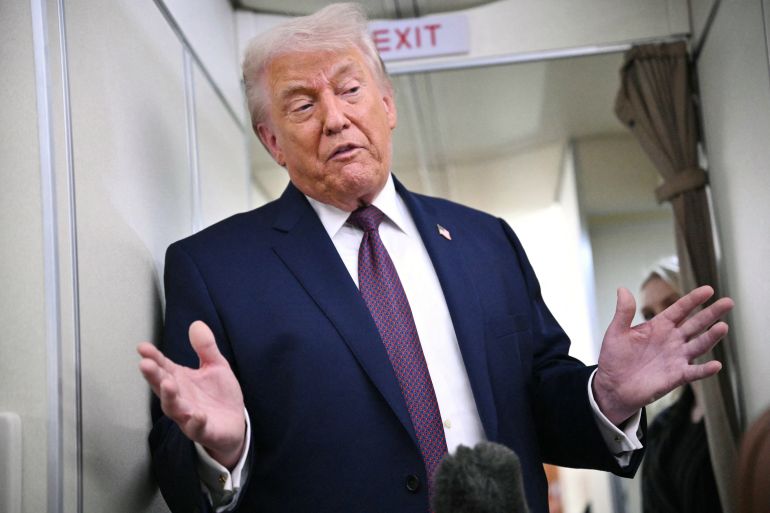
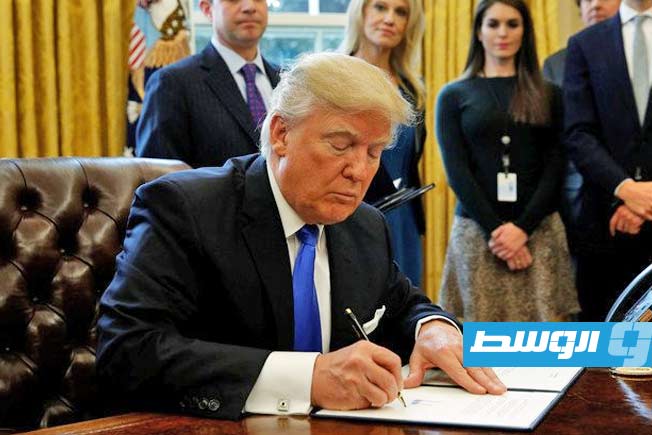
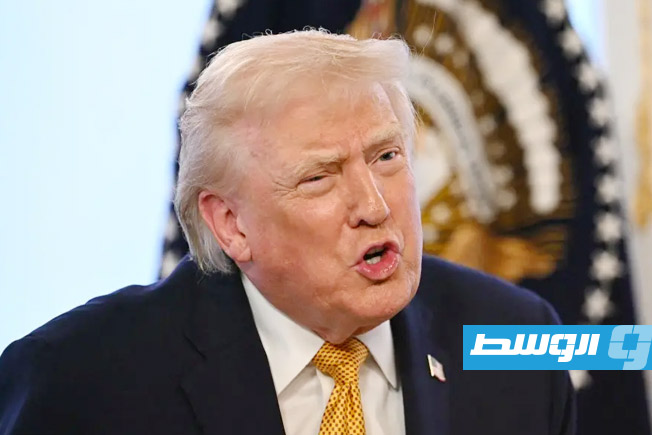
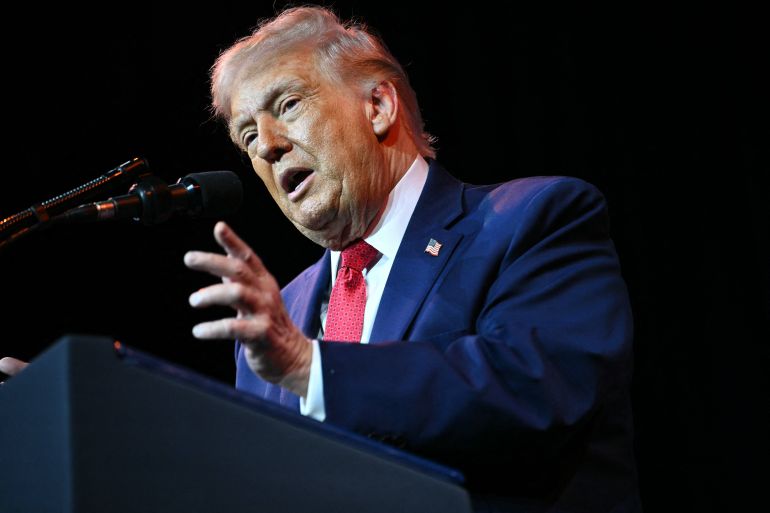
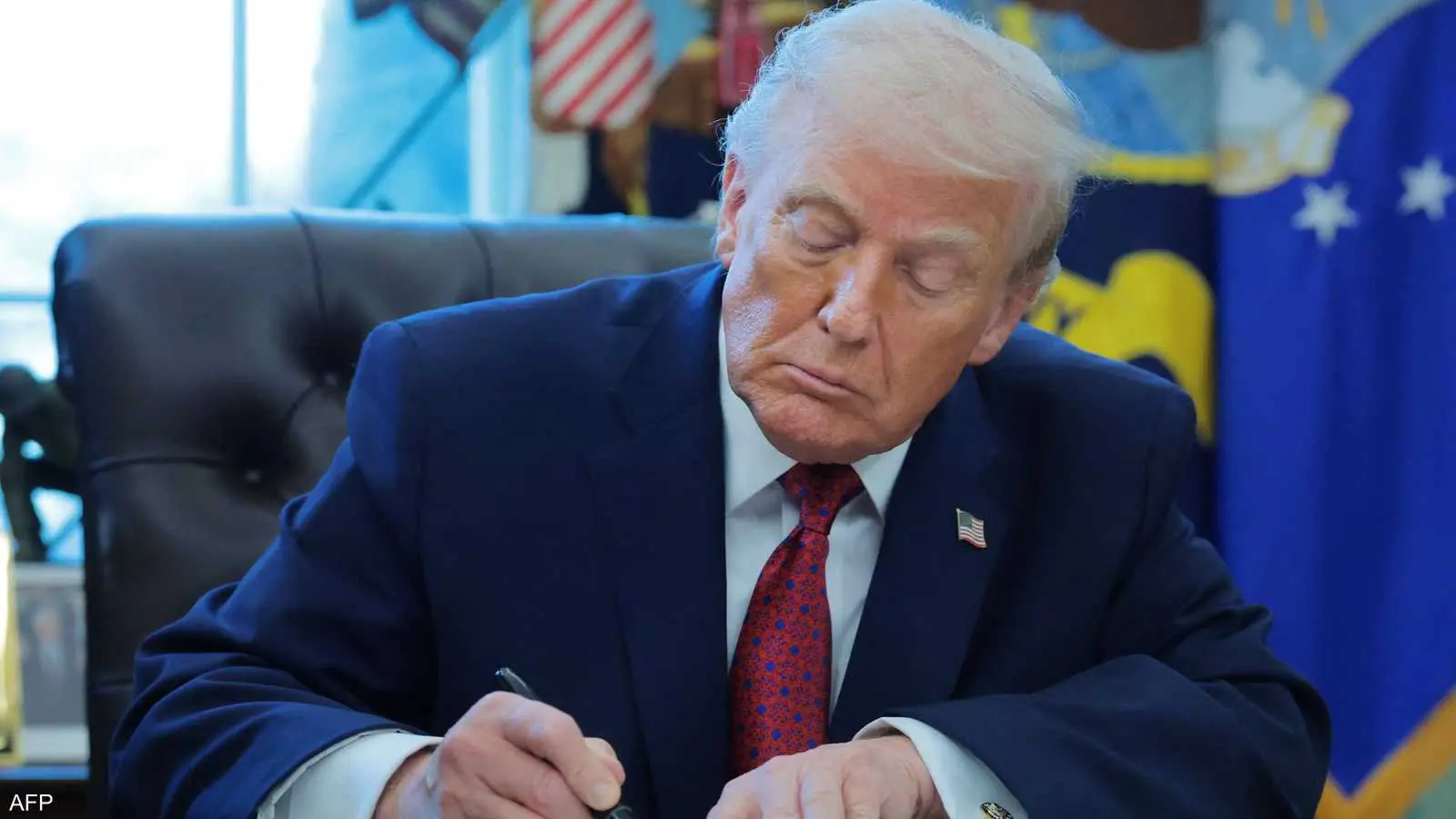
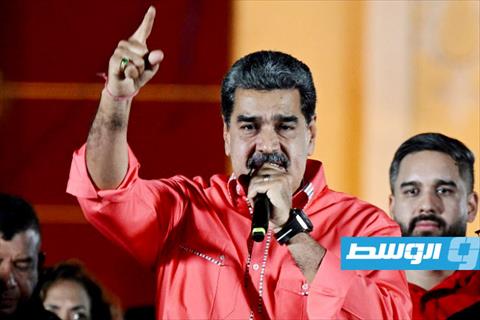
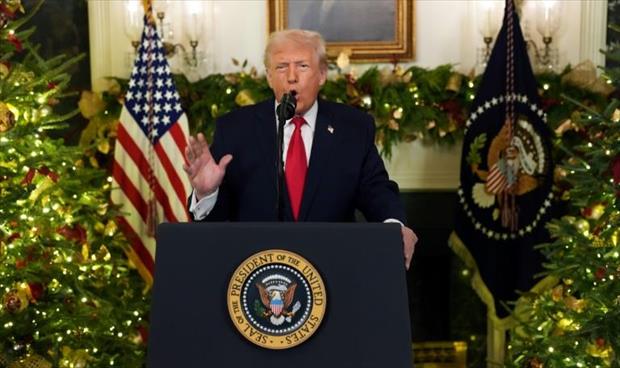
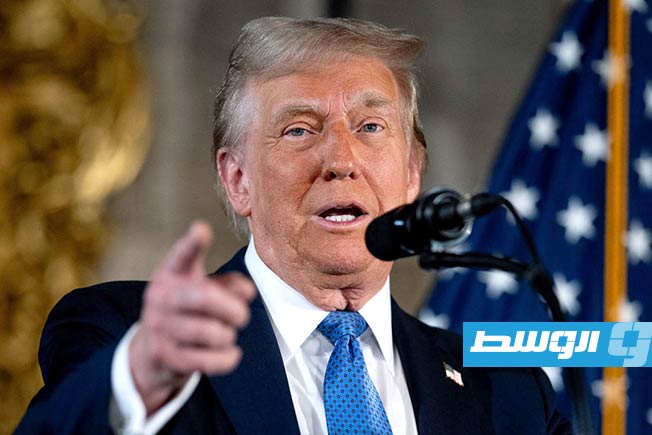
He added in a statement, “We will continue to take swift action to deprive those who facilitate the Iranian military-industrial complex of access to the US financial system.” The announcement of these sanctions came as the Trump administration increased pressure on Maduro, who has accused the US President of seeking to overthrow his government.
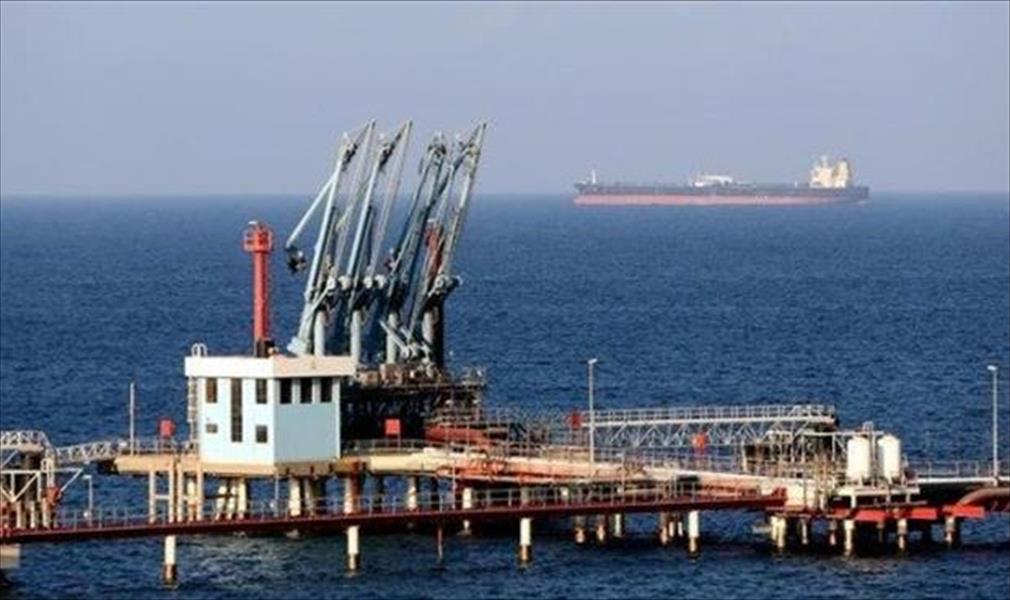
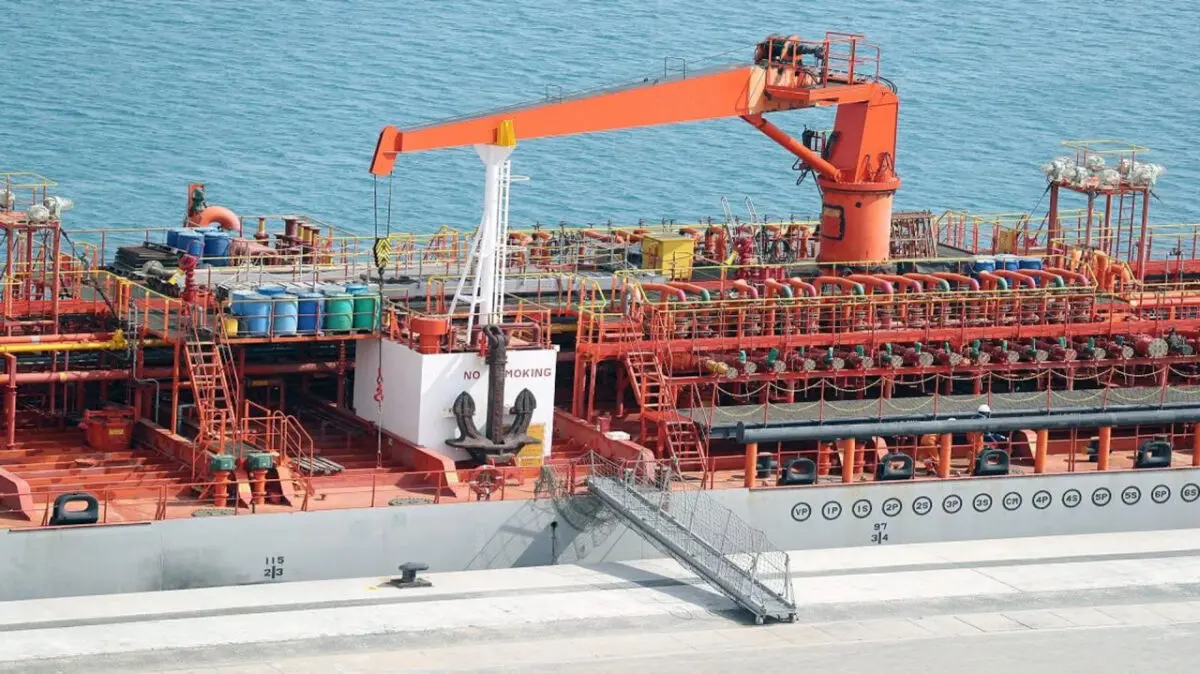
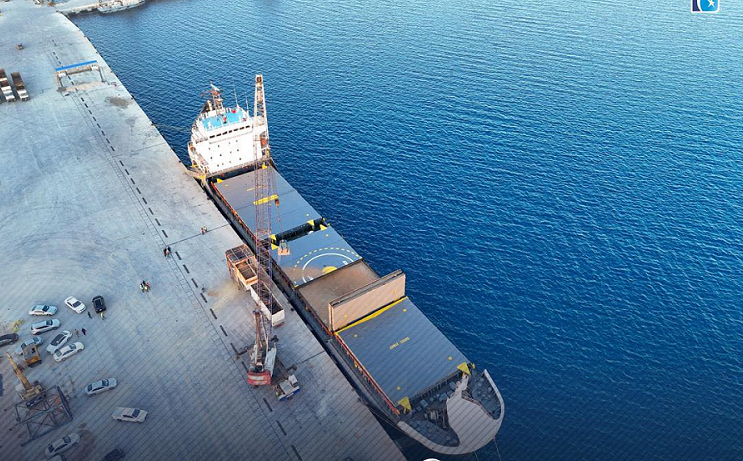
On Monday, Trump said the United States bombed and destroyed a dock it claims was dedicated to drug smuggling boats from Venezuela, in what could be considered the first land strike within the military campaign it is carrying out in that region of Latin America under the pretext of combating drug traffickers.
The US Treasury Department announced that the latest action strengthens its non-proliferation designations, in support of the re-imposition of UN sanctions and other restrictions on Iran.
It added that Iran’s drone and missile programs “threaten Americans and their allies in the Middle East and destabilize commercial navigation in the Red Sea.”
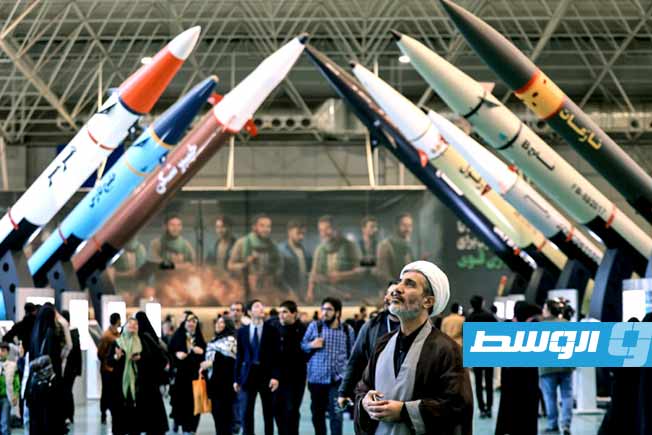
“Iranian-made drones”
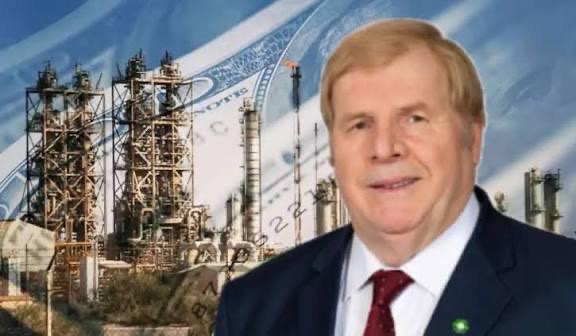
Among those affected by the sanctions are the Venezuelan company “Empresa Aeronautica Nacional S.A.” and its board chairman. The US Treasury Department stated that the company acquired Iranian-made drones.
In a separate statement, the State Department Spokesperson said, “Iran’s continued supply of conventional weapons to Caracas poses a threat to US interests in our region.” He added that the Venezuelan company “contributed to the sale of millions of dollars worth of combat drones.”
He added, “The entities and individuals designated today demonstrate that Iran is actively disseminating its combat drones and continues to purchase missile-related equipment in violation of UN-imposed restrictions.”
Washington
Washington, D.C., is the capital city of the United States, founded in 1790 following the ratification of the U.S. Constitution. It was established as a federal district through the Residence Act and named after the first U.S. president, George Washington, with its core design influenced by architect Pierre Charles L’Enfant. The city is home to iconic national monuments, museums, and the branches of the U.S. government.
Iran
Iran, historically known as Persia, is home to one of the world’s oldest continuous civilizations, with a recorded history spanning thousands of years. Its rich cultural heritage is exemplified by numerous UNESCO World Heritage sites, including the ancient ruins of Persepolis, the capital of the Achaemenid Empire founded in the 6th century BCE. Modern Iran is an Islamic Republic established after the 1979 revolution, blending this deep historical identity with contemporary political and religious structures.
Venezuela
Venezuela is a South American country with a history of indigenous cultures, Spanish colonization beginning in the 16th century, and independence achieved in 1811 under Simón Bolívar. It is known for its diverse natural landscapes, including the Andes Mountains, the Amazon rainforest, and Angel Falls, the world’s highest uninterrupted waterfall. The nation’s modern history and economy have been heavily defined by the discovery and exploitation of its vast petroleum reserves.
US Treasury Department
The United States Department of the Treasury was established by an act of Congress in 1789 and is responsible for managing federal finances, producing currency, and advising on economic policy. Its history is deeply tied to Alexander Hamilton, the first Secretary of the Treasury, who shaped the nation’s early financial system. The department operates from its iconic headquarters building adjacent to the White House.
United States
The United States is a federal republic founded in 1776 after declaring independence from Great Britain, with its modern government established by the Constitution in 1789. Its history encompasses westward expansion, a civil war over slavery, and its emergence as a global superpower in the 20th century. The nation is defined by its diverse cultural heritage, democratic ideals, and significant economic and political influence worldwide.
Trump administration
The Trump administration refers to the U.S. executive branch under President Donald J. Trump from January 2017 to January 2021. Its tenure was marked by significant tax reform, shifts in trade and immigration policy, and the appointment of three Supreme Court justices.
Latin America
Latin America is a diverse cultural region encompassing countries in the Americas where Romance languages like Spanish and Portuguese are primarily spoken, sharing a complex history shaped by indigenous civilizations, European colonization, and subsequent waves of independence movements. Its cultural sites range from ancient ruins like Machu Picchu to colonial cities and vibrant modern capitals, reflecting a rich blend of pre-Columbian, colonial, and contemporary influences.
Middle East
The Middle East is a transcontinental region centered on Western Asia and Egypt, historically home to some of the world’s earliest civilizations, including Mesopotamia and Ancient Egypt. It is the birthplace of major Abrahamic religions—Judaism, Christianity, and Islam—and has been a central crossroads for trade, empire, and cultural exchange for millennia.
Red Sea
The Red Sea is a seawater inlet of the Indian Ocean lying between Africa and Asia, historically famed as a critical trade route connecting the Mediterranean to the East. Its name is often attributed to seasonal blooms of red algae, and its shores have been home to ancient civilizations, with the Suez Canal (opened in 1869) cementing its modern strategic importance.
Empresa Aeronautica Nacional S.A.
Empresa Aeronautica Nacional S.A. (EANSA) was a Spanish aircraft manufacturer founded in 1923, primarily known for producing military training aircraft like the EANSA C-101 Aviojet. The company was a significant part of Spain’s aviation industry until it ceased operations in the late 20th century.
Caracas
Caracas is the capital and largest city of Venezuela, founded in 1567 by Spanish conquistador Diego de Losada. It grew as a colonial administrative center and later became the birthplace of Simón Bolívar, a key figure in South America’s independence movements. Today, it is a major metropolitan and cultural hub situated in a valley of the Venezuelan coastal mountain range.
UN
The United Nations (UN) is an international organization founded in 1945 after World War II to promote peace, security, and cooperation among nations. It replaced the League of Nations and is headquartered in New York City, with 193 member states working through bodies like the General Assembly and Security Council.