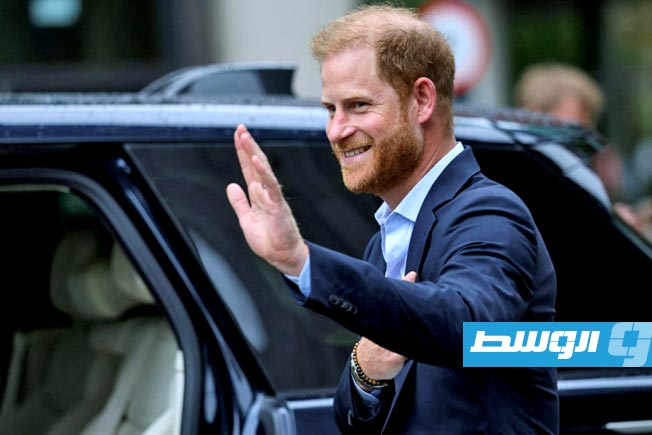
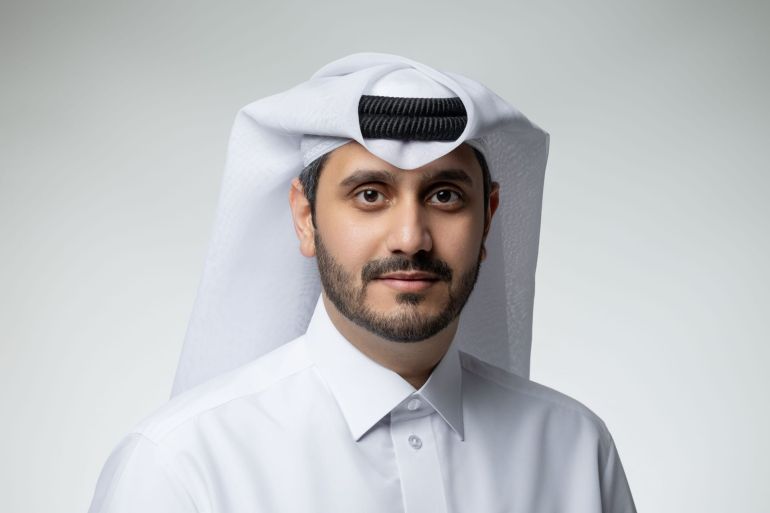
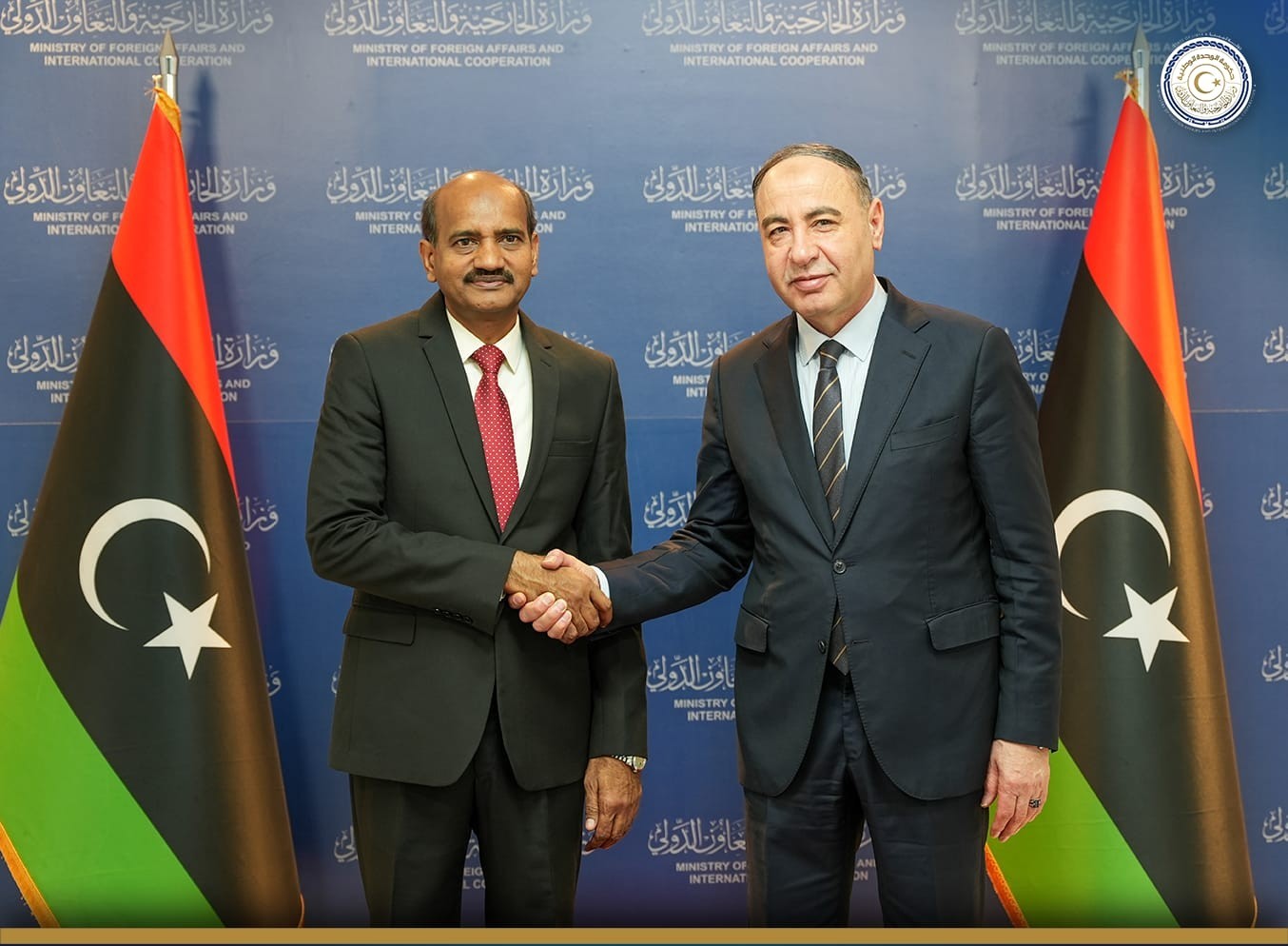
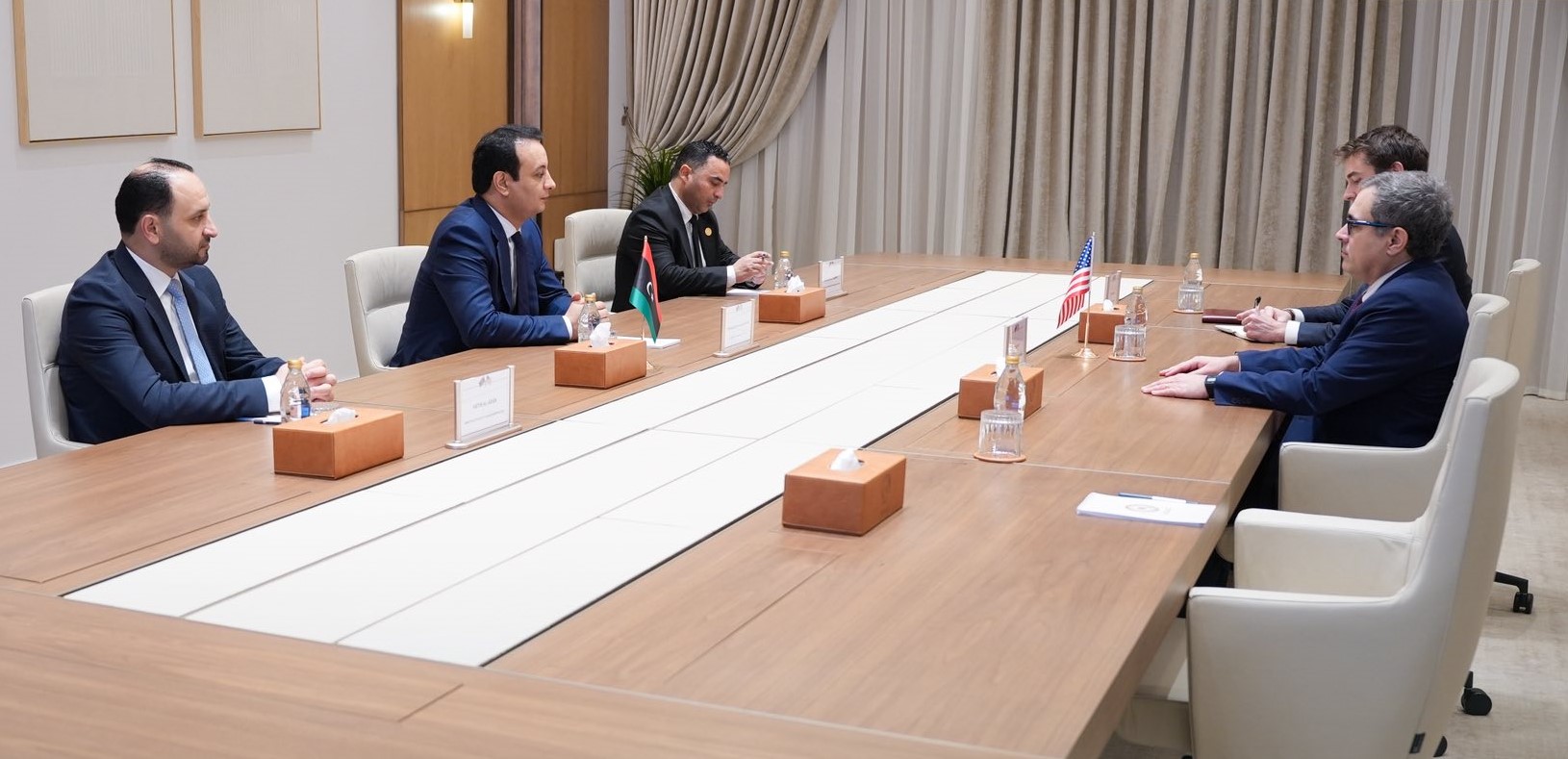
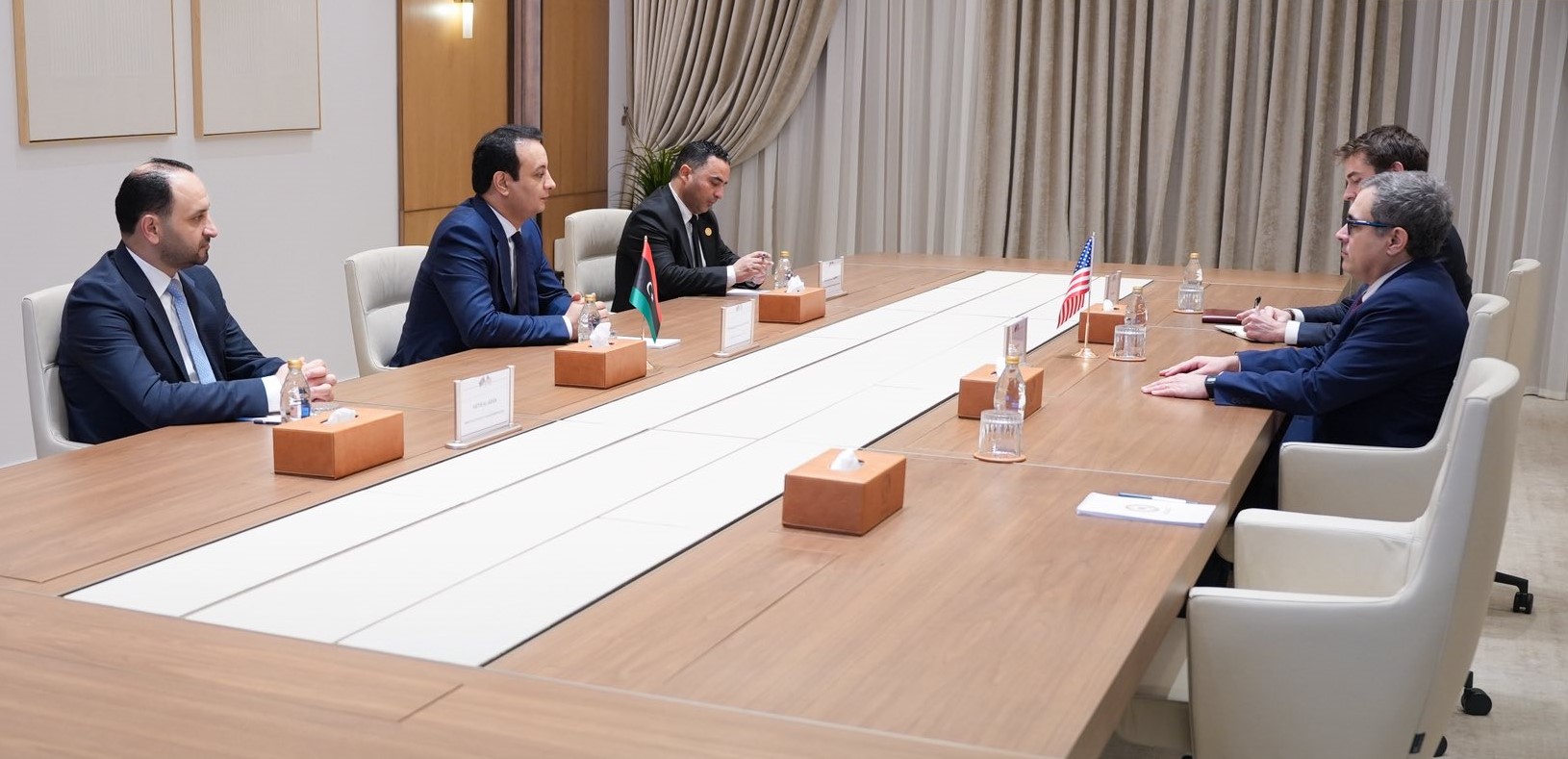
Algiers, January 27, 2026 – The Algerian Minister of Foreign Affairs met today with the U.S. Presidential Advisor for Africa, Arab Affairs, and the Middle East. They discussed a number of current dossiers and issues in the Arab world, foremost among them the Libyan crisis file.
The Algerian Ministry of Foreign Affairs stated in a release that the meeting, held at the Ministry’s headquarters in the capital Algiers, involved an exchange of views on the most prominent current issues in the Arab world and the African continent, particularly developments in the situations in Libya, the Sahel and Sahara, as well as Western Sahara.
During the meeting, both sides highlighted the importance of enhancing the existing strategic dialogue between Algeria and the United States. They reaffirmed the necessity of continuing the positive momentum characterizing the bilateral partnership, especially in economic fields.
…
Algiers
Algiers is the capital and largest city of Algeria, founded by the Phoenicians and later developed as a major port under the Ottoman Empire. Known as “Algiers the White” for its gleaming buildings, its historic Casbah district is a UNESCO World Heritage site reflecting centuries of Islamic and French colonial influence.
Algeria
Algeria is a North African country with a rich history shaped by ancient Berber kingdoms, Roman rule, and centuries of Ottoman influence. It gained independence from France in 1962 after a prolonged and brutal war of liberation. The nation’s cultural heritage is reflected in diverse sites like the Roman ruins of Timgad and the historic Casbah of Algiers, a UNESCO World Heritage site.
United States
The United States is a federal republic founded in 1776 after declaring independence from Great Britain, establishing itself through a revolutionary war and the ratification of a constitution that created a representative democracy. Its history includes significant territorial expansion, a civil war over slavery, and its emergence as a global superpower in the 20th century. Culturally, it is a diverse nation often described as a “melting pot,” with profound global influence in areas such as technology, entertainment, and politics.
Libya
Libya is a North African country with a rich history rooted in ancient civilizations like the Phoenicians and Romans, followed by centuries of Arab and Ottoman influence. In the modern era, it was an Italian colony before gaining independence in 1951, later ruled by Muammar Gaddafi from 1969 until the 2011 revolution. Its cultural heritage includes UNESCO World Heritage sites such as the ancient Greek city of Cyrene and the Roman ruins of Leptis Magna.
Sahel
The Sahel is a vast semi-arid region in Africa, stretching from the Atlantic Ocean to the Red Sea and serving as a transitional zone between the Sahara Desert to the north and the savannas to the south. Historically, it was a crucial crossroads for trans-Saharan trade routes, fostering powerful empires like Ghana, Mali, and Songhai between the 8th and 16th centuries. Today, it faces significant challenges including desertification and political instability.
Sahara
The Sahara is the world’s largest hot desert, spanning much of North Africa. Historically, it was not always arid, with evidence of a greener environment and human settlements, including ancient civilizations and trans-Saharan trade routes, thousands of years ago. Its climate shifted to extreme aridity around 5,000-6,000 years ago, shaping the region’s ecology and human history.
Western Sahara
Western Sahara is a disputed territory in North Africa, largely controlled by Morocco but claimed by the indigenous Sahrawi people’s Polisario Front. Historically a Spanish colony until 1975, its status remains unresolved following a war and a ceasefire, with ongoing diplomatic efforts to determine its sovereignty.
Algerian Ministry of Foreign Affairs
The Algerian Ministry of Foreign Affairs is the government body responsible for managing Algeria’s diplomatic relations and foreign policy. It was established following the country’s independence from France in 1962, playing a central role in shaping its non-aligned and pan-African stance during the Cold War era.