Health experts agree that drinking water is the cornerstone of vitality, but the reality is that many people find it difficult to adhere to the required amounts due to the “monotony of taste.”
While lemon has reigned supreme as a water additive for years, a new list of 8 natural ingredients is emerging. These ingredients not only improve flavor but can transform a simple glass of water into a complete “therapeutic dose.”
1- Turmeric
It is no longer just a cooking spice; thanks to the compound “curcumin,” warm water mixed with turmeric becomes a powerful antioxidant. This drink helps alleviate pain and reduce blood sugar levels, making it an ideal choice to start an energetic day.
2- Cucumber Slices
Cucumber slices are not only for garnish; they are a way to increase the body’s hydration levels and support digestion thanks to their fiber. They also help maintain balanced blood pressure and give you a feeling of luxury in your own home.
3- Chia Seeds
Once a spoonful of chia seeds is placed in water, they transform into a gel rich in vitamins and minerals. This “smart drink” enhances bone density and protects the heart. Most importantly, it provides a feeling of fullness for longer periods thanks to its soluble fiber.
4- Apple Cider Vinegar
For those seeking fitness and blood sugar regulation, apple cider vinegar is a golden addition. Despite its strong acidity, diluting it with water makes it a great stimulant for the metabolism, provided the recommended amount is adhered to (one tablespoon per large glass).
5- Ginger
Whether fresh or powdered, ginger remains the “primary soother” for the stomach. With its unique compounds like “gingerol,” ginger works to relieve nausea and fight joint inflammation, making it an ideal companion on cold days or after heavy meals.
6- Black Pepper
The idea may seem strange, but soaking black peppercorns in water opens up new health horizons. This ingredient enhances brain function and protects the body from infection thanks to its antimicrobial properties, in addition to improving insulin sensitivity.
7- Honey
In cases of colds, there is nothing better than a spoonful of honey in a glass of warm water. Honey is not just a natural sweetener; it is antiviral and antibacterial, acting as an effective cough suppressant and throat pain reliever. It must be used in moderation by diabetic patients.
8- Fruits
Fruits infuse water with concentrated doses of “vitamin C” and antioxidants, which strengthens your immune system and makes the process of drinking water an enjoyable experience throughout the day.
Turmeric
Turmeric is a spice derived from the rhizomes of the *Curcuma longa* plant, native to Southeast Asia and a cornerstone of Indian culture and cuisine. Its use dates back nearly 4,000 years, initially in Vedic culture as a sacred and medicinal substance before becoming a globally traded commodity and a key ingredient in dishes like curry.
Cucumber
“Cucumber” is not a recognized place or cultural site, but it is a widely cultivated vegetable with historical origins in ancient India over 3,000 years ago. It later spread to ancient Greece and Rome, becoming a staple in many global cuisines.
Chia Seeds
Chia seeds are edible seeds from the Salvia hispanica plant, native to central and southern Mexico and Guatemala. Historically, they were a staple food for ancient Aztec and Mayan civilizations, valued for their energy-sustaining properties. Today, they are cultivated globally and consumed as a health food rich in omega-3 fatty acids, fiber, and protein.
Apple Cider Vinegar
Apple Cider Vinegar is a type of vinegar made from fermented apple juice, with a history of use dating back thousands of years for culinary, preservation, and folk medicine purposes. It is not a specific place or cultural site, but rather a traditional food product.
Ginger
Ginger is not a specific place or cultural site but rather a spice derived from the rhizome of the Zingiber officinale plant. Historically, it originated in Southeast Asia and has been traded and used in cooking and medicine for thousands of years, notably along ancient spice routes. Today, it remains a globally significant ingredient in many cuisines and traditional remedies.
Black Pepper
Black Pepper is not a specific place or cultural site, but a spice historically sourced from the Malabar Coast of India. Its trade was a major driver of exploration and colonialism, with routes like the Silk Road and later European sea voyages shaping global economies. The desire to control the pepper trade significantly influenced world history, including the age of discovery.
Honey
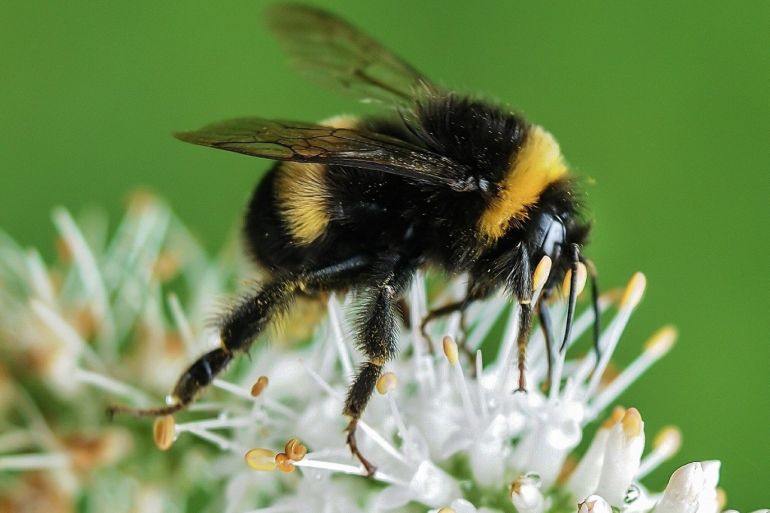
Honey is not a specific place or cultural site but a natural sweet substance produced by bees from flower nectar. Its history of human use dates back thousands of years, with evidence of honey harvesting found in ancient cave paintings and its use as a sweetener, preservative, and even in medicinal practices across various early civilizations.
Fruits
“Fruits” is not a specific place or cultural site, but rather a general category of food. Therefore, it does not have a singular history or location to summarize. The cultivation and consumption of fruits have been central to human agriculture and diet for thousands of years across all cultures.