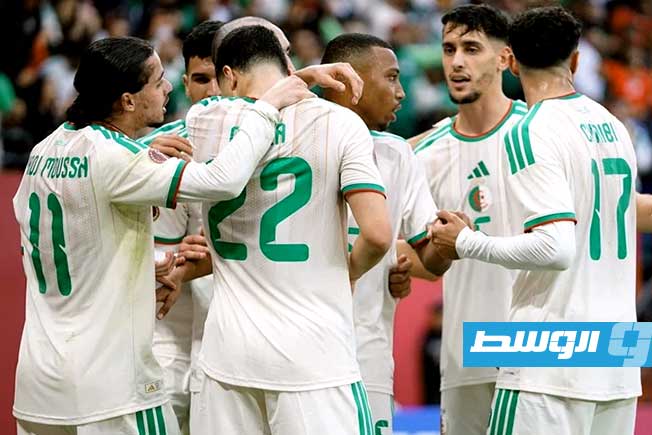
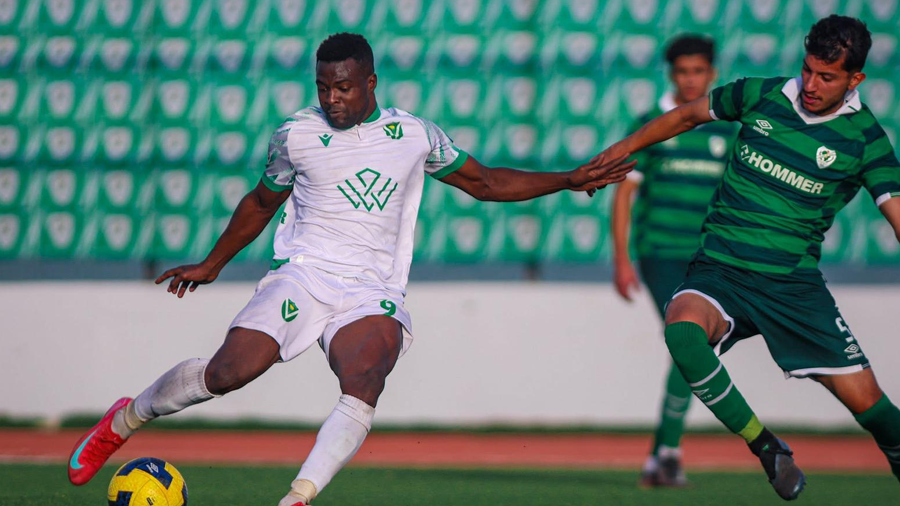
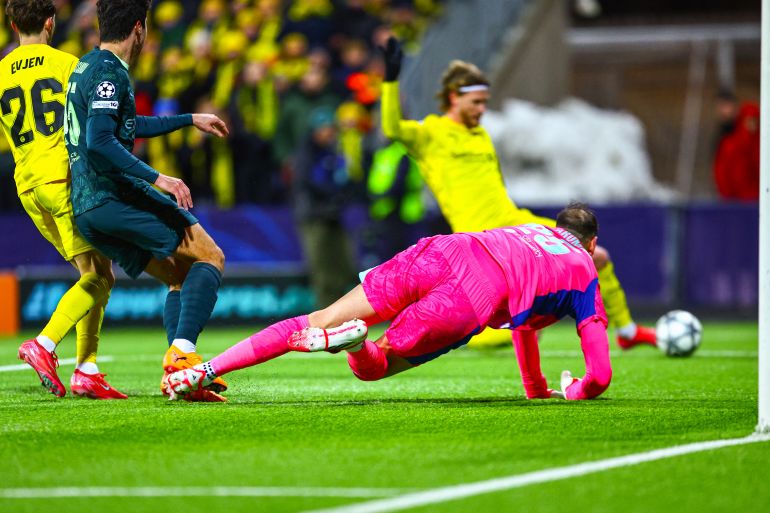
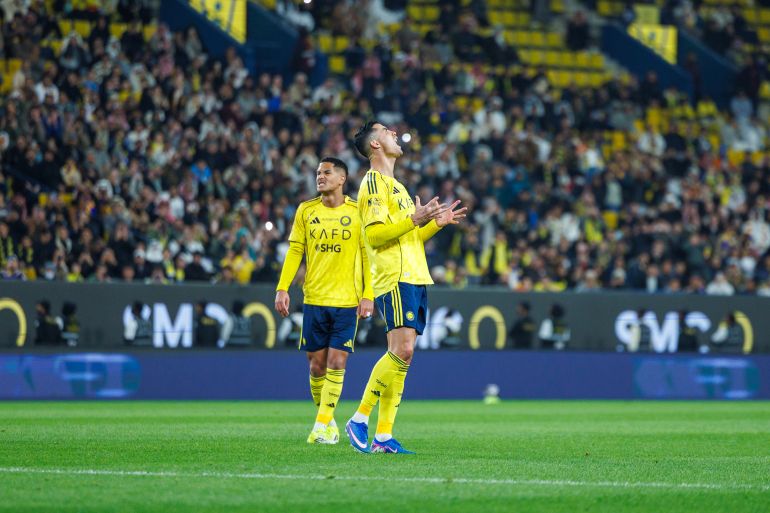
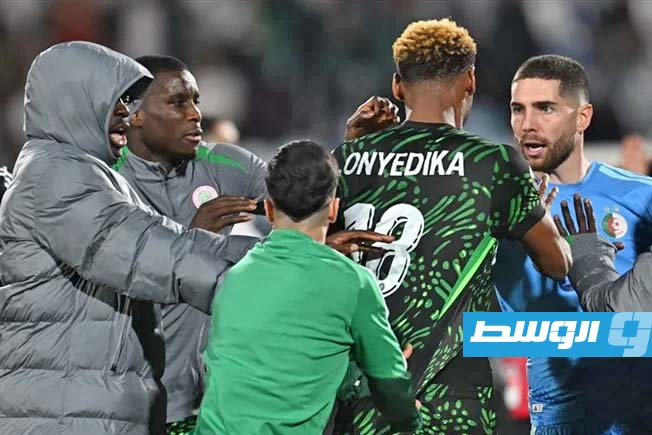
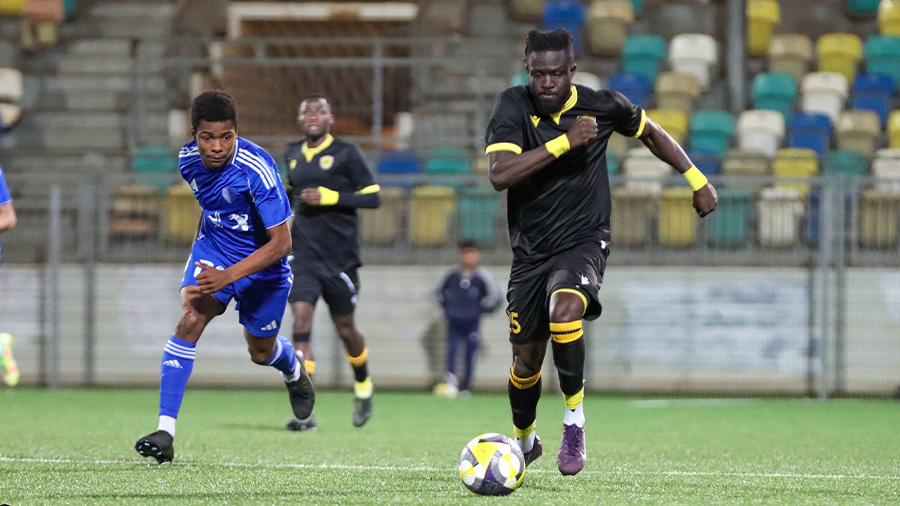
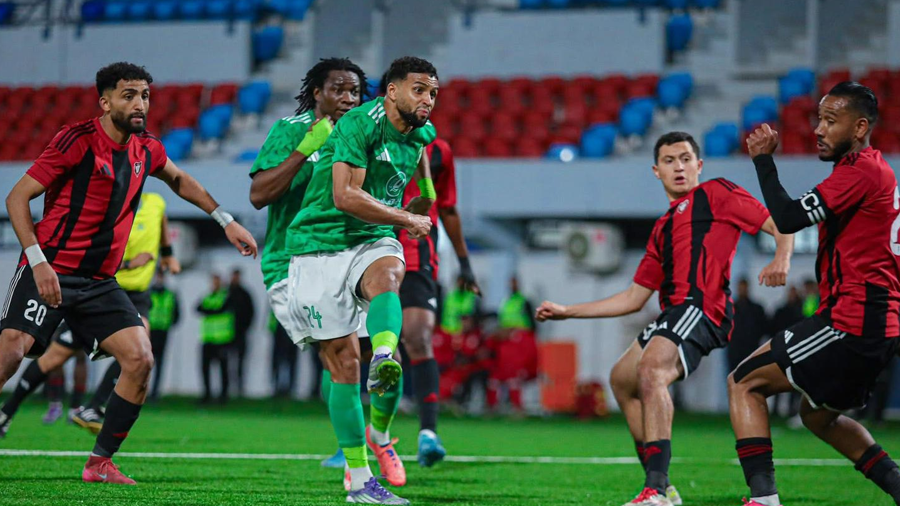
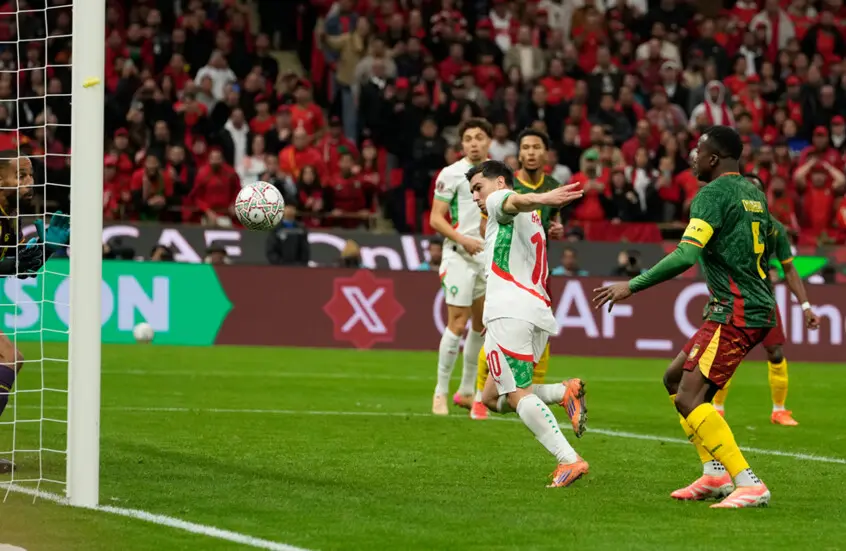
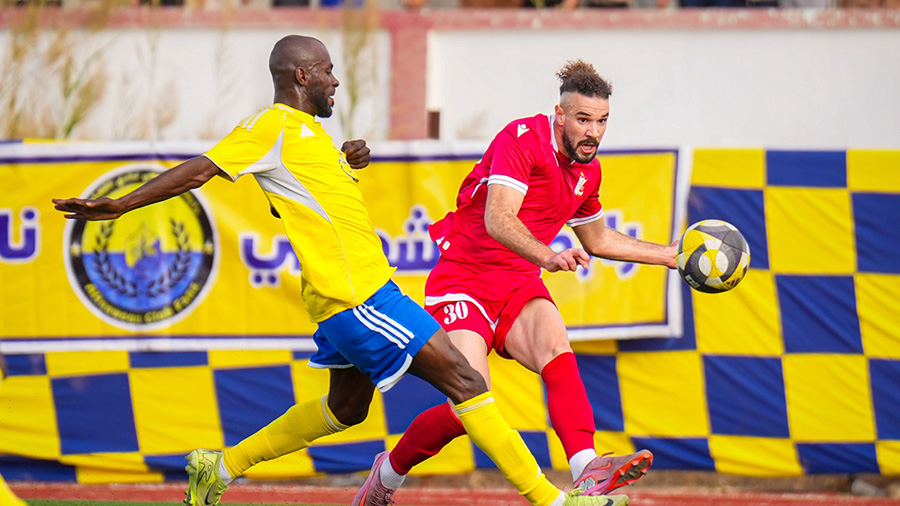
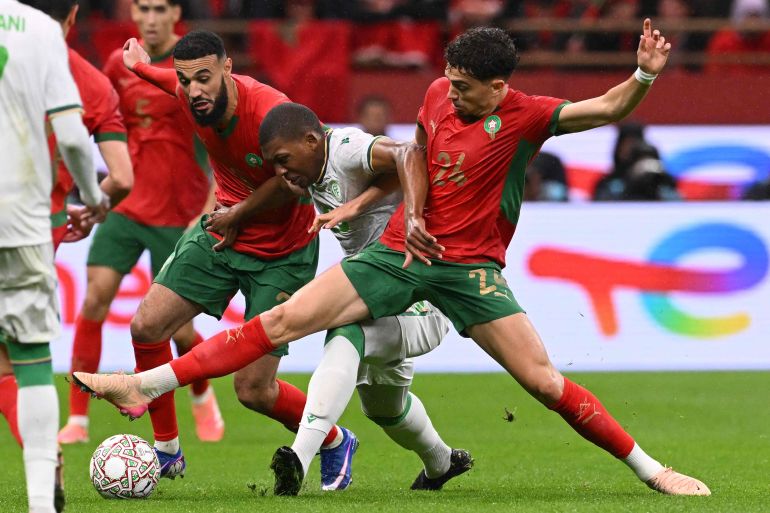
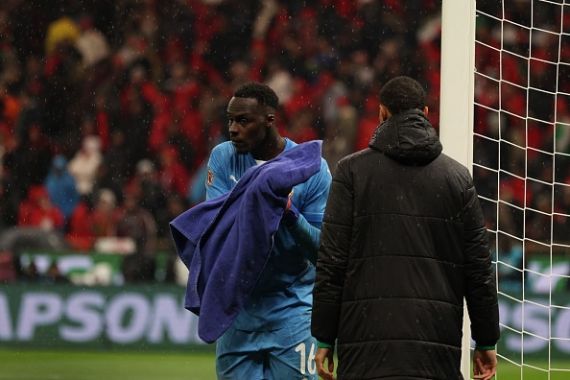
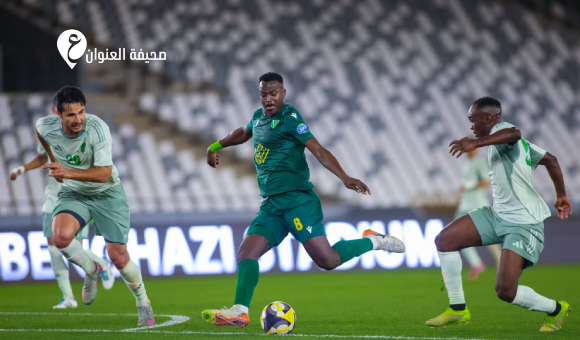
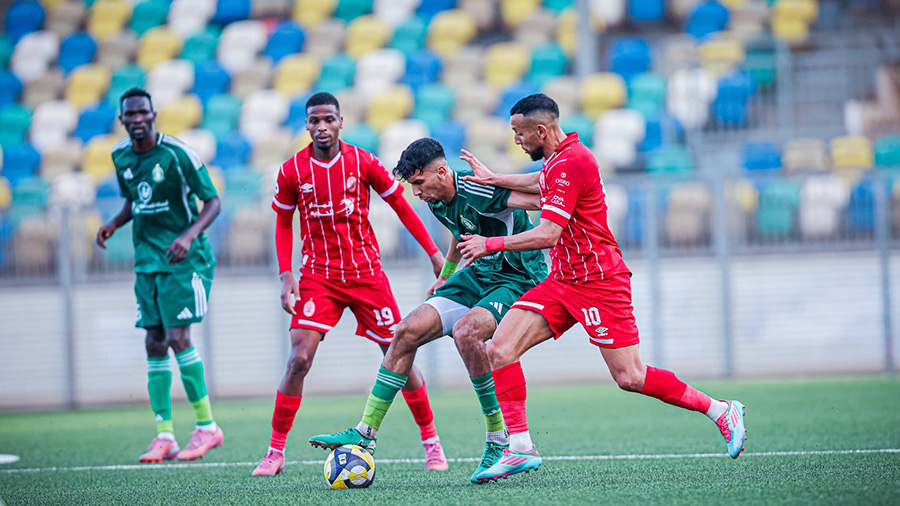
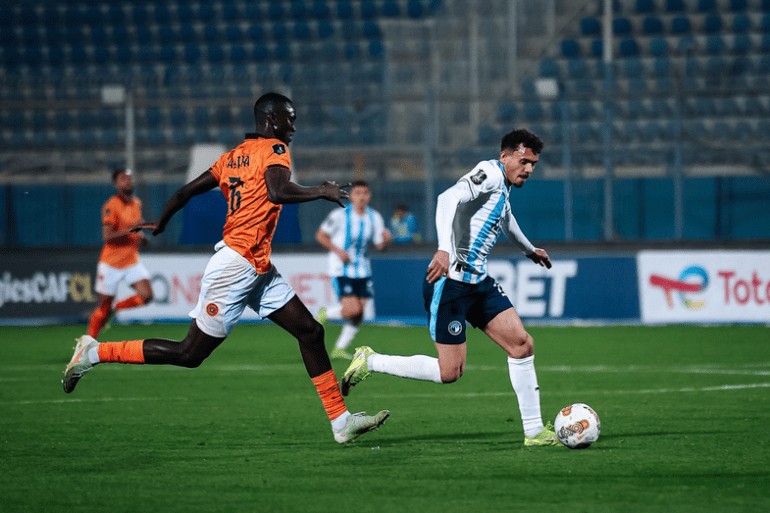
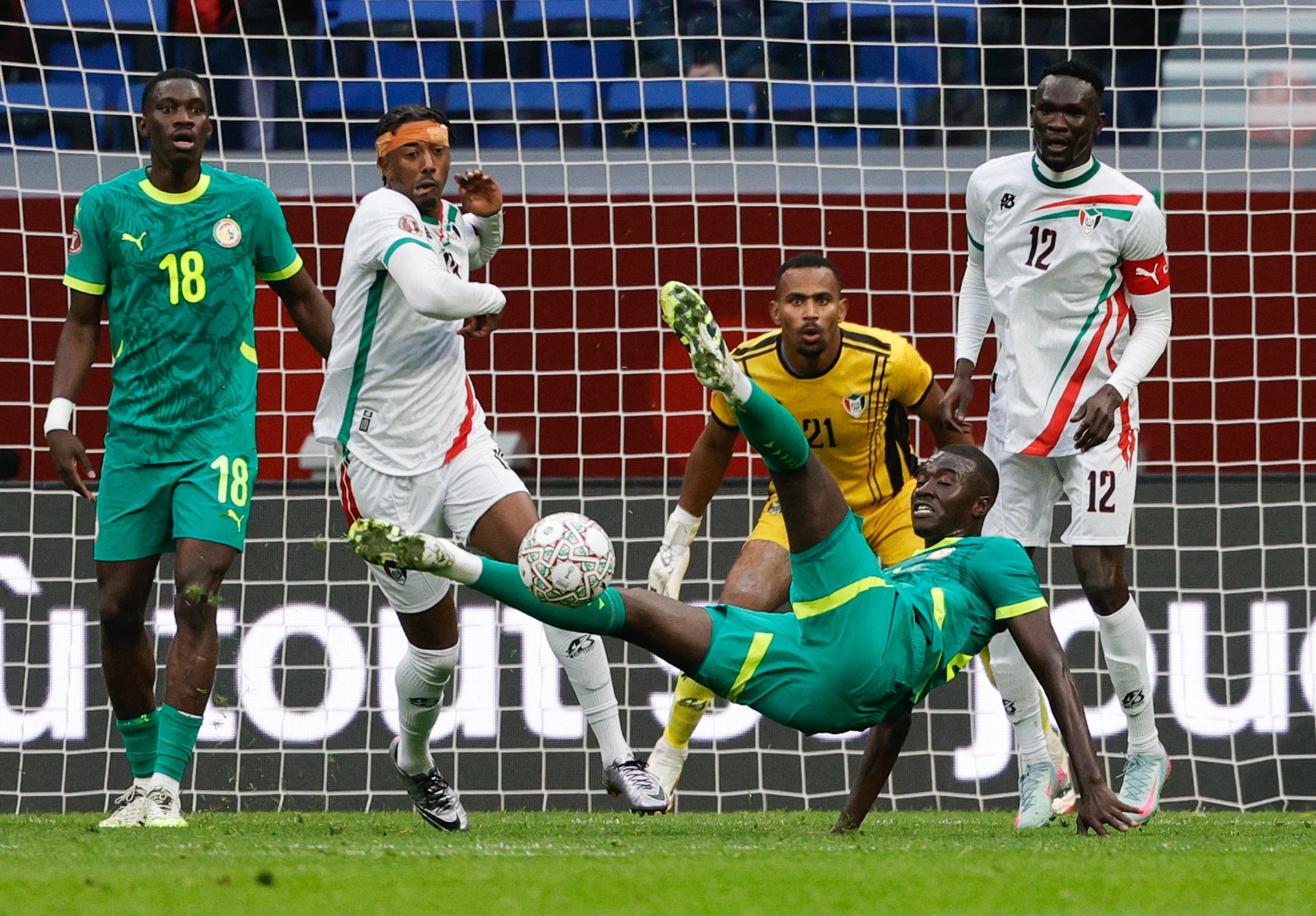
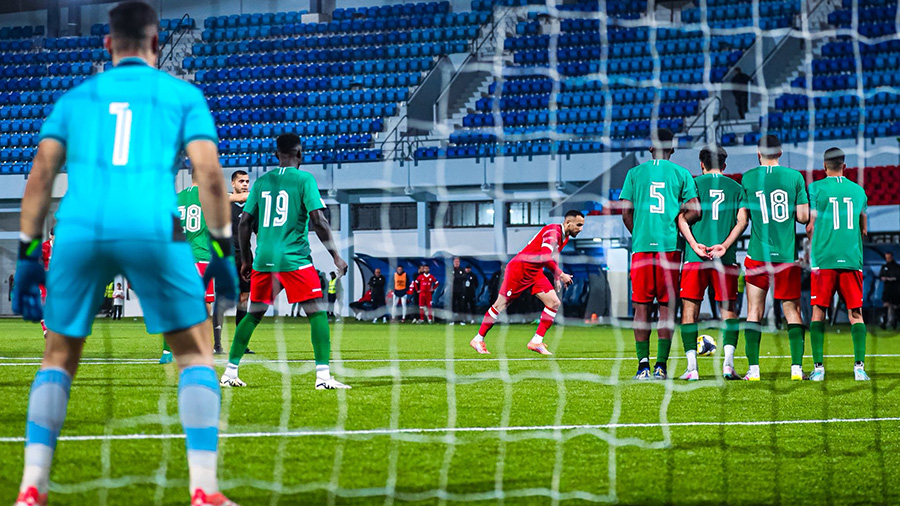
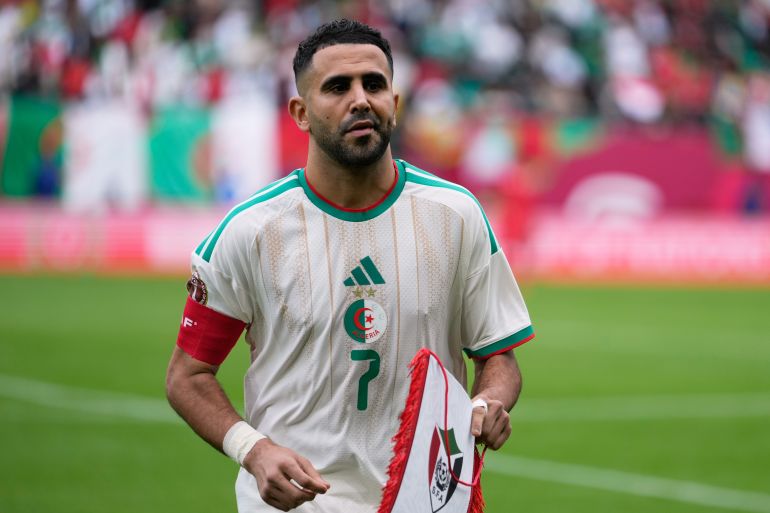
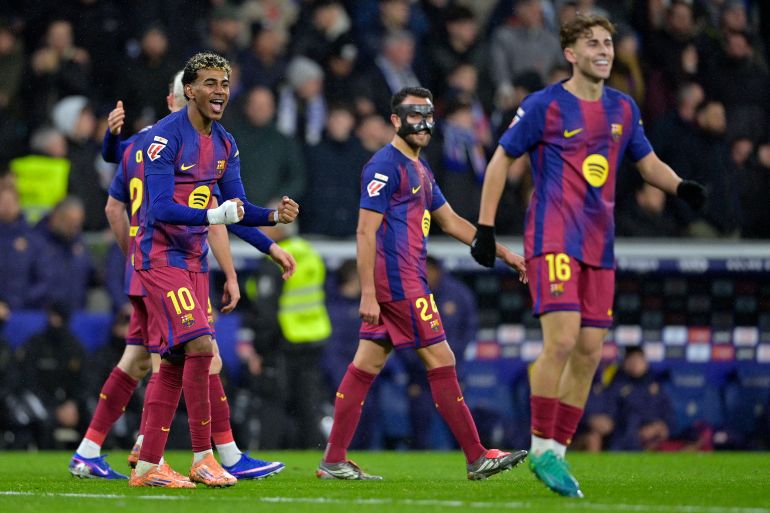
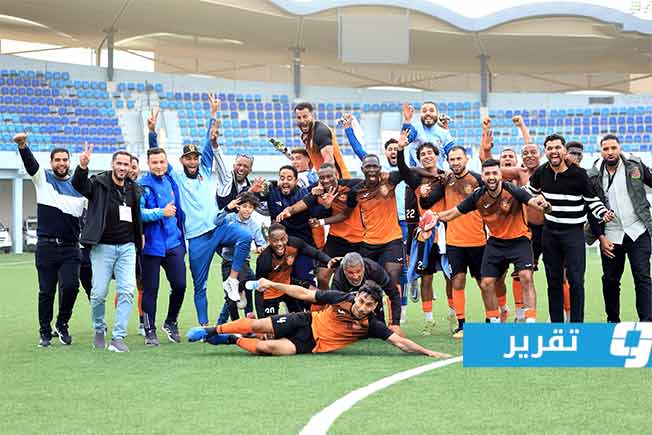
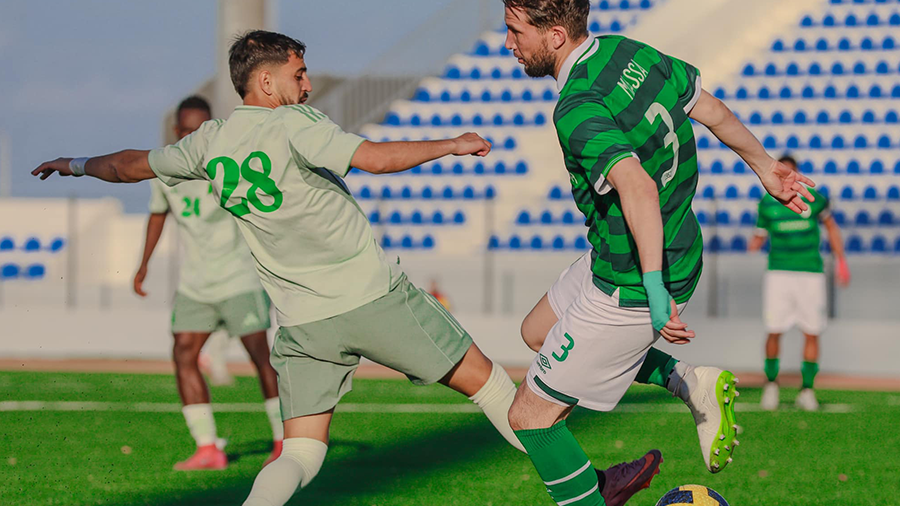
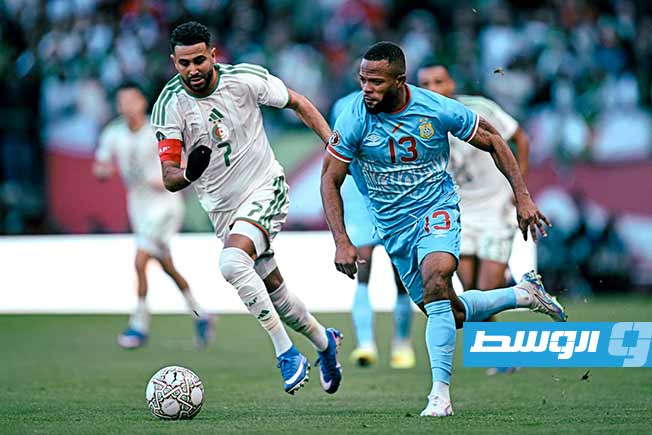
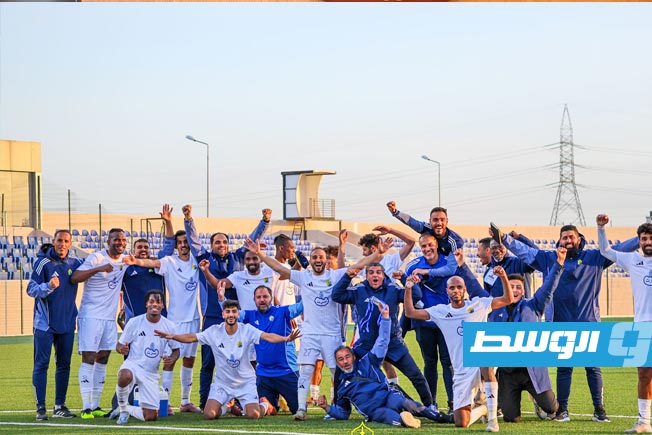
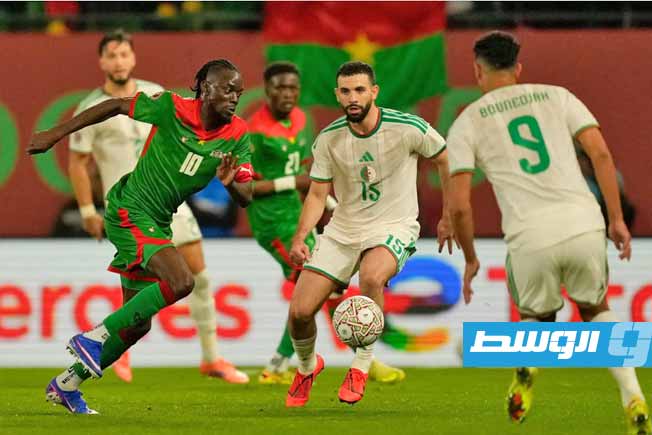
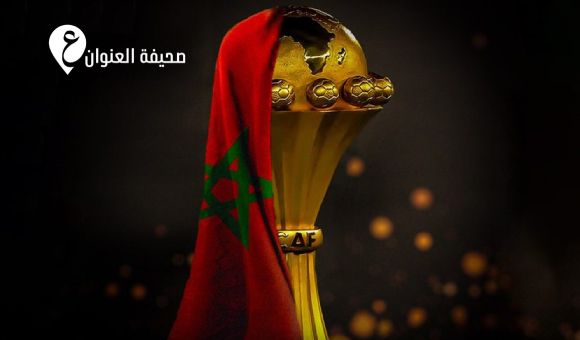
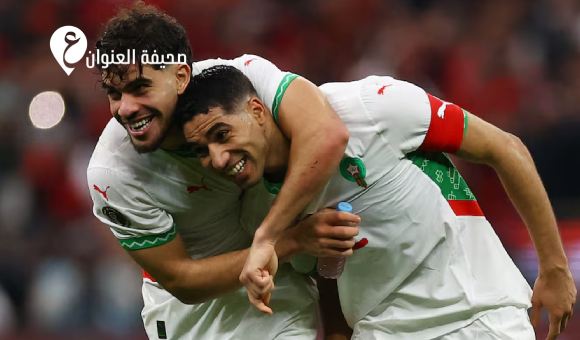
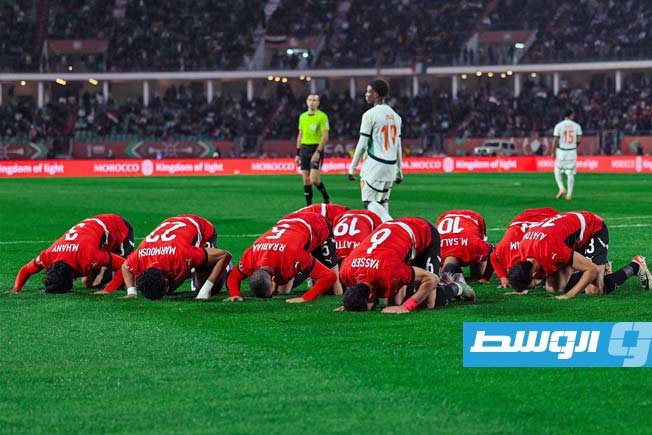
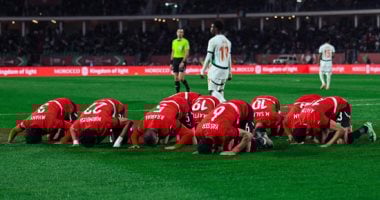
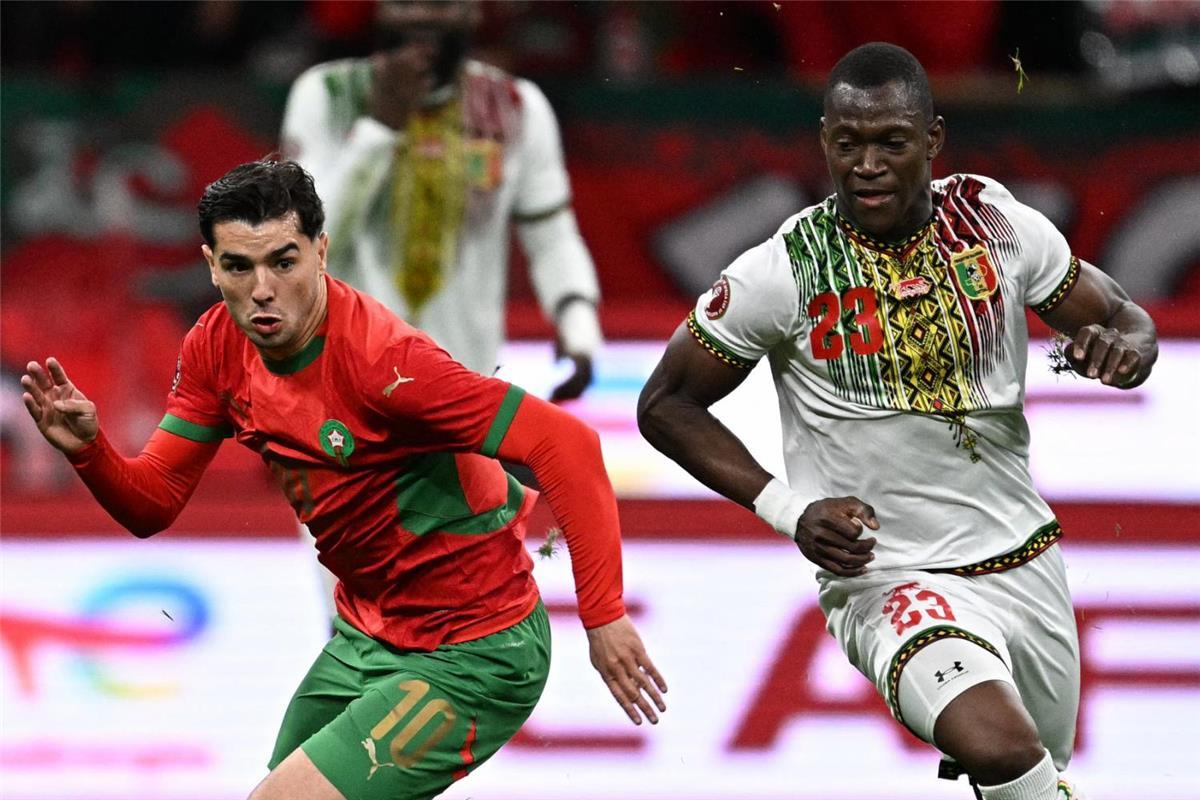
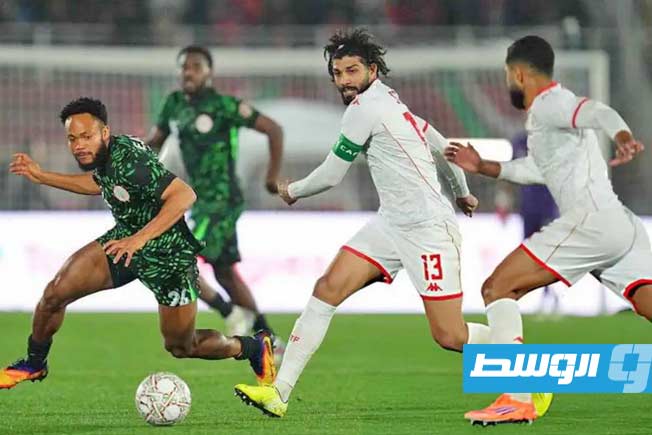
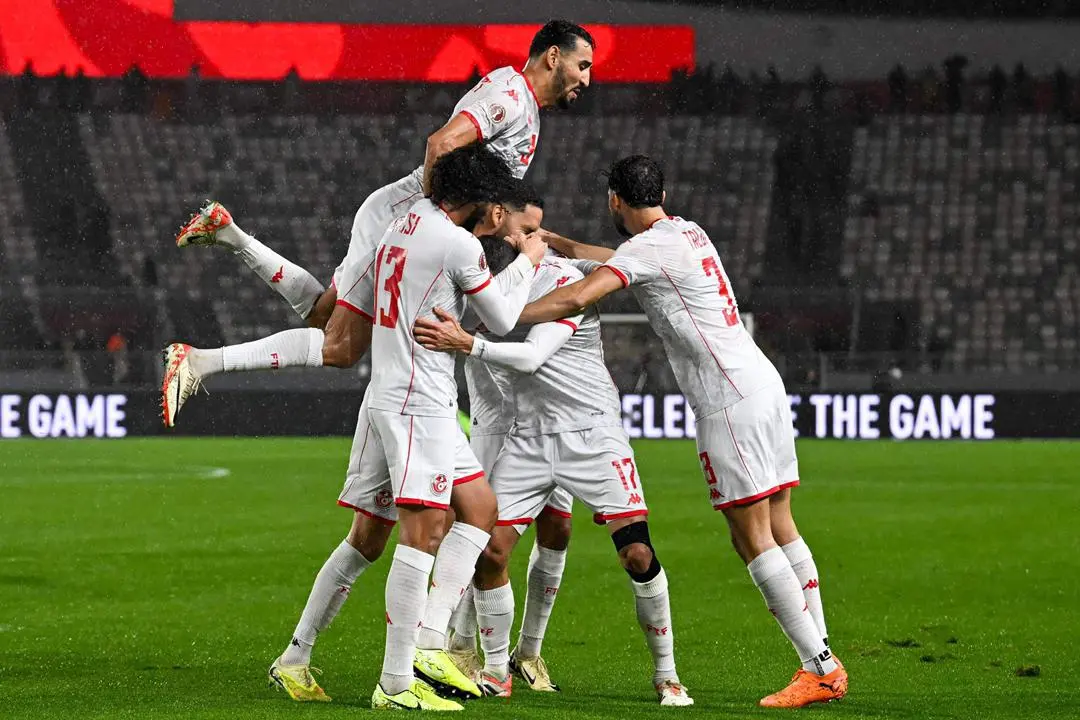
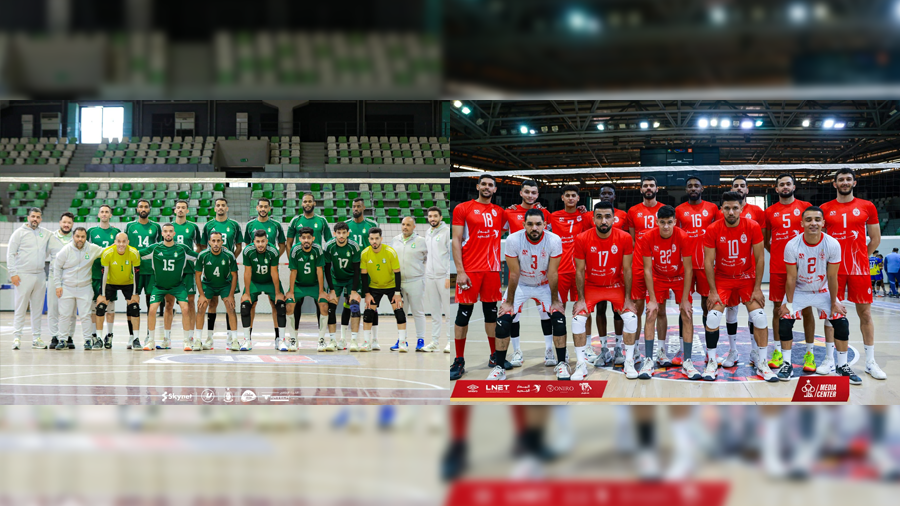
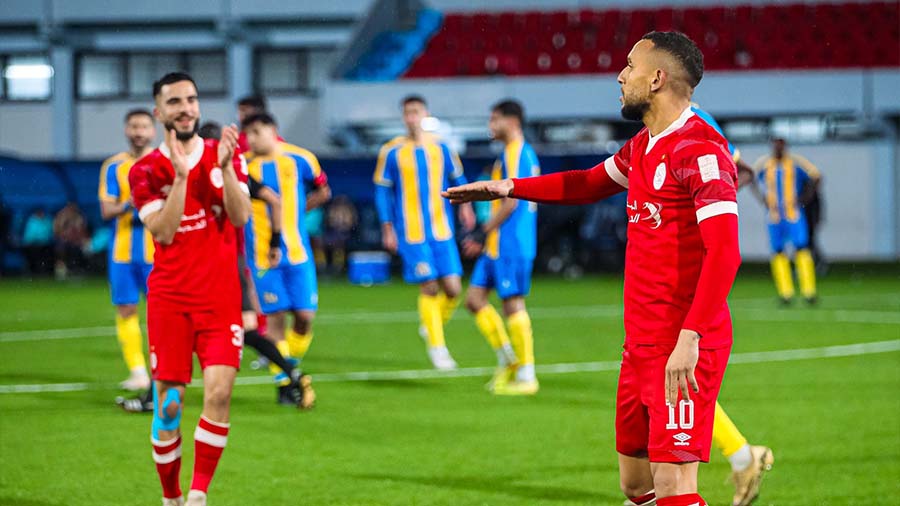
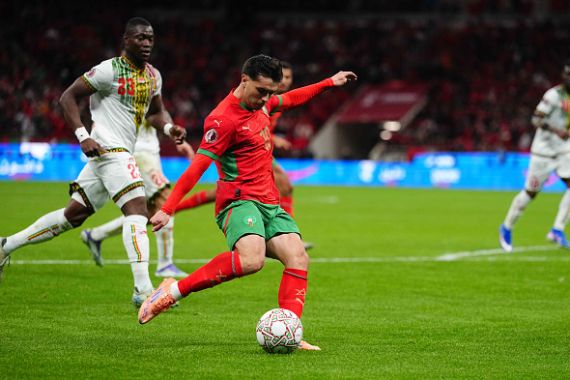
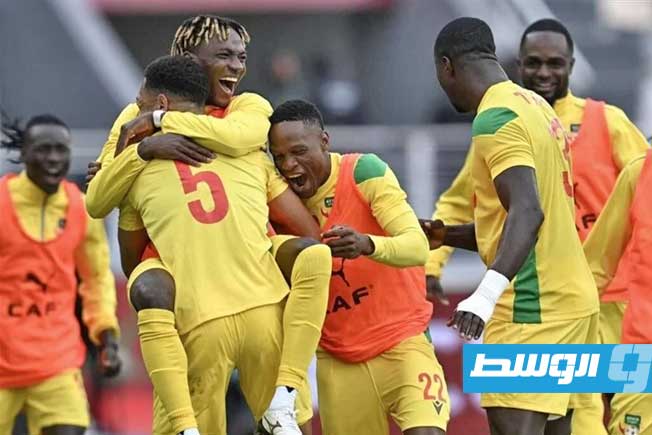
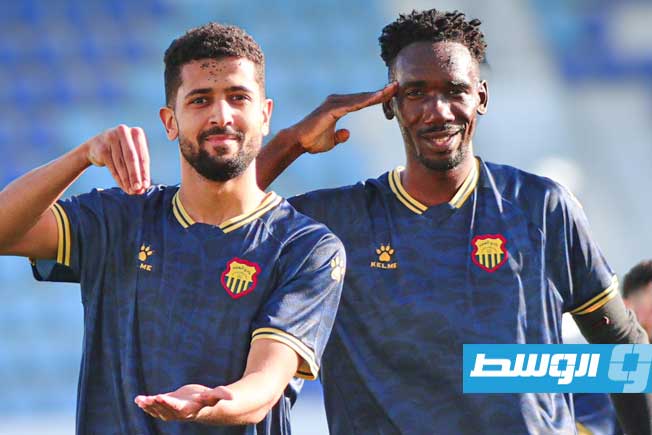
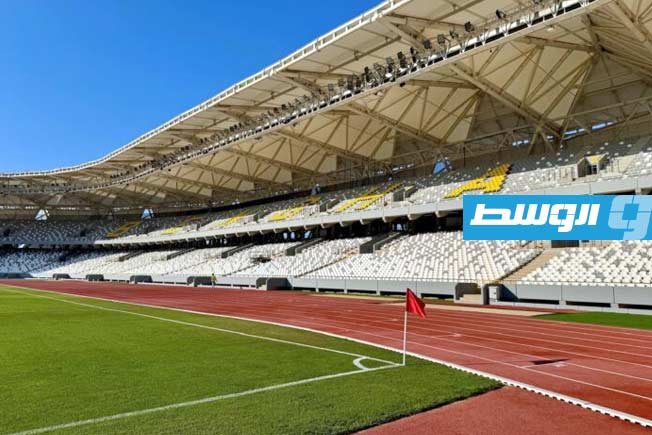
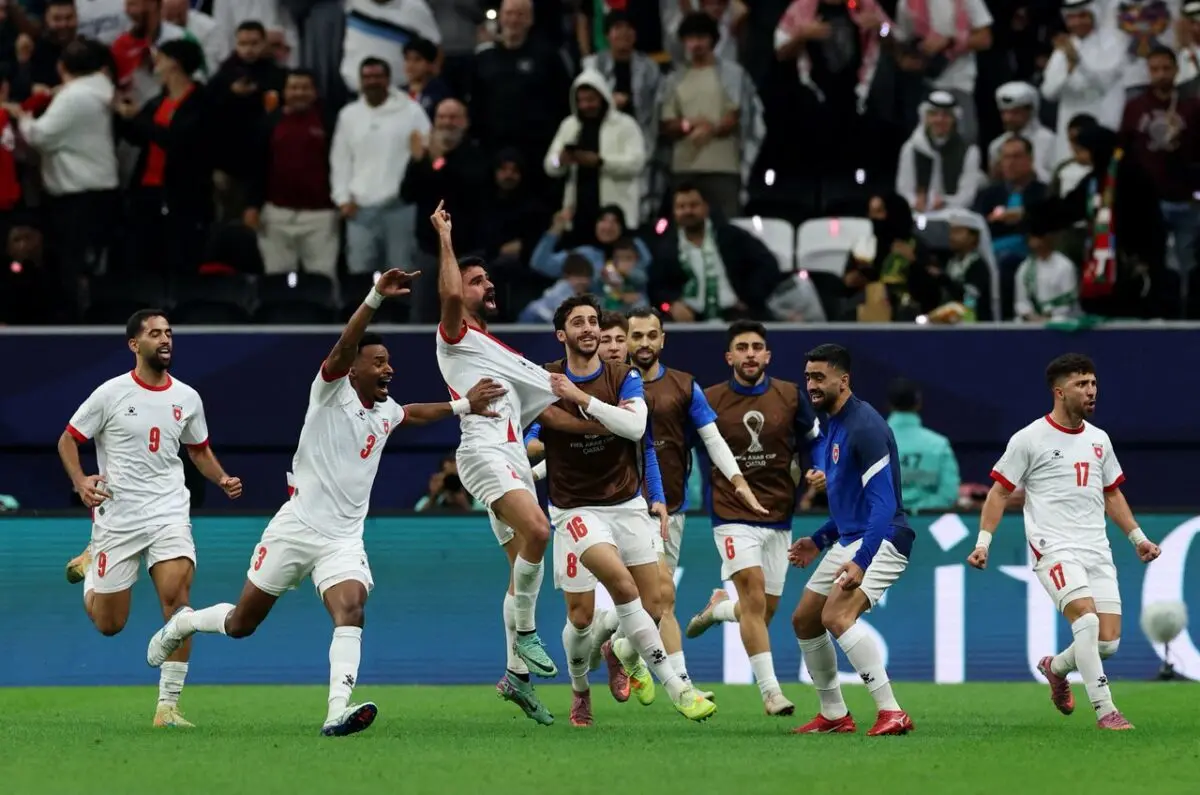
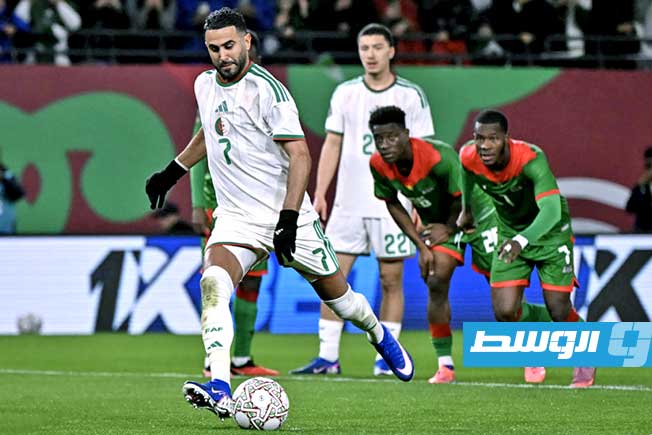
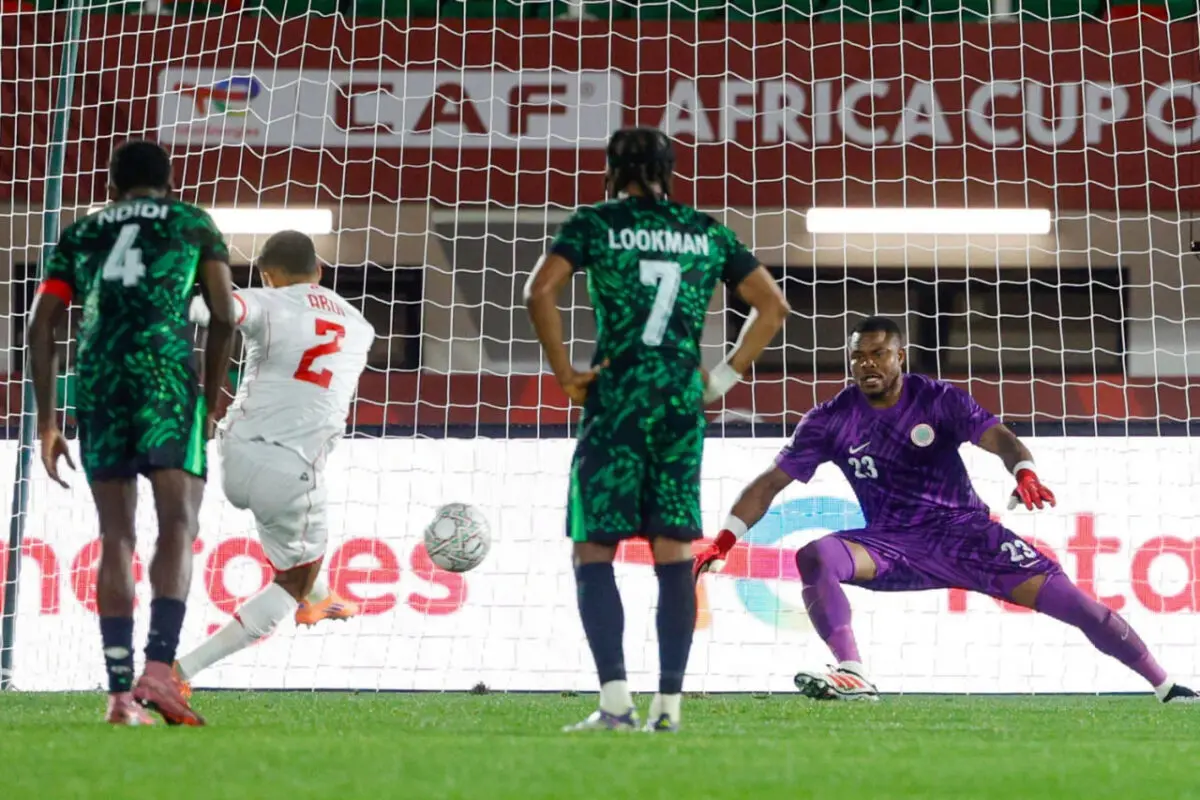
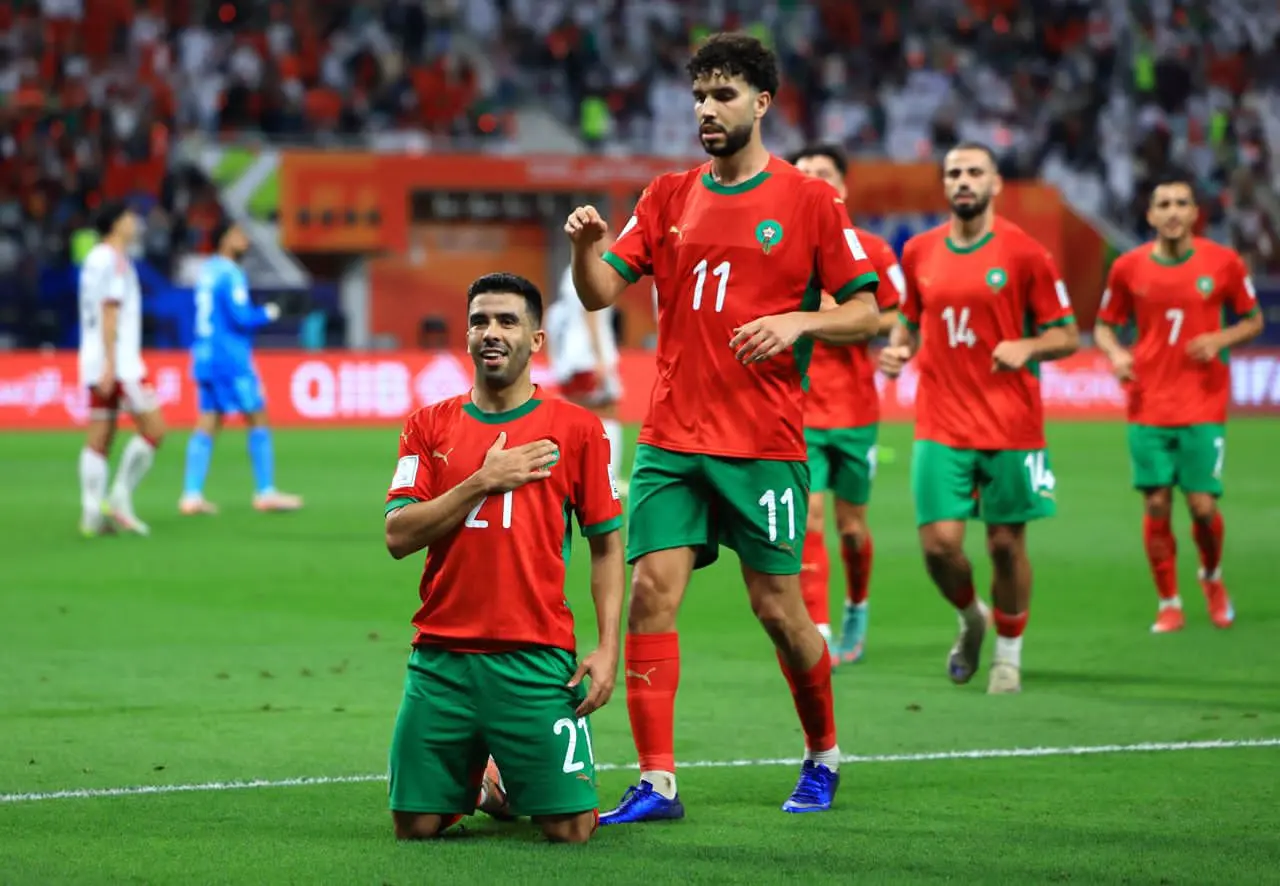
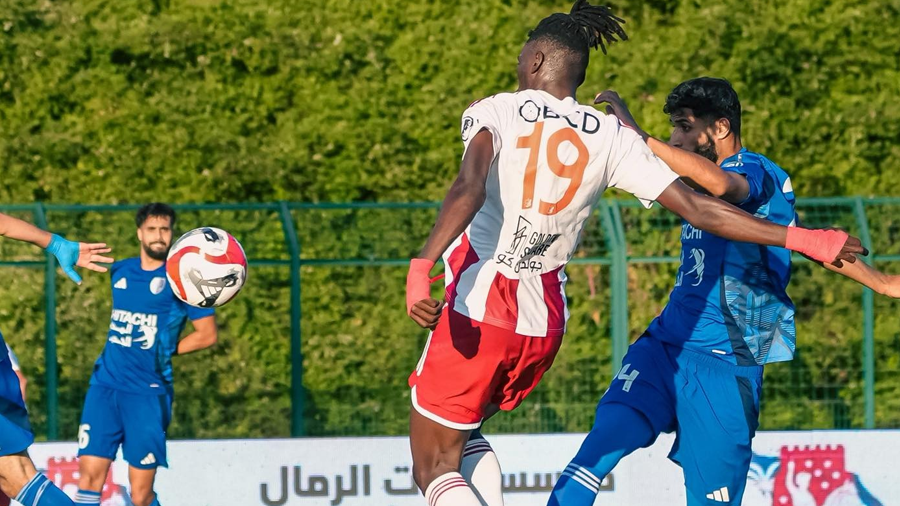
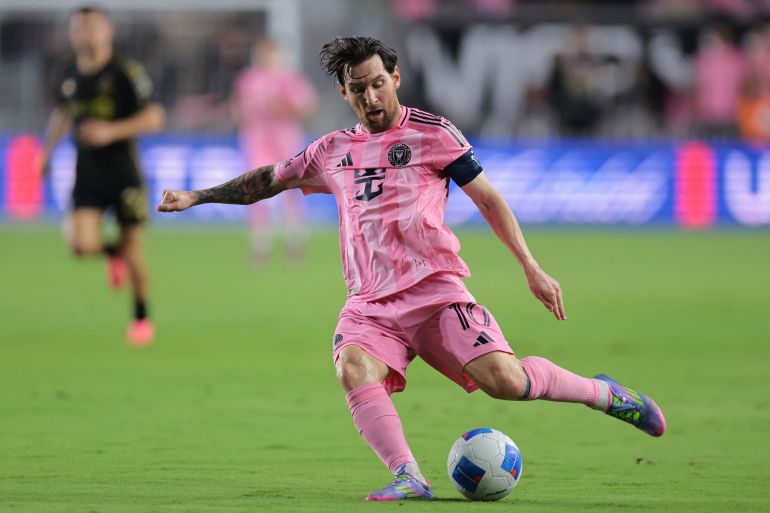
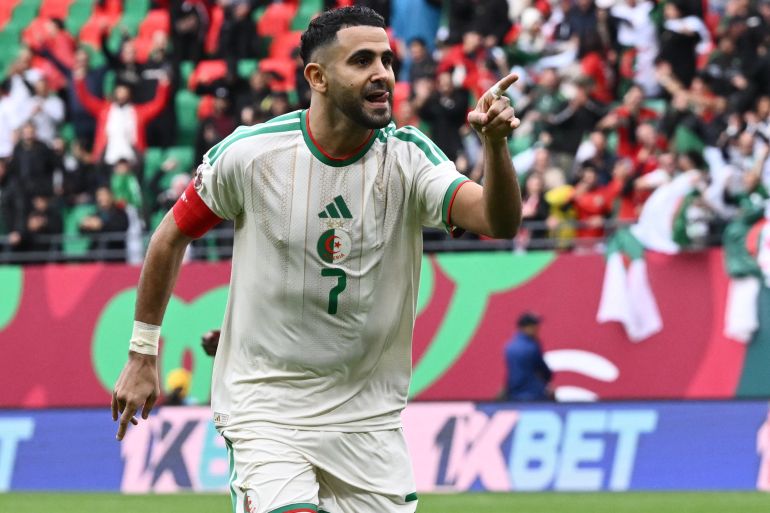
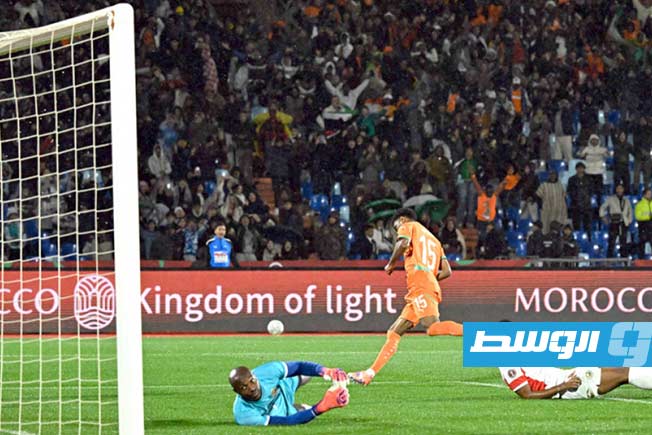
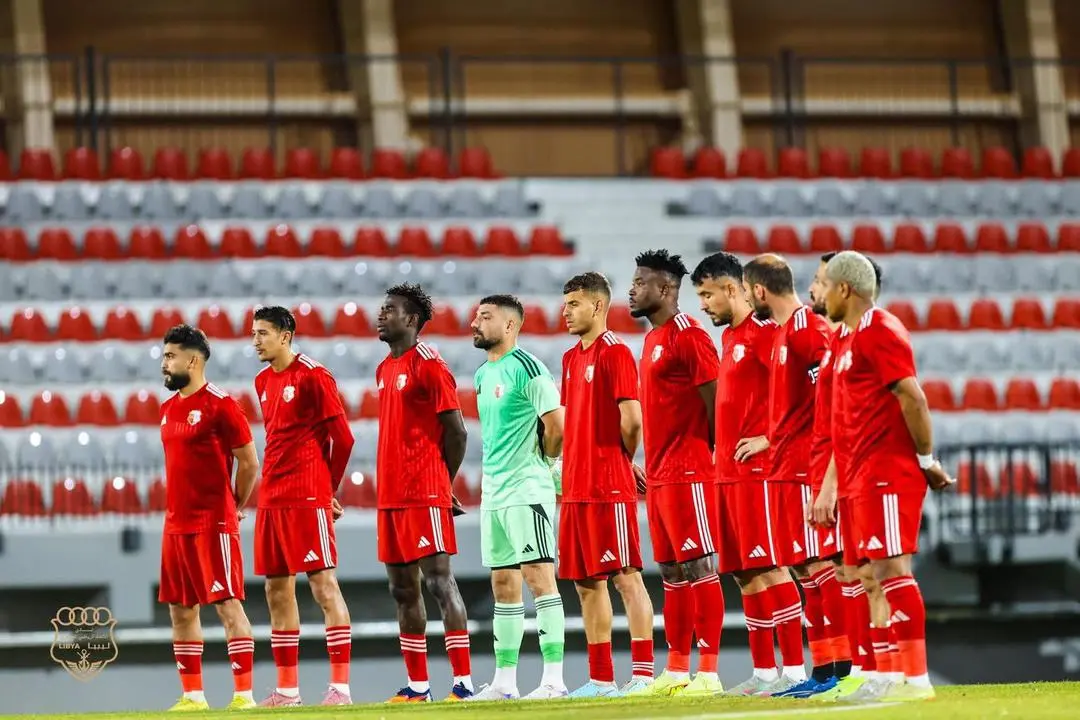
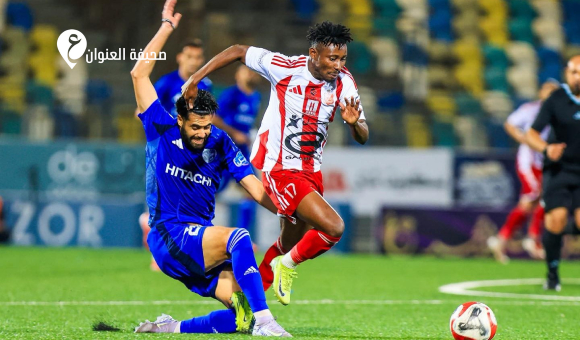
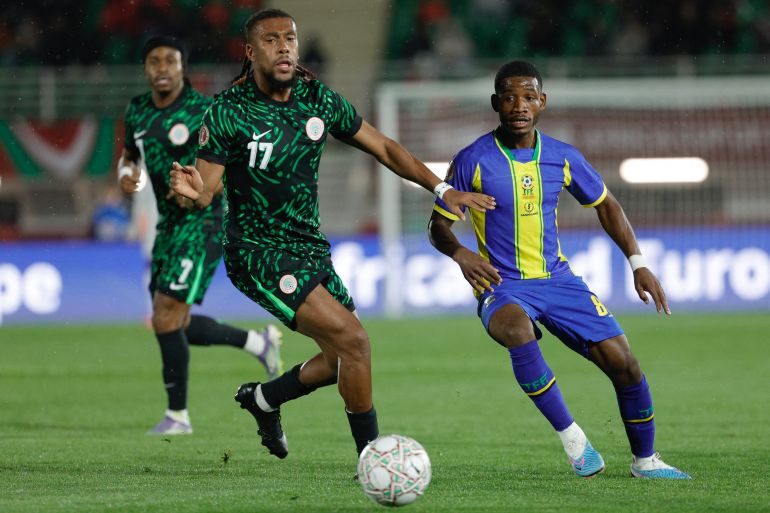
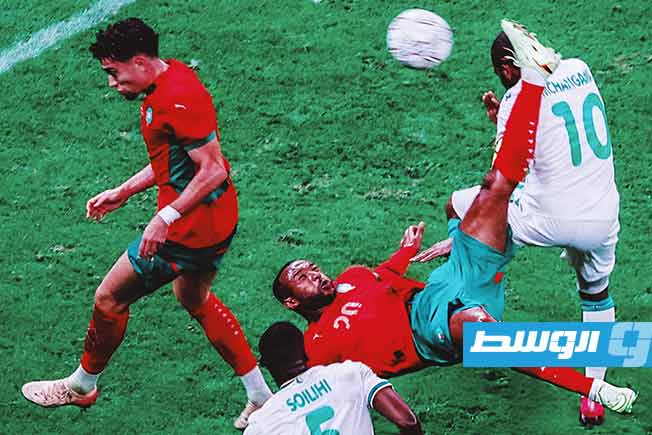
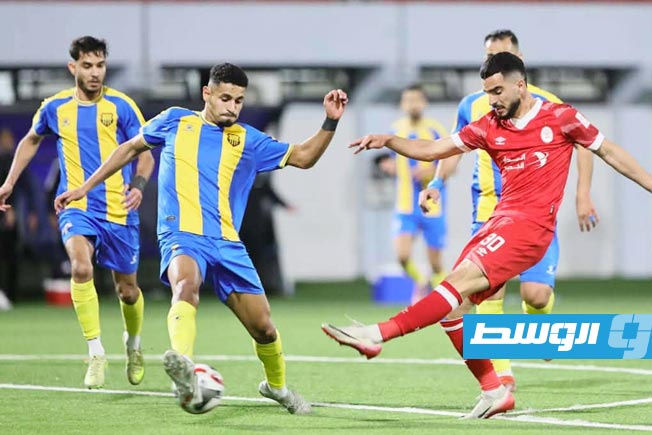
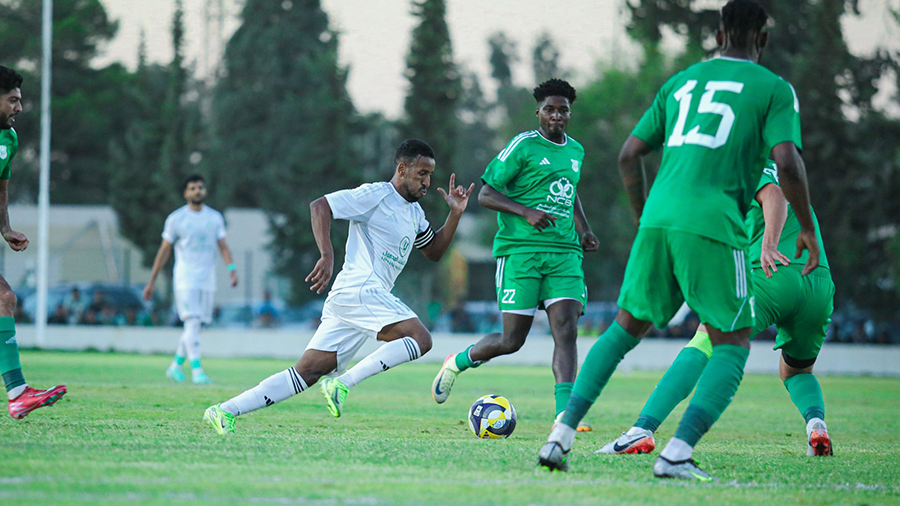
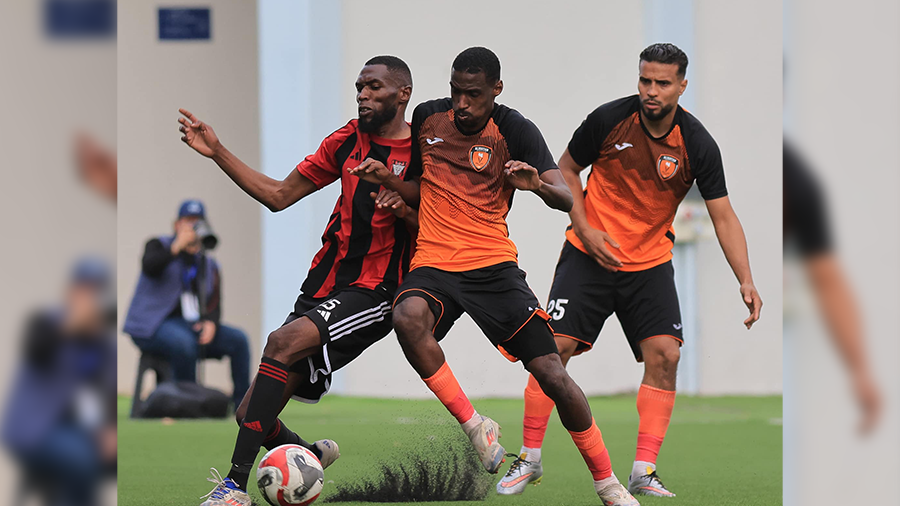
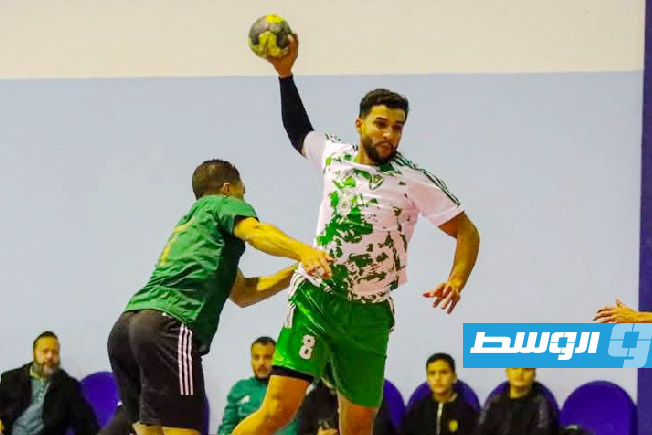
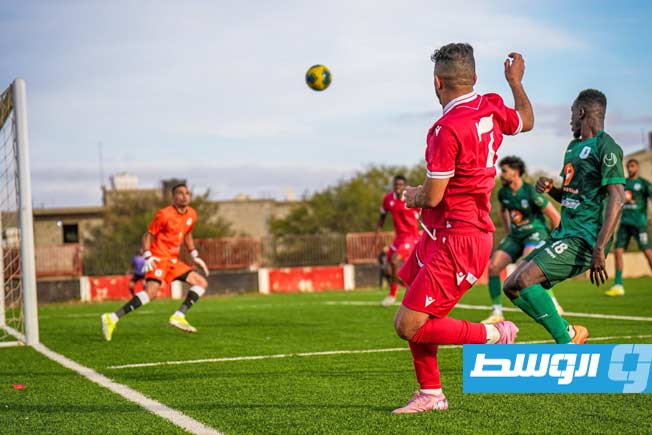
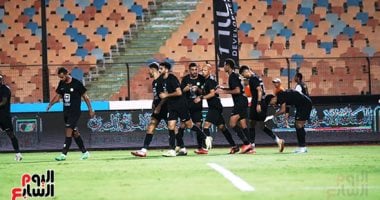
The Algeria national team concluded the group stage of the Africa Cup of Nations, currently being held in Morocco, with a perfect record after defeating Equatorial Guinea 3-1 in the match held on Wednesday evening, marking the end of Group Five matches. Meanwhile, Burkina Faso secured second place with a 2-0 victory over Sudan.
The national teams of Algeria, Burkina Faso, and Sudan had already secured their qualification for the round of 16 during the second round. With this win, Algeria achieved its third victory, raising its total points to nine, followed by Burkina Faso with six points, and then Sudan with three points.
Algeria to face Congo
The Algeria national team, which had already secured the top spot in the group after defeating Burkina Faso last Sunday, will meet the Democratic Republic of Congo in the round of 16.
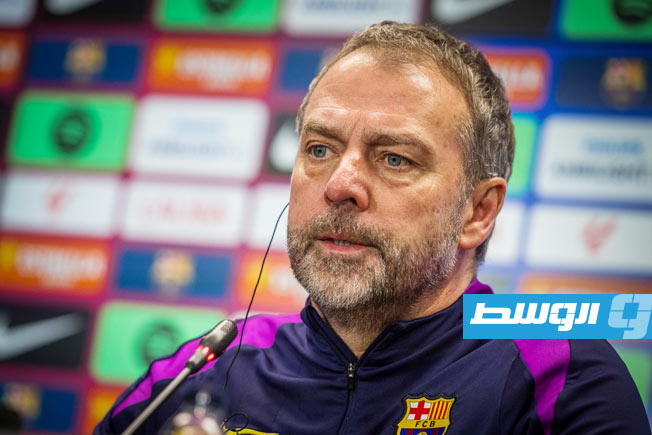
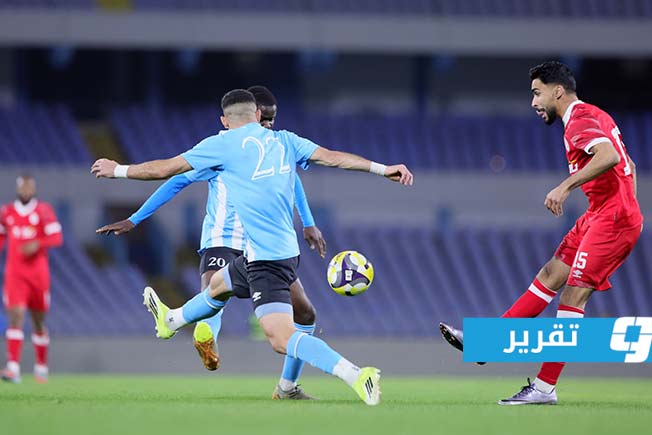
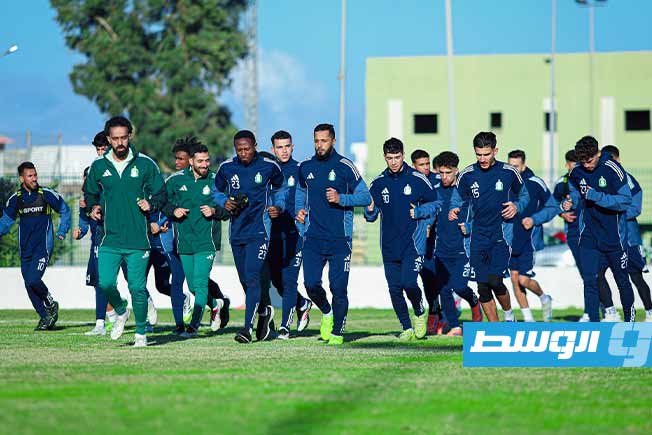
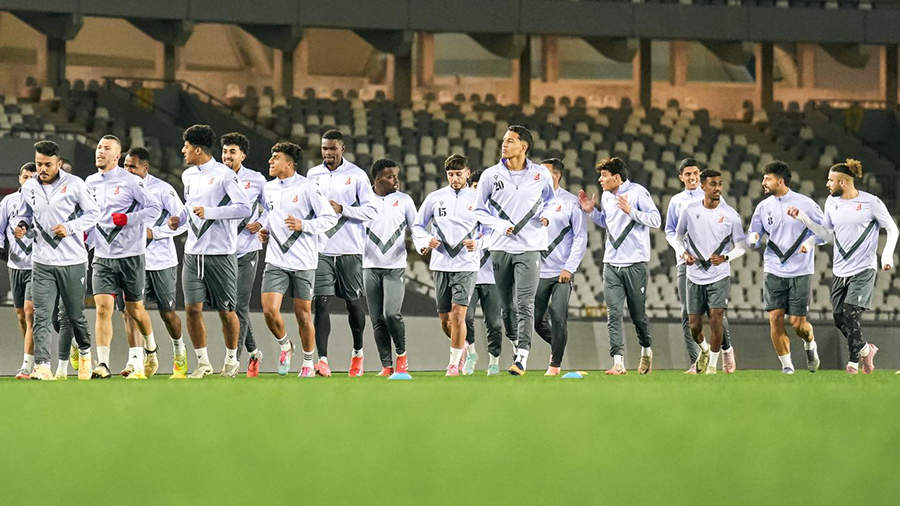
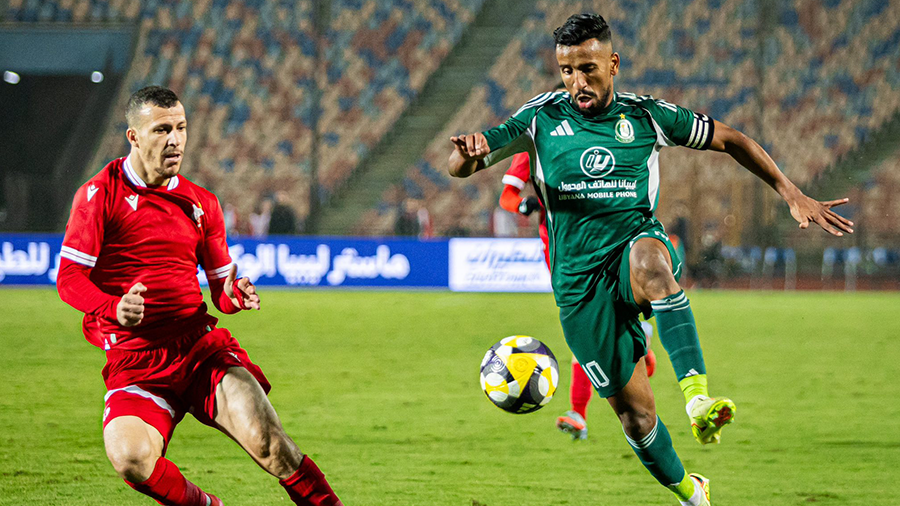
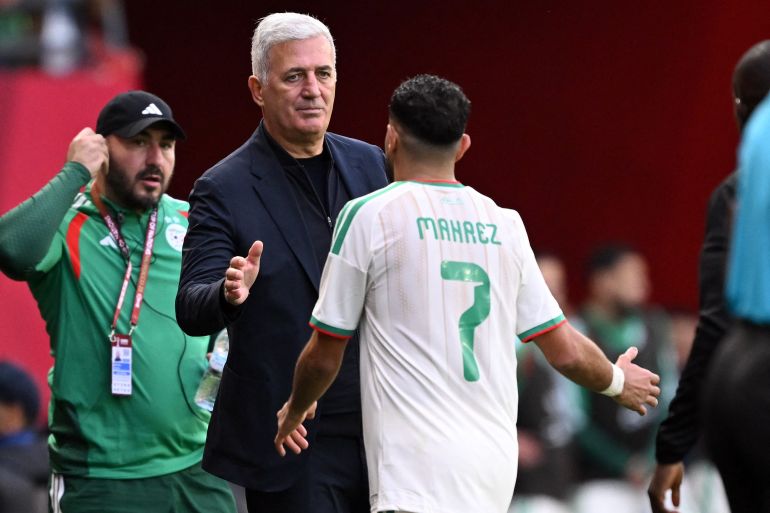
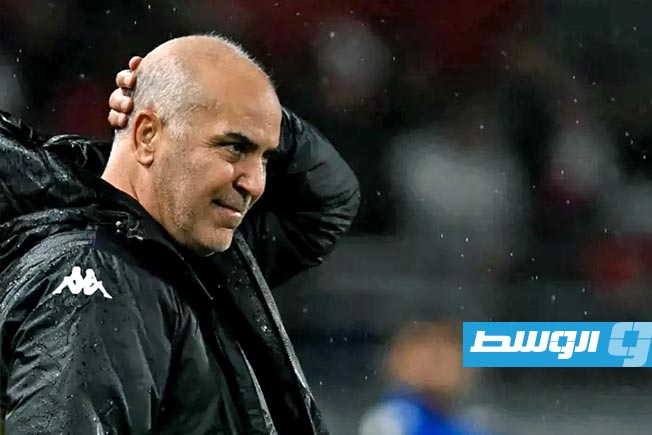
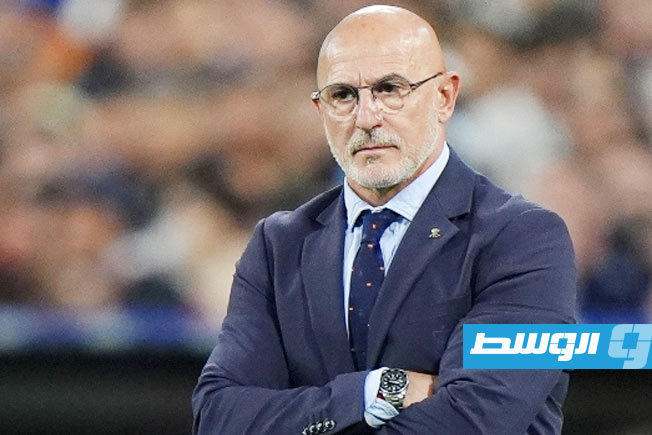
The team’s coach made nine changes to the starting lineup today, giving substitutes a chance. Nevertheless, the “Desert Warriors” delivered a convincing performance, dominating possession and applying offensive pressure throughout both halves of the match.
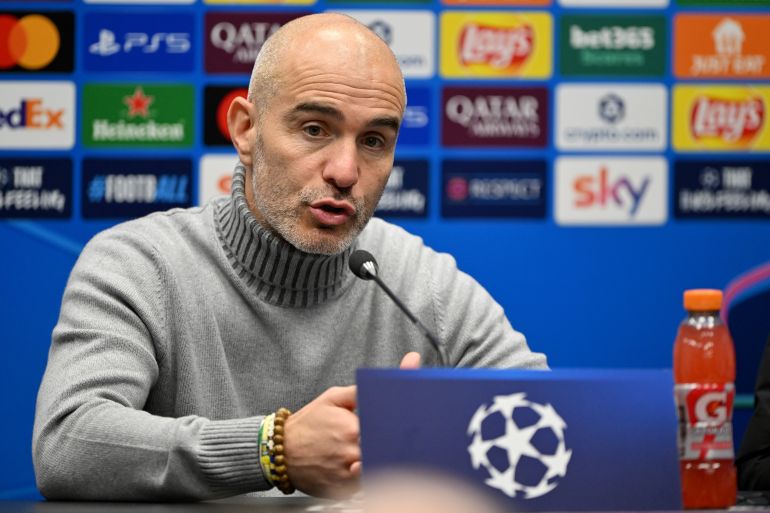
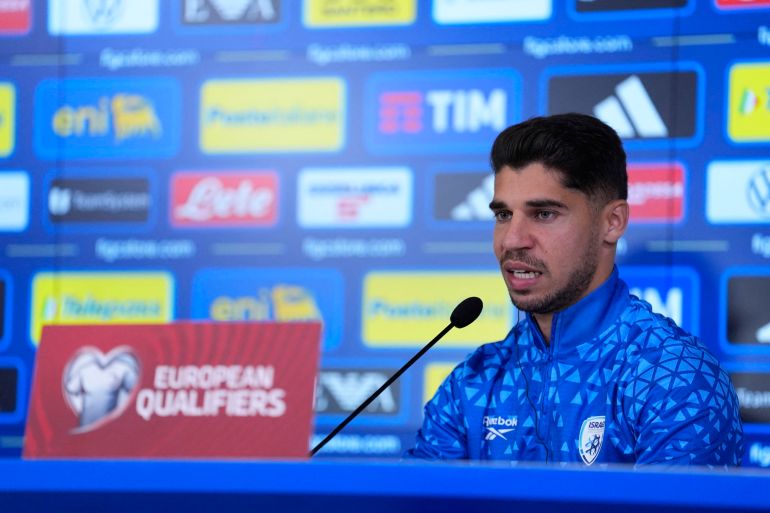
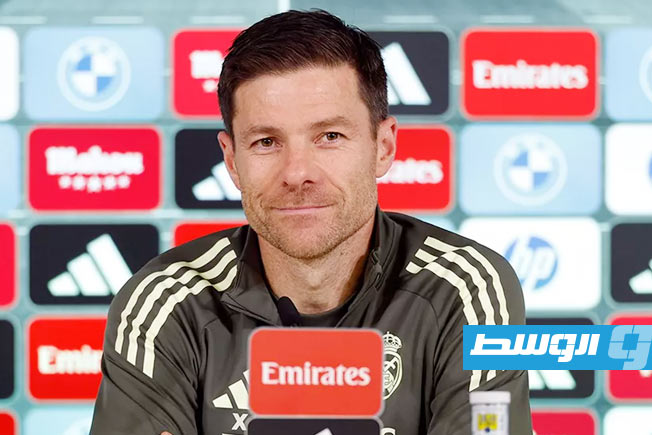
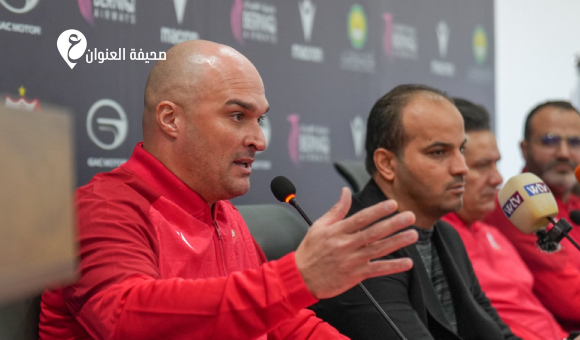
– The Africa Cup of Nations is a complex tournament, and the fans and media put pressure on us.
–
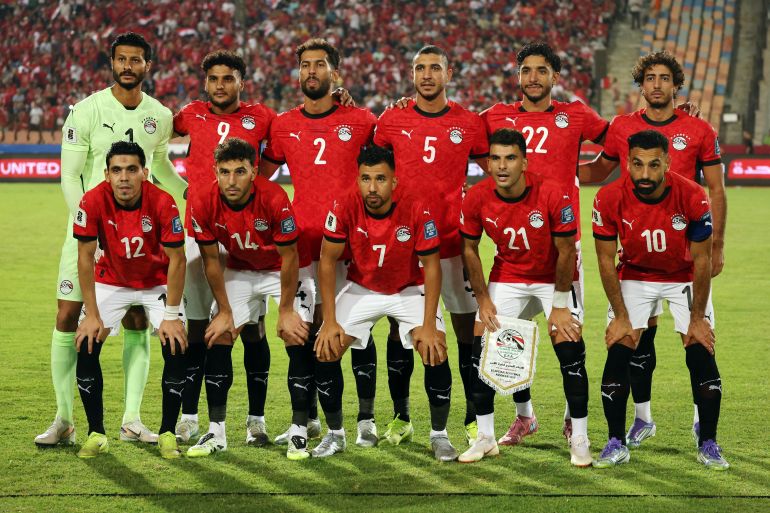
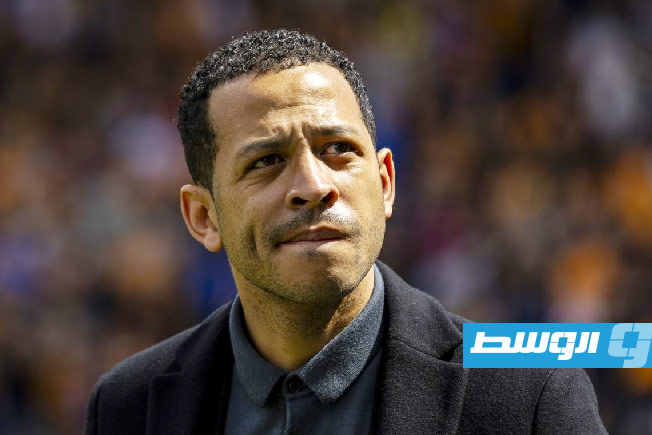
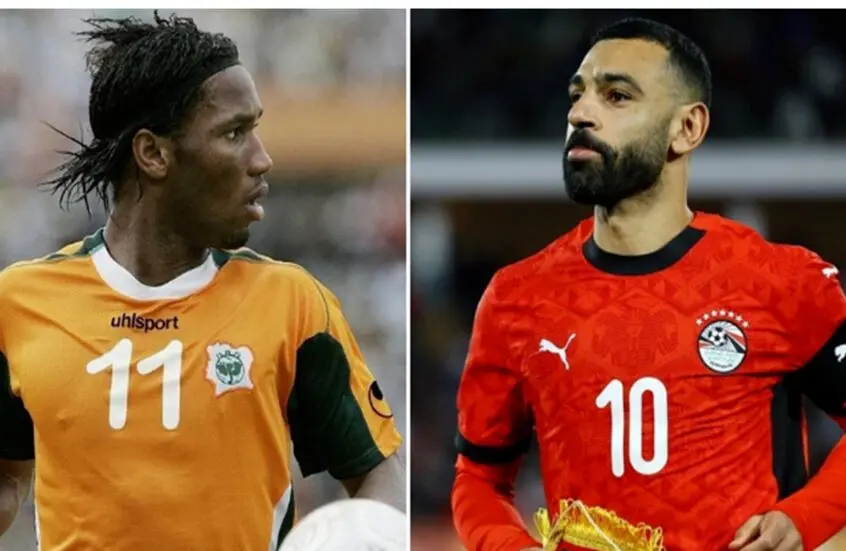
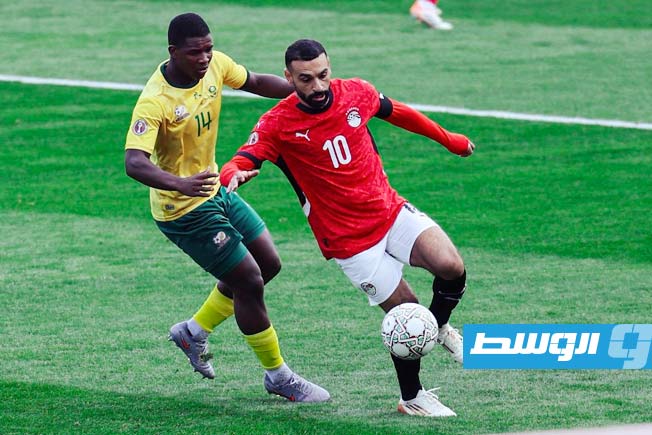
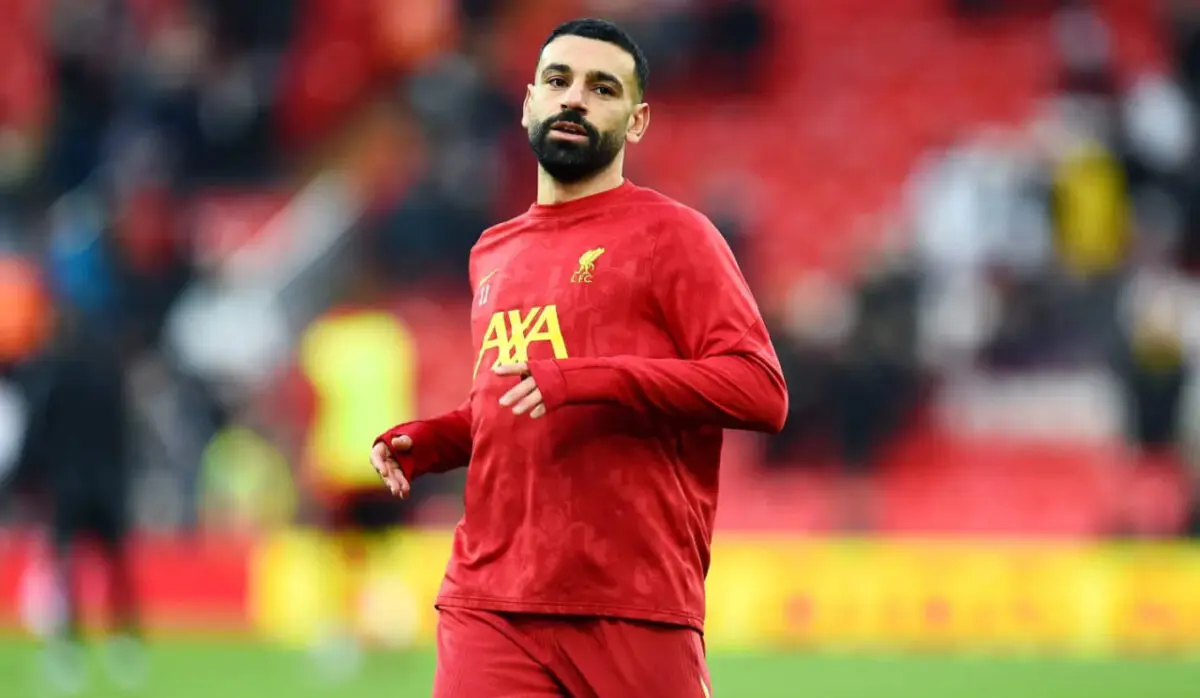
The coach of the South Africa national team puts Mohamed Salah in the spotlight with a strange statement.
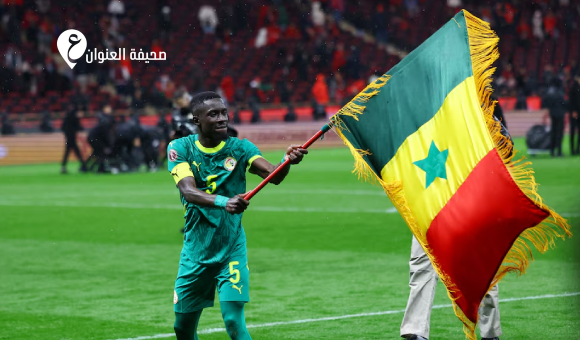
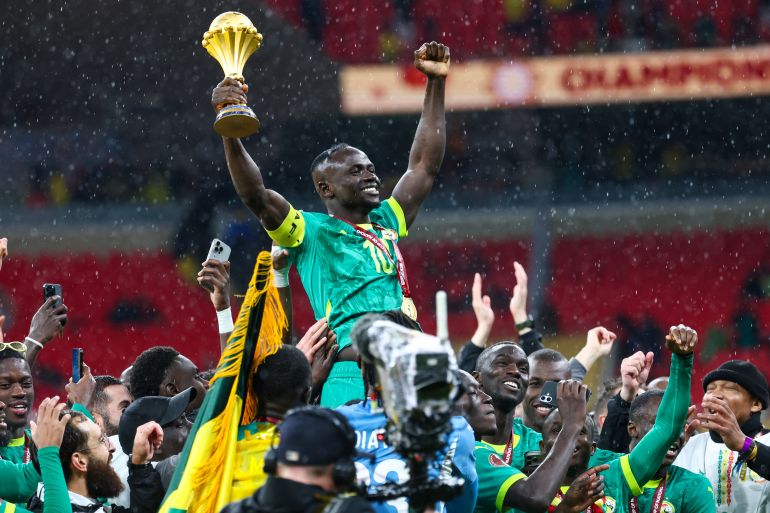
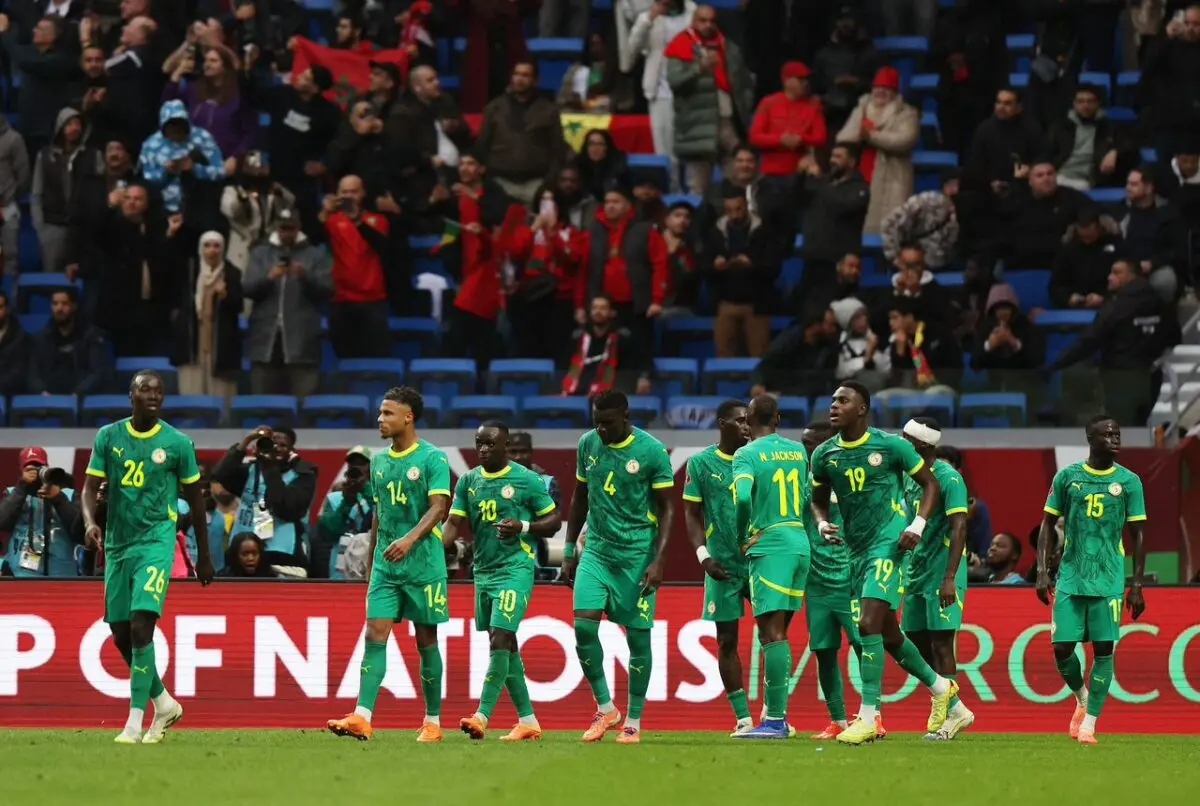
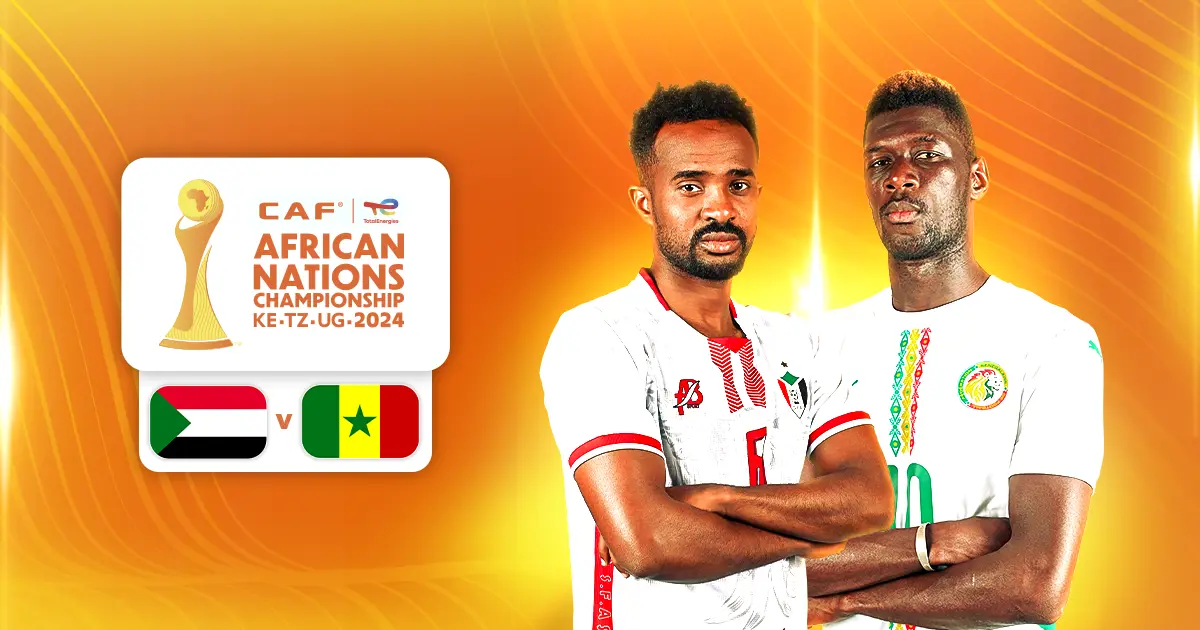
Burkina Faso awaits the results of today’s Group Six matches to determine its opponent in the round of 16, as it could face Ivory Coast, Cameroon, or Mozambique. Meanwhile, Sudan faces a tough test next Saturday in Tangier against the Senegal national team, the 2021 champions.
Algeria
Algeria is a North African country with a rich history shaped by ancient Berber kingdoms, Roman rule, and centuries of Ottoman influence. It was a French colony from 1830 until achieving independence in 1962 after a protracted war of liberation. Today, it is the largest country in Africa and the Arab world, known for its diverse landscapes ranging from the Mediterranean coast to the Sahara Desert.
Morocco
Morocco is a North African country with a rich history shaped by indigenous Amazigh (Berber) cultures, Arab influence from the 7th century, and successive dynasties like the Almoravids and Almohads. Its cultural sites, such as the ancient city of Fez and the Koutoubia Mosque in Marrakech, reflect this blend of Arab, Islamic, and Amazigh heritage. The country’s historic medinas, kasbahs, and varied landscapes from the Sahara Desert to the Atlas Mountains are central to its identity.
Equatorial Guinea
Equatorial Guinea is a small Central African nation consisting of a mainland region and several islands, including Bioko where the capital, Malabo, is located. It gained independence from Spain in 1968 and has since been characterized by its significant oil reserves and long-standing authoritarian rule under the same political family. The country’s culture reflects its colonial history and diverse ethnic groups, including the Fang people.
Burkina Faso
Burkina Faso is a landlocked West African nation whose modern borders were established during French colonial rule, gaining independence in 1960. The country is historically significant as the heart of the Mossi Kingdoms, which date back to the 11th century and were known for their complex political structures and resistance to external conquest. Its name, meaning “Land of Honest People,” was adopted in 1984 under President Thomas Sankara.
Sudan
Sudan is a country in Northeast Africa with a rich history as the location of the ancient Kingdom of Kush, which was a major power and rival to Egypt. It is home to numerous archaeological sites, including the pyramids of Meroë, and its modern history has been significantly shaped by civil war and the division that created South Sudan in 2011.
Congo
The Democratic Republic of the Congo, located in Central Africa, is a vast country with a complex history marked by the pre-colonial Kingdom of Kongo, the brutal period of the Congo Free State under King Leopold II of Belgium, and subsequent colonial rule. It is renowned for its immense biodiversity, including the Congo Rainforest, and significant mineral resources, though it has faced prolonged instability and conflict since independence in 1960.
Democratic Republic of Congo
The Democratic Republic of Congo, located in Central Africa, is a country with a complex history marked by the pre-colonial Kingdom of Kongo, a brutal period as the personal colony of King Leopold II of Belgium, and a turbulent post-independence era since 1960. It is renowned for its vast mineral wealth and the Congo River basin, which contains the world’s second-largest rainforest.
South Africa
South Africa is a country located at the southern tip of the African continent, known for its diverse cultures, languages, and dramatic landscapes. Its modern history is profoundly shaped by colonialism and the institutionalized racial segregation of apartheid, which ended in 1994 with the country’s first democratic elections and the presidency of Nelson Mandela.
Ivory Coast
The Ivory Coast, officially known as Côte d’Ivoire, is a West African nation whose history includes pre-colonial kingdoms, French colonization beginning in the late 19th century, and independence in 1960. A major cultural site is the Basilica of Our Lady of Peace in Yamoussoukro, which is one of the largest churches in the world and was completed in 1989 during the presidency of Félix Houphouët-Boigny.
Cameroon
Cameroon, located in Central Africa, is a culturally diverse nation often called “Africa in miniature” due to its varied geography and over 250 ethnic groups. Its modern history stems from colonial rule by Germany, followed by French and British administration after World War I, leading to its independence and unification in 1960 and 1961. The country is known for its rich cultural heritage, including traditional music, festivals, and sites like the Royal Palace of the Bamoun people in Foumban.
Mozambique
Mozambique is a country in southeastern Africa with a rich history shaped by Bantu-speaking peoples, Arab trade, and Portuguese colonization, which lasted nearly five centuries until independence in 1975. It is known for its diverse cultural heritage, lengthy Indian Ocean coastline, and notable sites like the Island of Mozambique, a UNESCO World Heritage site that was a historic Portuguese trading post.
Tangier
Tangier is a historic port city in northern Morocco, strategically located at the entrance to the Mediterranean Sea. It has a long and complex history of control by various civilizations, including the Phoenicians, Romans, and Arabs, and was an international zone administered by multiple European powers in the 20th century. Today, it is known for its unique blend of Moroccan and European cultural influences.
Senegal
Senegal is a West African nation known for its rich cultural heritage, shaped by historic kingdoms like the Jolof Empire and its role as a key hub in the transatlantic slave trade. Its cultural sites include the UNESCO-listed Island of Gorée, a poignant memorial to the slave trade, and the Saint-Louis historic colonial district.
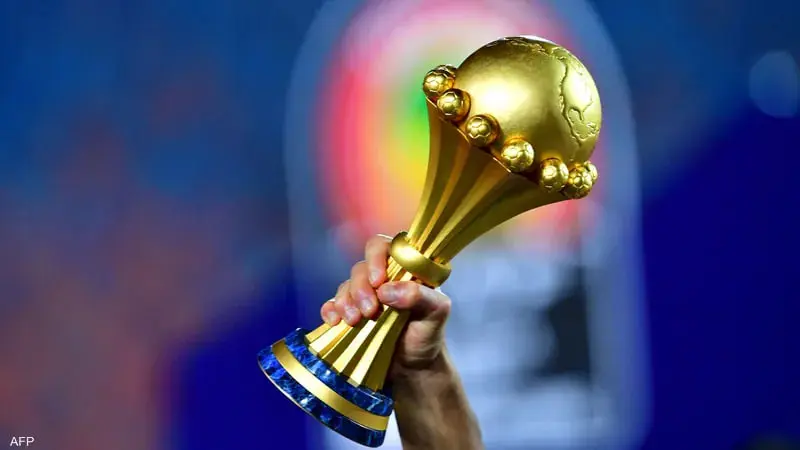
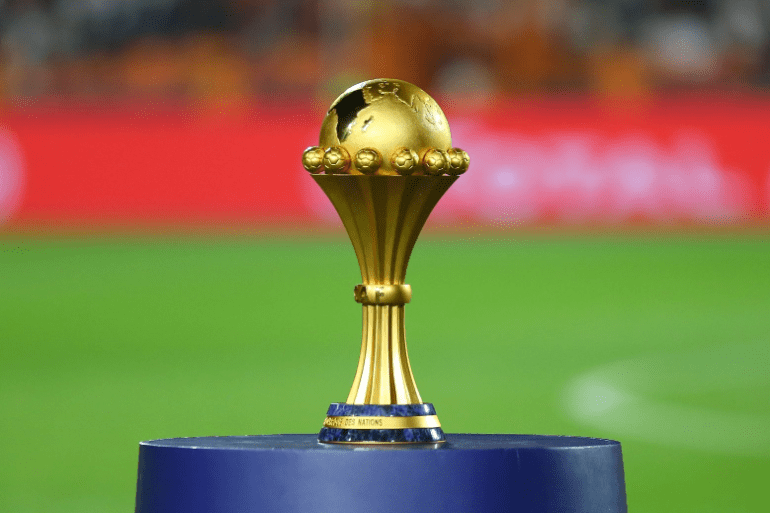
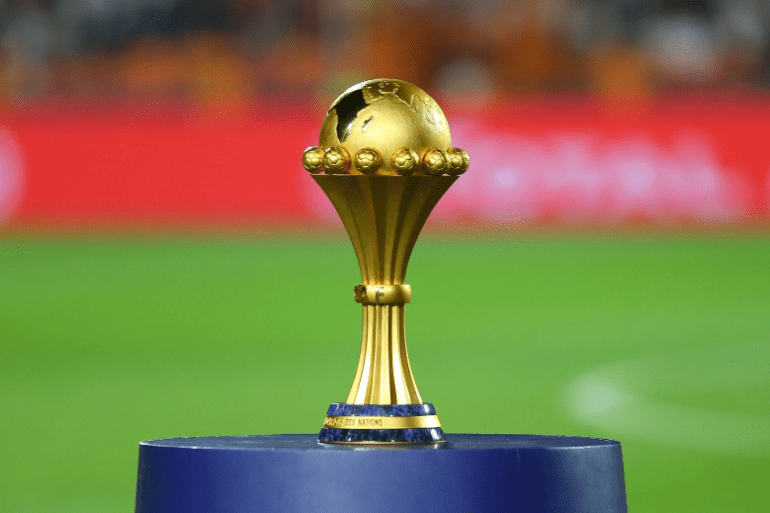
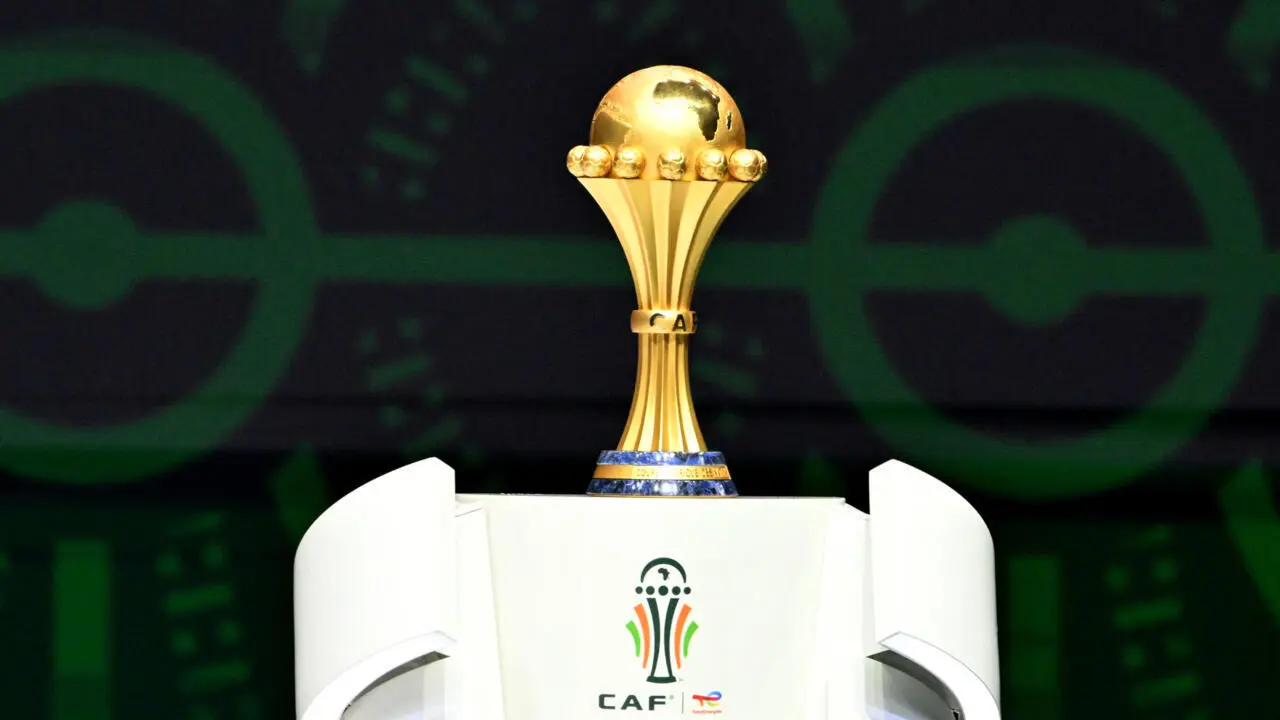
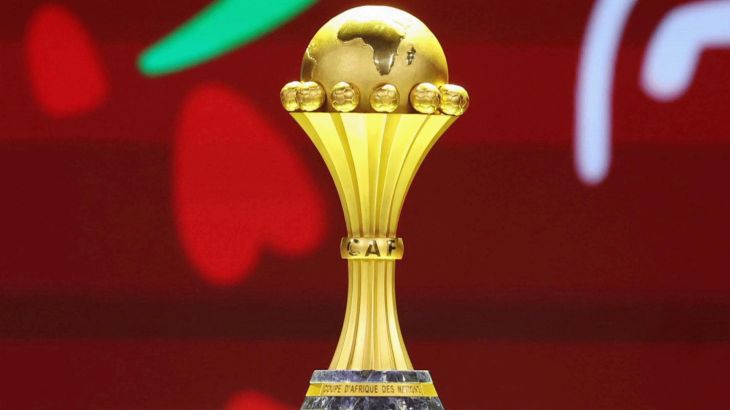
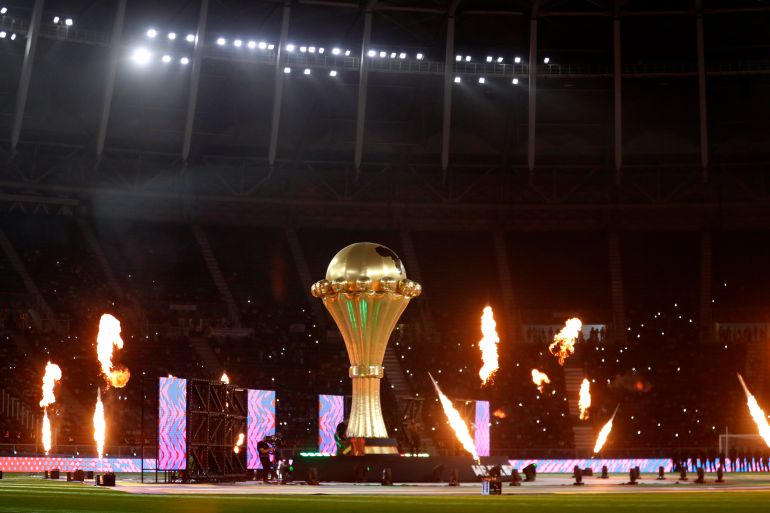
Africa Cup of Nations
The Africa Cup of Nations (AFCON) is the premier international men’s football competition in Africa, first held in 1957. It was founded by the Confederation of African Football (CAF) to foster unity and showcase the continent’s football talent, with Egypt winning the inaugural tournament.