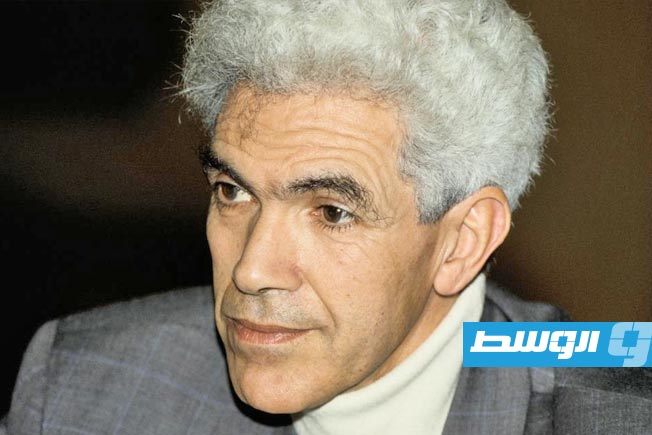
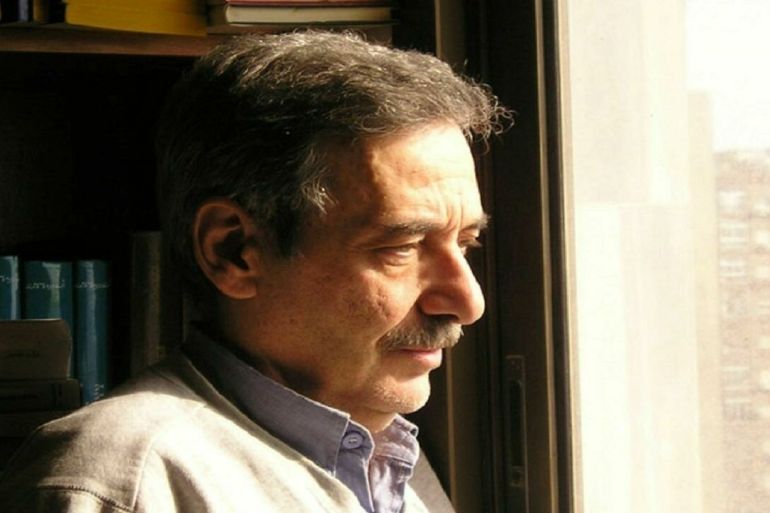
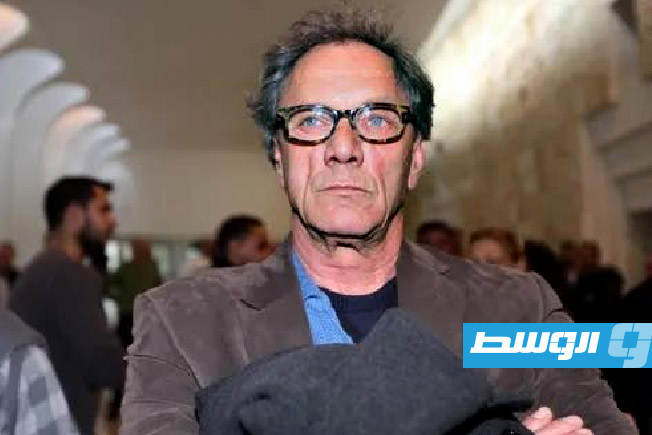
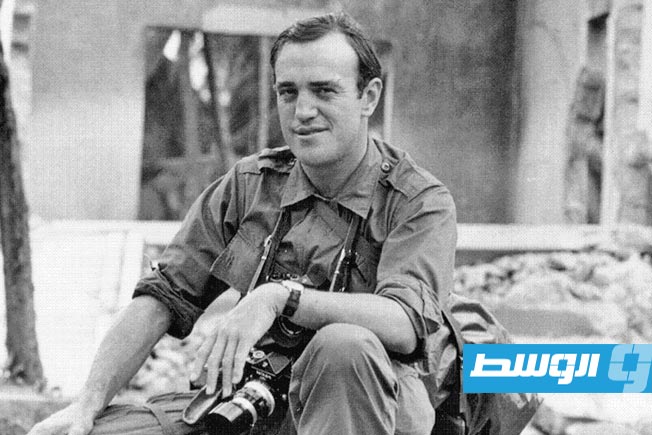
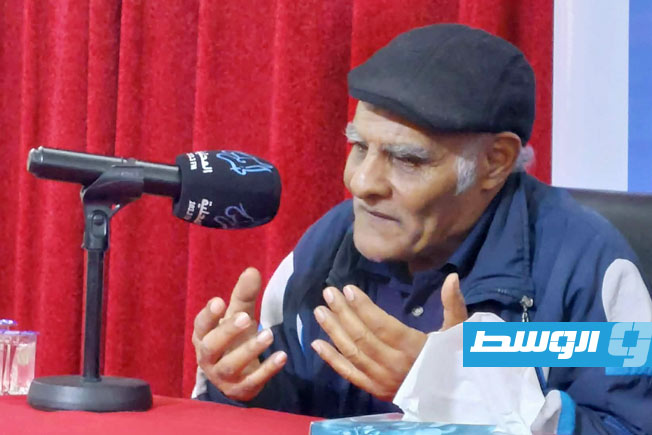
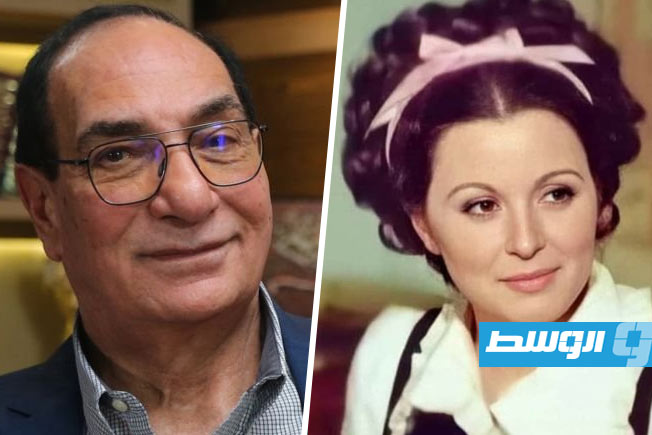
The Algerian historian Mohamed Harbi has passed away in Paris at the age of 93, as announced on Friday.
The historian, who died on Thursday, had a rich academic career and a political life in which he resisted both French colonialism and political authoritarianism.
It was stated that “The mujahid and historian Mohamed Harbi has died,” and it was explained that his death came after he contracted pneumonia.
The Algerian President mourned the late historian, describing him as “the intellectual historian.” A condolence message published on Friday stated that the country “has lost an exceptional man who engaged early in the political struggle against colonialism.”
Mohamed Harbi was born on June 16, 1933, in Skikda in eastern Algeria. He began his struggle in the national movement against French colonialism as a young man, before moving to Paris to study.
– Death of French botanist Francis Hallé at 87
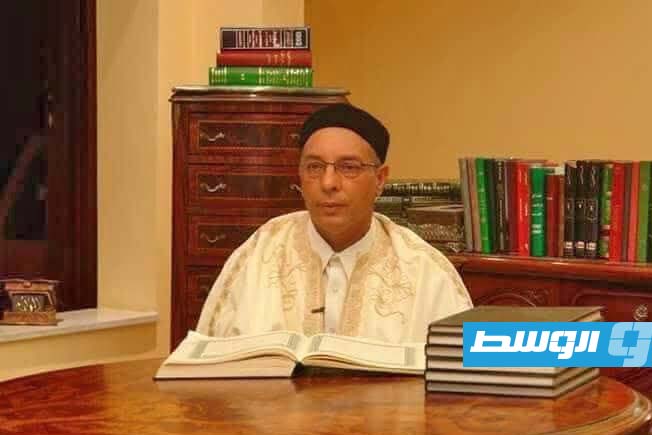
– The Libyan Archives Center recalls the biography of Sheikh Al-Isawi Al-Mahmoudi and his role in the Algerian Revolution
In the French capital, Harbi joined the branch of the National Liberation Front. He then worked in the Provisional Government of the Algerian Republic, notably alongside the signatory of the Évian Accords, which ended the French colonization of Algeria (1830-1962).
A participant in modern Algerian history
After independence, Harbi joined the office of the first president of independent Algeria, until the 1965 coup. He then turned to opposing the rule, which he described as totalitarian, leading to his imprisonment.
In 1973, he fled Algeria for France, where he devoted himself to university teaching and academic research on modern Algerian history.
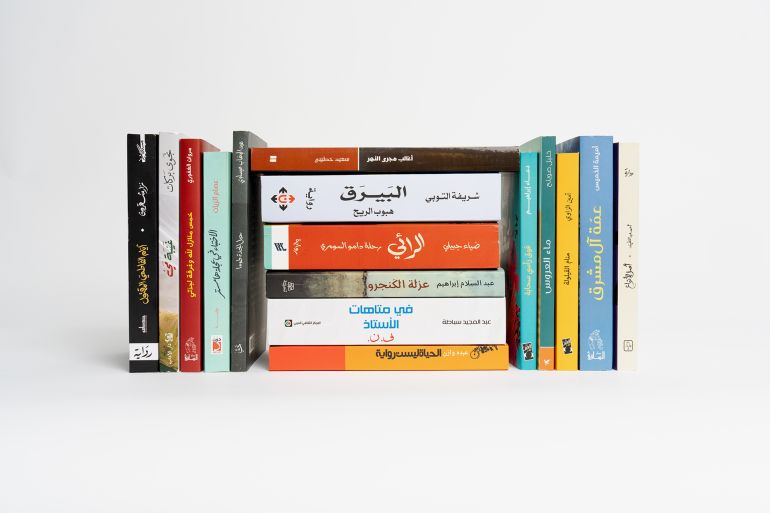
Among his most important works are his memoirs “A Life of Resilience” in 2001, and “The National Liberation Front: Mirage and Reality,” which caused significant controversy upon its publication in 1980 due to its criticism of one-party rule.
Paris
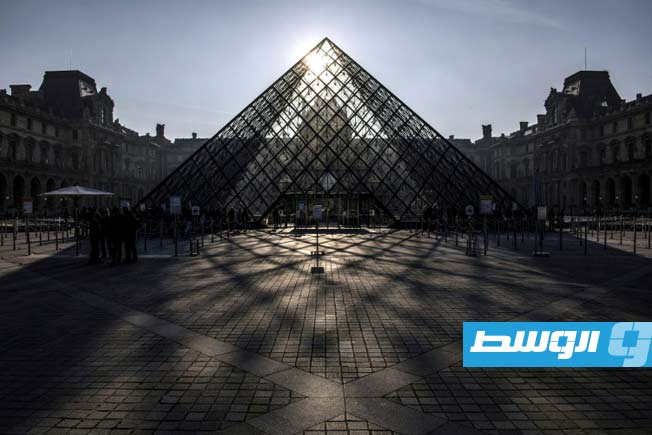
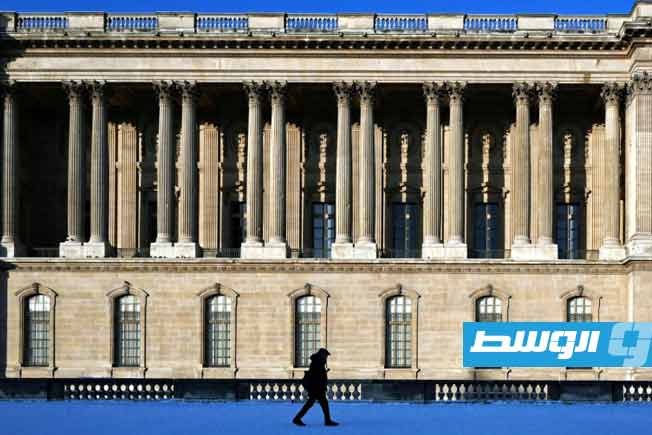
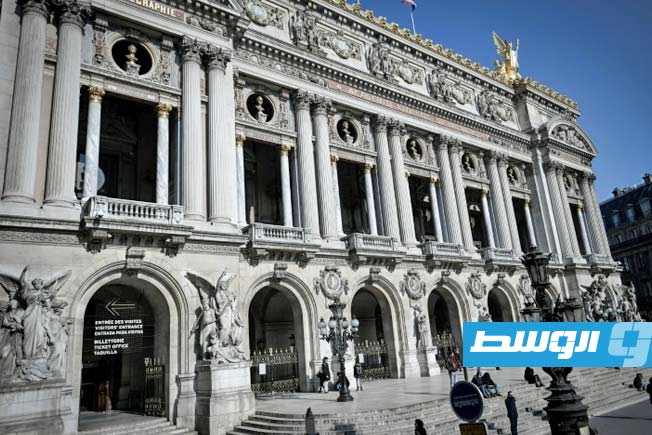
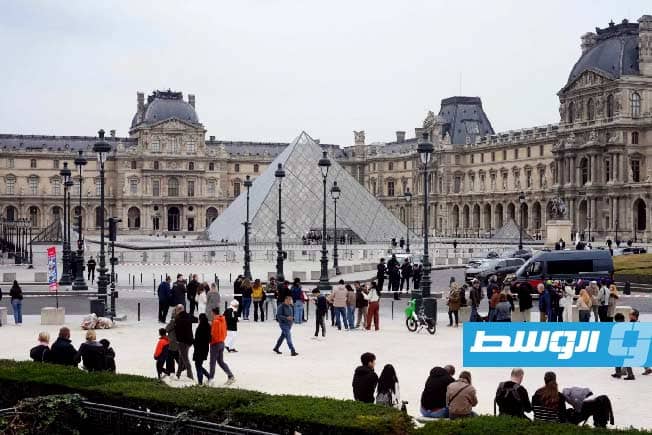
Paris is the capital of France, historically founded as the Roman town of Lutetia in the 3rd century BC. It is globally renowned as a center for art, fashion, and culture, home to iconic landmarks like the Eiffel Tower, the Louvre Museum, and Notre-Dame Cathedral.
Algeria
Algeria is a North African country with a rich history shaped by ancient Berber kingdoms, Roman rule, and centuries of Ottoman influence. It gained independence in 1962 after a prolonged war against French colonial occupation, which lasted from 1954. Today, it is the largest country in Africa and the Arab world, known for its diverse landscapes ranging from the Mediterranean coast to the Sahara Desert.
Skikda
Skikda is a coastal city in northeastern Algeria, originally founded by the Phoenicians and later known as the Roman city of Rusicade. It was significantly rebuilt in the 20th century after a major earthquake and is now a major industrial port, particularly known for its petrochemical complex.
France
France is a Western European nation with a rich history dating back to ancient Gaul, later evolving into a powerful monarchy and a center of the Enlightenment. It is globally renowned for its cultural influence in art, cuisine, and philosophy, and was the birthplace of the French Revolution, which established foundational republican principles. Today, it is a leading democratic republic and a major cultural, economic, and political force within the European Union.
National Liberation Front
The National Liberation Front (FLN) was the primary nationalist political organization formed in 1954 to lead Algeria’s war for independence from France. It successfully achieved sovereignty in 1962 and subsequently became the dominant ruling party in the newly independent state.
Provisional Government of the Algerian Republic
The Provisional Government of the Algerian Republic (GPRA) was the government-in-exile established in 1958 during the Algerian War for independence from France. It served as the political and diplomatic face of the Algerian National Liberation Front (FLN) until Algeria achieved full sovereignty in 1962.
Évian Accords
The Évian Accords were a series of agreements signed in Évian-les-Bains, France, on March 18, 1962, which established a ceasefire and set the terms for Algerian independence from France after eight years of war. They led to a referendum and the formal establishment of the People’s Democratic Republic of Algeria on July 5, 1962.