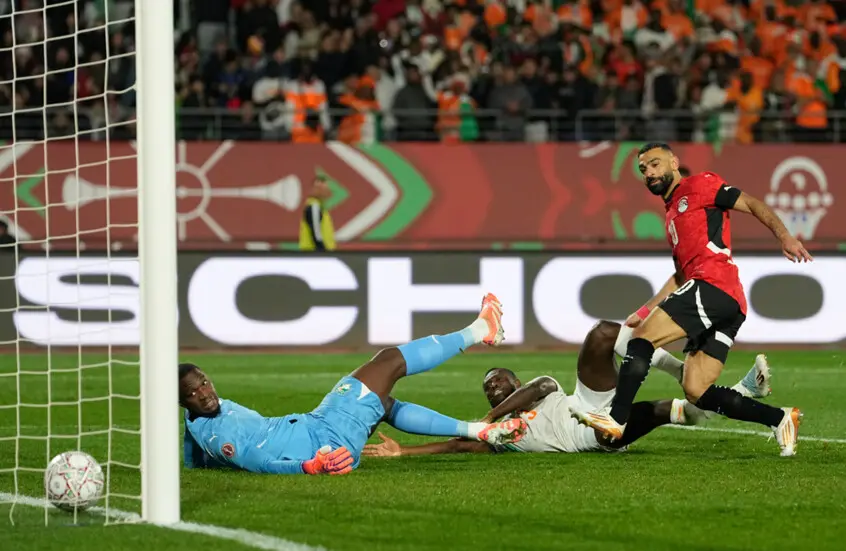
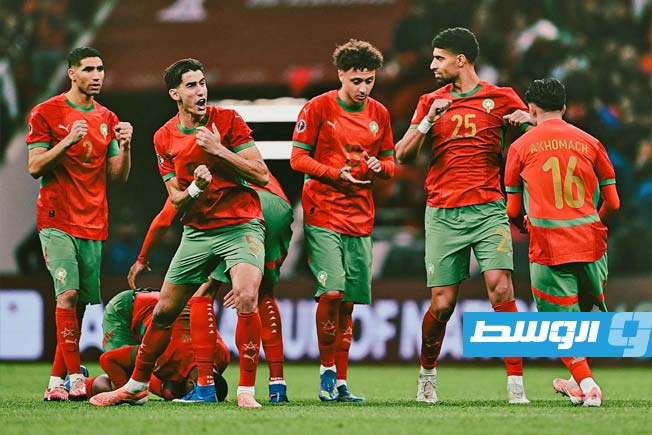
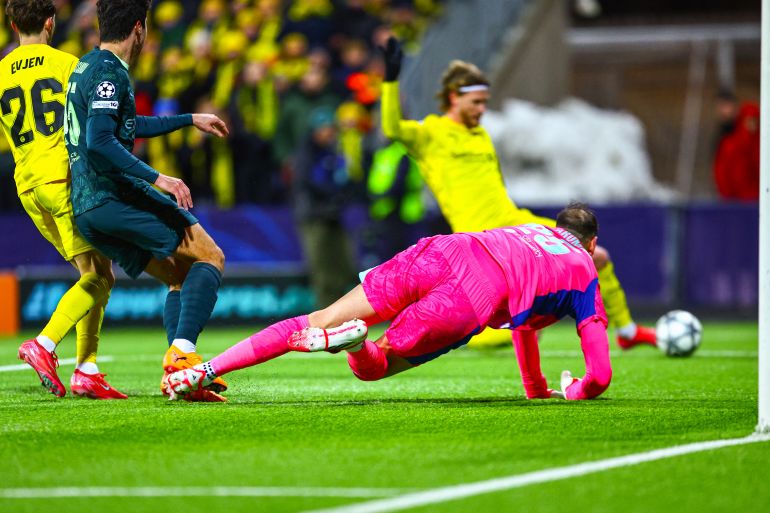
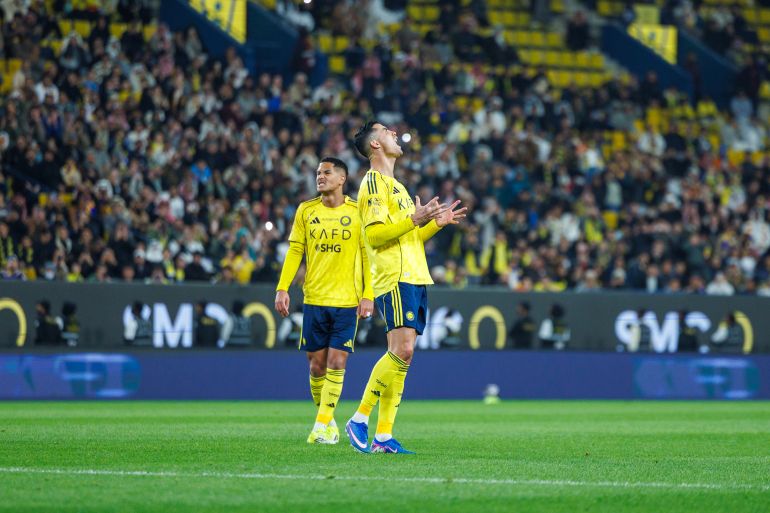
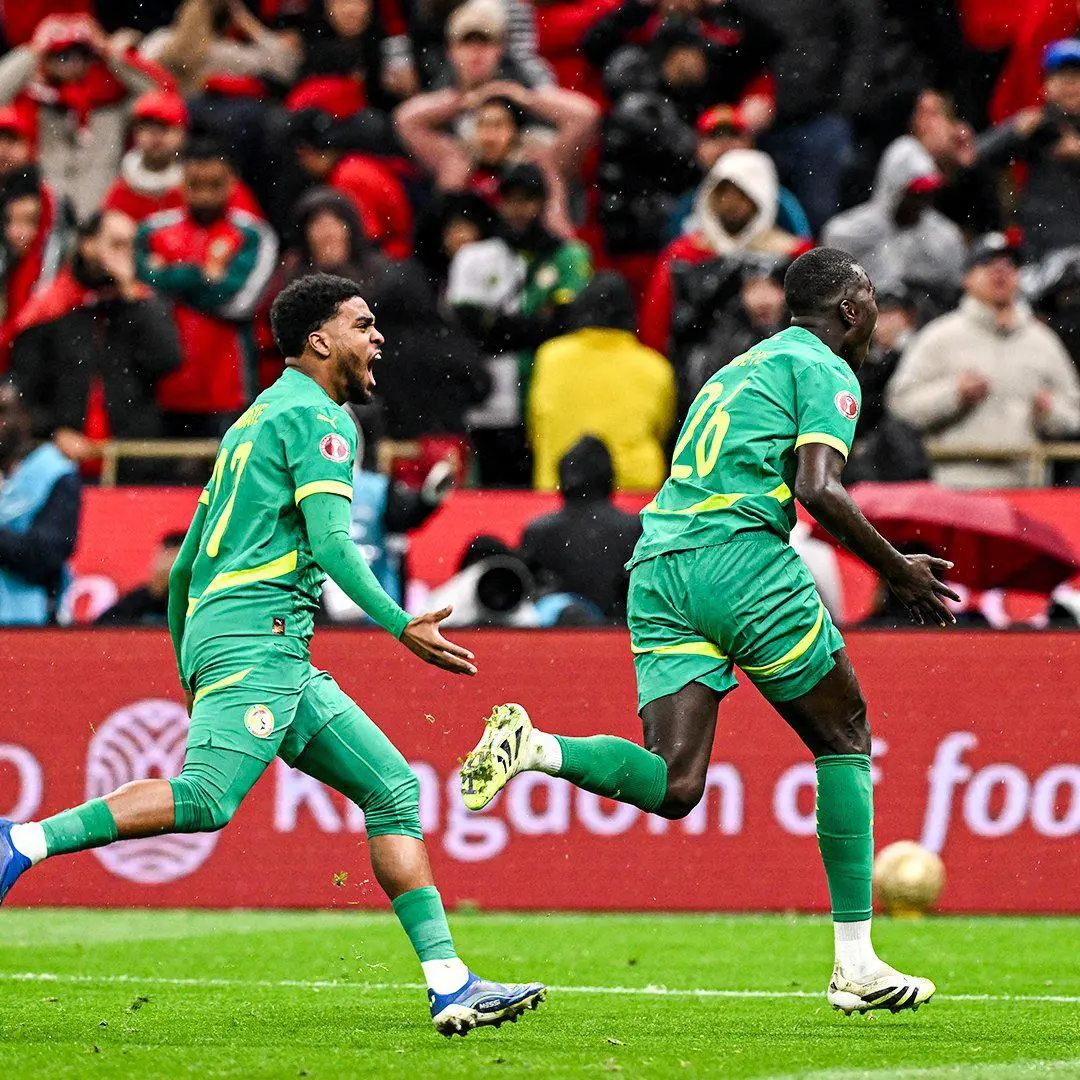
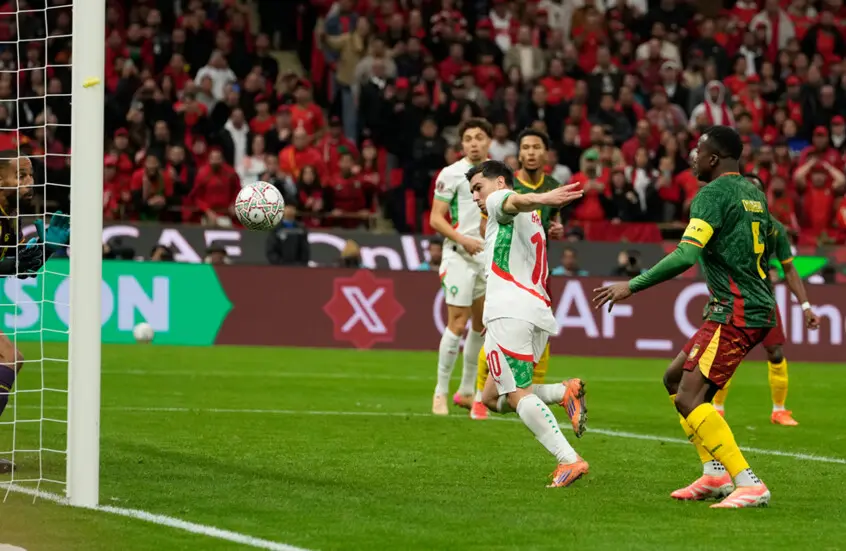
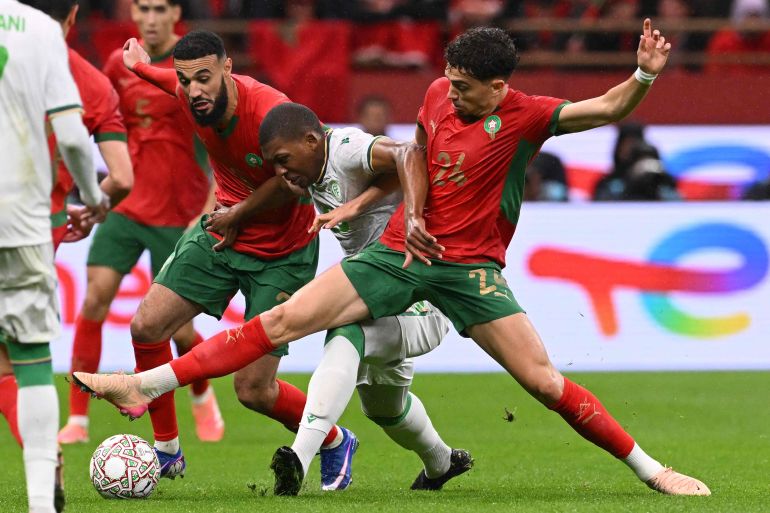
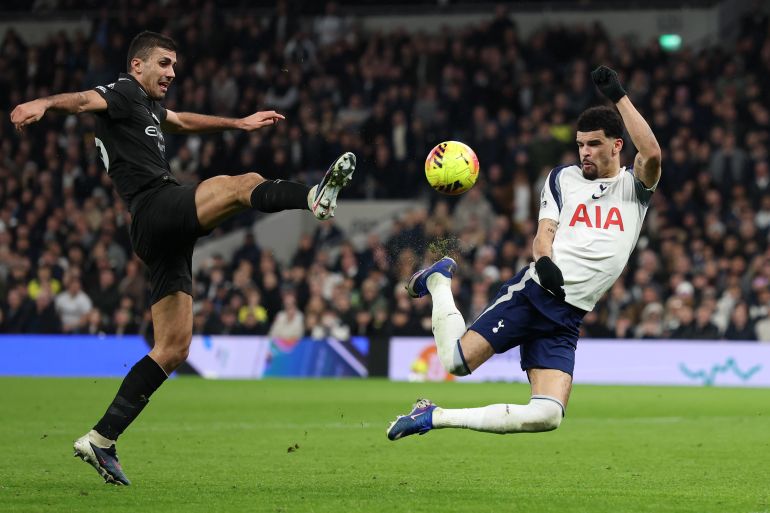
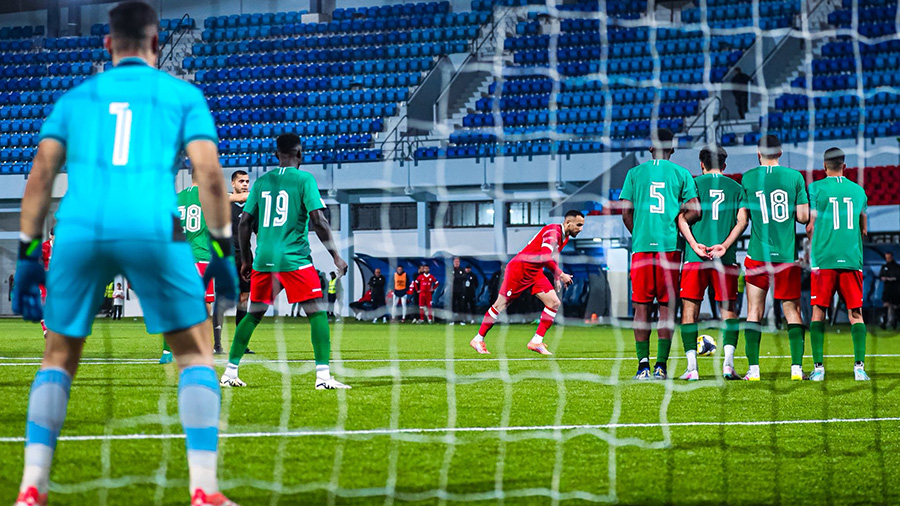
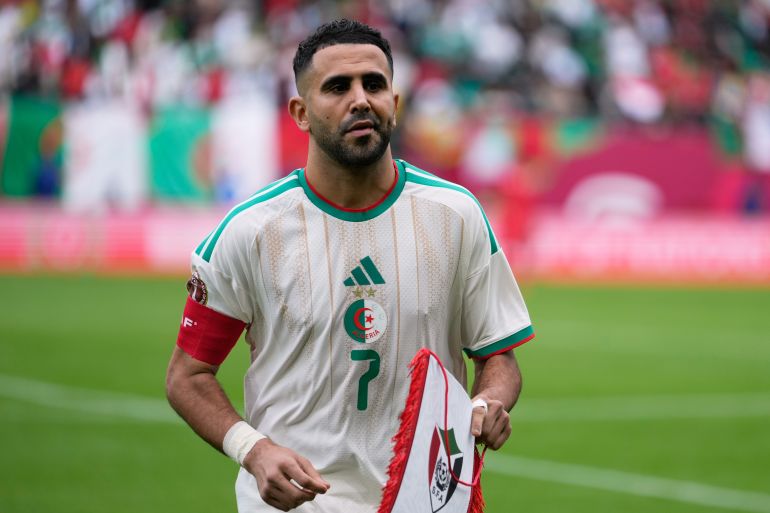
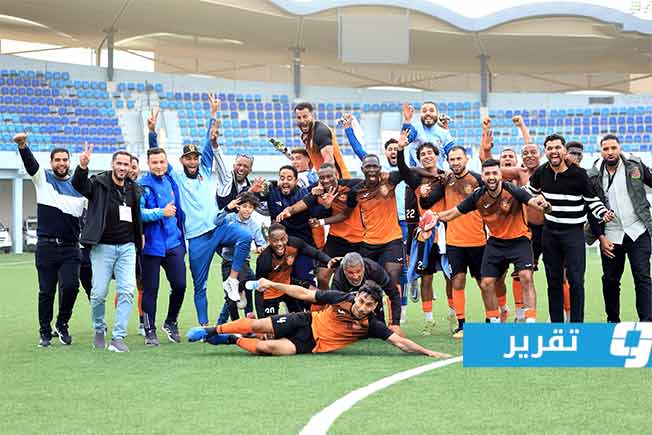
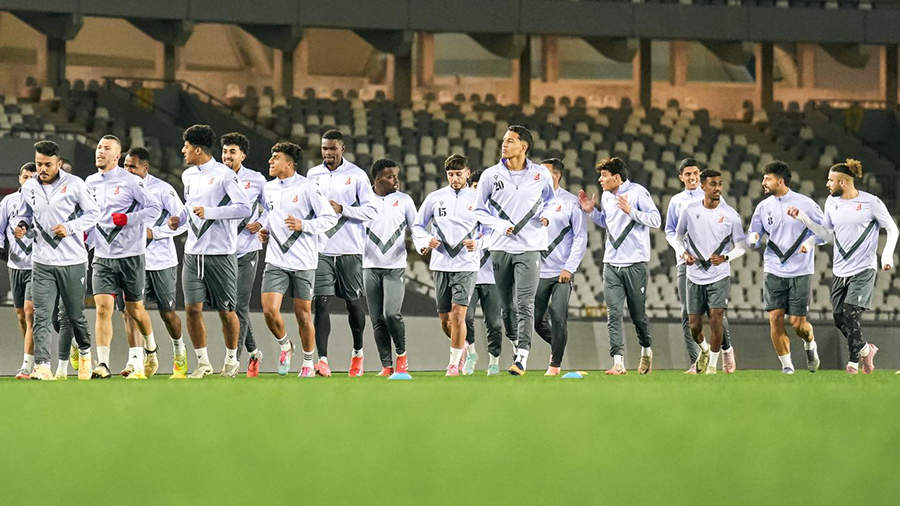
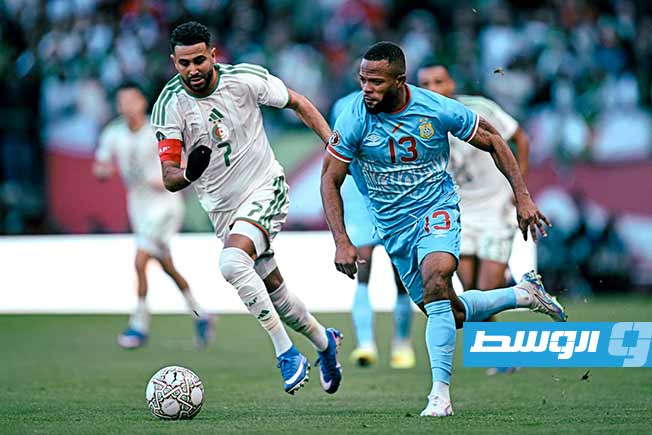
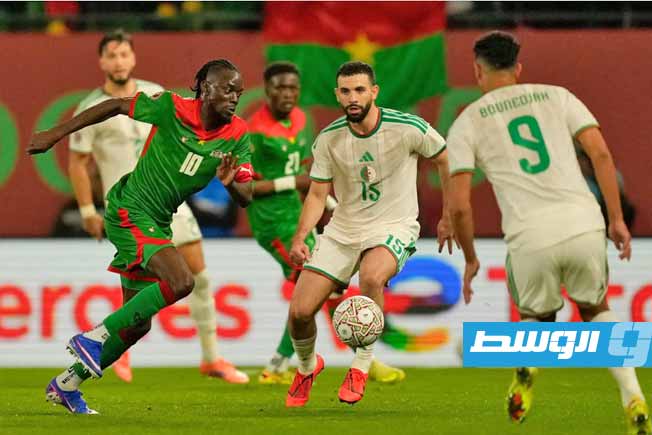
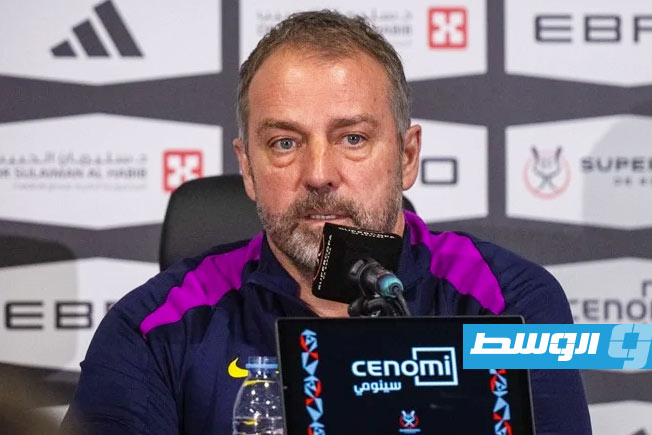
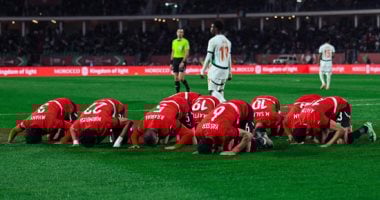
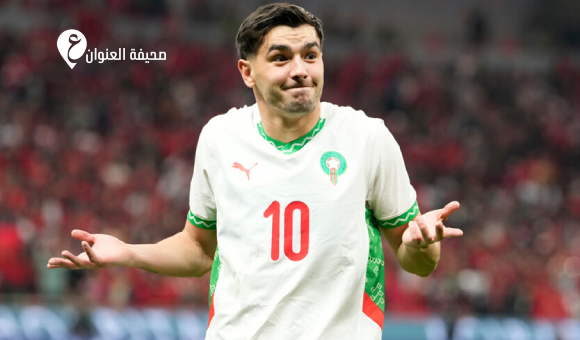
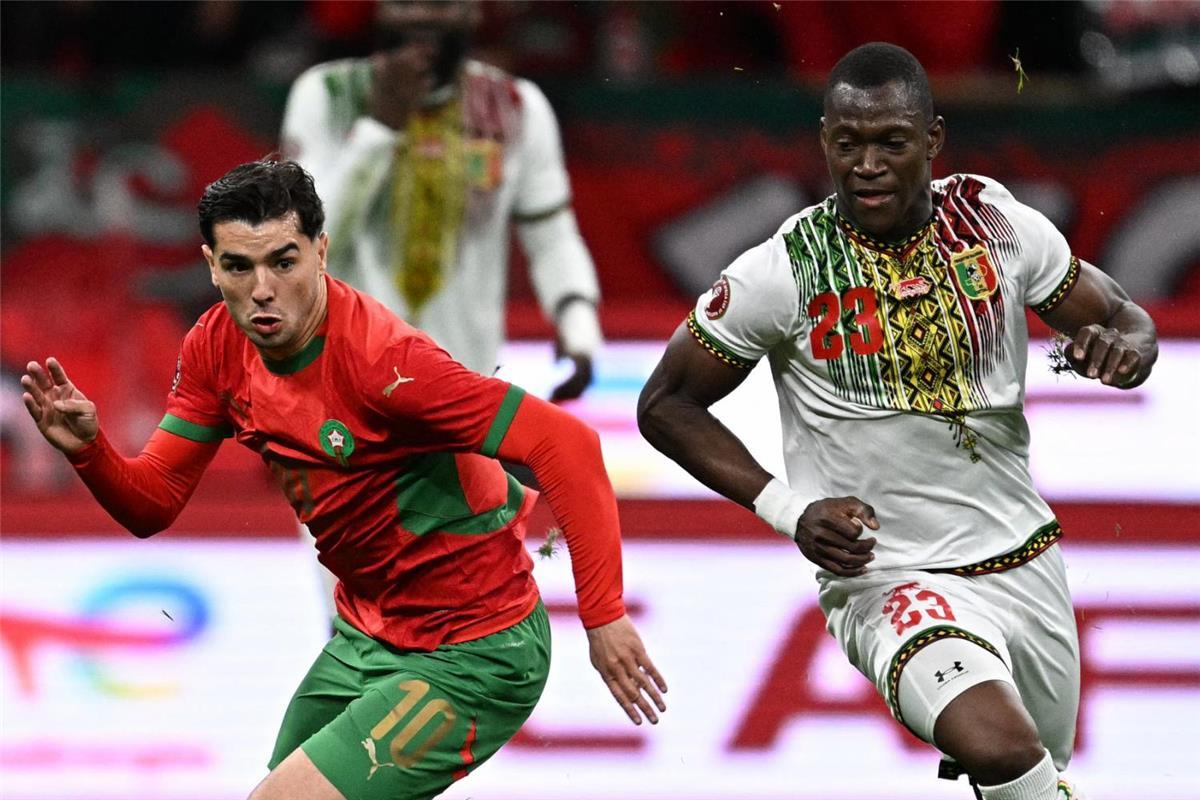
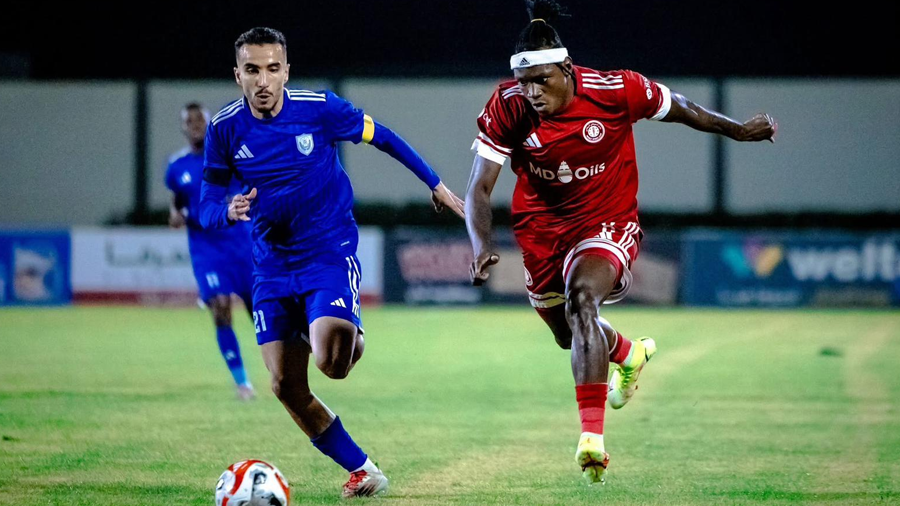
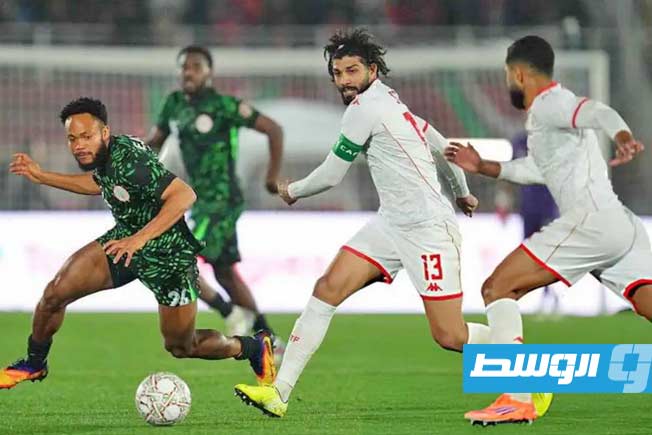
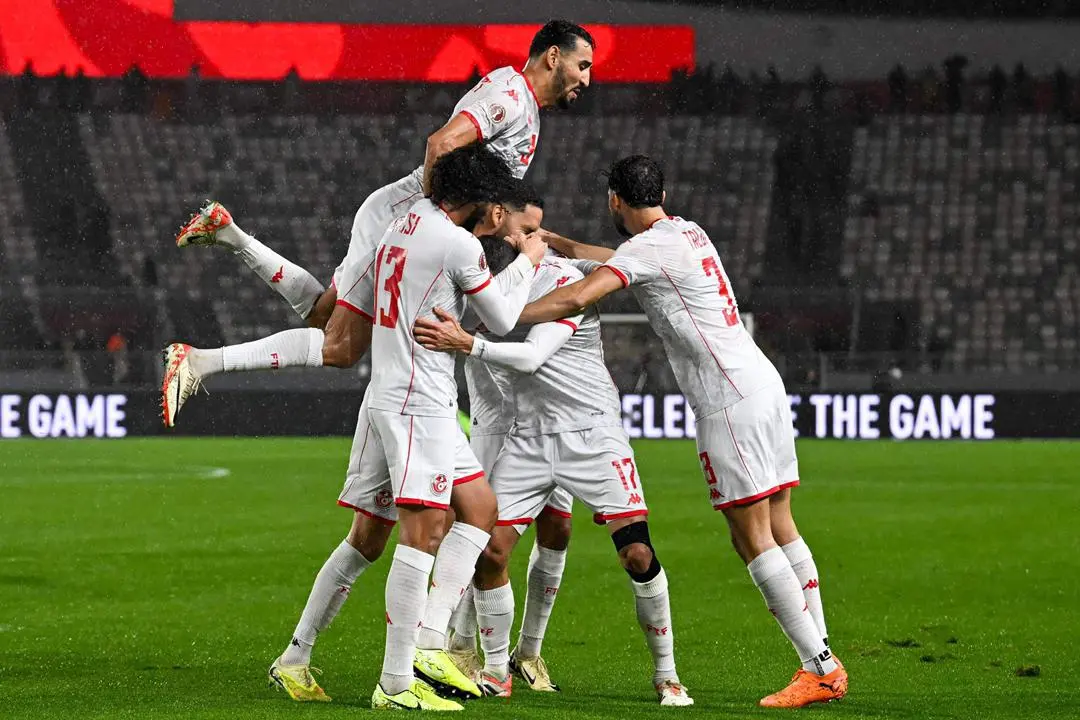
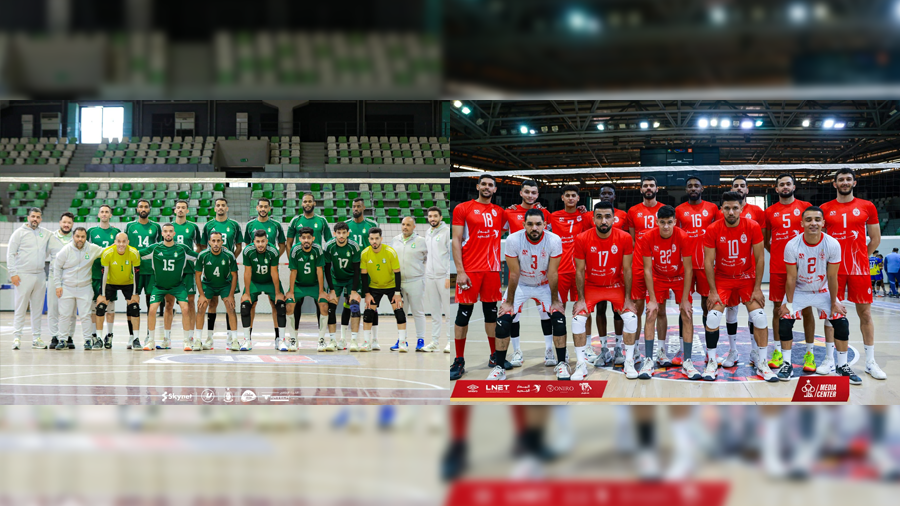
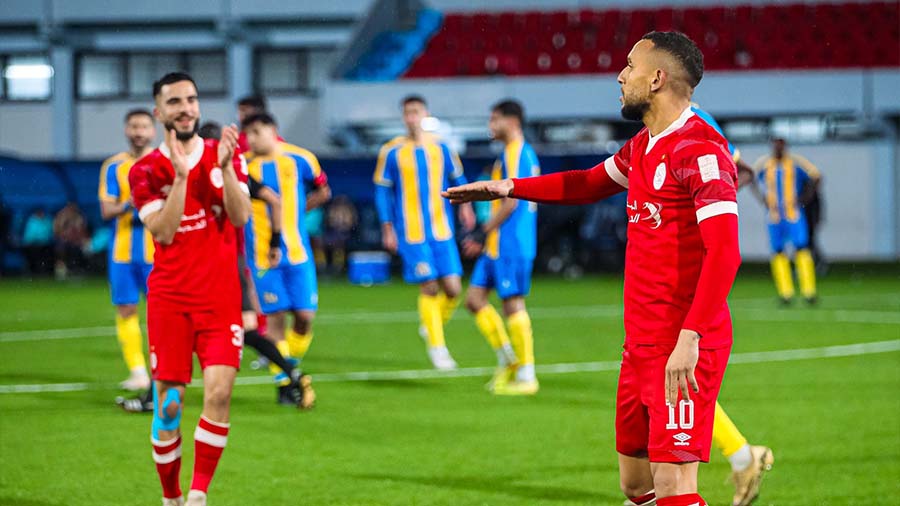
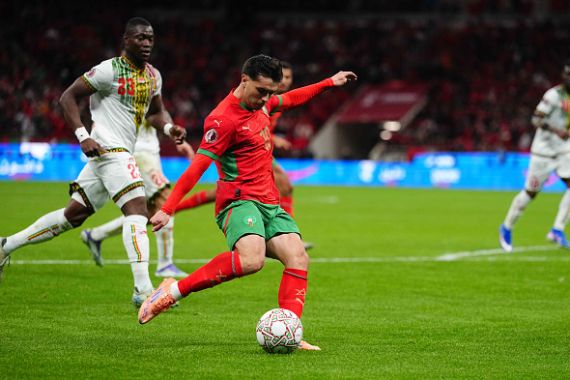
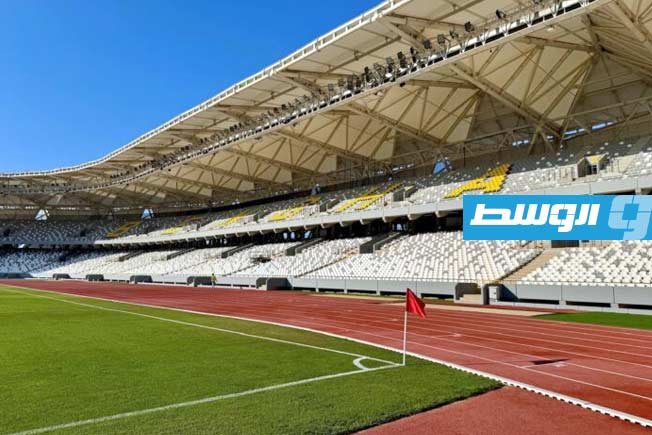
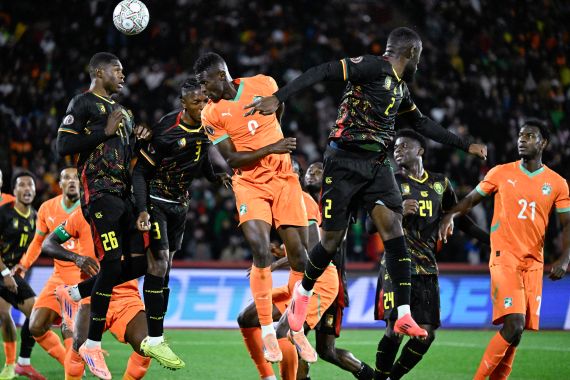
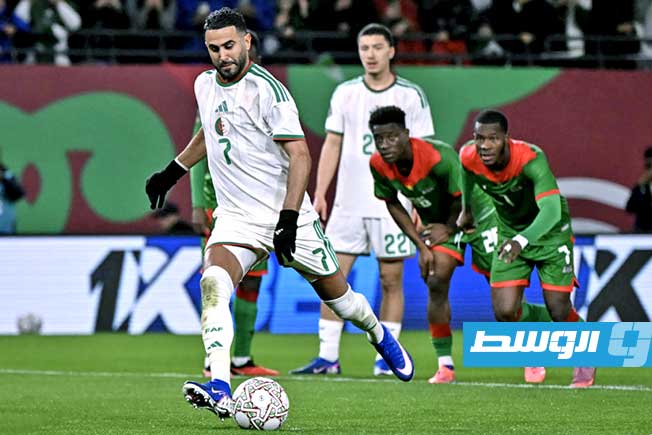
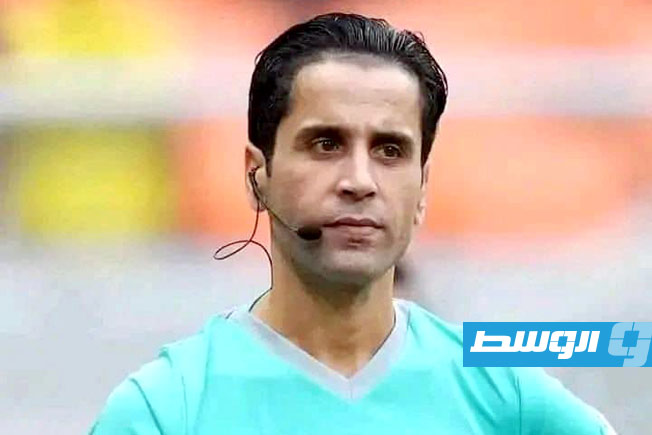
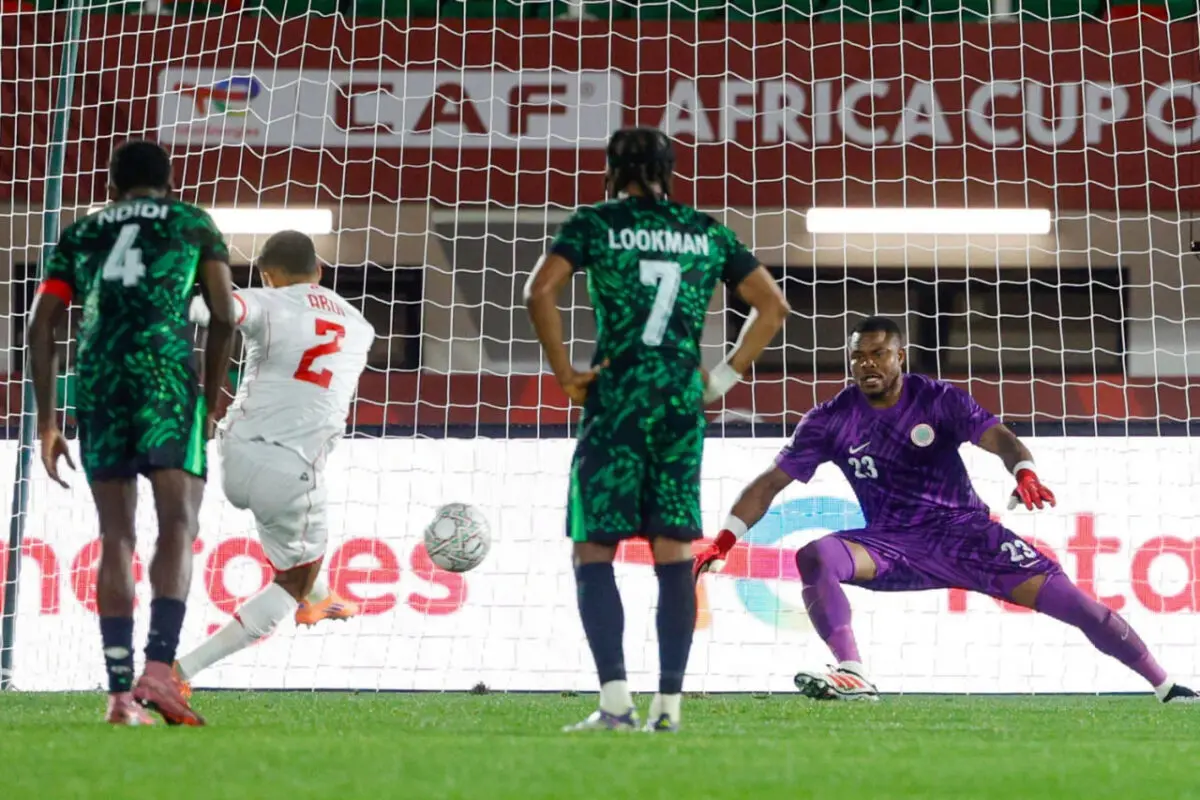
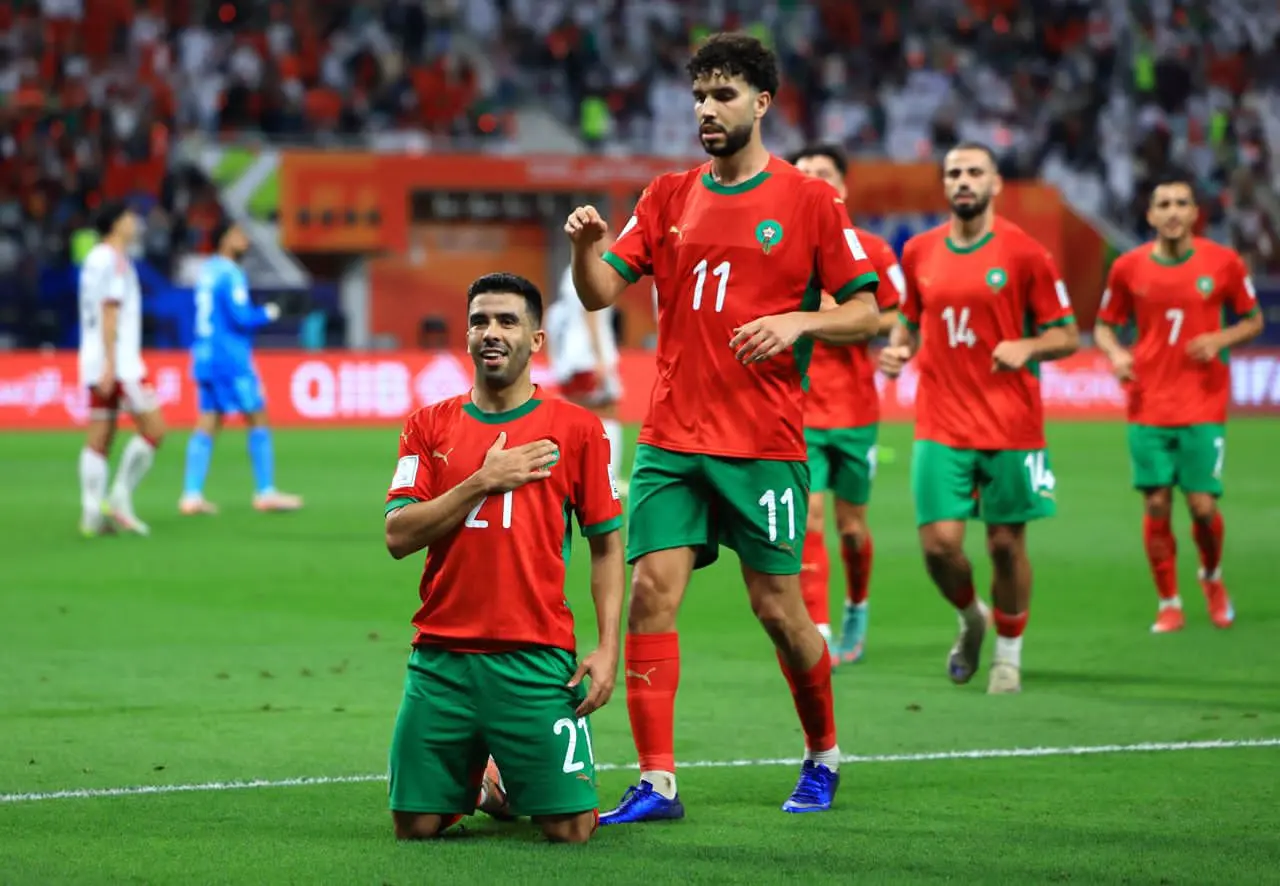
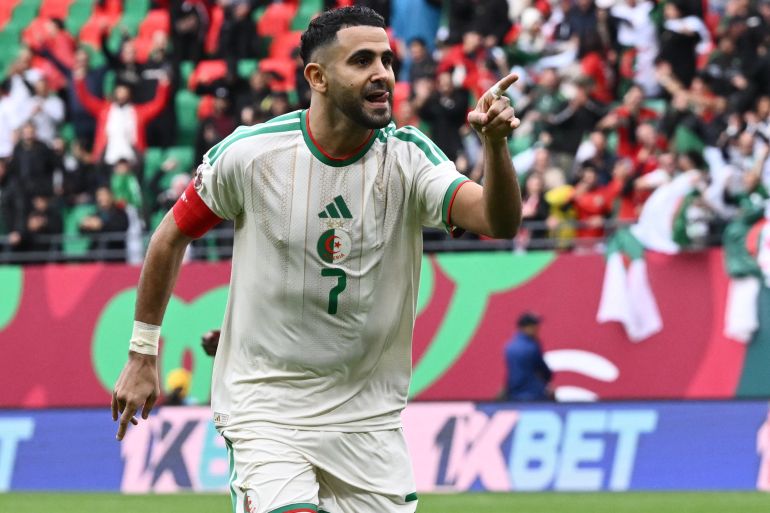
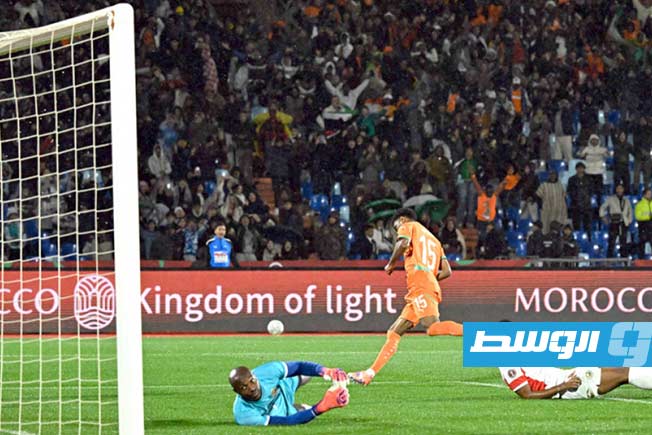
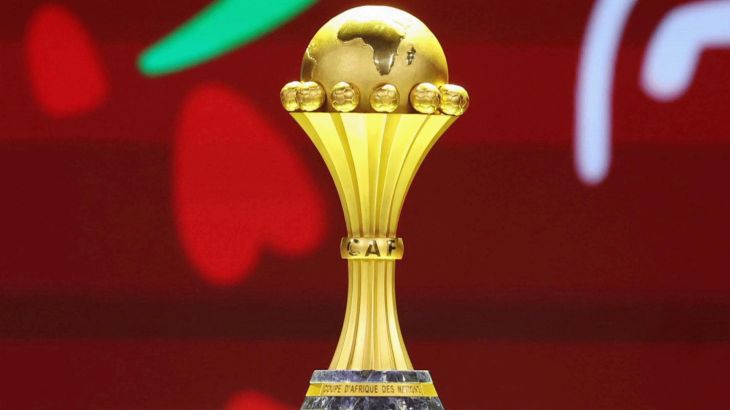
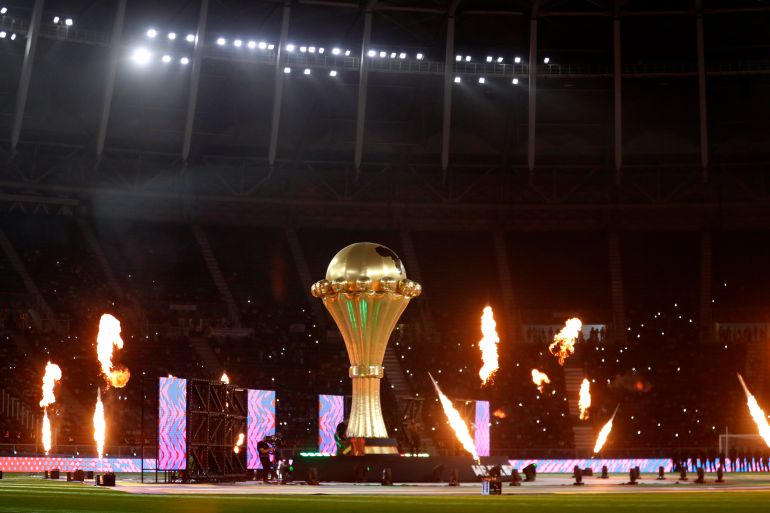
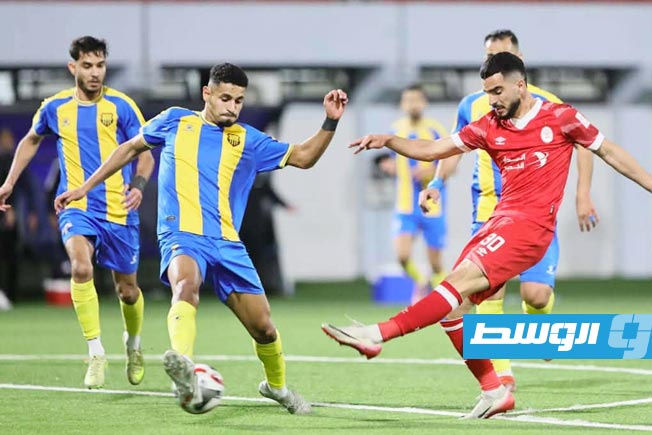
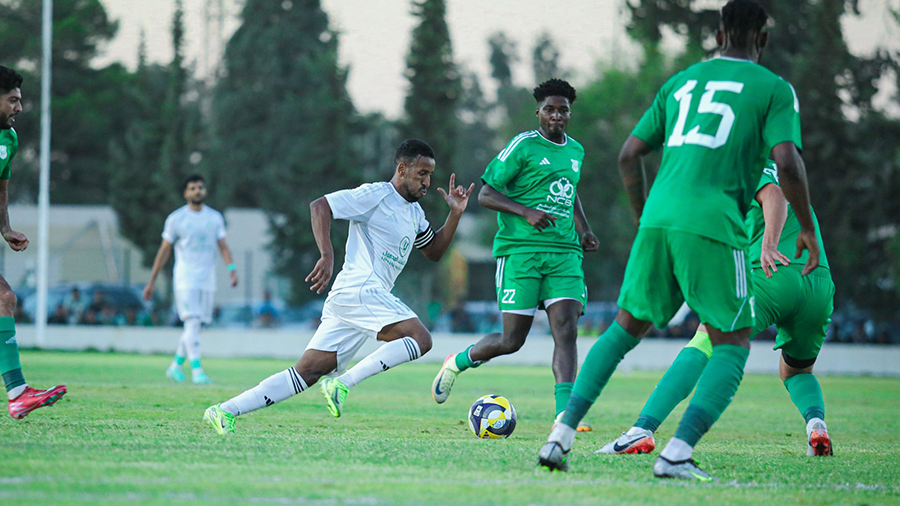
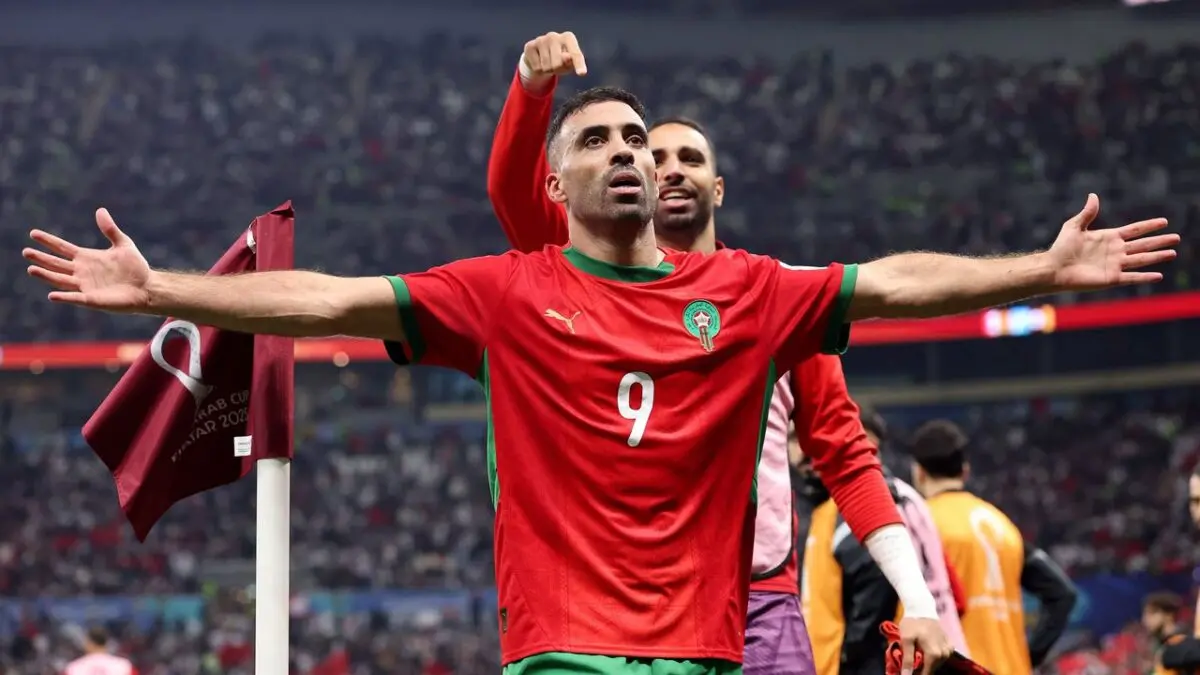
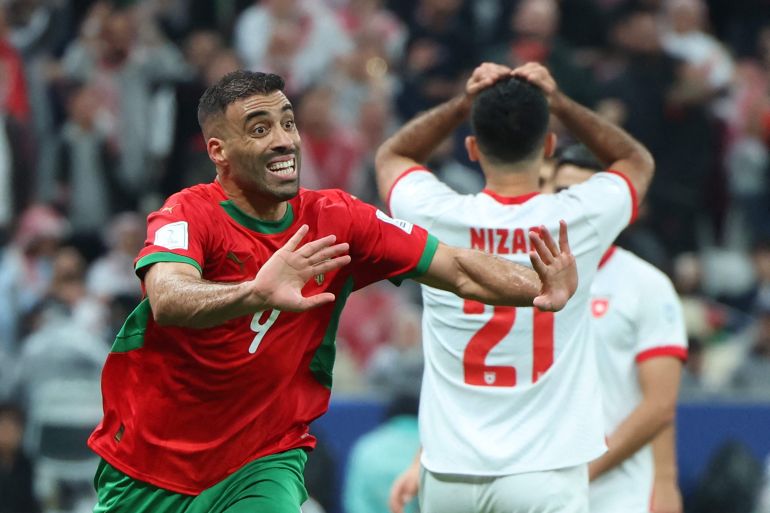
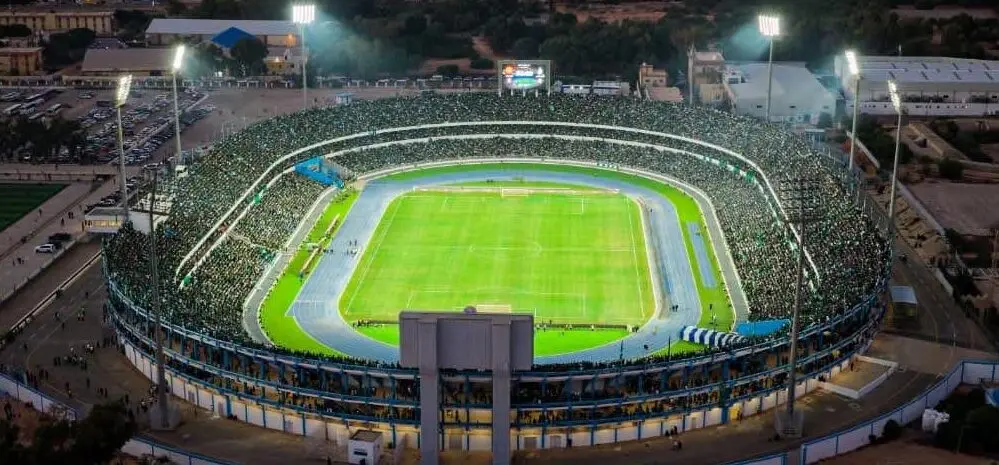
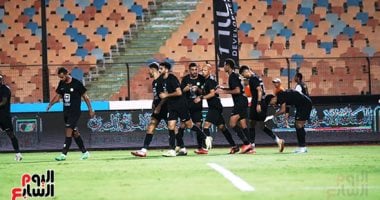
Rabat, January 06, 2025 – The Algerian national team faces a strong and difficult challenge against the Democratic Republic of the Congo national team this Tuesday evening at the Moulay Hassan Stadium in Rabat, as part of the Round of 16 matches of the 2025 Africa Cup of Nations.
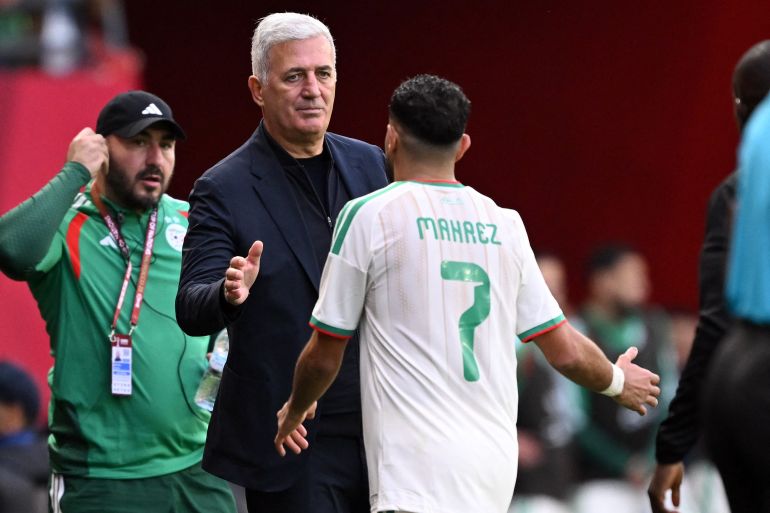
The Algerian national team seeks to continue its strong performances and achieve victory, in order to confirm its ambitions in competing for the title and repeat the achievement of winning the championship, which it accomplished in the 2019 edition.
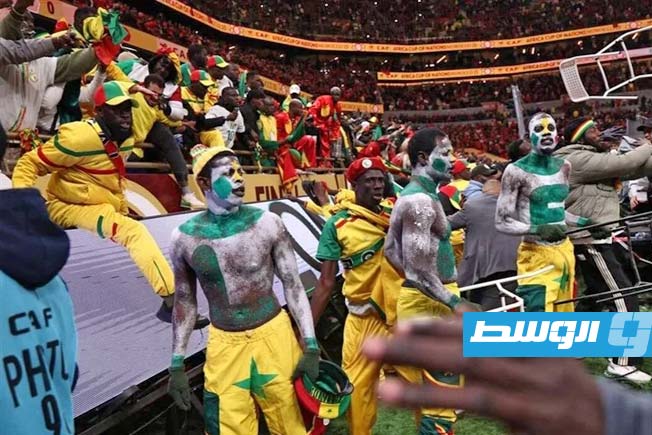
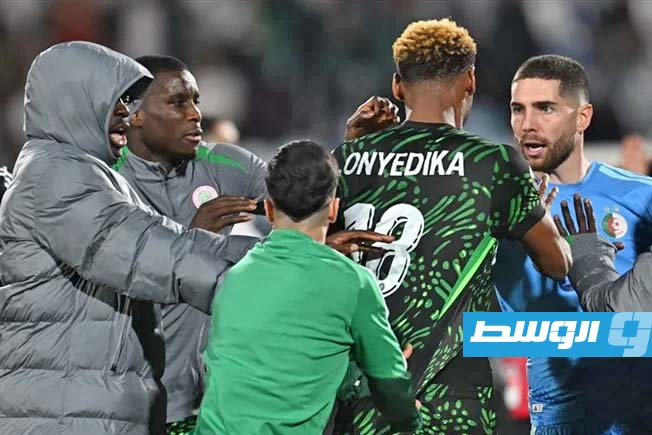
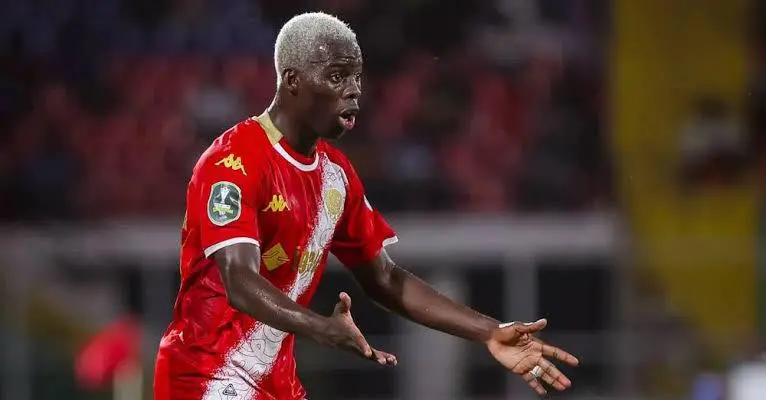
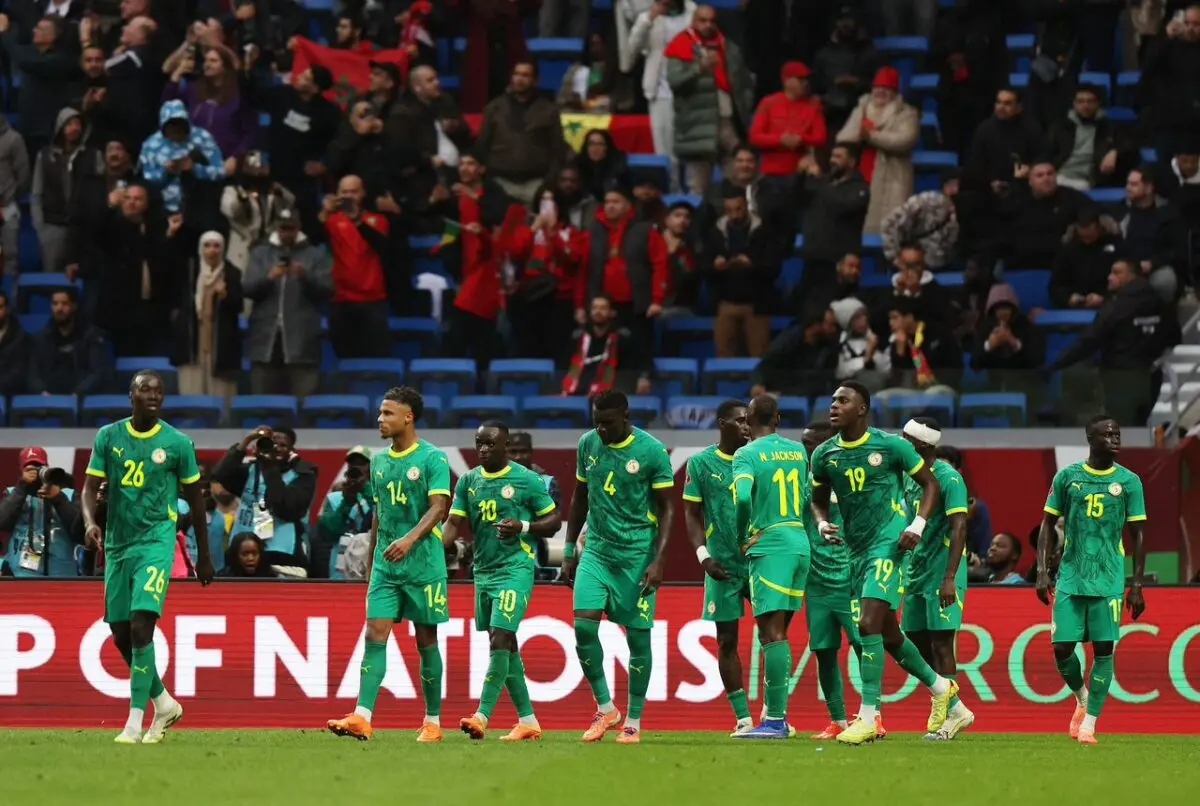
However, the task will not be easy against the Democratic Republic of the Congo national team, which is going through a distinguished period, having qualified for the World Cup qualifying playoff at the expense of the Cameroon and Nigeria national teams, and has only suffered a single stumble with a draw against Senegal.
The match is scheduled to kick off at exactly six o’clock in the evening (18:00) Libya time.
Algerian national team
The Algerian national football team, known as the “Desert Foxes,” was established in 1958 during the Algerian War of Independence and is administered by the Algerian Football Federation. It gained international prominence by qualifying for its first FIFA World Cup in 1982 and famously defeating West Germany, and later achieved its greatest success by winning the Africa Cup of Nations on home soil in 1990.
Democratic Republic of the Congo national team
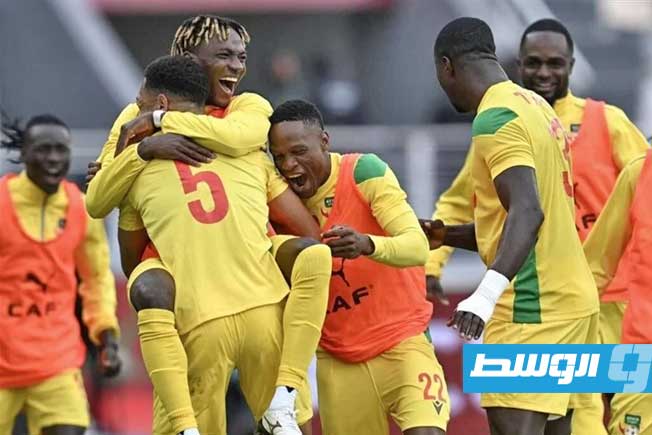
The Democratic Republic of the Congo national football team, known as the Leopards, represents the country in international competition. The team’s history is intertwined with the nation’s political changes, having previously competed as Zaire, most notably becoming the first Sub-Saharan African team to qualify for the FIFA World Cup in 1974.
Moulay Hassan Stadium
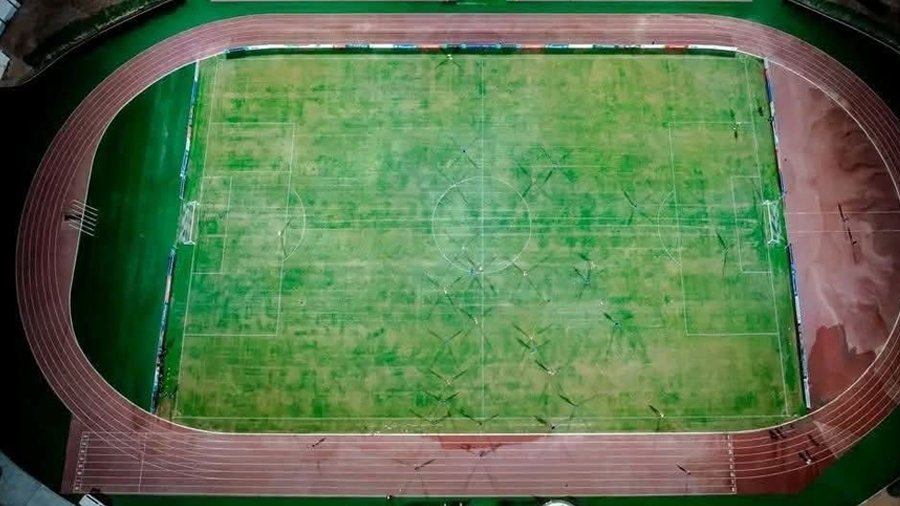
Moulay Hassan Stadium is a multi-purpose sports venue located in Rabat, Morocco, primarily used for football matches. It was inaugurated in 1983 and named in honor of Prince Moulay Hassan, who later became King Hassan II of Morocco. The stadium has served as a home ground for several local clubs and has hosted various national and international sporting events.
Rabat
Rabat is the capital city of Morocco, founded in the 12th century by the Almohad Caliphate. It is a UNESCO World Heritage Site known for its well-preserved historic quarters, such as the Kasbah of the Udayas and the Hassan Tower, which is a minaret of an incomplete 12th-century mosque.
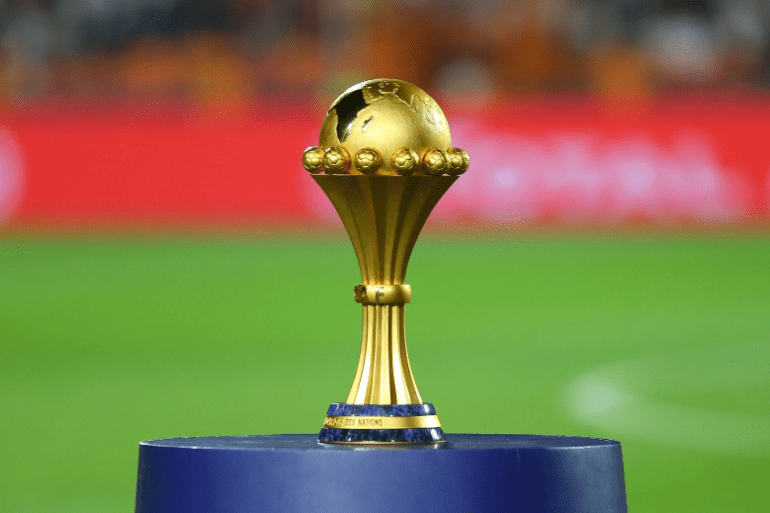
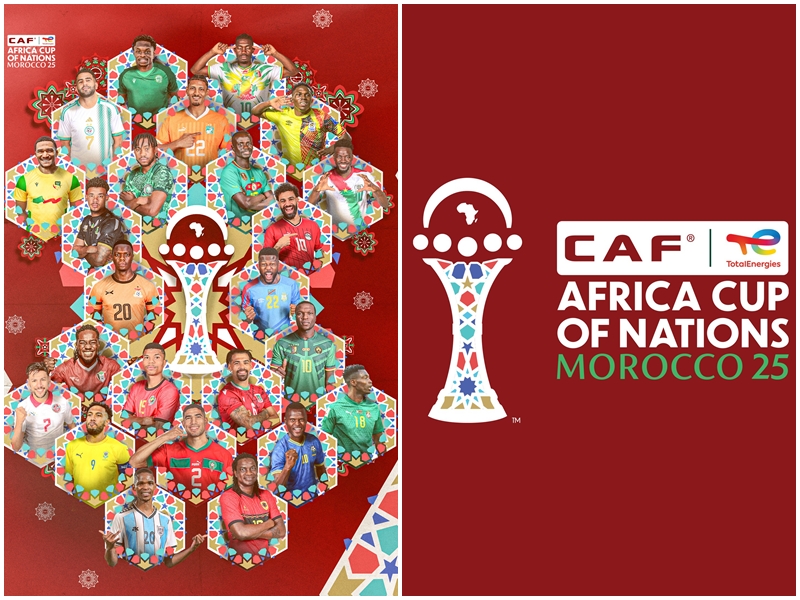
Africa Cup of Nations
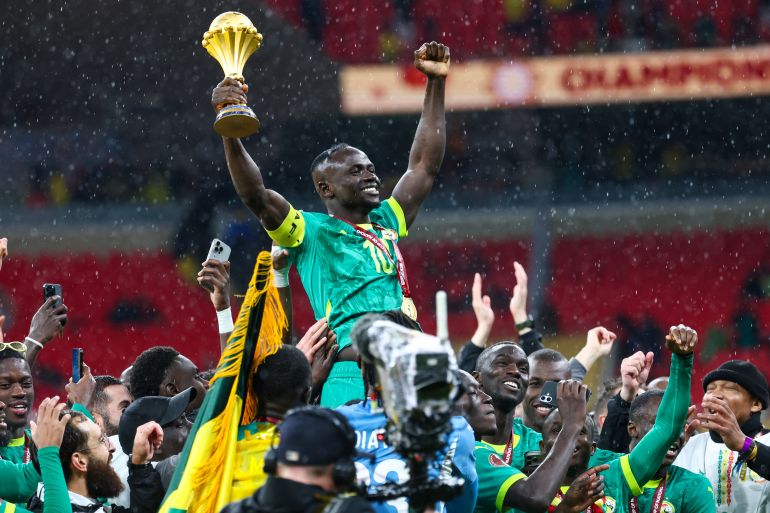
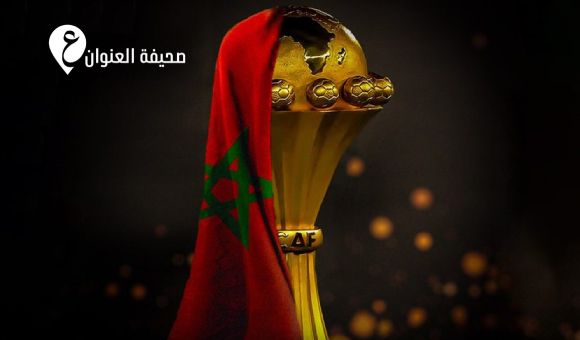
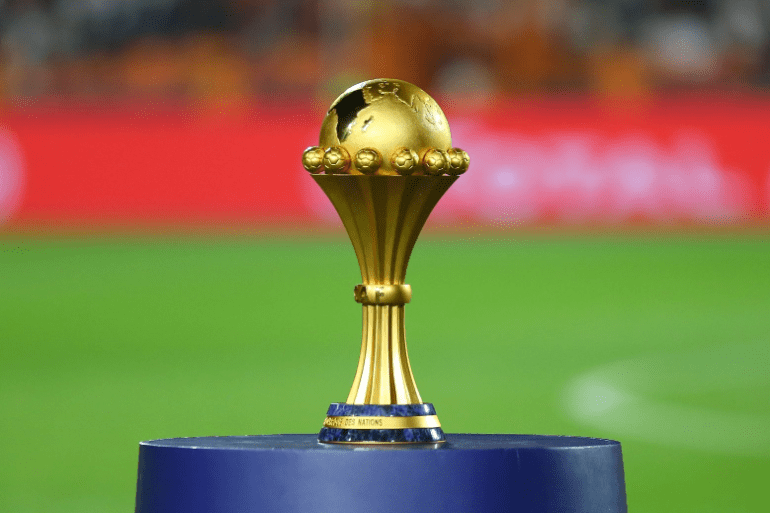
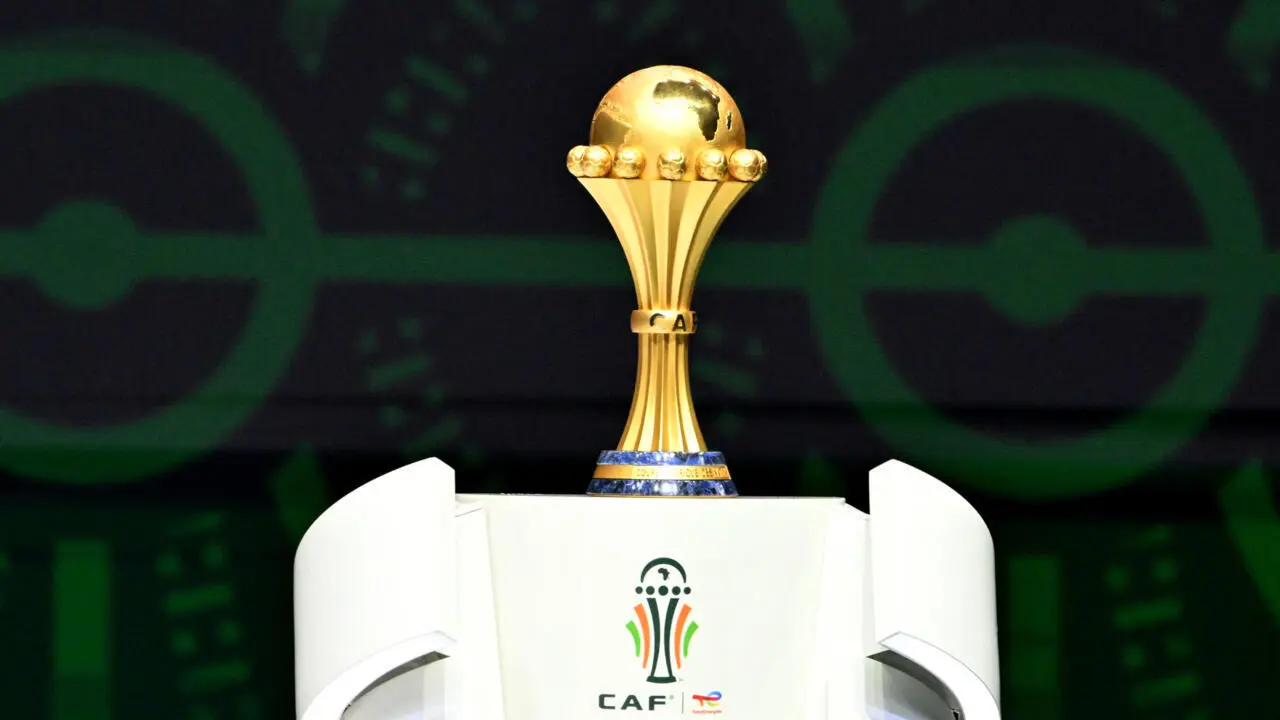
The Africa Cup of Nations (AFCON) is the premier international men’s football competition in Africa, first held in 1957. It was founded to unite African nations emerging from colonialism and is organized by the Confederation of African Football (CAF).
Cameroon
Cameroon, located in Central Africa, is a culturally diverse nation often called “Africa in miniature” due to its varied geography and over 250 ethnic groups. Its modern history stems from colonial rule by Germany, followed by French and British administration after World War I, leading to its independence and unification in 1960 and 1961.
Nigeria
Nigeria is a West African country with a rich history shaped by ancient kingdoms like the Nri and Benin, British colonization in the 19th century, and independence achieved in 1960. It is Africa’s most populous nation and is renowned for its diverse cultures, vibrant music and film industries, and significant natural resources, particularly oil.
Senegal
Senegal is a West African nation known for its rich cultural heritage and historical significance as a center of several pre-colonial empires and later French colonial rule. Its cultural sites include the Island of Gorée, a UNESCO World Heritage site that memorializes the Atlantic slave trade, and the Saint-Louis Island, the former colonial capital.
Libya
Libya is a North African country with a rich history rooted in ancient civilizations like the Phoenicians and Romans, followed by centuries of Arab and Ottoman influence. In the modern era, it was an Italian colony before gaining independence in 1951, later becoming known for Muammar Gaddafi’s lengthy rule from 1969 until the 2011 revolution. The country is home to UNESCO World Heritage sites, such as the ancient Greek city of Cyrene and the Roman ruins of Leptis Magna.