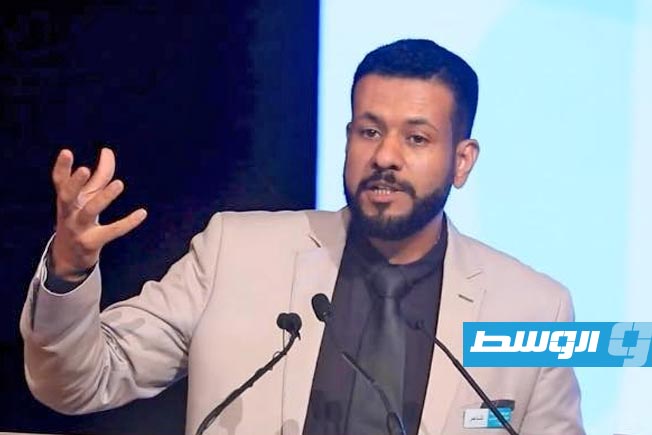
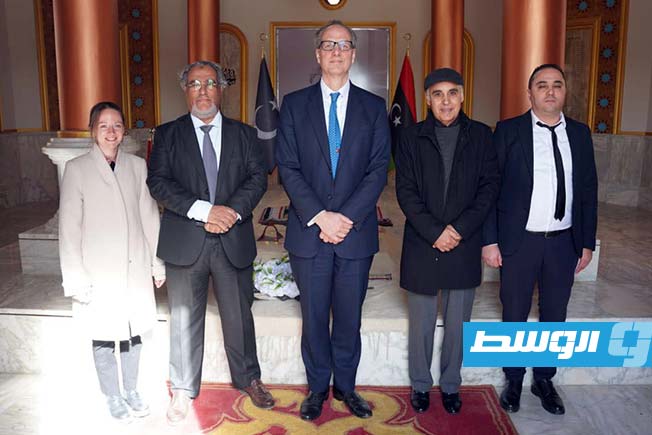
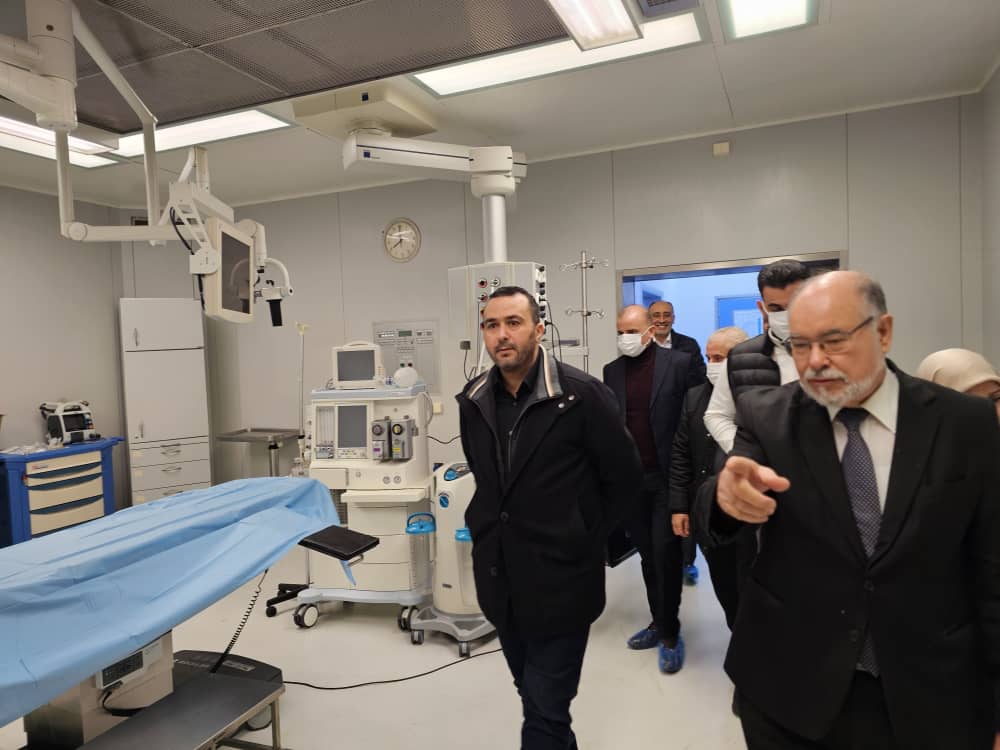
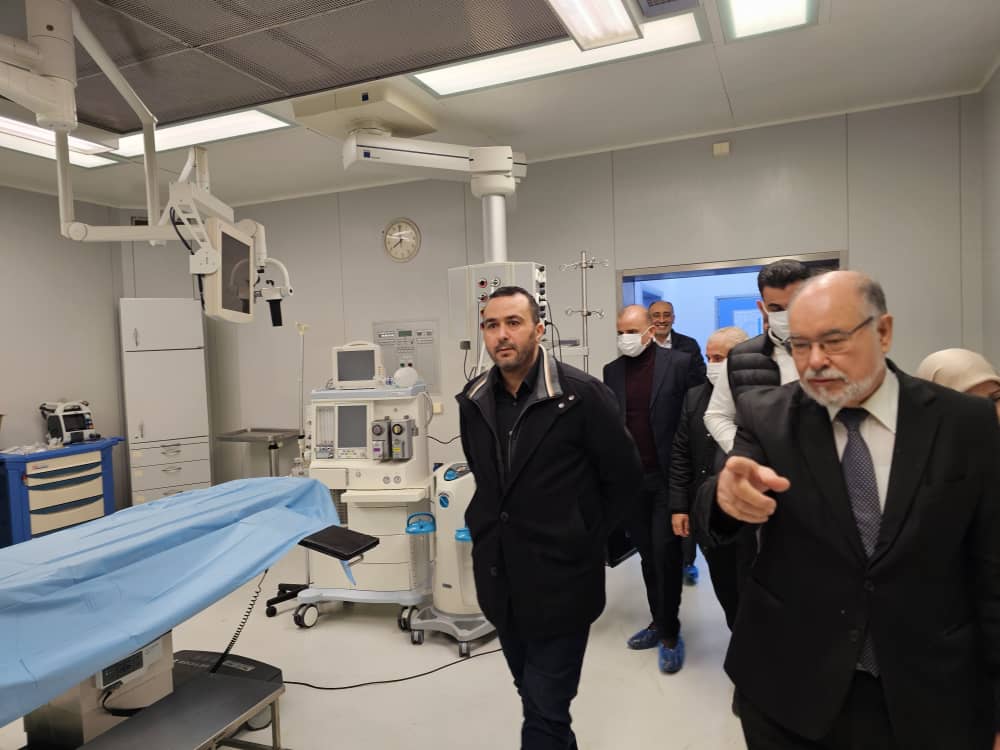
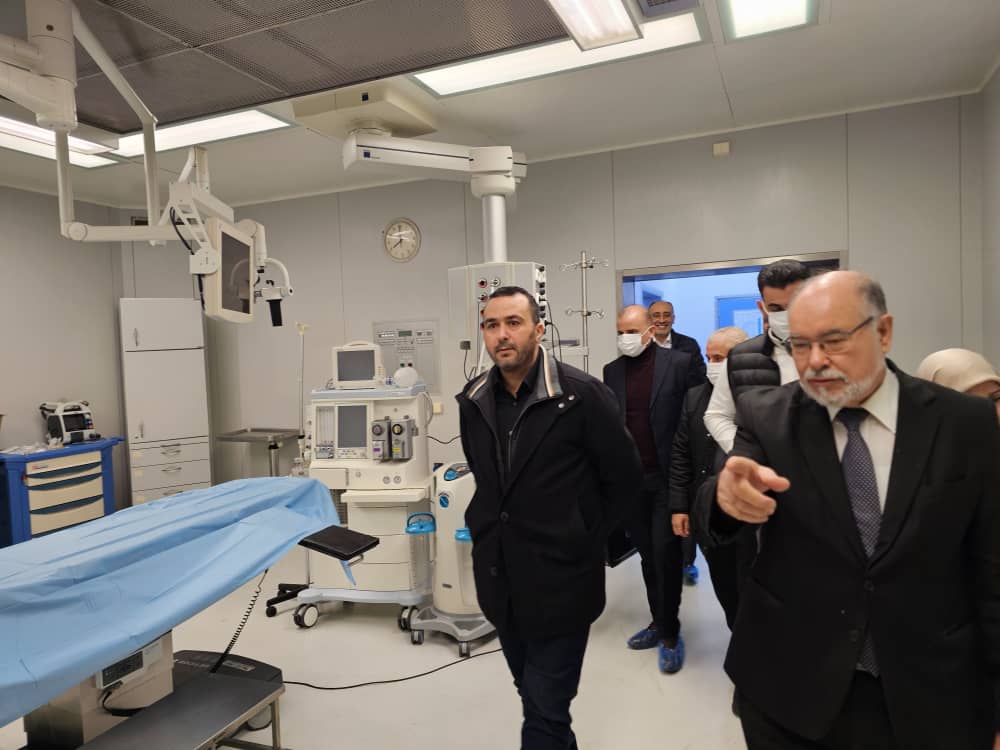
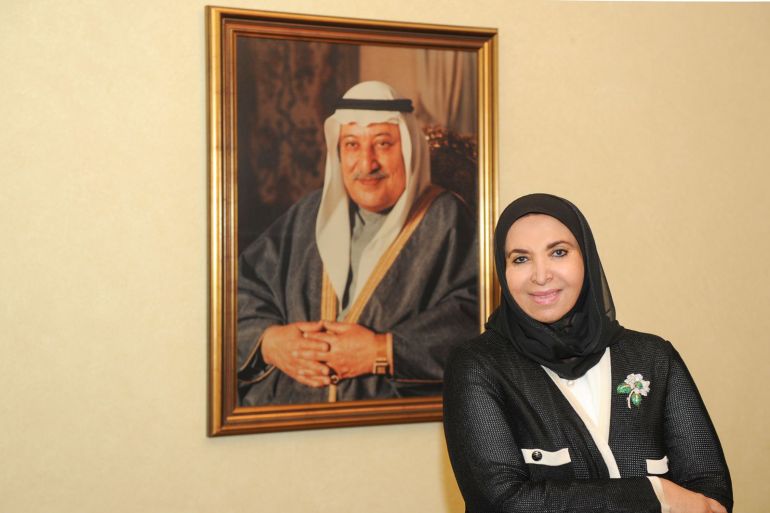
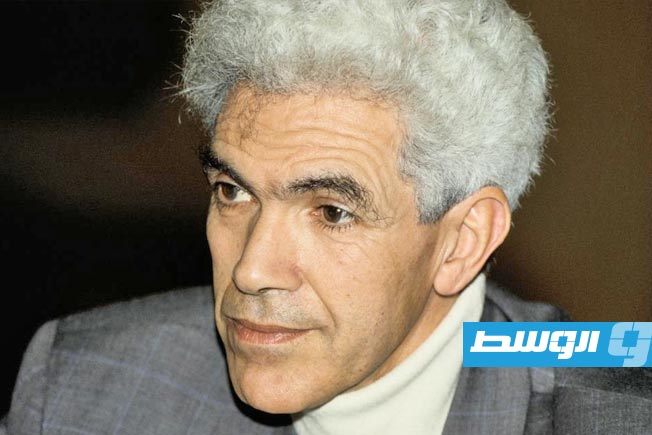
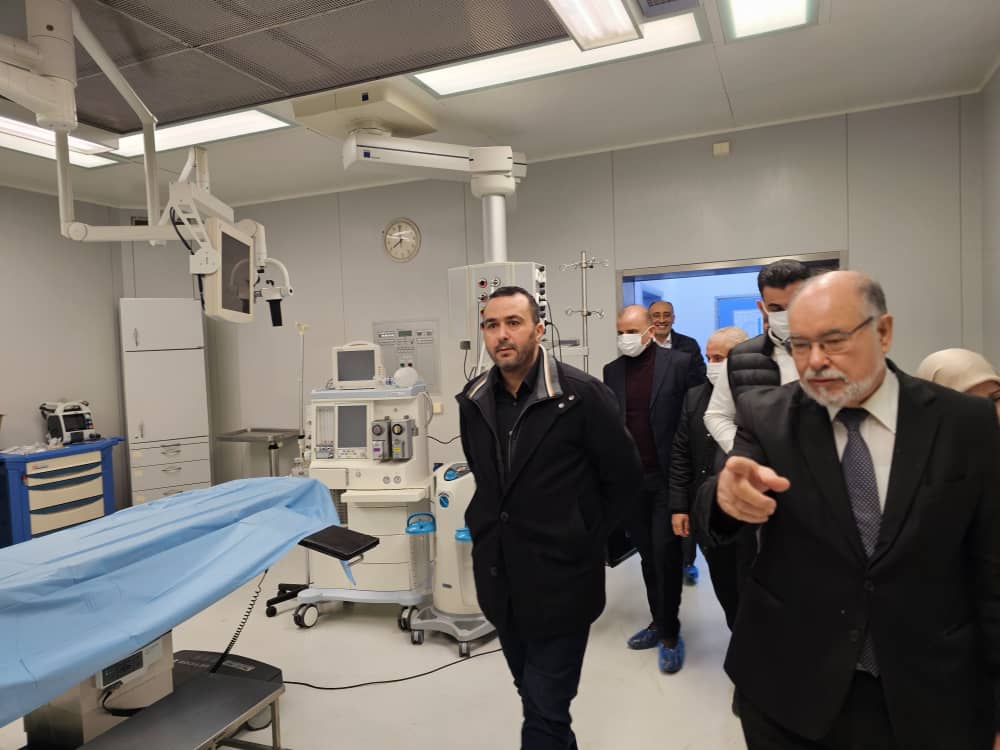
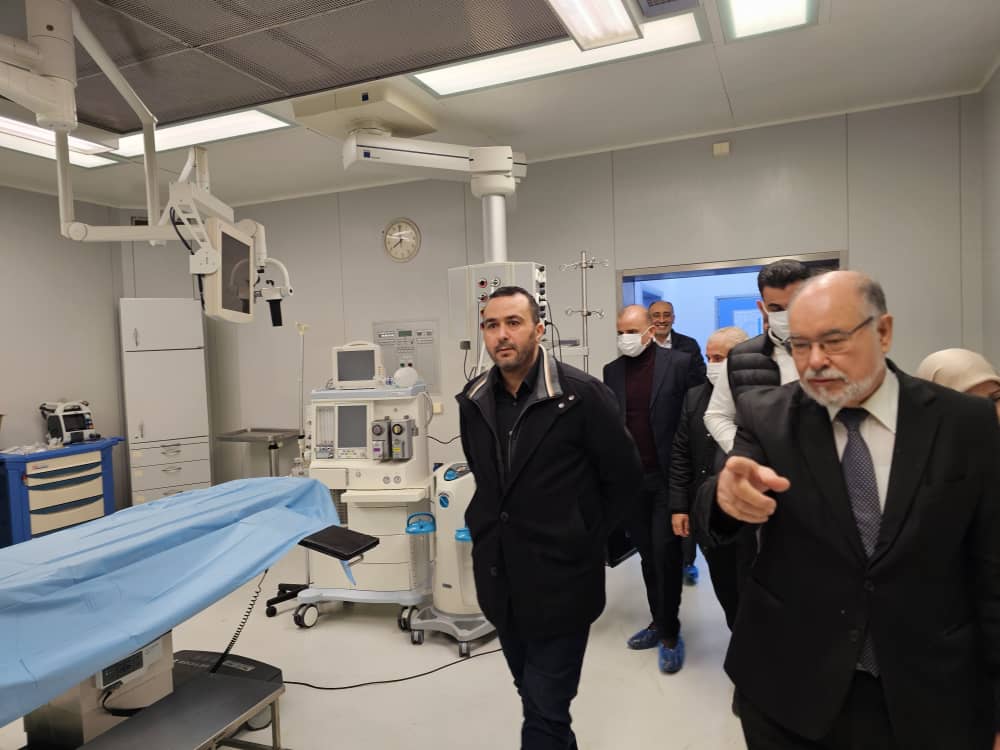
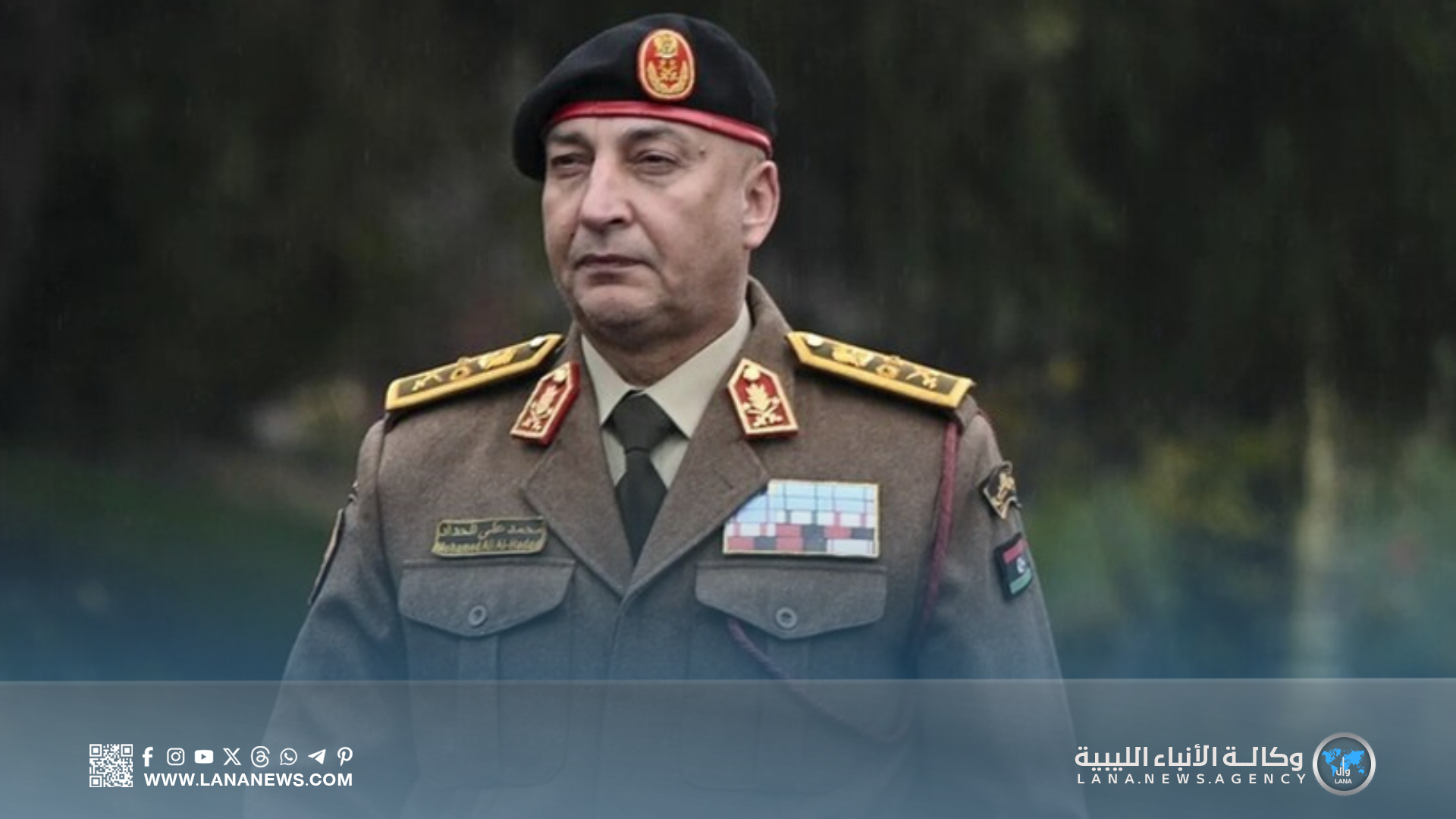
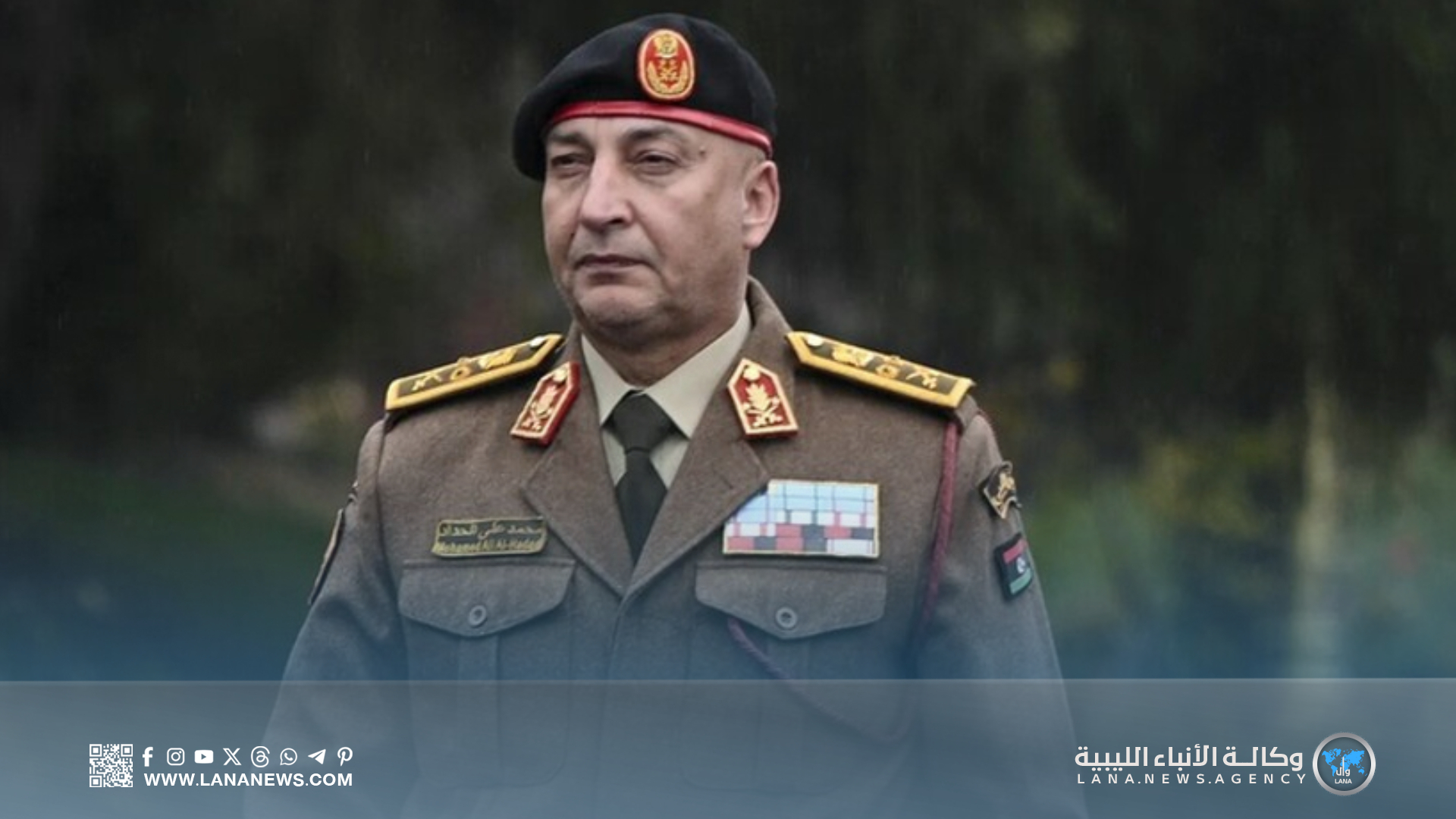
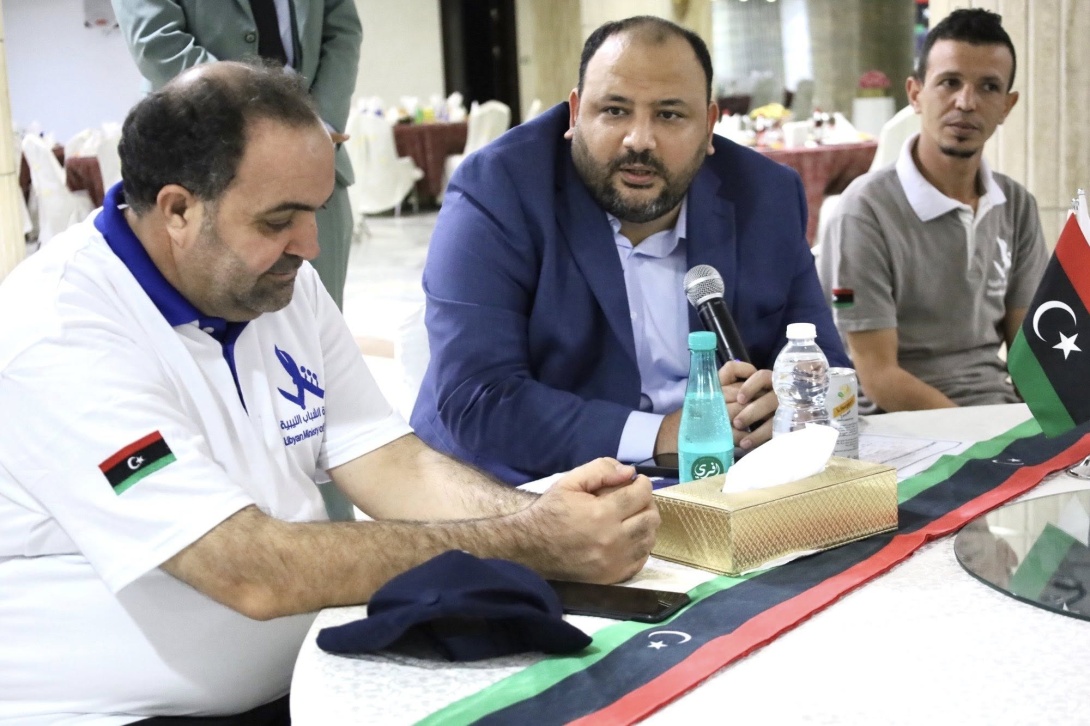
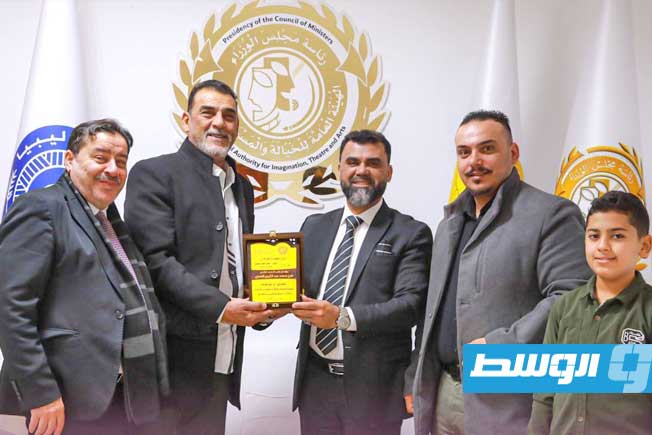
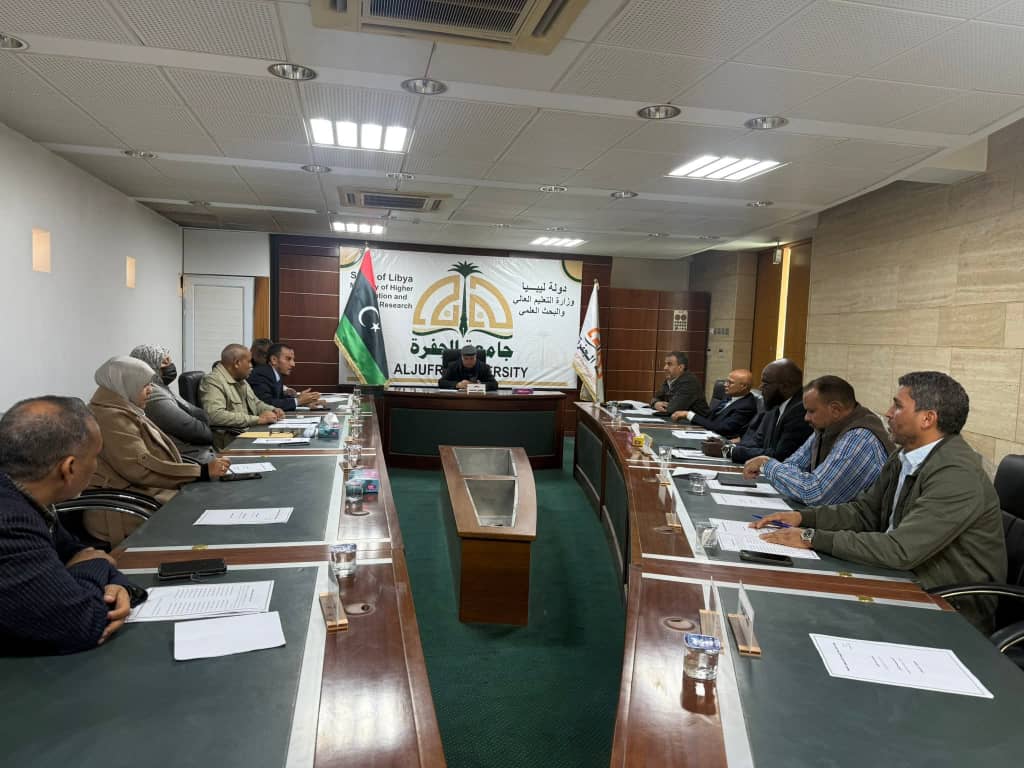
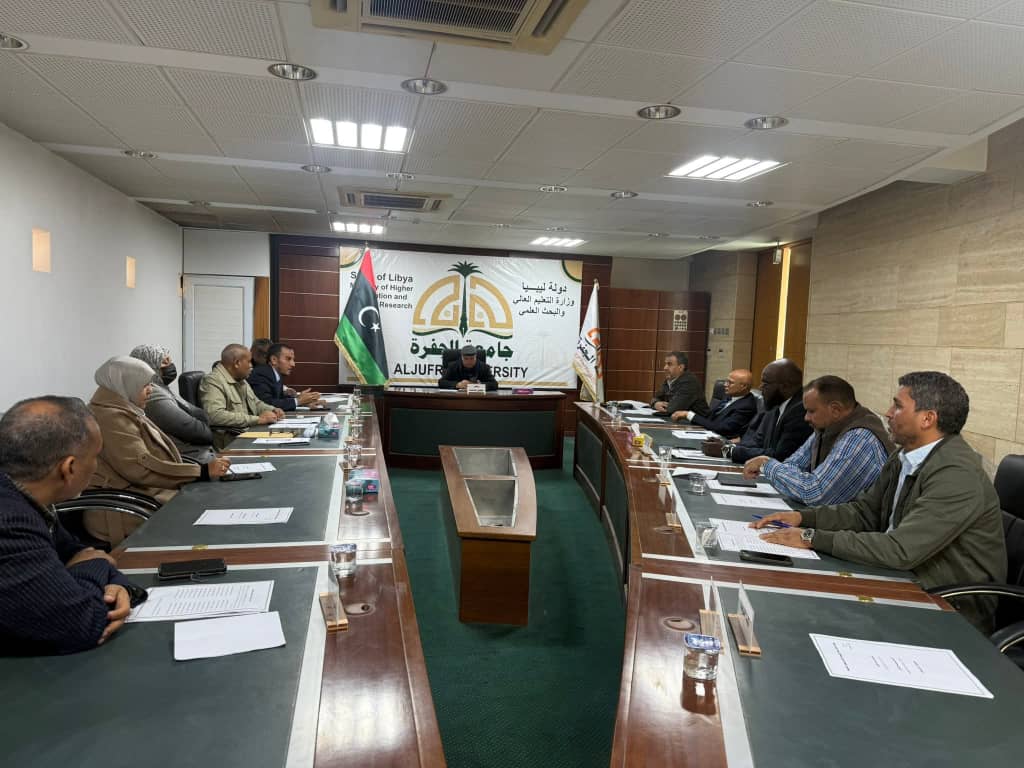
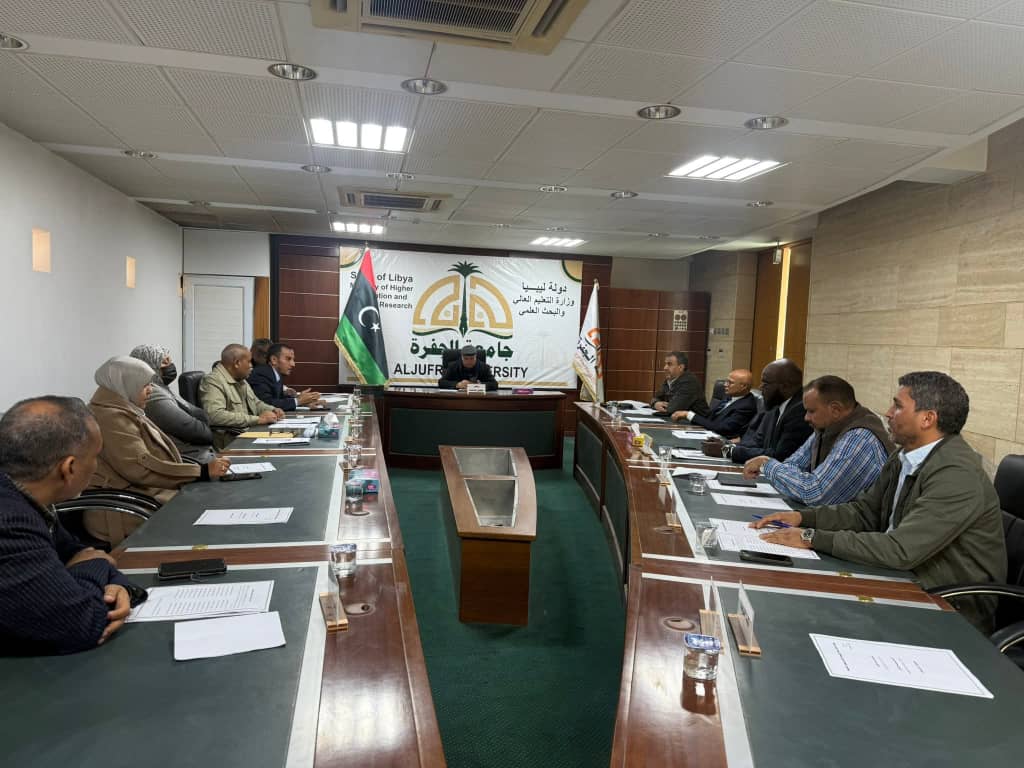
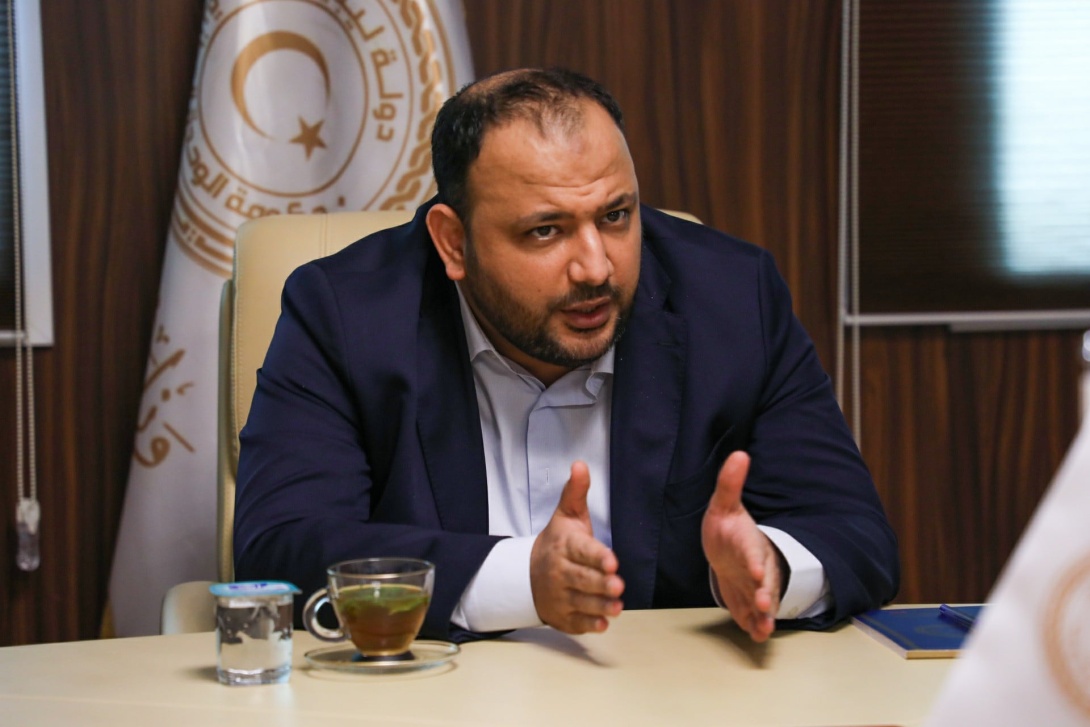
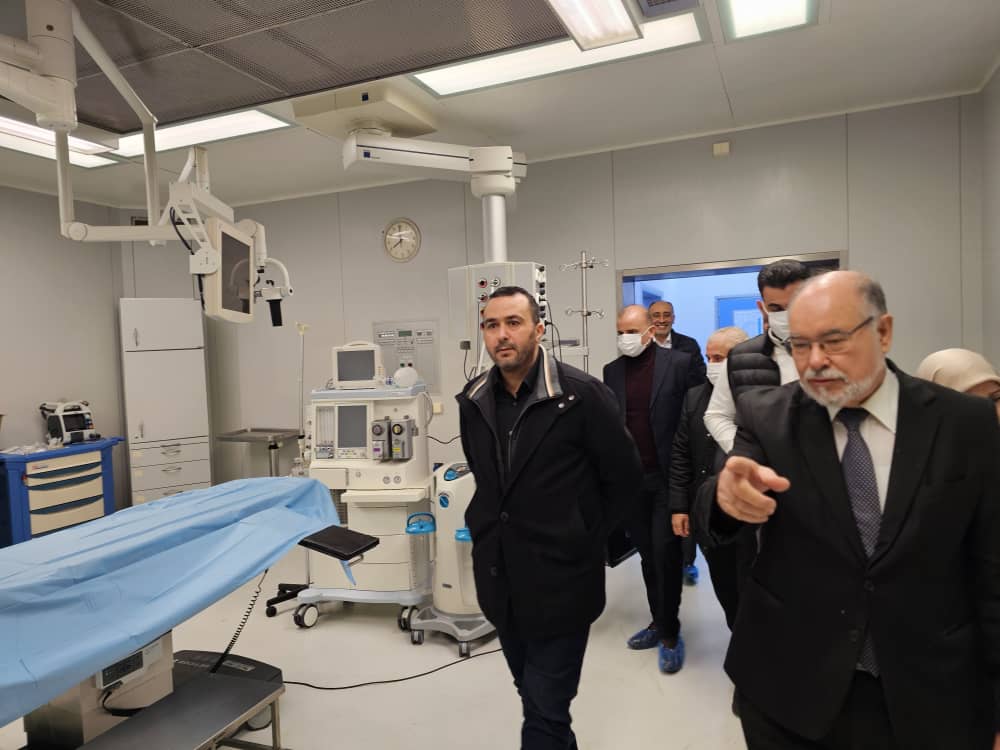
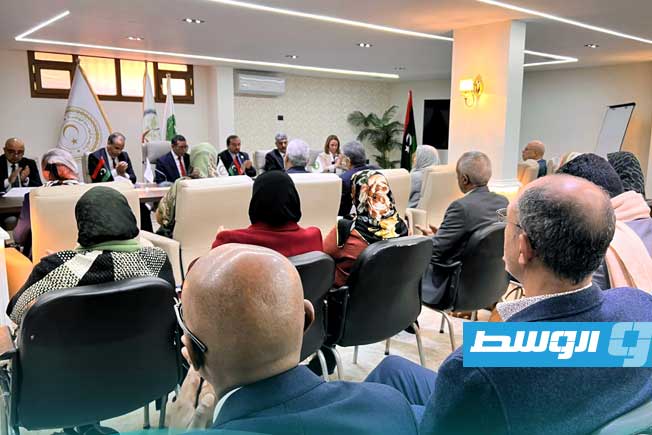
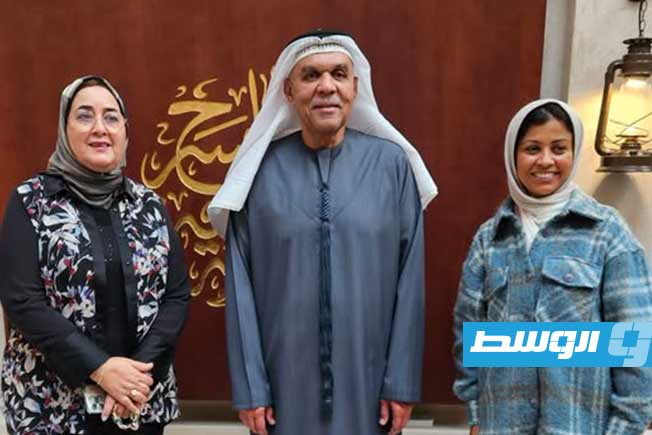
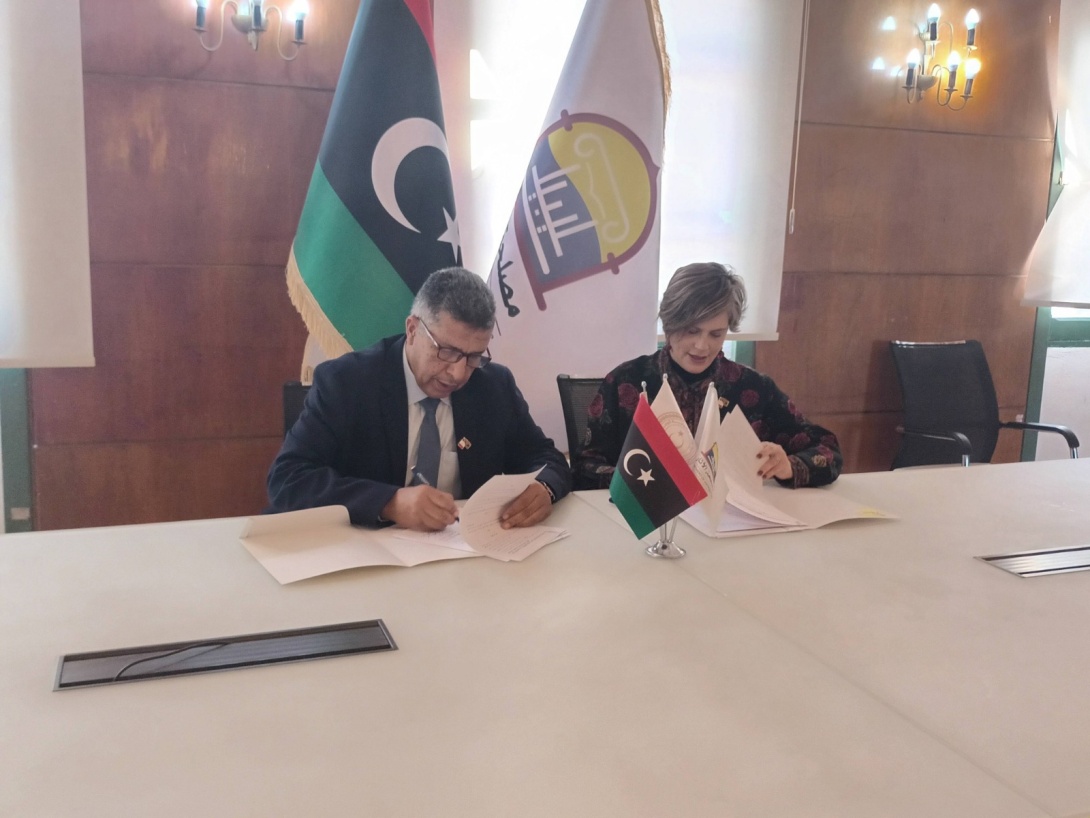
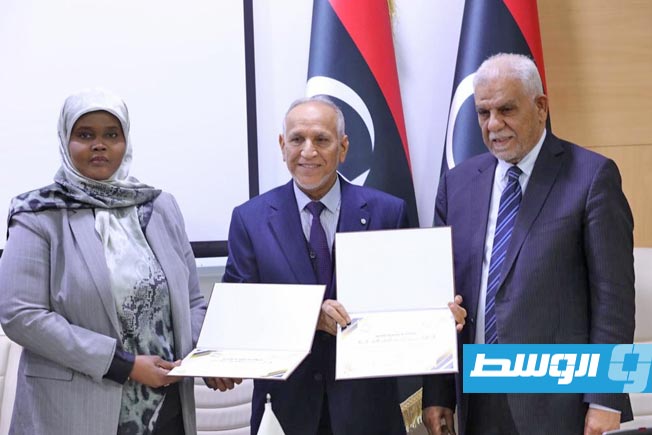
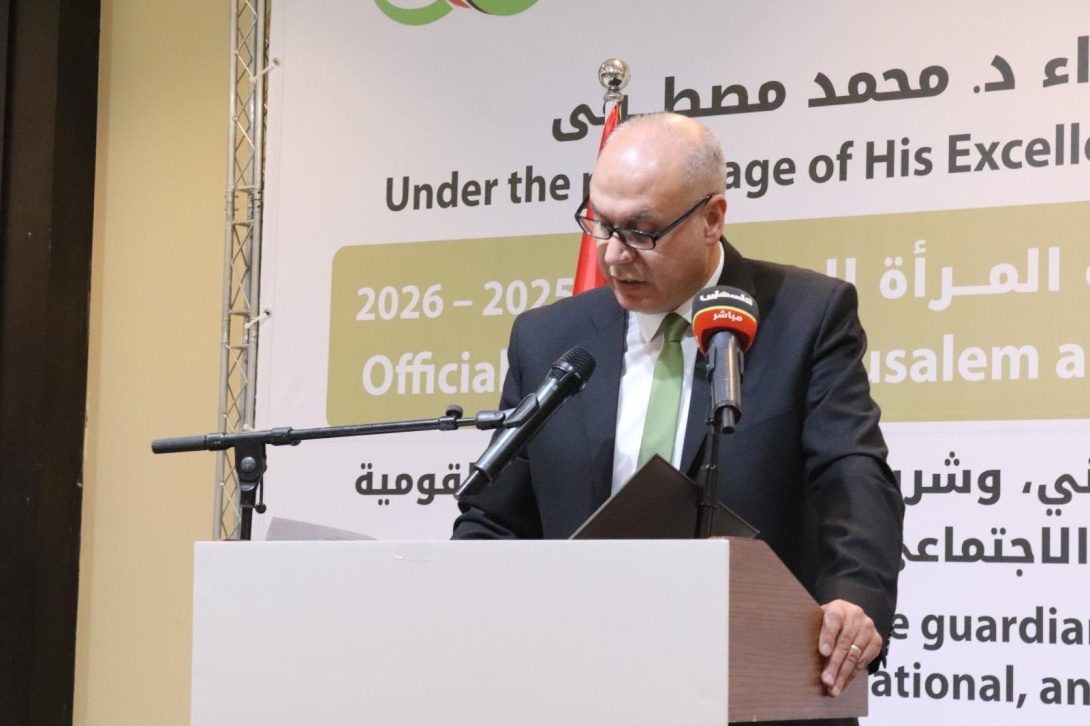
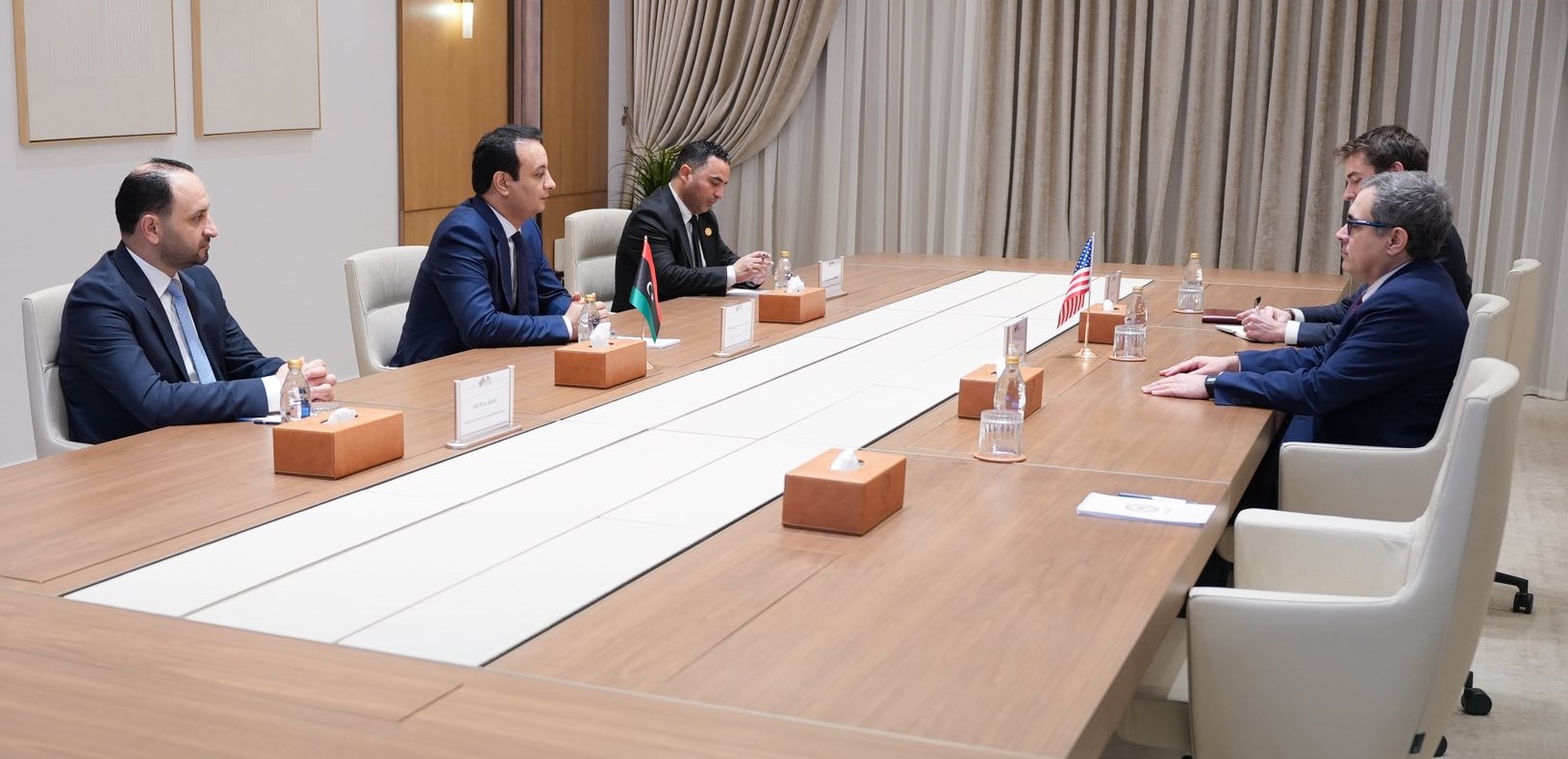
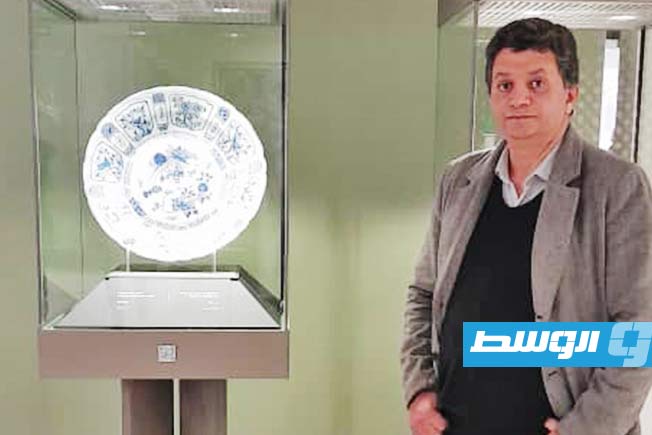
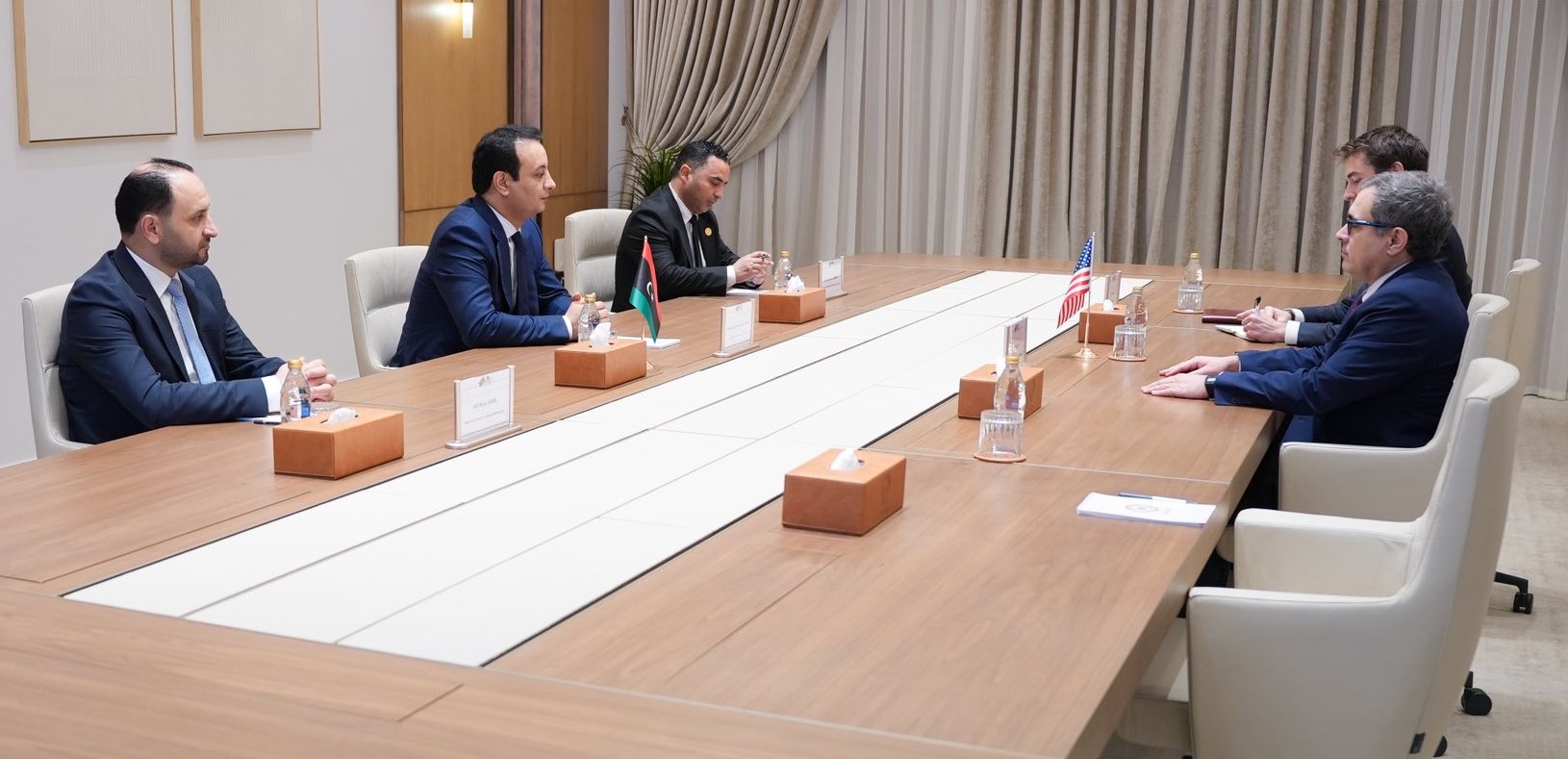
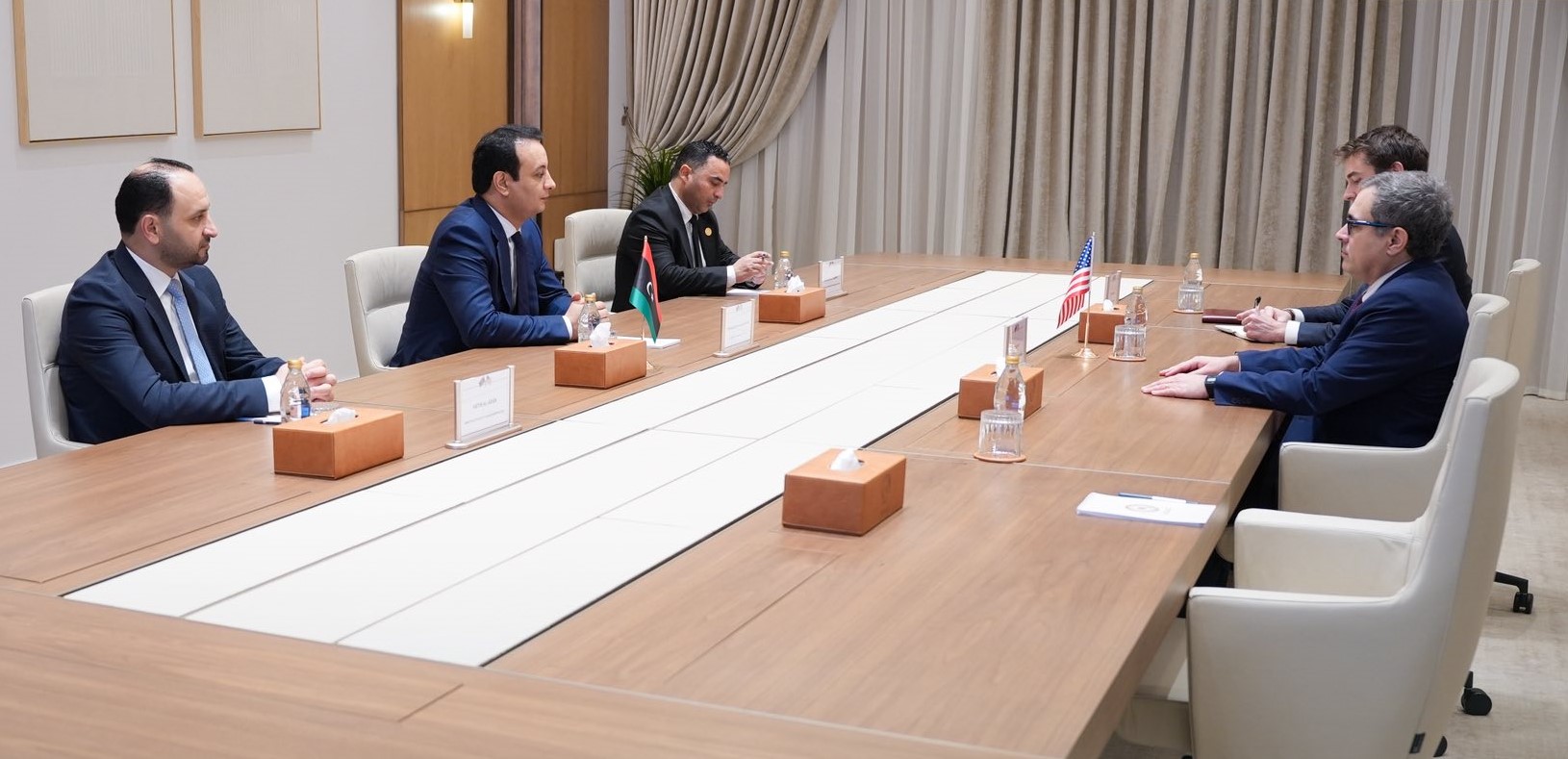
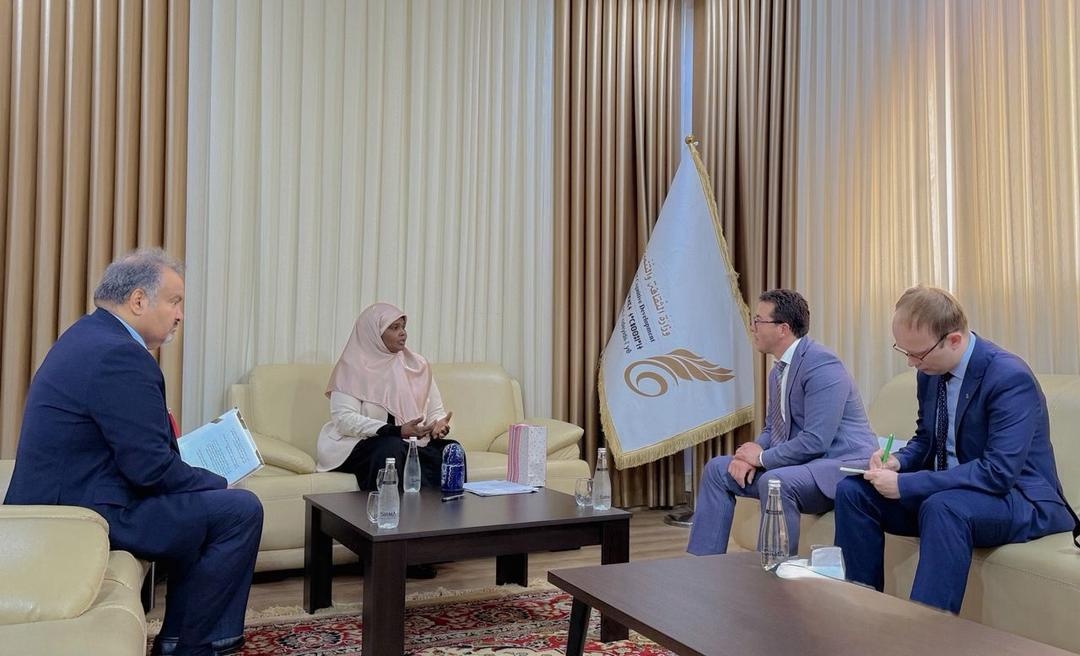
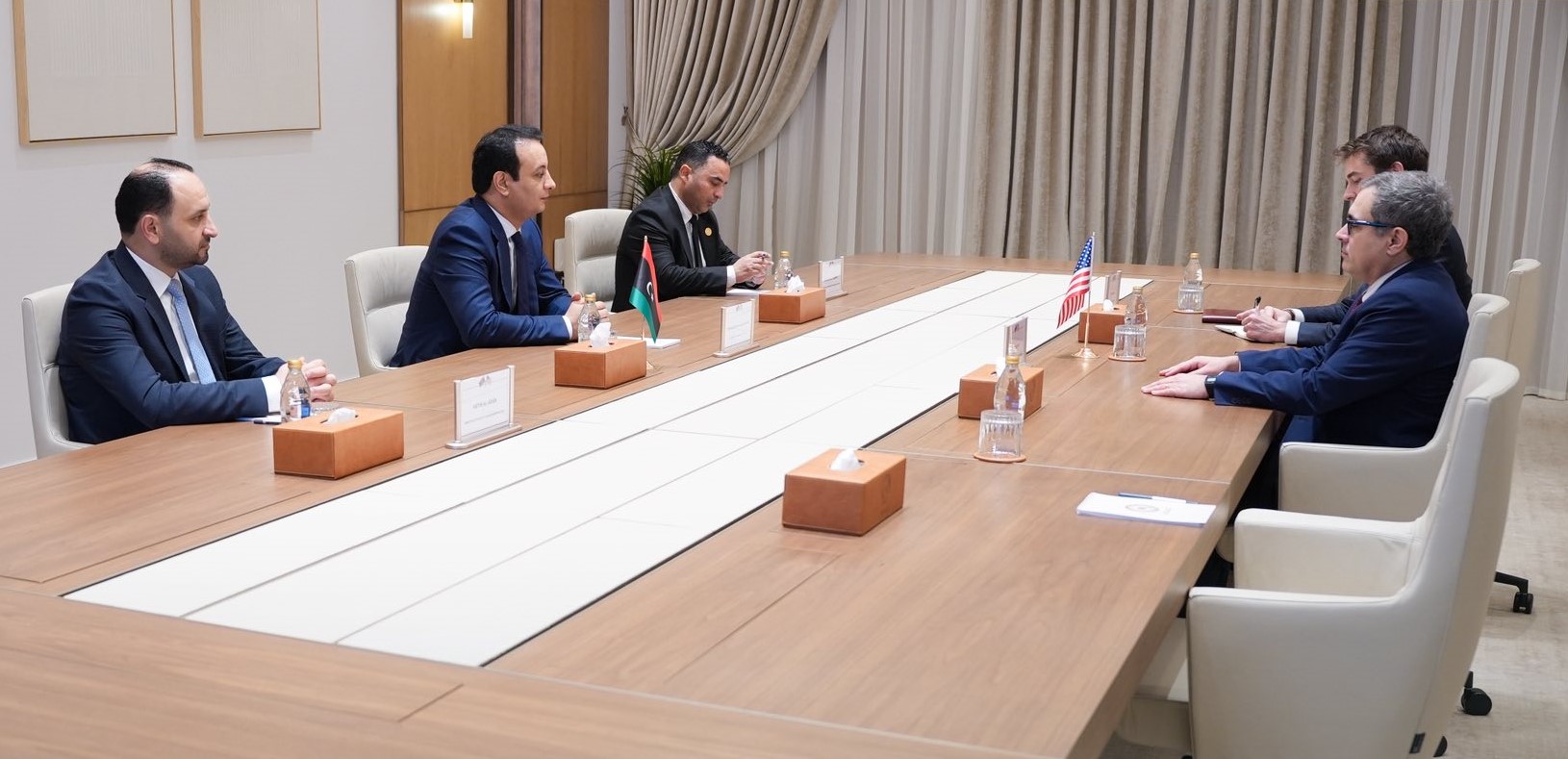
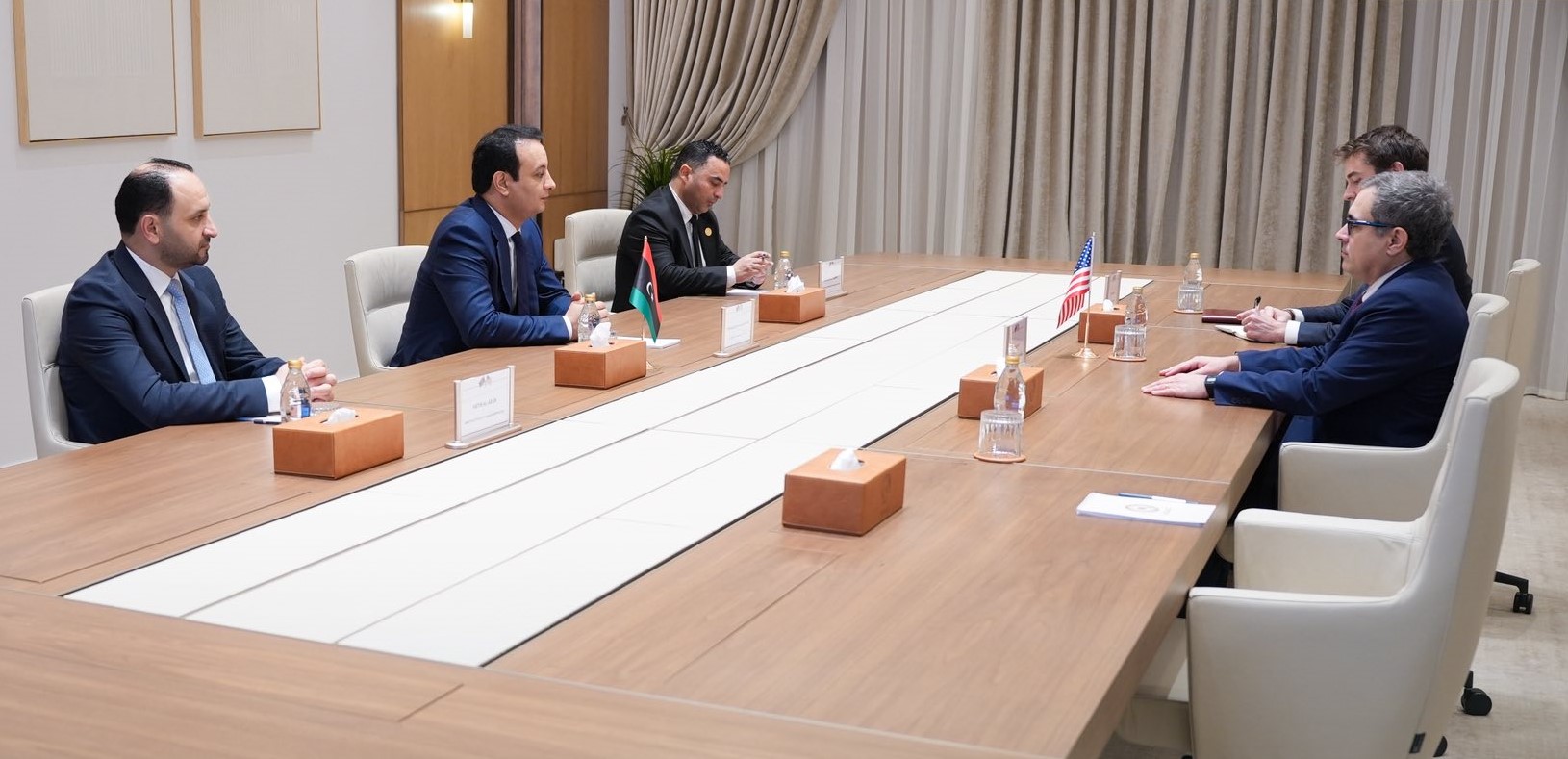
Kuwait, January 9, 2026 – The Minister of Planning of the Government of National Unity participated in the first meeting of the Board of Trustees of the Arab Planning Institute, held in the State of Kuwait, representing Libya as a member of the Arab states on the Board of Trustees.
During his intervention at the meeting, he reviewed the most important activities of the Ministry of Planning and its role in supporting the implementation of the Board of Trustees’ recommendations, in line with the objectives of the approved strategy. He affirmed Libya’s commitment to moving forward in achieving the Sustainable Development Goals (2030).
The Minister stressed the necessity of enhancing Arab developmental coordination and cooperation in light of regional and international challenges and changes and their impacts on development paths. He pointed out that exchanging expertise, experiences, and knowledge through effective Arab developmental partnerships is one of the most important mechanisms for mitigating the risks facing developmental transformations in the Arab region.
The meeting discussed the final report of the annual plan (2024–2025), which represents the final stage of the Institute’s Ninth Strategy (2020–2025), in addition to reviewing the most prominent results and outputs achieved during its implementation period.
Kuwait
Kuwait is a sovereign Arab state located at the head of the Persian Gulf, historically established as a sheikhdom in the 18th century by clans from the Arabian interior. Its modern history and wealth are deeply tied to the discovery of oil in the 1930s, and it faced a defining moment with its invasion and liberation during the 1990-1991 Gulf War.
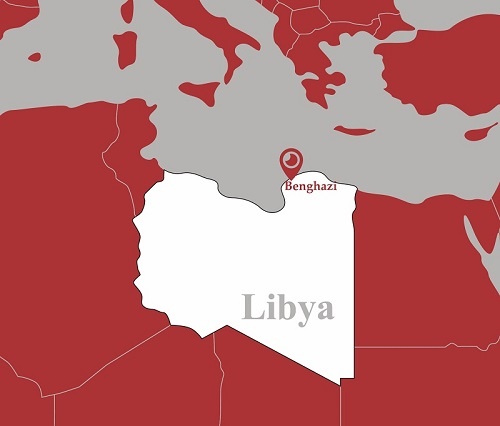
Libya
Libya is a North African country with a rich history rooted in ancient civilizations like the Phoenicians and Romans, followed by centuries of Arab and Ottoman influence. In the modern era, it was an Italian colony before gaining independence in 1951, later becoming known for Muammar Gaddafi’s lengthy rule from 1969 until the 2011 revolution. The country is home to UNESCO World Heritage sites, such as the ruins of Leptis Magna, which testify to its significant historical legacy.
Arab Planning Institute
The Arab Planning Institute is a regional organization founded in Kuwait in 1980, dedicated to building human capacity and supporting socioeconomic development across the Arab world. It functions as a key think tank and training center, providing research, policy analysis, and professional development programs for planners and policymakers in the region.
Ministry of Planning
The Ministry of Planning is a government department responsible for formulating national economic and social development plans. Historically, such ministries became prominent in many countries during the mid-20th century, often to guide post-war reconstruction and state-led industrialization efforts. Its core function is to set long-term strategic goals and coordinate public investment to achieve national priorities.
Government of National Unity
The Government of National Unity (GNU) is a power-sharing coalition government formed in South Africa in 1994 following the country’s first multiracial elections, which brought Nelson Mandela to the presidency. It was established as part of the transition from apartheid to majority rule, incorporating the African National Congress, the National Party, and the Inkatha Freedom Party to foster reconciliation and political stability.
Board of Trustees
The Board of Trustees is a governing body, typically for an institution like a university, museum, or foundation, responsible for its oversight and long-term stewardship. This model has historical roots in English common law and was notably adopted in the United States to manage charitable and educational organizations independently. Its primary function is to ensure the institution fulfills its mission and manages its resources effectively.
Sustainable Development Goals (2030)
The Sustainable Development Goals (SDGs) are a collection of 17 global objectives established by the United Nations in 2015 as a universal call to action to end poverty, protect the planet, and ensure peace and prosperity for all by 2030. They build upon the earlier Millennium Development Goals and address interconnected global challenges, including climate change, economic inequality, and environmental degradation.
Arab region
The Arab region, also known as the Arab world, encompasses a vast area from the Atlantic Ocean to the Arabian Sea, united by the Arabic language and shared cultural heritage. Its history is deeply rooted in ancient civilizations and was profoundly shaped by the rise of Islam in the 7th century and the subsequent expansion of the Arab Caliphates. Today, it consists of 22 member states of the Arab League, featuring a rich diversity of peoples, traditions, and modern national identities.