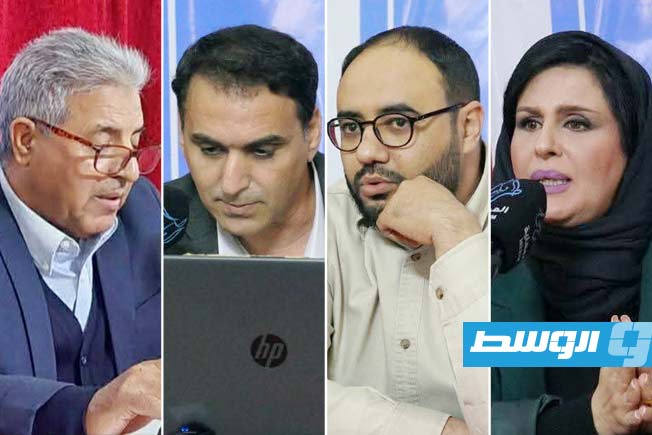
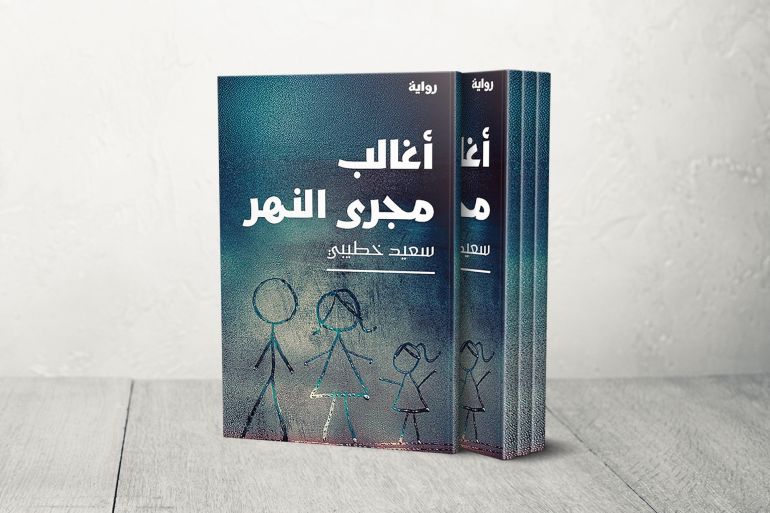
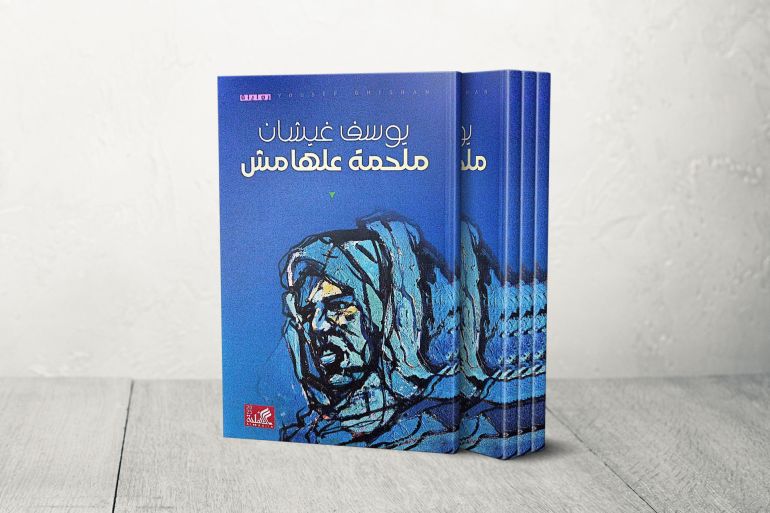
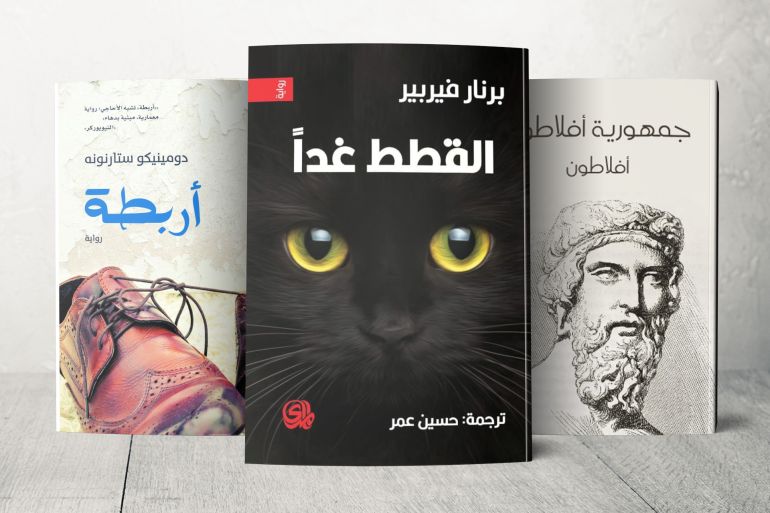
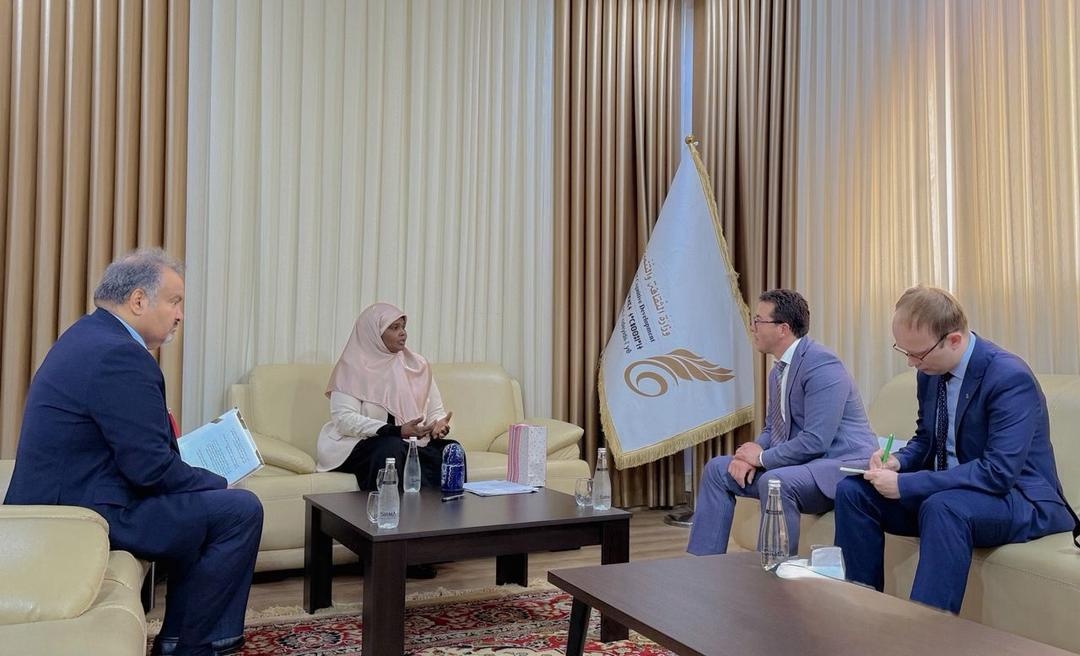
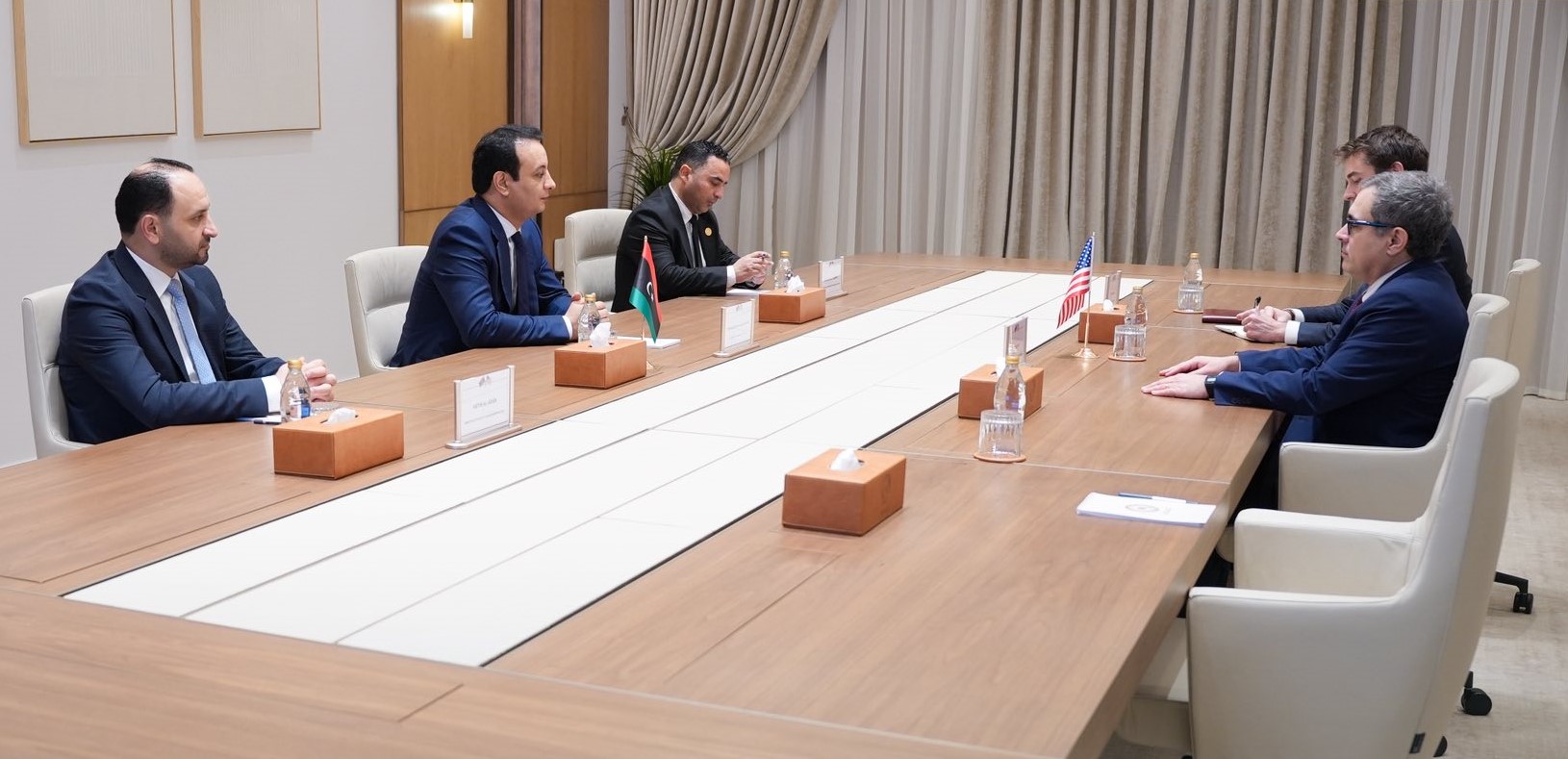
Al-Shuwaidi discusses with a number of publishers and Libyan writers the challenges of publishing Libyan books abroad.
libyawire.org > News > Culture > Al-Shuwaidi discusses with a number of publishers and Libyan writers the challenges of publishing Libyan books abroad.
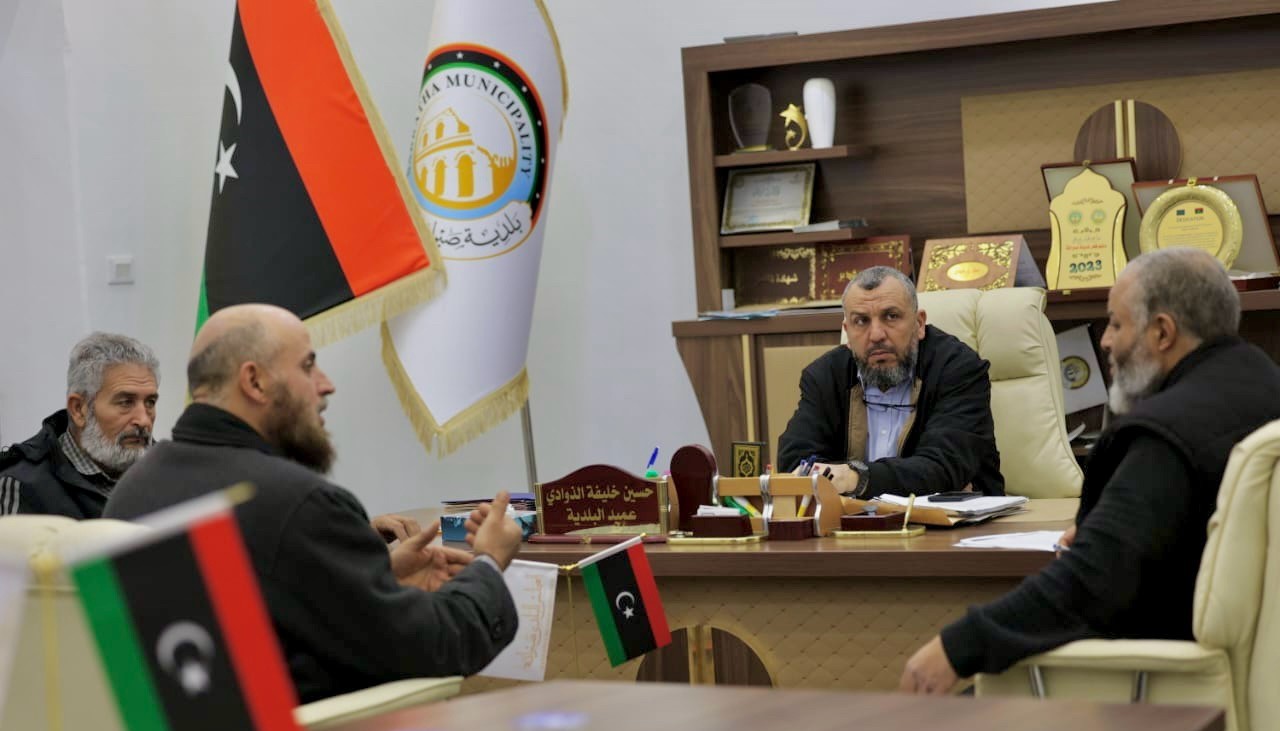
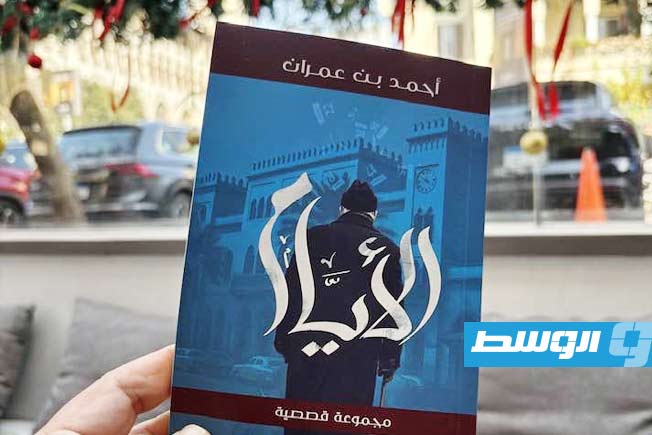
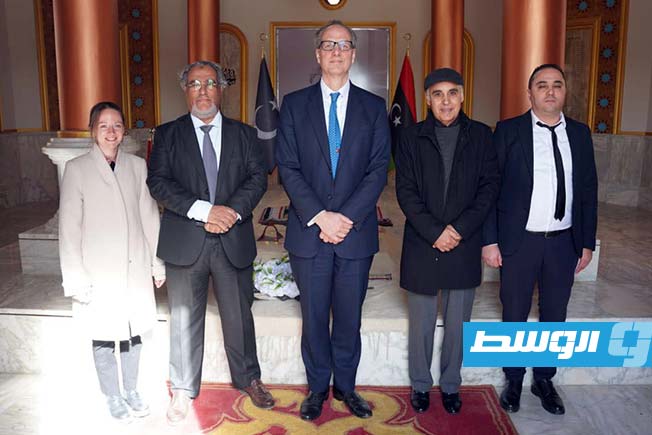
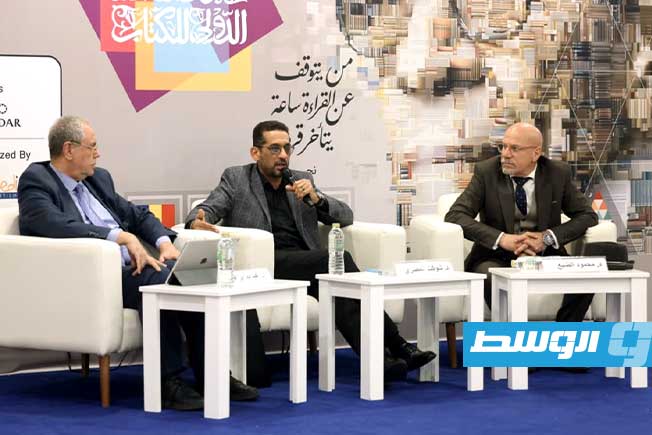
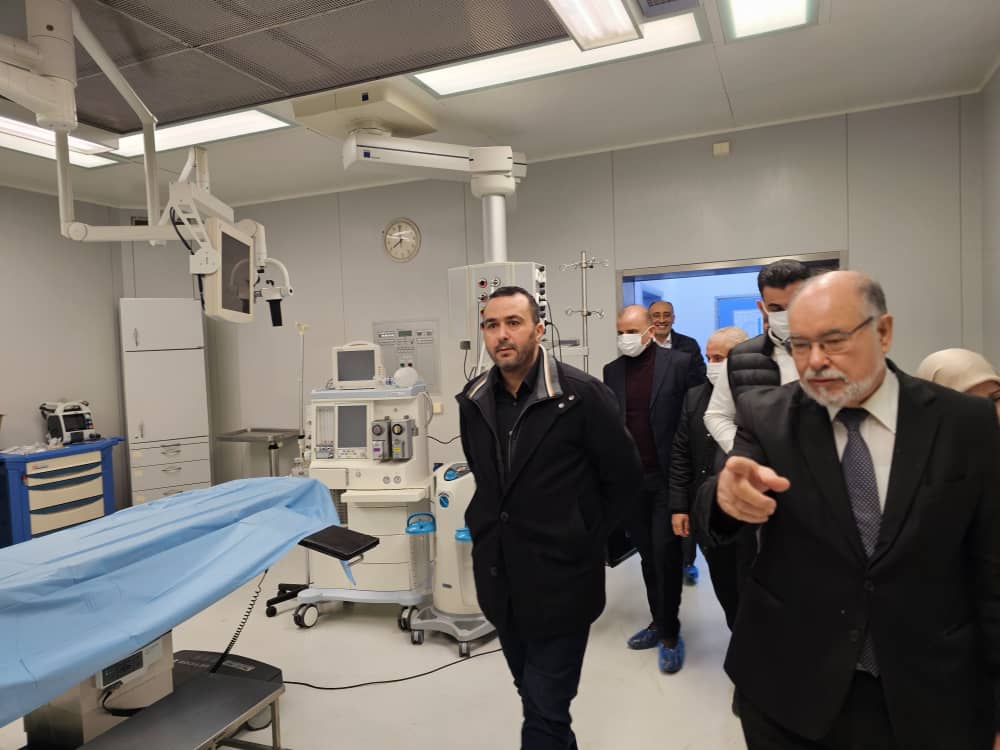
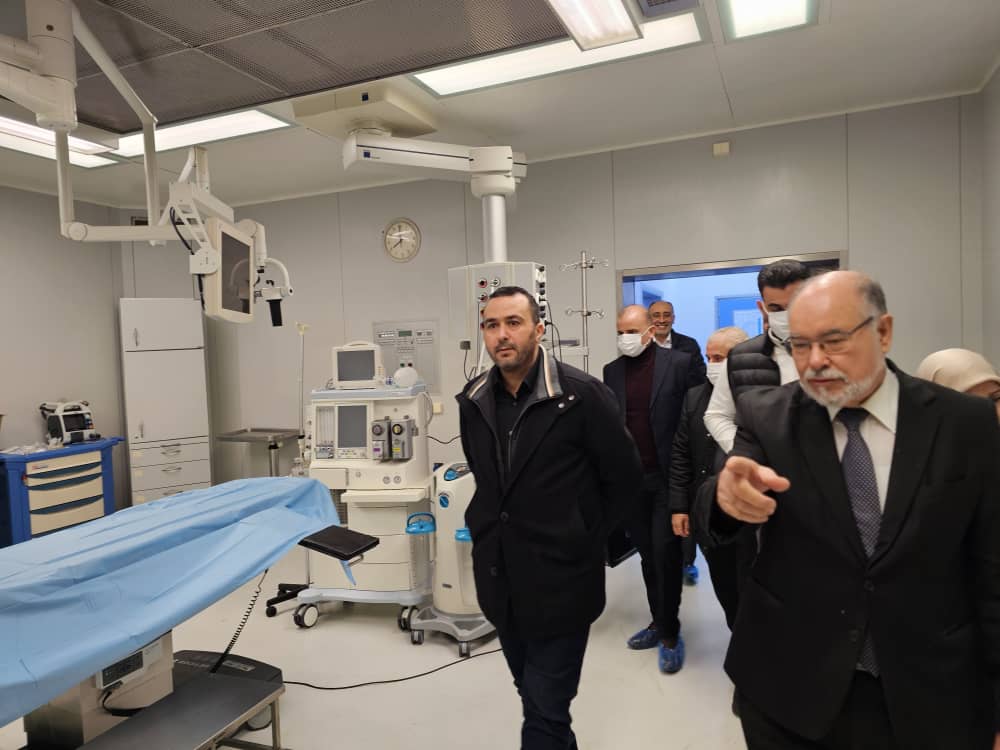
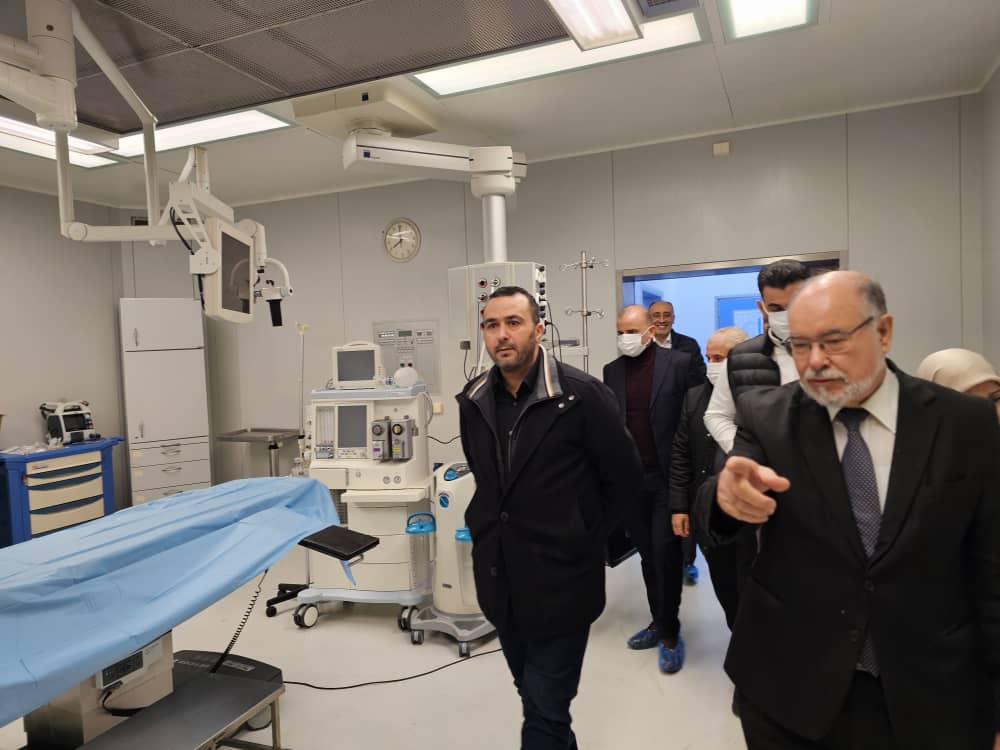
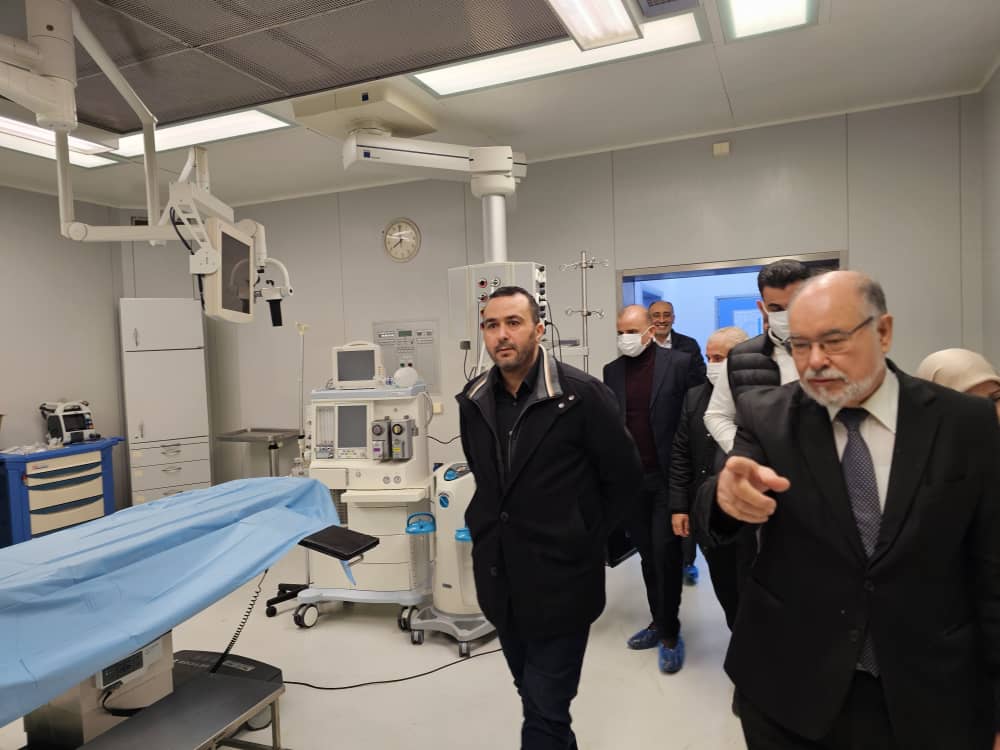
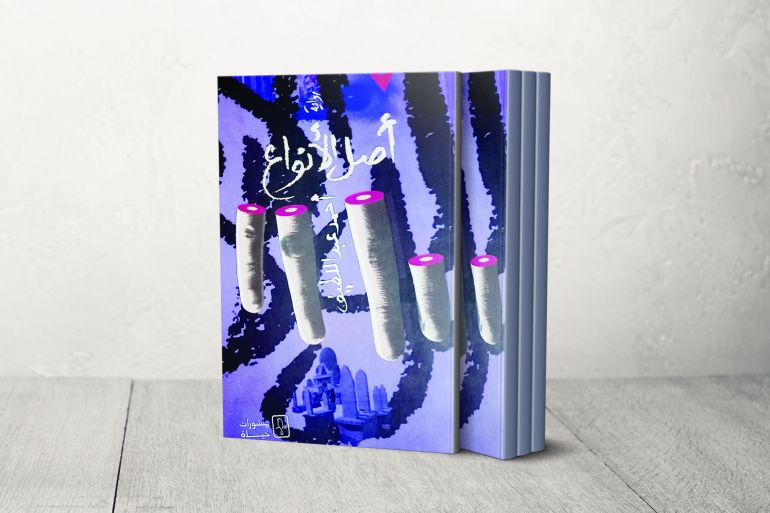
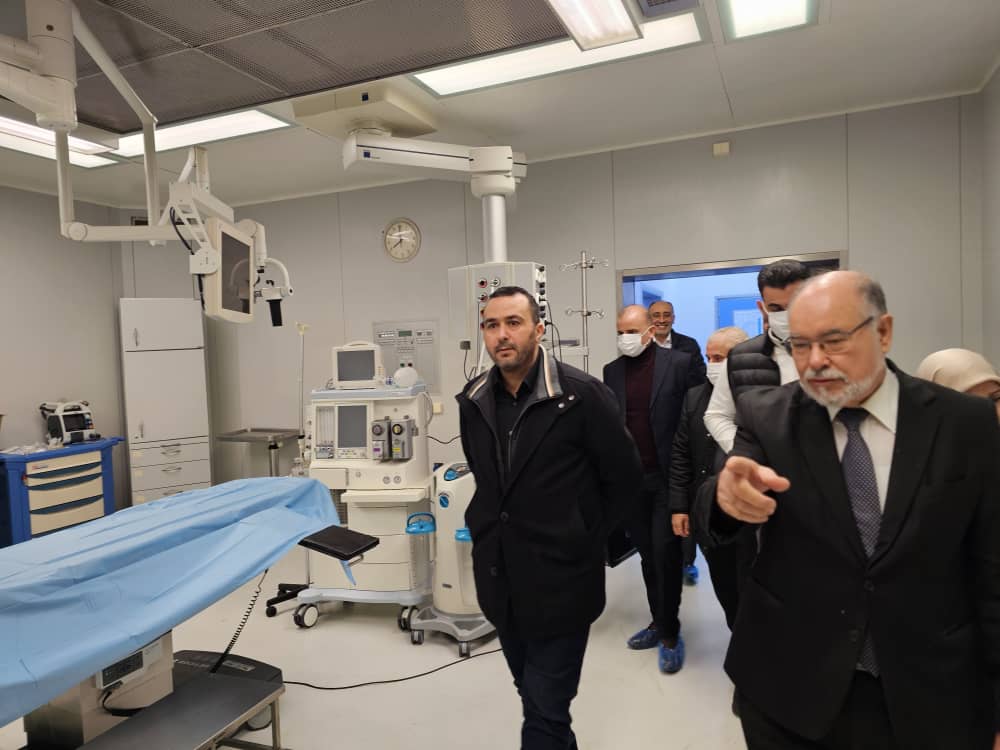
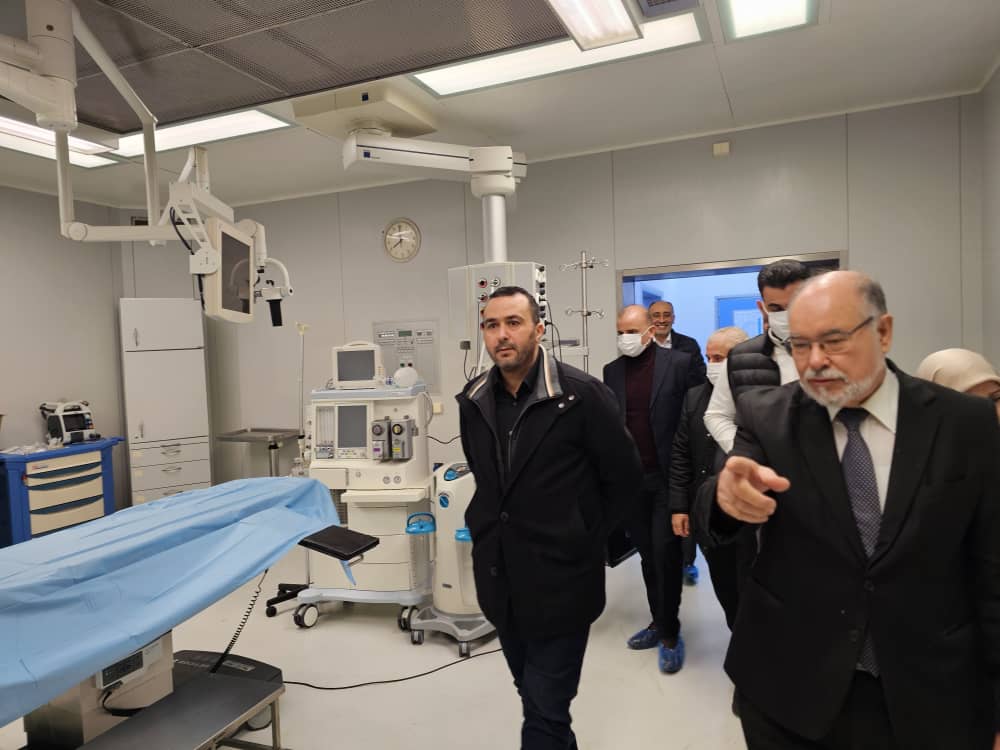
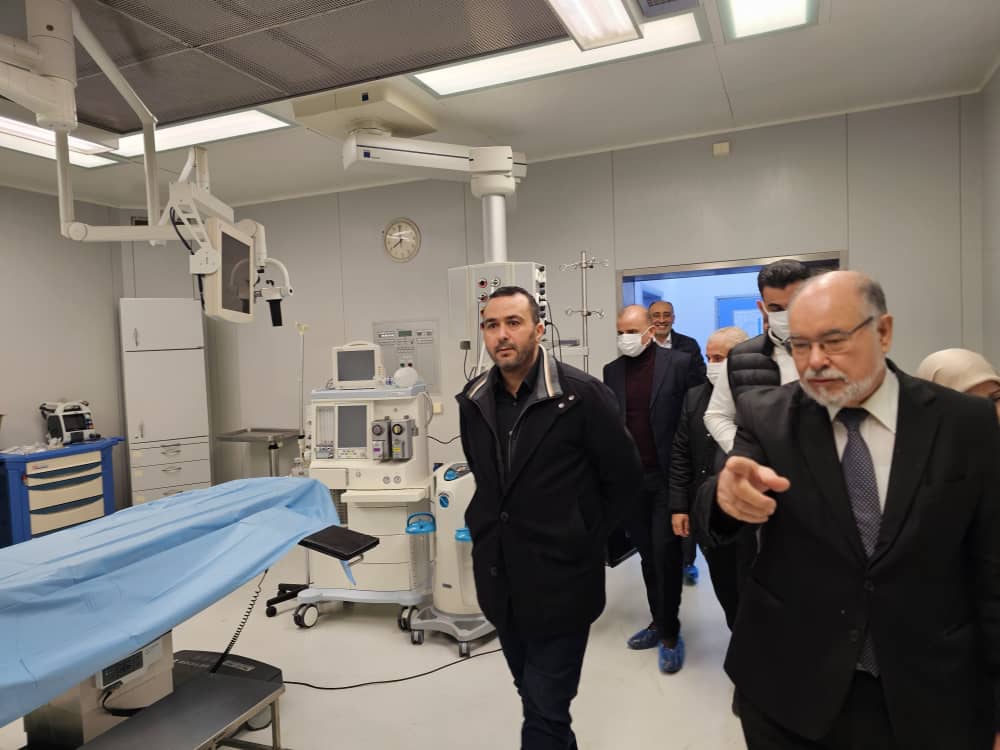
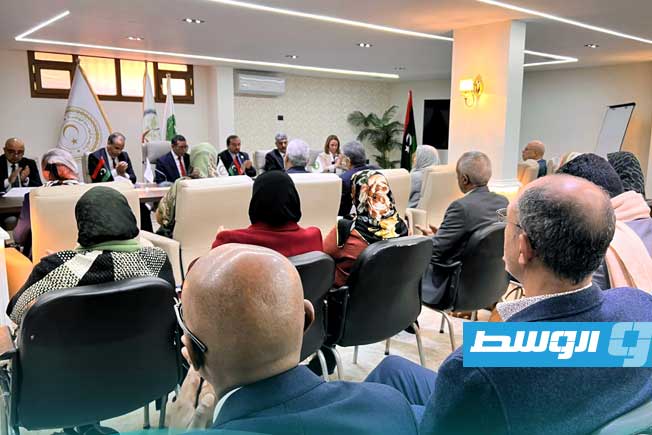
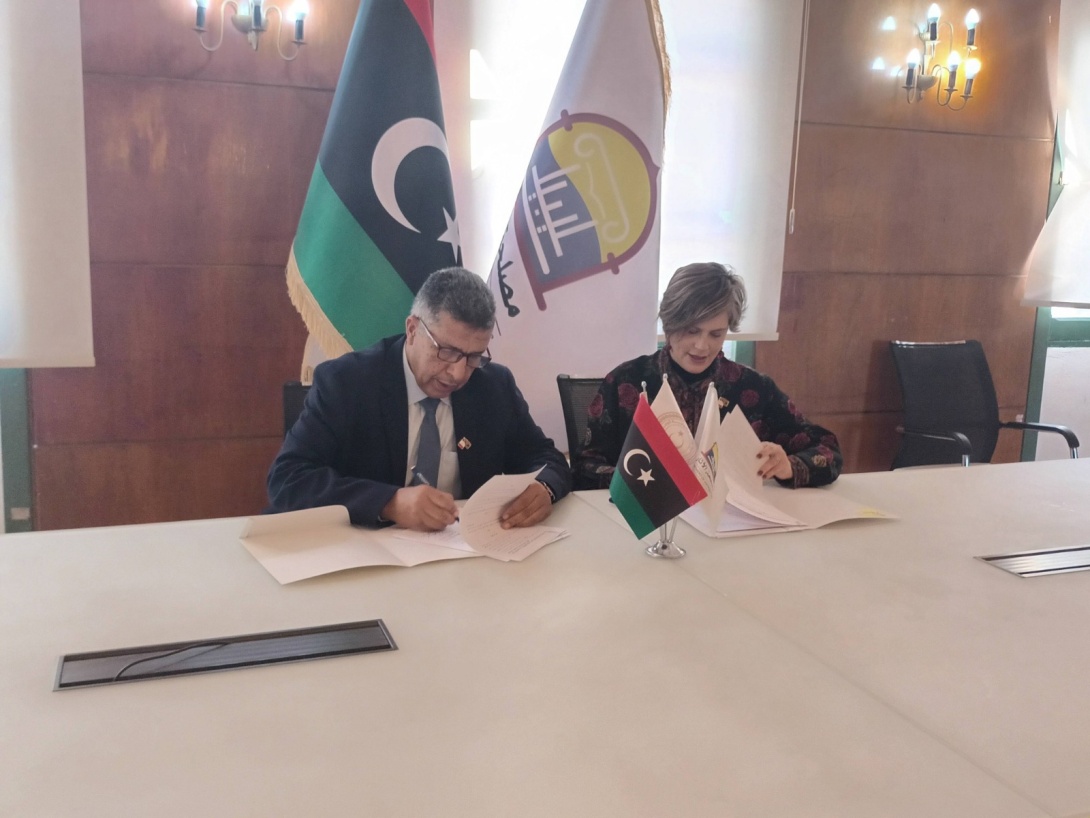
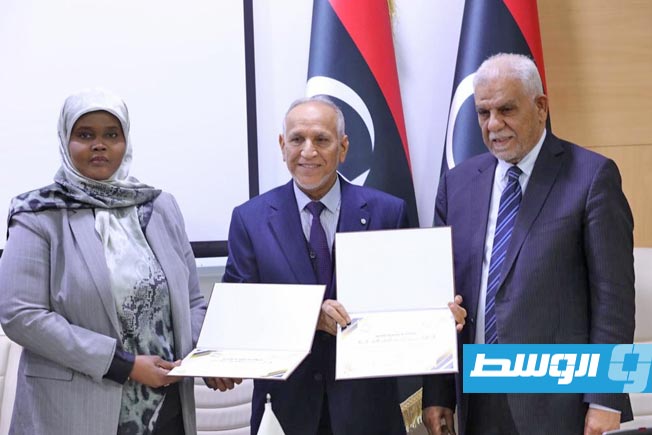
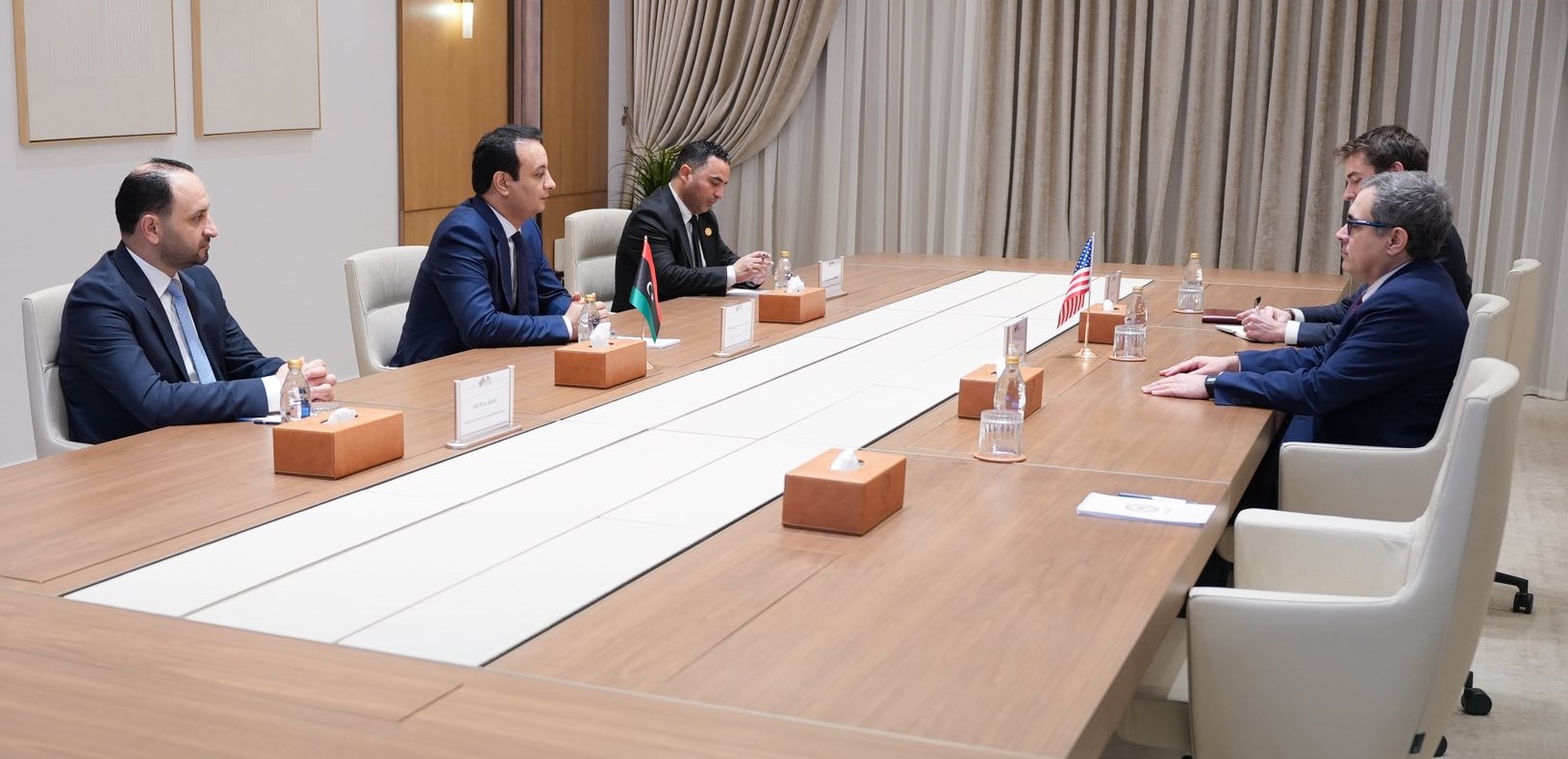
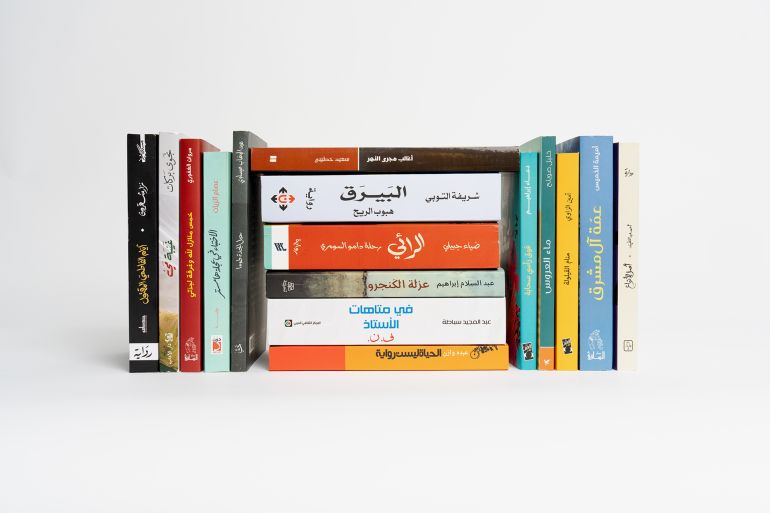
Benghazi, January 2, 2026 – The Media, Culture, and Civil Society Institutions Committee of the House of Representatives reviewed the most prominent problems and obstacles facing the movement of publishing and distributing Libyan books abroad. It explored ways to find solutions to address these issues, ensuring an active and distinguished presence for Libyan culture in regional and international forums.
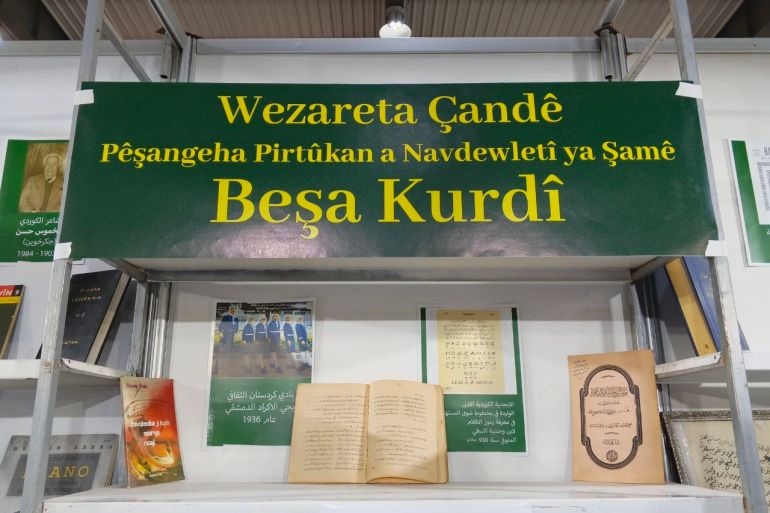
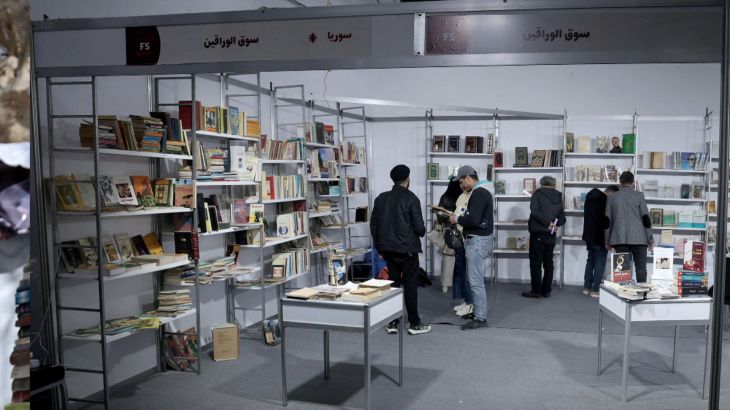
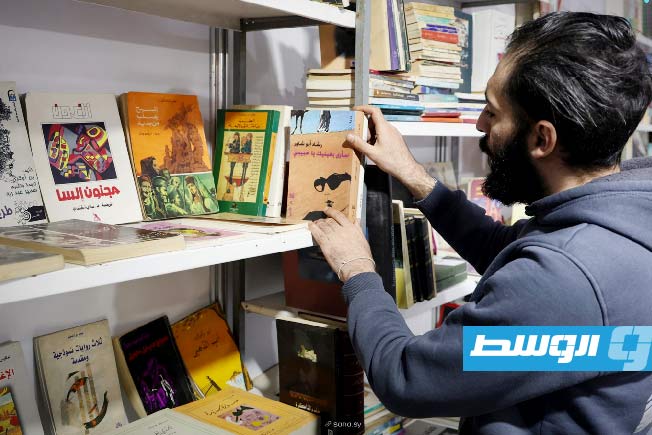
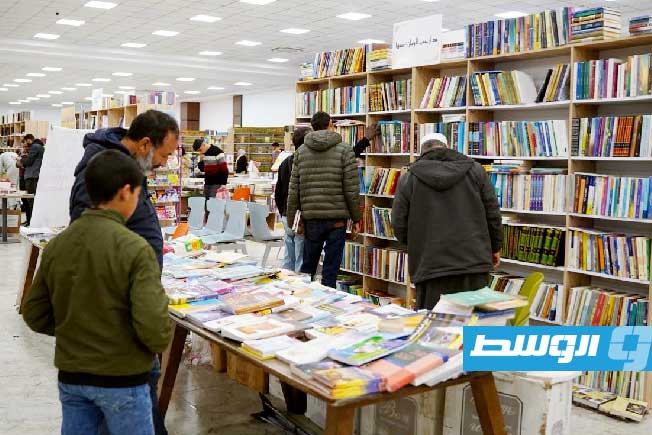
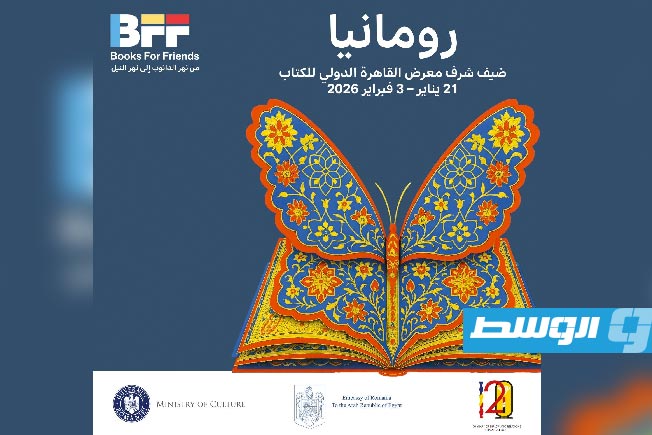
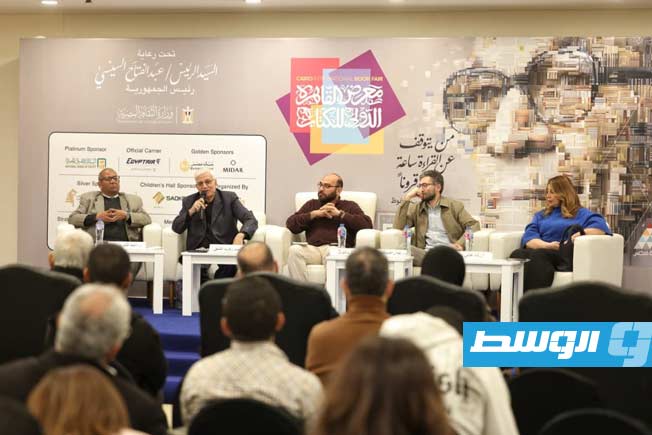
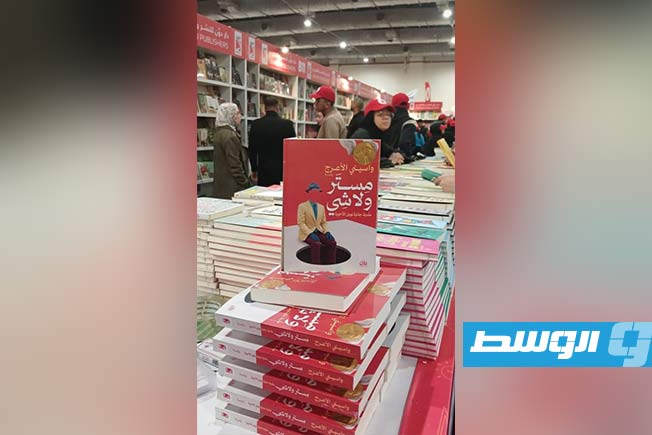
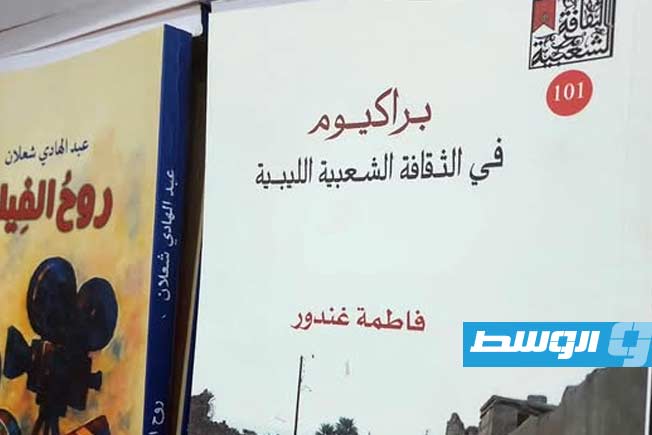
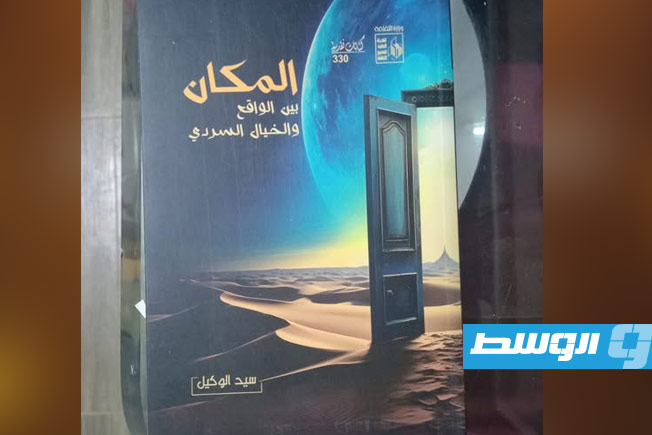
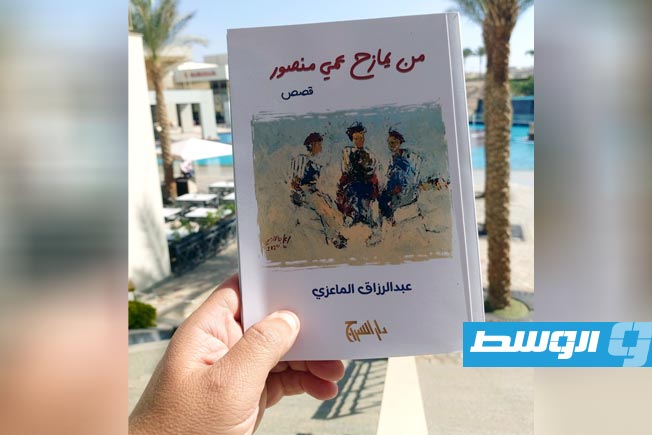
This occurred during a field visit to the pavilions of Libyan publishing houses participating in the Cairo International Book Fair, as part of the oversight and supportive role undertaken by the committee towards cultural institutions and creators.
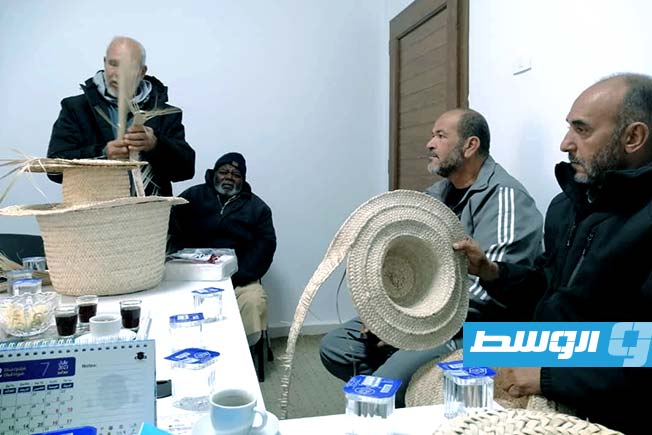
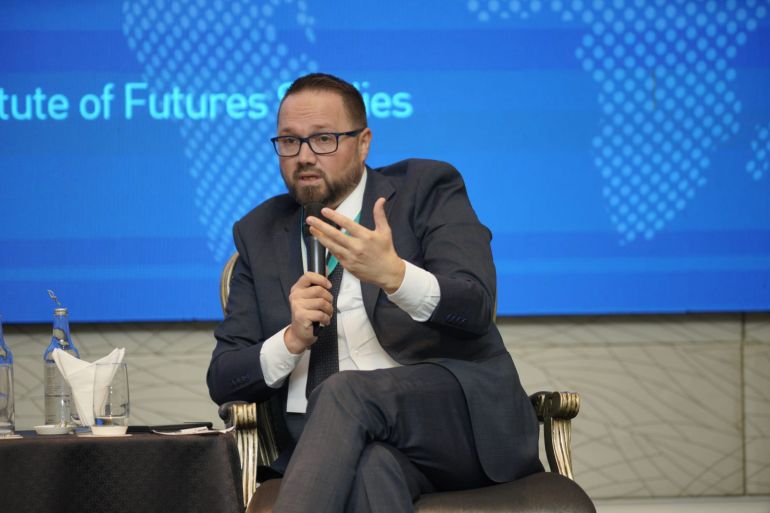
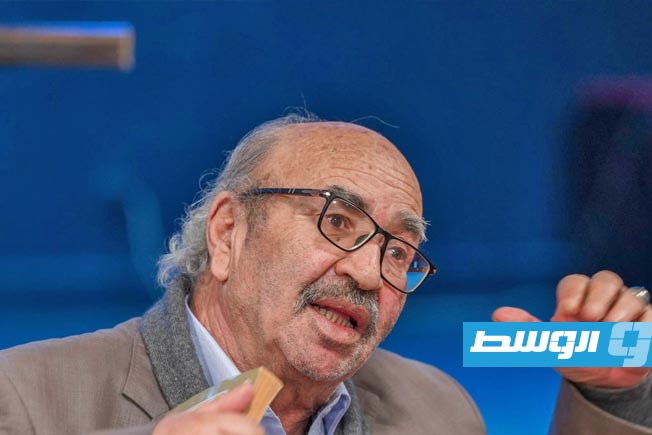
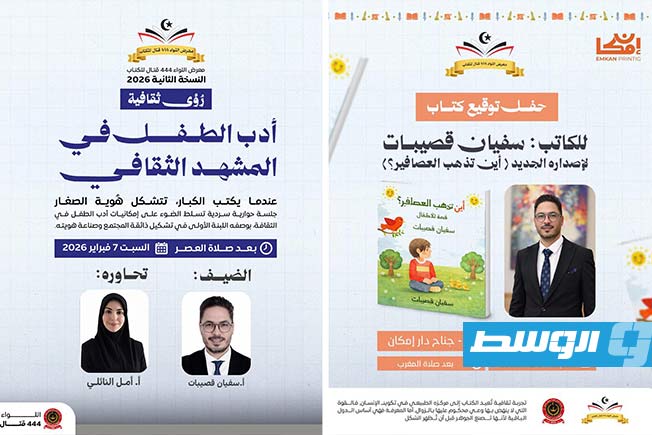
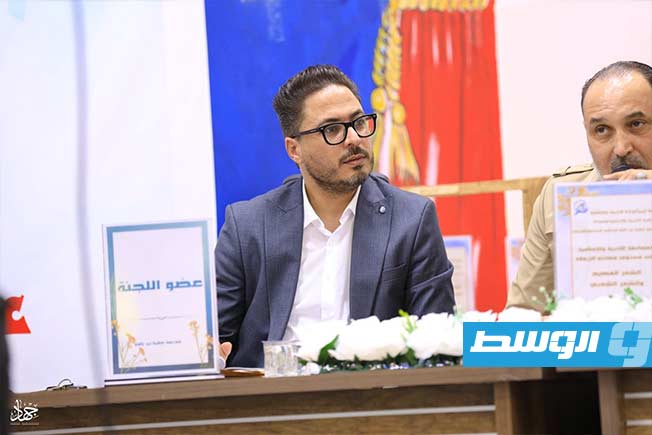
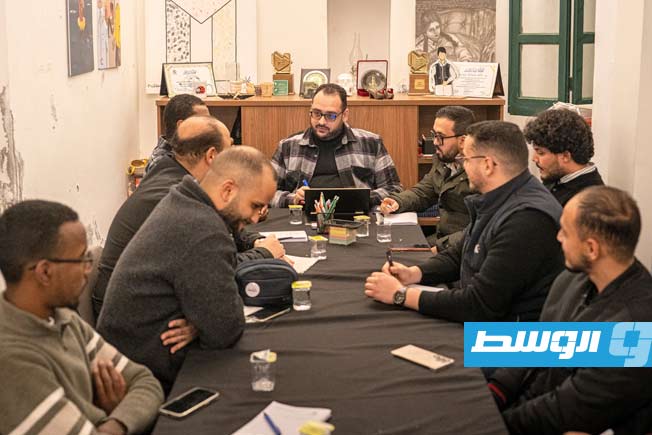
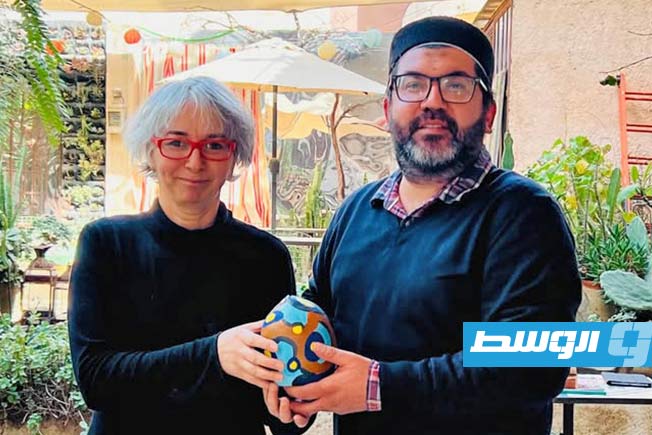
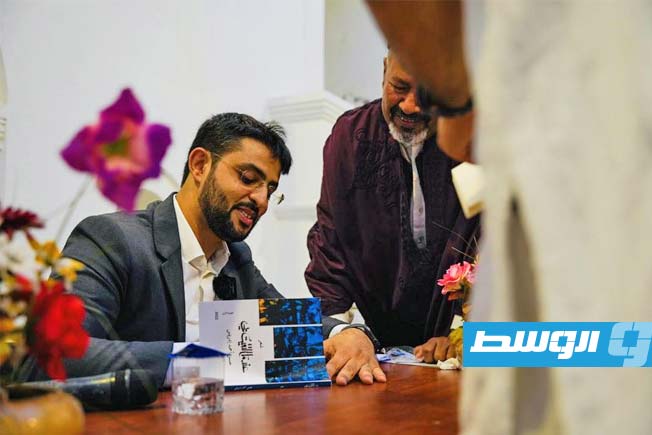
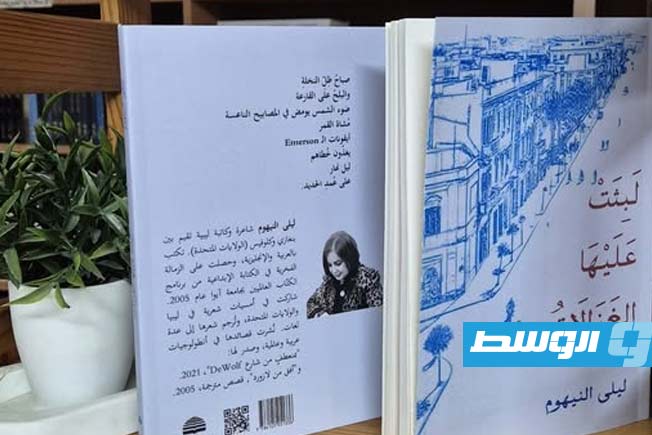
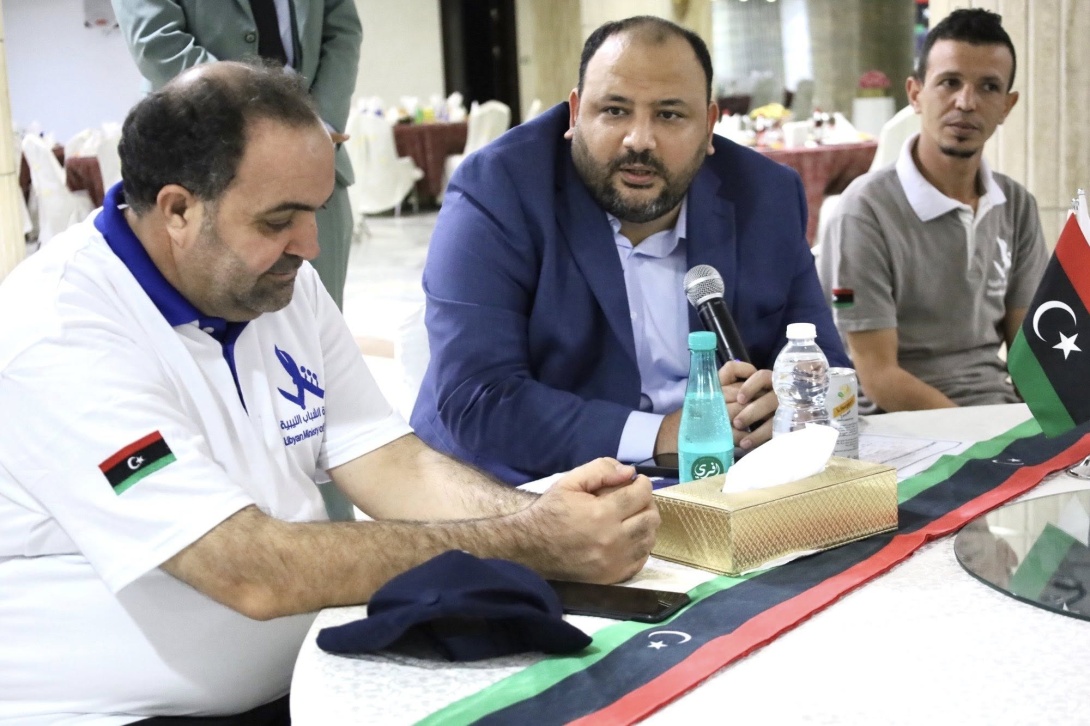
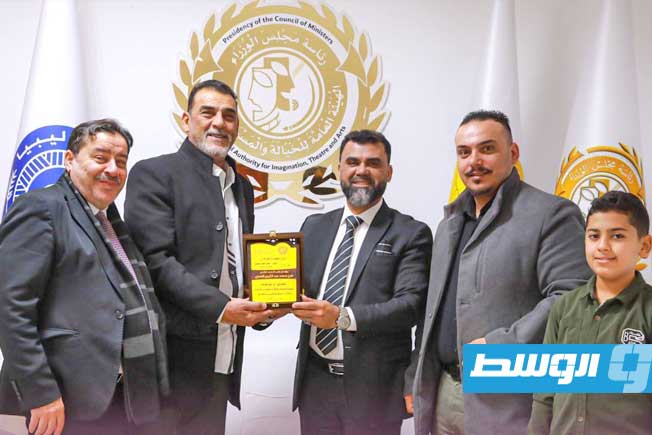
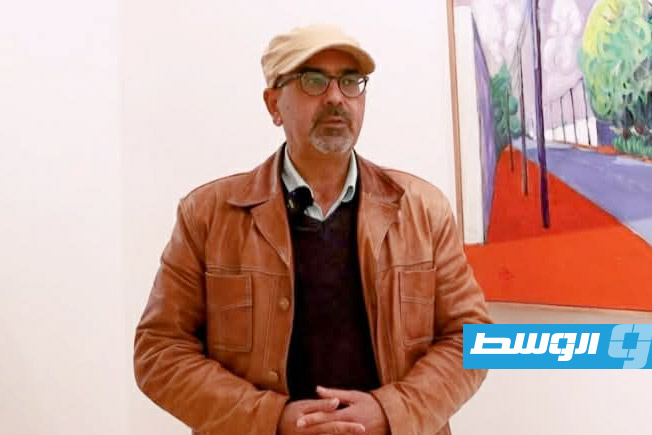
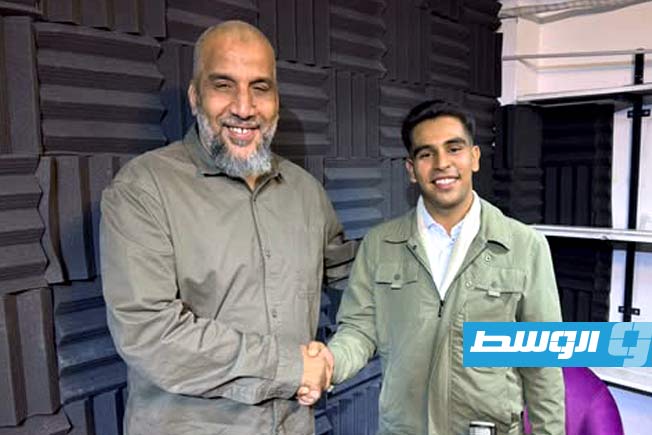
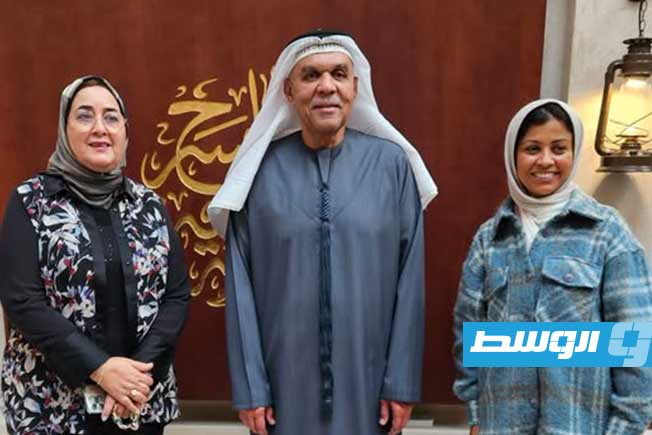
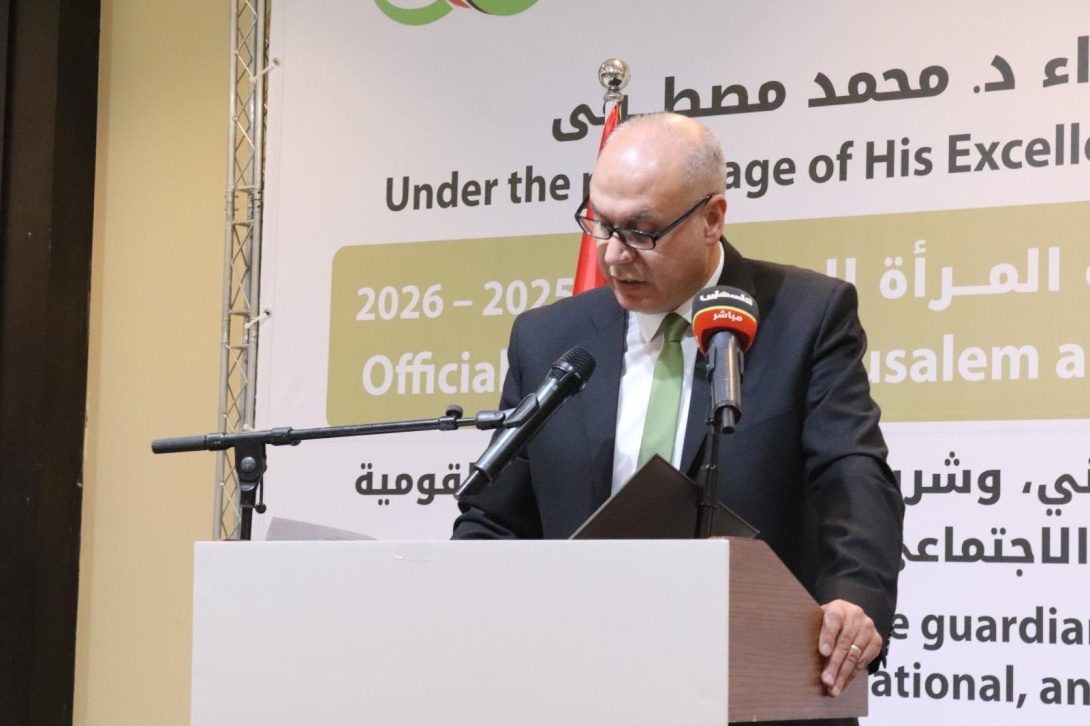
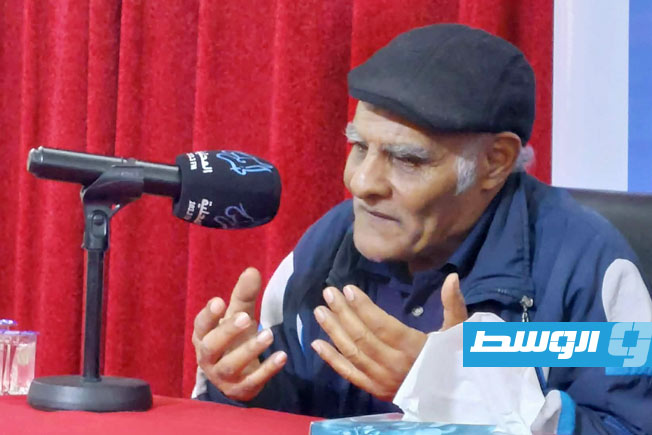
During the tour, the head of the Media and Culture Committee met with a number of Libyan publishers and writers, listening to their interventions and observations regarding the challenges hindering the publishing and distribution process outside Libya. This particularly pertains to administrative procedures, logistical difficulties, shipping costs, and mechanisms for participation in international exhibitions.
It was emphasized that supporting the Libyan publisher is a top priority for the committee, stressing the importance of joint work to overcome all difficulties that limit the spread of Libyan books. This contributes to enhancing Libya’s cultural image and highlighting the contributions of its writers and creators in the Arab and international cultural scene.
It was clarified that the committee’s keenness to be present at this major Arab cultural event falls within the vision of the House of Representatives aimed at promoting a culture of reading and localizing knowledge. It was noted that Libya has recently witnessed a noticeable development in organizing local and international book fairs, which requires concerted legislative and executive efforts to invest in this cultural momentum and build upon it.
It was added that the Media and Culture Committee believes that the book represents Libya’s true soft power, affirming that listening to publishers’ problems and seriously engaging with their challenges is a national duty and a guarantee for the continuation of the positive cultural movement witnessed in the Libyan arena today.
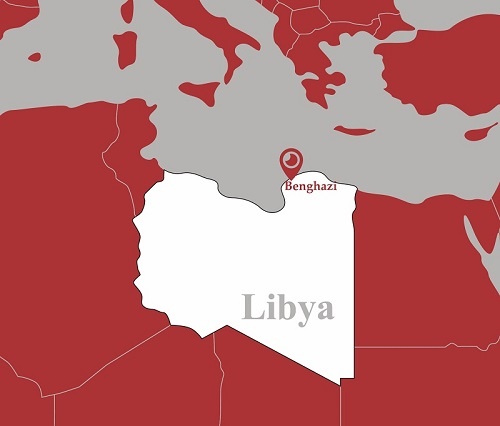
Benghazi
Benghazi is a major city in eastern Libya, historically significant as a center of trade and culture since its founding as the Greek colony of Euesperides. It played a pivotal role in the 2011 Libyan Civil War as a key base for the uprising against Muammar Gaddafi.
House of Representatives
The House of Representatives is the lower chamber of the United States Congress, established by the Constitution in 1789. It is composed of representatives elected from congressional districts, with representation based on state population, and holds primary responsibility for initiating revenue bills and impeaching federal officials.
Libya
Libya is a North African country with a rich history rooted in ancient civilizations like the Phoenicians and Romans, followed by centuries of Arab and Ottoman influence. In the modern era, it was an Italian colony before gaining independence in 1951, later becoming known for Muammar Gaddafi’s lengthy rule from 1969 until the 2011 revolution. Its cultural sites include the well-preserved Roman ruins of Leptis Magna, a UNESCO World Heritage site.
Cairo International Book Fair
The Cairo International Book Fair is an annual cultural event held in Cairo, Egypt, and is one of the largest and oldest book fairs in the world. It was first established in 1969 and is organized by the Egyptian General Book Organization, serving as a major hub for publishers, authors, and readers across the Arab world and beyond.
Arab
“Arab” is not a specific place or cultural site but refers broadly to the Arab world, a region encompassing 22 countries in the Middle East and North Africa united by the Arabic language and shared cultural heritage. Its history is deeply rooted in the spread of Islam from the 7th century onward, which facilitated the expansion of the Arabic language and the flourishing of a golden age of science, philosophy, and art under caliphates like the Umayyad and Abbasid.
Libyan
Libya is a North African country with a rich history shaped by ancient civilizations like the Phoenicians and Romans, followed by Arab influence and Ottoman rule. In the modern era, it was an Italian colony before gaining independence in 1951, later experiencing a long period under Muammar Gaddafi’s rule from 1969 until the 2011 revolution. Its significant cultural sites include the well-preserved Roman ruins of Leptis Magna and the historic old town of Ghadames.