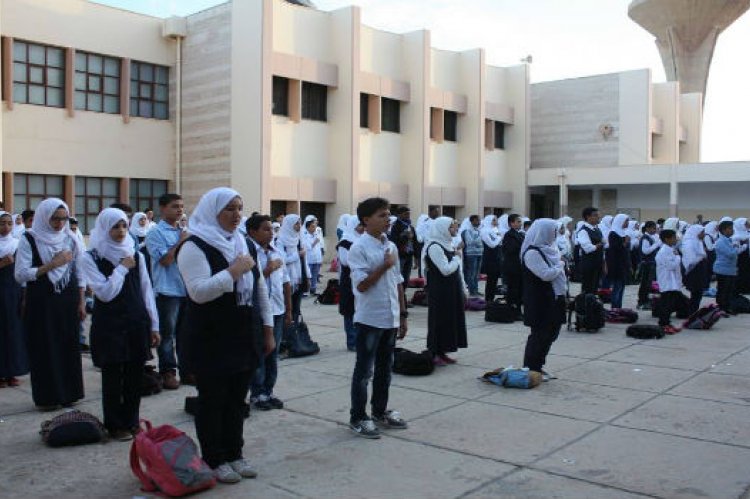
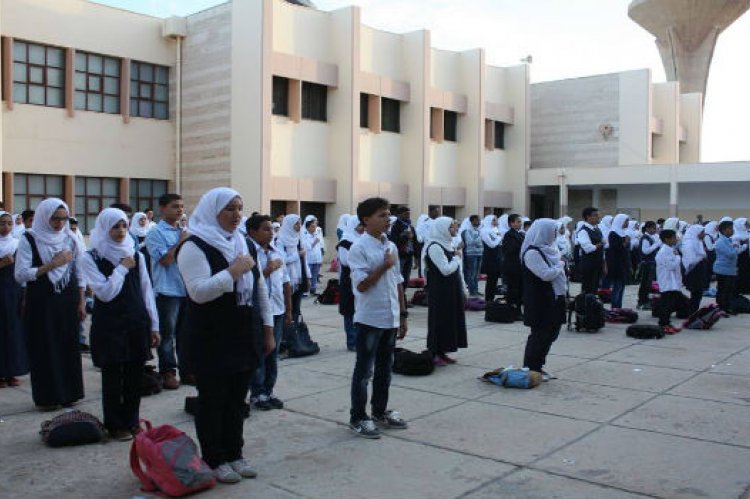
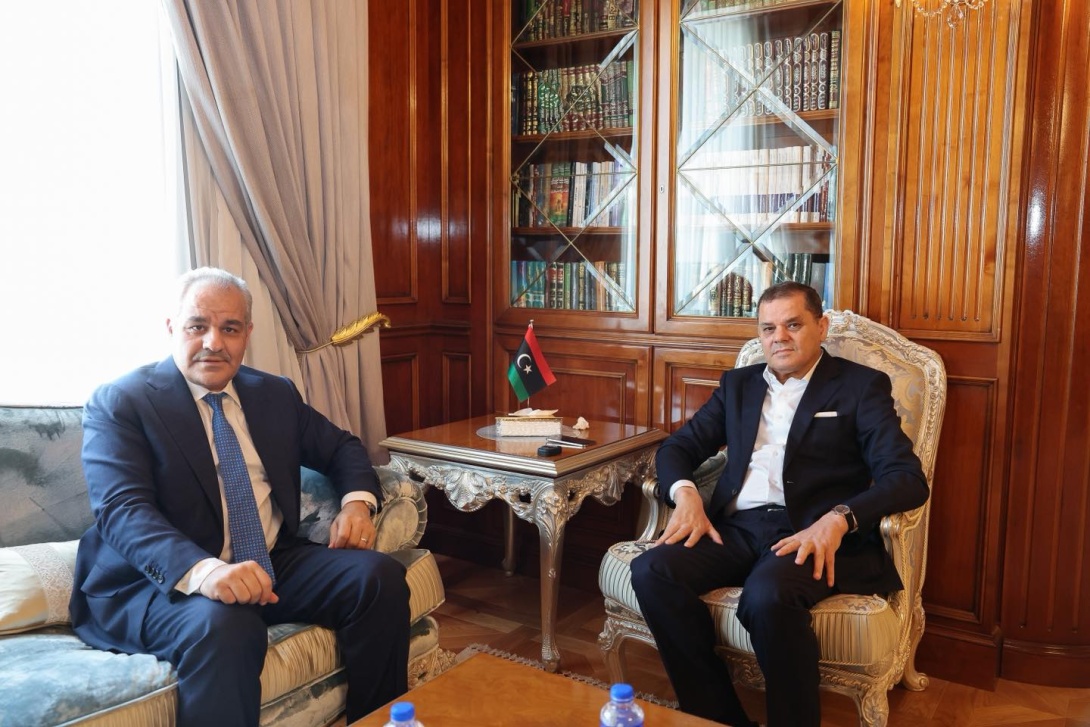
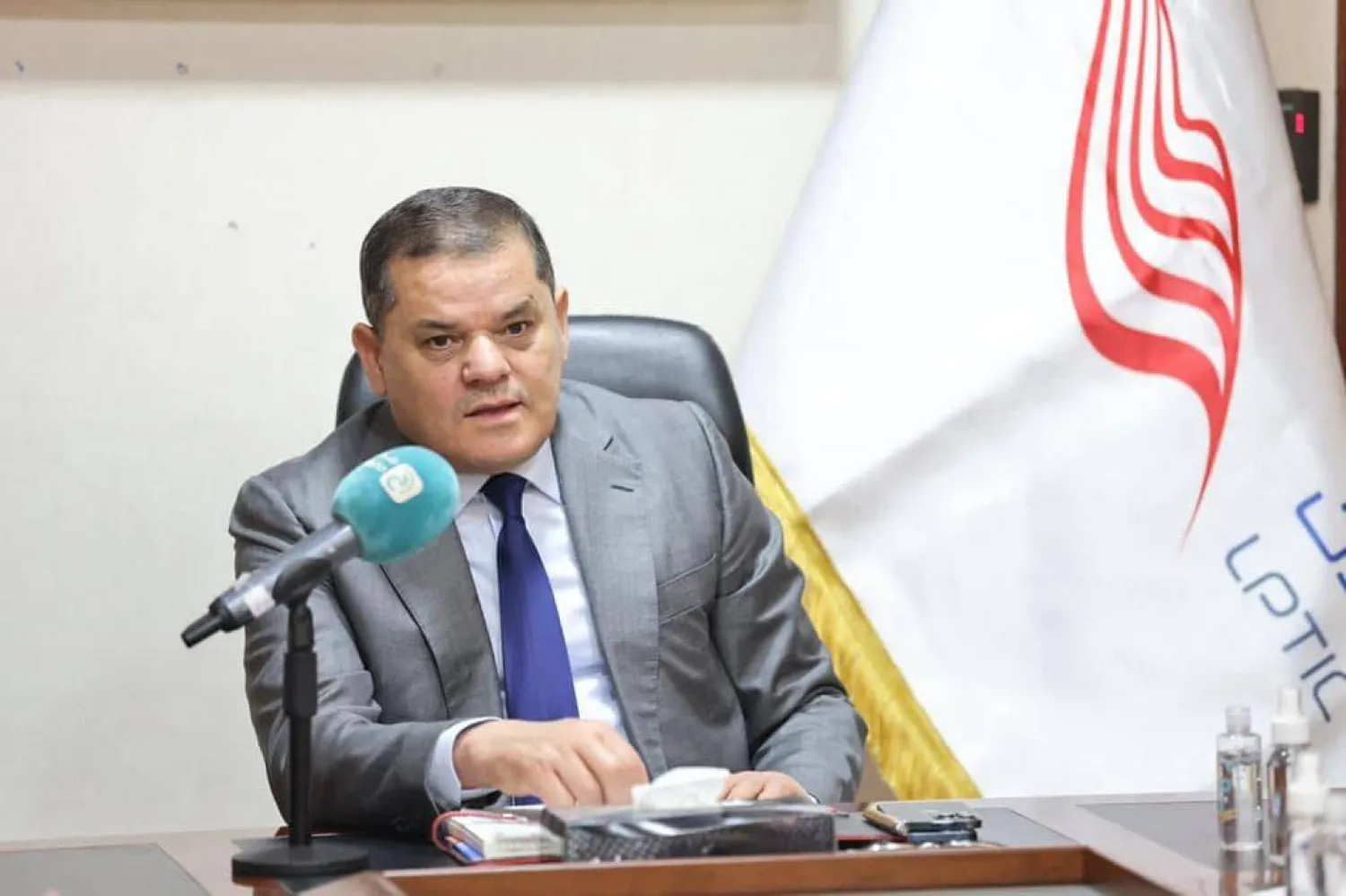
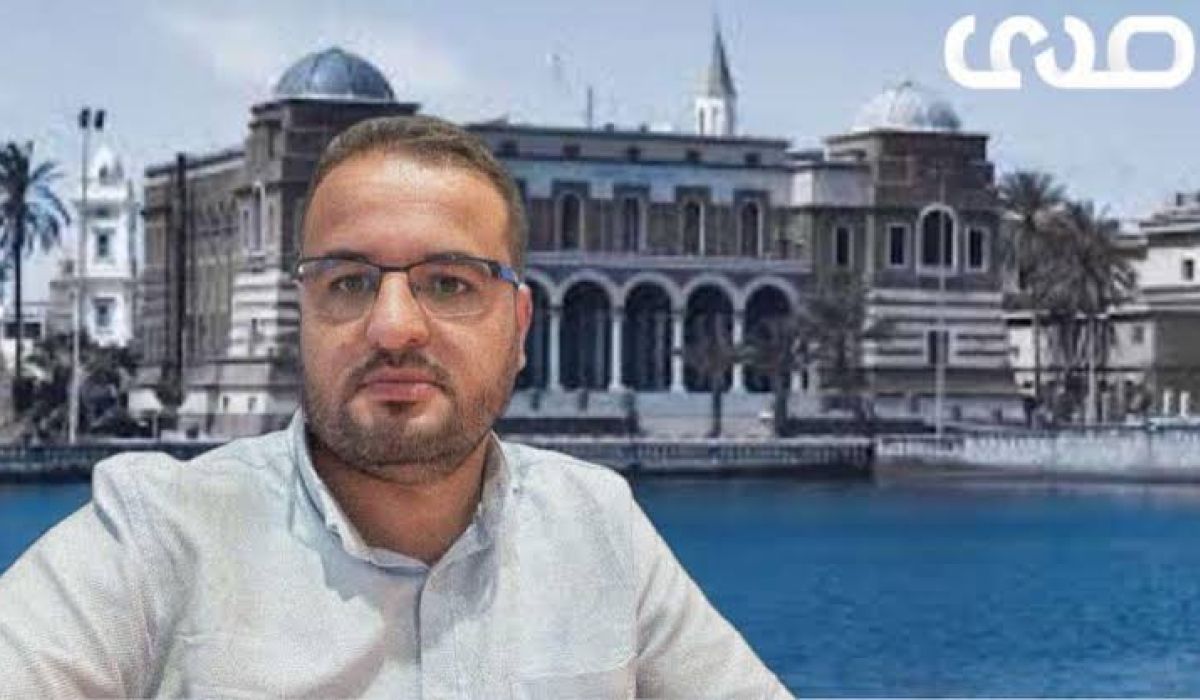
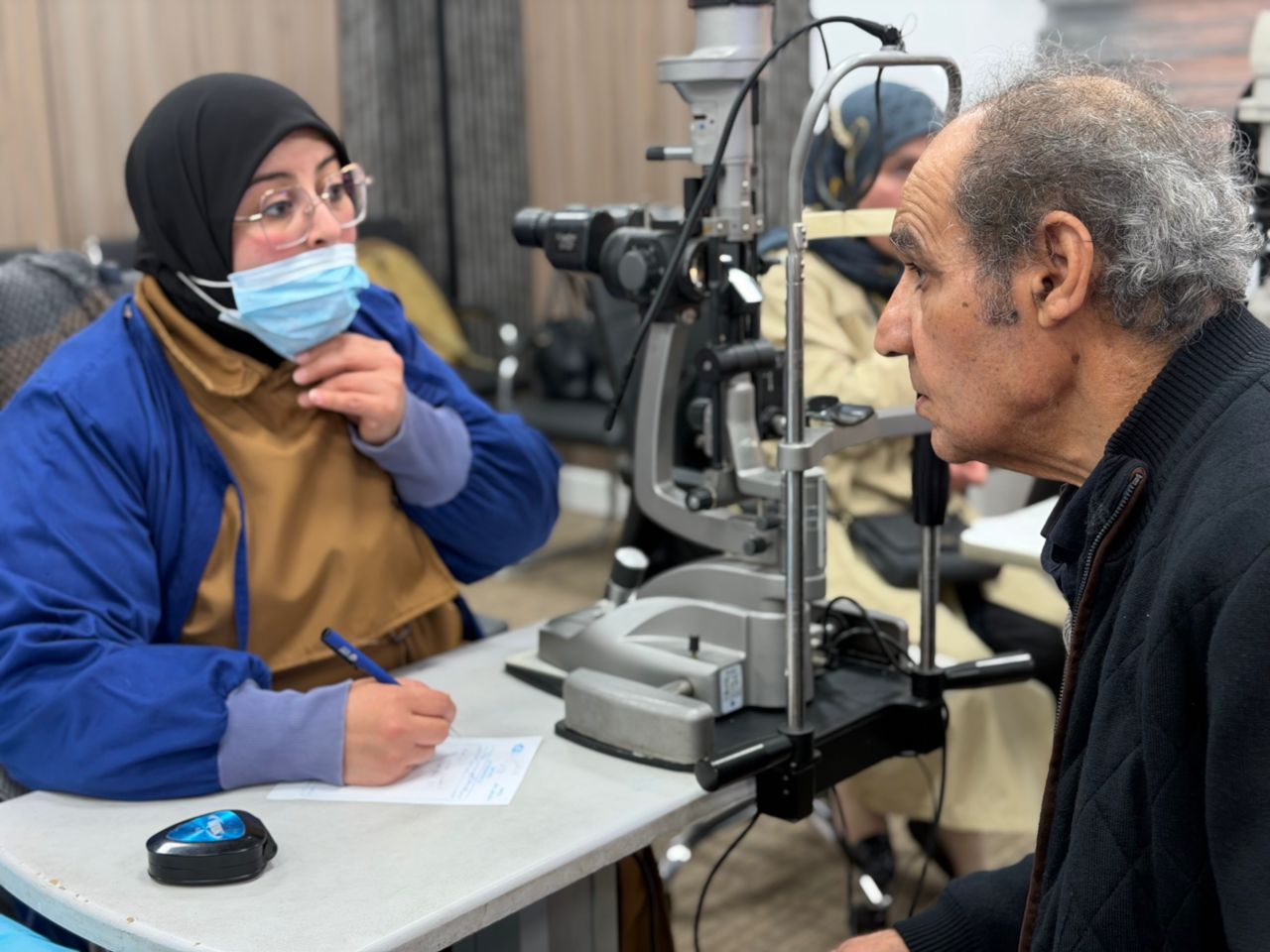
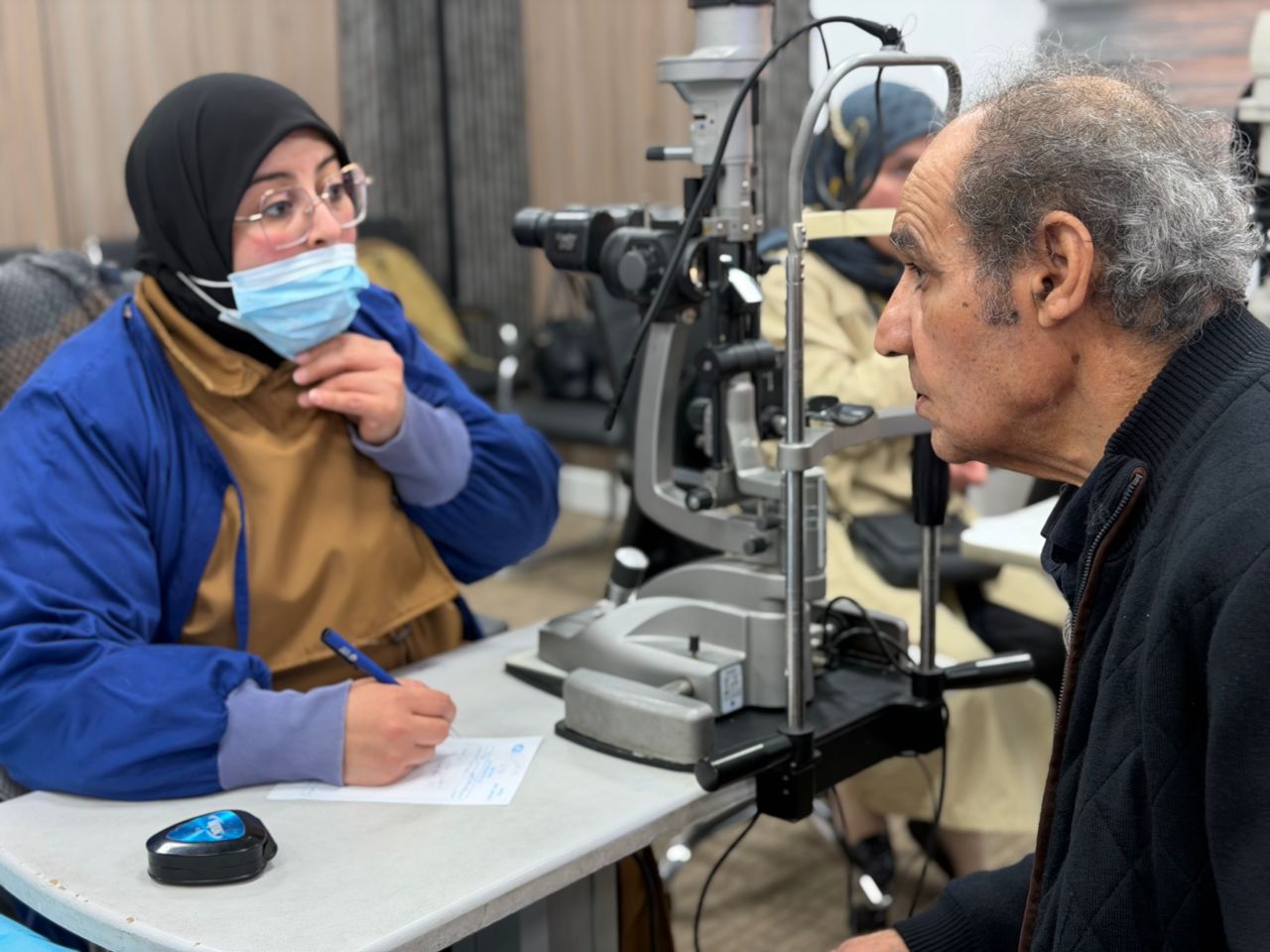
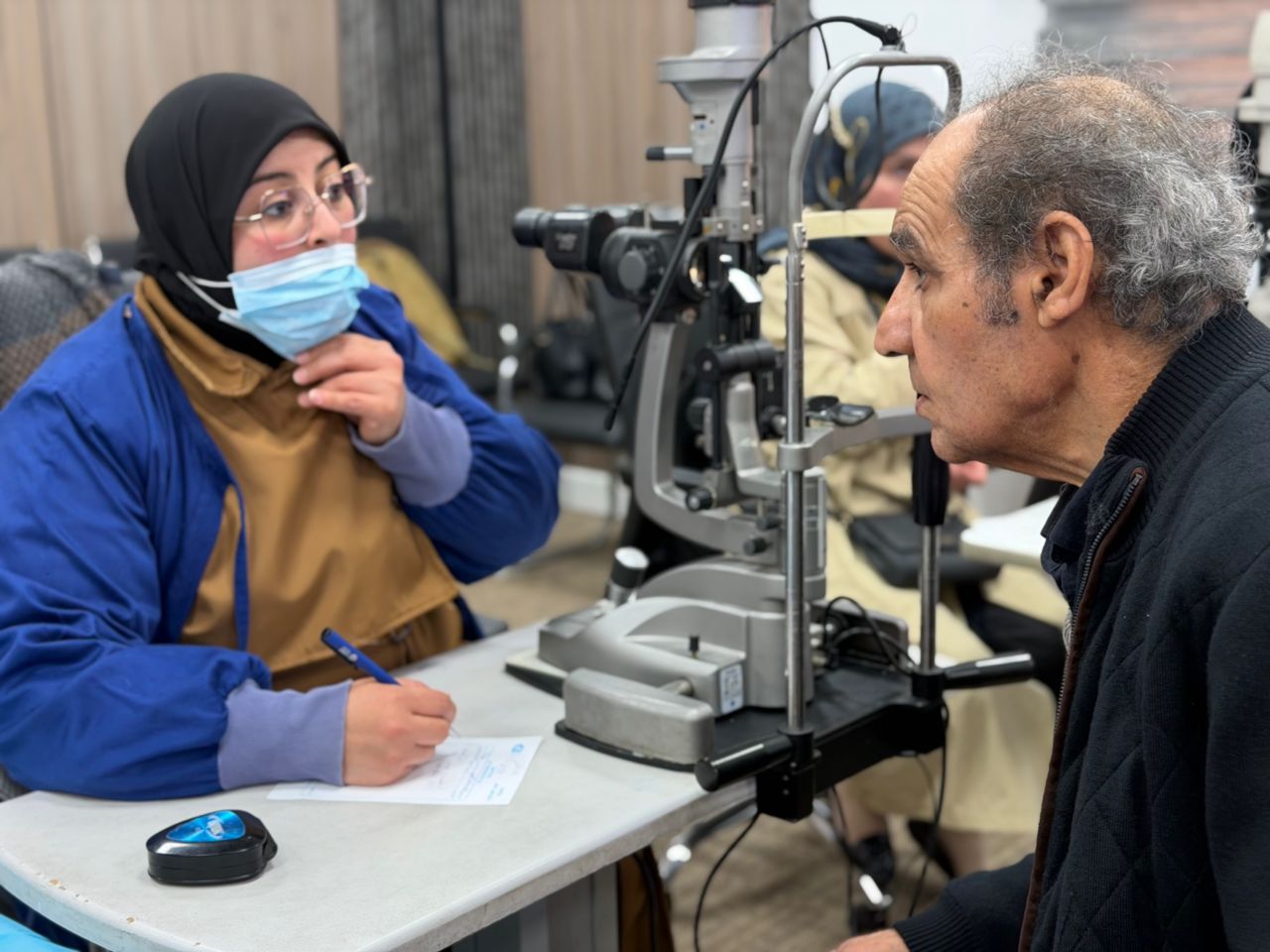
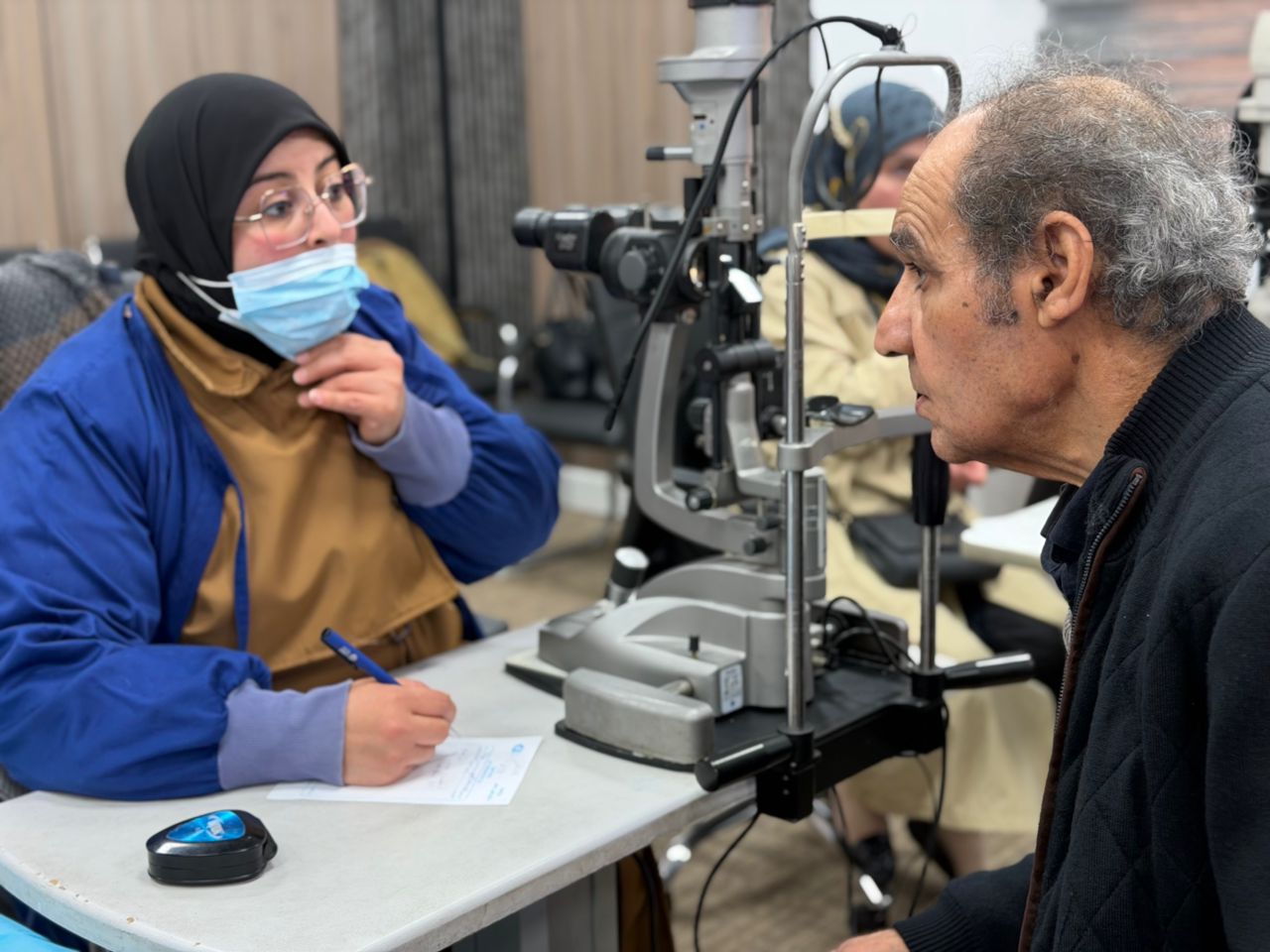
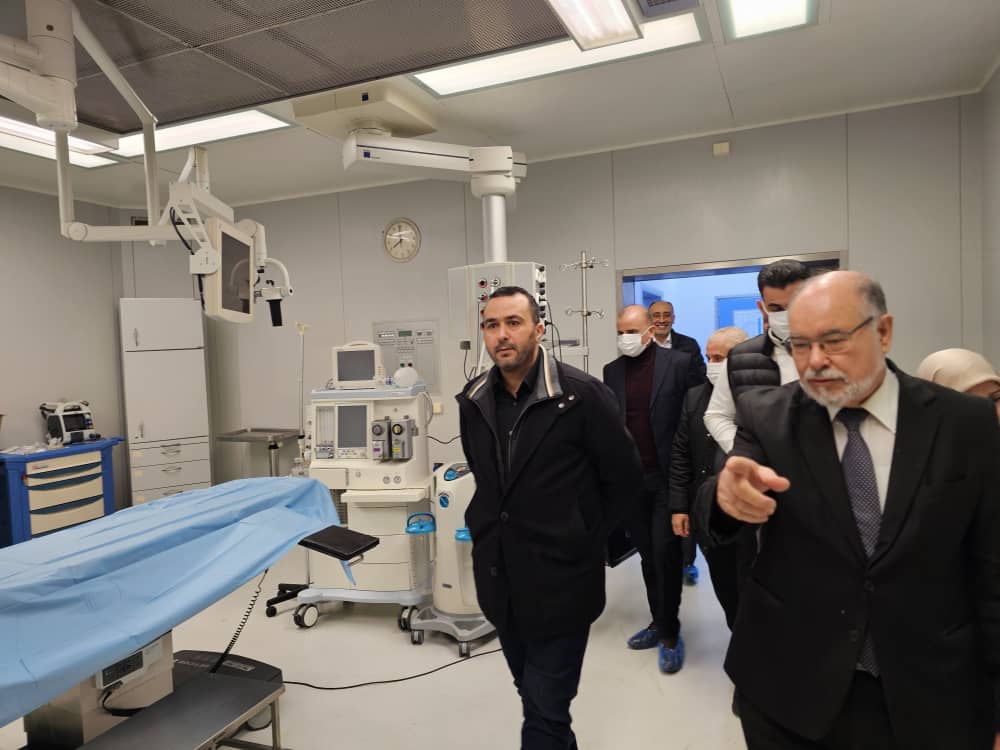
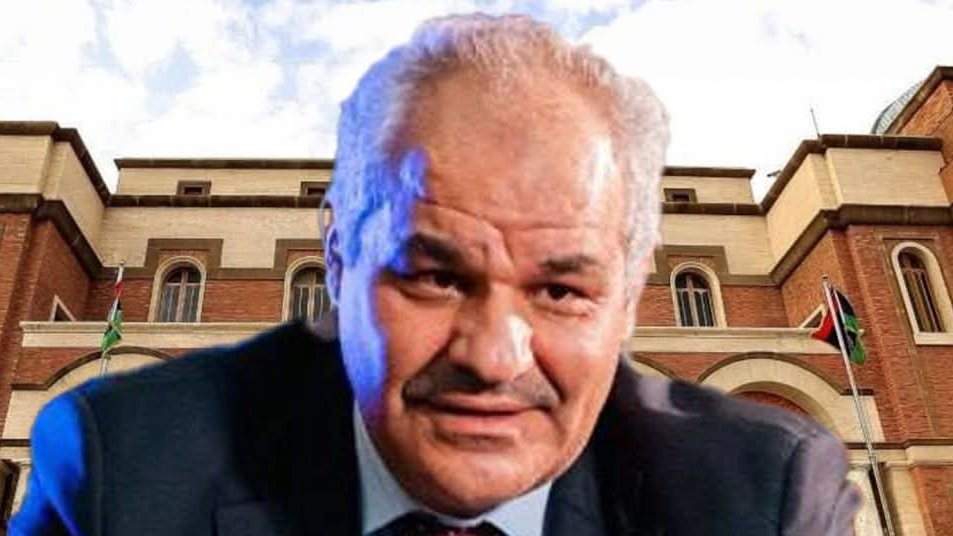
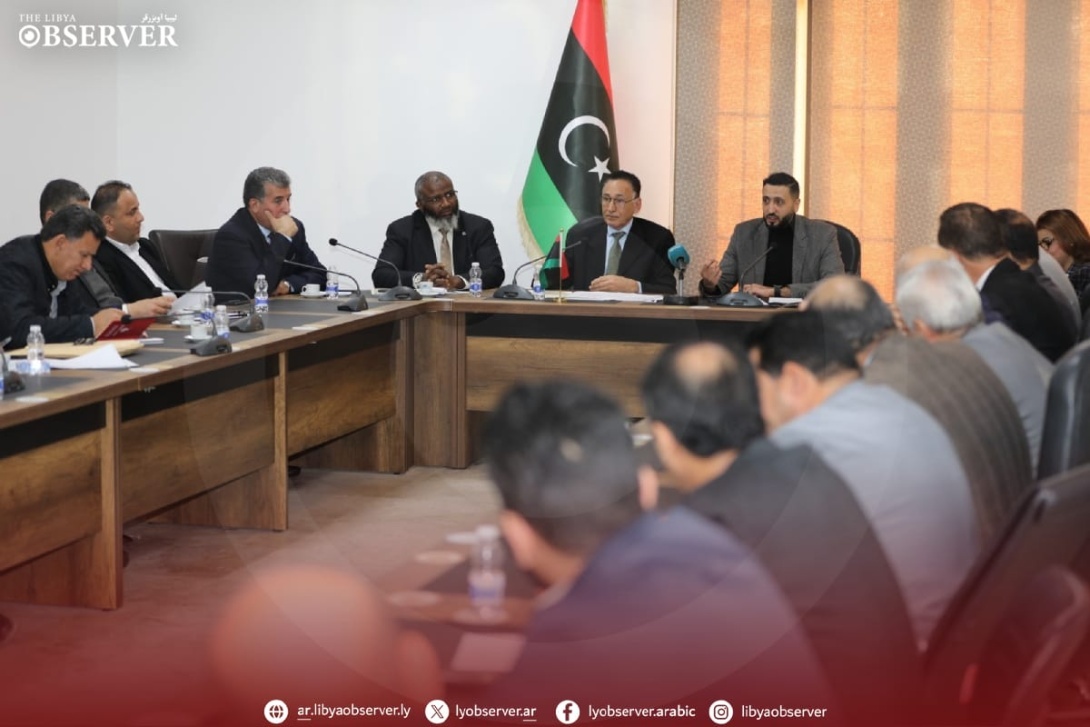
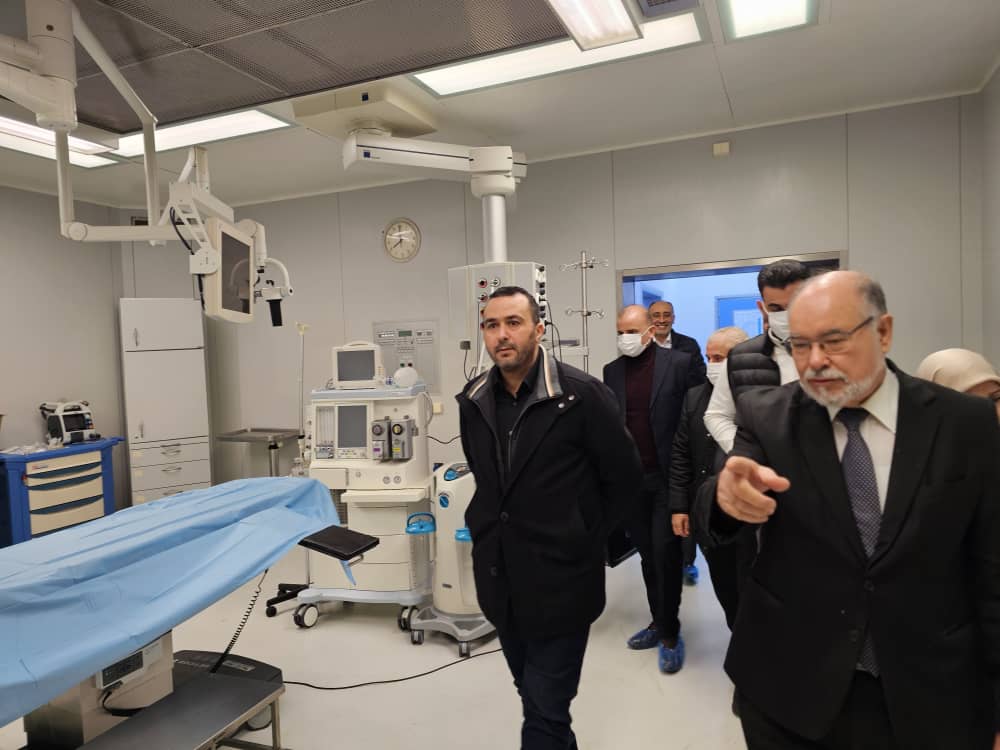
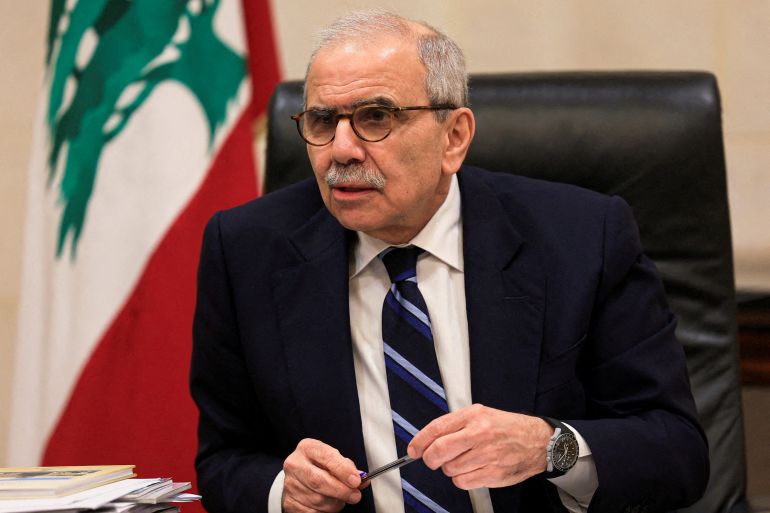
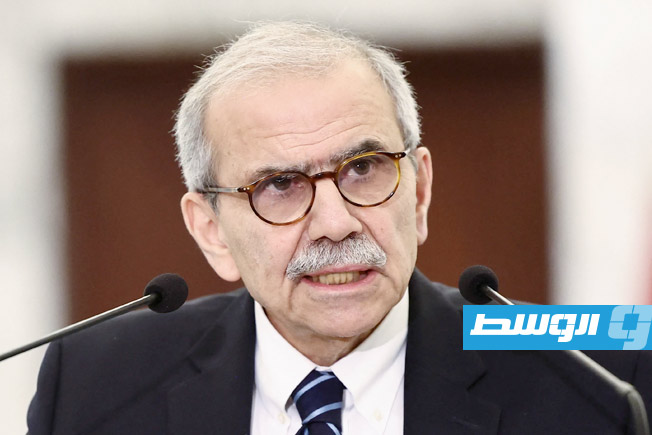
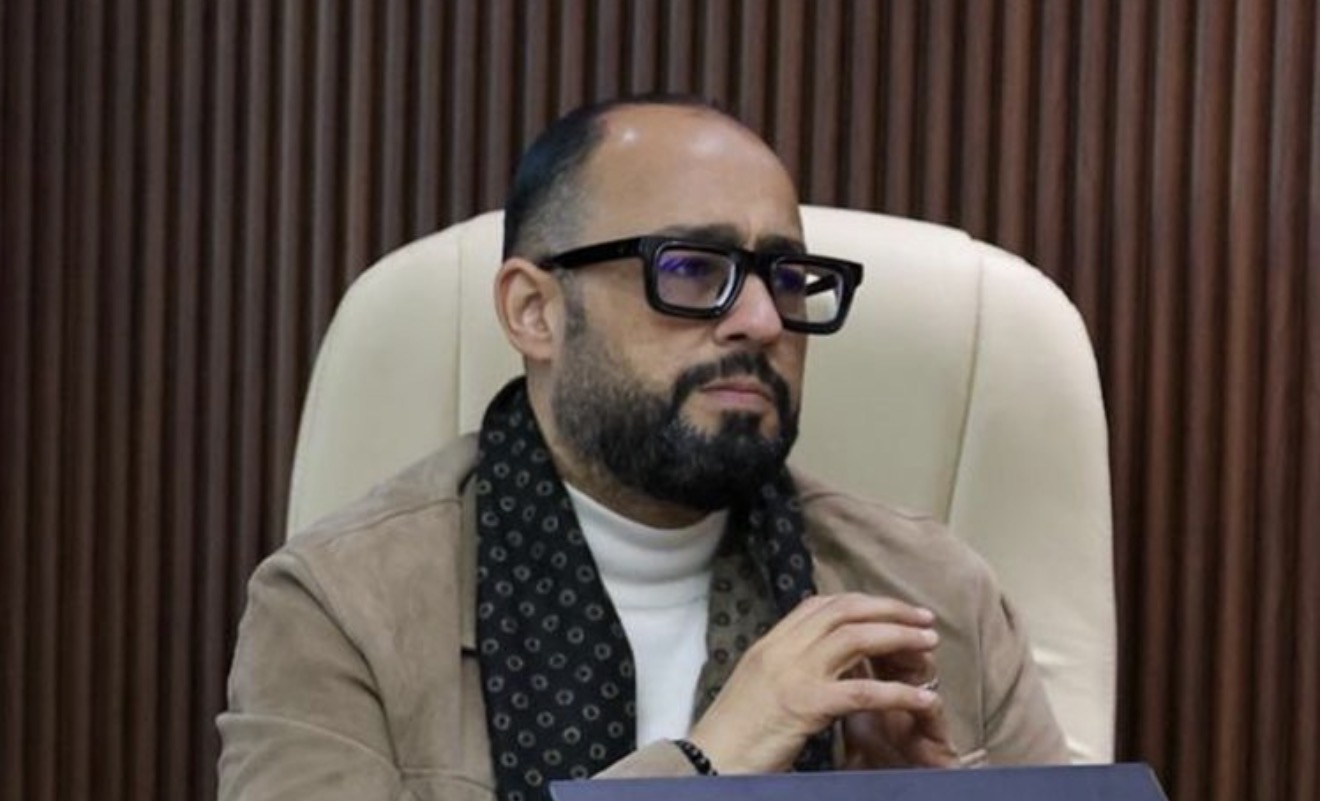
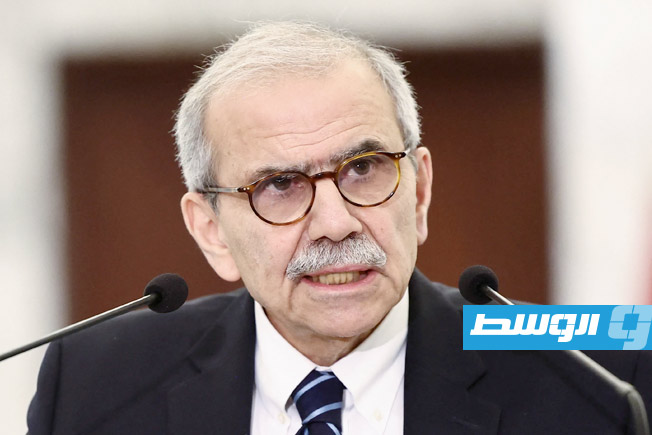
Tripoli, February 14, 2026 – The director of the National Center for Disease Control revealed new figures for pulmonary tuberculosis infections in the country, warning of a worsening epidemiological situation inside shelters for illegal migrants.
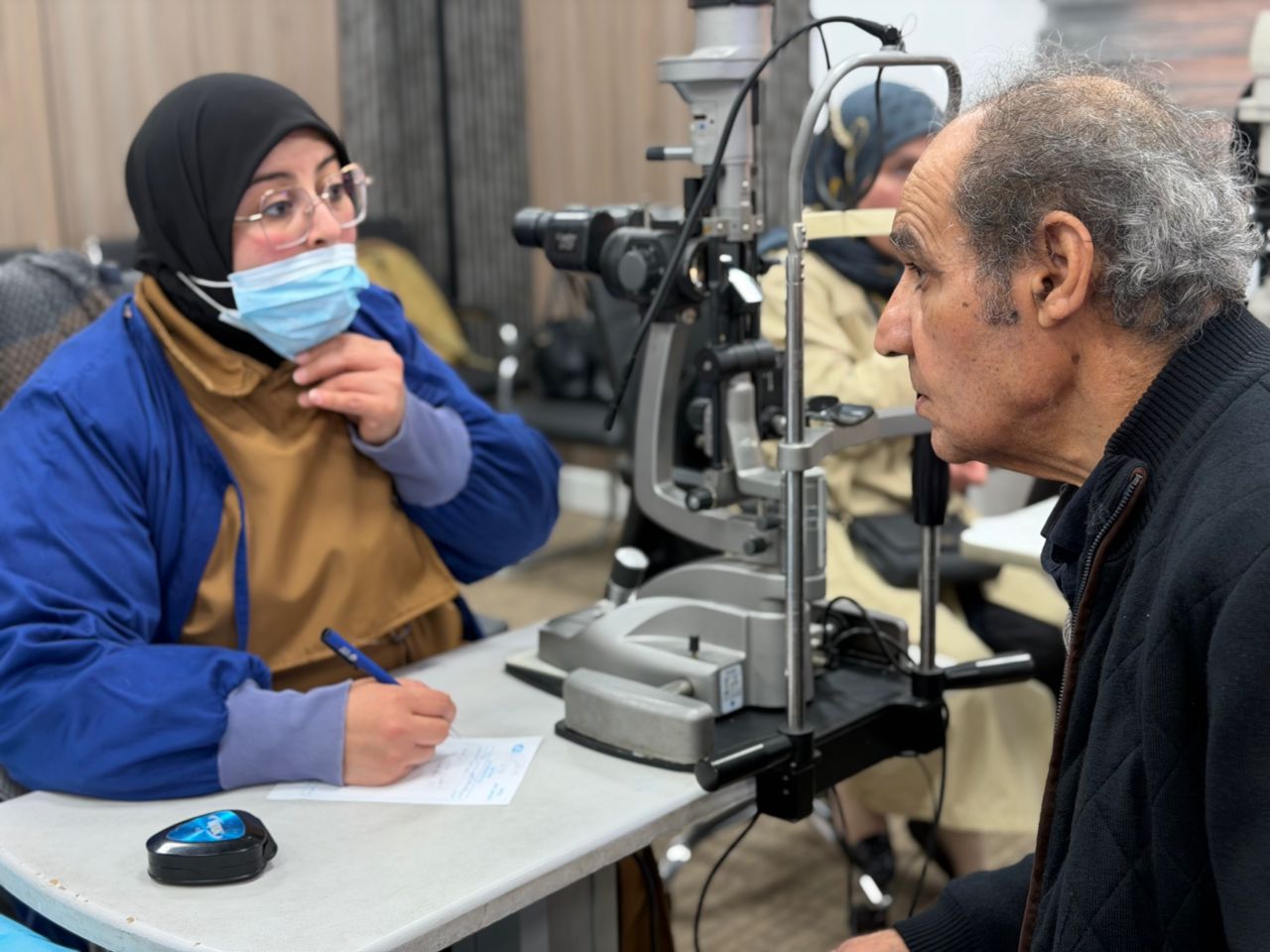
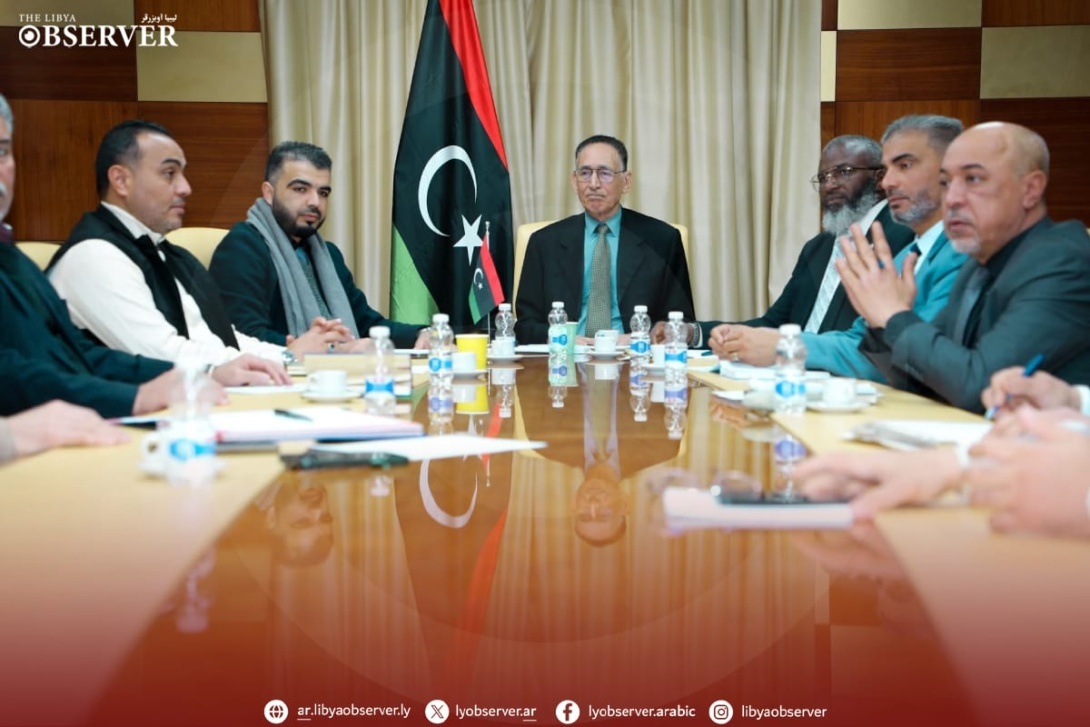
In a post on his official Facebook page, he confirmed that the Center is currently conducting more than 1,200 tests daily to detect the disease, presenting the recorded numbers which reached 6,194 suspected cases, resulting in 3,083 confirmed cases.
He pointed out that statistics showed that Libyans constitute 41% of those infected, while non-Libyans account for 59%, a percentage that reflects the scale of the problem within closed migrant communities.
The head of the National Center for Disease Control warned of the danger of a large number of migrants discontinuing their treatment doses at the Center’s clinics. He indicated that this phenomenon poses a significant risk to society, as it leads to the emergence of drug-resistant strains and increases infection rates among citizens.
He also confirmed that the percentage of those who completed their treatment out of the total cases was only 51%, while the rest stopped their treatment abruptly.
…
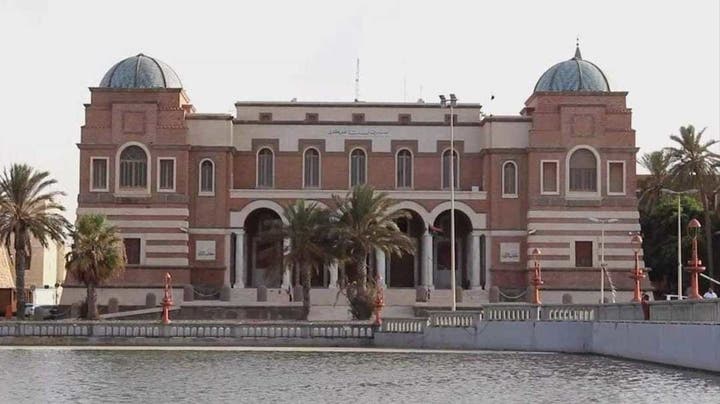
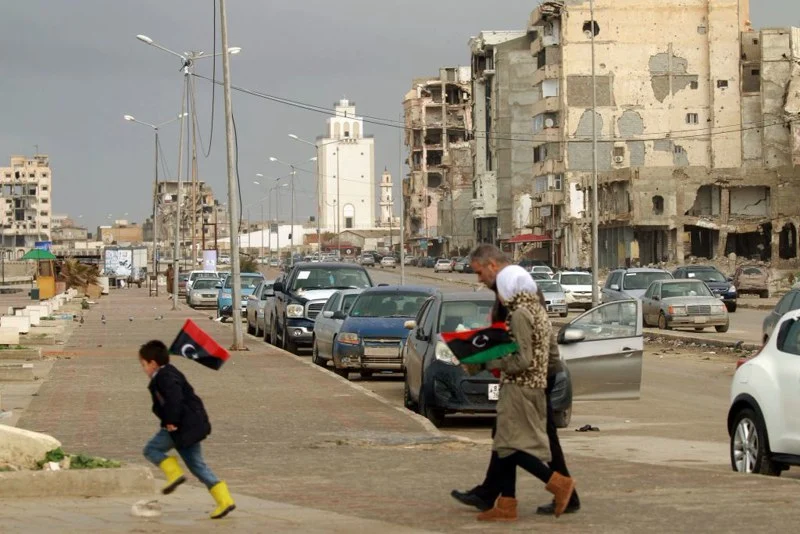
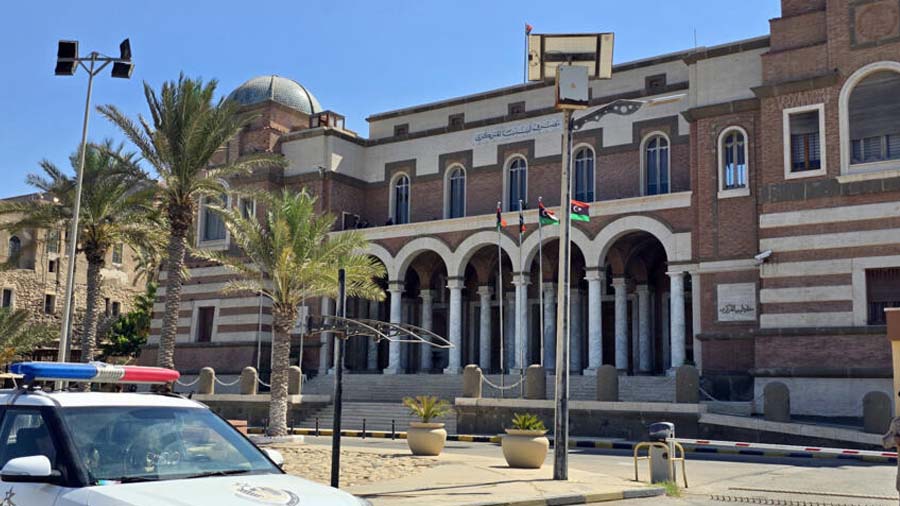
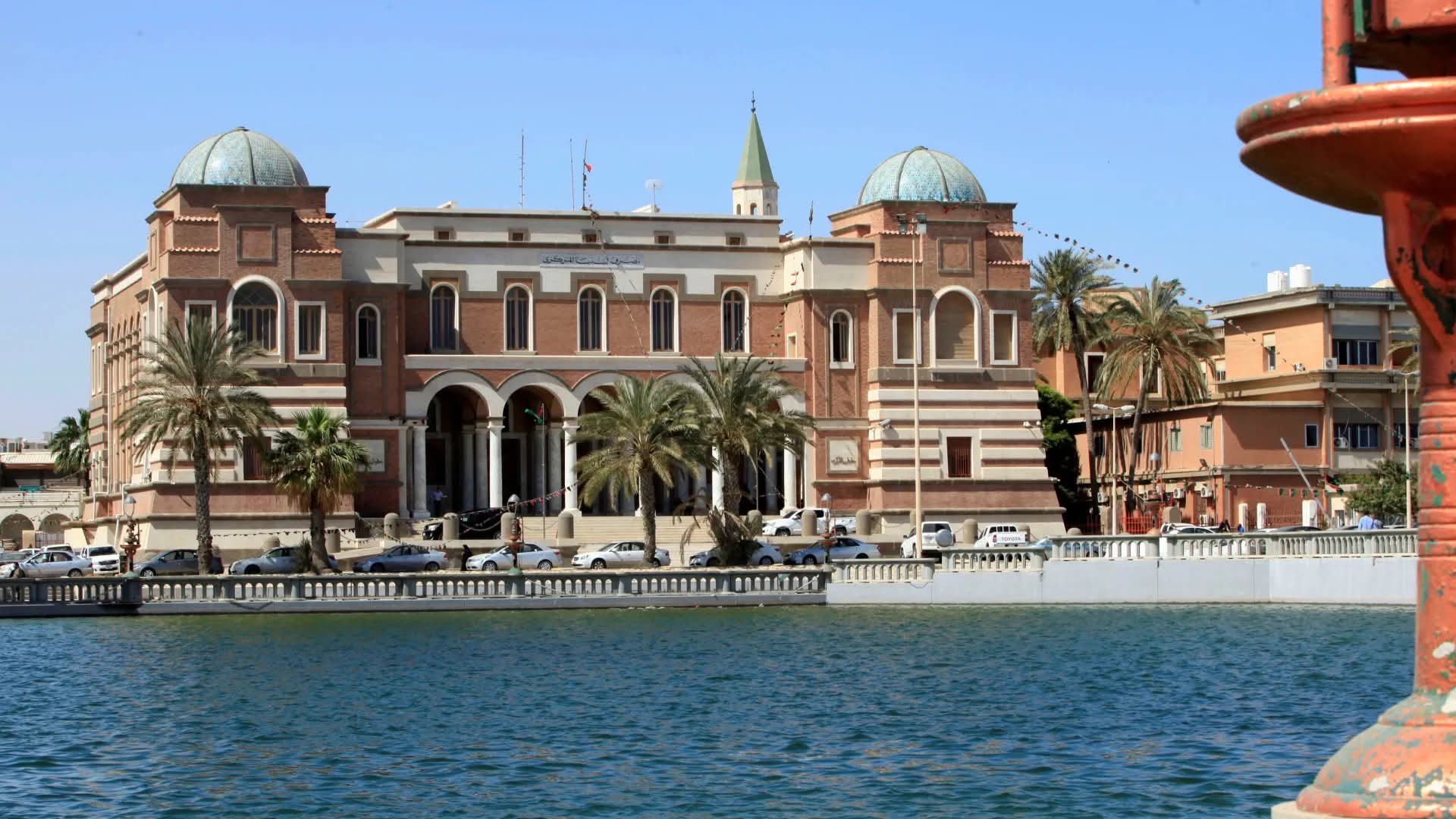
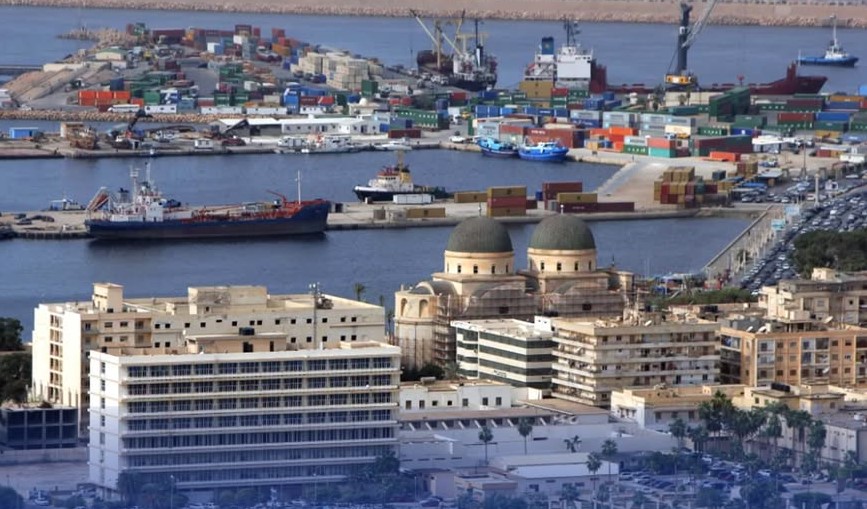
Tripoli
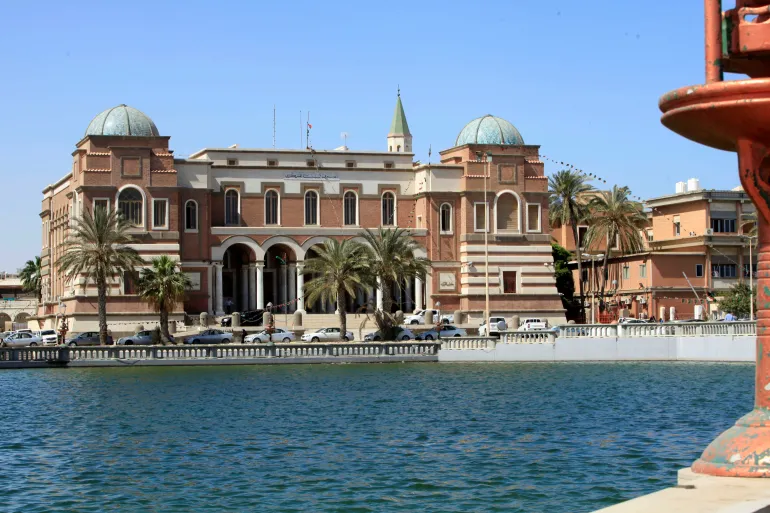
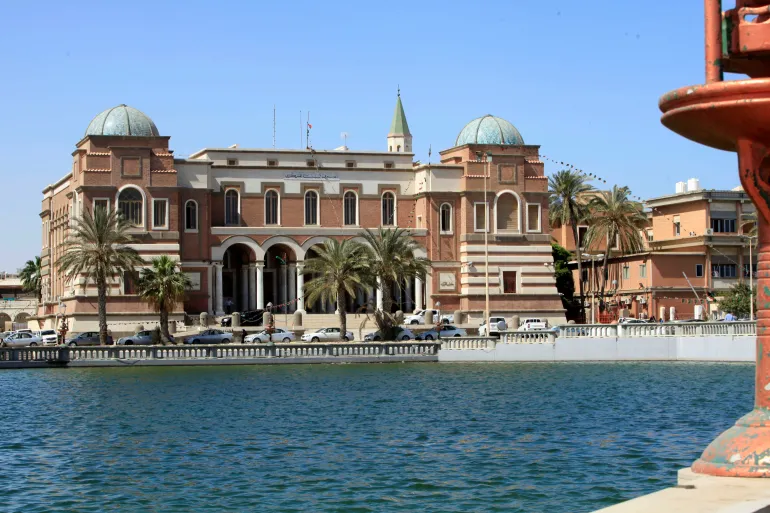
Tripoli is the capital and largest city of Libya, located on the country’s Mediterranean coast. Historically, it was founded by the Phoenicians in the 7th century BC and has since been ruled by the Romans, Arabs, Ottomans, and Italians, serving as a major port and cultural crossroads. Its historic center, the medina, contains significant landmarks like the Arch of Marcus Aurelius and the Red Castle (Assaraya al-Hamra).
National Center for Disease Control
The National Center for Disease Control (NCDC) is a public health agency in Nigeria, established in 2011 to lead the country’s preparedness, detection, and response to infectious disease outbreaks. It was created to strengthen Nigeria’s public health infrastructure following lessons learned from previous disease challenges, and it played a central role in coordinating the national response to epidemics like Ebola and COVID-19.
Facebook
Facebook is an online social media and social networking service founded by Mark Zuckerberg in 2004, initially for Harvard University students before expanding globally. It has since grown into a major technology company, Meta Platforms, fundamentally changing how people connect and share information online.