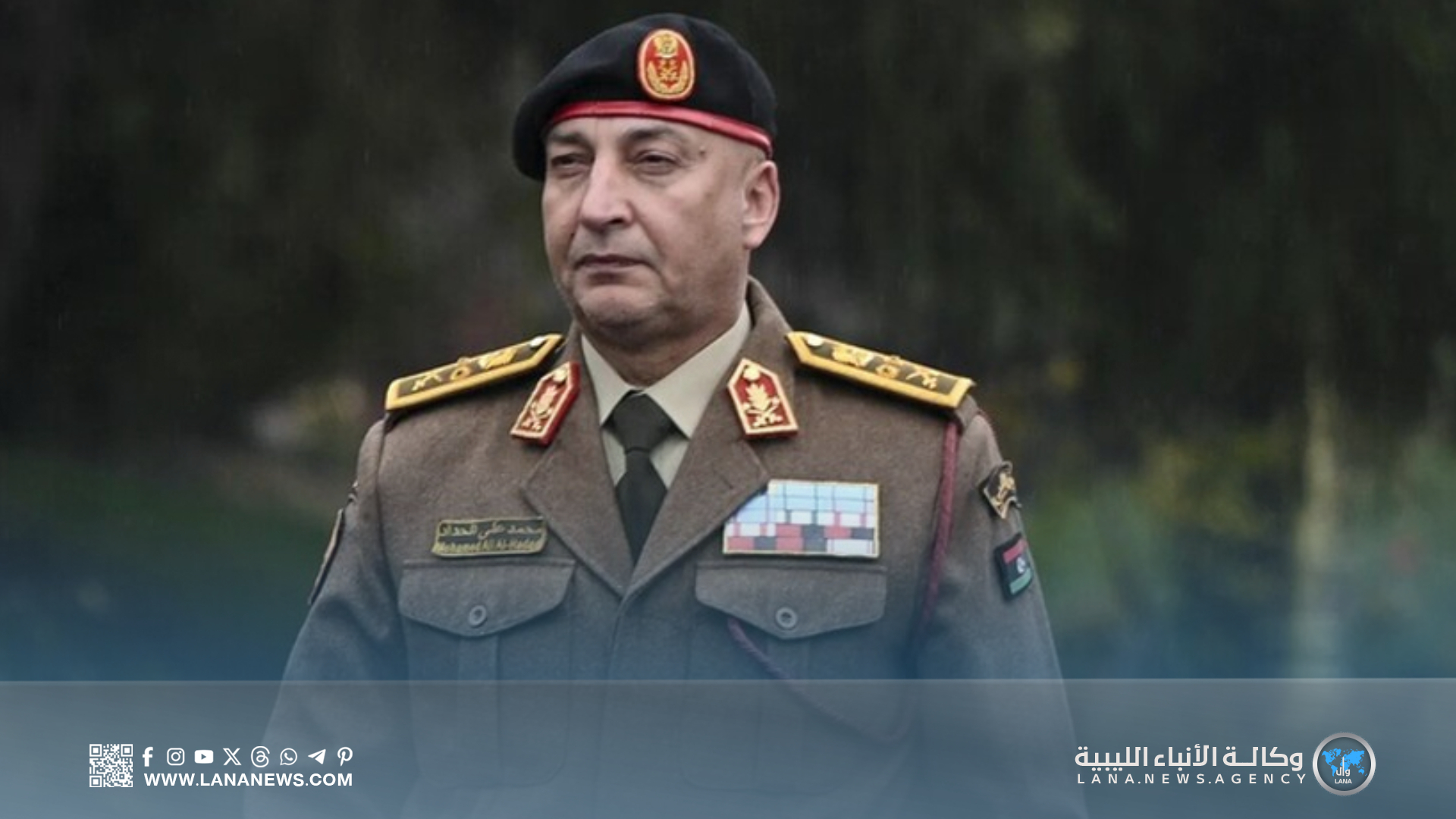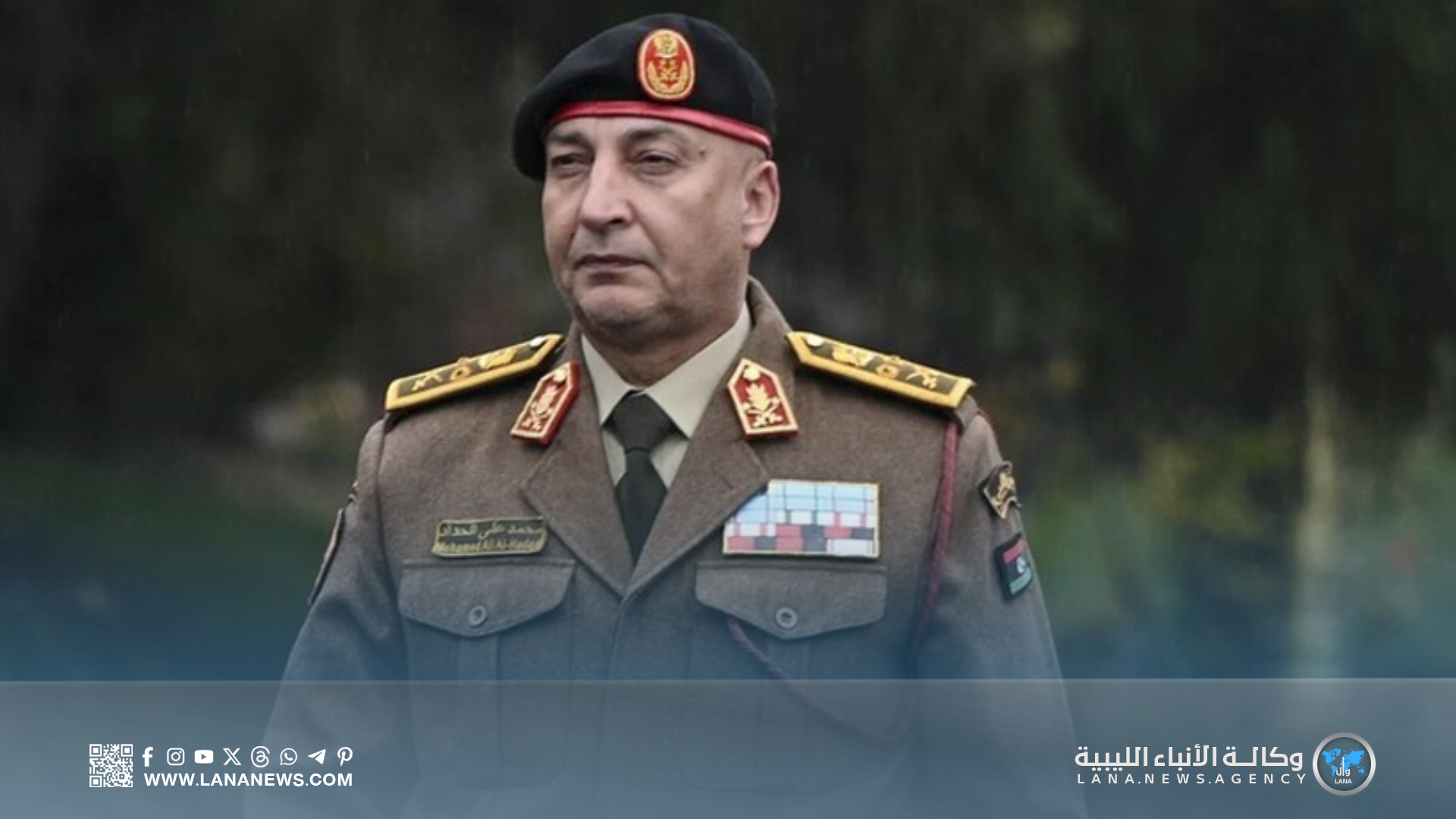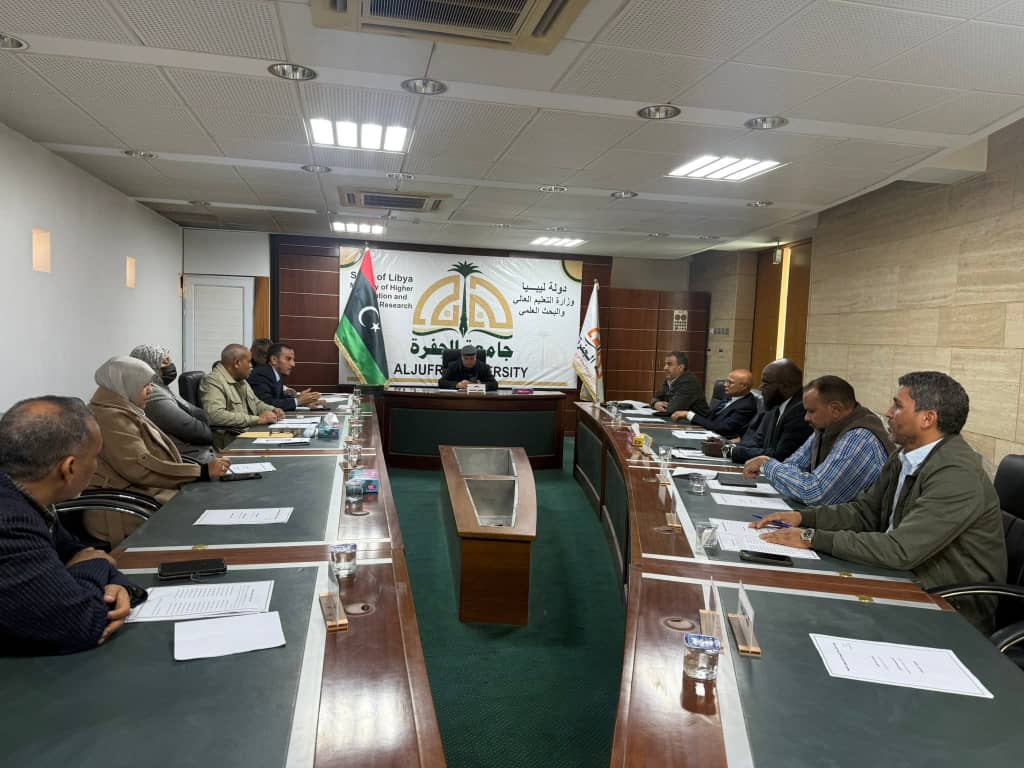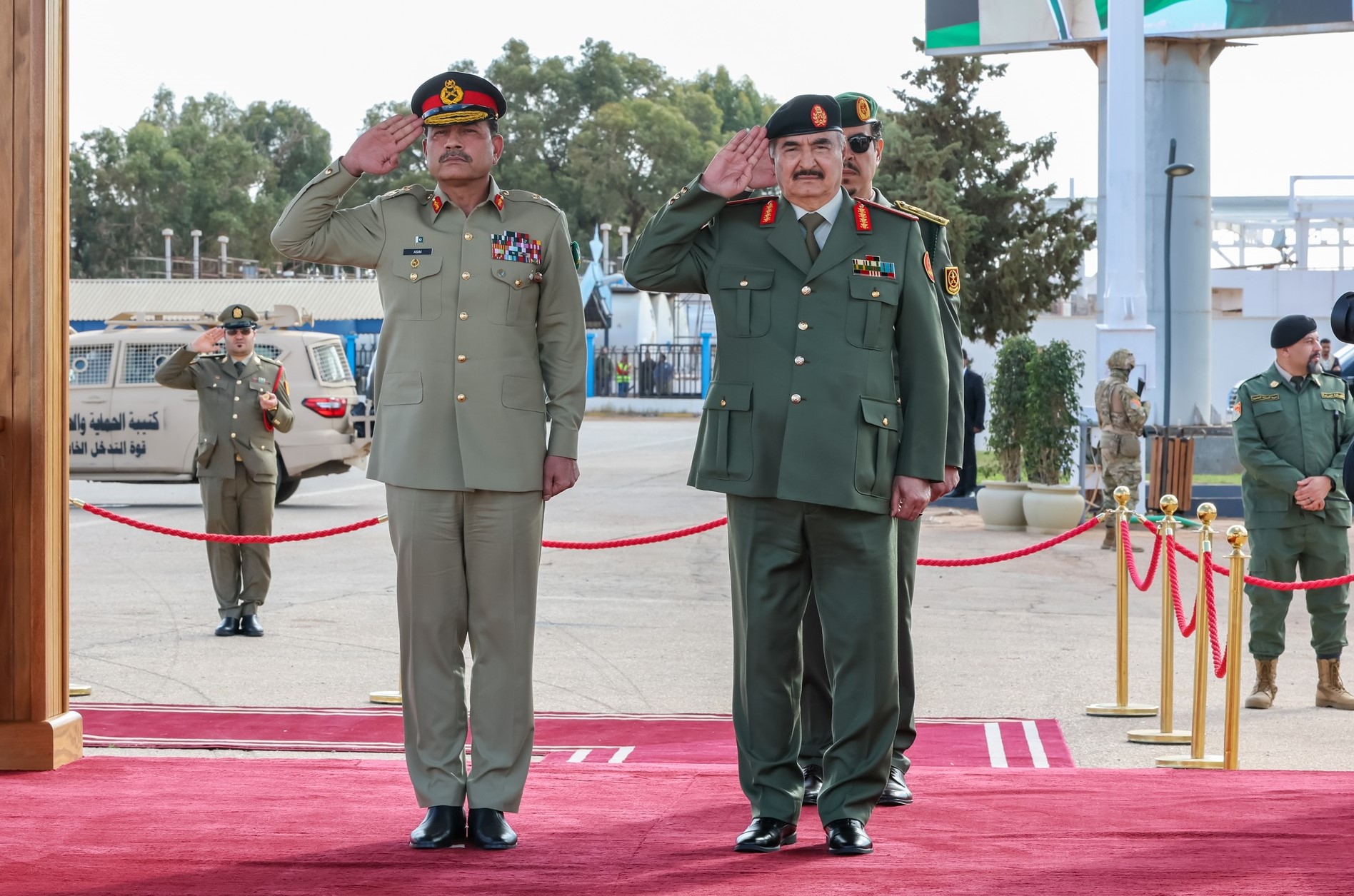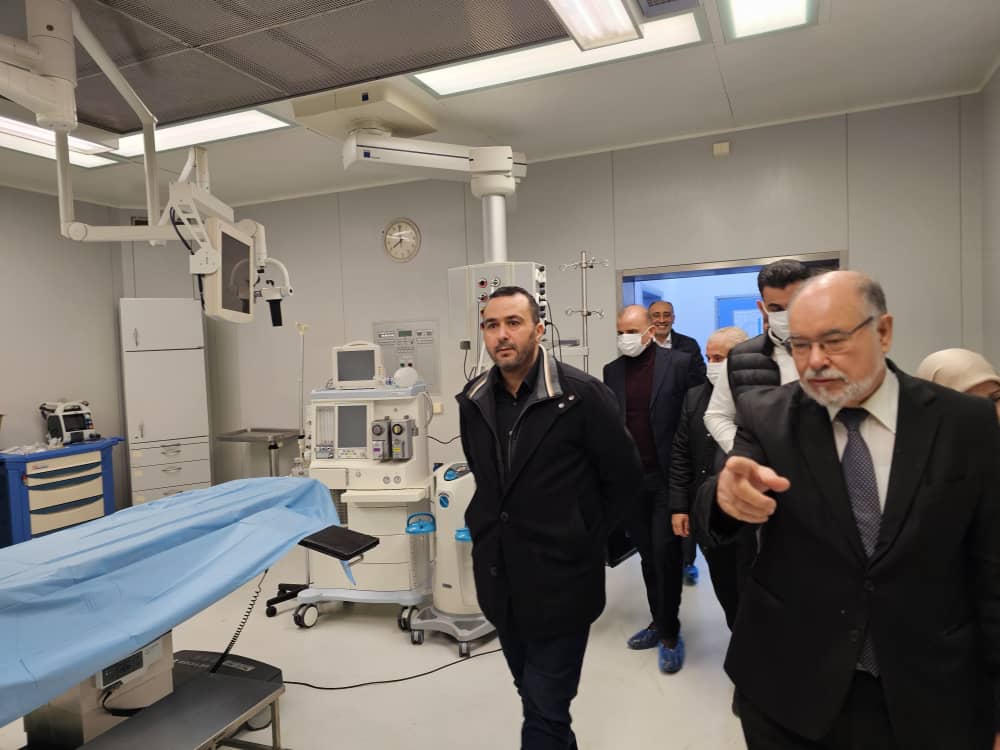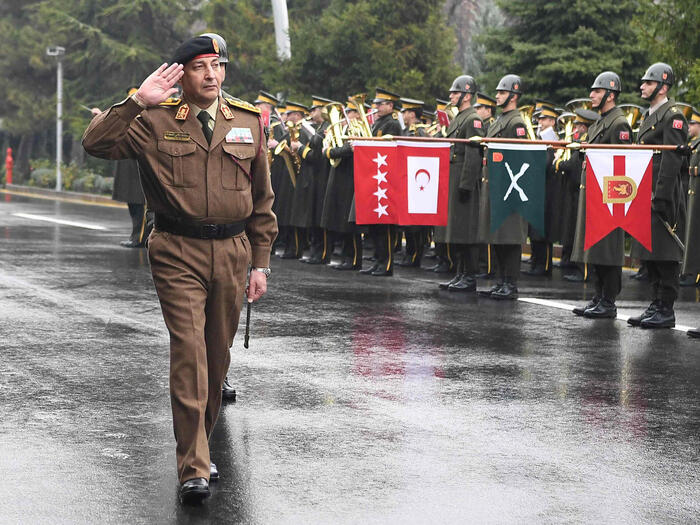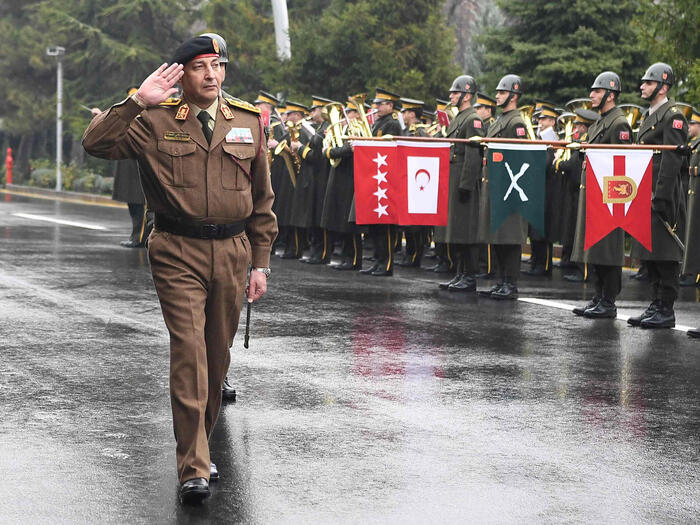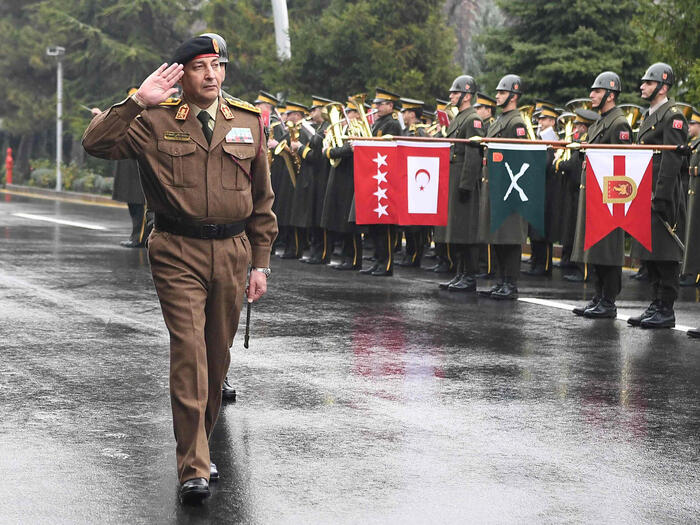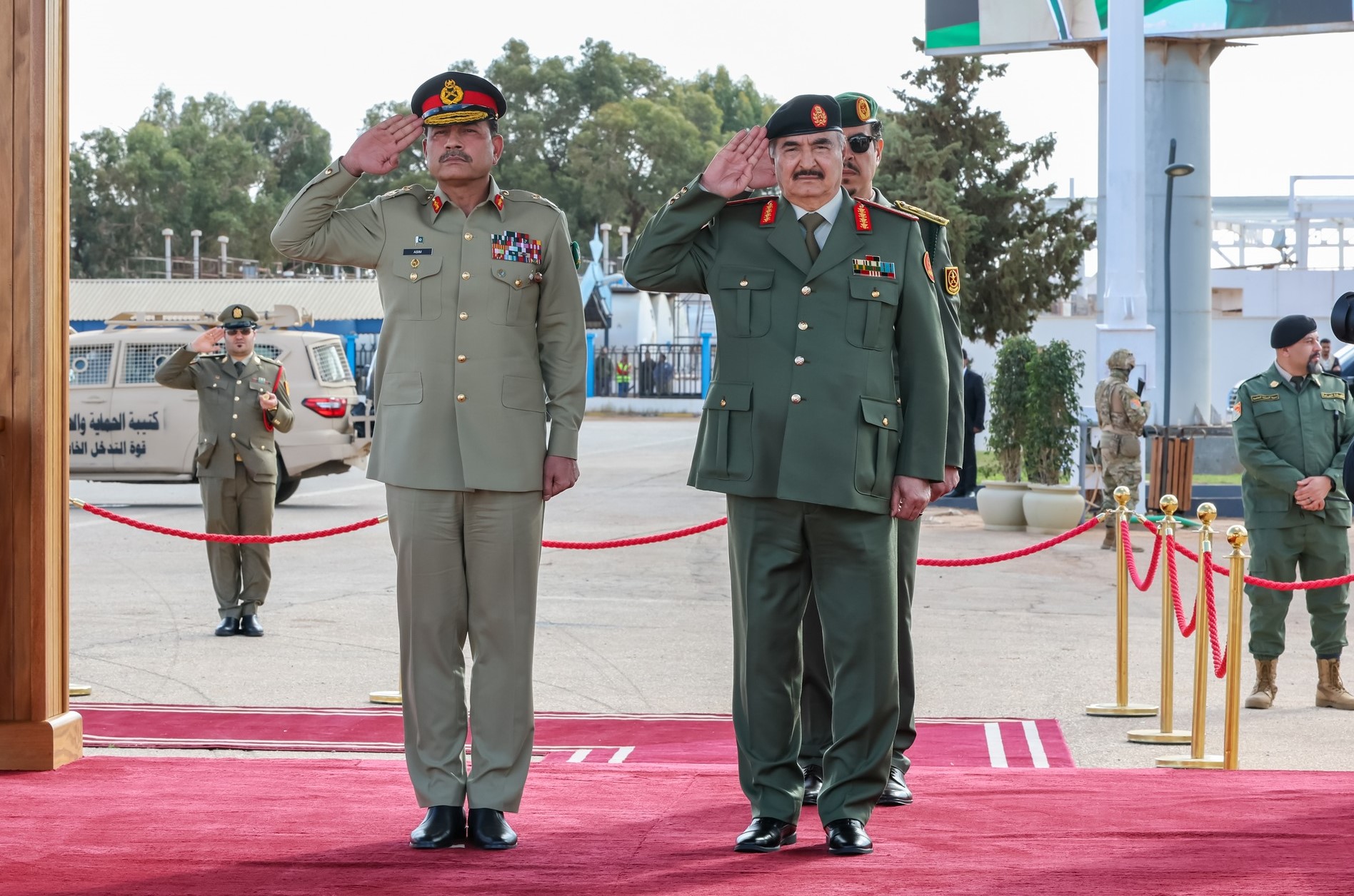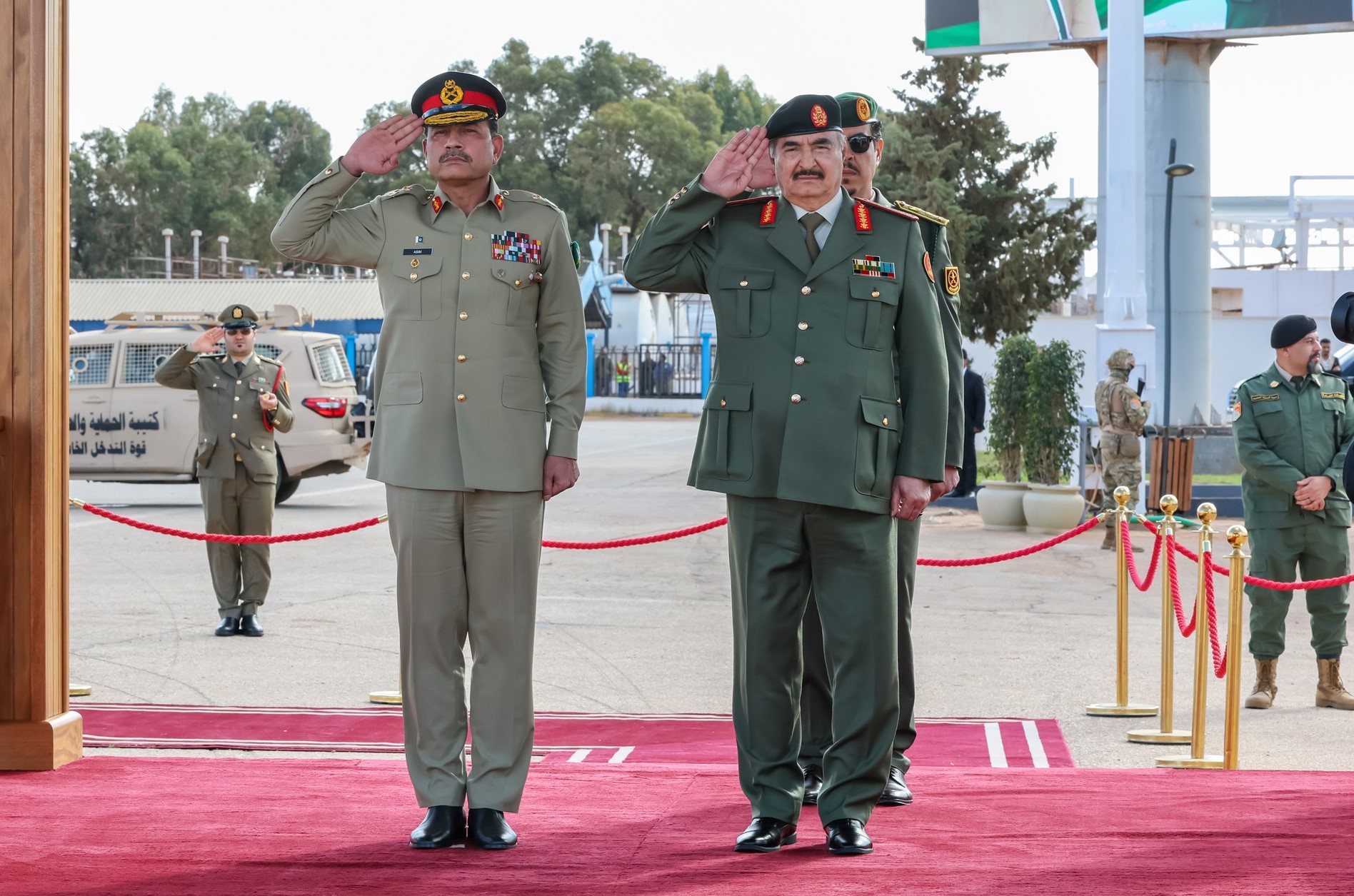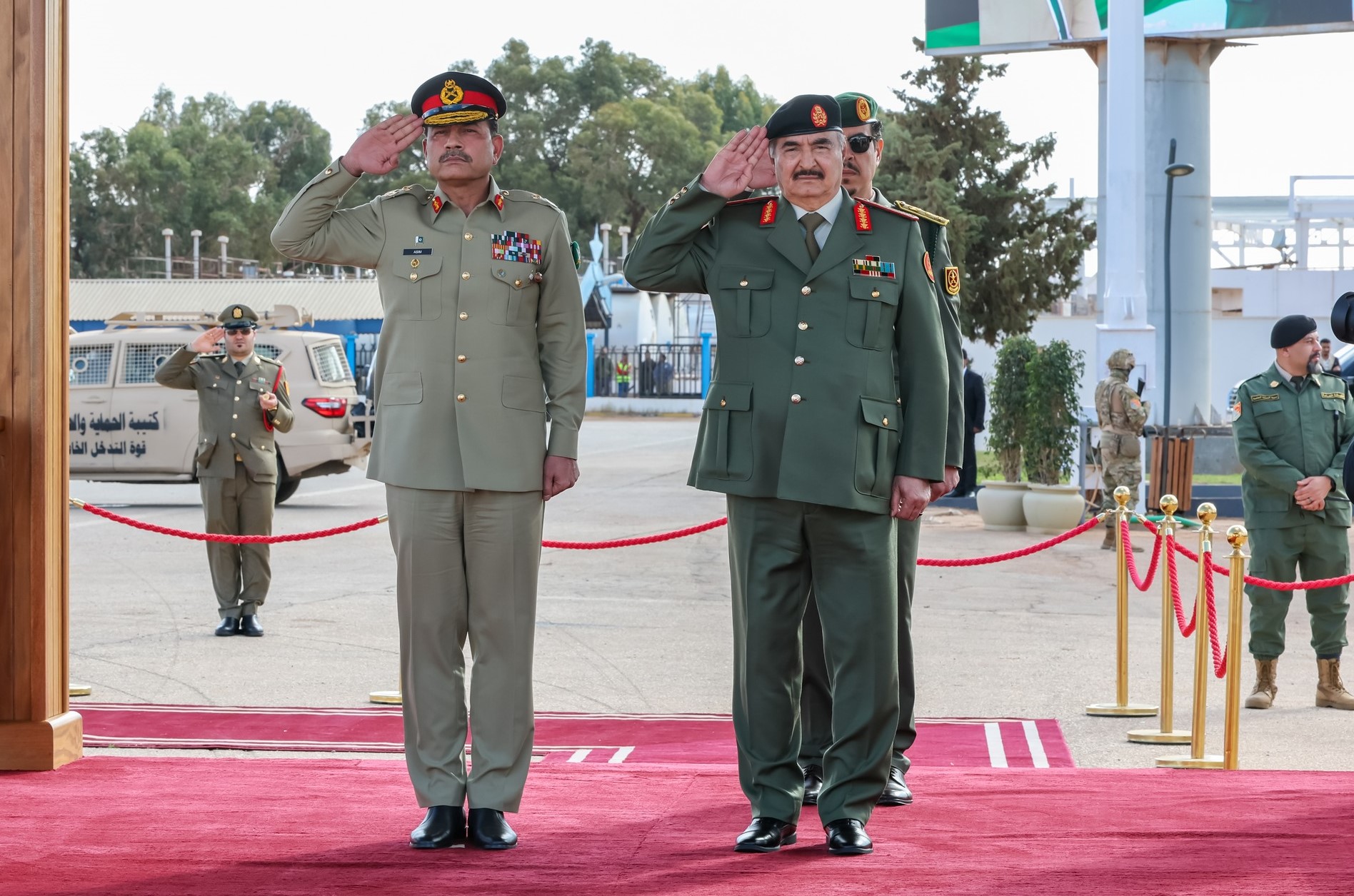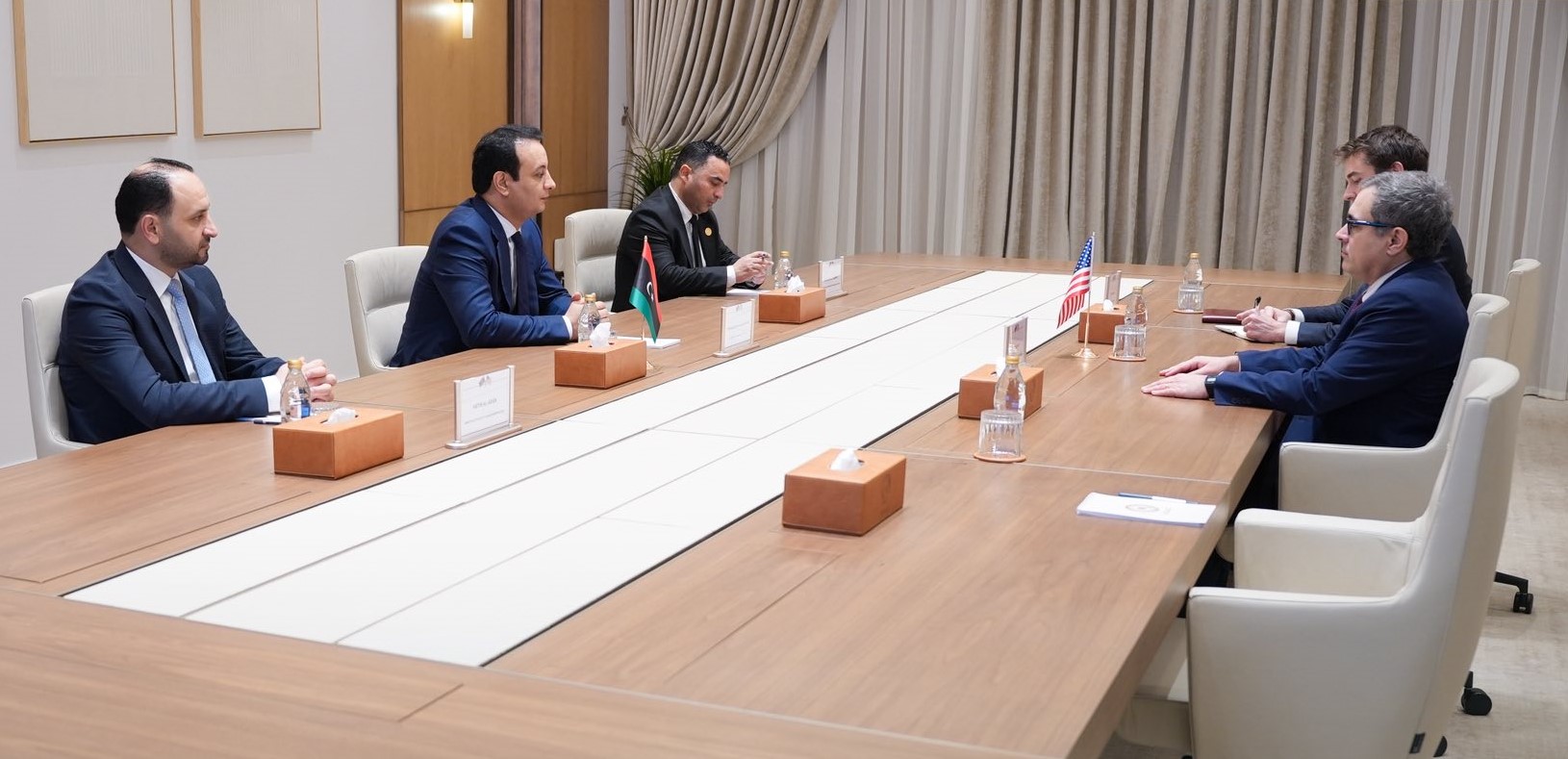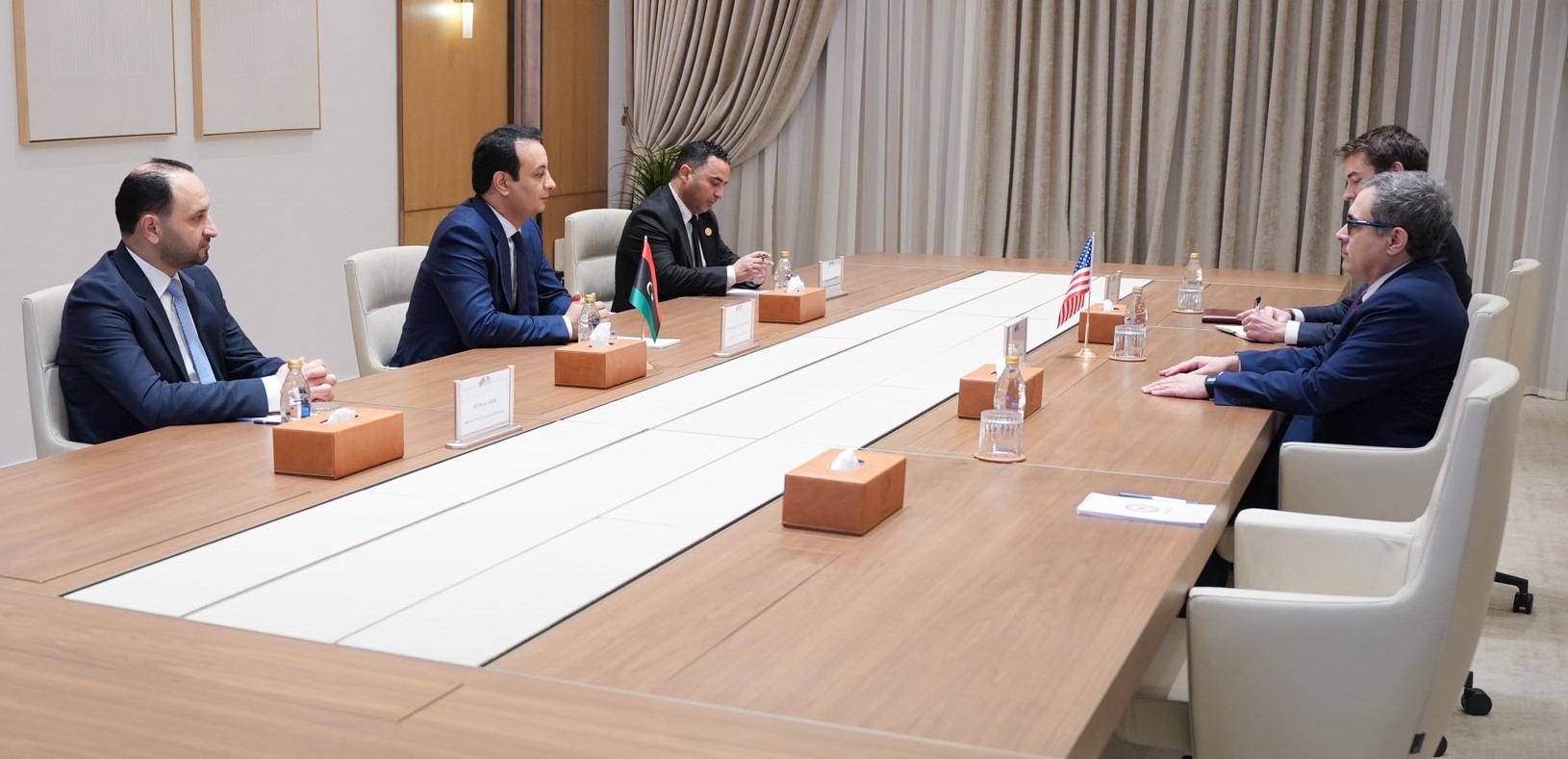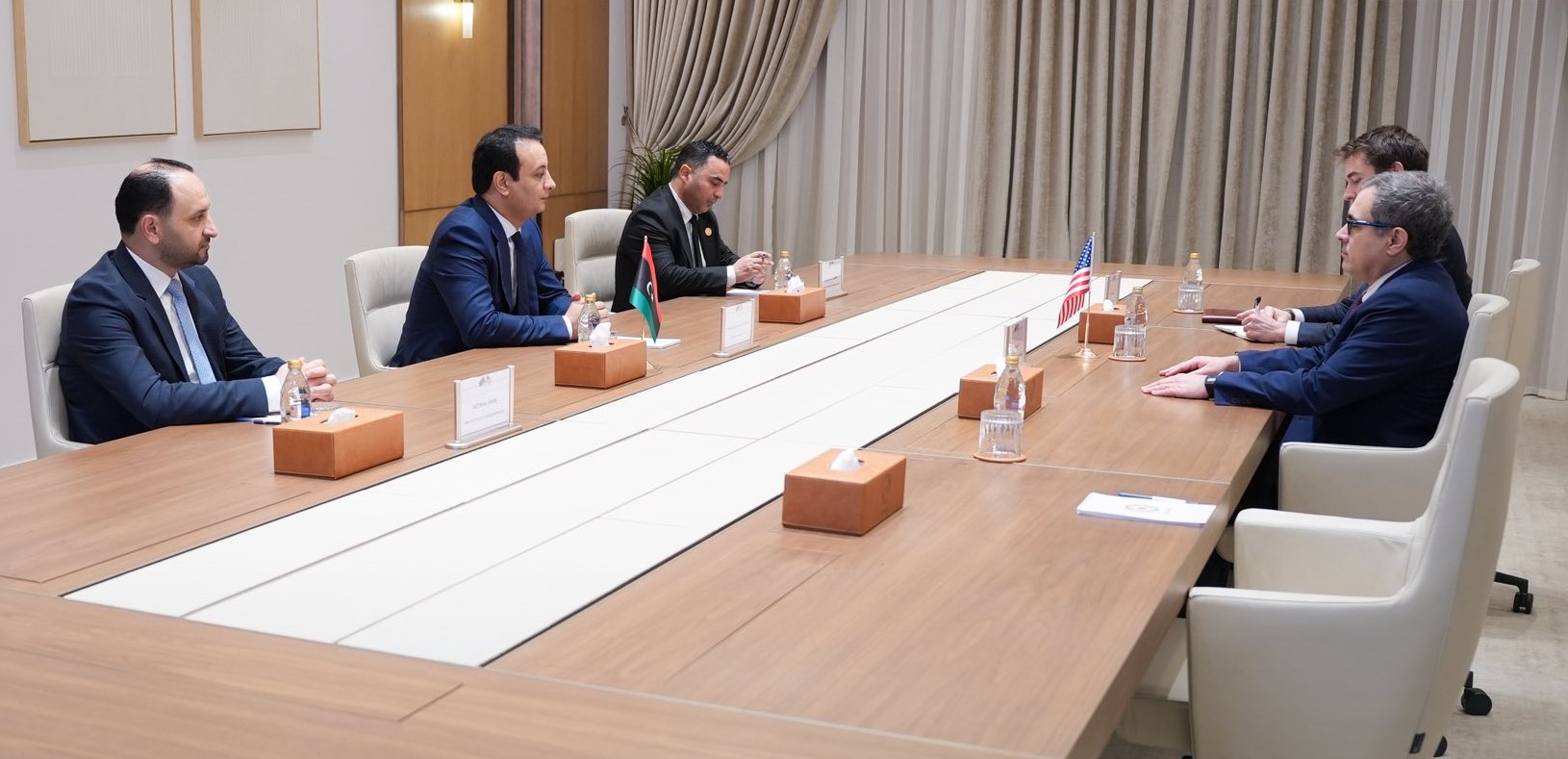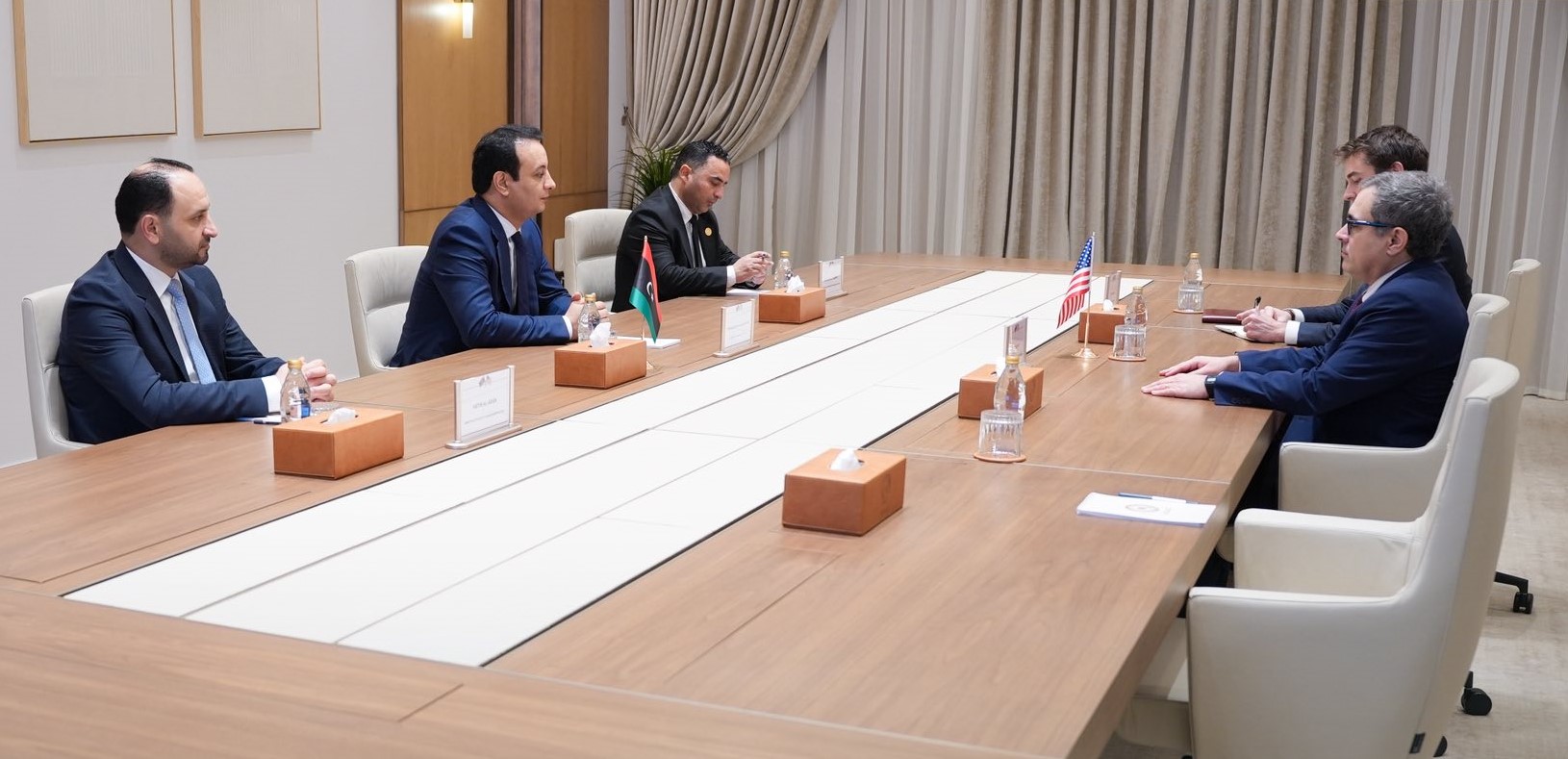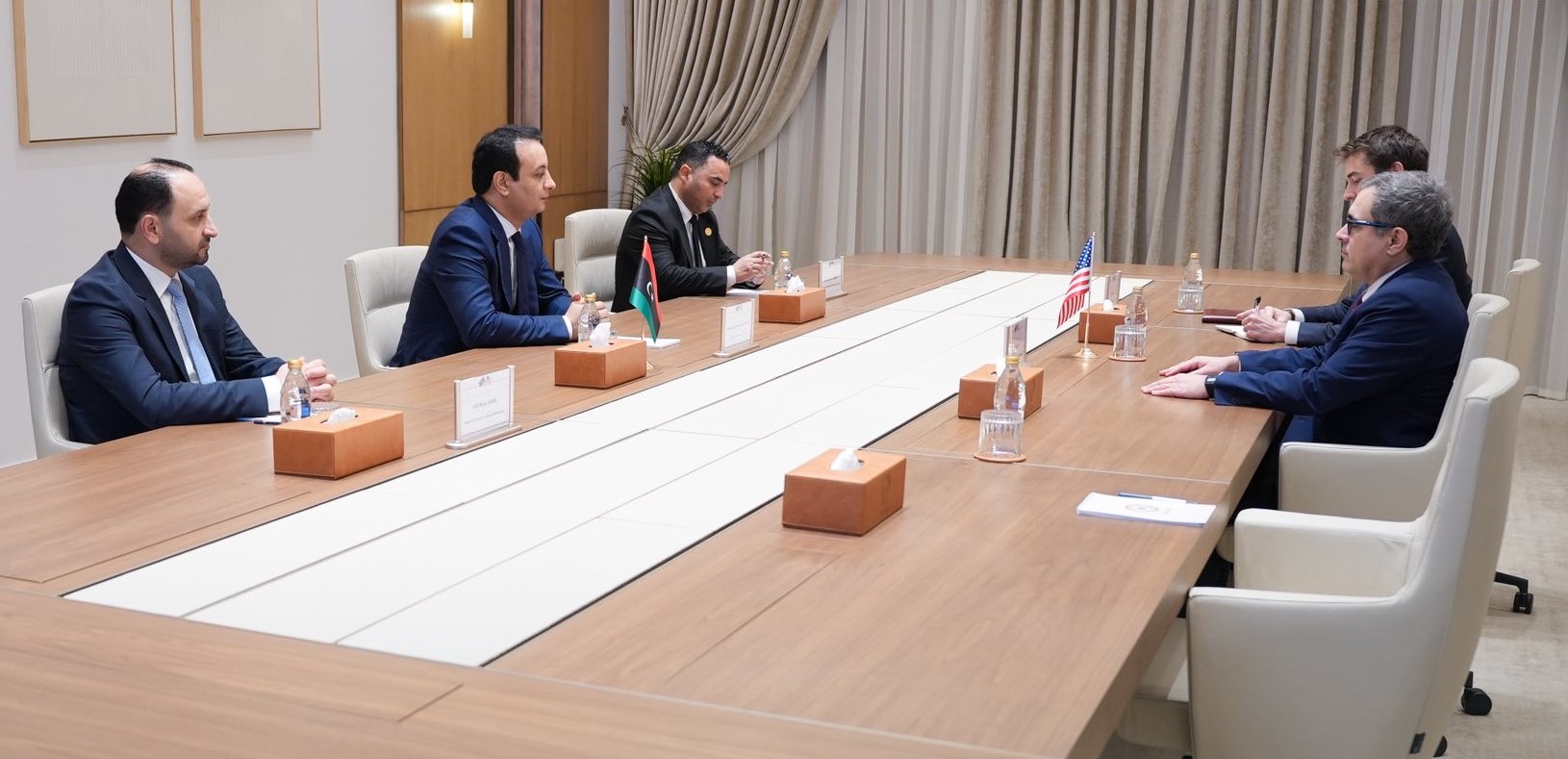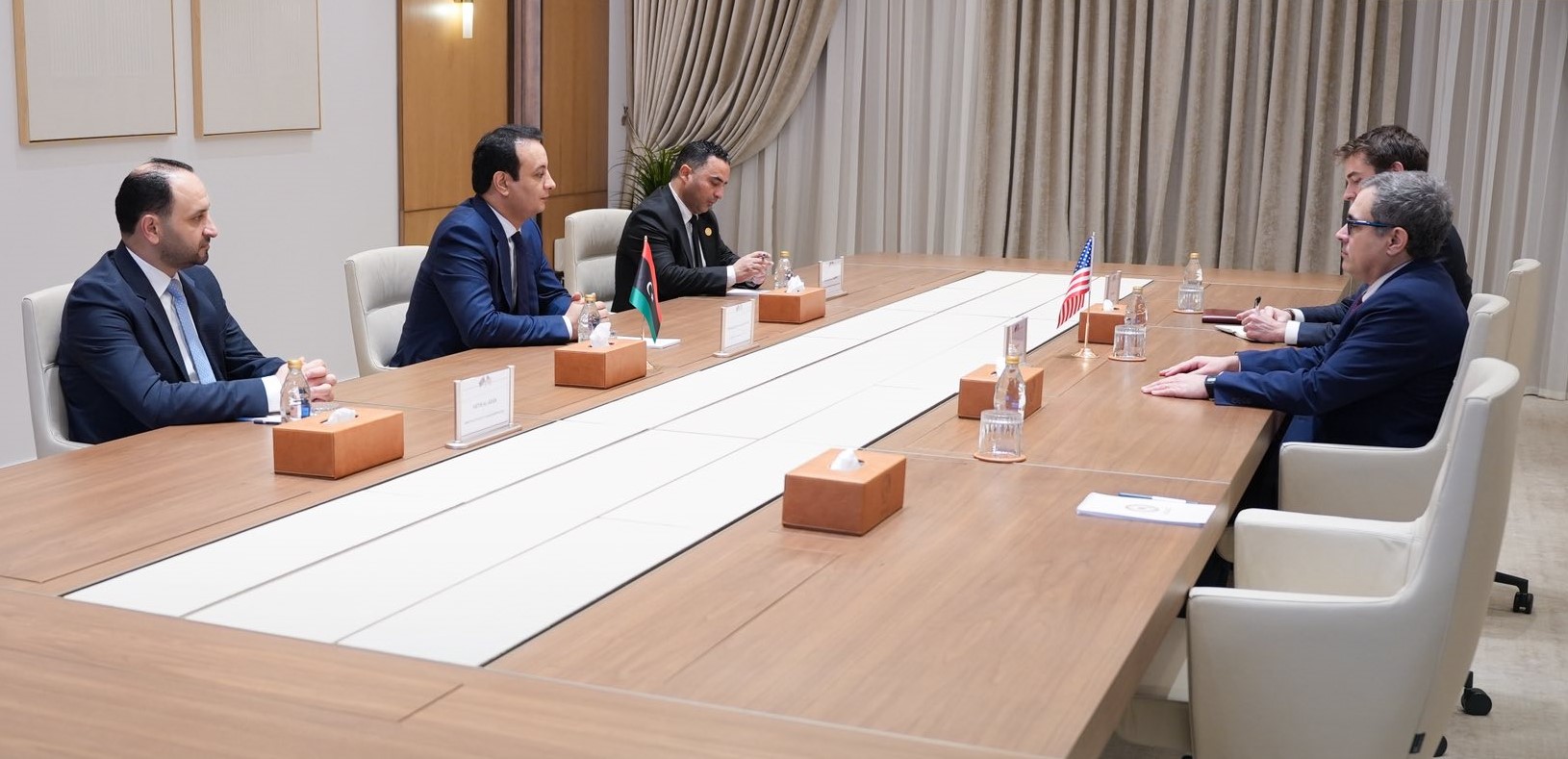
Tripoli, February 1, 2026 – The Chief of the General Staff of the Libyan Army met in his office today, Sunday, with the Commander of the European Union’s Operation IRINI, in the presence of the EU Ambassador to Libya and their accompanying delegations.
According to the General Staff, the discussions focused on ways to enhance and develop cooperation between the two sides in a number of areas of mutual interest.
The meeting emphasized the importance of developing this cooperation to advance the strategic partnership between Libya and the European Union and to contribute to enhancing security and stability in the Mediterranean region.
Tripoli
Tripoli is the capital and largest city of Libya, with a history dating back to the 7th century BC when it was founded by the Phoenicians. It later became a significant Roman city and a major port under various rulers, including the Ottomans and Italians, which is reflected in its historic medina and diverse architecture.
Libyan Army
The Libyan Army is the official military force of Libya, originally established after the country gained independence in 1951. Its history has been marked by periods of centralization under the monarchy and later under Muammar Gaddafi, followed by fragmentation and conflict among various factions after the 2011 civil war.
European Union
The European Union (EU) is a political and economic union of 27 European countries, founded after World War II to foster economic cooperation and prevent future conflict. It has evolved from the European Coal and Steel Community in 1951 into a major supranational entity with its own currency, the euro, and institutions that govern common policies on trade, agriculture, and regional development.
Operation IRINI
Operation IRINI is a European Union naval mission launched in March 2020 to enforce the United Nations arms embargo on Libya. Its primary tasks include monitoring maritime traffic, inspecting vessels, and gathering information to help prevent illicit arms shipments and contribute to the peace process in Libya.
Mediterranean region
The Mediterranean region is a historical and cultural area surrounding the Mediterranean Sea, often called the “cradle of Western civilization.” It was central to the rise of ancient empires like the Egyptians, Greeks, Romans, and Phoenicians, who facilitated immense trade and cultural exchange. Its climate and geography have fostered shared agricultural traditions, such as olive cultivation, and a distinct culinary heritage.