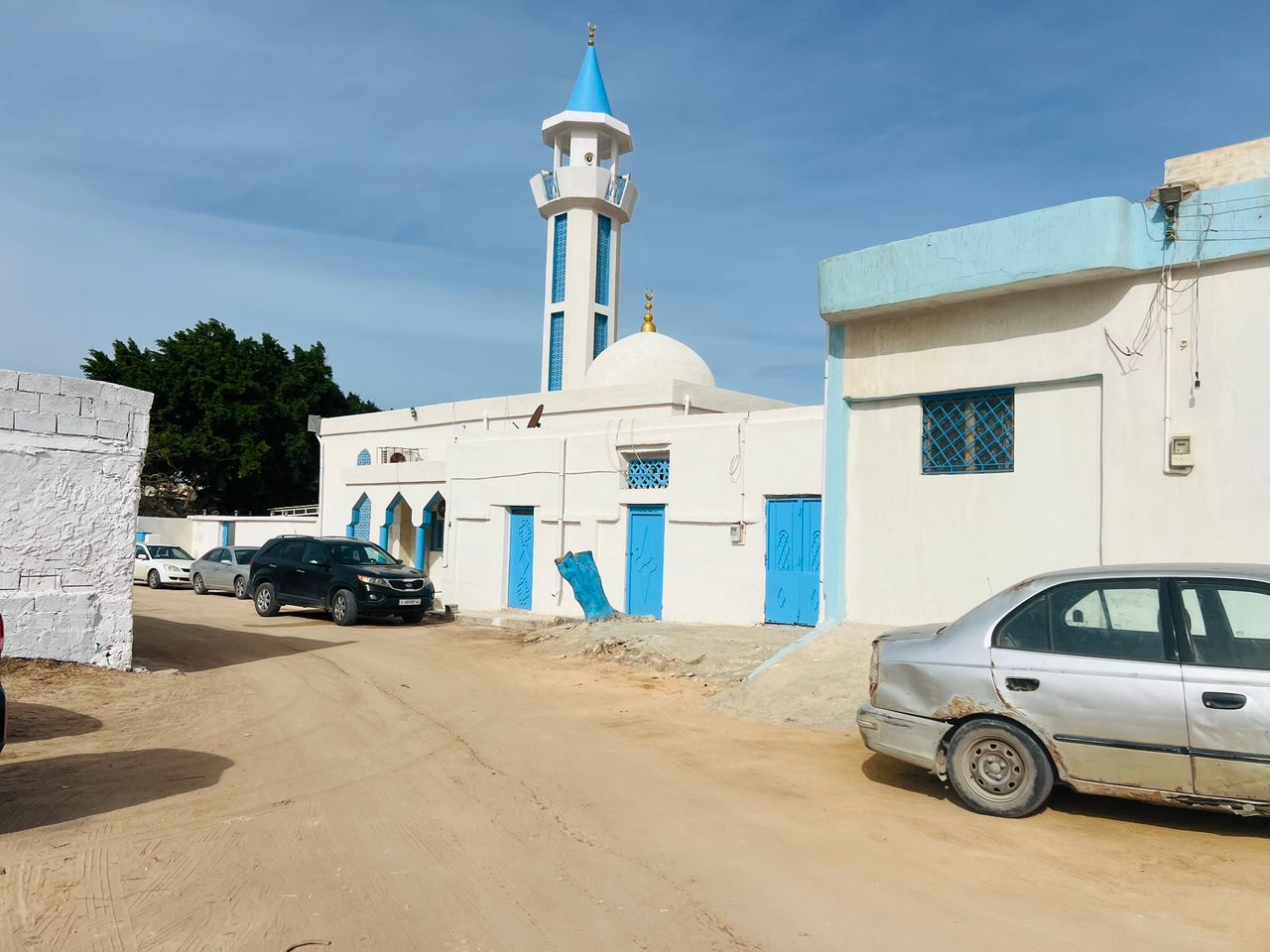
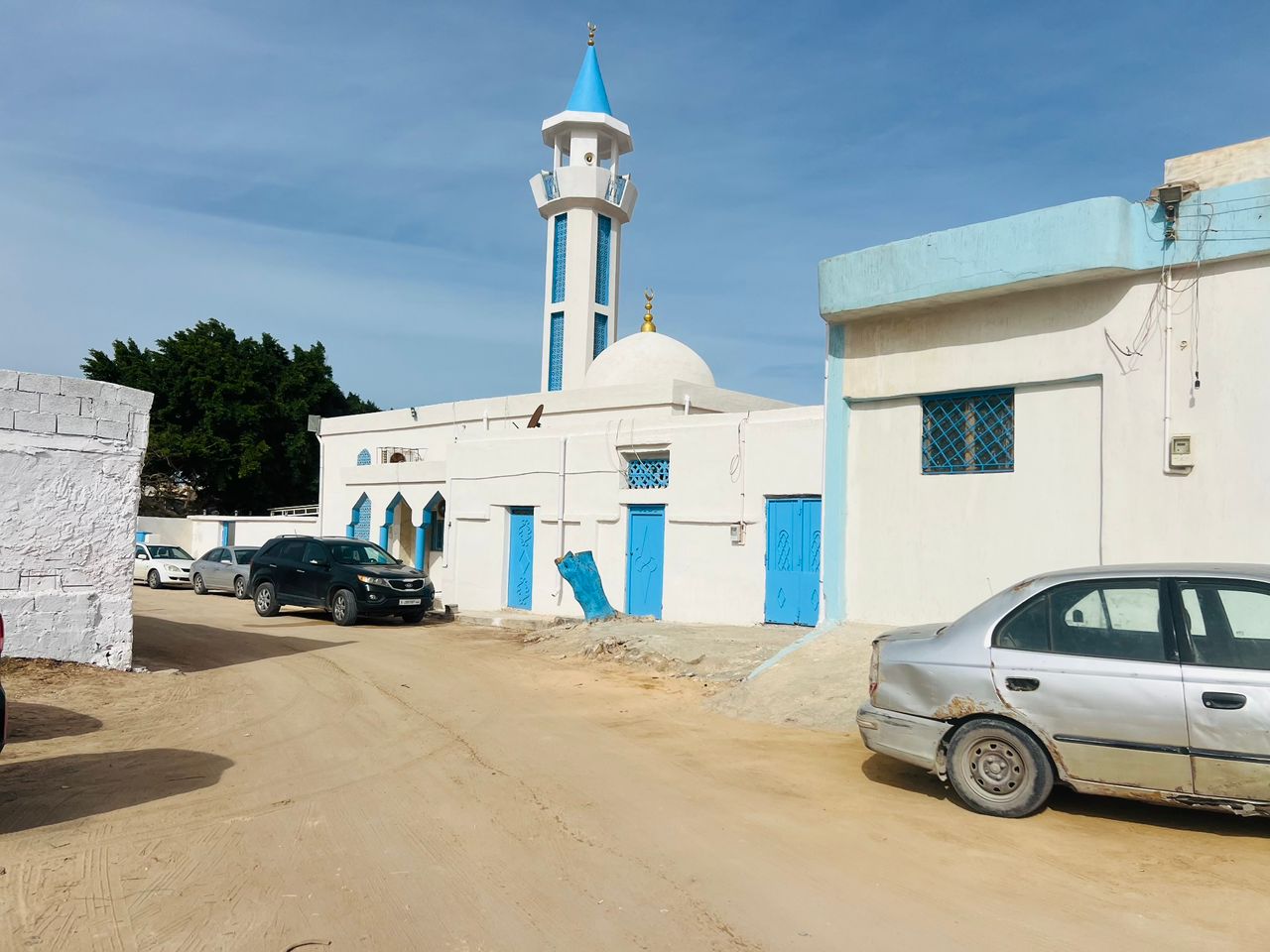
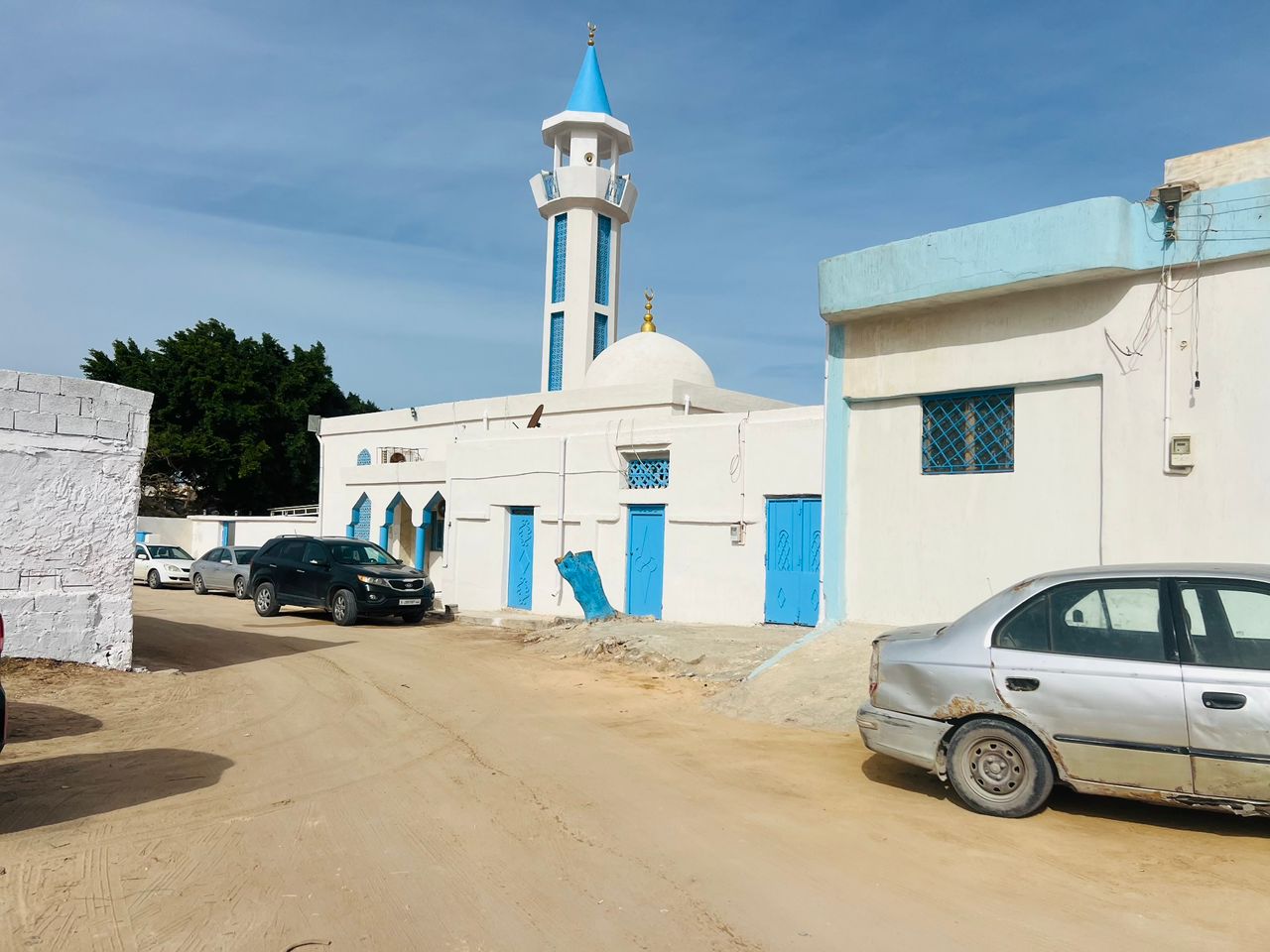
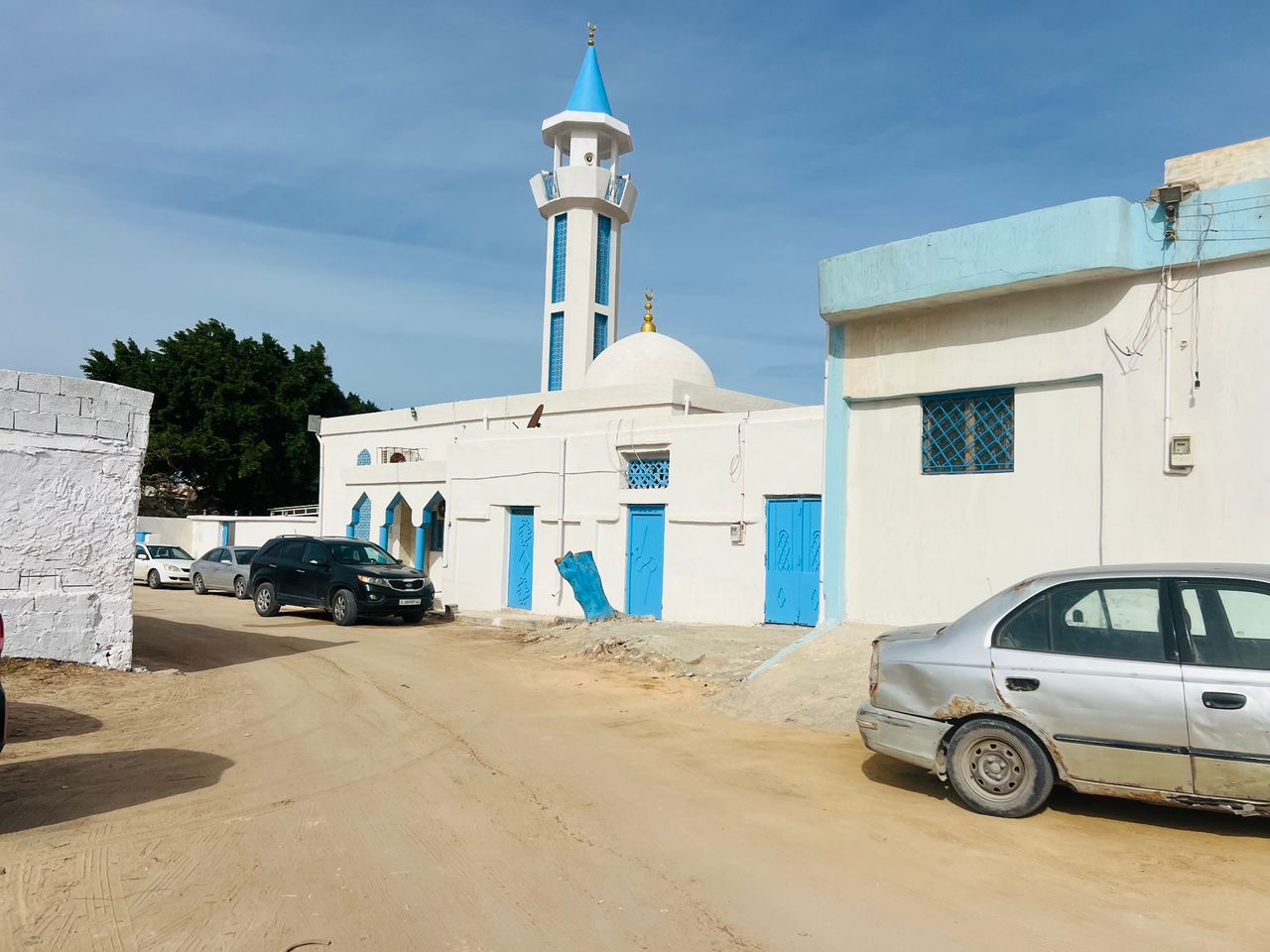
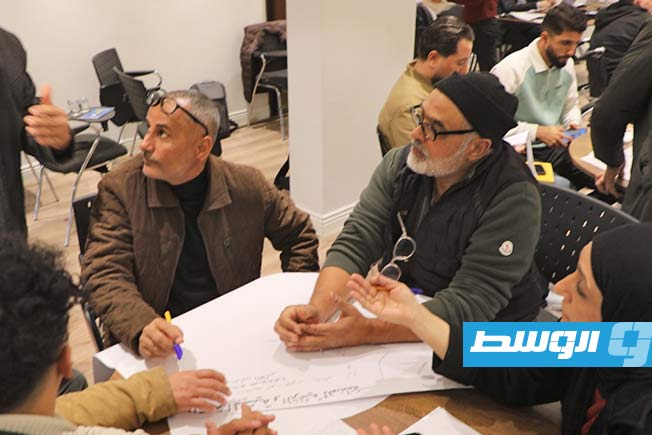
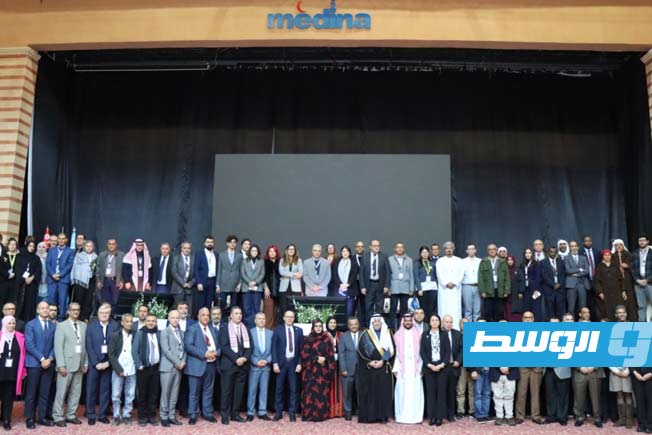
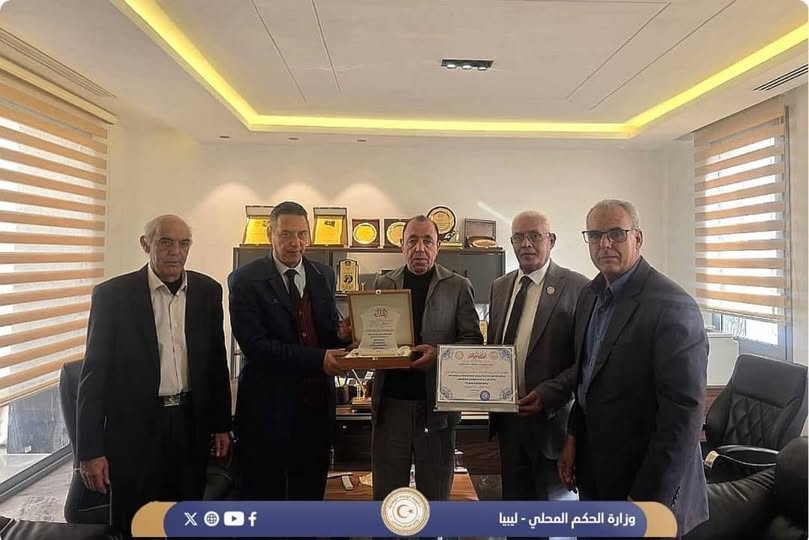
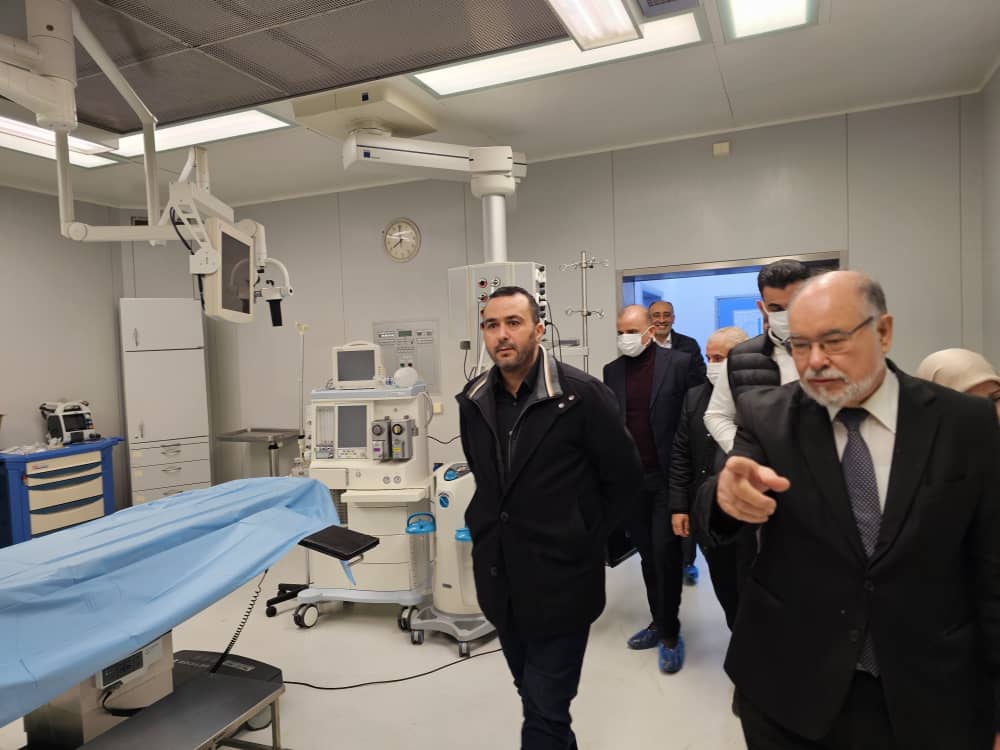
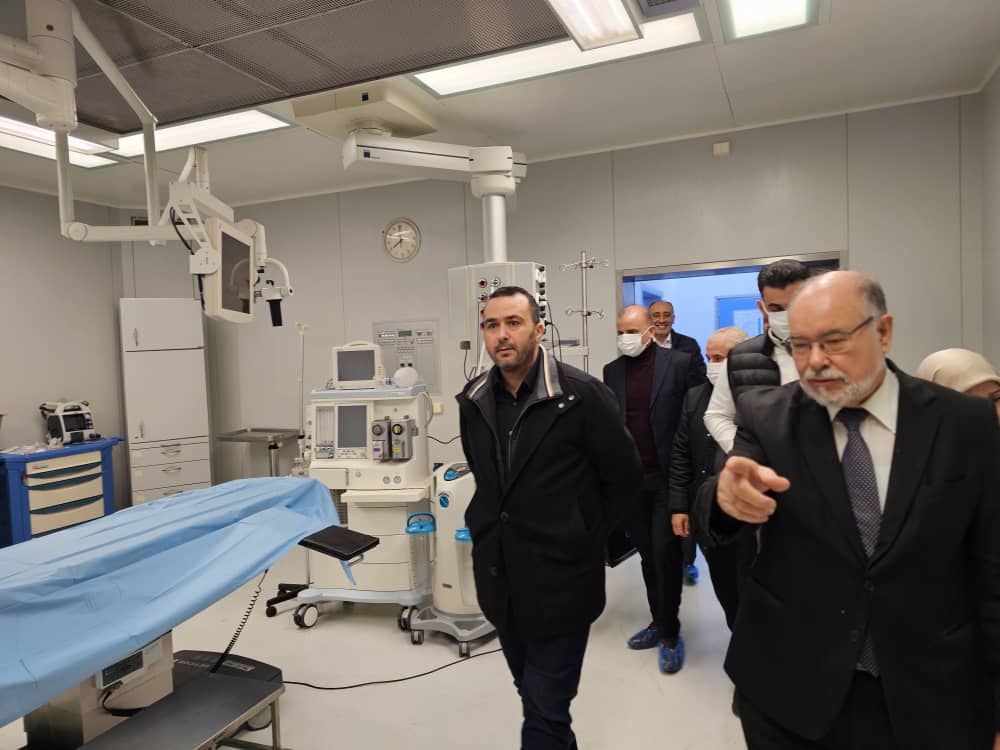
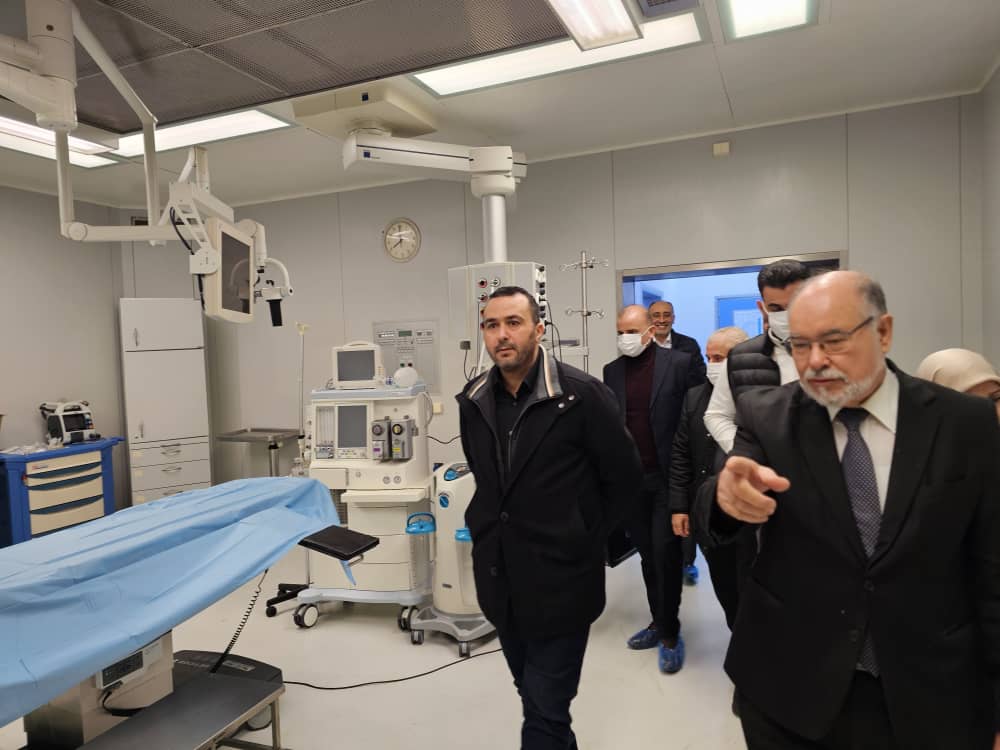
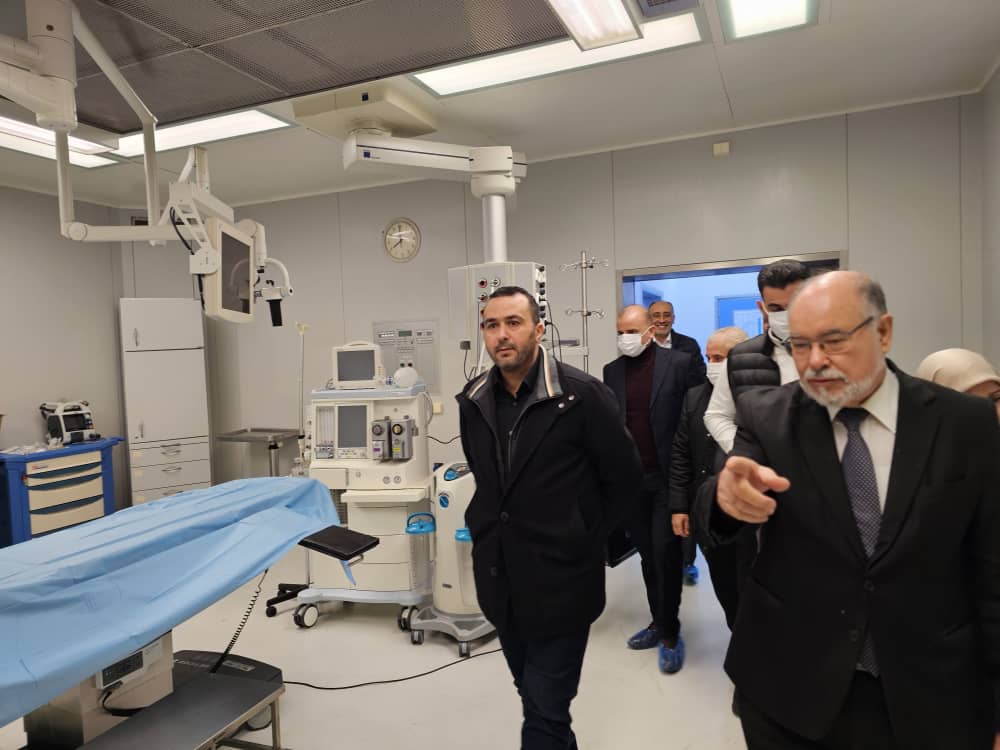
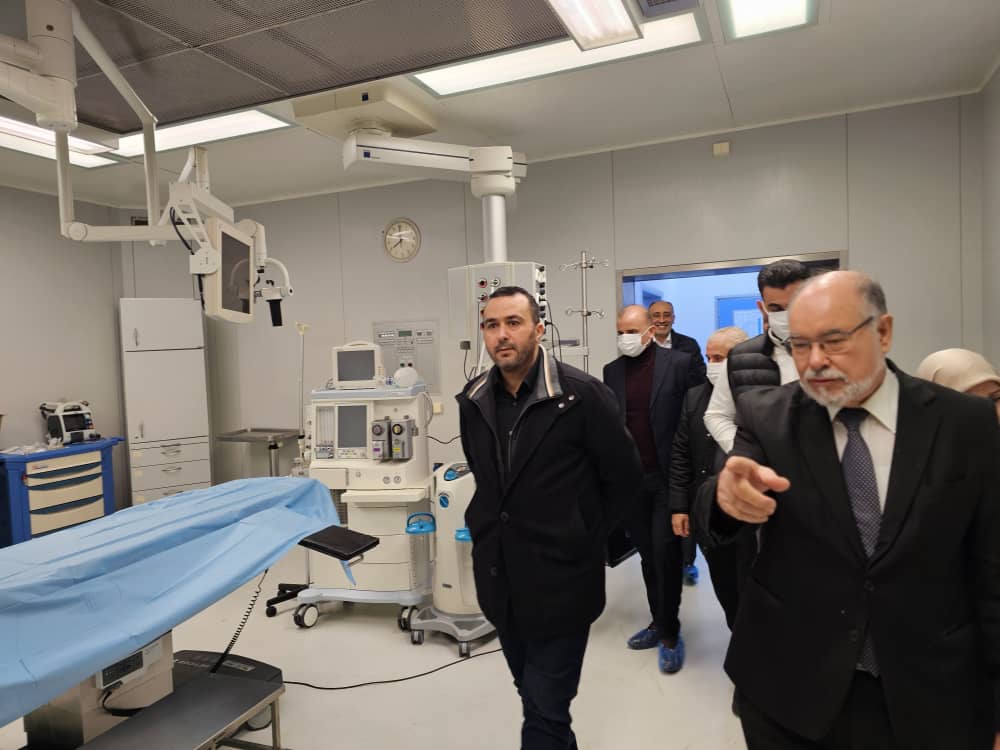
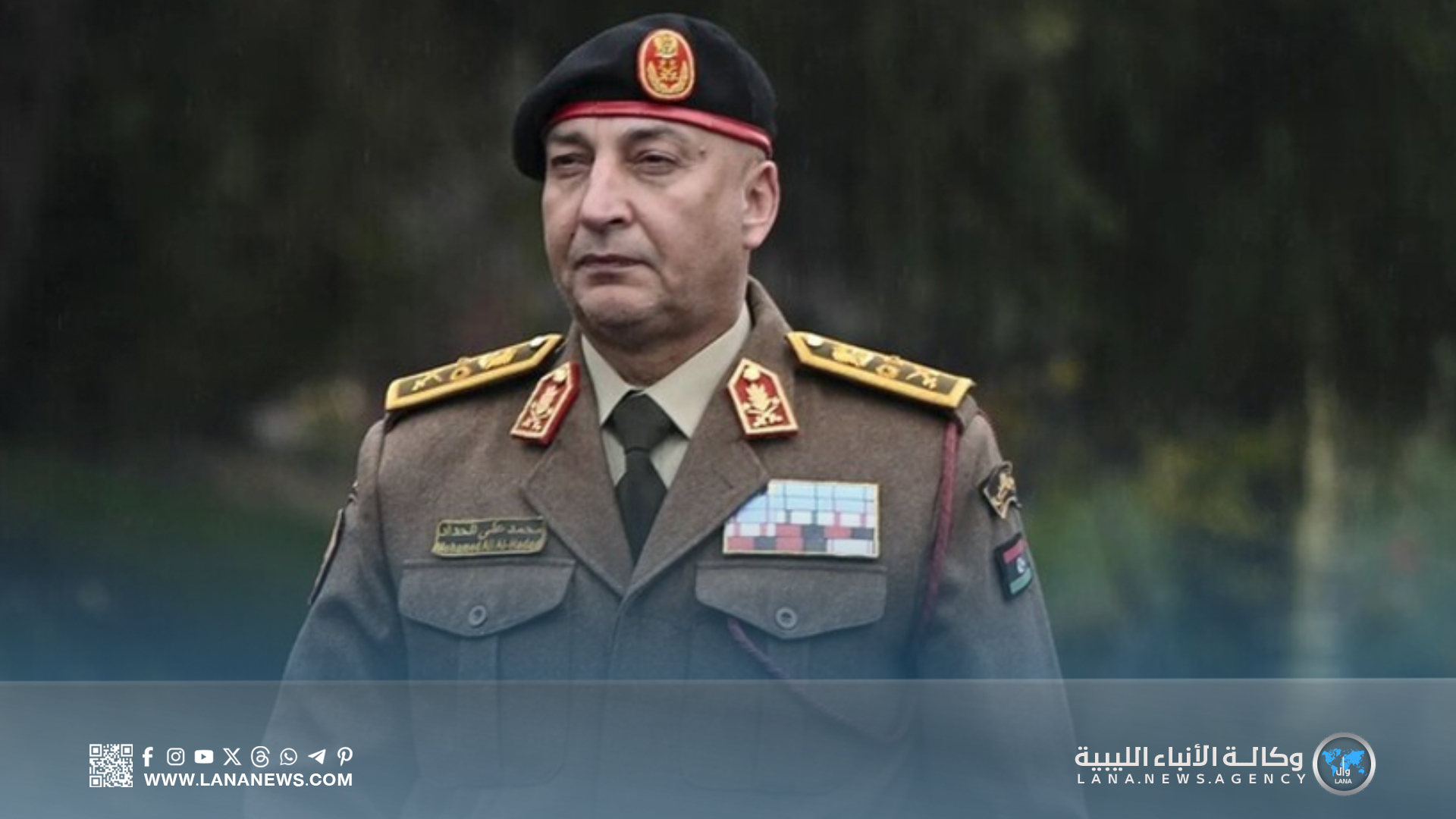
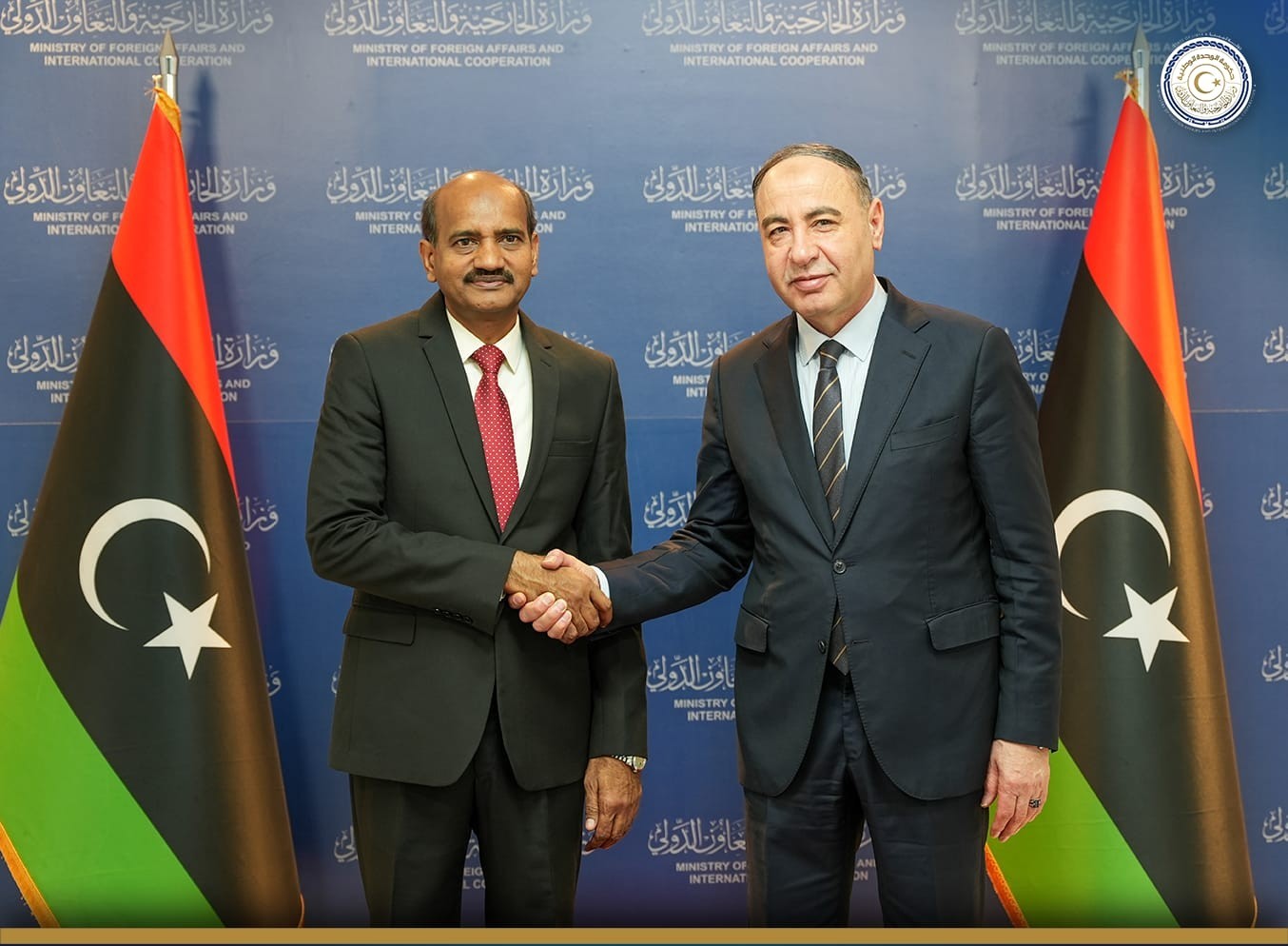
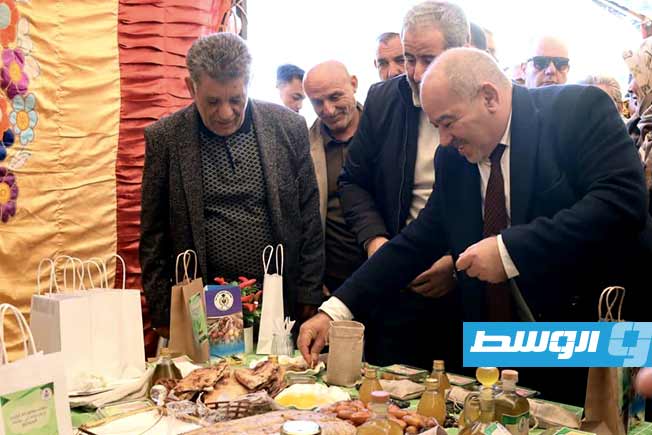
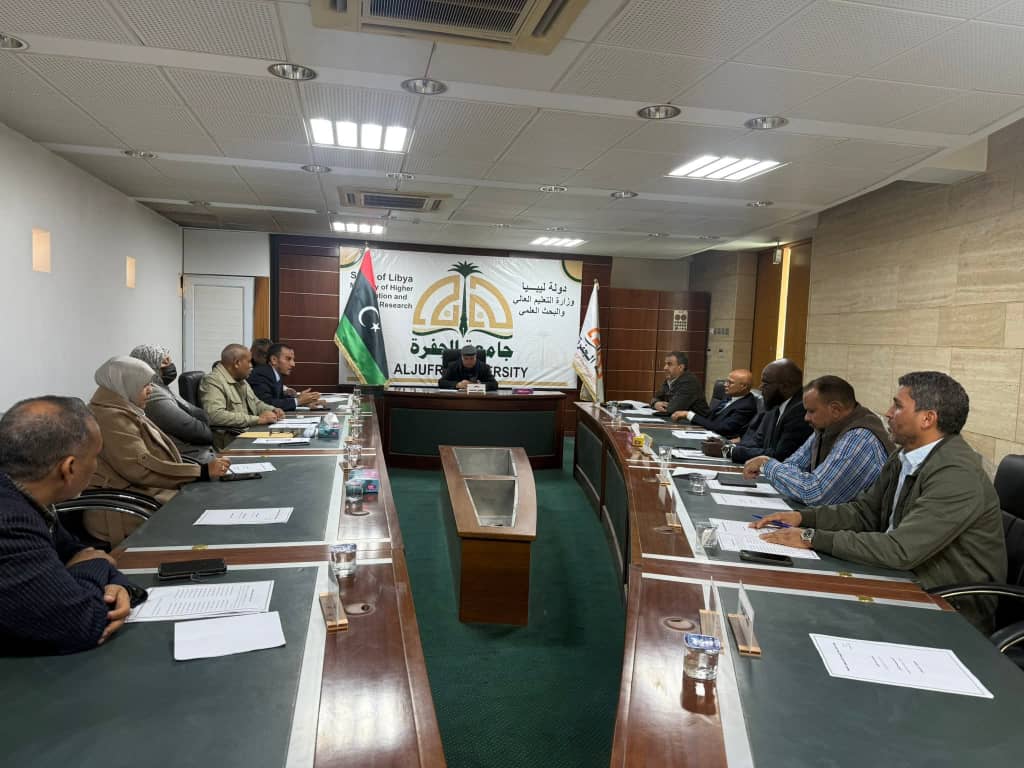
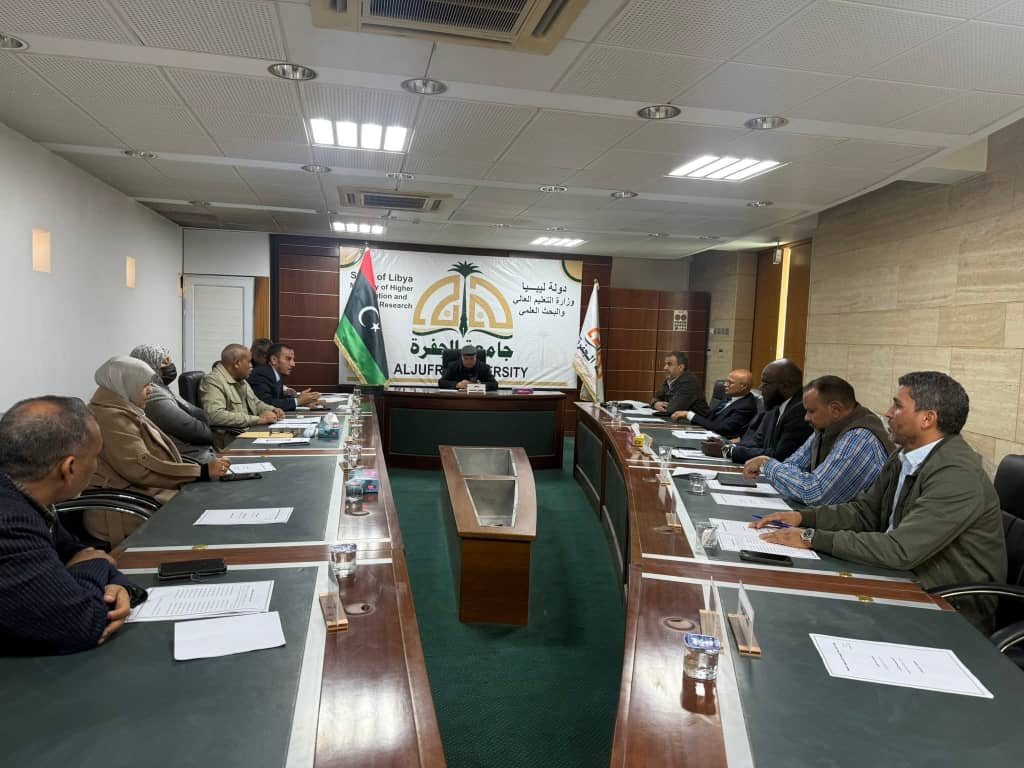
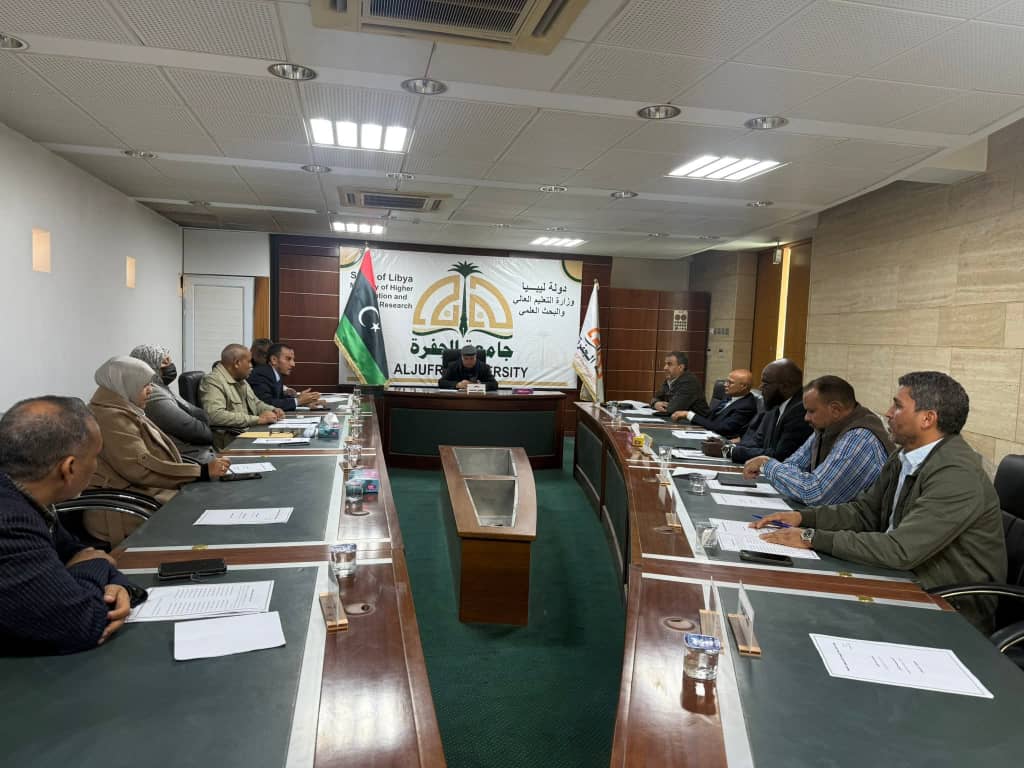
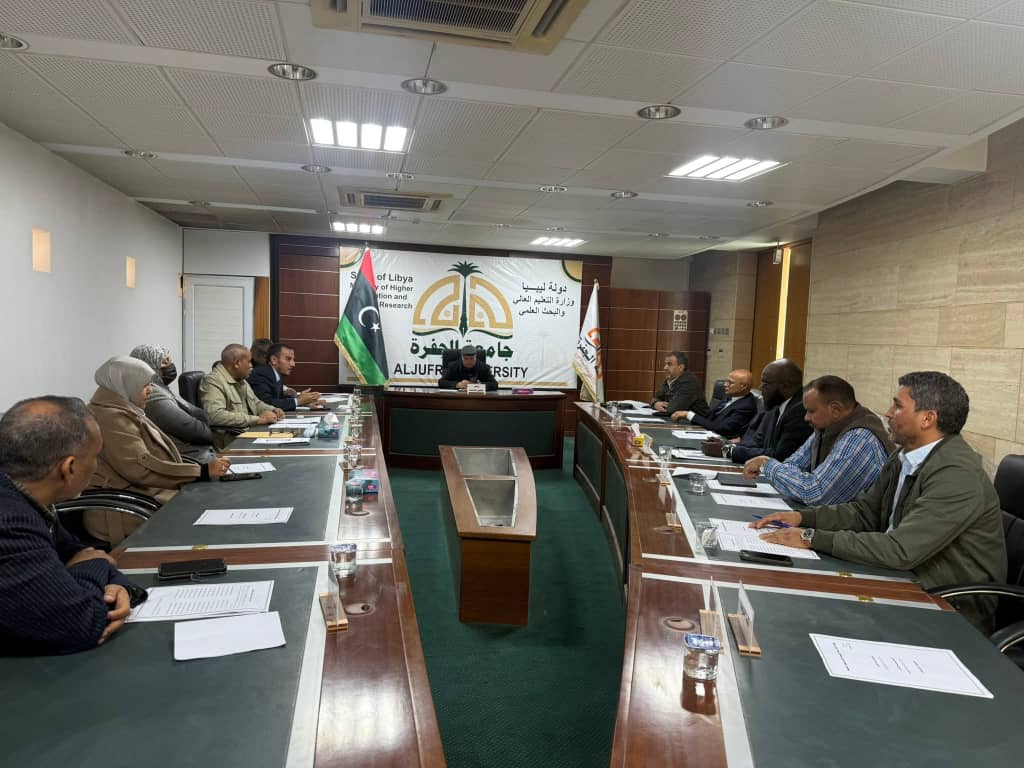
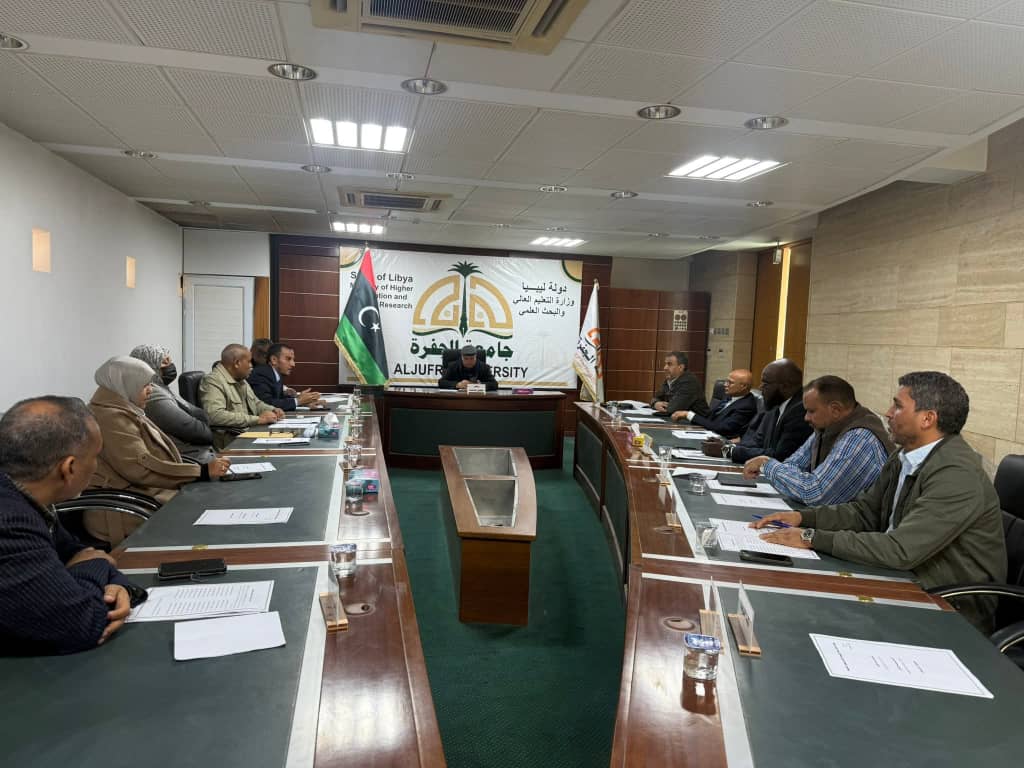
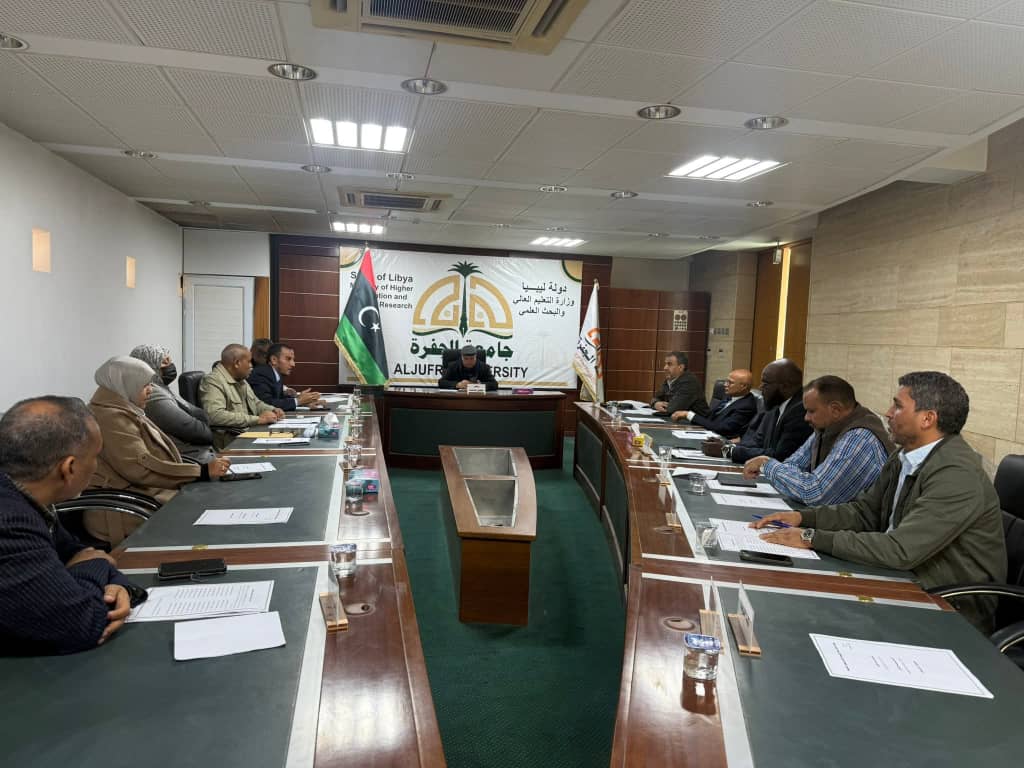
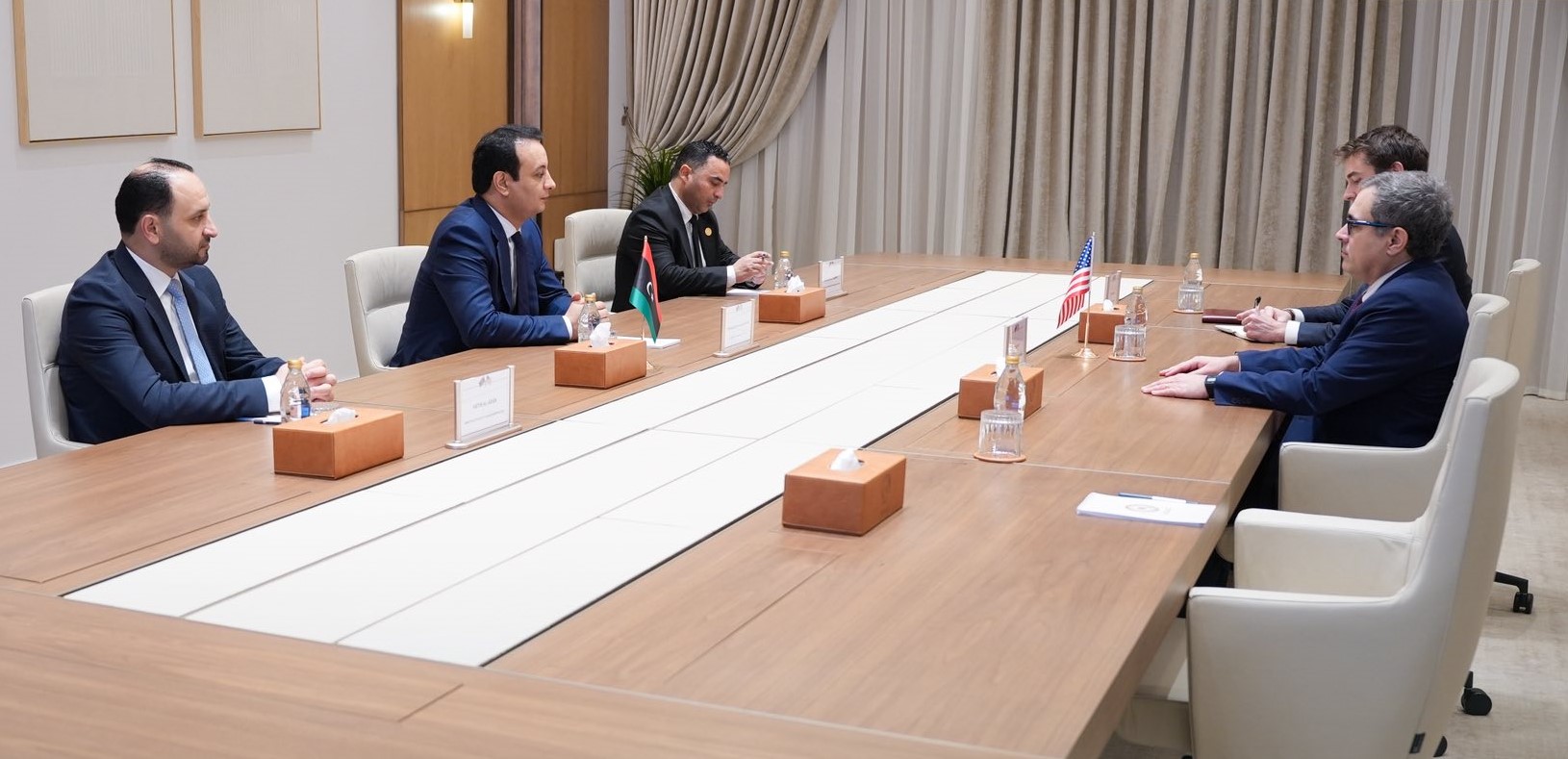
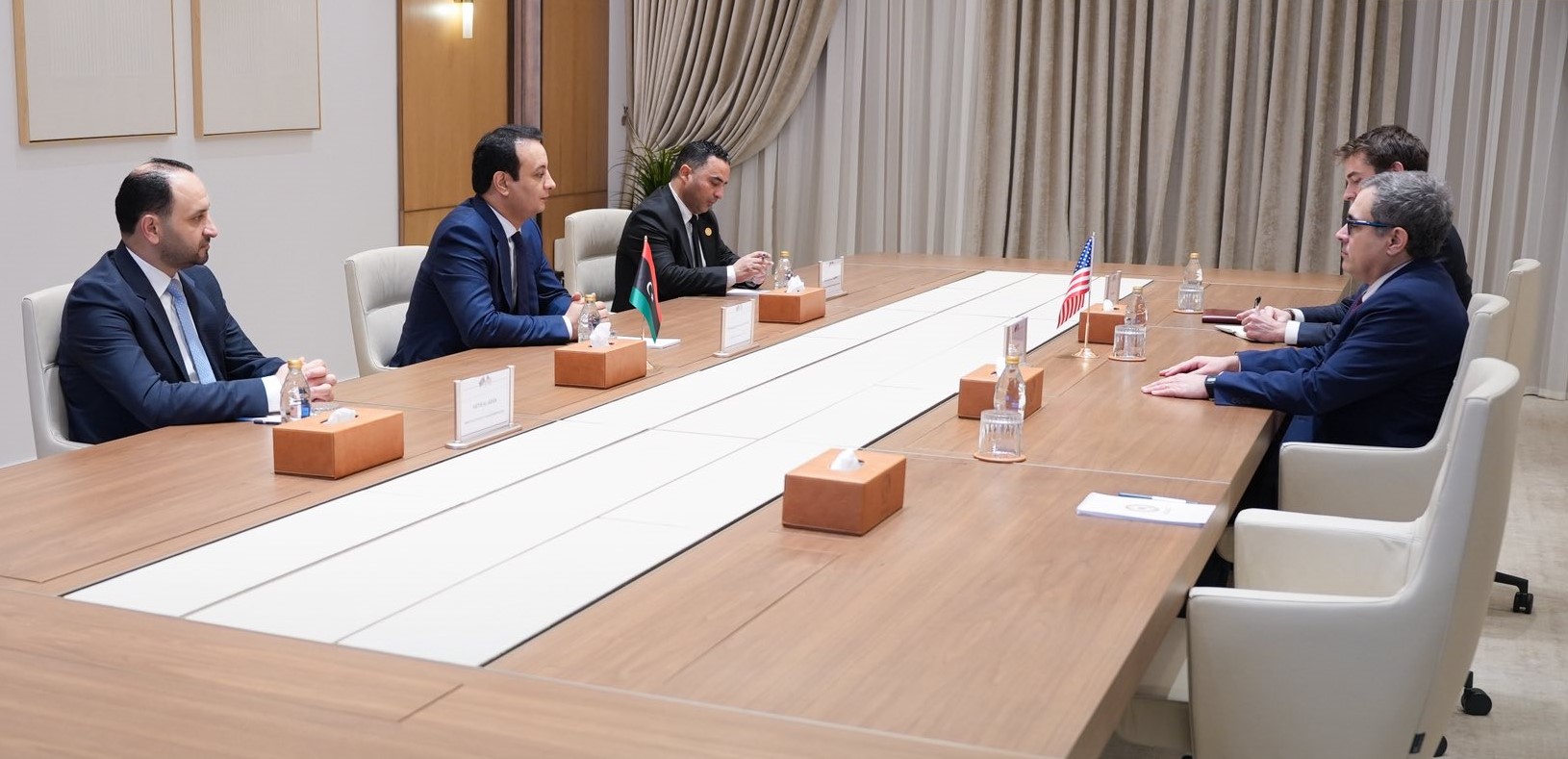
On January 28, 2026, the meeting held by the Minister of Local Government of the Government of National Unity with the Mayor of Derg discussed the level of service performance, the progress of implementing ongoing projects and programs, and identified the most prominent challenges facing municipal work within the scope of the municipality.
The meeting addressed ways to enhance institutional performance efficiency, improve the quality of basic services, and accelerate the pace of project completion. The Minister emphasized the Ministry’s keenness to support municipalities and enable them to perform their duties efficiently, stressing the importance of establishing service stability and raising the level of coordination to positively reflect on the level of services provided to citizens.
For his part, the Mayor of Derg reviewed the most prominent service needs and priorities within the municipality, appreciating the support and continuous follow-up of the Ministry of Local Government, and confirming the importance of continuing this cooperation to contribute to advancing the path of local development and improving the level of services.
Government of National Unity
The Government of National Unity (GNU) is a political arrangement where rival parties, often after a conflict or deadlock, form a coalition cabinet to share power. A prominent historical example is South Africa’s first post-apartheid government in 1994, which brought together the African National Congress and the National Party to oversee the transition to democracy.
Ministry of Local Government
The Ministry of Local Government is a central government department responsible for overseeing regional administration, local authorities, and municipal services. Its history is tied to the evolution of national governance structures, often established to decentralize power and improve the delivery of public services at the community level.
Derg
The Derg was a Marxist-Lilitary junta that ruled Ethiopia from 1974 to 1987 after overthrowing Emperor Haile Selassie. It established a socialist state, and its period was marked by the Ethiopian Civil War, a devastating famine, and widespread human rights abuses, including the “Red Terror” purges. The regime was eventually dissolved and replaced by the People’s Democratic Republic of Ethiopia.