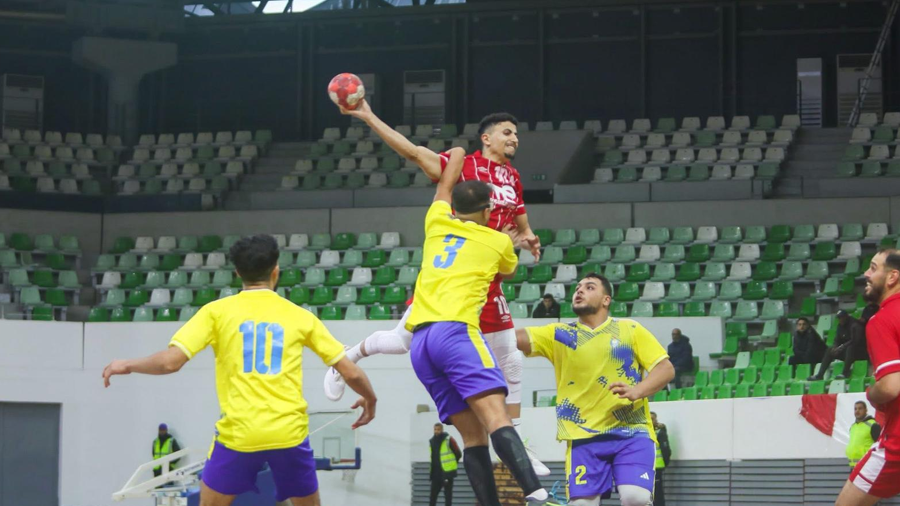
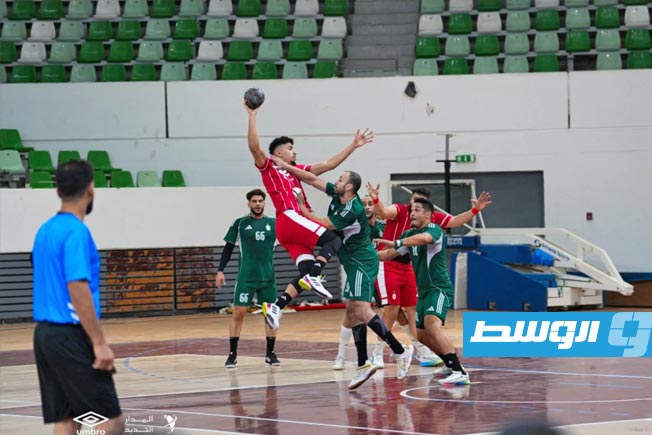
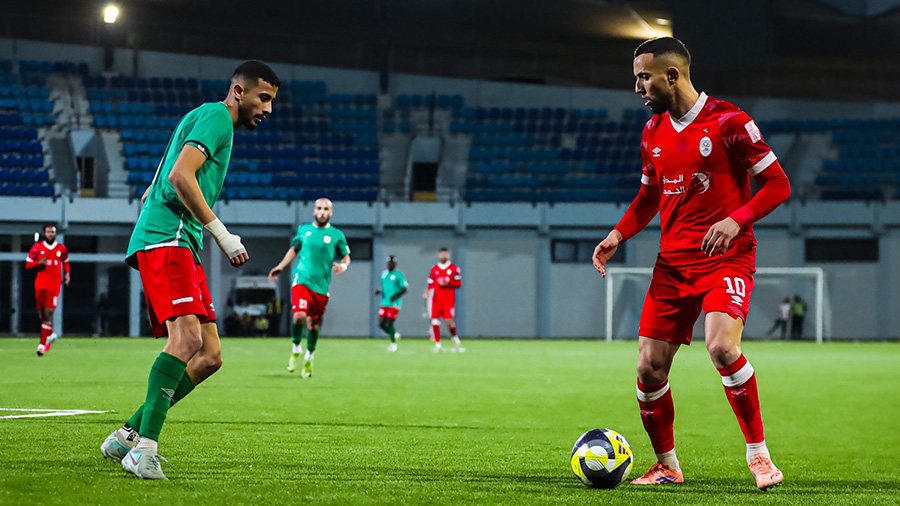
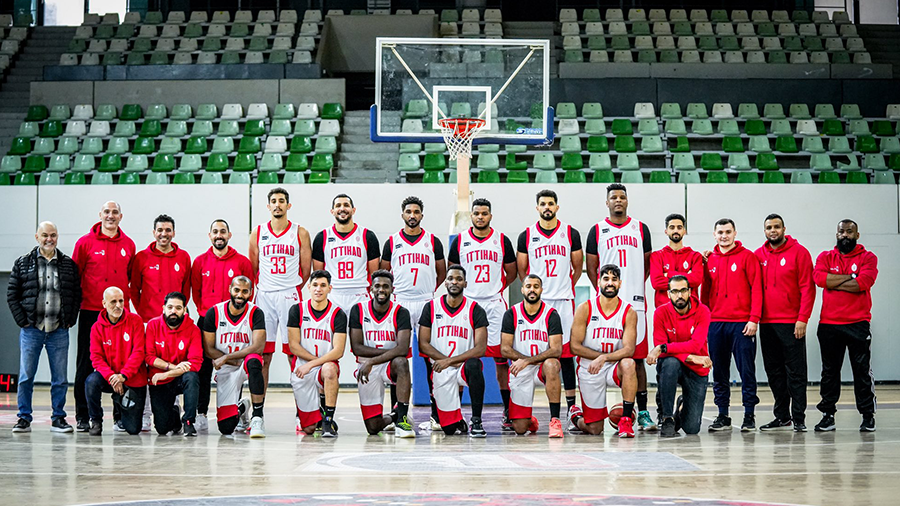
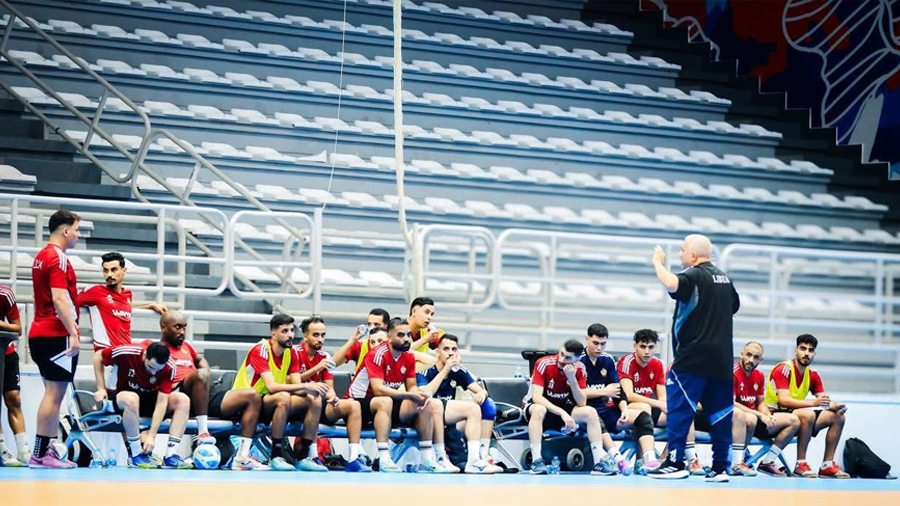
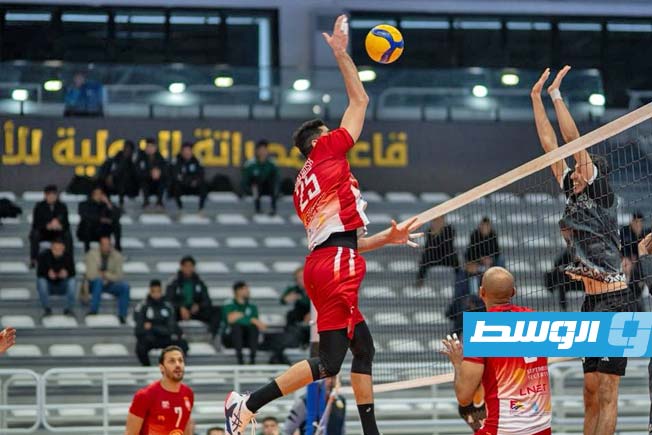
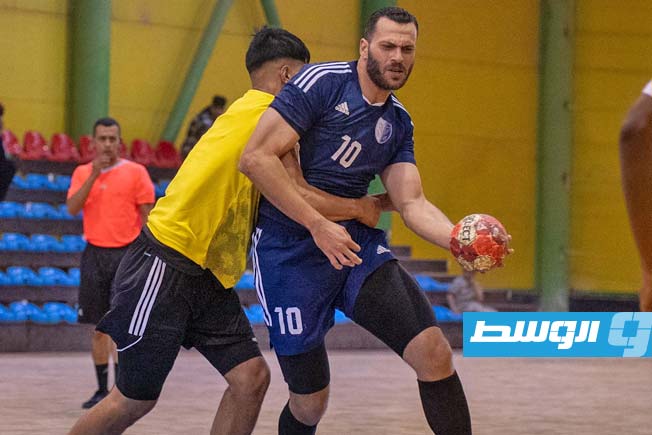
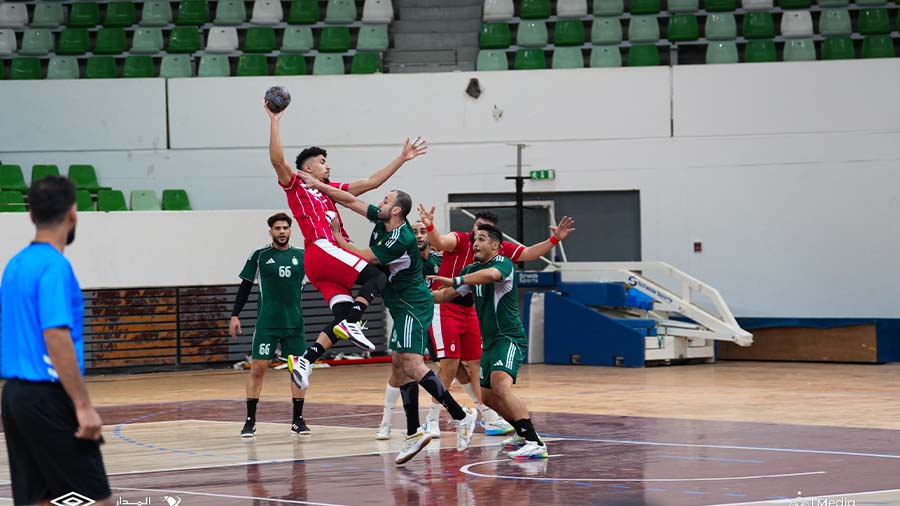
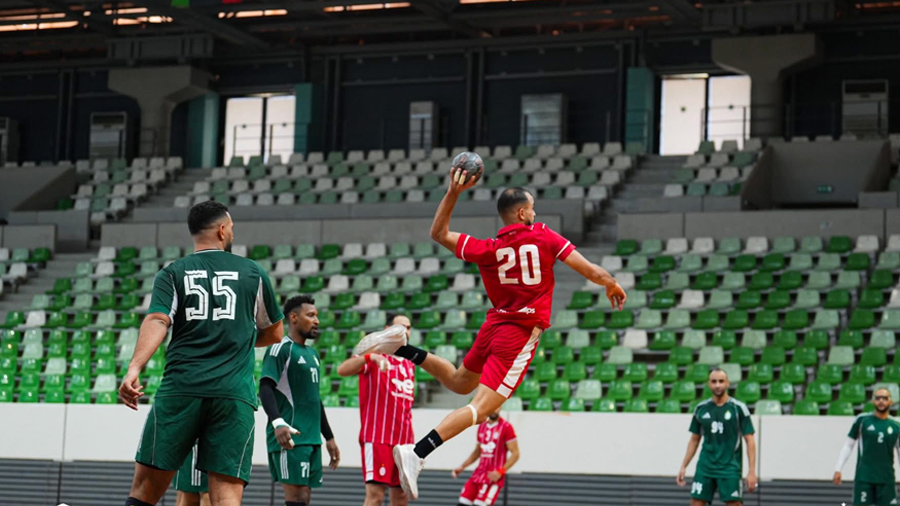
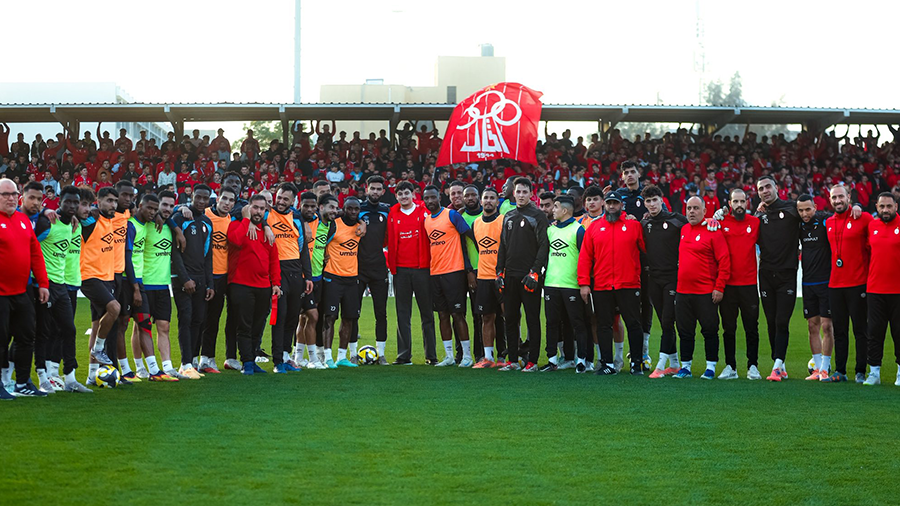
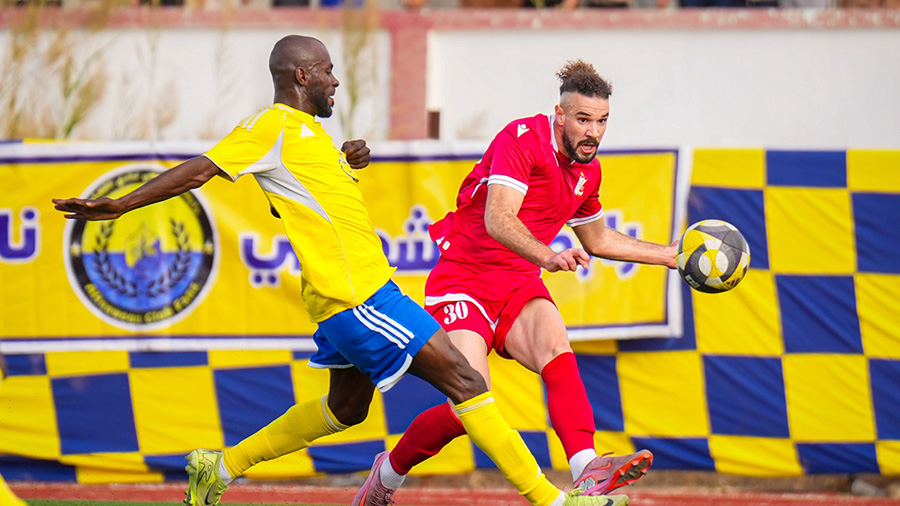
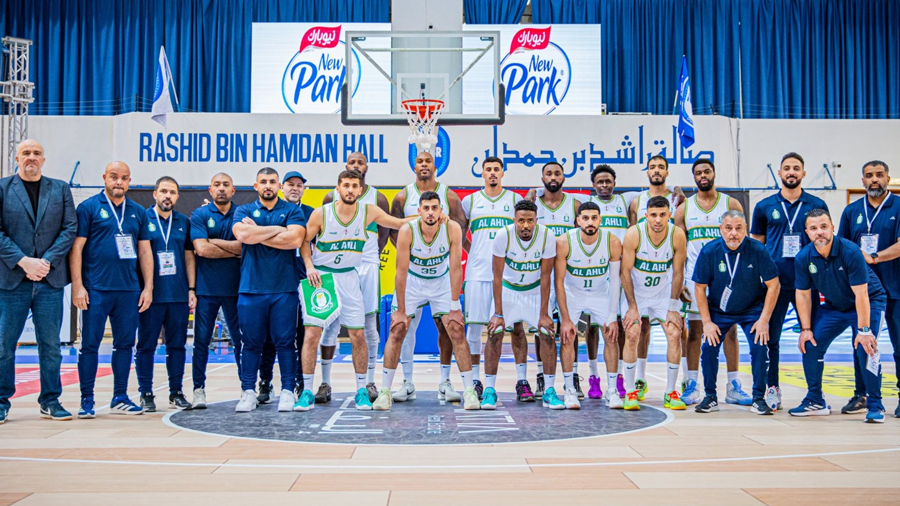
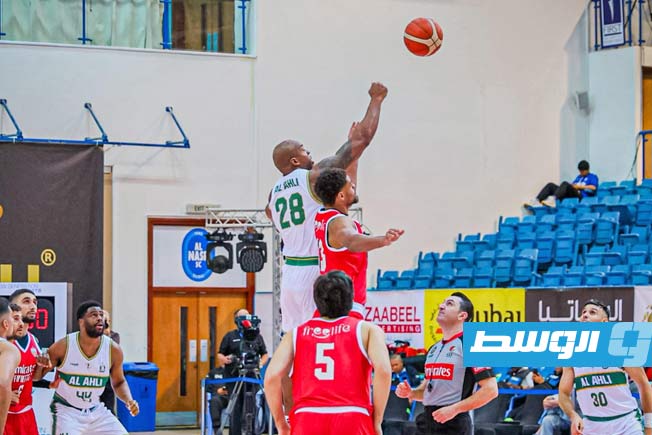
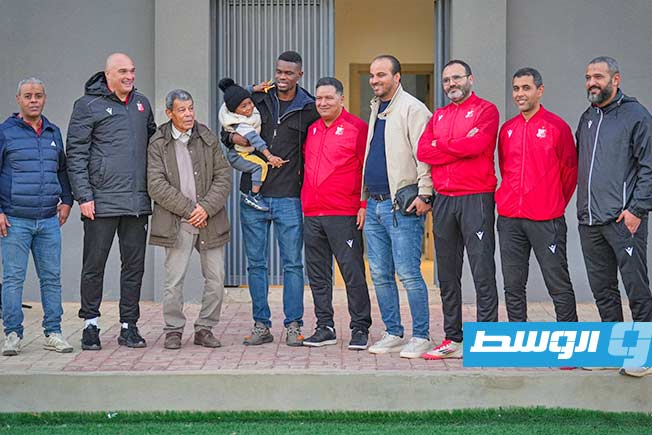
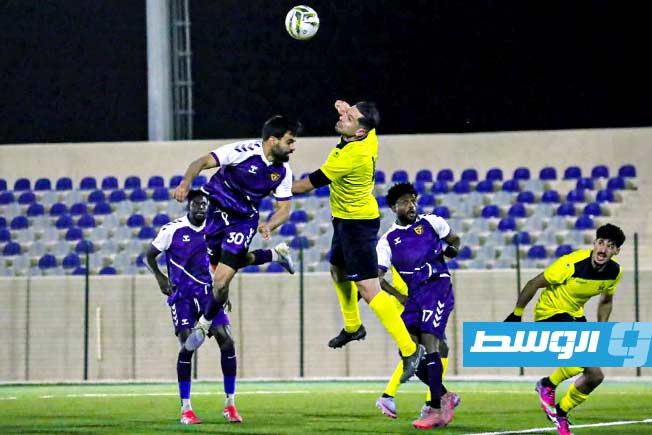
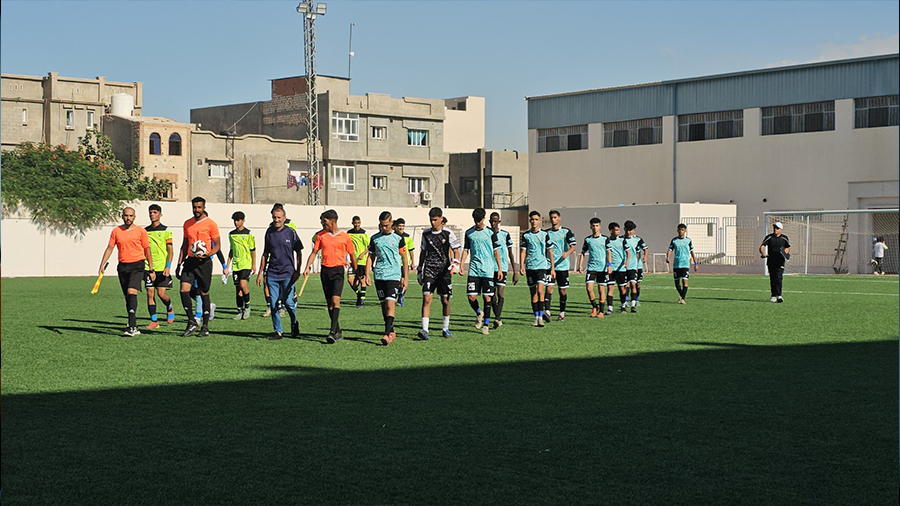
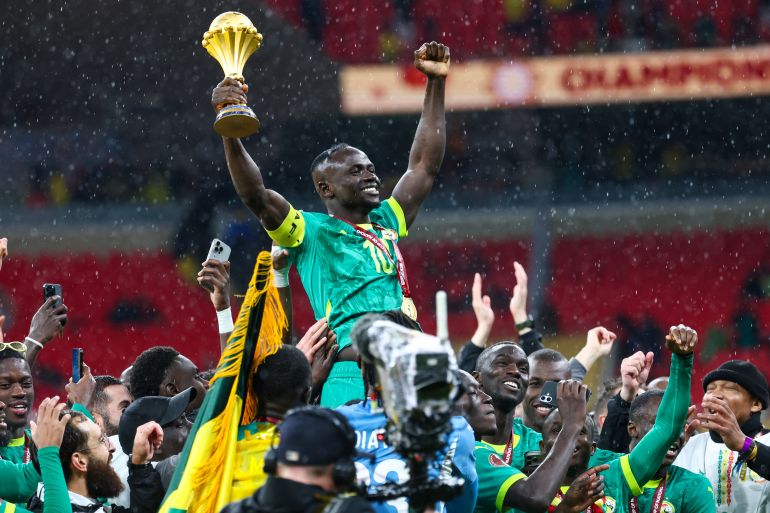
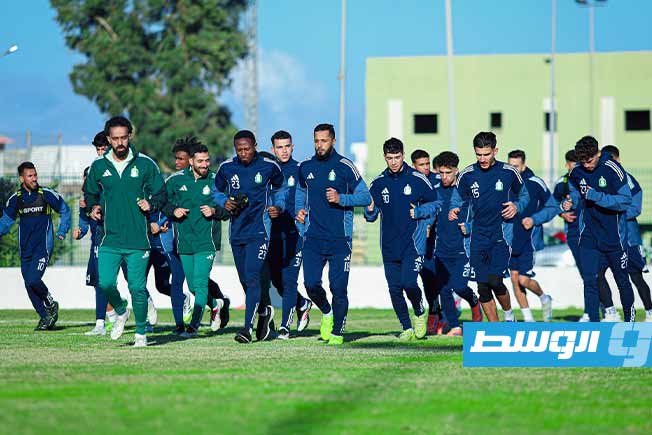
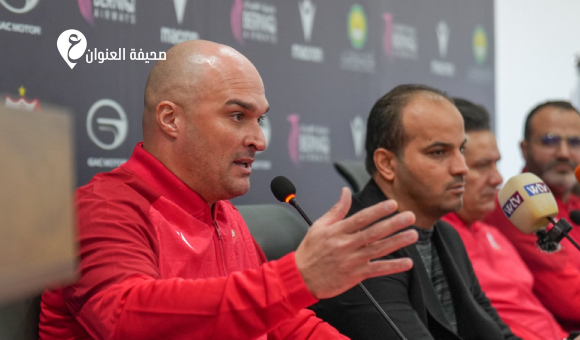
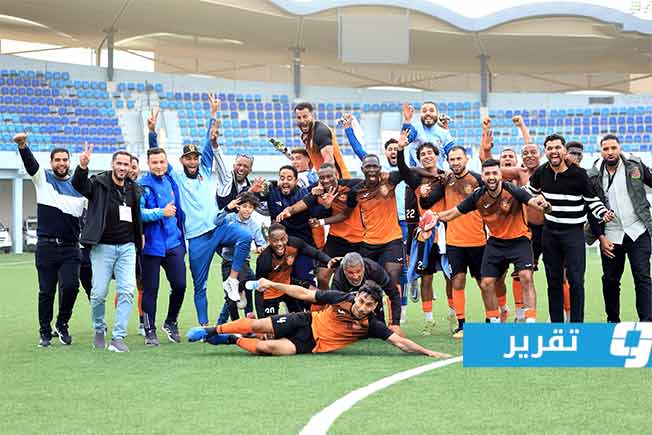
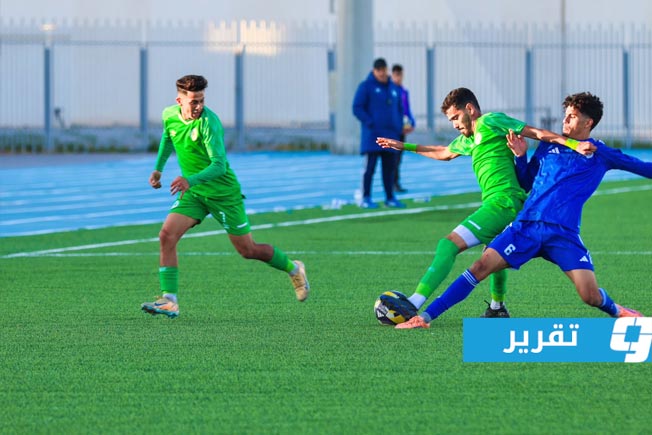
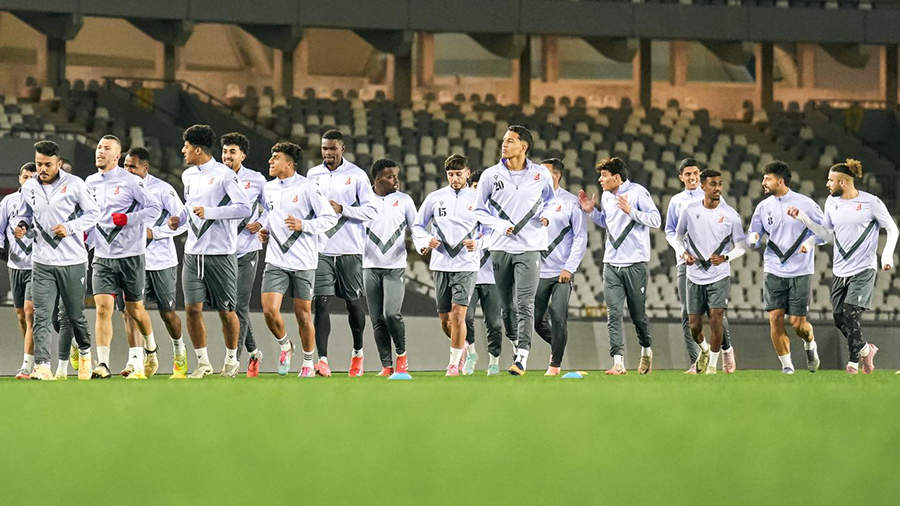
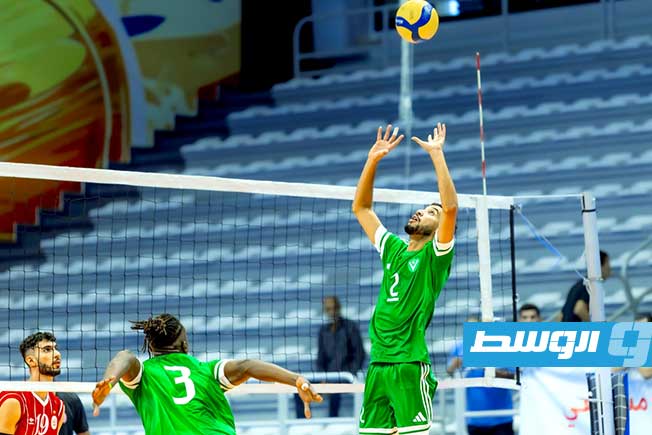
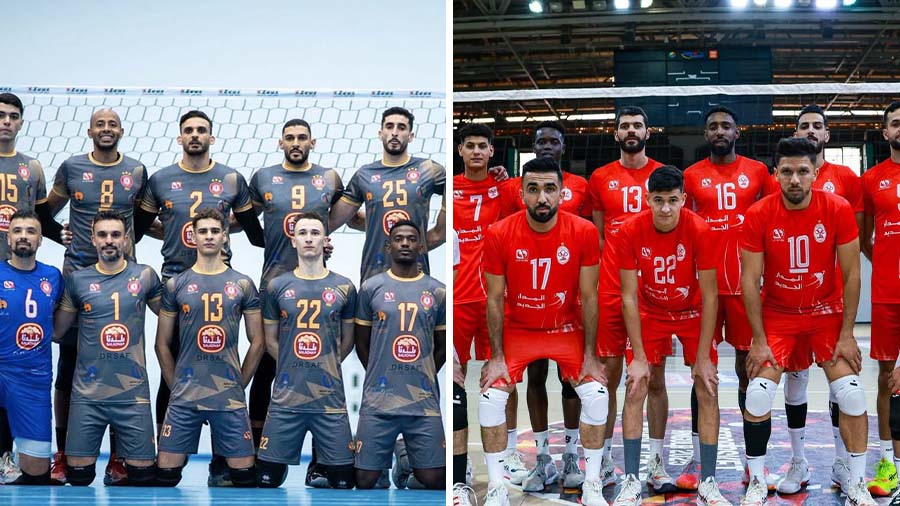
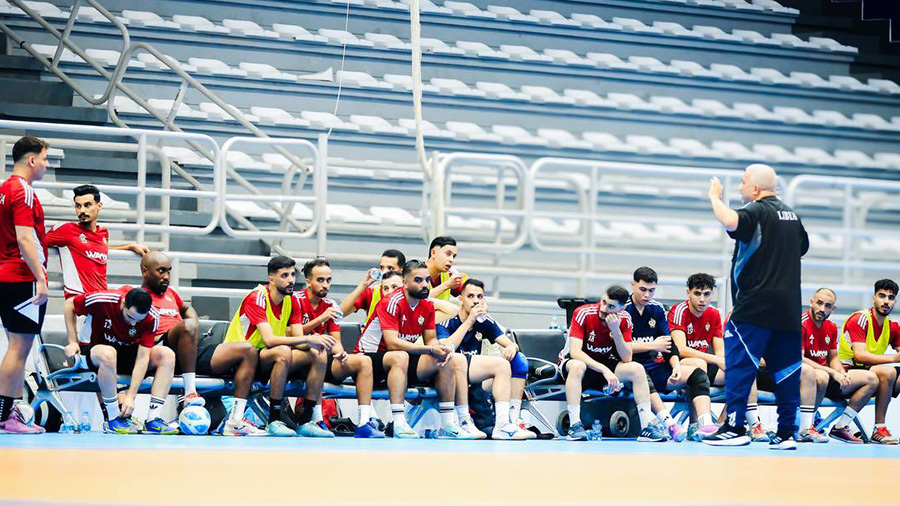
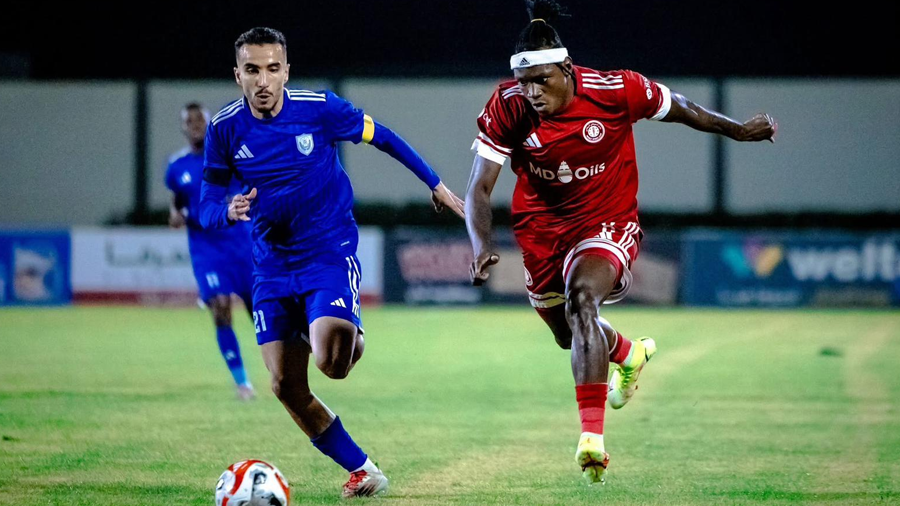
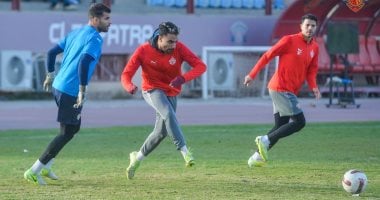
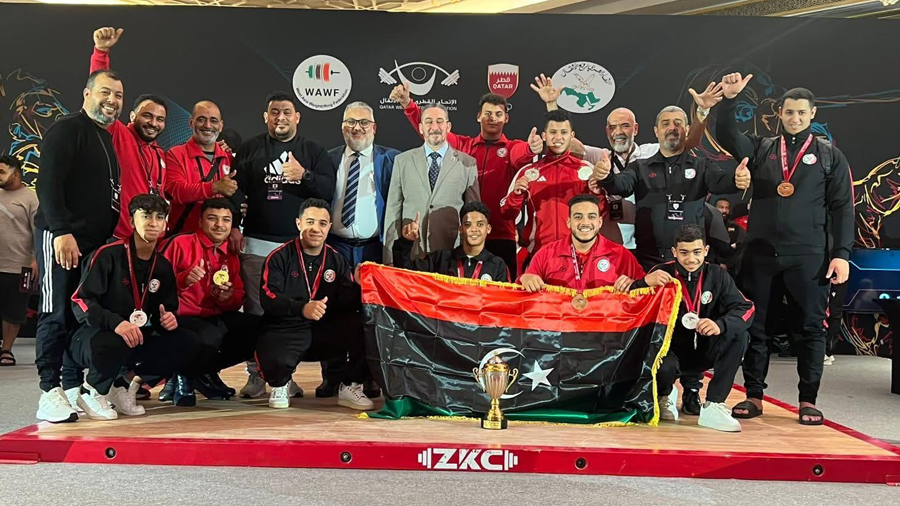
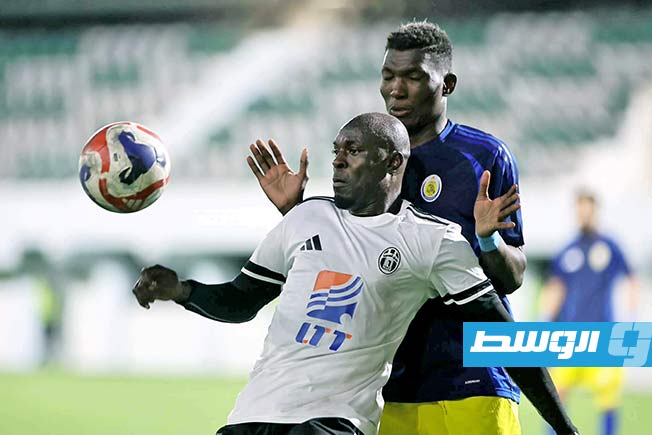
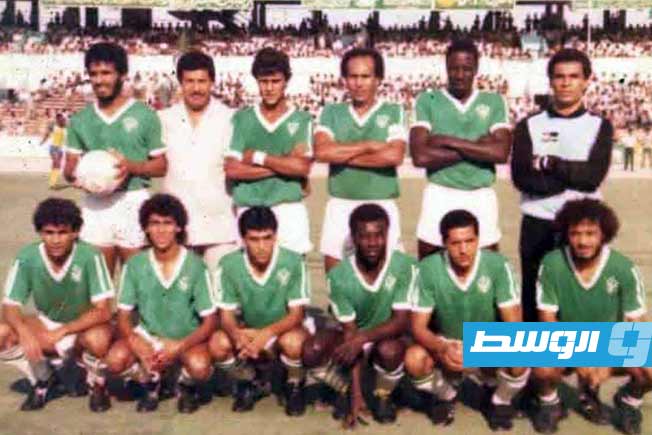
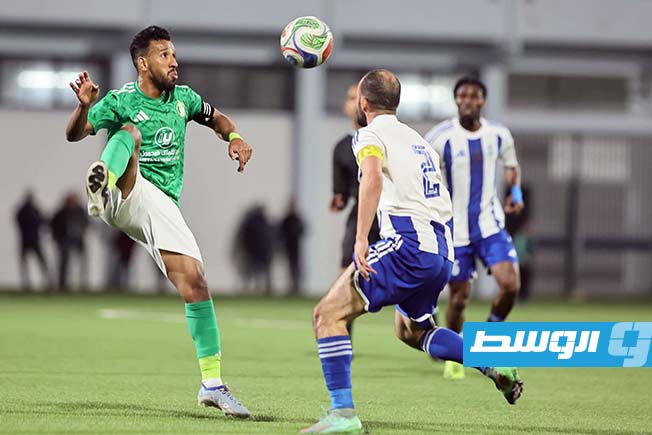
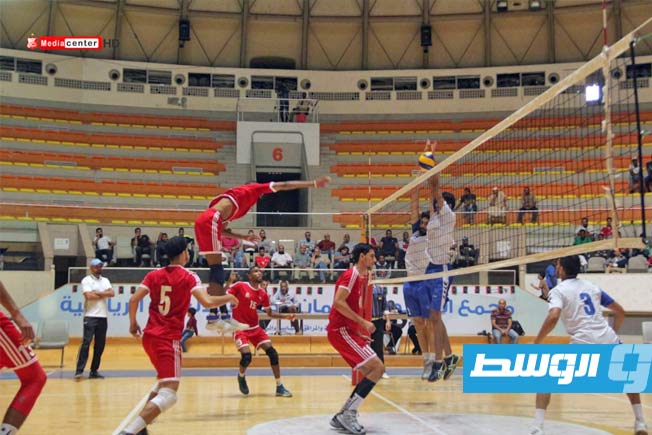
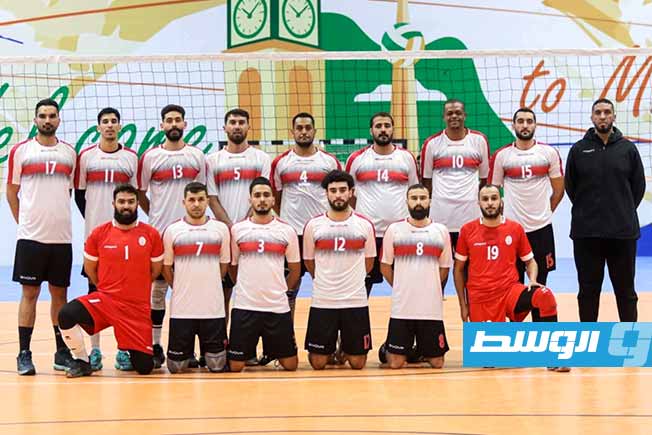
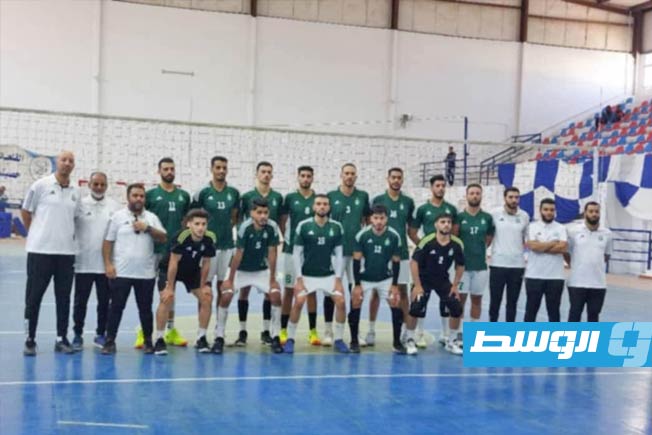
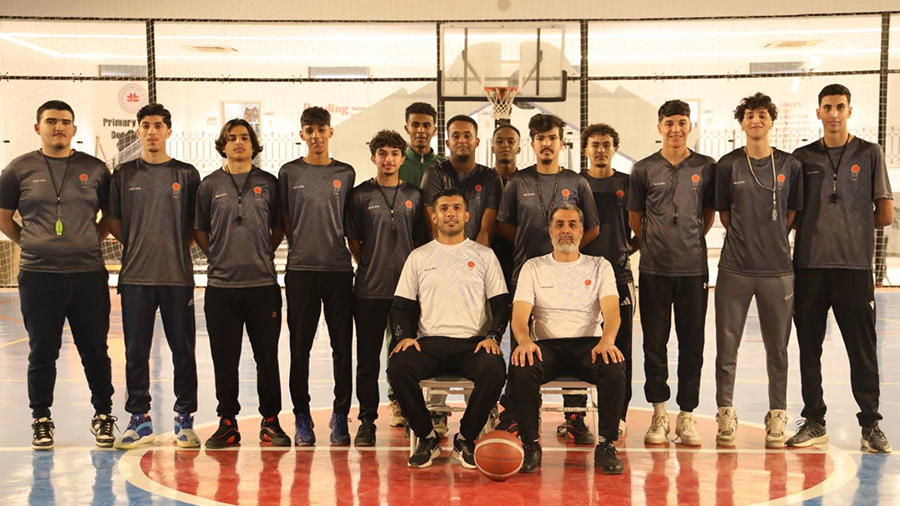
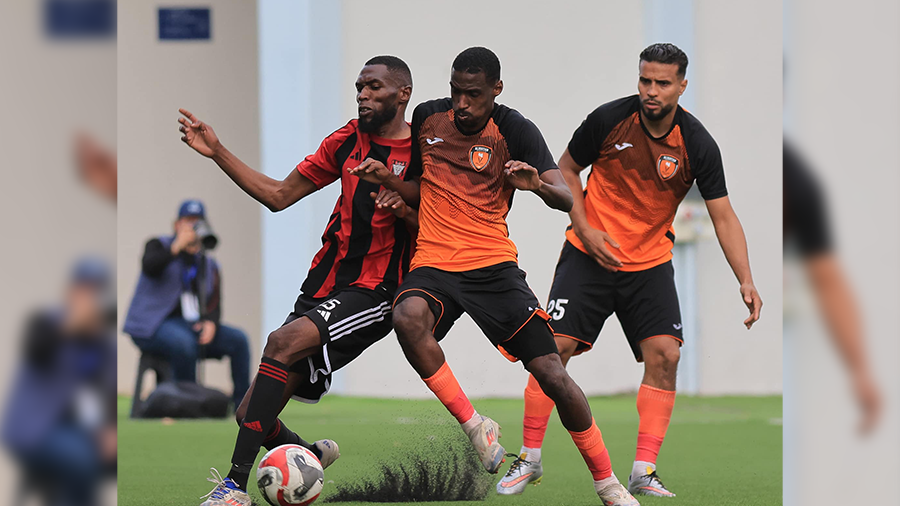
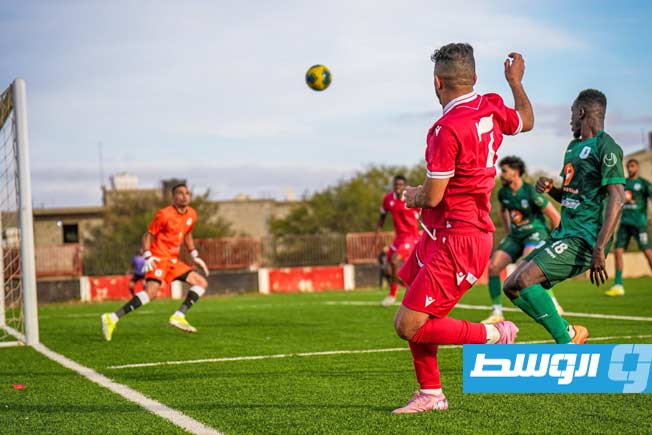
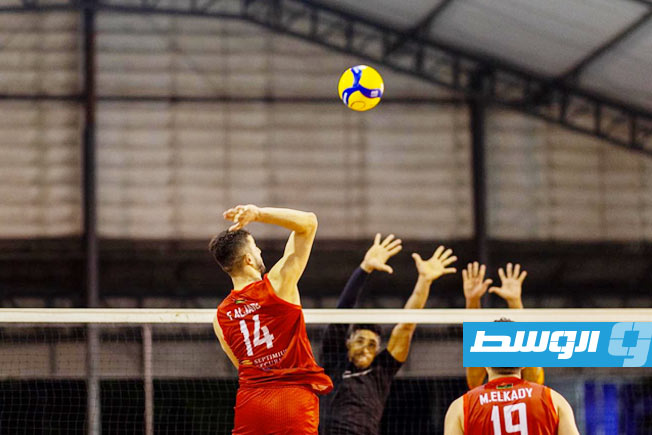
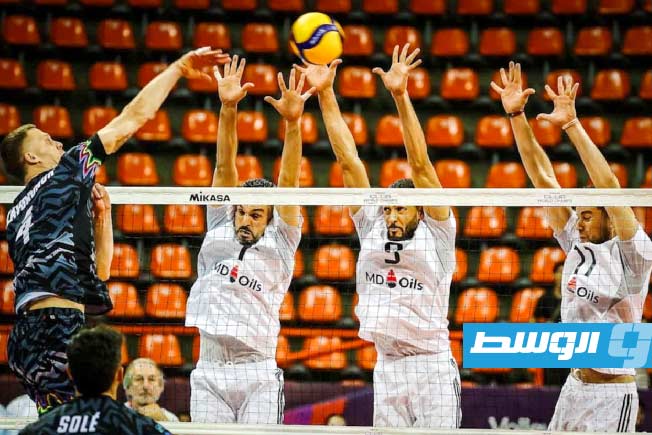
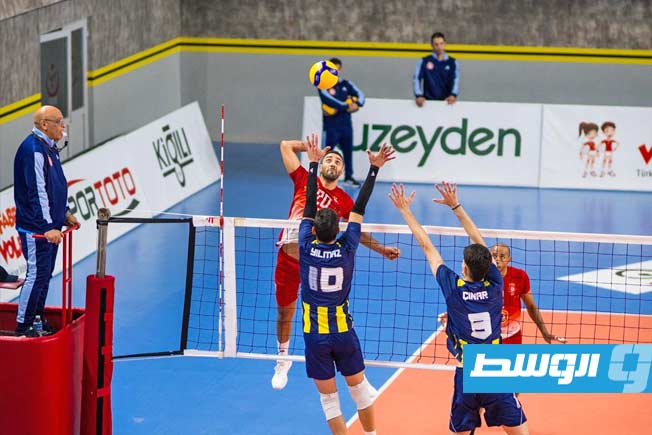
The capital’s two poles, Al-Ittihad and Al-Ahli, will begin their participation in the Dubai International Basketball Championship tomorrow, Friday.
Al-Ittihad will start its campaign in the tournament with a match against Al-Nasr from the UAE in Group One competitions, while Al-Ahli Tripoli will open its matches in the tournament with a meeting against Club Africain from Tunisia in Group Two competitions.
Both teams have strengthened their squads in preparation for the international tournament. Al-Ittihad has added the American trio of Zach Bolton, Michael Frazier, and Dekembi Dickson. Al-Ahli has brought in the Americans Kieron Deshields and Emmanuel Moody, along with the Puerto Rican Romero.
The tournament draw placed Al-Ittihad in Group One alongside the UAE national team, Al-Nasr from the UAE, and Al-Fidaa and Al-Wahda from Syria.
Al-Ahli was placed in Group Two alongside Club Africain from Tunisia, Beirut from Lebanon, Al-Karamah from Syria, and the Philippines national team.
Al-Ittihad
Al-Ittihad is a historic football club based in Jeddah, Saudi Arabia, founded in 1927. It is one of the most successful and popular clubs in the country and Asia, with a rich history of winning numerous domestic and continental titles, including the AFC Champions League.
Al-Ahli
Al-Ahli is a common name for various institutions in the Arab world, often referring to prominent sports clubs, most notably Al-Ahli SC in Jeddah, Saudi Arabia, founded in 1937. It can also refer to Al-Ahli Hospital in Gaza, a significant medical facility established in the 1950s and tragically damaged in the 2023 conflict.
Dubai International Basketball Championship
The Dubai International Basketball Championship is an annual invitational tournament established in 2003, hosted in the United Arab Emirates. It was created to promote basketball in the region and has grown to feature top club teams from across the Arab world and beyond, becoming a significant event in the Middle Eastern sporting calendar.
Al-Nasr
Al-Nasr is a district in the city of Mosul, Iraq, historically significant as a central area on the city’s east bank. It is best known for containing the ruins of the ancient Assyrian city of Nineveh, which was the capital of the Neo-Assyrian Empire in the 7th century BCE.
UAE
The United Arab Emirates (UAE) is a federation of seven emirates on the Arabian Peninsula, formed in 1971 following the end of British protection. Historically a region of pearl diving and trade, it has rapidly transformed into a global hub known for its modern cities, such as Dubai and Abu Dhabi, built upon significant oil and gas resources discovered in the mid-20th century.
Tripoli
Tripoli is the capital and largest city of Libya, with a history dating back to the 7th century BC when it was founded by the Phoenicians. It later became a significant part of the Roman Empire, the Ottoman Empire, and an Italian colony, which is reflected in its diverse architecture, such as the old Medina and the Red Castle (Assai al-Hamra).
Club Africain
Club Africain is a prominent Tunisian multisport club founded in 1919 in Tunis, making it one of the oldest and most successful clubs in the country. It is best known for its highly popular football team, which has won numerous domestic and continental titles, and has historically been associated with the nationalist movement during the French protectorate era.
Tunisia
Tunisia is a North African country with a rich history shaped by ancient civilizations, including the Phoenicians who founded Carthage, followed by Roman, Arab, Ottoman, and French influences. It is home to well-preserved archaeological sites like the ruins of Carthage and the Medina of Tunis, a UNESCO World Heritage site. The country gained independence from France in 1956 and is known as the birthplace of the Arab Spring pro-democracy movement in 2011.
Zach Bolton
Zach Bolton is not a recognized place or cultural site in historical or geographical records. It appears to be a personal name rather than a location with a documented public history. Therefore, no summary about it as a cultural site can be provided.
Michael Frazier
Michael Frazier is not a known place or cultural site; it appears to be a personal name. Therefore, a summary about a location or cultural site cannot be provided.
Dekembi Dickson
Dekembi Dickson is a major roundabout and commercial hub in the Accra Metropolitan District of Ghana, named after the prominent 19th-century Ga merchant and philanthropist, Dickson Dekembi. The area is historically significant as part of the original settlements of the Ga people and has evolved into a bustling urban center known for its markets and transportation links.
Kieron Deshields
Kieron Deshields is not a known place or cultural site; it appears to be a personal name. Therefore, no historical or cultural summary about a location can be provided.
Emmanuel Moody
“Emmanuel Moody” does not refer to a known place or cultural site. It is most commonly recognized as the name of a former American football running back who played in college and briefly in the NFL. There is no significant history associated with it as a geographical or cultural landmark.
Puerto Rican
Puerto Rico is a Caribbean island and unincorporated U.S. territory with a rich cultural history shaped by its indigenous Taíno roots, Spanish colonization beginning in 1493, and subsequent American influence since 1898. Its vibrant culture is a unique blend of these influences, evident in its music, cuisine, and language. Key historical sites include the centuries-old fortifications of Old San Juan, such as Castillo San Felipe del Morro.
Romero
Romero is a common reference to Saint Óscar Romero, the former Archbishop of San Salvador. He became a globally recognized human rights advocate after speaking out against poverty, social injustice, and violence during El Salvador’s civil war. He was assassinated in 1980 while celebrating Mass and was canonized as a saint by the Catholic Church in 2018.
Al-Fidaa
Al-Fidaa is a district located in the city of Homs, Syria. Historically, it has been a significant residential and commercial area, though it gained wider attention during the Syrian Civil War when it was a site of intense conflict and opposition control for a period.
Al-Wahda
Al-Wahda is a name commonly associated with several locations and institutions across the Arab world, most notably as a popular name for sports clubs, neighborhoods, and landmarks. For example, Al-Wahda Street or District in various cities often developed as modern urban expansions in the 20th century. Without a specific country or context, its general history is tied to post-colonial national unity and development projects in the mid-1900s.
Syria
Syria is a country in the Middle East with a rich history as a cradle of ancient civilizations, including the influential city-states of Ebla and Ugarit and the later Roman city of Palmyra. Its modern history has been marked by significant political turmoil, most notably a devastating civil war that began in 2011. The nation is home to numerous UNESCO World Heritage sites, though many have been damaged during the recent conflict.
Beirut
Beirut is the capital and largest city of Lebanon, with a history dating back over 5,000 years. It has been ruled by various empires, including the Phoenicians, Romans, and Ottomans, and endured a lengthy civil war from 1975 to 1990. Today, it is known as a vibrant, resilient cultural and commercial hub in the Middle East.
Lebanon
Lebanon is a country in the Middle East with a rich history as a crossroads of ancient civilizations, including the Phoenicians, Romans, and Ottomans. It is known for its diverse cultural heritage and historic sites such as the Roman ruins at Baalbek and the coastal city of Byblos, one of the oldest continuously inhabited cities in the world.
Al-Karamah
Al-Karamah is a town in Jordan best known for the Battle of Karamah in 1968, where Jordanian and Palestinian forces engaged Israeli troops. The battle, whose name means “dignity” in Arabic, is remembered as a significant symbolic victory for Arab forces during the Arab-Israeli conflict.
Philippines
The Philippines is an archipelagic nation in Southeast Asia with a rich history shaped by indigenous cultures, over 300 years of Spanish colonization, and later American influence. Its cultural sites include the Baroque Churches of the Philippines, a UNESCO World Heritage site, and the historic city of Vigan, which showcases well-preserved Spanish colonial architecture.