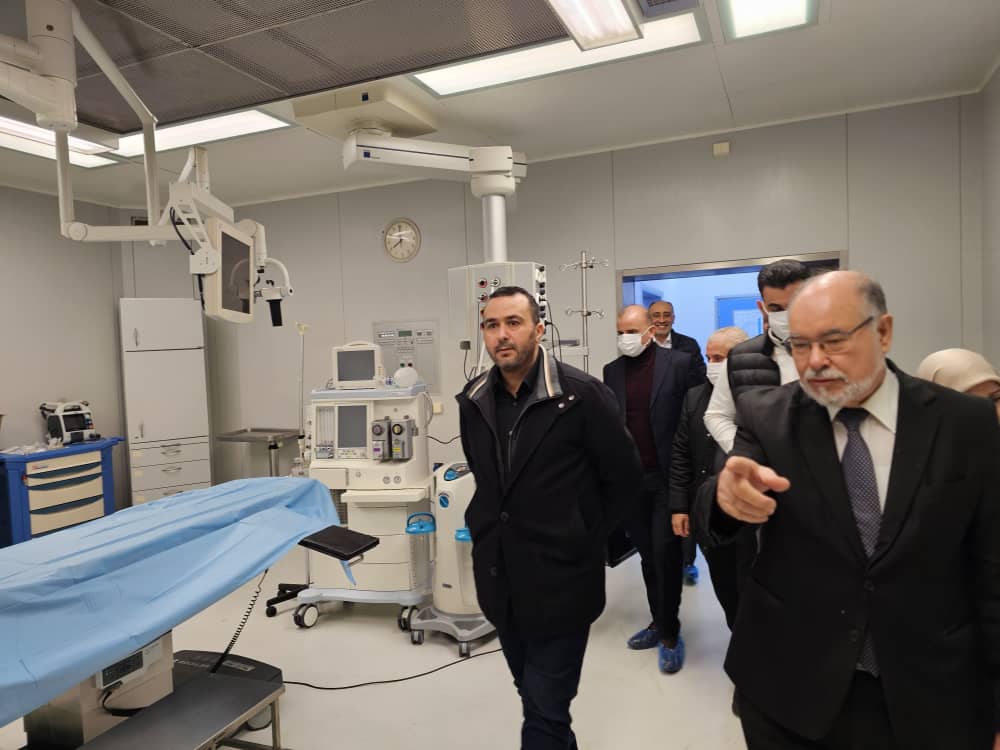
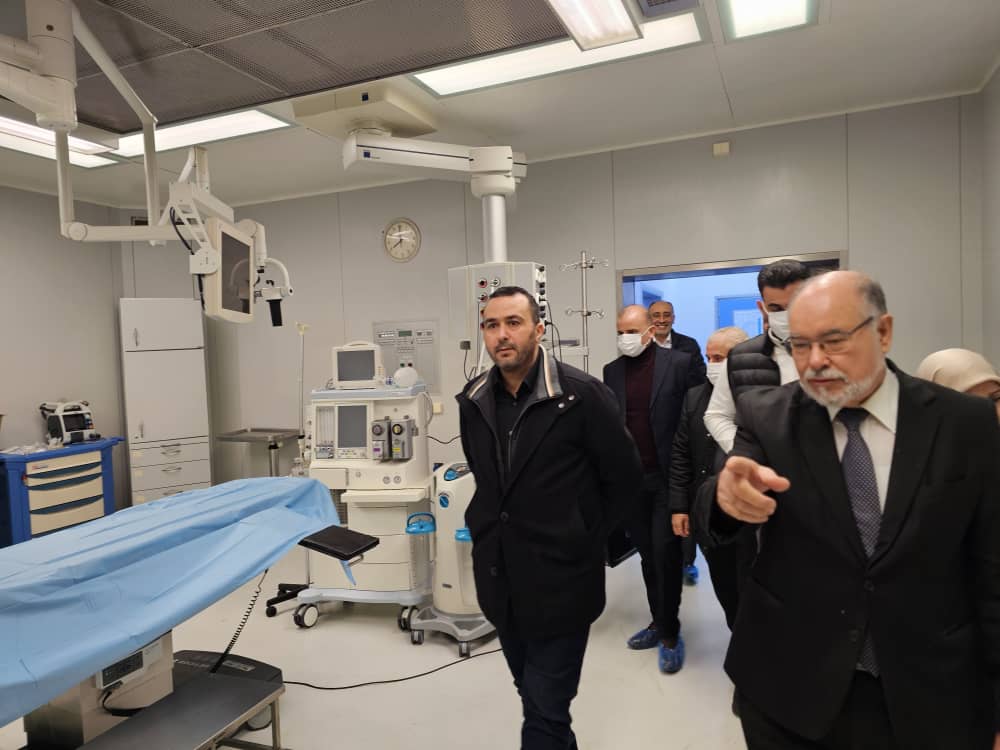
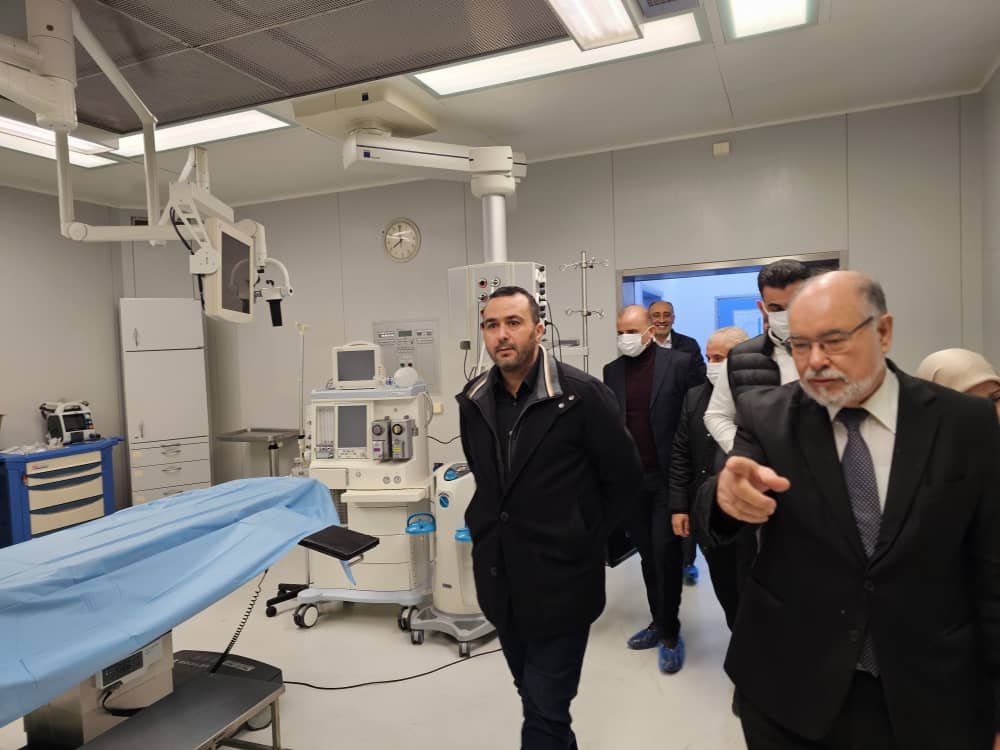
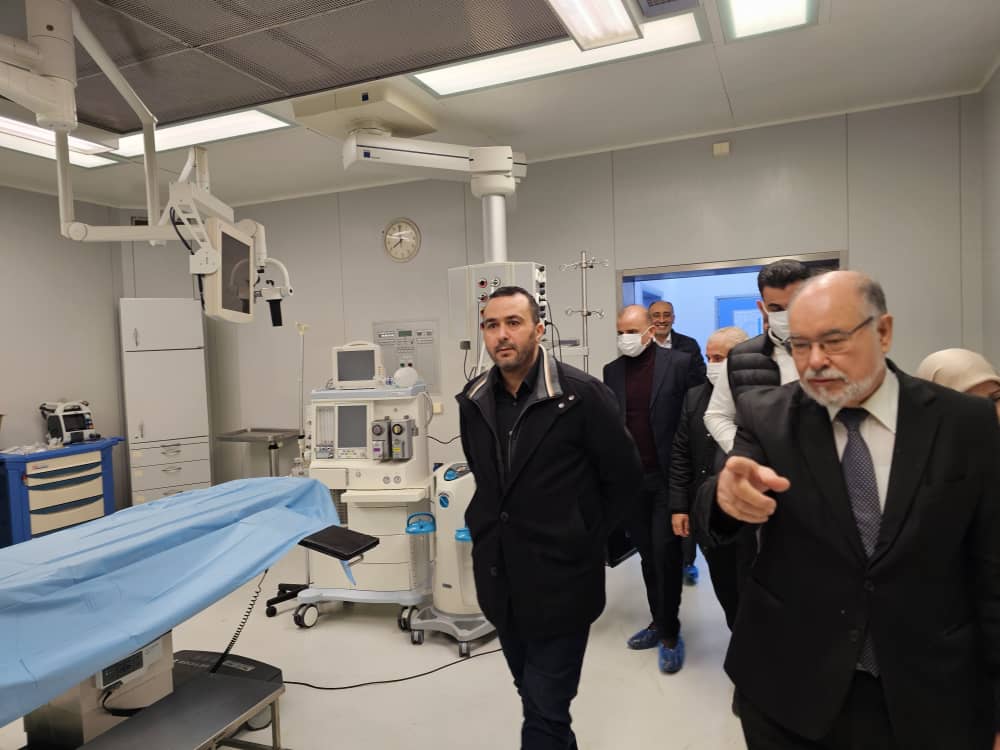
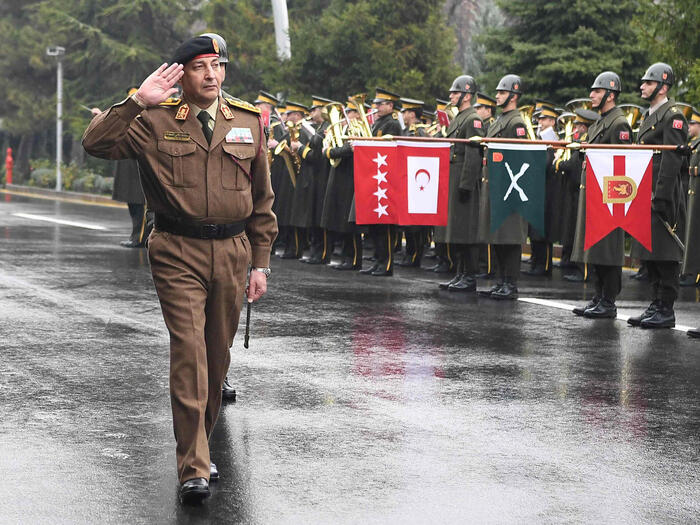
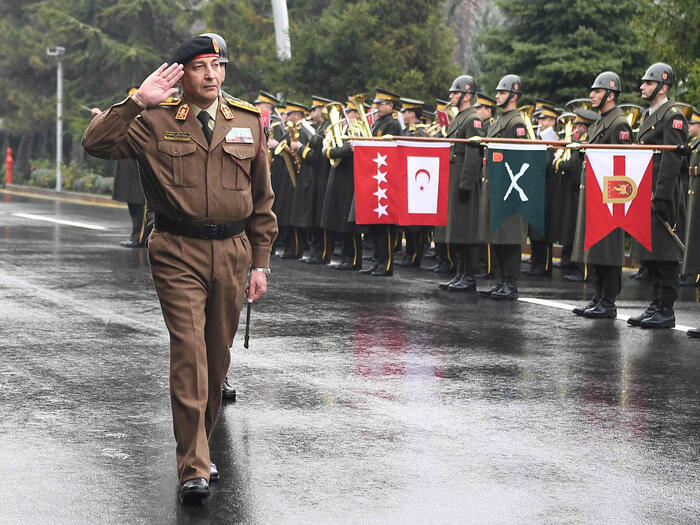
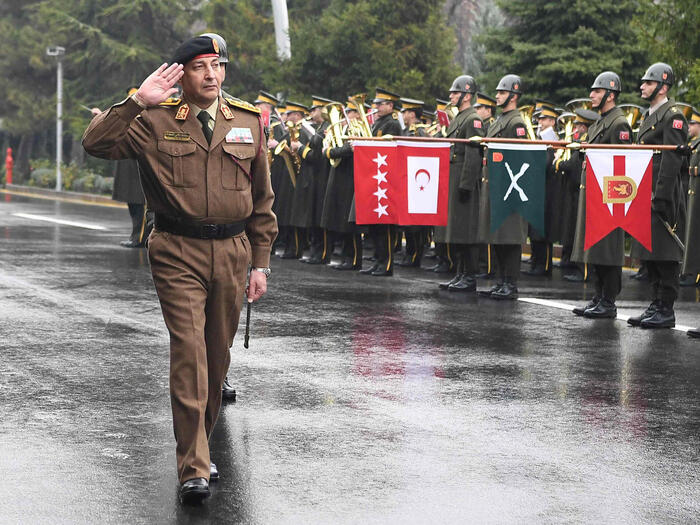
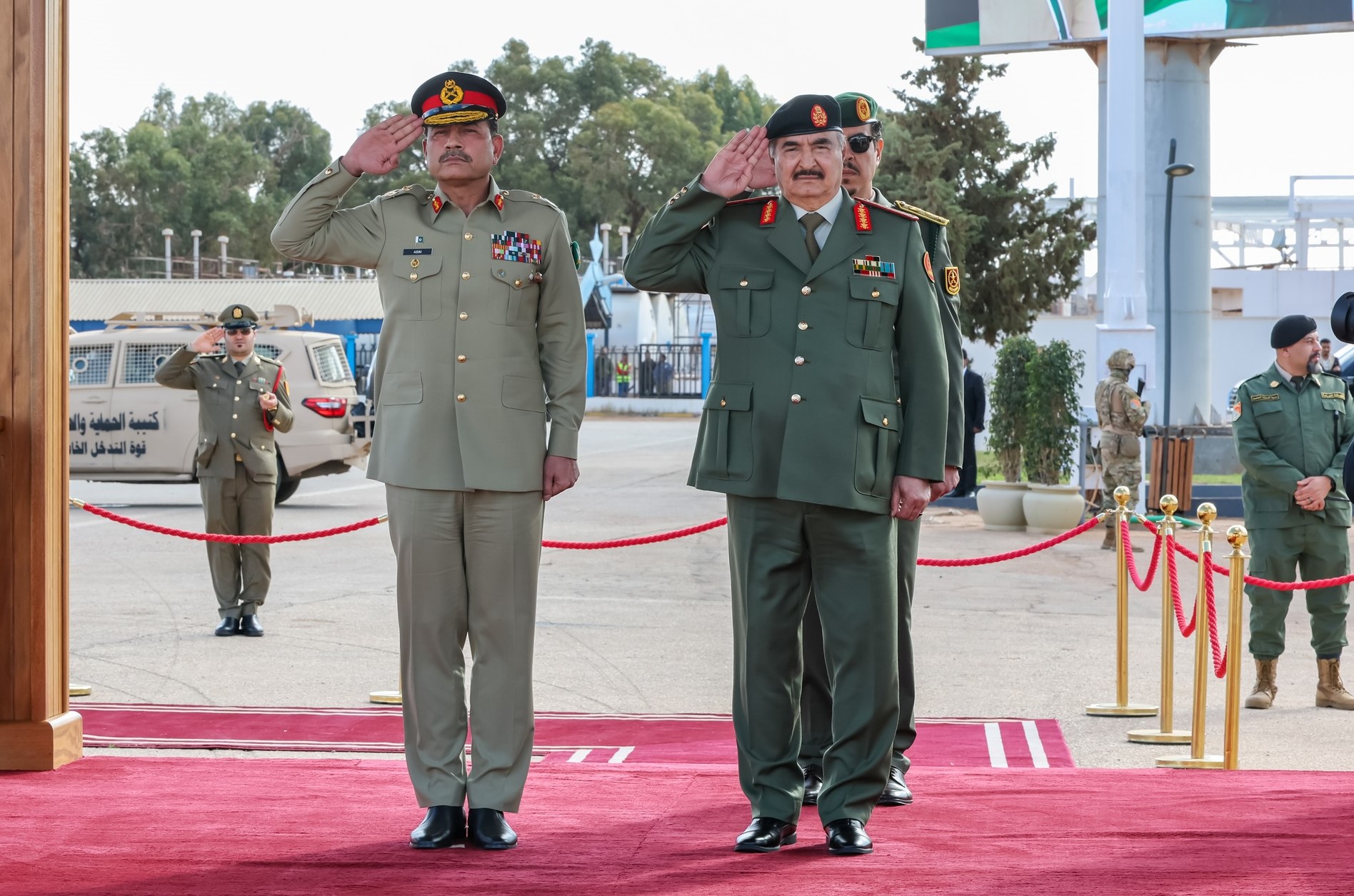
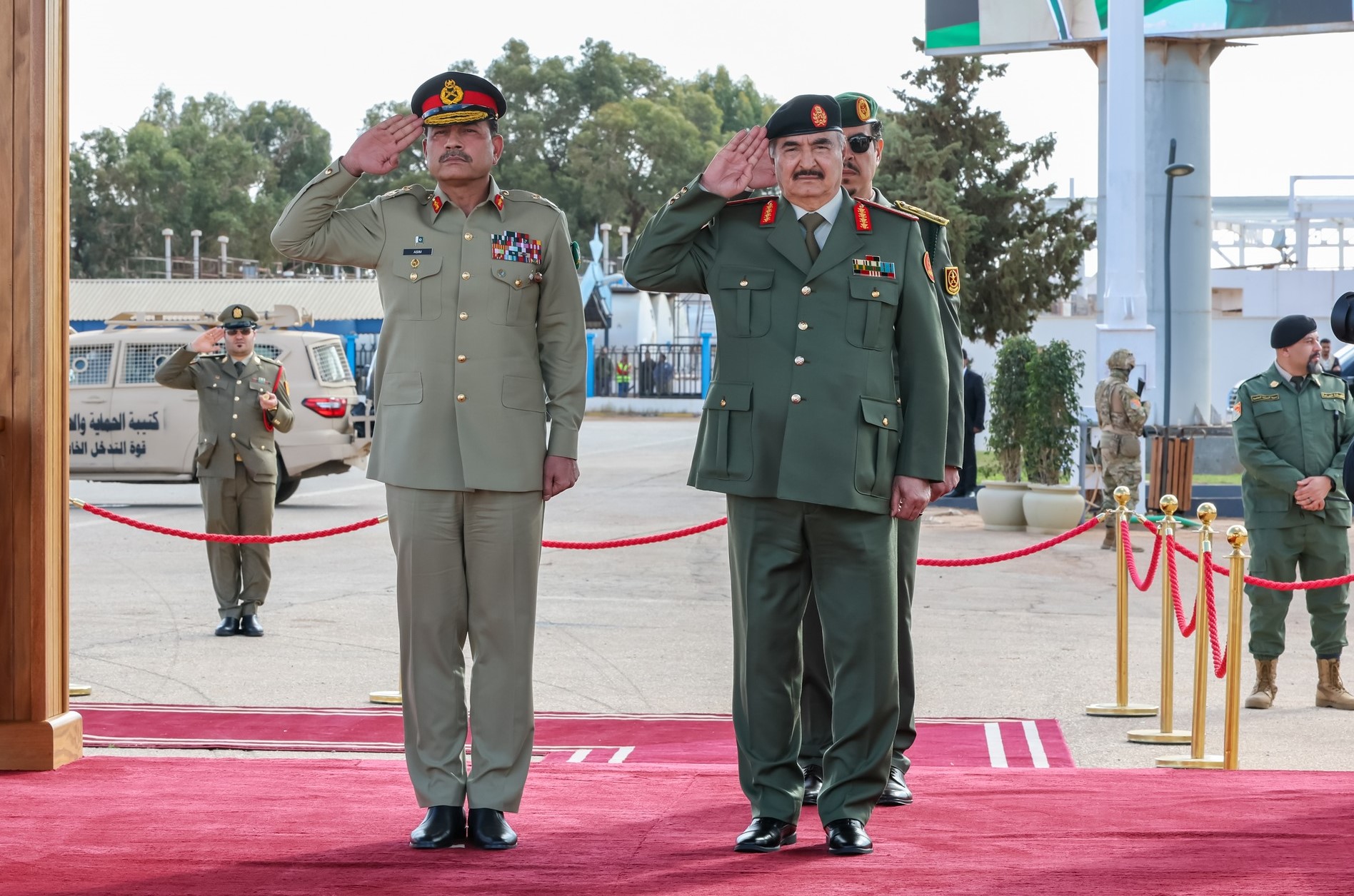
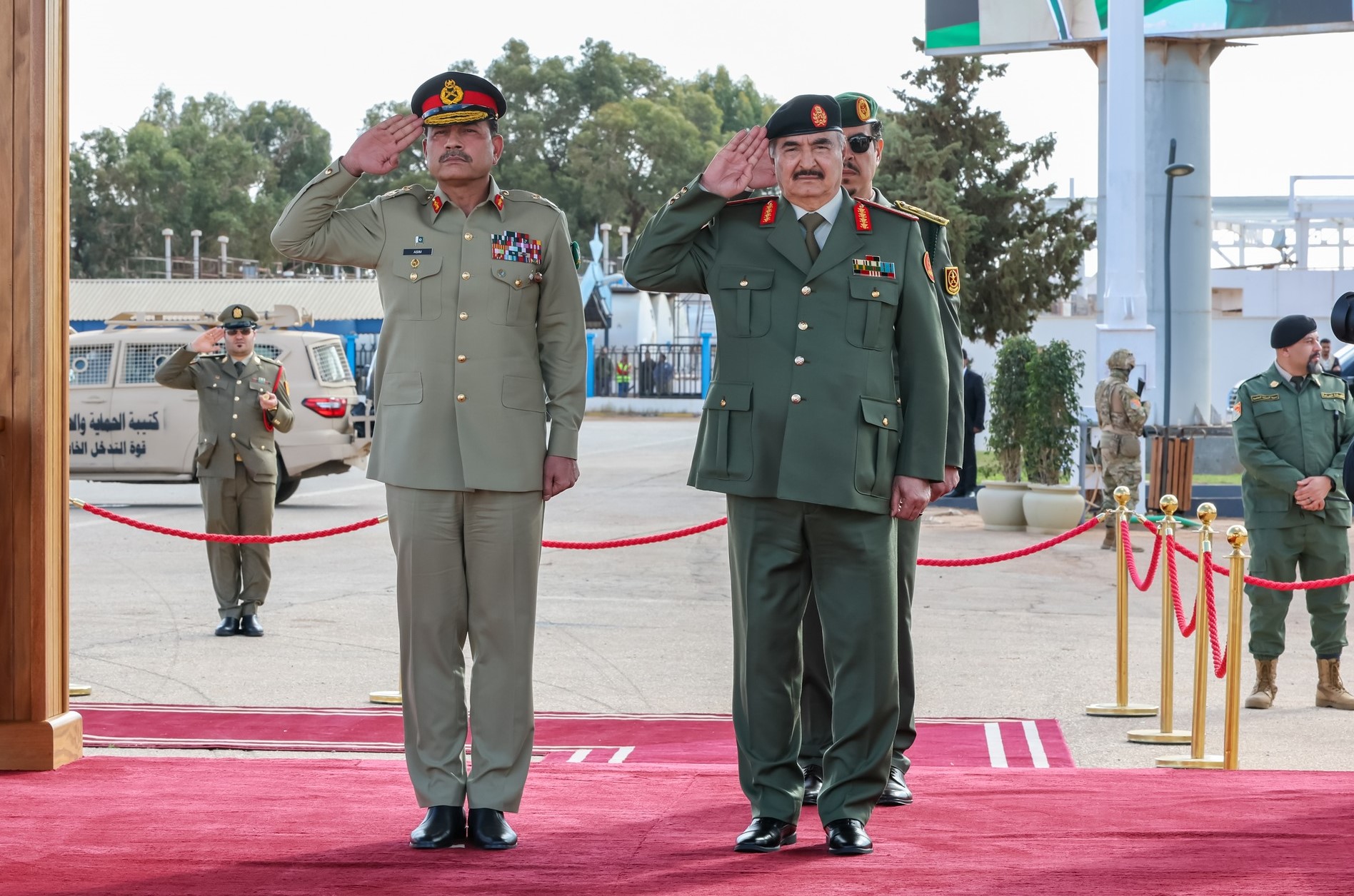
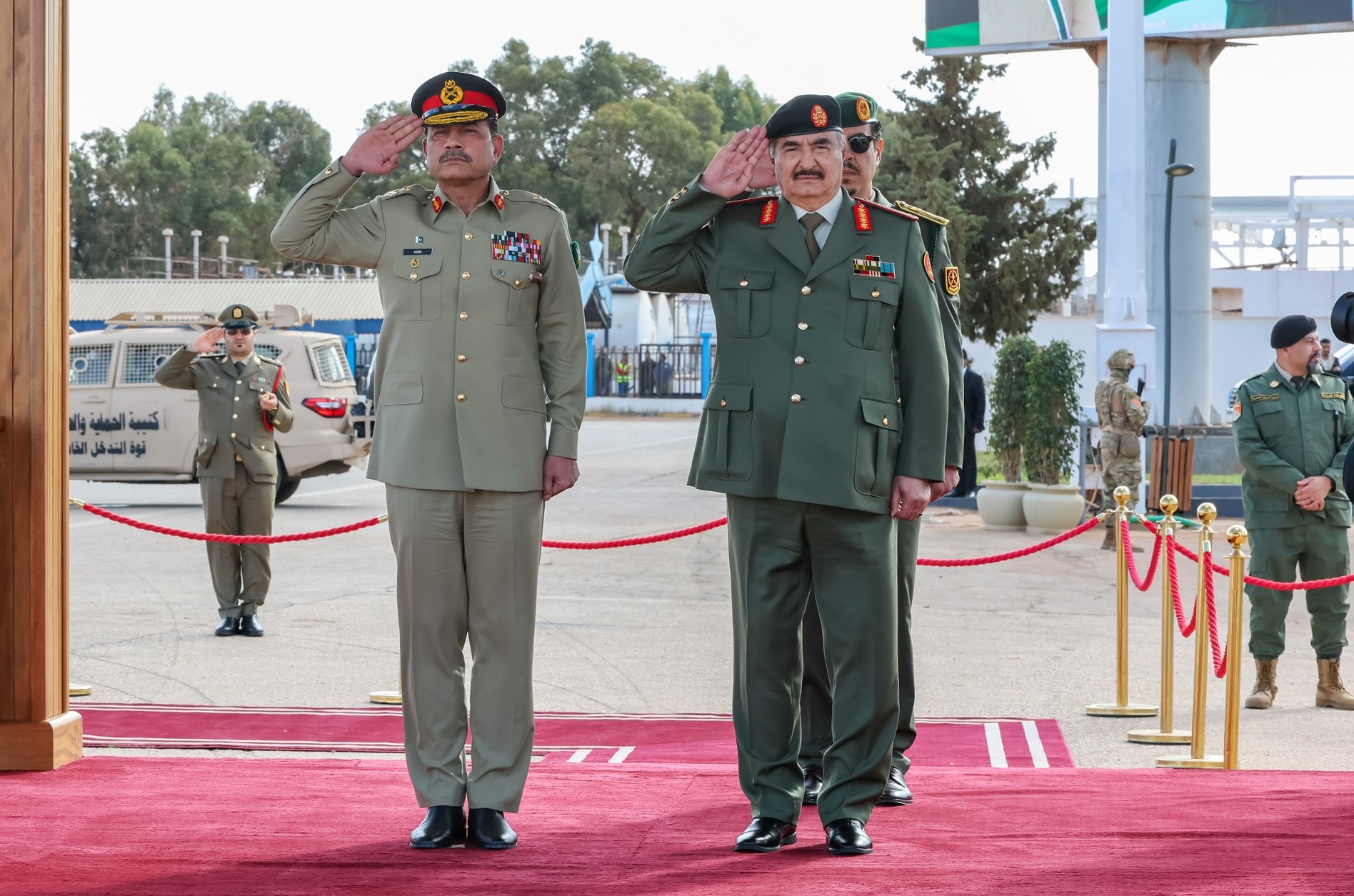
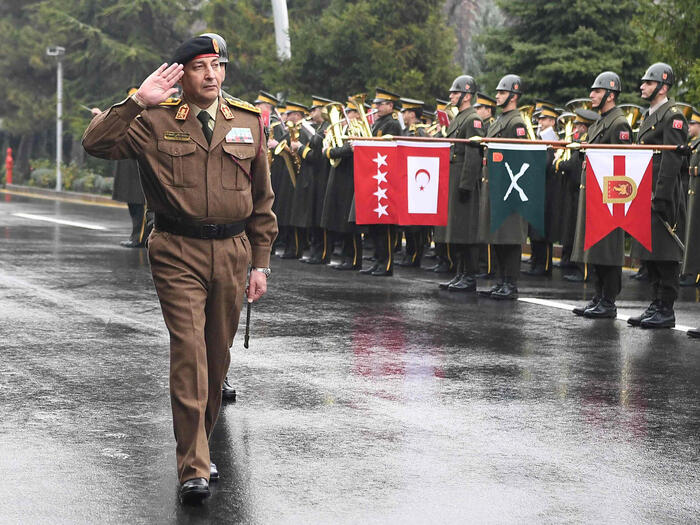
Al-Dabaiba stresses to the deputy commander of AFRICOM the importance of partnership with the United States in supporting stability and enhancing the readiness of regular military institutions.
libyawire.org > News > Culture > Al-Dabaiba stresses to the deputy commander of AFRICOM the importance of partnership with the United States in supporting stability and enhancing the readiness of regular military institutions.
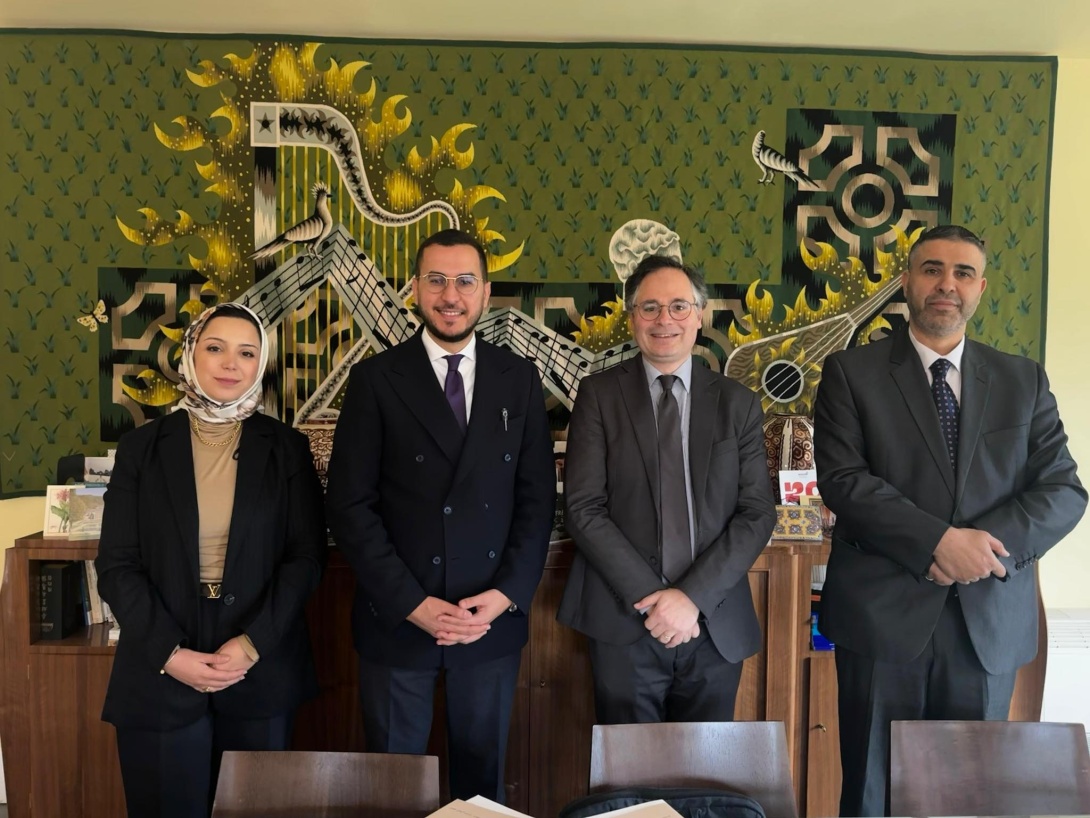
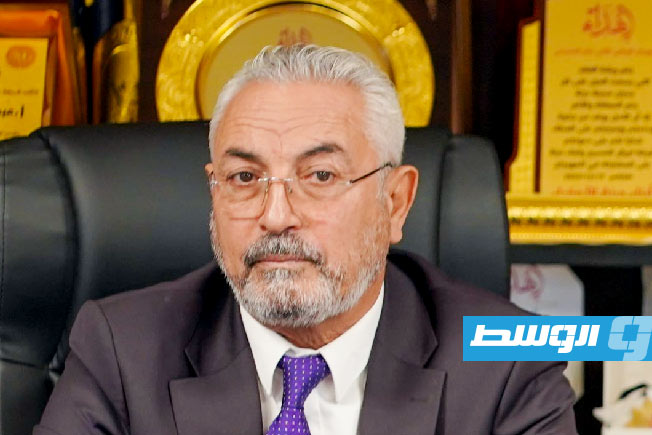
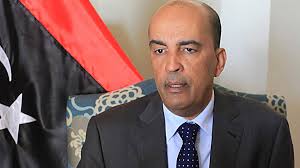
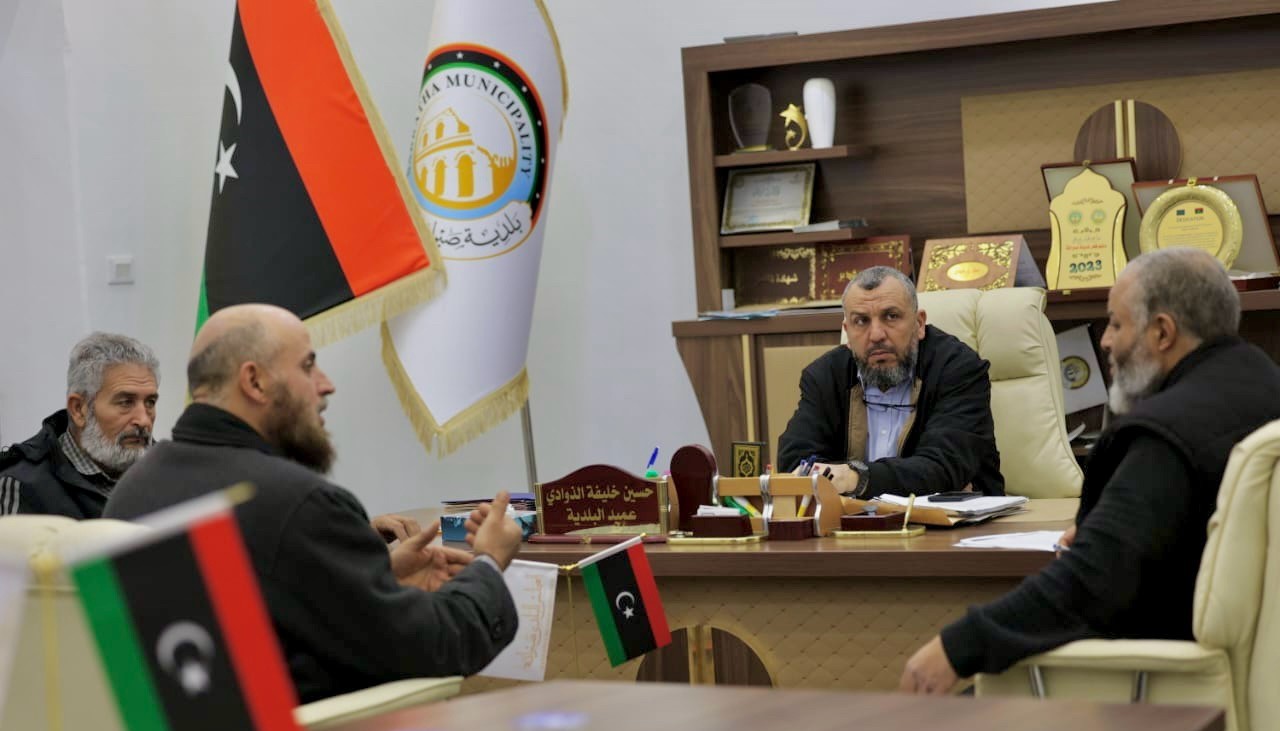
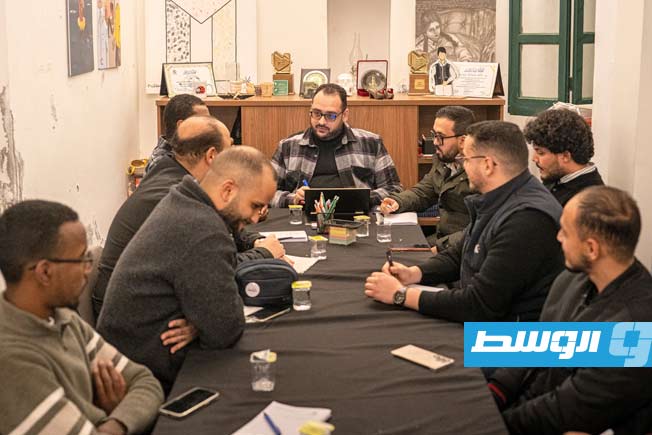
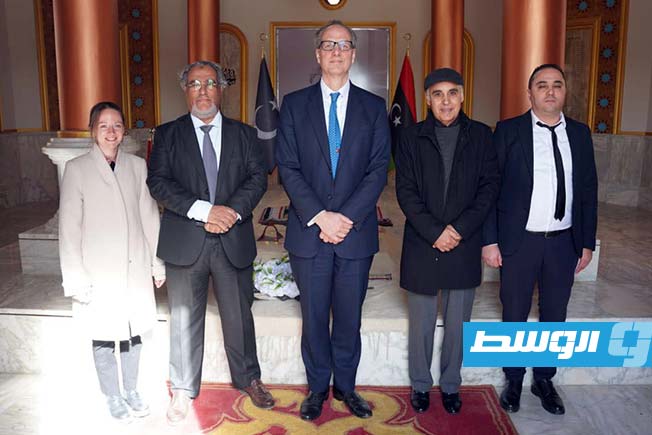
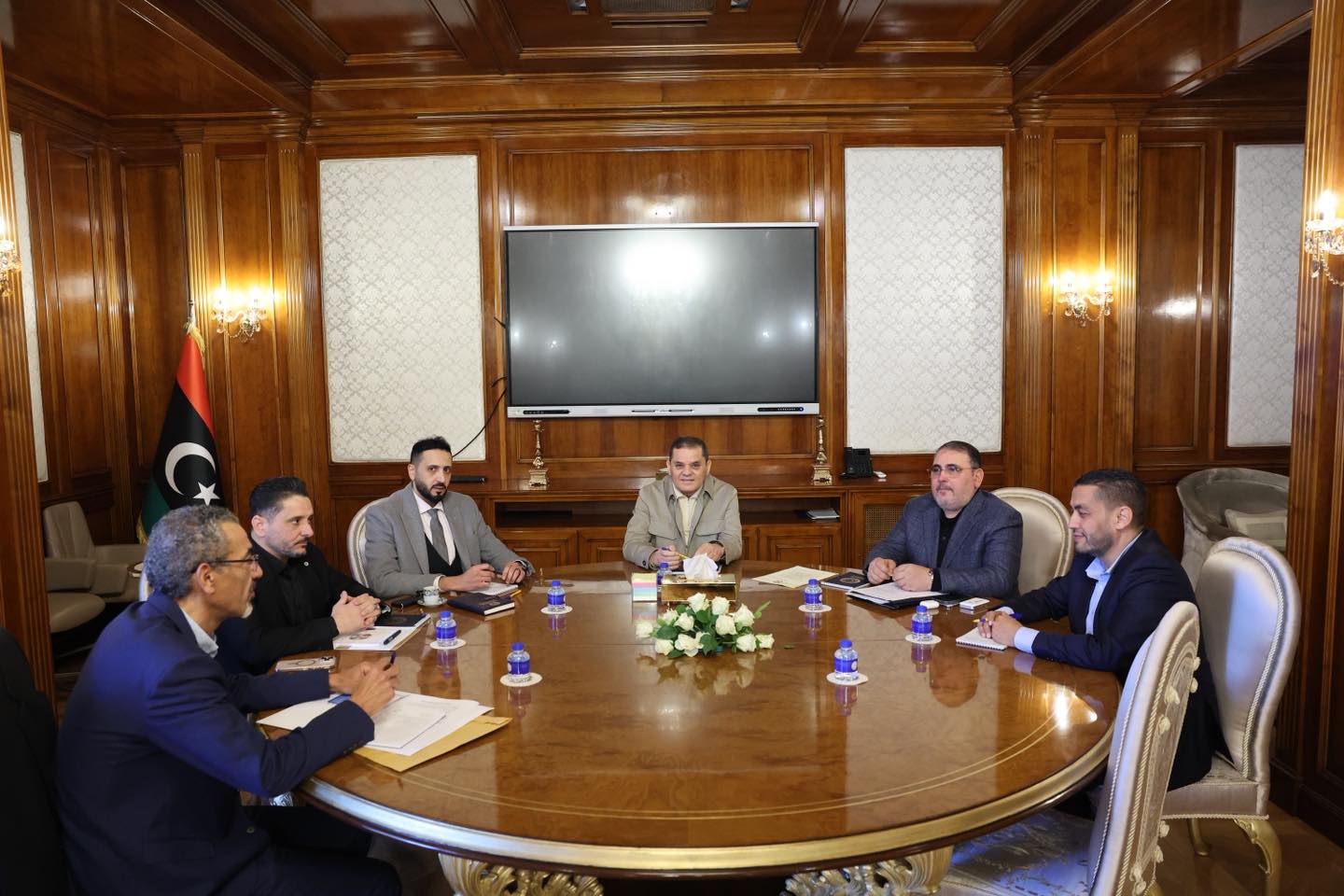
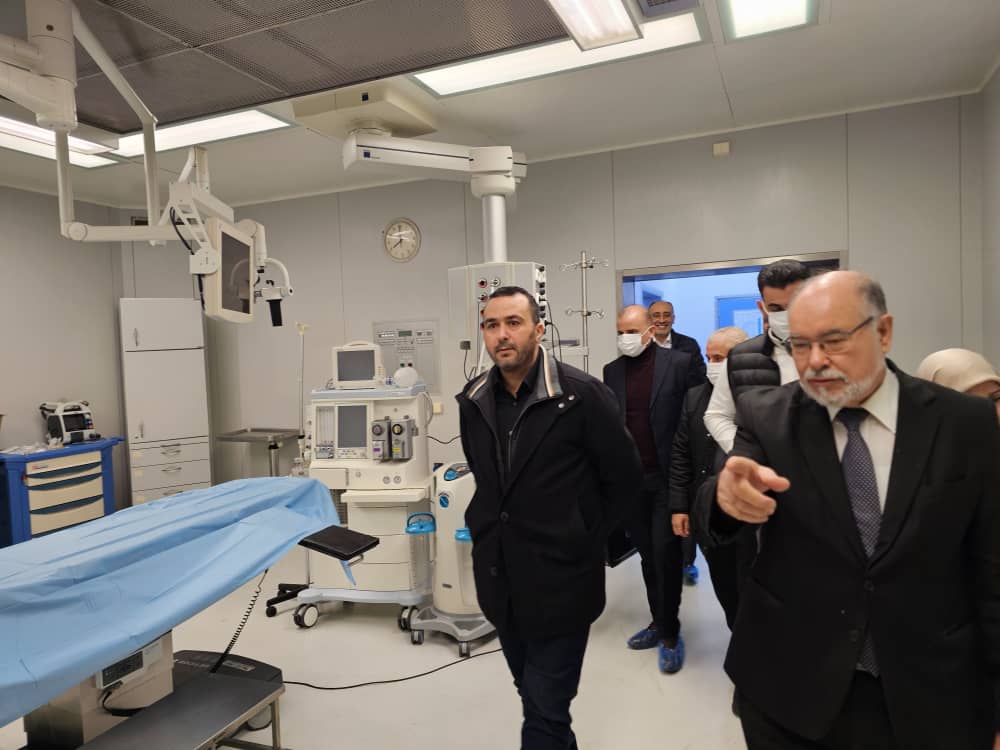
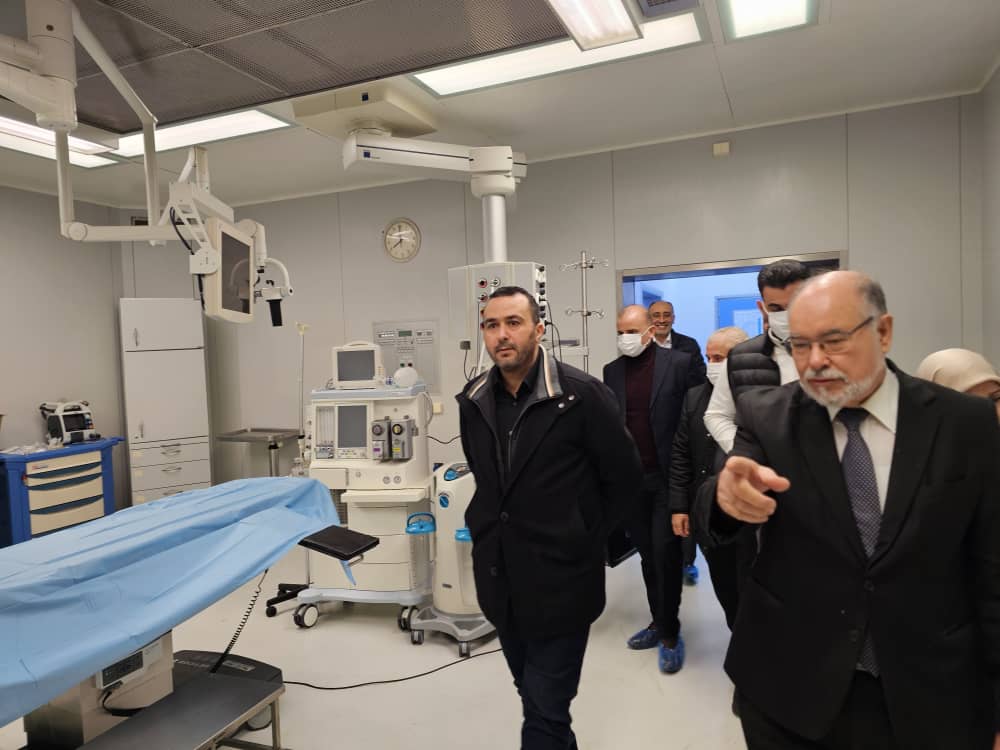
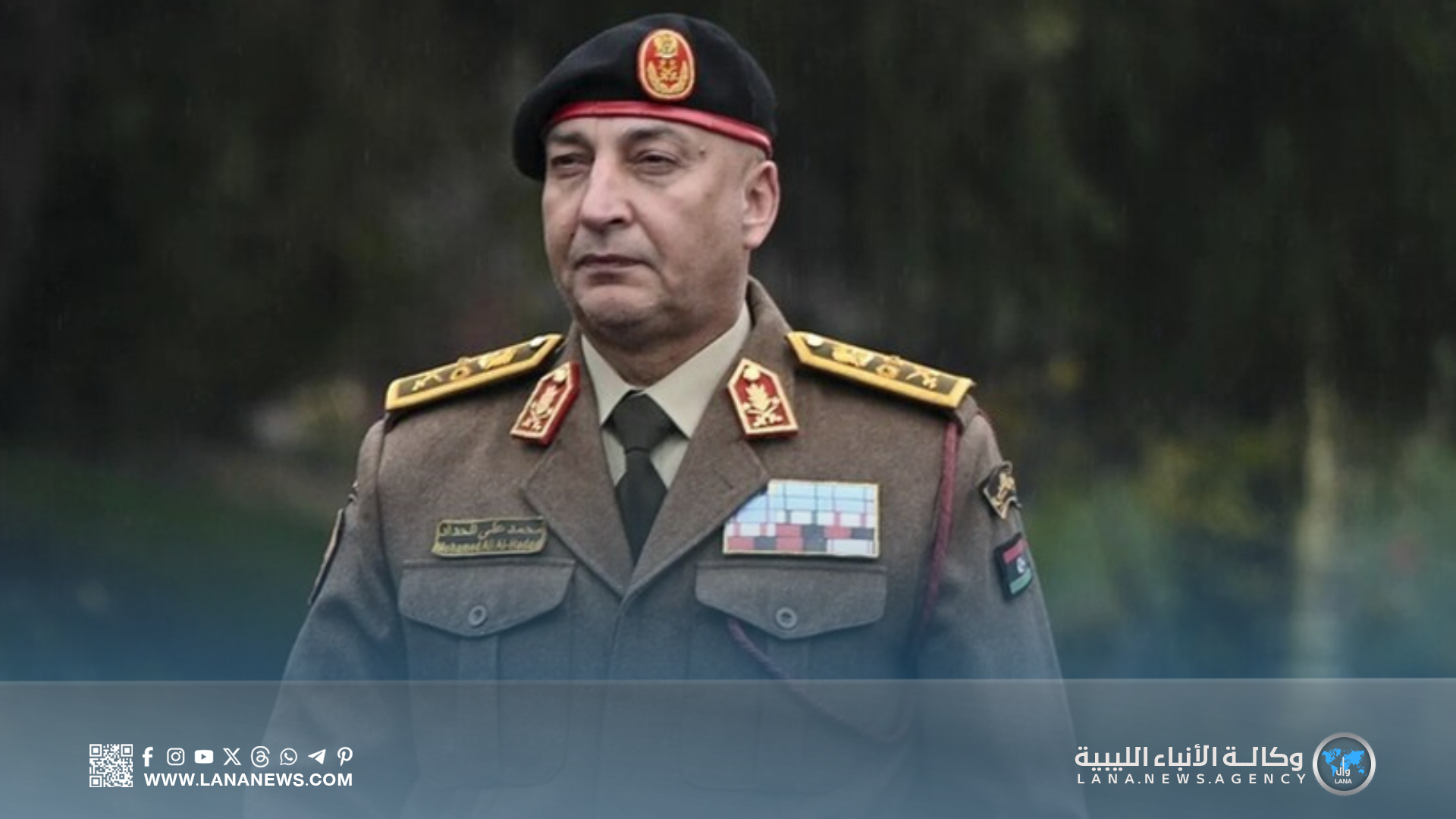
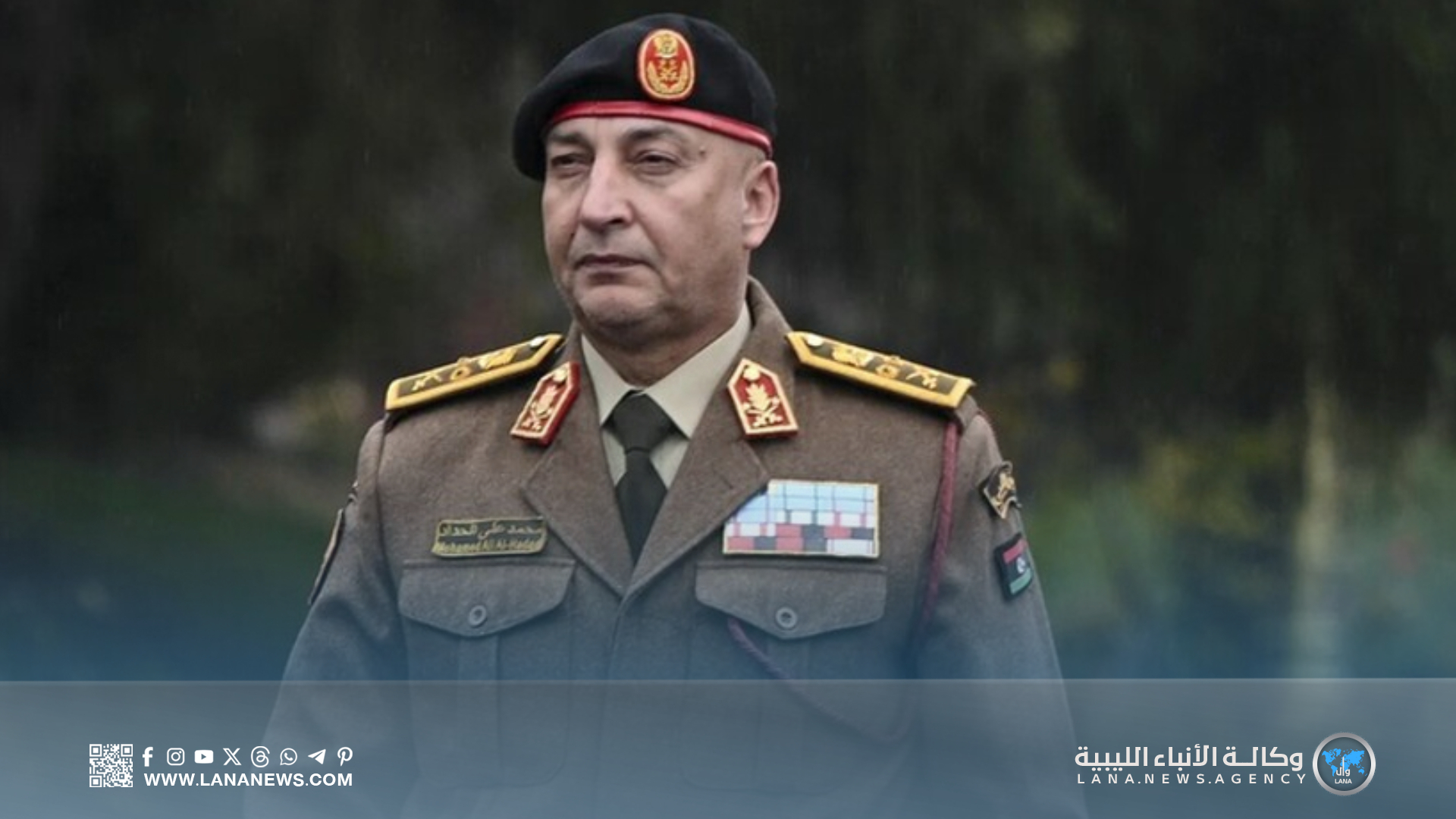
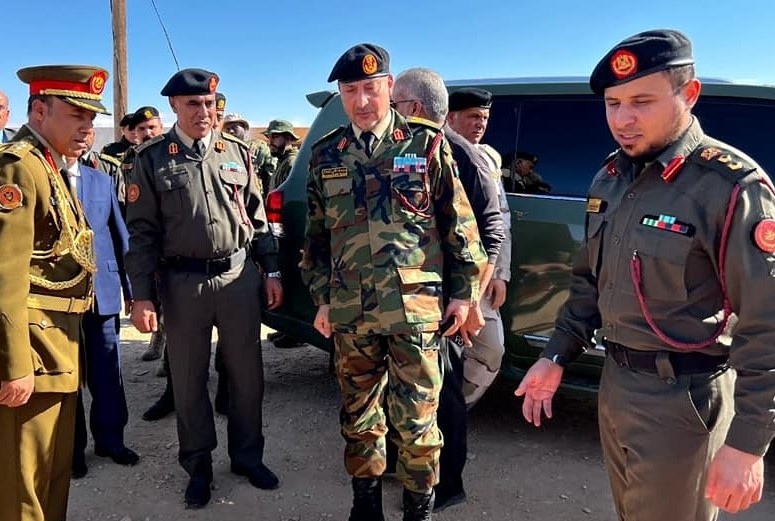
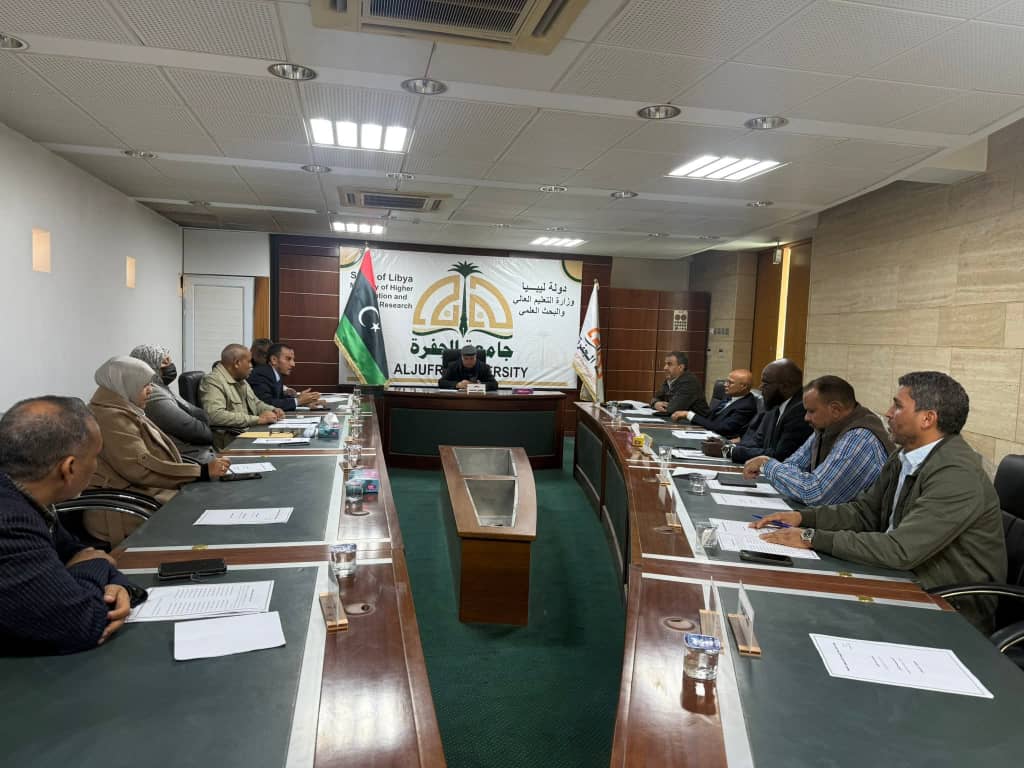
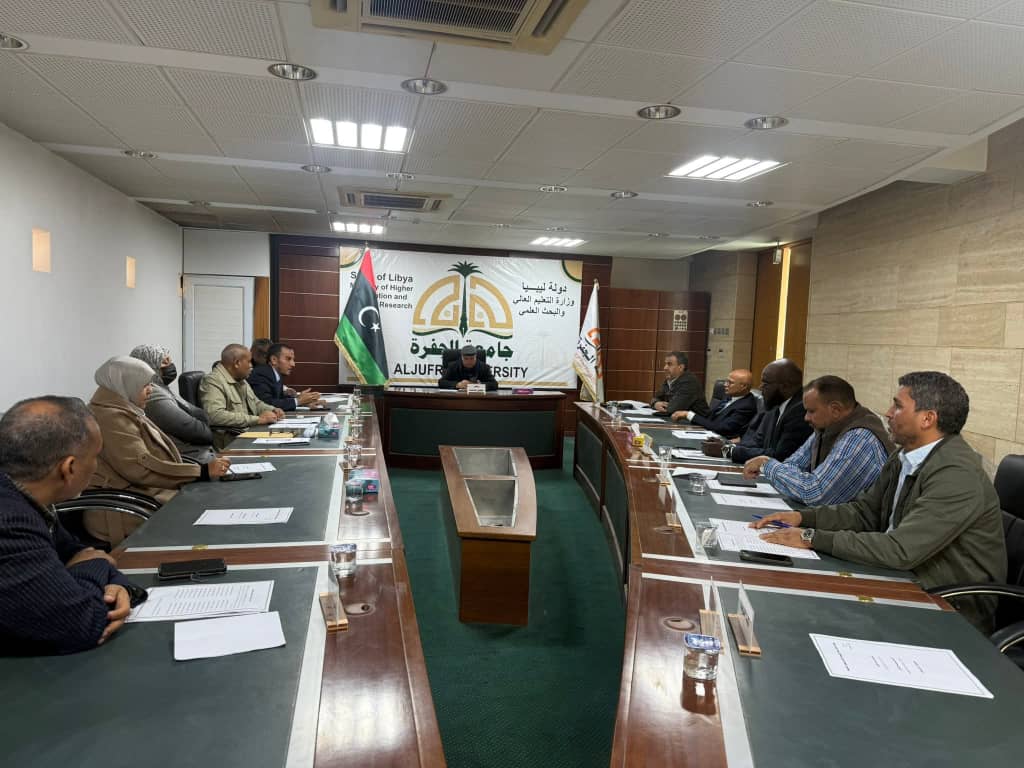
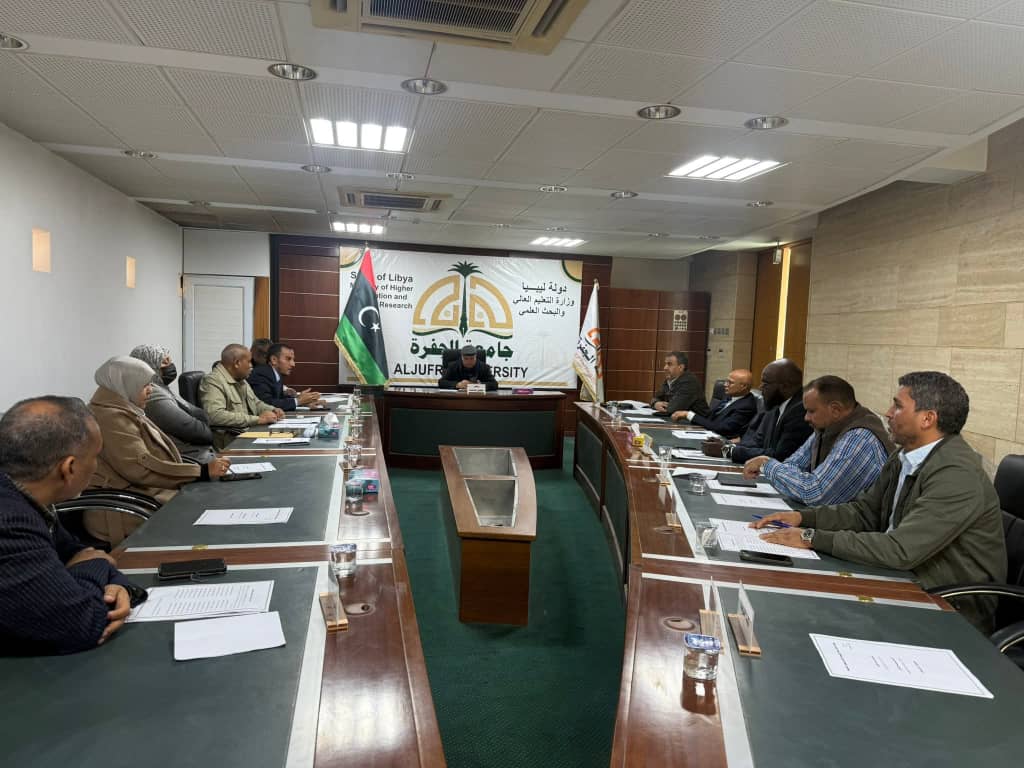
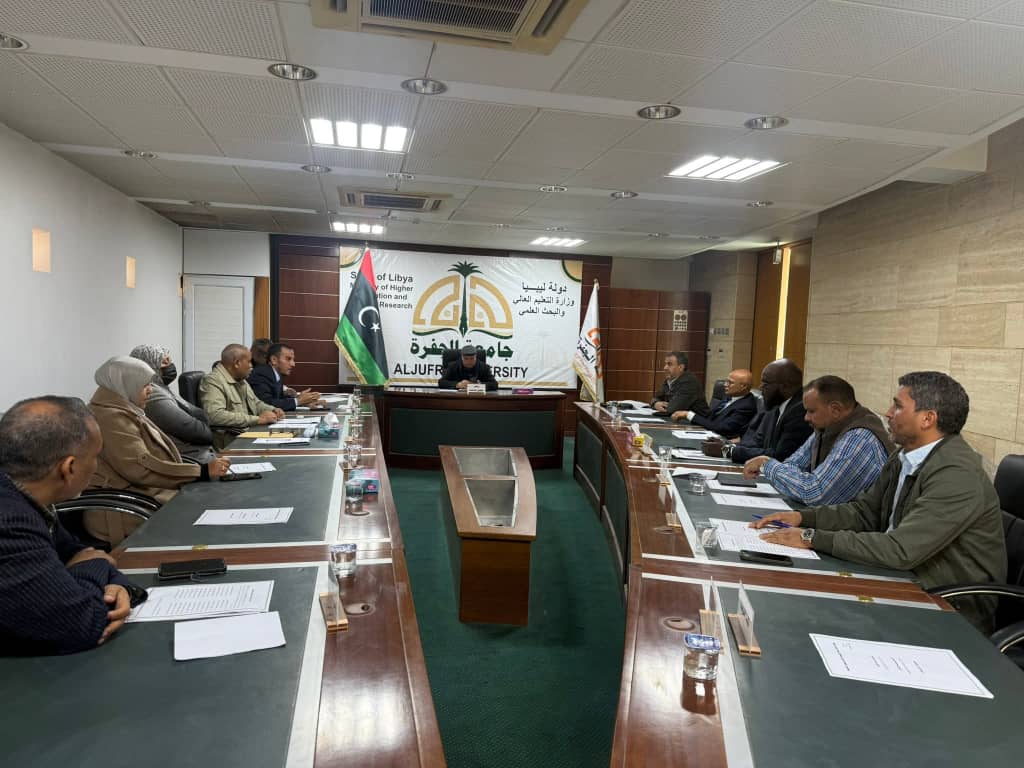
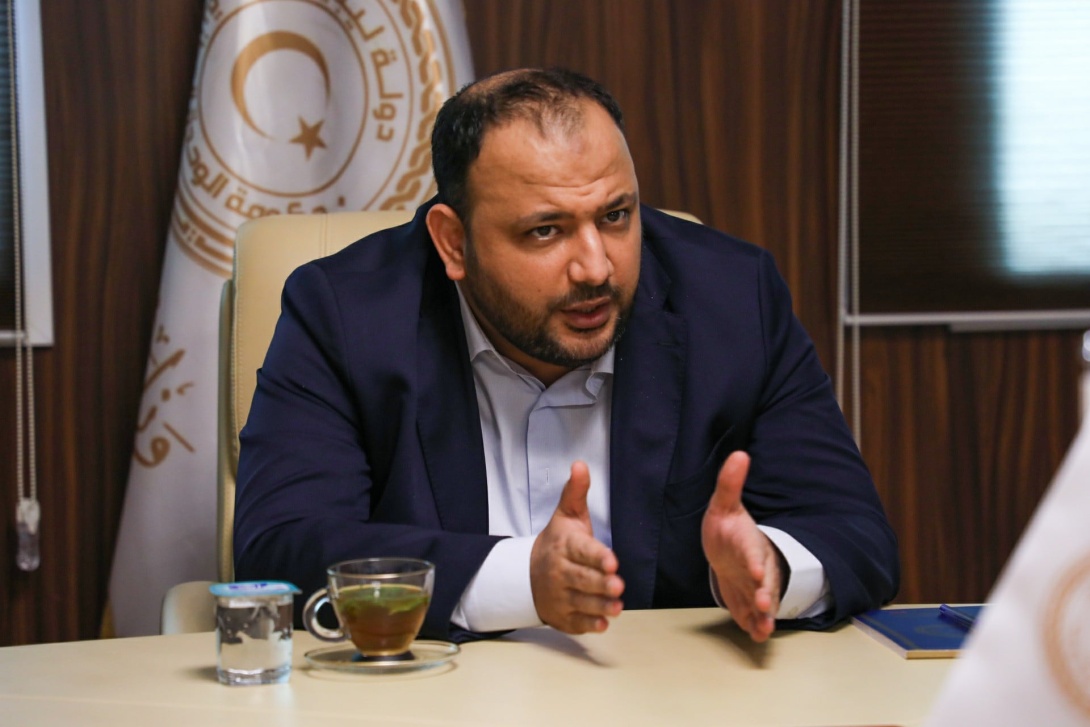
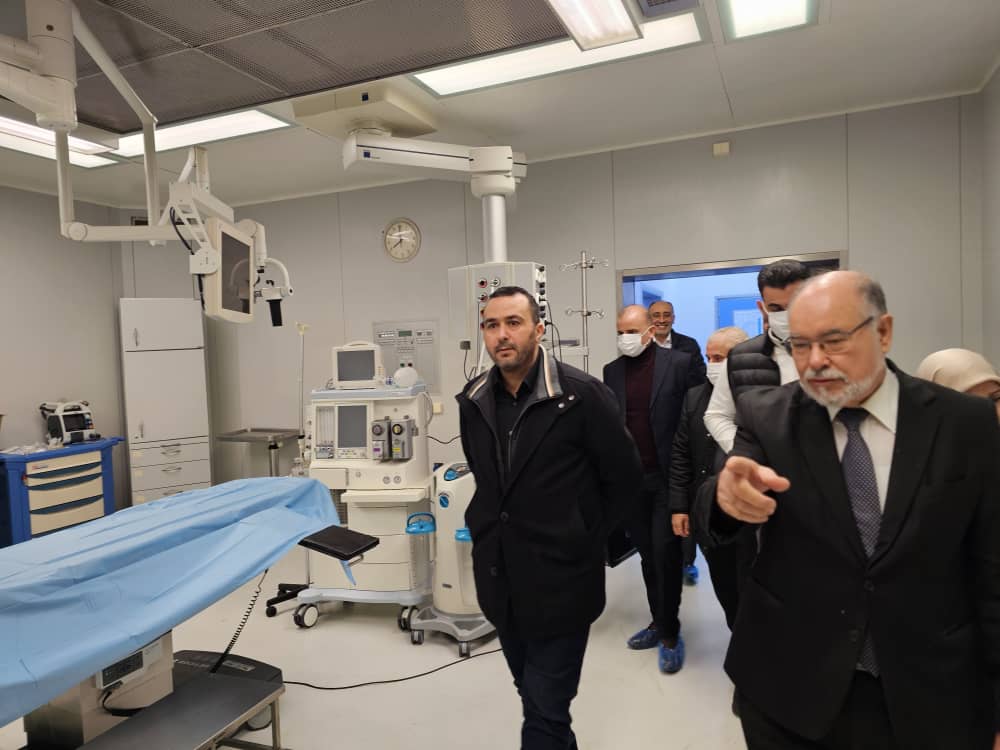
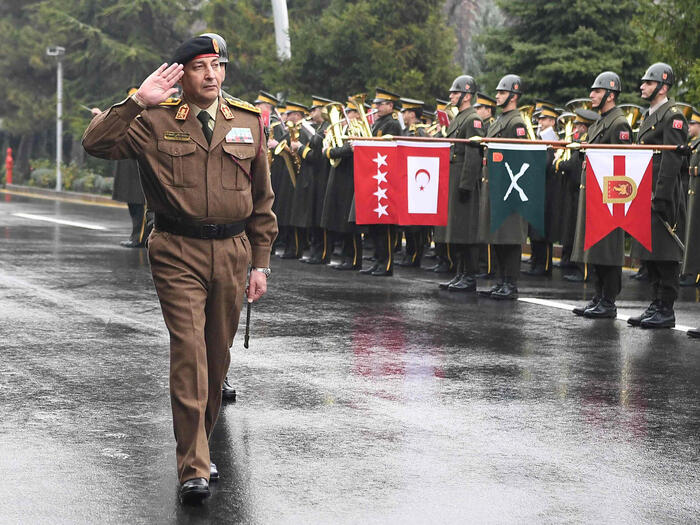
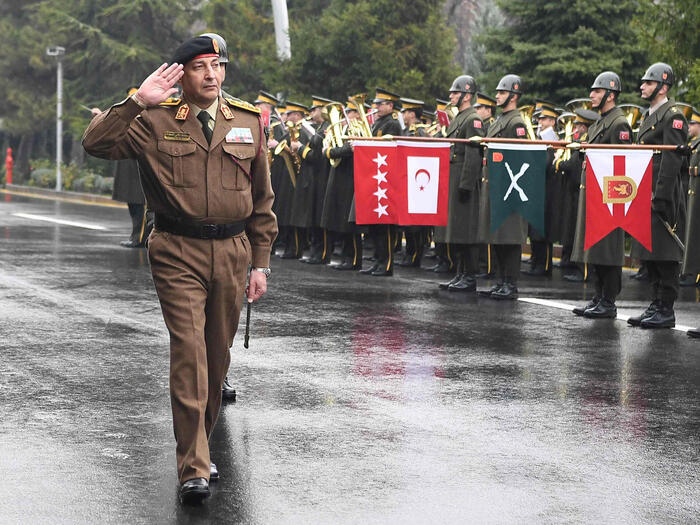
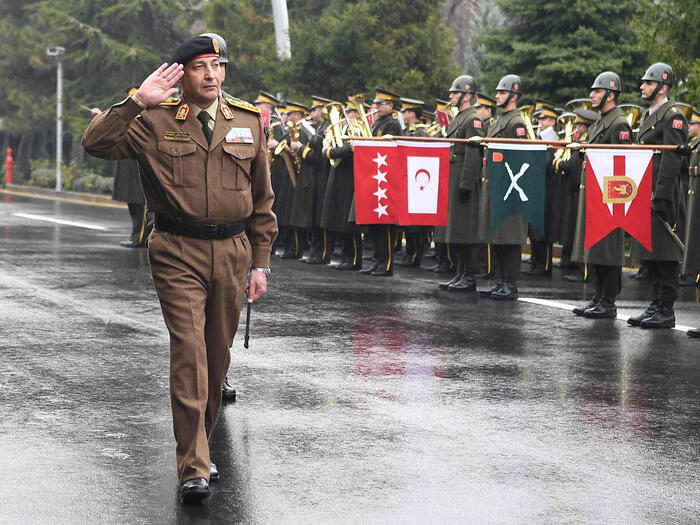
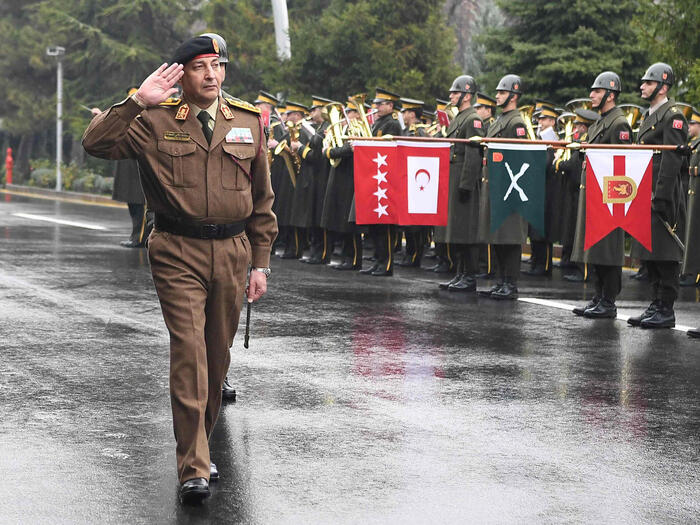
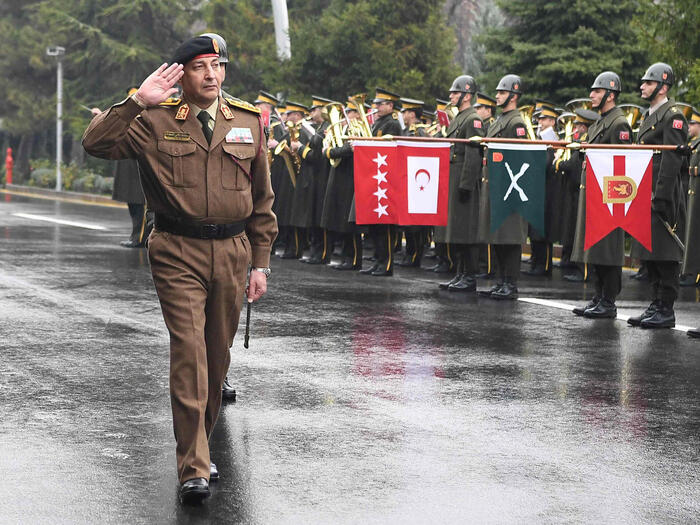
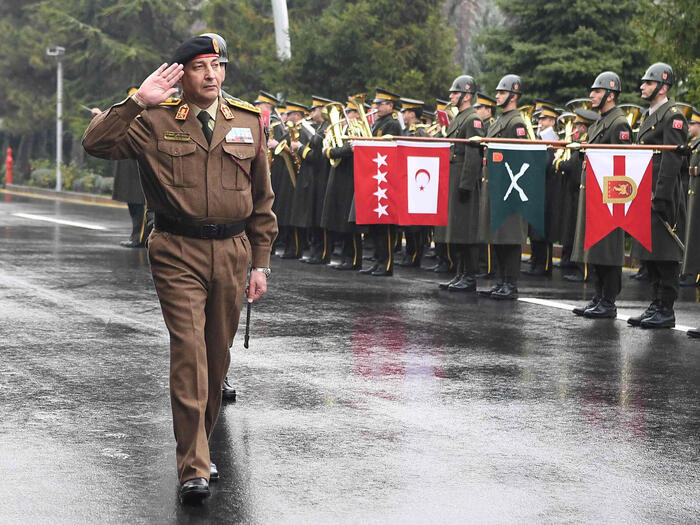
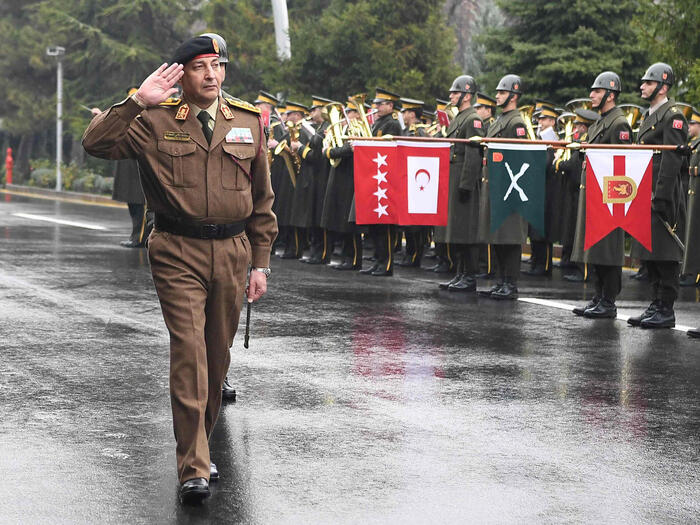
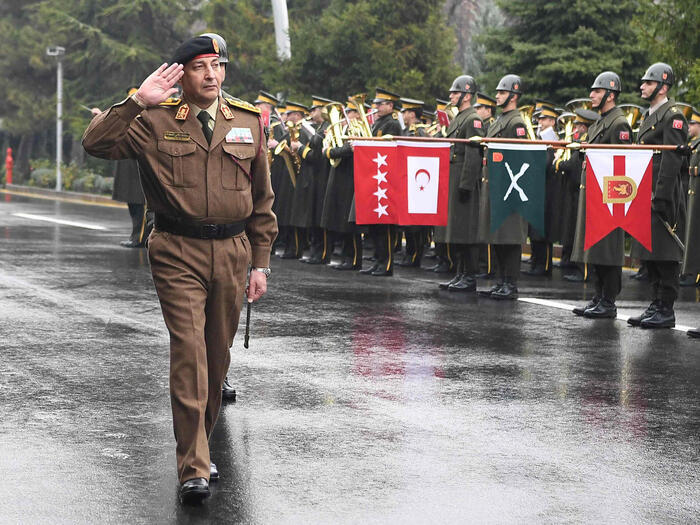
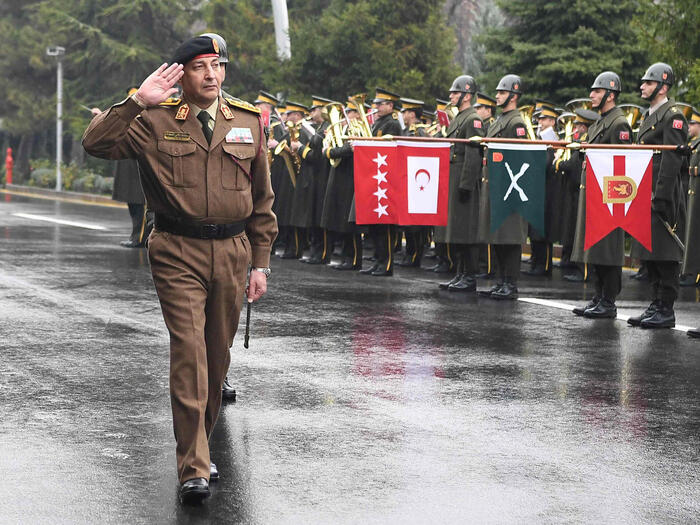
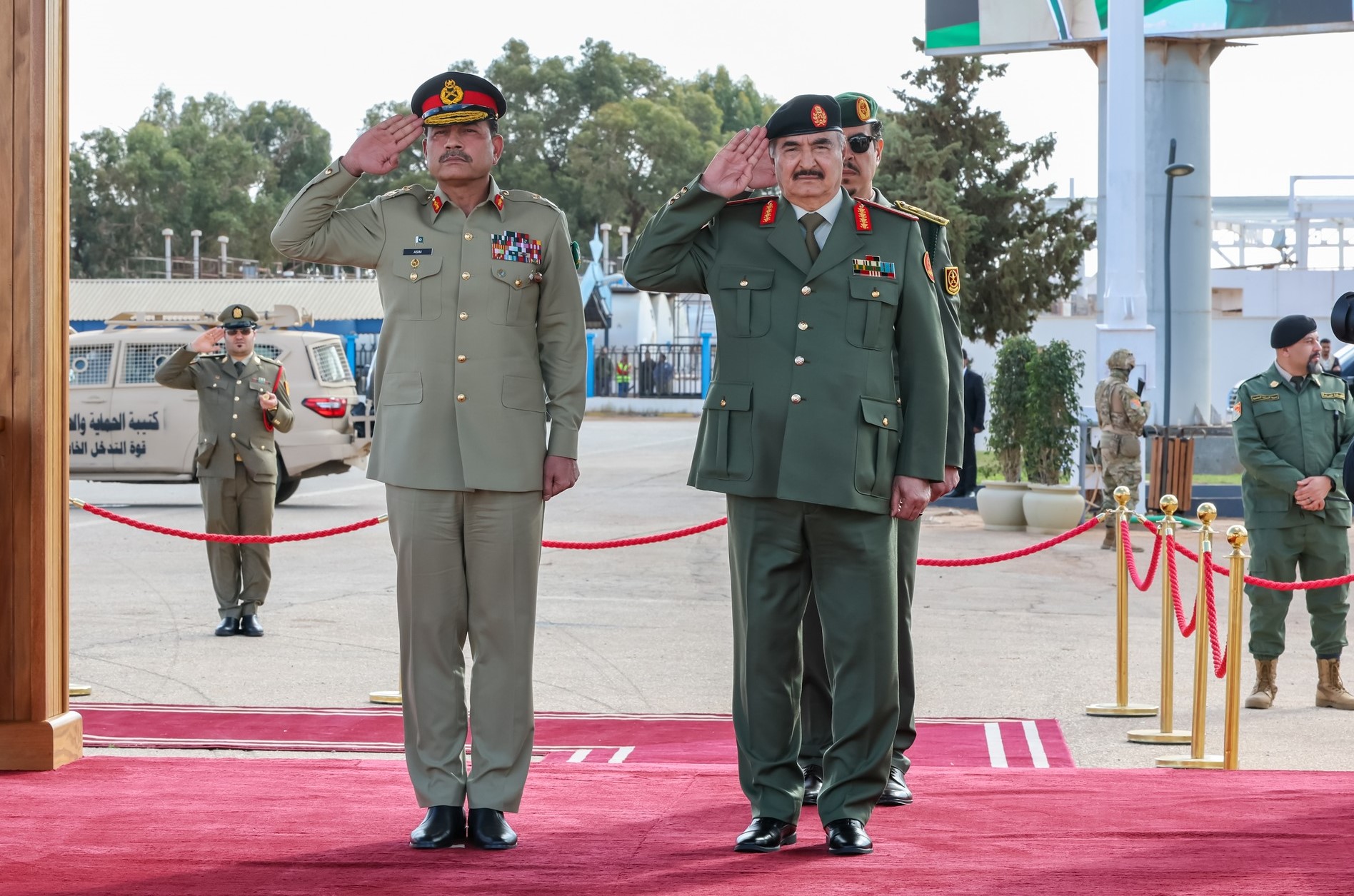
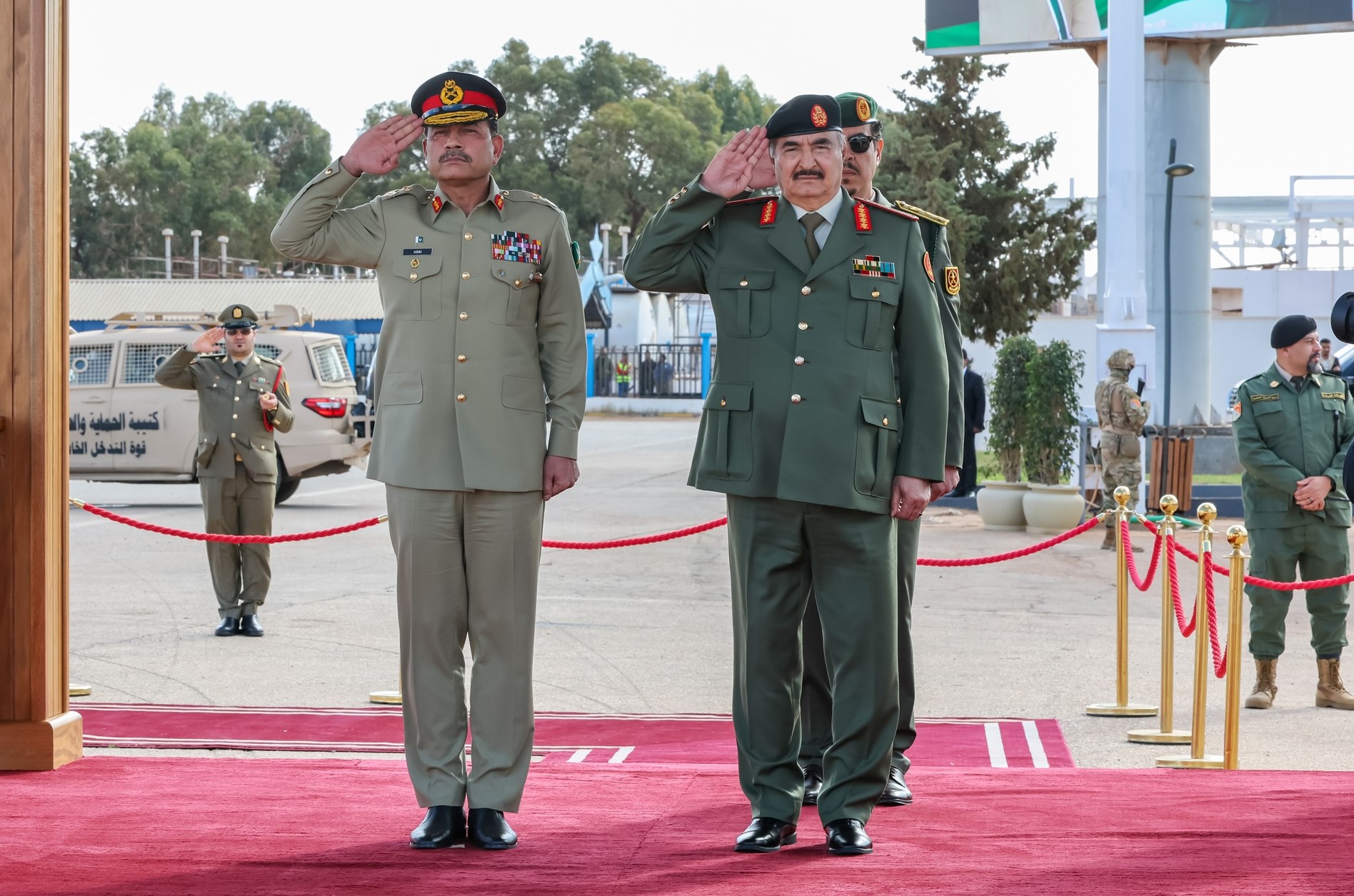
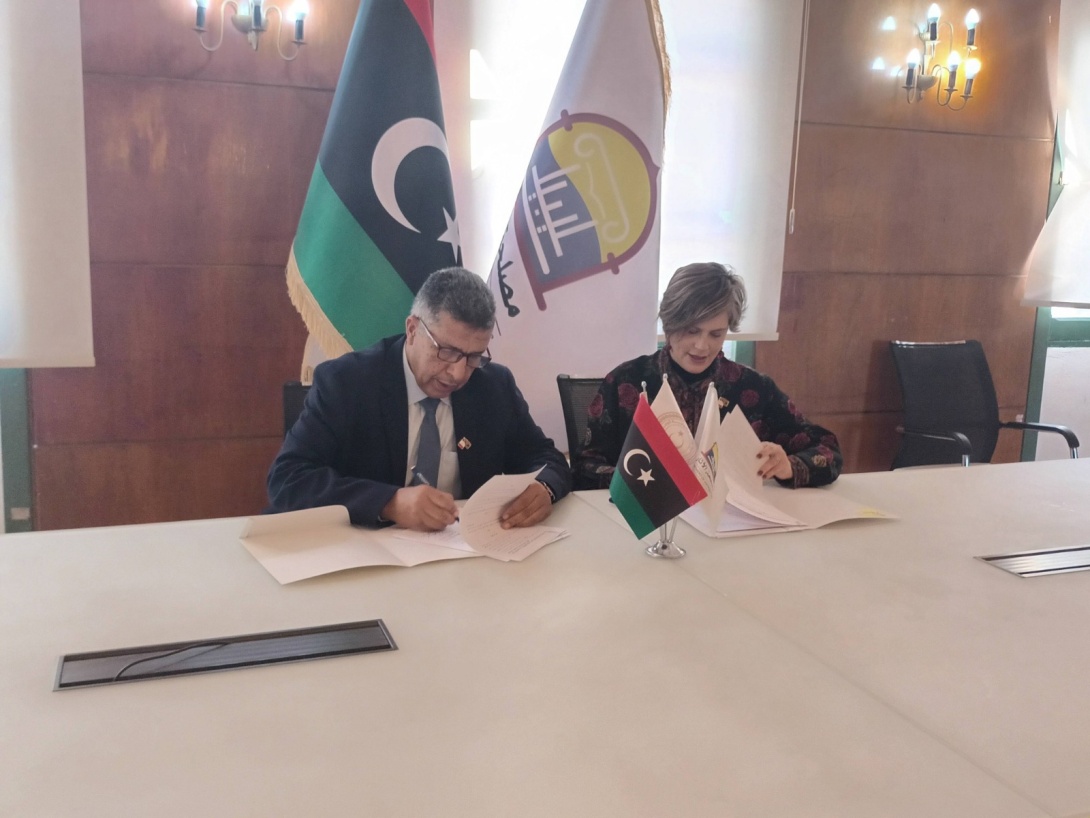
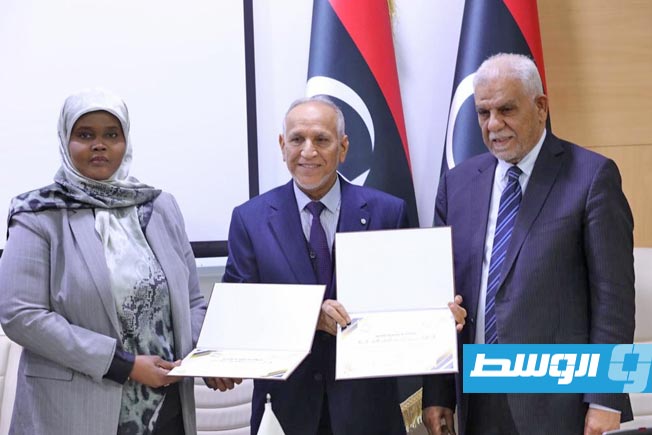
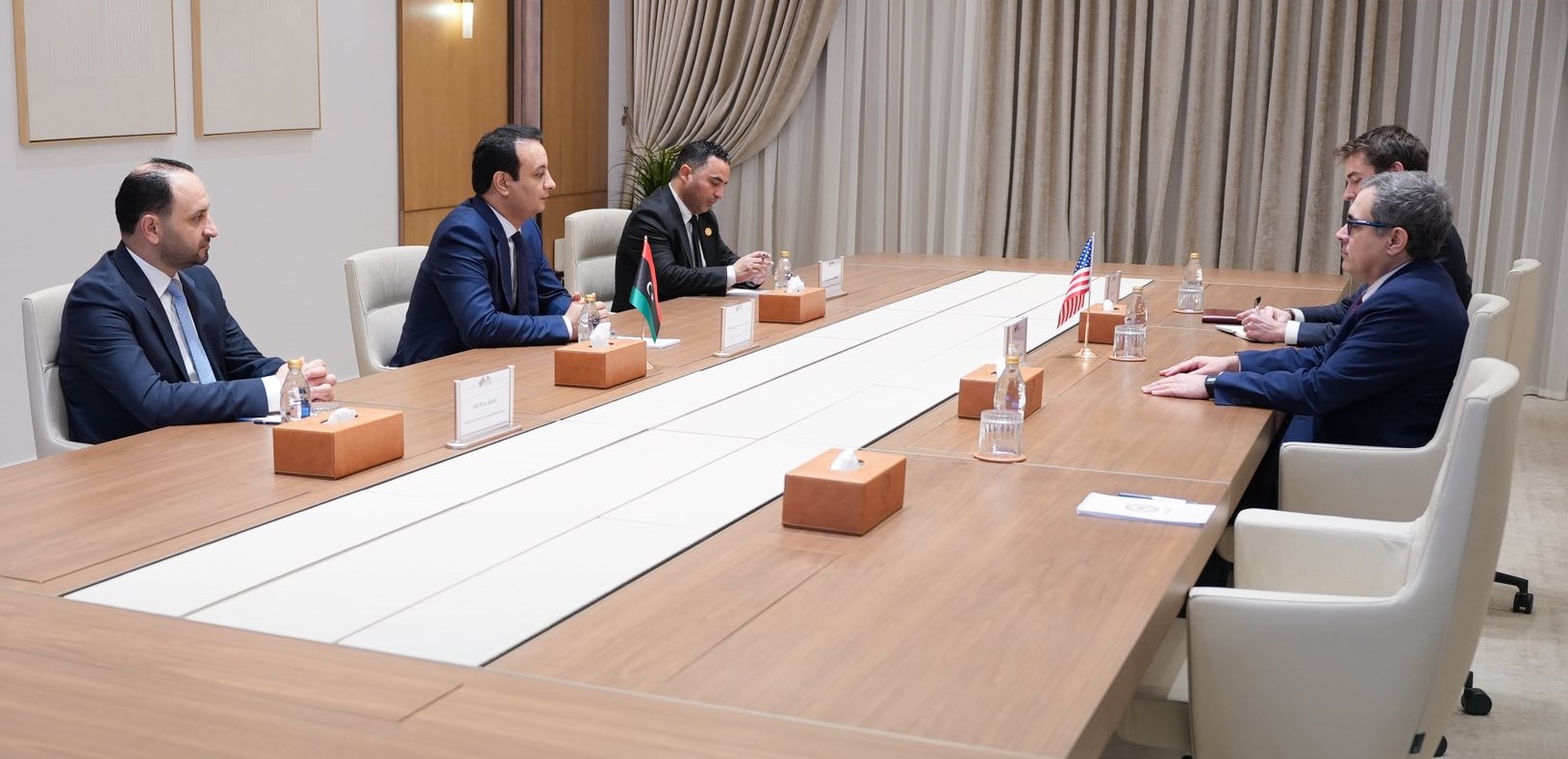
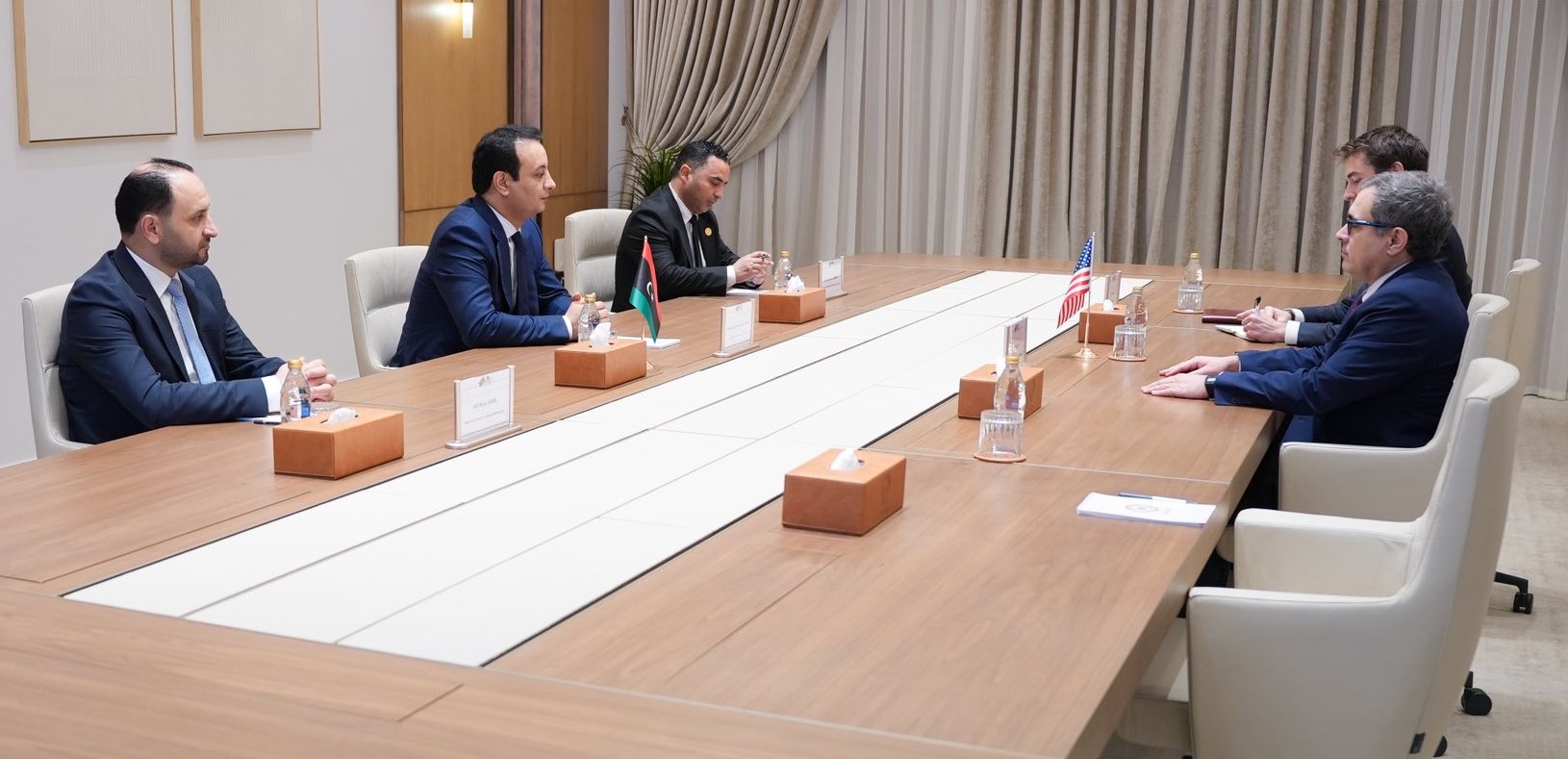
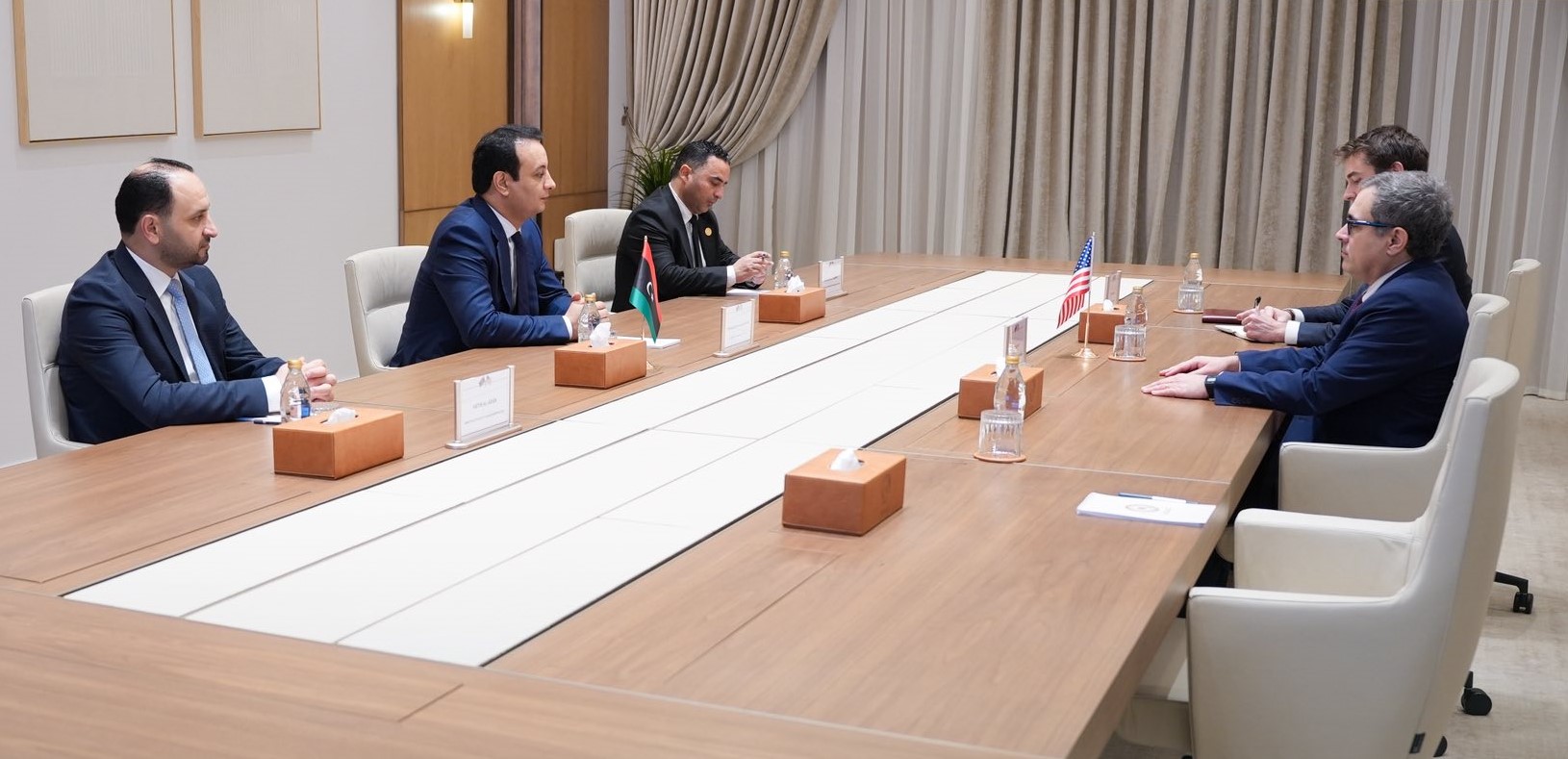
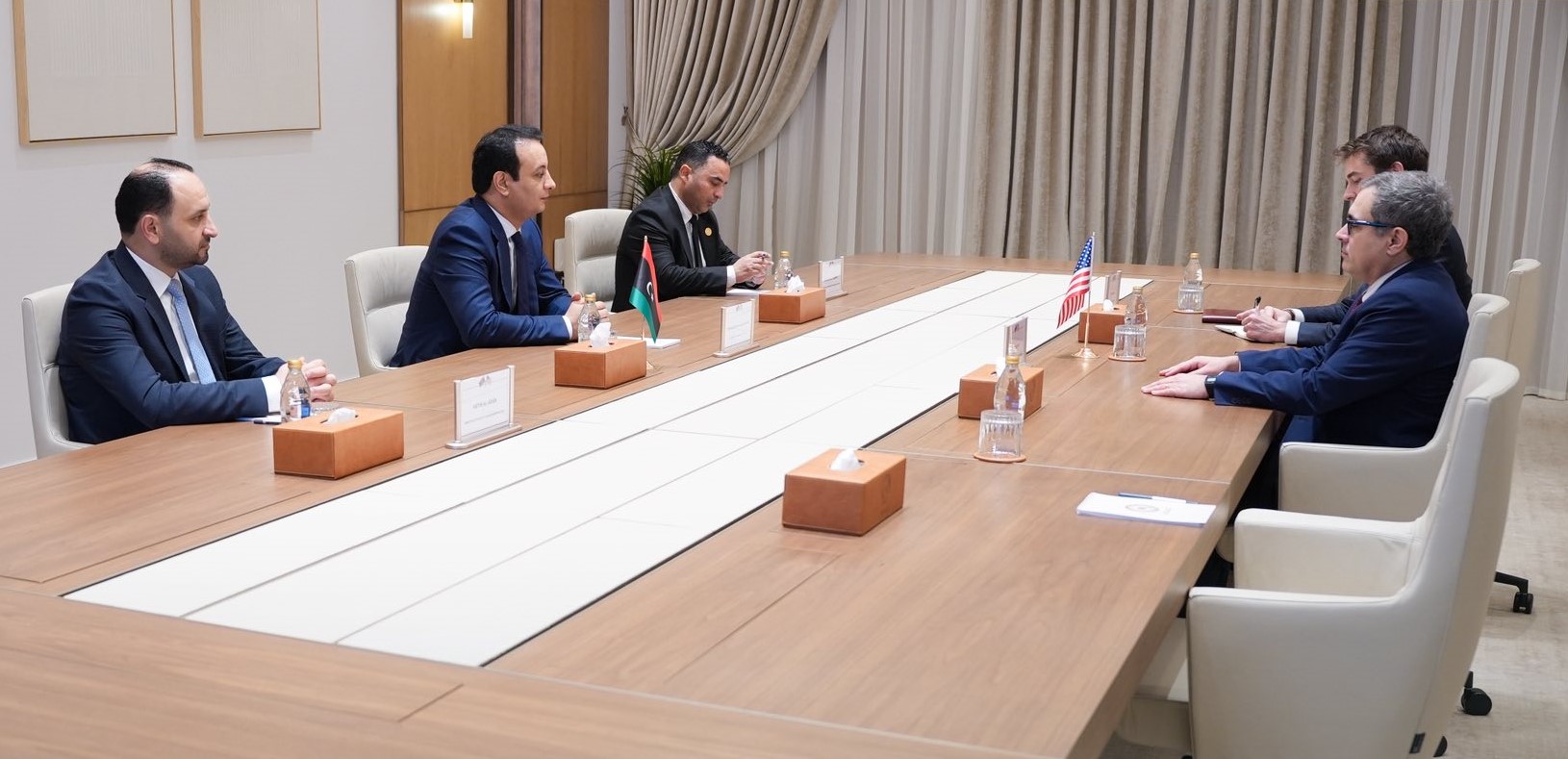
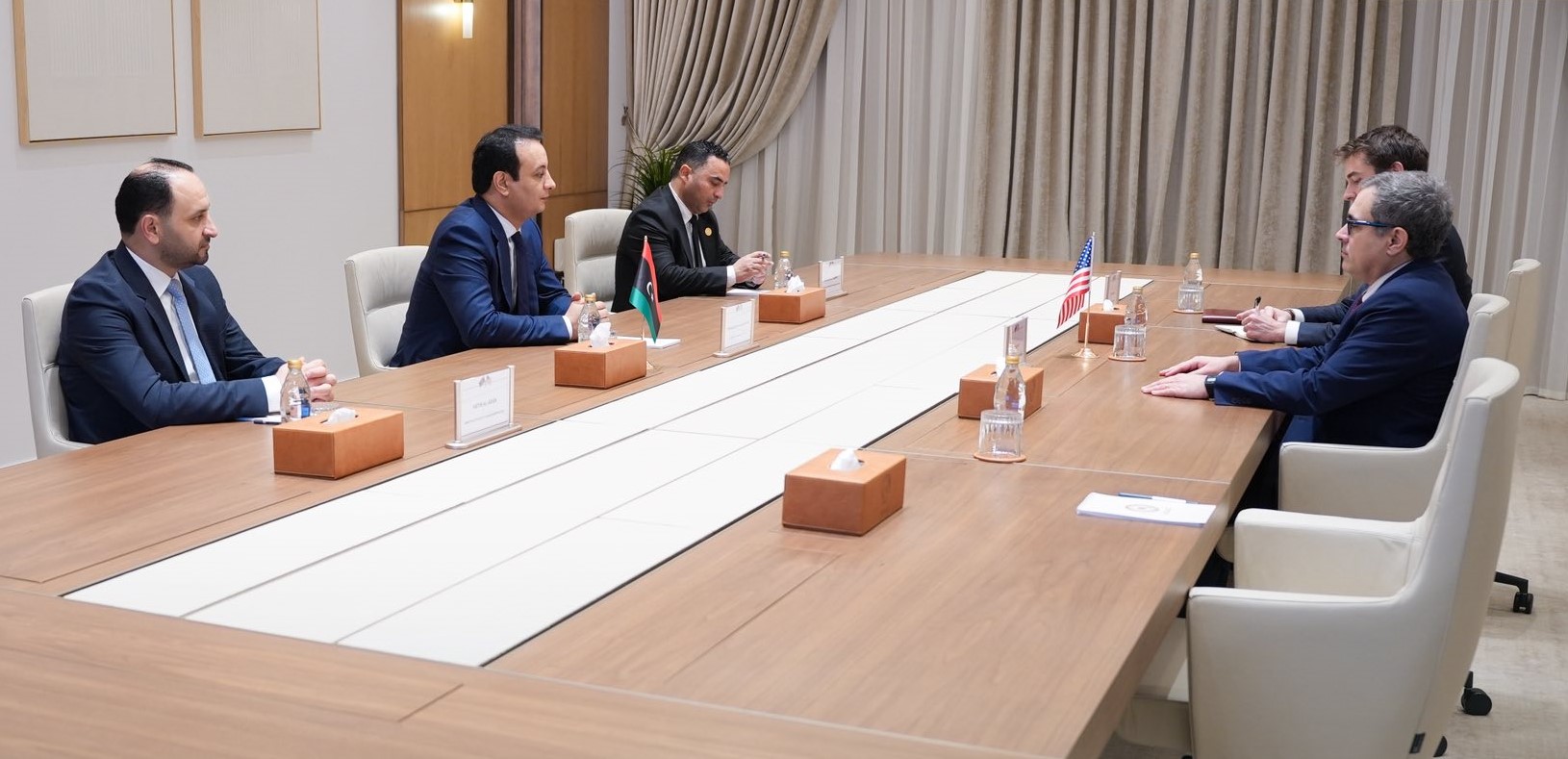
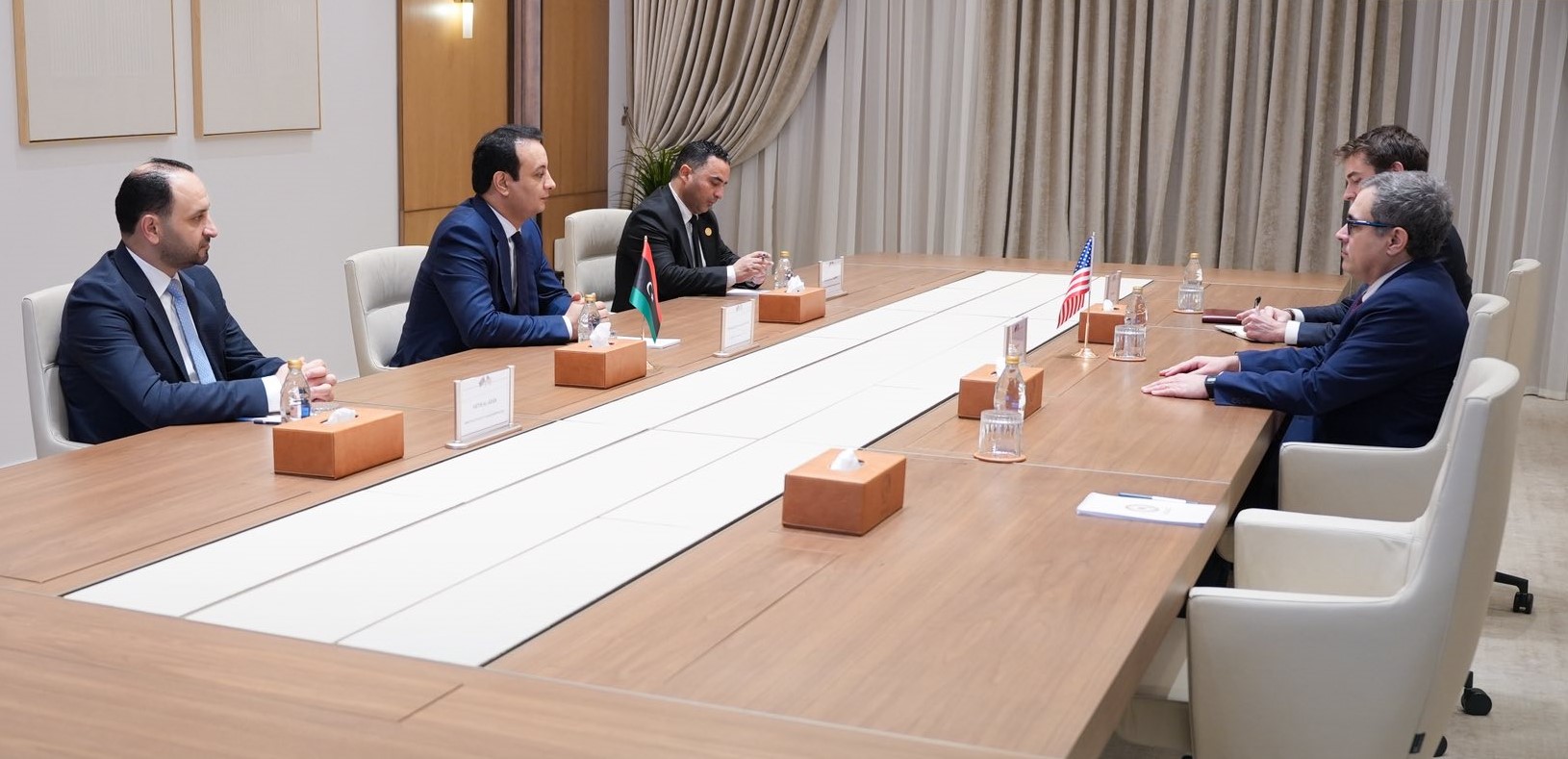
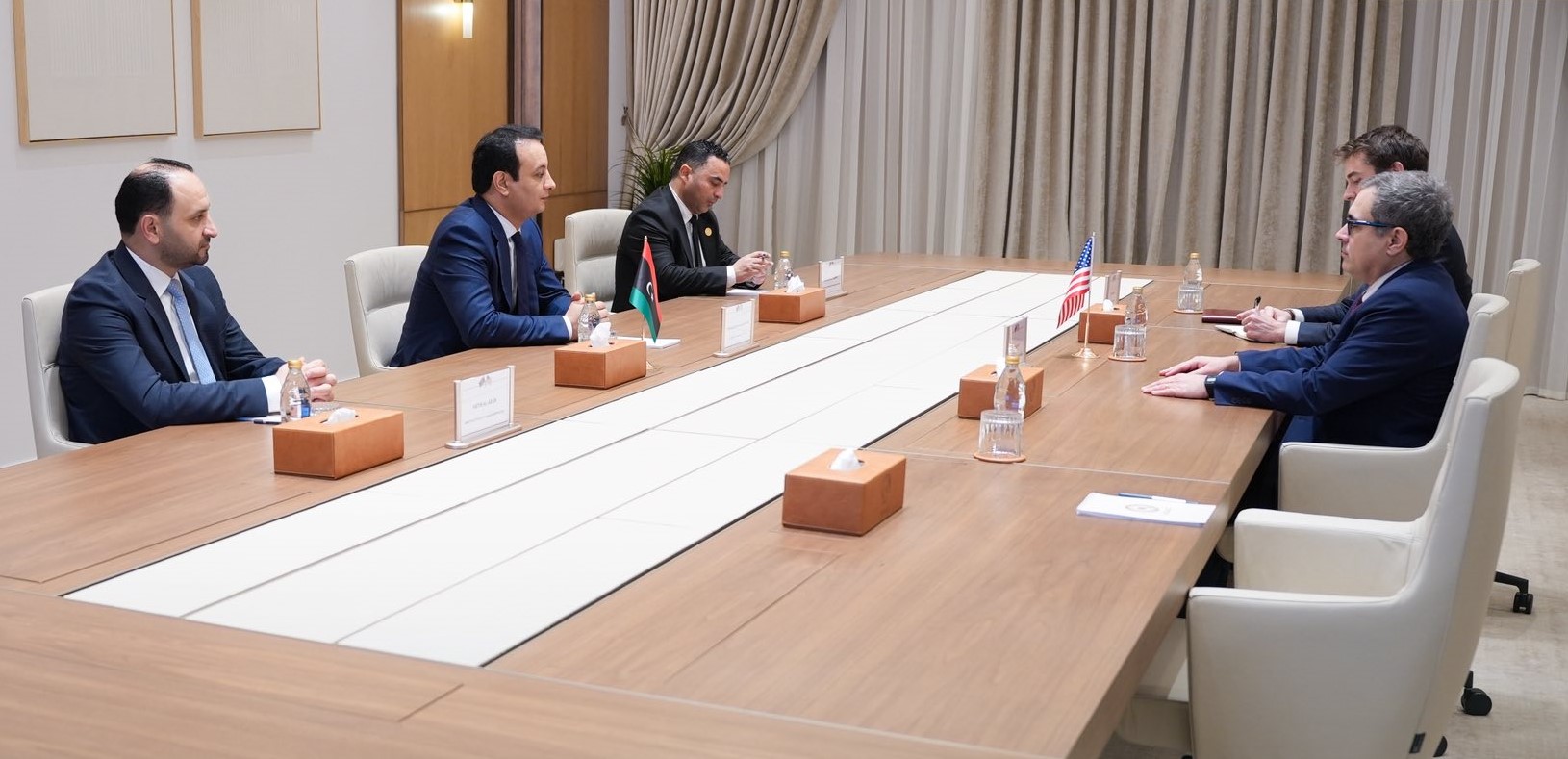
Tripoli, February 11, 2026 – The Head of the Government of National Unity and Minister of Defense discussed on Wednesday with the Deputy Commander of the U.S. Military Command in Africa (AFRICOM) prospects for enhancing military and security cooperation between the two countries, developing training and qualification programs, and supporting efforts to unify the military institution, in addition to discussing joint coordination in the fields of information exchange and capacity building.
The meeting was also attended by the Chargé d’Affaires of the U.S. Embassy in Libya, the Undersecretary of the Ministry of Defense, and the Director of Military Intelligence Administration.
The government’s media office reported that the Minister of Defense emphasized during the meeting the importance of partnership with the United States in supporting stability and enhancing the readiness of regular military institutions, stressing the necessity for cooperation to focus on transferring expertise and improving technical efficiency in a manner that serves the sovereignty and security of the state.
According to the office, the Deputy Commander of AFRICOM expressed his country’s readiness to continue joint work with the Ministry of Defense and expand areas of technical and training support, contributing to the enhancement of security and stability in Libya and the region.
Tripoli
Tripoli is the capital and largest city of Libya, located on the country’s Mediterranean coast. Historically, it was founded by the Phoenicians in the 7th century BC and has since been ruled by the Romans, Arabs, Ottomans, and Italians, which is reflected in its diverse architecture like the ancient Red Castle (Assaraya al-Hamra).
Government of National Unity
The Government of National Unity (GNU) is a political arrangement where rival parties, often after a conflict or deadlock, form a coalition cabinet to share power. A prominent historical example is South Africa’s first post-apartheid government in 1994, led by Nelson Mandela, which included the African National Congress and the National Party to ensure a peaceful transition.
U.S. Military Command in Africa
The U.S. Military Command in Africa, known as U.S. Africa Command (AFRICOM), was established as a unified combatant command in 2007 and became fully operational in 2008. Its headquarters are in Stuttgart, Germany, and it is responsible for U.S. military operations and relations across the African continent, with a stated focus on security cooperation, crisis response, and counterterrorism efforts.
AFRICOM
AFRICOM, or the United States Africa Command, is a unified combatant command of the U.S. Department of Defense established in 2007 to coordinate American military operations and relations across the African continent. Its creation represented a strategic shift to consolidate U.S. security interests in Africa, focusing on areas like counterterrorism, building partner capacity, and providing humanitarian assistance.
U.S. Embassy in Libya
The U.S. Embassy in Libya, located in Tripoli, was established following Libya’s independence in 1951. It was permanently closed and evacuated in 2014 due to severe security threats and armed conflict, with diplomatic operations currently managed from outside the country.
Ministry of Defense
The Ministry of Defense is the government department responsible for implementing national defense policy and overseeing a country’s armed forces. Its modern form typically emerged in the 19th and 20th centuries, consolidating various military departments like those for the army, navy, and air force into a single civilian-led ministry. This structure is designed to ensure civilian control over the military and coordinated defense planning.
Military Intelligence Administration
The Military Intelligence Administration is a South Korean government agency responsible for military intelligence and counterintelligence operations. It was established in 1961, originally known as the Defense Security Command, and was renamed to its current title in 2019 as part of a reform effort to distance itself from its historical involvement in domestic politics and past military regimes.
Libya
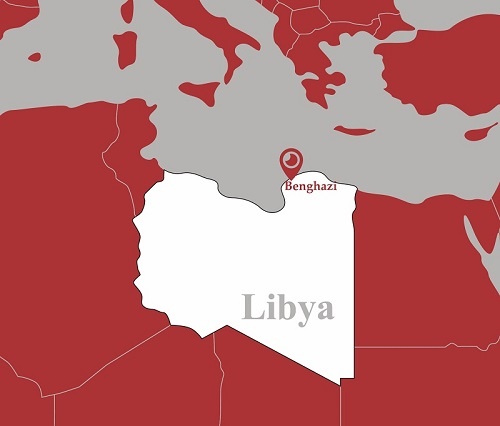
Libya is a North African country with a rich history rooted in ancient civilizations like the Phoenicians and Romans, followed by centuries of Arab and Ottoman influence. In the modern era, it was an Italian colony before gaining independence in 1951, later becoming known for Muammar Gaddafi’s lengthy rule from 1969 until the 2011 revolution. Its cultural sites include the well-preserved Roman ruins of Leptis Magna, a UNESCO World Heritage site.