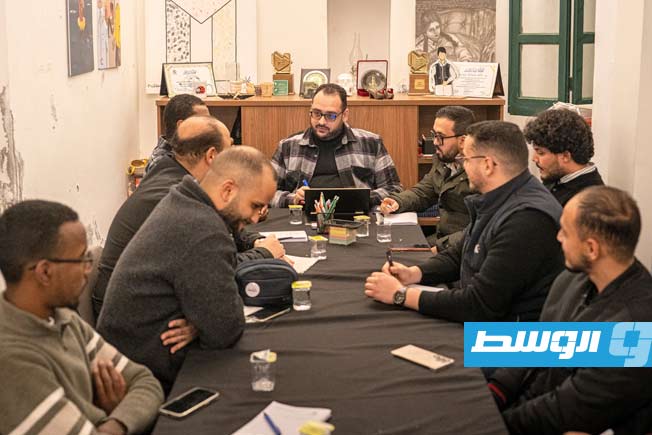
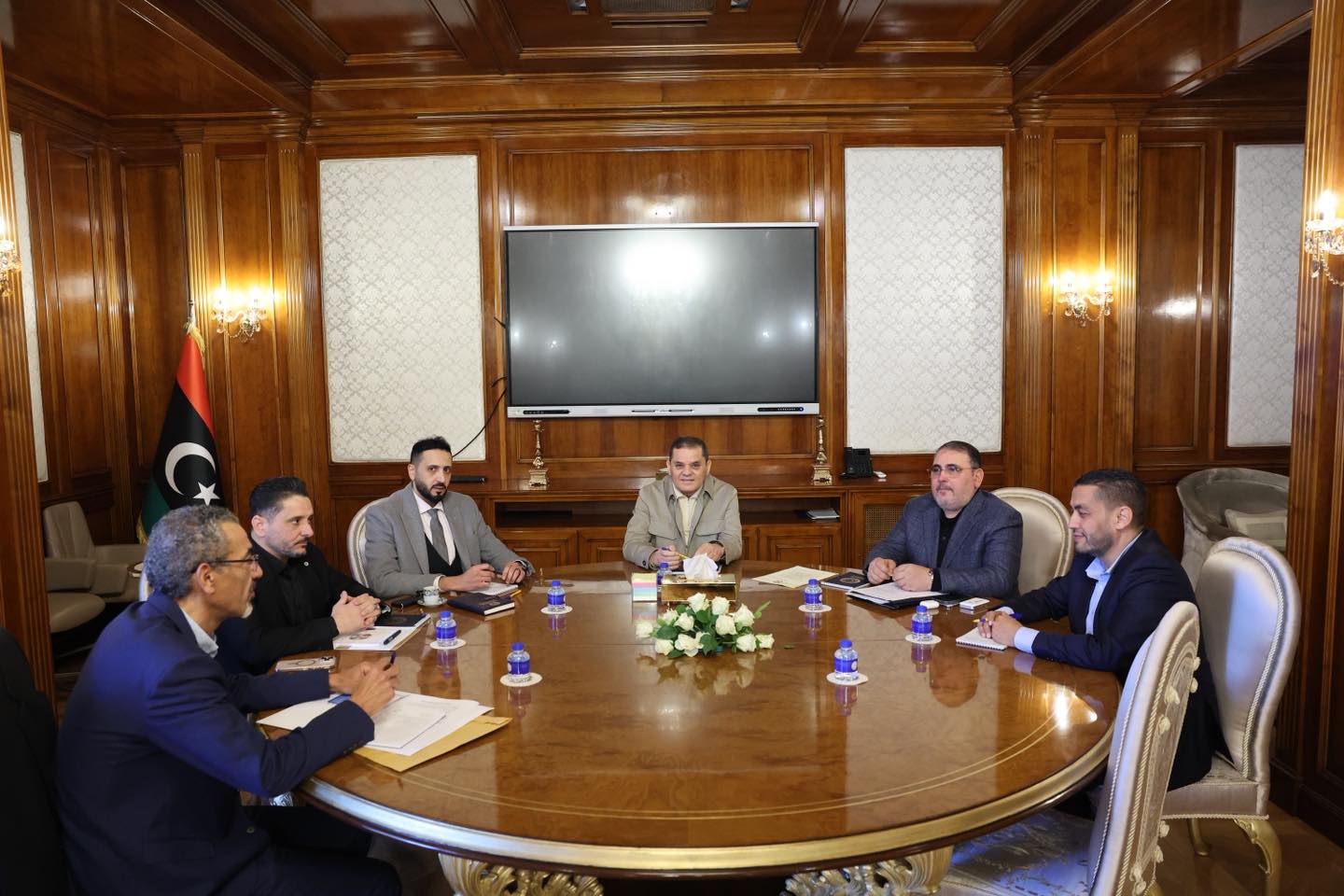
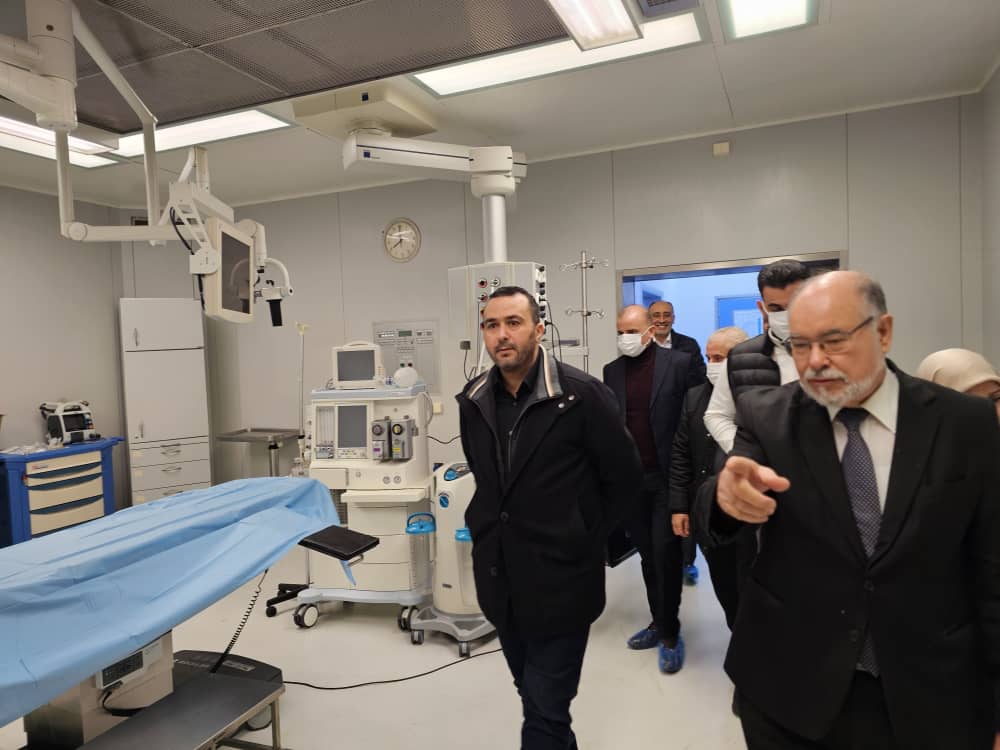
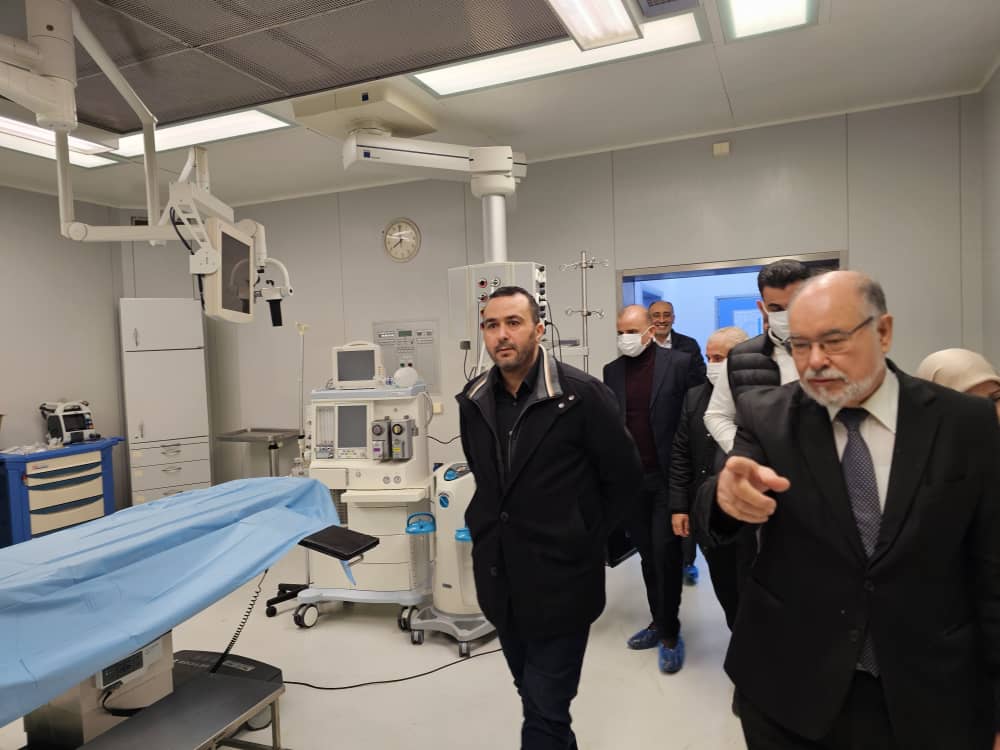
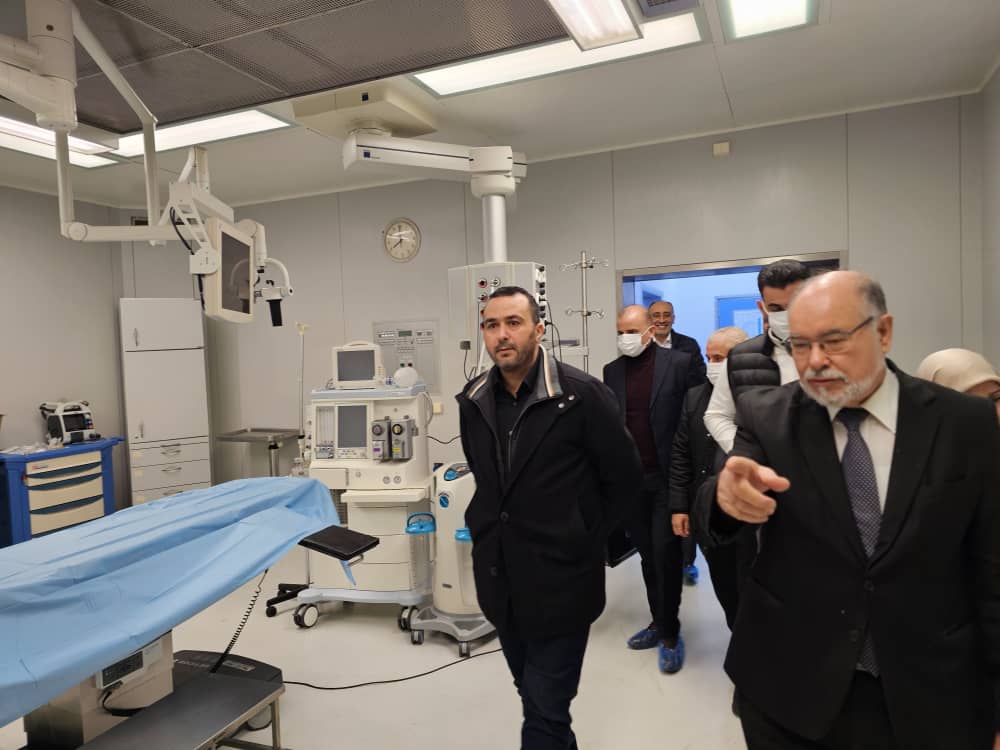
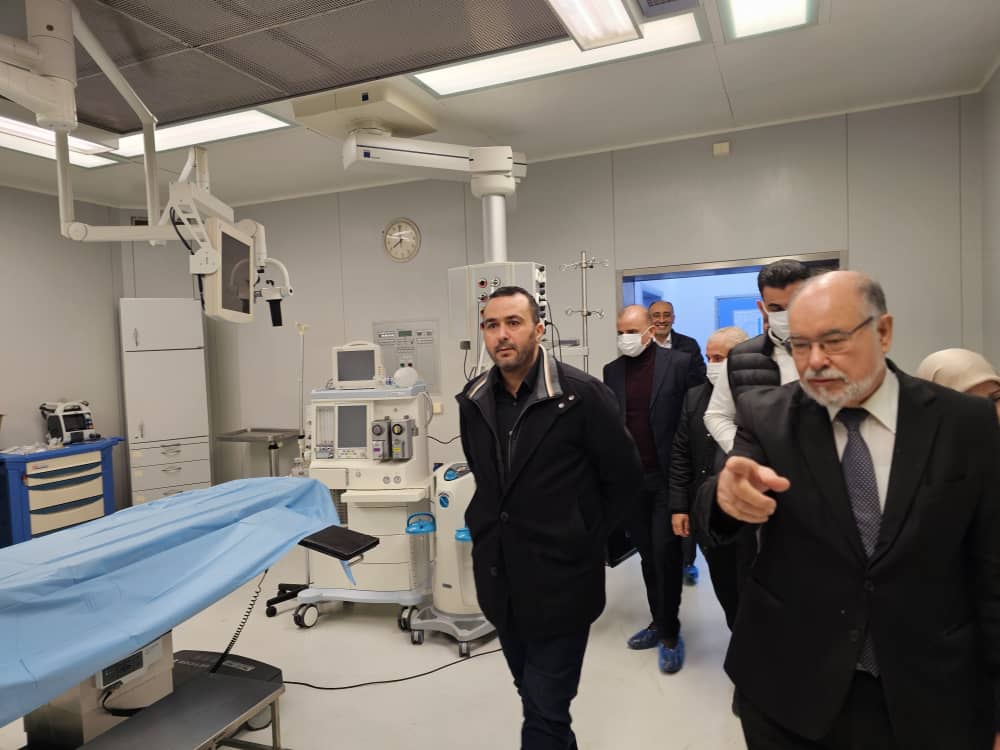
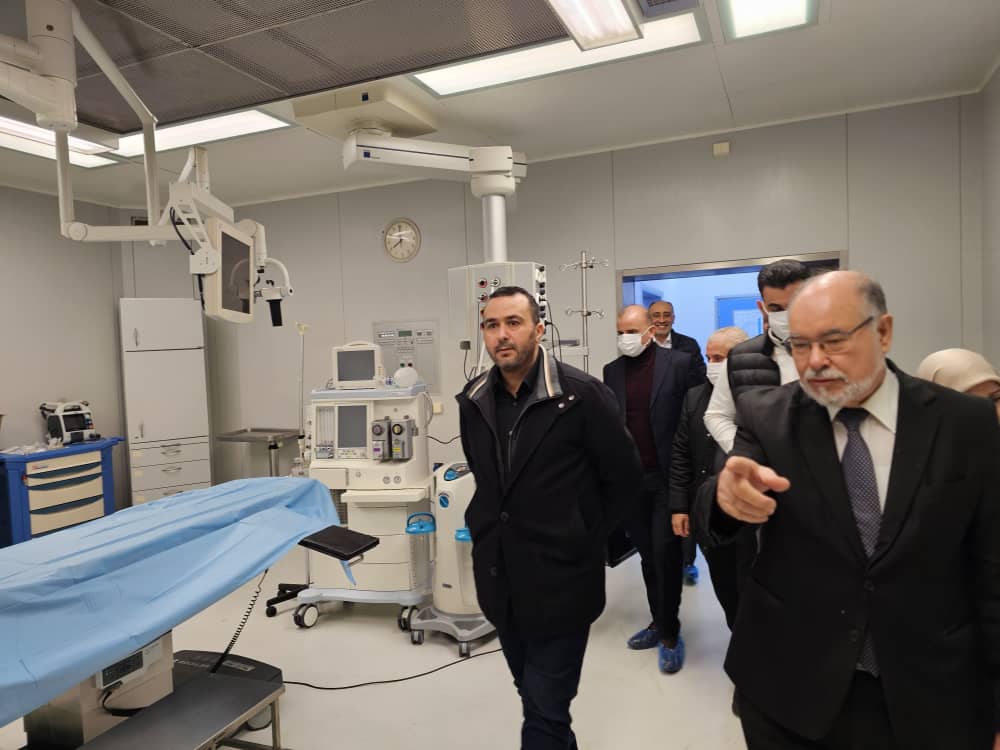
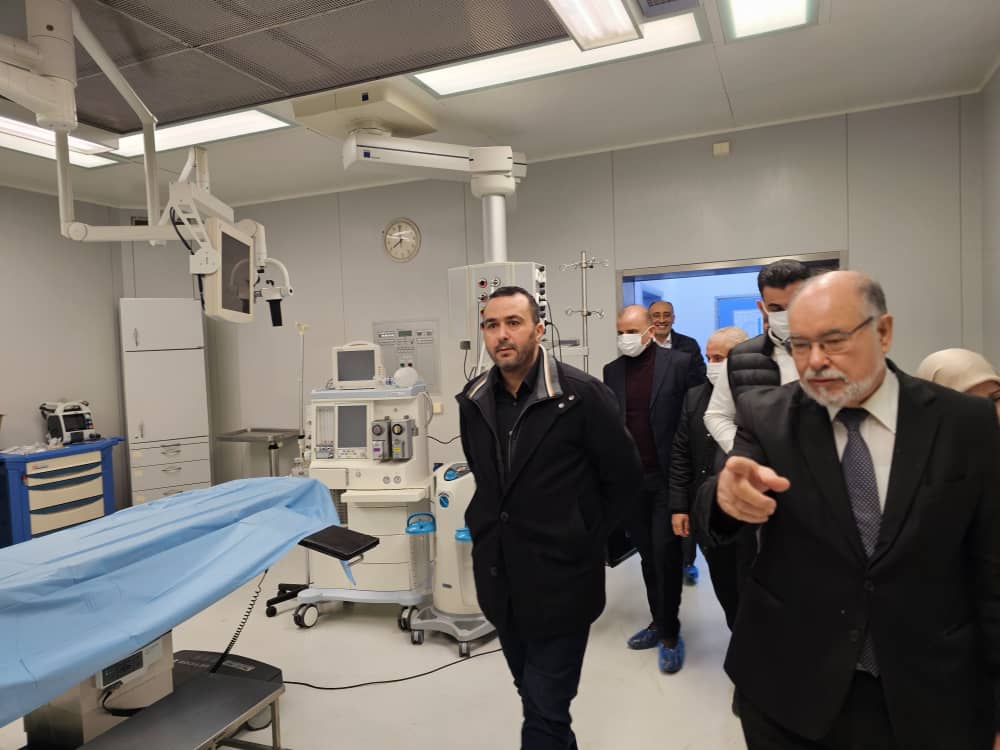
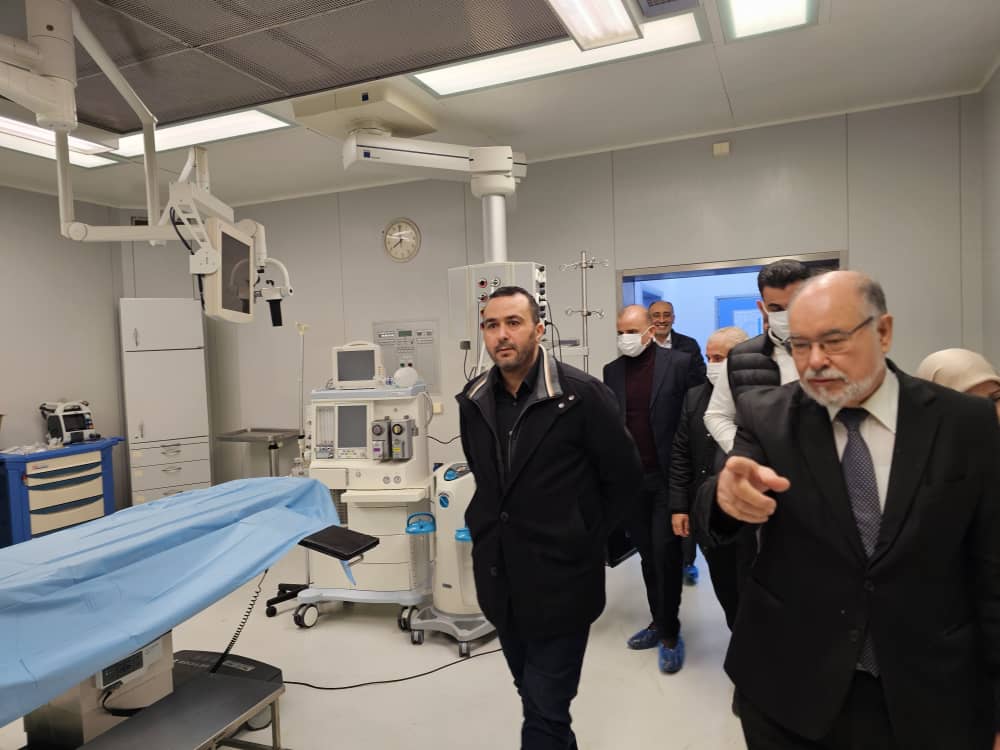
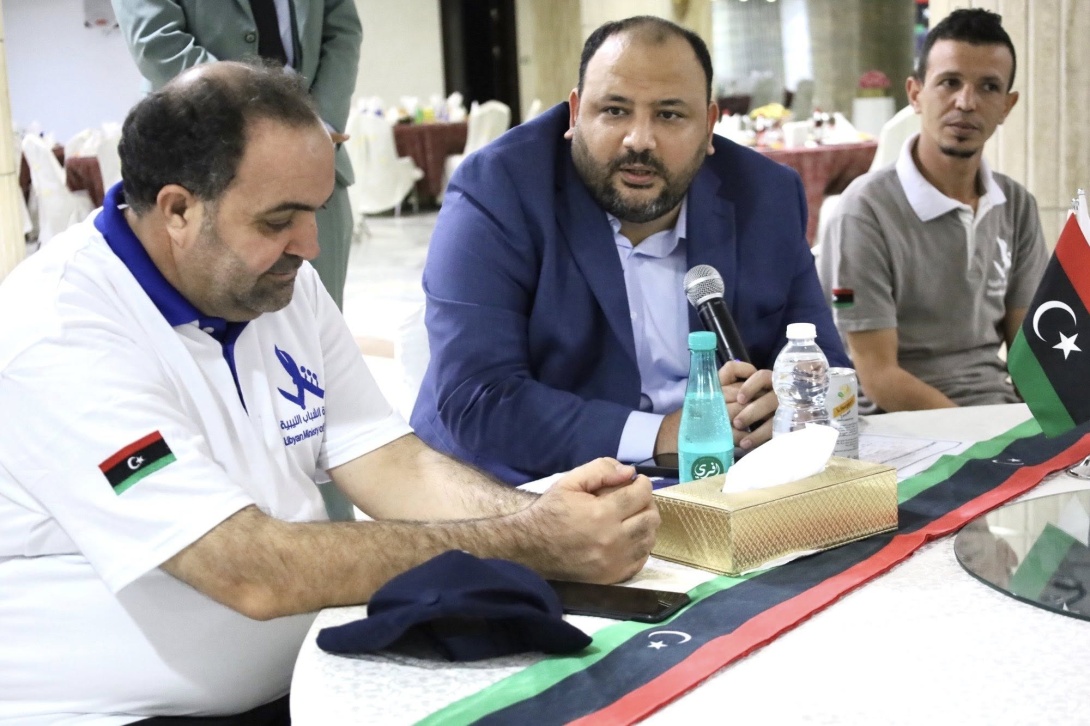
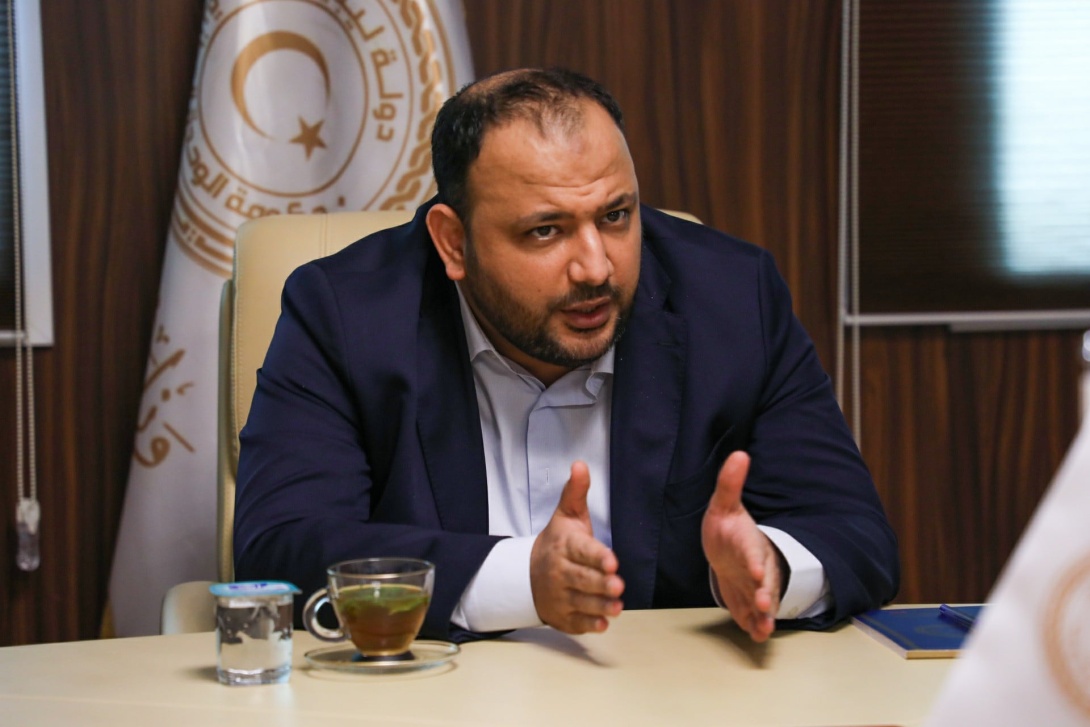
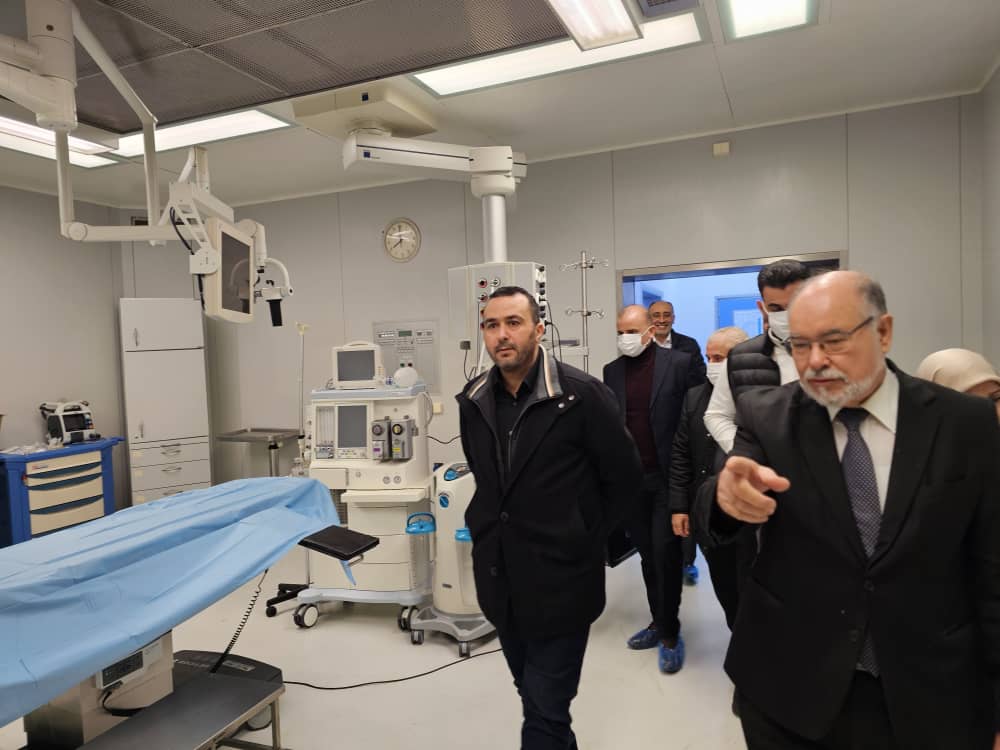
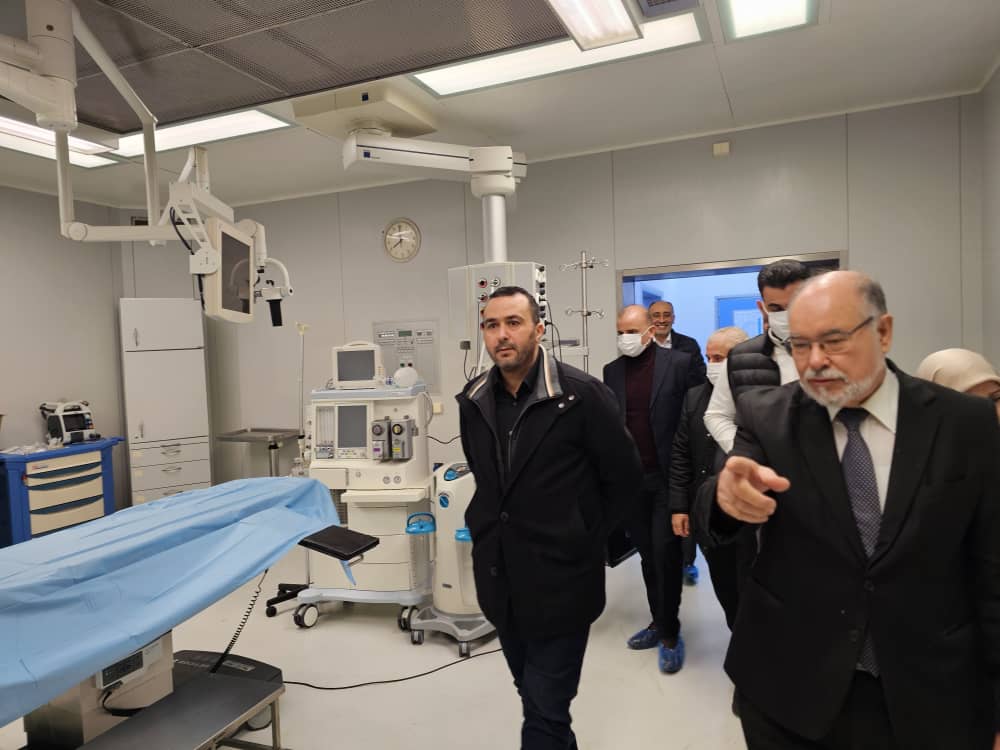
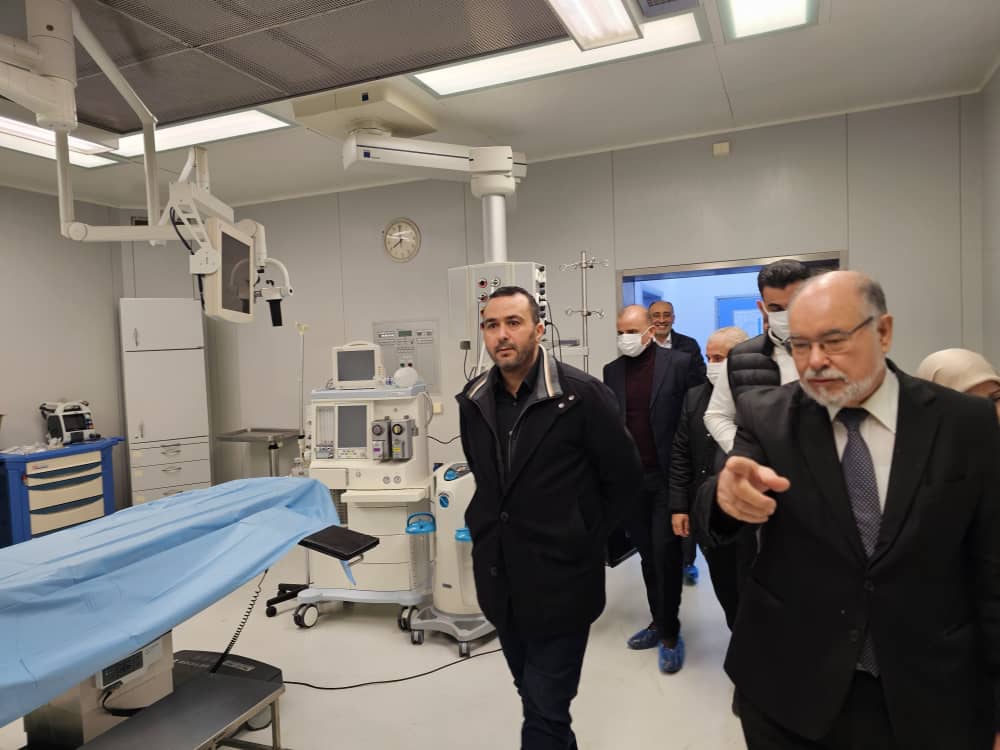
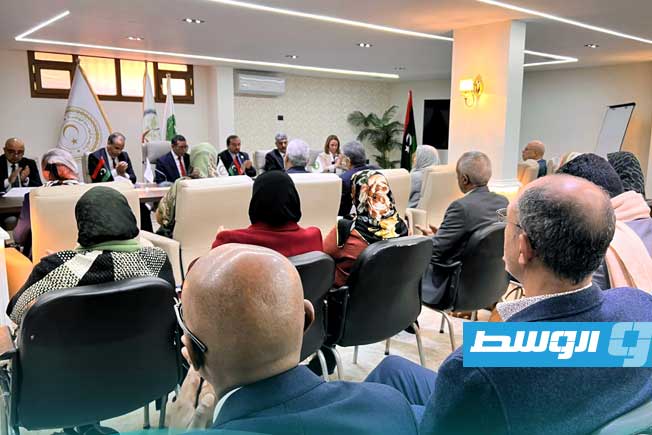
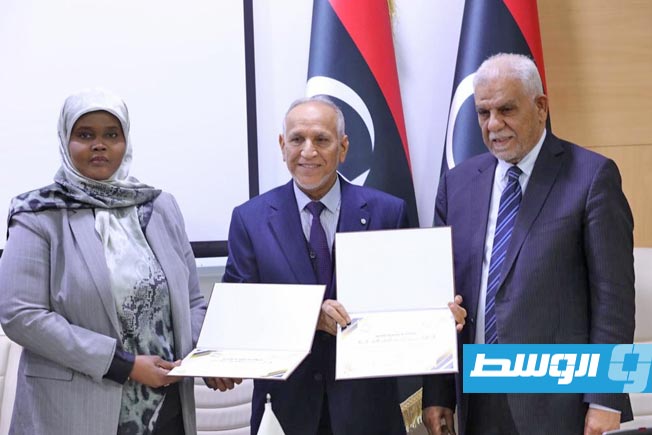
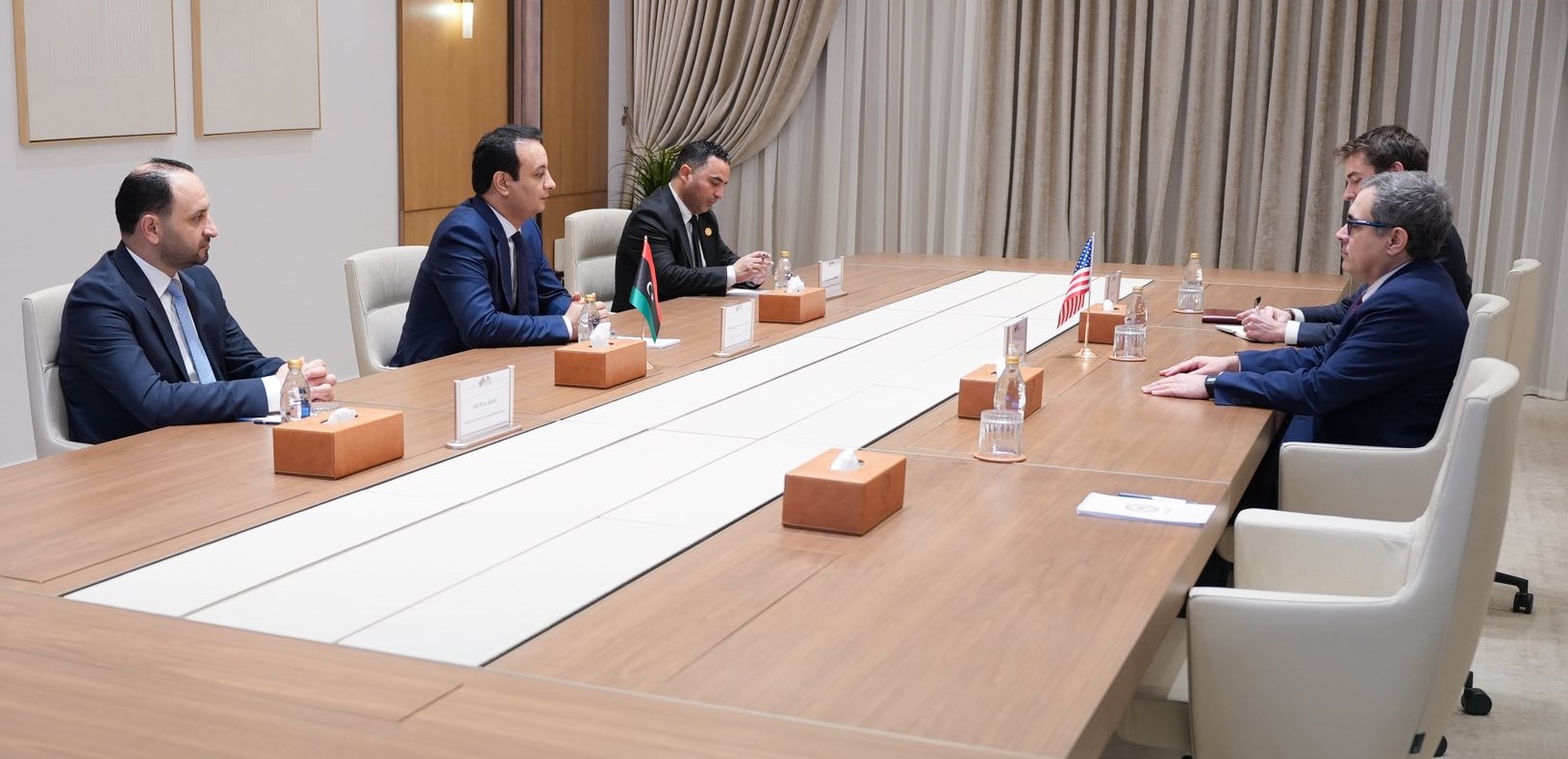
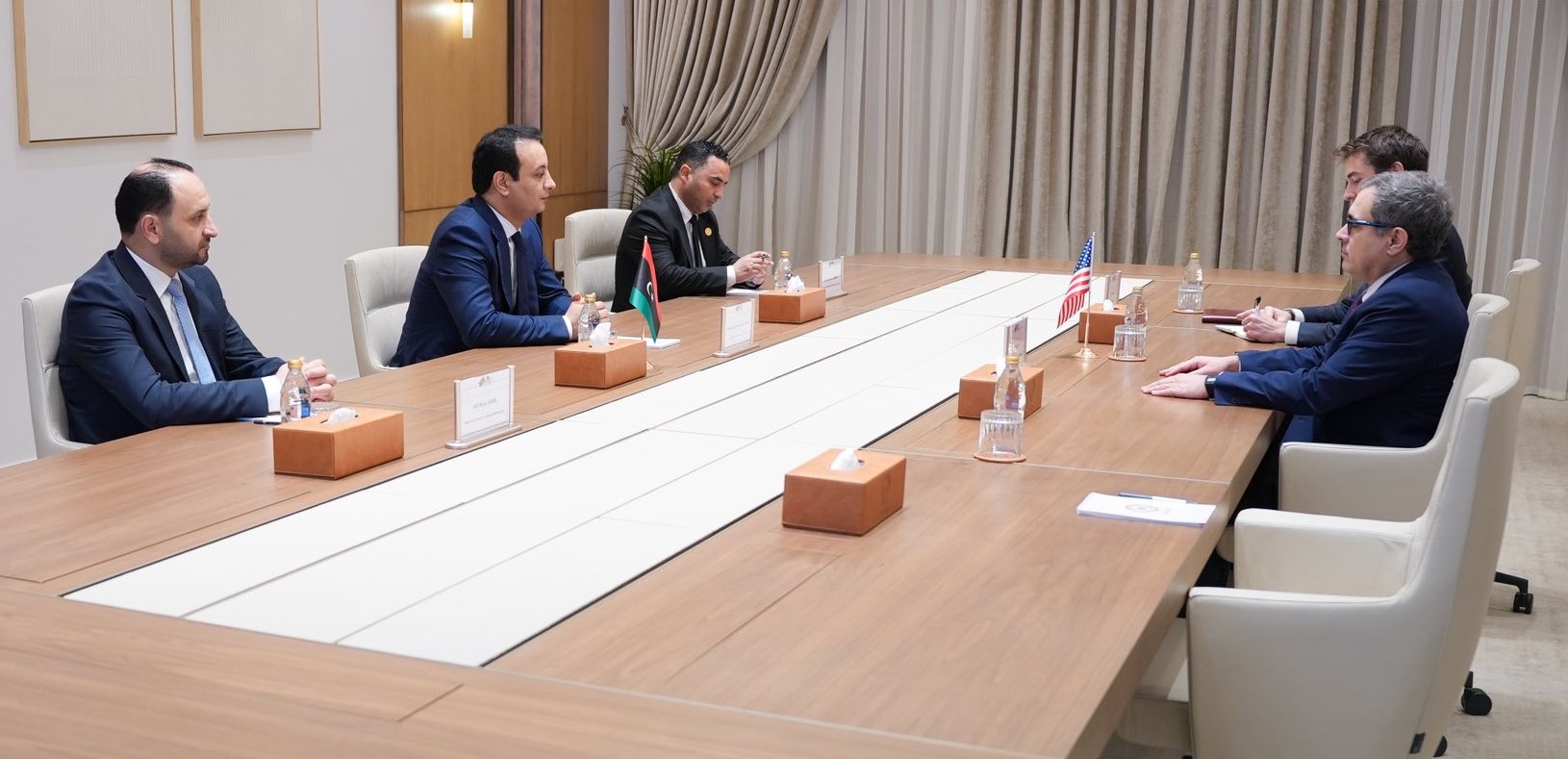
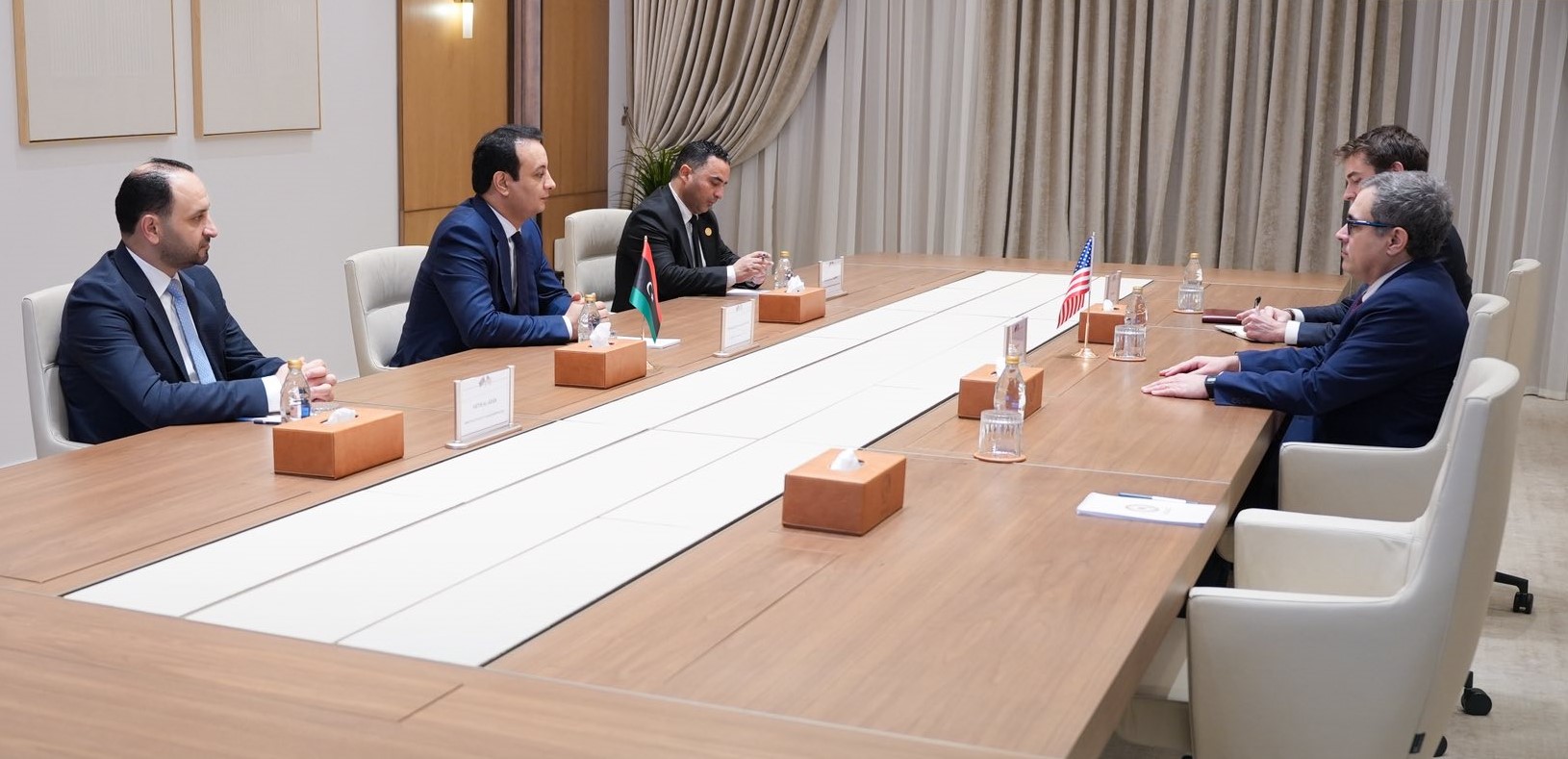
Tripoli, December 18, 2025 – The head of the Government of National Unity confirmed the government’s commitment to supporting mechanisms of joint Arab action in the health field and enhancing coordination and integration among Arab countries. This aims to contribute to the development of health systems and improve the level of services provided to citizens.
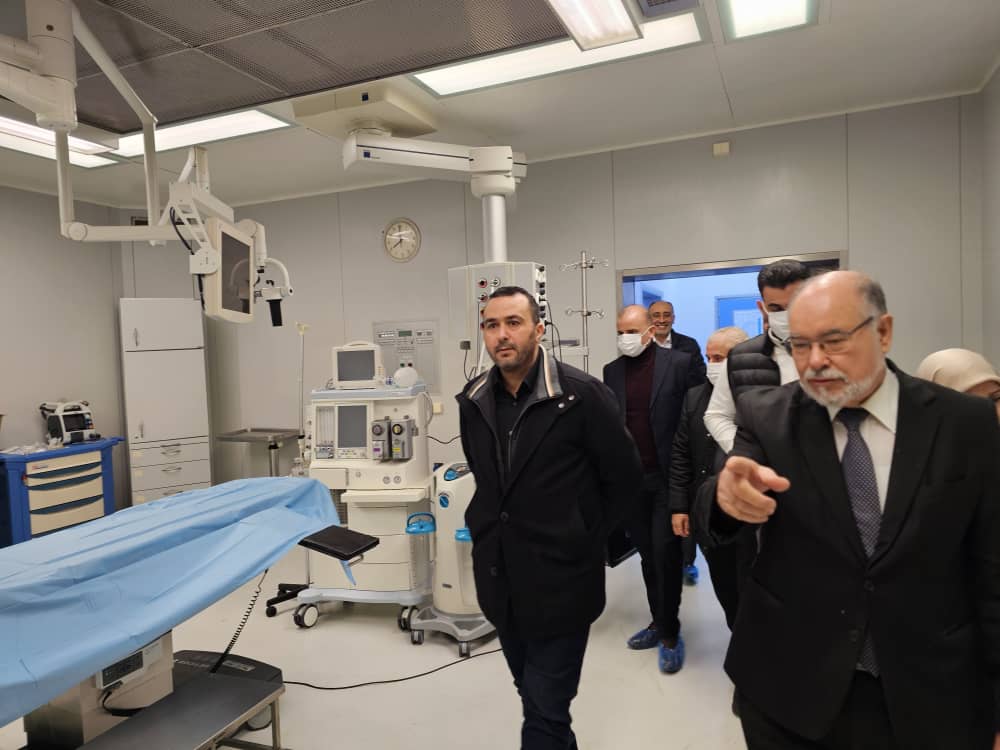
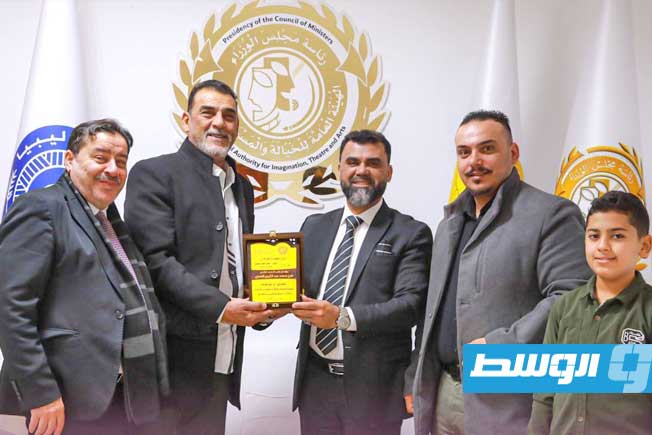
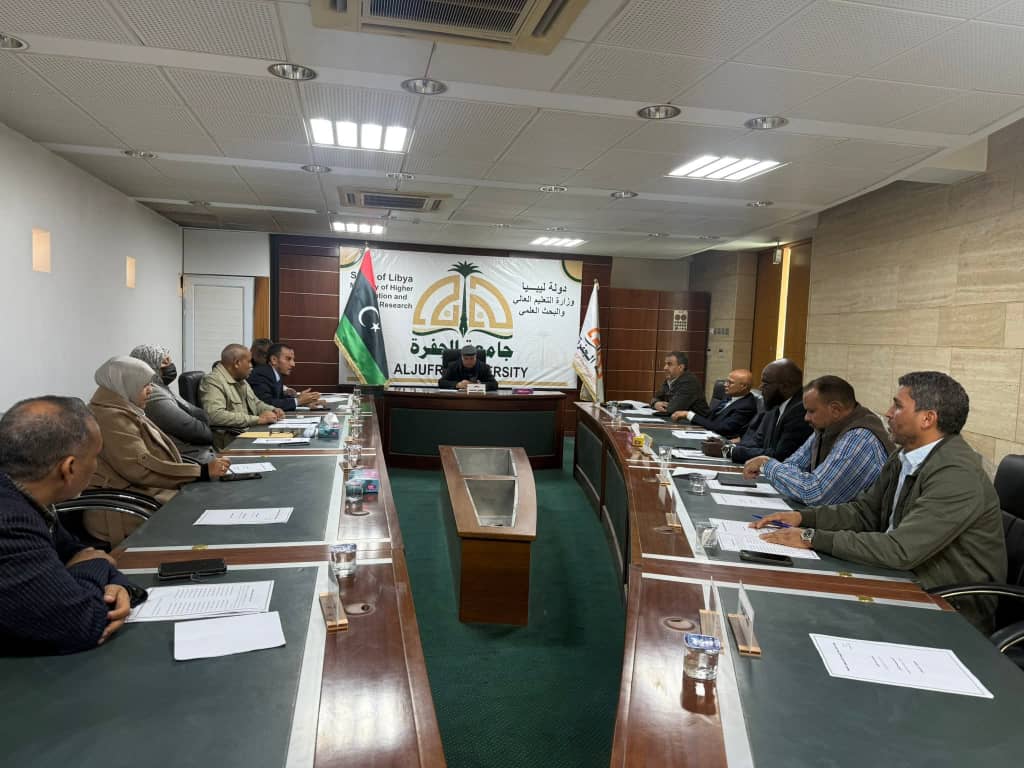
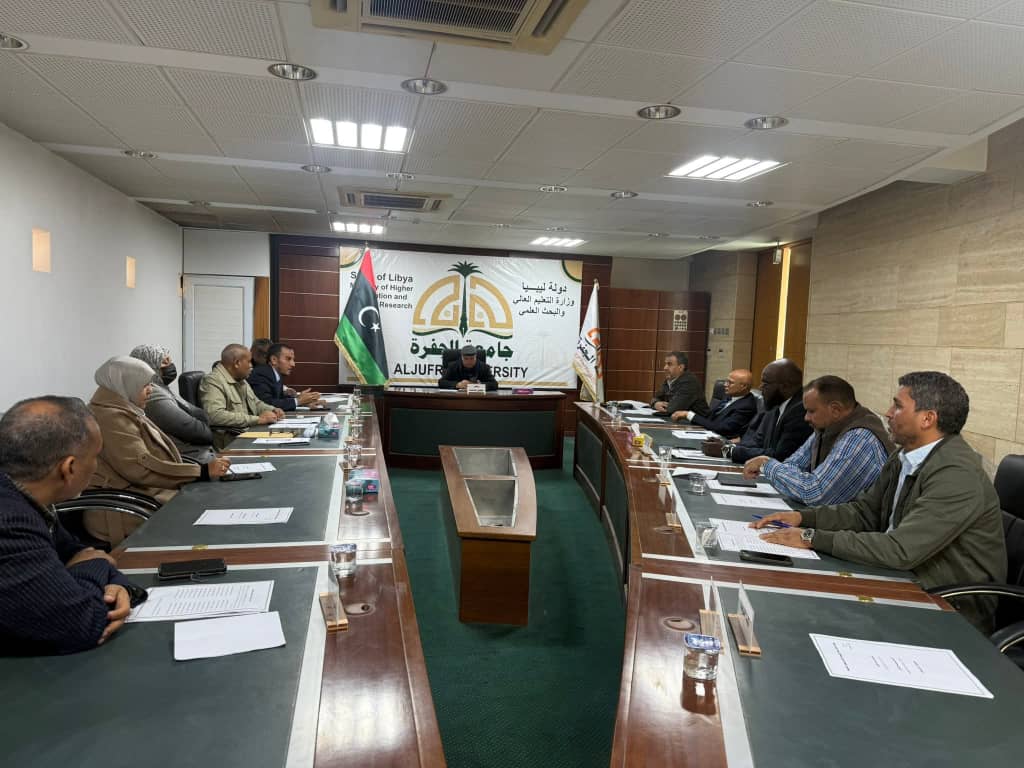
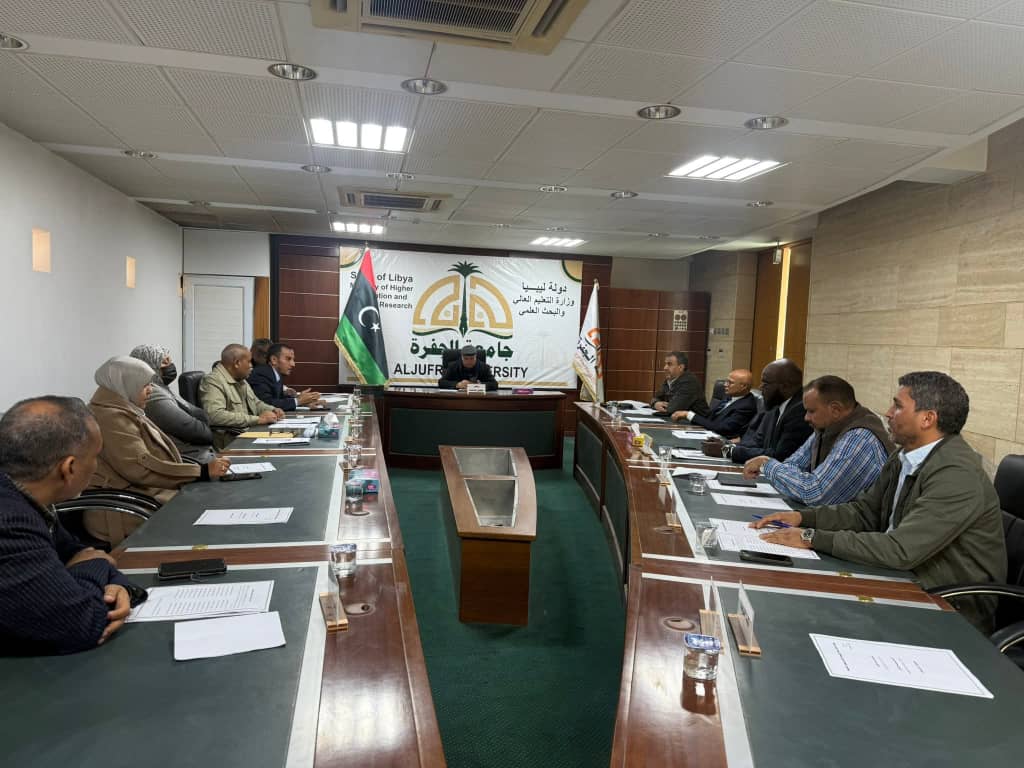
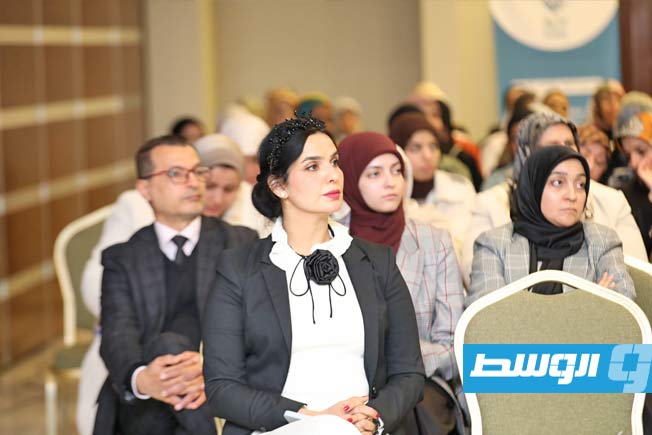
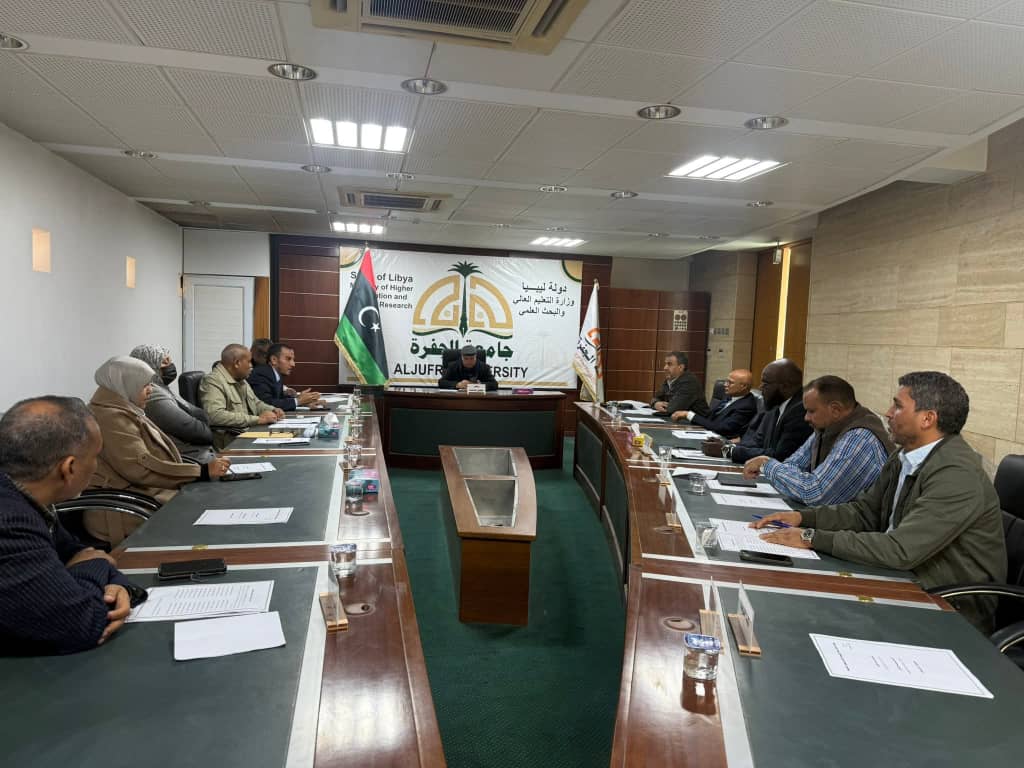
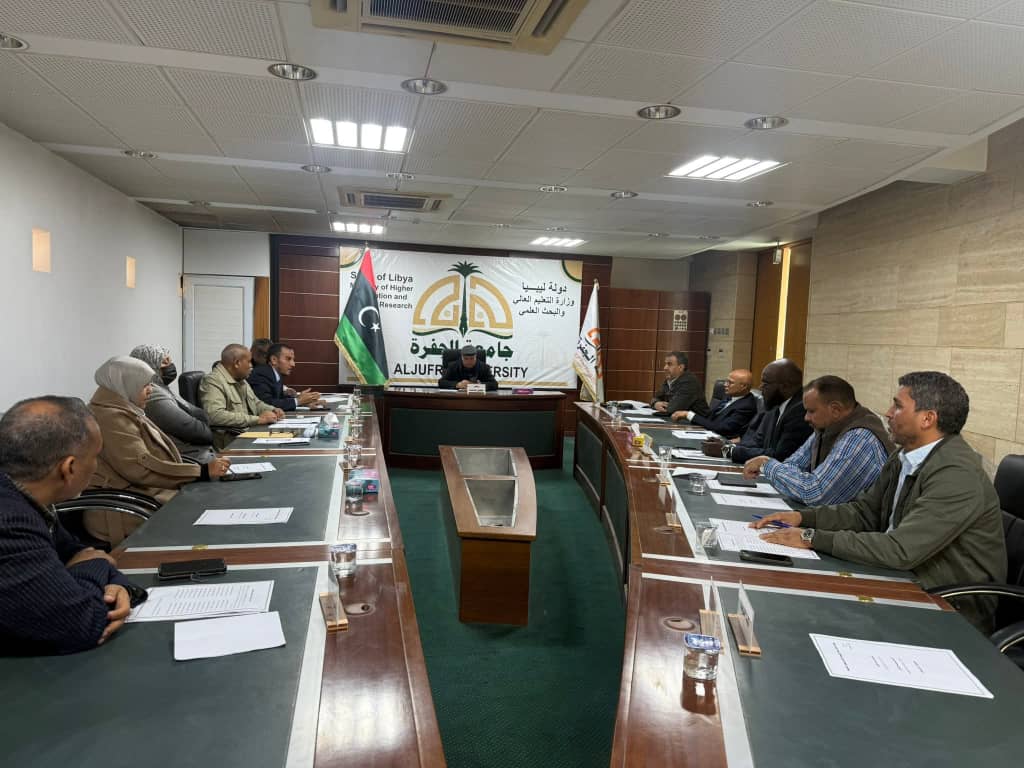
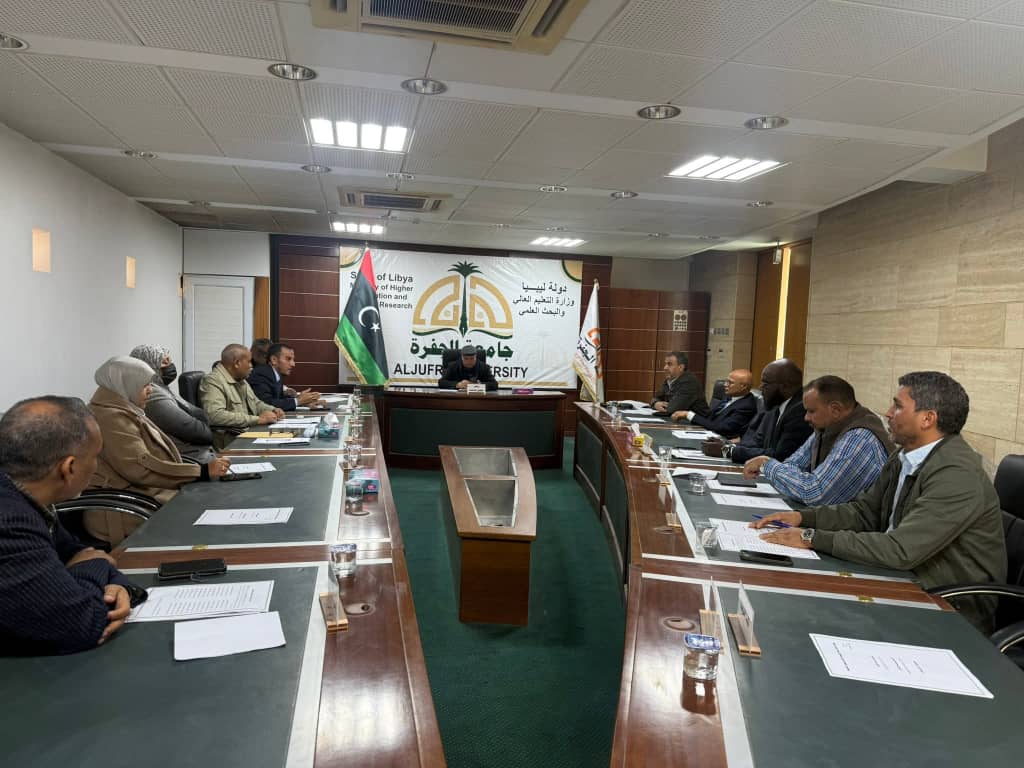
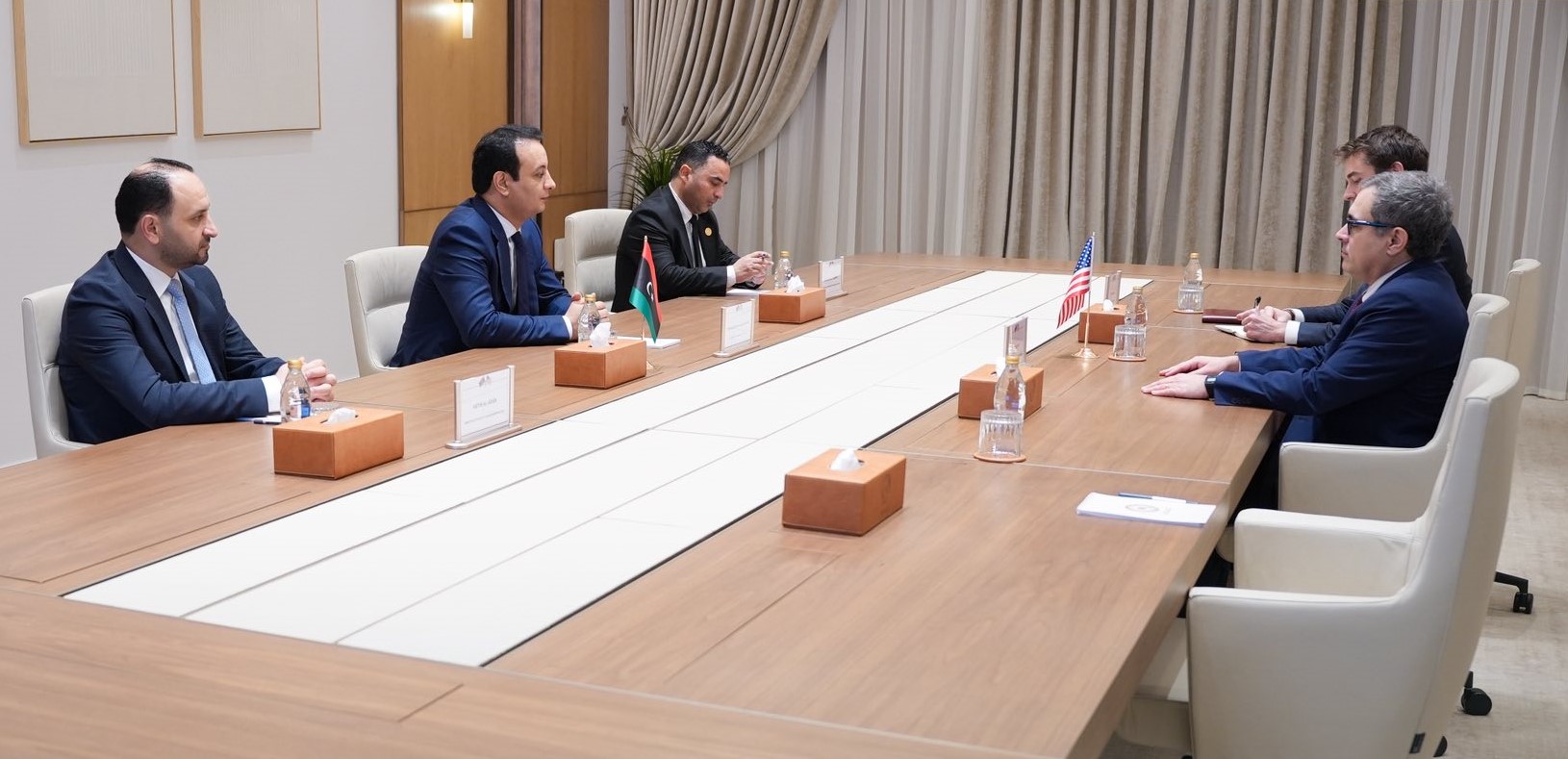
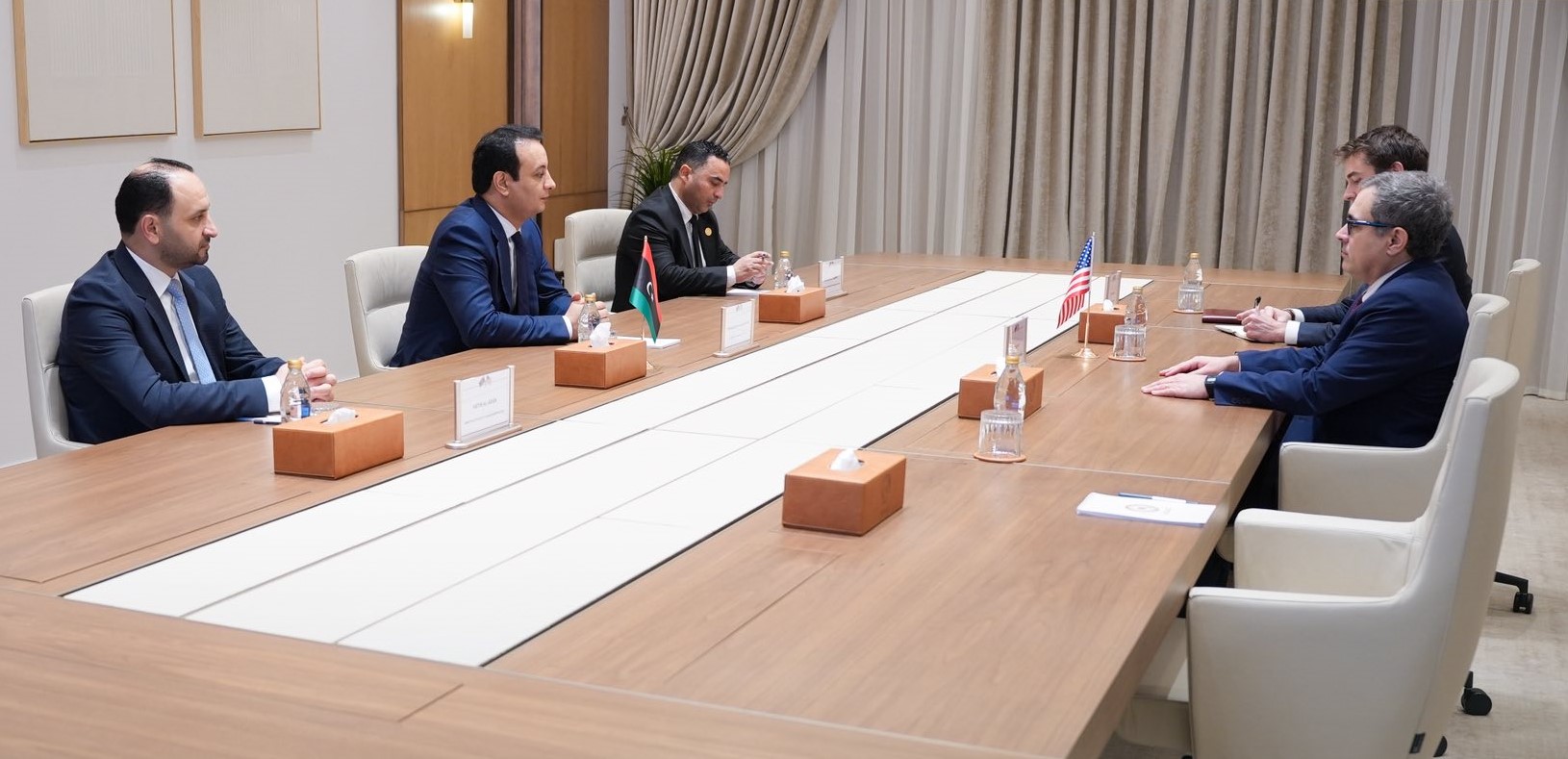
This came during his reception on Thursday at the Prime Minister’s Office in the capital, Tripoli, for the ministers participating in the meeting of the Council of Arab Health Ministers, which Libya is hosting as part of its 63rd regular session.
He pointed out the importance of unifying efforts to face common health challenges and enhancing the exchange of expertise and successful experiences among Arab countries. This supports the response to health emergencies and strengthens the foundations of regional cooperation.
Tripoli
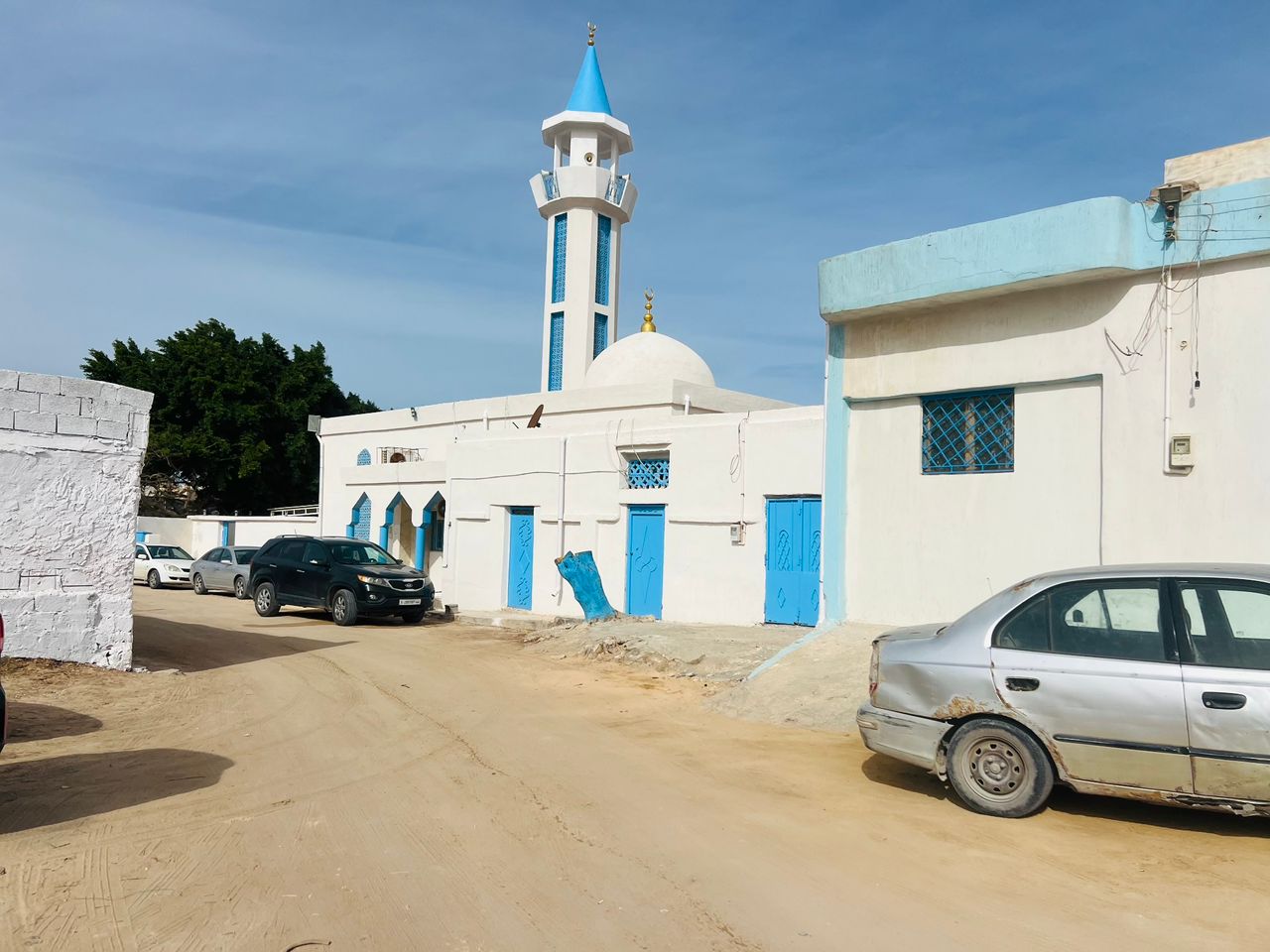
Tripoli is the capital and largest city of Libya, located on the country’s Mediterranean coast. Historically, it was founded by the Phoenicians in the 7th century BC and later became a significant Roman city, with its old medina core reflecting centuries of influence from Arab, Ottoman, and Italian rule.
Government of National Unity
The Government of National Unity (GNU) is a term most notably applied to the post-apartheid coalition government in South Africa, formed in 1994 following the country’s first multiracial elections. Led by Nelson Mandela as President, it brought together the African National Congress, the National Party, and the Inkatha Freedom Party to oversee the transition from minority rule to a multiracial democracy.
Prime Minister’s Office
The Prime Minister’s Office is the central executive and administrative headquarters of the government, typically housing the head of government and their senior staff. Its history is tied to the development of the modern cabinet system of government, evolving from the private offices of chief ministers into a formal institution coordinating national policy and administration.
Council of Arab Health Ministers
The Council of Arab Health Ministers is a specialized organization within the Arab League, established to coordinate and unify health policies and strategies among its member states. Its history is rooted in pan-Arab cooperation, focusing on improving public health, combating diseases, and facilitating joint action on regional health challenges.
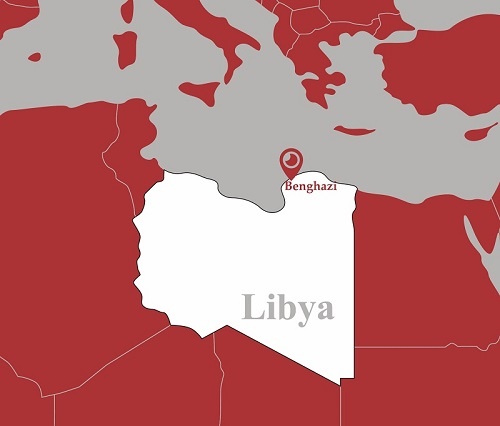
Libya
Libya is a North African country with a rich history rooted in ancient civilizations like the Phoenicians and Romans, followed by centuries of Arab and Ottoman influence. In the modern era, it was an Italian colony before gaining independence in 1951, later becoming known for Muammar Gaddafi’s lengthy rule from 1969 until the 2011 revolution. The country is home to UNESCO World Heritage sites, such as the ruins of Leptis Magna, which showcase its significant classical past.