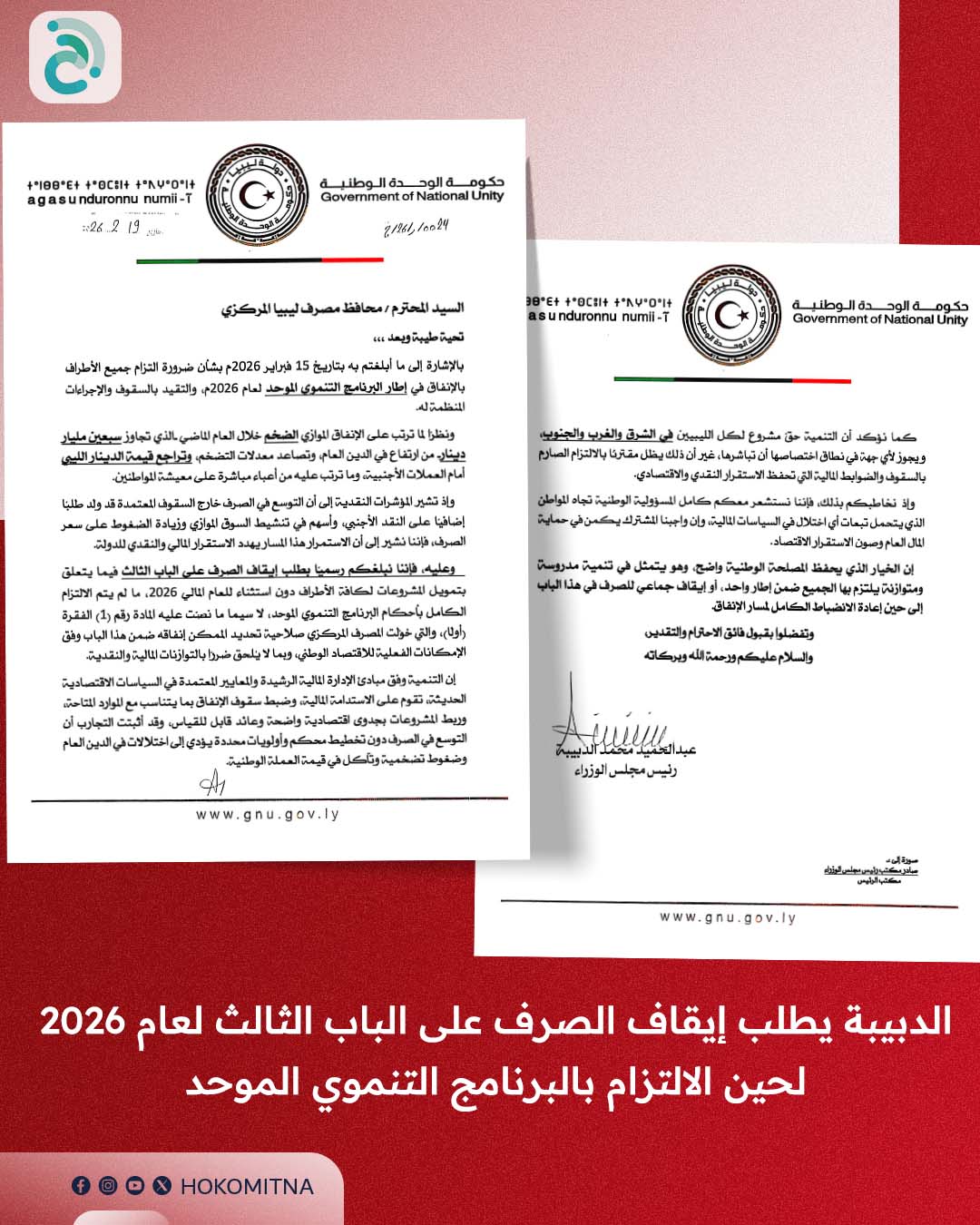
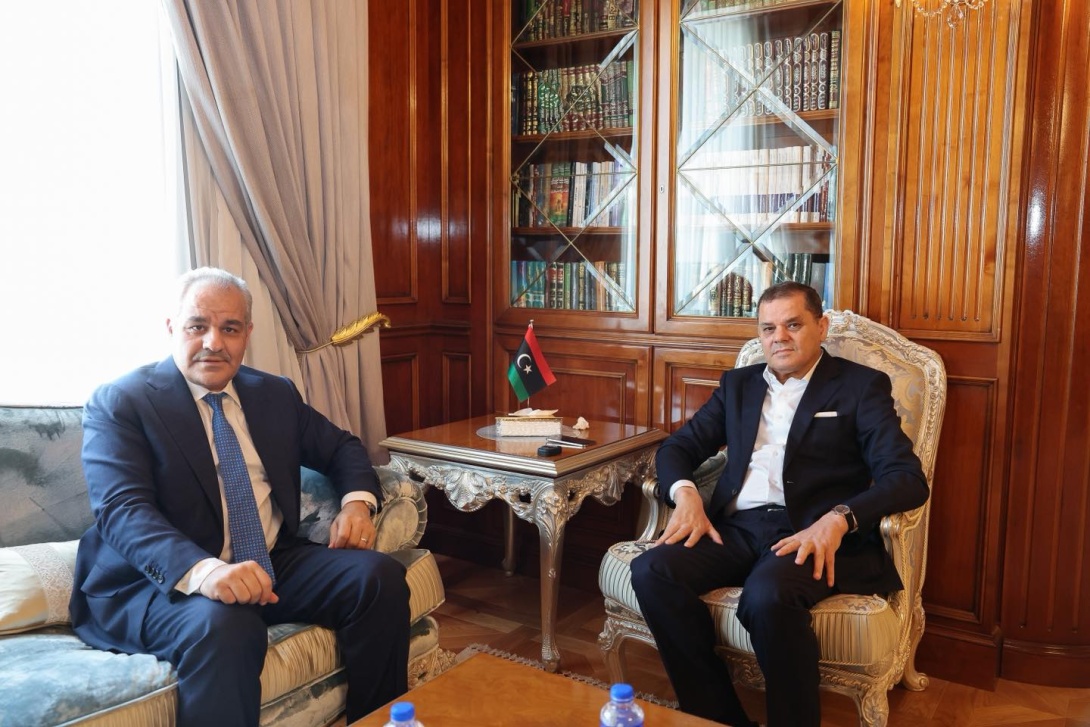
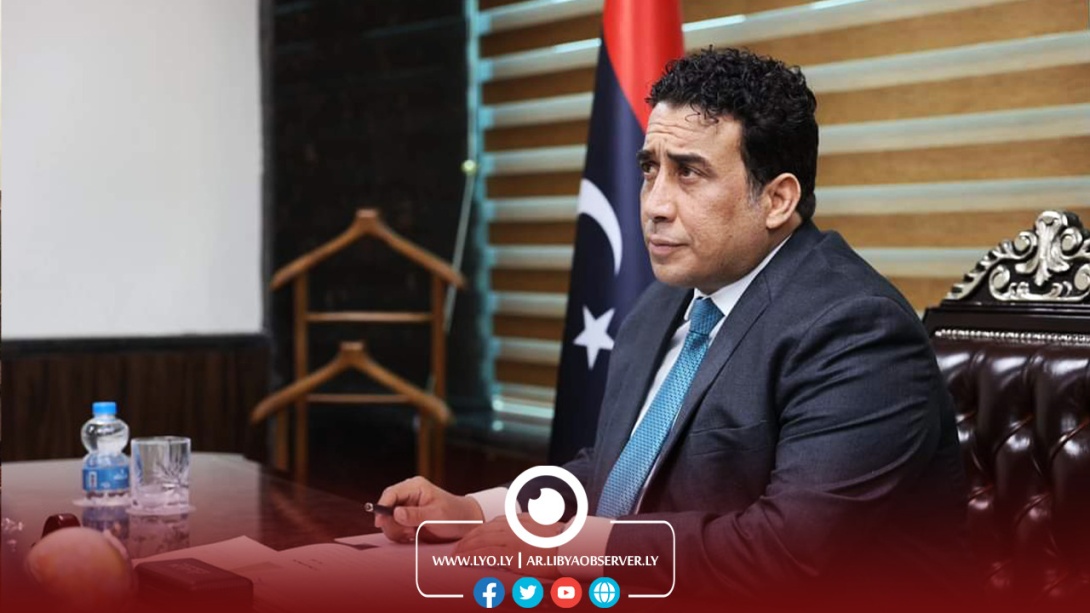
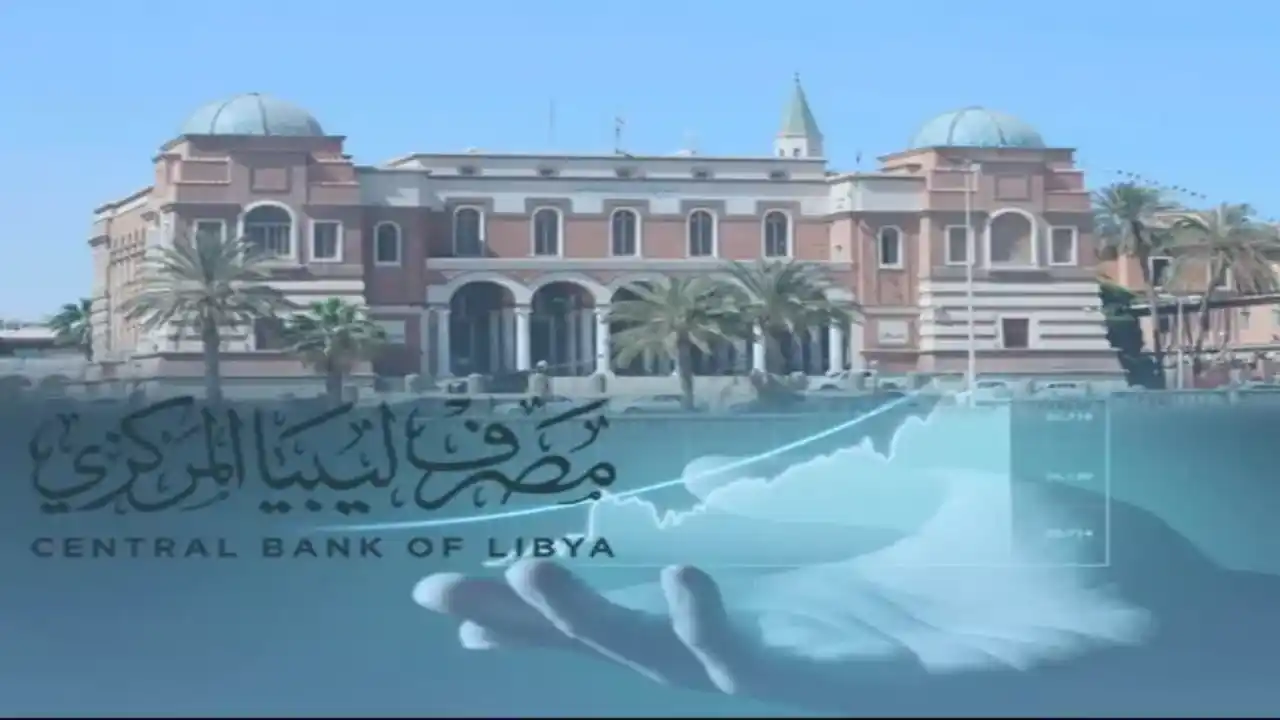
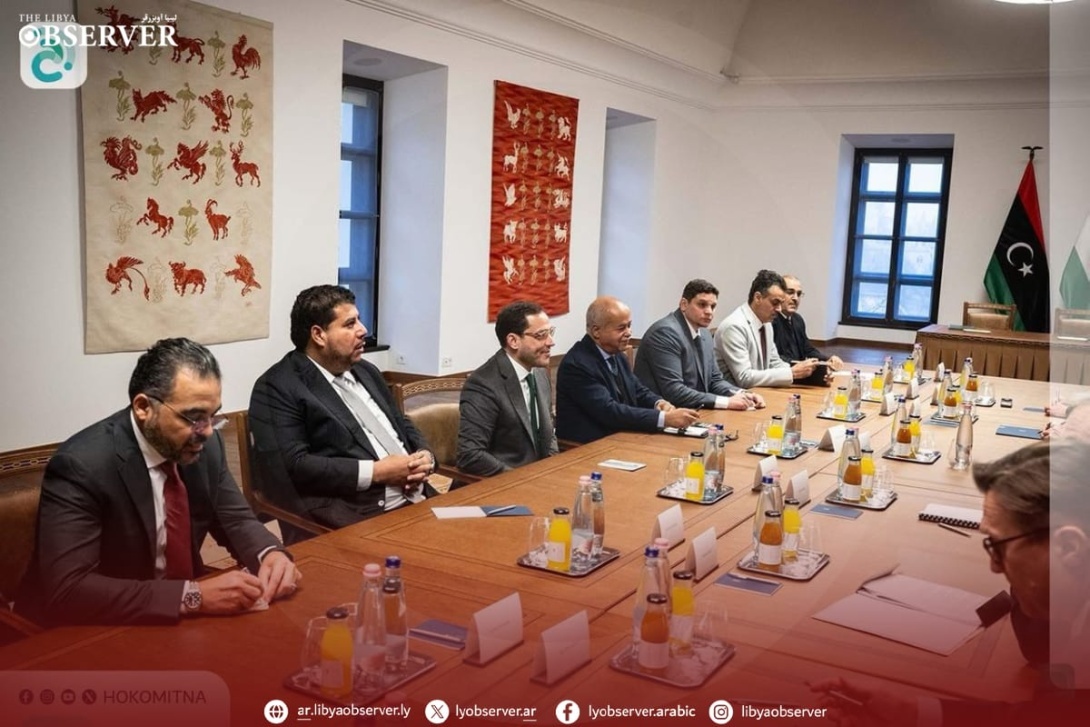
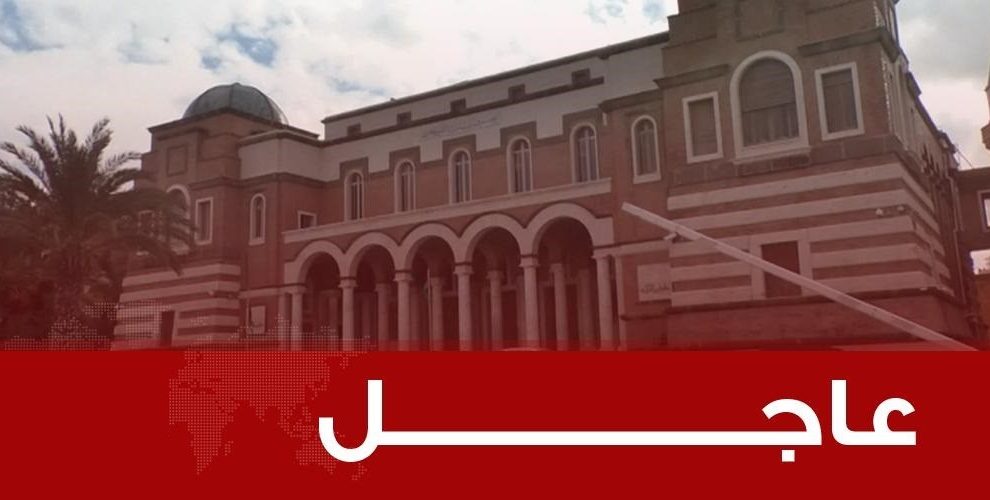
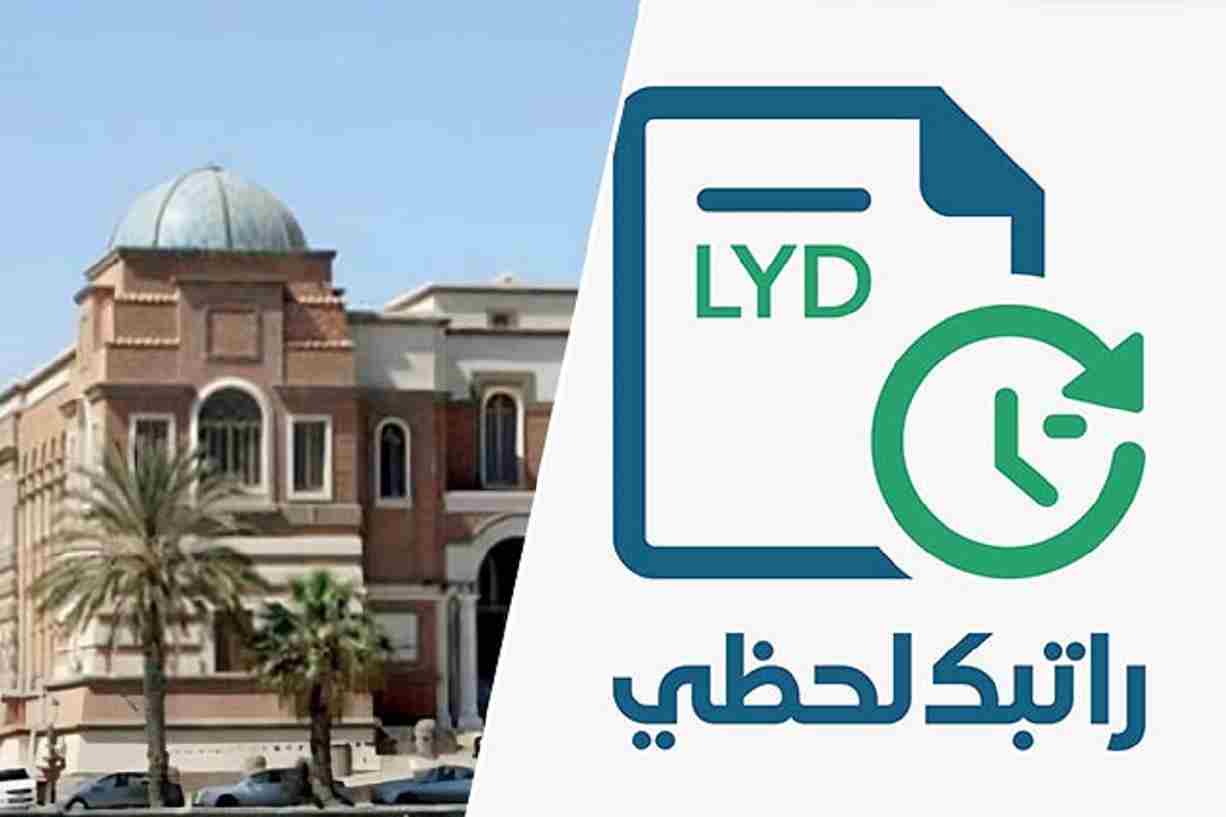
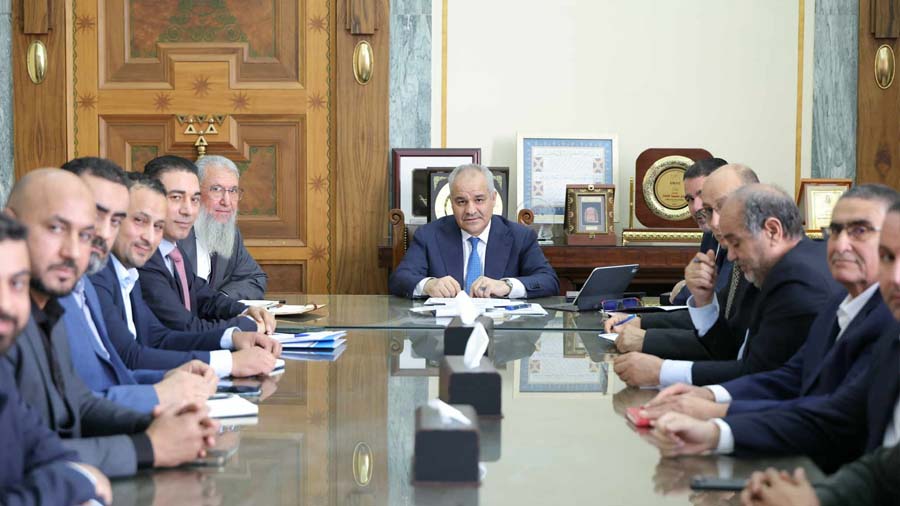
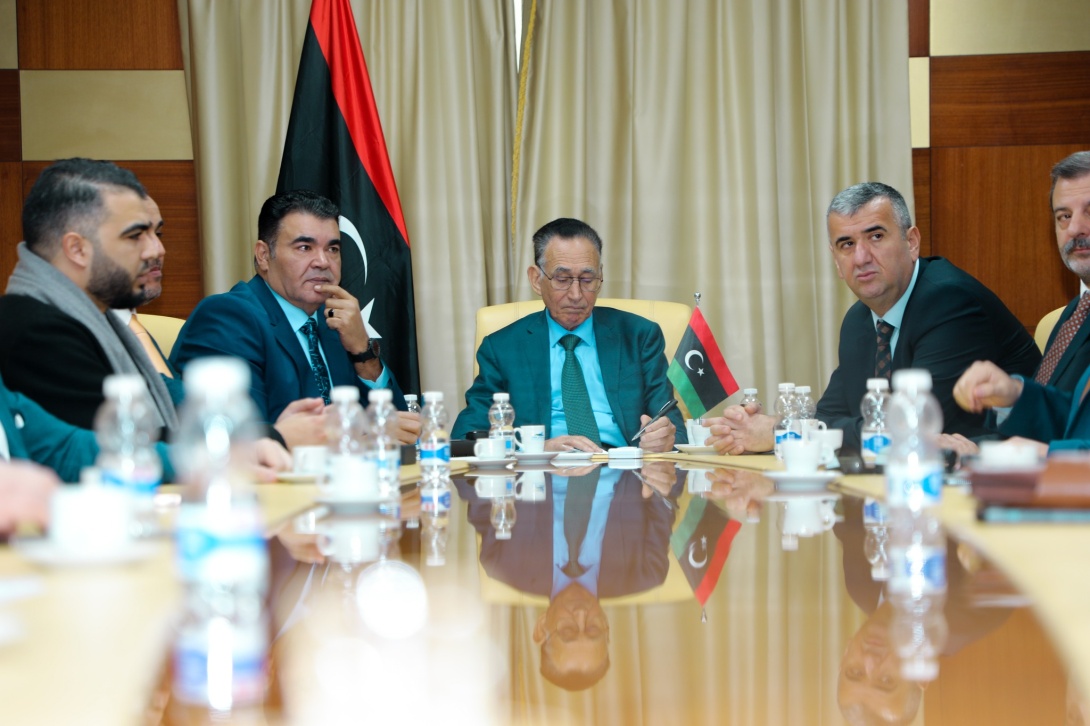
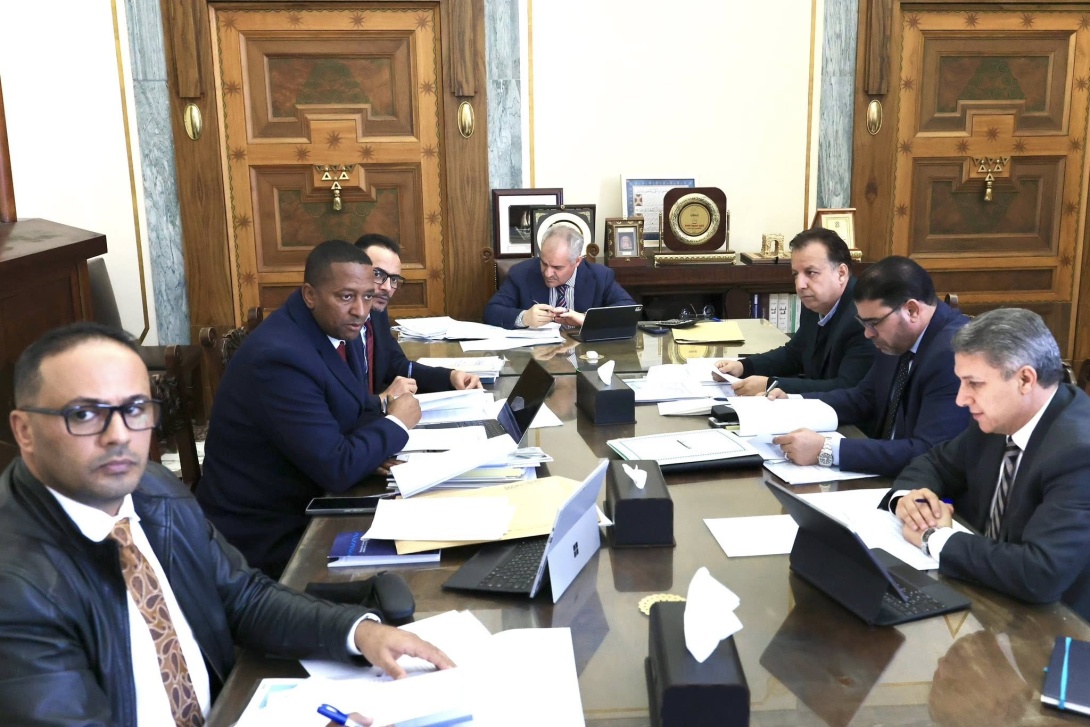
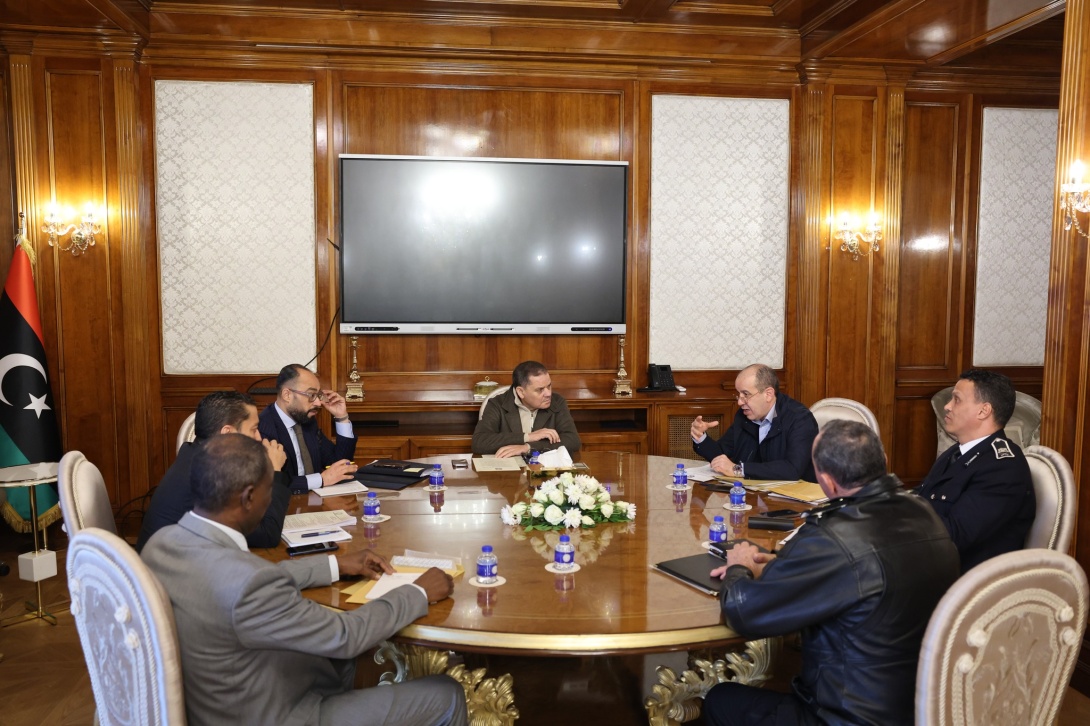
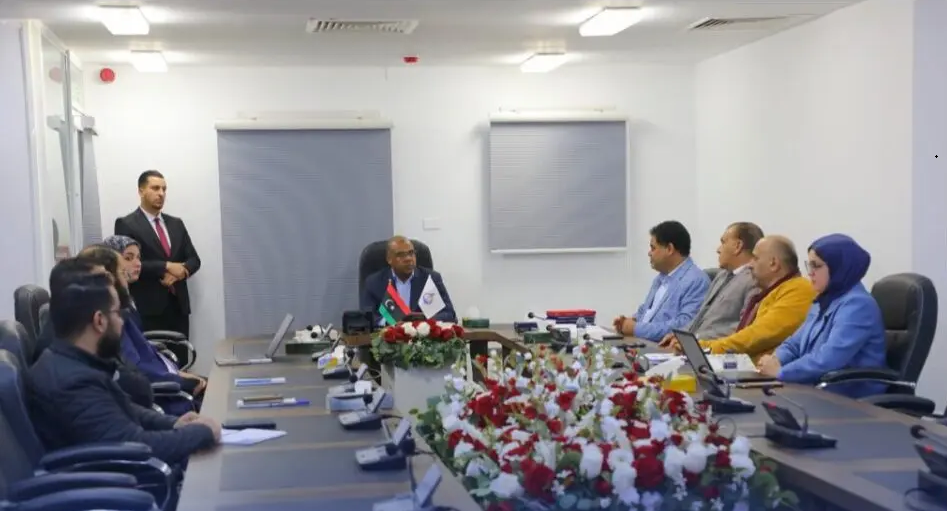
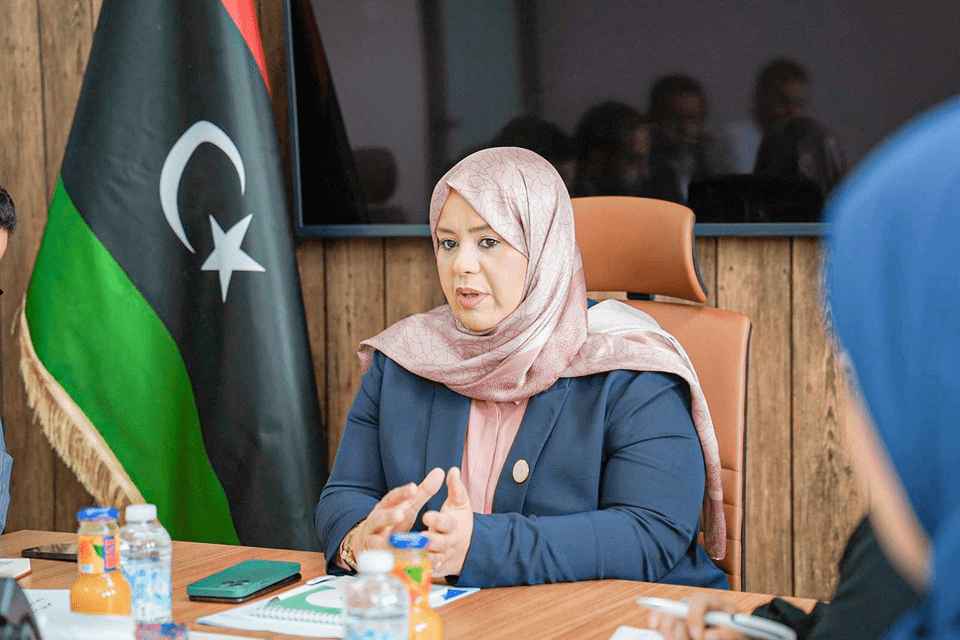
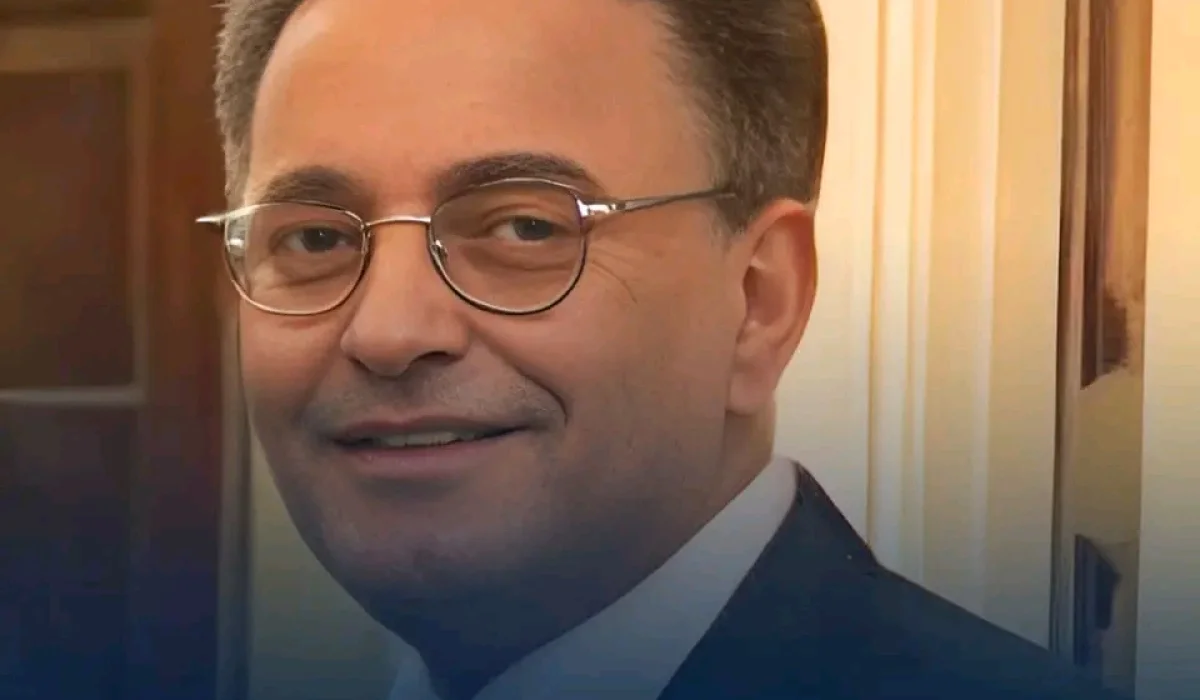
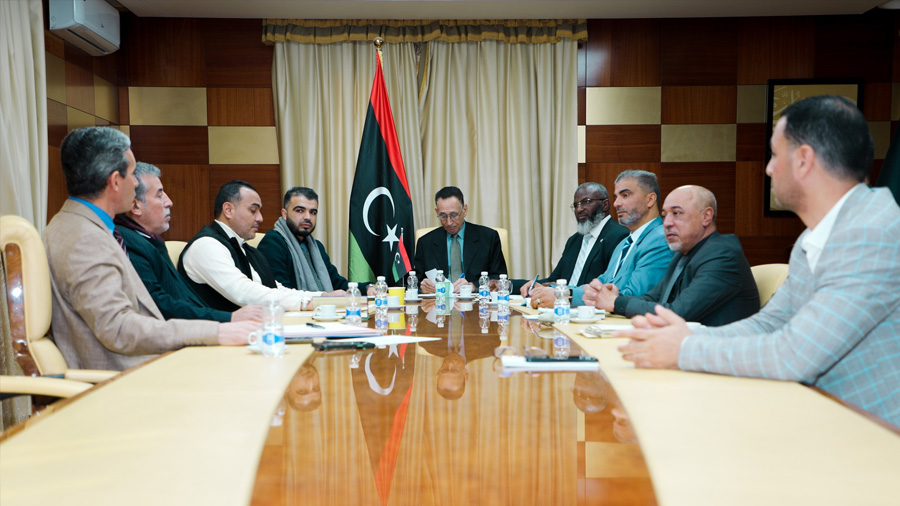
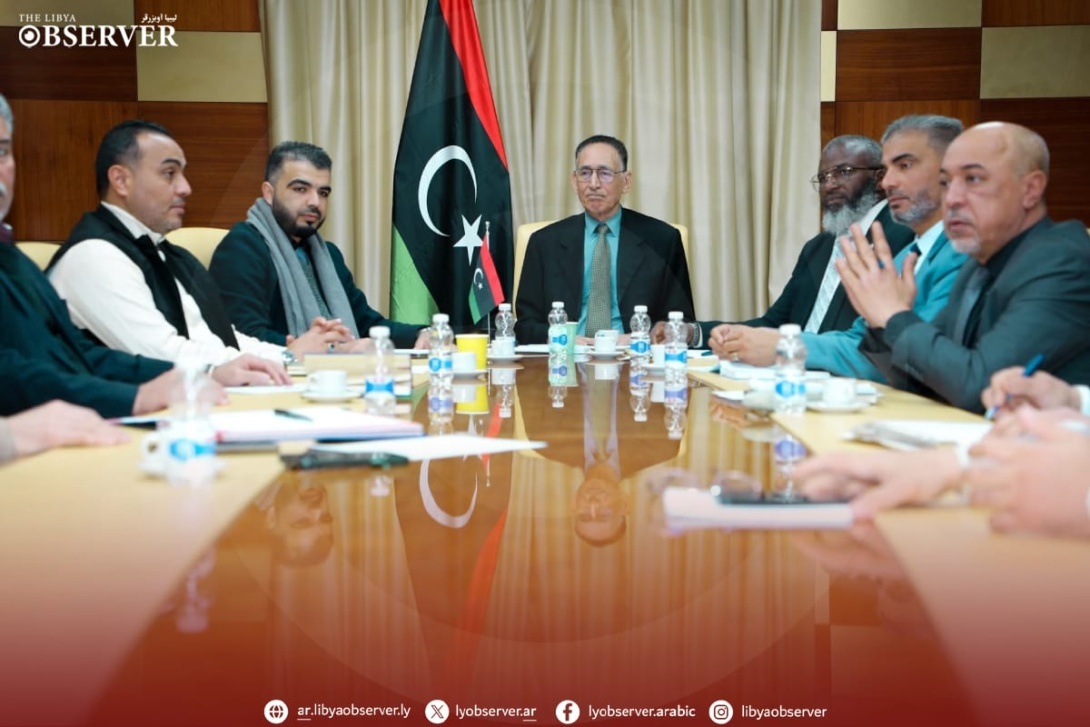
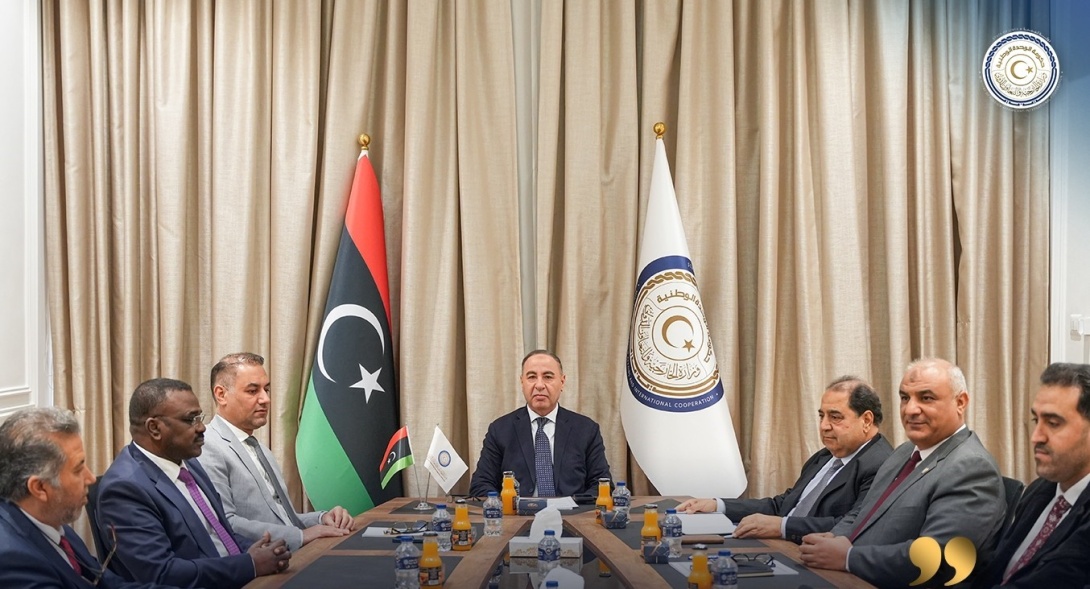
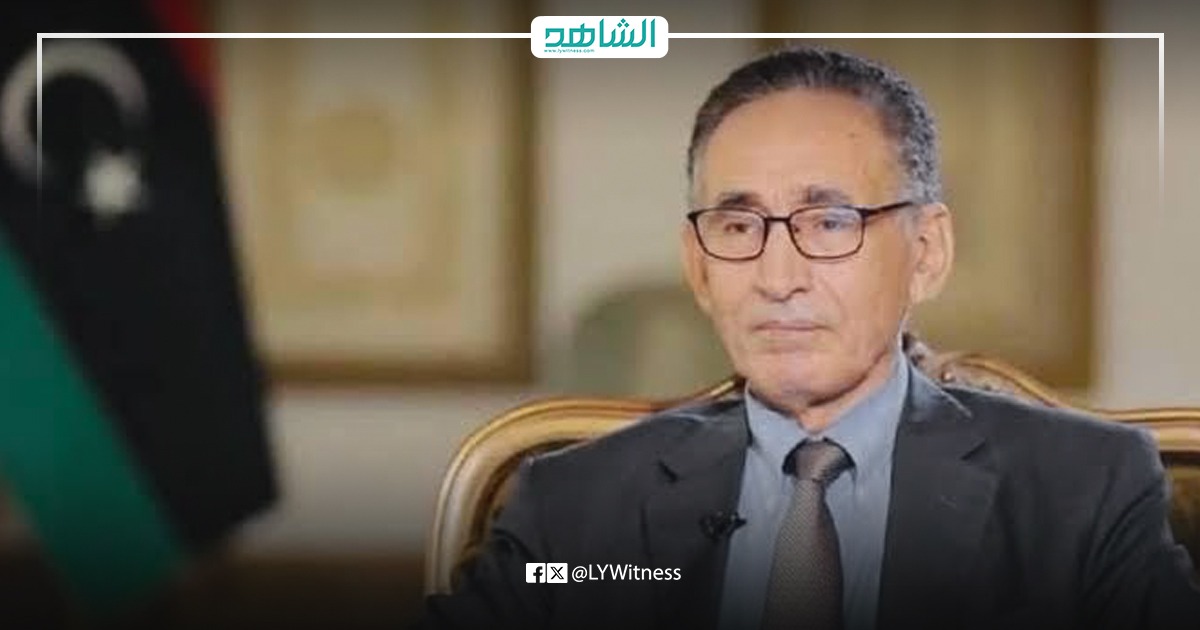
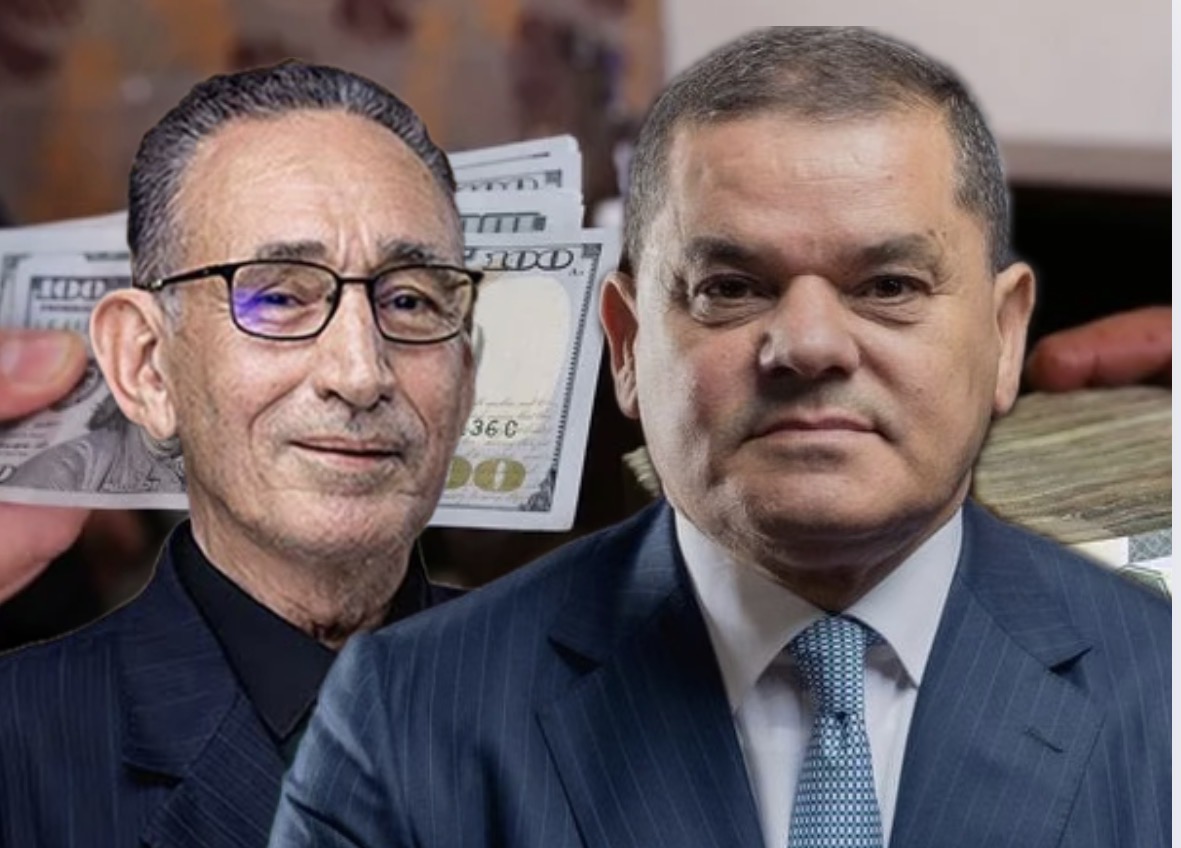
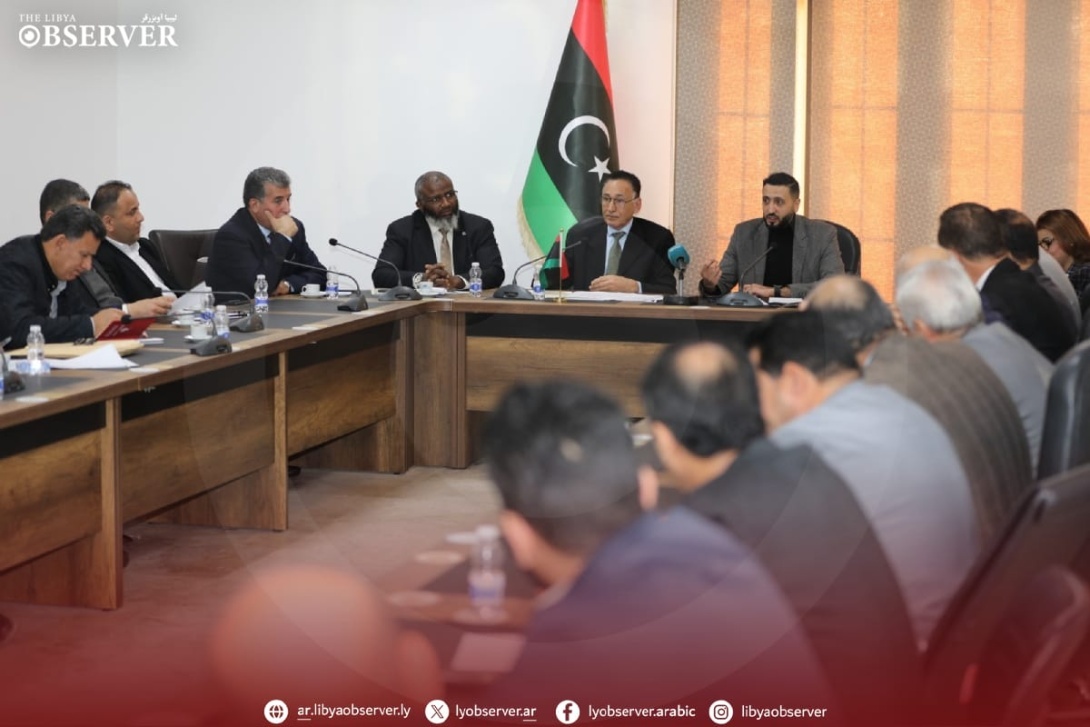
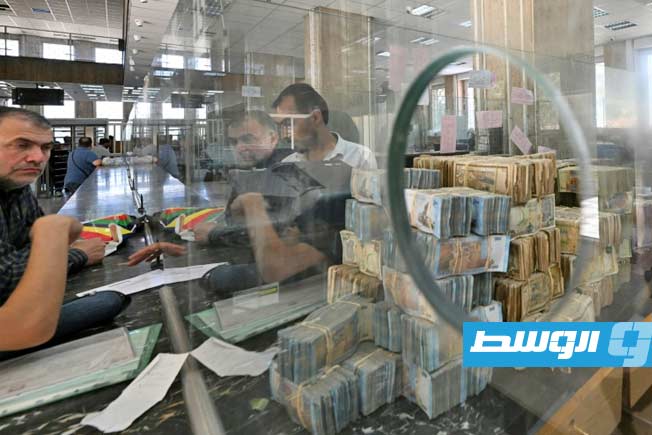
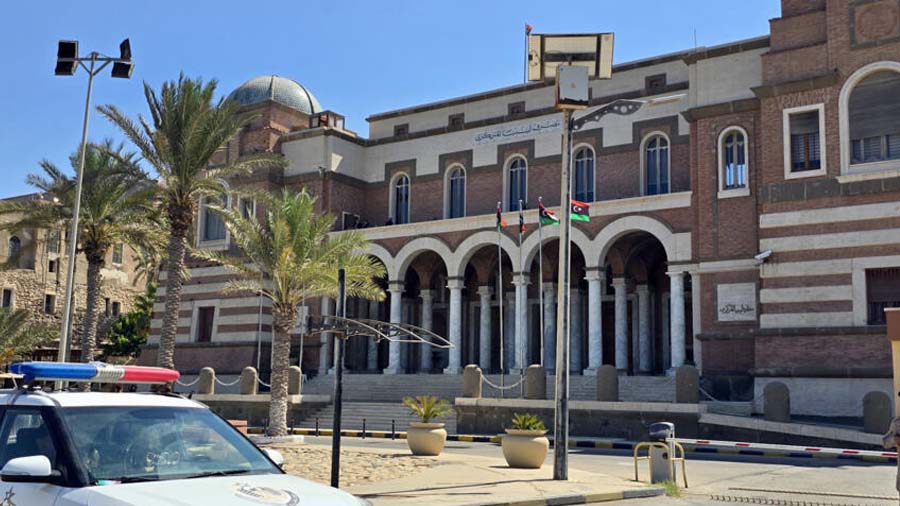
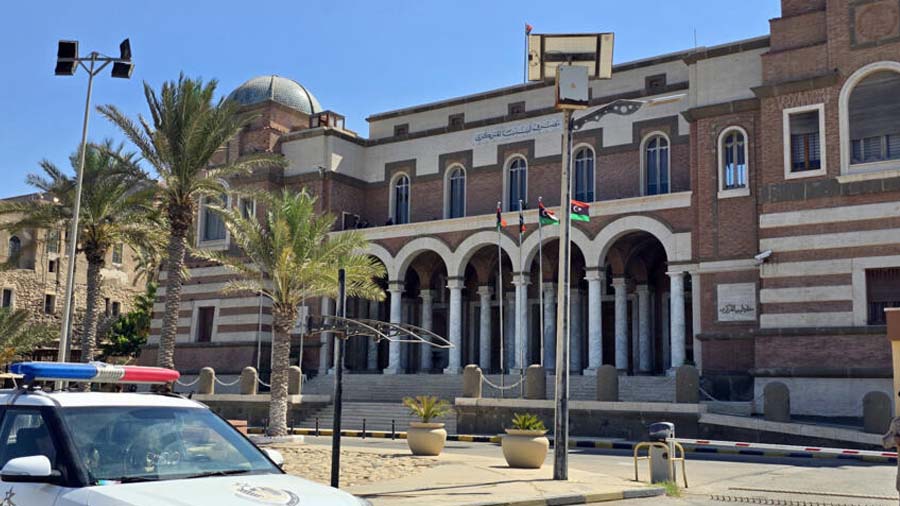
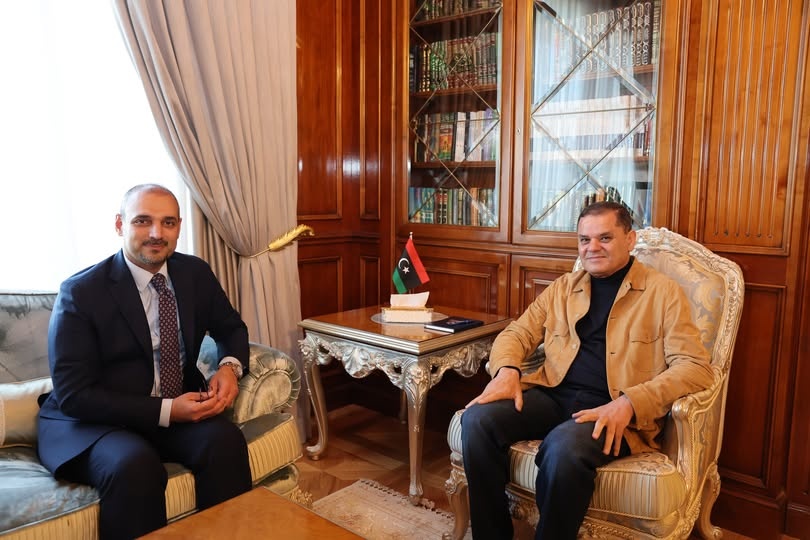
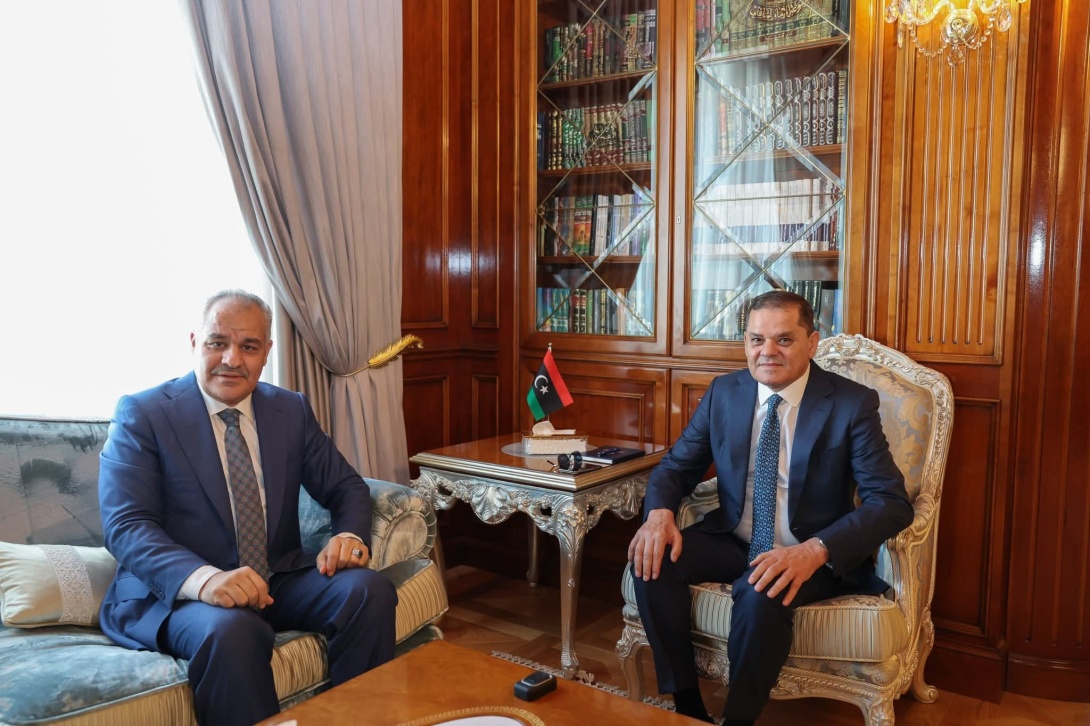
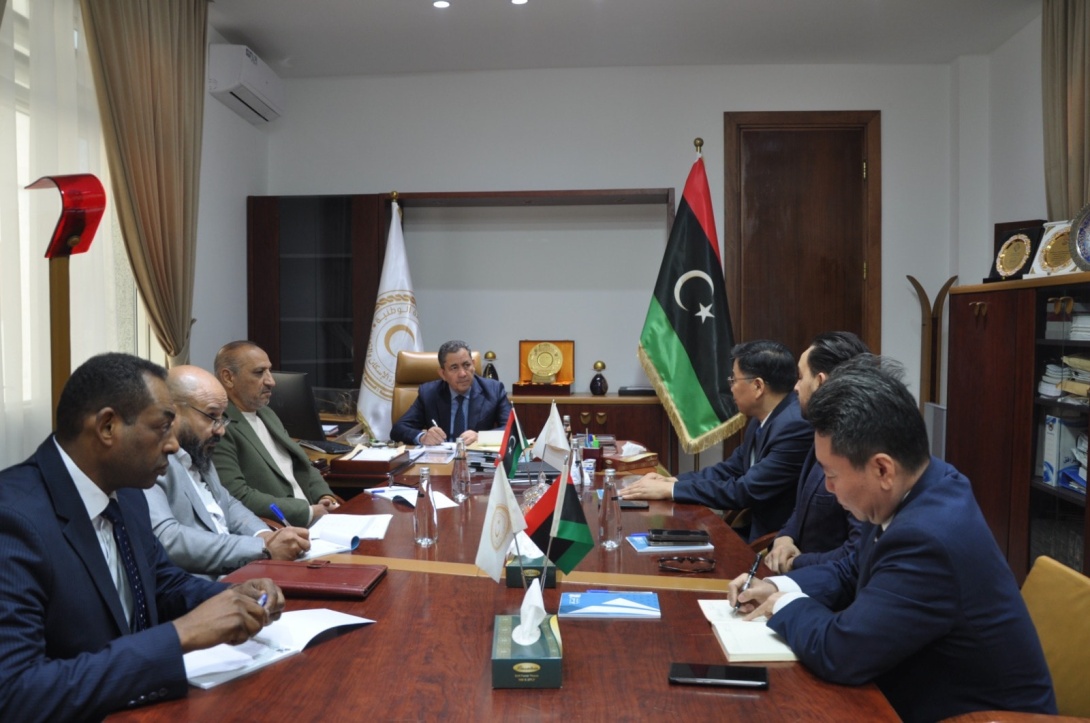
TRIPOLI, February 19, 2026 — The head of the Government of National Unity issued an official letter to the Governor of the Central Bank of Libya today, Thursday, calling for a halt to disbursements under Chapter Three, which pertains to project financing for the 2026 fiscal year. This halt applies to all entities without exception, pending full compliance with the provisions of the unified development program.
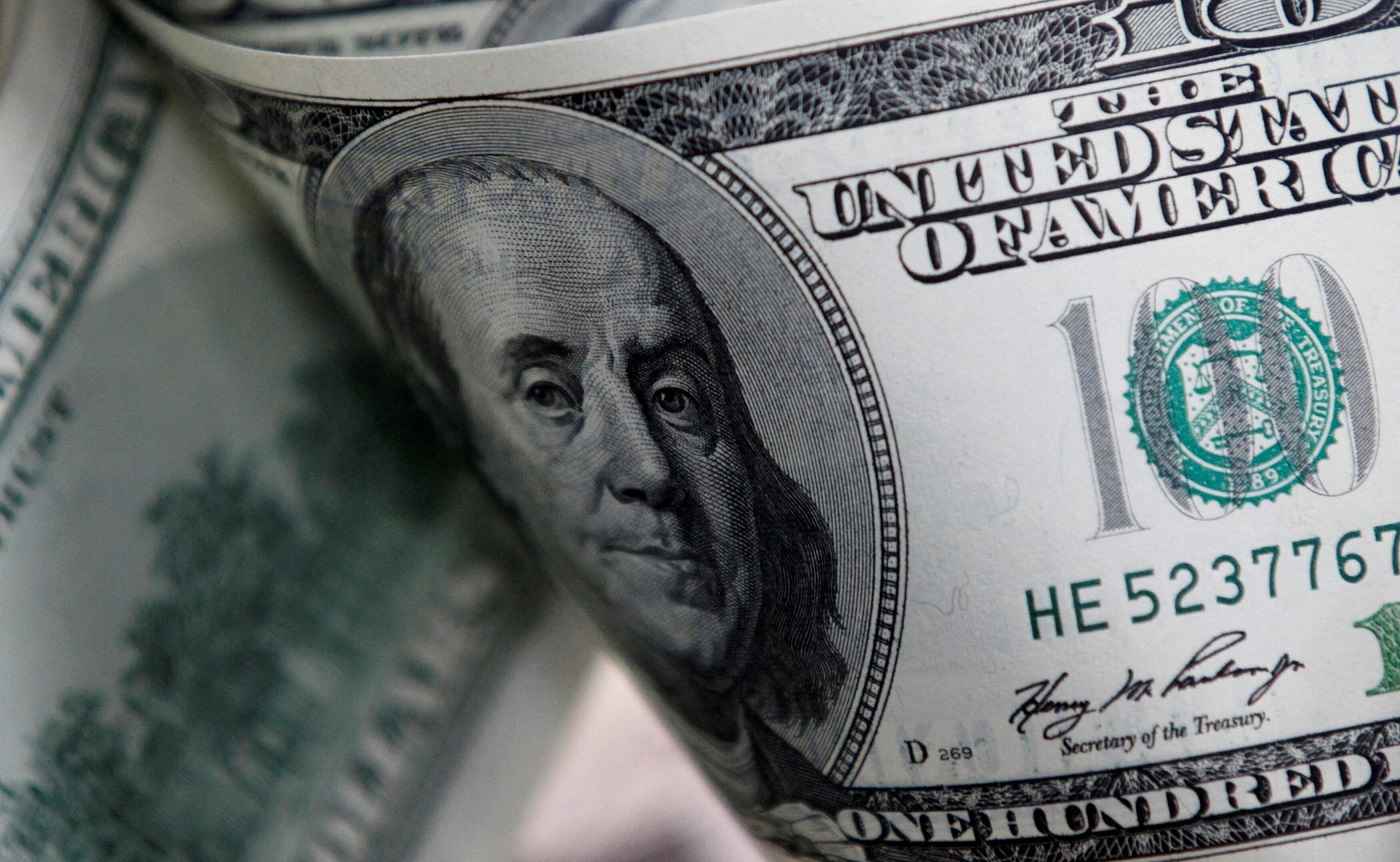
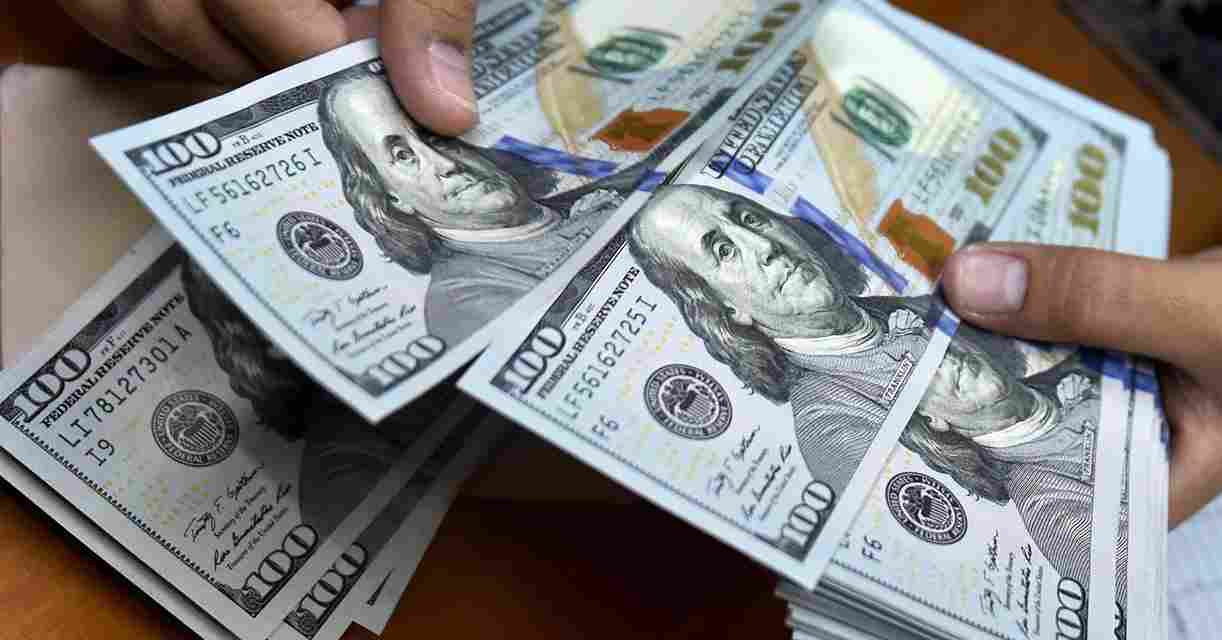
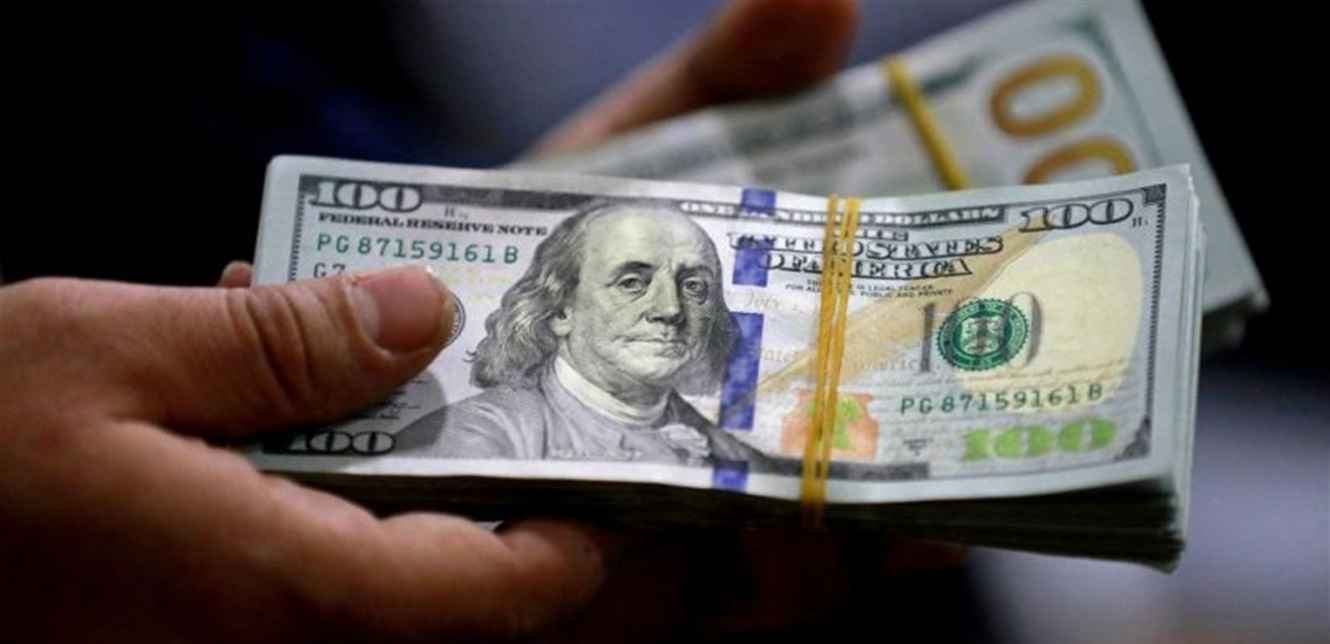
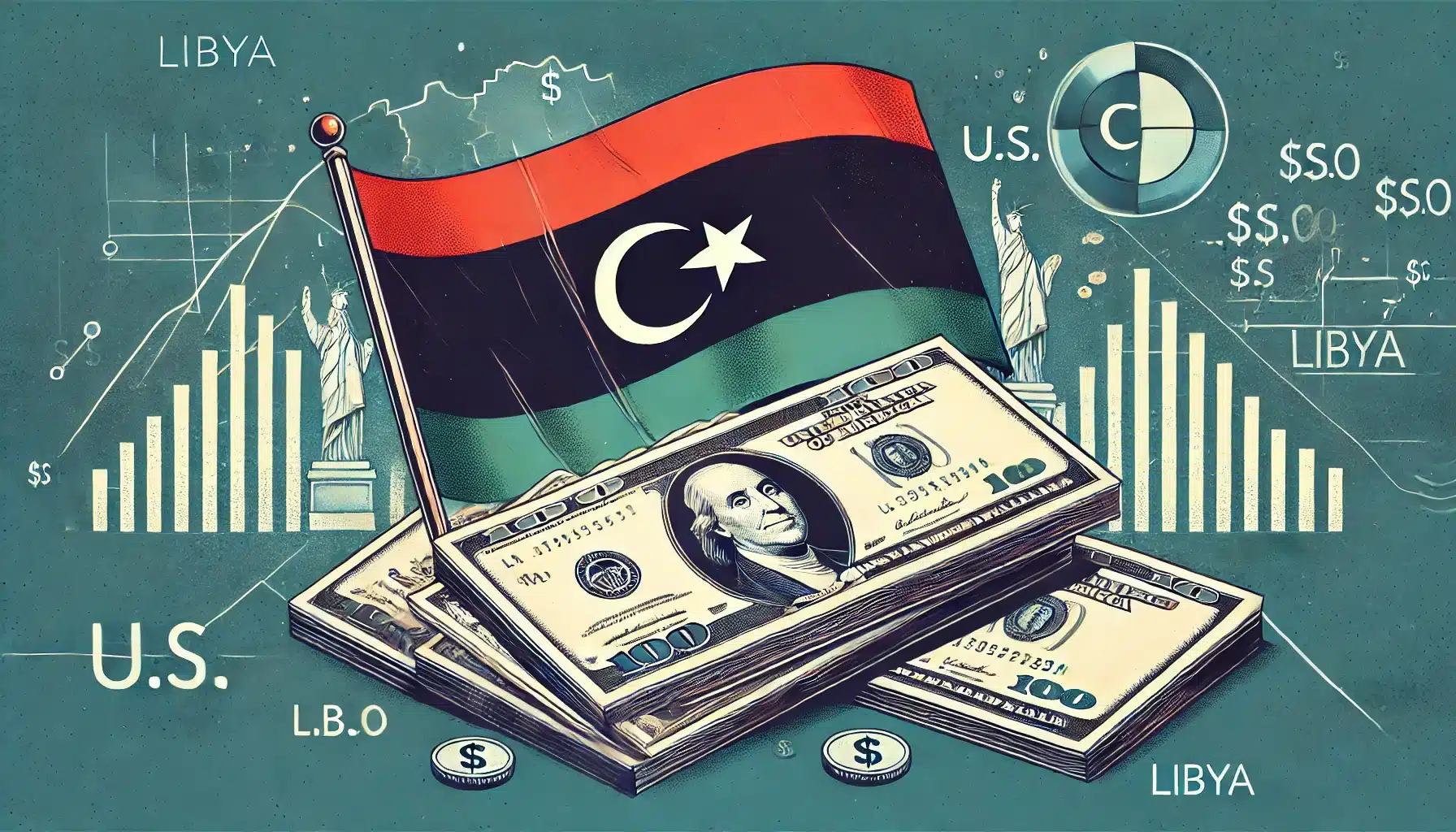
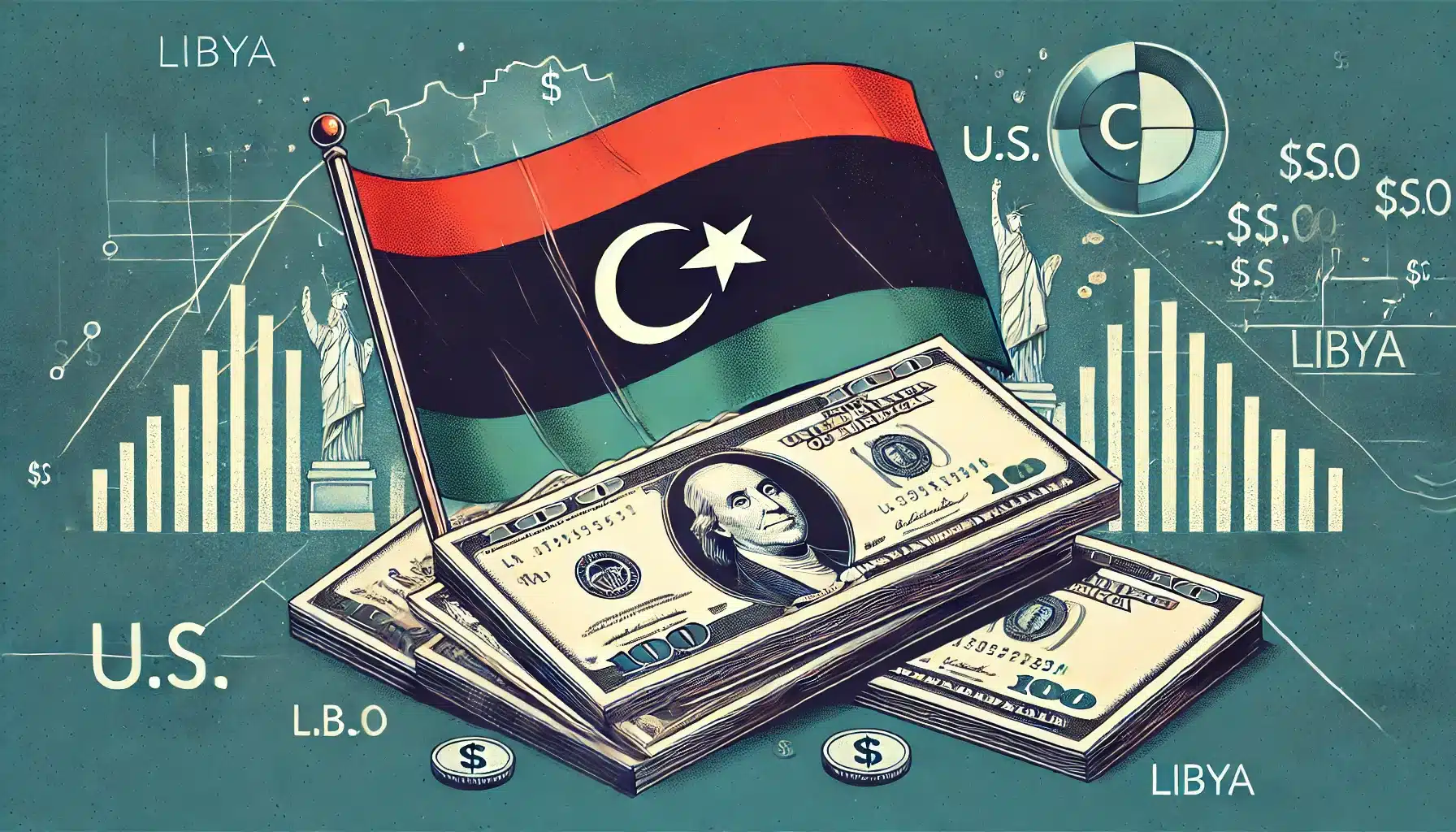
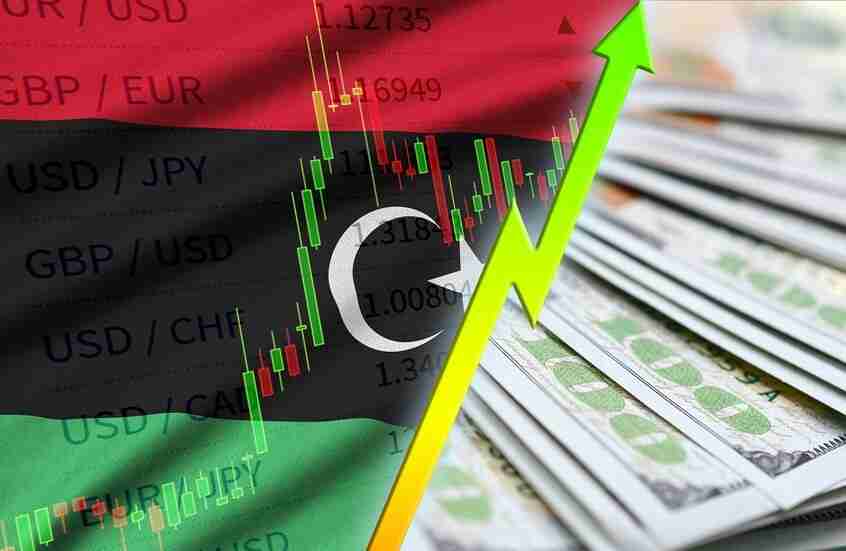
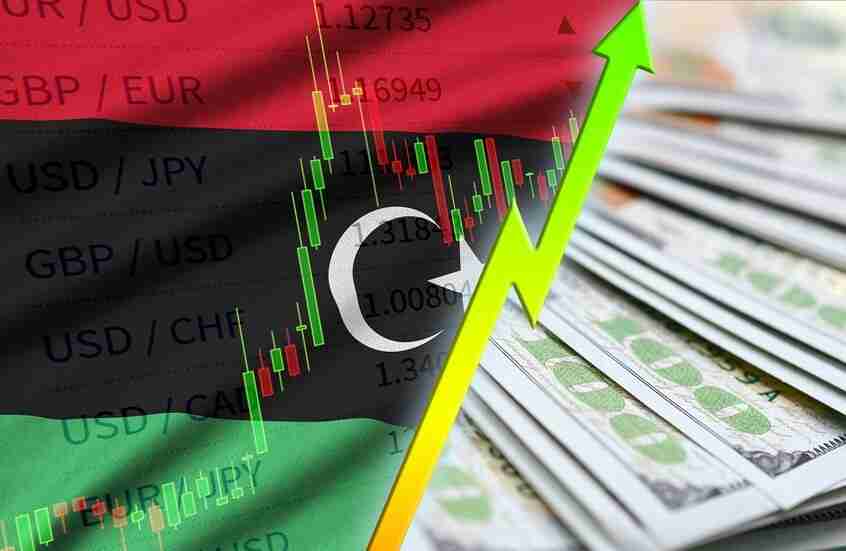
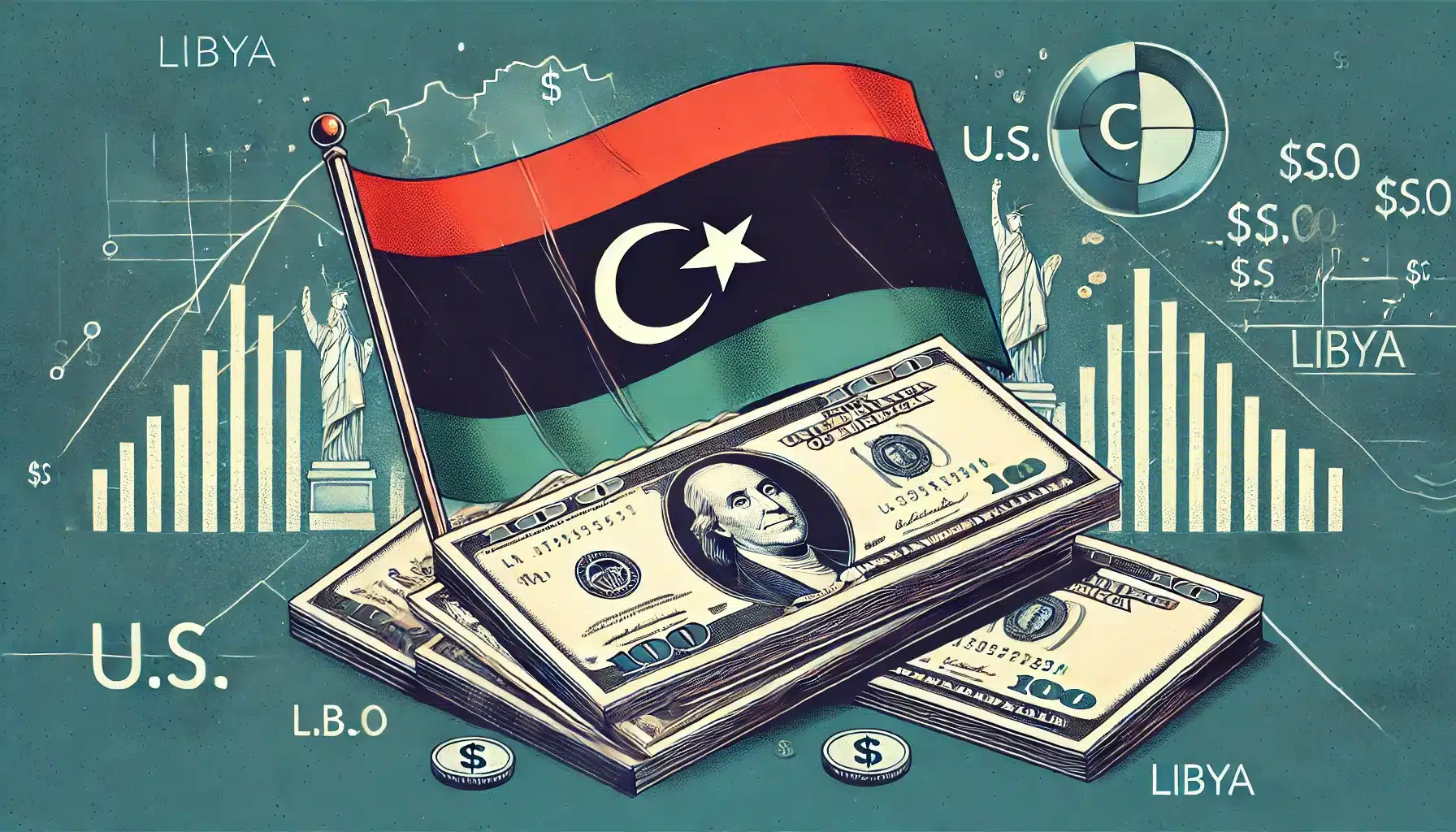
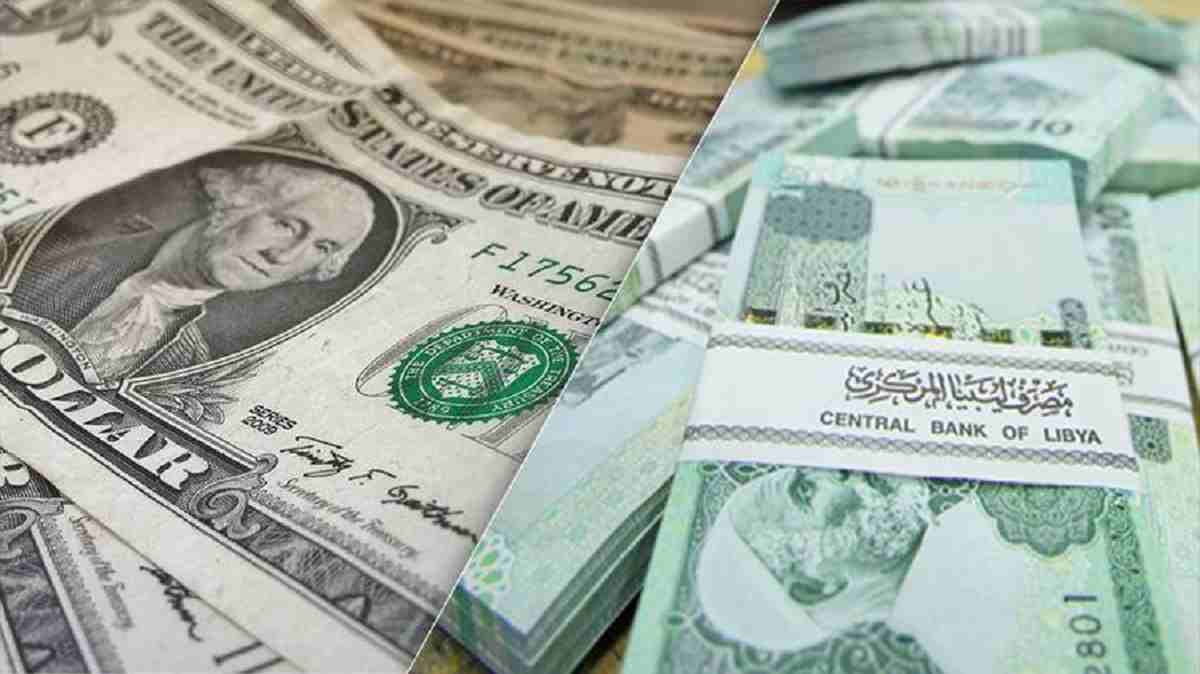
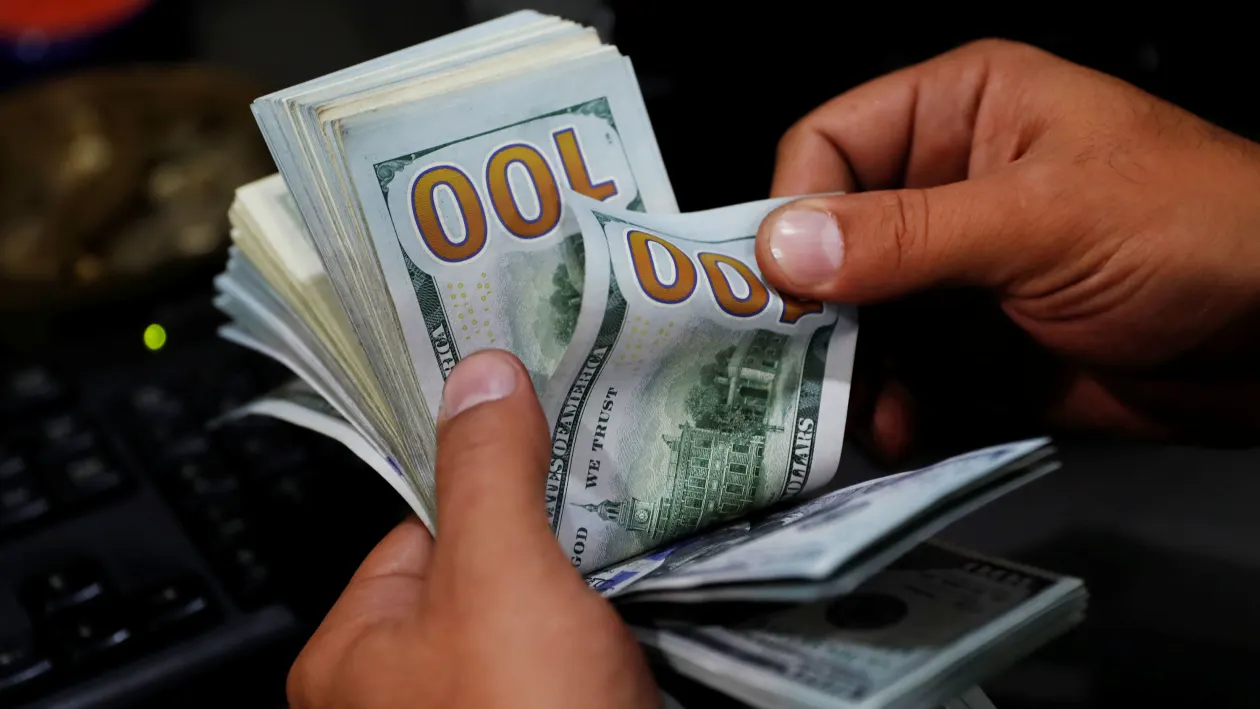
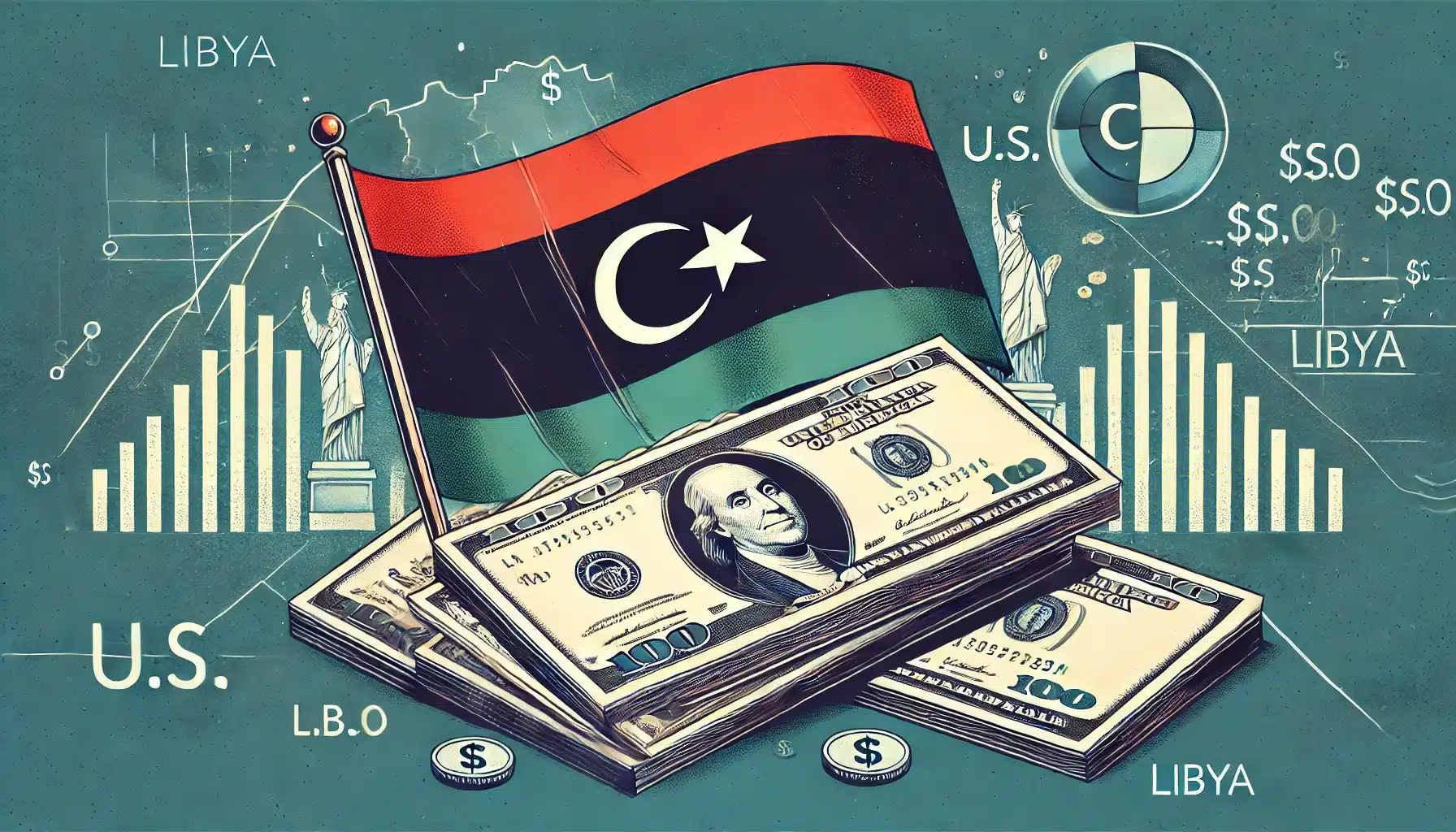
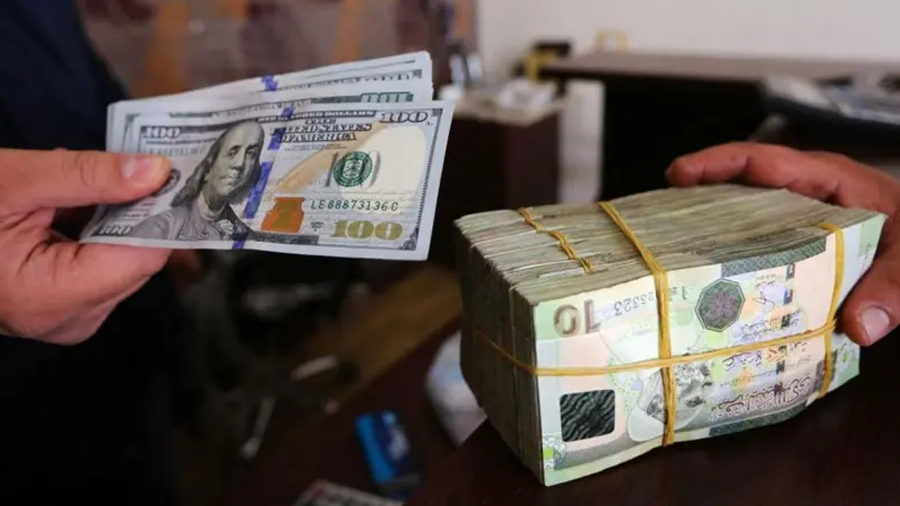
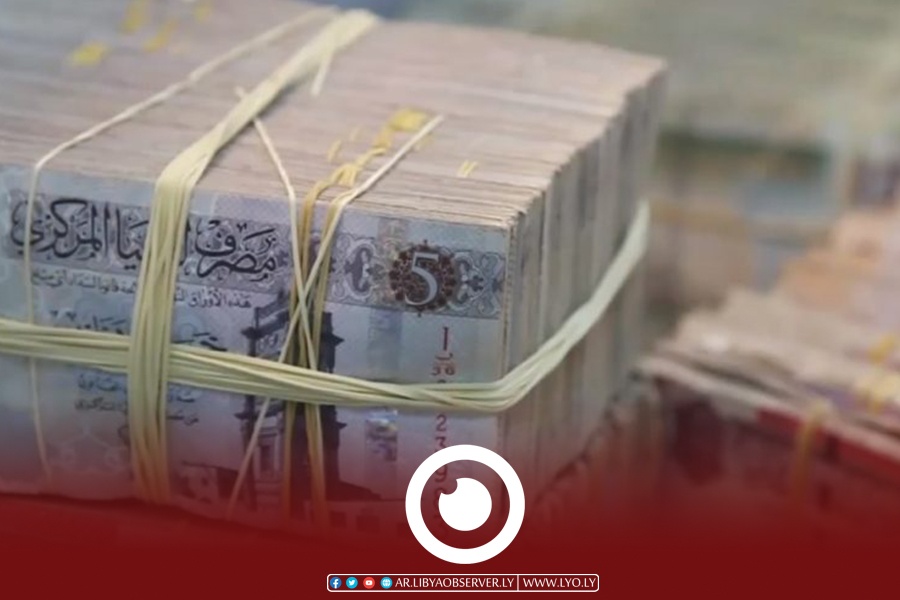
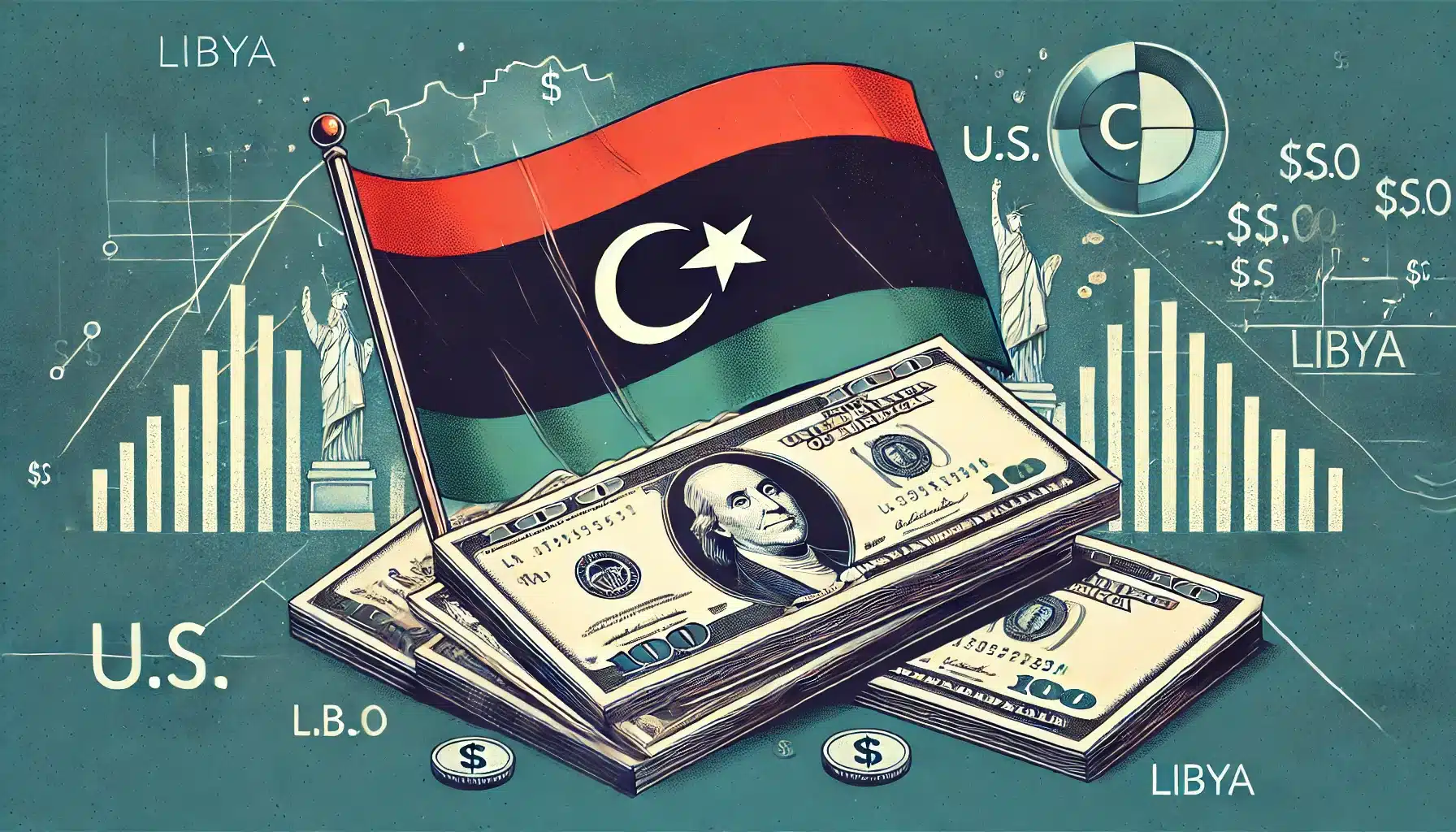
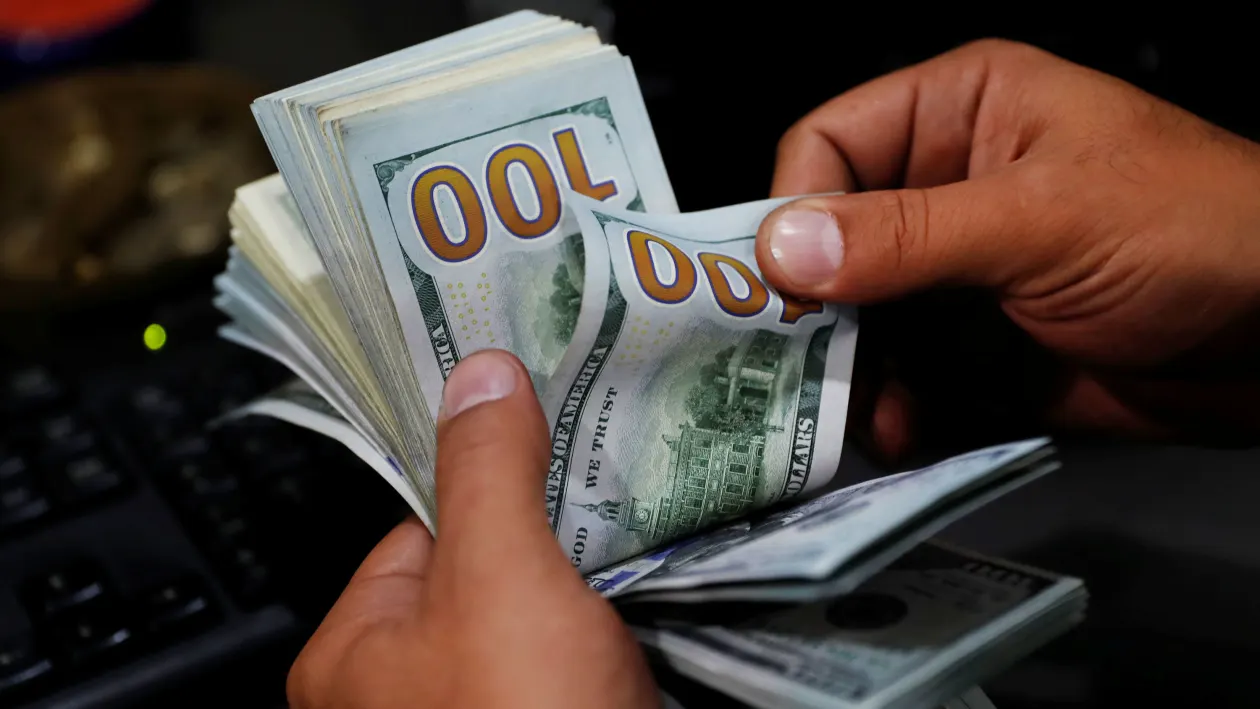
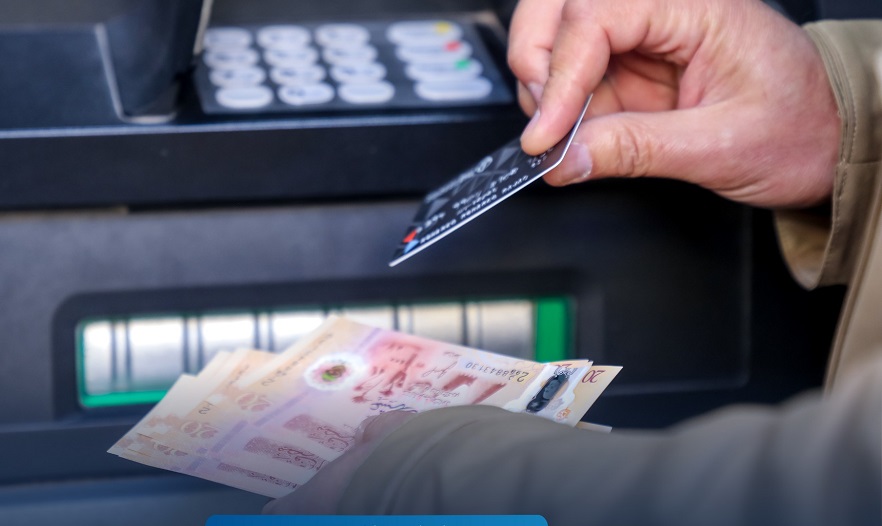
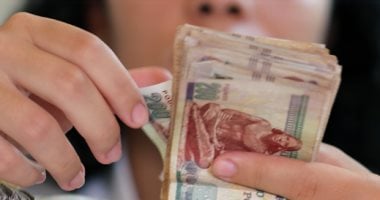
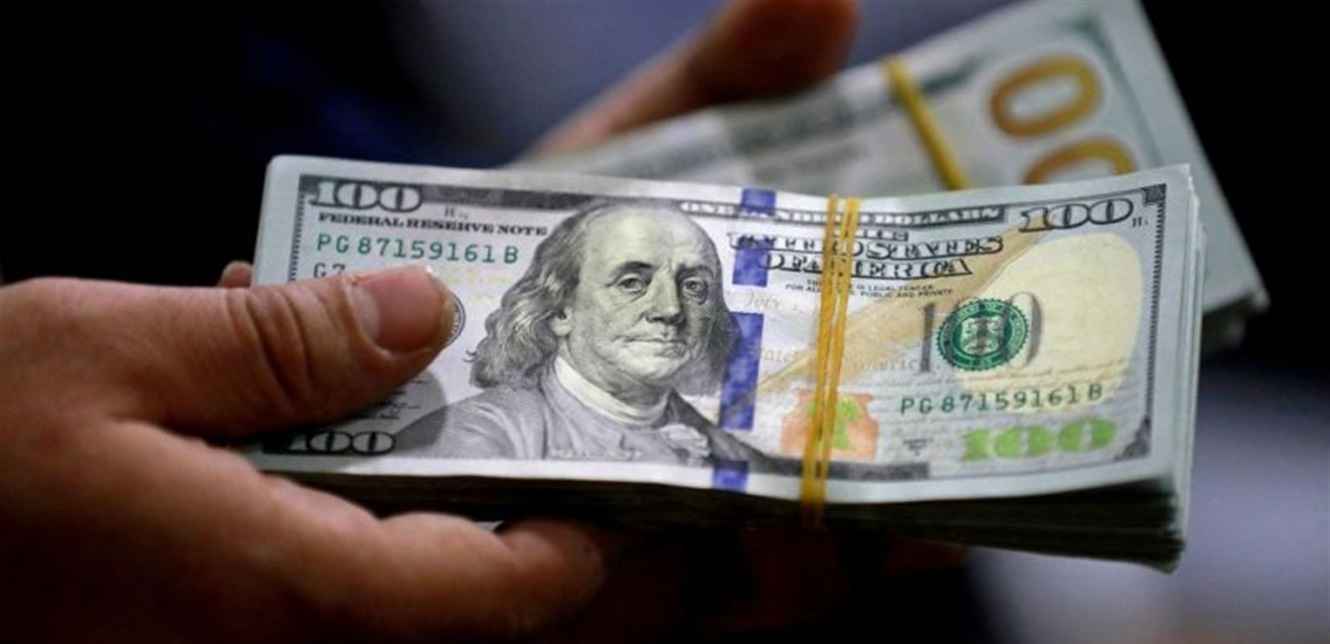
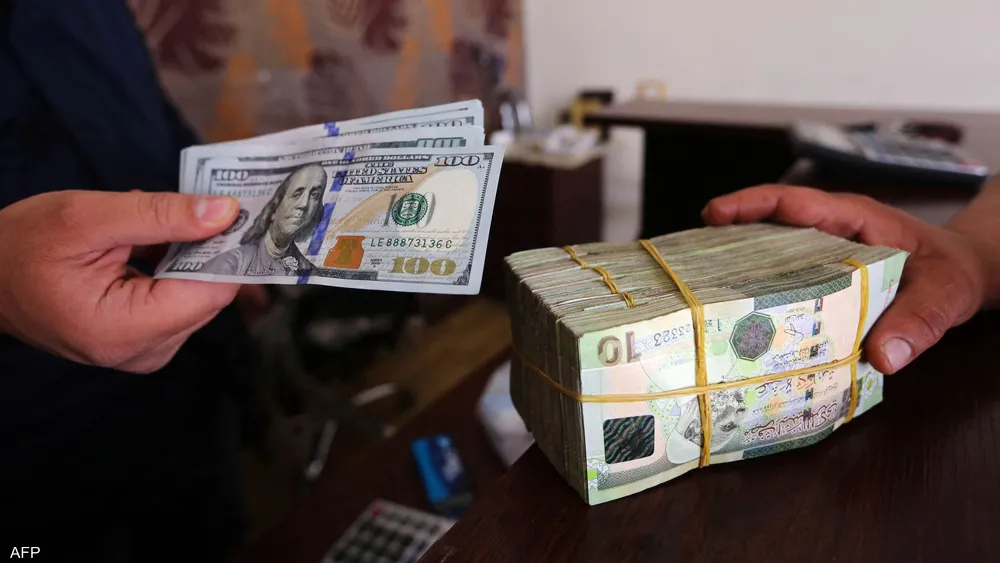
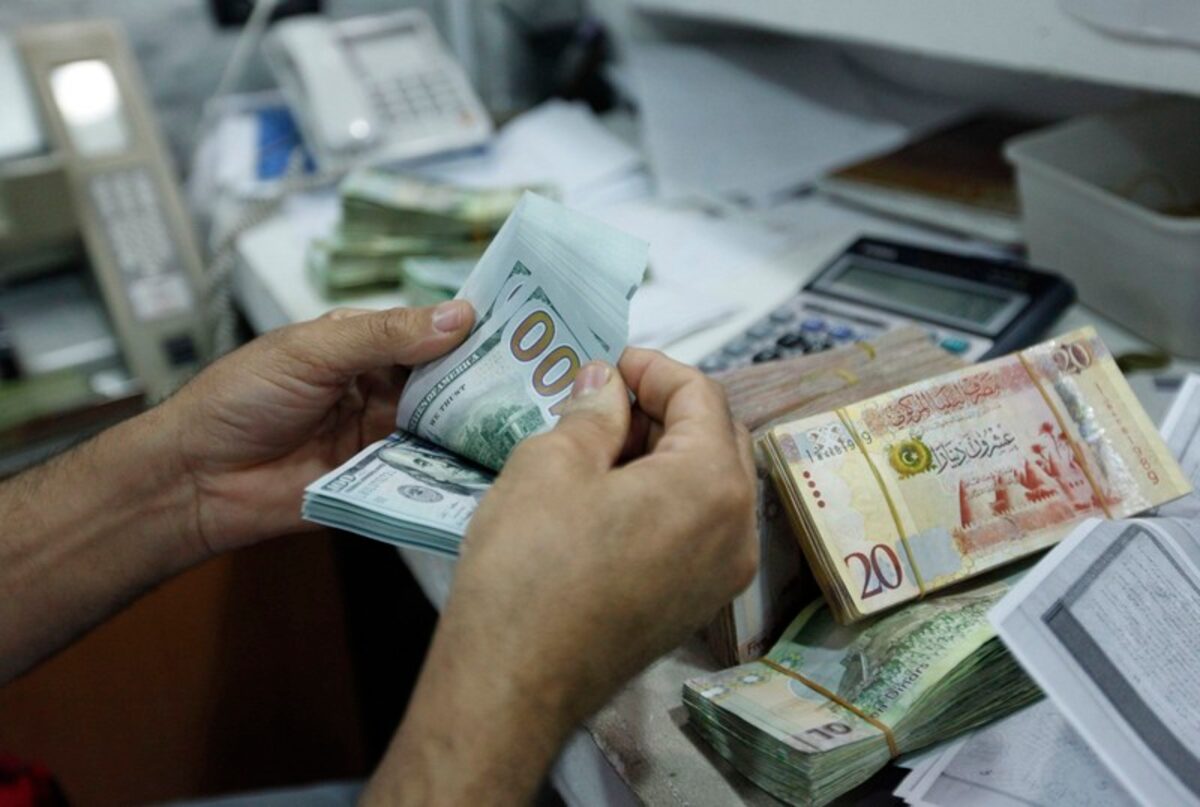
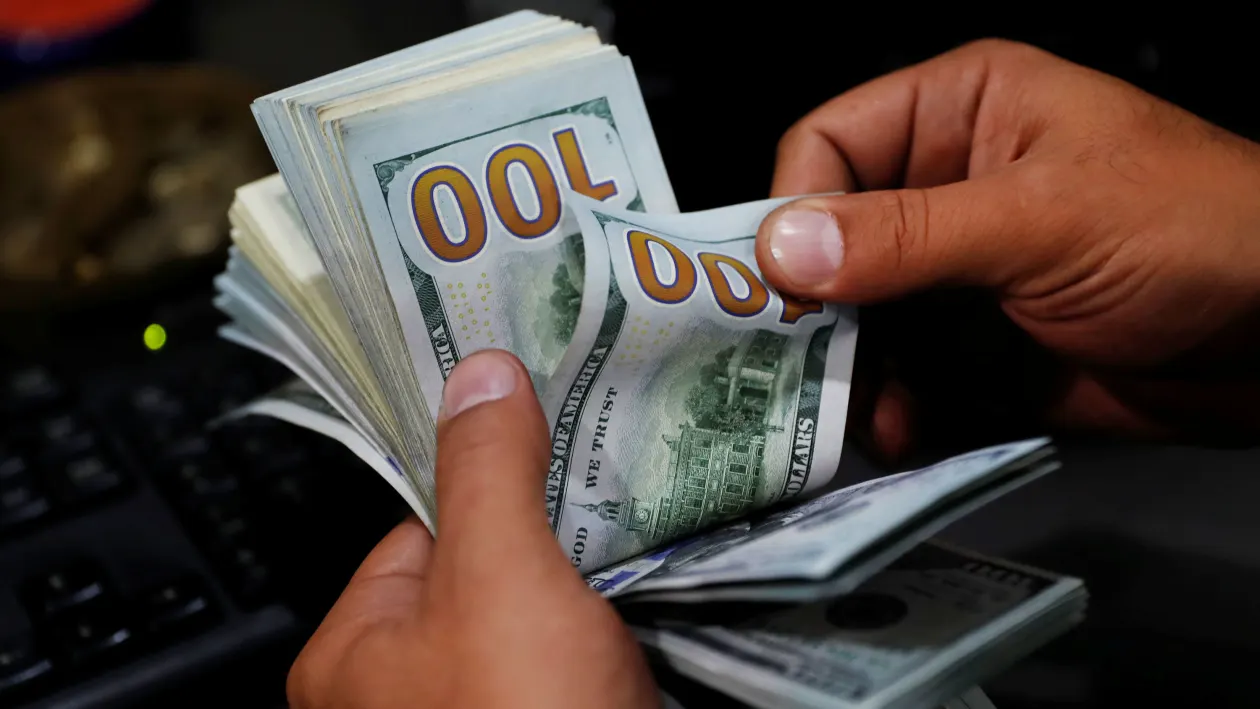
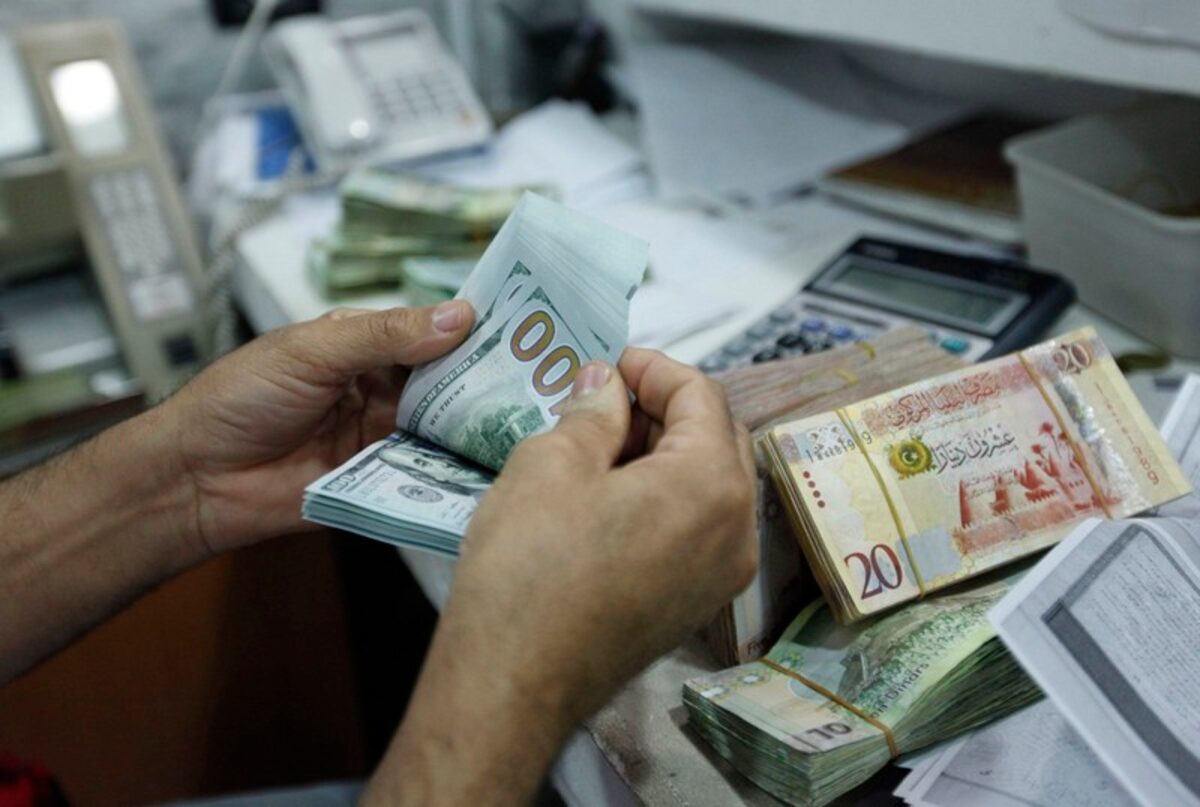
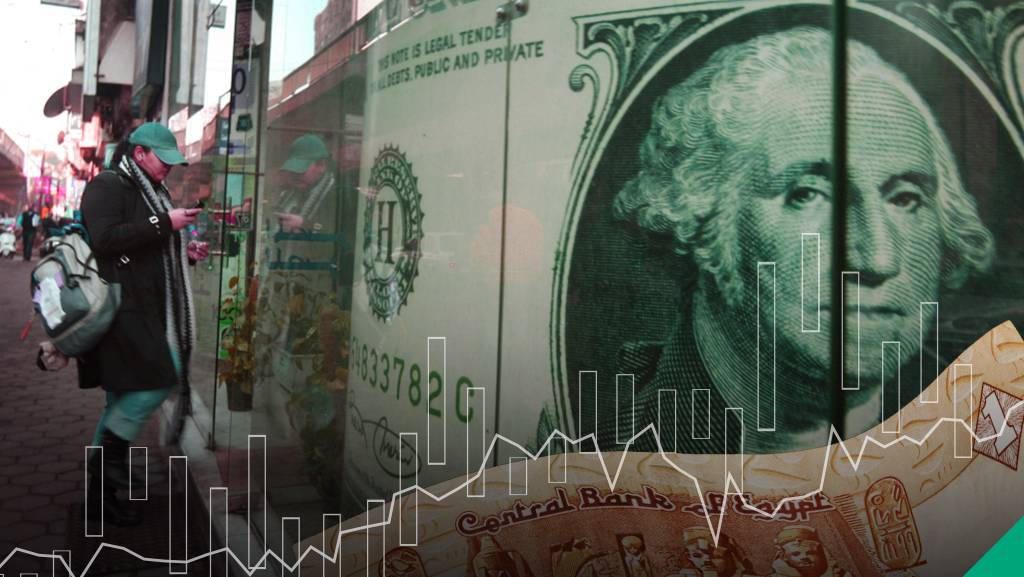
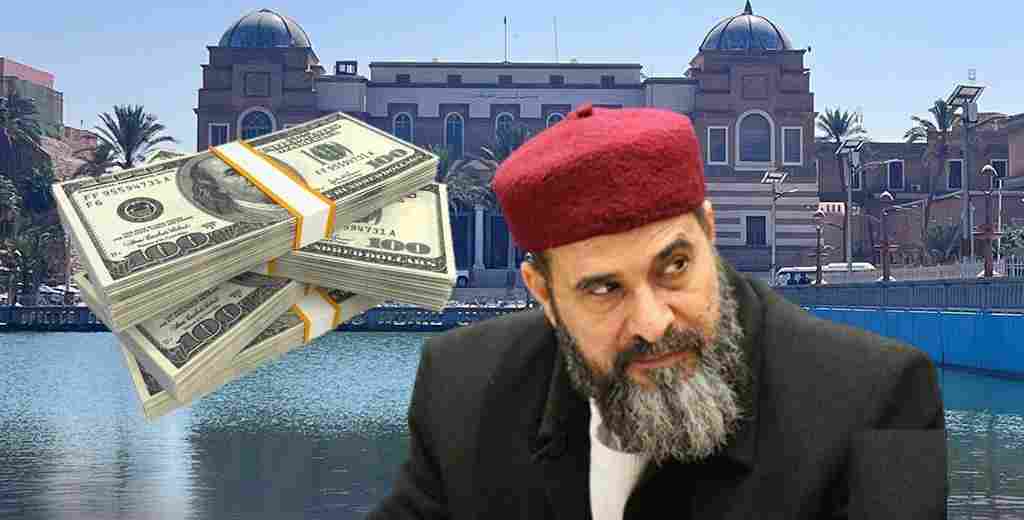
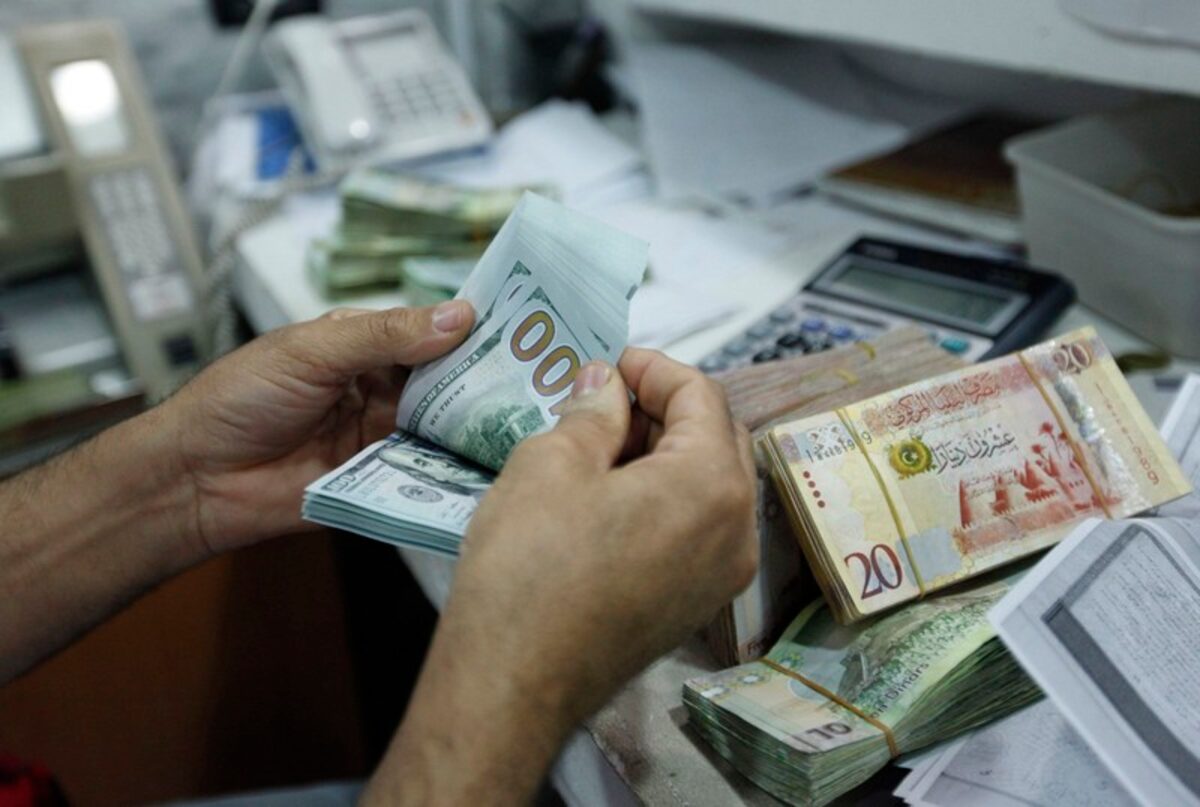
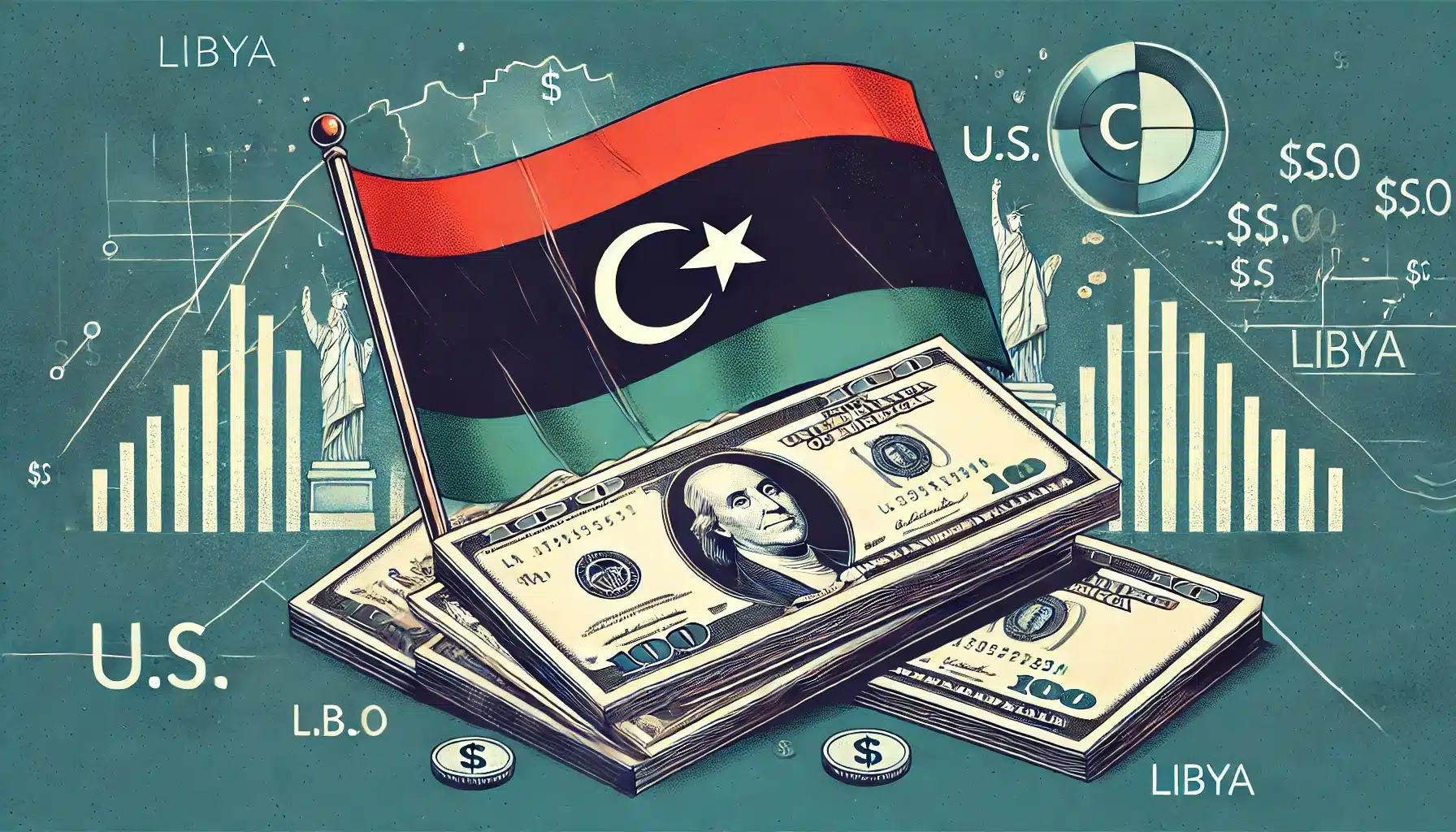
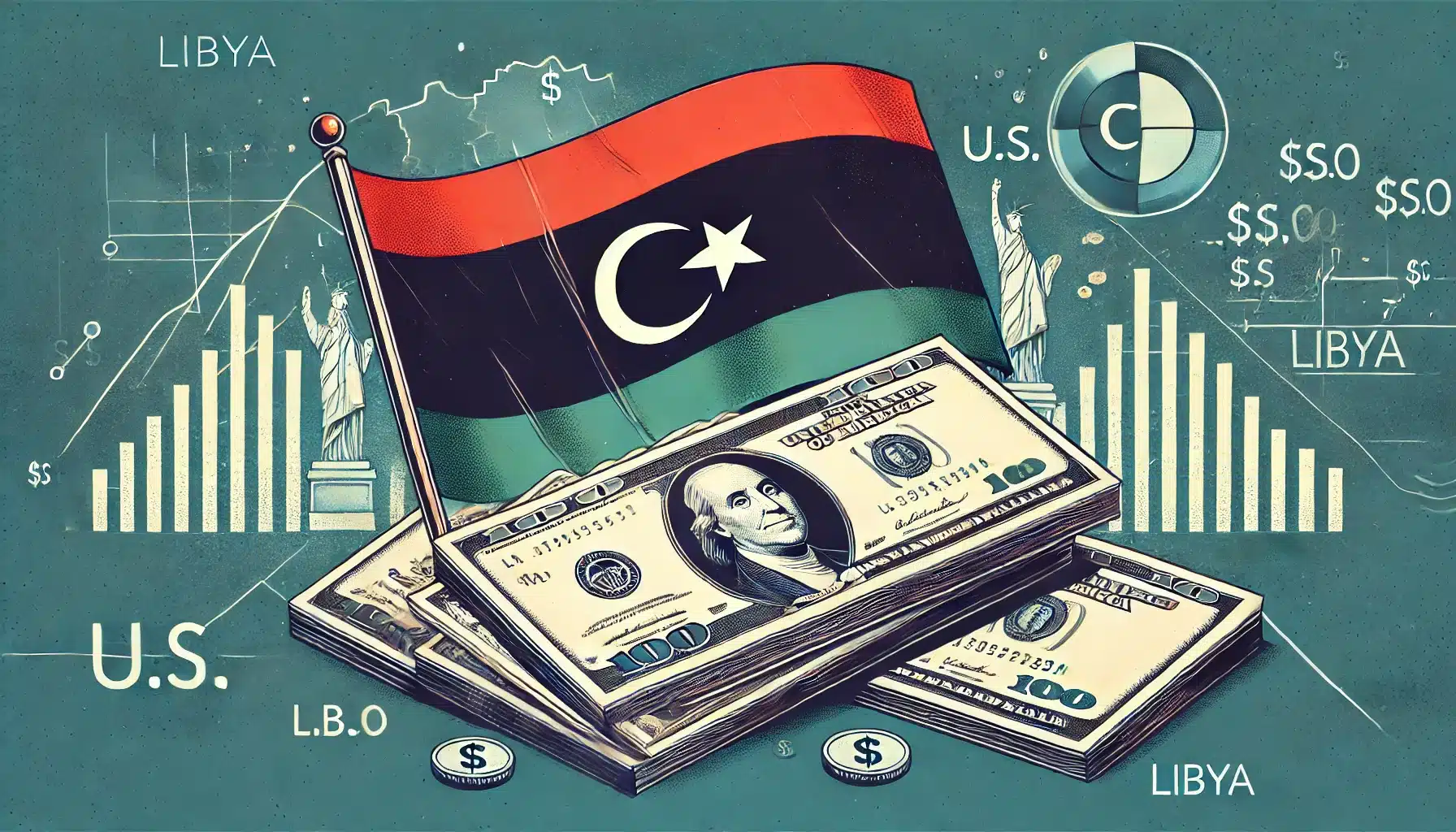
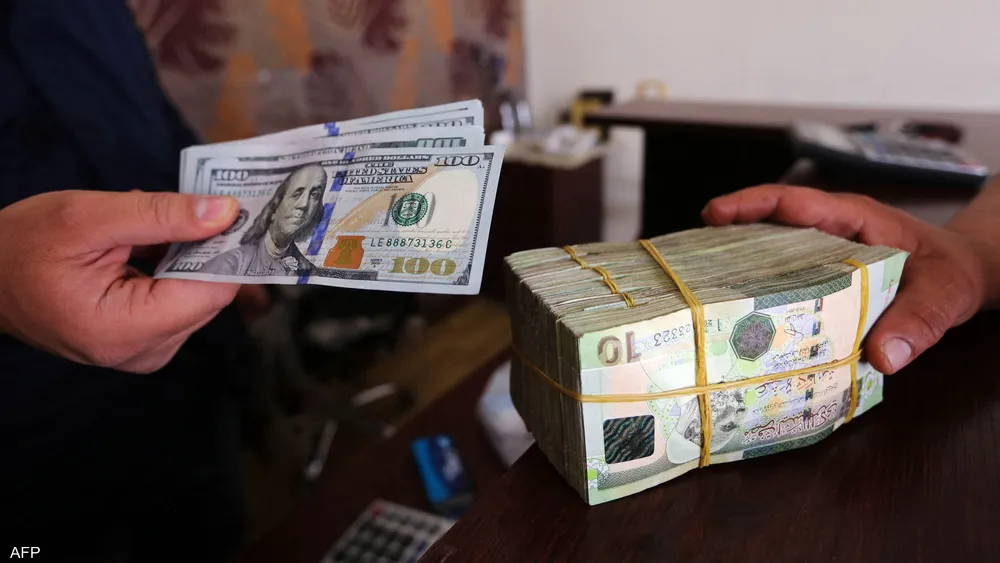
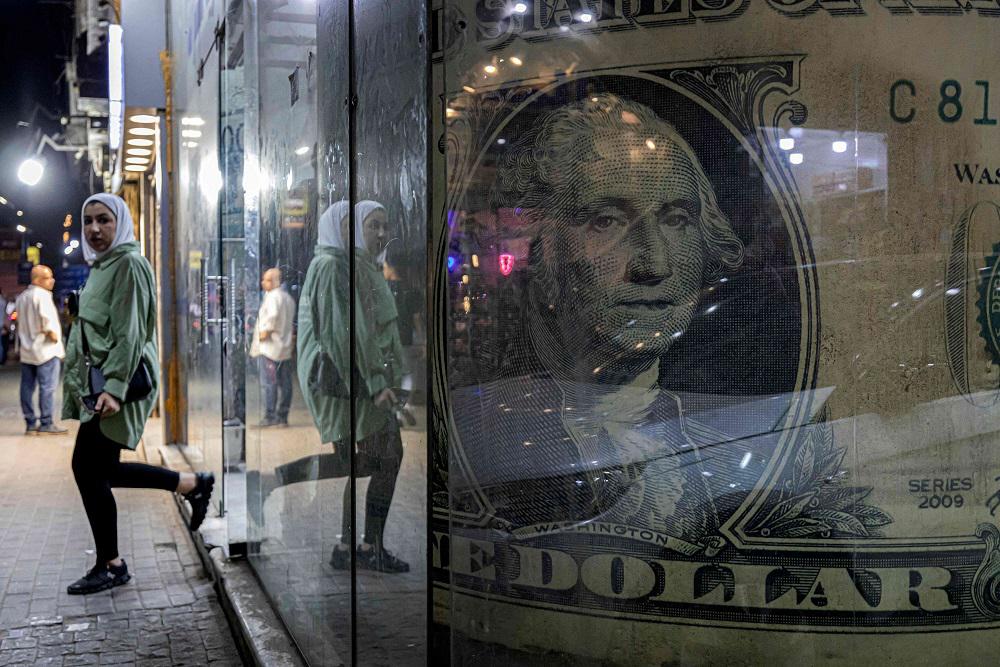
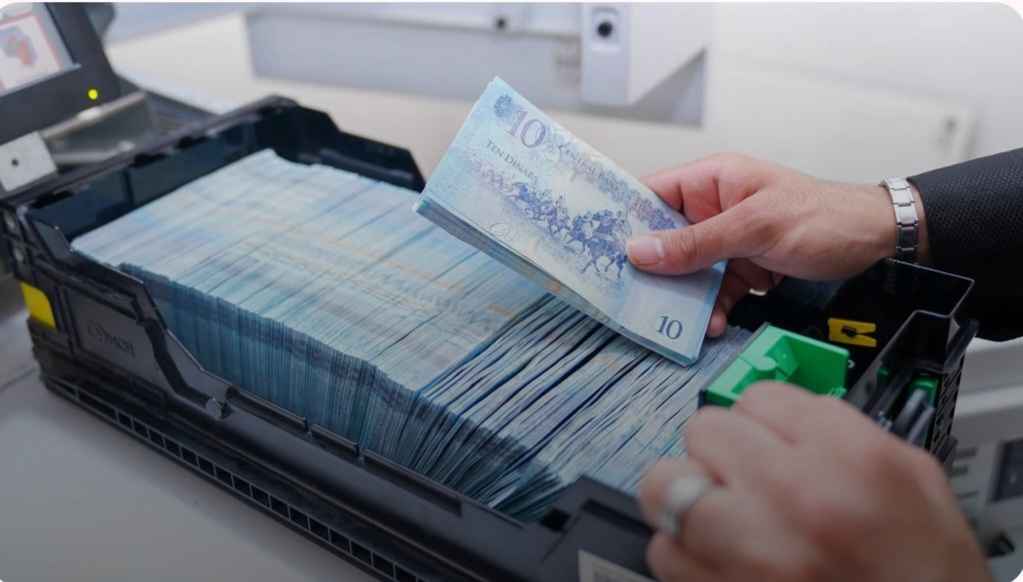
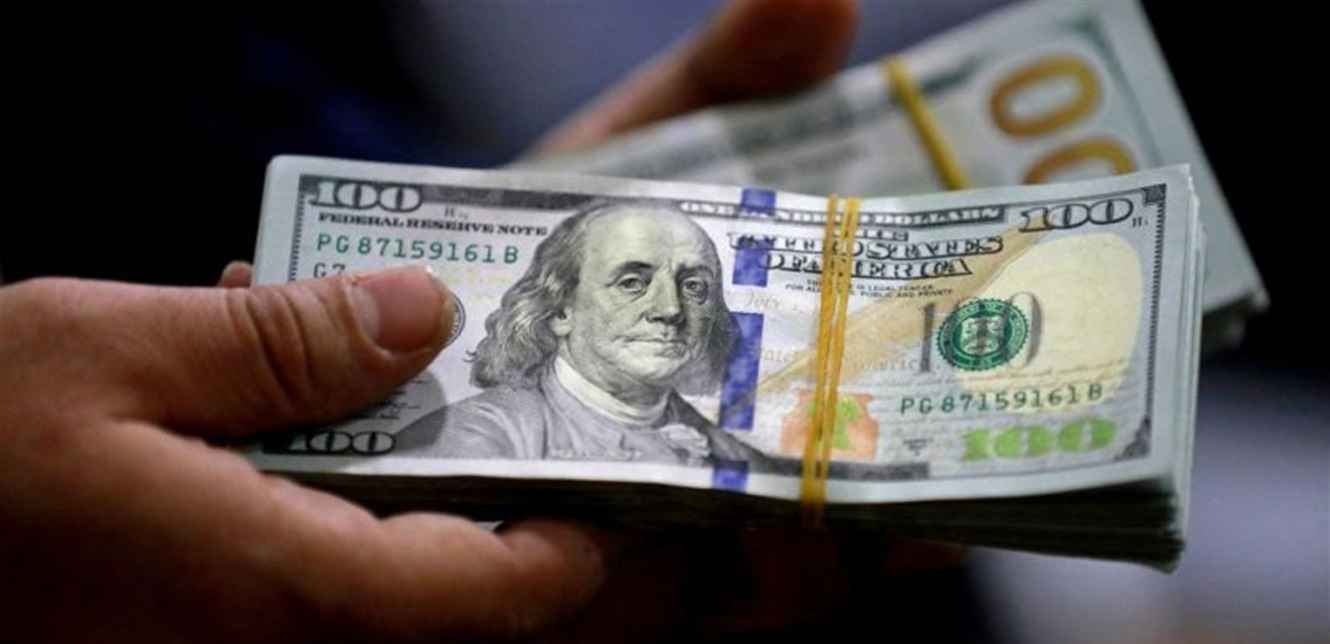
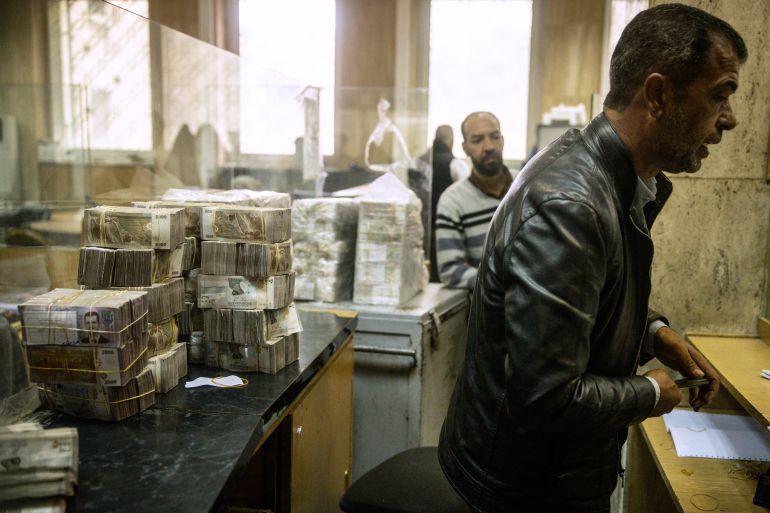
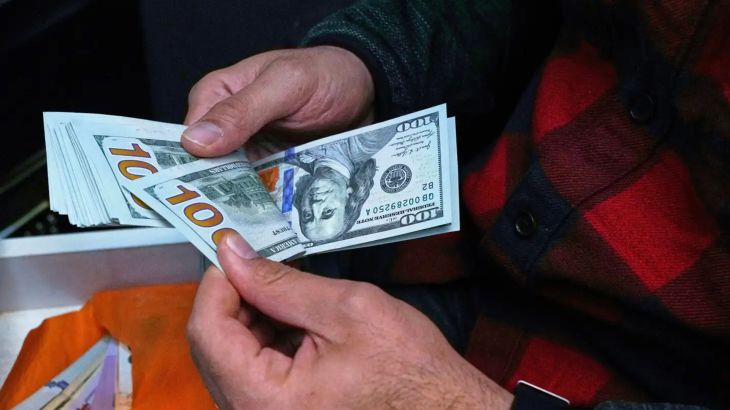
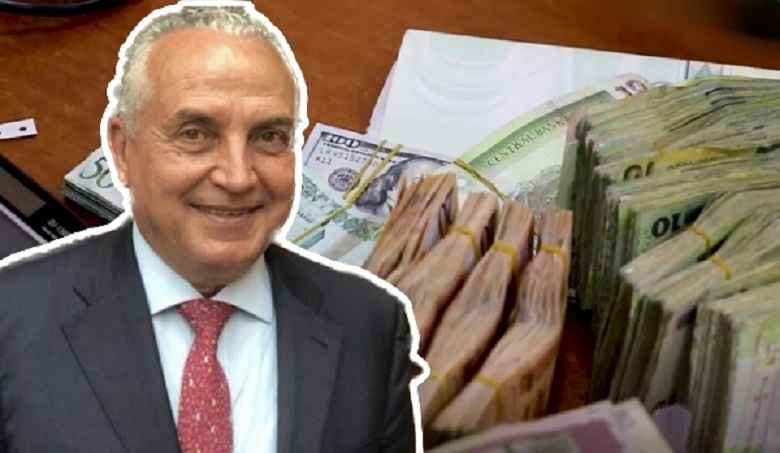
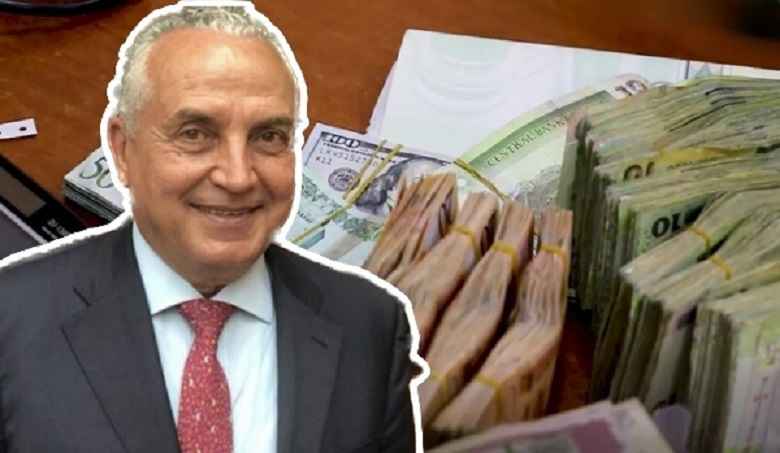
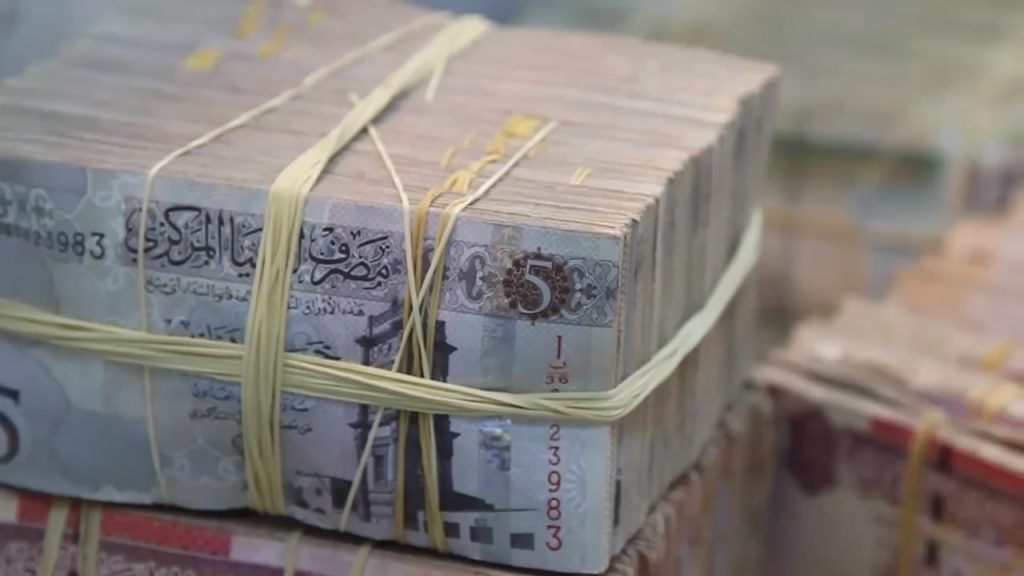
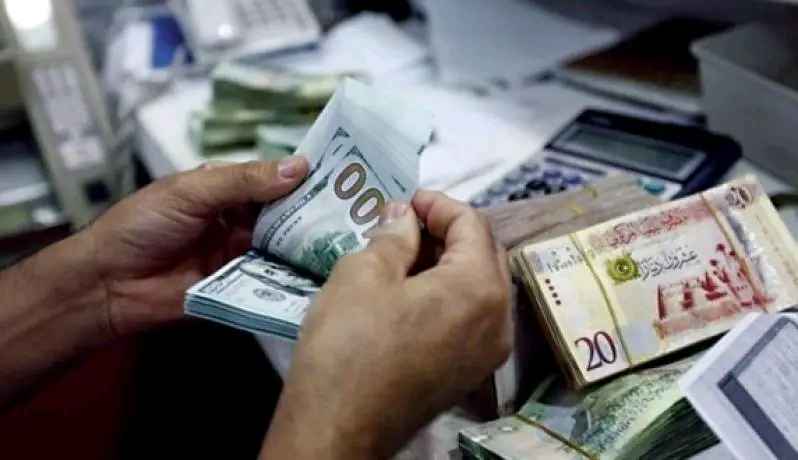
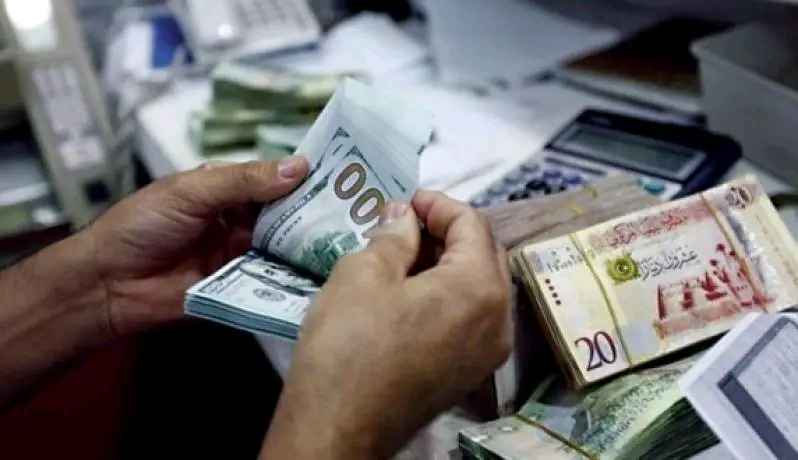
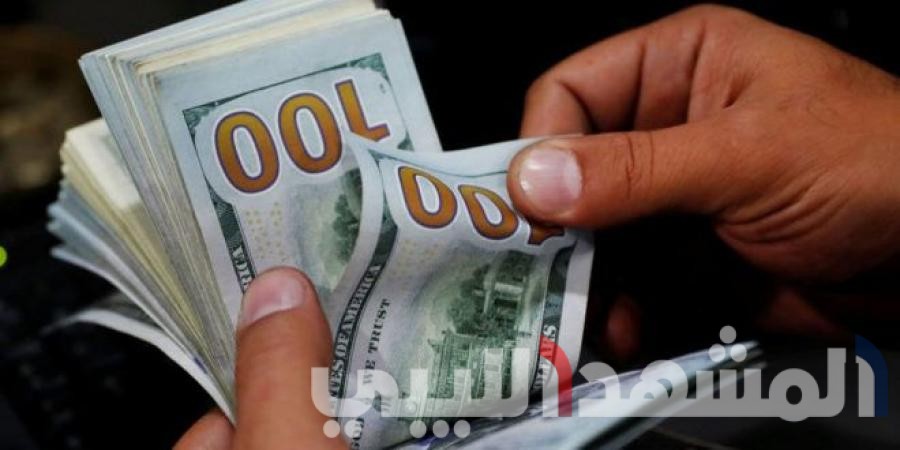
The letter reiterated warnings about the repercussions of parallel spending, which has exceeded 70 billion dinars, pointing to the resulting increase in public debt, rising inflation rates, and the decline in the value of the Libyan dinar.
It emphasized that development is a right for all Libyans in the east, west, and south, with the participation of various relevant authorities, provided there is adherence to financial ceilings and controls. This is to preserve economic stability and prevent the exacerbation of financial imbalances.
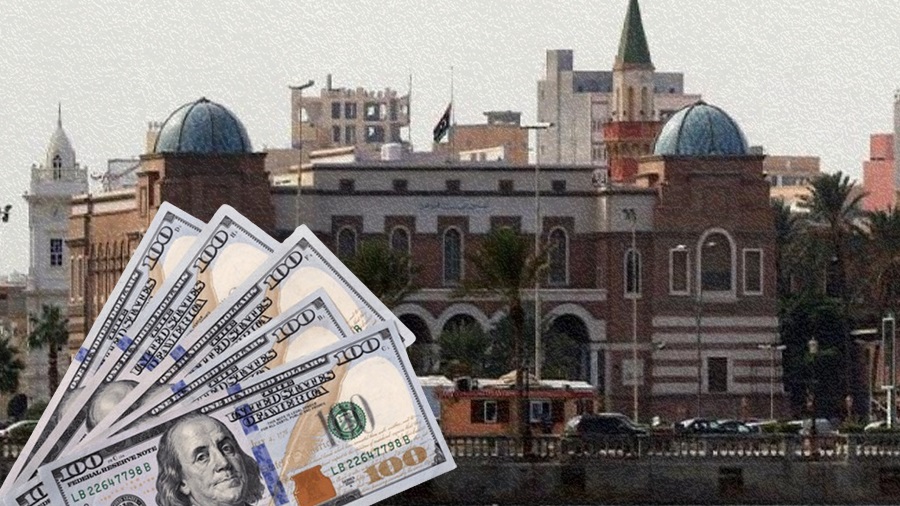
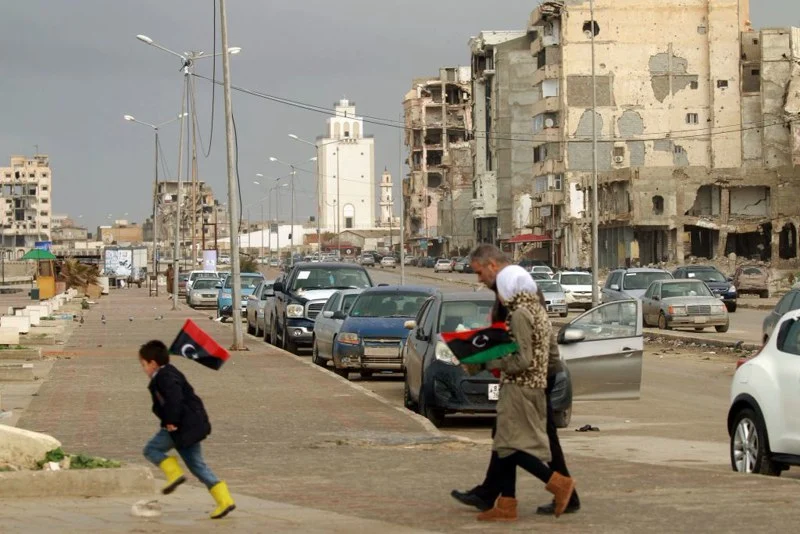
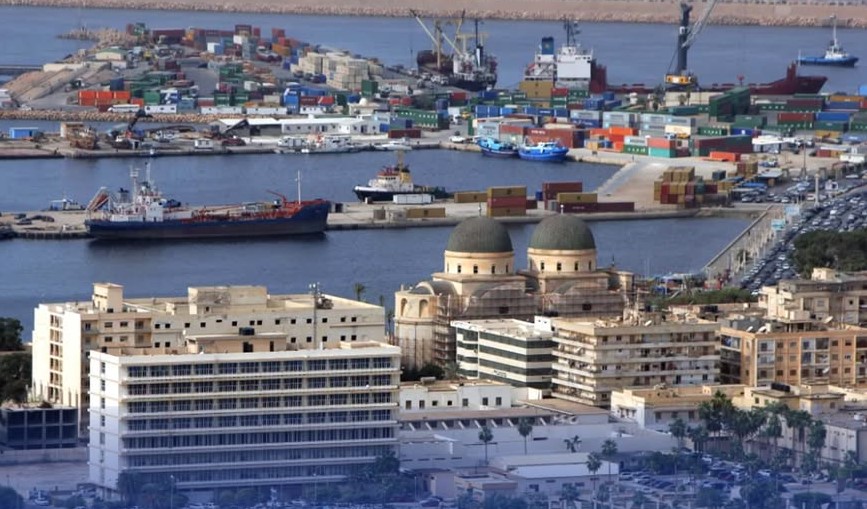
TRIPOLI
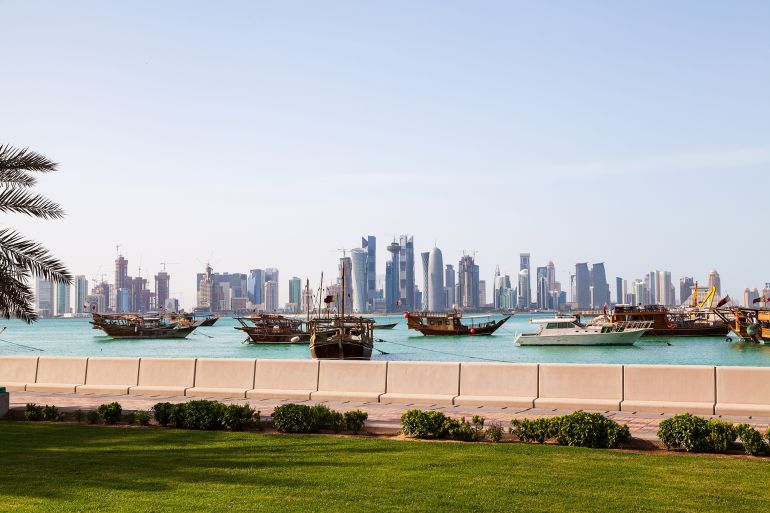
Tripoli is the capital and largest city of Libya, historically founded in the 7th century BCE by the Phoenicians. It later became a significant Roman city and a major center under various empires, including the Ottoman Empire, which left a strong architectural and cultural imprint on its old medina.
Government of National Unity
The Government of National Unity (GNU) is a term most notably associated with the post-apartheid transitional government in South Africa, formed in 1994 following the country’s first multiracial elections. It was a coalition government led by Nelson Mandela’s African National Congress, which included its former political rivals, the National Party and the Inkatha Freedom Party, to foster reconciliation and stability during the transition to majority rule.
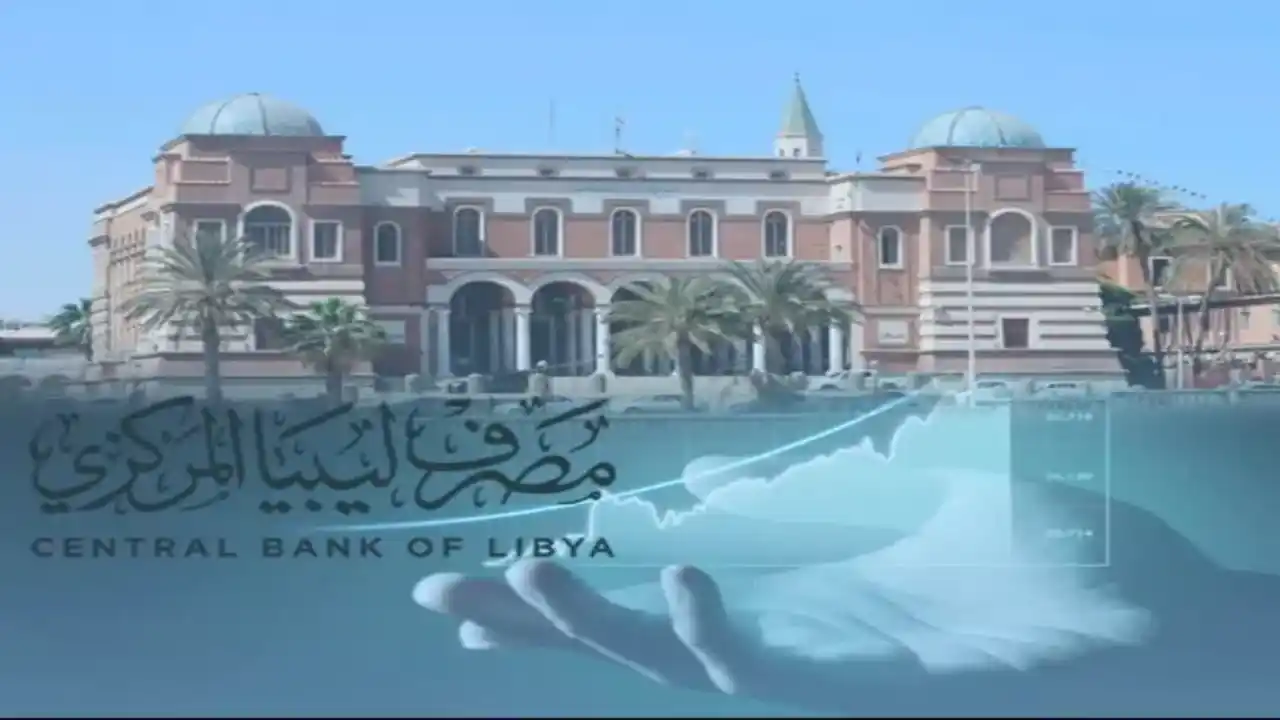
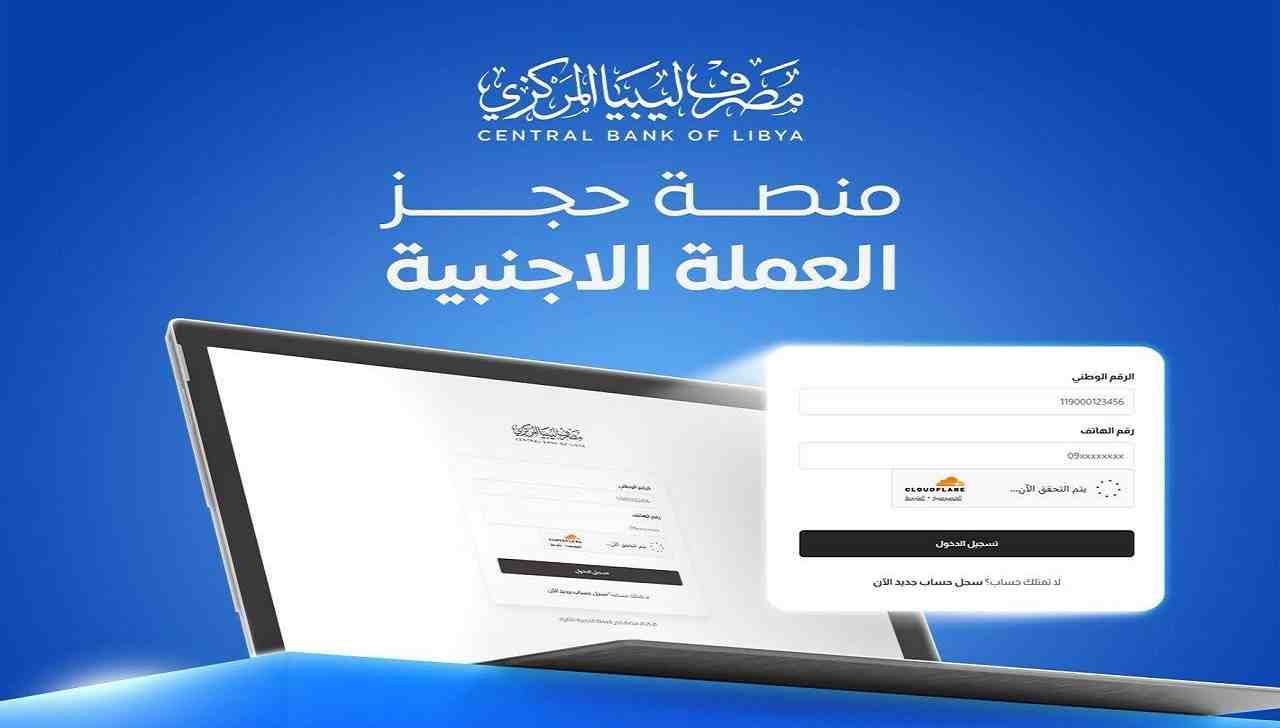
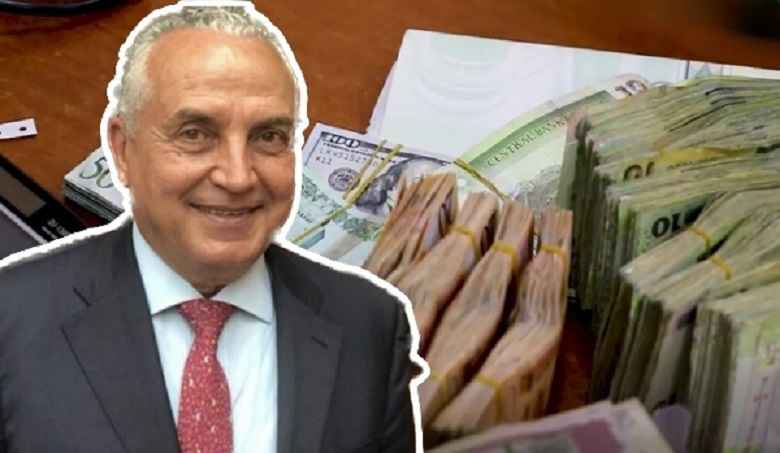
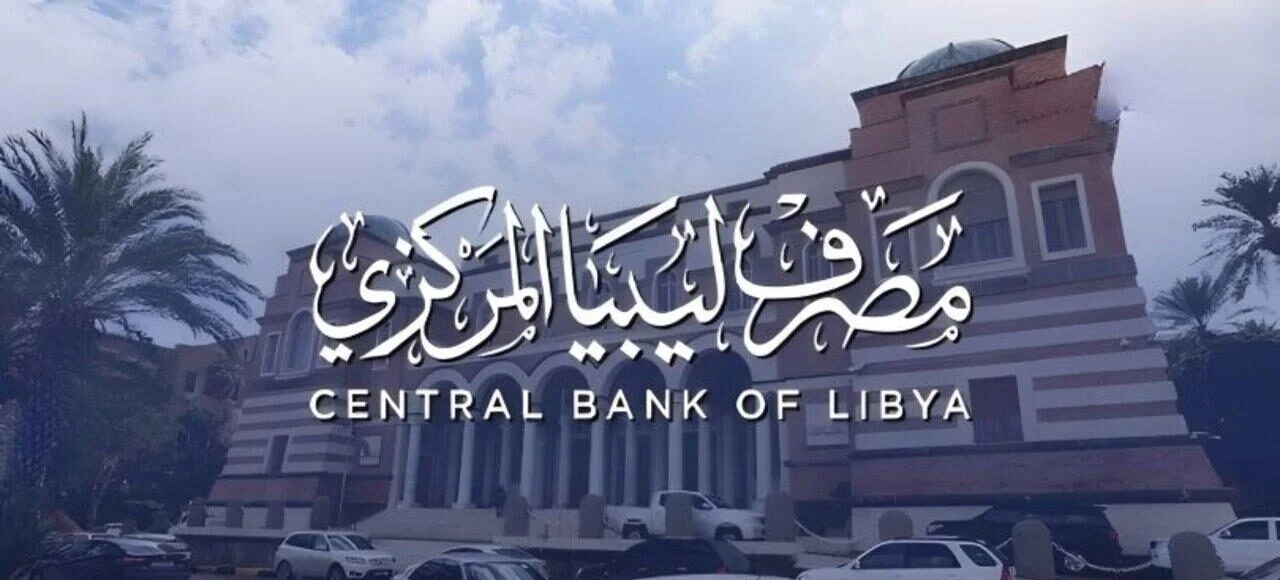
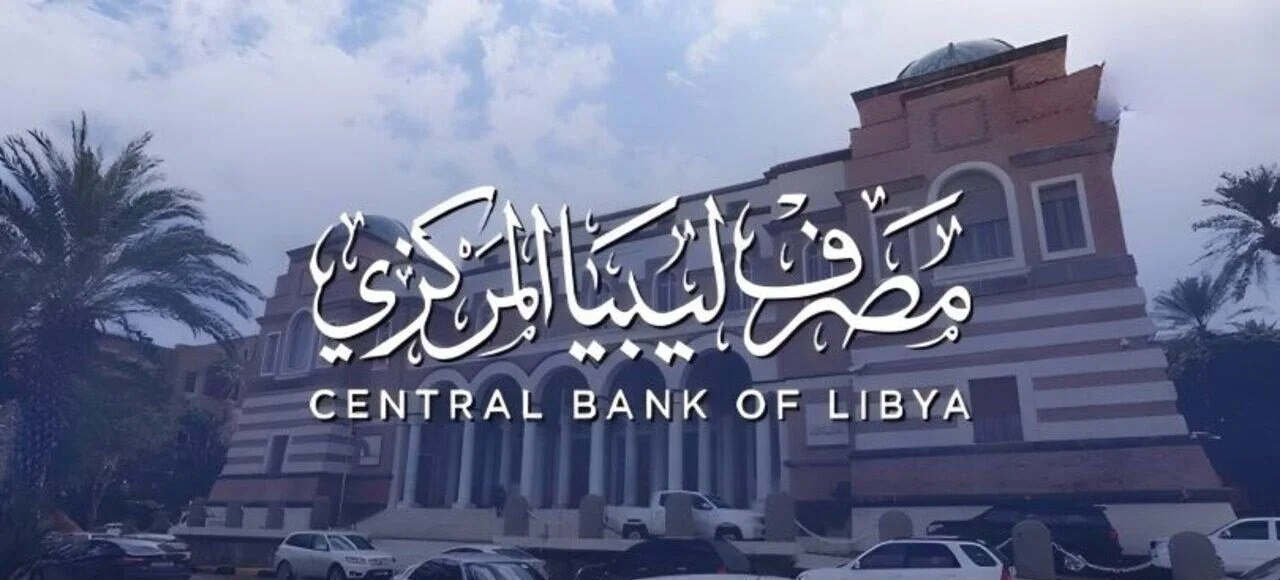
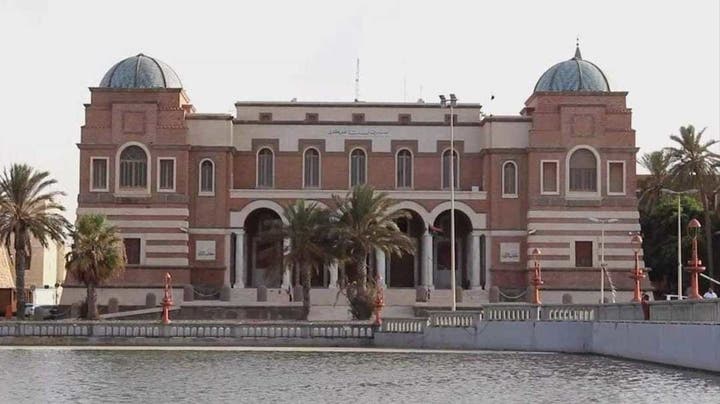
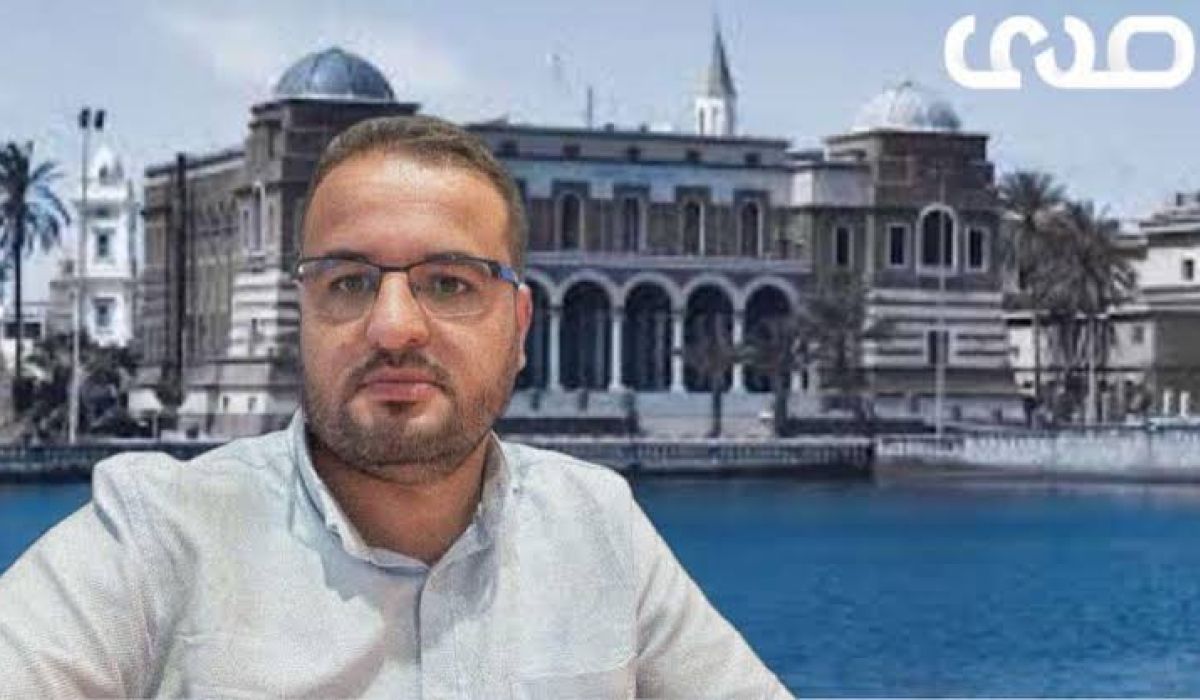
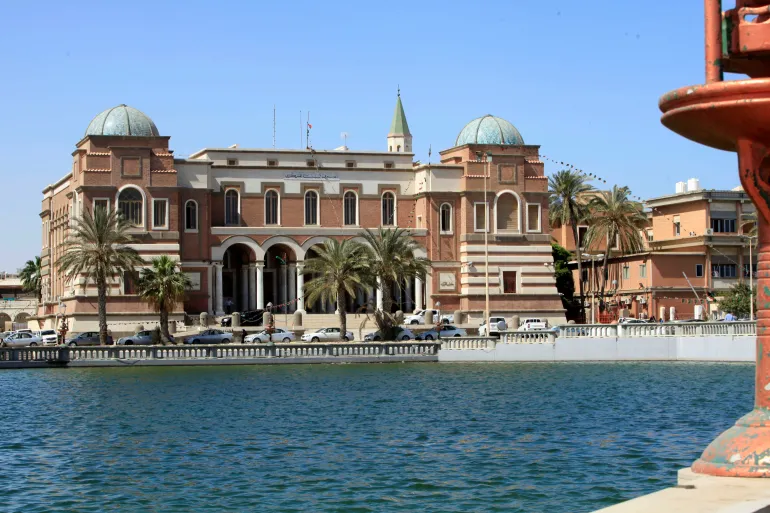
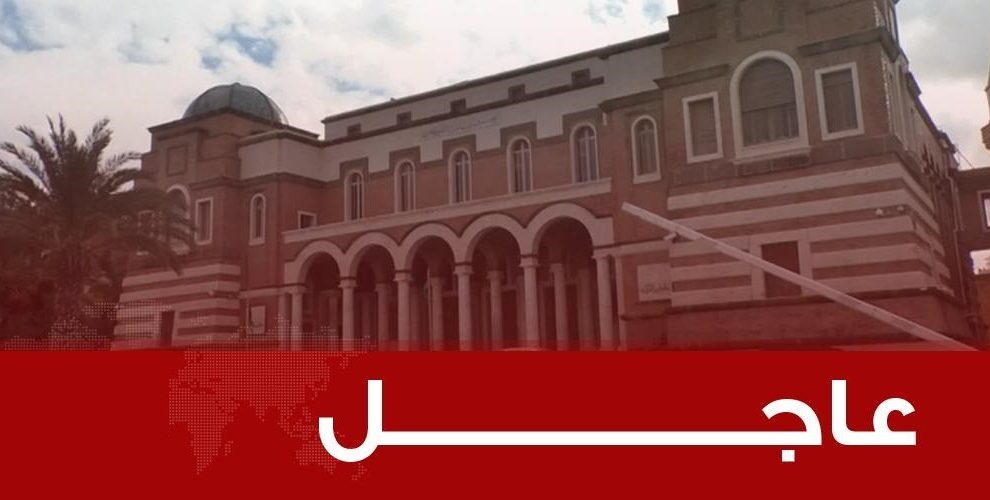
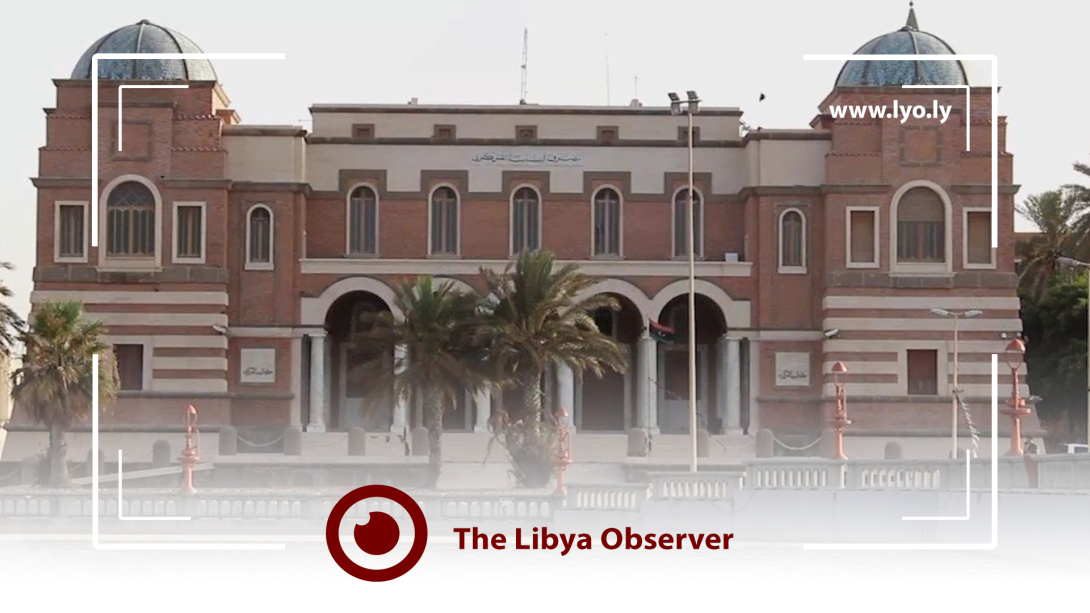
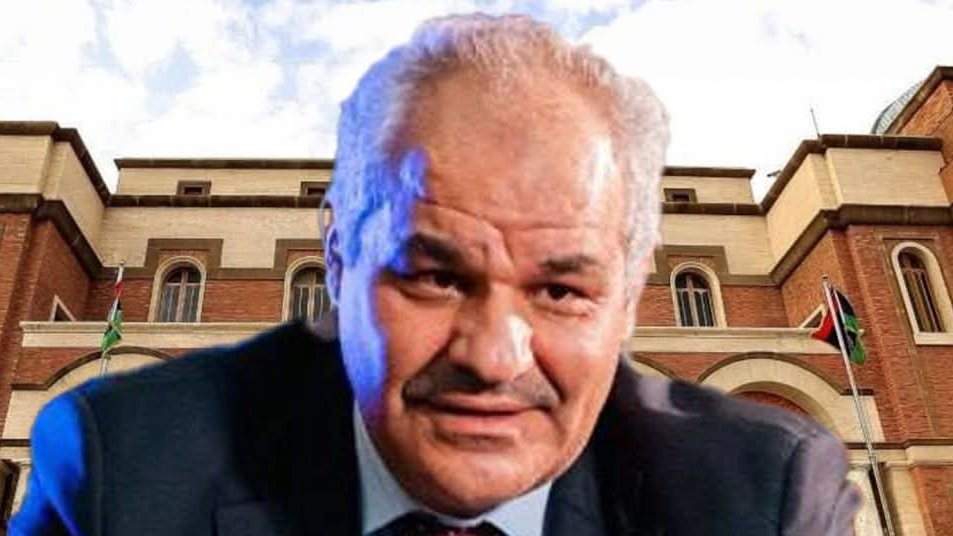
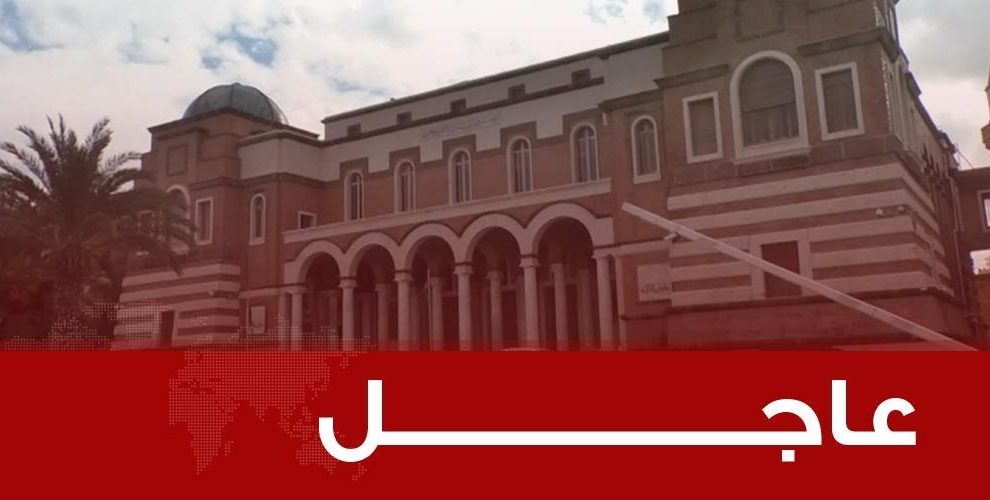
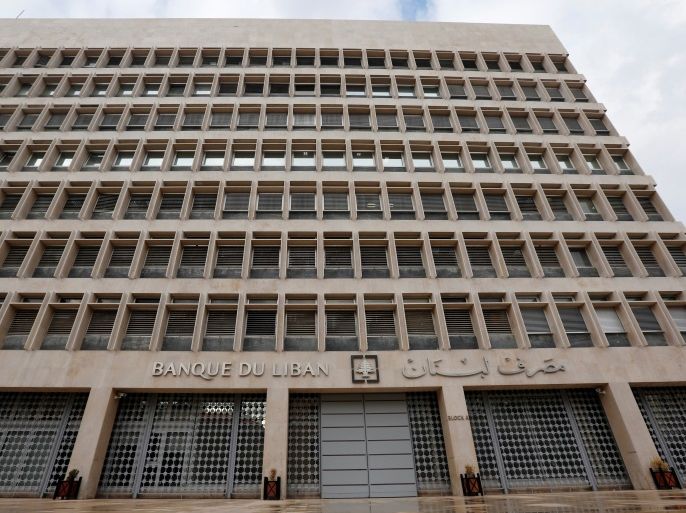
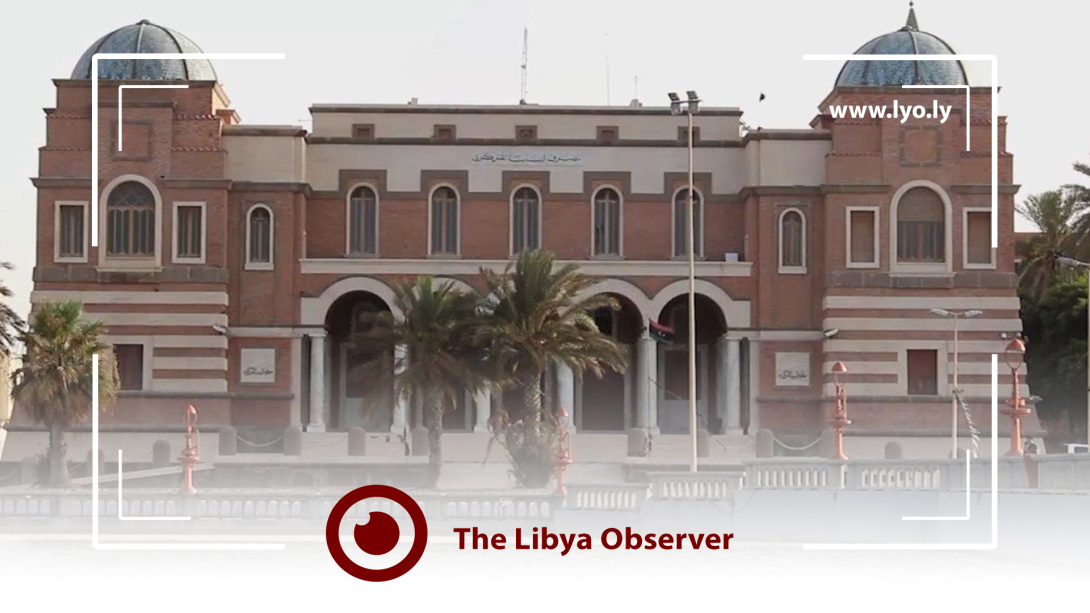
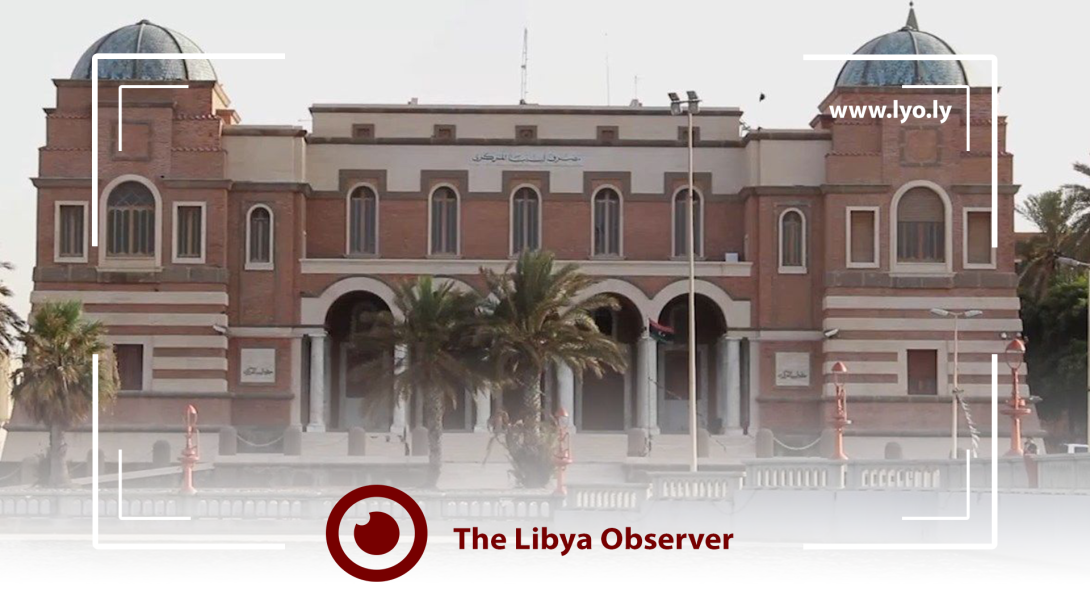
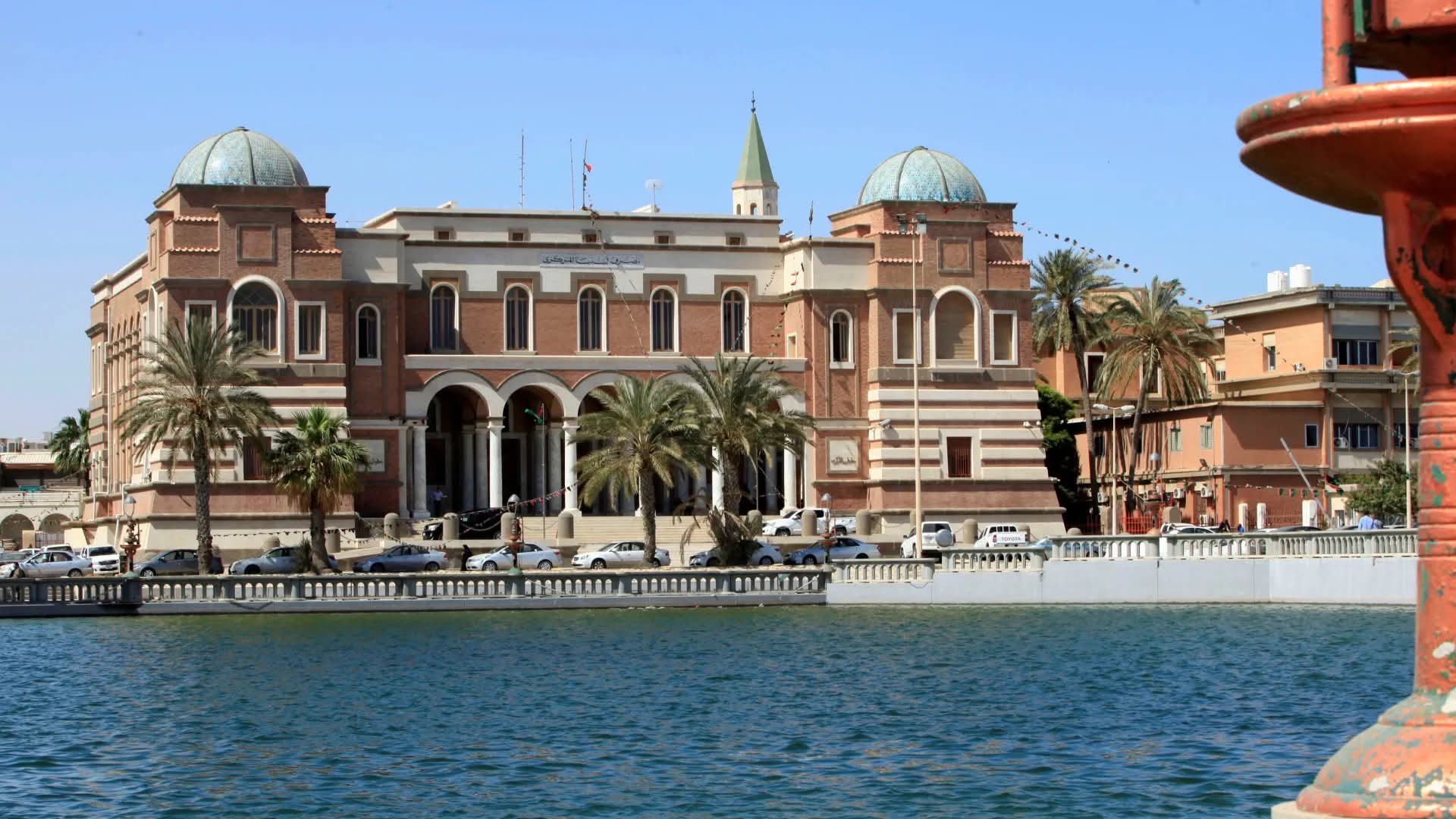
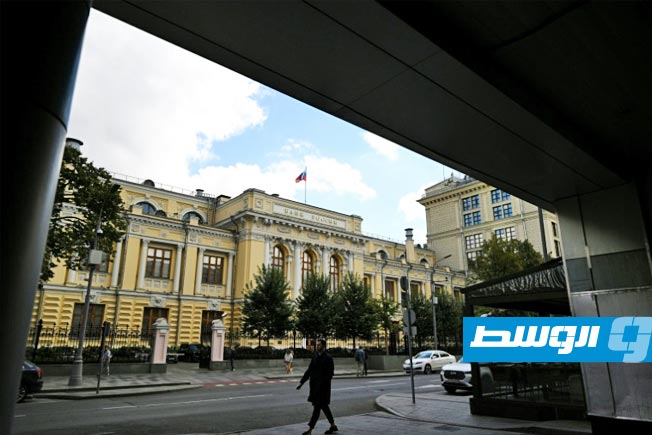
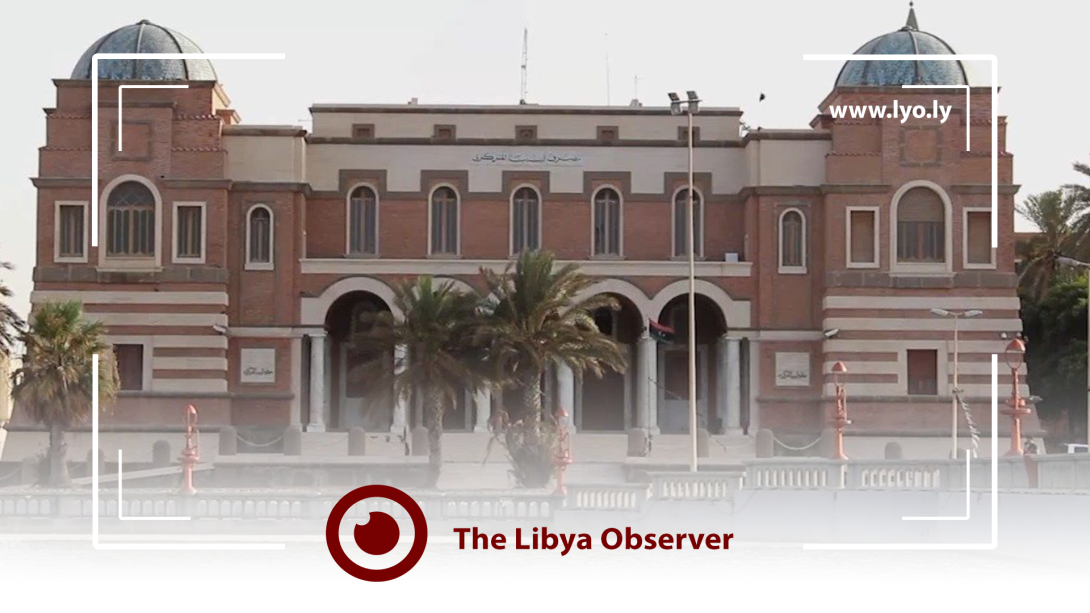
Central Bank of Libya
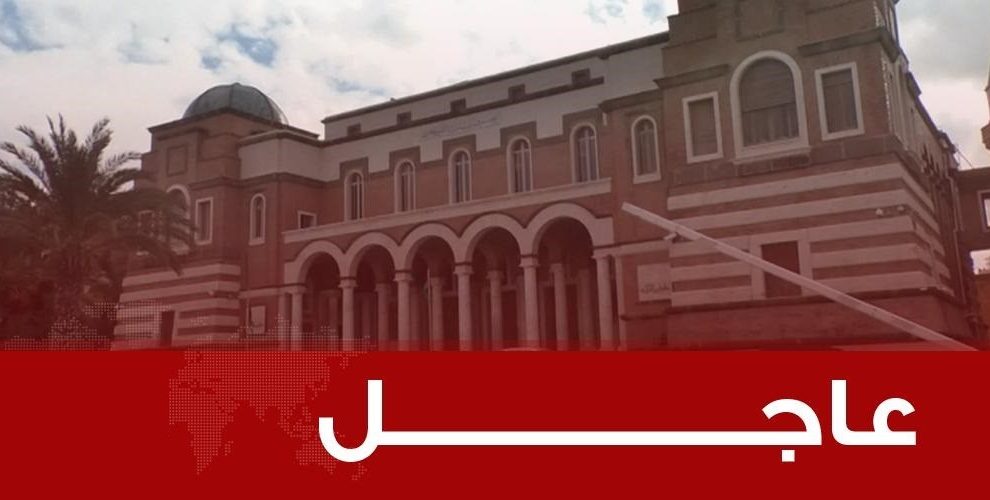
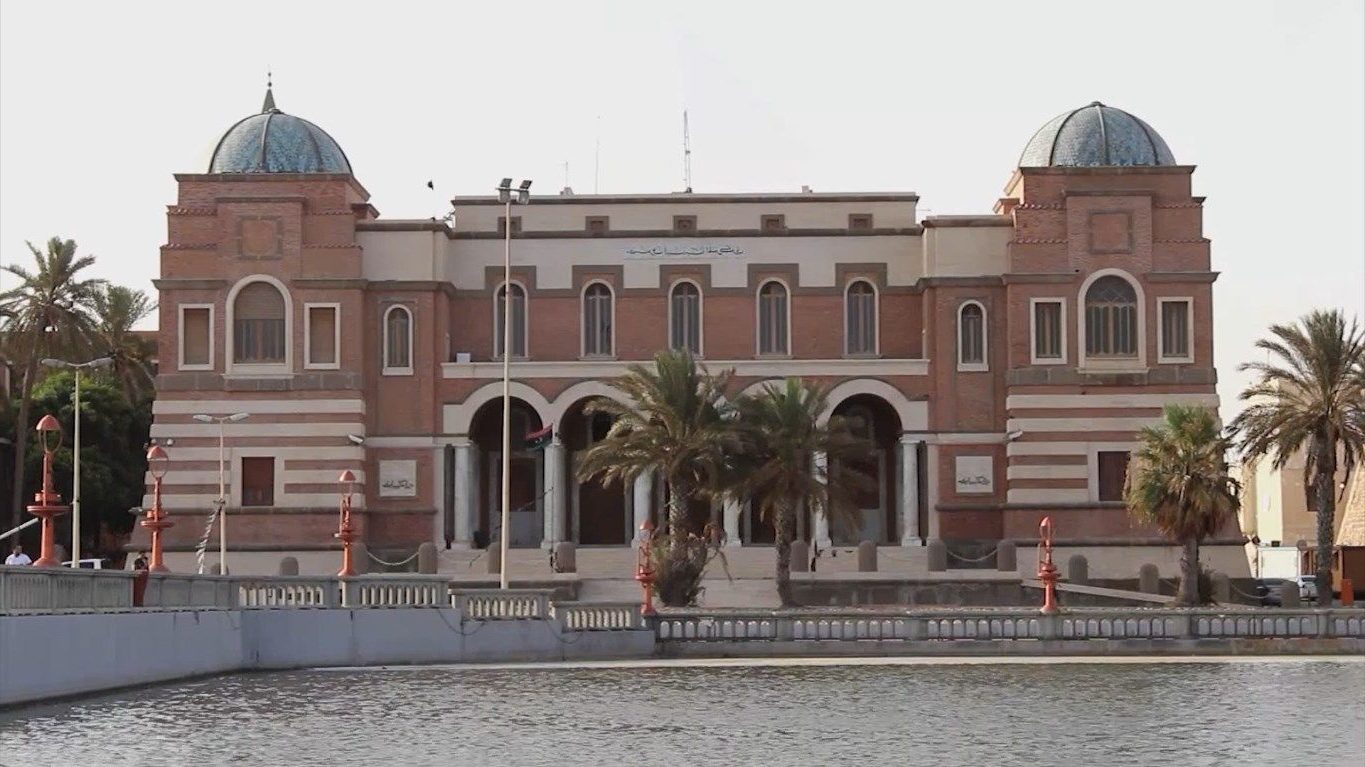
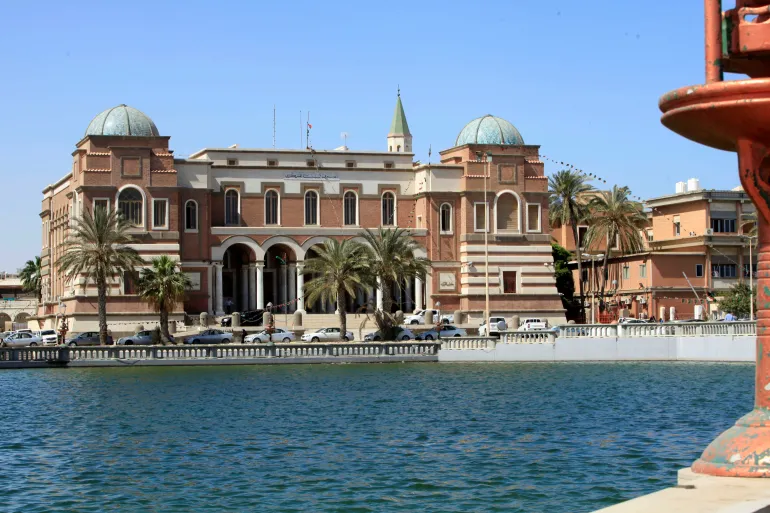
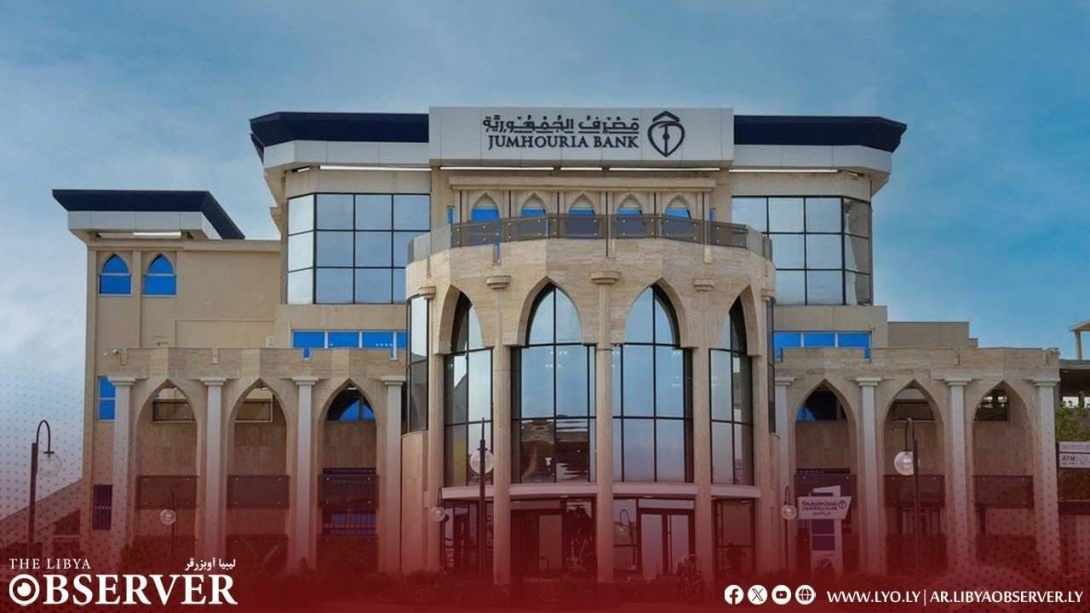
The Central Bank of Libya is the country’s primary monetary authority, established in 1956 to issue currency and manage monetary policy. It has played a critical and often divisive role in Libya’s recent history, notably functioning as a unified financial institution during the post-2011 civil war period despite the country’s political fragmentation.
Libya
Libya is a North African country with a rich history rooted in ancient civilizations like the Phoenicians and Romans, followed by centuries of Arab and Ottoman influence. In the modern era, it was an Italian colony before gaining independence in 1951, later becoming known for Muammar Gaddafi’s lengthy rule from 1969 until the 2011 revolution. Its cultural sites include the well-preserved Roman ruins of Leptis Magna, a UNESCO World Heritage site.
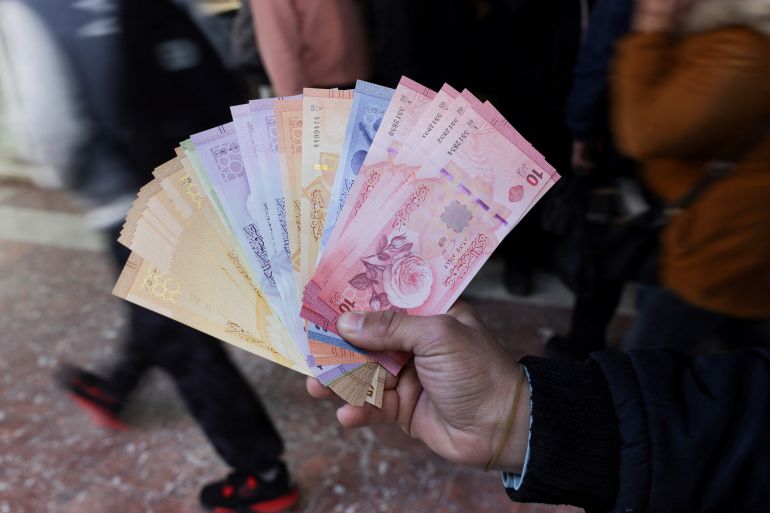
Libyan dinar
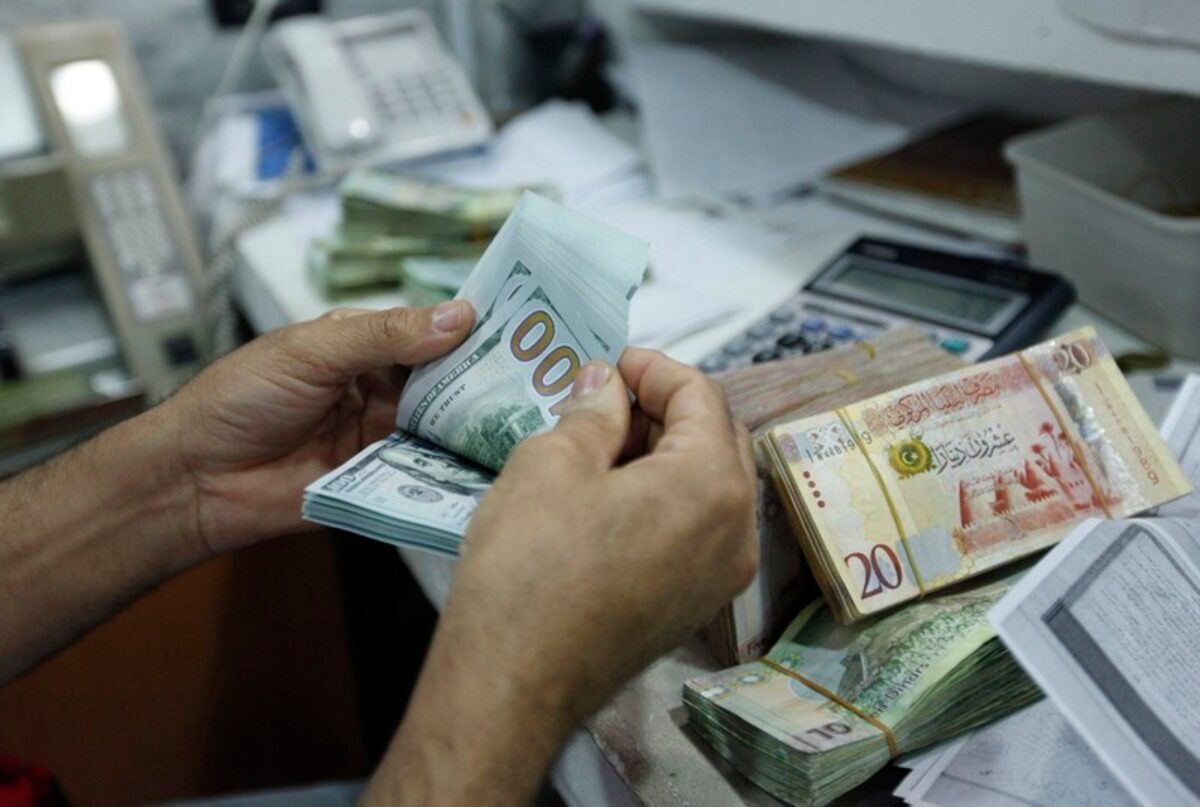
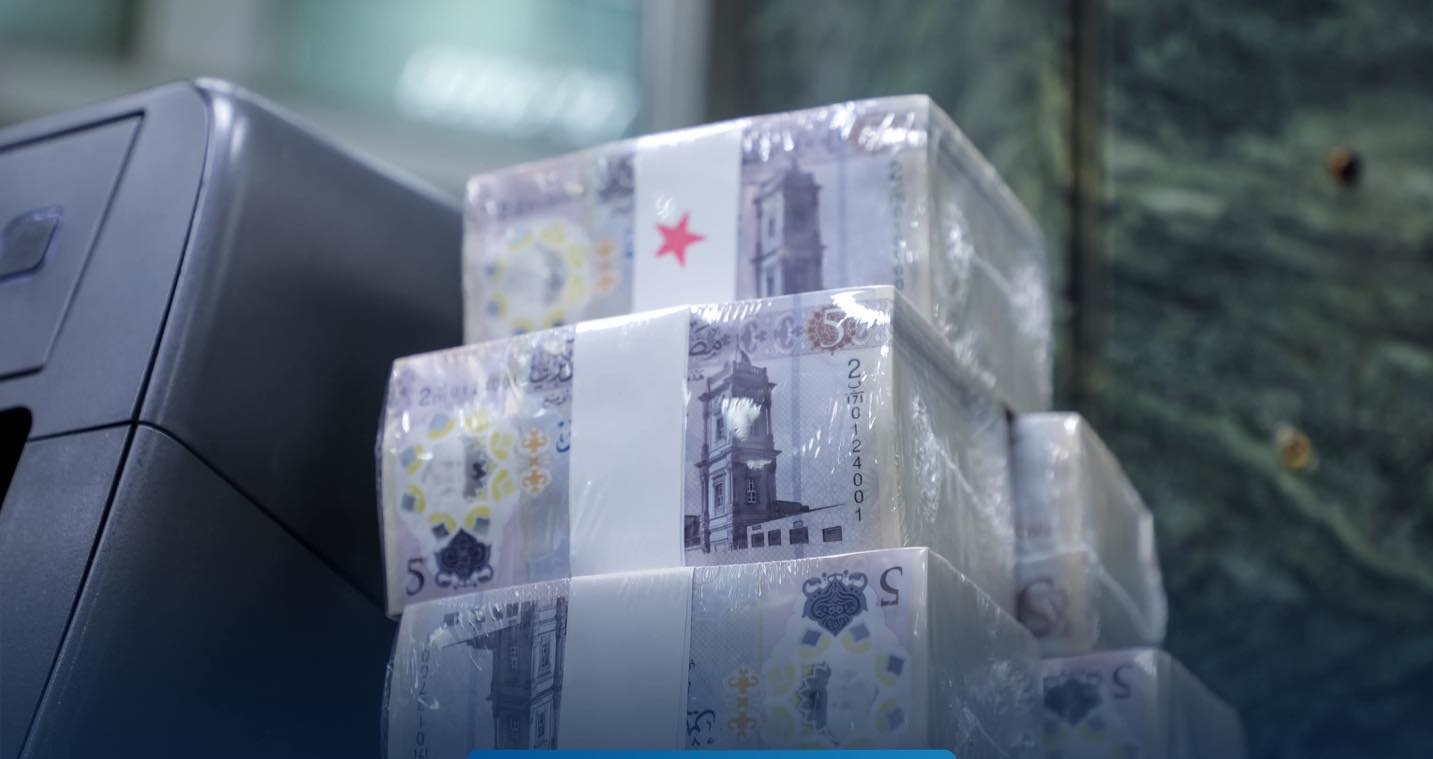
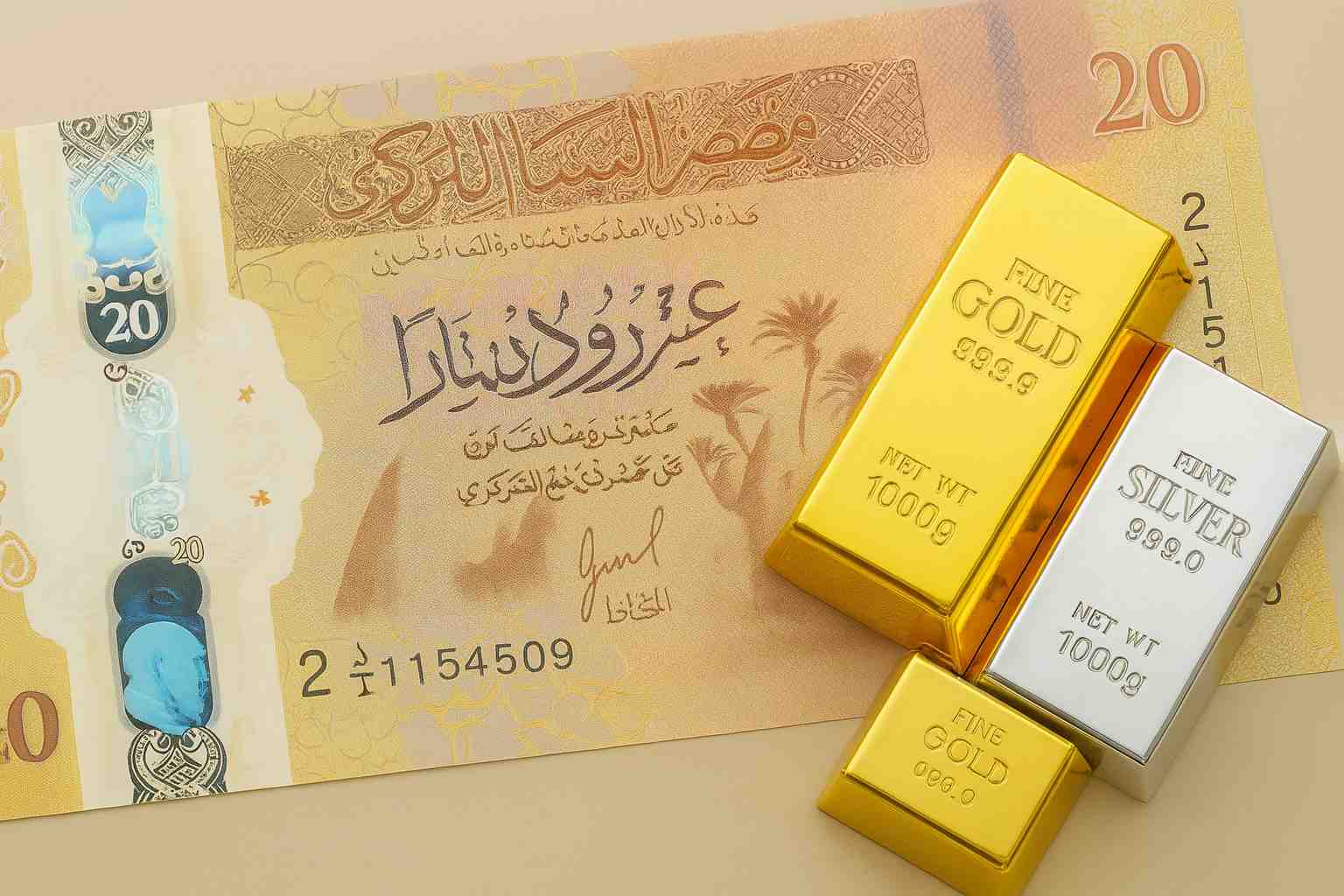
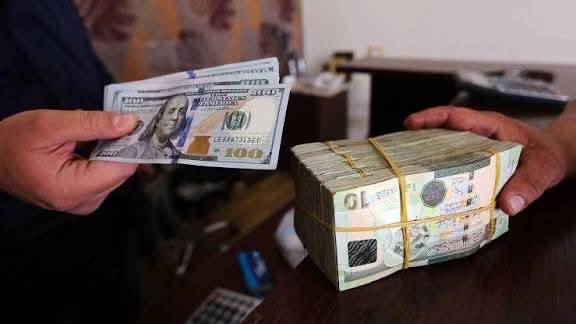
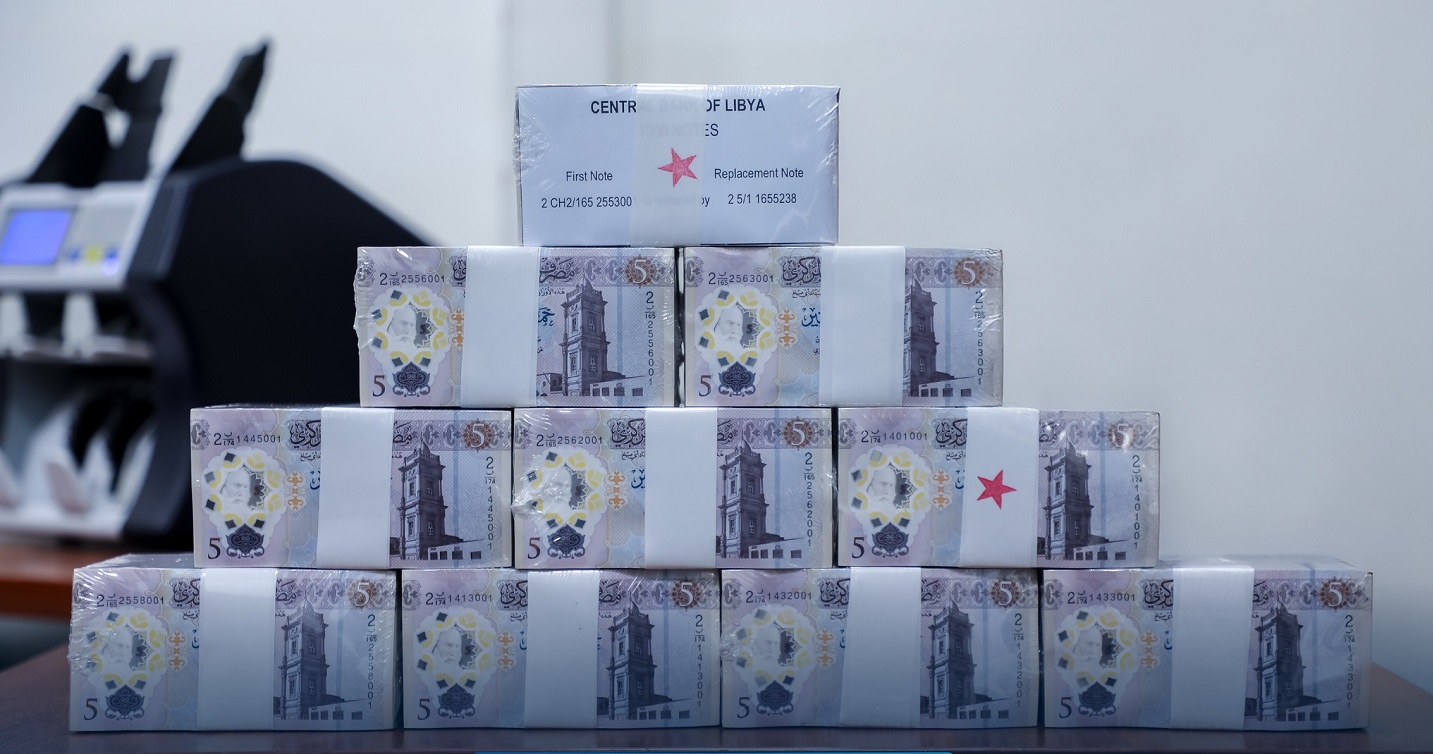
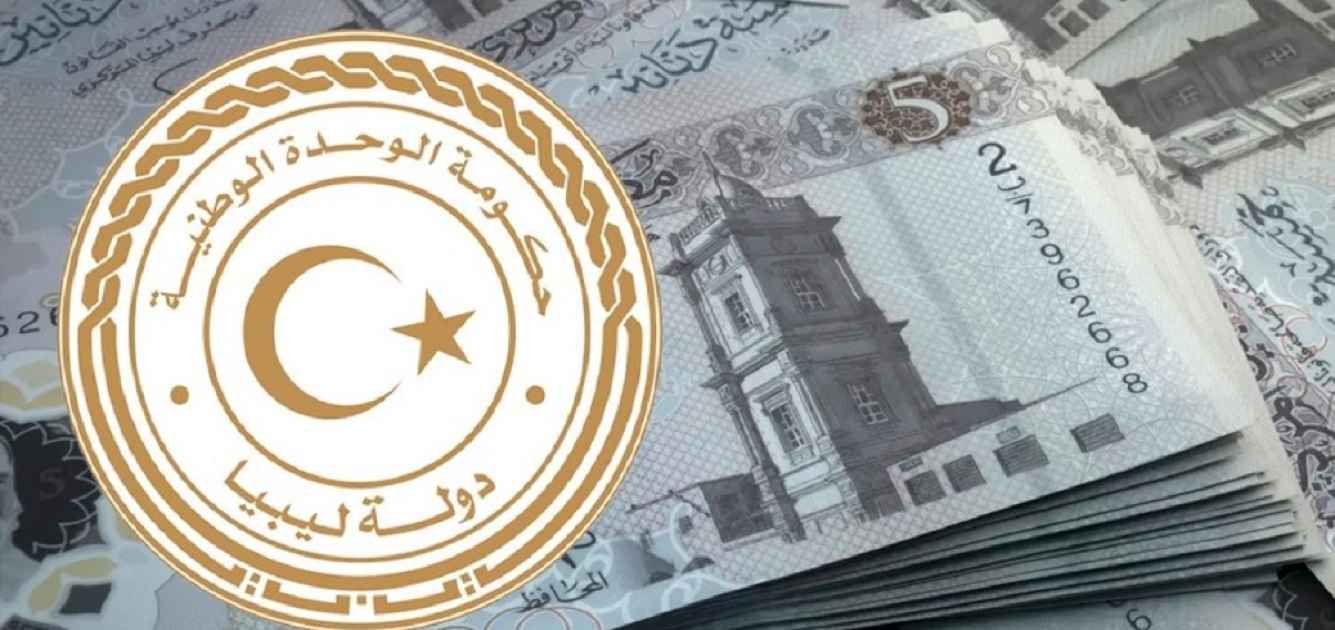
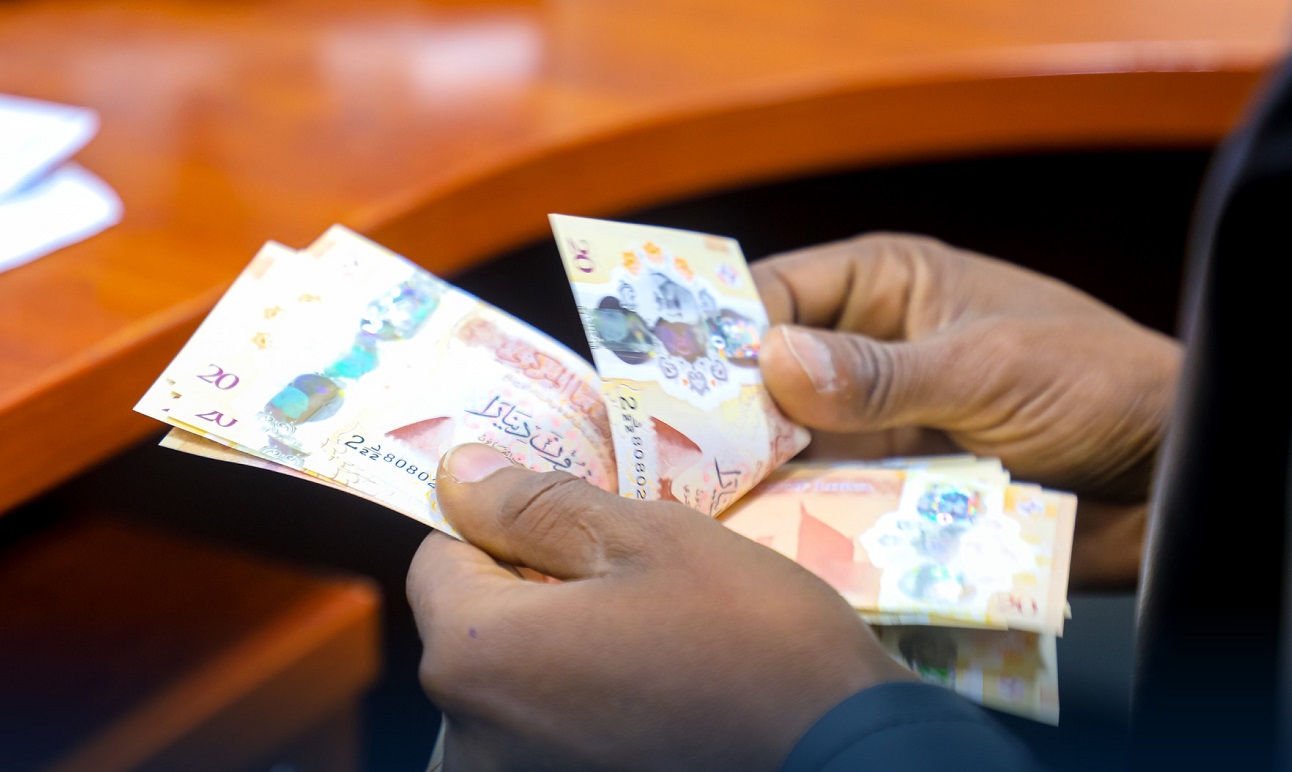
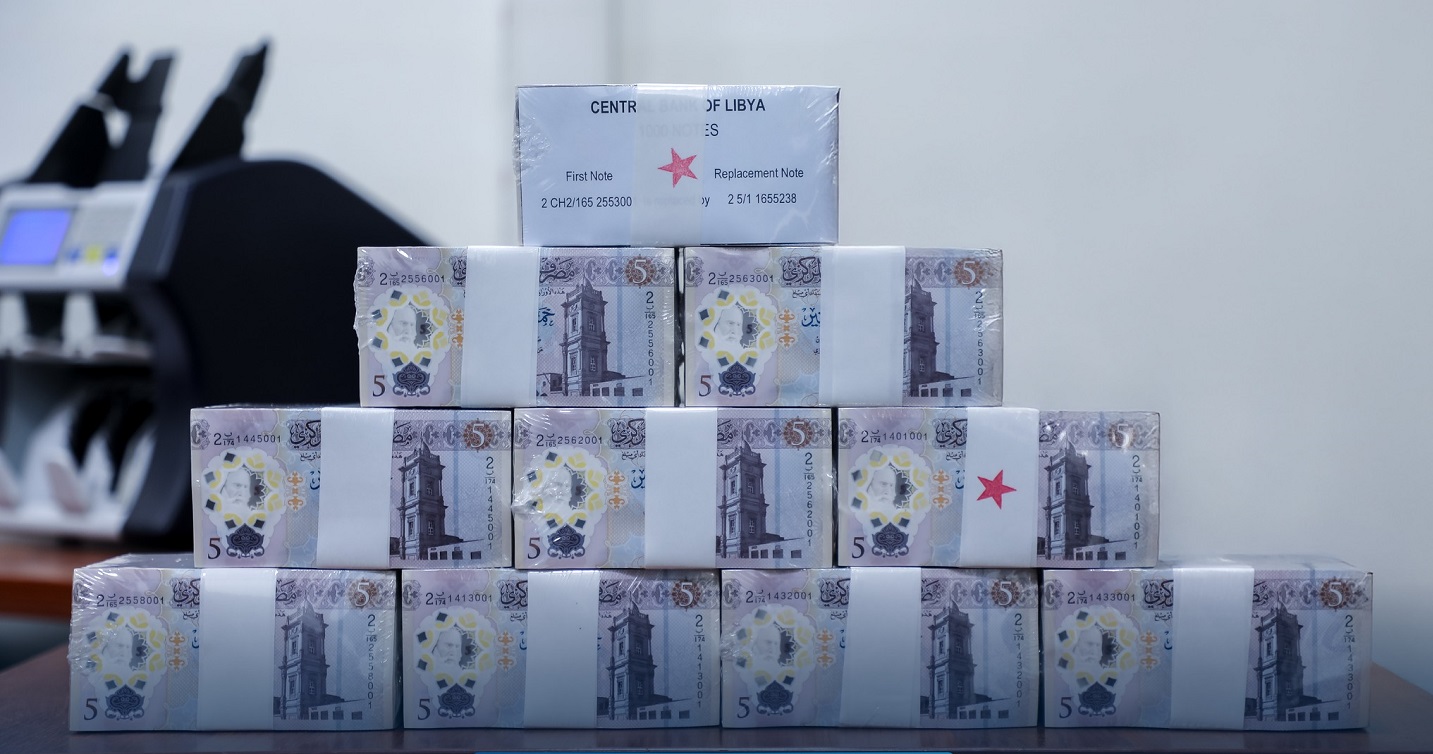
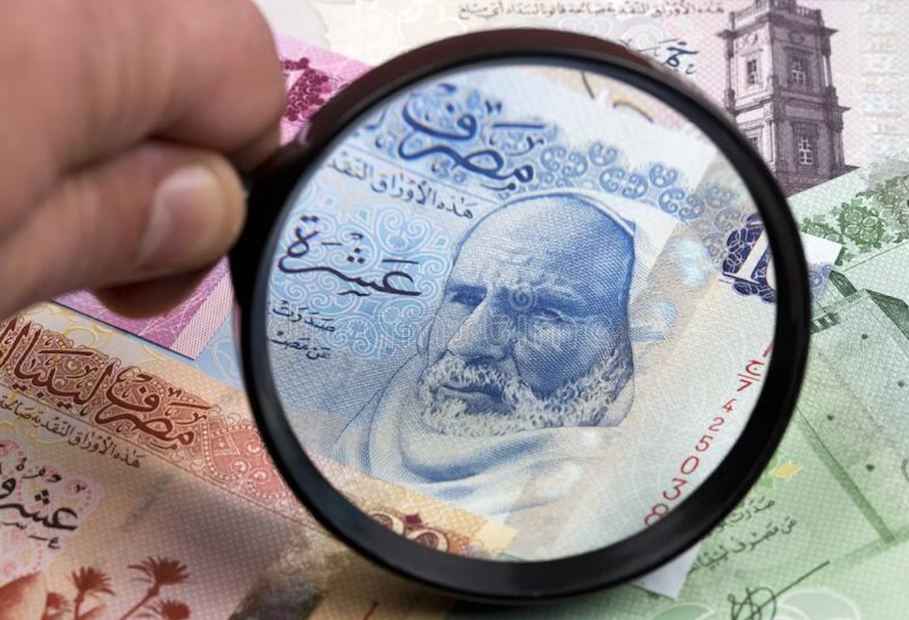
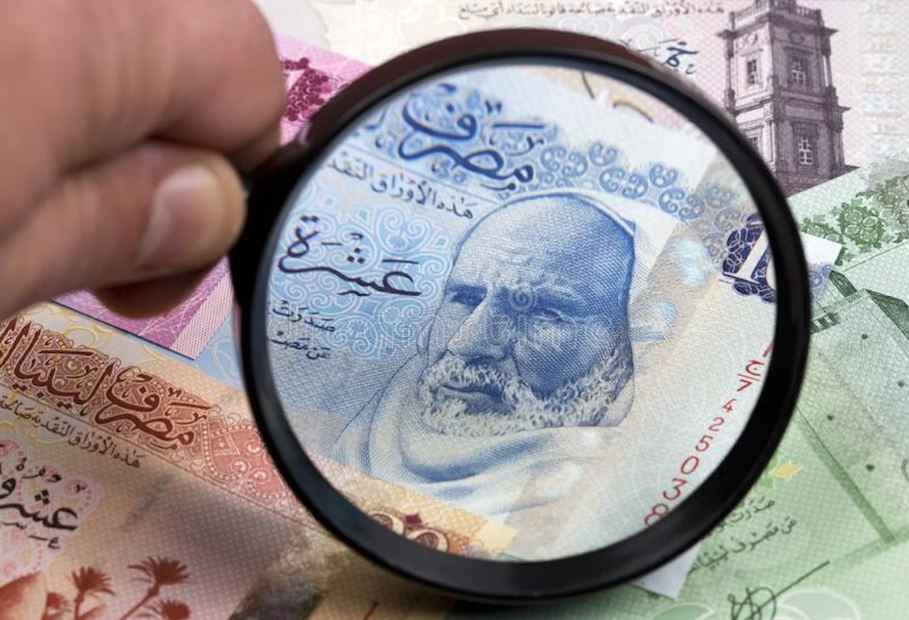
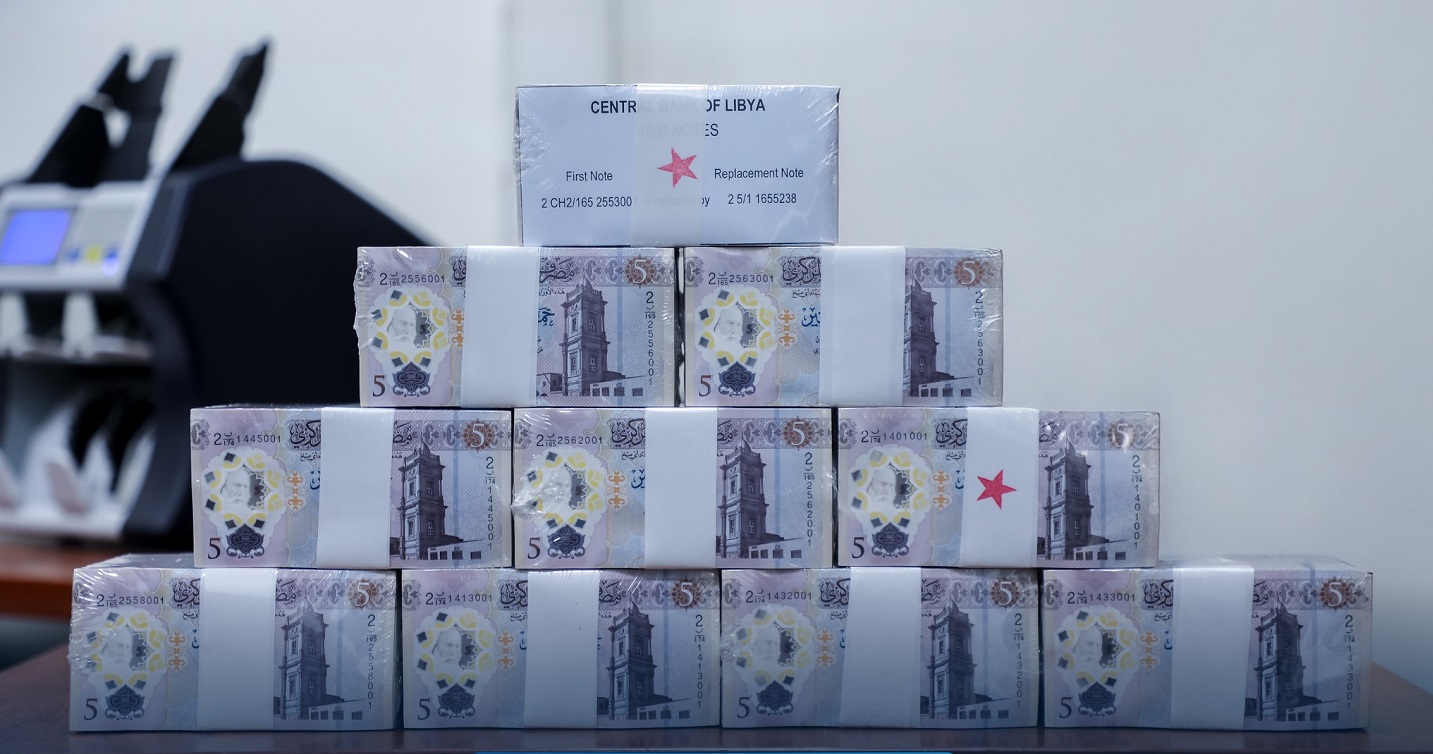
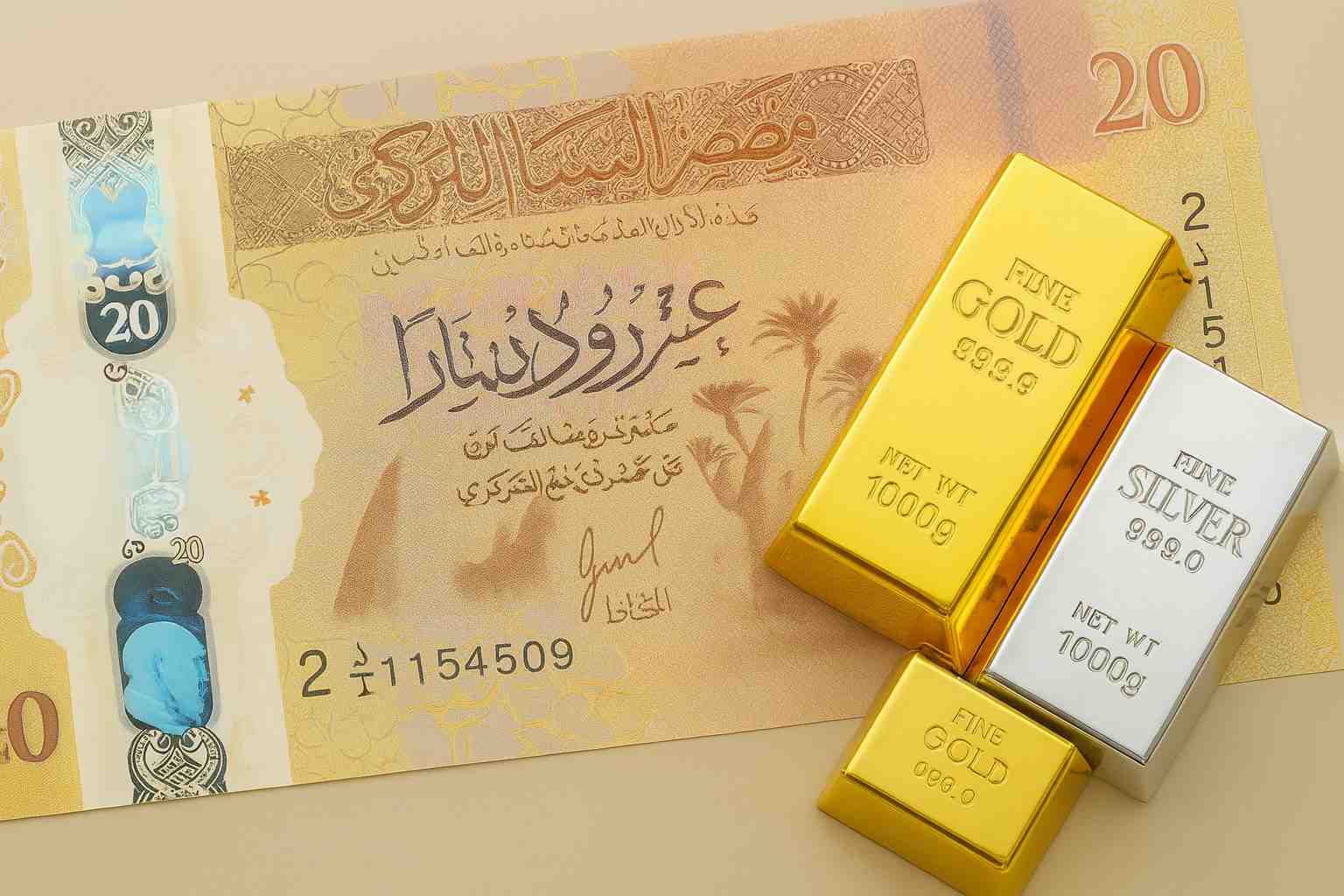
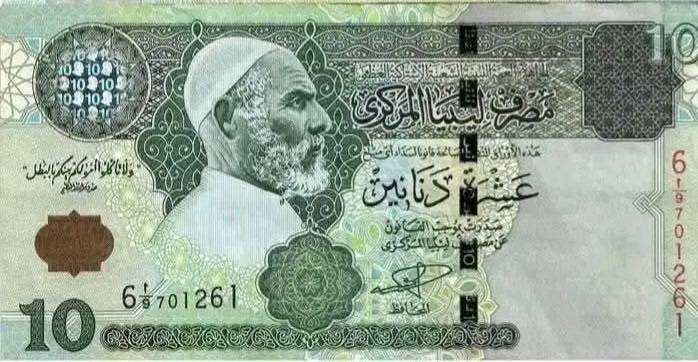
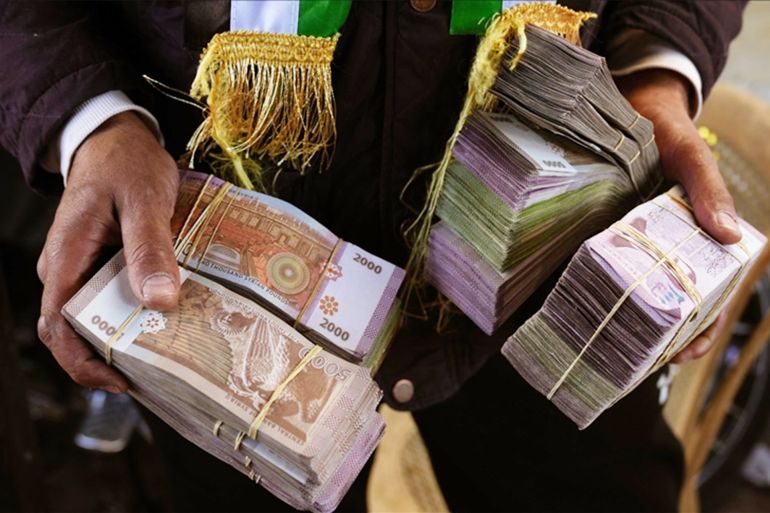
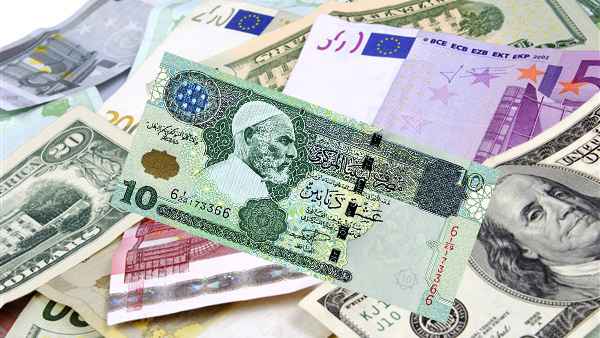
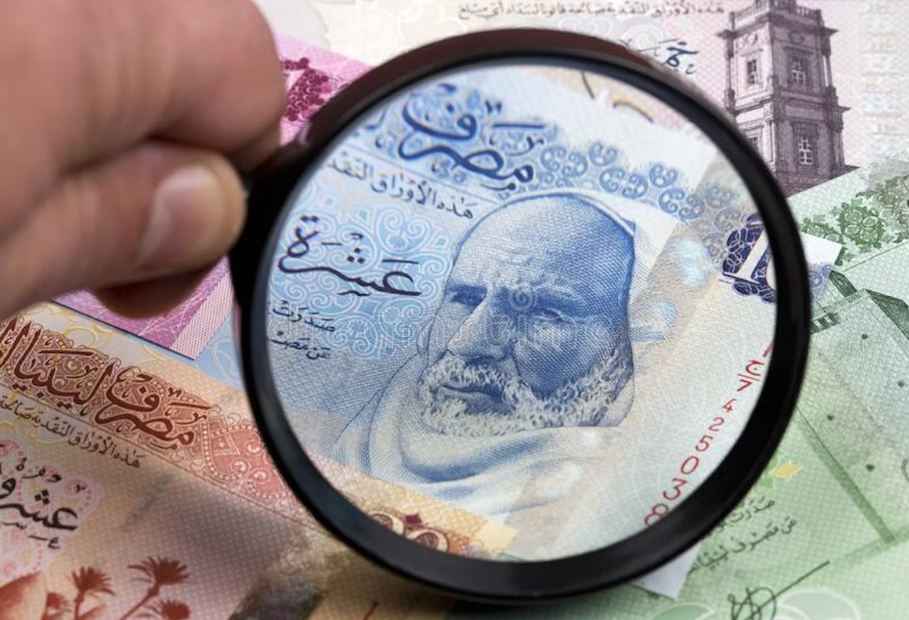
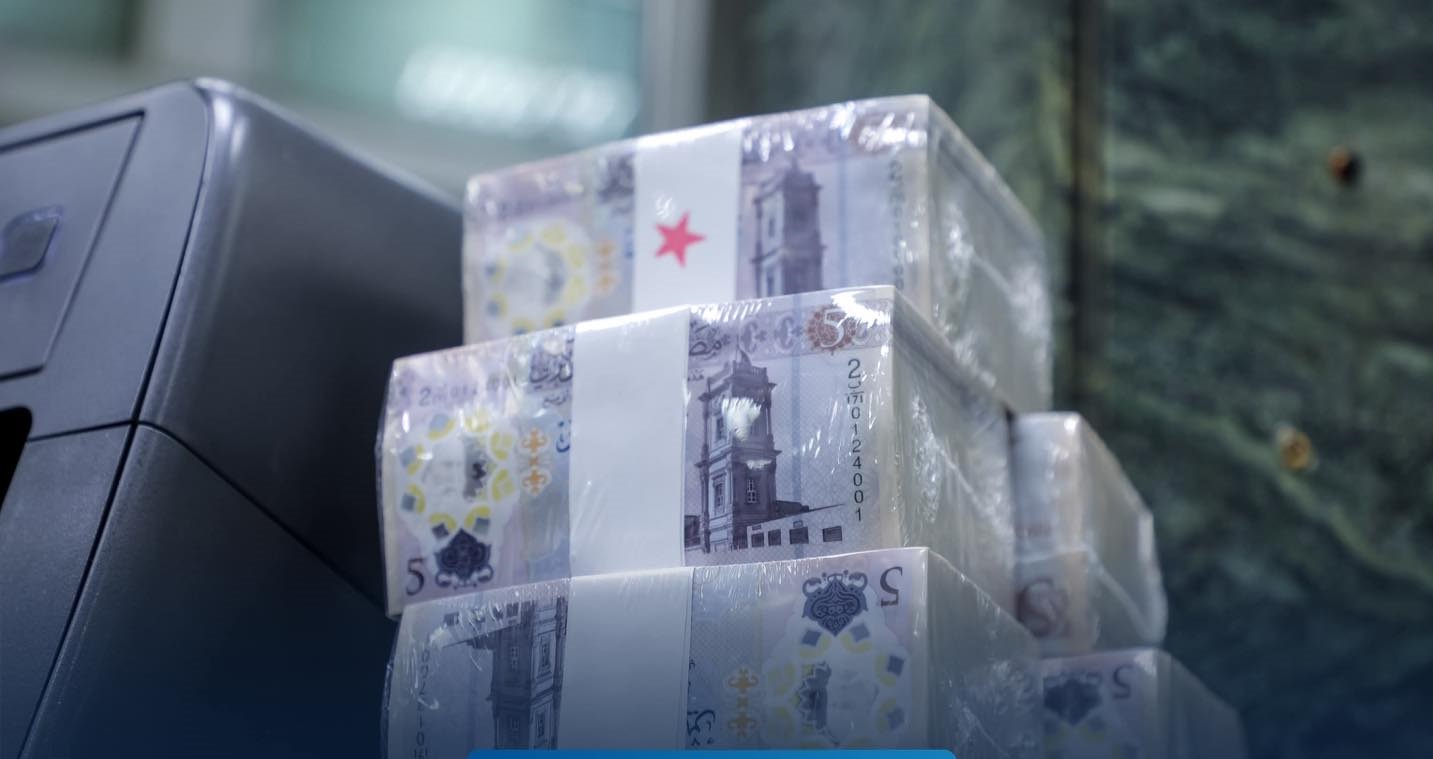
The Libyan dinar is the official currency of Libya, introduced in 1971 to replace the Libyan pound. Its issuance and value have been heavily influenced by the country’s political history, including the Gaddafi era and the instability following the 2011 civil war.