Tripoli, January 21, 2026 – The head of the Government of National Unity emphasized that the fuel file is a top priority, stressing the need to adopt a clear mechanism and methodology that ensures the supply of fuel at acceptable prices and high quality. This must be accompanied by a commitment to transparency and financial discipline, as well as improving the efficiency of system management to achieve stability in supplies.
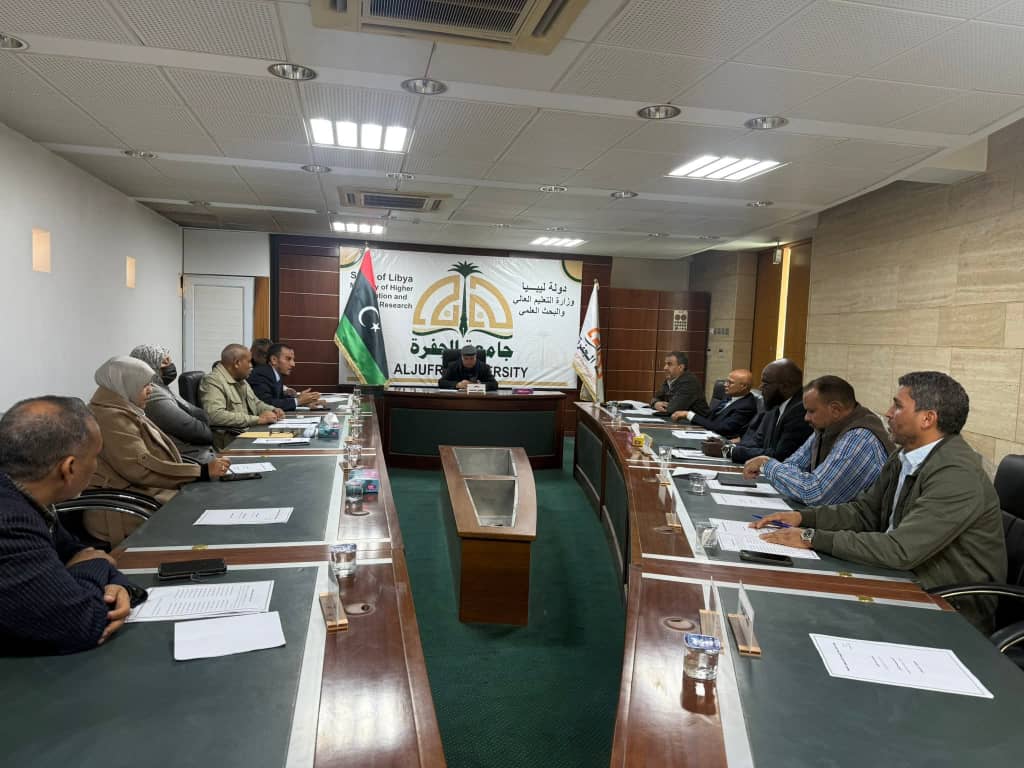
This came during a meeting held today, Wednesday, at the Prime Minister’s Office to follow up on the fuel file and discuss mechanisms for controlling and regulating supply operations.
The head of government called for the formation of a joint team comprising relevant authorities. This team would be tasked with preparing a comprehensive plan that identifies actual fuel needs, establishes the most suitable mechanisms to secure and guarantee their delivery, and prevents smuggling or any violations that could affect this vital sector.
The meeting discussed ways to enhance oversight of the gasoline supply system and address technical and administrative challenges. This aims to ensure the continuity and regularity of supply flows to various regions and prevent any bottlenecks that could affect citizens’ needs.
For his part, the head of the Audit Bureau affirmed that the Bureau plays a pivotal oversight role in monitoring the fuel file. This is done by reviewing supply, contracting, and expenditure procedures to ensure the integrity of processes and the protection of public funds. He clarified that the Bureau operates within an institutional partnership with the government based on cooperation and integration, supporting reform efforts, enhancing transparency, and controlling financial and administrative performance. This contributes to ensuring the continuity of supplies.
At the conclusion of the meeting, attendees emphasized the importance of activating joint follow-up and oversight mechanisms and establishing clear procedures to ensure fuel reaches those entitled to it. This achieves market stability and serves the public interest.
The meeting was attended by representatives of the relevant departments of the National Oil Corporation.