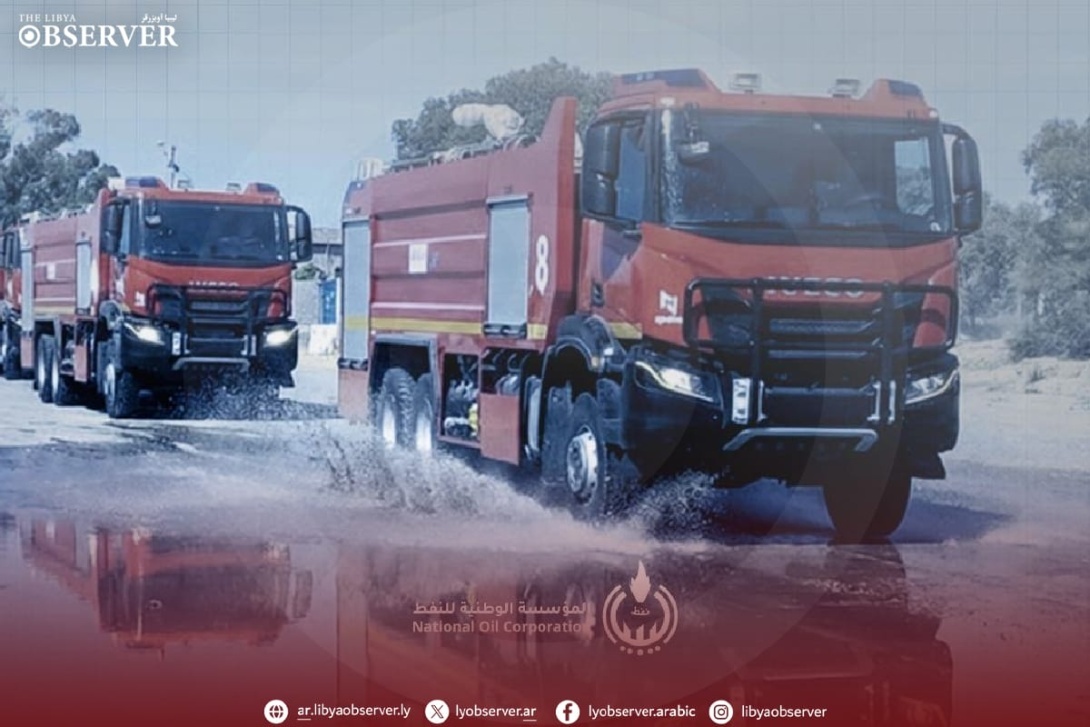
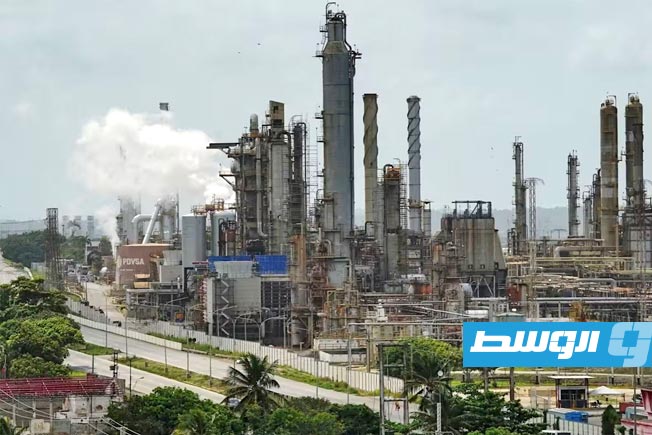
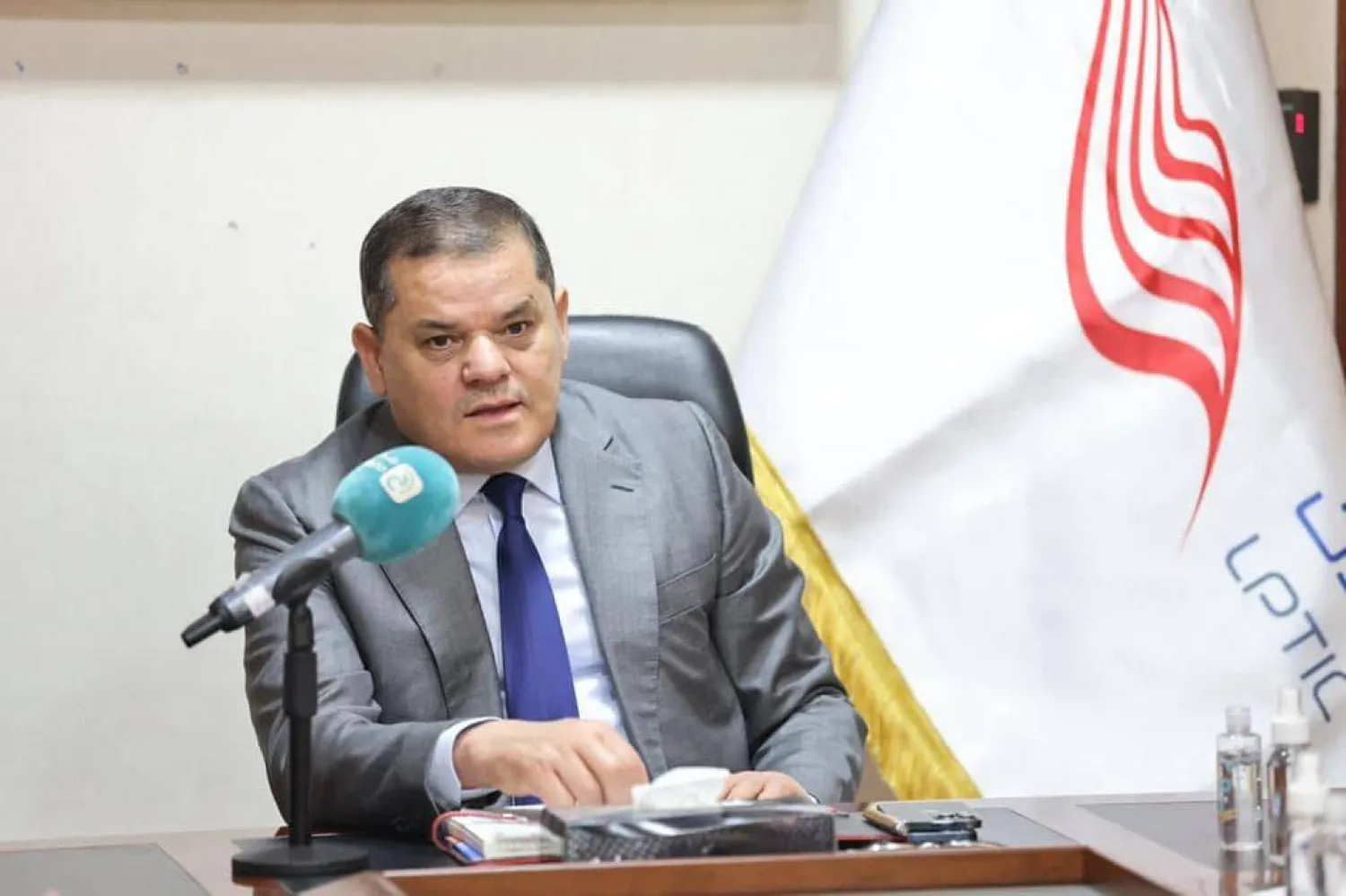
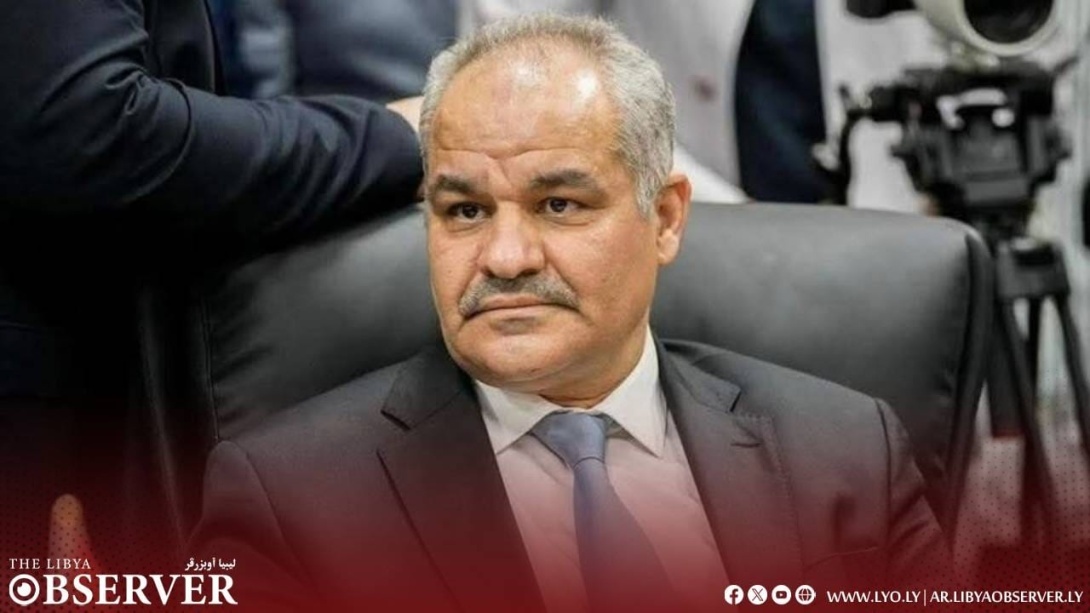
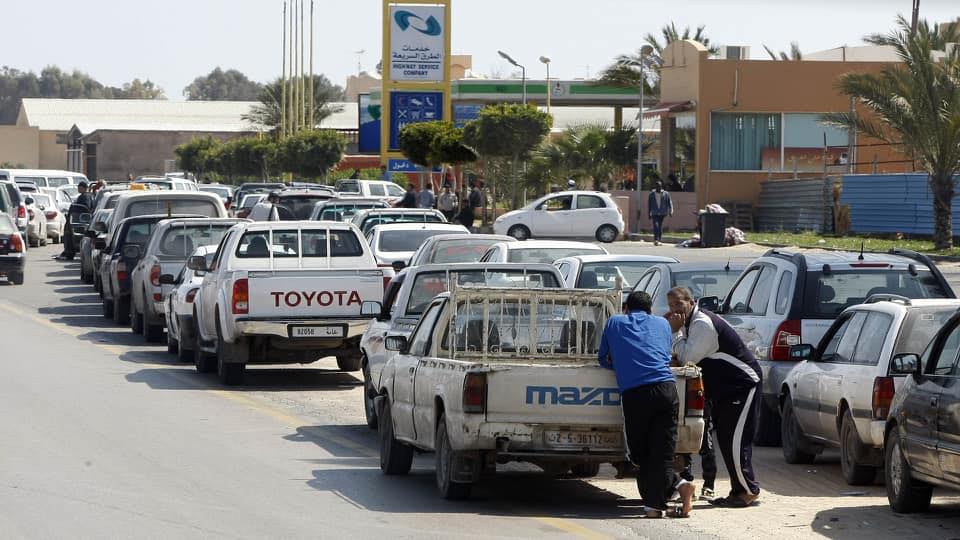
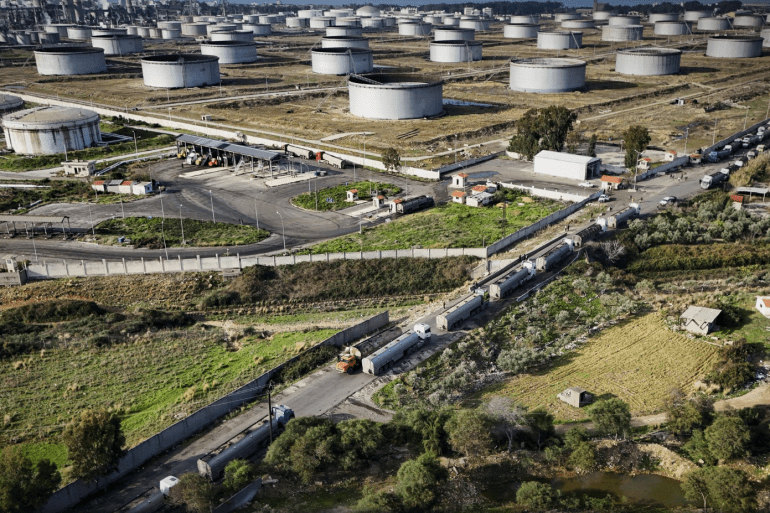
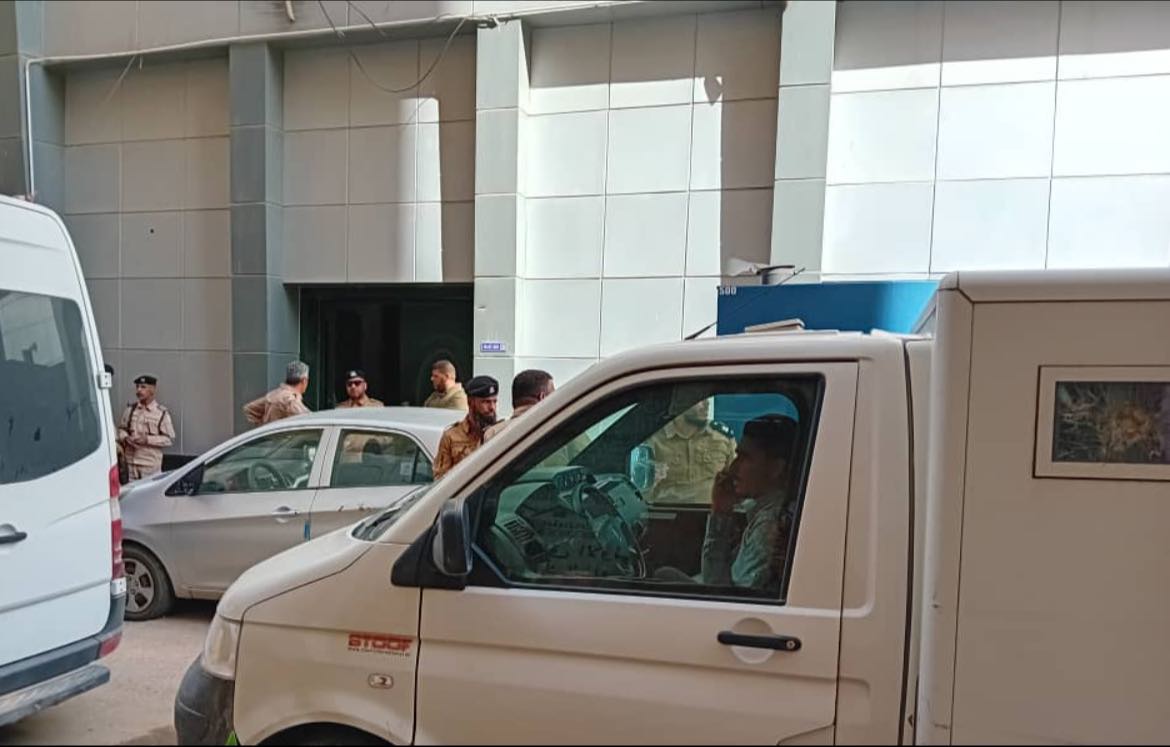
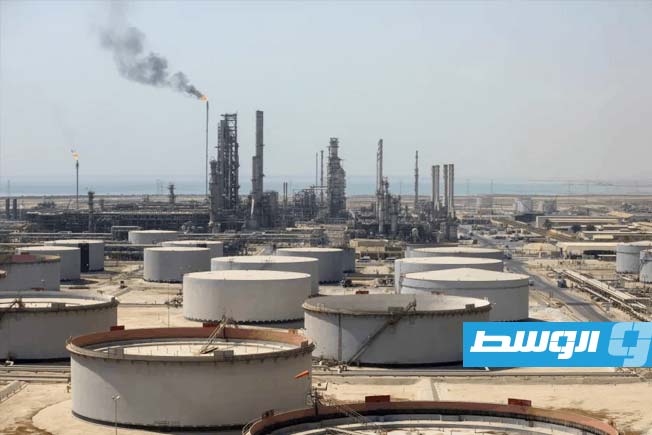
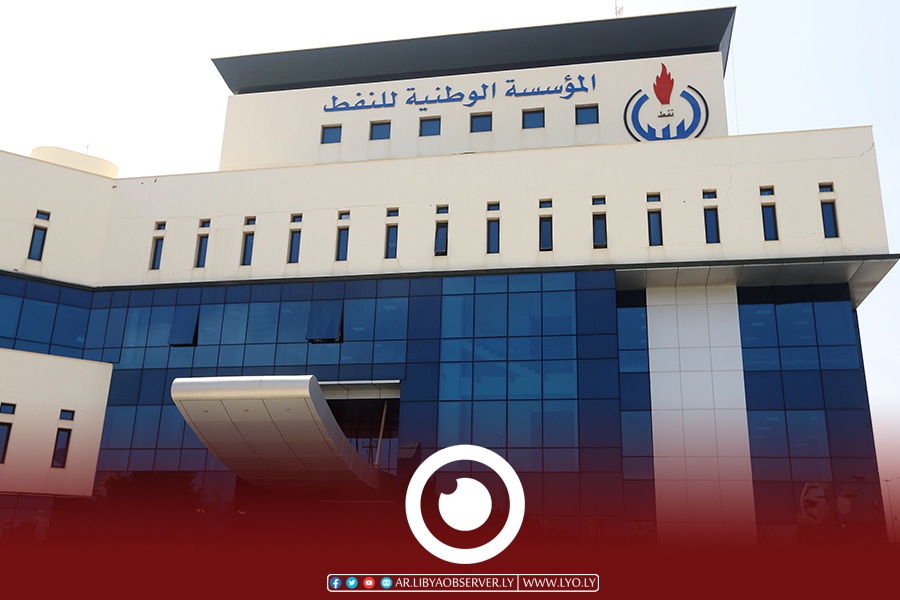
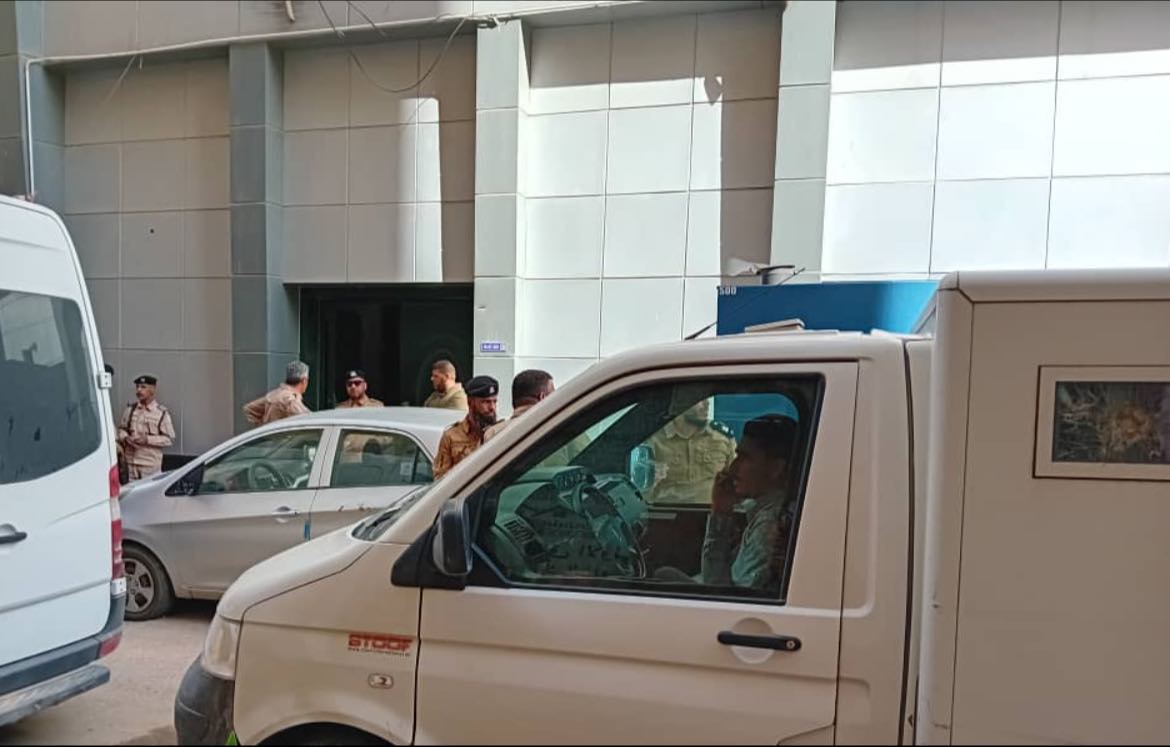
Tripoli, February 16, 2026 – The Brega Oil Marketing Company has received 20 new, modern-model fire trucks, which will join the company’s existing fleet distributed across its work sites throughout the country.
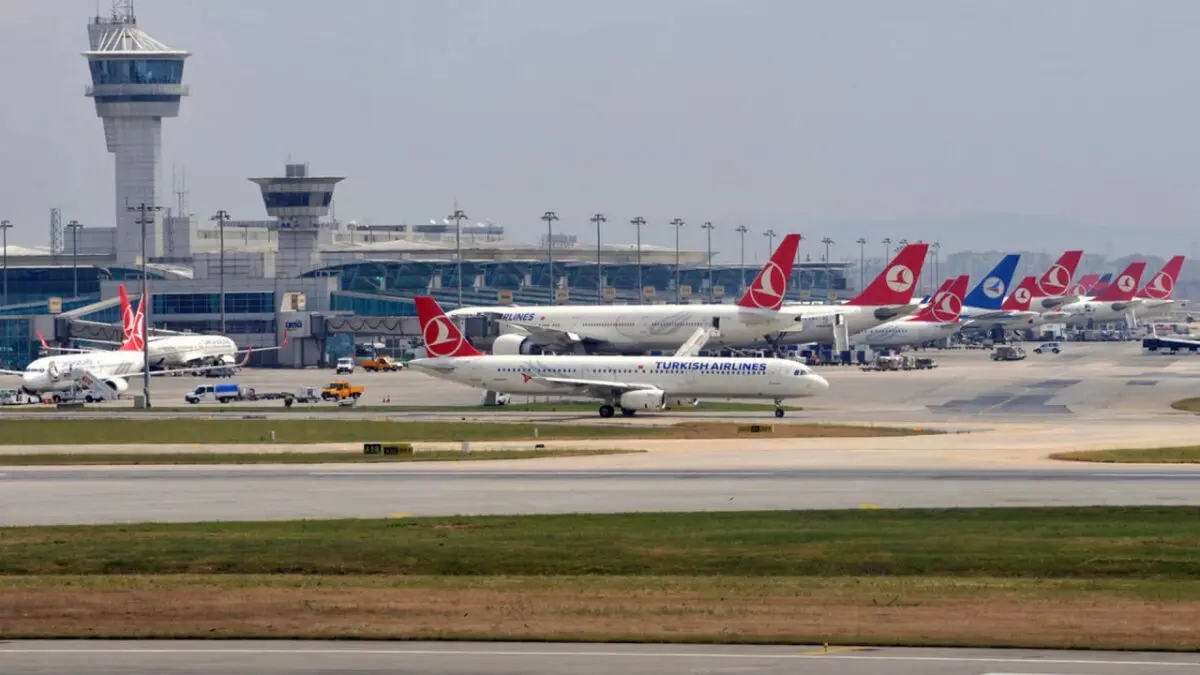
Seven of these vehicles have been distributed to airport warehouses after completing their registration procedures with the relevant department of the Ministry of Transportation. The remaining 13 fire trucks will be distributed to warehouses in the following locations: Al Gharbi, Tobruk, Ras Lanuf, Misrata, Tripoli, Az Zawiyah, Sabha, and As-Sarir.
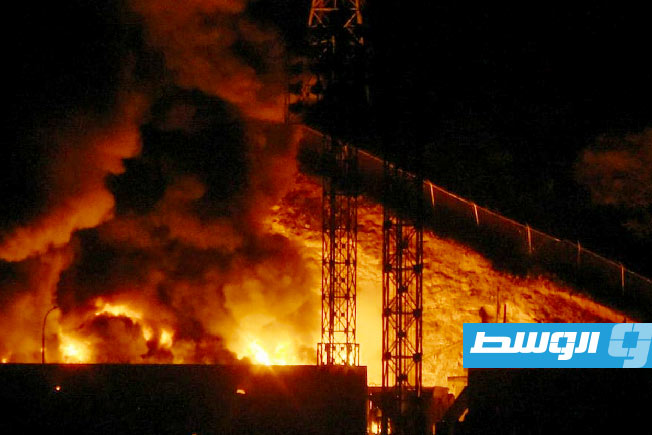
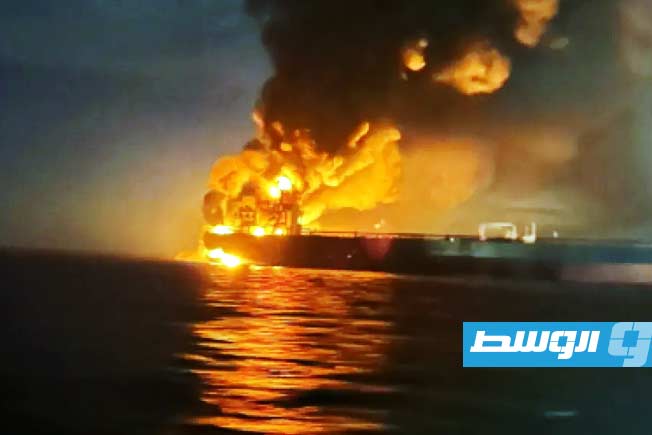
This addition supports the capabilities of the General Department of Health, Safety, and Environment at the Brega Oil Marketing Company to enhance rapid response and preserve lives and property from the danger of fires.
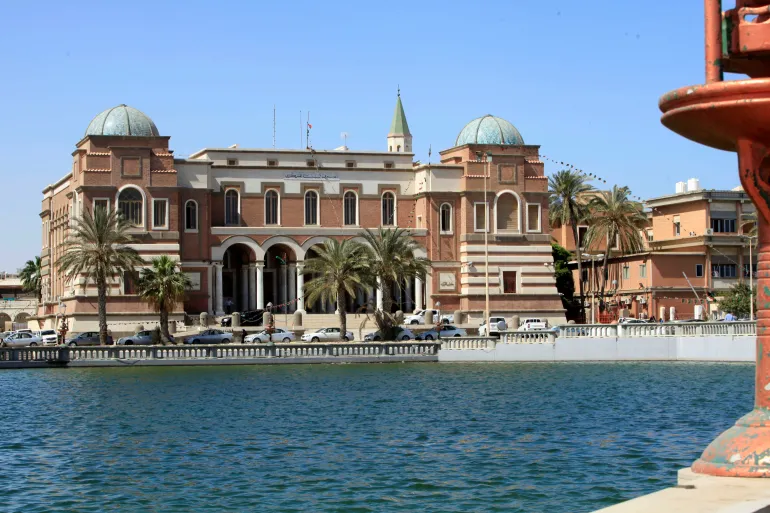
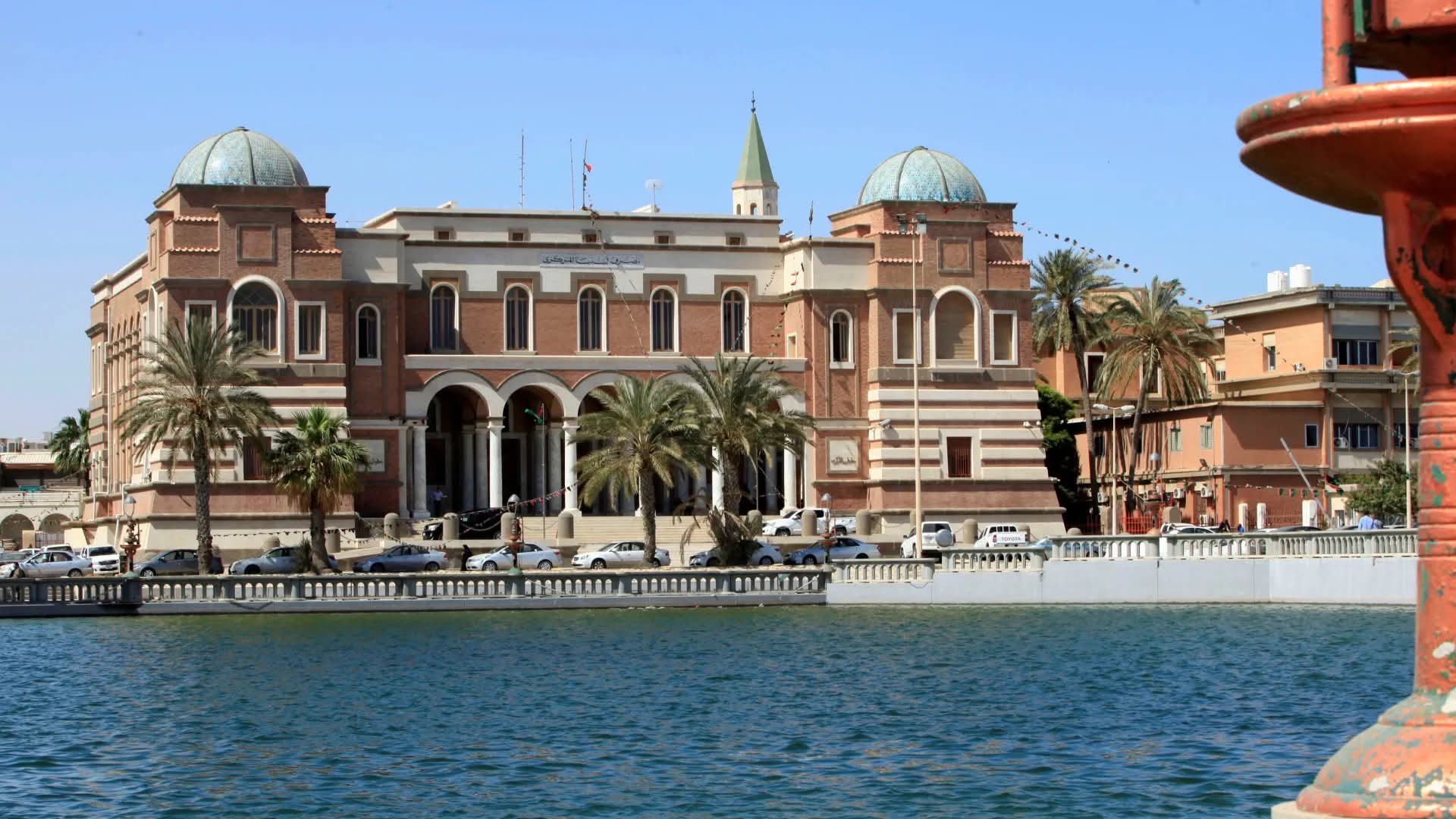
Tripoli
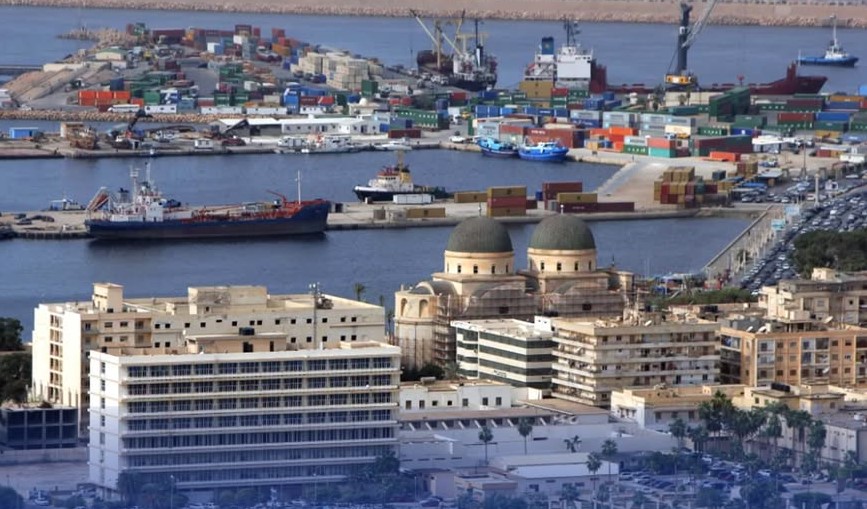
Tripoli is the capital and largest city of Libya, located on the country’s Mediterranean coast. Historically, it was founded by the Phoenicians in the 7th century BC and has since been ruled by the Romans, Arabs, Ottomans, and Italians, serving as a major port and cultural crossroads. Its historic core, the medina of Old Tripoli, contains significant architecture from these various periods.
Brega Oil Marketing Company
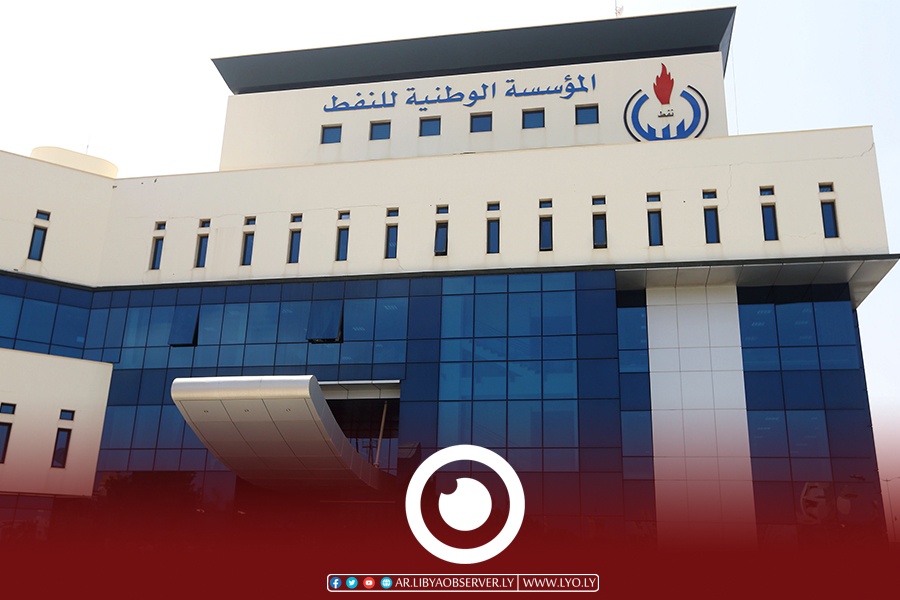
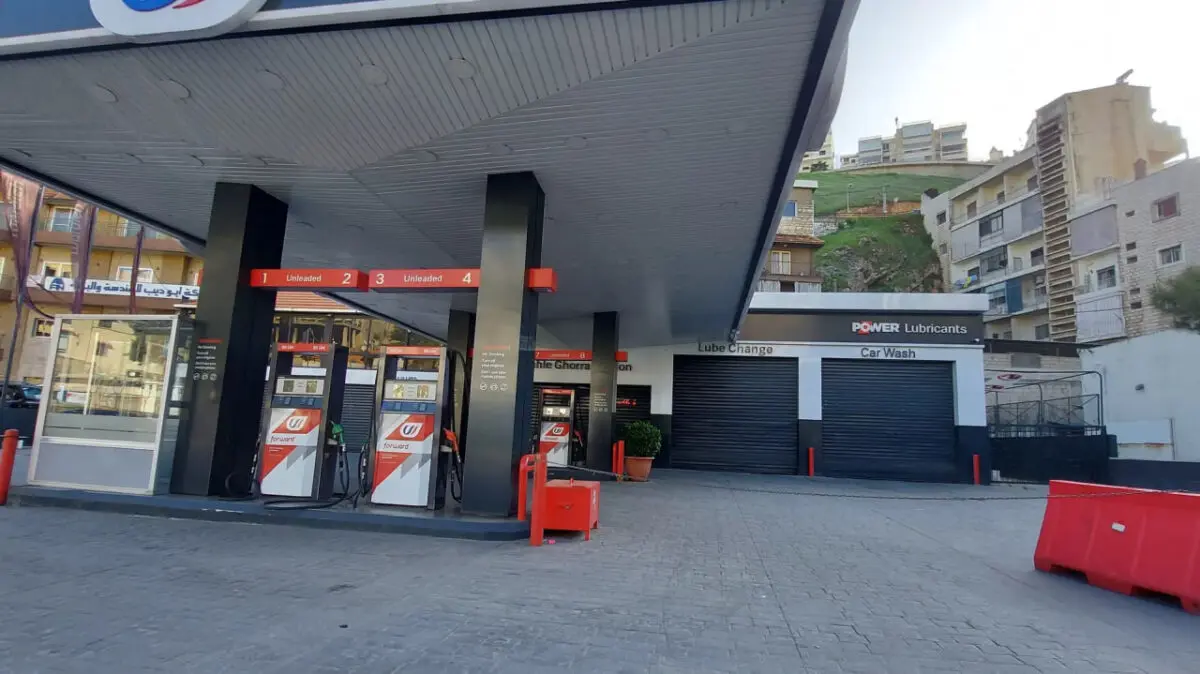
The Brega Oil Marketing Company is a major state-owned petroleum distribution and marketing firm in Libya, established in 1971. It manages the distribution of refined oil products across the country and operates an extensive network of fuel stations. The company is a key subsidiary of the state-owned National Oil Corporation (NOC), playing a central role in Libya’s hydrocarbon sector since its founding.
Ministry of Transportation
The Ministry of Transportation is a government department responsible for overseeing national transport systems, including roads, railways, and aviation. Its history is tied to the development of modern infrastructure, often originating from earlier public works or railway departments as countries industrialized to manage growing mobility needs.
Al Gharbi
“Al Gharbi” is a common Arabic term meaning “the western one,” often used to refer to the western part of a region or country, such as in Saudi Arabia’s Al Jawf Province. Historically, areas designated as Al Gharbi were often defined in contrast to eastern (“Al Sharqi”) regions, with their history tied to broader regional settlement and tribal movements. Without a more specific context, it is not a single, universally recognized cultural site with a singular history.
Tobruk
Tobruk is a port city in eastern Libya that gained significant strategic importance during World War II, notably for its natural deep-water harbor. It was the site of a prolonged and pivotal siege in 1941, where Allied forces held out against Axis attacks for over 240 days.
Ras Lanuf
Ras Lanuf is a major oil port and refinery complex located on the Gulf of Sidra in Libya. Its modern development and significance are tied directly to Libya’s petroleum industry, which began large-scale exports in the 1960s. The site has also been a strategic point of contention during periods of conflict in Libya, including the 2011 civil war and subsequent clashes.
Misrata
Misrata is a major port city on the Mediterranean coast of northwestern Libya, historically known as a key trading and commercial center since at least the 7th century. It gained significant international attention during the 2011 Libyan Civil War, where it was the site of a prolonged and pivotal siege against the Gaddafi government. Today, it remains one of Libya’s most important economic hubs, known for its industry and commerce.
Az Zawiyah
Az Zawiyah is a city in northwestern Libya, historically known for its role as a center of Islamic learning and Sufi tradition, particularly associated with the Senussi order. Its name, meaning “the corner” or “religious lodge,” reflects its origins as a site for a religious zawiya established in the early 19th century. The city grew around this spiritual and educational hub, later becoming an important administrative center in the region.
Sabha
Sabha is a major city in southwestern Libya, historically serving as a key hub along the trans-Saharan trade routes. It is known for the Sabha Fortress, an ancient mud-brick structure that has been a regional center for centuries.
As-Sarir
As-Sarir was a medieval Christian kingdom located in the central Caucasus region, flourishing between the 7th and 12th centuries. It served as a significant buffer state between the Khazar Khaganate and the Umayyad and Abbasid Caliphates, with its history marked by periods of independence and conflict with surrounding Muslim powers.