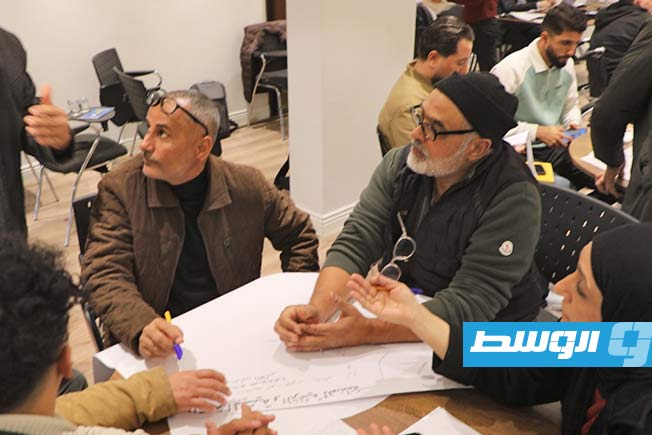
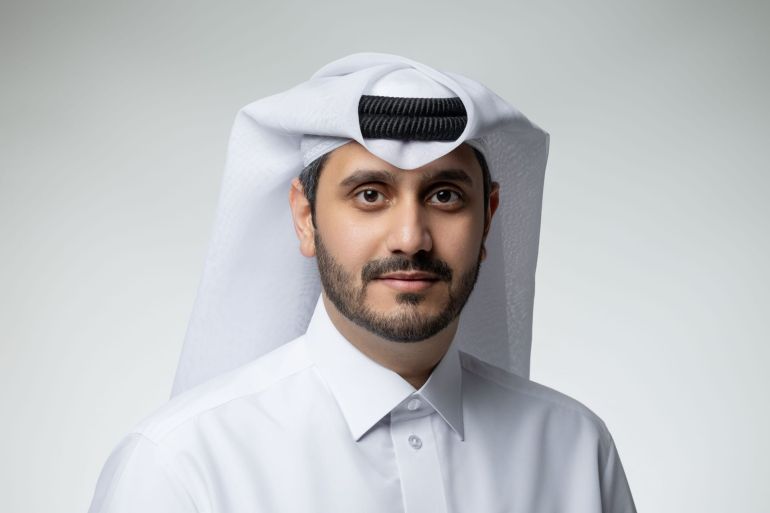
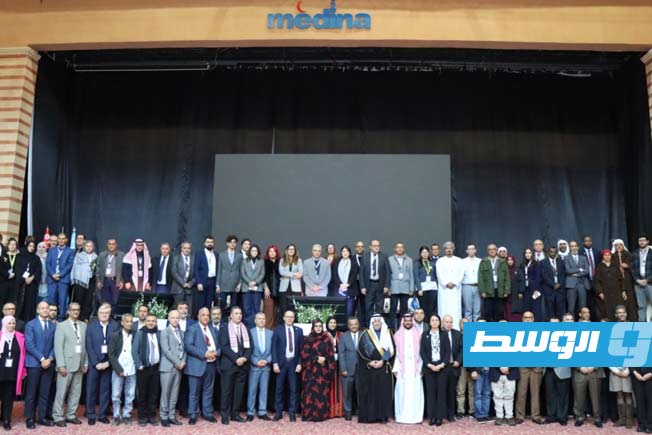
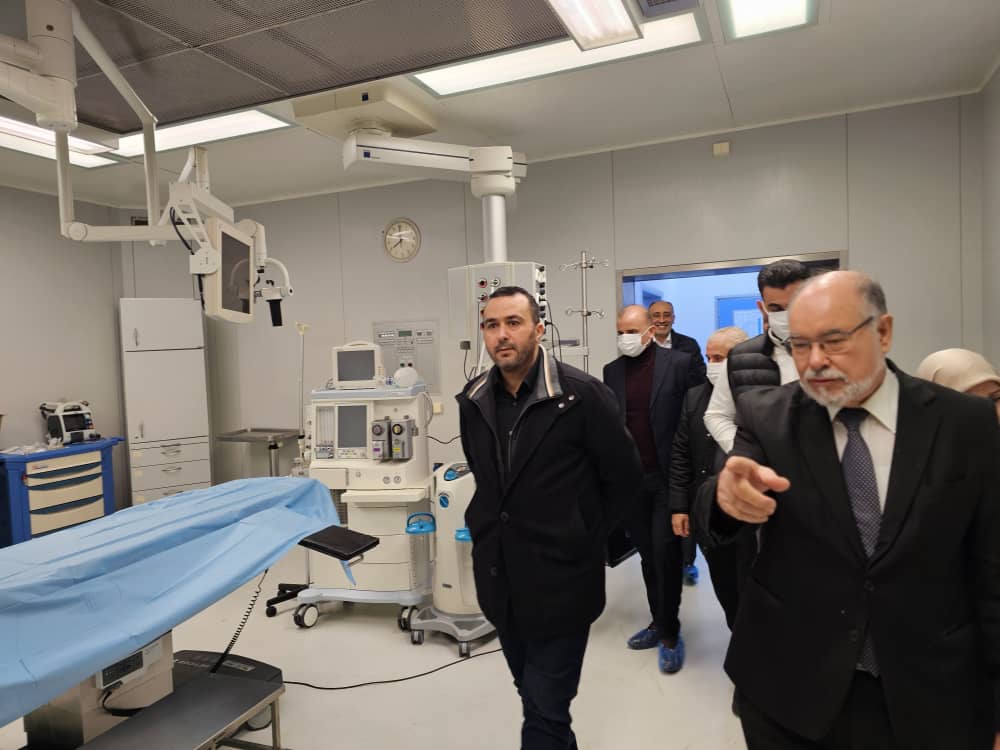
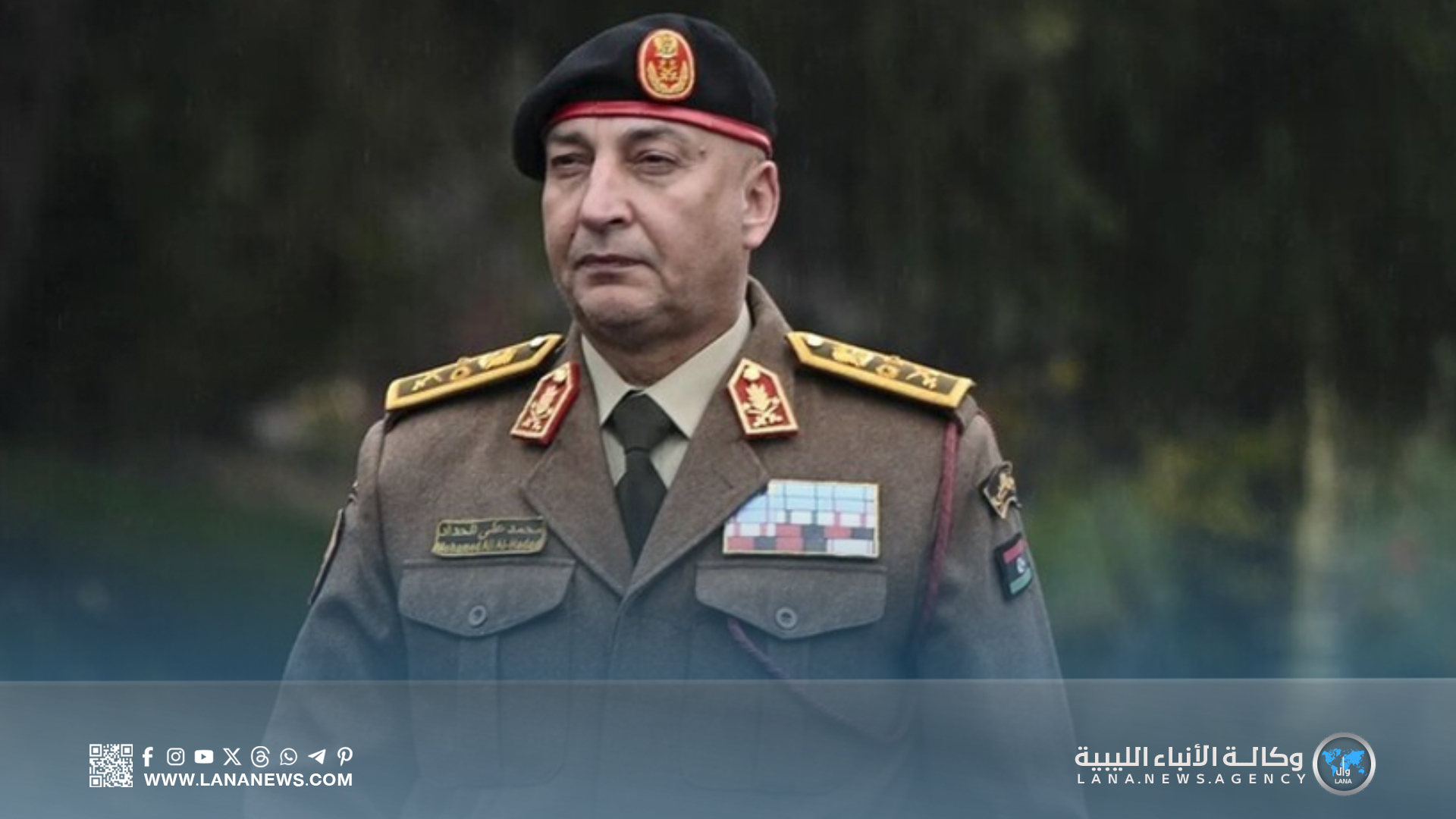
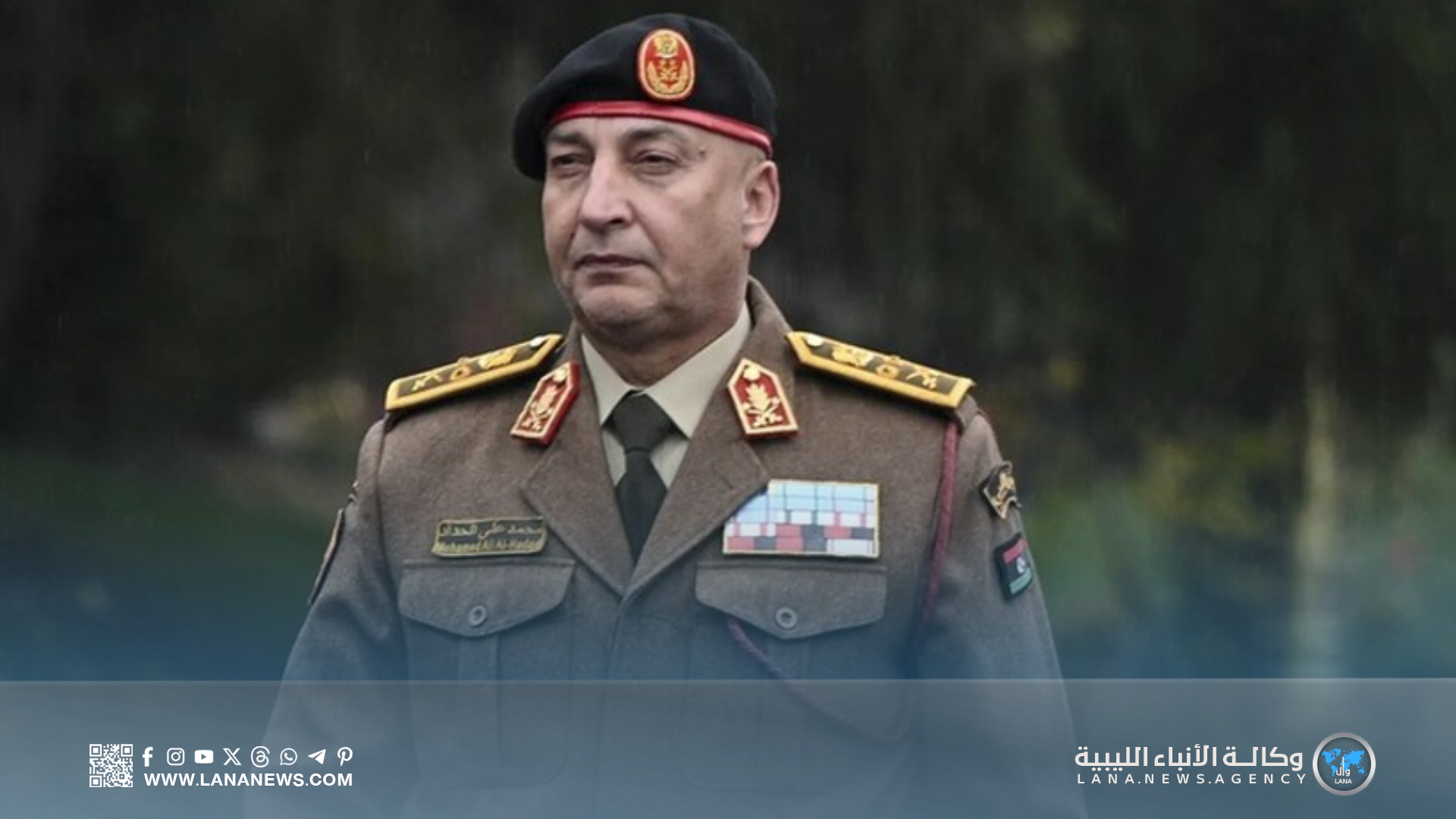
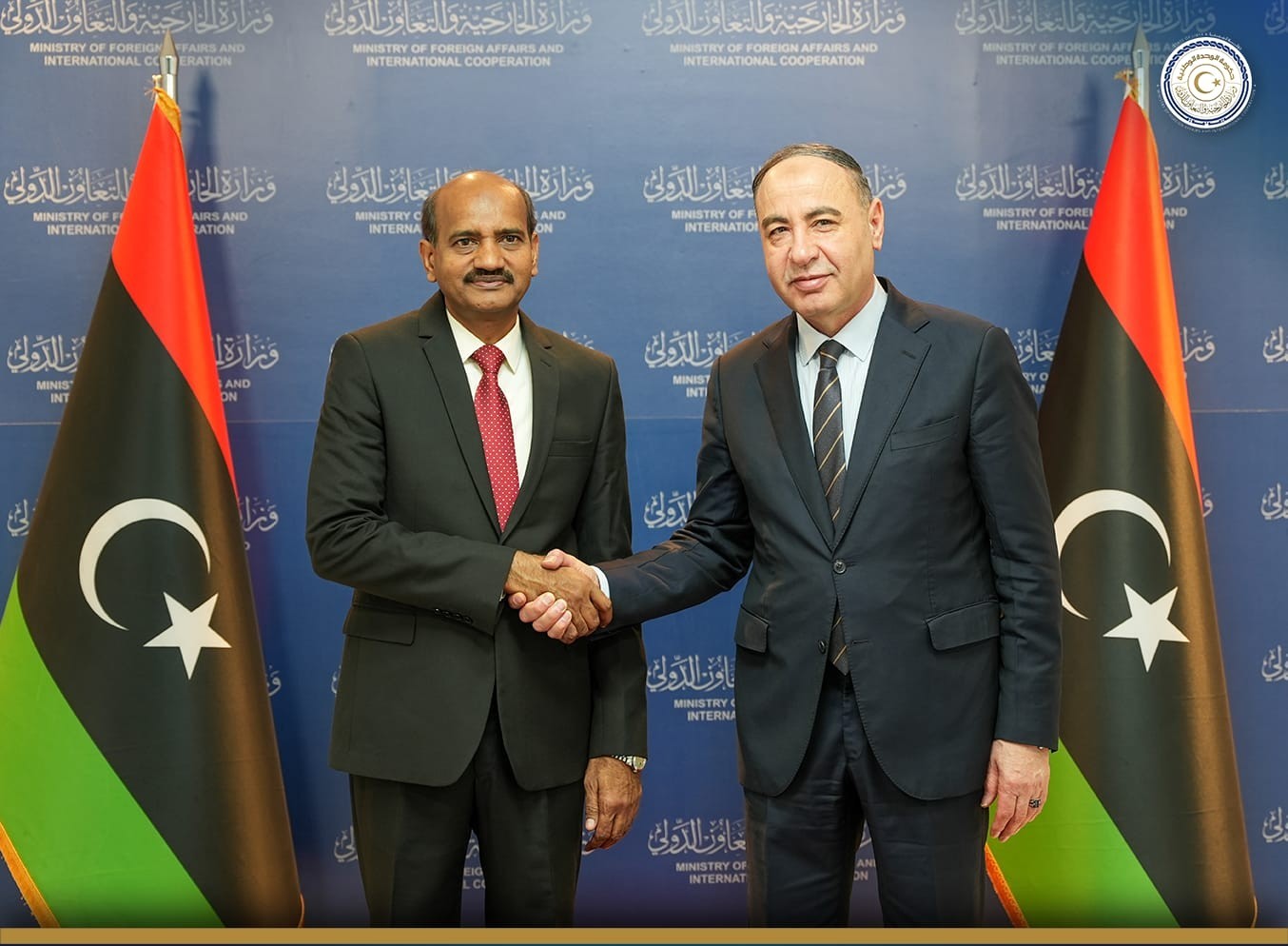
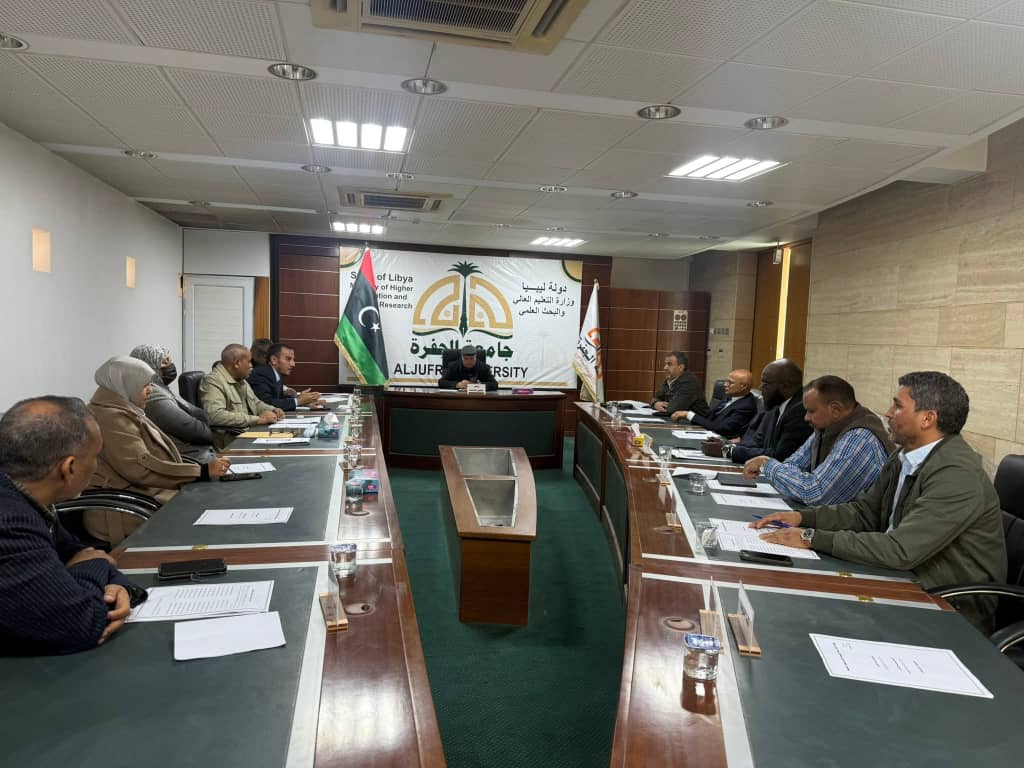
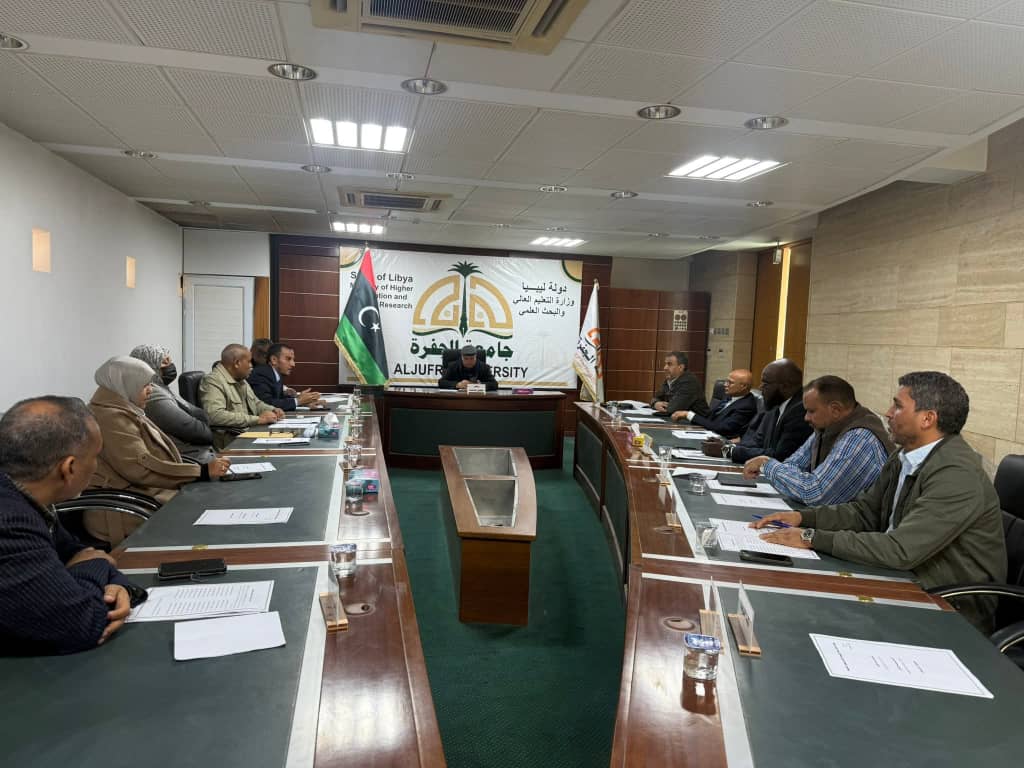
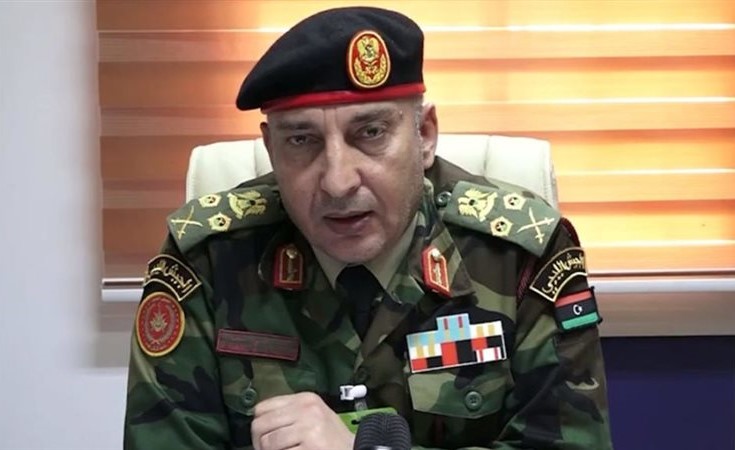
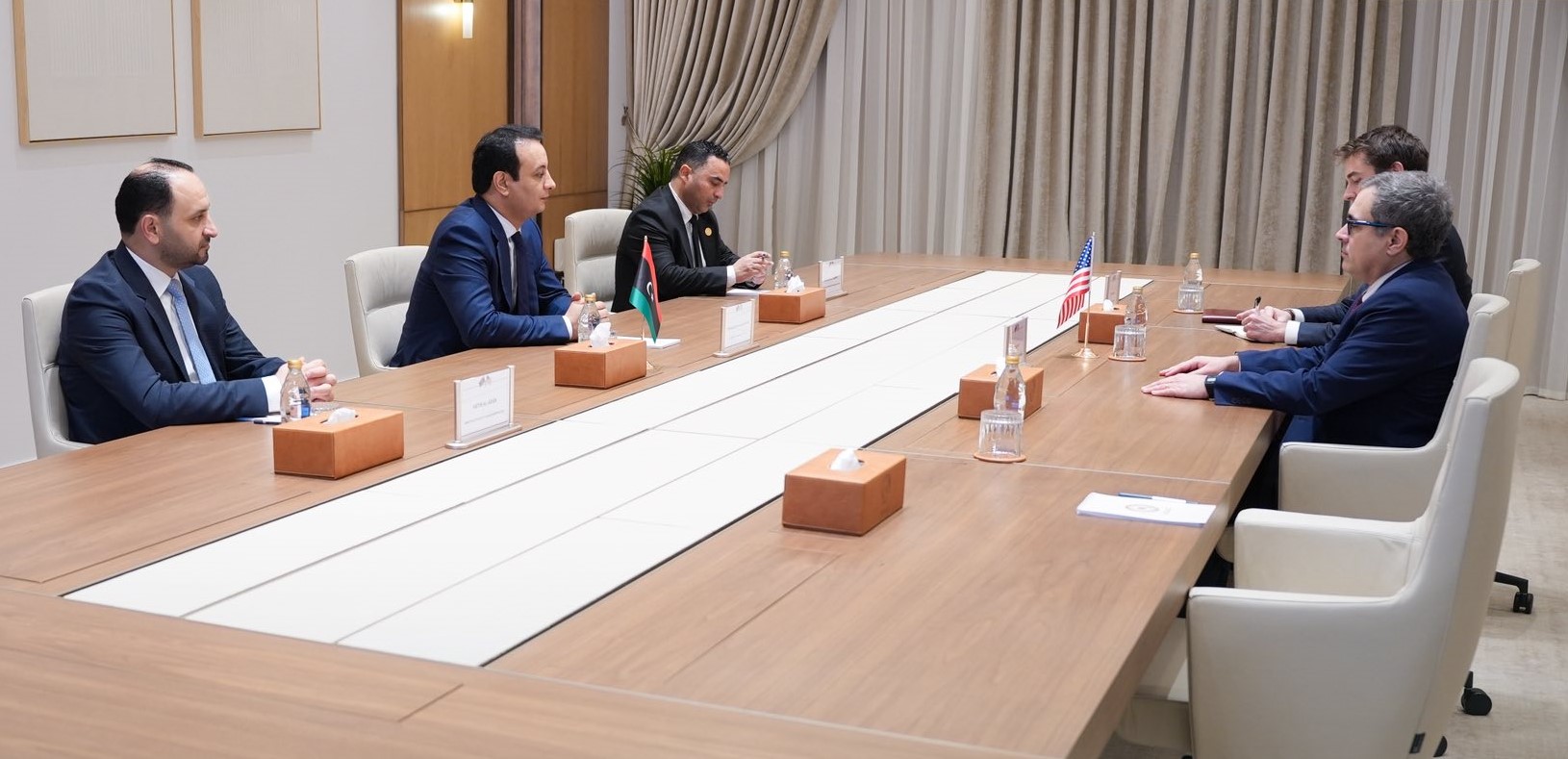
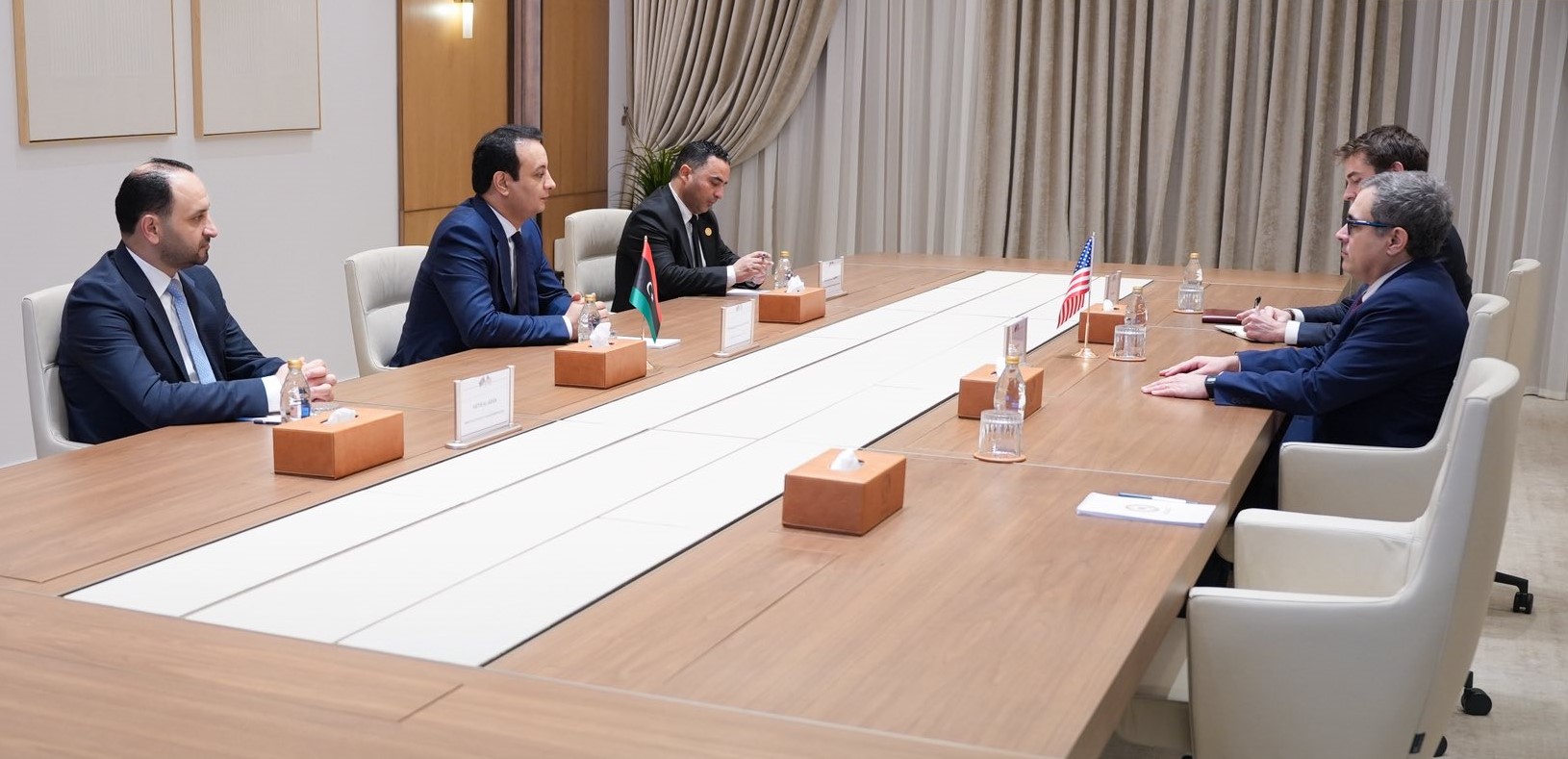
Cairo, December 20, 2025 — The official in charge of managing the affairs of the Ministry of Foreign Affairs and International Cooperation of the Government of National Unity participated in the proceedings of the second ministerial conference of the Russia-Africa Partnership Forum on Saturday. The conference, hosted by the Egyptian capital Cairo, aims to formulate a shared vision paving the way for the convening of the third Russia-Africa Summit scheduled for 2026.
In his address during the conference, it was emphasized that this meeting reflects the depth of the established diplomatic relations between African nations and the Russian Federation, which are based on mutual respect and common interests. It was noted that there is a growing awareness of the importance of collective action in light of current international challenges, ensuring a more just and understanding international system, away from policies of polarization and double standards.
It was clarified that the African continent, as it enters the second decade of implementing Agenda 2063, continues to define its strategic priorities aimed at enhancing its own capabilities and empowering its peoples to achieve development and prosperity. Emphasis was placed on the necessity of accelerating the implementation of infrastructure projects, particularly in the fields of roads, railways, dams, manufacturing industries, and clean energy, due to their pivotal role in confronting global crises such as food security, climate change, and rising prices.
The official in charge also reviewed manifestations of the historical injustice suffered by the African continent, affirming its endeavor, in cooperation with the international community, to correct these imbalances. The important role that the Russian Federation, as a permanent member of the United Nations Security Council, could play in supporting the just African demand for equitable representation within the Council was highlighted.
Libya’s participation in this conference comes within the framework of its keenness to enhance its active presence in regional and international forums, affirming its return to the international arena and the restoration of its position as a key partner in security and economic issues. This is alongside supporting efforts to strengthen national sovereignty through cooperation and coordination with international and regional partners, in light of current regional and international developments.
Cairo
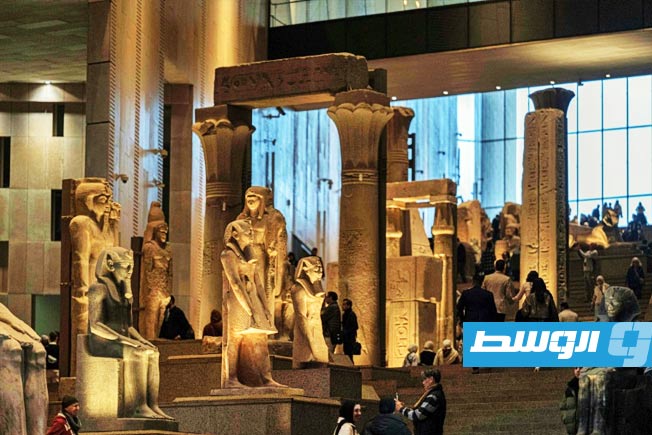
Cairo is the sprawling capital of Egypt, founded in 969 CE by the Fatimid dynasty. It is renowned for its rich history, serving as a center of the Islamic world and home to iconic landmarks like the Pyramids of Giza on its outskirts and the historic Islamic Cairo district with its ancient mosques and bazaars.
Egypt
Egypt is home to one of the world’s oldest civilizations, with a recorded history spanning over 5,000 years and famed for its pharaohs, pyramids, and monuments along the Nile River. Its cultural legacy, from ancient wonders like the Giza pyramid complex to Islamic Cairo, continues to be a central focus of historical and archaeological study.
Russia
Russia is the world’s largest country by area, spanning Eastern Europe and Northern Asia, with a history that dates back to the state of Kievan Rus’ in the 9th century. It evolved through the Tsardom of Russia, the Russian Empire, the Soviet Union, and into the modern Russian Federation, playing a major role in global politics, culture, and science throughout. Its rich cultural heritage includes iconic sites like the Kremlin and Red Square in Moscow and the historic center of Saint Petersburg.
Africa
Africa is the world’s second-largest continent, known as the cradle of humankind due to archaeological evidence showing the origins of human evolution. It is home to an immense diversity of cultures, languages, and historic civilizations, such as ancient Egypt, the Mali Empire, and Great Zimbabwe. Its history includes both powerful pre-colonial kingdoms and the profound impacts of the transatlantic slave trade and later colonial rule.
Ministry of Foreign Affairs and International Cooperation
The Ministry of Foreign Affairs and International Cooperation is the government department of Italy responsible for managing the country’s diplomatic relations and foreign policy. It was established shortly after the unification of Italy in 1861, originally named the Ministry of Foreign Affairs, with its headquarters historically located in the Palazzo della Farnesina in Rome since 1959.
Government of National Unity
The Government of National Unity (GNU) is a term most notably associated with the post-apartheid transitional government in South Africa, established in 1994 following the country’s first multiracial elections. It was a coalition government led by Nelson Mandela’s African National Congress (ANC) and included its former political rivals, the National Party and the Inkatha Freedom Party, to foster reconciliation and stability.
Russia-Africa Partnership Forum
The Russia-Africa Partnership Forum is a platform for political, economic, and cultural cooperation, first established with the inaugural Russia-Africa Summit in Sochi in 2019. It aims to strengthen ties between Russia and African nations, building on historical Soviet-era relationships with many states during the decolonization period and the Cold War.
Russia-Africa Summit
The Russia-Africa Summit is a diplomatic and economic forum initiated by Russia to strengthen its ties with African nations. The first summit was held in Sochi, Russia, in 2019, marking a significant effort to revive Soviet-era relationships and expand Russian influence on the continent through partnerships in trade, security, and energy.
African continent
The African continent is the world’s second-largest and second-most populous, widely recognized as the birthplace of humankind with fossil evidence tracing back millions of years. It is home to a vast diversity of cultures and ancient civilizations, such as Ancient Egypt, the Mali Empire, and Great Zimbabwe, which have profoundly shaped human history.
Agenda 2063
Agenda 2063 is a strategic framework adopted by the African Union in 2015, outlining a 50-year plan for the continent’s inclusive and sustainable development. It aims to achieve a prosperous, integrated, and peaceful Africa driven by its own citizens, building upon the vision of earlier pan-African movements.
United Nations Security Council
The United Nations Security Council is the primary body within the UN responsible for maintaining international peace and security. Established in 1945 following World War II, its five permanent members—China, France, Russia, the United Kingdom, and the United States—hold veto power over substantive resolutions.
Libya
Libya is a North African country with a rich history rooted in ancient civilizations like the Phoenicians and Romans, followed by centuries of Arab and Ottoman influence. In the modern era, it was an Italian colony before gaining independence in 1951, later becoming known for Muammar Gaddafi’s lengthy rule from 1969 until the 2011 revolution. The country is home to UNESCO World Heritage sites, such as the ruins of Leptis Magna, which testify to its significant historical legacy.