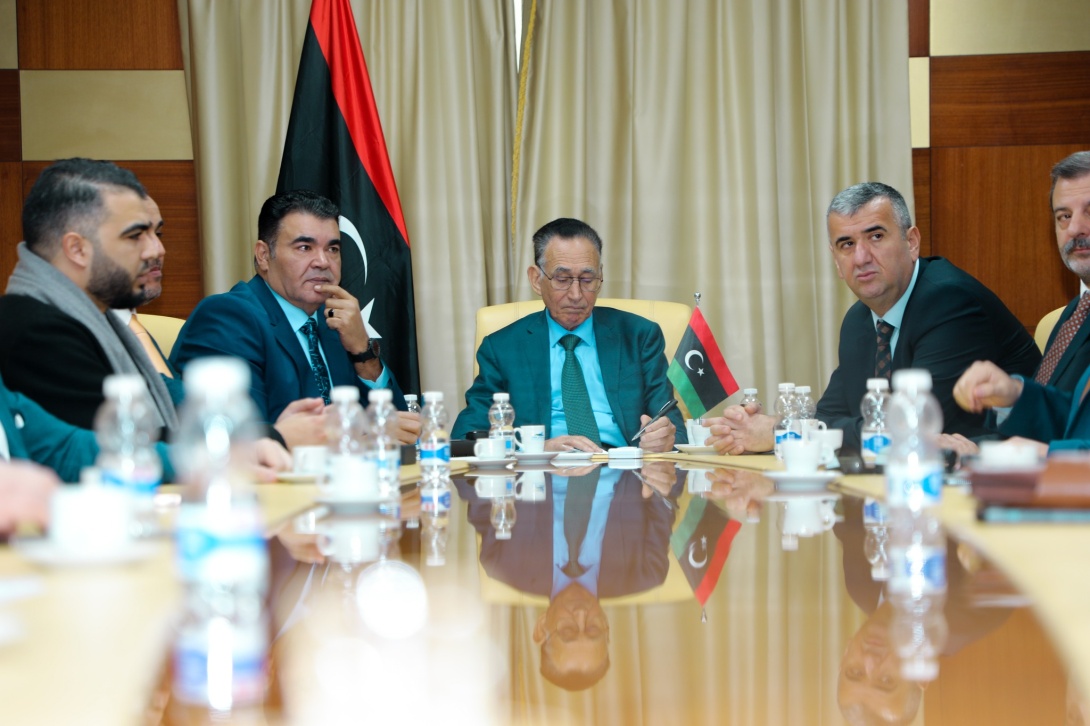
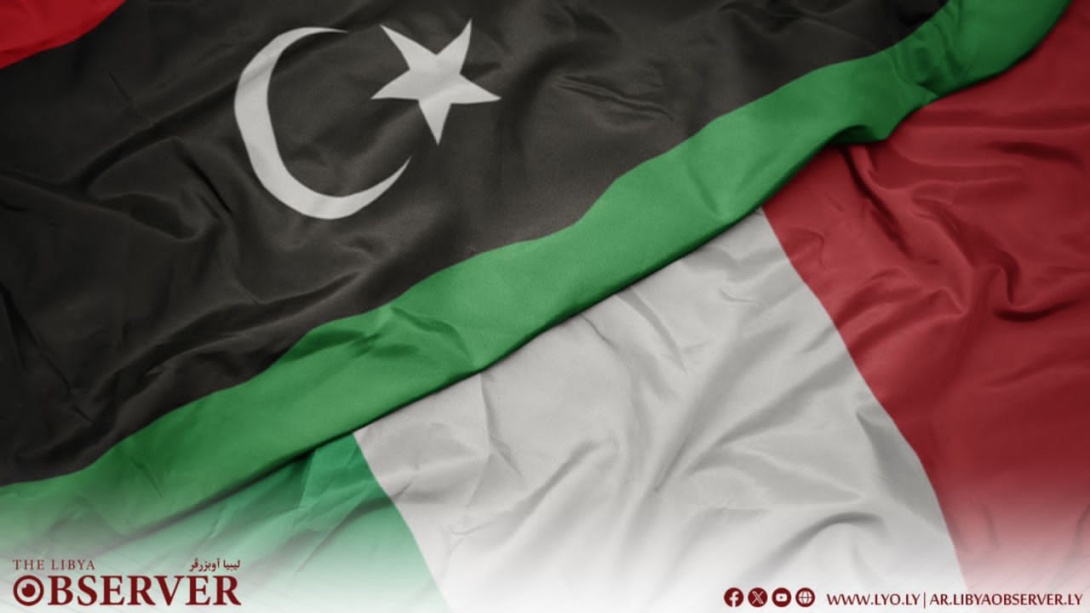
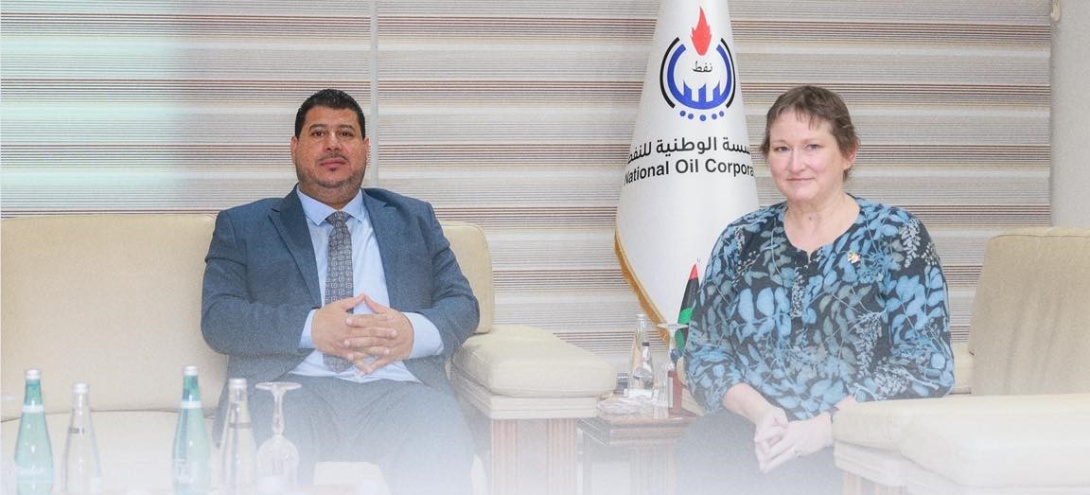
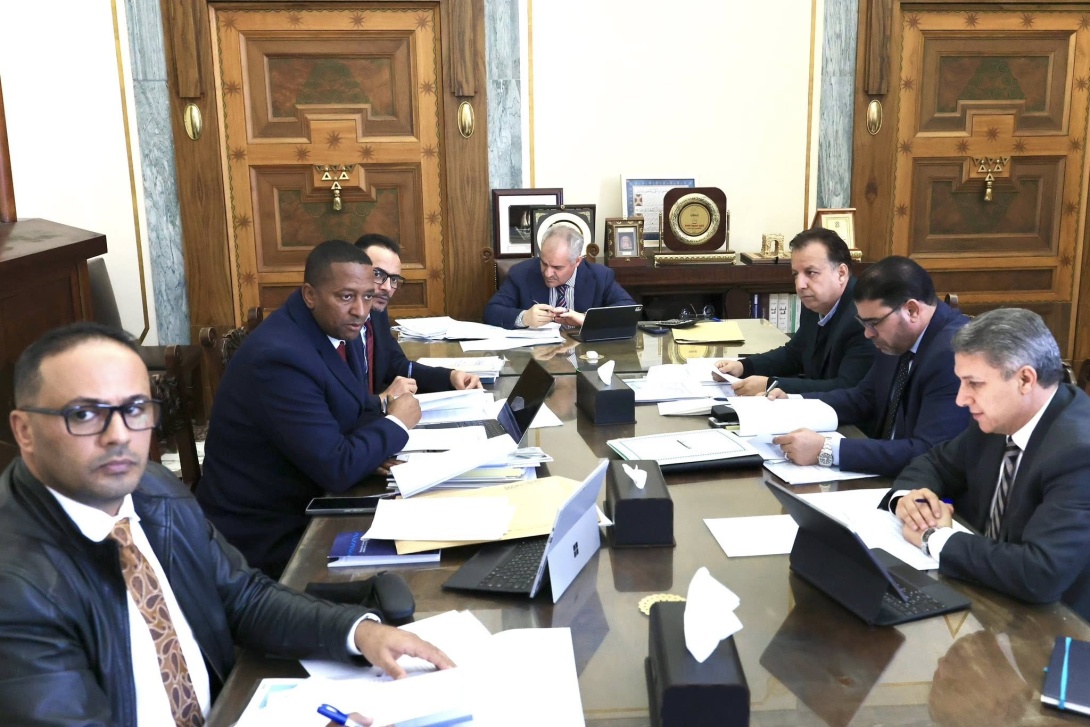
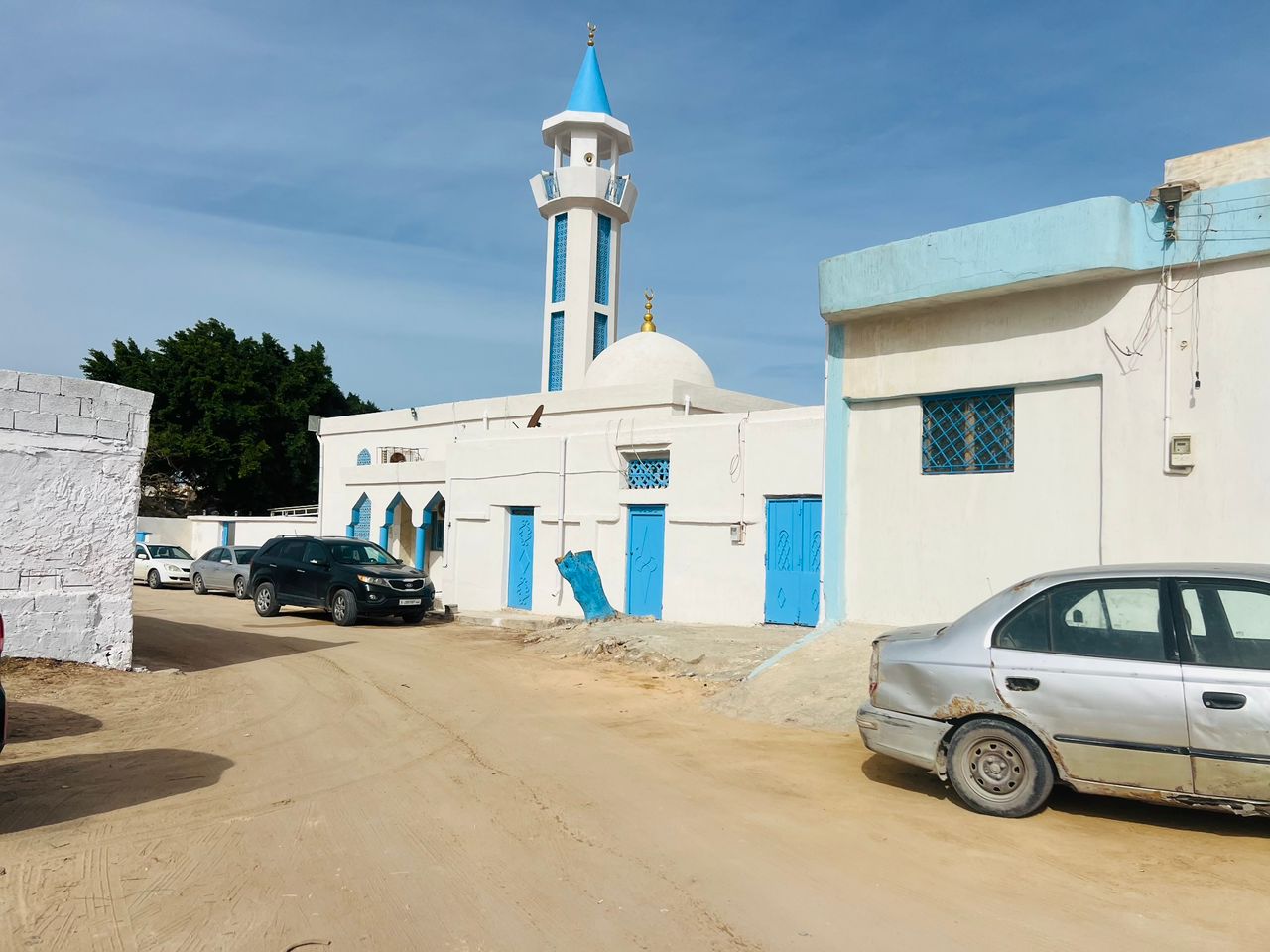
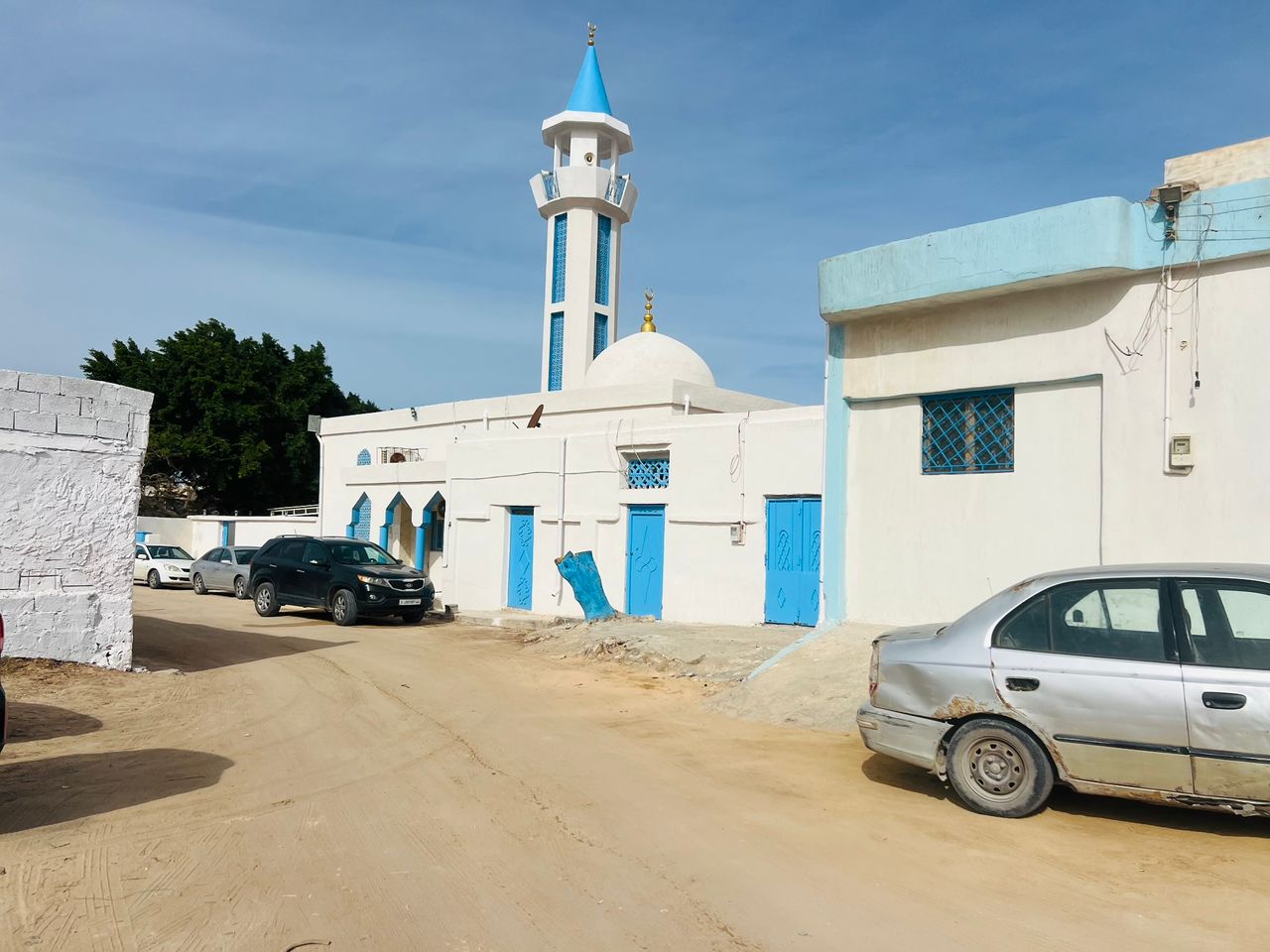
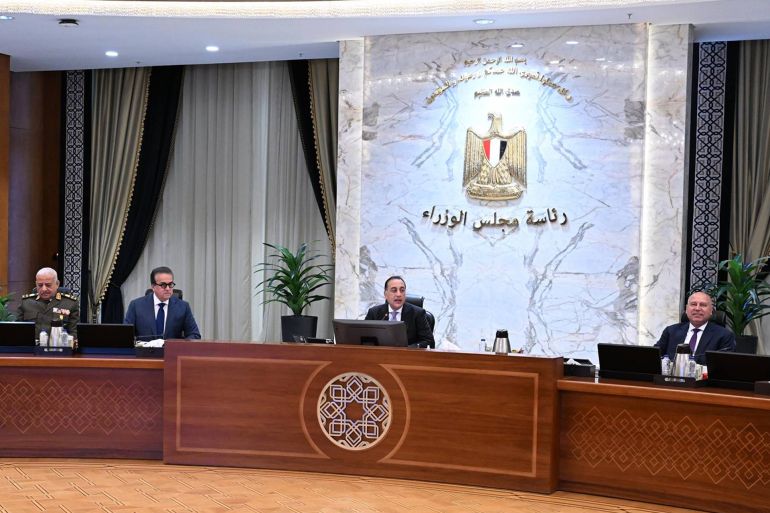
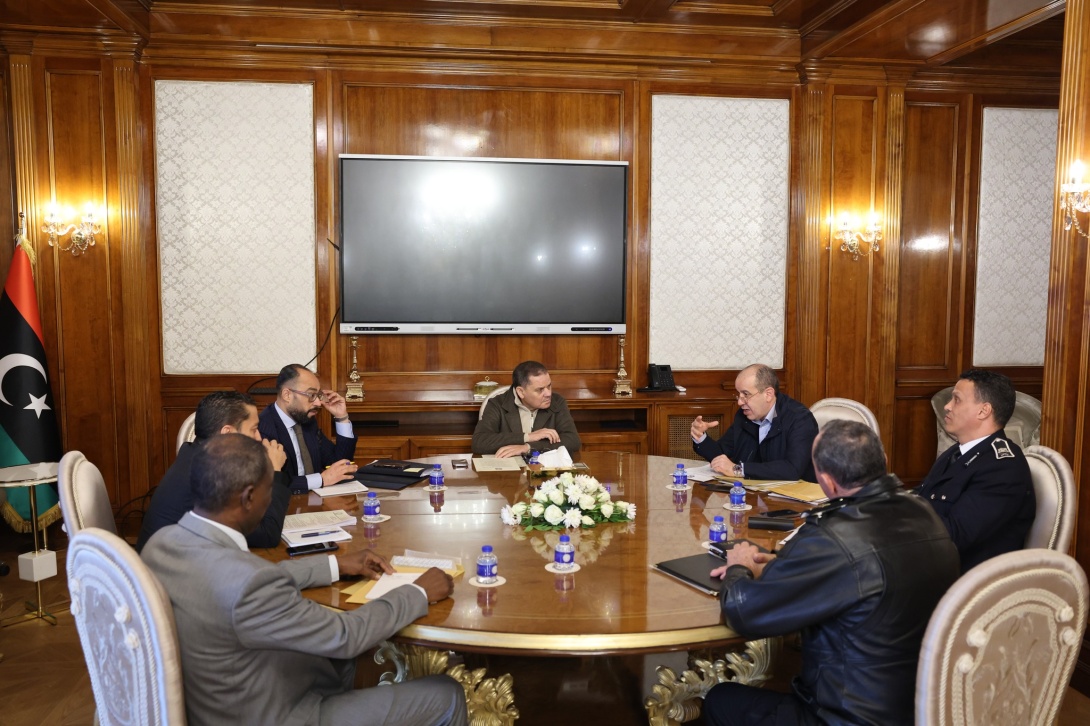
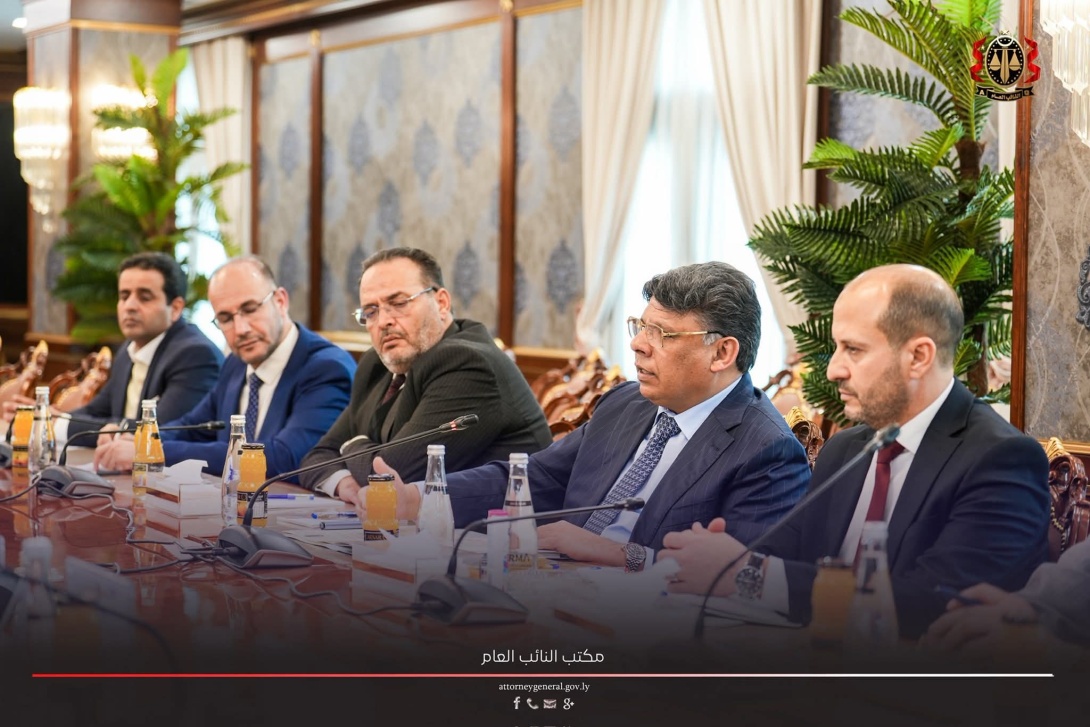
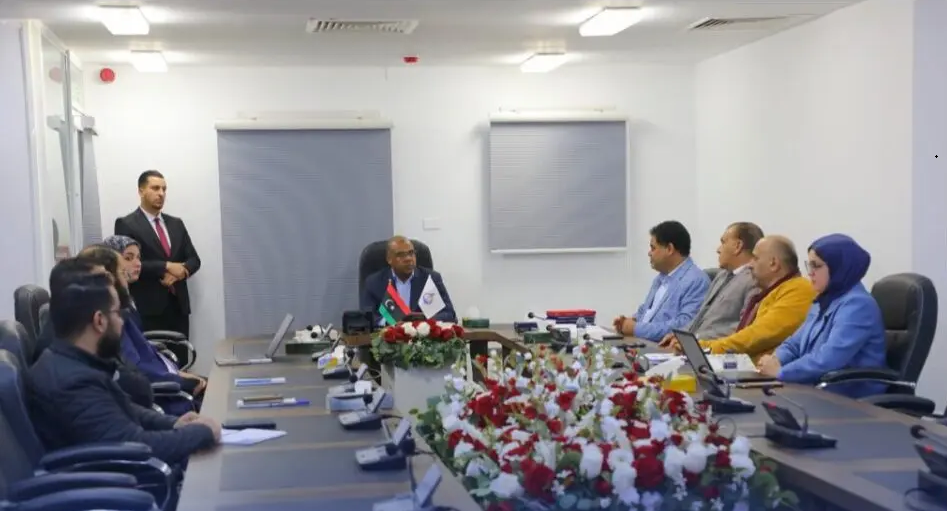
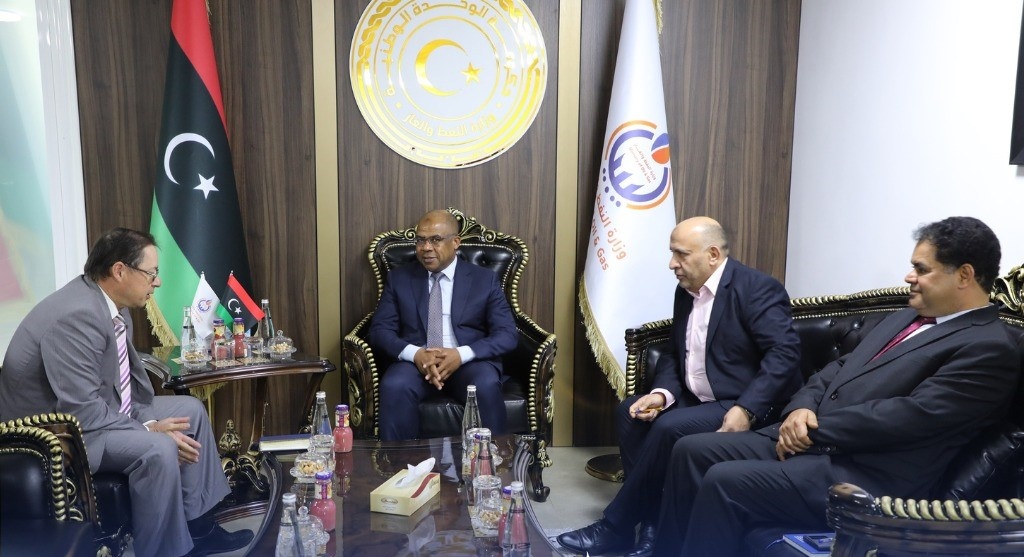
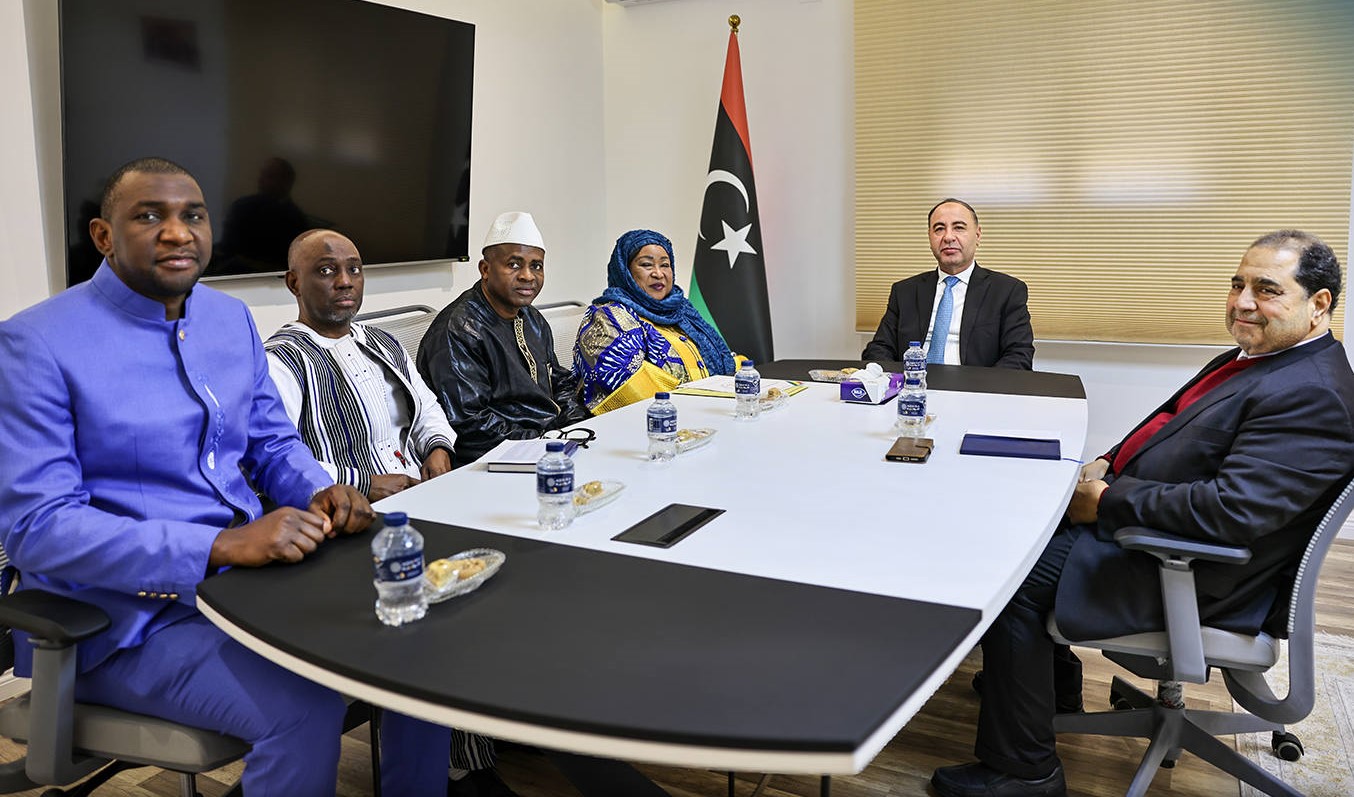
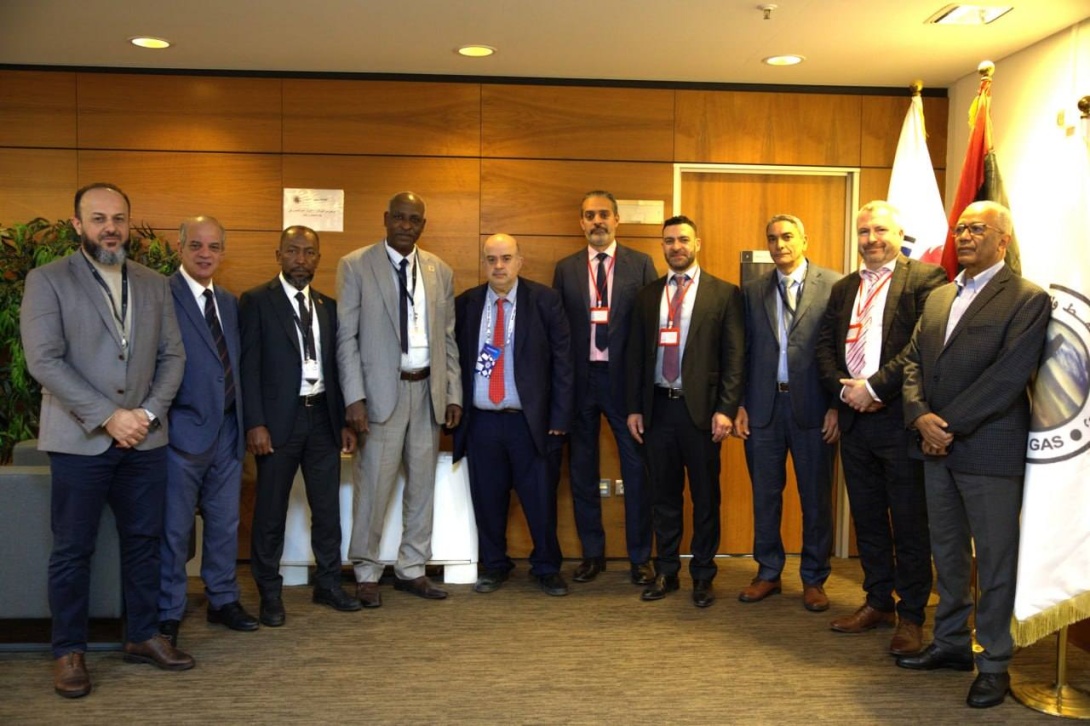
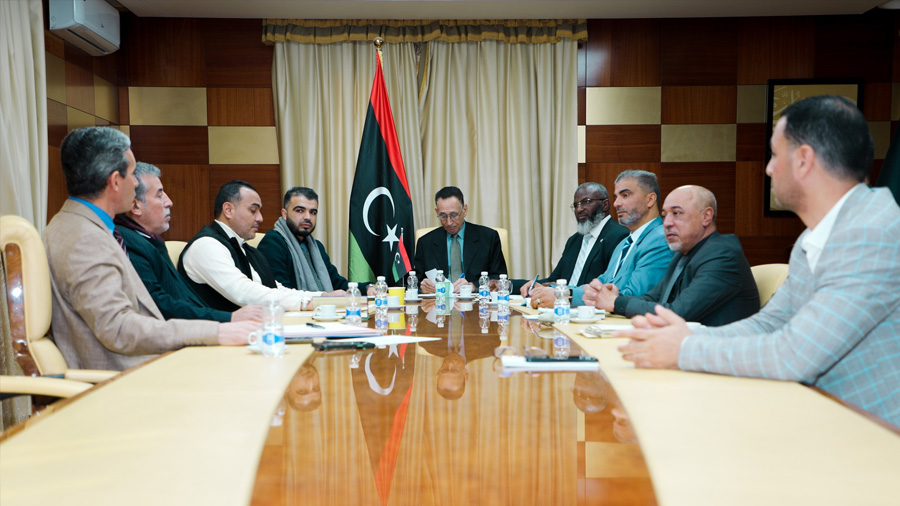
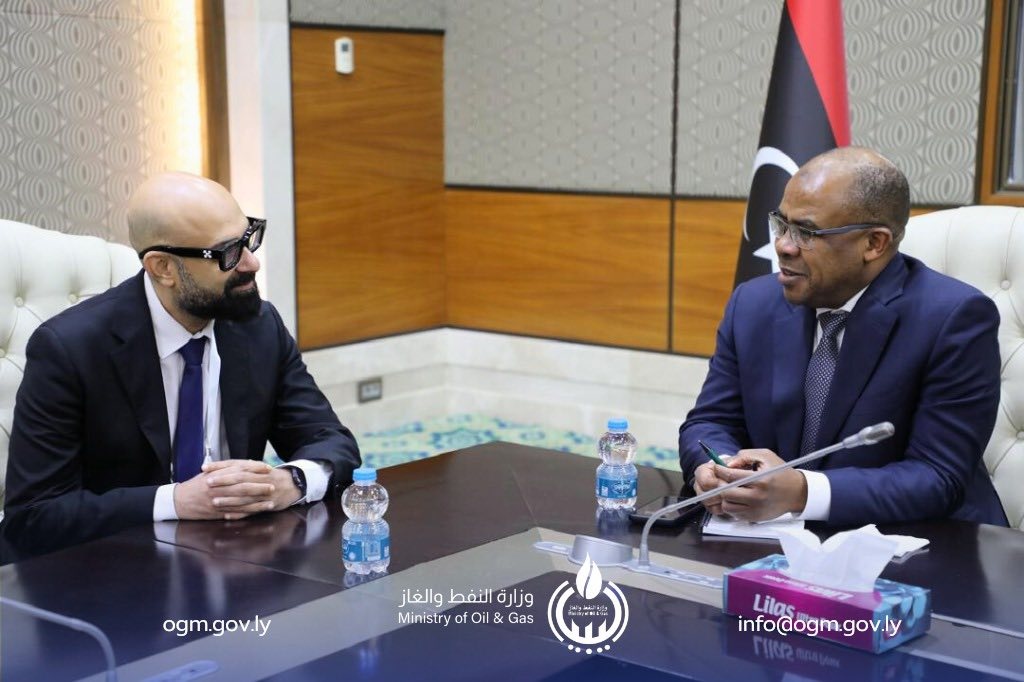
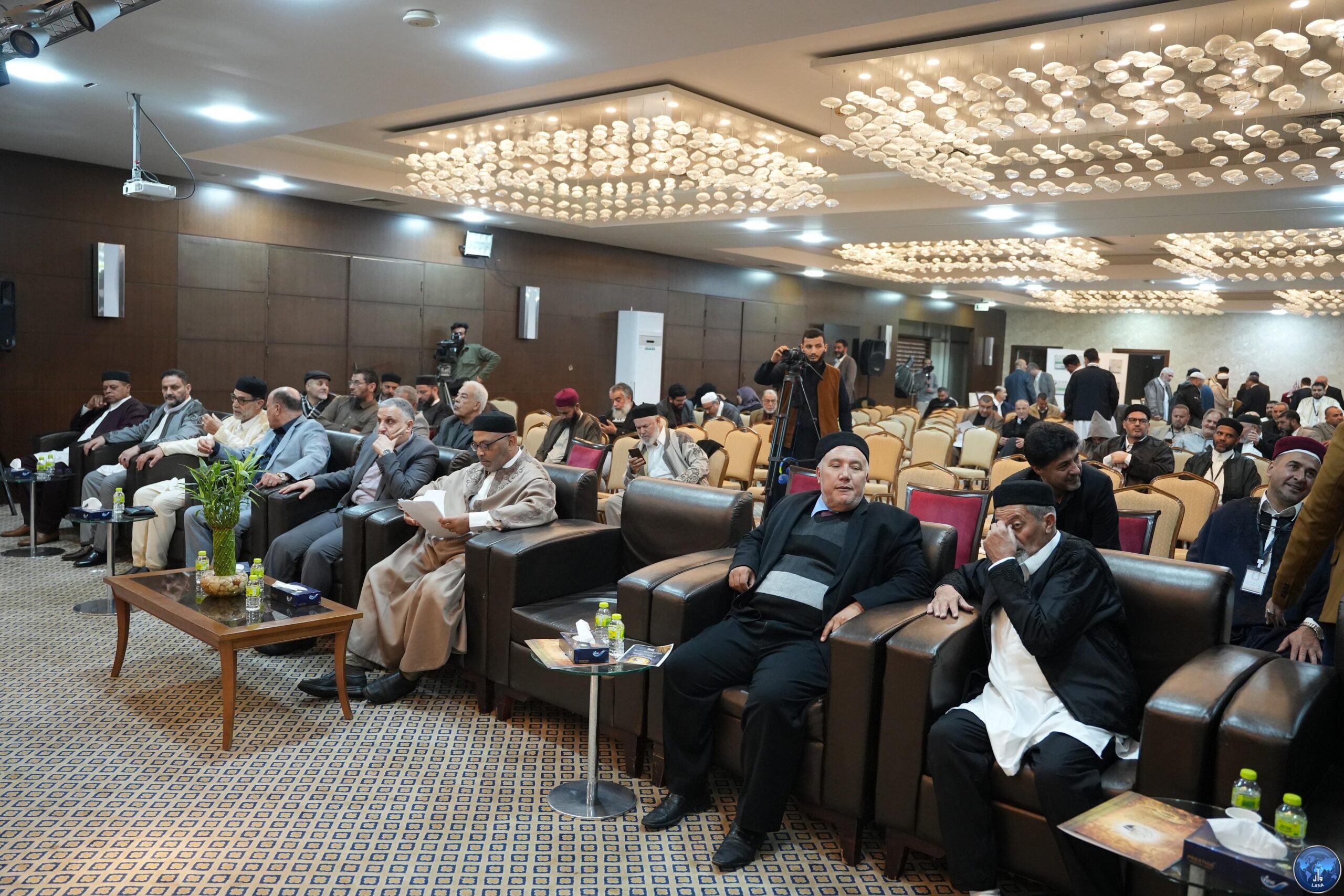
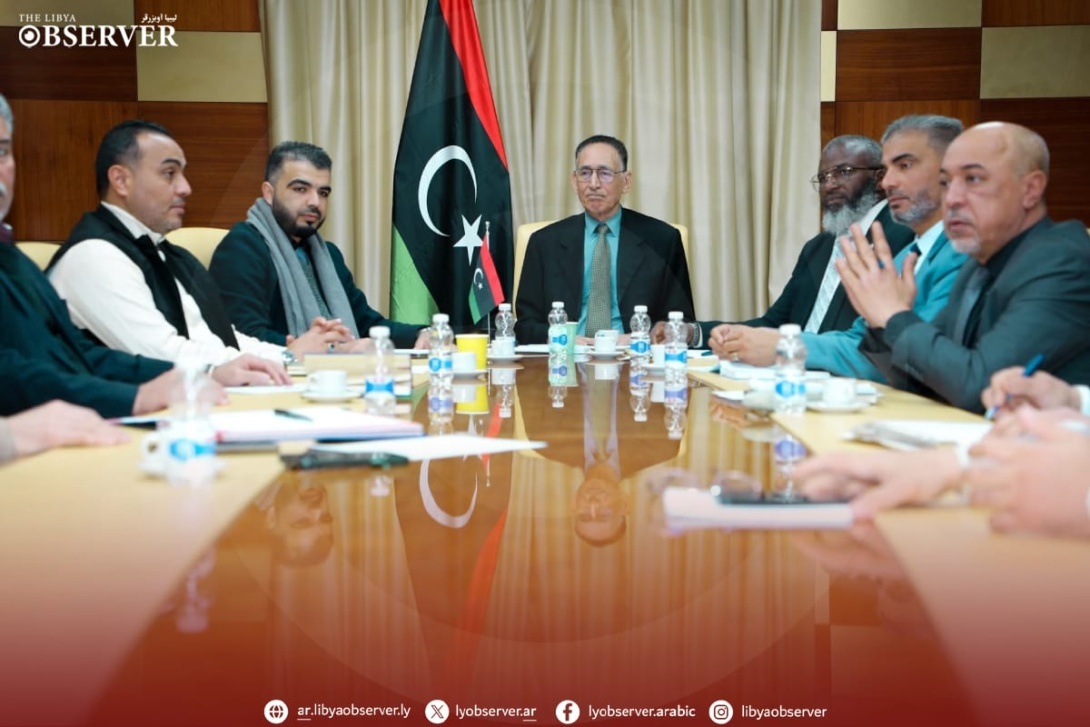
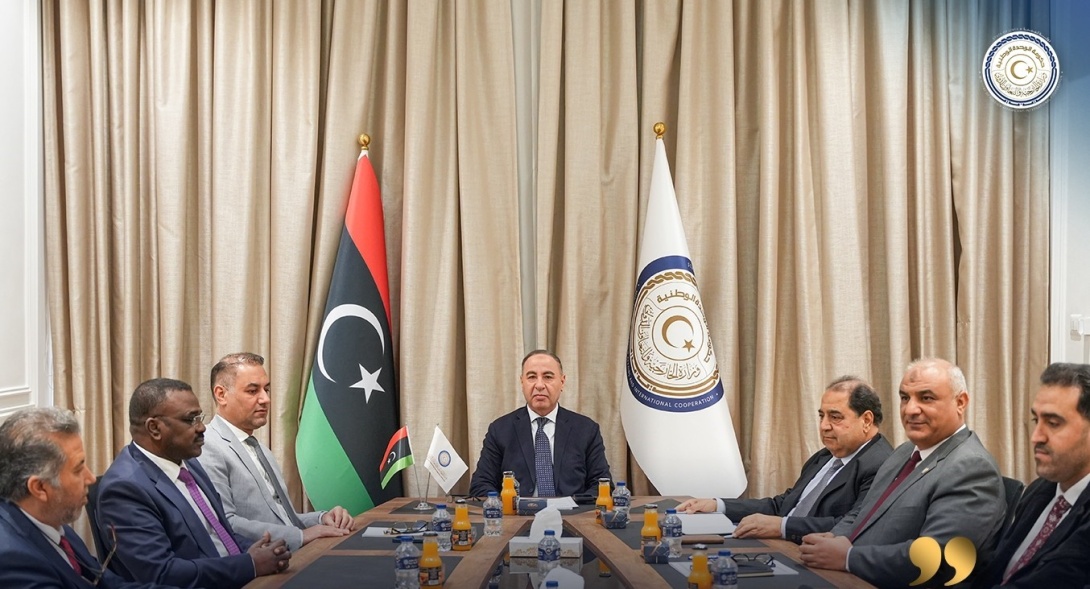
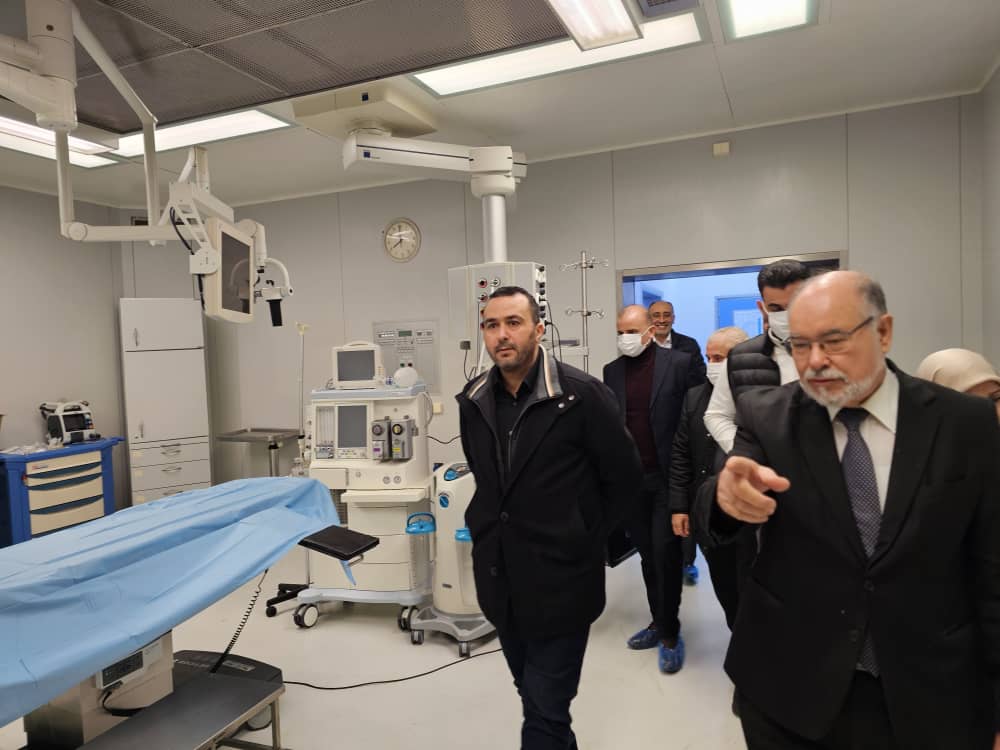
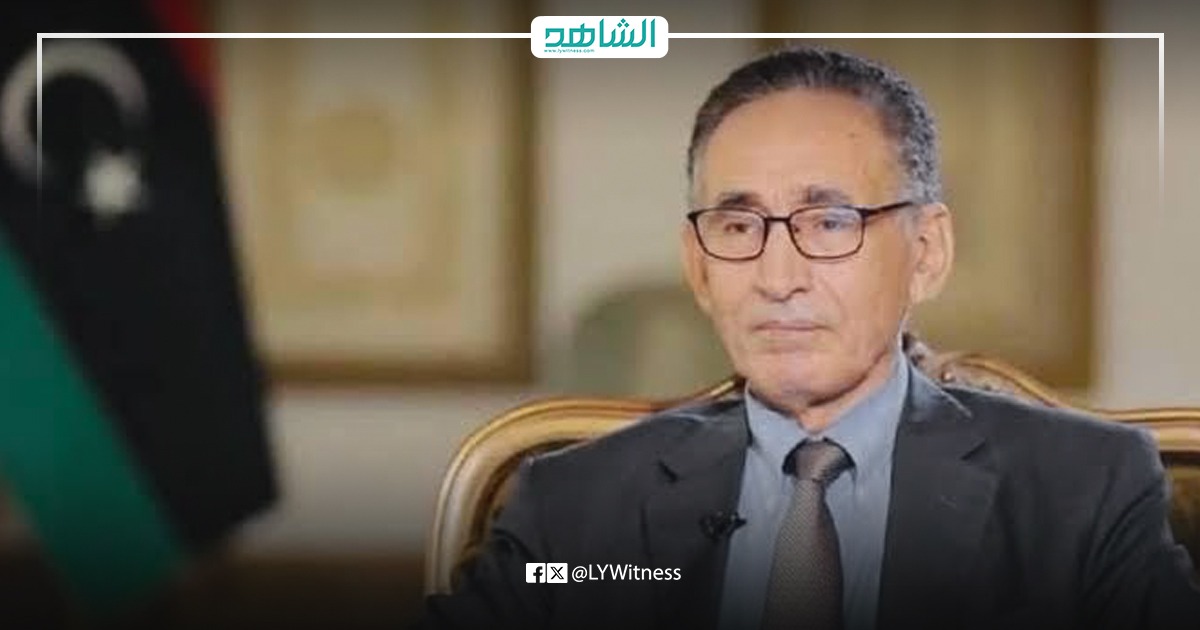
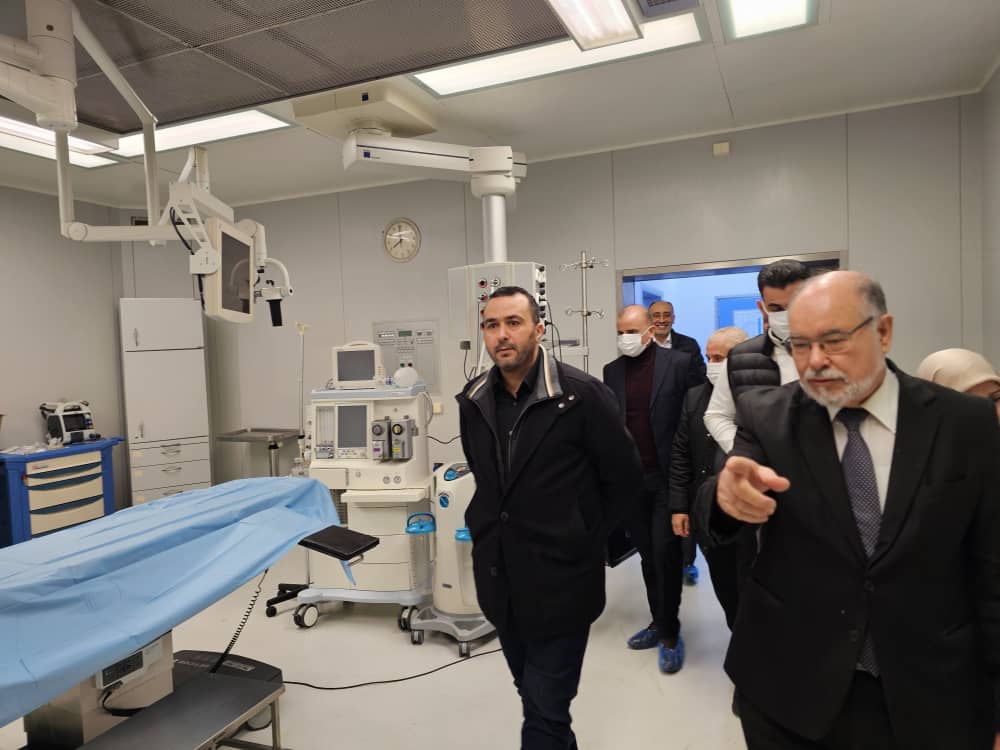
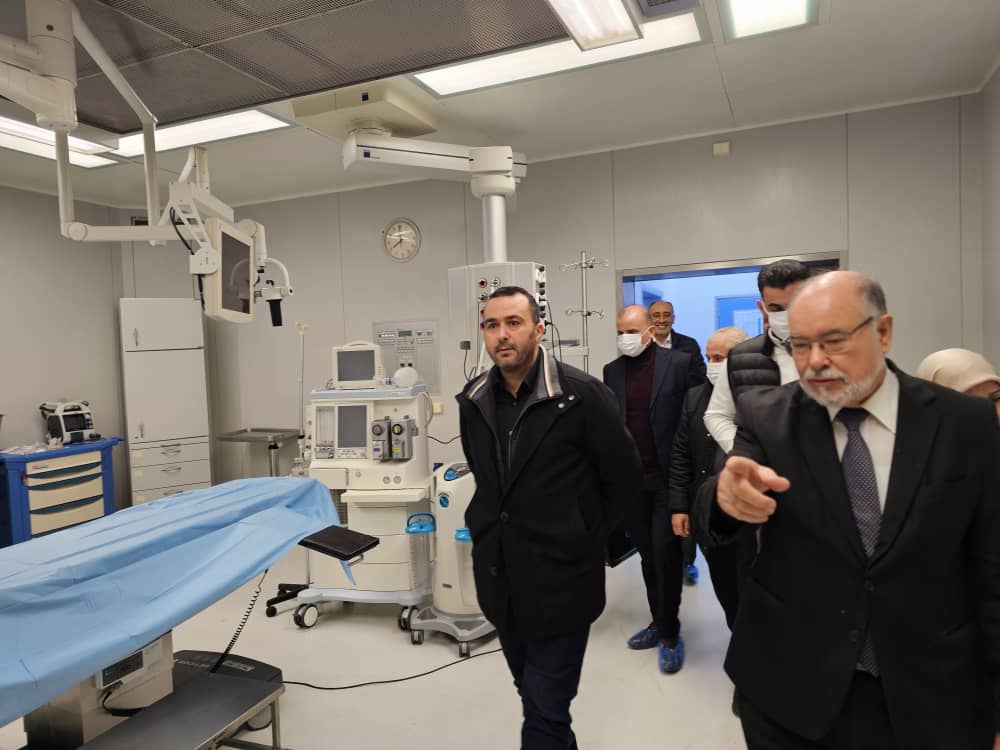
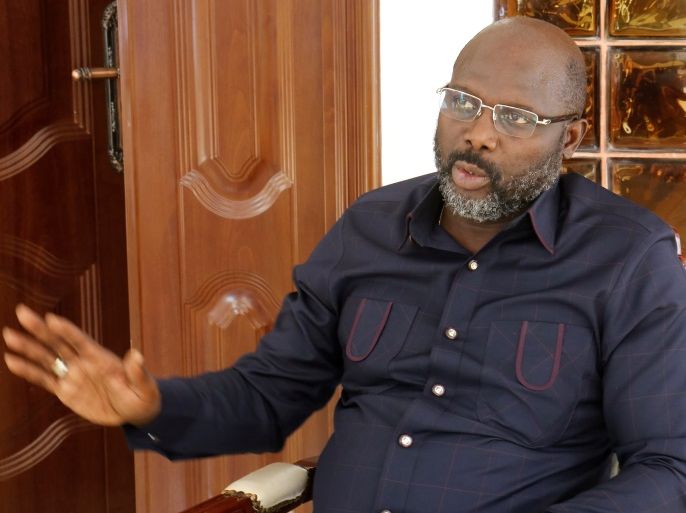
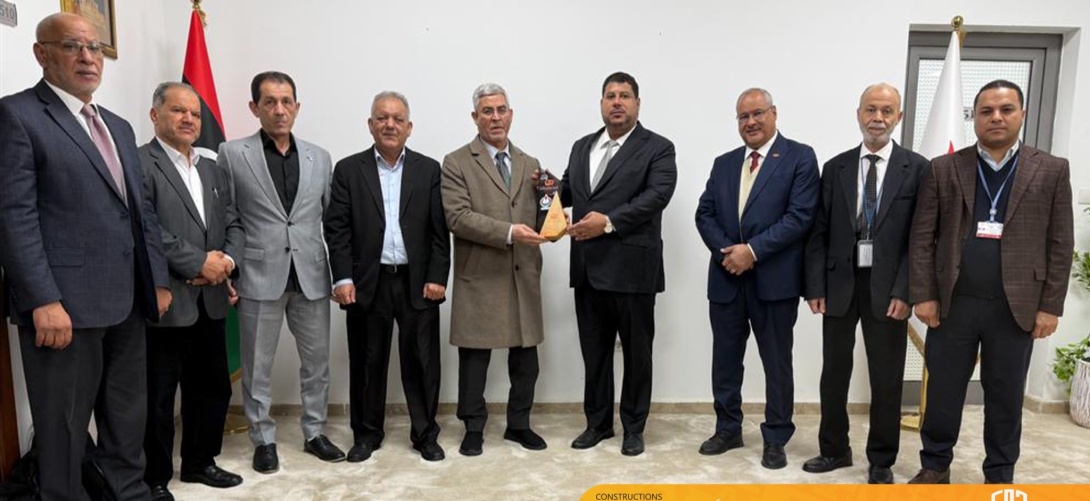
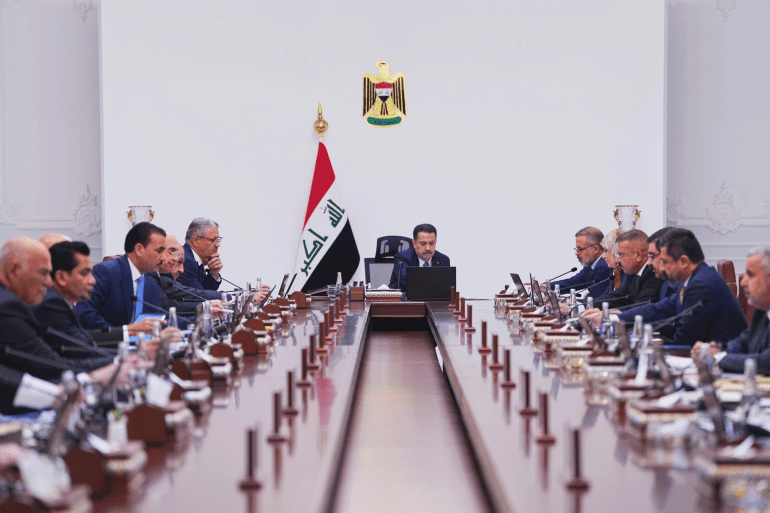
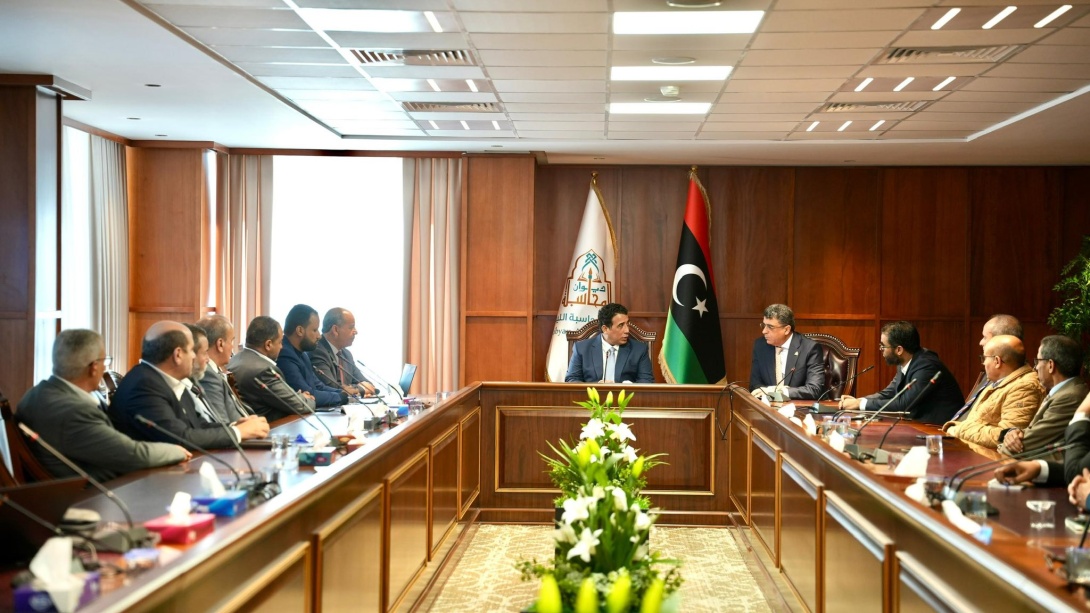
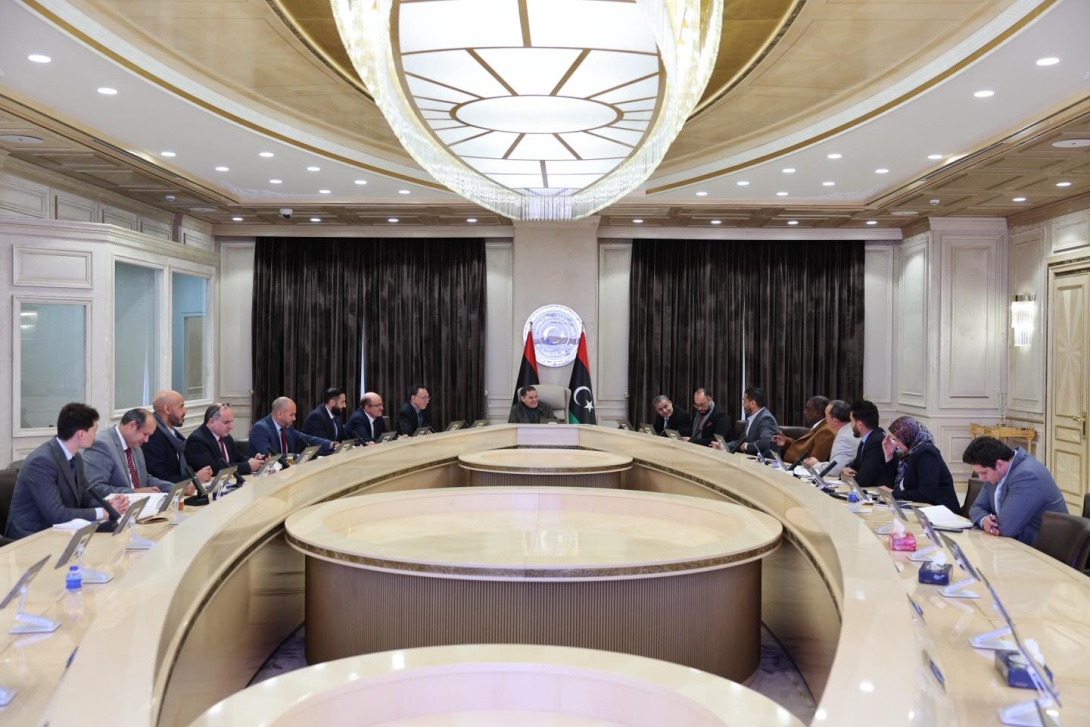
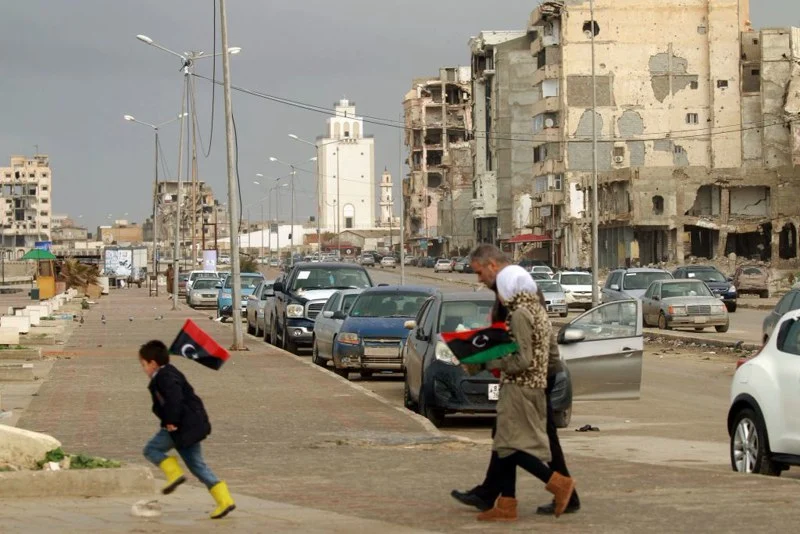
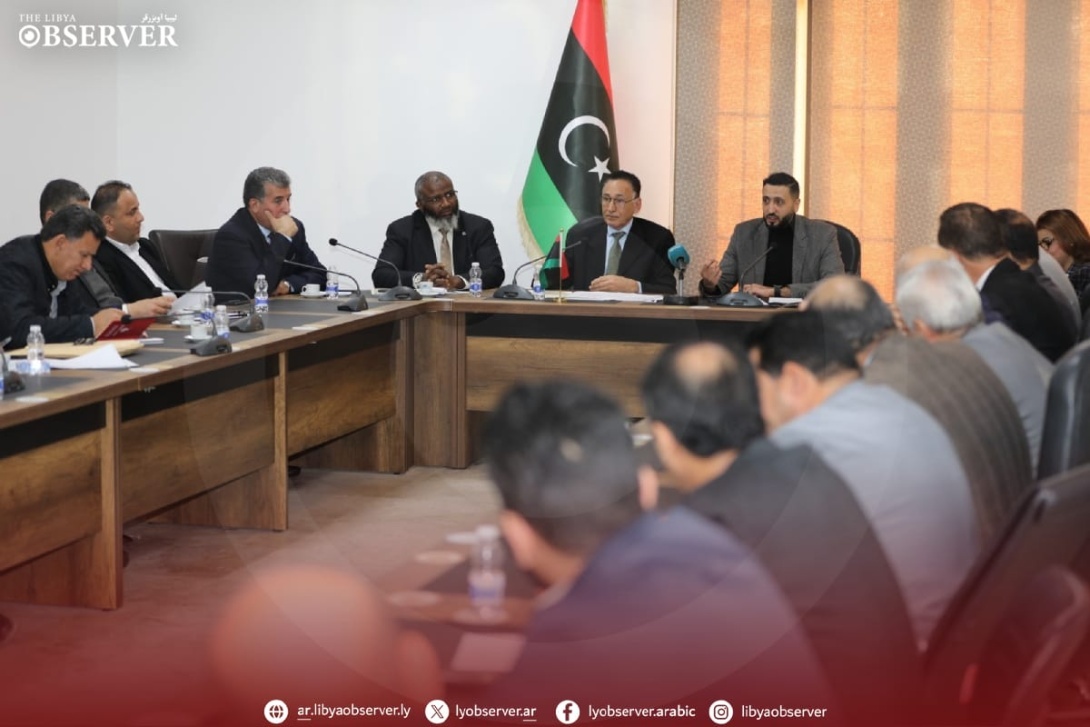
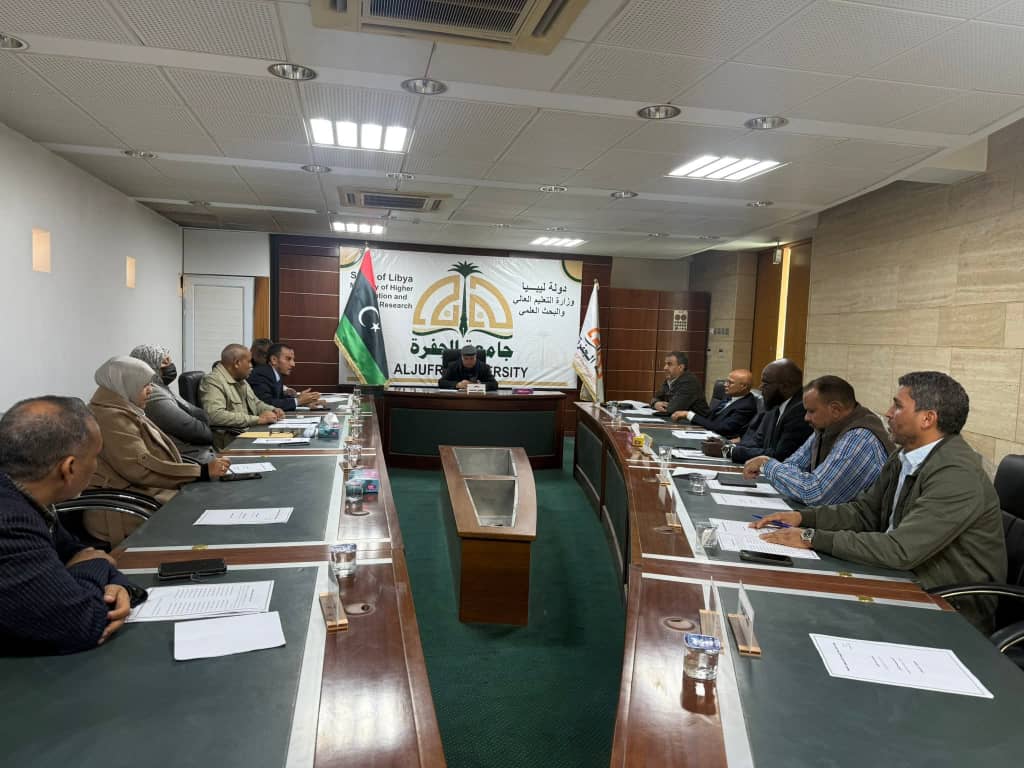
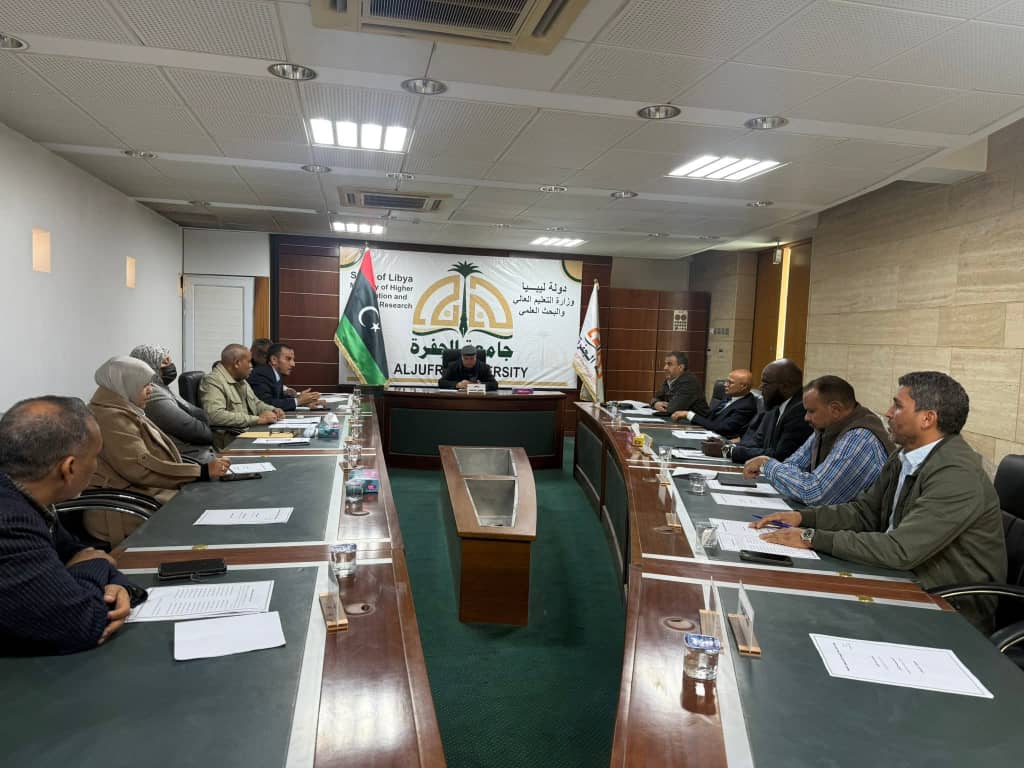
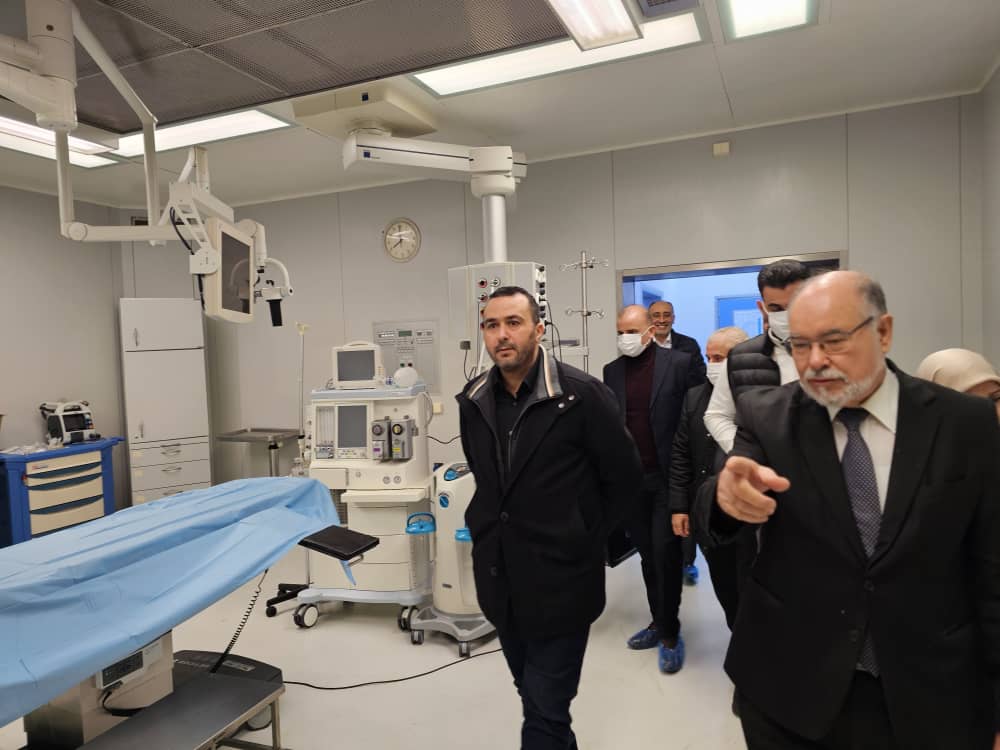
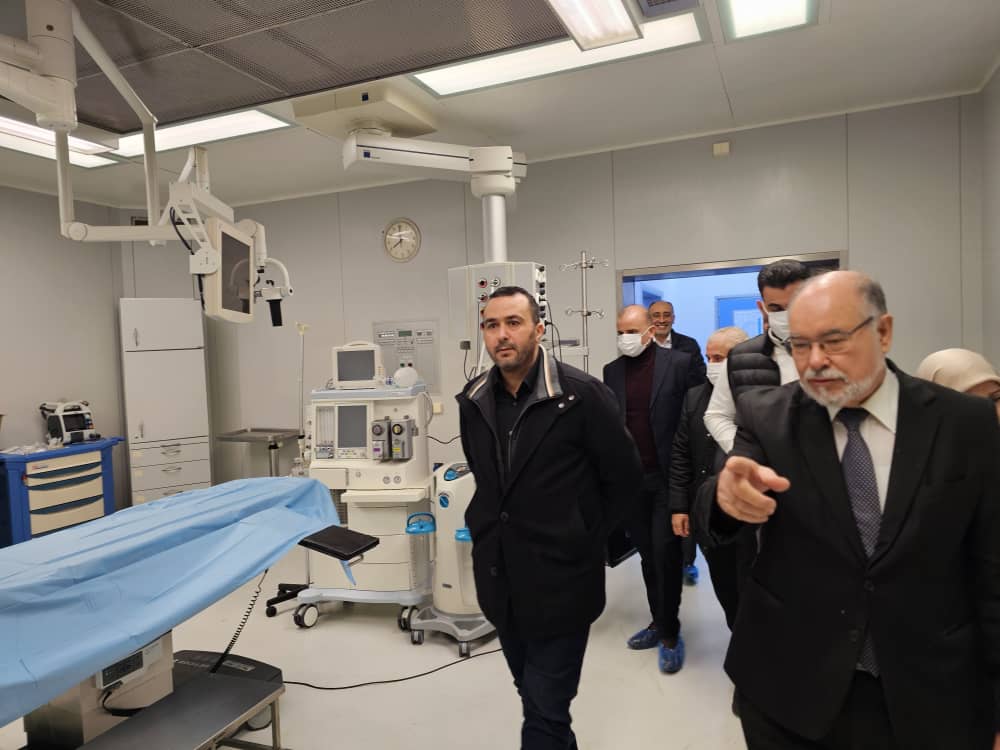
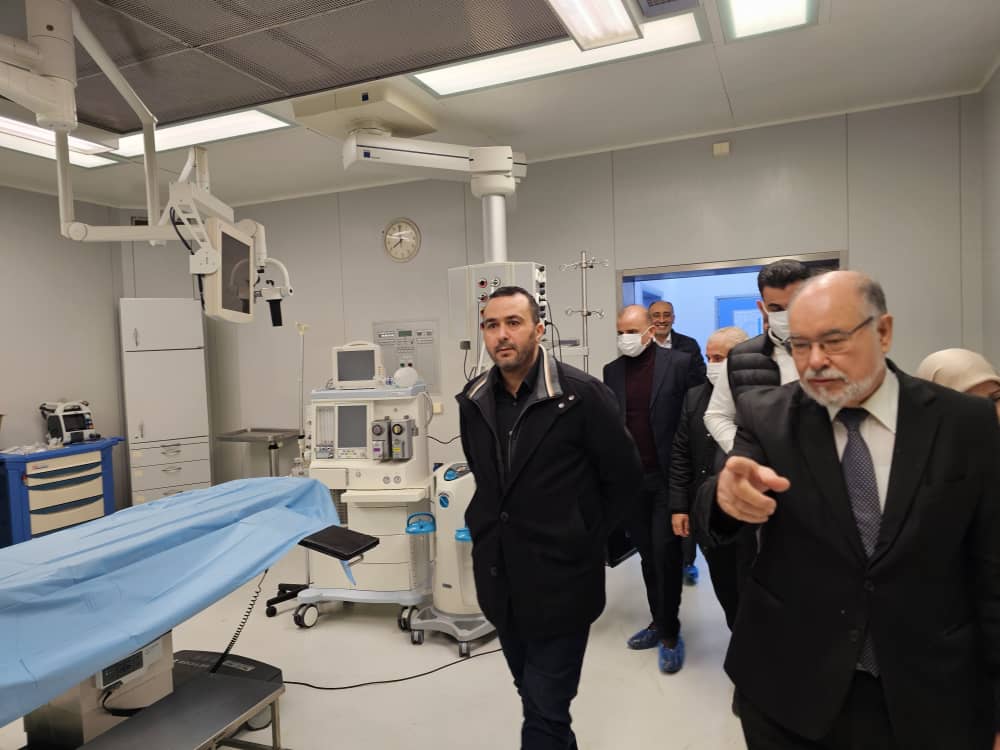
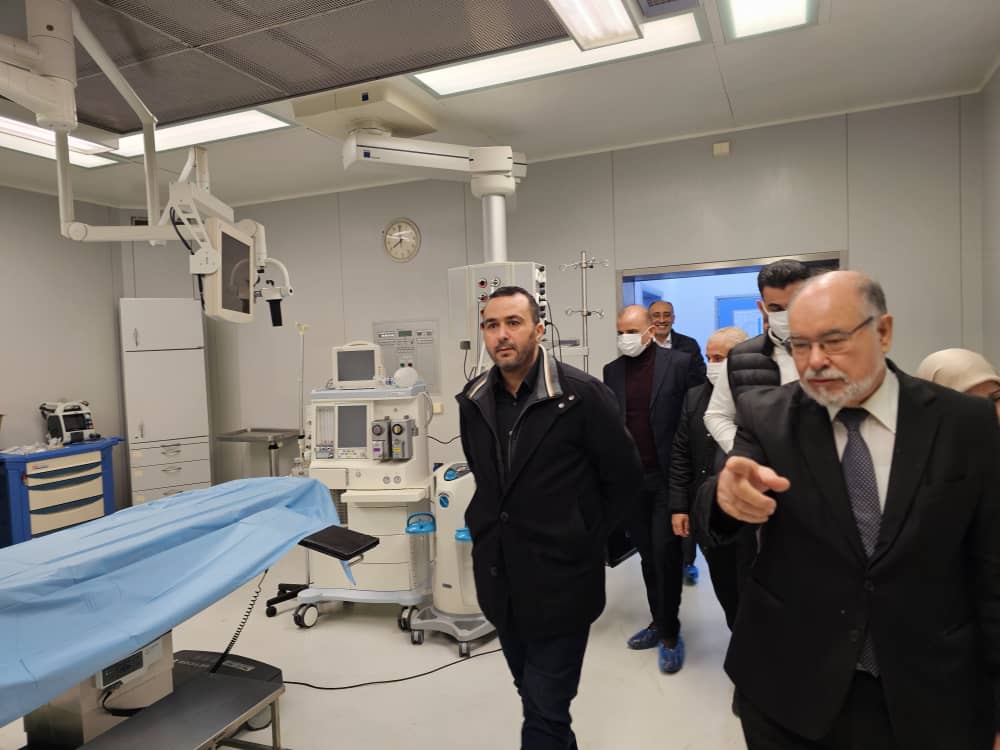
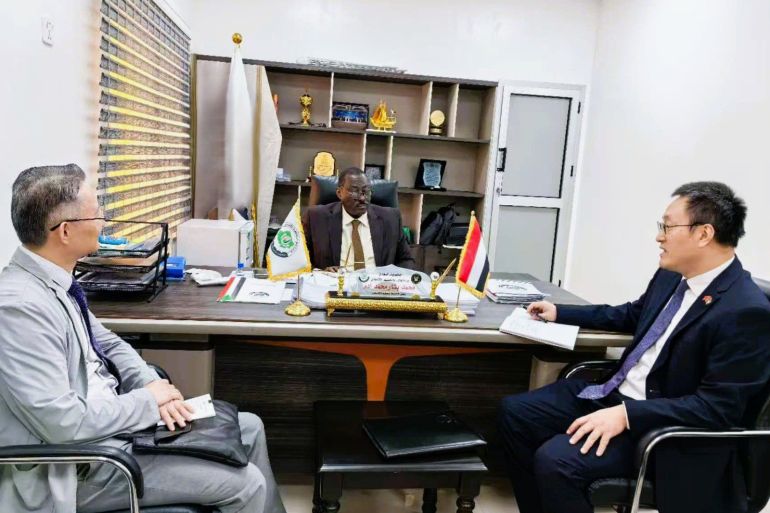
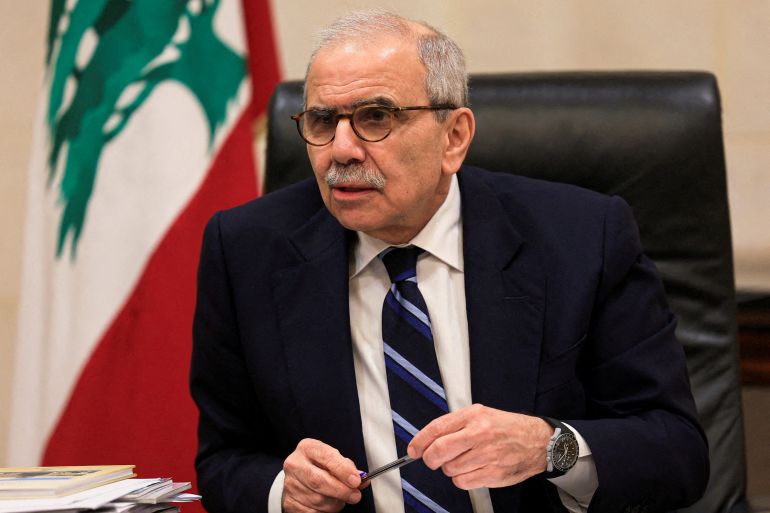
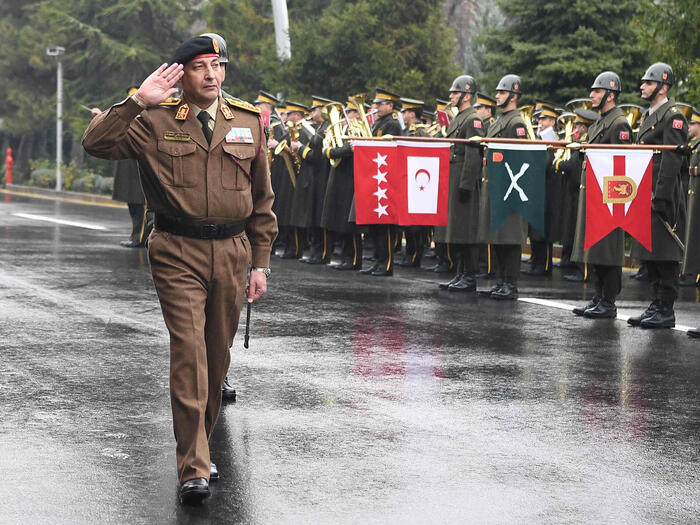
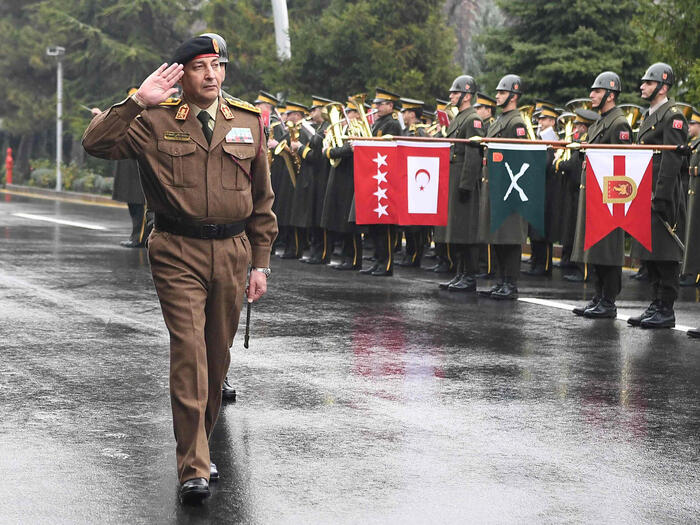
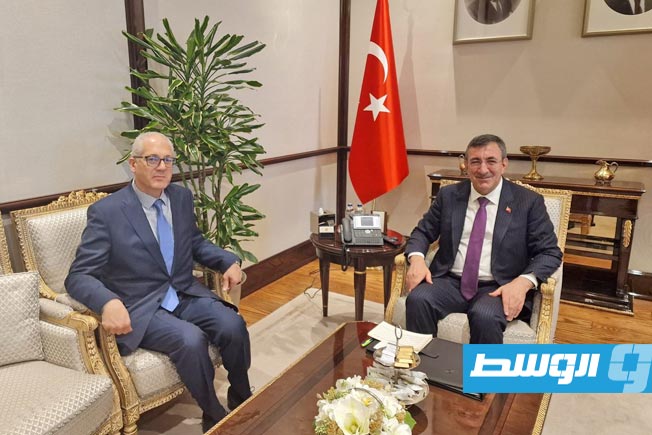
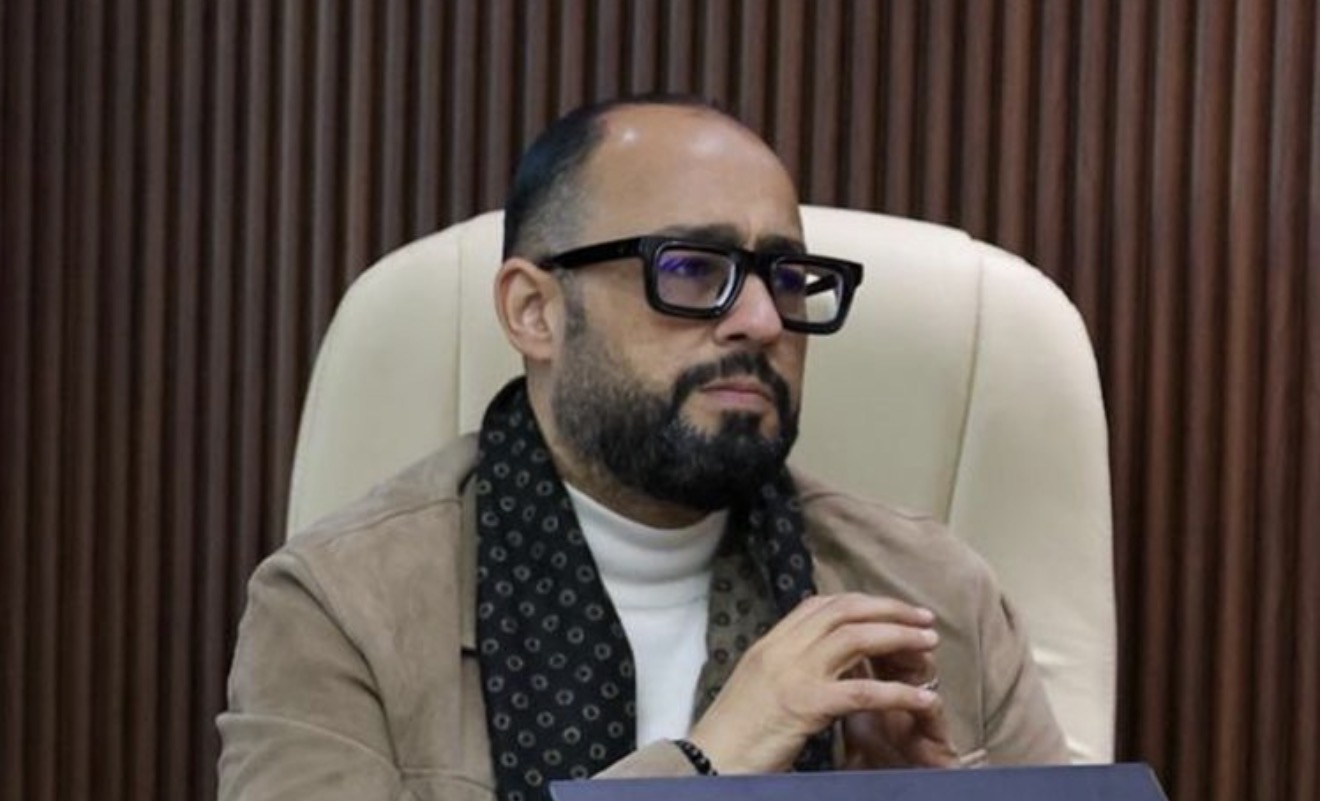
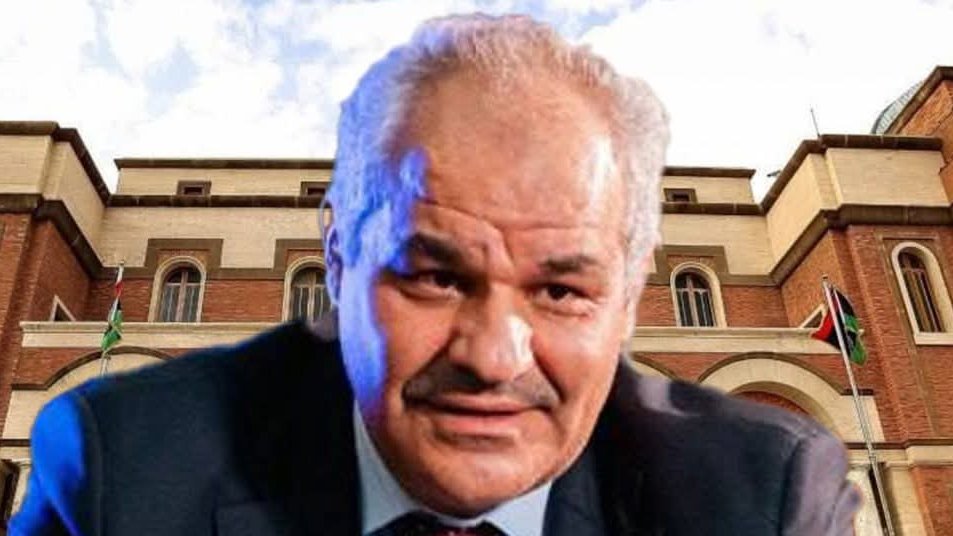
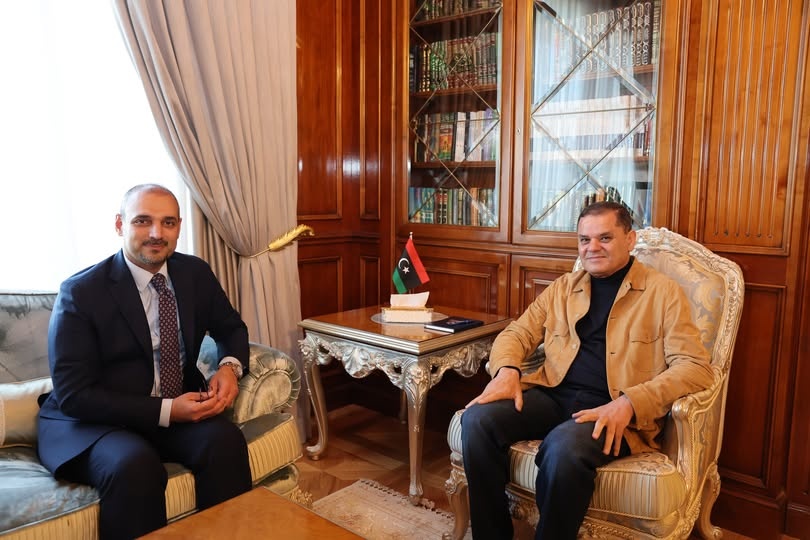
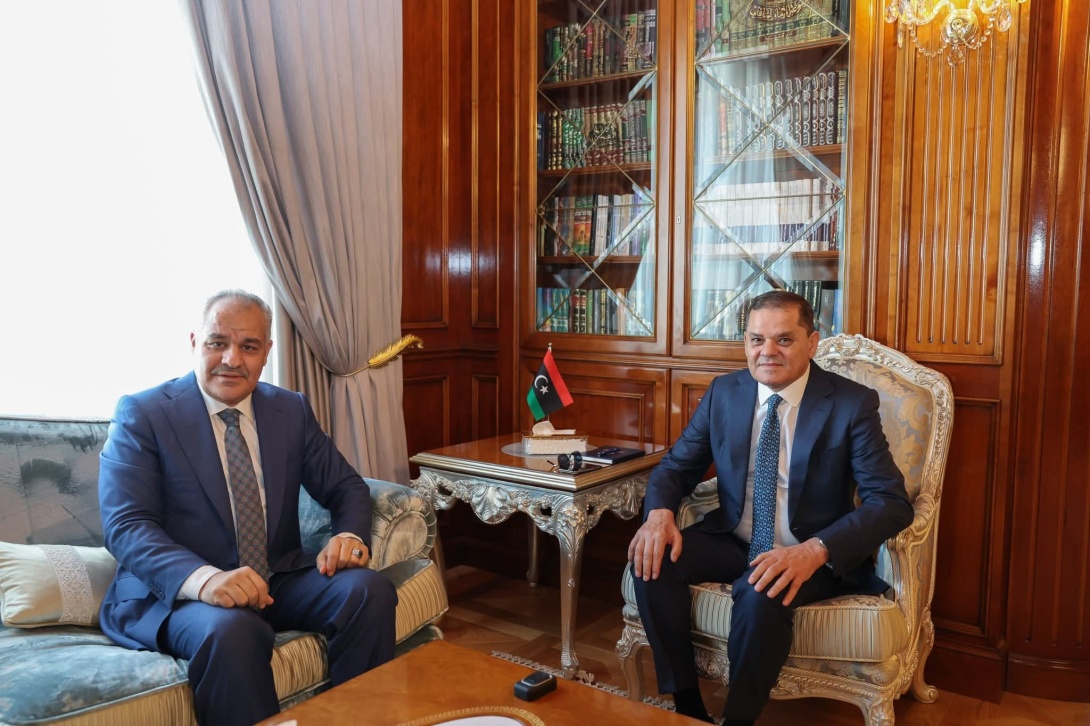
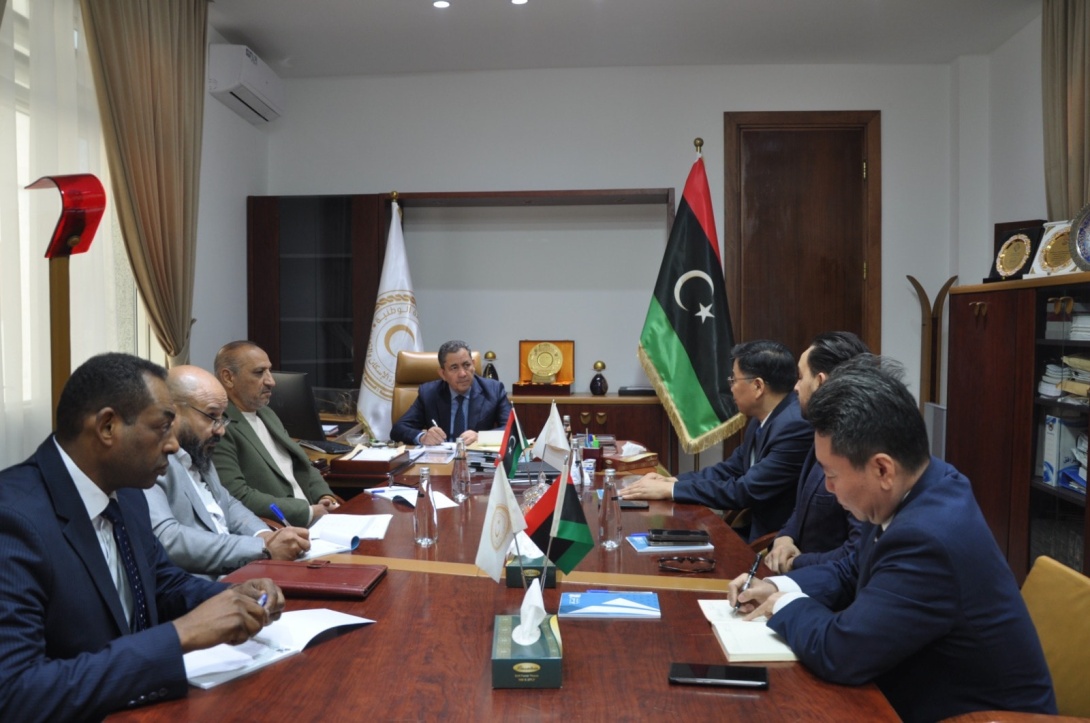
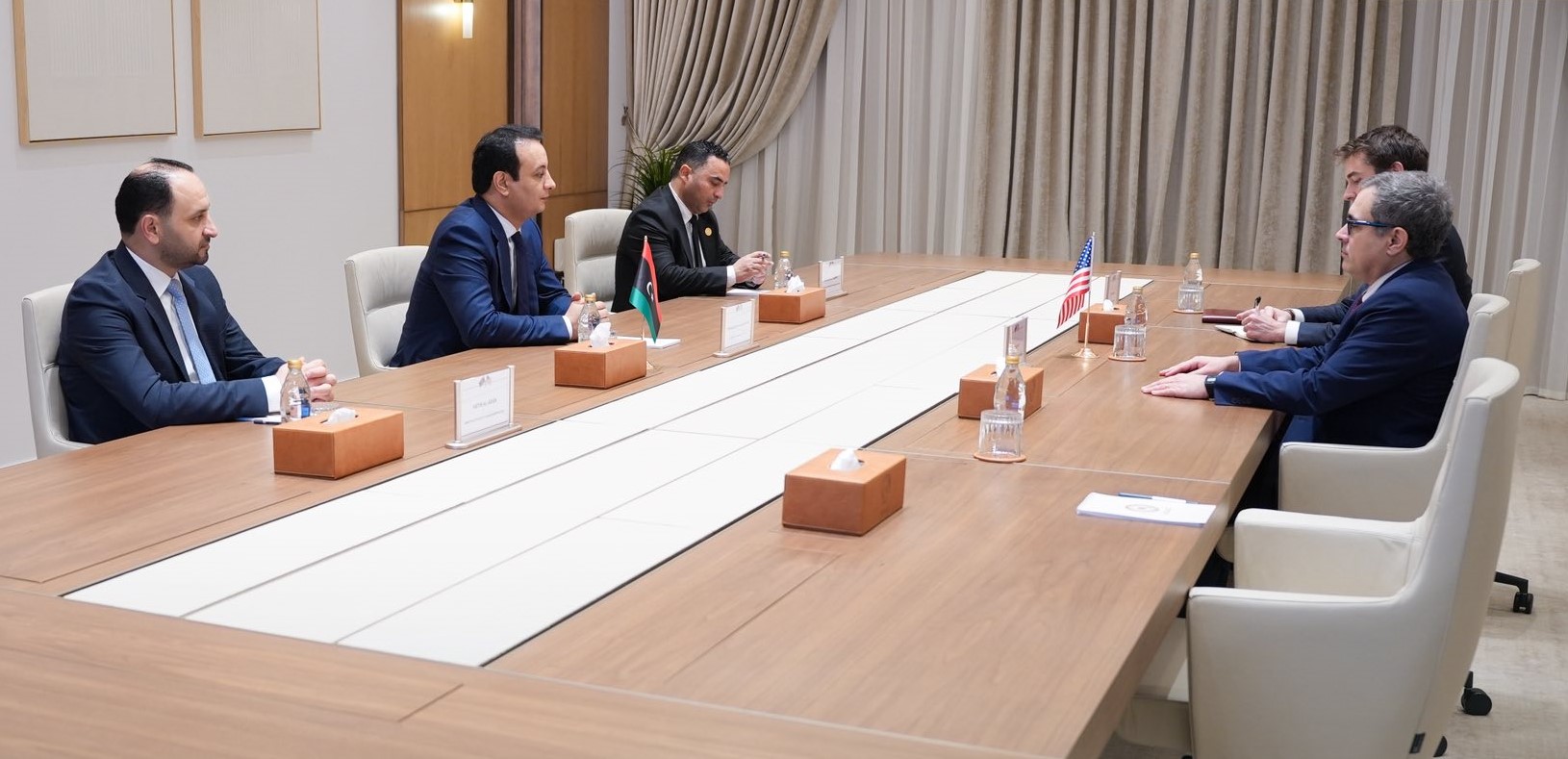
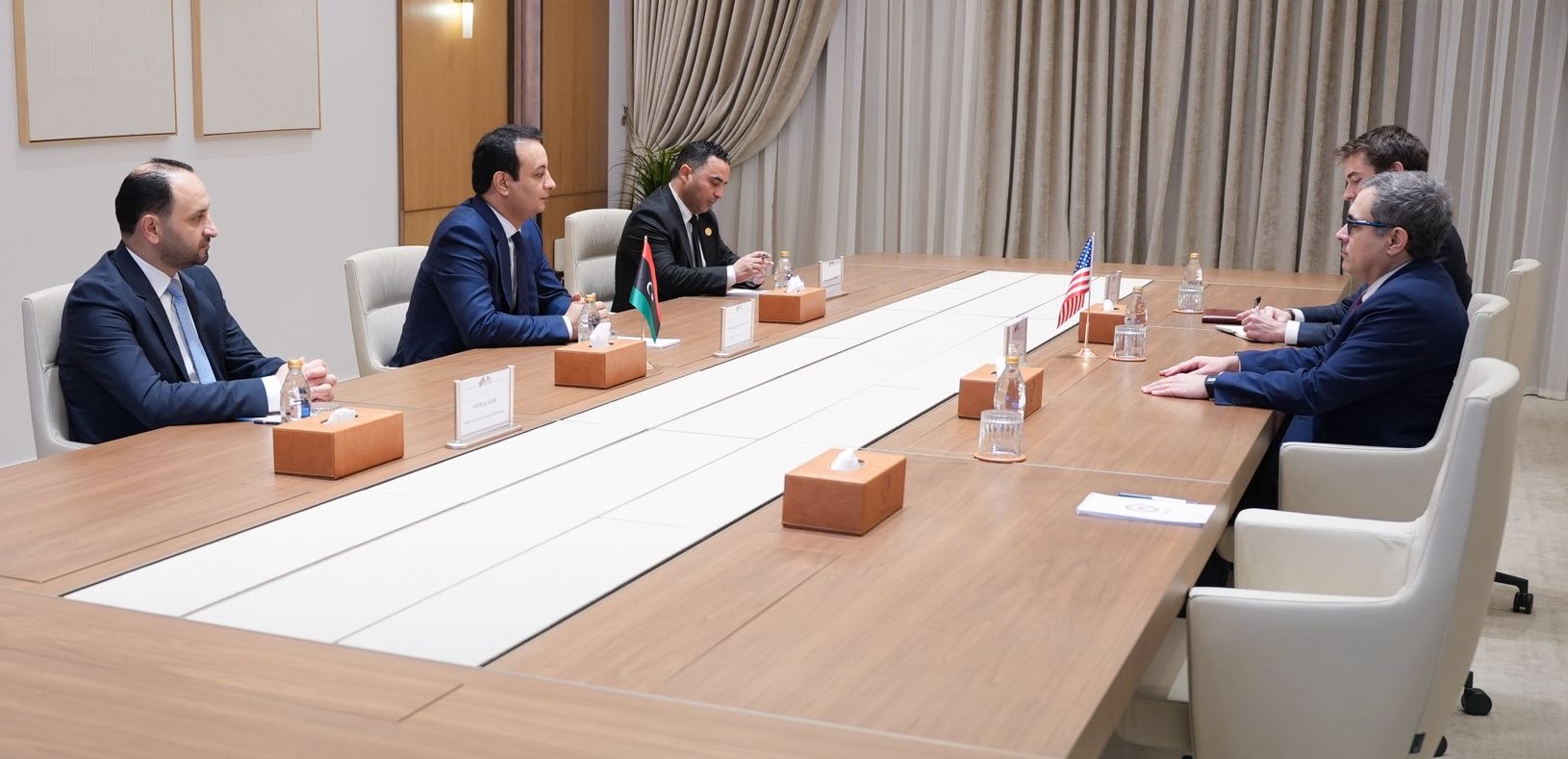
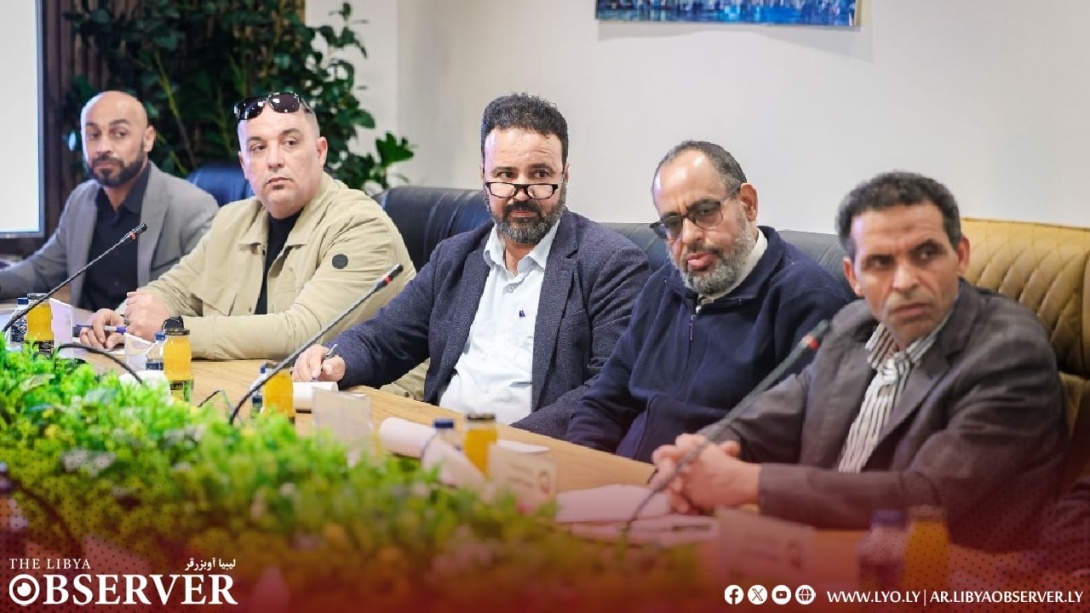
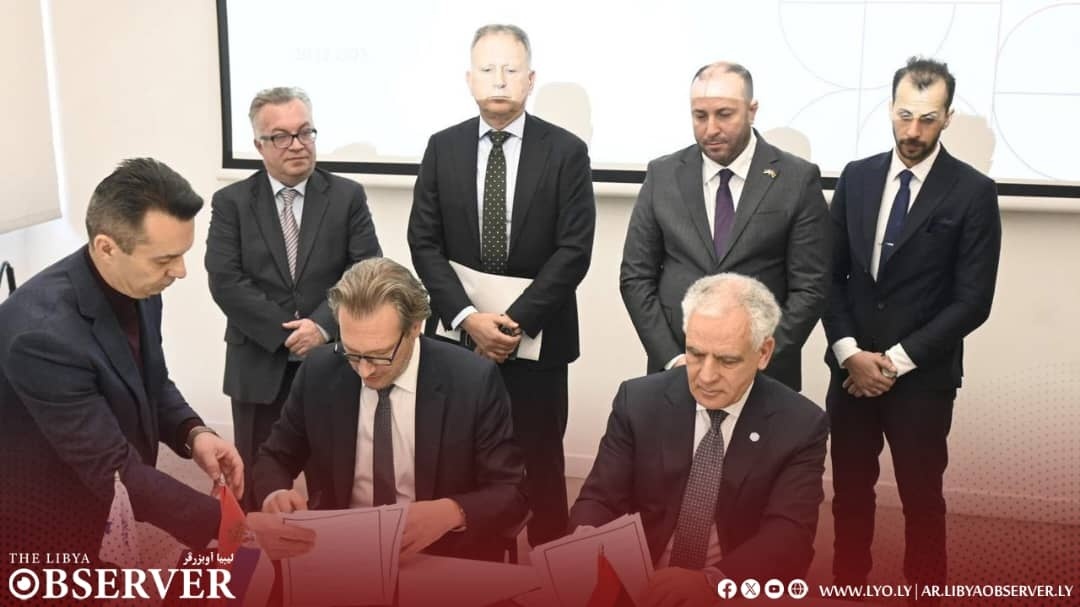
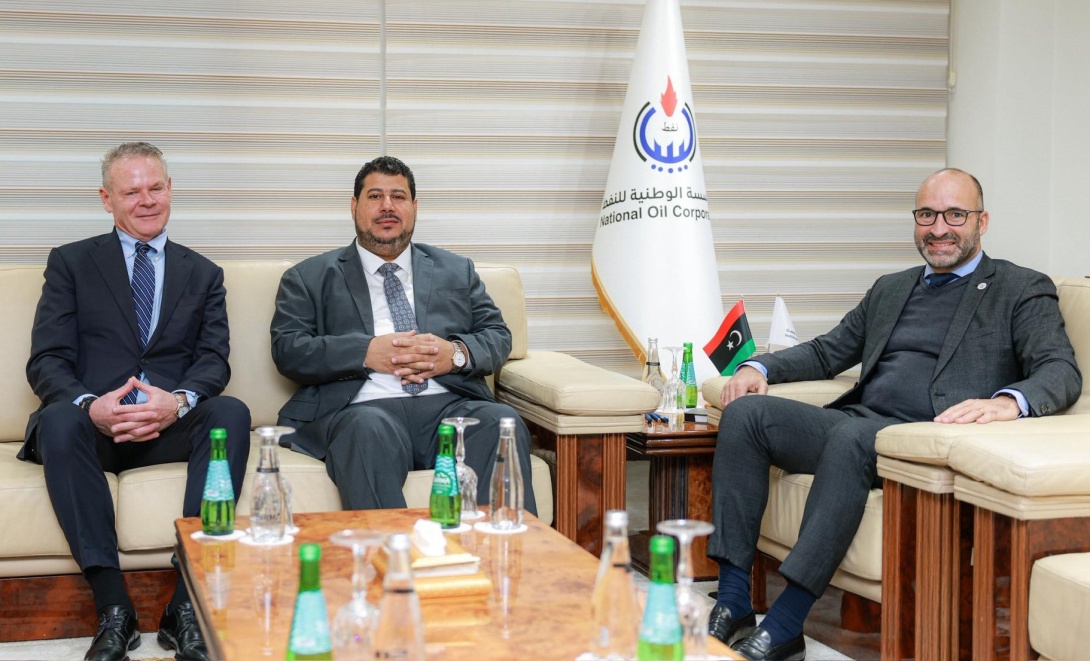
Tripoli, January 28, 2026 – The official in charge of managing the affairs of the Ministry of Foreign Affairs and International Cooperation discussed on Wednesday in Tripoli with the Deputy Special Envoy of the United Nations Secretary-General in Libya and Resident Coordinator the latest developments in the humanitarian situation in Libya.
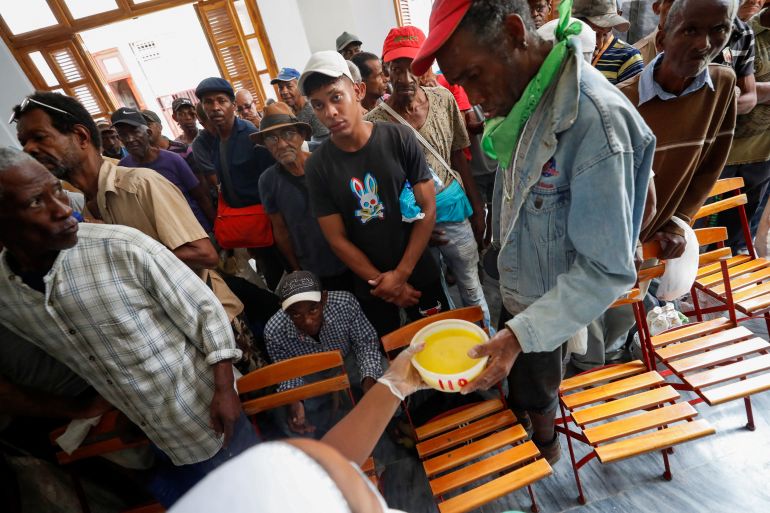
The meeting discussed ways to enhance cooperation and joint coordination between the Government of National Unity and the United Nations, contributing to supporting national efforts aimed at improving humanitarian and service conditions and meeting the needs of the most affected groups.
The meeting also emphasized the importance of continuing the partnership with the United Nations and its role in supporting stability, building capacities, and promoting the path of sustainable development, taking into account the priorities of the Libyan state and its national sovereignty.
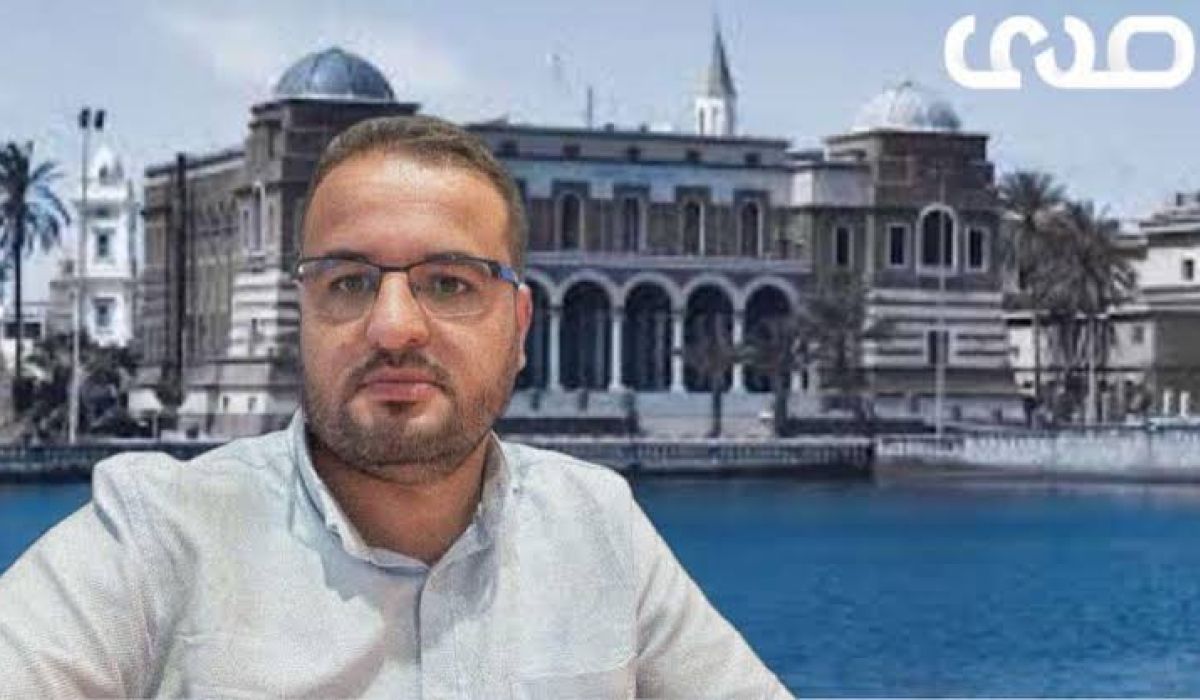
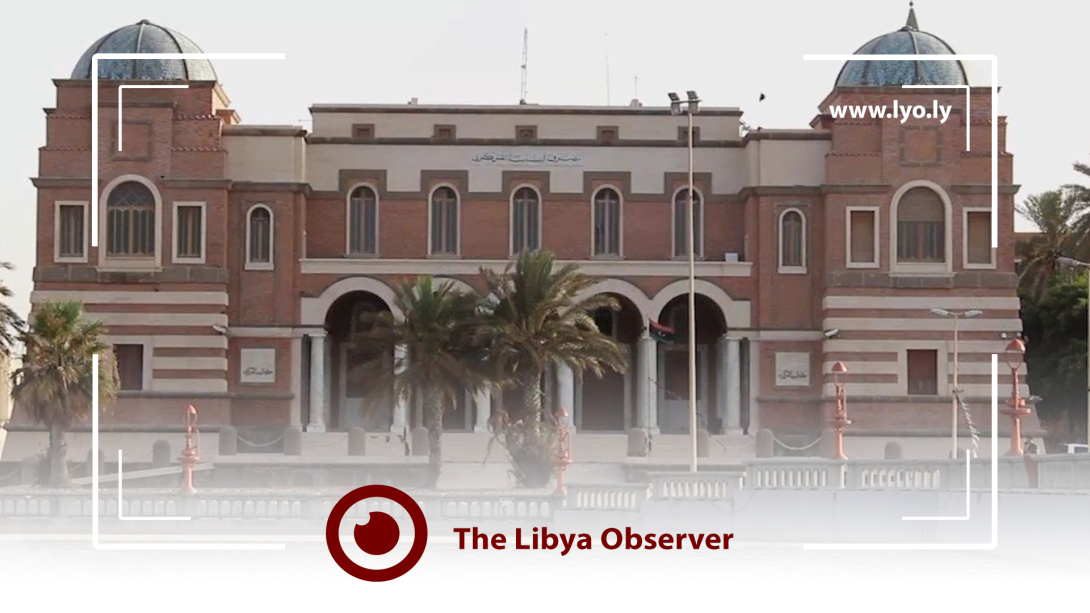
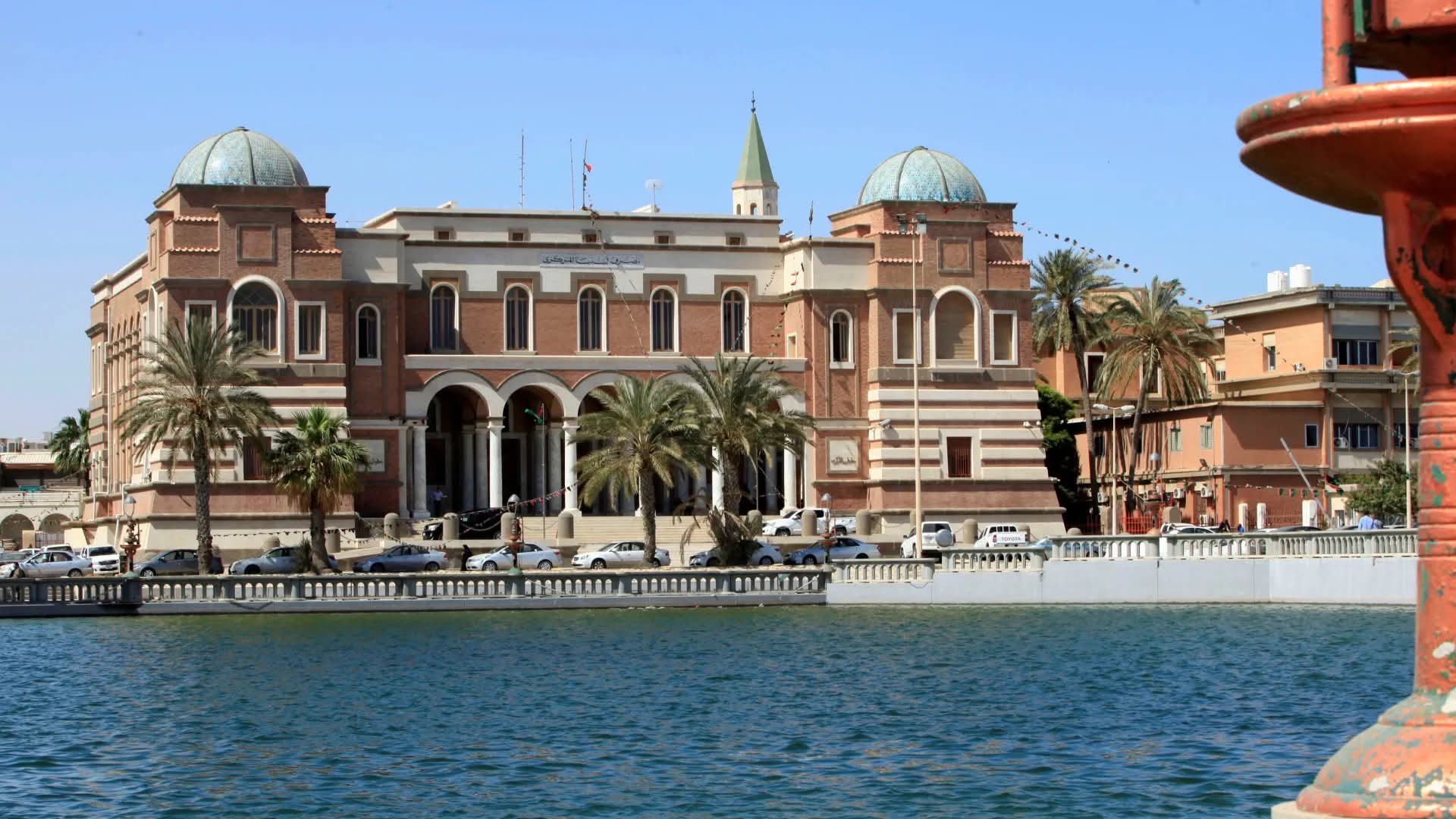
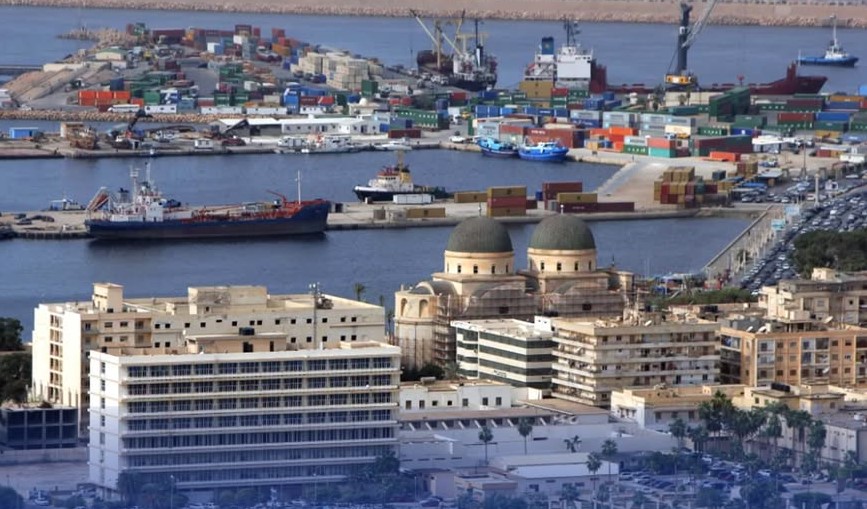
Tripoli
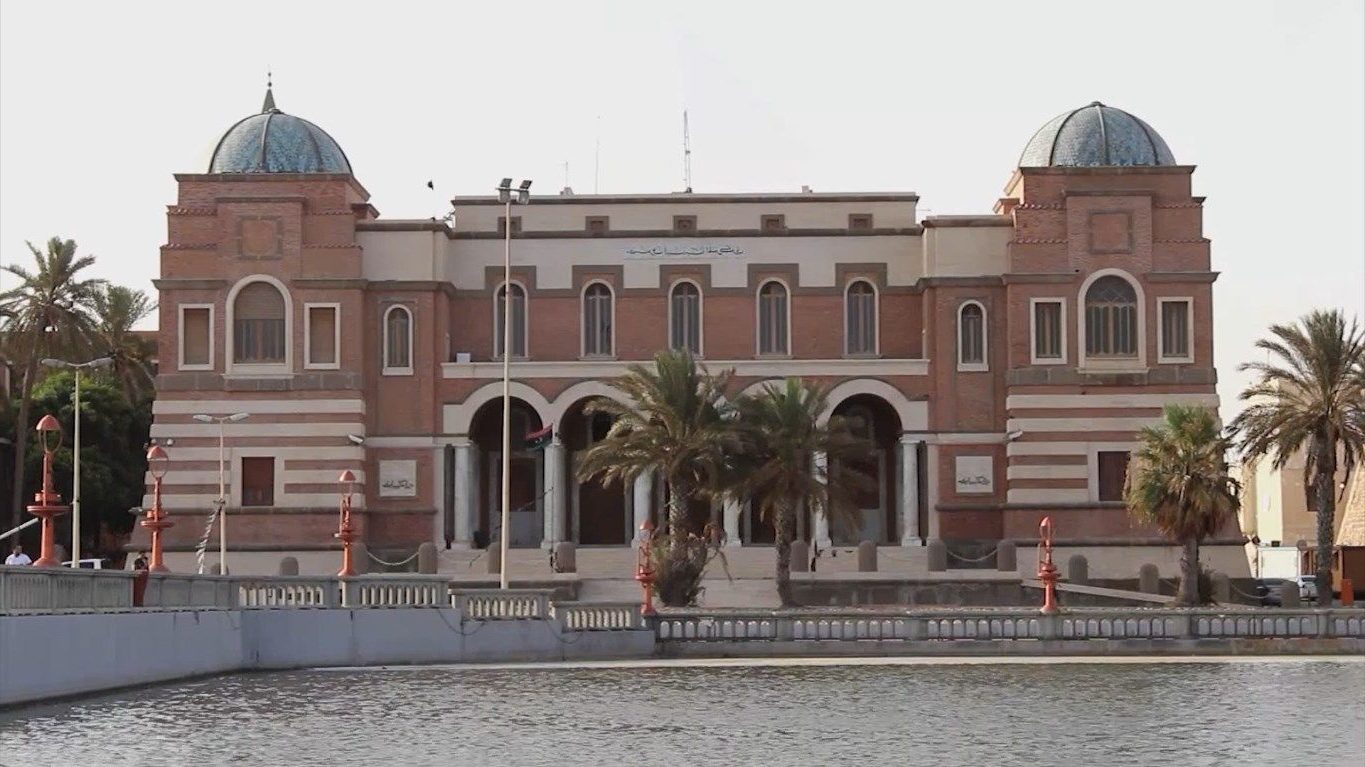
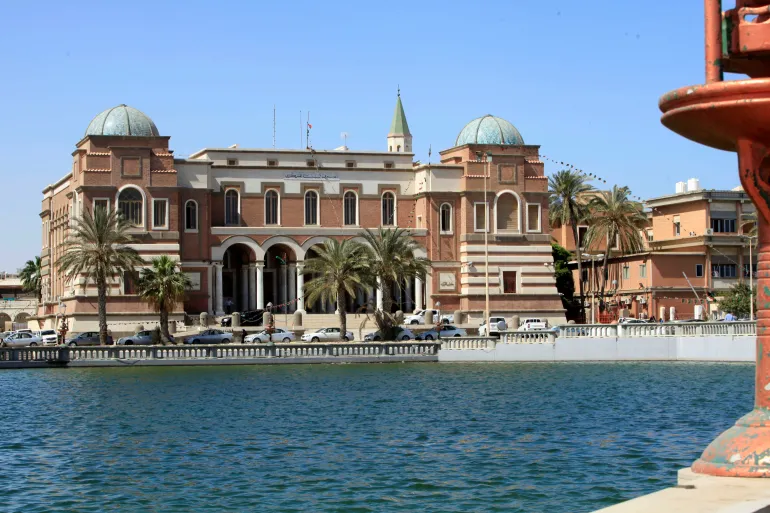
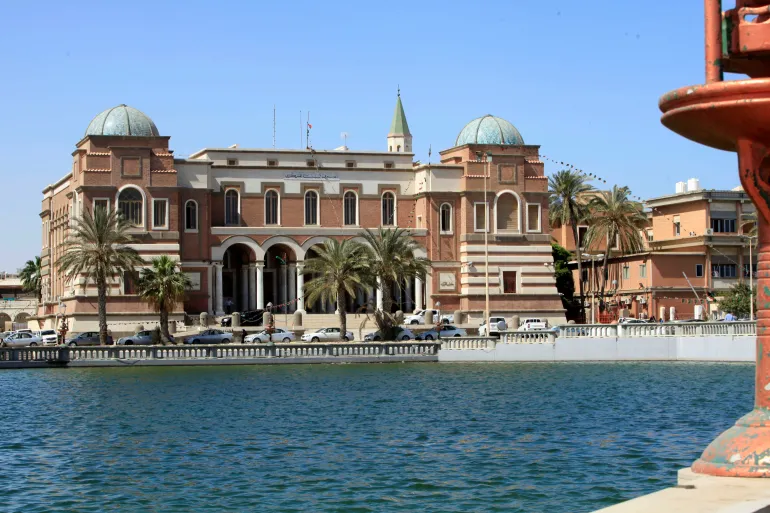
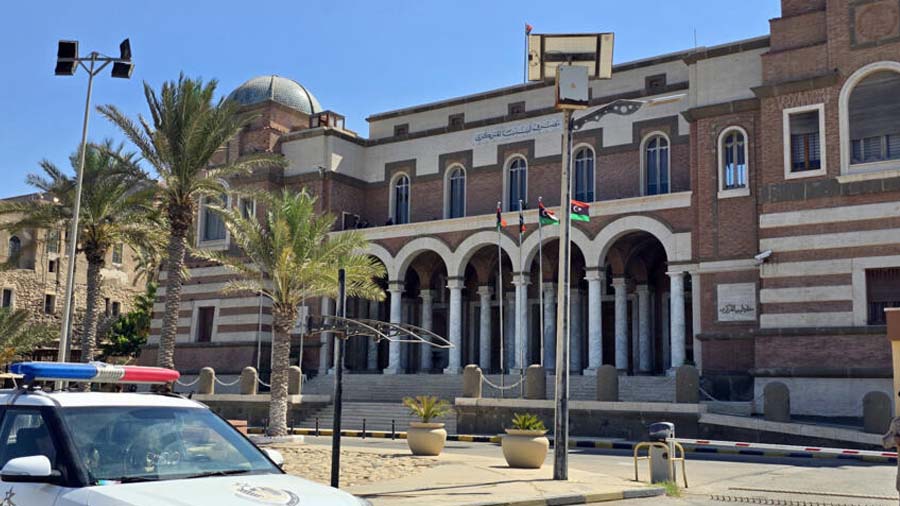
Tripoli is the capital and largest city of Libya, with a history dating back to the 7th century BC when it was founded by the Phoenicians. It later became a significant part of the Roman Empire, the Ottoman Empire, and an Italian colony, which is reflected in its diverse architecture, such as the historic Medina and the Red Castle (Assai al-Hamra).
Ministry of Foreign Affairs and International Cooperation
The Ministry of Foreign Affairs and International Cooperation is the government department of Italy responsible for managing the country’s diplomatic relations and foreign policy. It was established shortly after the unification of Italy in 1861, originally named the Ministry of Foreign Affairs, with its current name reflecting a modern emphasis on global partnership. The ministry operates from its historic headquarters, the Palazzo della Farnesina in Rome, a significant example of Fascist-era architecture completed in the 1930s.
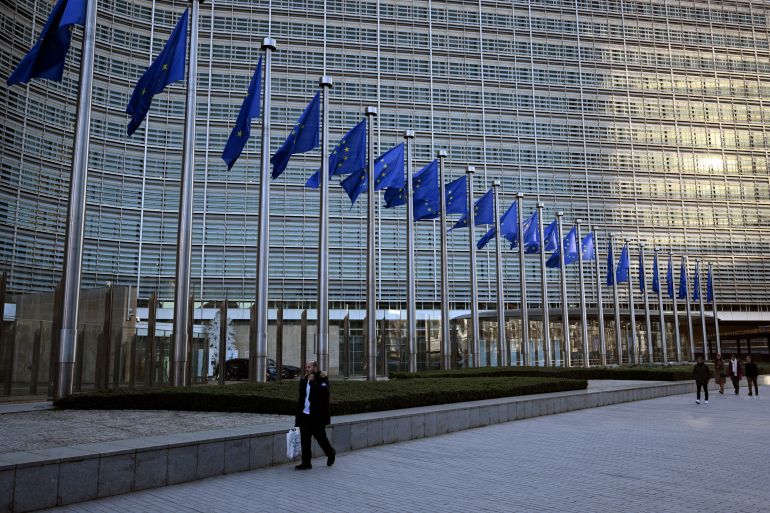
United Nations
The United Nations is an international organization founded in 1945 after World War II to promote peace, security, and cooperation among nations. It replaced the League of Nations and is headquartered in New York City, with 193 member states working on issues ranging from humanitarian aid to climate change.
Libya
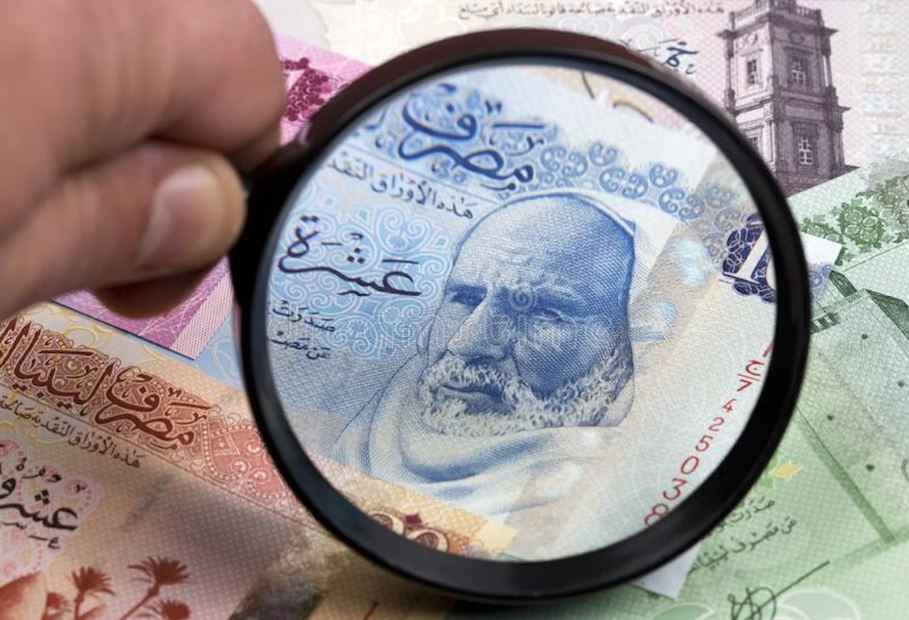
Libya is a North African country with a rich history rooted in ancient civilizations like the Phoenicians and Romans, followed by centuries of Arab and Ottoman influence. In the modern era, it was an Italian colony before gaining independence in 1951, later becoming known for Muammar Gaddafi’s lengthy rule from 1969 until the 2011 revolution.
Government of National Unity
The Government of National Unity (GNU) is a term most notably applied to the post-apartheid coalition government in South Africa, formed in 1994 following the country’s first multiracial elections. Led by Nelson Mandela as President, it brought together the African National Congress, the National Party, and the Inkatha Freedom Party to oversee the transition from minority rule to a multiracial democracy.