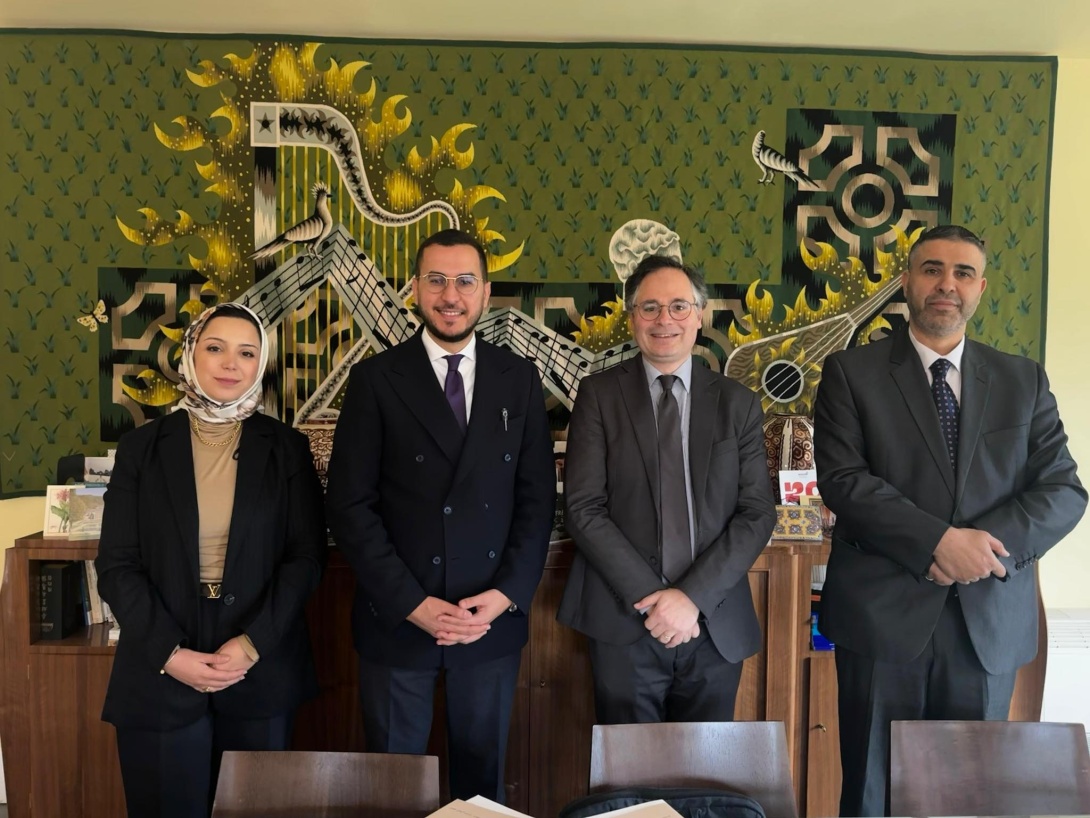
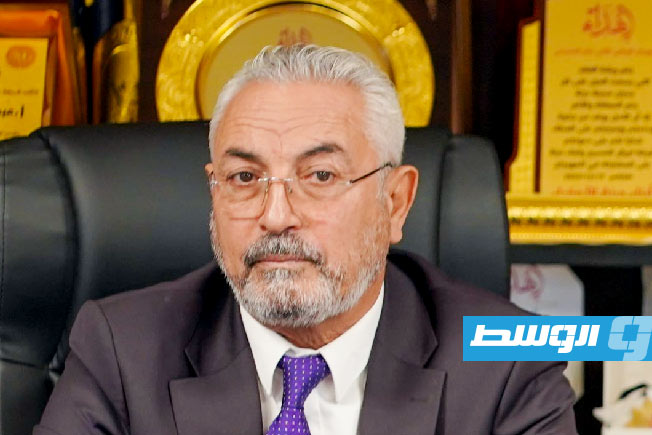
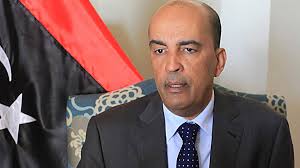
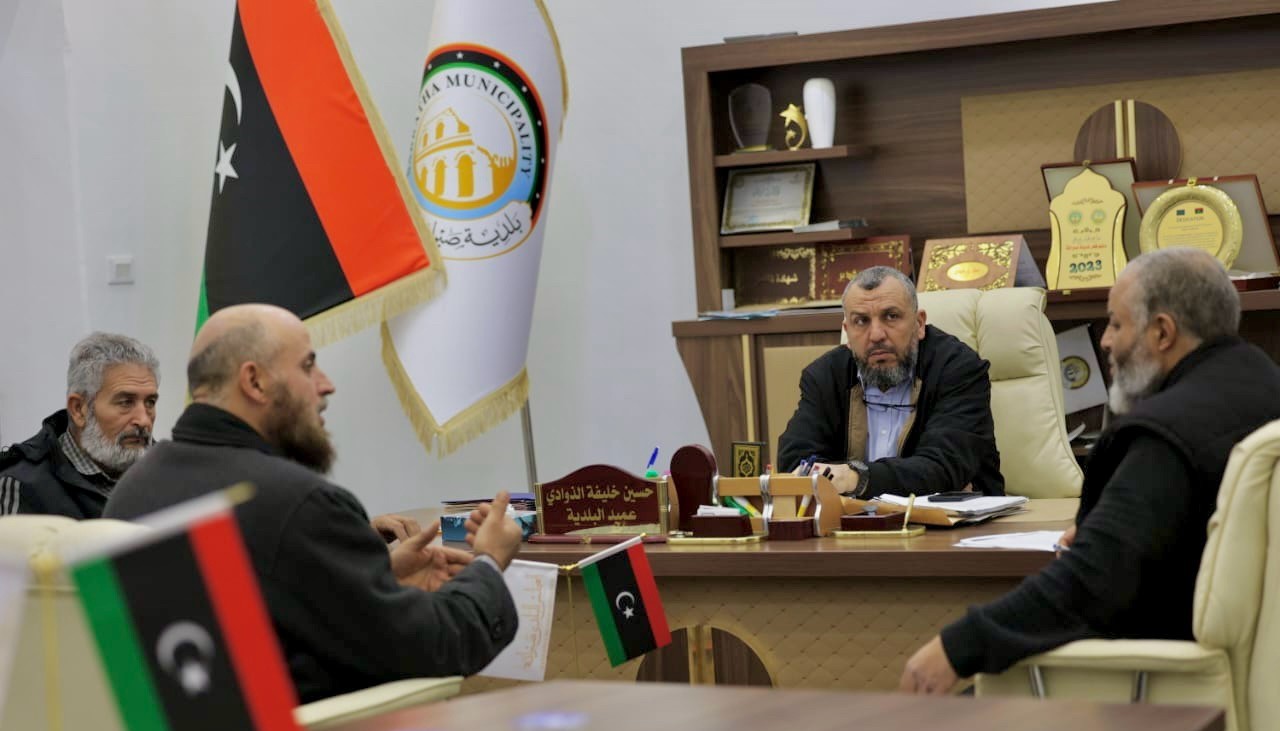
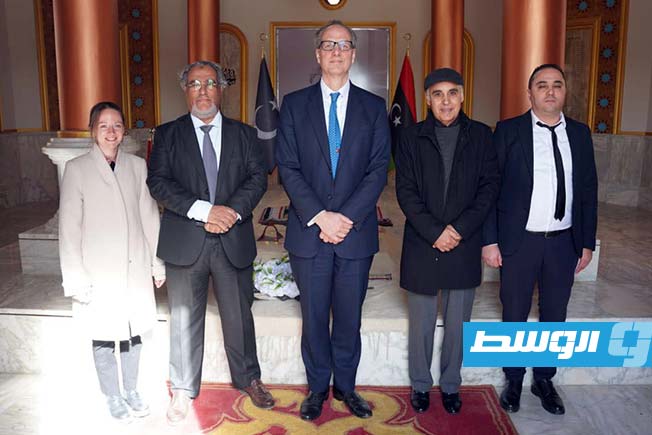
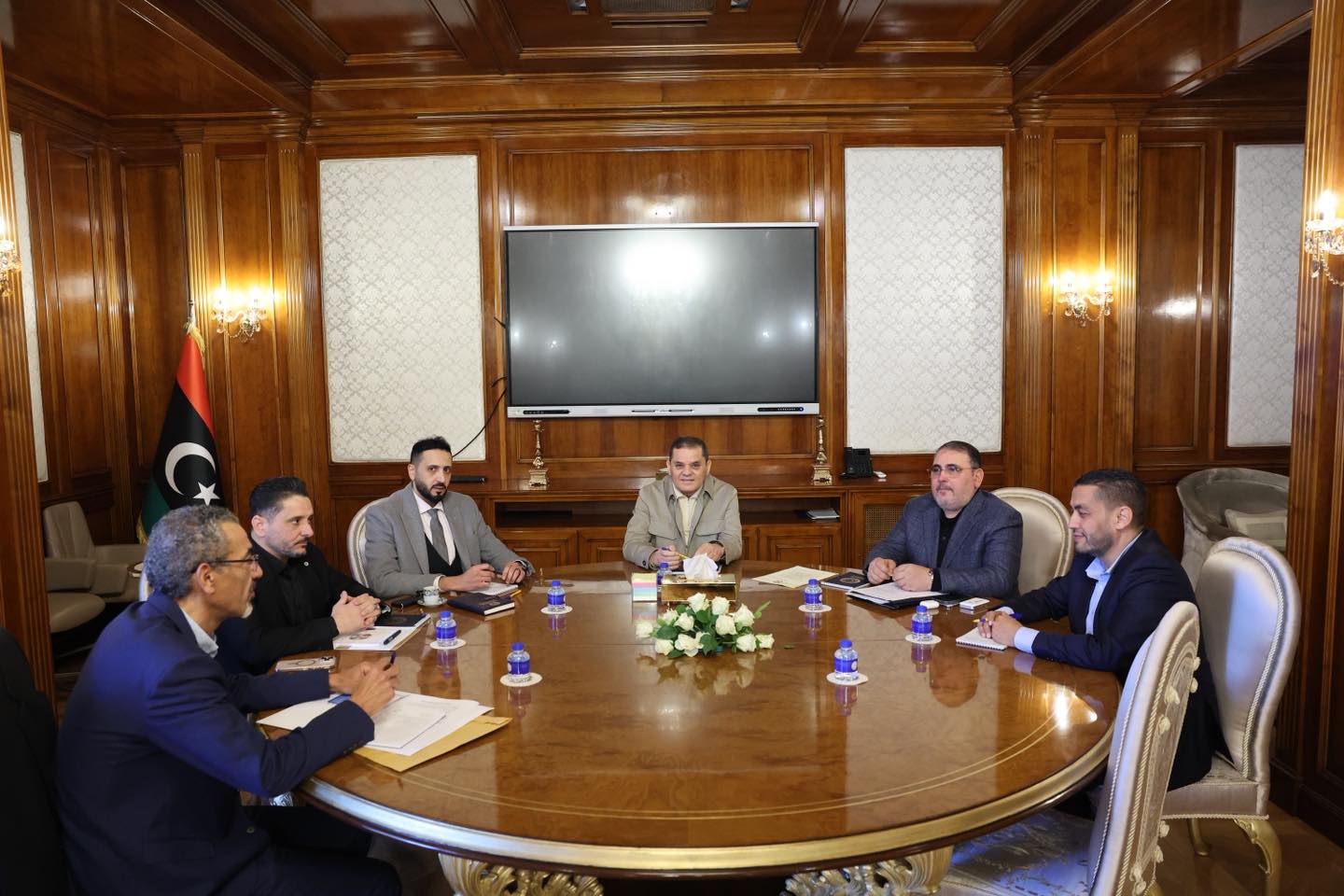
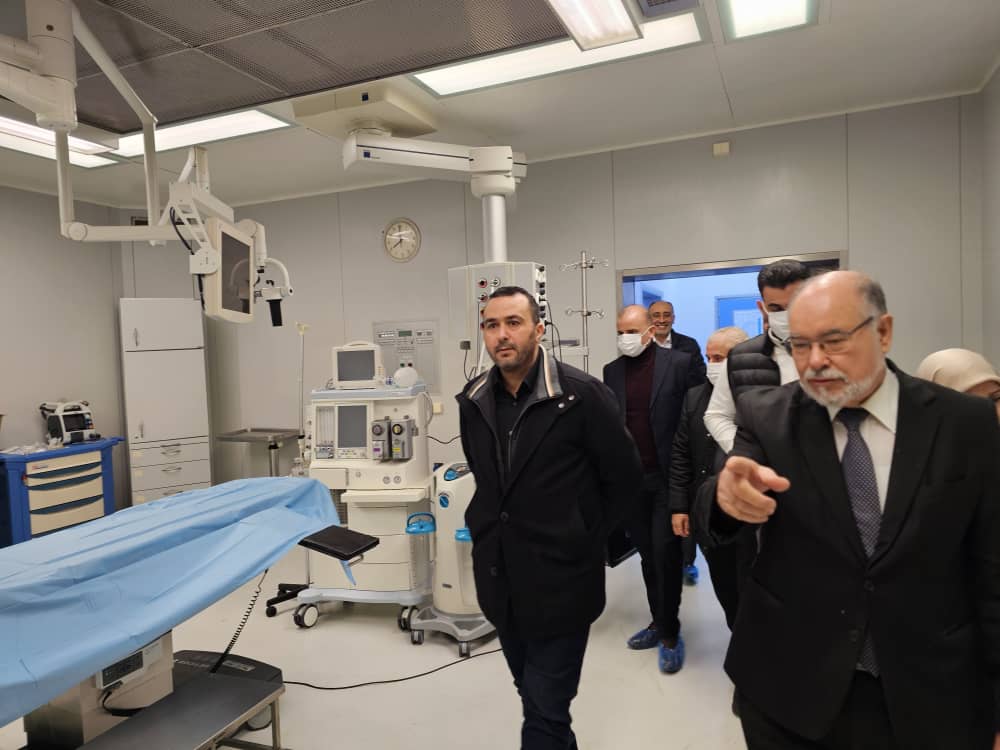
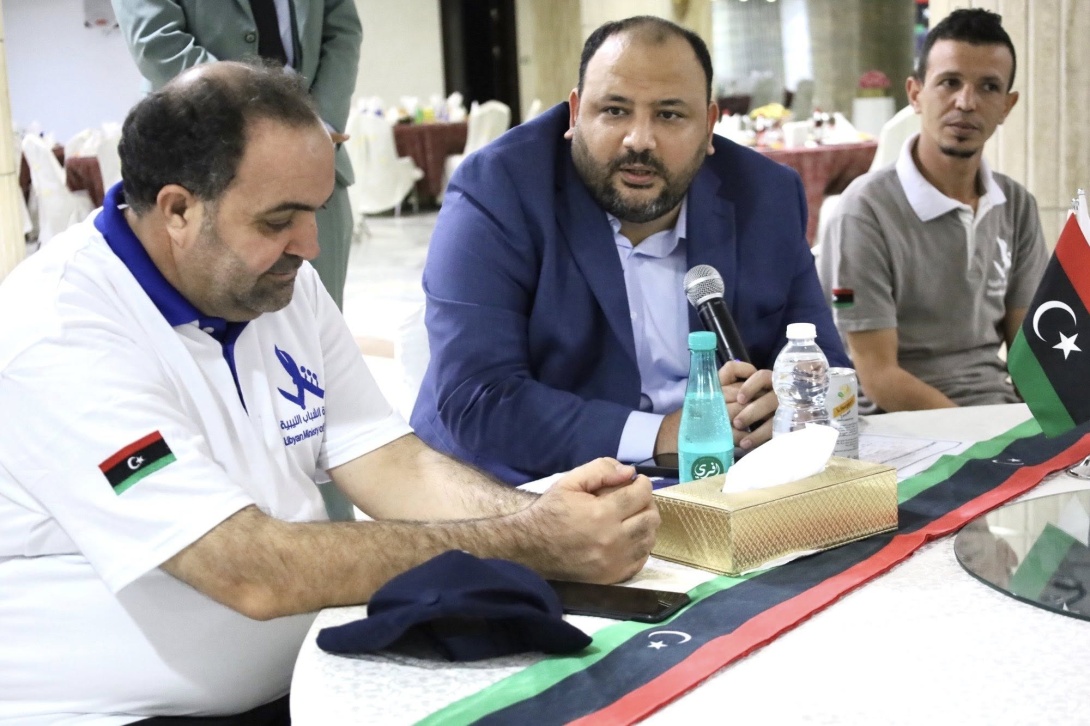
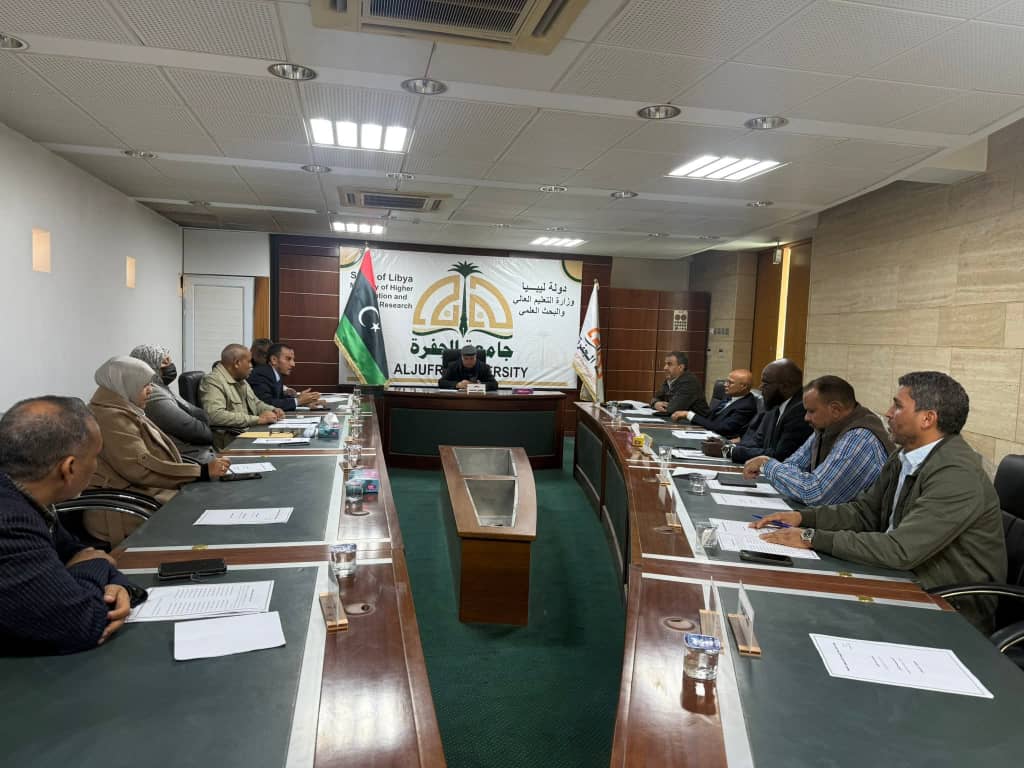
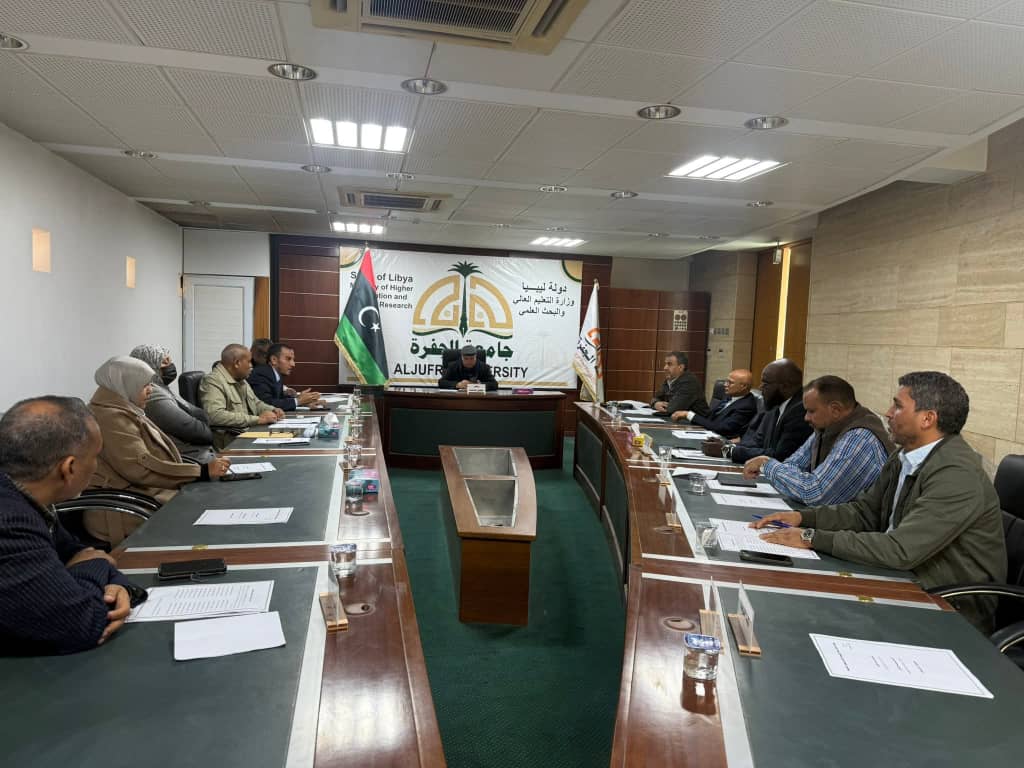
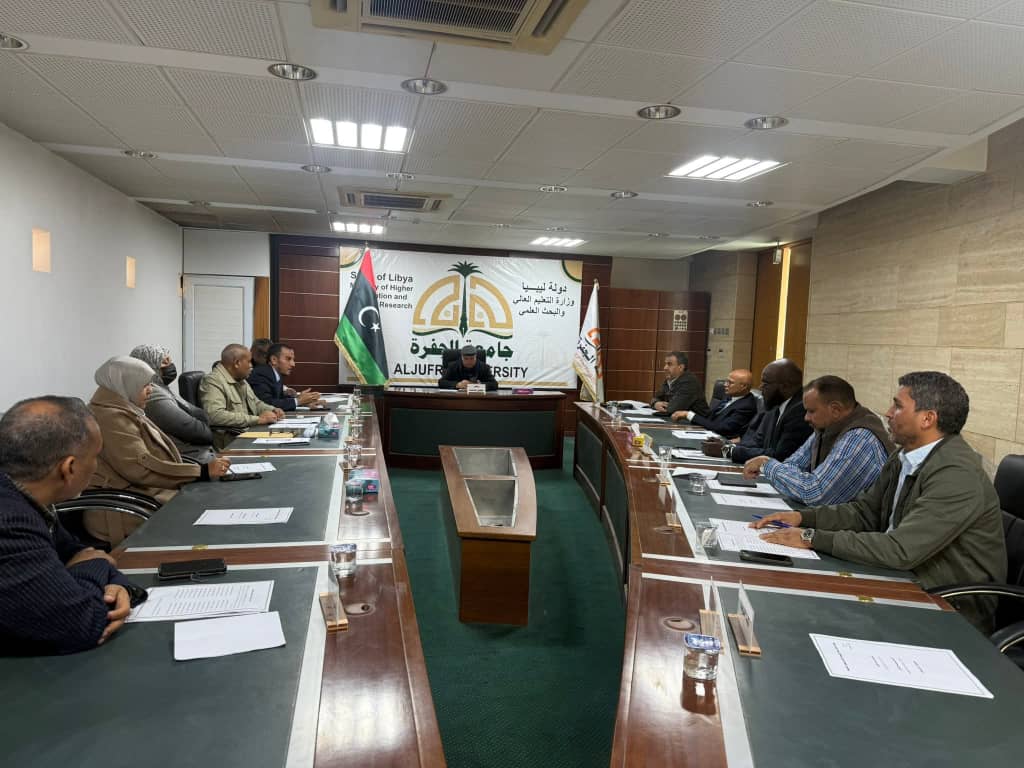
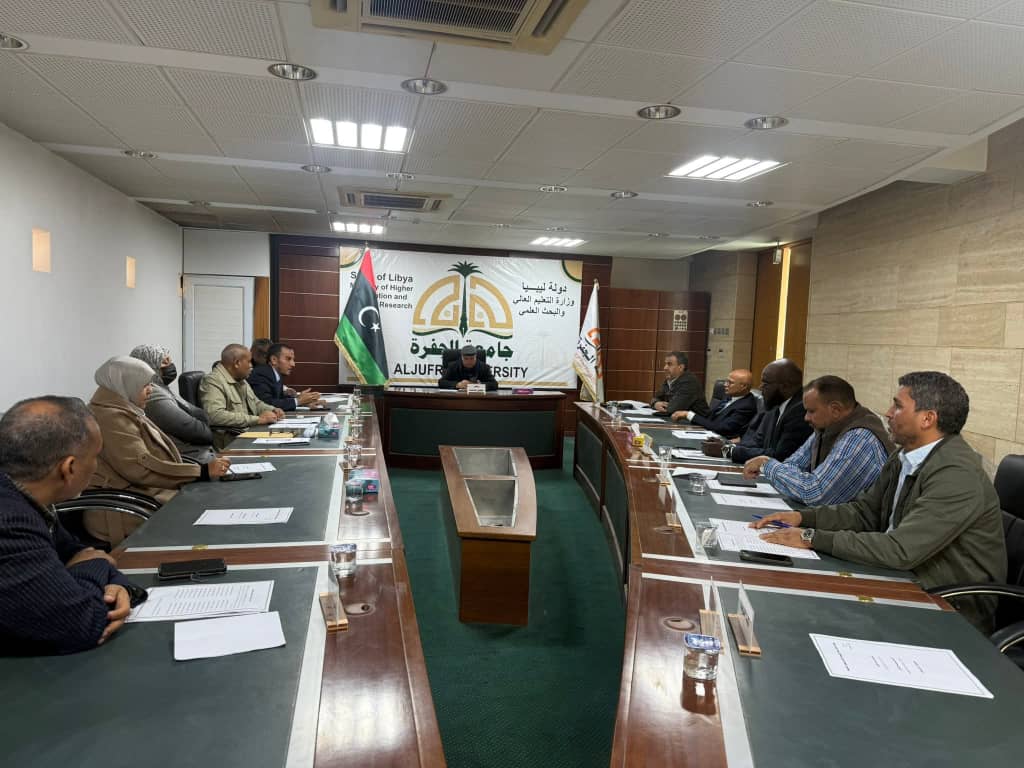
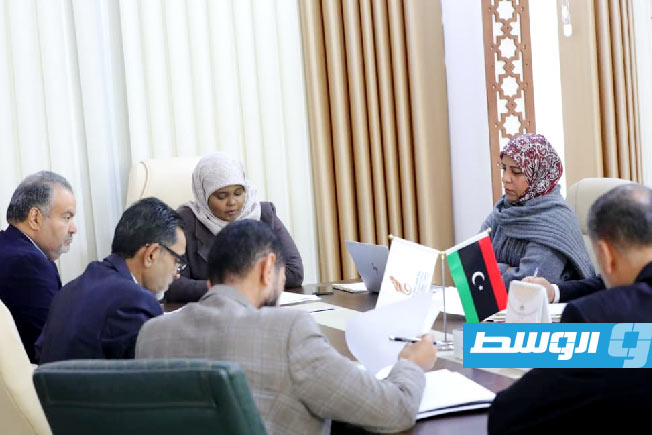
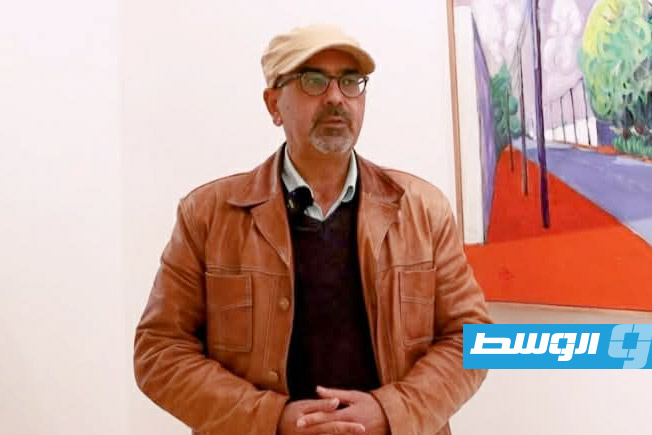
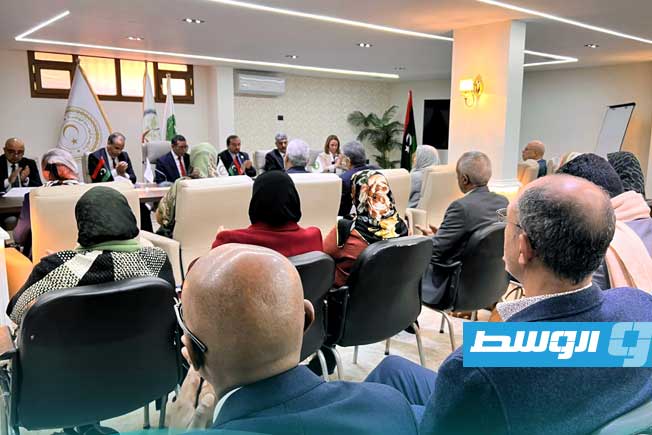
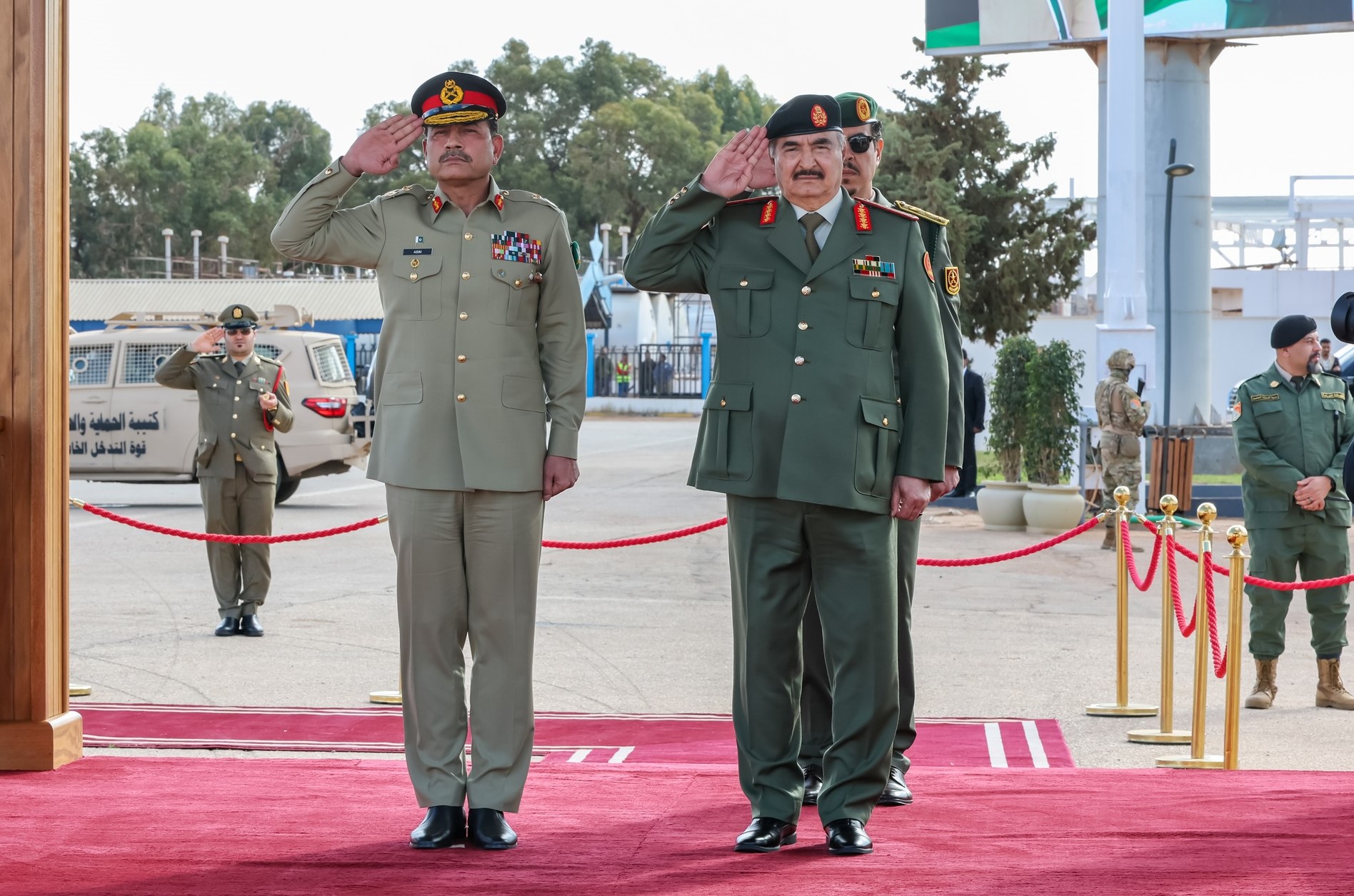
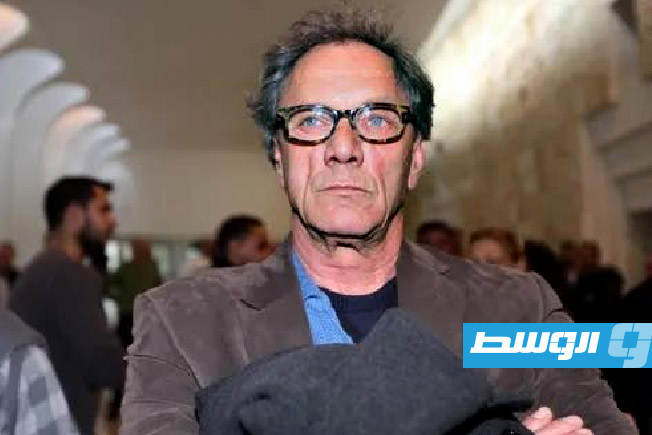
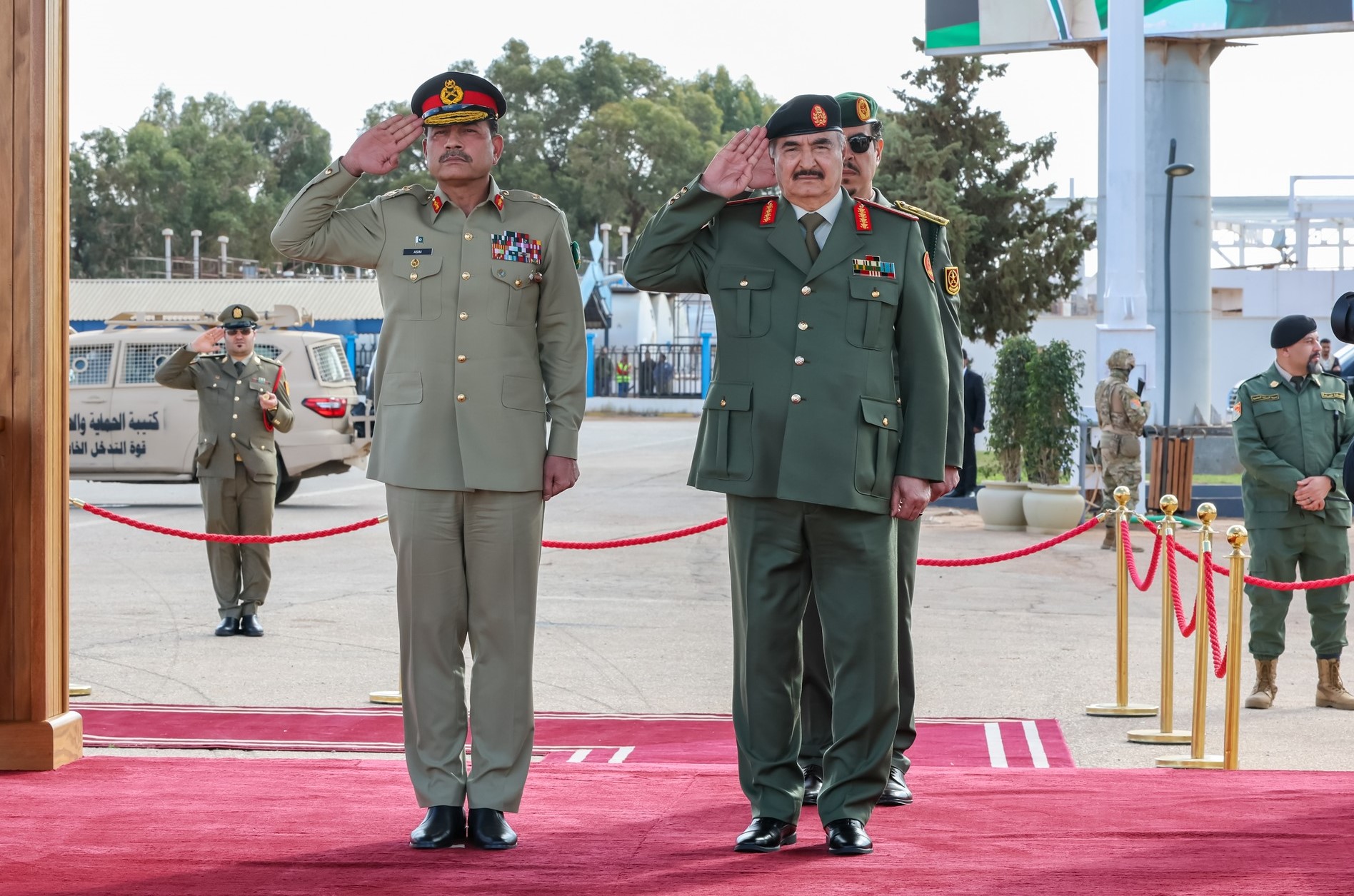
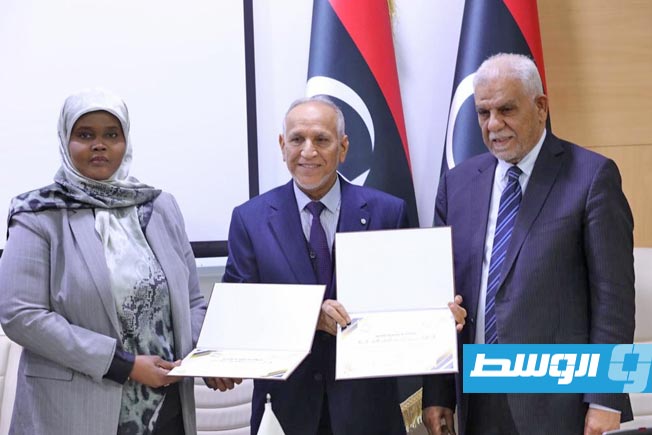
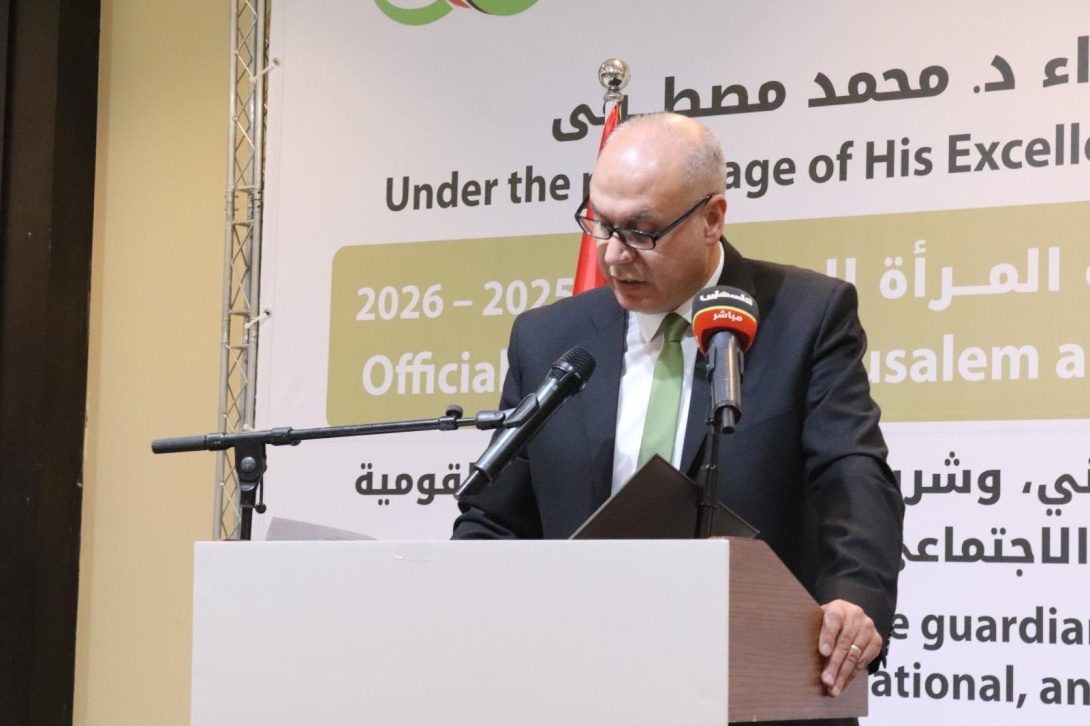
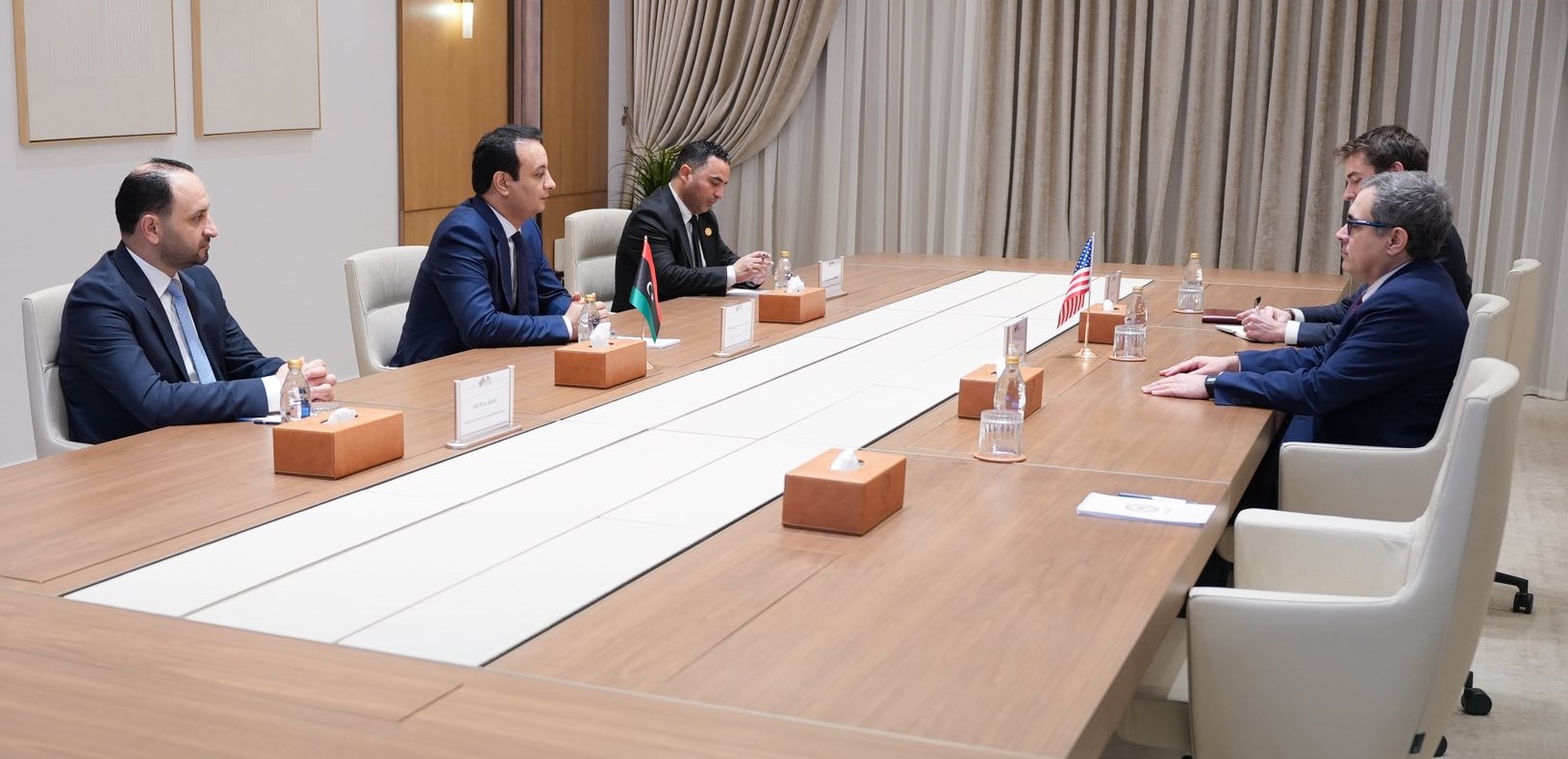
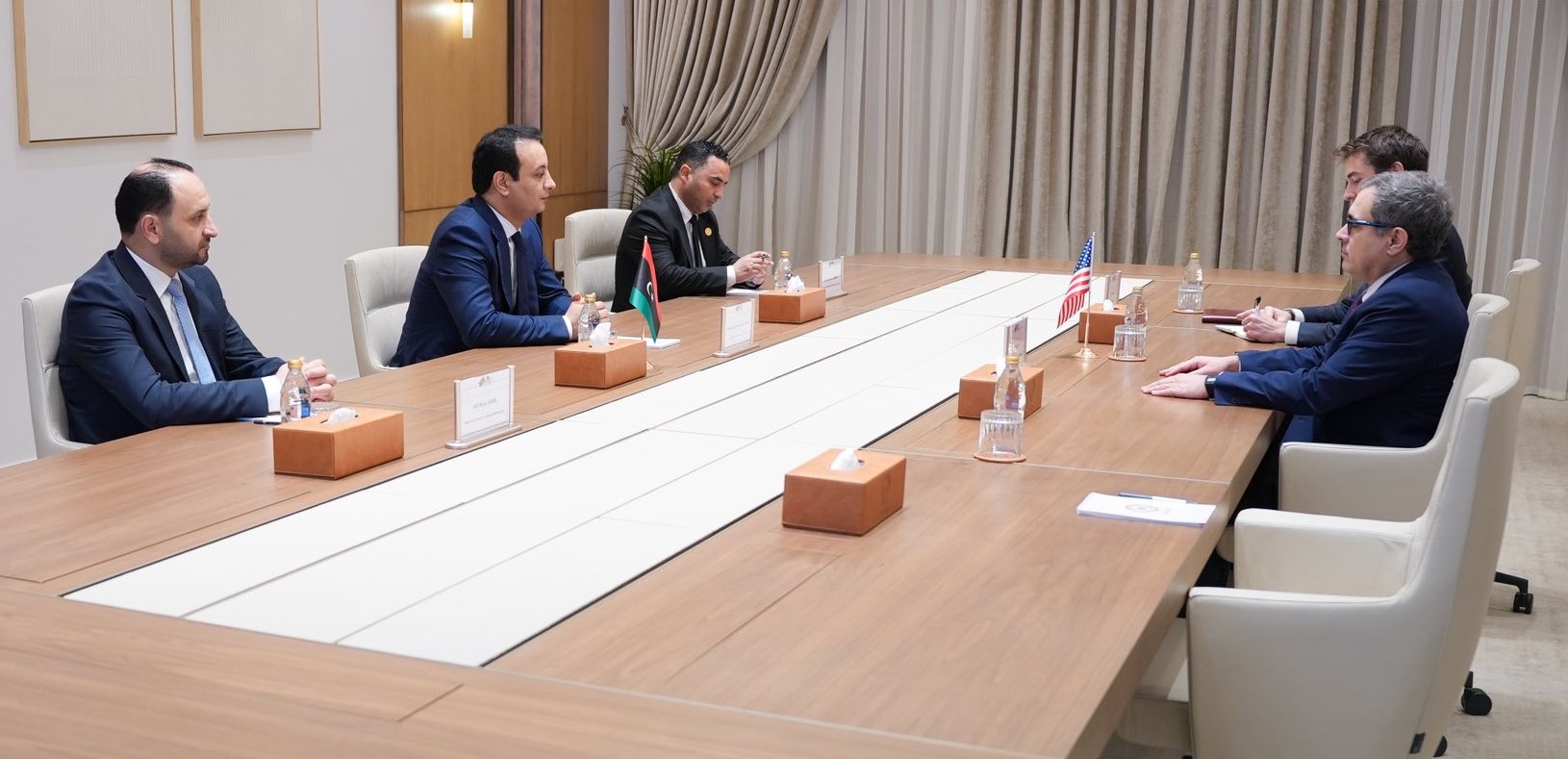
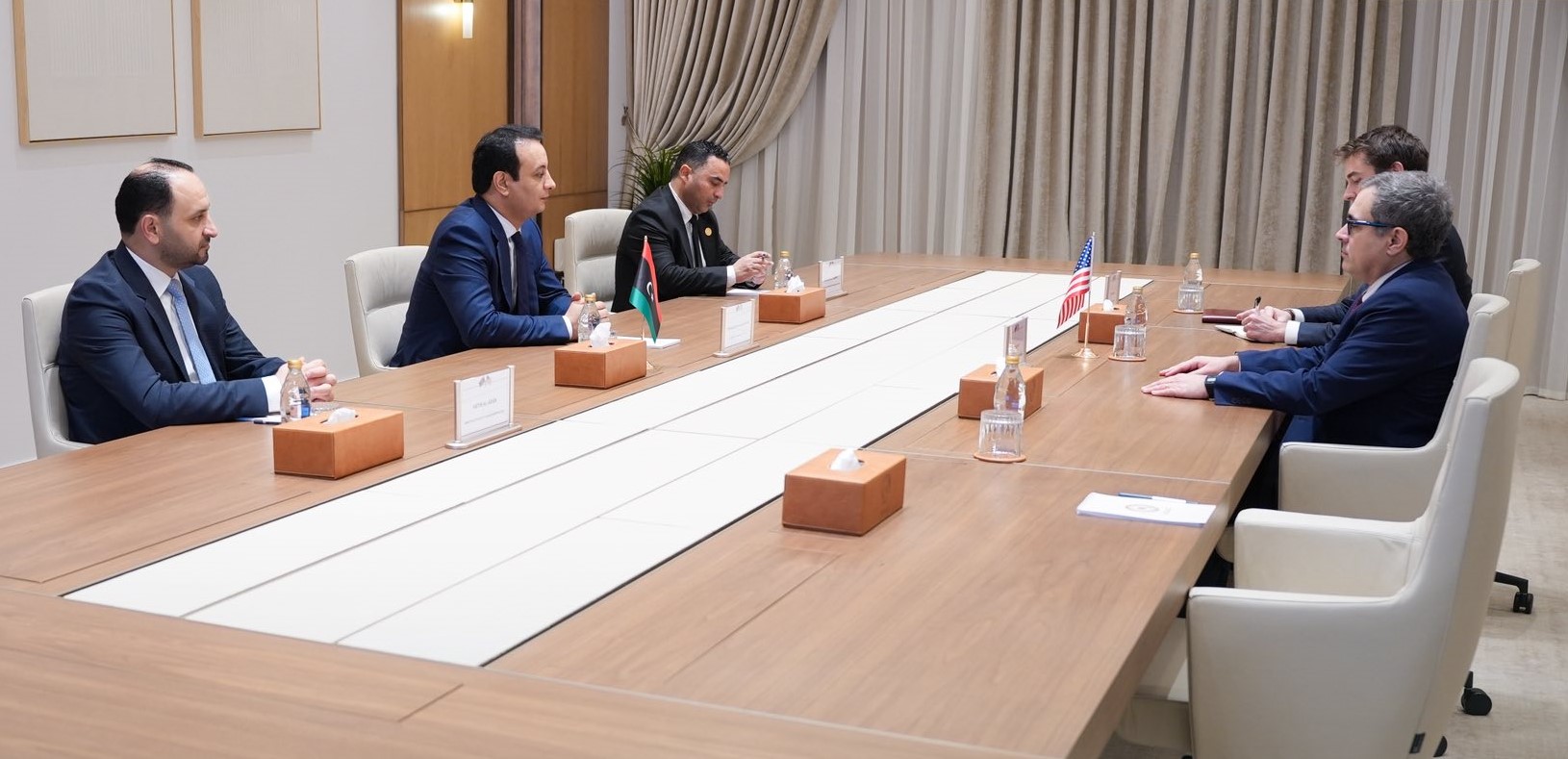
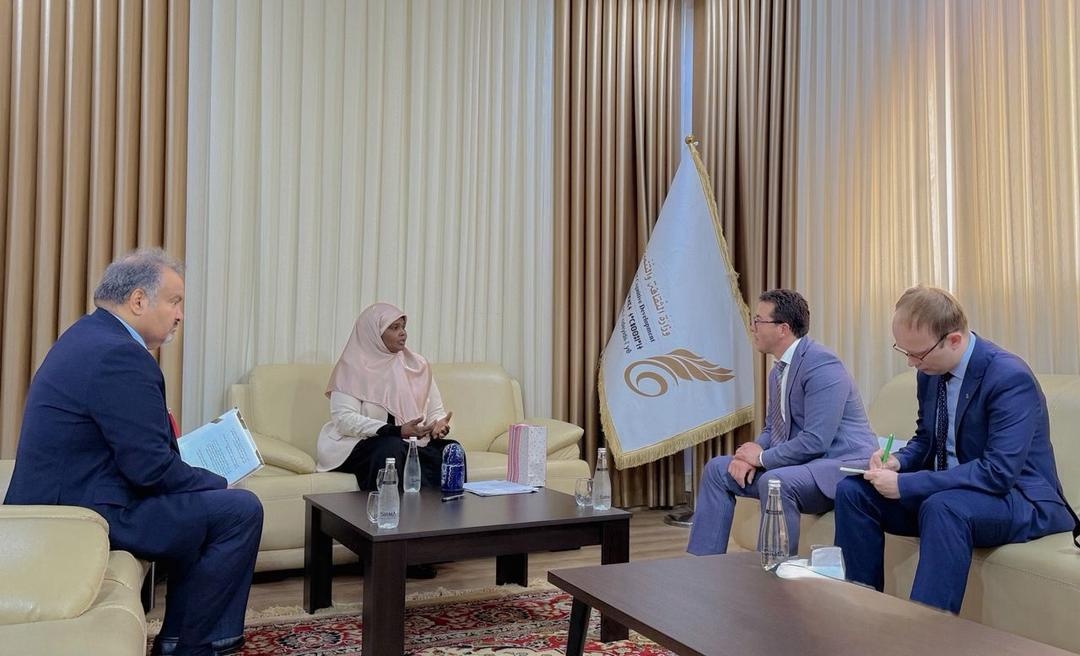
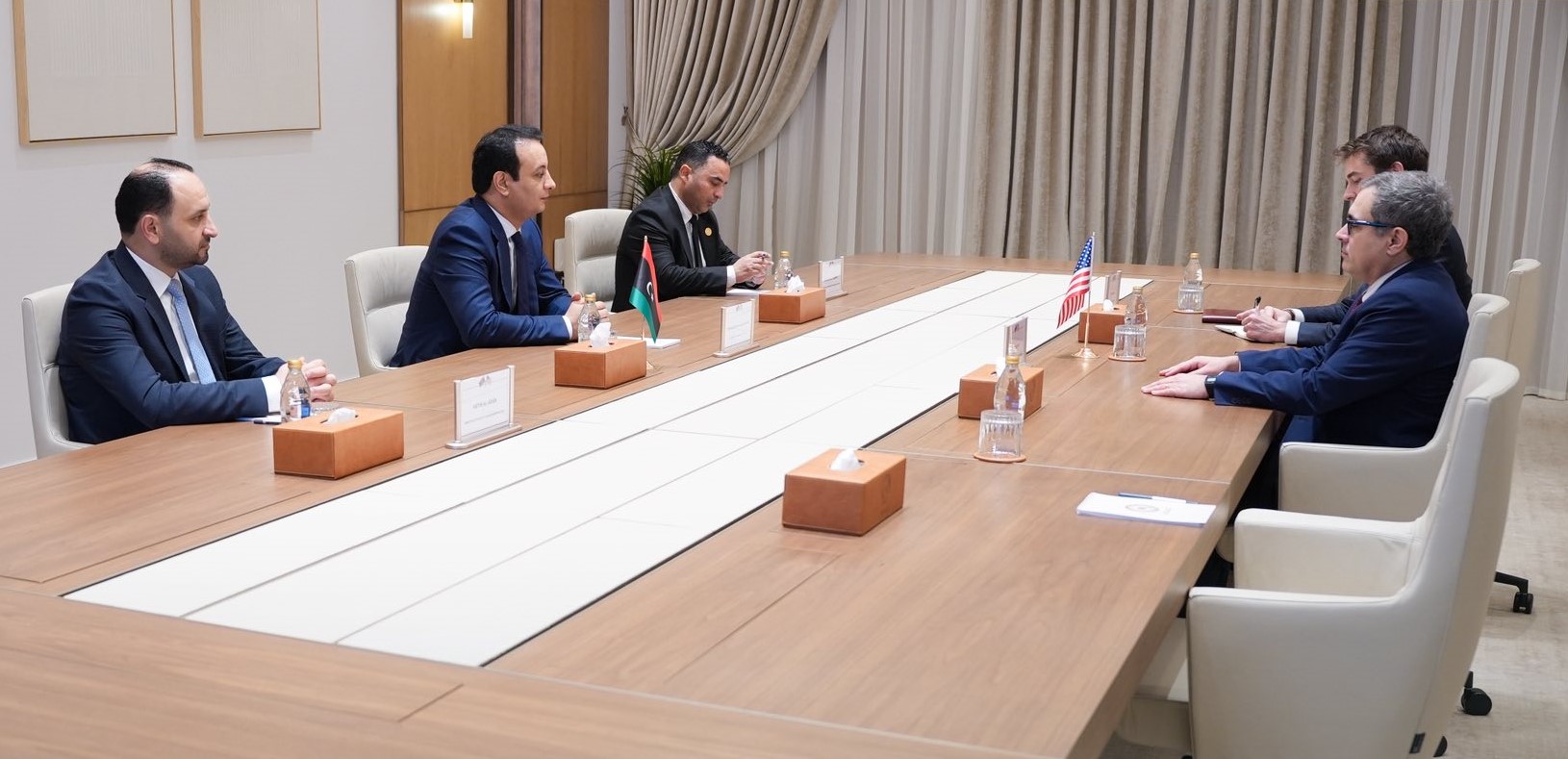
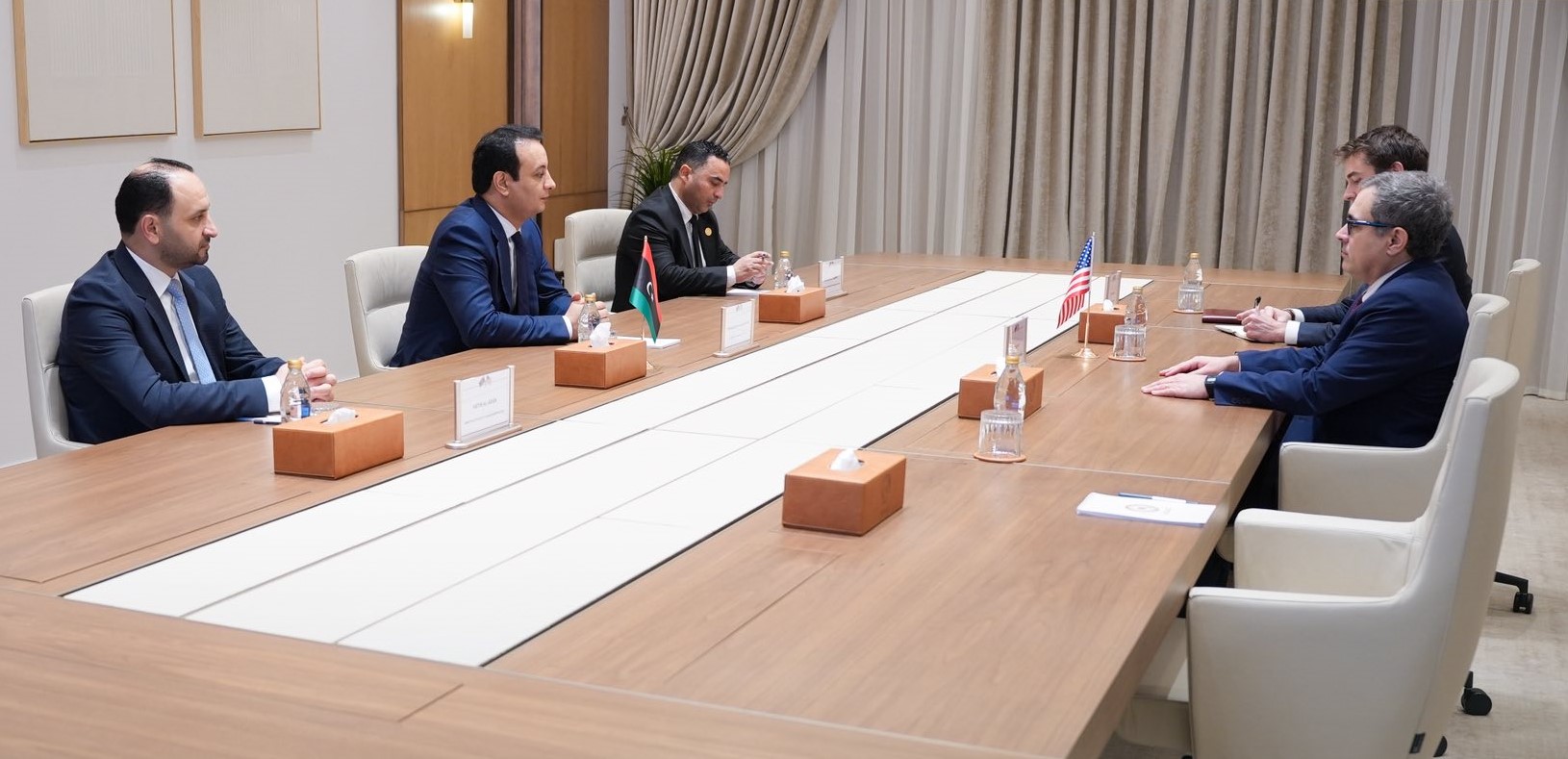
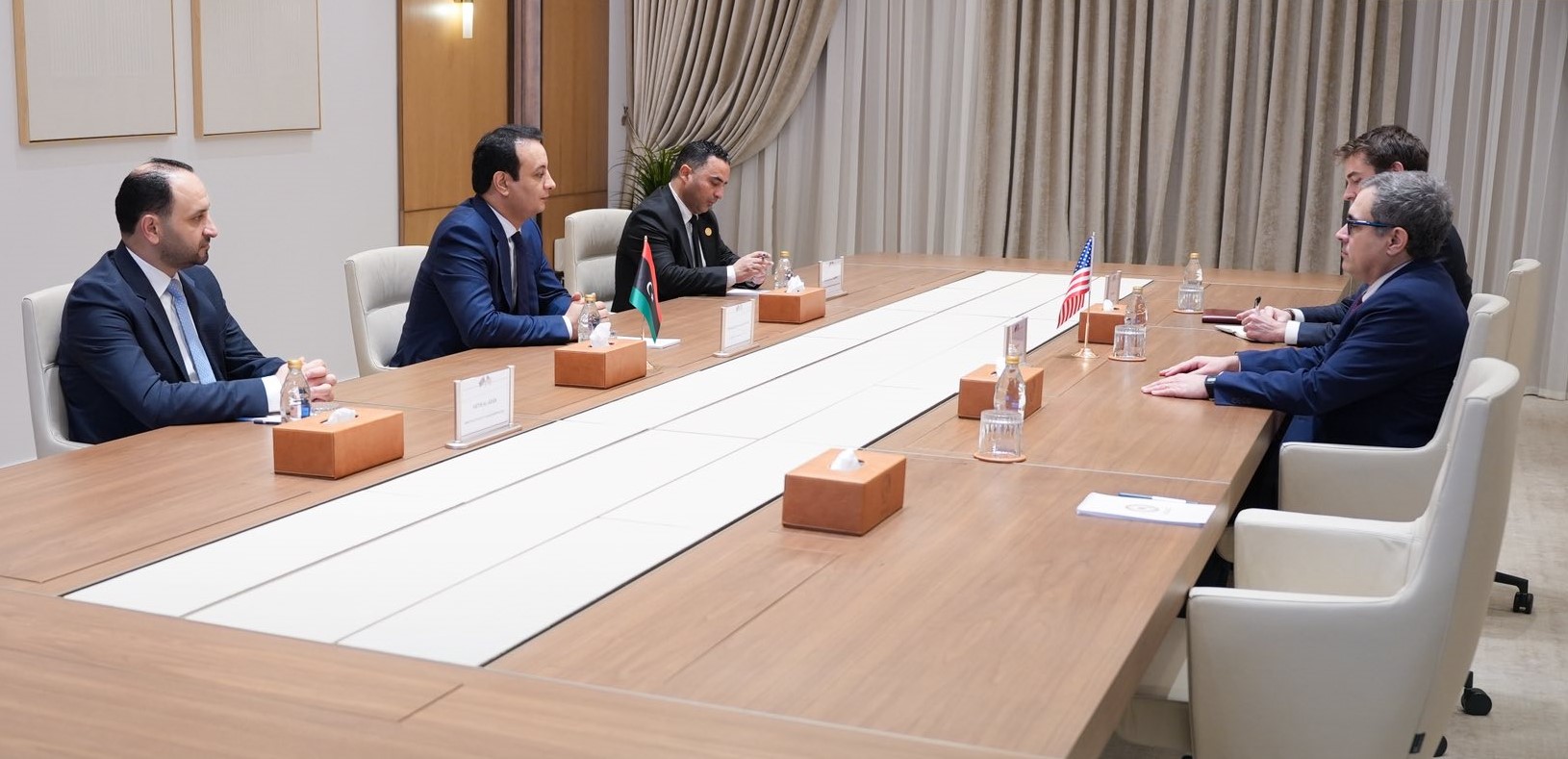
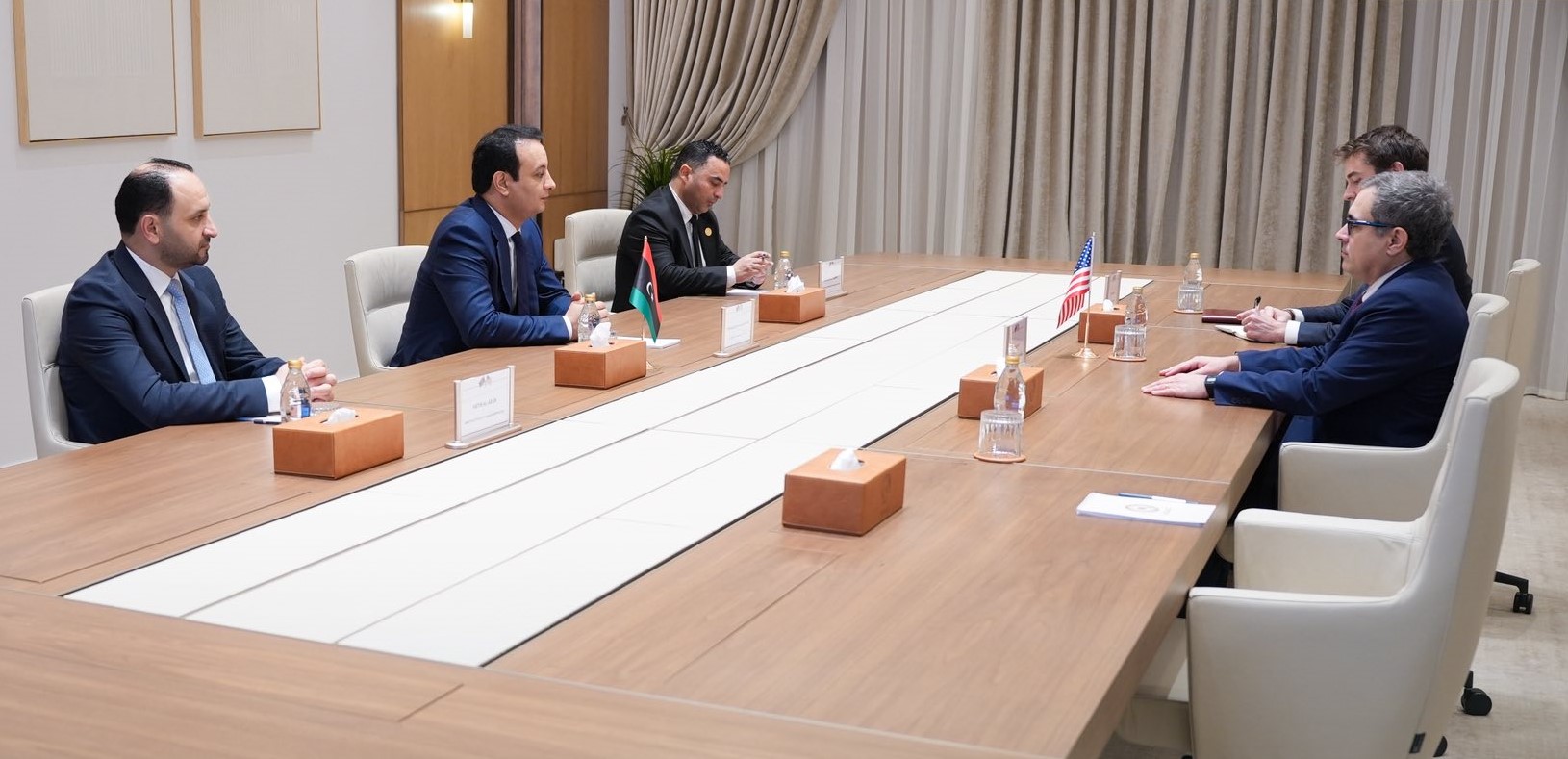
New Delhi, February 2, 2026 – During his visit to India, the official in charge of the Ministry of Foreign Affairs and International Cooperation of the Government of National Unity held a meeting with the chairpersons of the boards and executive directors of a number of Indian companies specializing in the fields of energy, development, infrastructure, and transport.
The meeting reviewed the existing paths of cooperation between Libya and India and explored prospects for enhancing economic and investment partnerships in a way that serves the common interests of the two countries and contributes to supporting sustainable development efforts and implementing priority development projects in Libya.
Both sides emphasized the importance of consolidating Libyan-Indian bilateral relations and building on the historical ties between the two countries, which enhances opportunities for cooperation in vital sectors and supports the exchange of expertise between Libyan institutions and Indian companies.
At the conclusion of the meeting, the importance of continued communication and coordination between the relevant authorities in the two countries was stressed, as well as working to establish appropriate frameworks to activate areas of joint cooperation, which contributes to pushing bilateral relations towards broader and more effective horizons.
Last Saturday, the official participated in the opening session of the second meeting of foreign ministers of India and Arab states in the Indian capital, New Delhi.
New Delhi
New Delhi is the capital city of India, officially inaugurated in 1931 to serve as the new administrative center of British India, replacing Calcutta. It was designed by British architects Edwin Lutyens and Herbert Baker, featuring wide boulevards and grand government buildings like the Rashtrapati Bhavan and India Gate. Today, it remains the seat of the Indian government and a major political and cultural hub.
India
India is a vast South Asian country with one of the world’s oldest civilizations, tracing its roots to the ancient Indus Valley Civilization around 2500 BCE. Its long history includes the rise of major empires, the development of diverse religions like Hinduism, Buddhism, and Sikhism, and a period of British colonial rule before gaining independence in 1947. Today, it is the world’s largest democracy and is renowned for its profound cultural, linguistic, and architectural heritage.
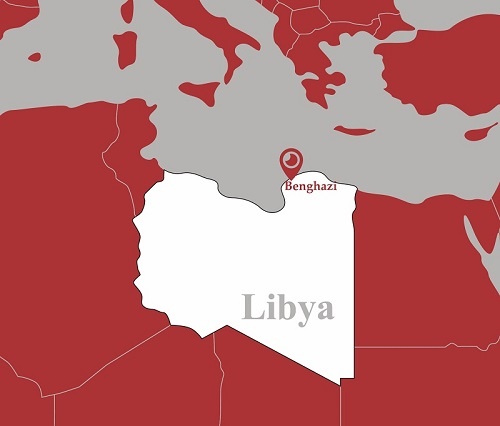
Libya
Libya is a North African country with a rich history rooted in ancient civilizations like the Phoenicians and Romans, followed by centuries of Arab and Ottoman influence. In the modern era, it was an Italian colony before gaining independence in 1951, later becoming known for Muammar Gaddafi’s lengthy rule from 1969 until the 2011 revolution. Its cultural sites include the well-preserved Roman ruins of Leptis Magna, a UNESCO World Heritage site.
Ministry of Foreign Affairs and International Cooperation
The Ministry of Foreign Affairs and International Cooperation is the government department responsible for managing Italy’s diplomatic relations and foreign policy. It was established following the country’s unification in 1861, originally known as the Ministry of Foreign Affairs, with its name updated in 2017 to better reflect its modern focus on global partnerships.
Government of National Unity
The Government of National Unity (GNU) is a term most notably associated with the post-apartheid transitional government in South Africa, formed in 1994 following the country’s first multiracial elections. It was a coalition government led by Nelson Mandela’s African National Congress, which included its former political rivals, the National Party and the Inkatha Freedom Party, to foster reconciliation and stability during the transition to majority rule.