Al-Baour affirms Libya’s support for Somalia’s unity and condemns Israeli recognition of the so-called Somaliland region.
libyawire.org > News > Economy > Al-Baour affirms Libya’s support for Somalia’s unity and condemns Israeli recognition of the so-called Somaliland region.
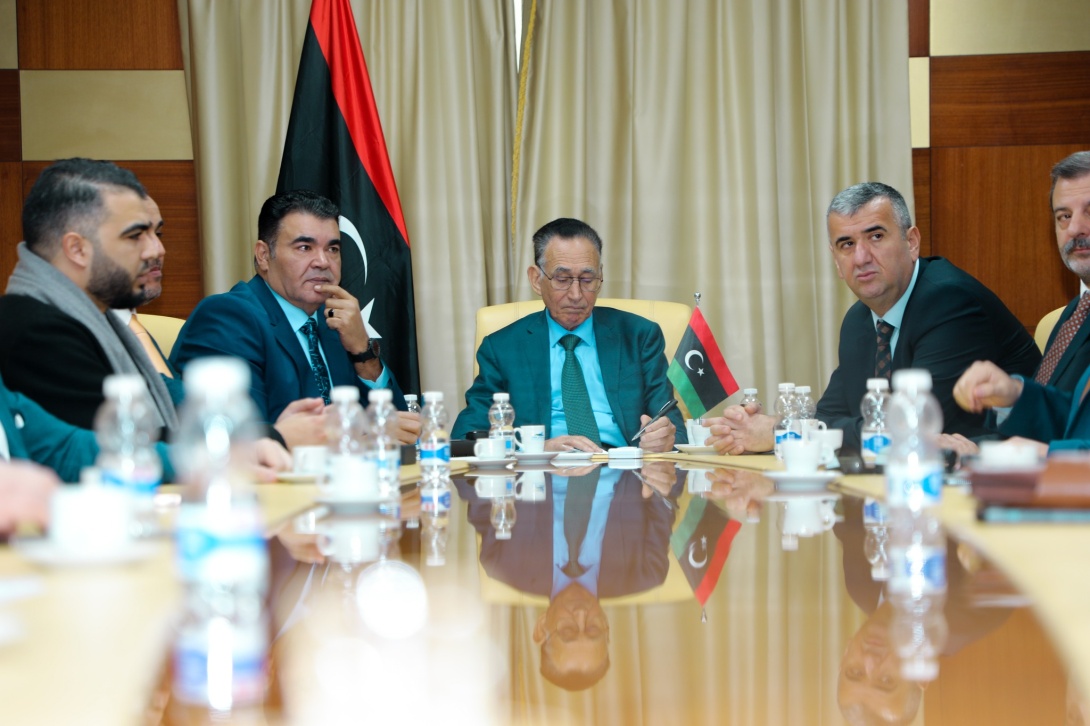
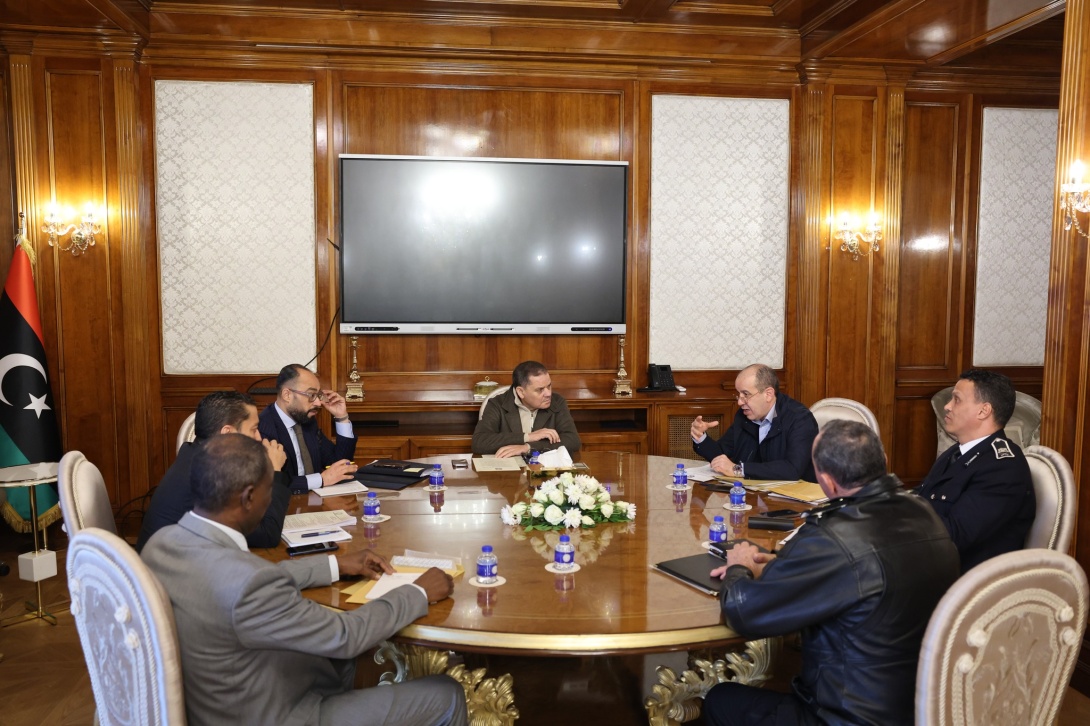
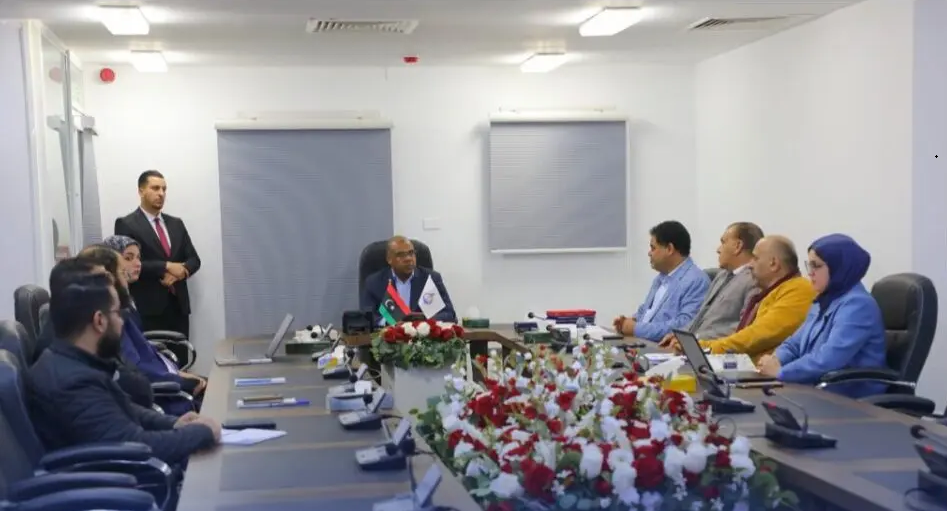
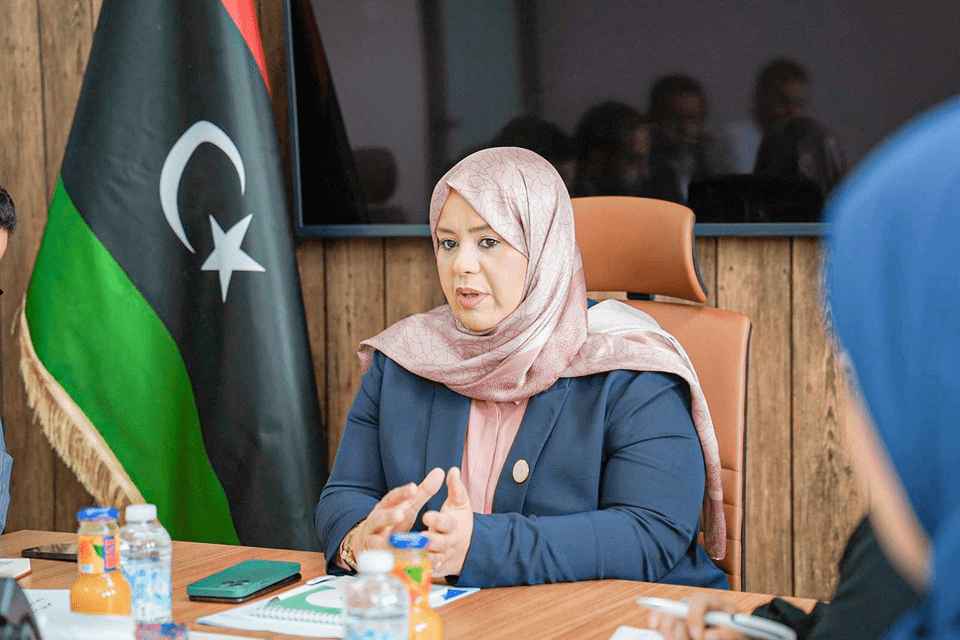
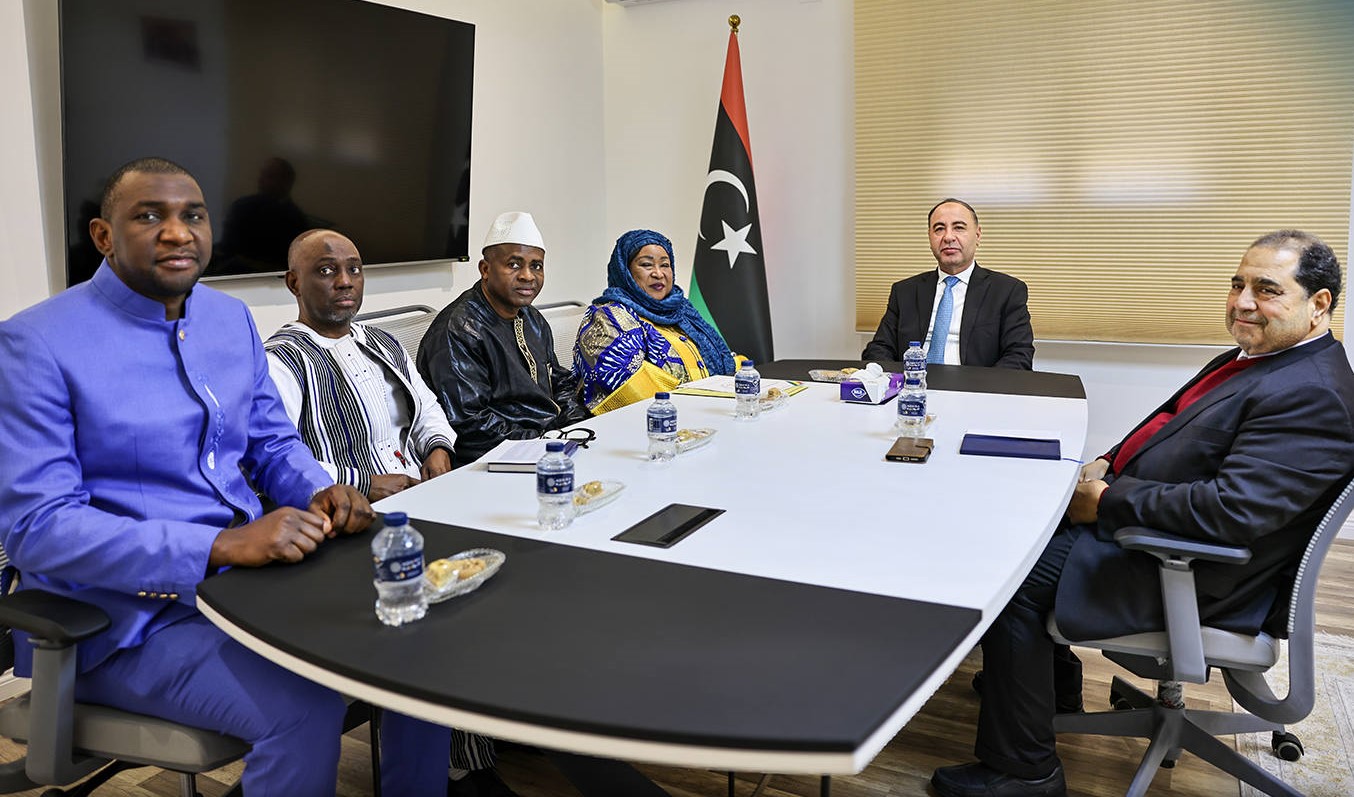
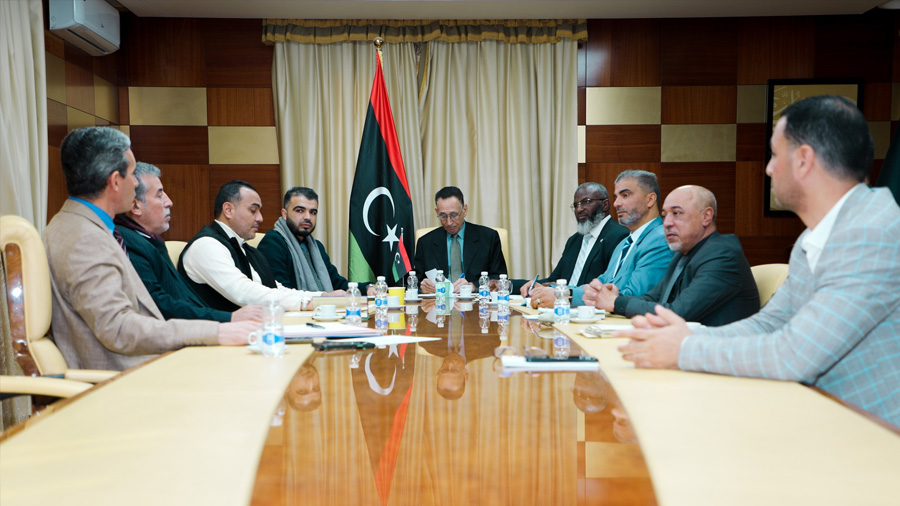
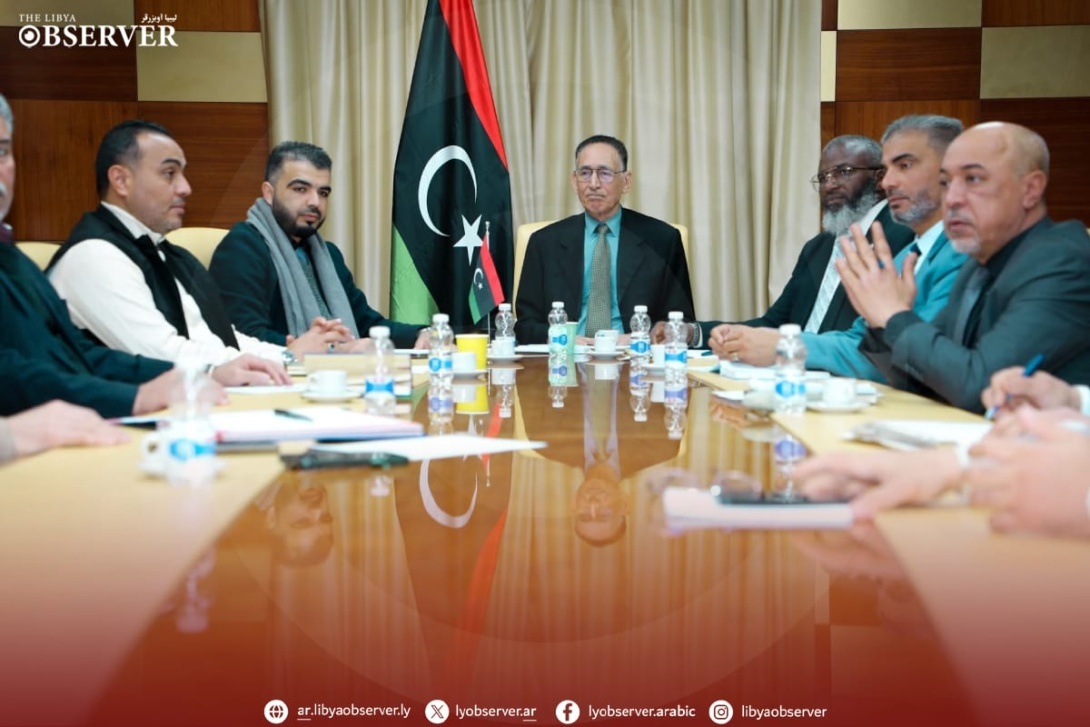
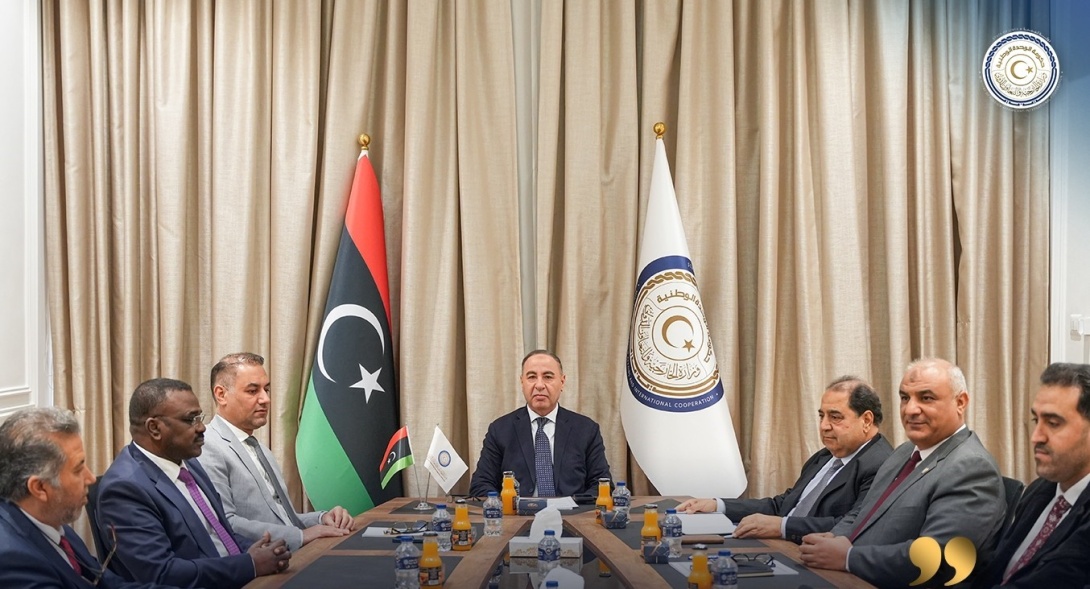
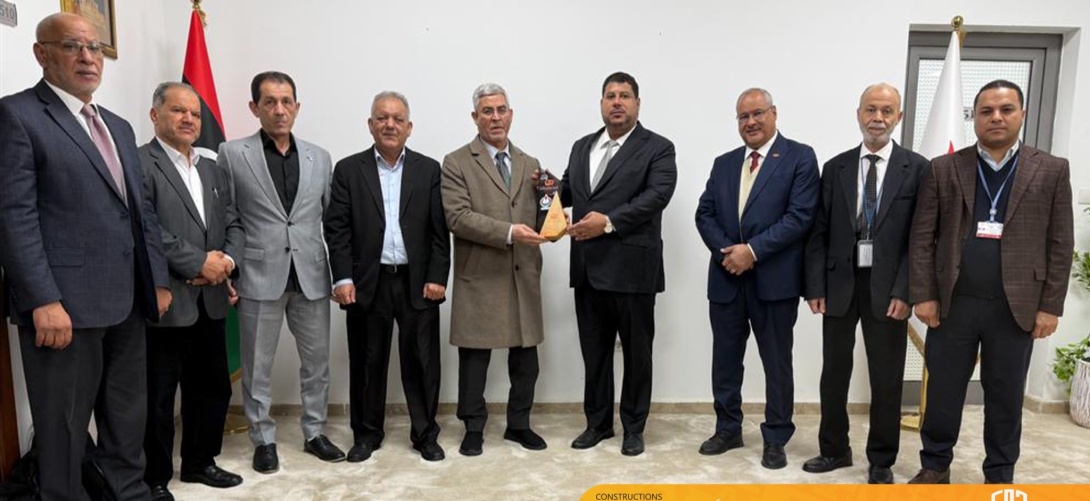
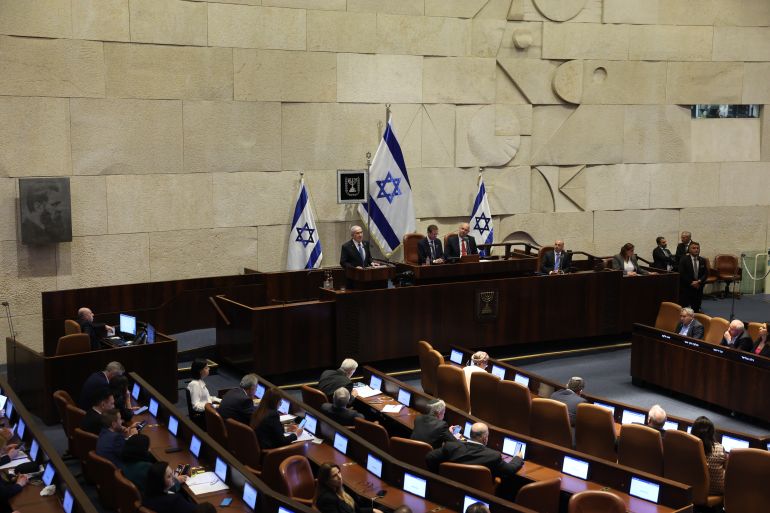
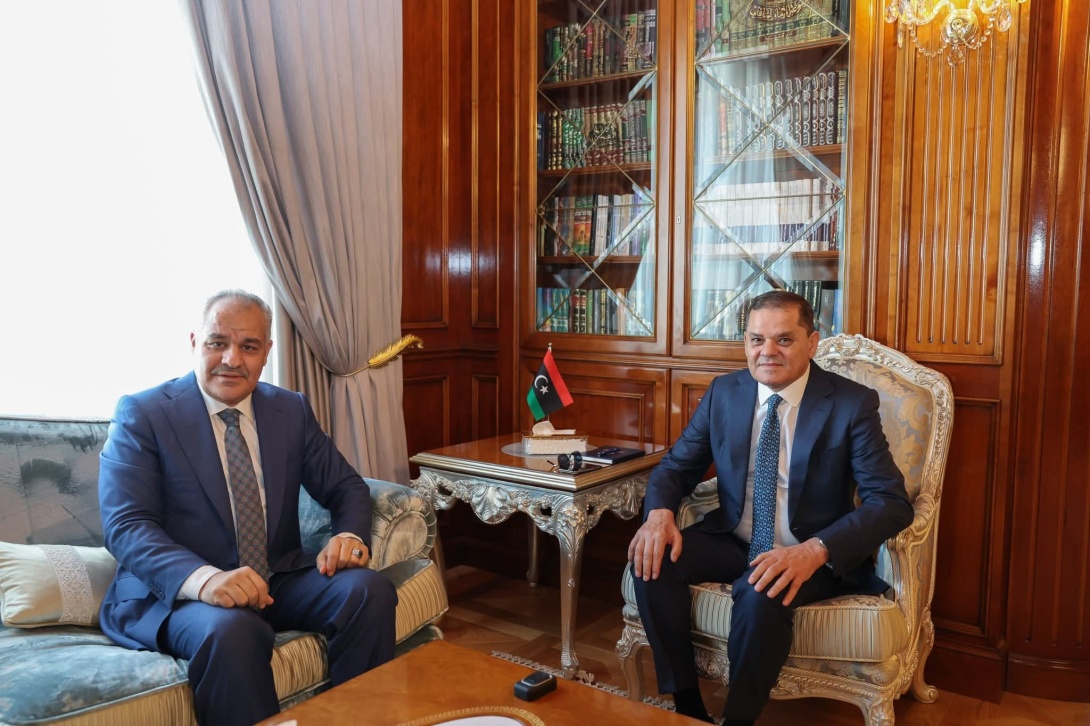
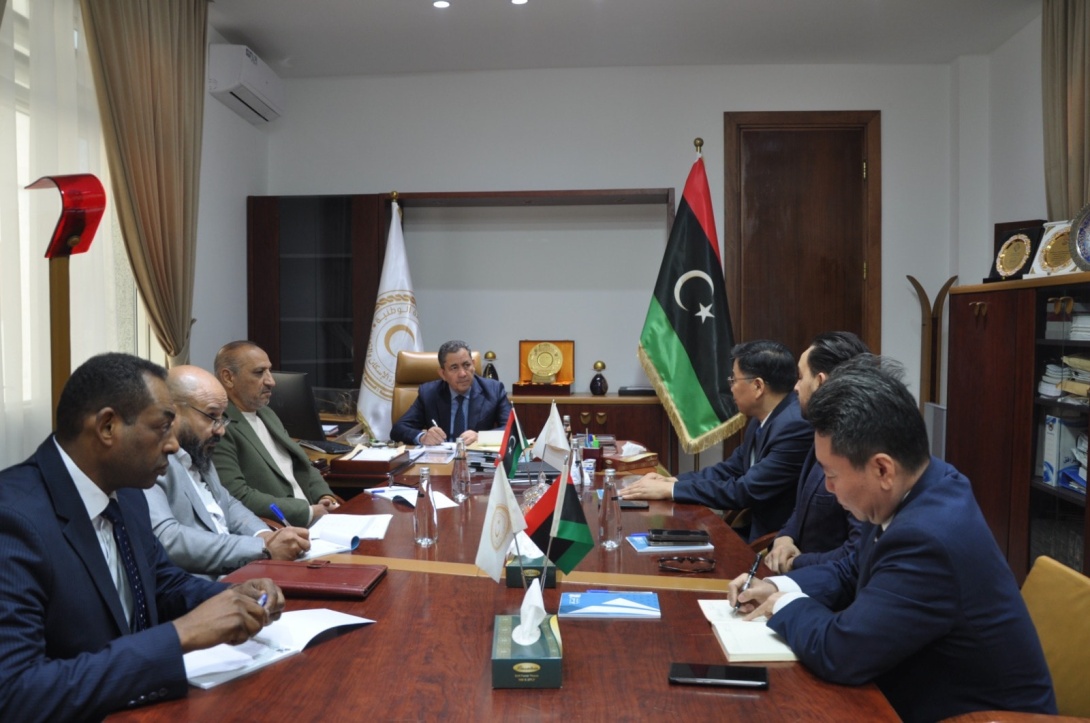
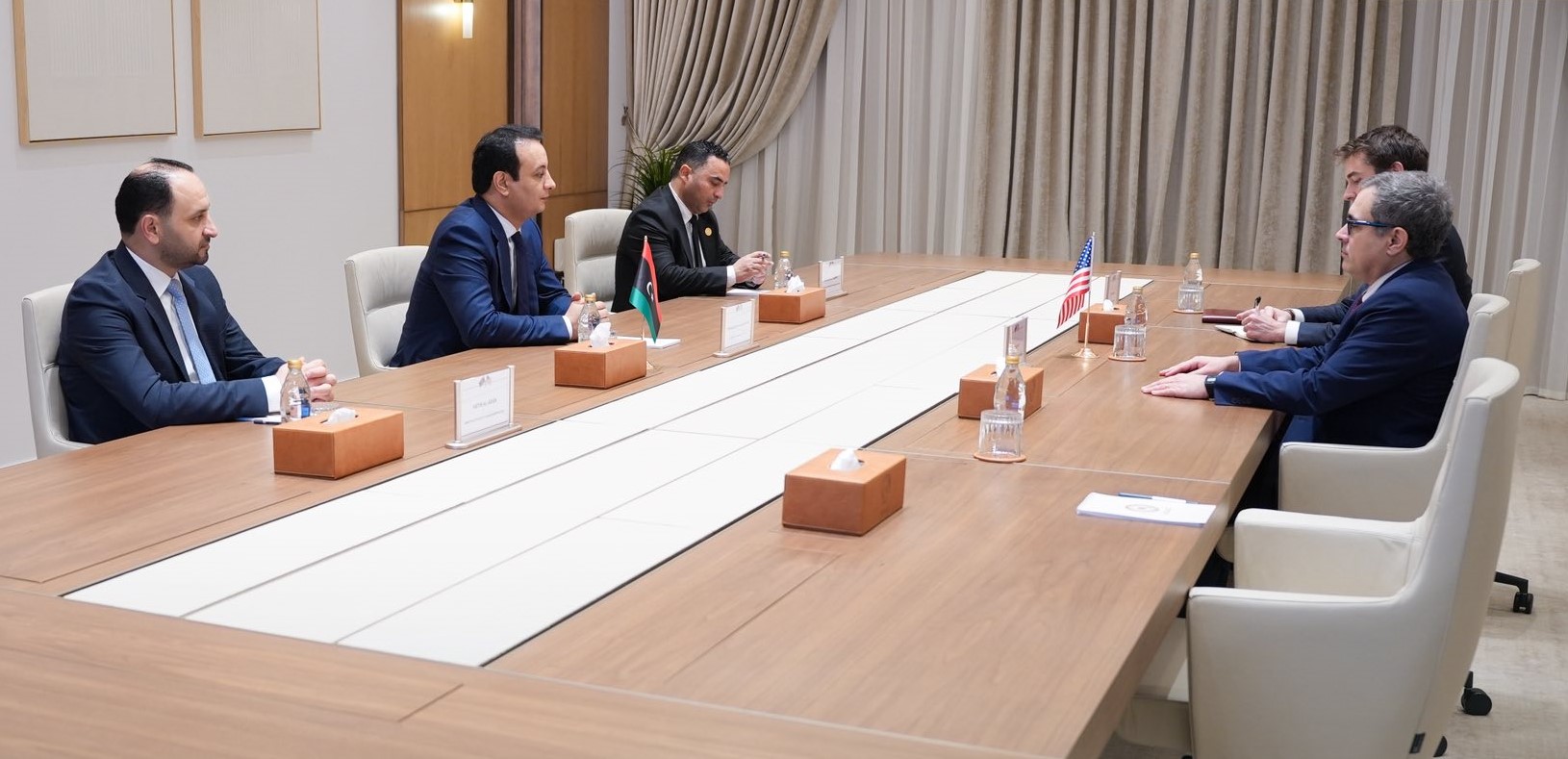
Tripoli, December 28, 2025 – The official in charge of the Ministry of Foreign Affairs and International Cooperation in the Government of National Unity expressed Libya’s solidarity and its full support for the Federal Republic of Somalia in facing the announcement issued by the Zionist entity regarding recognition of the so-called Somaliland region.
In a solidarity message addressed to his Somali counterpart, this step was considered a clear violation of the sovereignty and national unity of the Federal Republic of Somalia and a clear breach of the principles of international law and the United Nations Charter.
It confirmed Libya’s categorical rejection of any unilateral measures that would undermine the unity and territorial integrity of states, according to what was published by the Ministry of Foreign Affairs and International Cooperation on its official page.
The message emphasized the necessity of adhering to support for the sovereignty of the Federal Republic of Somalia over all its territories and its legitimate right to preserve its national unity without interference or attempts to impose a new fait accompli.
It also renewed the call for the international community to assume its legal and moral responsibilities and reject such illegal decisions that threaten security and stability.
At the conclusion of the message, it affirmed Libya’s continued coordination and cooperation with the Federal Republic of Somalia in various international forums, in support of legitimacy and to consolidate the principles of respect for the sovereignty, unity, and territorial integrity of states.
…
Tripoli
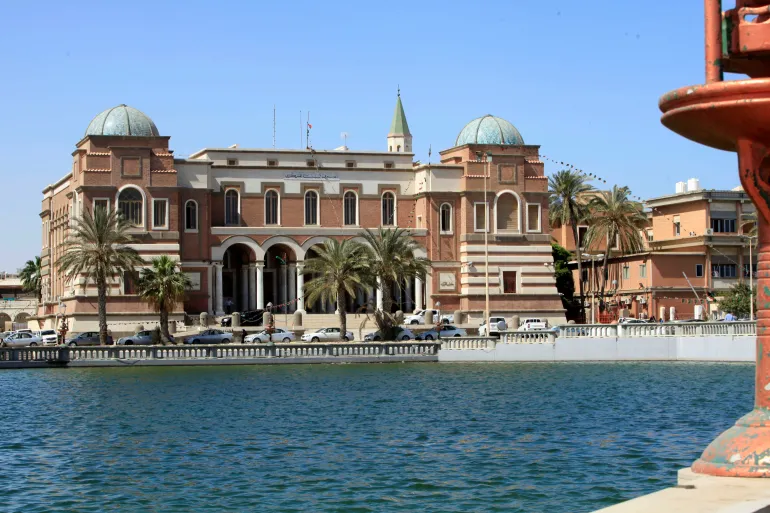
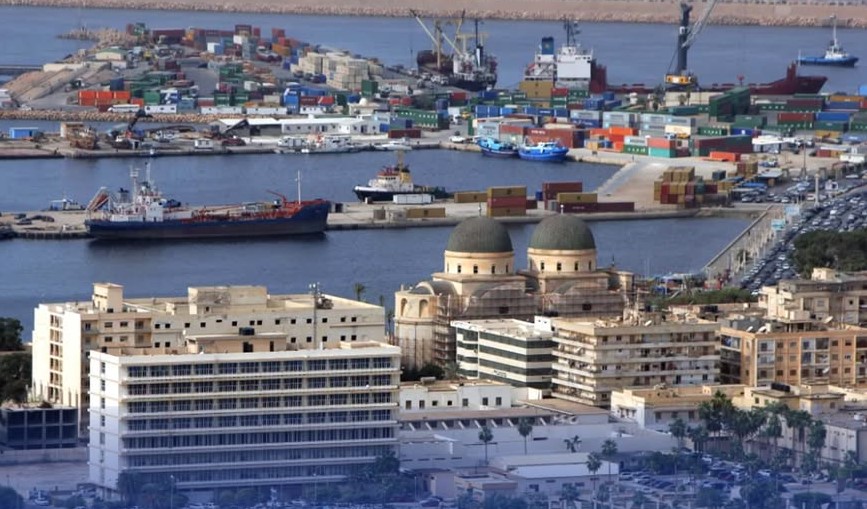
Tripoli is the capital and largest city of Libya, located on the country’s Mediterranean coast. Historically, it was founded by the Phoenicians in the 7th century BC and later became a significant part of the Roman Empire, known as Oea. The city’s rich history is reflected in its architecture, including the ancient Red Castle (Assaraya al-Hamra) and the old walled Medina.
Libya
Libya is a North African country with a rich history rooted in ancient civilizations like the Phoenicians and Romans, followed by centuries of Arab and Ottoman influence. In the modern era, it was an Italian colony before gaining independence in 1951, later undergoing a long period of rule under Muammar Gaddafi from 1969 until the 2011 revolution. Its cultural heritage includes UNESCO World Heritage sites such as the ancient Greek city of Cyrene and the Roman ruins of Leptis Magna.
Ministry of Foreign Affairs and International Cooperation
The Ministry of Foreign Affairs and International Cooperation is the government department of Italy responsible for managing the country’s diplomatic relations and foreign policy. It was established in 1848 following the formation of the Kingdom of Italy, evolving from the earlier foreign affairs offices of the pre-unification Italian states. Today, it coordinates Italy’s international engagements and development cooperation from its headquarters in Rome.
Government of National Unity
The Government of National Unity (GNU) is a power-sharing arrangement, most notably formed in South Africa in 1994 following the end of apartheid, which brought together the African National Congress, the National Party, and the Inkatha Freedom Party in Nelson Mandela’s first cabinet. This model aims to unite rival political factions, especially after periods of conflict or transition, to foster stability and inclusive governance.
Federal Republic of Somalia
The Federal Republic of Somalia is a country located in the Horn of Africa, established in its modern form in 1960 following the unification of the former British Somaliland and Italian Somaliland. Its recent history has been marked by civil war and the collapse of central government in 1991, leading to a prolonged period of conflict and instability before the establishment of its current federal system in 2012.
Somaliland
Somaliland is a self-declared independent state in the Horn of Africa, internationally recognized as an autonomous region of Somalia. It declared independence in 1991 following the collapse of Somalia’s central government, and its history is rooted in the former British Somaliland Protectorate, which briefly existed as an independent state for five days in 1960 before uniting with Italian Somaliland. The region has since maintained its own stable government and institutions despite the lack of widespread diplomatic recognition.
United Nations Charter
The United Nations Charter is the foundational treaty of the United Nations, signed on 26 June 1945 in San Francisco. It established the organization’s purposes, principles, and structure in the wake of World War II, with the primary aim of maintaining international peace and security.
international community
The term “international community” refers to a broad collection of states, international organizations, and non-state actors that cooperate on global issues. It emerged as a significant concept in the 20th century, particularly after World War II with the establishment of the United Nations, to promote diplomacy, international law, and collective security. Its history is marked by efforts to address transnational challenges through multilateral institutions and agreements.