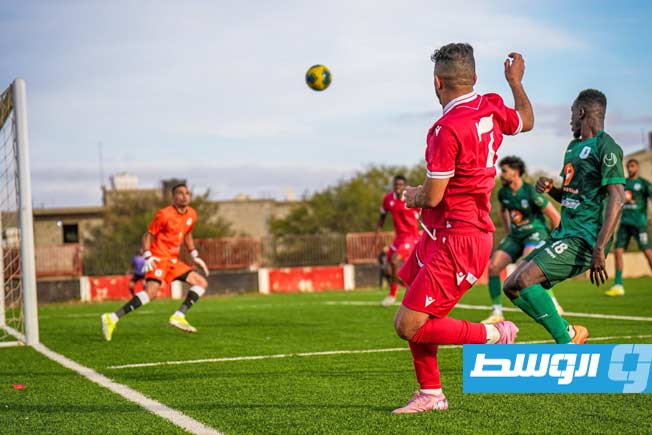
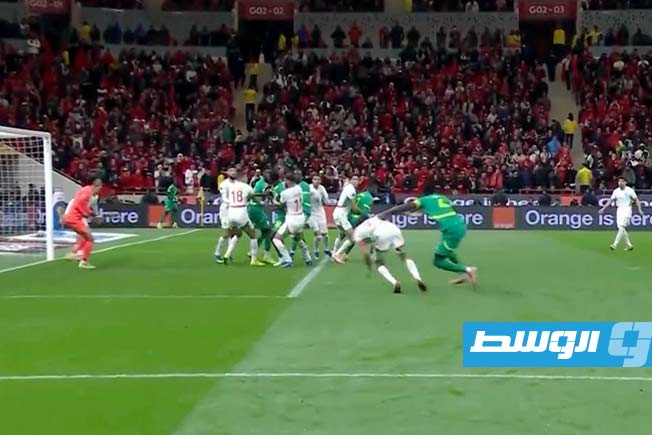
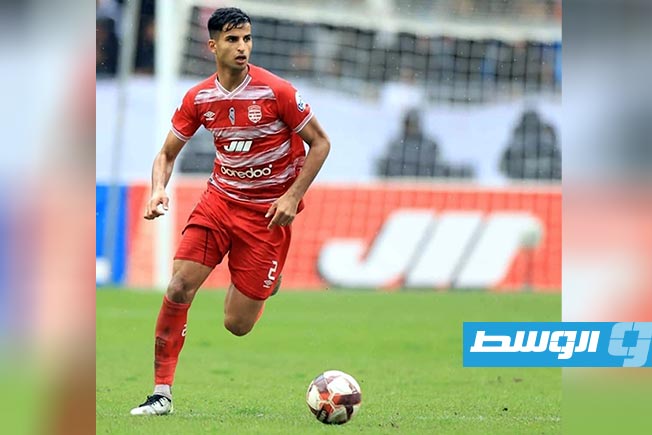
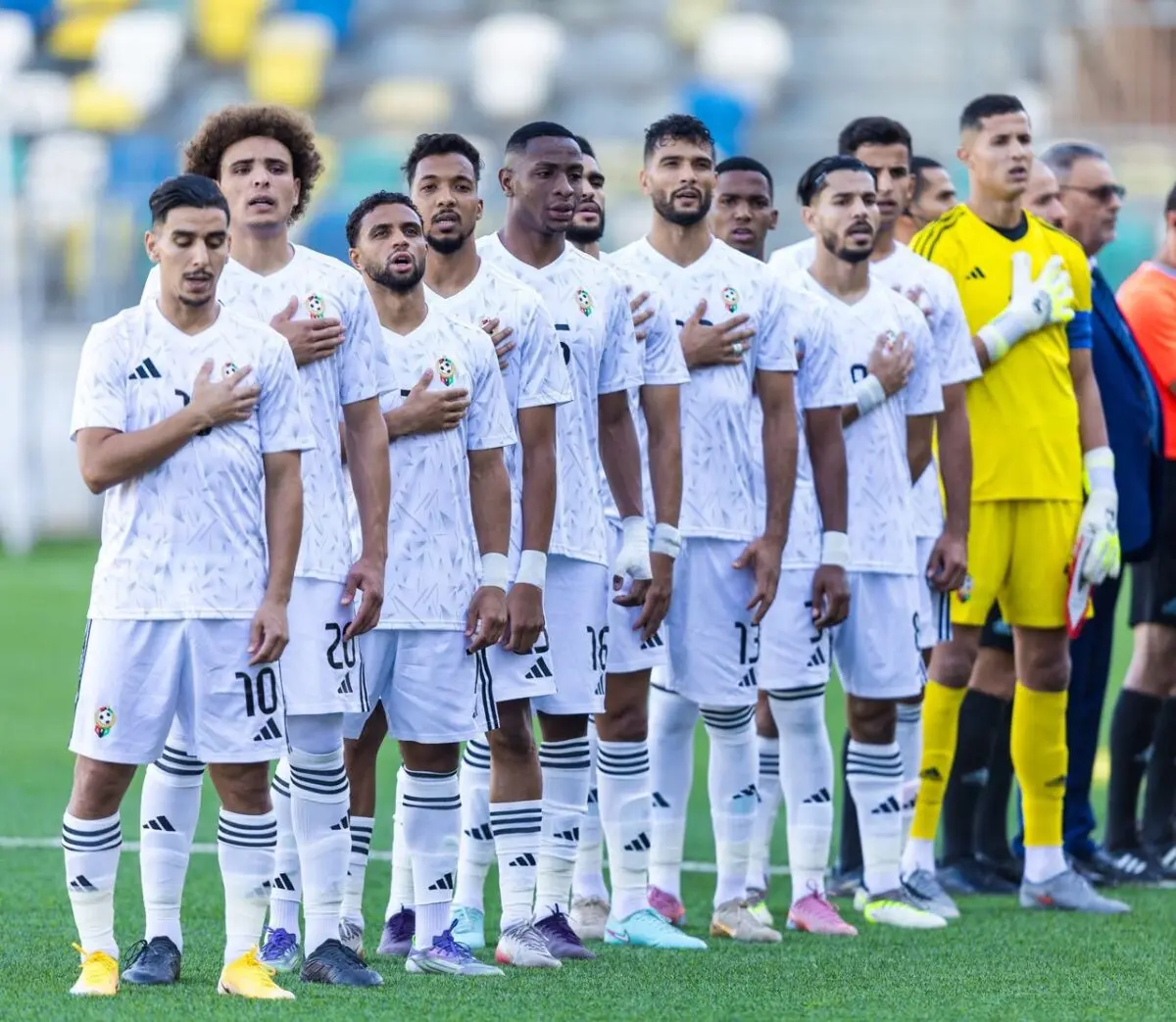
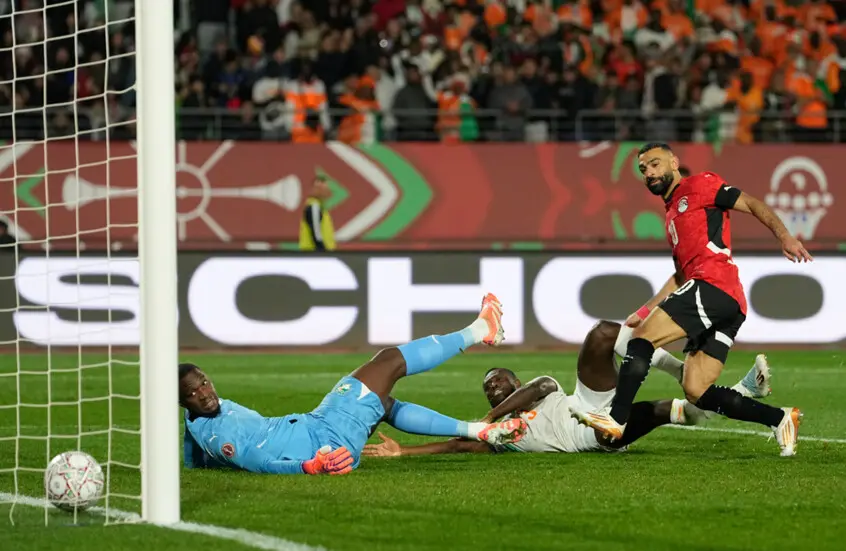
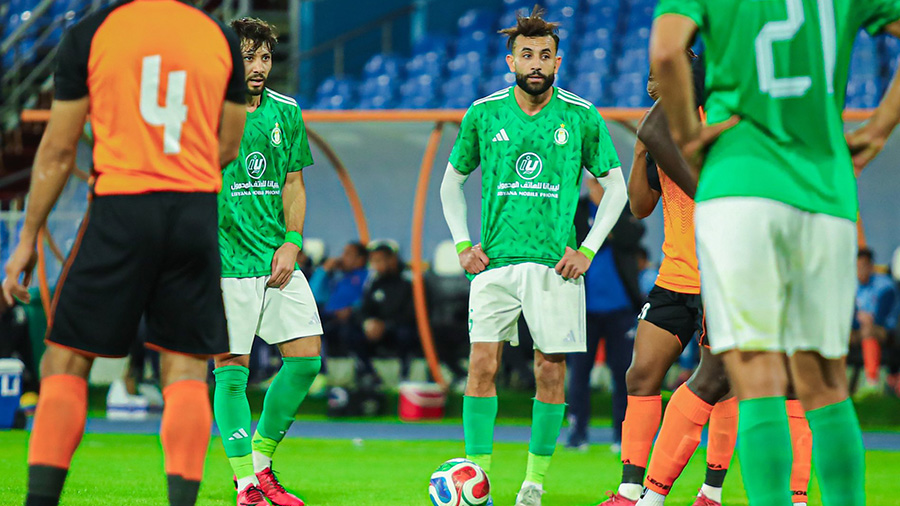
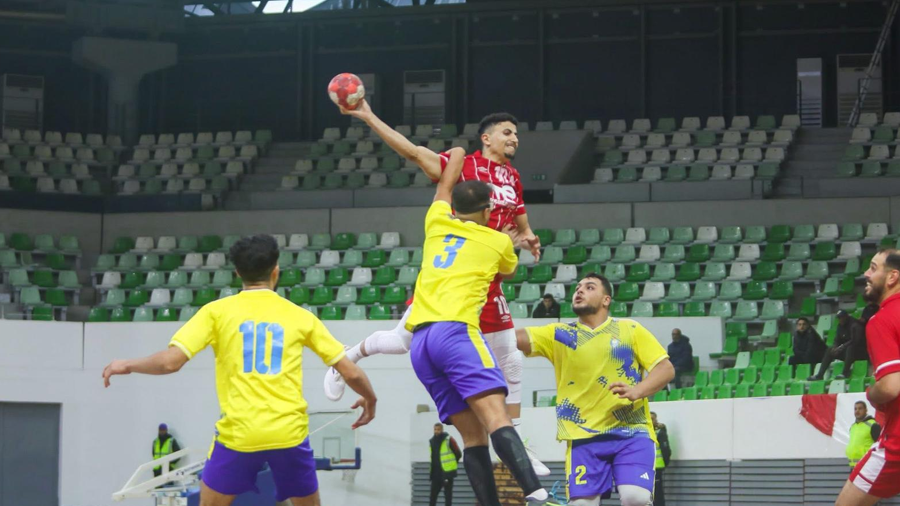
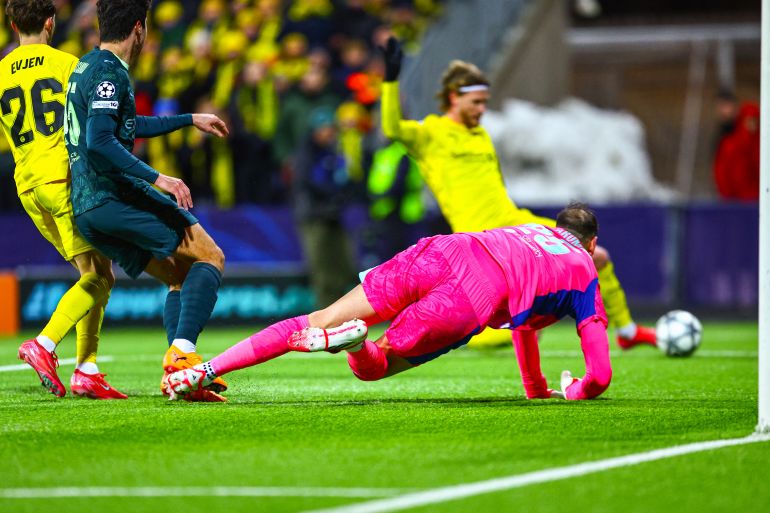
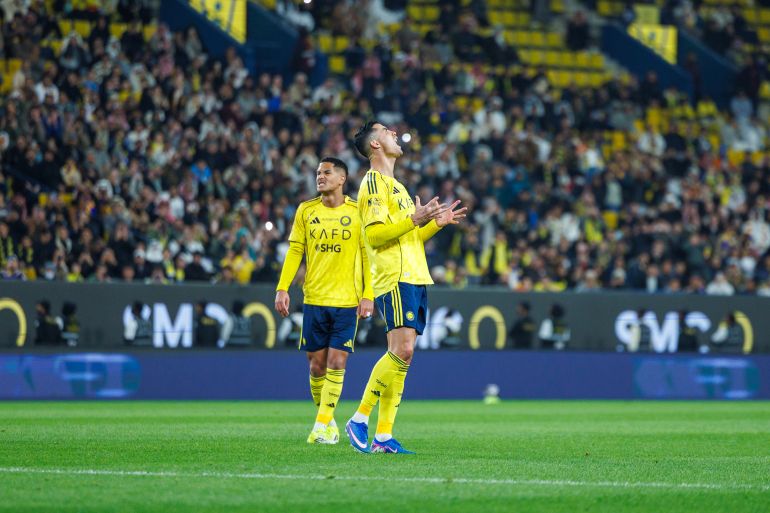
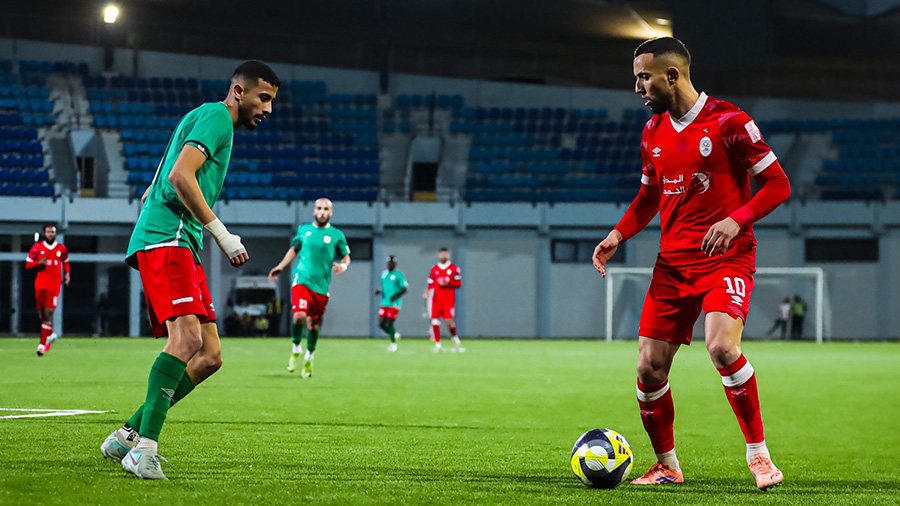
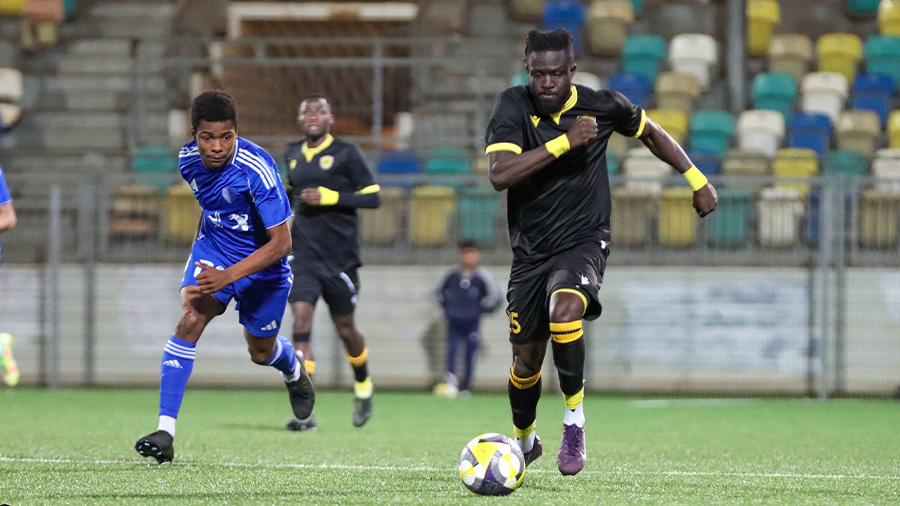
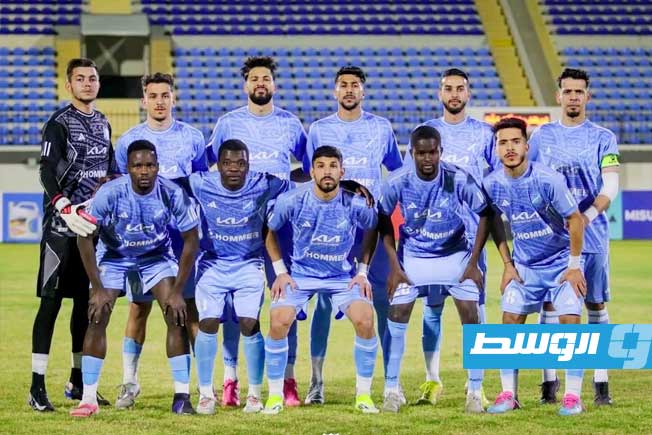
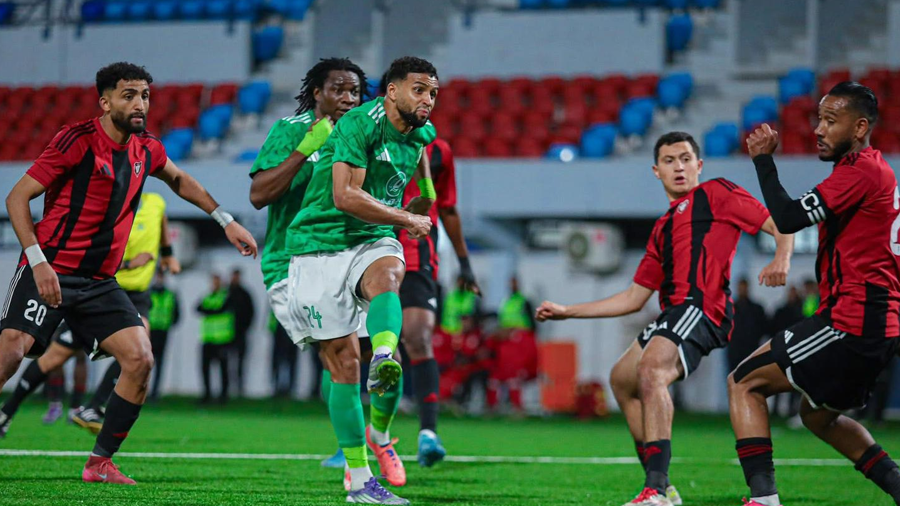
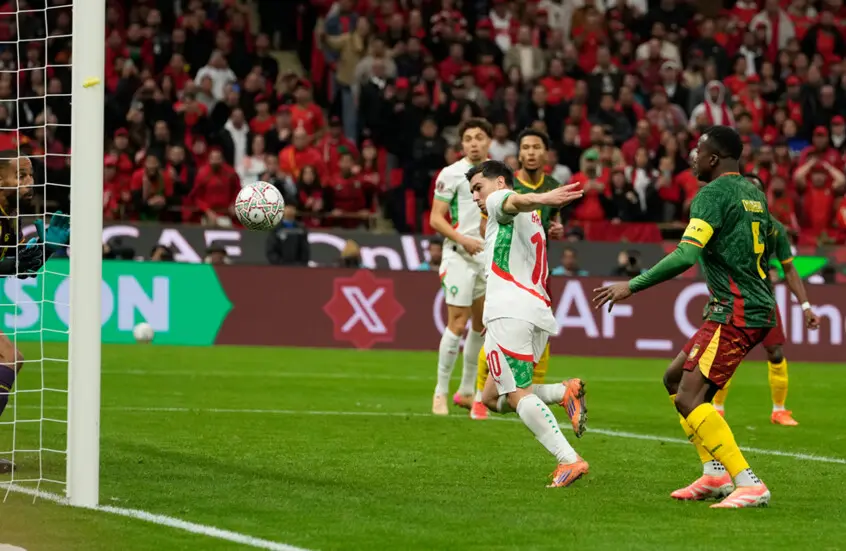
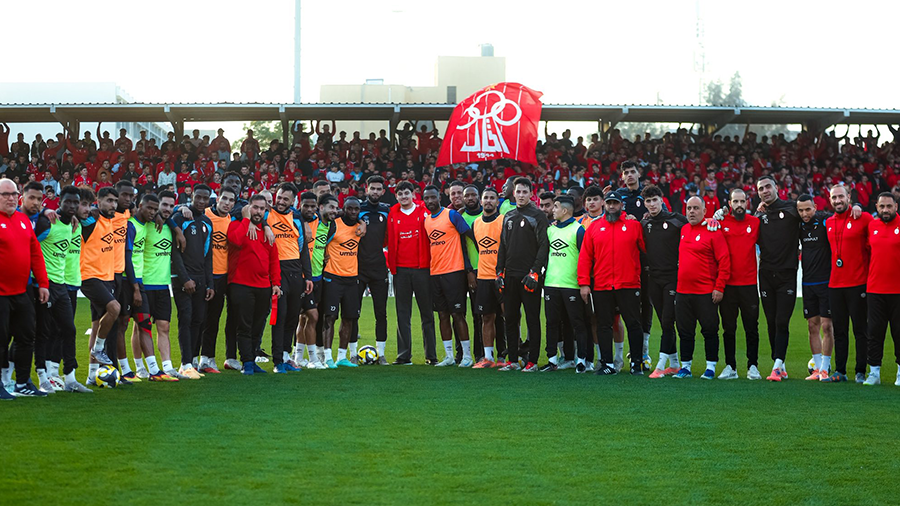
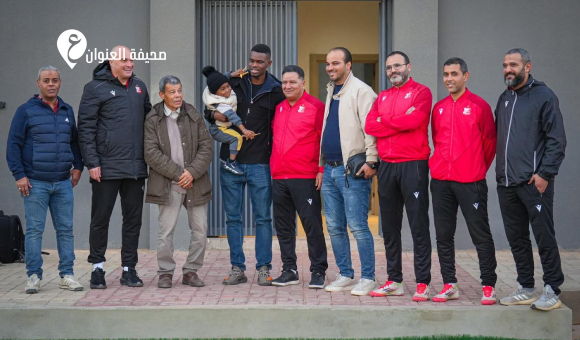
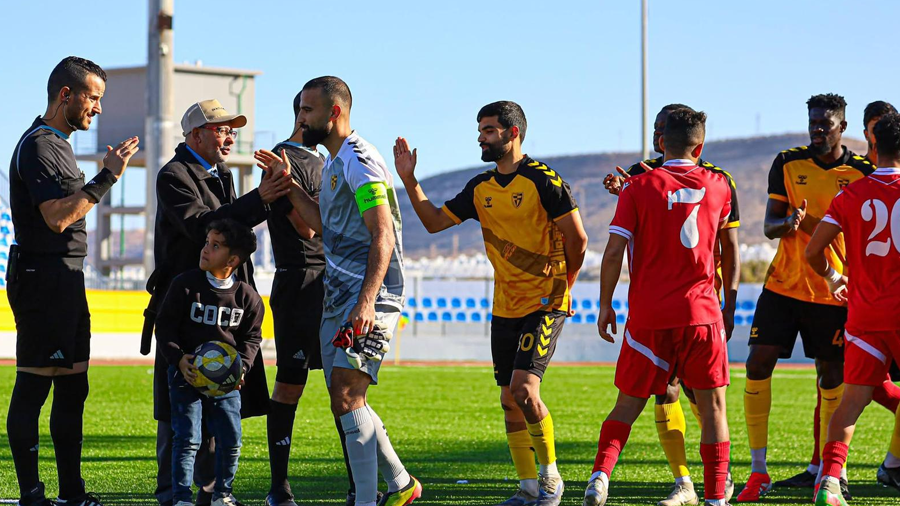
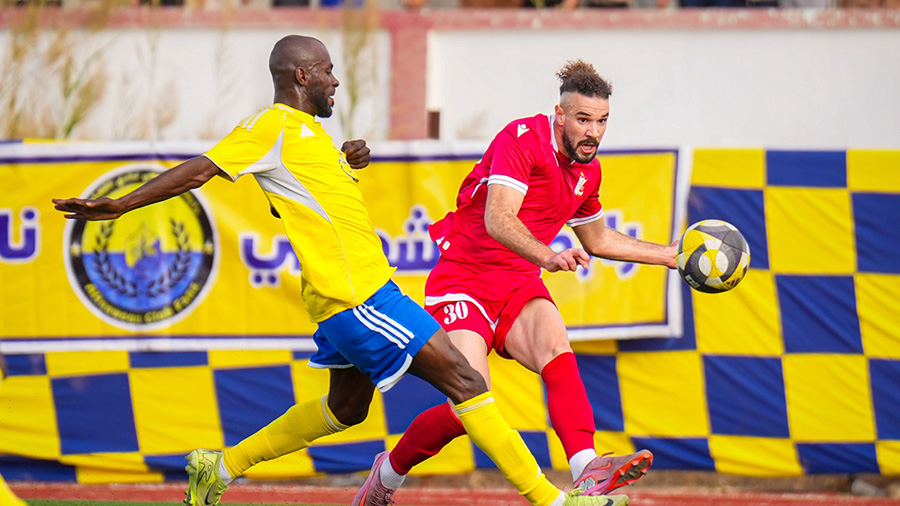
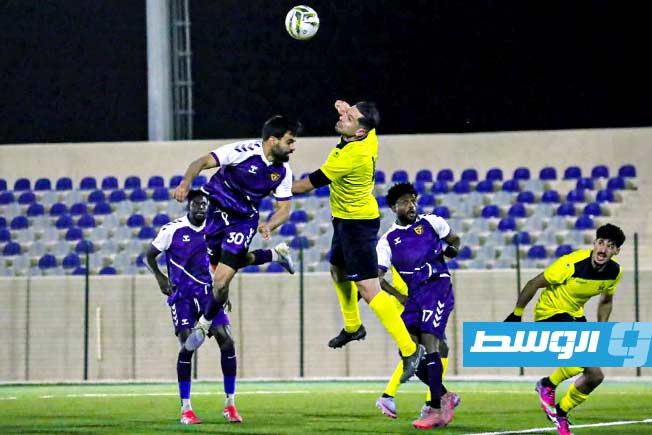
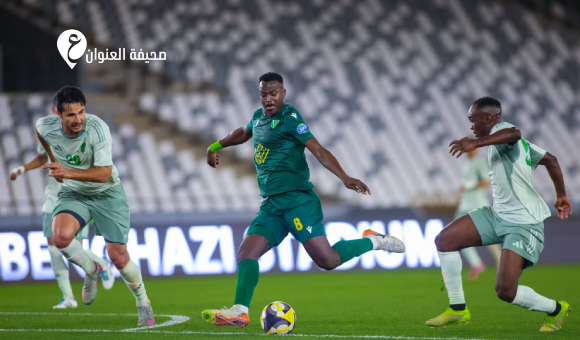
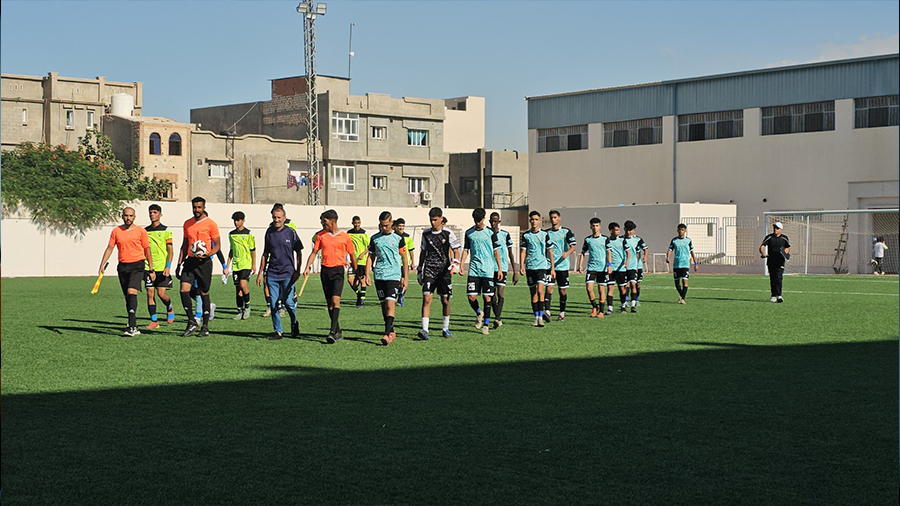
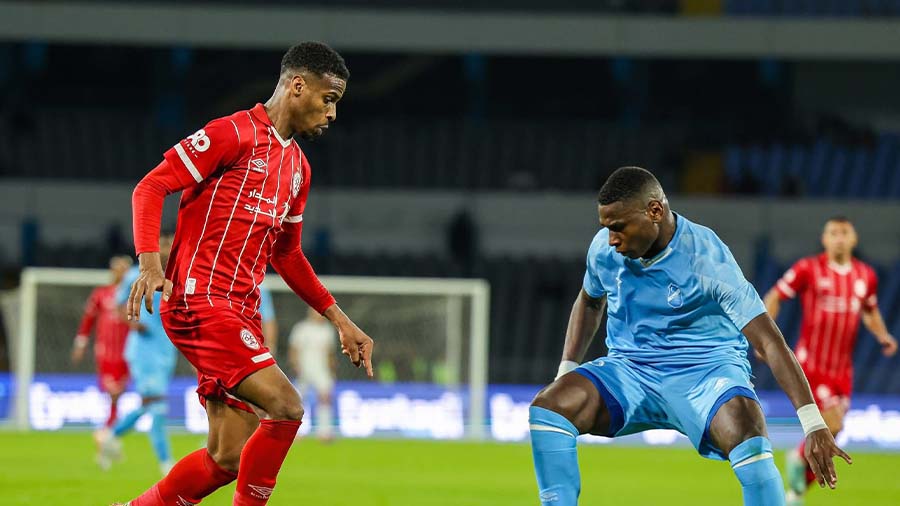
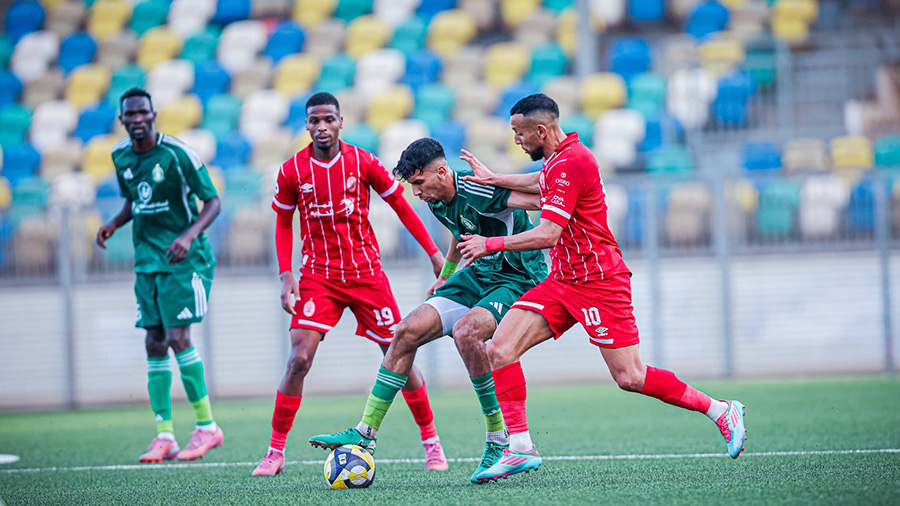
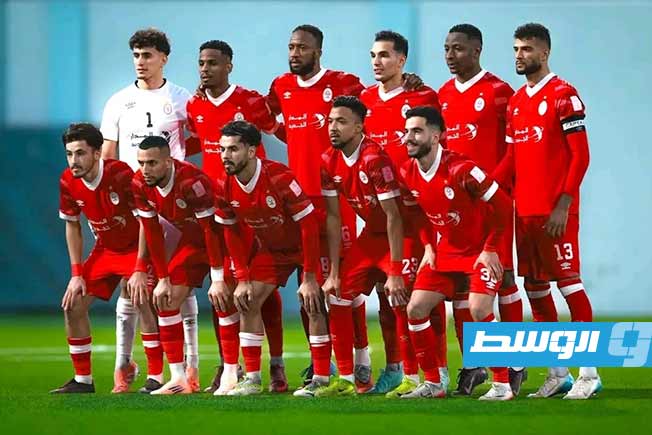
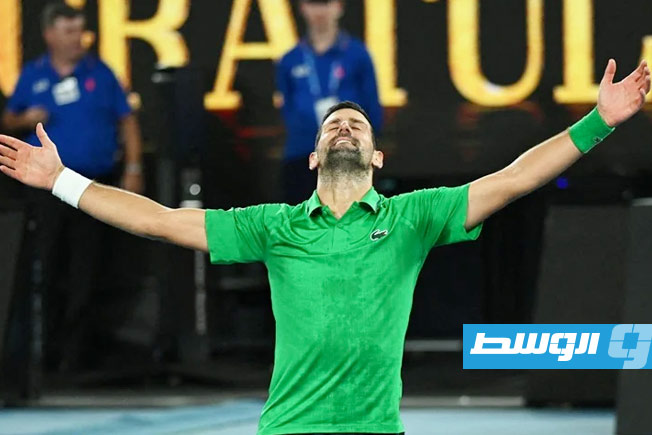
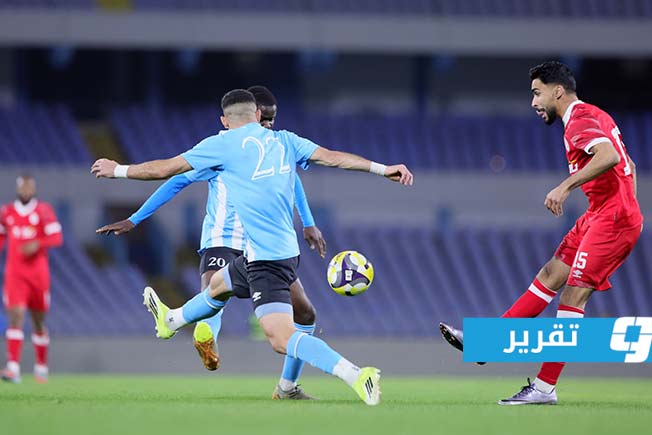
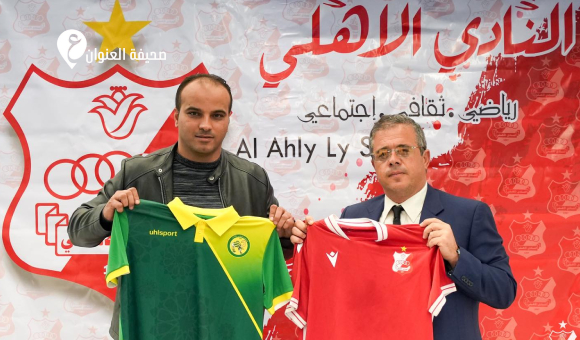
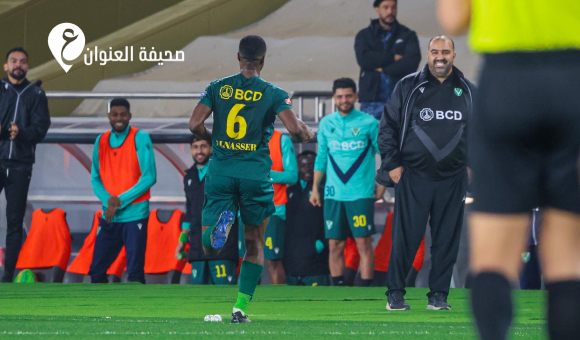
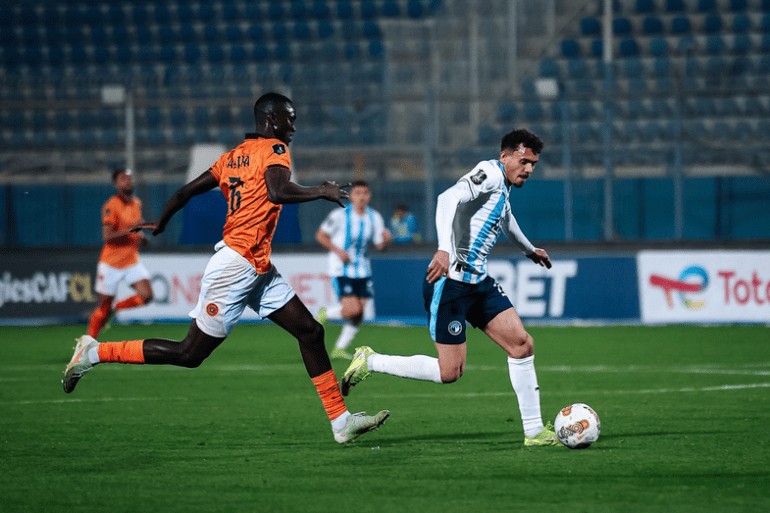
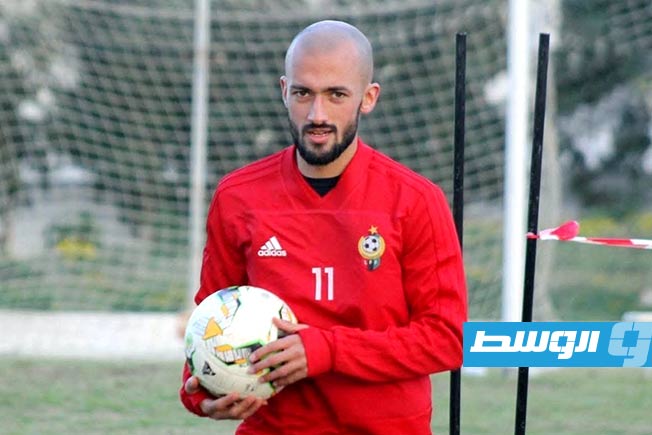
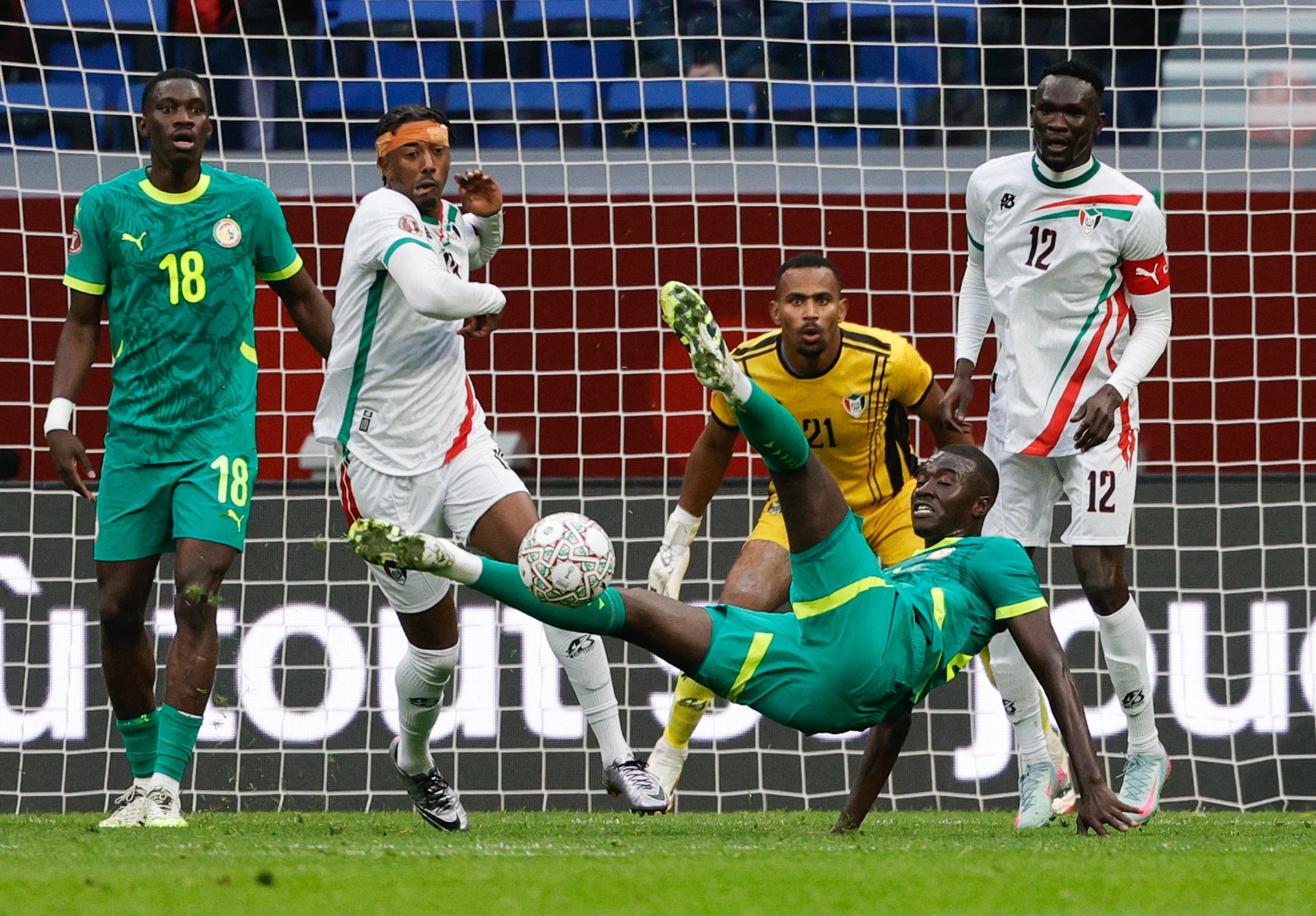
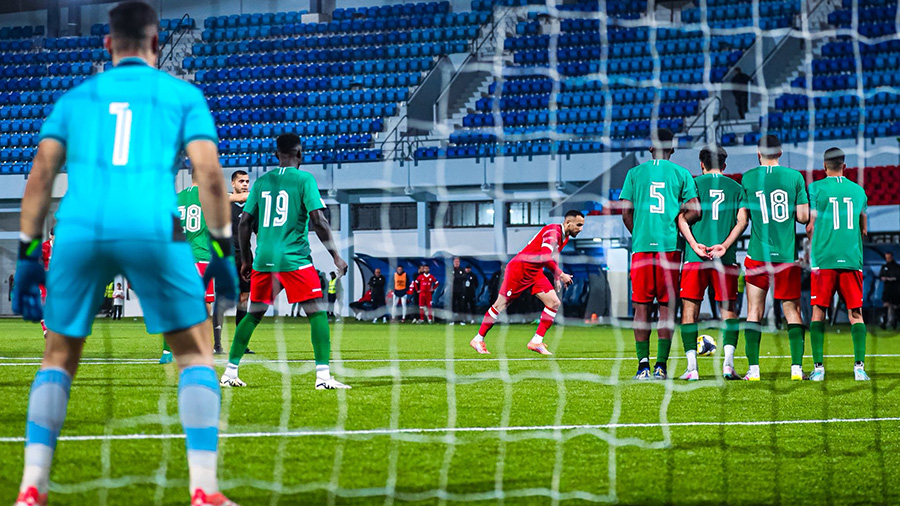
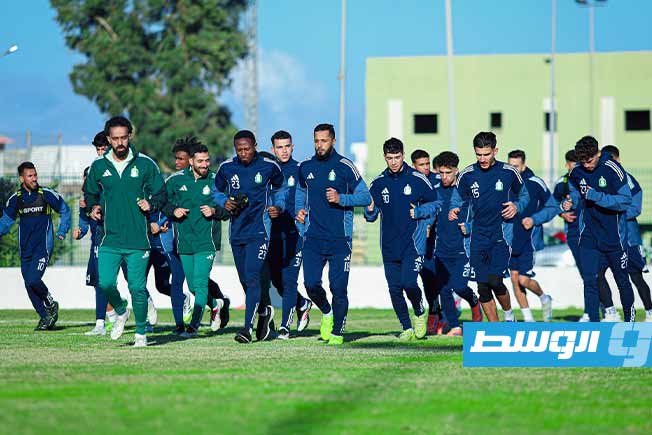
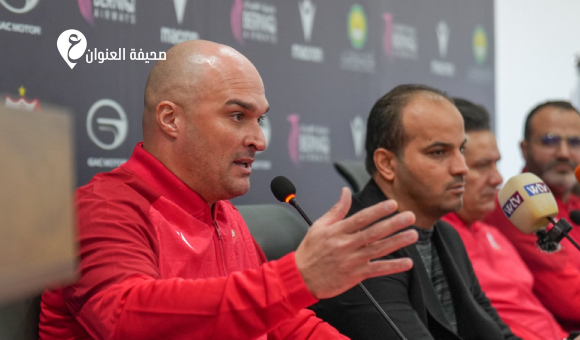
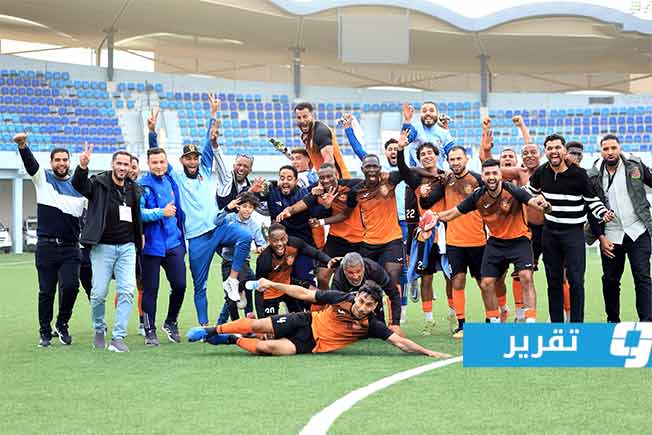
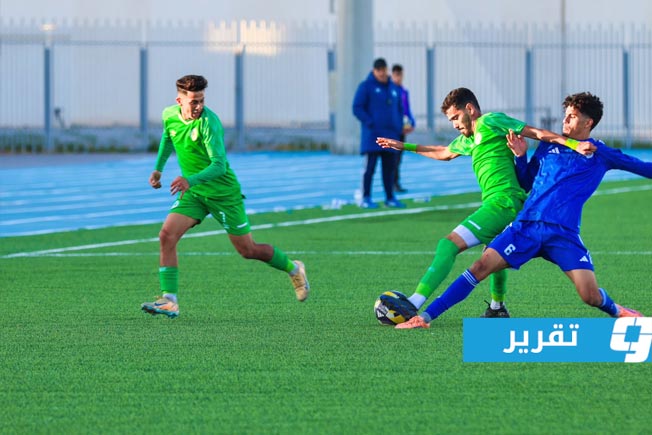
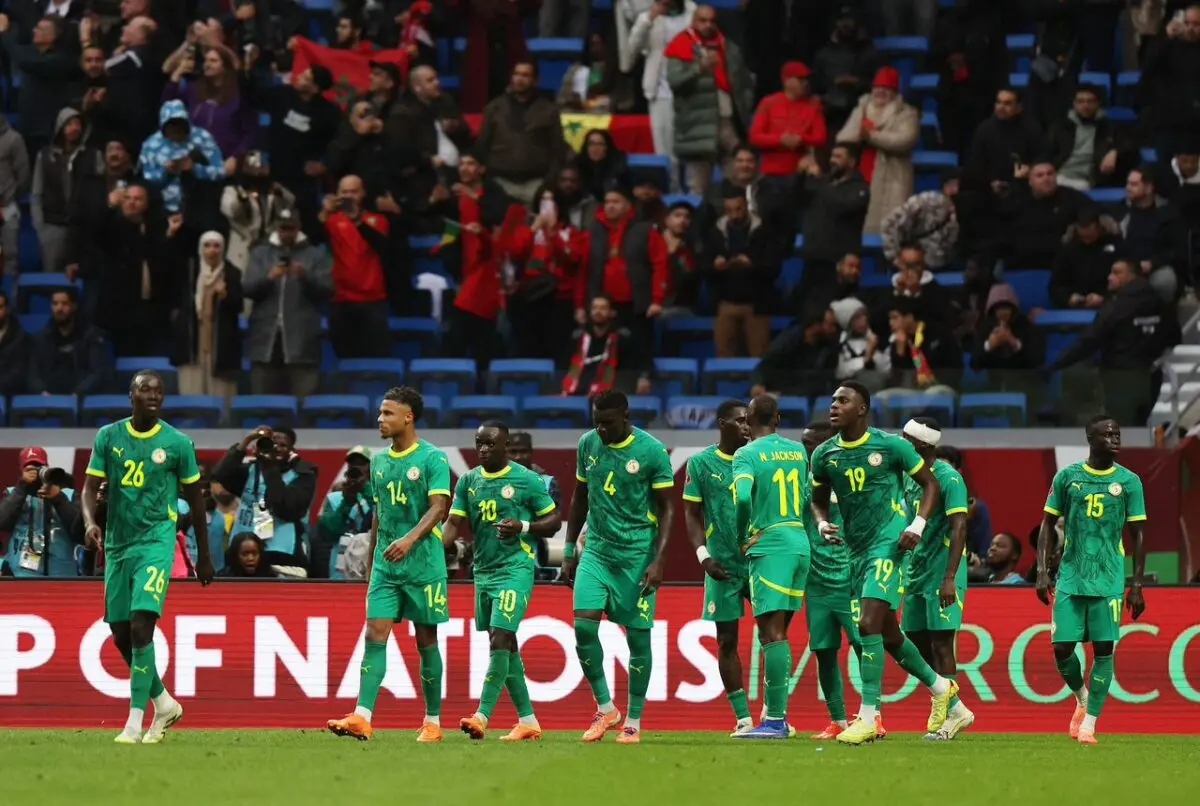
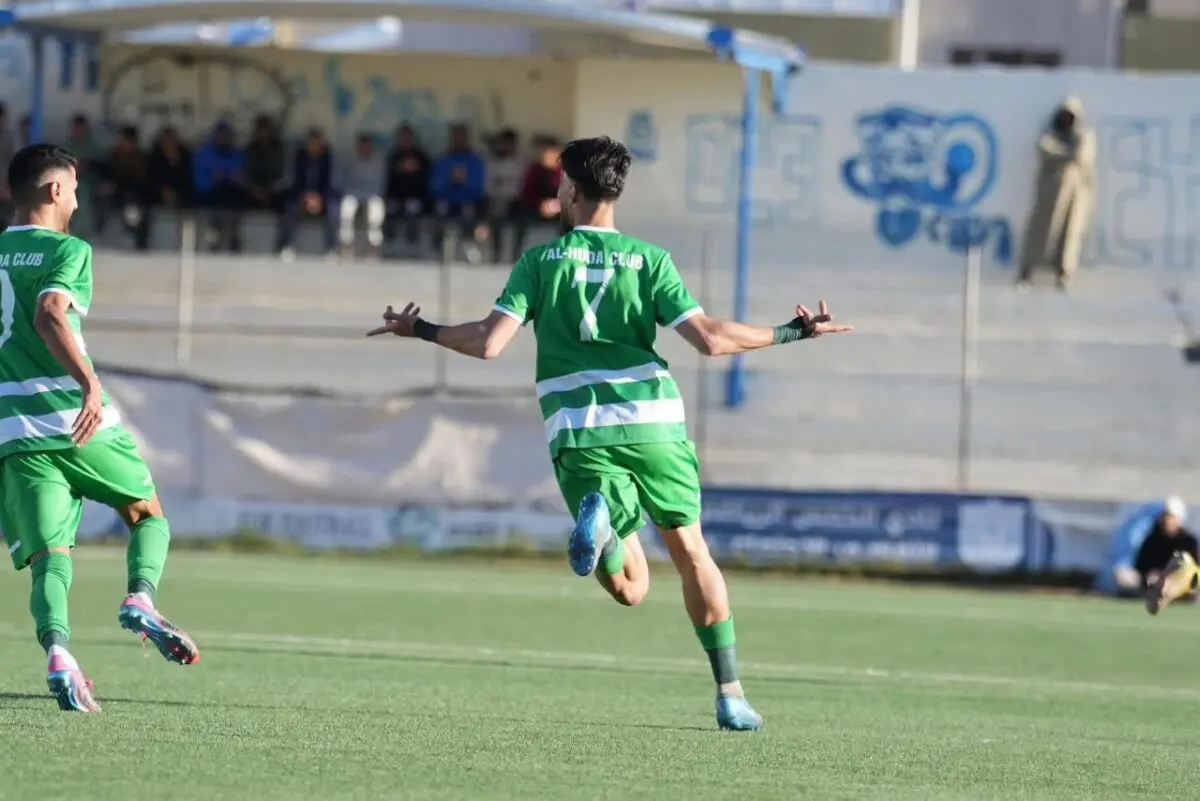
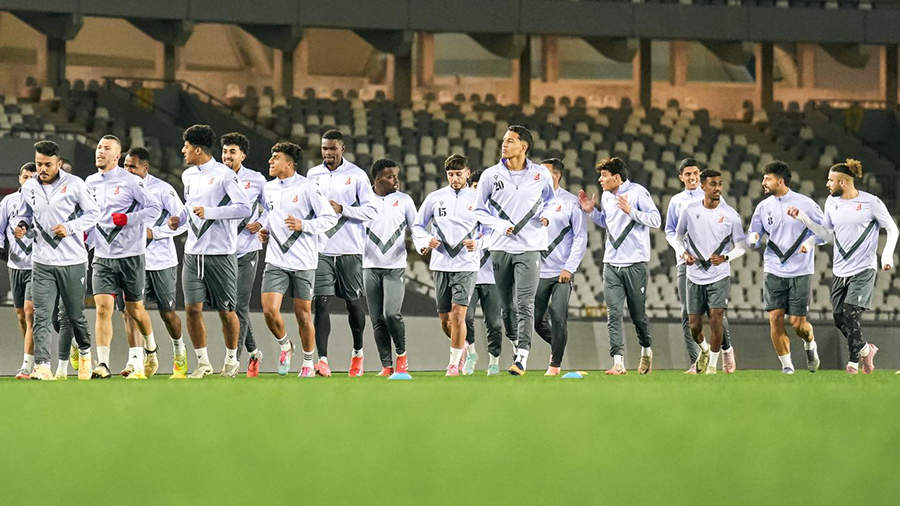
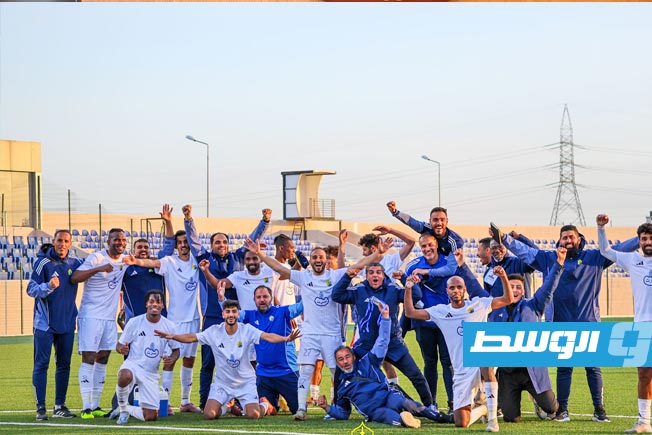
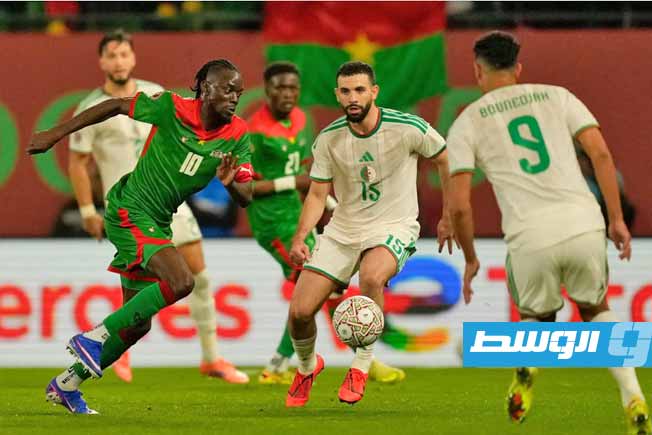
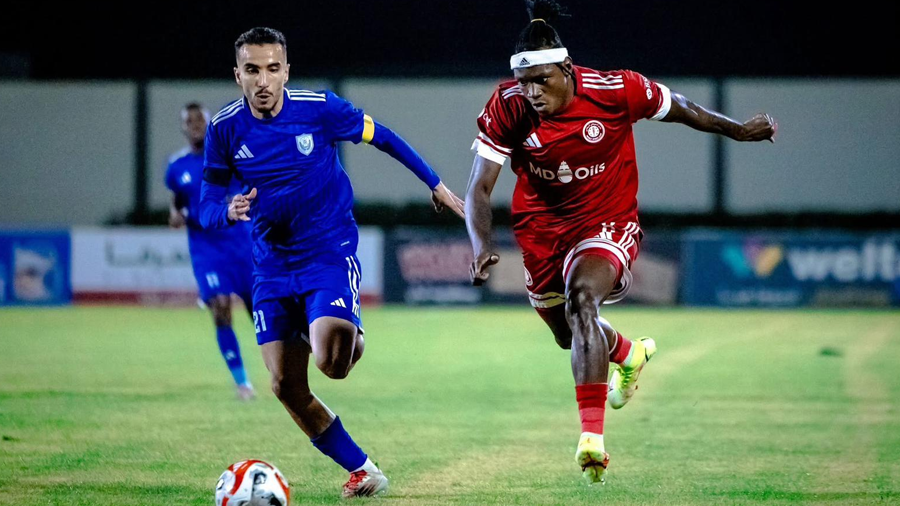
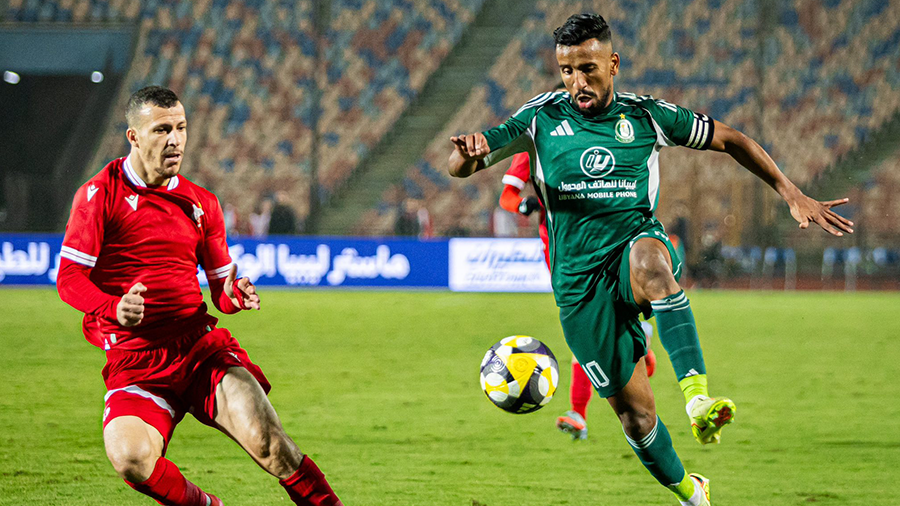
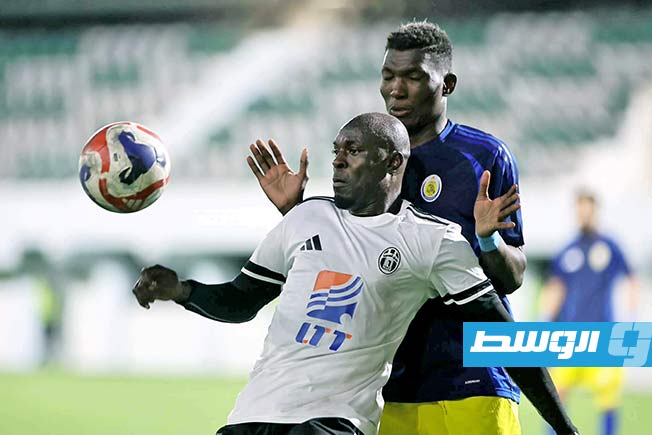
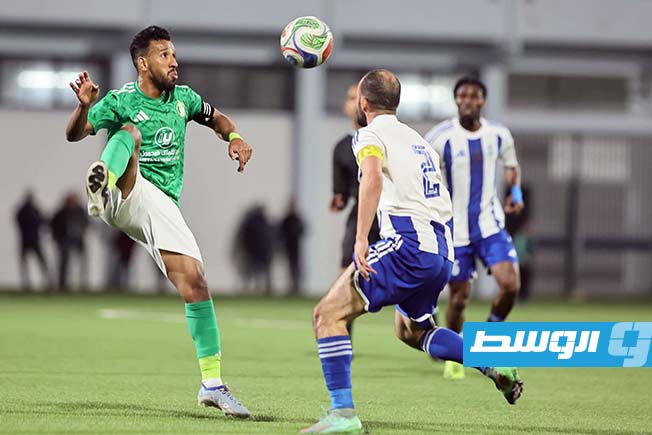
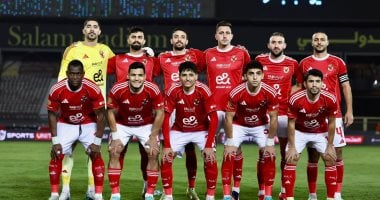
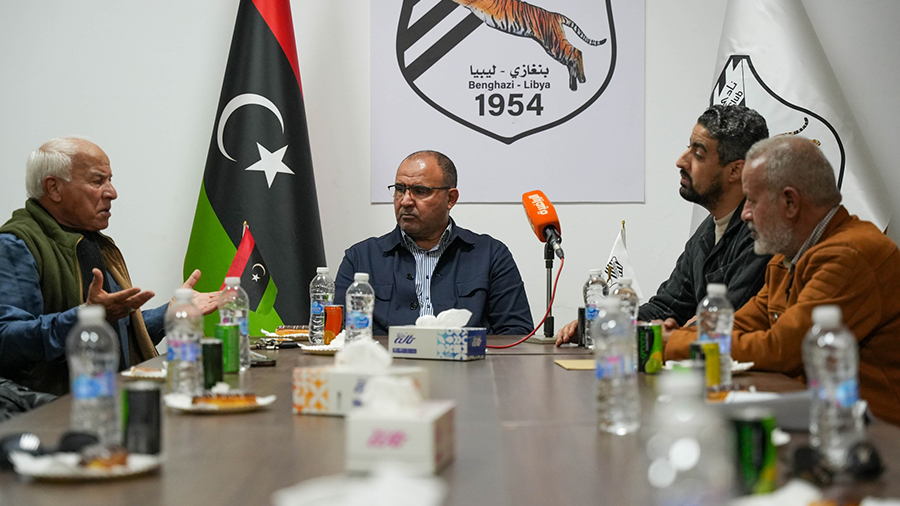
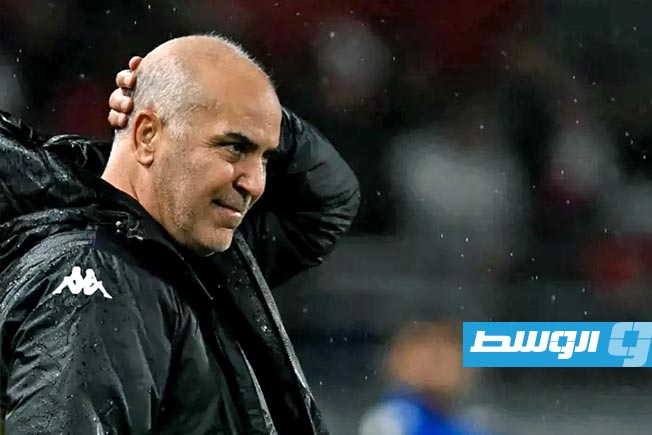
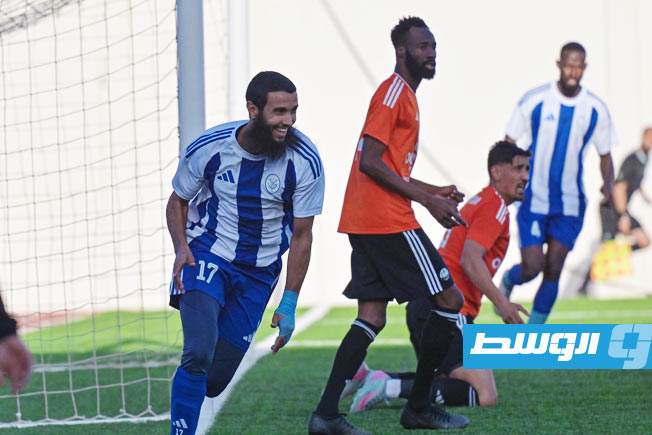
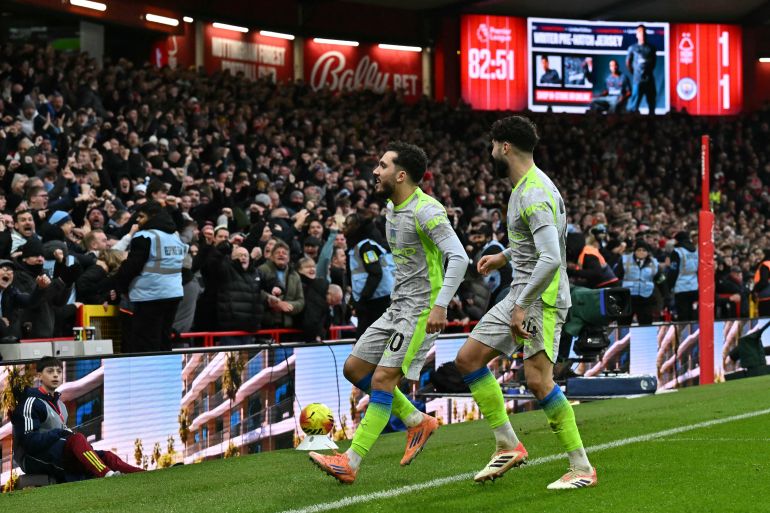
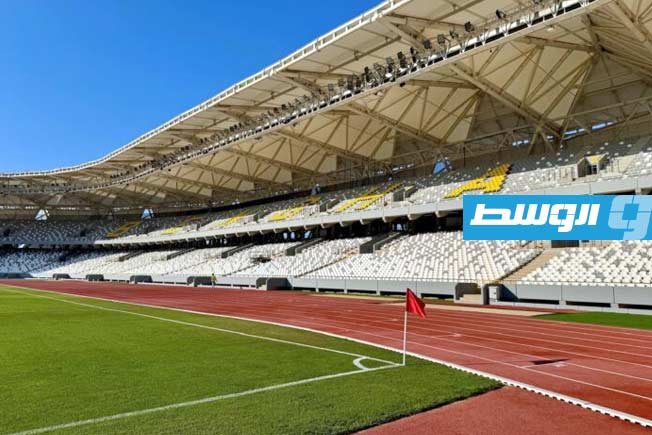
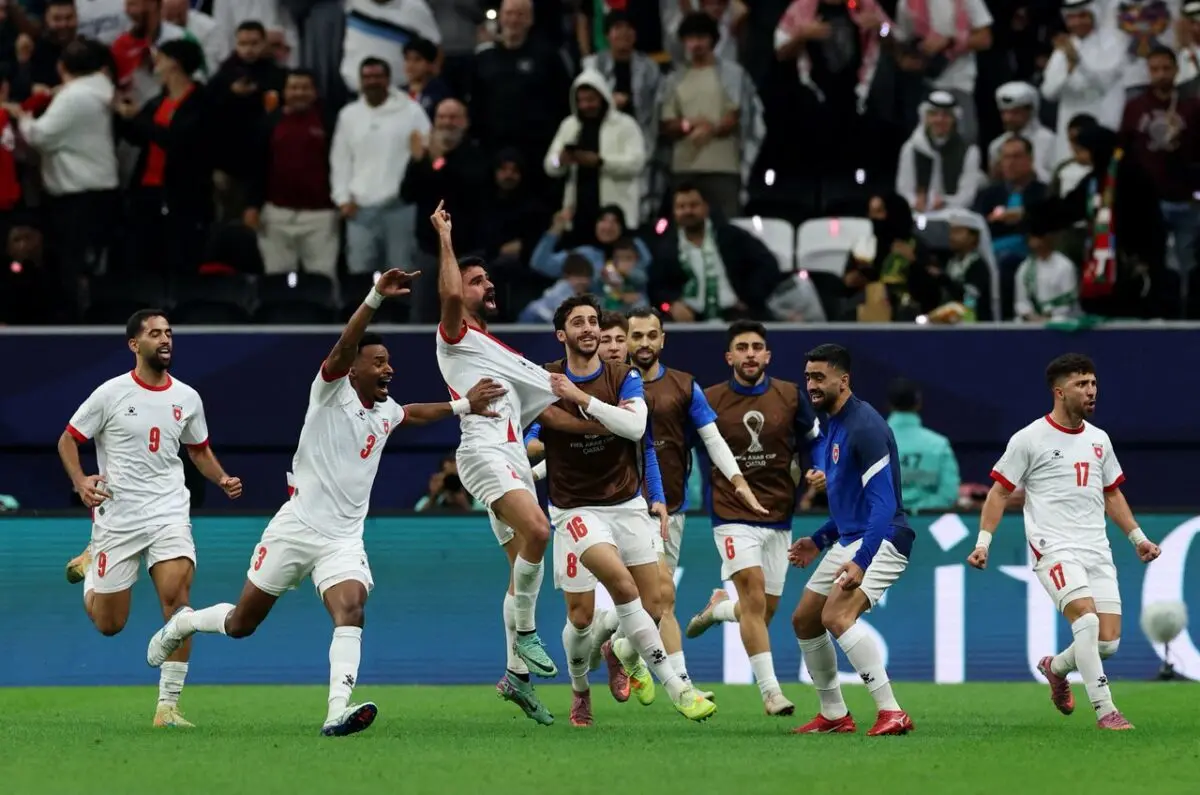
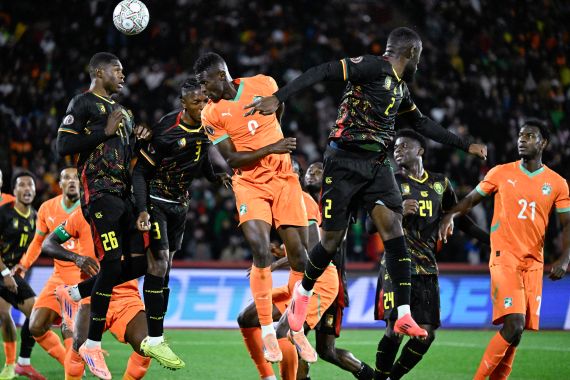
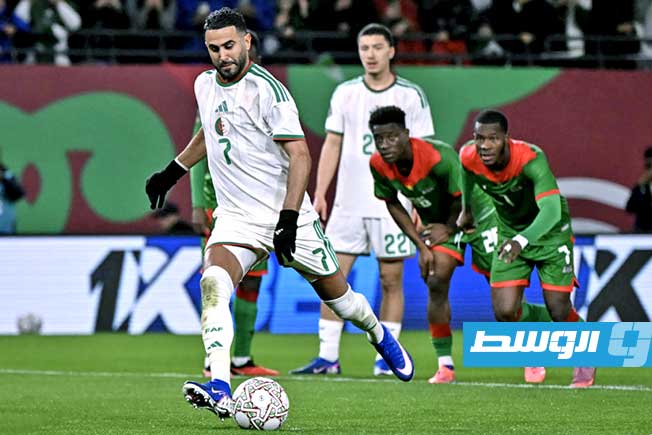
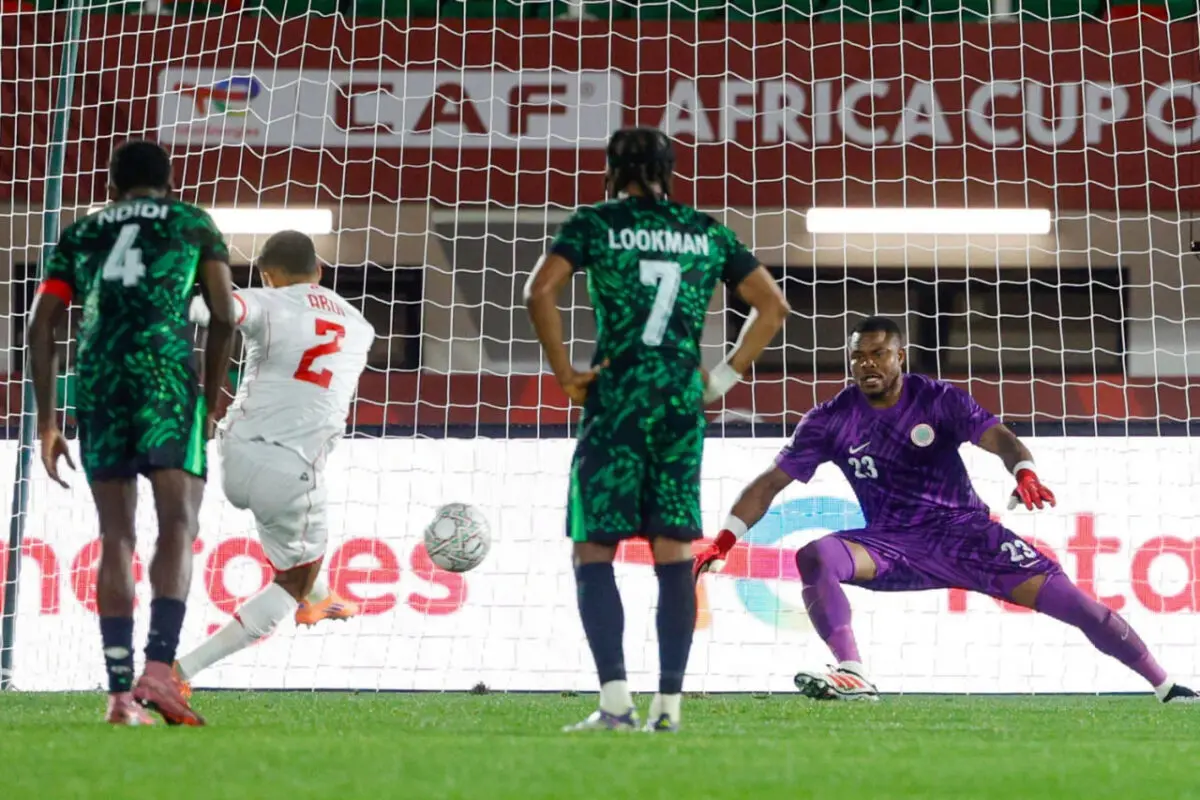
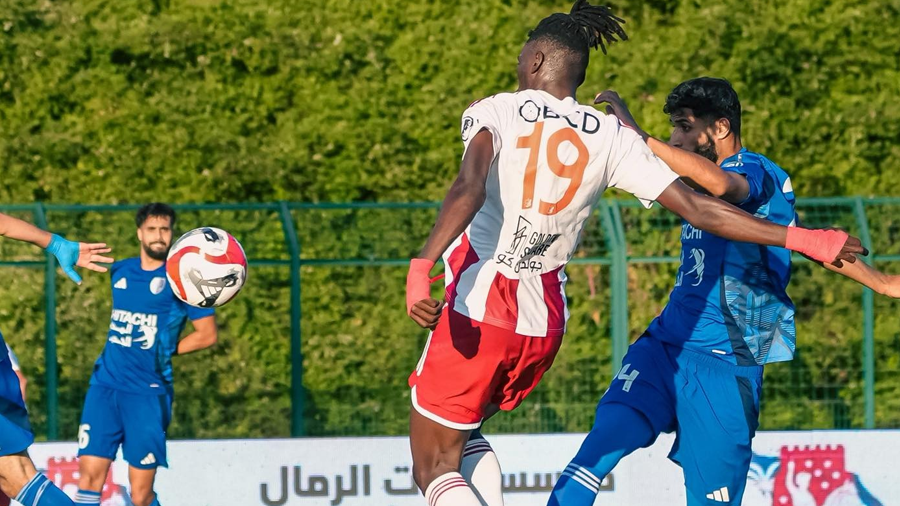
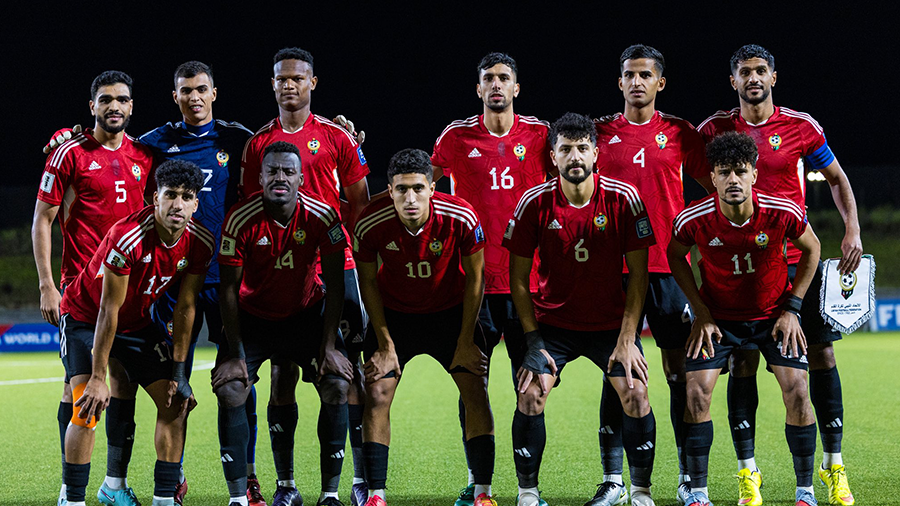
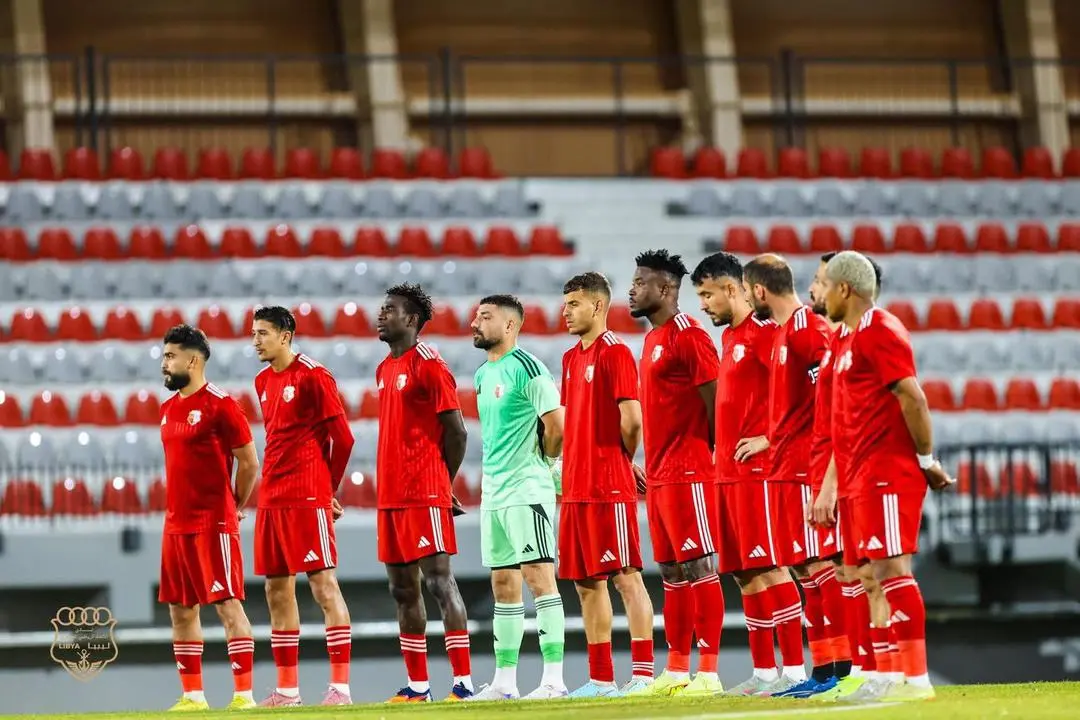
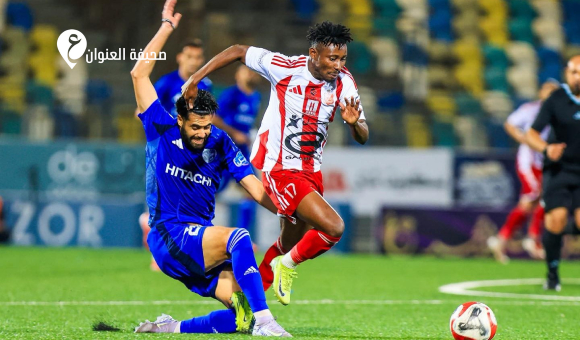
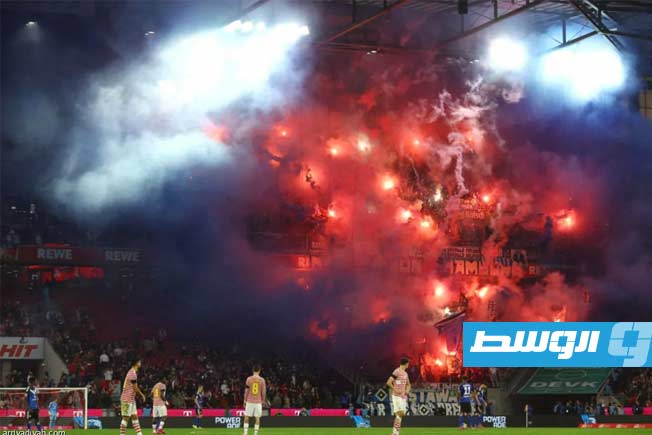
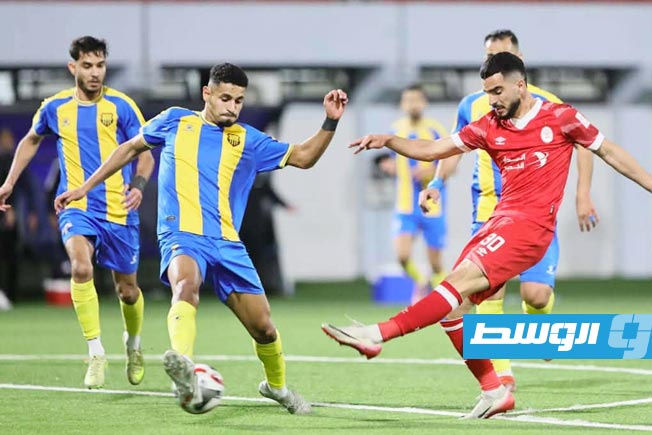
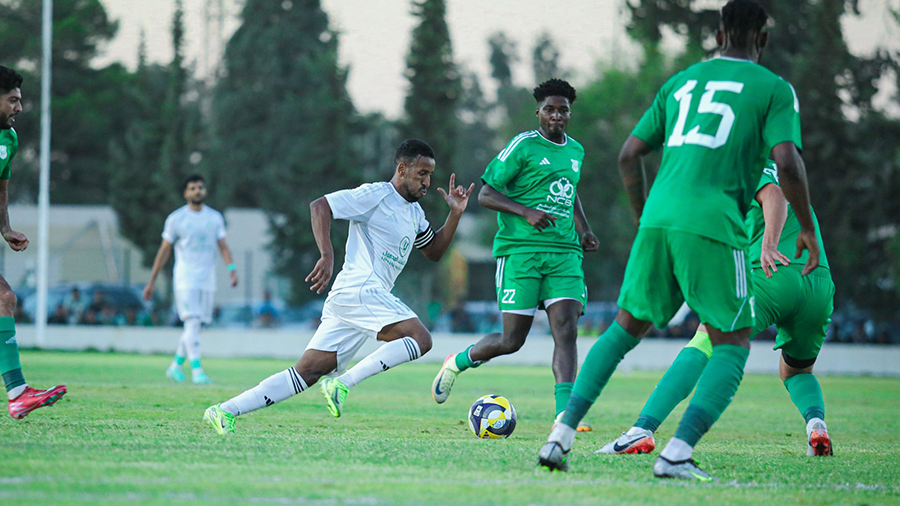
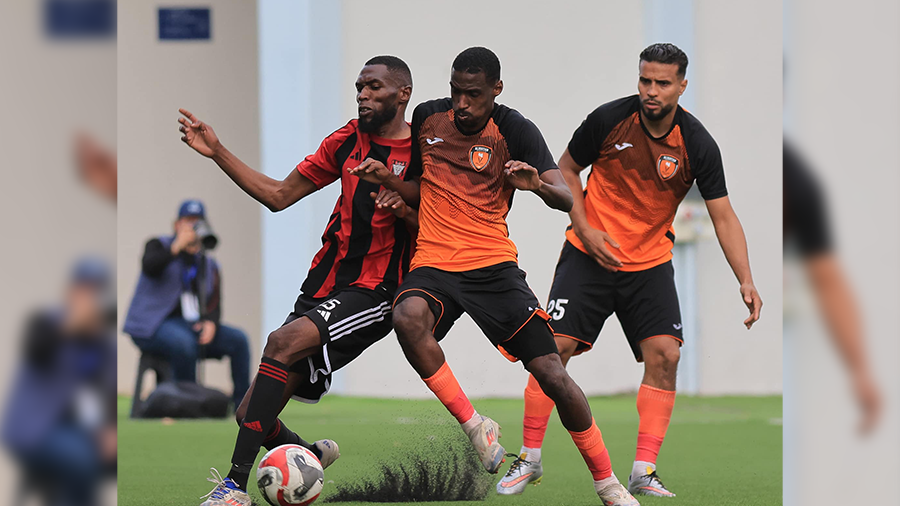
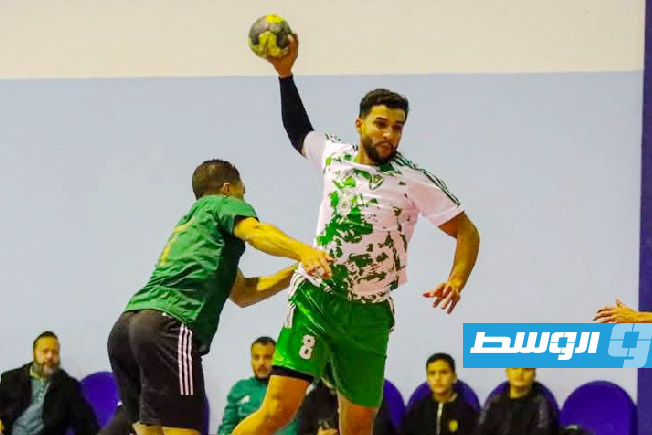
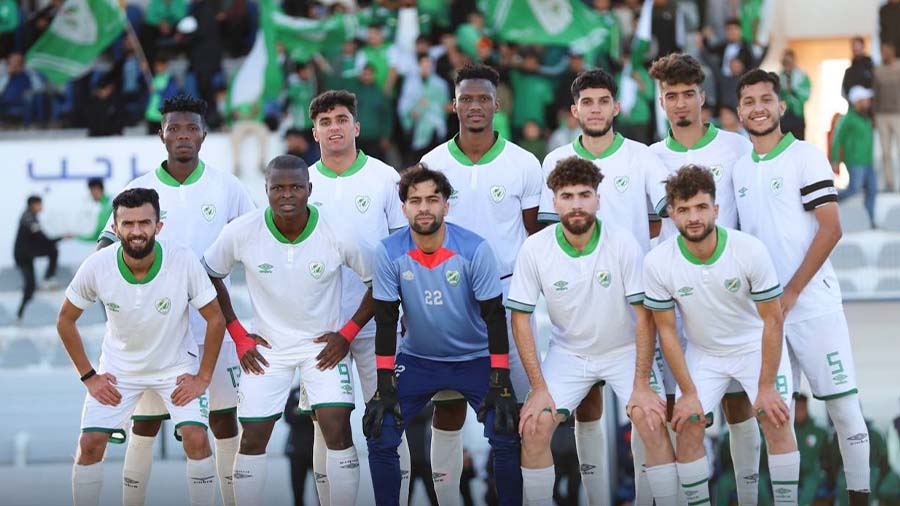
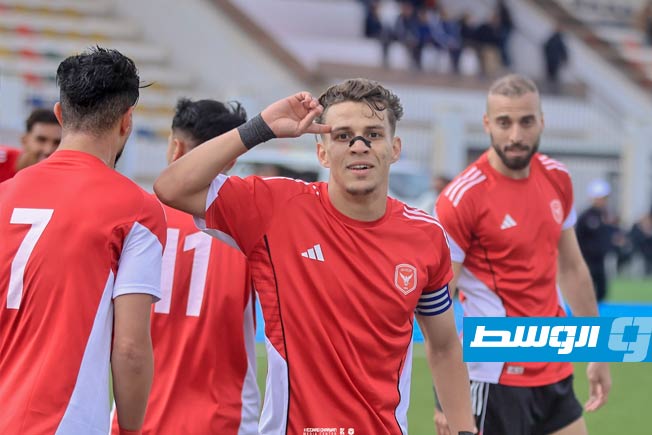
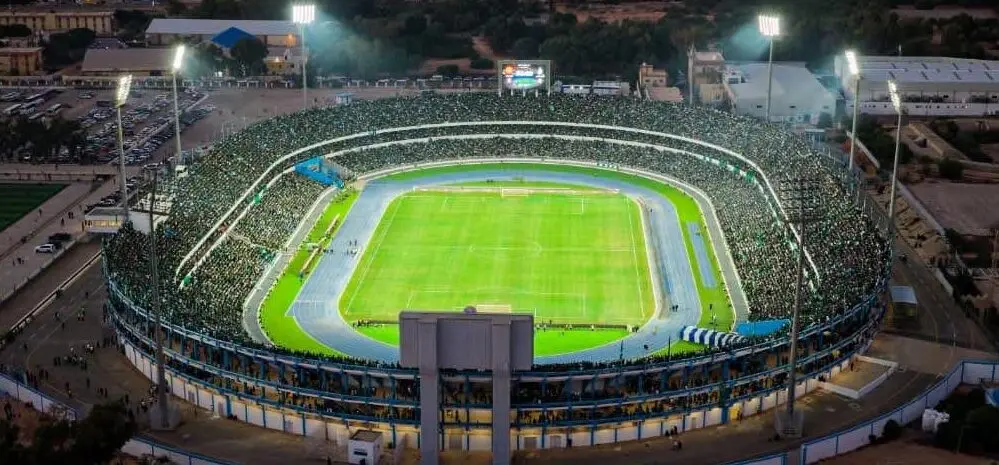
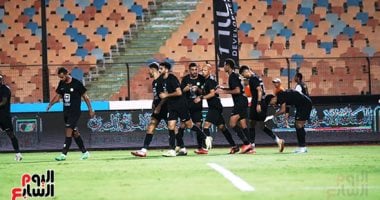
Al-Ahli Benghazi began its participation in the new season of the Libyan Premier Football League “Dorina” with a positive draw against Al-Anwar, with two goals for each team, in the match that was held on Thursday at Al-Marij Stadium as part of the first round.
The two goals for Al-Ahli Benghazi were scored by Malian professional Aboubakar Traoré, while the two goals for Al-Anwar were scored by Ibrahima and Taha Abouwaroq, with each team earning a point.
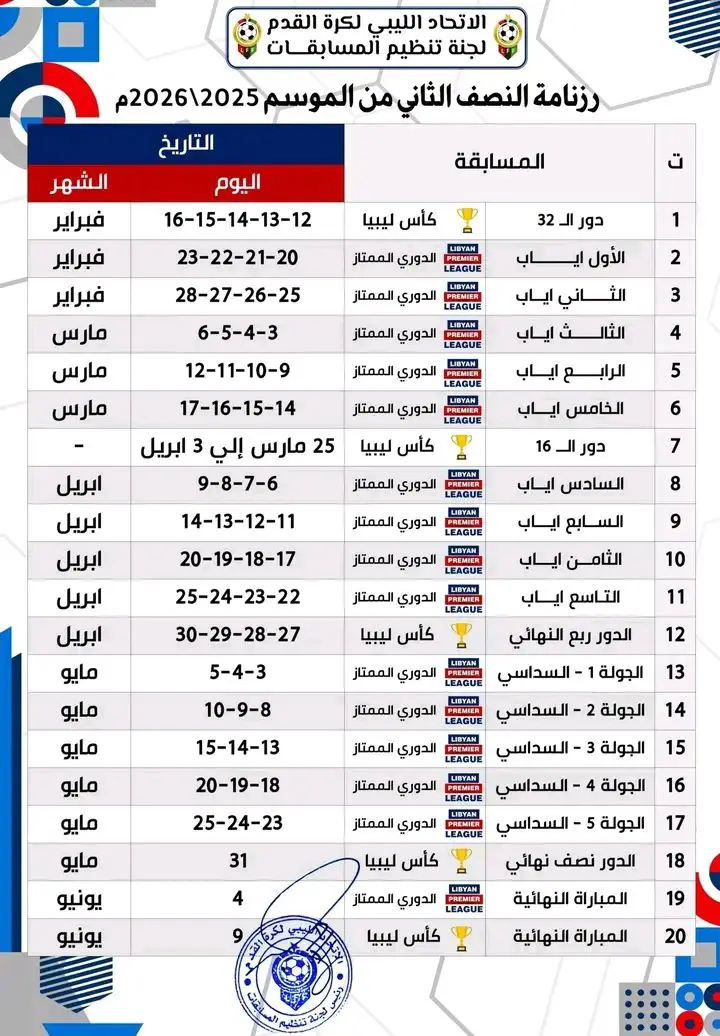
– The second round of “Dorina” kicks off on December 24th
–
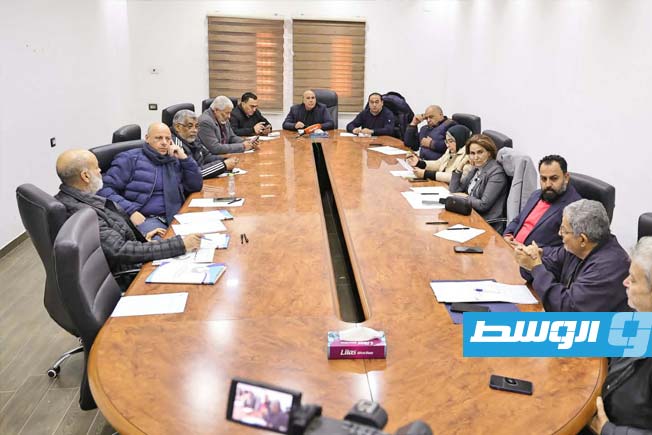
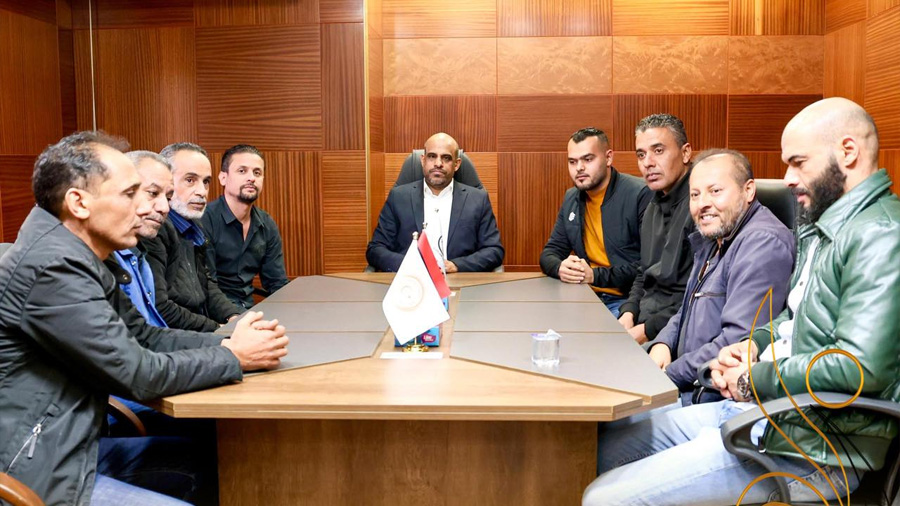
The Libyan Football Federation is making substantial amendments to the penalties regulations.
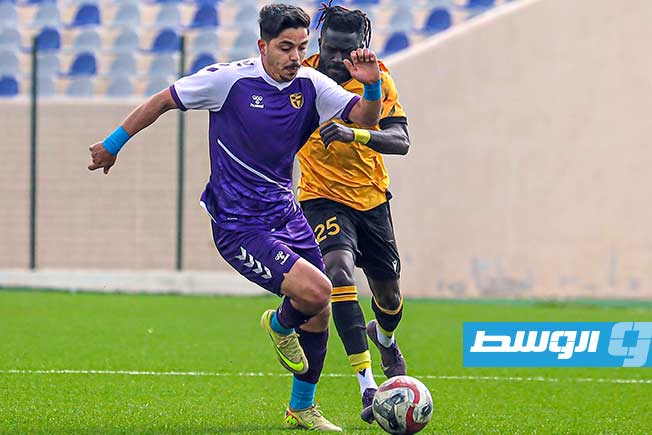
At the Al-Wadi Al-Kabir Stadium in Al-Bayda city, the Friendship team started its journey in the Libyan League with a victory over Al-Buroq by a goal to nil, scored by Ali Salama, allowing Friendship to collect its first three points.
At the Artificial River Stadium, Al-Swehli began its journey in “Dorina” with a victory over Abu Salim by three goals to one. The goals for Al-Swehli were scored by Mohamed Al-Tabal (two goals), and the third goal was scored by its professional player, Gabriel Igwala, while the sole goal for Abu Salim was scored by Ben Andid, allowing Al-Swehli to return to Misrata with its first three points.
Al-Ahli Benghazi
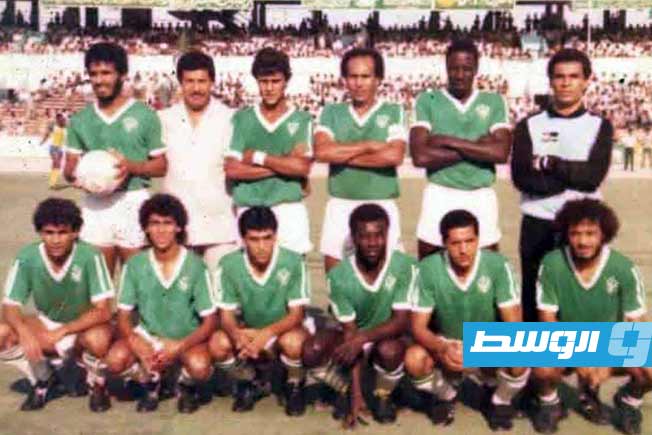
Al-Ahli Benghazi is a major sports club in Libya, most famous for its football team, which was founded in 1947. It is one of the oldest and most successful clubs in the country, historically representing the city of Benghazi and serving as a significant cultural and social institution.
Al-Anwar
Al-Anwar is a historic mosque located in Cairo, Egypt, originally built in the 14th century during the Mamluk era. It is also known as the Mosque of al-Maridani and is recognized for its architectural blend of Mamluk and Ottoman styles.
Libyan Premier Football League
The Libyan Premier Football League is the top professional football division in Libya, founded in 1963. It has experienced periodic suspensions due to political instability and conflict within the country, most notably during the 2011 civil war and subsequent unrest.
Dorina
“Dorina” is not a widely recognized historical or cultural site, so specific information is limited. It may refer to a local place name or establishment without a prominent documented history in global cultural heritage. Without additional context, it is not possible to provide a meaningful summary of its significance or background.
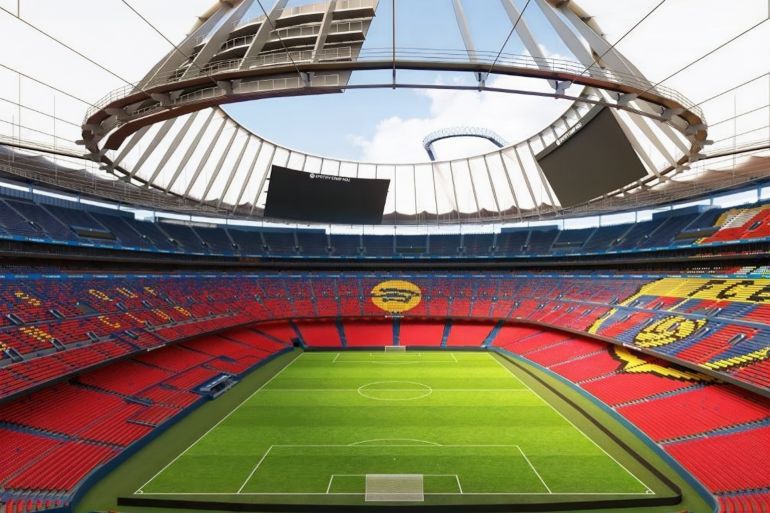
Al-Marij Stadium
Al-Marij Stadium is a multi-purpose sports venue located in Benghazi, Libya. It was originally constructed in the 1960s and has historically served as a home ground for several local football clubs. The stadium has undergone renovations and remains a significant site for sporting and cultural events in the city.
Aboubakar Traoré
Aboubakar Traoré is a prominent Malian footballer, not a physical place or cultural site. He is known for his career as a midfielder, playing for clubs like Standard Liège and the Mali national team. His history in football is marked by his technical skill and leadership on the field.
Ibrahima
Ibrahima does not refer to a specific known place or cultural site. It is commonly a personal name, particularly in West African and Islamic contexts, and may refer to individuals such as religious or historical figures. Without additional context specifying a location, it is not possible to provide a summary of a place or site.
Taha Abouwaroq
Taha Abouwaroq is a prominent Palestinian poet and writer, known for his contributions to contemporary Arabic literature. His work often explores themes of identity, exile, and the Palestinian experience, reflecting the broader historical and cultural struggles of his people.
Libyan Football Federation
The Libyan Football Federation is the governing body for football in Libya, founded in 1962. It oversees national teams and domestic competitions, though its operations have been disrupted by political instability and conflict in the decades following Muammar Gaddafi’s rule.
Al-Wadi Al-Kabir Stadium
Al-Wadi Al-Kabir Stadium is a multi-purpose sports venue located in Muscat, Oman. It was historically the primary national stadium of the country, hosting football matches and other major events, before being superseded by larger modern facilities.
Al-Bayda
Al-Bayda is a city in northeastern Libya, historically known as one of the country’s earliest modern planned cities, founded during the reign of Ottoman ruler Ahmed Karamanli in the mid-19th century. It served as the capital of Libya from 1963 to 1969 under King Idris I before the capital was moved to Tripoli. The city is also notable for its location in the Green Mountains region and its University of Omar Al-Mukhtar.
Friendship
“Friendship” is not a specific place or cultural site, but a common theme in monuments worldwide, such as the Friendship Monument in Gudauri, Georgia, which commemorates the 1783 Treaty of Georgievsk between the Russian and Georgian empires. These sites typically symbolize diplomatic bonds or alliances between nations or communities. Their histories are directly tied to the specific events or relationships they were built to honor.
Al-Buroq
Al-Buroq refers to the legendary winged creature from Islamic tradition that transported the Prophet Muhammad during the Night Journey (Isra’ and Mi’raj) from Mecca to Jerusalem and through the heavens. In Islamic eschatology, it is often described as a white animal, larger than a donkey but smaller than a mule, that was tethered at the Temple Mount in Jerusalem.
Ali Salama
Ali Salama is a coastal archaeological site in Libya, located near the city of Tobruk. It is historically significant as the location of a World War II Commonwealth war cemetery, containing graves of soldiers who fought in the North African Campaign, particularly during the Siege of Tobruk from 1941 to 1942.
Artificial River Stadium
The Artificial River Stadium is a major sports venue located in Pyongyang, North Korea, built on an island in the Taedong River and opened in 1989. It was originally constructed to host the 13th World Festival of Youth and Students and is known for its distinctive, sweeping roof design that resembles a parachute or magnolia flower.
Al-Swehli
Al-Swehli refers to Ramadan al-Swehli, a prominent Libyan resistance leader against Italian colonization in the early 20th century. He is particularly known for his role in the 1911-1912 war and for later establishing a short-lived republic in Misrata. Today, his legacy is honored in Libyan history, with his name often given to public squares and streets.
Abu Salim
Abu Salim is a district in Tripoli, Libya, best known internationally for the Abu Salim prison. The prison gained notoriety after a 1996 massacre where hundreds of inmates were killed, an event that later helped spark the 2011 Libyan Civil War. Historically, the area’s name is also associated with a prominent local family.
Mohamed Al-Tabal
Mohamed Al-Tabal is a historic open square in the city of Kairouan, Tunisia. Traditionally, it served as a marketplace and a central gathering point for caravans and traders, reflecting Kairouan’s historical significance as a major Islamic hub and a crossroads of commerce in North Africa.
Gabriel Igwala
Gabriel Igwala is a revered ancestral shrine and cultural site located in the Igbo community of Nri in southeastern Nigeria. It is historically significant as the spiritual and political center of the ancient Nri Kingdom, which is considered the foundational civilization of Igbo culture, dating back to around the 9th century AD. The site symbolizes the authority of the Eze Nri priest-kings, who were known for their religious influence and for spreading rituals of peace, purity, and social order.
Ben Andid
Ben Andid is a fortified granary (or _agadir_) located in the Anti-Atlas mountains of Morocco, traditionally used by the local Amazigh (Berber) communities to store and protect grain and other valuables. Its history is rooted in centuries-old communal living practices and defensive architecture, designed to safeguard resources in a harsh, arid environment.
Misrata
Misrata is a major port city on the Mediterranean coast of northwestern Libya, historically known as a key trading and commercial center since at least the 7th century. It gained significant international attention during the 2011 Libyan Civil War, where it was the site of a prolonged and pivotal siege against the Gaddafi government. Today, it remains one of Libya’s most important economic hubs, known for its industry and commerce.