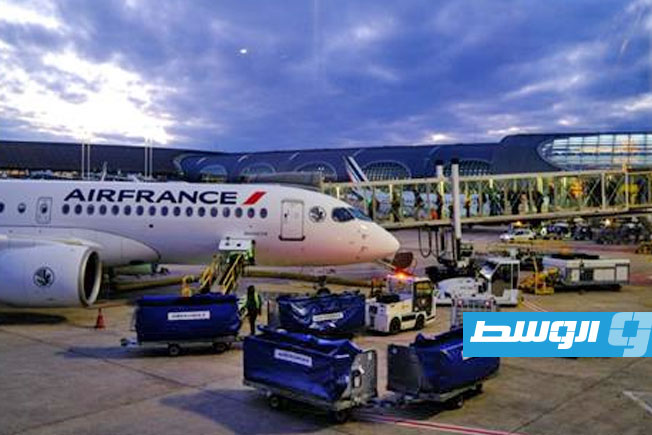
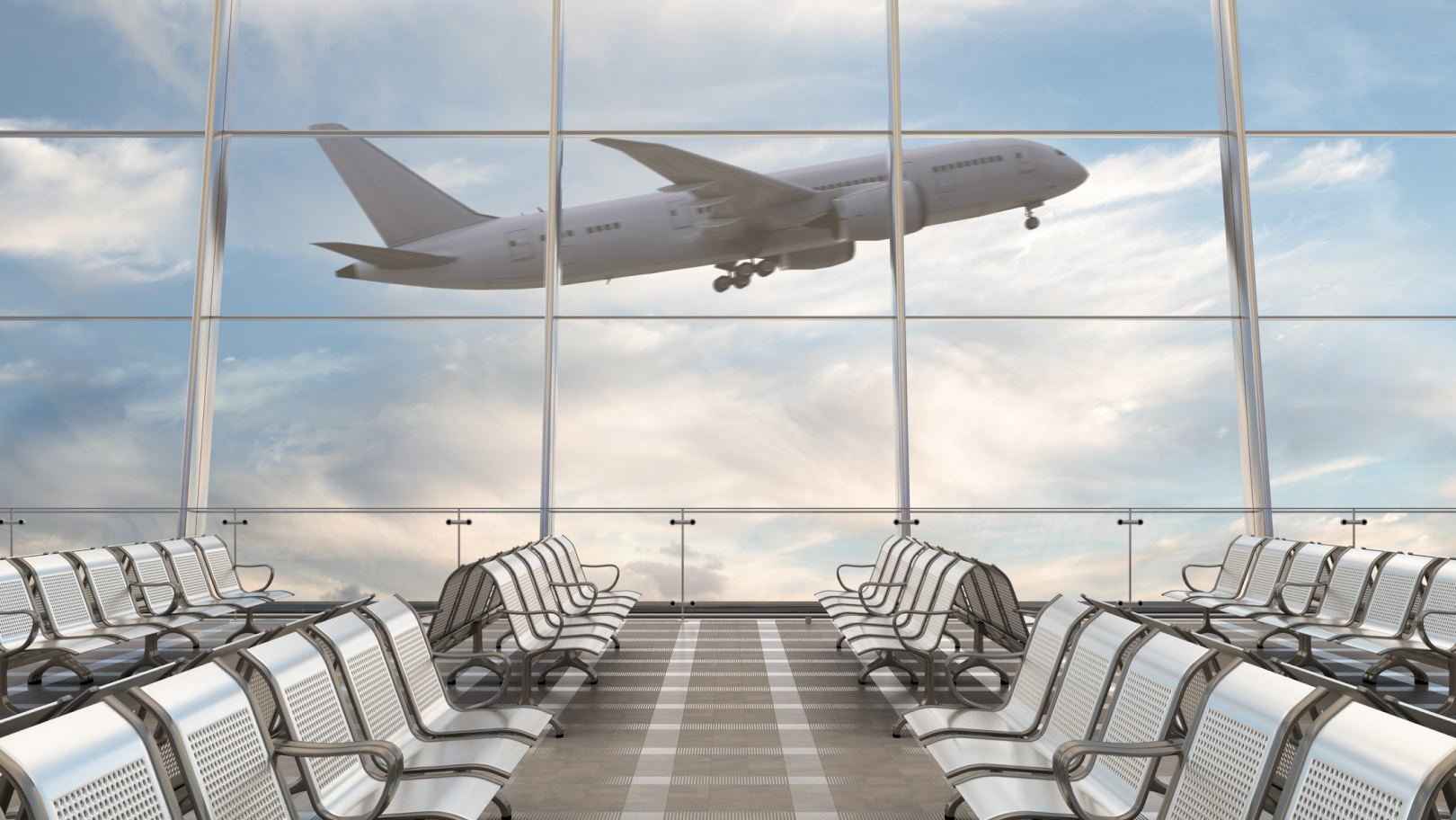
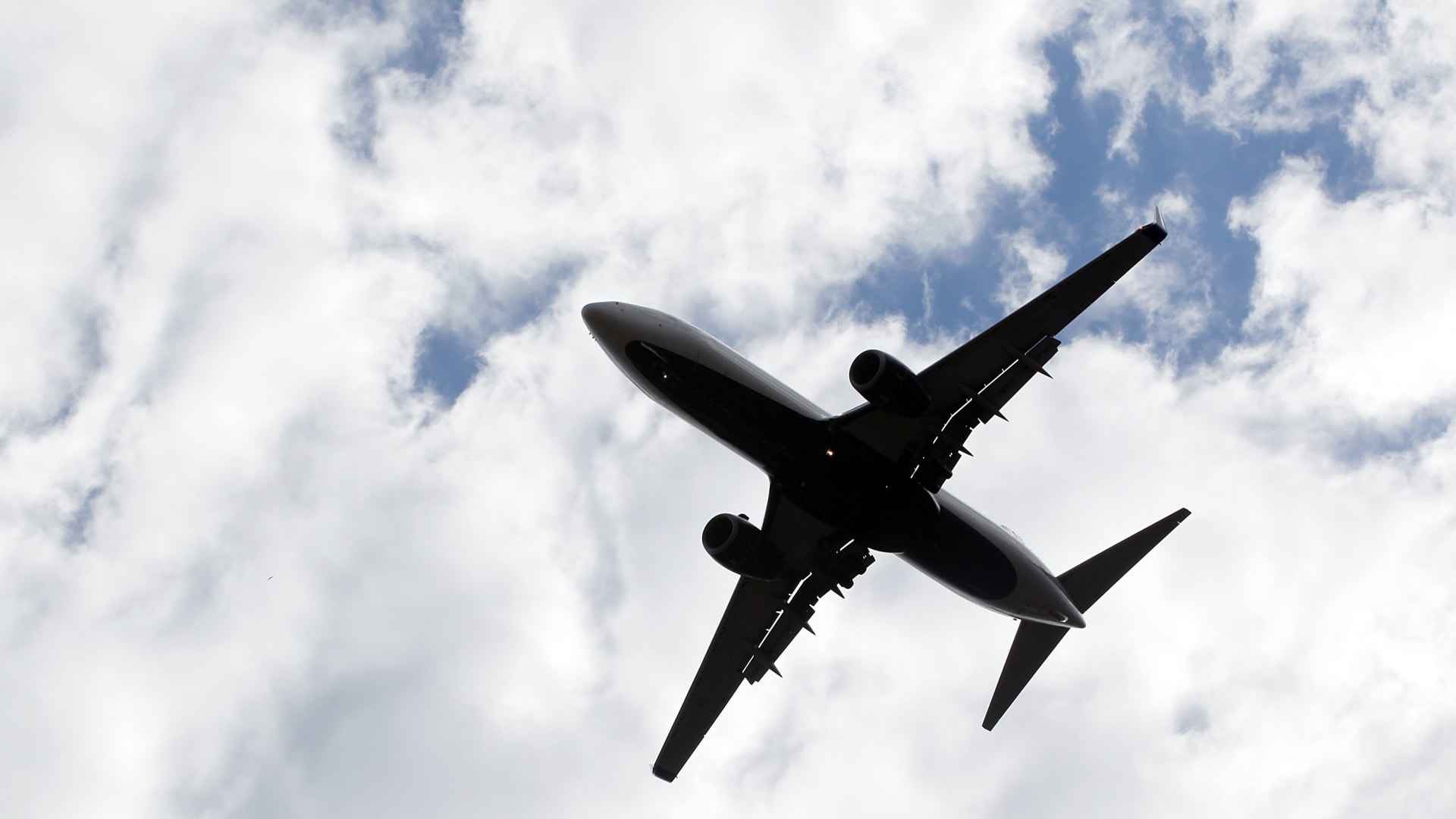
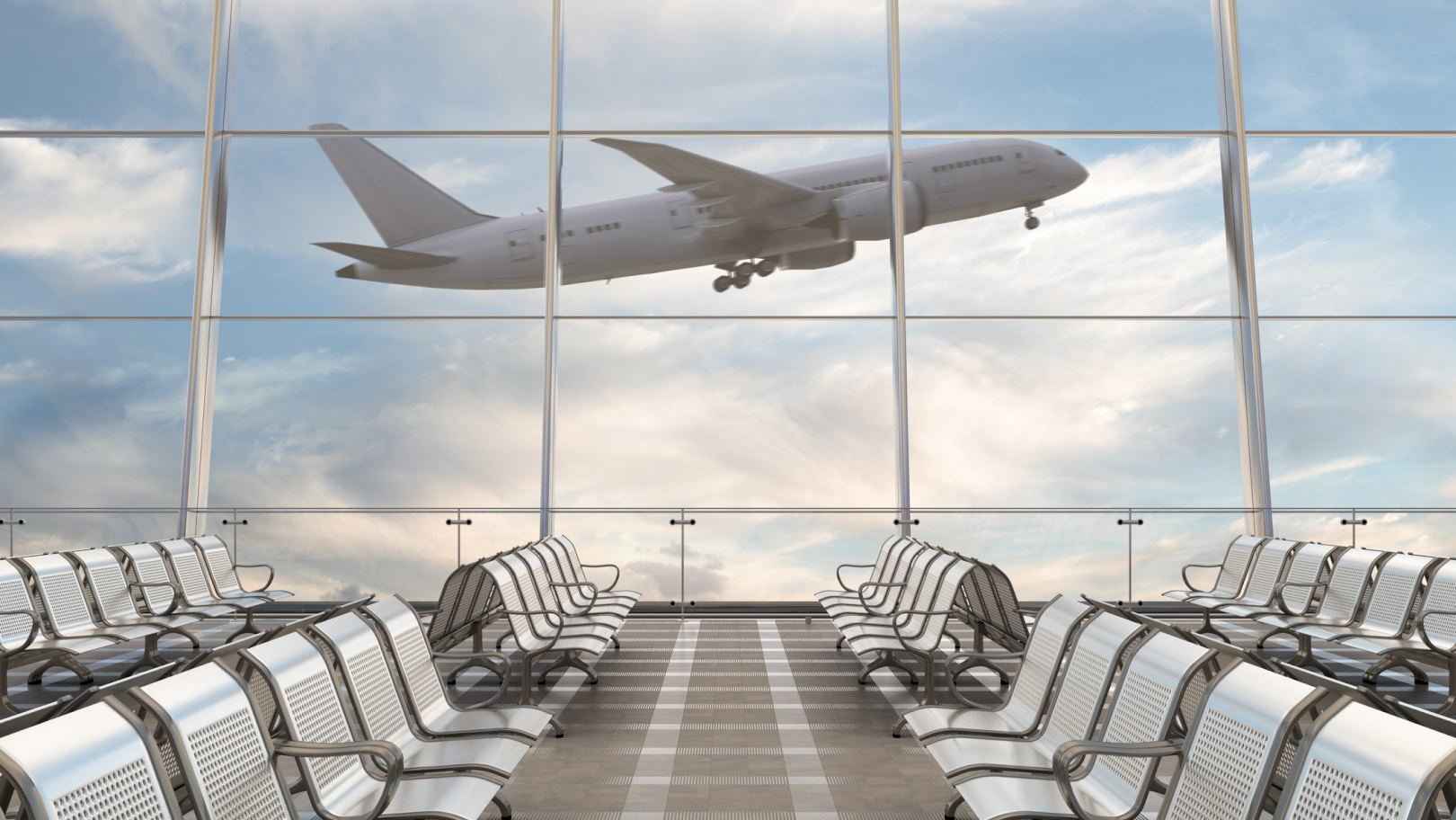
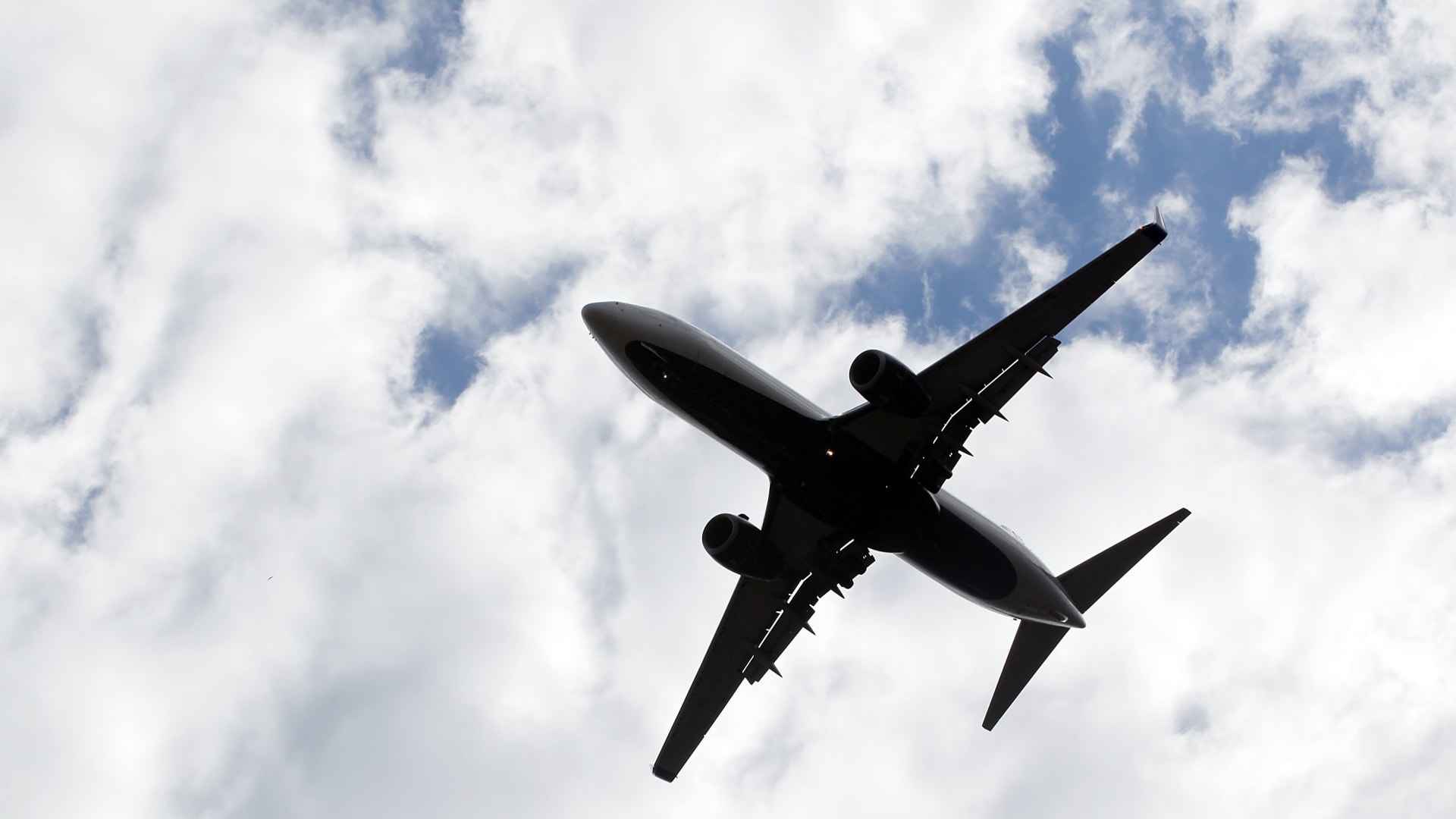
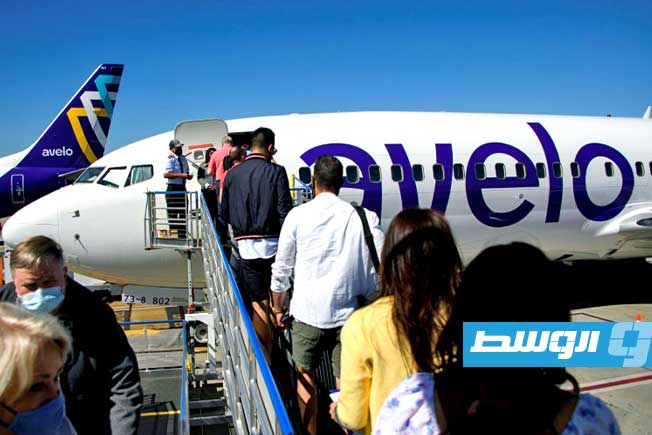
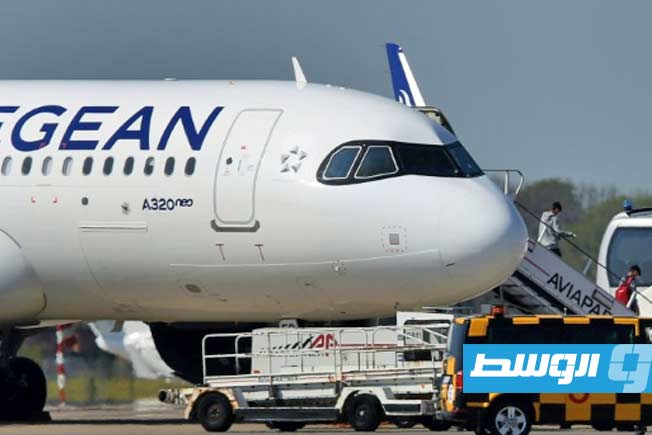
An Airbus A220 passenger aircraft of Air France at Roissy-Charles de Gaulle airport in France, December 24, 2025.
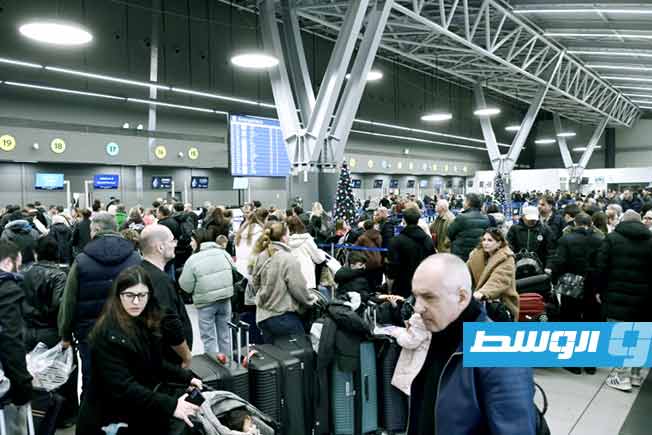
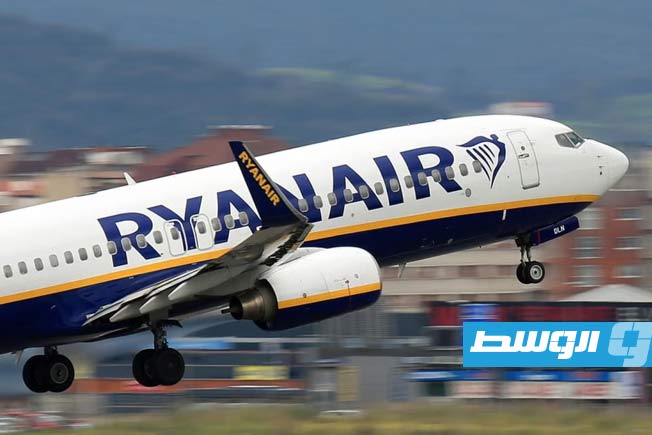
Air France announced on Friday evening the temporary suspension of its flights to Dubai in the United Arab Emirates, citing the geopolitical situation in the Middle East.
In a statement, Air France said, “Given the current situation in the Middle East, the company has decided to temporarily suspend its flights to Dubai,” noting that it “continuously monitors developments in the geopolitical situation in the regions served and traversed by its aircraft” to ensure “the highest levels of safety and security” for its flights.
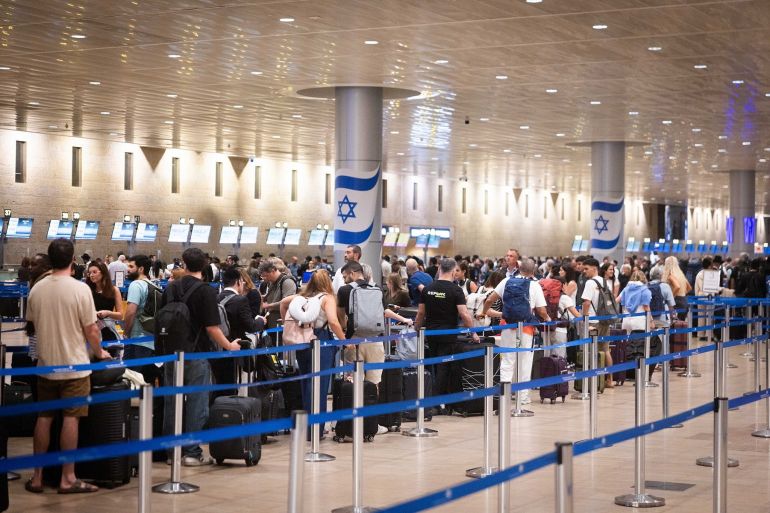
The airline canceled two flights from Paris to Dubai on Friday, flights AF660 and AF658. Consequently, two additional return flights from Dubai to Paris, scheduled for Saturday on these same aircraft, were also canceled.
US Pressure on Iran
Air France confirmed that it is “monitoring the situation moment by moment and will provide further updates on its flight schedule later,” emphasizing that the safety of its customers and crews is an “absolute priority.”
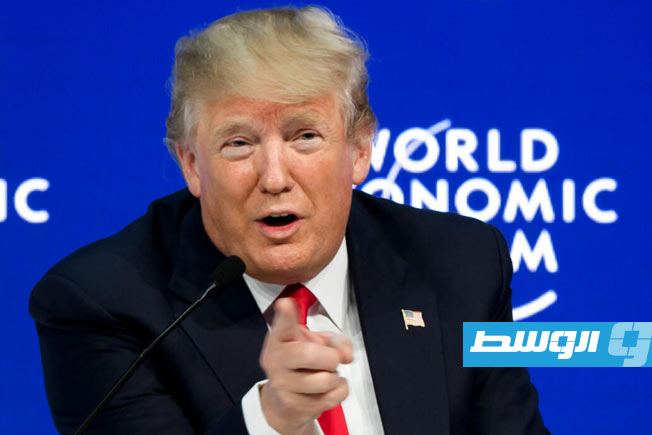
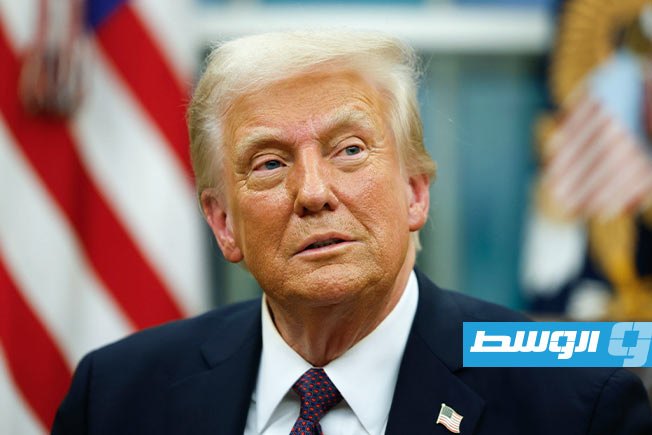
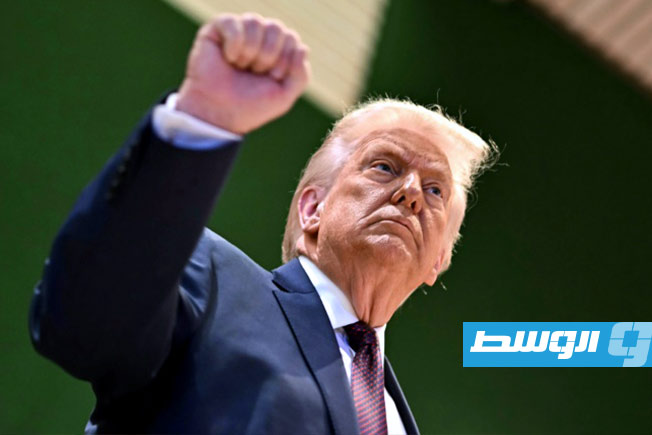
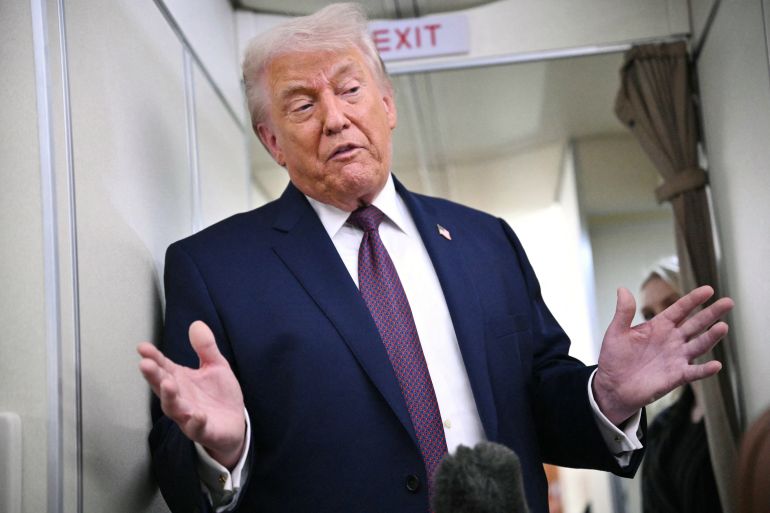
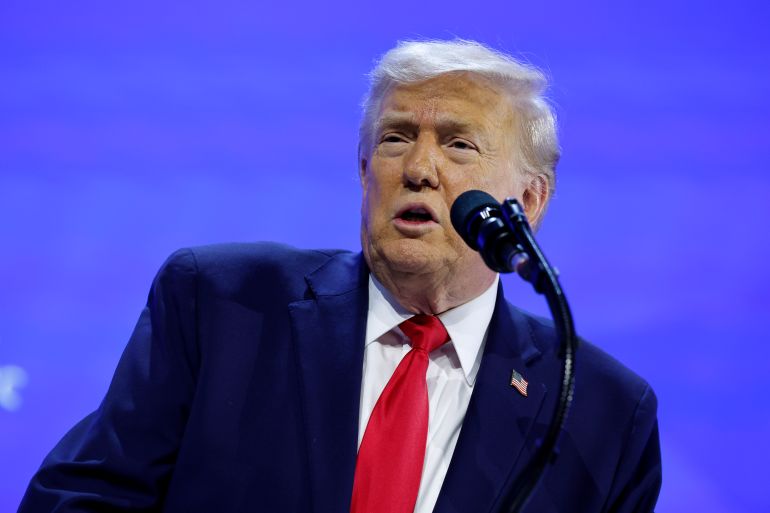
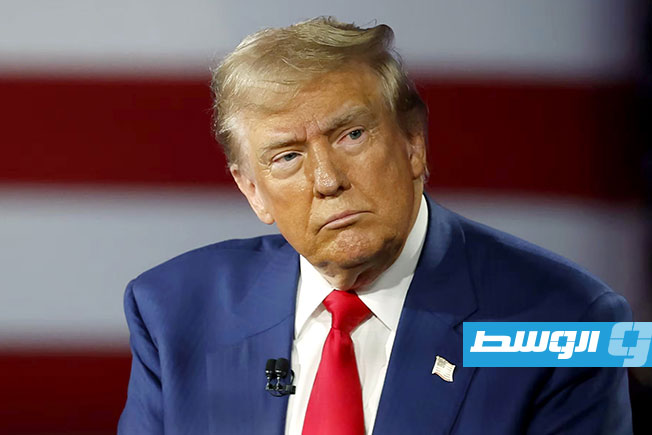
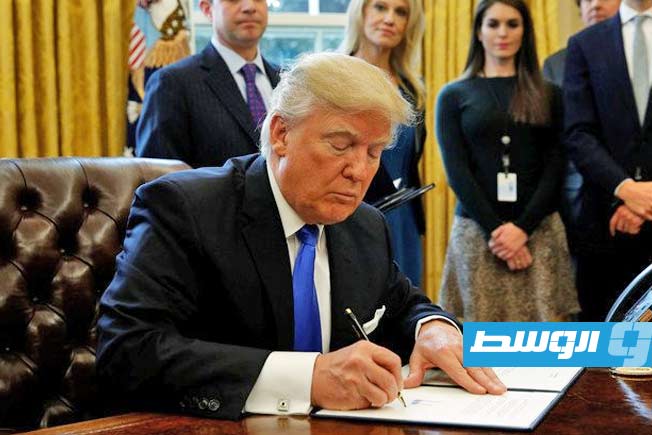
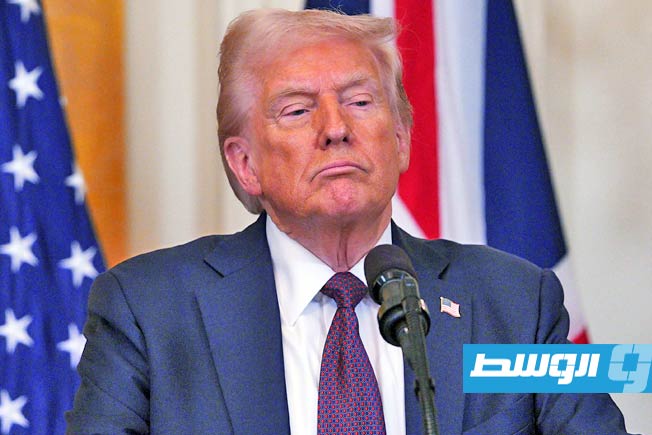
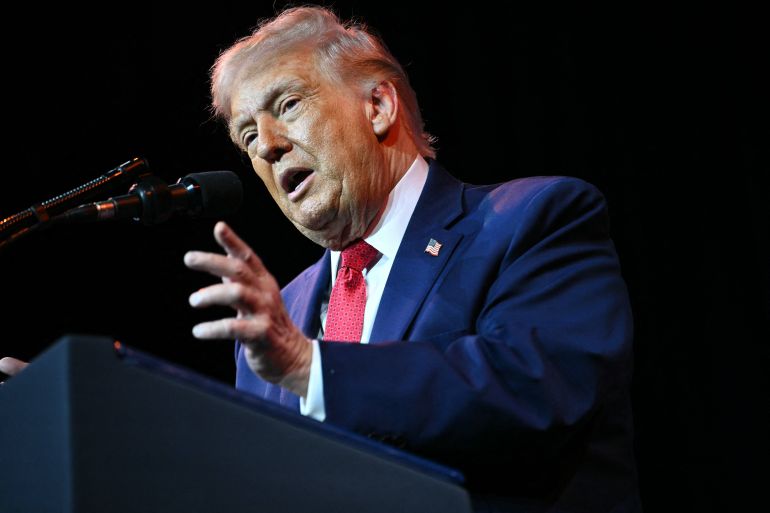
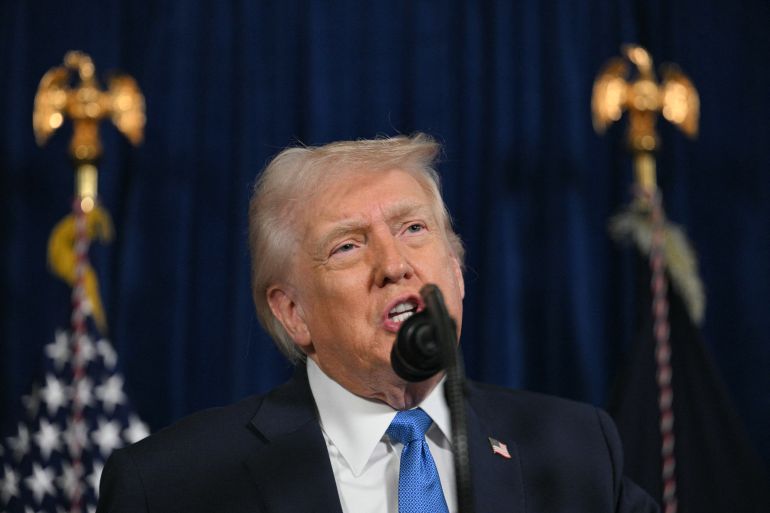
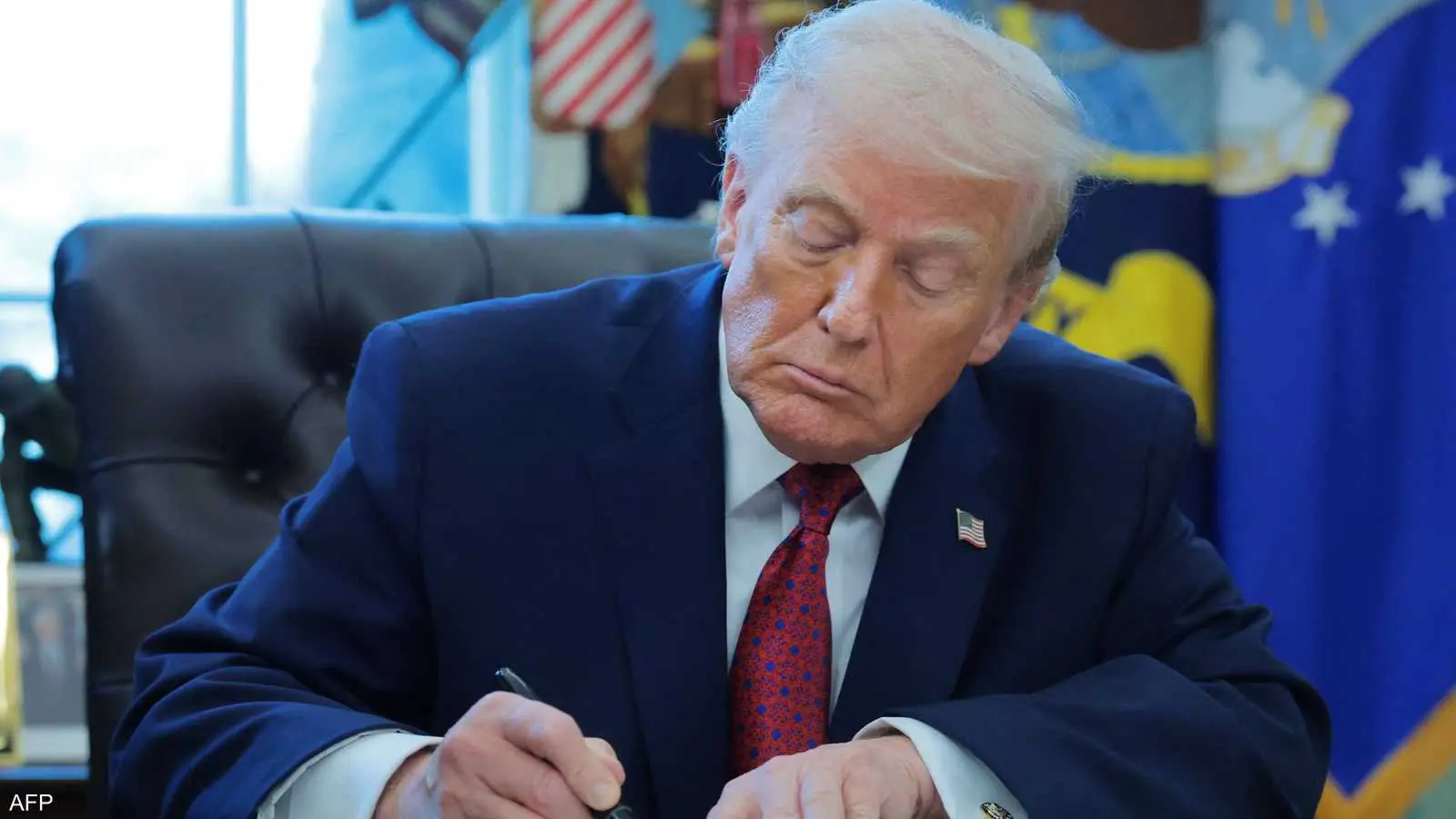
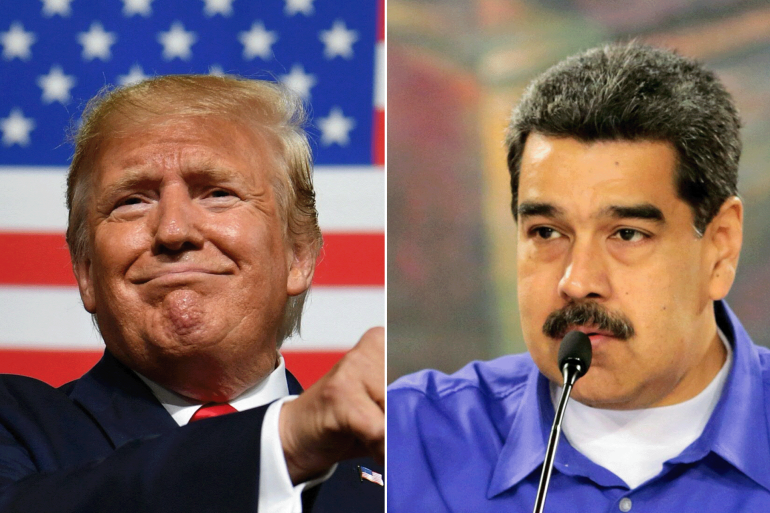
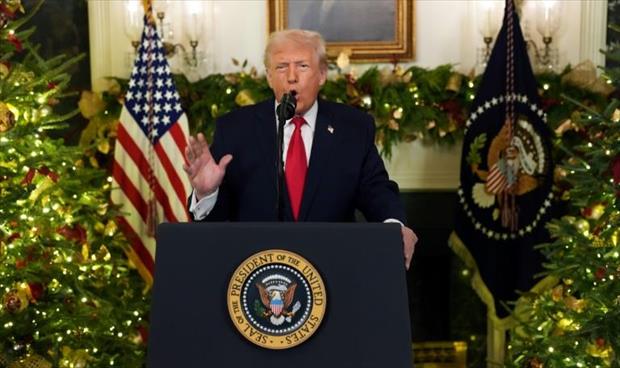
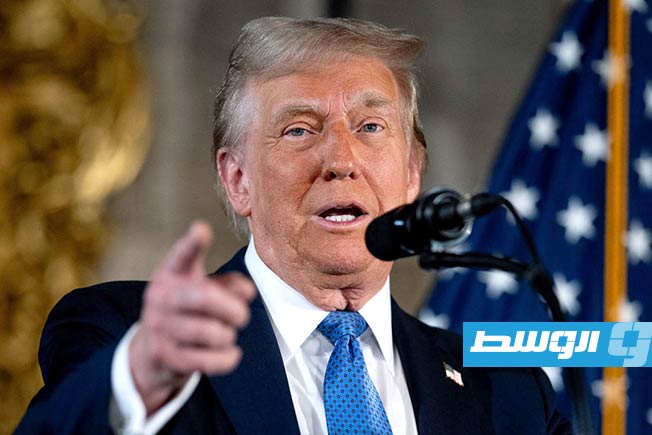
In recent days, the United States has continued to pressure Iran. US President Donald Trump announced on Thursday that a US military fleet is heading towards the Gulf.
Trump had repeatedly threatened to strike Iran in response to the authorities’ crackdown on recent protests in the country, before appearing to backtrack on that threat last week after stating that Tehran had suspended planned executions of protesters.
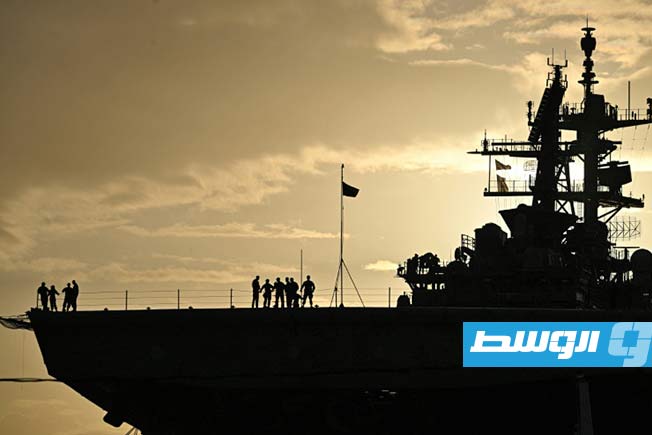
The US Department of Defense (the Pentagon) reported that the aircraft carrier USS Abraham Lincoln, which was stationed in the South China Sea, is currently heading to the Gulf region.
Air France
Air France is the flag carrier airline of France, founded in 1933 through the merger of several early French airlines. It has played a significant role in the development of commercial aviation, pioneering long-haul routes and later becoming a founding member of the SkyTeam global alliance.
Dubai
Dubai is a major global city and emirate in the United Arab Emirates, historically known as a small fishing and pearling village. Its modern transformation began with the discovery of oil in the 1960s, but it has since strategically diversified into a hub for tourism, finance, and trade, symbolized by iconic structures like the Burj Khalifa.
United Arab Emirates
The United Arab Emirates is a federation of seven emirates on the Arabian Peninsula, formed in 1971 after gaining independence from British protection. Historically a region of pearl diving, fishing, and trade, it has rapidly transformed into a global hub known for its modern cities, such as Dubai and Abu Dhabi, built upon significant oil wealth discovered in the mid-20th century.
Middle East
The Middle East is a transcontinental region centered on Western Asia and Egypt, historically home to some of the world’s earliest civilizations, including Mesopotamia and Ancient Egypt. It is the birthplace of major Abrahamic religions—Judaism, Christianity, and Islam—and has been a central crossroads for trade, empire, and cultural exchange for millennia. In the modern era, the discovery of vast oil reserves in the 20th century dramatically reshaped its geopolitical and economic significance.
Paris
Paris is the capital of France, historically founded as a Gallo-Roman settlement in the 3rd century BC. It is globally renowned as a center for art, fashion, and philosophy, with iconic landmarks like the Eiffel Tower and the Louvre Museum reflecting its deep cultural heritage.
Iran
Iran, historically known as Persia, is home to one of the world’s oldest continuous civilizations, with a rich history spanning thousands of years from the ancient Achaemenid Empire to the modern Islamic Republic established in 1979. Its cultural landscape is marked by significant sites like Persepolis, intricate Persian arts, and deep contributions to science, mathematics, and literature.
United States
The United States is a federal republic founded in 1776 after declaring independence from Great Britain, with its modern government established by the Constitution in 1789. Its history is marked by westward expansion, industrialization, and its emergence as a global superpower in the 20th century. The nation’s culture is a diverse blend of indigenous, European, African, and global influences.
Gulf
The Gulf, often referring to the Persian Gulf or Arabian Gulf, is a mediterranean sea in Western Asia with a history as a vital trade route for millennia, linking ancient Mesopotamian, Persian, and Indus Valley civilizations. Its strategic and economic importance, centered on the pearl trade historically and now on vast petroleum reserves, has made it a region of profound global significance and geopolitical interest.
US Department of Defense
The United States Department of Defense (DoD) is the federal department responsible for coordinating and supervising all agencies and functions of the government related directly to national security and the military. It was established in 1947 through the National Security Act, which unified the previously separate War Department and Navy Department under a single secretary.
Pentagon
The Pentagon is the headquarters of the United States Department of Defense, located in Arlington, Virginia. Constructed during World War II and completed in 1943, it was built to consolidate the nation’s war offices and remains one of the world’s largest office buildings.
USS Abraham Lincoln
The USS Abraham Lincoln (CVN-72) is a Nimitz-class nuclear-powered aircraft carrier commissioned in 1989, named for the 16th U.S. president. It has been deployed in major operations including the Gulf War and Operation Enduring Freedom, and famously served as the location for President George W. Bush’s “Mission Accomplished” speech in 2003.
South China Sea
The South China Sea is a strategically vital and resource-rich marginal sea bordered by several Southeast Asian nations and China, with its history deeply marked by ancient regional trade routes and maritime exploration. In modern times, it has become a significant geopolitical flashpoint due to overlapping territorial claims and competing assertions of sovereignty, particularly over island chains and maritime boundaries.
Gulf region
The Gulf region, also known as the Arabian Gulf, is a major geopolitical and economic area centered around the Persian Gulf. Its modern history has been profoundly shaped by the discovery of vast petroleum reserves in the 20th century, which transformed its societies and established it as a critical hub for global energy. The region is home to a rich cultural heritage, including ancient trade civilizations like Dilmun, and is today defined by its modern city-states and monarchies, such as Saudi Arabia, the United Arab Emirates, Qatar, and Iran.