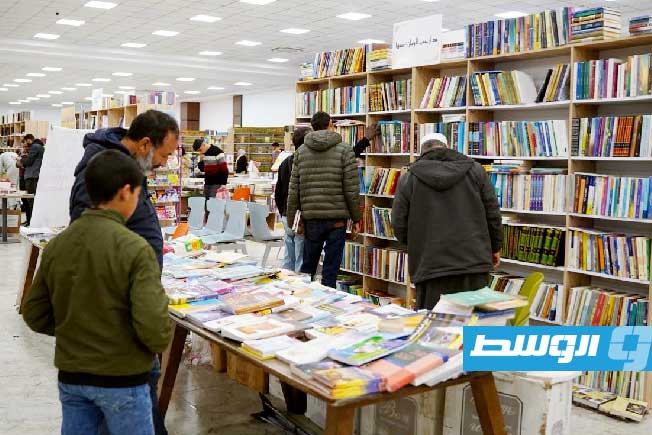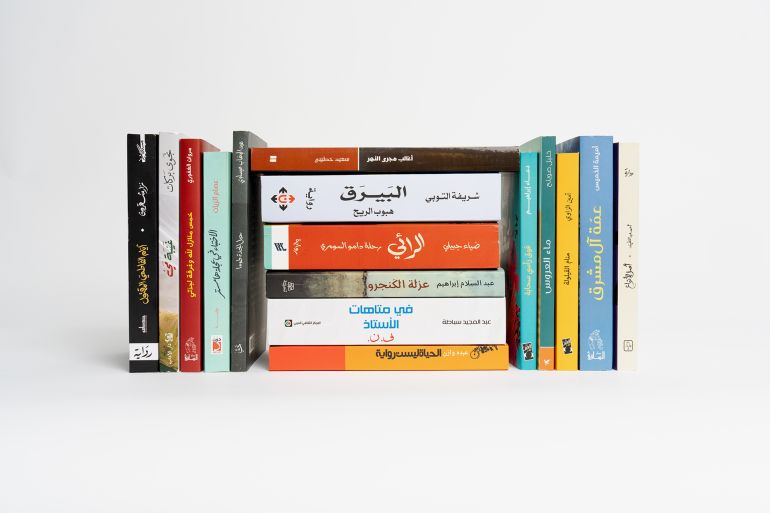
The allocation of a special pavilion for used book sellers, the “Warraqeen,” at the International Book Fair has sparked a wave of widespread interaction and nostalgic memories on social media platforms. Activists see the return of “sidewalk libraries” to the forefront of the cultural scene as a victory for popular knowledge.
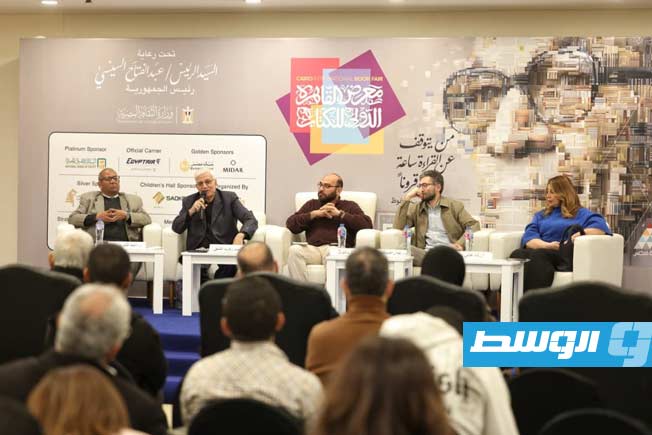
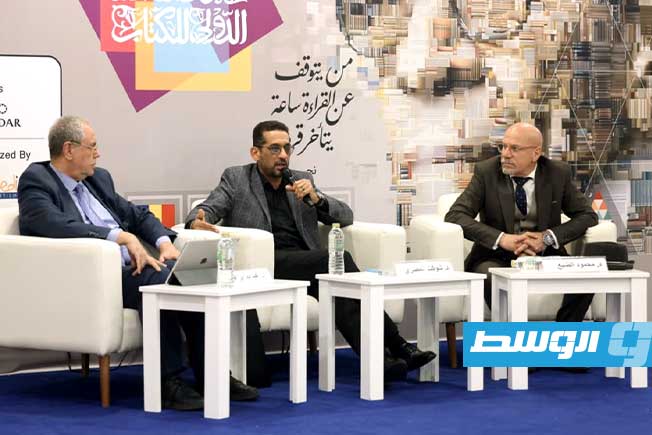
The launch of the Damascus International Book Fair, in its first edition after years of war and the fall of the previous regime, witnessed the participation of more than 500 Arab and foreign publishing houses from 35 countries.
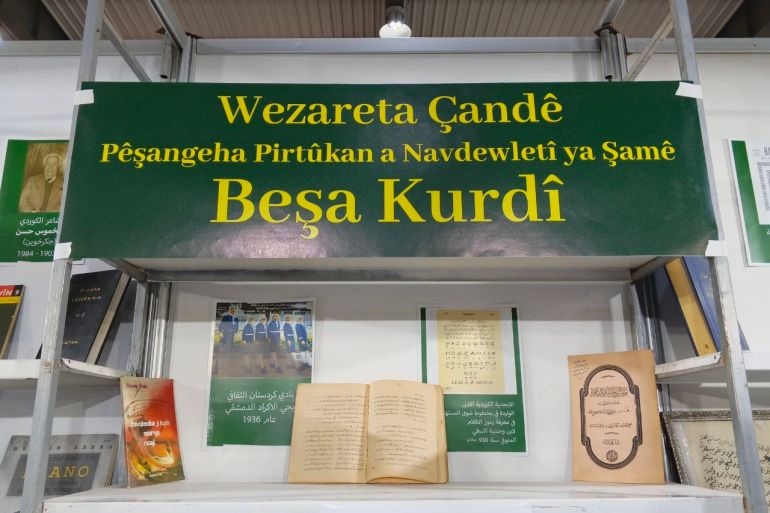
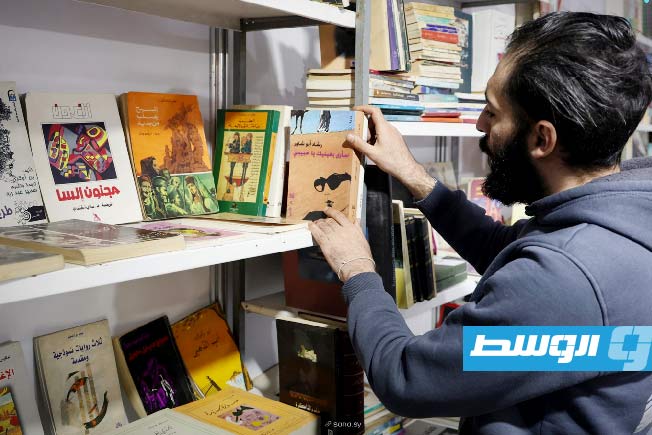
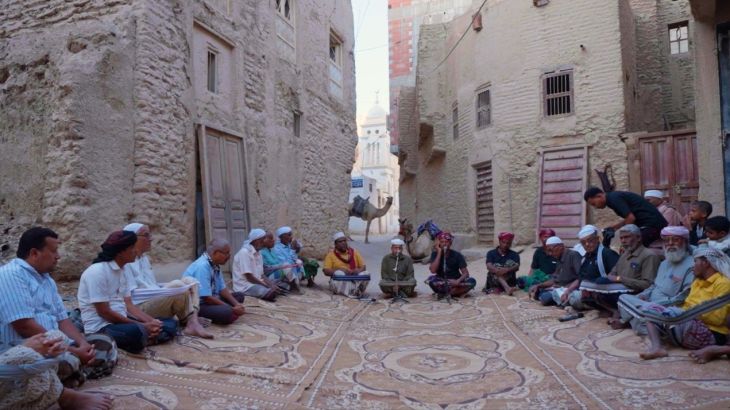
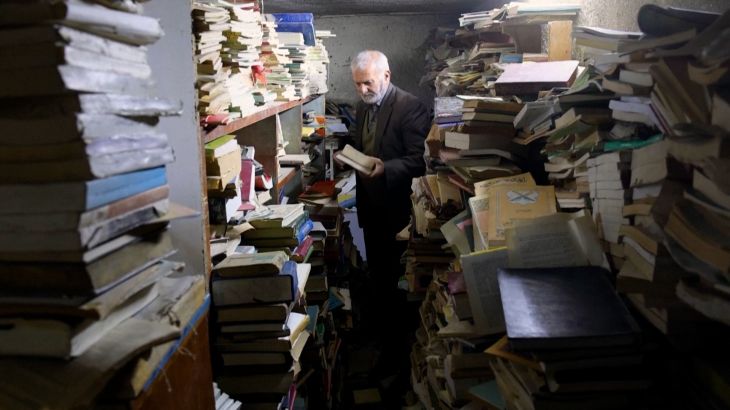
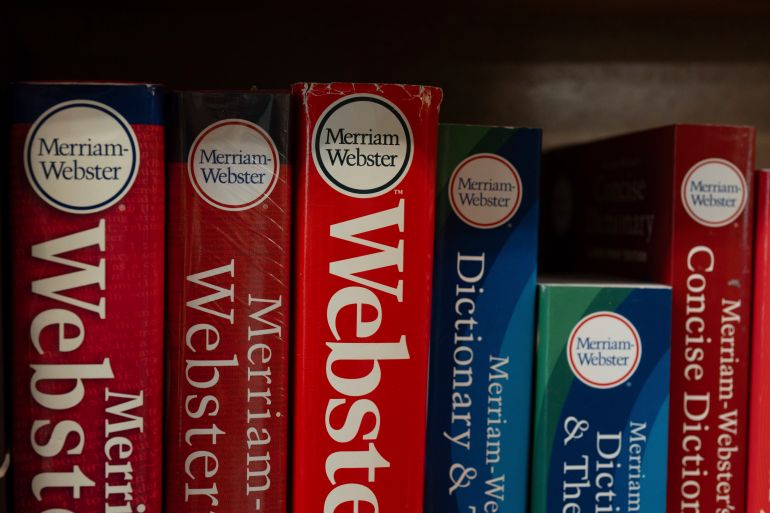
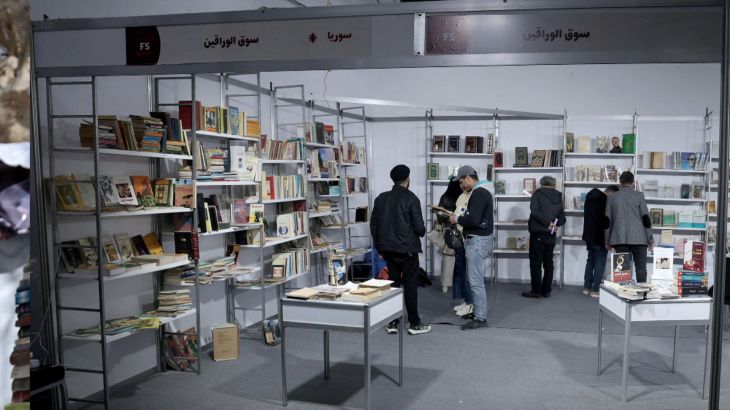
The book fair did not limit itself to displaying the latest releases but also drew attention with an unprecedented step: dedicating a pavilion for the “Warraqeen,” who spent decades spreading their books on the sidewalks and under the bridges of the capital.
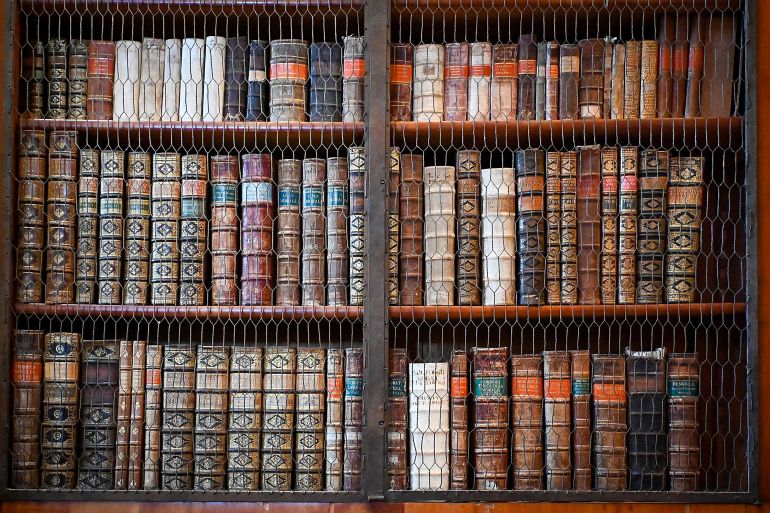
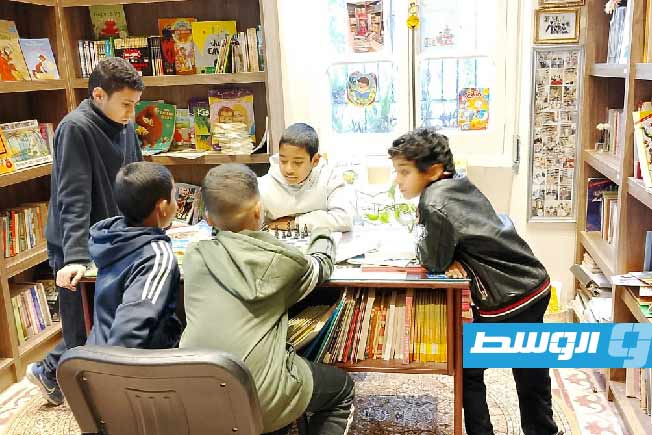
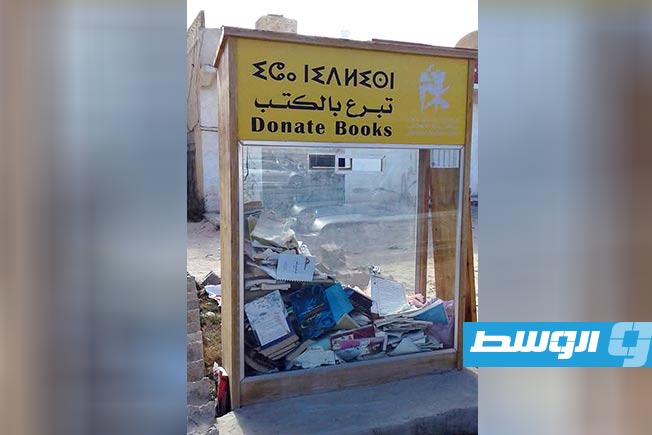
The idea was born from a youth initiative aimed at reviving the “sidewalk library,” which has long provided rare books and old editions at low prices accessible to everyone.
This step comes after years of restrictions, as the former Syrian regime had removed these libraries from famous areas like “Freedom Bridge” and “Al-Halabouni” shortly before its fall, under the pretext of preserving the public appearance.
Today, these sellers find an official place for themselves, to display home and personal libraries donated by their owners or heirs to be within reach of readers.
Between the Official and the Human
The episode (2026/2/11) of the program “Networks” monitored the platforms’ interaction with the allocation of a pavilion for used book sellers at the Damascus International Book Fair, and the responses regarding the historical value of “sidewalk books.”
One user made a literary comparison between buying a new book and its used counterpart, tweeting:
At the book fair, you buy books as if you are performing an official procedure: you enter through a large gate, pass through orderly pavilions, touch new covers, and pay for a clean book… it resembles an official stamped document!! At the sidewalk library, you buy a life that passed through here and left its mark between the pages.
Another user believed that the shine of new books sometimes overshadows used ones, saying:
Books at the book fair are valued by people more than sidewalk books.
Another user used literary metaphors to describe the reading experience, writing:
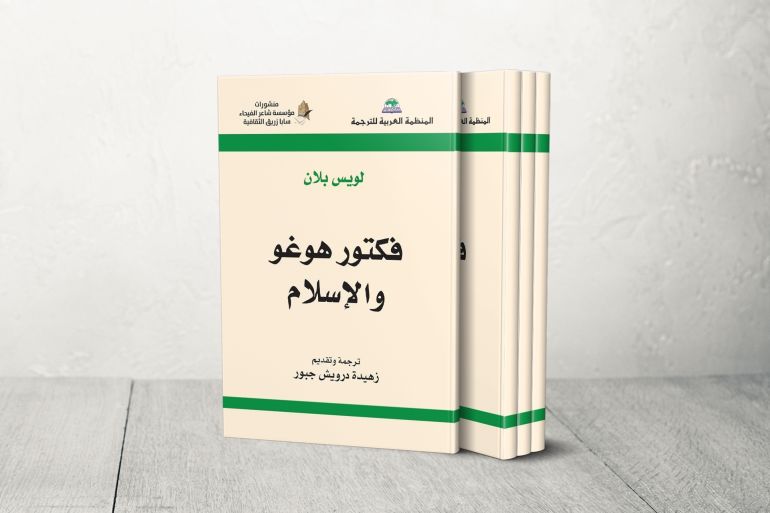
At the book fair, it’s as if you are crossing a wardrobe into the land of wonders and the land of Zikola, while at the sidewalk fair you buy a ticket to travel on the Orient Express with Agatha Christie and share a loaf of bread dipped in ink with Victor Hugo’s Les Misérables.
Meanwhile, another user expressed a critical viewpoint related to urban organization, commenting:
Frankly… selling books on the sidewalk is an unaesthetic phenomenon that harms the city’s appearance… besides obstructing pedestrians on the sidewalk, the value of books is greater than being placed on the sidewalk.
Another user championed the Warraqeen, describing them as the true makers of culture, saying:
If we are intellectuals, we became educated at their hands. They deserve credit for making the book available as a means of knowledge, simply and at a reasonable price, in the hands of its readers. They have every right to have their place in the fair and in the new Syria.