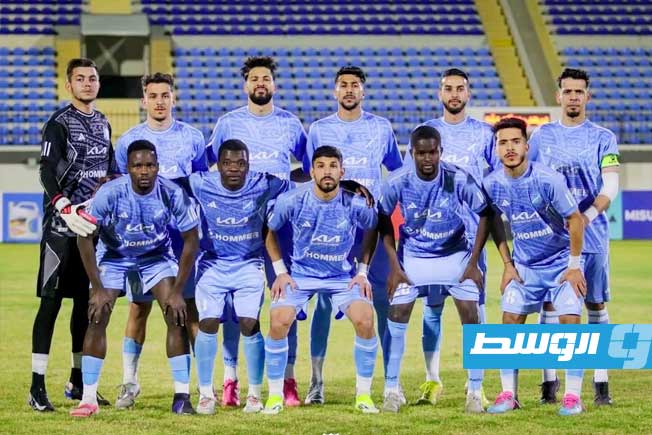
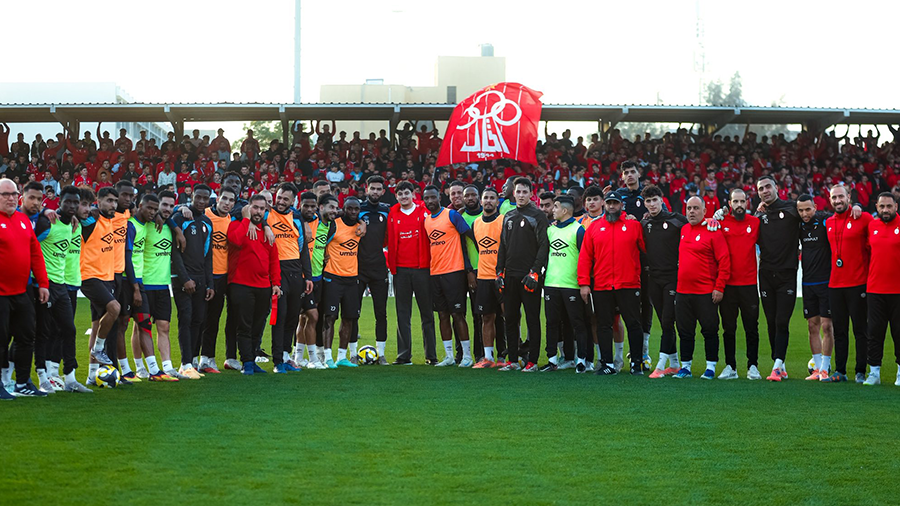
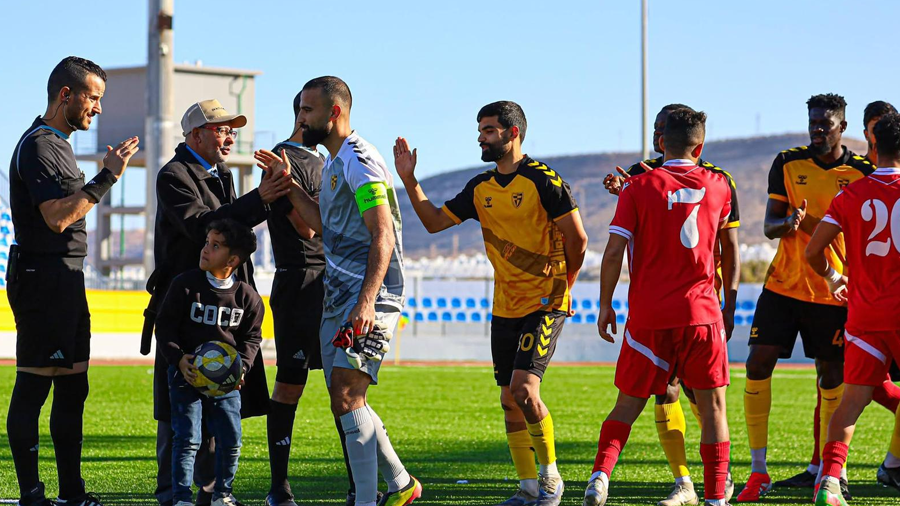
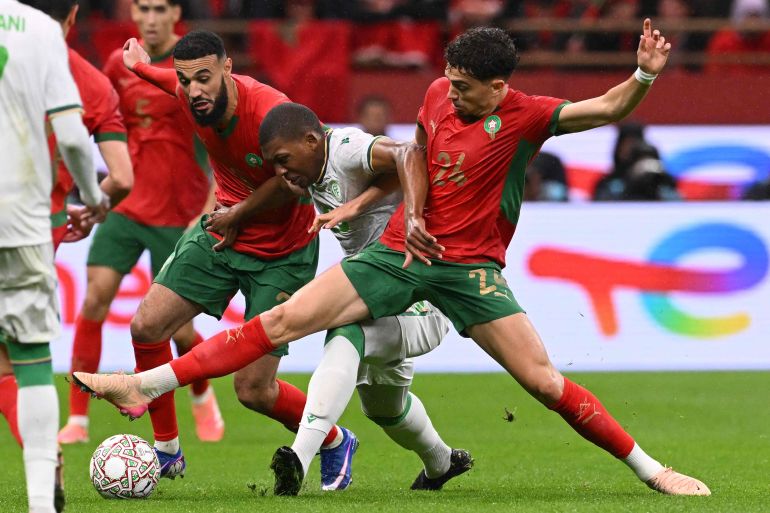
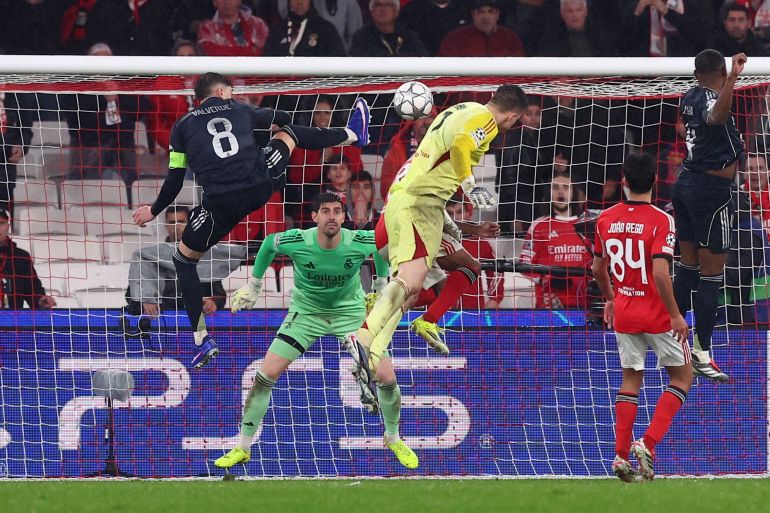
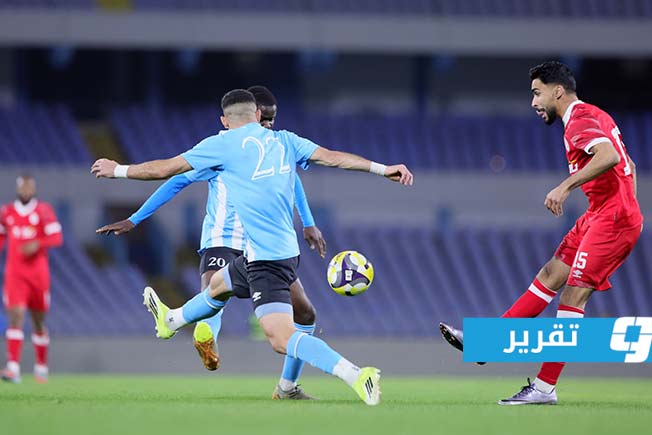
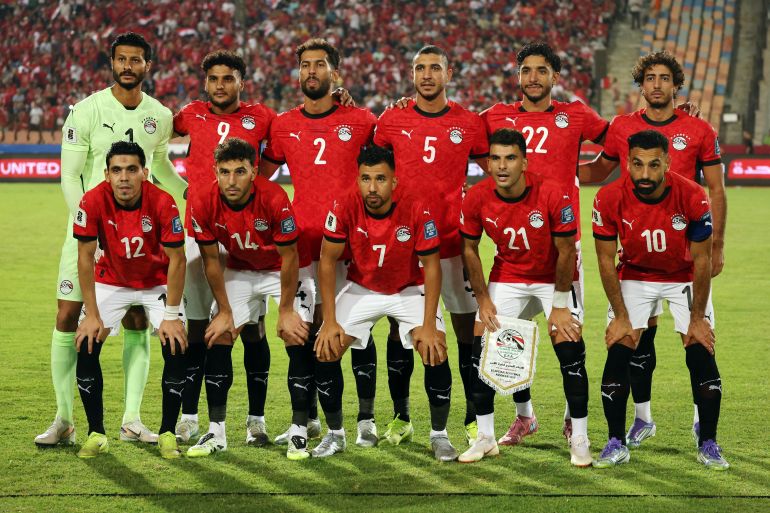
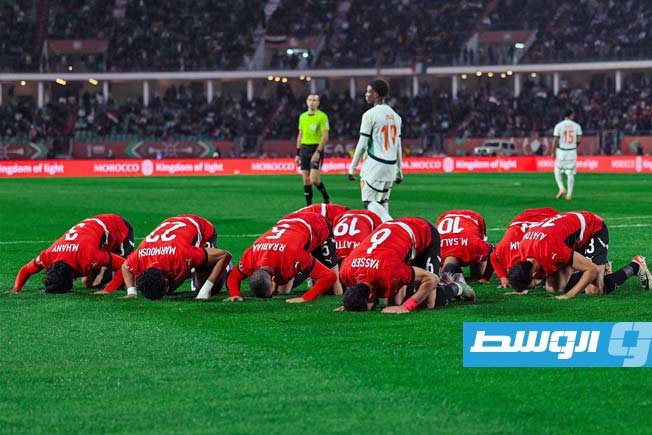
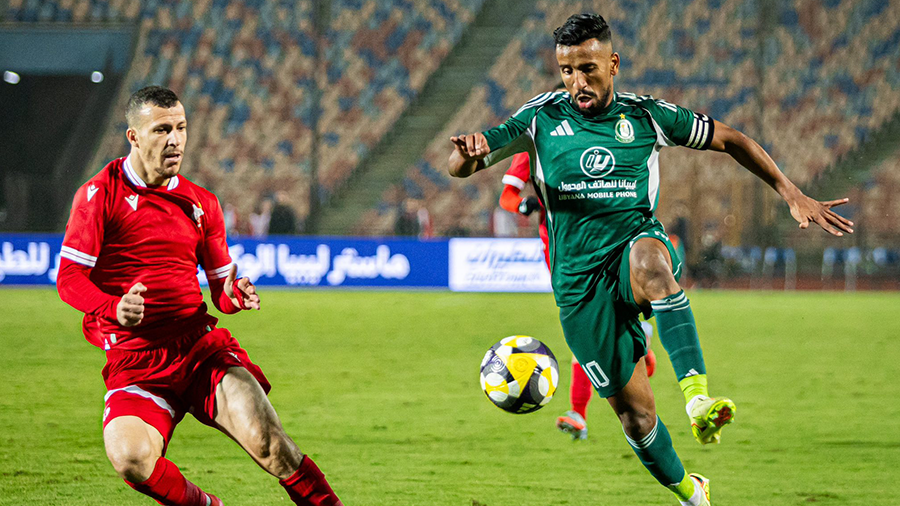
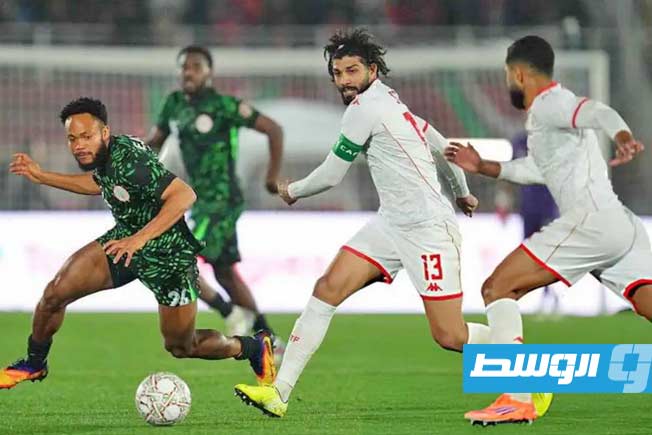
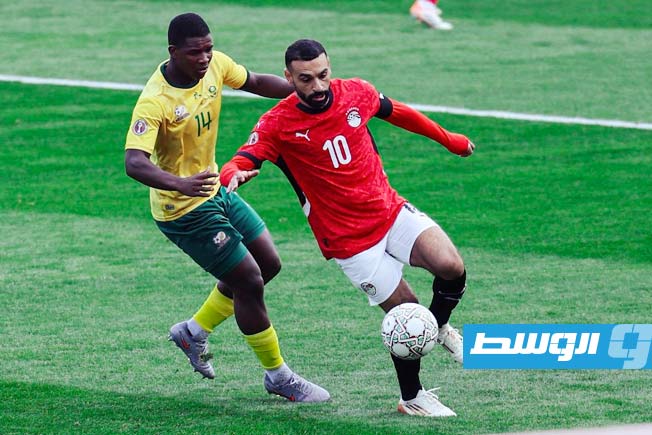
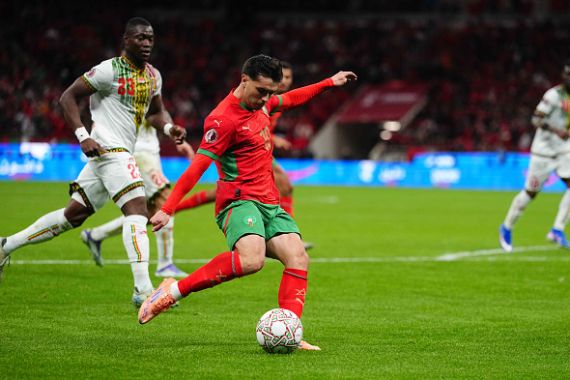
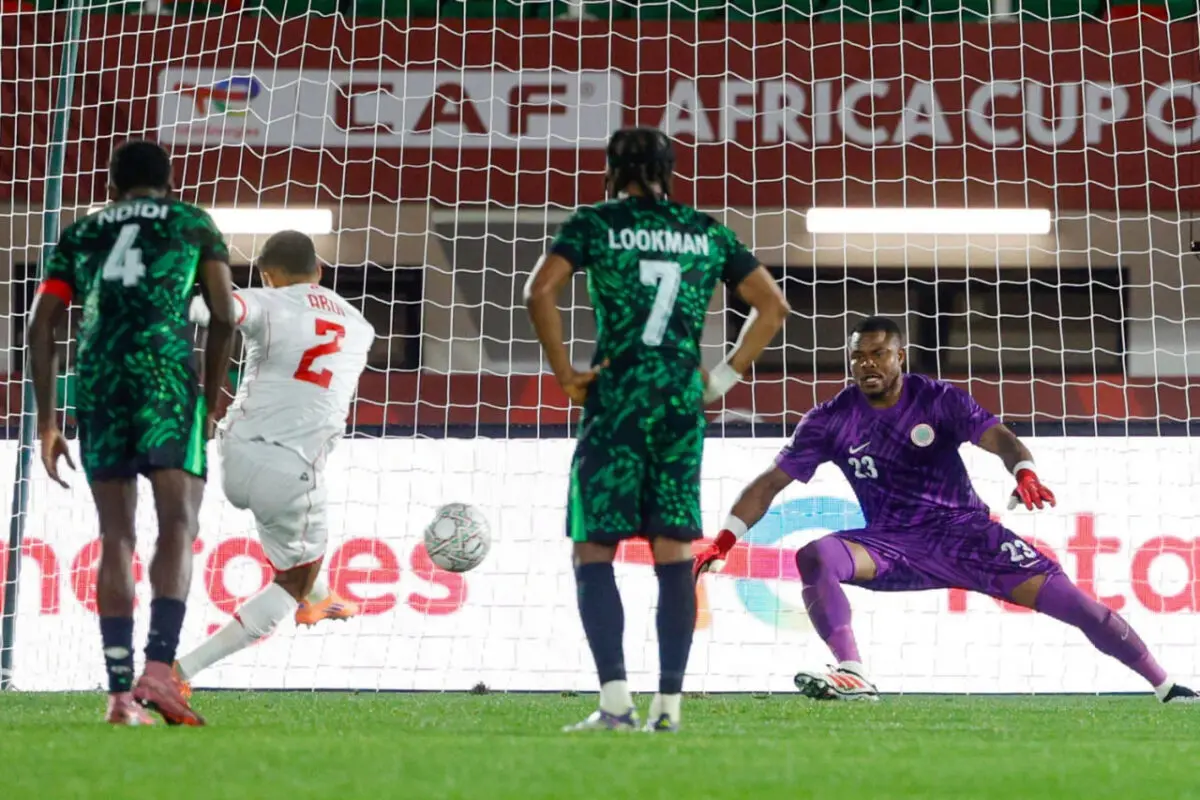
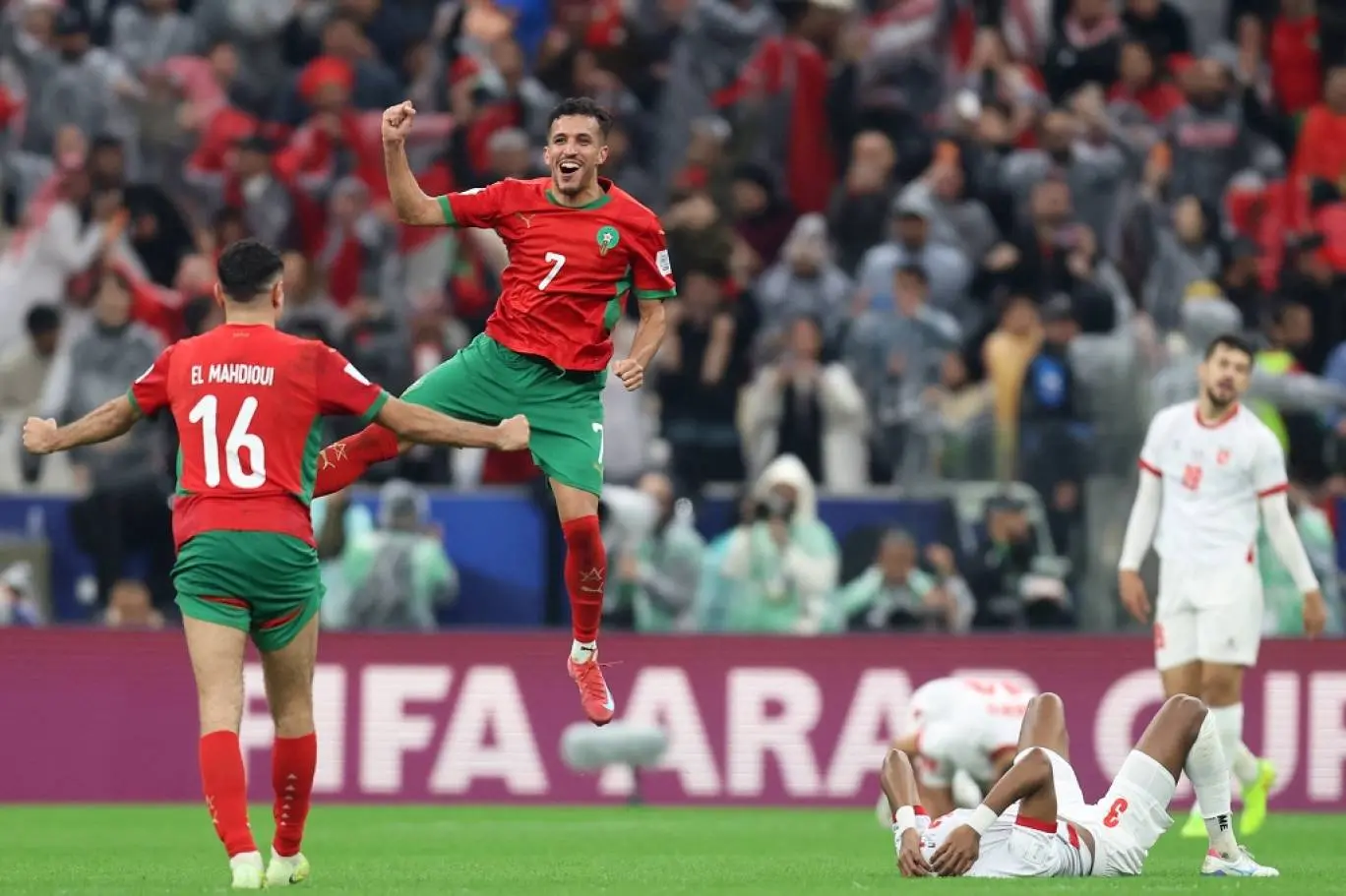
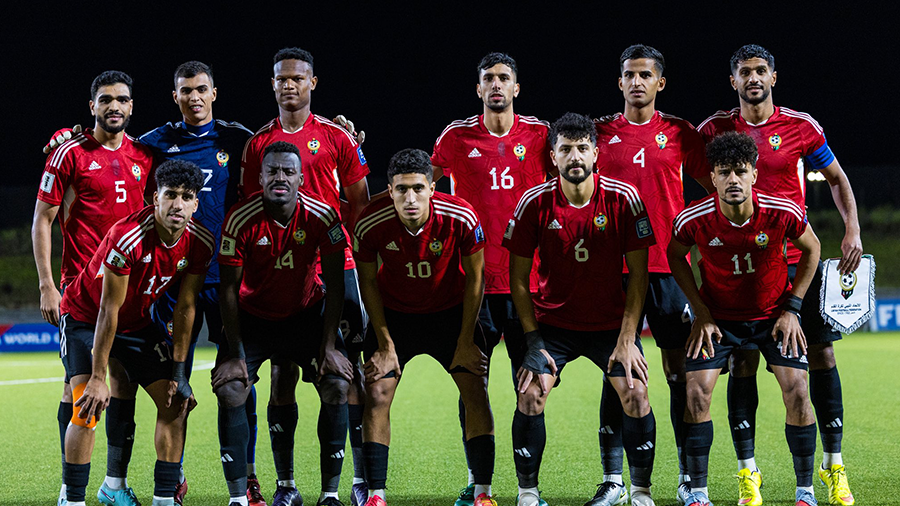
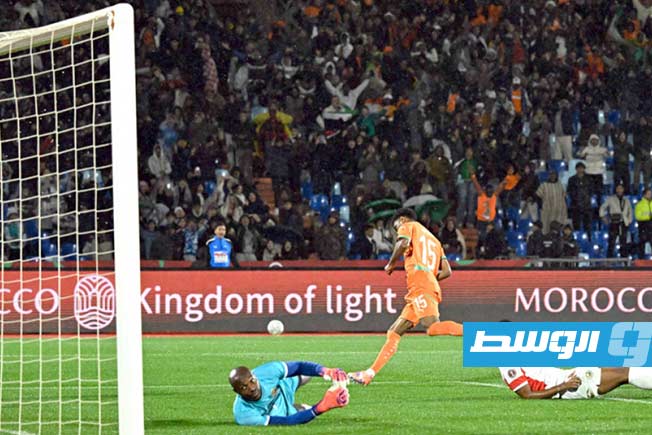
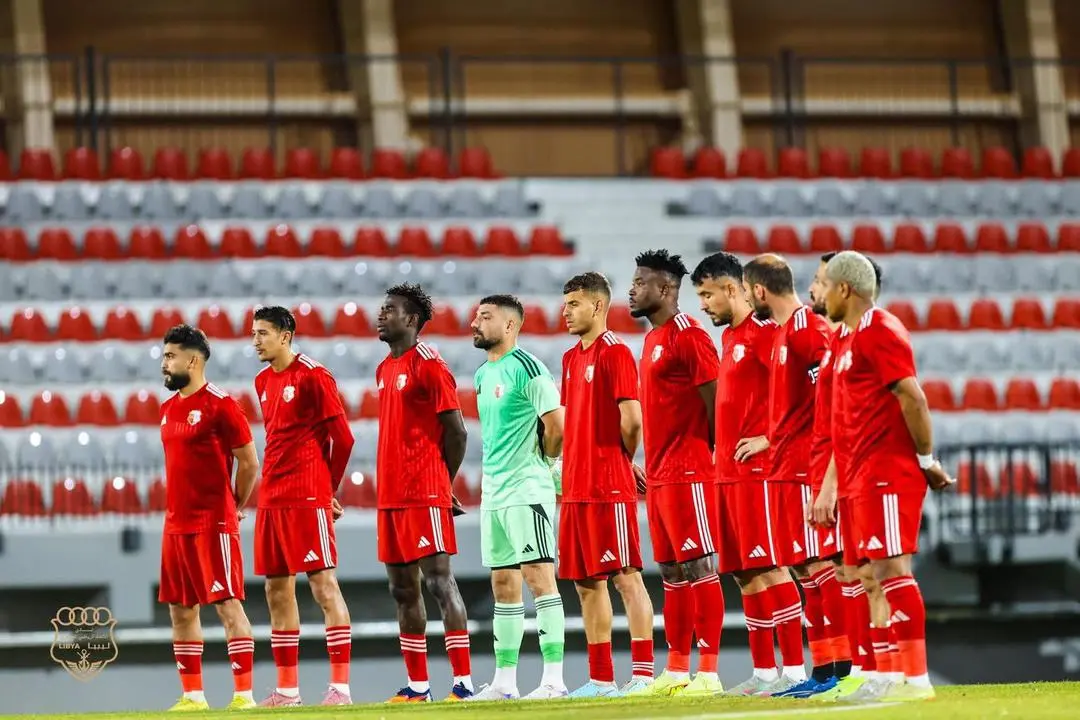
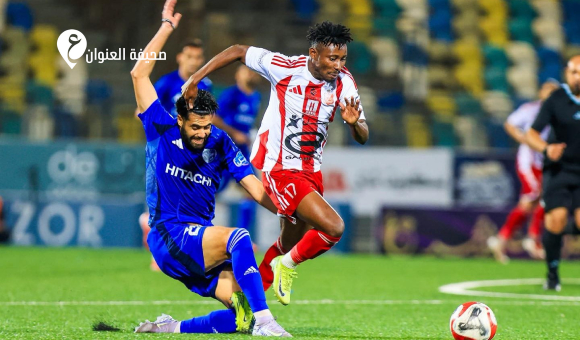
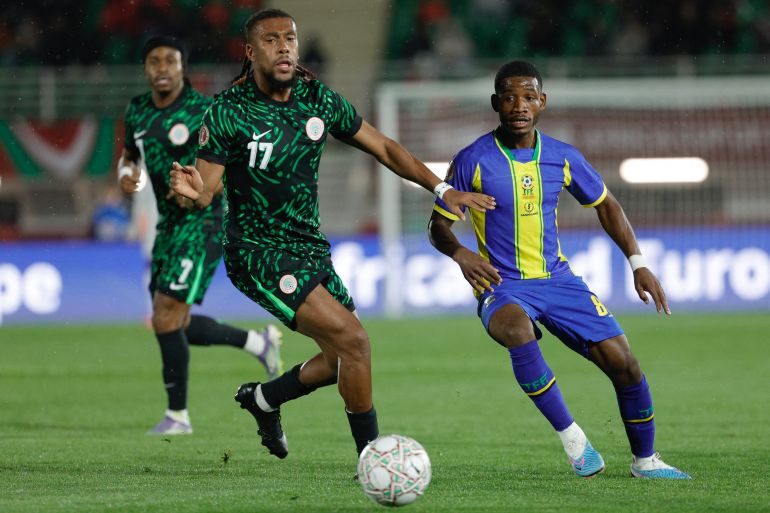
Tunisian national team midfielder Hannibal Mejbri took responsibility for his team’s 1-1 draw against Tanzania on Tuesday, concluding both teams’ journey in Group 3 of the Africa Cup of Nations in Morocco.
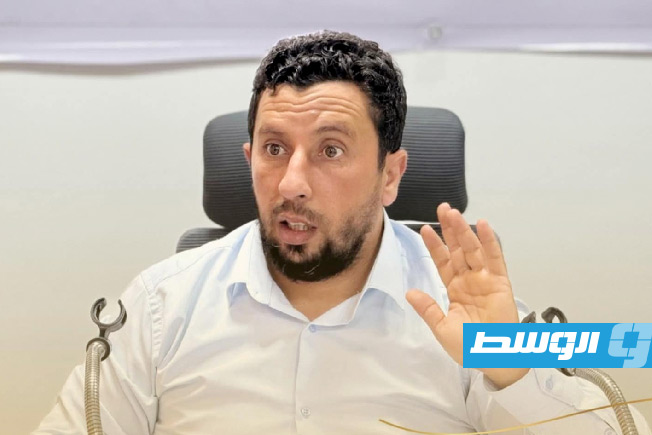
He said after the match: “We certainly wanted to win, but we achieved the most important thing, which is qualifying for the second round.”
The Tunisian player added: “We tried to keep possession of the ball, but we made a lot of mistakes.”
He concluded: “I made a mistake and caused the equalizing goal for the opposing team. If not for this error, we would have succeeded in winning this match.”
The team collected 4 points in its group stage campaign, qualifying alongside the group winner (9 points) and Tanzania (2 points) among the best third-placed teams from the first-round groups.
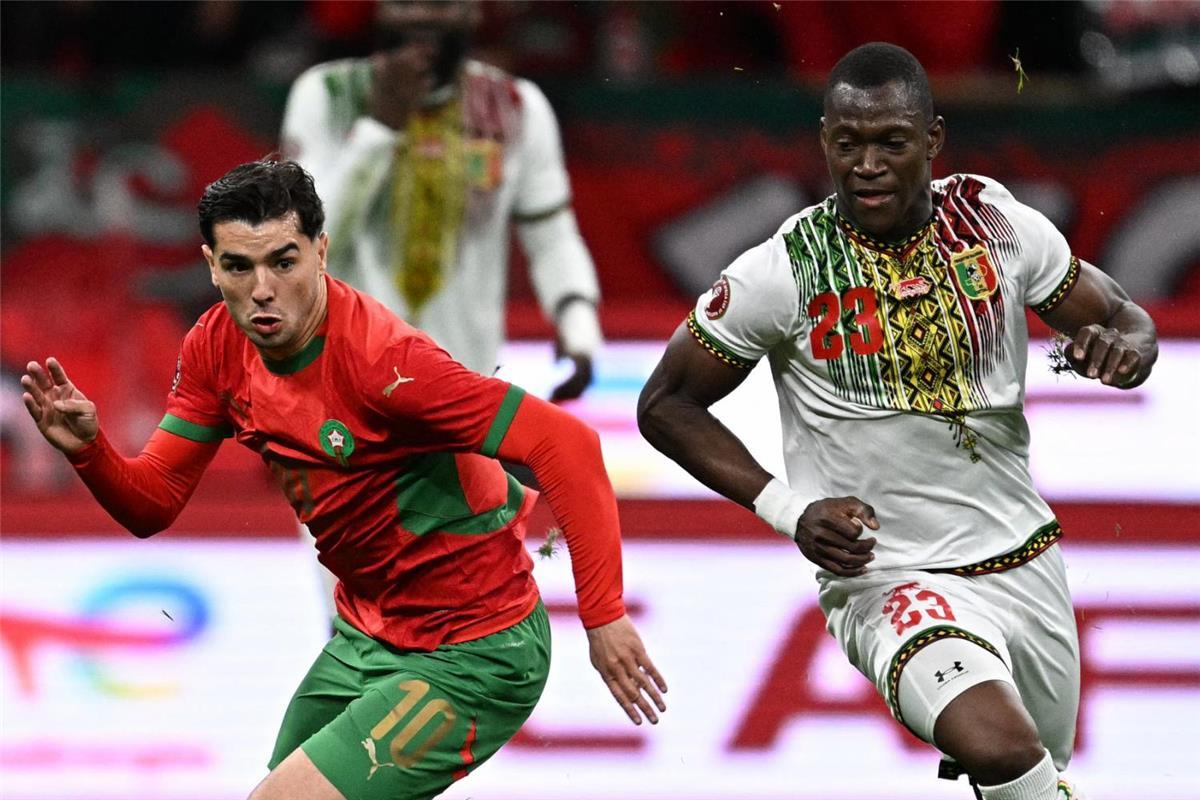
The Tunisian national team will play against Mali next Saturday in the round of 16.
Tunisian national team
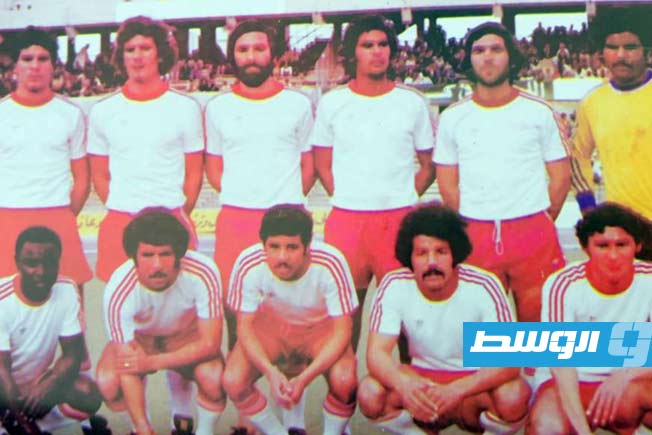
The Tunisian national football team, known as “The Eagles of Carthage,” represents Tunisia in international men’s football. It was founded in 1957, shortly after the country’s independence, and made history by becoming the first African team to win a World Cup match when it defeated Mexico in 1978.
Tanzania
Tanzania is an East African nation home to significant cultural and natural sites, most notably the island of Zanzibar with its historic Stone Town—a UNESCO World Heritage site reflecting centuries of Swahili and Omani influence—and the Serengeti plains, known for ancient human history linked to some of the earliest hominid fossils. The mainland, historically comprising Tanganyika and Zanzibar, merged in 1964 after gaining independence from British and Arab rule.
Africa Cup of Nations
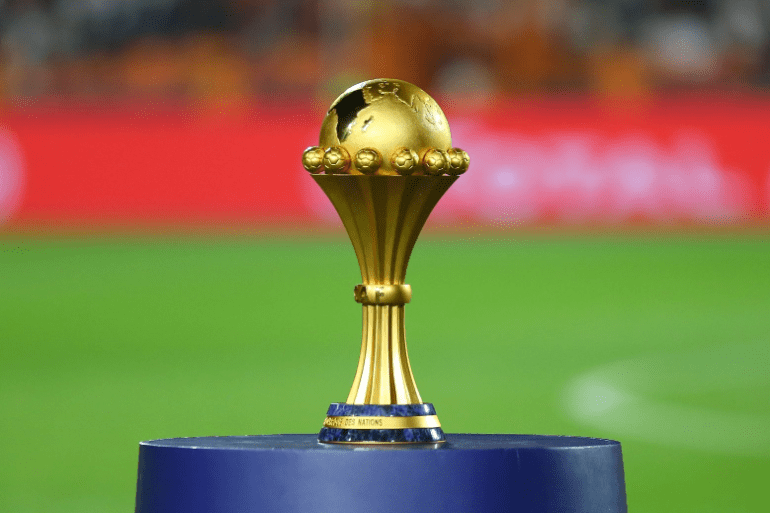
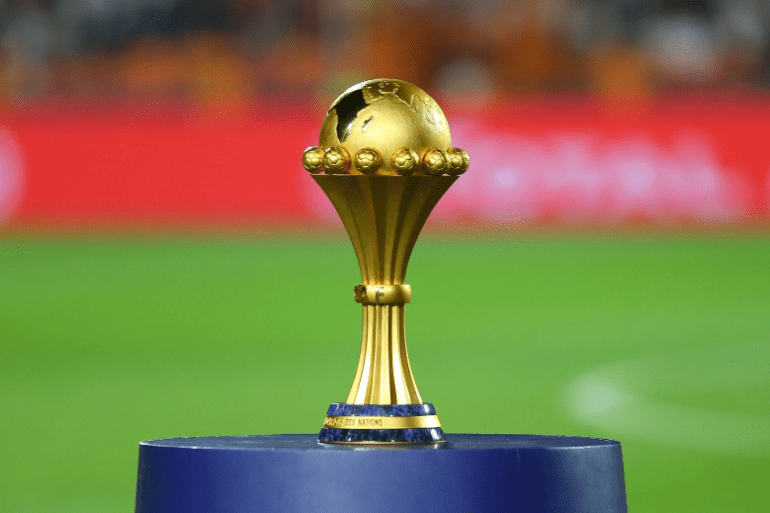
The Africa Cup of Nations (AFCON) is the premier international men’s football competition in Africa, first held in 1957. It was founded to unite African nations through sport and has grown from three initial participants to a major tournament featuring 24 national teams.
Morocco
Morocco is a North African country with a rich history shaped by indigenous Amazigh (Berber) cultures, Arab influence from the 7th century, and successive dynasties like the Almoravids and Almohads. Its cultural sites, such as the ancient city of Fez and the Koutoubia Mosque in Marrakech, reflect this blend of Arab, Islamic, and Amazigh heritage. The country is also known for its well-preserved medinas, kasbahs, and the strategic Strait of Gibraltar.
Mali
Mali is a West African nation historically renowned as the heart of several powerful empires, most notably the Mali Empire, which flourished from the 13th to 16th centuries and was famed for its wealth, scholarship in Timbuktu, and the pilgrimage of Mansa Musa. Today, it is home to significant UNESCO World Heritage Sites like the ancient cities of Timbuktu and Djenné, though many of its cultural treasures face threats from environmental degradation and conflict.