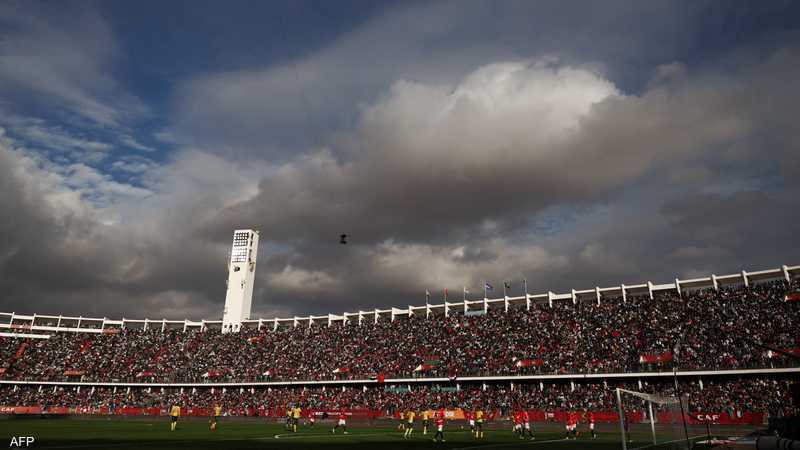
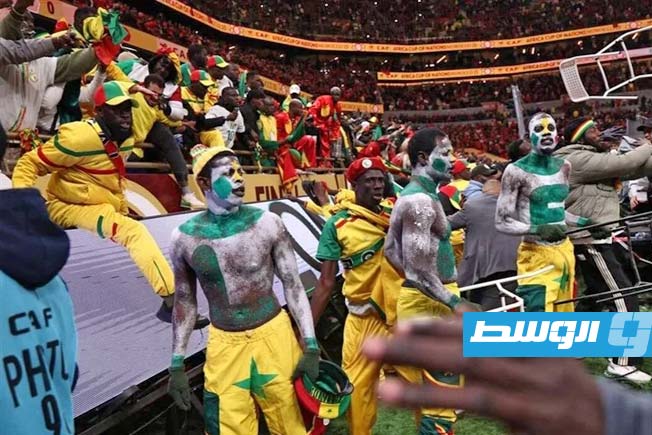
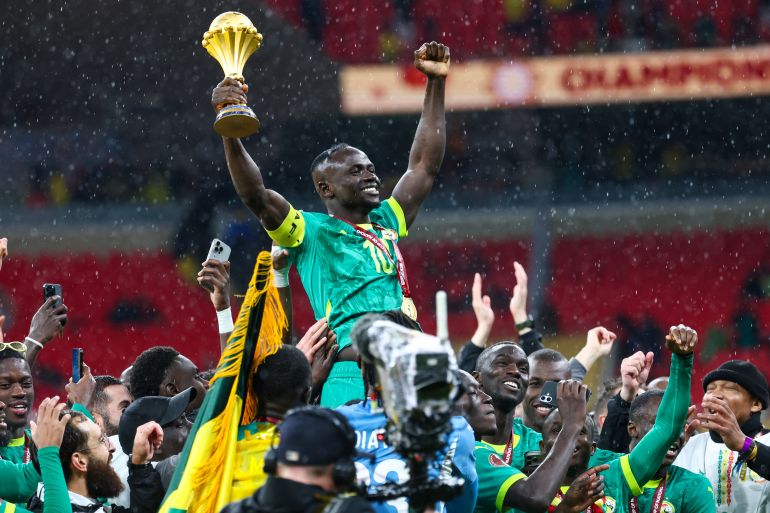
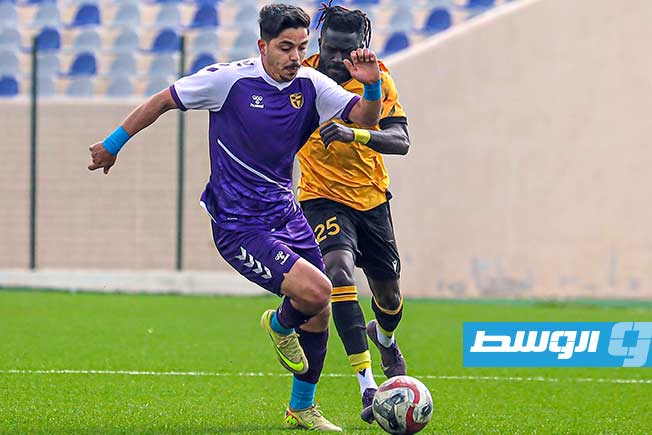
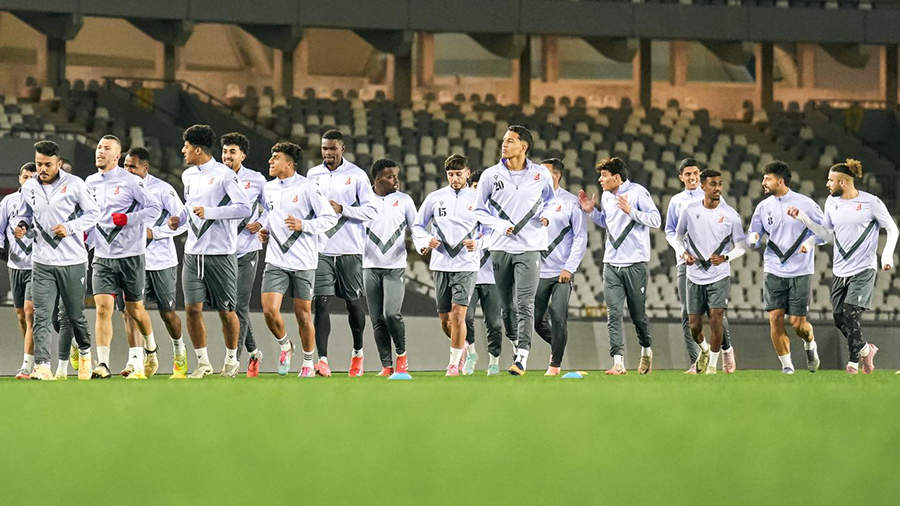
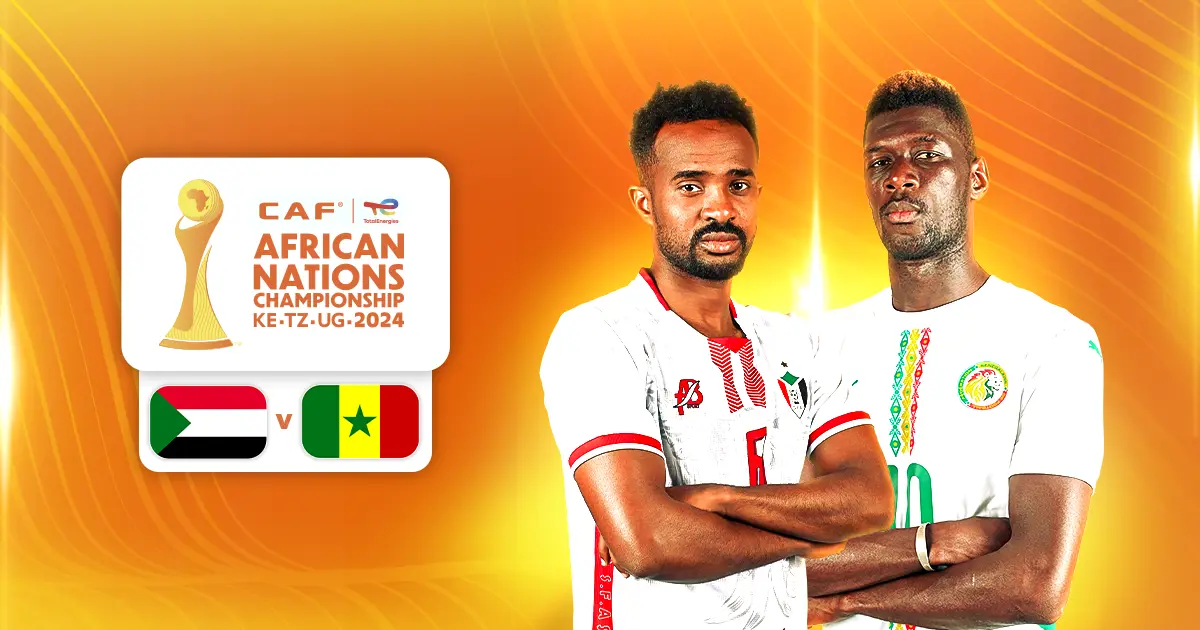
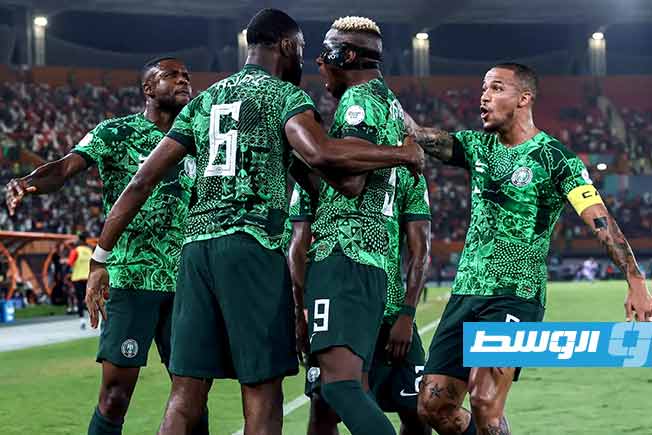
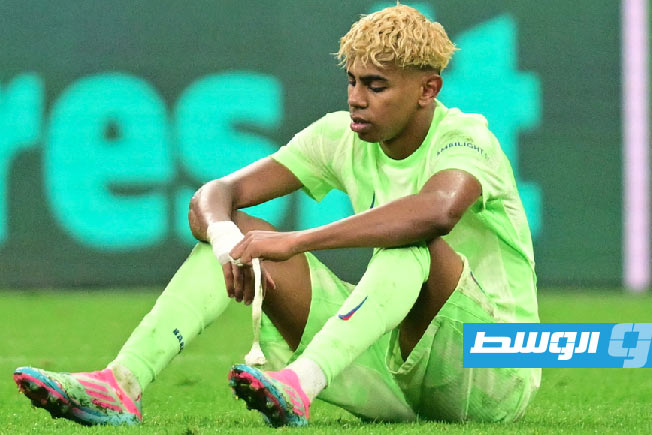
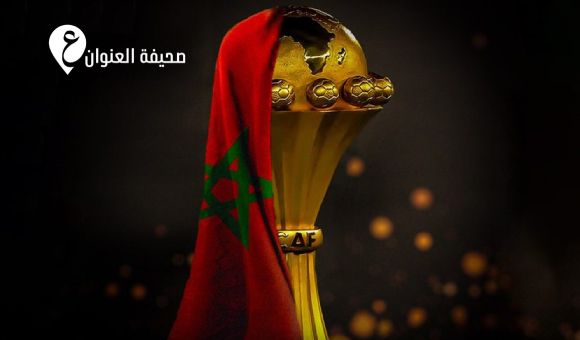
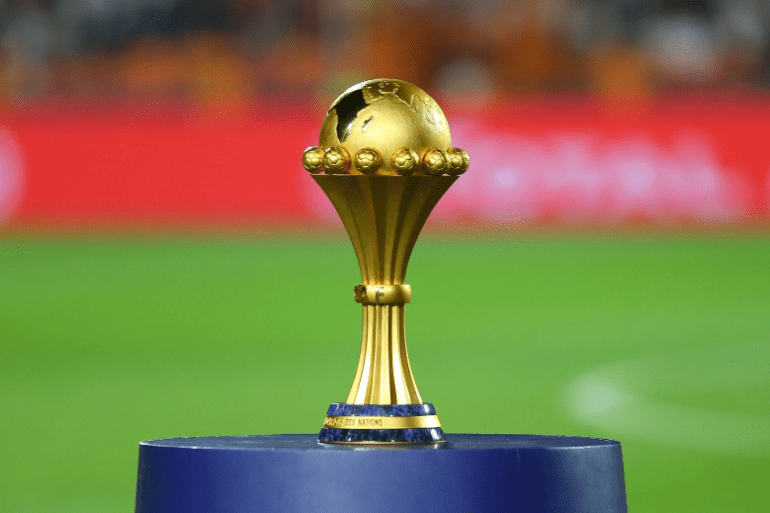
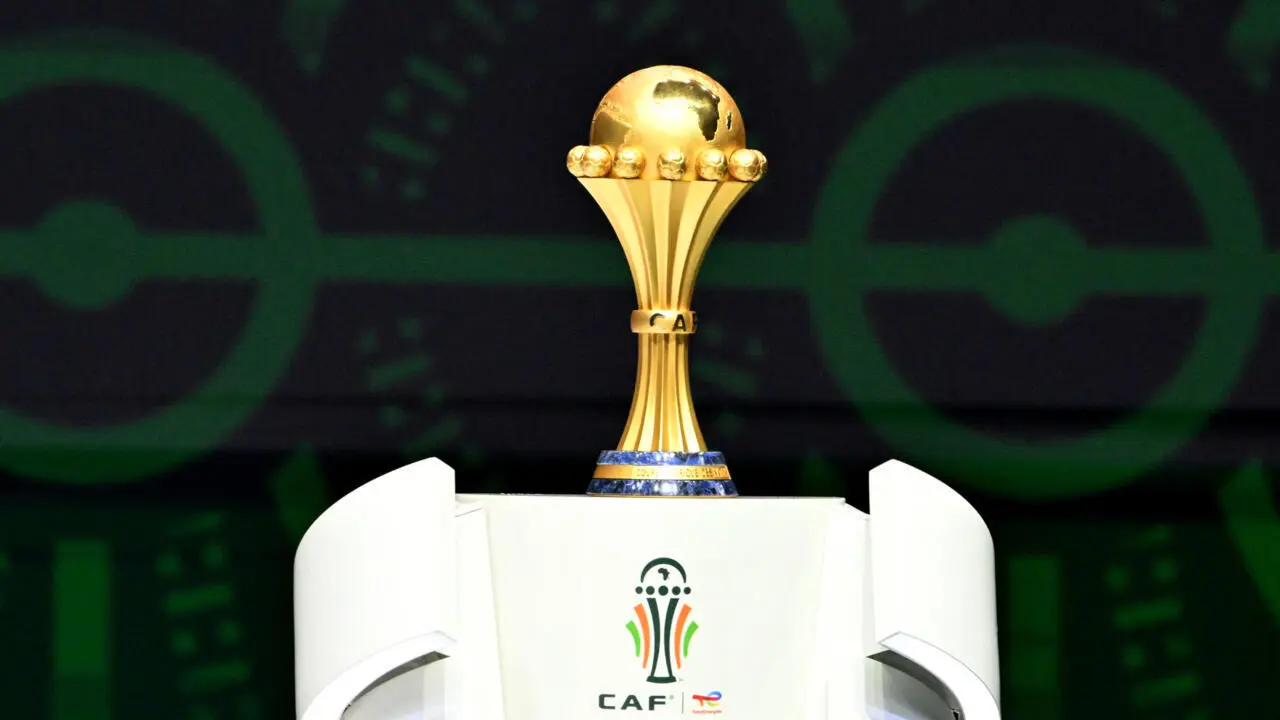
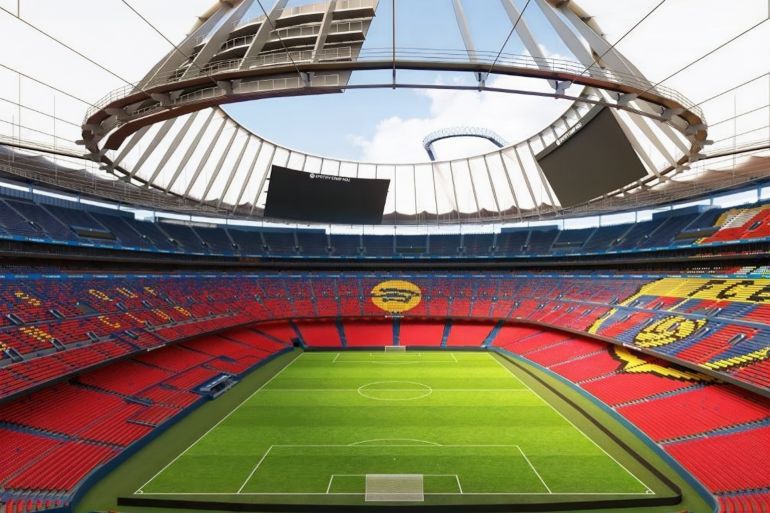
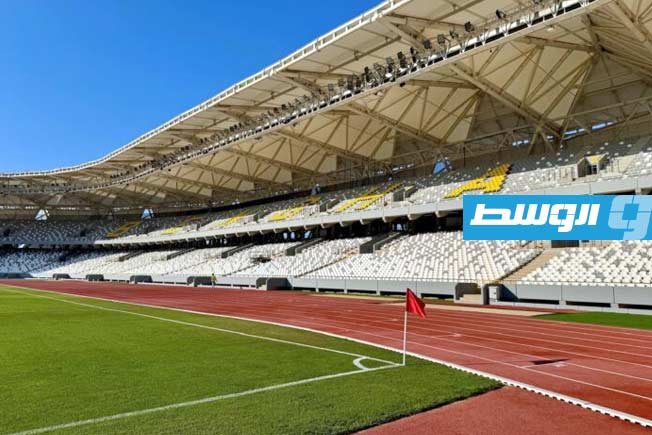
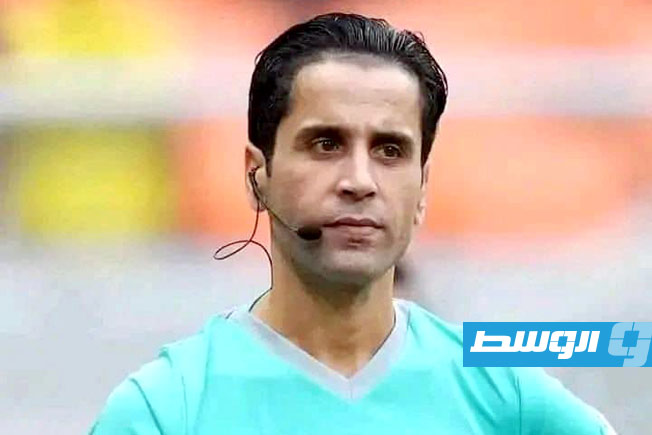
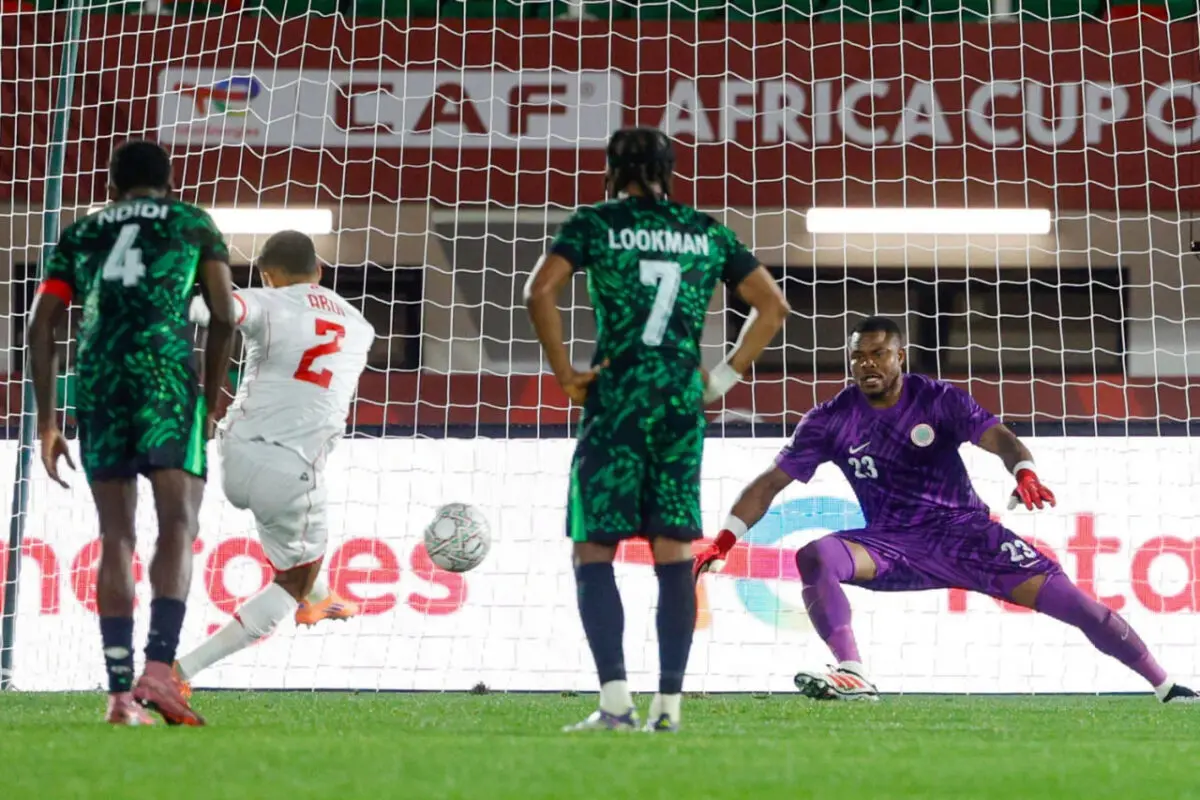
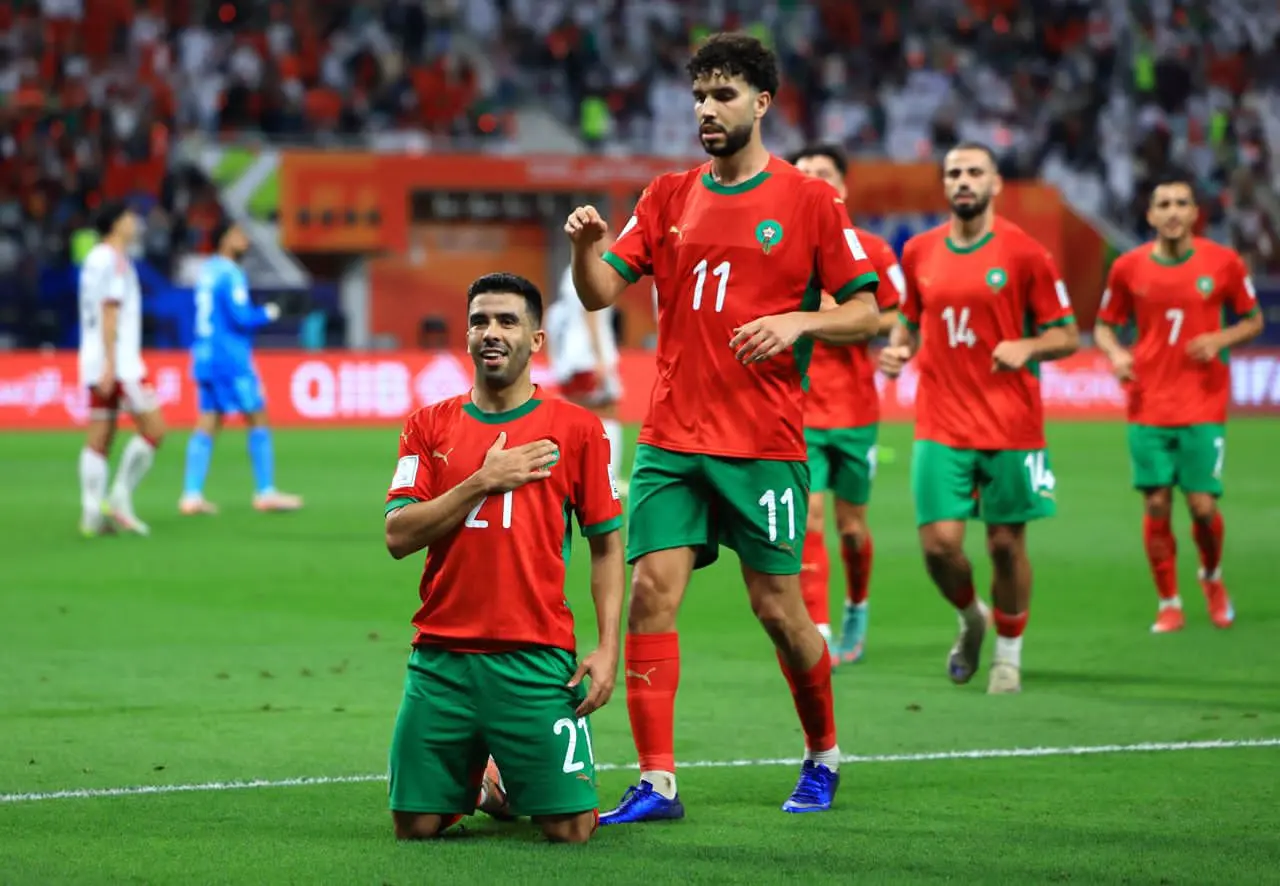
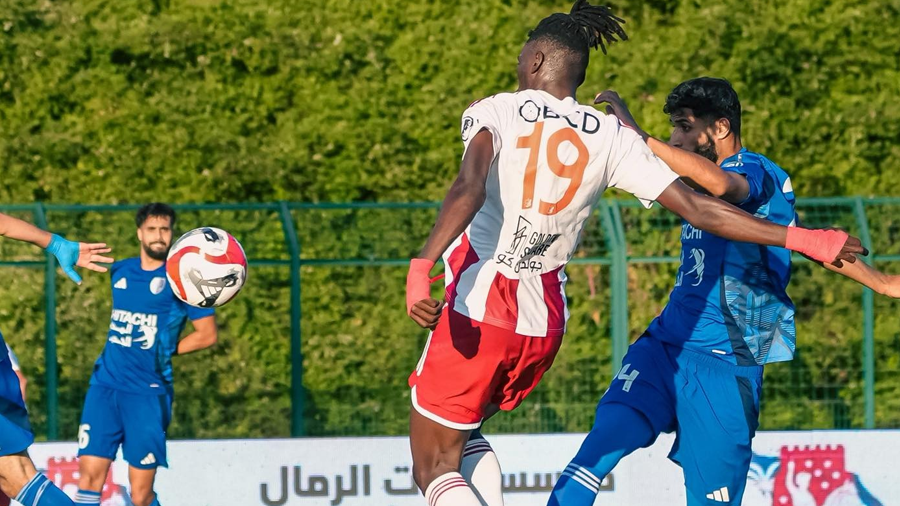
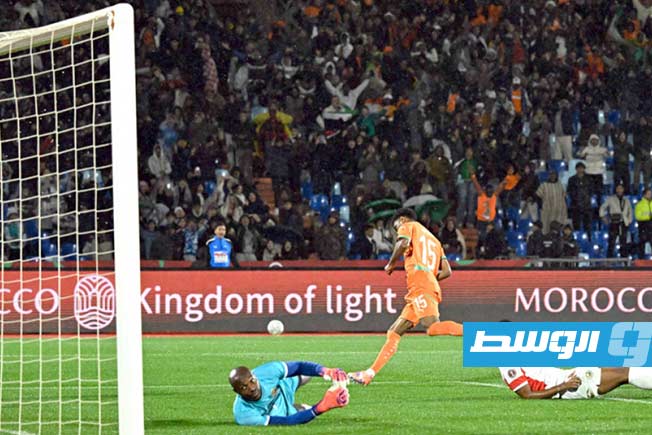
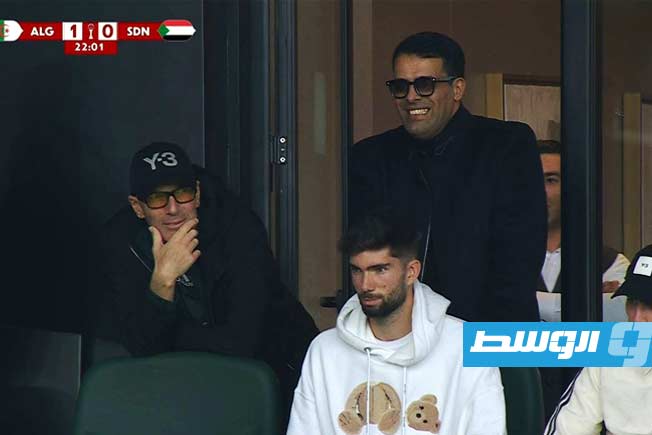
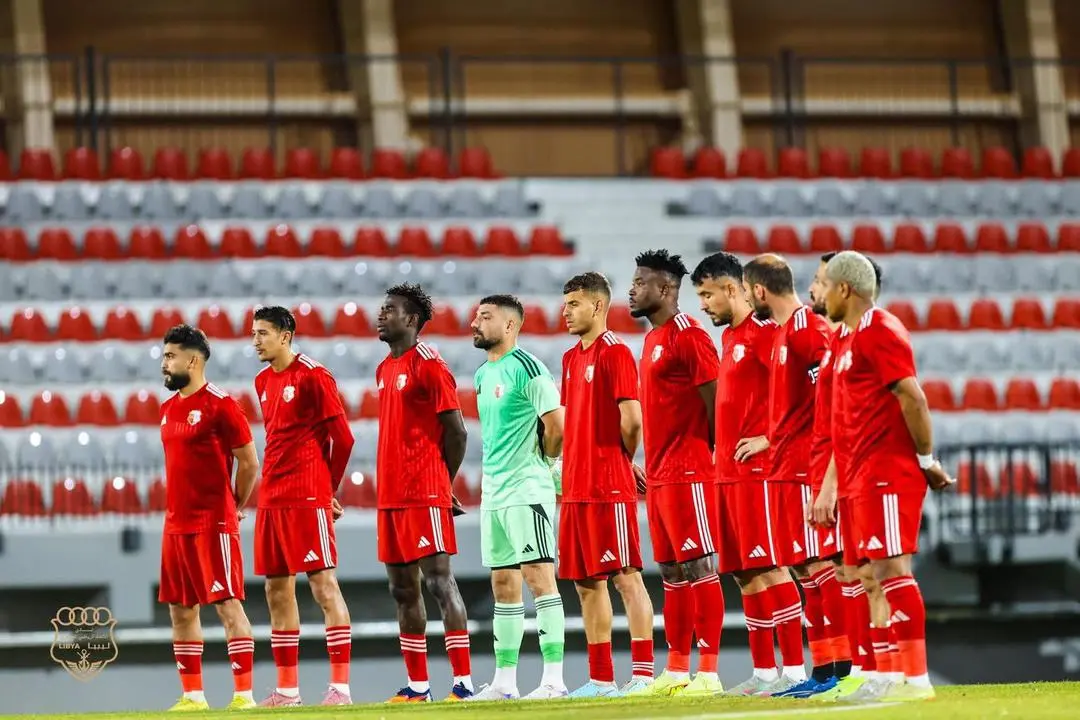
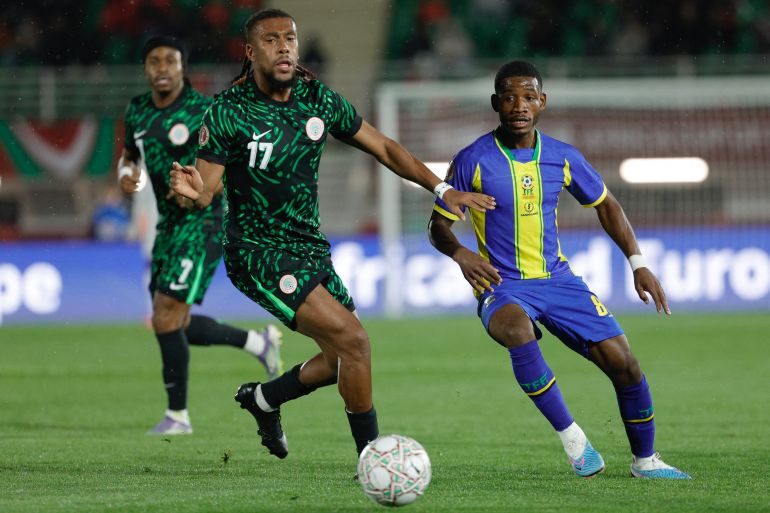
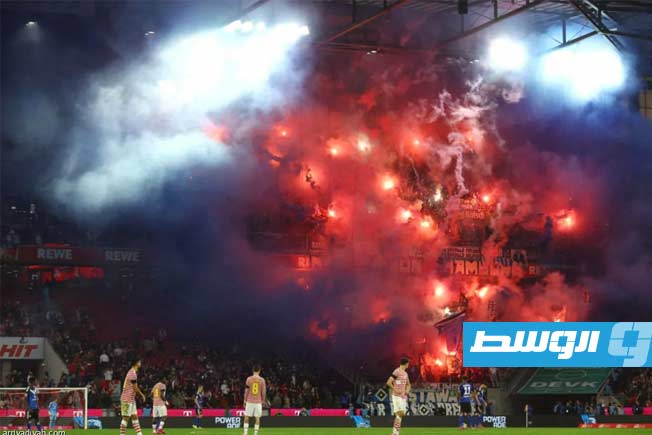
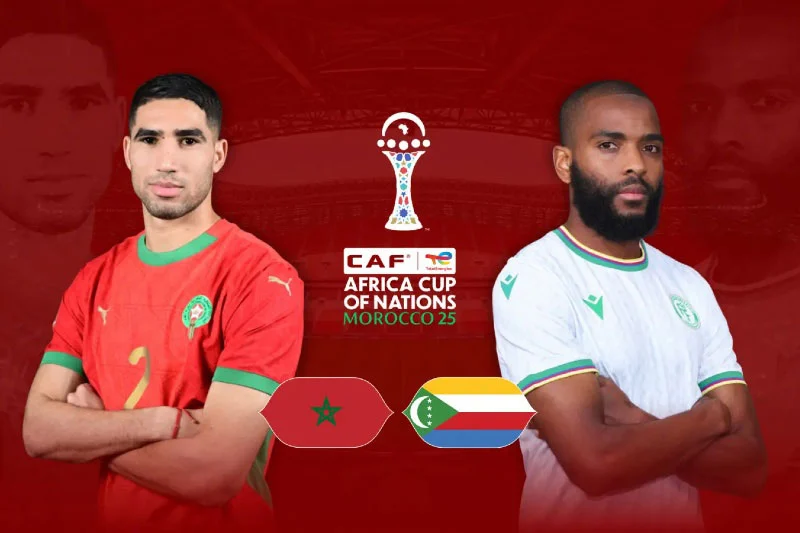
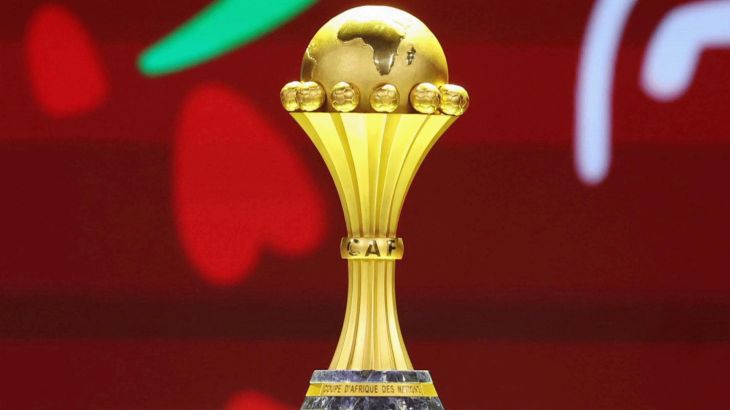
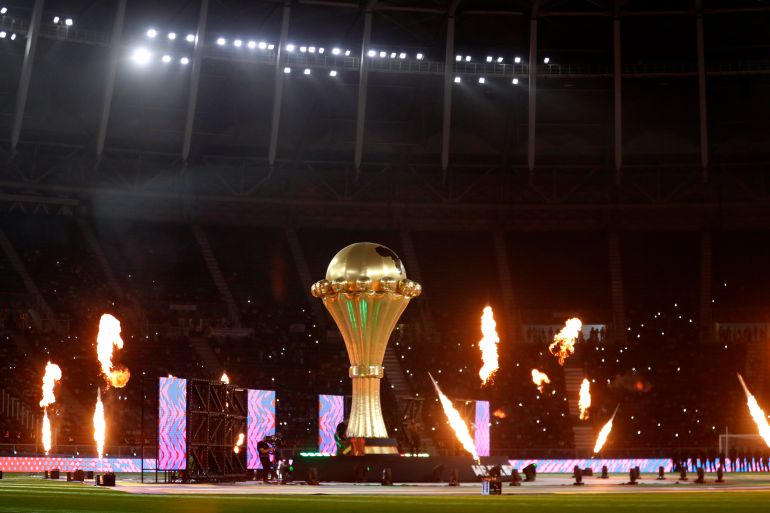
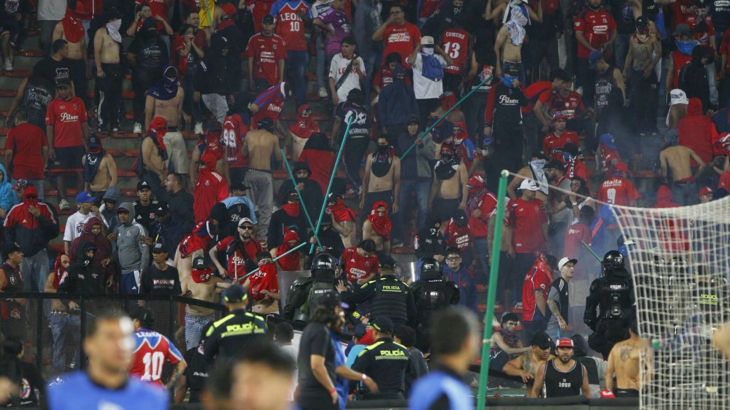
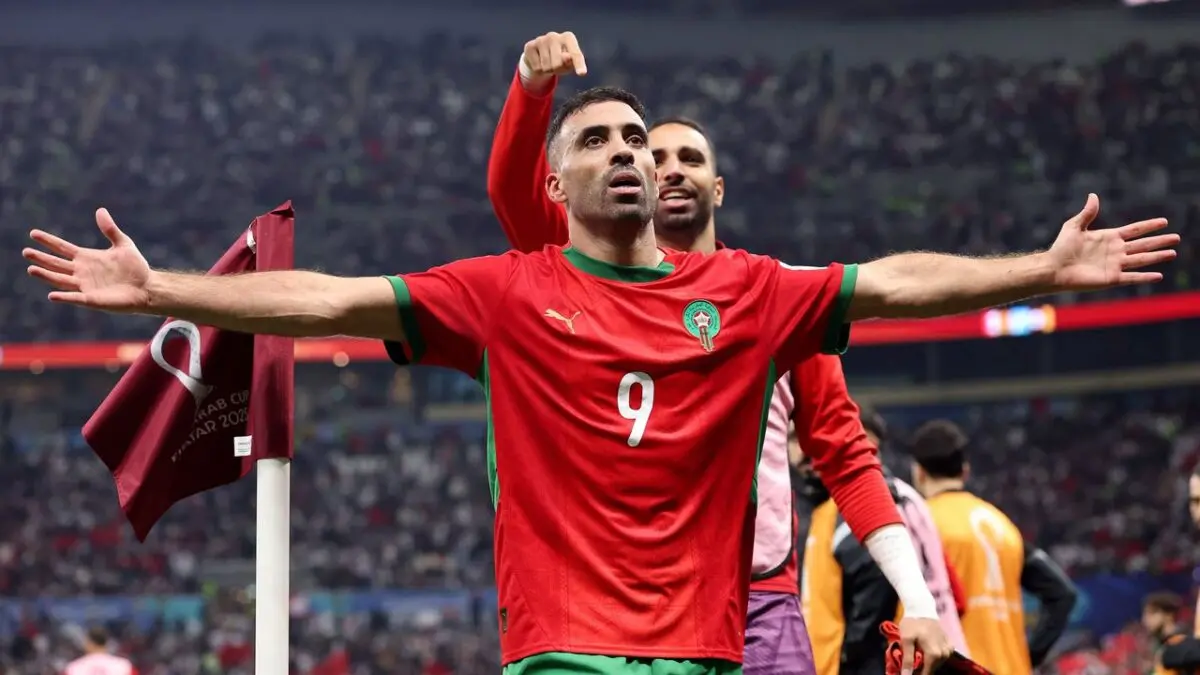
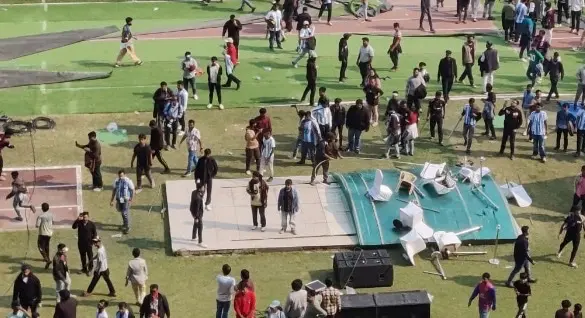
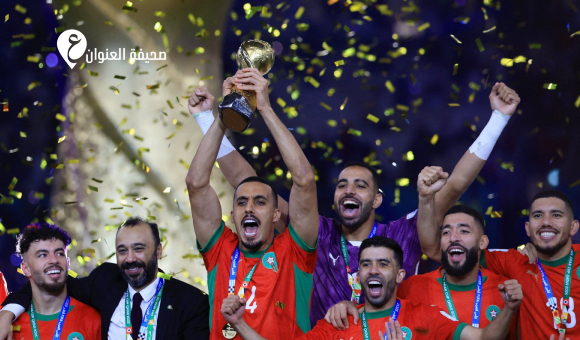
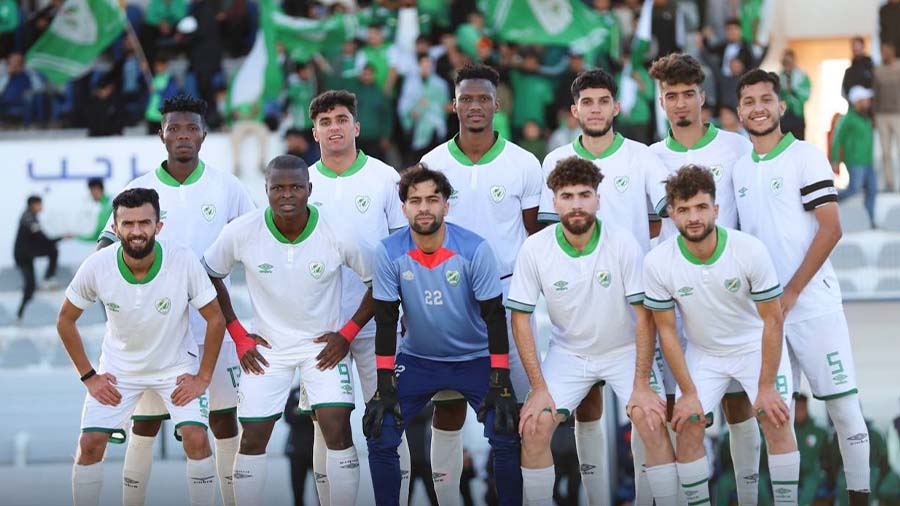
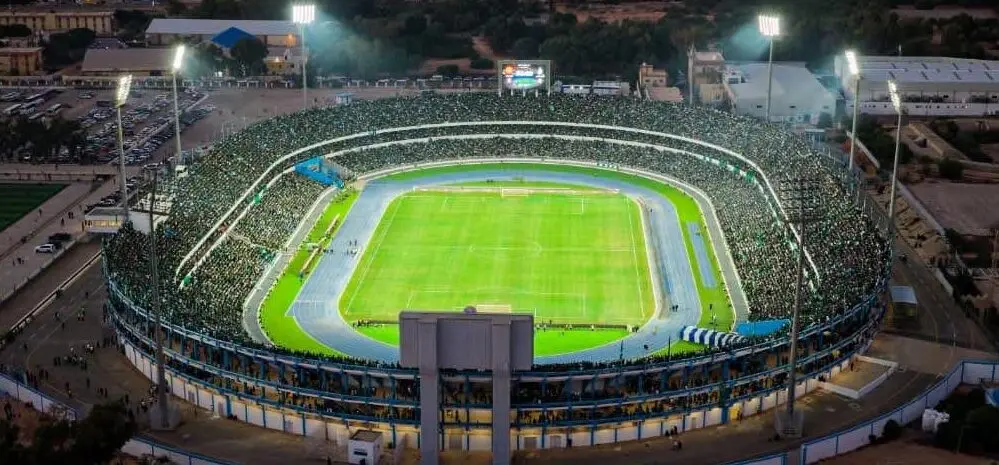
The local organizing committee for the Africa Cup of Nations finals in the Moroccan city of Agadir announced that entry to the stands of the “Adrar” stadium in Agadir is conditional upon having a legal and valid ticket. The committee confirmed that under no circumstances will anyone without a ticket be allowed to enter, in order to ensure the safety of the public and guarantee that matches proceed in a secure and organized atmosphere.
The committee highlighted in a statement on Saturday that the city is experiencing an exceptional moment by hosting a major continental football event, placing it at the center of attention for followers both within and outside the African continent. At the same time, it expressed its pride and honor in the sports fans known for their great love of football and passion for the stadium stands.
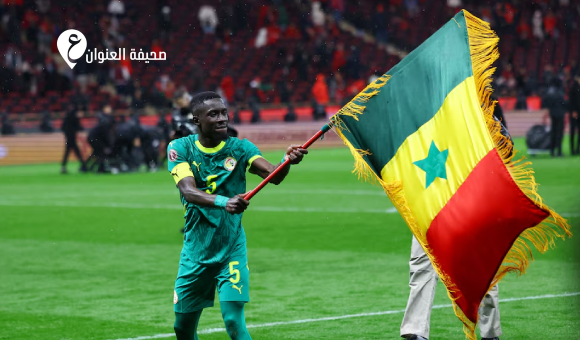
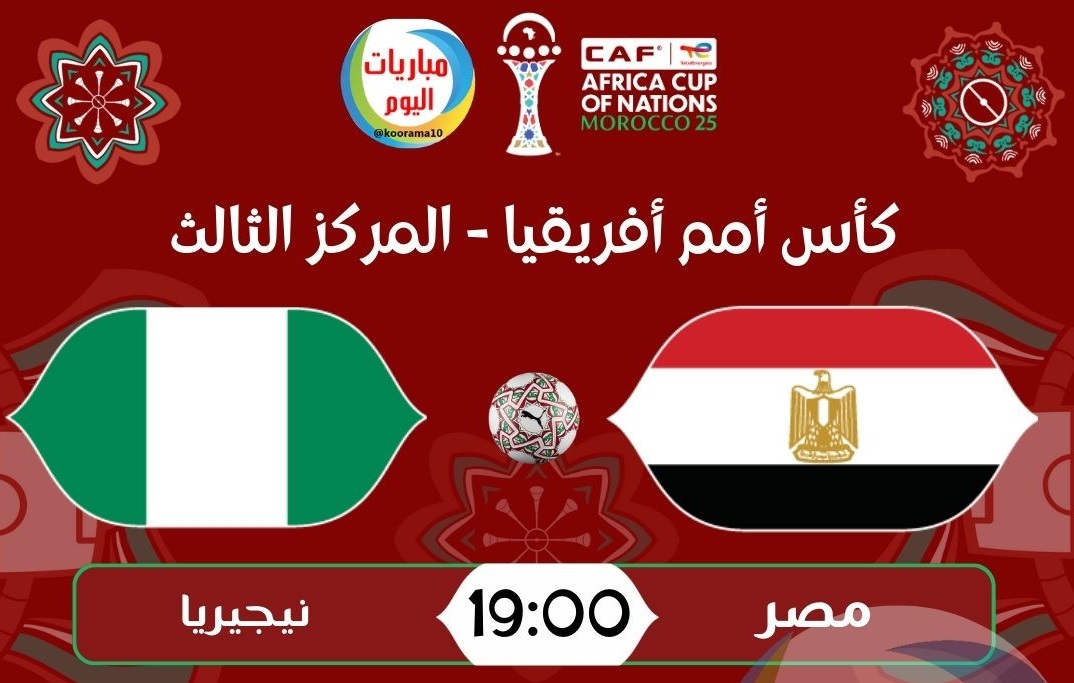
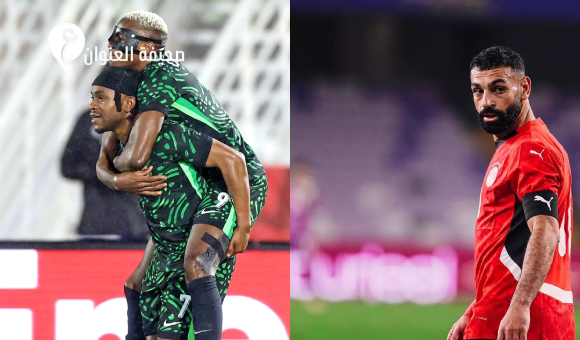
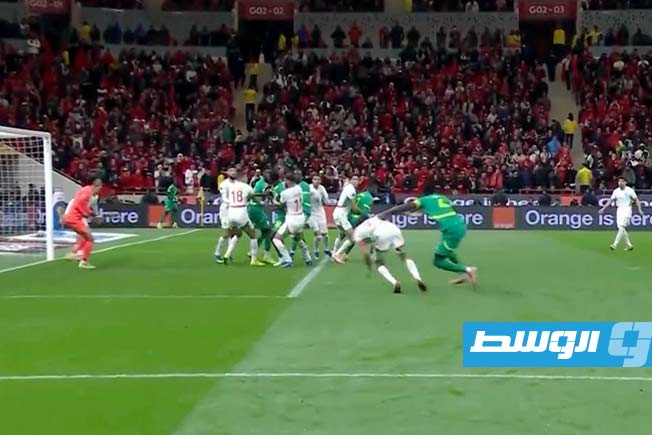
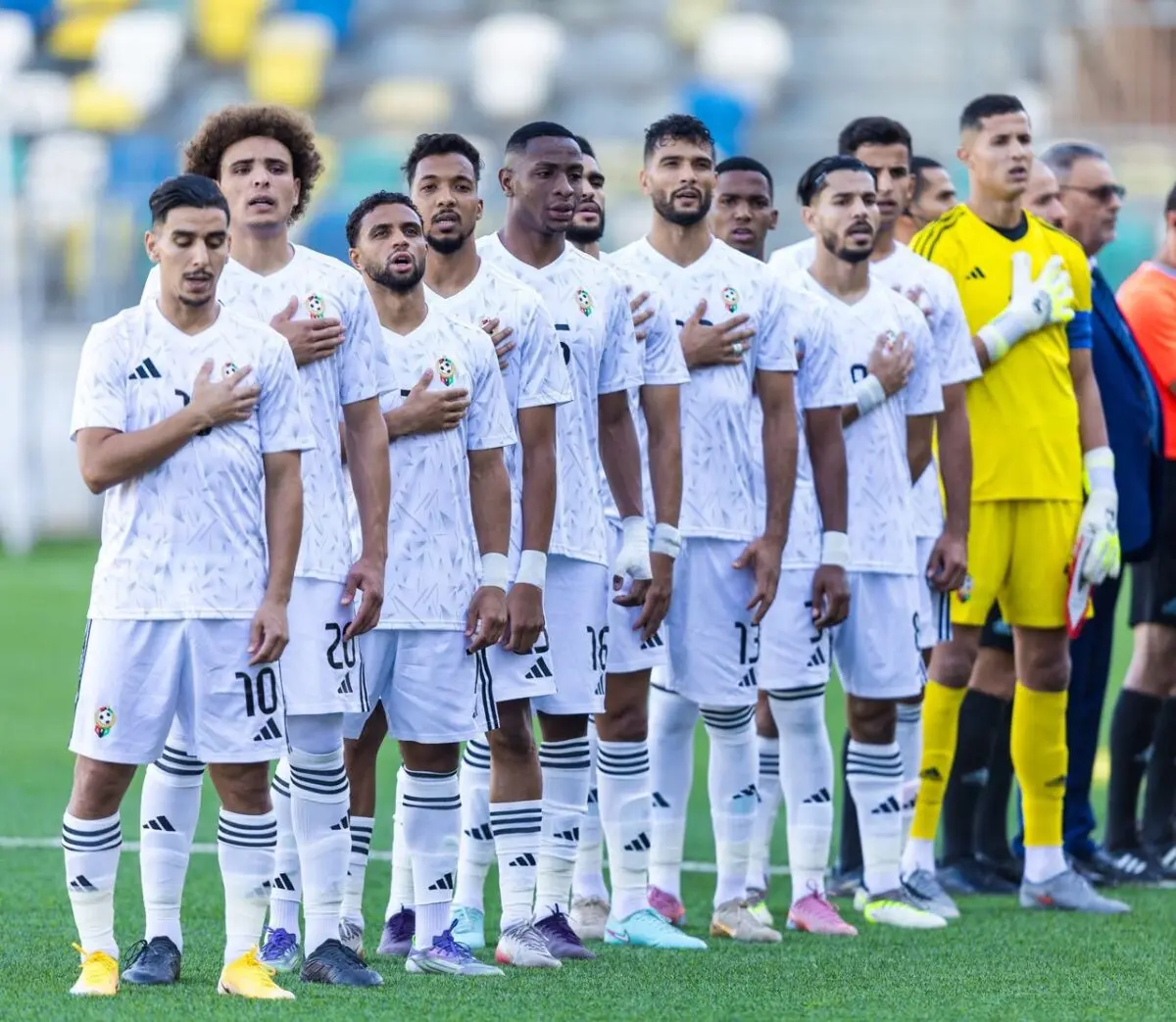
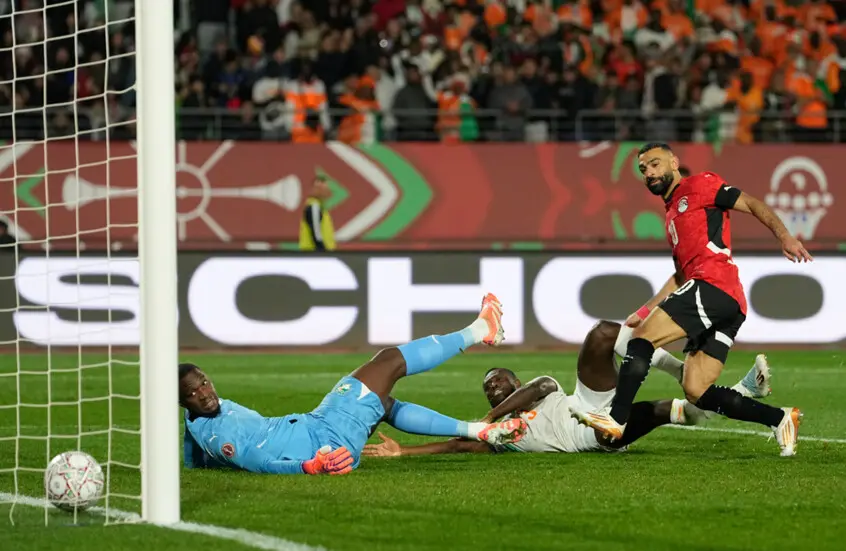
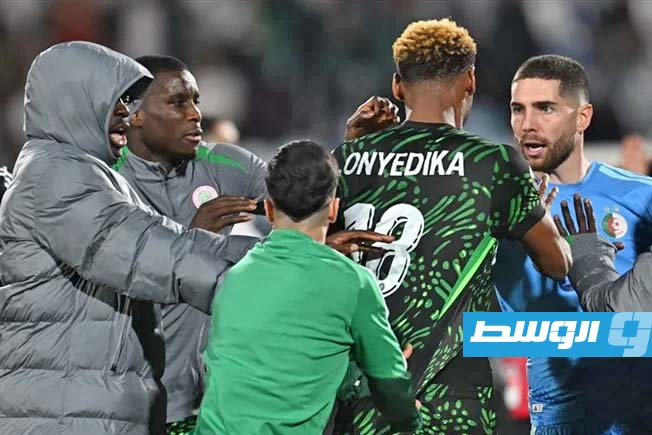
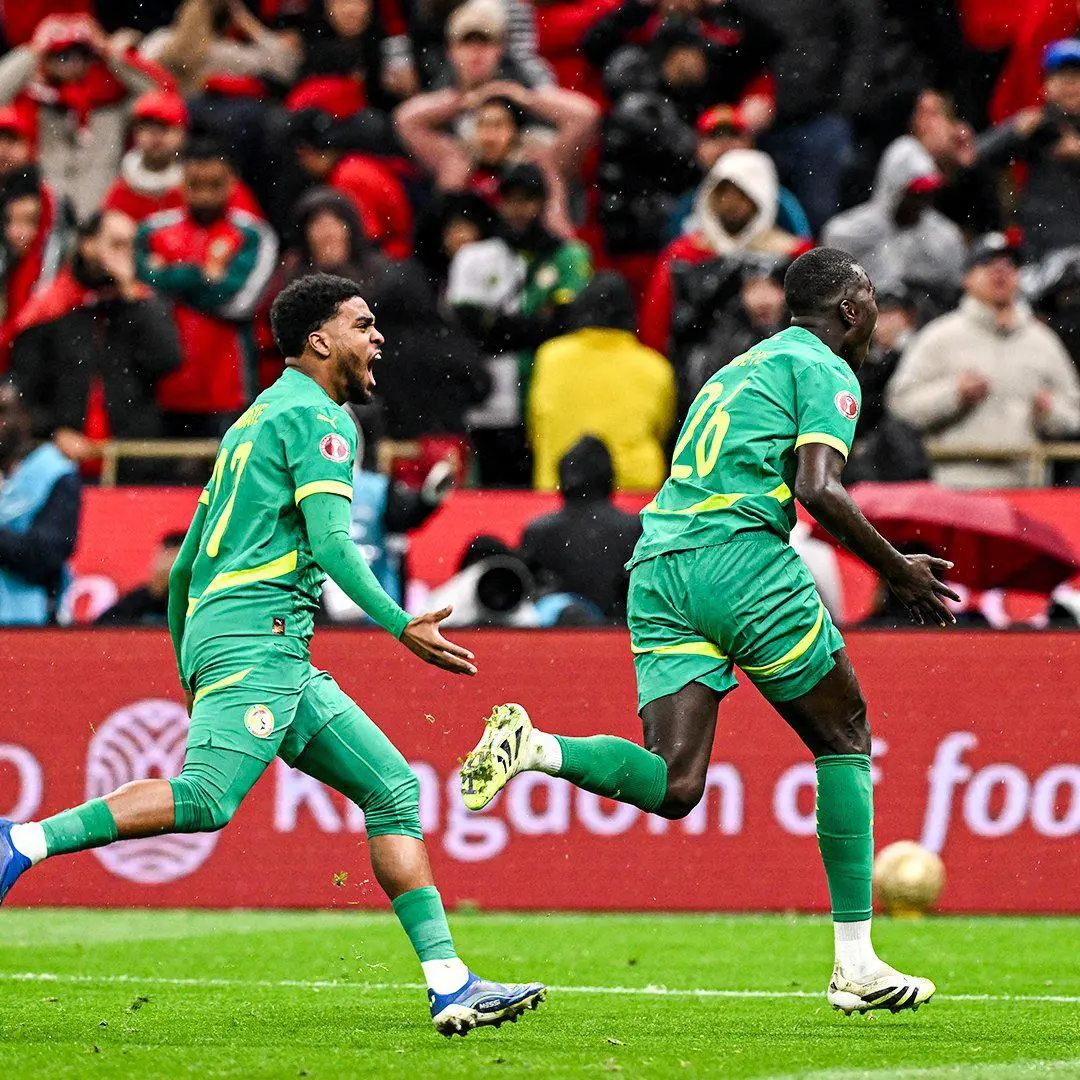
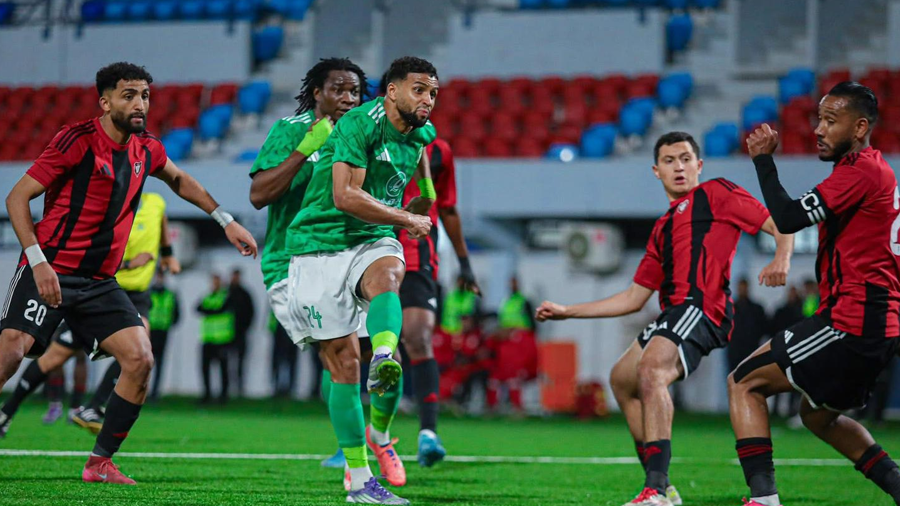
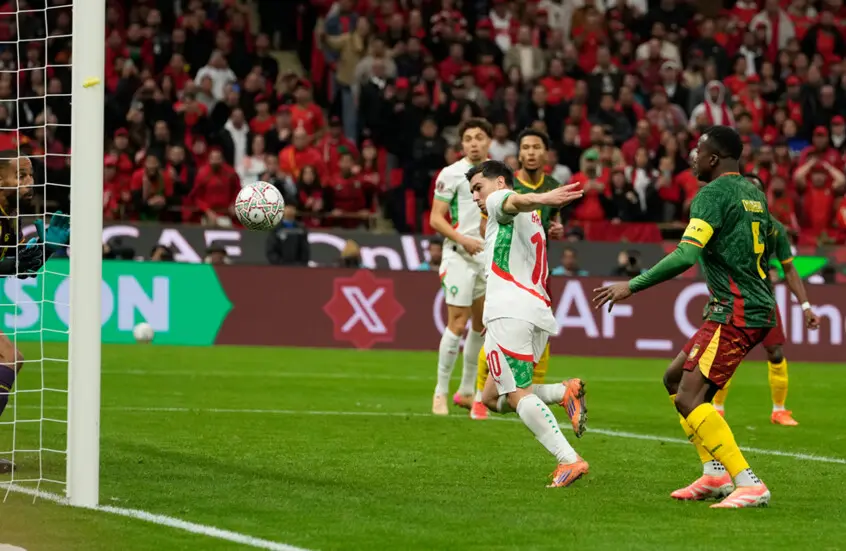
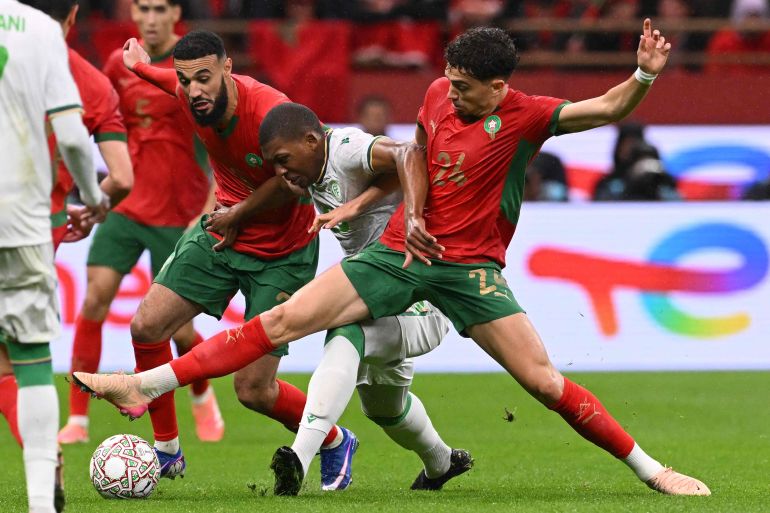
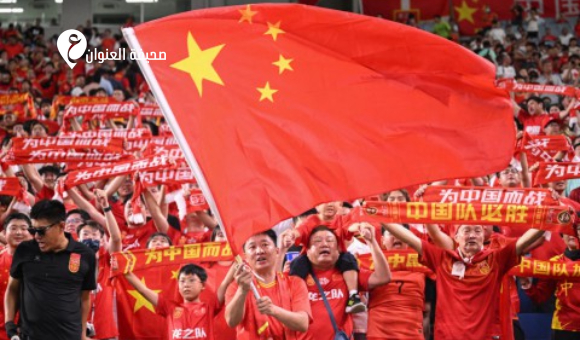
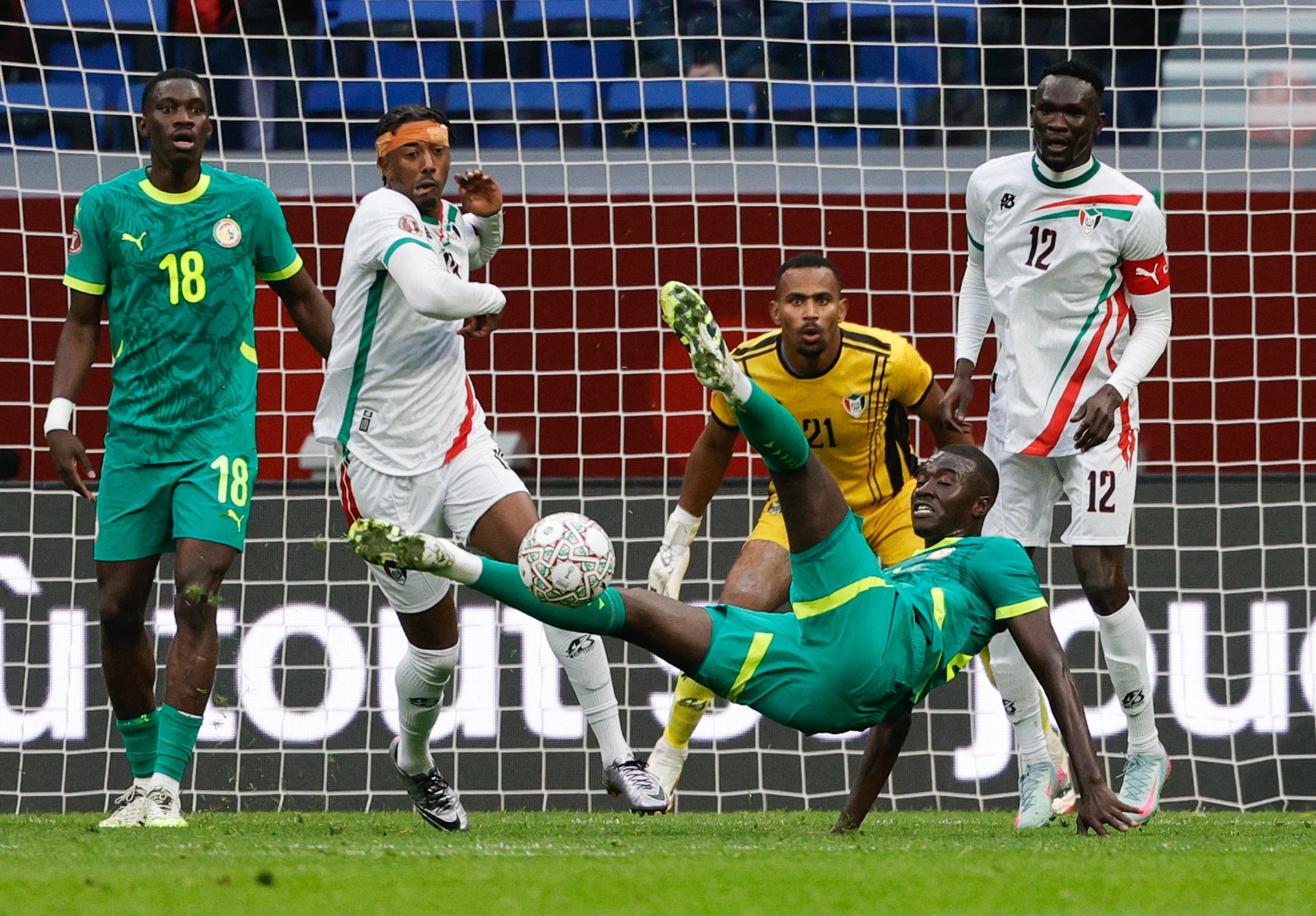
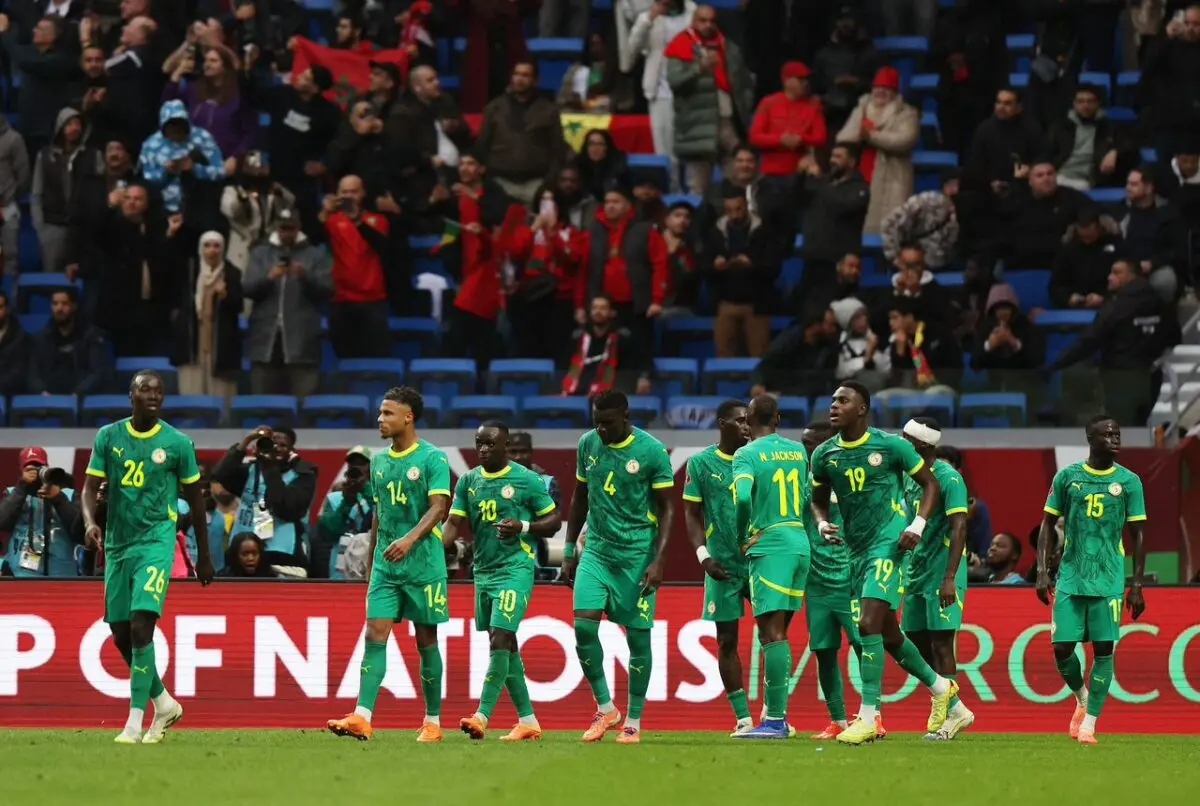
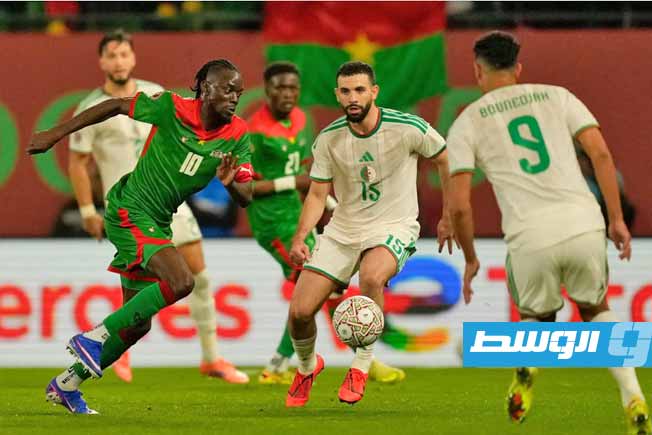
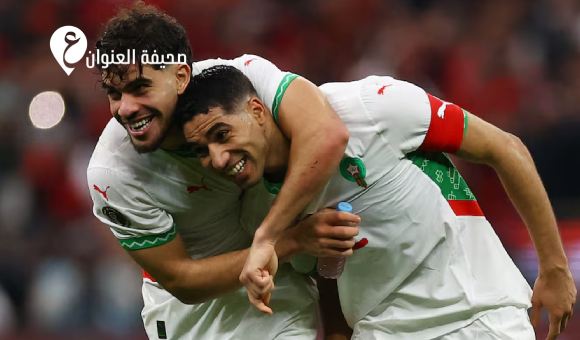
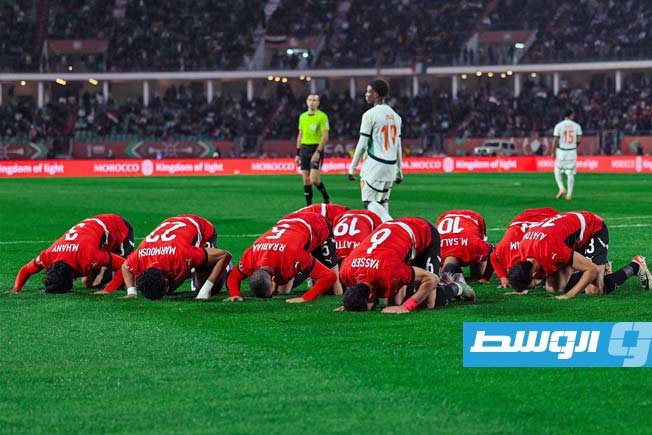
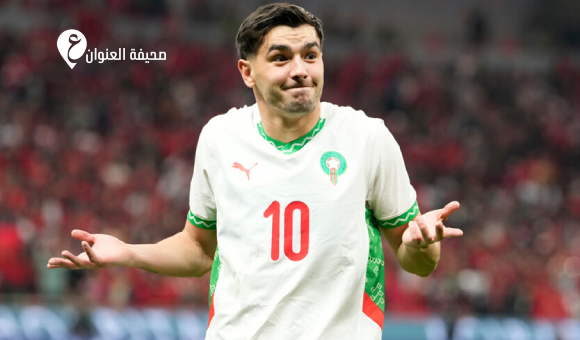
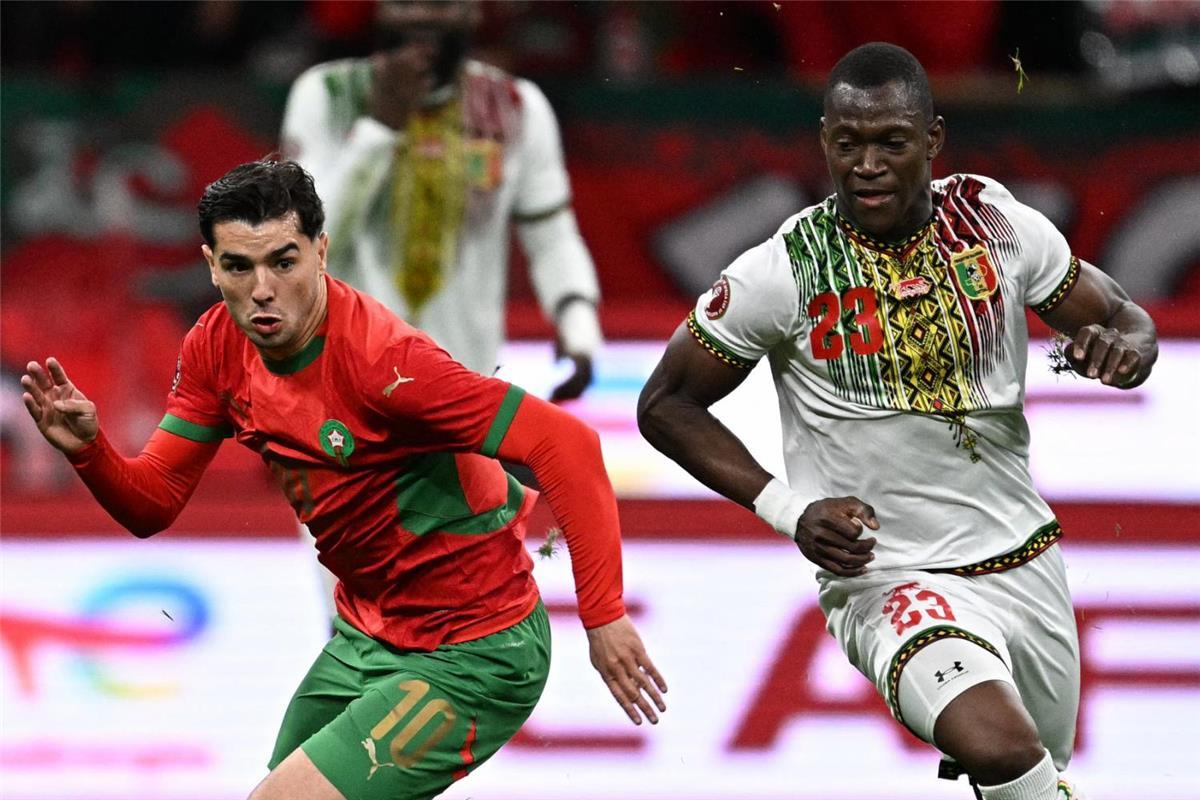
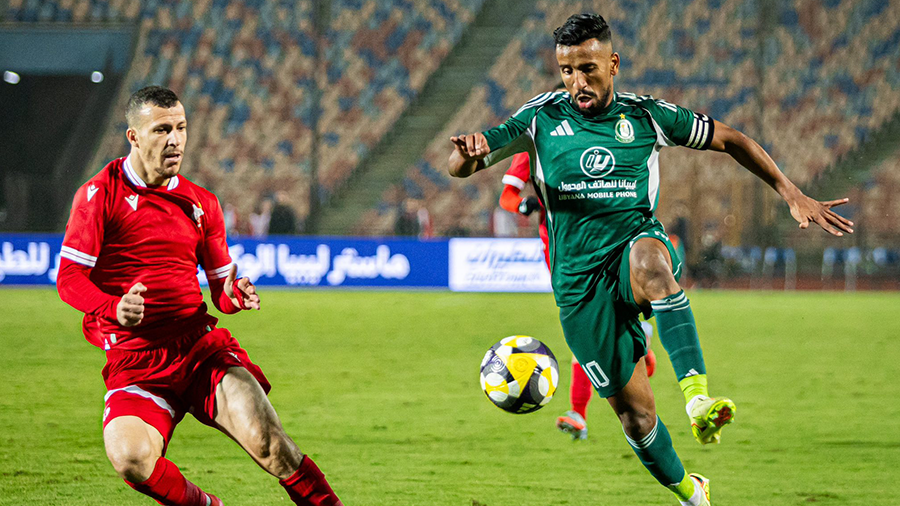
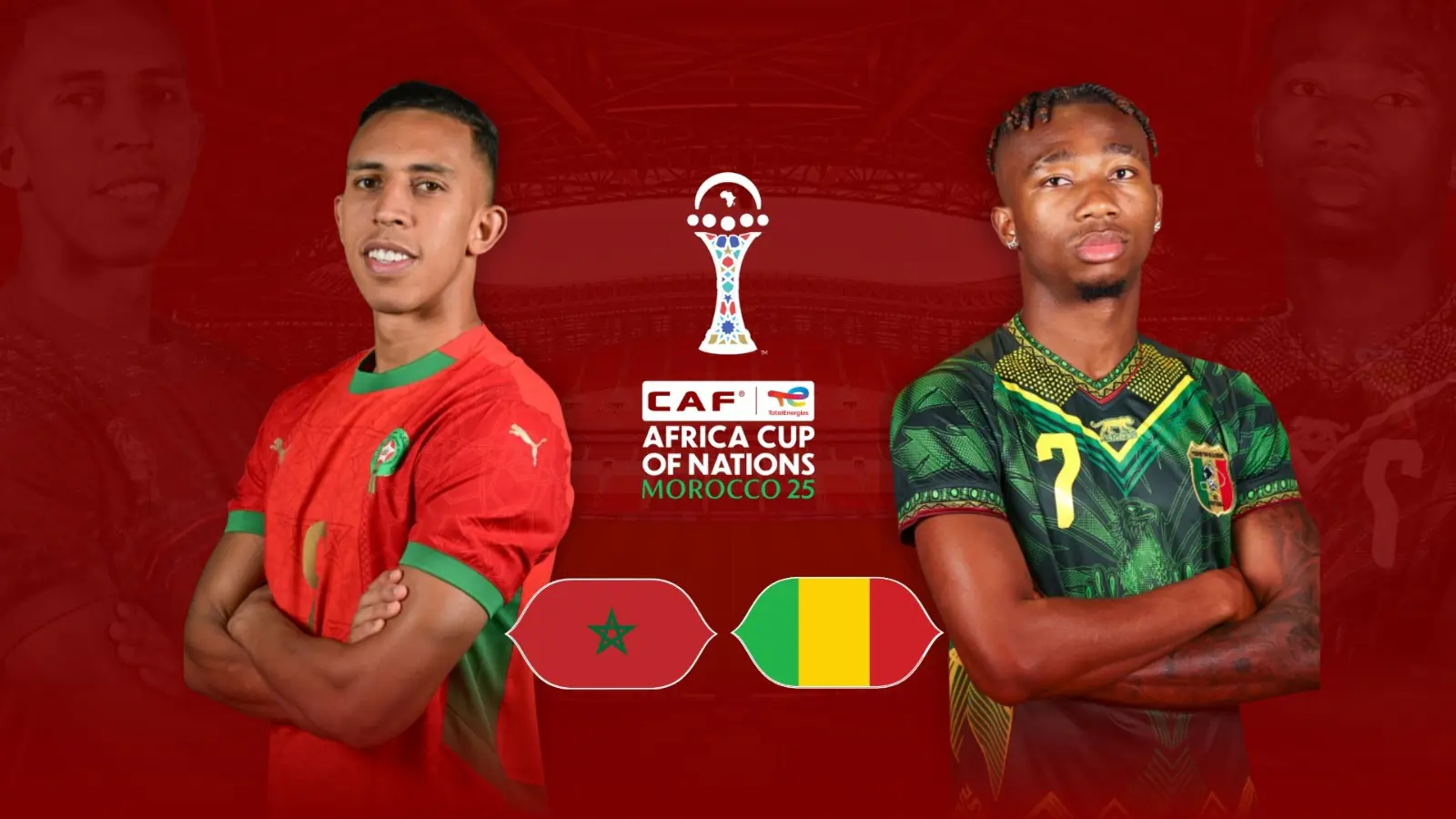
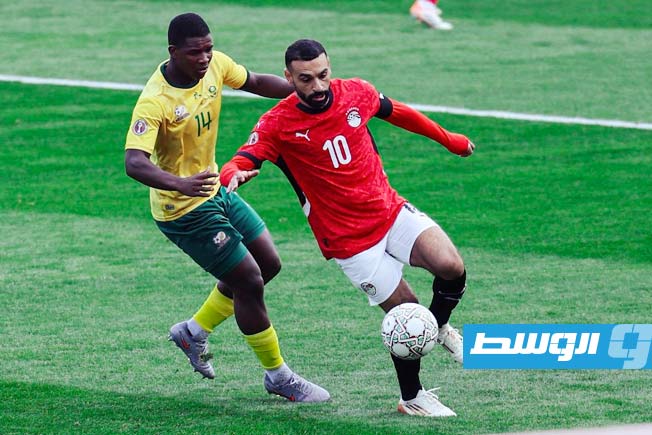
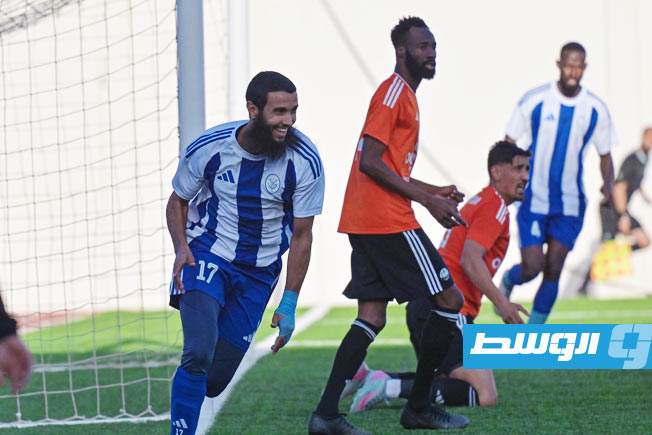
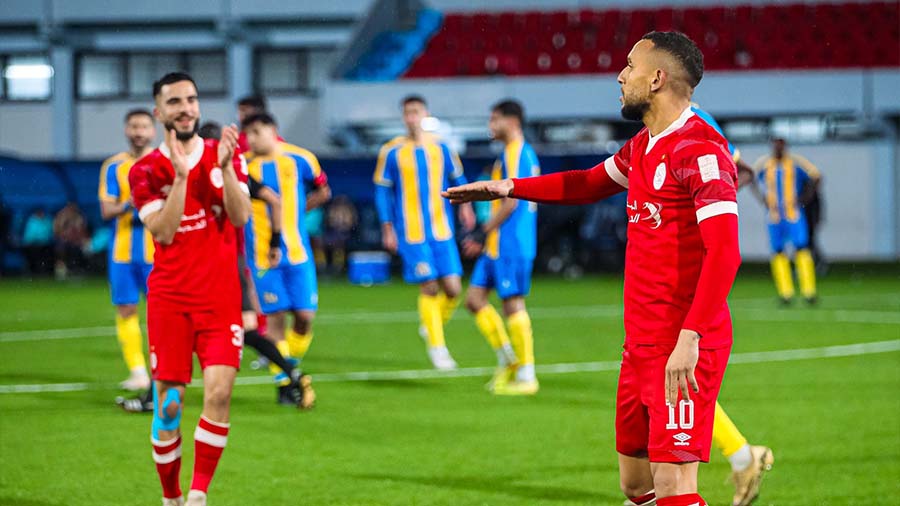
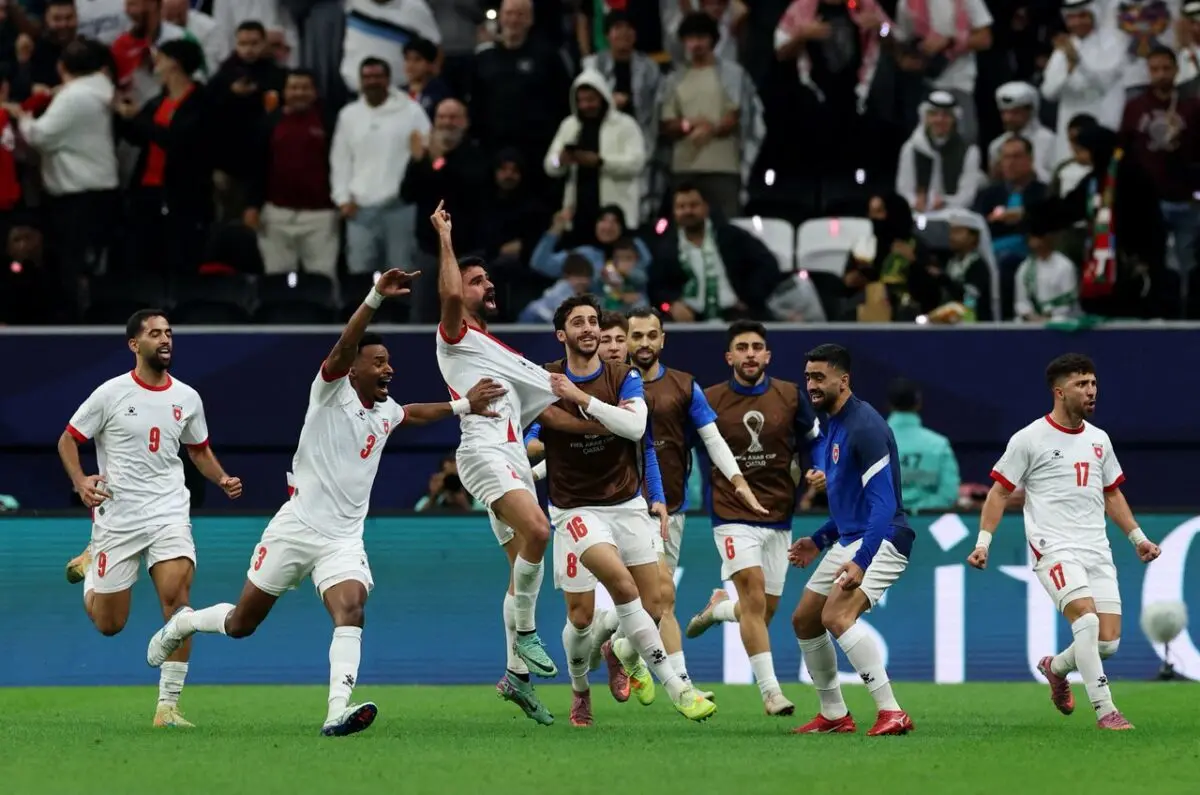
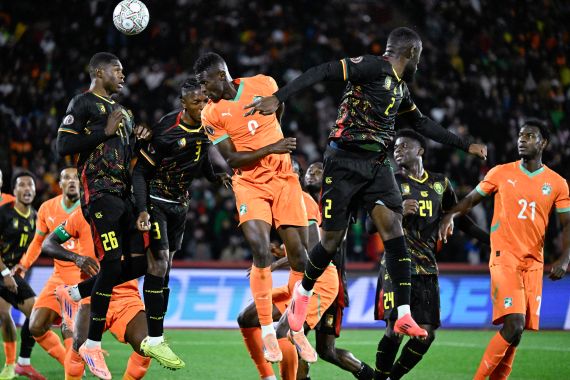
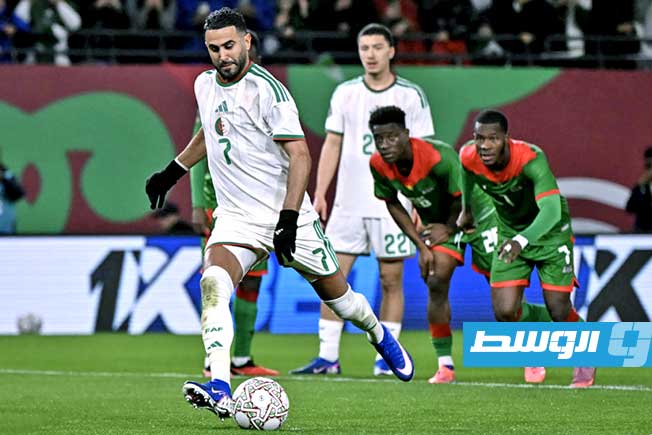
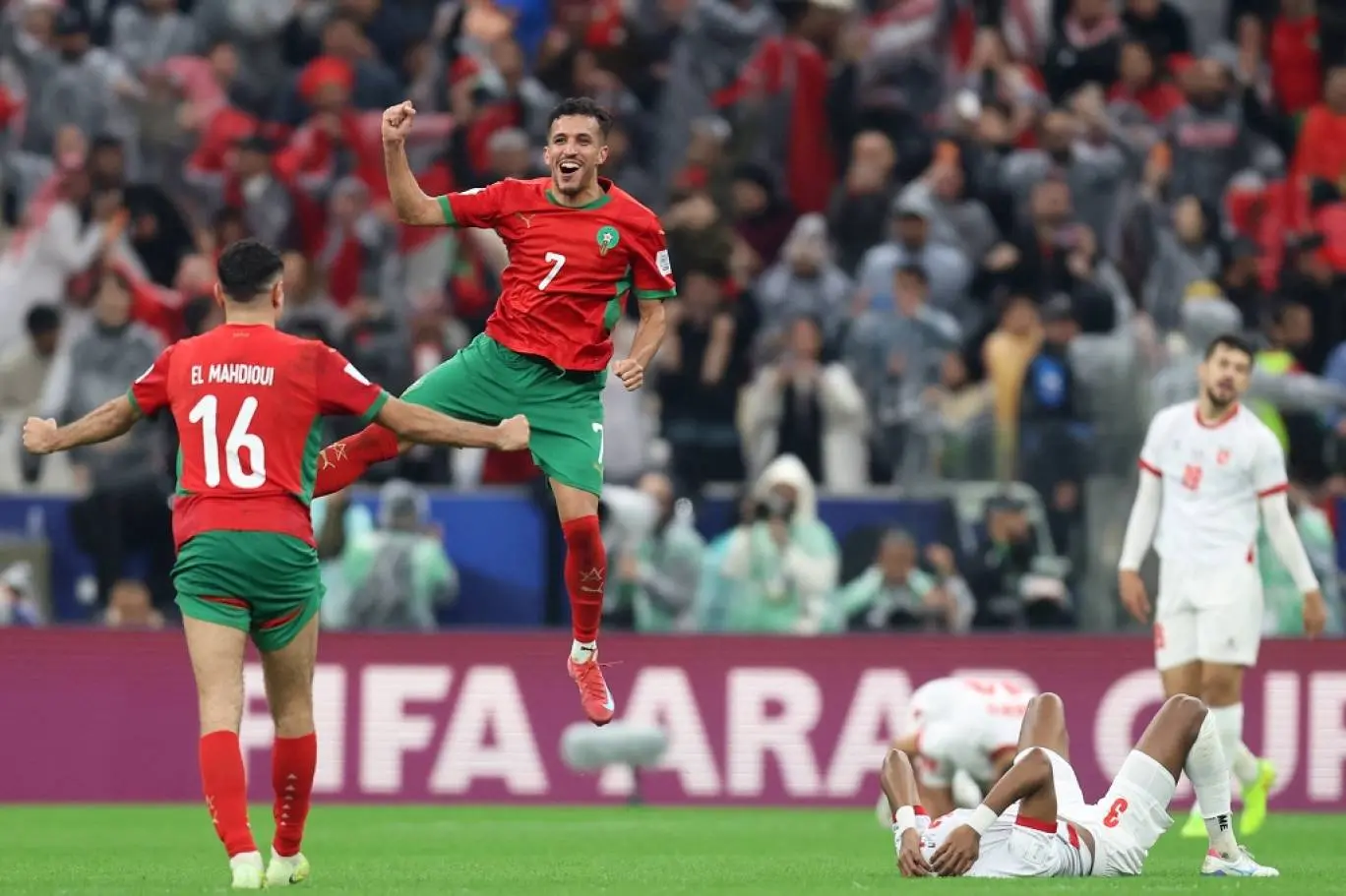
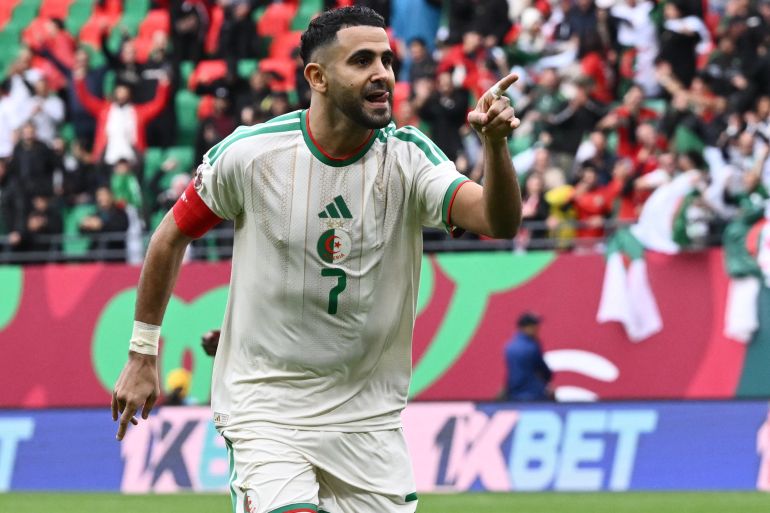
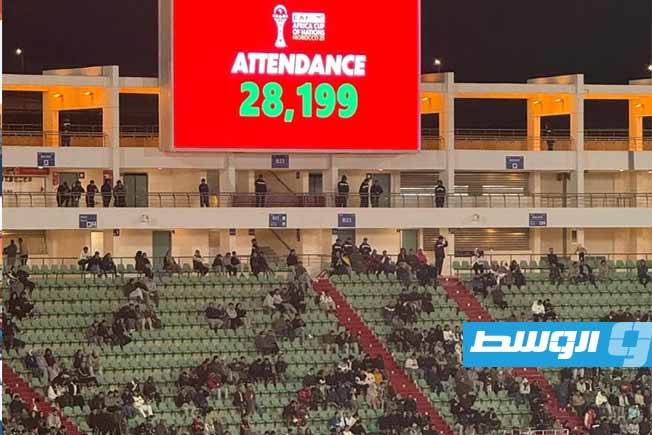
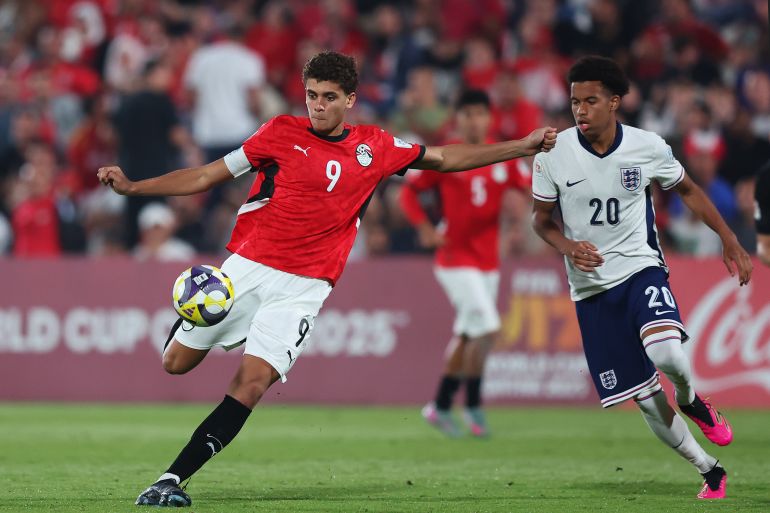
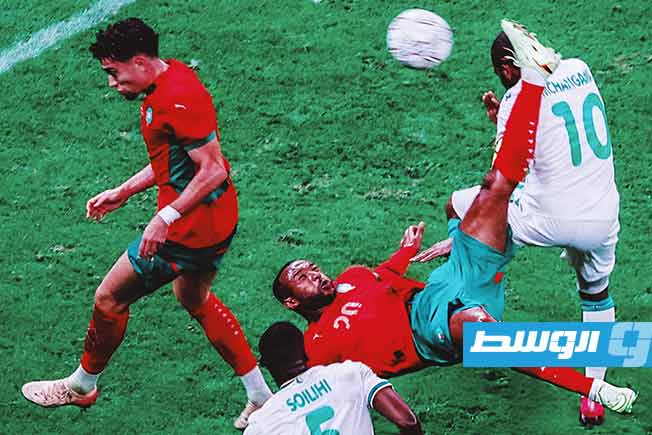
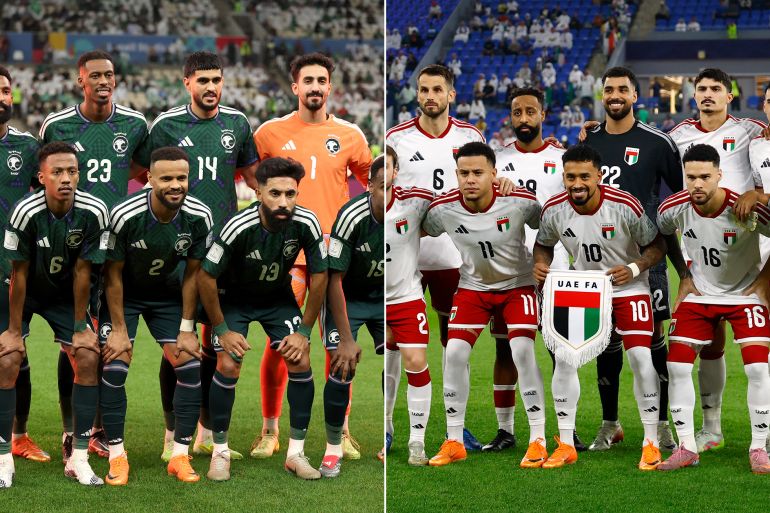
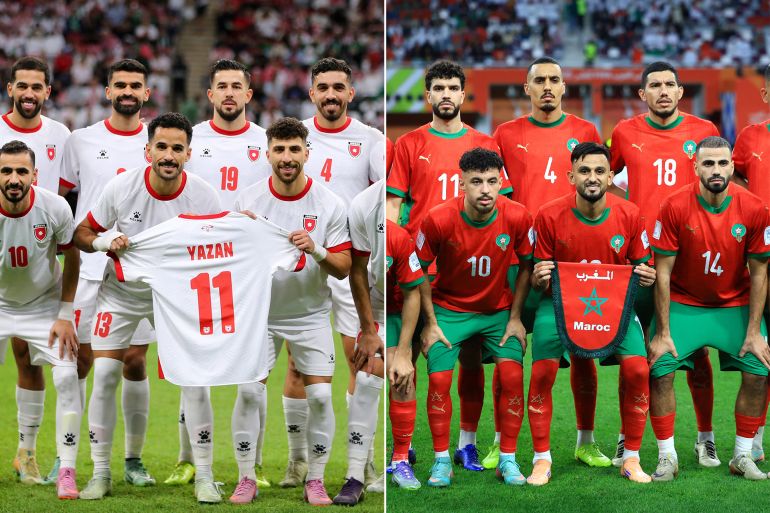
The statement came one day after the match between the national teams at the “” stadium, which witnessed a record public attendance.
The committee stressed that the organization inside the stadium is subject to precise technical and security standards mandated by the Confederation of African Football (CAF), which are a fundamental part of the conditions for the success of such major events. It clarified that the stadium’s capacity is predetermined according to these standards and cannot be exceeded under any circumstances.
The organizing committee called on all supporters, with a spirit of responsibility and discipline, to respect the rules and regulatory controls approved by CAF, to ensure the success of this sporting event.
It also emphasized that this event is being closely monitored by the International Federation of Association Football (FIFA), especially in light of Morocco’s preparations to co-host the 2030 FIFA World Cup finals with Spain and Portugal.
The committee concluded its statement by affirming that any action outside the regulatory framework does not serve the city’s interest and is not in line with the ambition to make the event a success. In contrast, adherence to the law turns the stands into a civilized message reflecting the public’s awareness and its ability to contribute positively to the success of the biggest sporting events, according to the statement.
Africa Cup of Nations
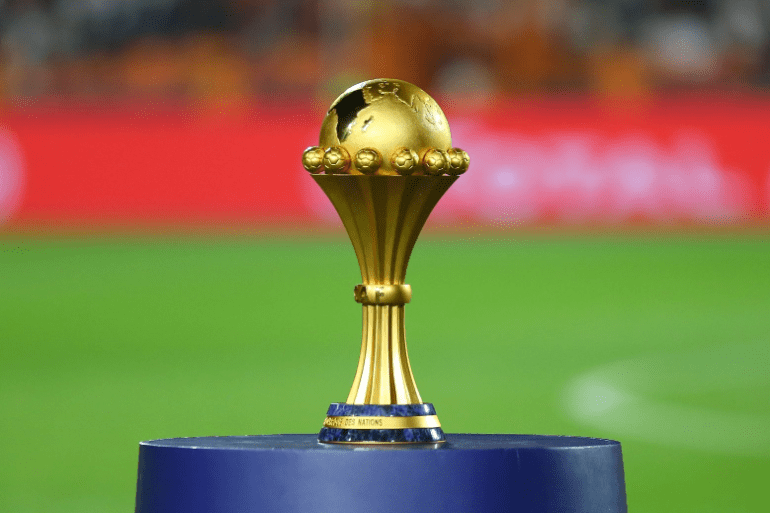
The Africa Cup of Nations (AFCON) is the premier international men’s football competition in Africa, first held in 1957. It was founded to unite African nations emerging from colonialism and is organized by the Confederation of African Football (CAF). The tournament is held every two years and has grown to become a major global sporting event.
Moroccan city of Agadir
Agadir is a major coastal city in southwestern Morocco, rebuilt after a devastating earthquake in 1960. Its modern architecture and infrastructure contrast with the nearby historic Kasbah, which offers panoramic views and remnants of the original 16th-century fortress. Today, it is a premier beach resort destination known for its seaside promenade and vibrant tourism.
Adrar stadium
Adrar Stadium is a multi-purpose sports venue located in Atar, Mauritania, primarily used for football matches. It serves as the home ground for FC Atar and the Mauritania national football team, having been constructed to support the nation’s growing sporting culture.
Agadir
Agadir is a major coastal city in Morocco, largely rebuilt after a devastating earthquake in 1960. Today, it is known primarily as a modern beach resort destination, with its history primarily reflected in the hilltop ruins of the old Kasbah.
Confederation of African Football (CAF)
The Confederation of African Football (CAF) is the administrative and controlling body for association football in Africa, founded in 1957 in Khartoum, Sudan. Its establishment was driven by the need for a unified African voice in global football and to organize continental competitions, with the Africa Cup of Nations being its flagship tournament.
International Federation of Association Football (FIFA)
The International Federation of Association Football (FIFA) is the global governing body for soccer, founded in Paris in 1904 to oversee international competition. It organizes major tournaments, most notably the FIFA World Cup, which began in 1930 and has become the world’s most-watched sporting event.
2030 FIFA World Cup
The 2030 FIFA World Cup will be a historic edition of the tournament, marking its centennial celebration 100 years after the first World Cup in 1930. It is uniquely planned to be hosted across three continents, with opening matches in Uruguay, Argentina, and Paraguay to honor the competition’s origins, before the majority of the event takes place in Spain, Portugal, and Morocco.
Morocco
Morocco is a North African country with a rich history shaped by indigenous Amazigh (Berber) cultures, Arab influence from the 7th century, and successive dynasties like the Almoravids and Almohads. Its cultural sites, such as the ancient city of Fez and the Koutoubia Mosque in Marrakech, reflect this blend of Arab, Islamic, and Amazigh heritage. The country’s historic medinas, kasbahs, and varied landscapes from the Sahara Desert to the Atlas Mountains are central to its identity.
Spain
Spain is a country in southwestern Europe with a rich and diverse cultural history shaped by Roman, Moorish, and Christian influences. Its historical sites include the Alhambra palace, a testament to its Islamic past, and numerous cathedrals and monuments from its later role as a global empire.
Portugal
Portugal is a country in southwestern Europe on the Iberian Peninsula, with a history deeply shaped by exploration. It established a vast maritime empire beginning in the 15th century and was a major global power during the Age of Discovery. Key cultural sites include the Jerónimos Monastery and Tower of Belém in Lisbon, which are UNESCO World Heritage monuments from that era.