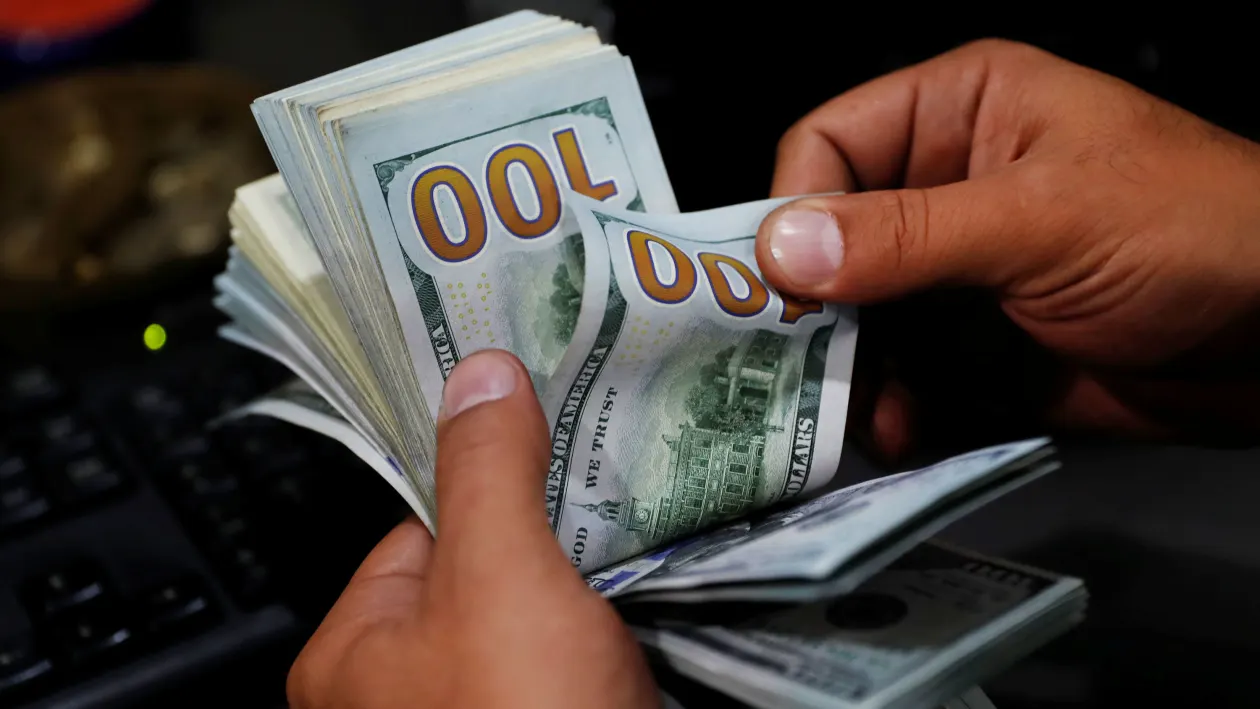
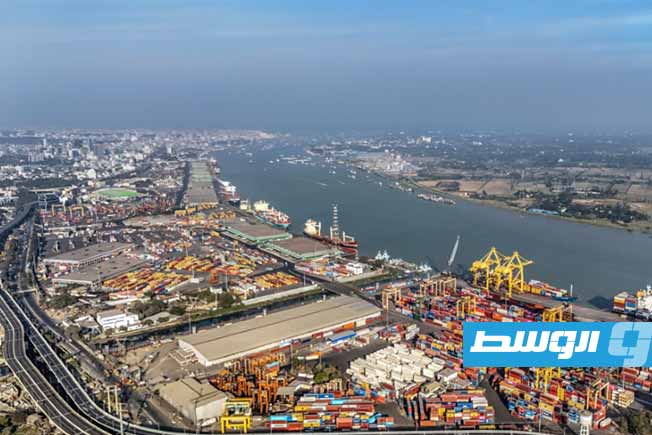
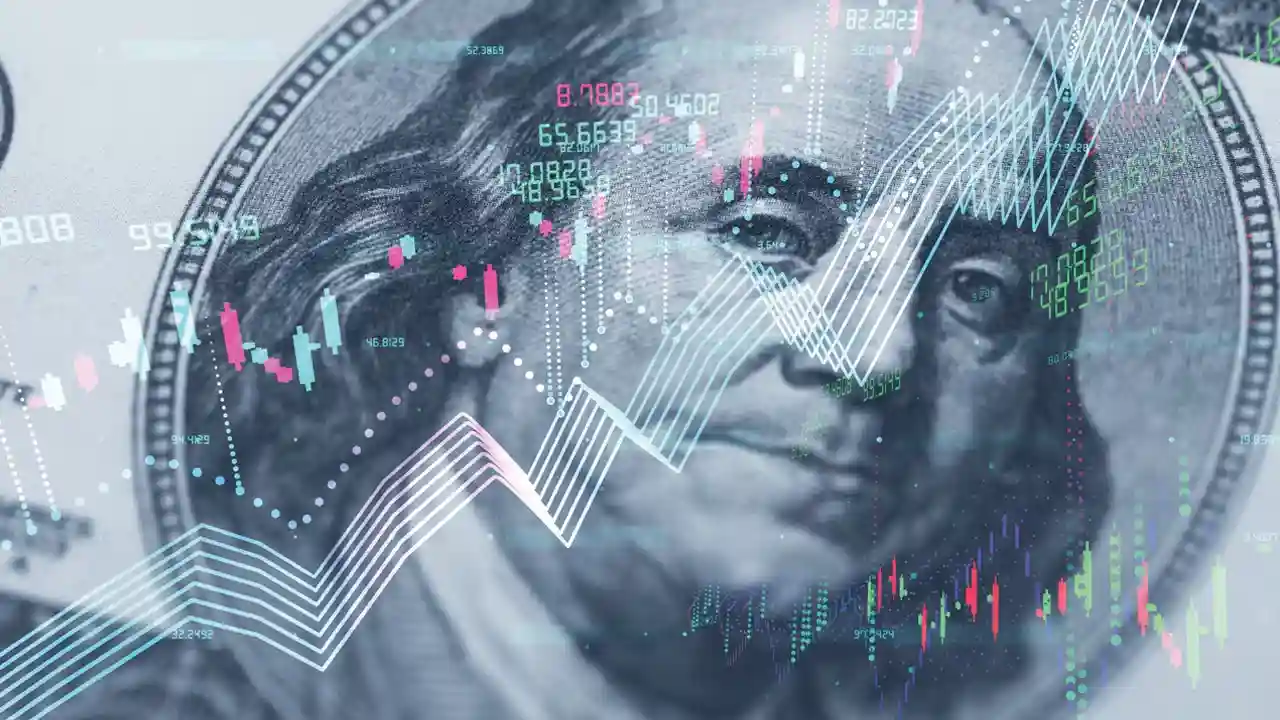
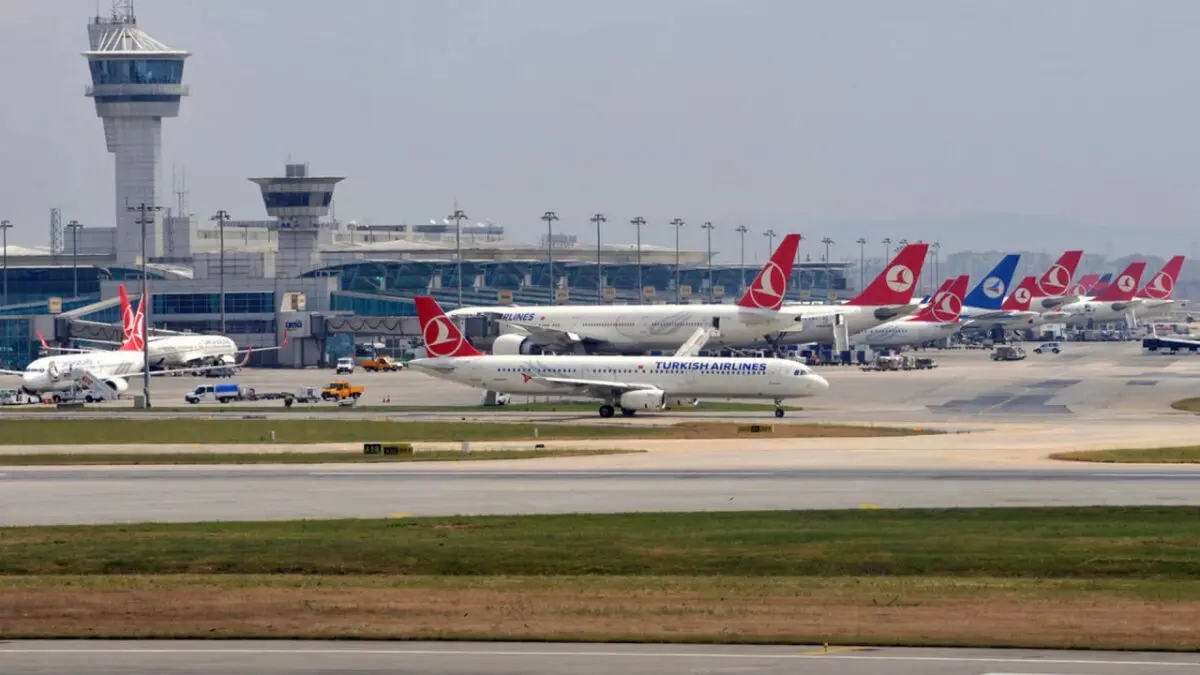
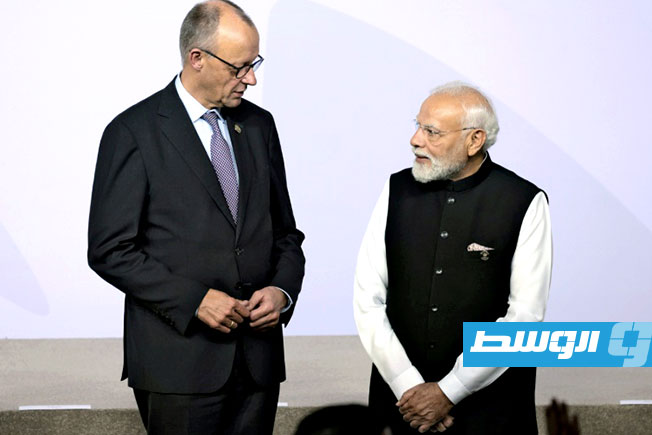
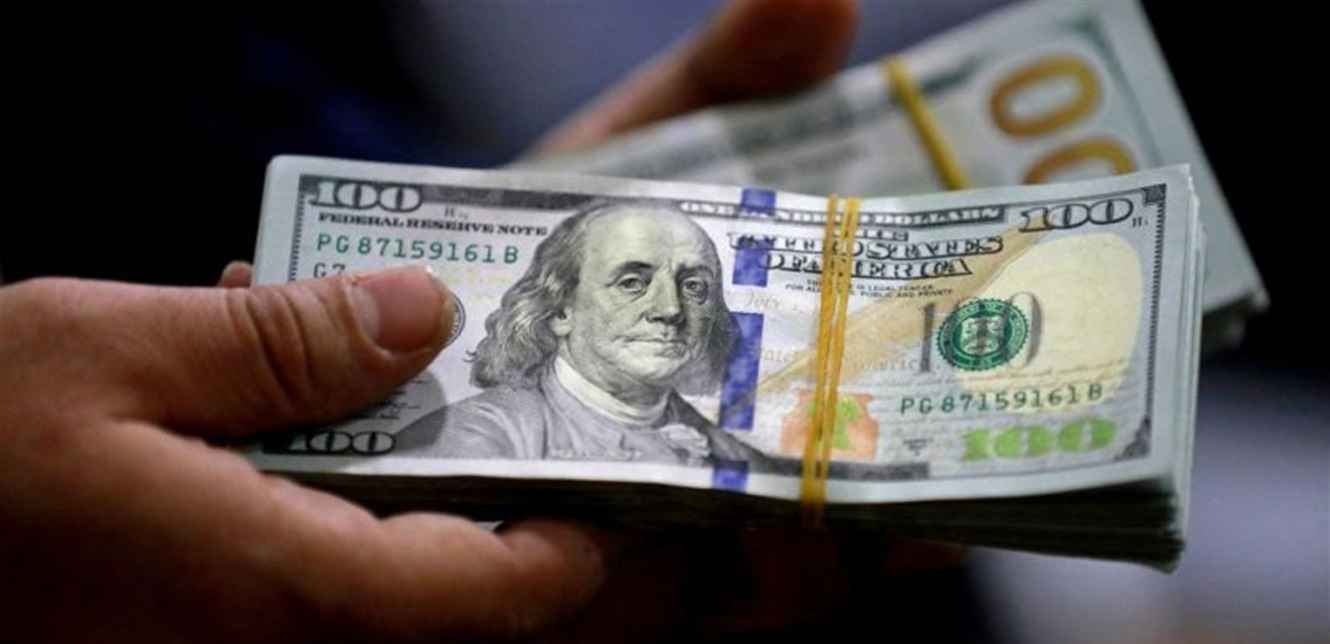
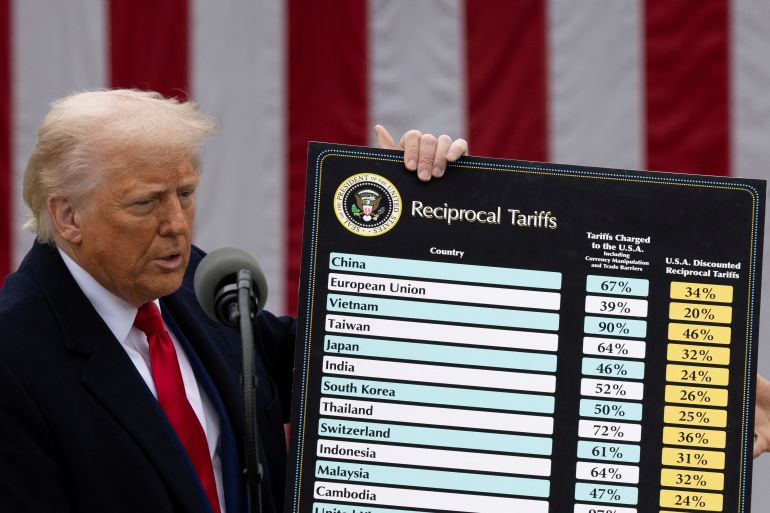
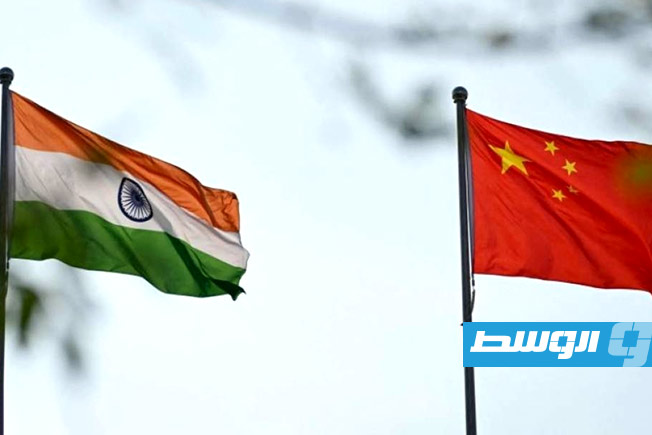
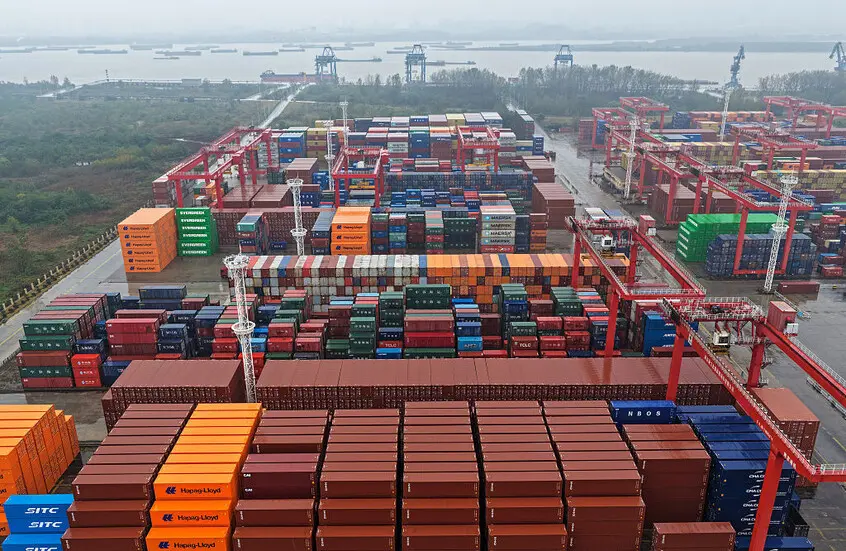
India is seeking to conclude trade agreements with multiple parties, driven by a desire to open new markets for its products in order to mitigate the impact of the severe 50% tariffs imposed by the United States on its goods.
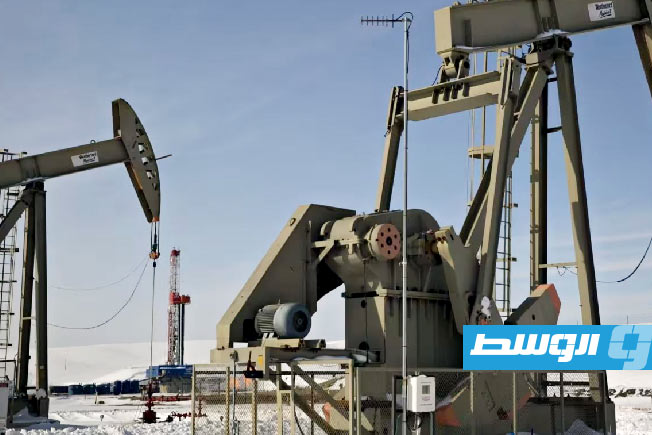
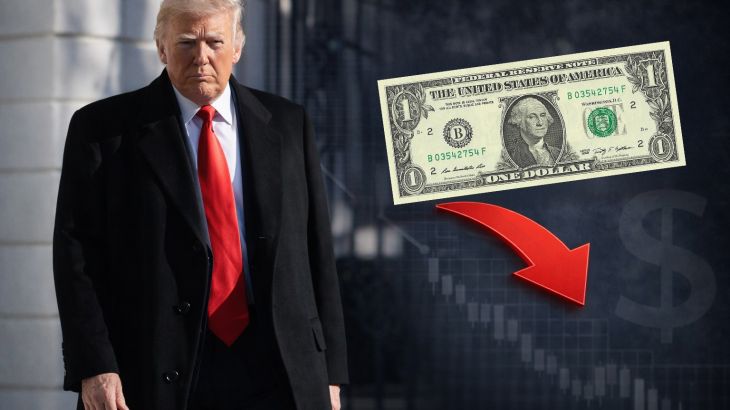
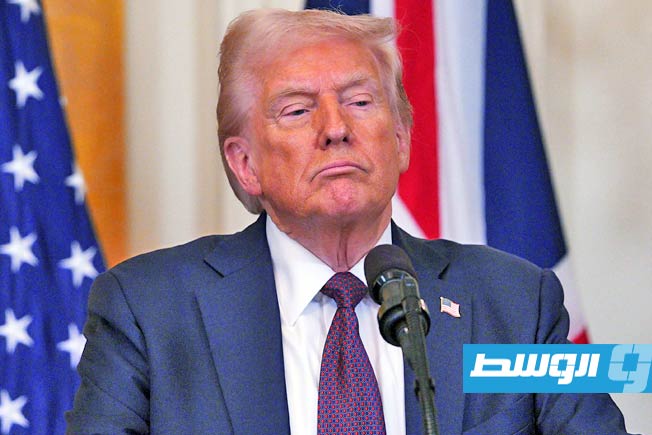
The high tariffs applied by Washington since late August, in response to New Delhi’s purchase of Russian oil, have dealt a strong blow to the exports of the world’s most populous country.
Experts indicated that the Indian government moved quickly to act by accelerating its strategy of diversifying its trade partnerships.
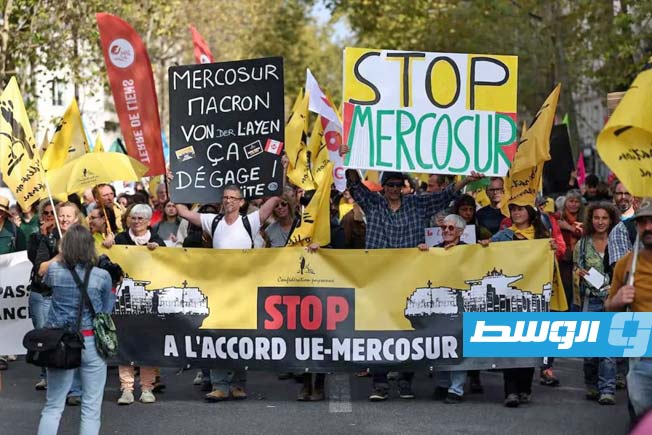
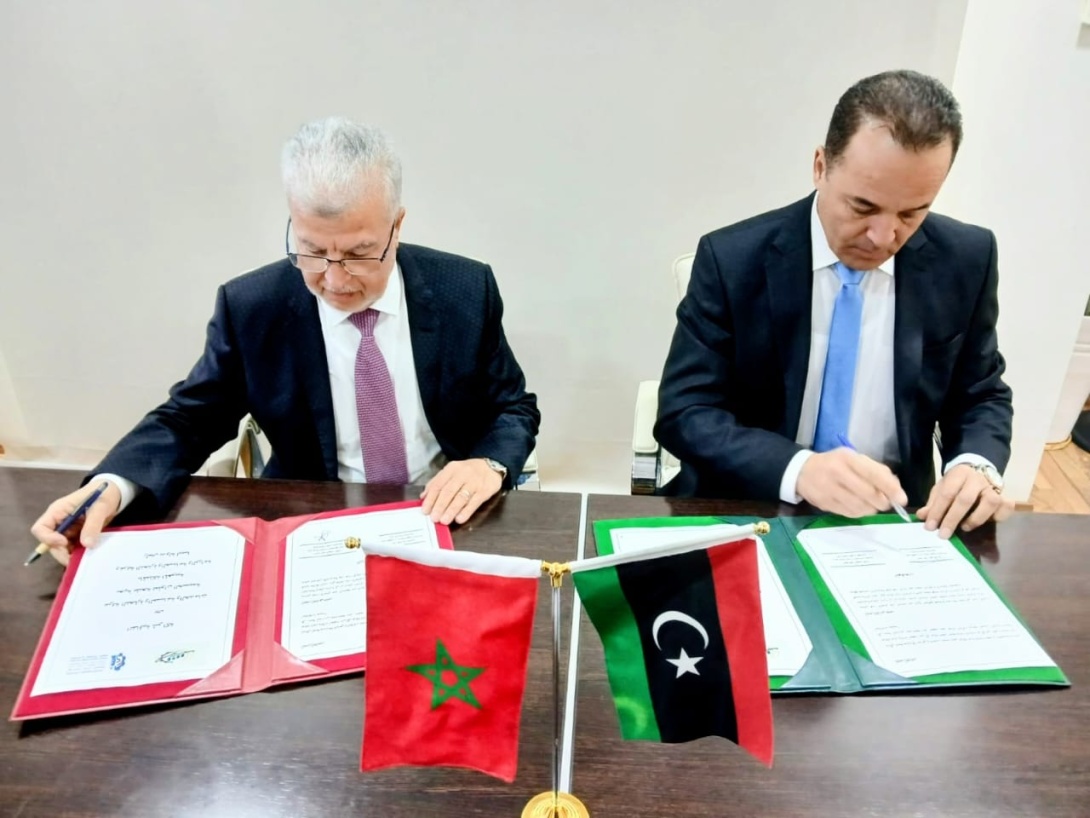
In this context, India signed four agreements in 2025, including a free trade agreement with the United Kingdom, and is conducting talks with the European Union, the Eurasian Economic Union, Mexico, Chile, and the South American bloc Mercosur.
A research center focusing on global trade in New Delhi confirmed that India would become linked “with almost all major economies” if these talks succeed.
Distributing risk in a more fragmented global trade environment
It was explained that India’s goal from this is “distributing risk in a more fragmented global trade environment, and not merely moving away from the United States, New Delhi’s primary trade partner.”
It was also noted that “everything accelerated after the American sanctions, and India has no choice but to expand its product markets by signing trade agreements.”
Exporters expect that significant agreements will help boost labor-intensive sectors, which are suffering from the increased U.S. tariffs.
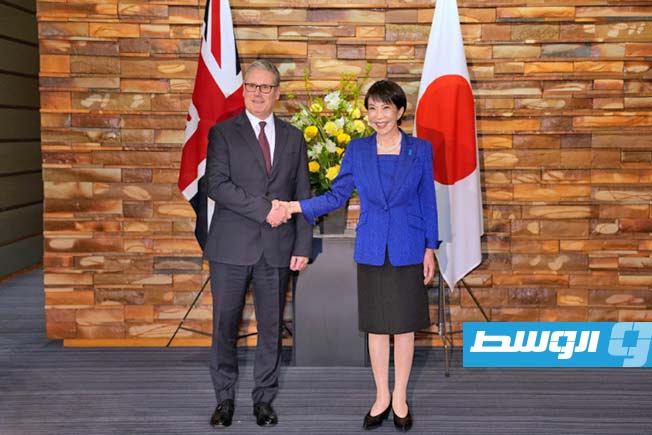
The council for the promotion of Indian textile exports explained that the agreement signed with the United Kingdom in July 2025, set to enter into force this year, will allow for a doubling of New Delhi’s exports to the British market.
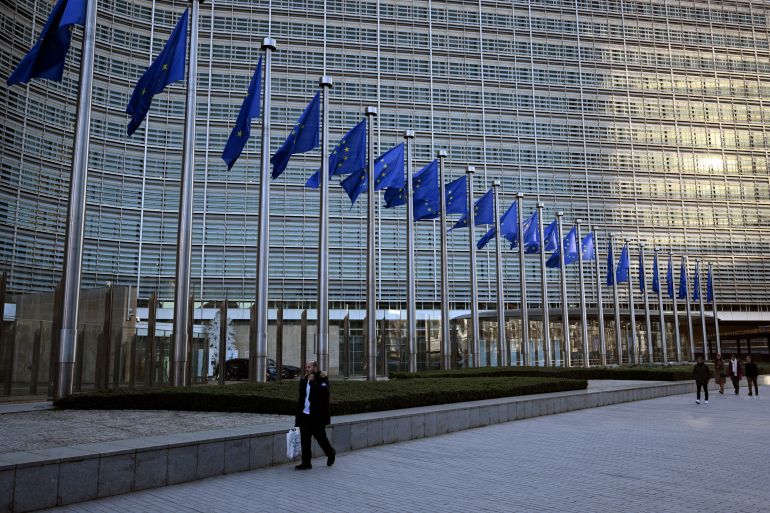
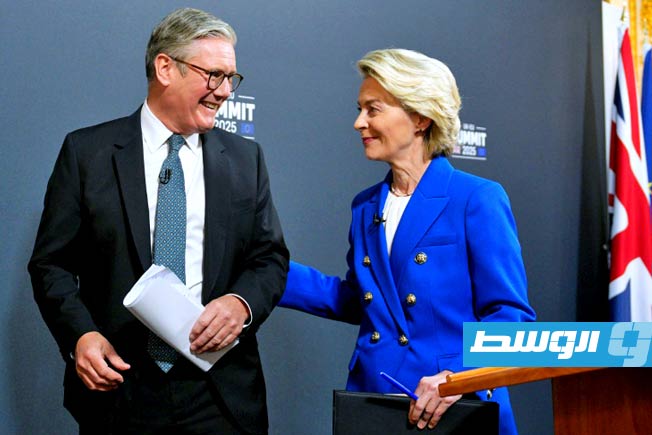
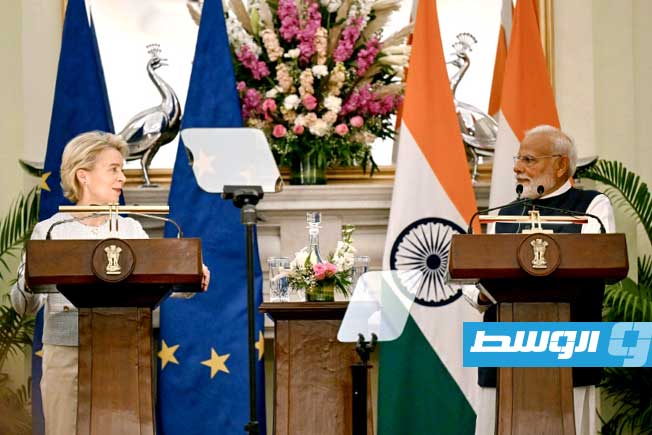
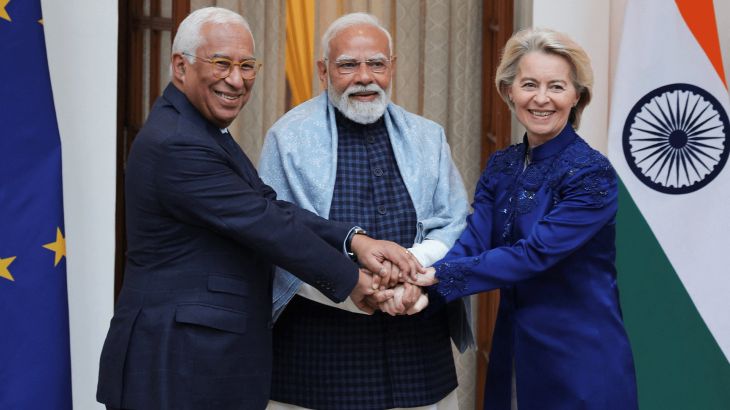
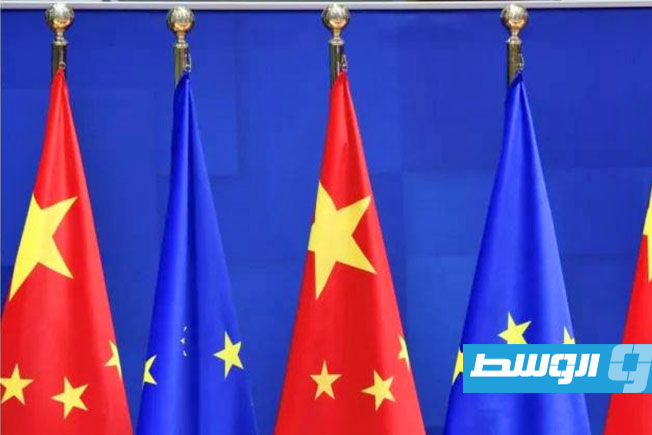
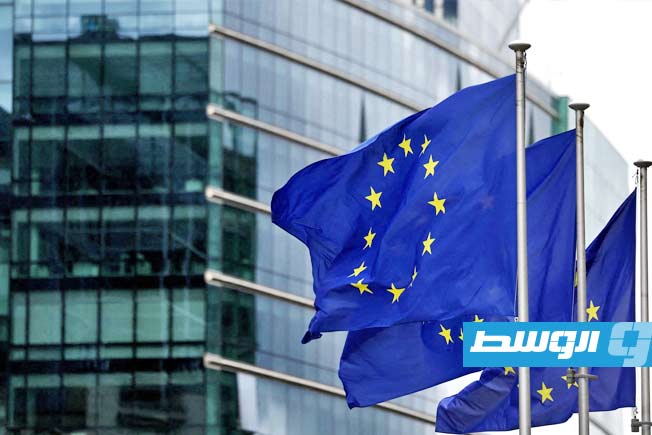
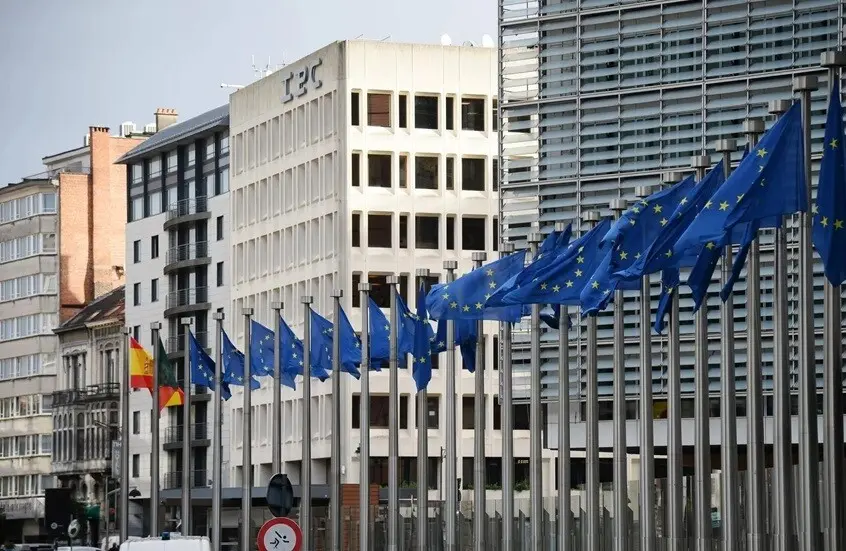
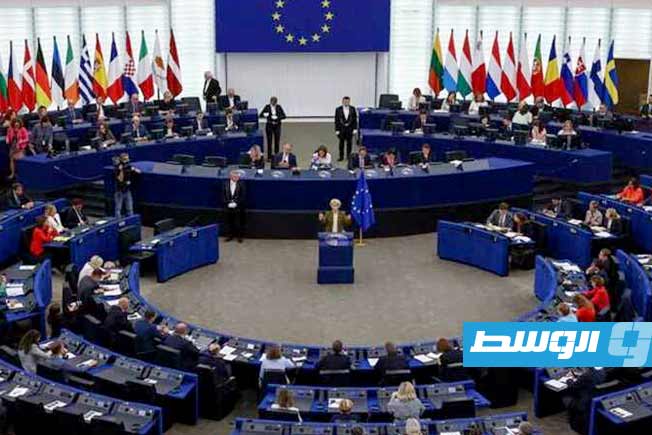
As for the trade agreement with the European Union, which was supposed to be signed at the end of 2025, it will be “the largest of its kind in the world,” according to statements made ahead of a planned visit to New Delhi in late January.
It was anticipated days ago that this agreement could be reached in the coming weeks.
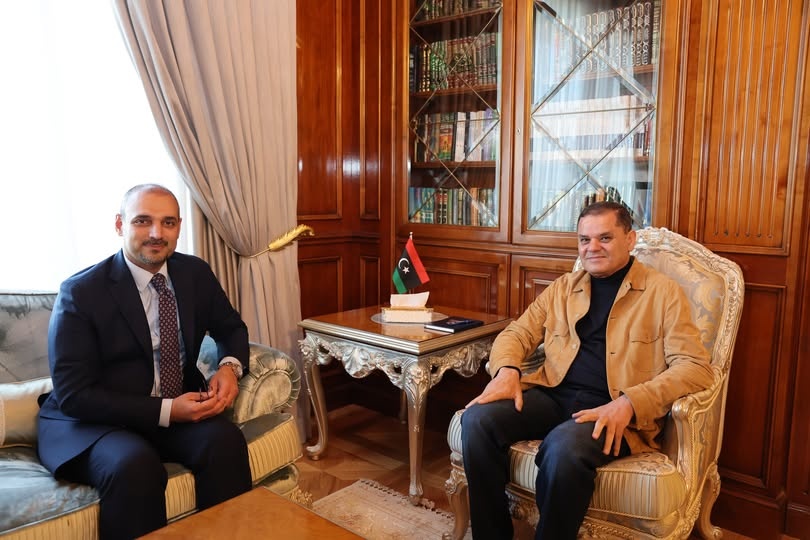
“Enhancing cooperation in the fields of trade and investment” tops the agenda of a meeting to be held in India on Monday, according to an official statement.
India
India is a South Asian nation with a rich, ancient history spanning thousands of years, home to the Indus Valley Civilization and successive empires. It is renowned for its profound cultural and spiritual heritage, including the origins of major religions like Hinduism, Buddhism, Jainism, and Sikhism. The country gained independence from British colonial rule in 1947 and is today the world’s largest democracy.
United States
The United States is a federal republic founded in 1776 after declaring independence from Great Britain, establishing itself through a revolutionary war and the adoption of a constitution in 1787. It grew from thirteen original colonies into a global superpower, with a history marked by westward expansion, industrialization, and significant domestic and international conflicts. Its diverse culture is shaped by waves of immigration and a blend of indigenous, European, African, and other global influences.
Washington
Washington, D.C., is the capital city of the United States, founded in 1790 following the ratification of the U.S. Constitution. It was established as a federal district through the Residence Act and named after the first U.S. president, George Washington. The city is renowned for its iconic national monuments, museums, and as the seat of the U.S. federal government.
New Delhi
New Delhi is the capital city of India, officially inaugurated in 1931 to replace Calcutta as the seat of the British Raj. It was designed by architects Edwin Lutyens and Herbert Baker, featuring wide boulevards and grand government buildings like the Rashtrapati Bhavan and India Gate. Today, it serves as the political and administrative heart of the Republic of India.
Russia
Russia is the world’s largest country by area, spanning Eastern Europe and Northern Asia. Its history is marked by the rise and fall of the Kievan Rus’, the Tsardom of Russia, the Russian Empire, the Soviet Union, and the modern Russian Federation established in 1991. It is renowned for its vast landscapes, rich cultural heritage in literature, music, and art, and its influential role in global geopolitics.
United Kingdom
The United Kingdom is a sovereign nation comprising England, Scotland, Wales, and Northern Ireland, with a history of formation through successive political unions, most notably the Acts of Union in 1707 and 1800. It emerged as a major global power during the colonial era and was the world’s first industrialized nation, profoundly influencing modern politics, economics, and culture. Its rich historical legacy includes institutions like the centuries-old parliamentary system and a constitutional monarchy.
European Union
The European Union (EU) is a political and economic union of 27 European countries, established after World War II to foster economic cooperation and prevent future conflict. Its foundations were laid with the 1951 European Coal and Steel Community, which evolved through key treaties into the modern EU, featuring a single market and a common currency used by many member states.
Eurasian Economic Union
The Eurasian Economic Union (EAEU) is an international economic union established in 2015, aiming to ensure the free movement of goods, services, capital, and labor between member states. Its origins trace back to earlier post-Soviet integration efforts, including the Eurasian Economic Community formed in 2000, and it is primarily led by Russia. The current member states include Armenia, Belarus, Kazakhstan, Kyrgyzstan, and Russia.
Mexico
Mexico, officially the United Mexican States, is a country with a rich history spanning ancient civilizations like the Maya and Aztec, the Spanish colonial period, and its independence in 1821. It is renowned for its vibrant cultural heritage, including UNESCO World Heritage sites, distinctive cuisine, and traditions like Día de los Muertos.
Chile
Chile is a long, narrow country stretching along South America’s western edge, known for its diverse landscapes ranging from the Atacama Desert to Patagonian glaciers. Its history is marked by pre-Columbian cultures like the Mapuche, Spanish colonization beginning in the 16th century, and independence achieved in 1818. Modern Chile is recognized for its stable democracy and significant cultural contributions in literature and the arts.
South America
South America is a continent known for its diverse landscapes, ranging from the Amazon rainforest to the Andes mountains. Its history is profoundly shaped by ancient indigenous civilizations like the Inca, followed by European colonization primarily by Spain and Portugal, leading to a complex cultural heritage that blends these influences. Today, it is comprised of 12 independent countries, each with its own distinct identity.
Mercosur
Mercosur is a South American trade bloc established in 1991 by the Treaty of Asunción, with the founding members being Argentina, Brazil, Paraguay, and Uruguay. Its primary aim is to promote free trade and the fluid movement of goods, people, and currency among its member states. Over time, it has expanded to include associate members and has sought to foster greater political and economic cooperation across the region.