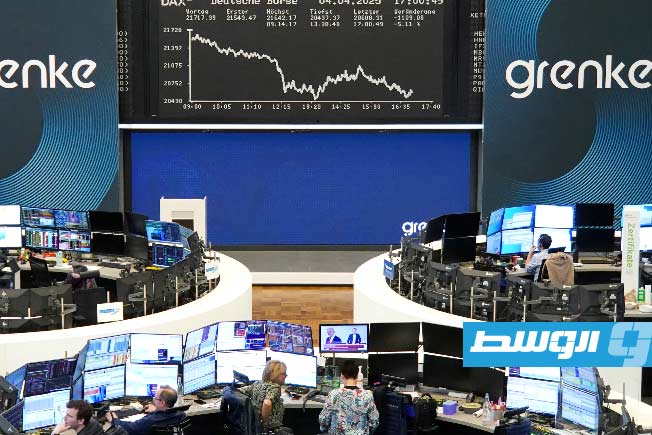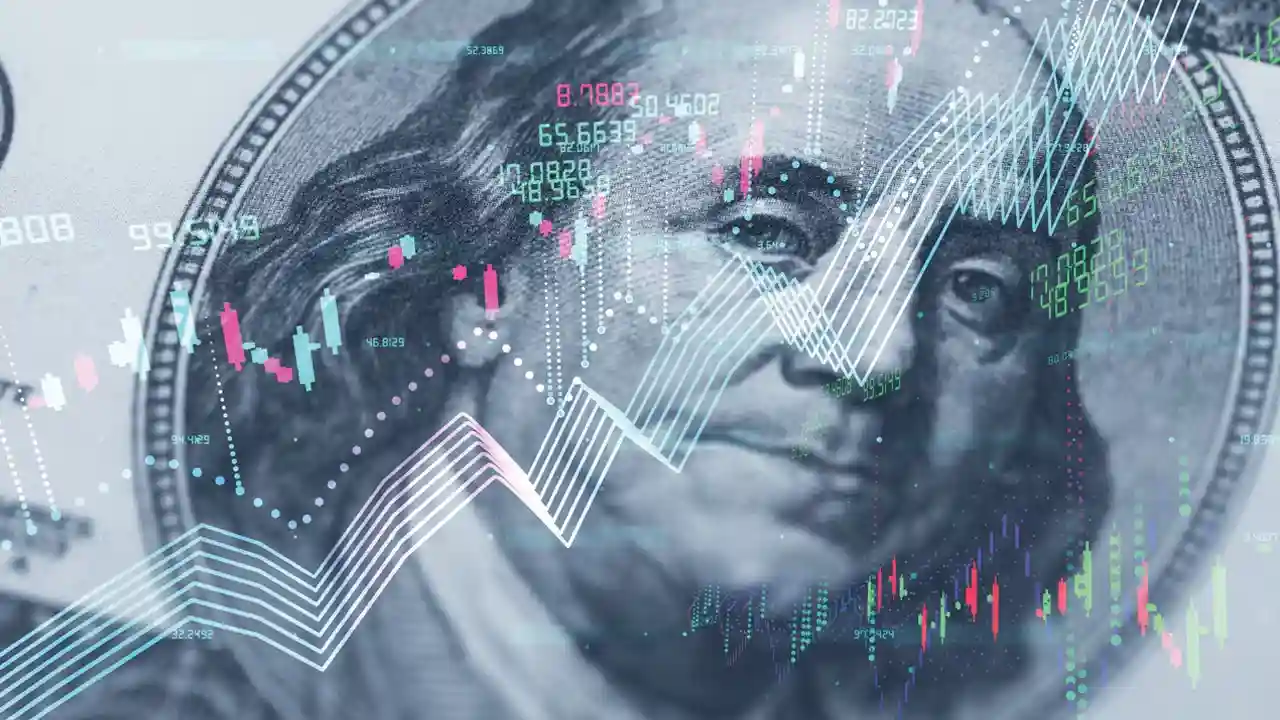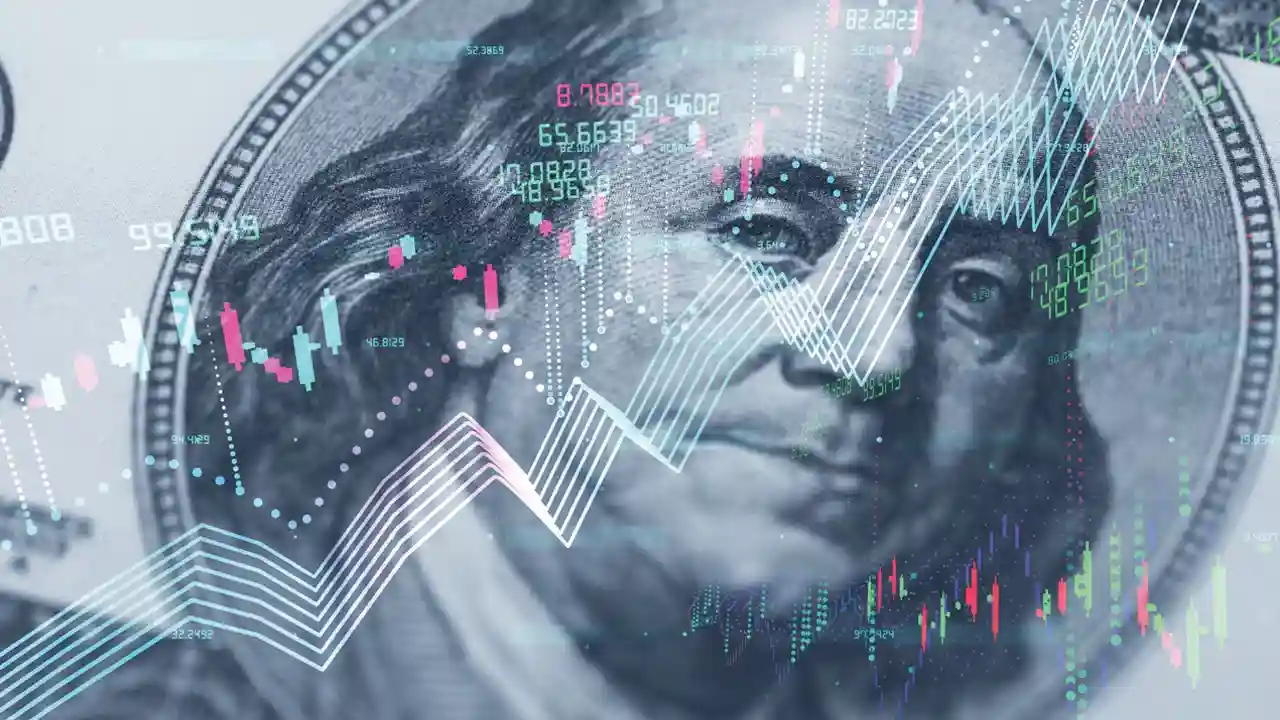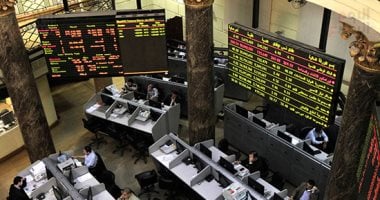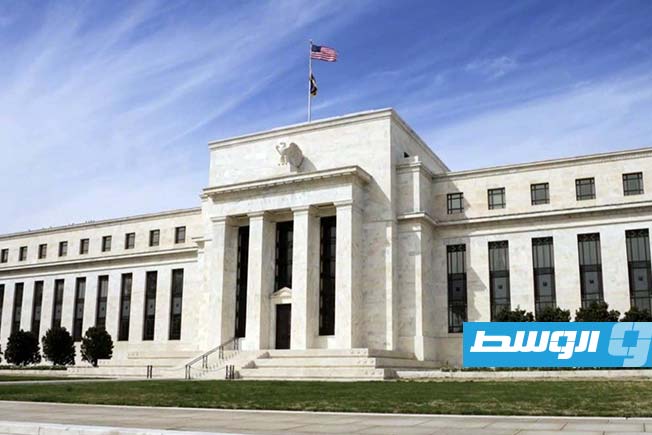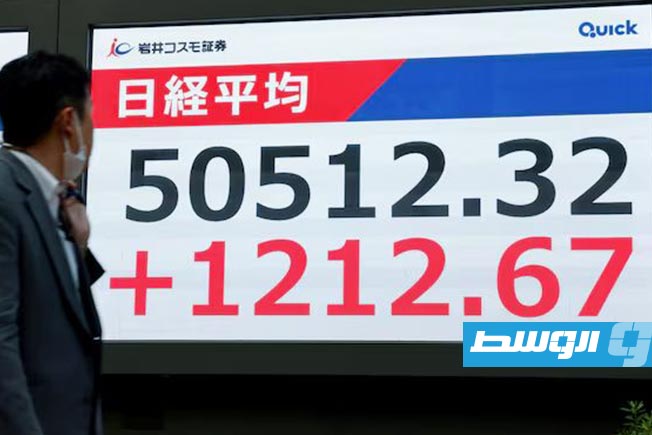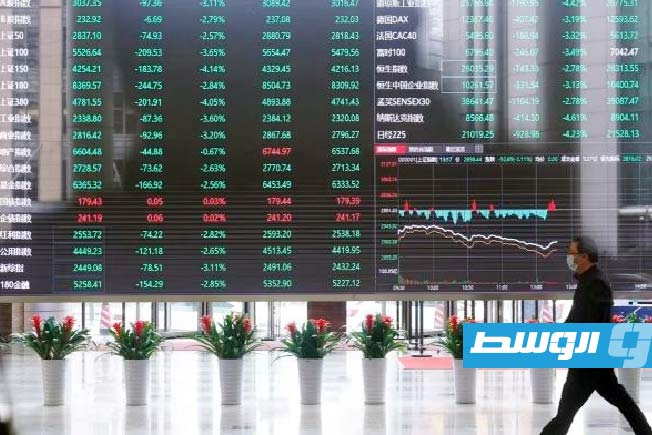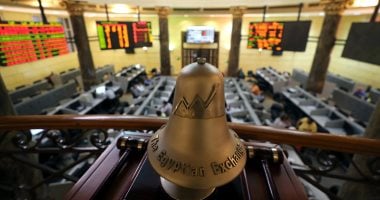
The clock has struck on ending a tradition practiced for over a century on Wall Street—the ringing of the bell at the morning opening and afternoon closing of trading. The American stock exchange intends to remain open around the clock, a move that appeals to small investors.
At the beginning of the week, the New York Stock Exchange announced its intention to create a platform enabling “24/7, all-week-long operations” and “instant settlement” of trades, though it has not yet set a launch date.
In a statement, the Intercontinental Exchange group, which owns the New York Stock Exchange, explained that these time-unrestricted transactions rely particularly on issuing digital tokens representing shares of companies listed on the exchange.
As for the other New York trading platform, Nasdaq, which lists many technology companies, it may take a similar step this year, aiming to provide 24/5 trading (24 hours a day, five days a week). Both projects require approval from the Securities and Exchange Commission and represent, to some extent, a notable shift in the U.S. stock market.
“A Waste of Time”
It is recalled that initially, investors had to be “physically present” on Wall Street to buy or sell stocks.
It was recounted that “many things were done on paper, traders remained standing and shouted at each other… and they had to record what each person bought and sold” and calculate these transactions, describing it as a pace “impossible to keep up with” if exchange hours were too long.
However, electronic trading platforms emerged over time, allowing trading outside traditional hours and achieving increasing success.
A document published by the New York Stock Exchange in early 2025 showed that “the volume of after-hours trading has increased significantly” since 2019, saw a very large increase since 2024, and reached “an average daily value of over $61 billion.”
“The Benefits of 24/7 Trading Outweigh Its Costs”
However, it was noted that the benefit of time-unlimited trading is minimal.
It was added, “Historically, the idea that the benefits of 24/7 trading outweigh its costs is based on weak arguments,” and it was observed that “only a few events that could affect the New York Stock Exchange market occur outside normal business hours,” describing the idea of continuous trading as “a waste of time.”
It was argued that the only advantage of the platform announced by the New York Stock Exchange lies in reducing the time required to complete trades. Today, in most stock markets, buy orders are only settled the next day, pending verification that everything is in order and proper. It was said that “reducing the settlement window could become an advantage” for the New York Stock Exchange compared to other financial markets.
Attracting Foreigners and Youth
Wall Street remains the most important financial market in the world, especially in terms of the huge market values it hosts, but competition is intensifying.
Last year, a large proportion of European indices achieved returns higher than their American counterparts. By extending trading hours, Wall Street can hope to expand its audience to include investors with modest means, including those located outside the American continent.
According to the latest available figures, approximately 18% of U.S. stocks were held by foreigners in 2024, according to the Treasury Department.
As for new exchange traders, “especially younger ones,” it was observed that they “appreciate the idea of being able to trade stocks at any time, as they do with cryptocurrencies and other digital assets, whether at night or on weekends.”