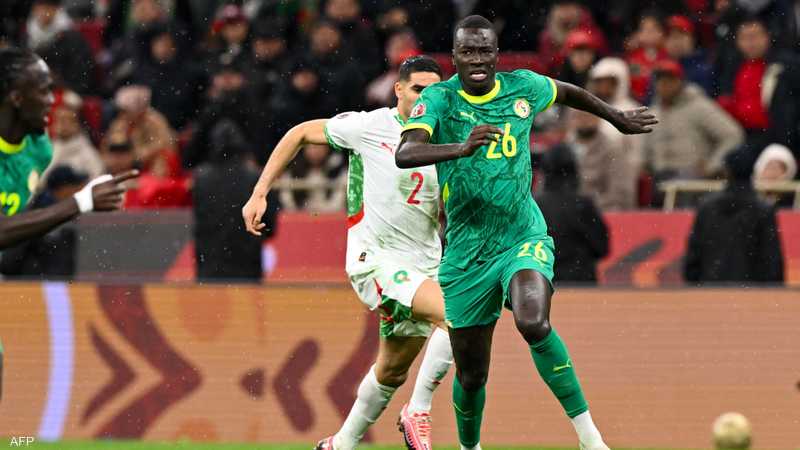
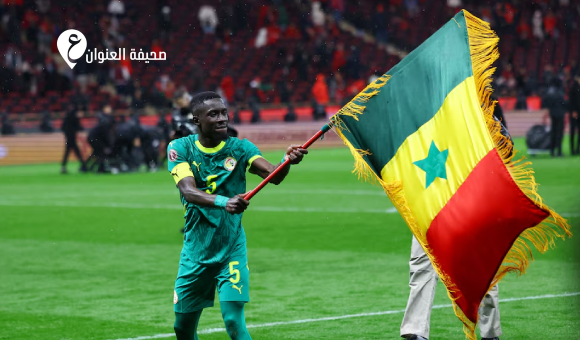
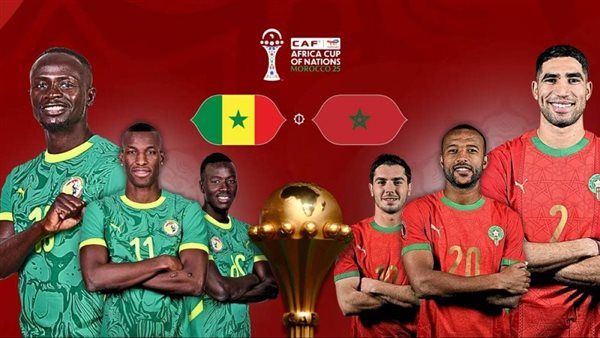
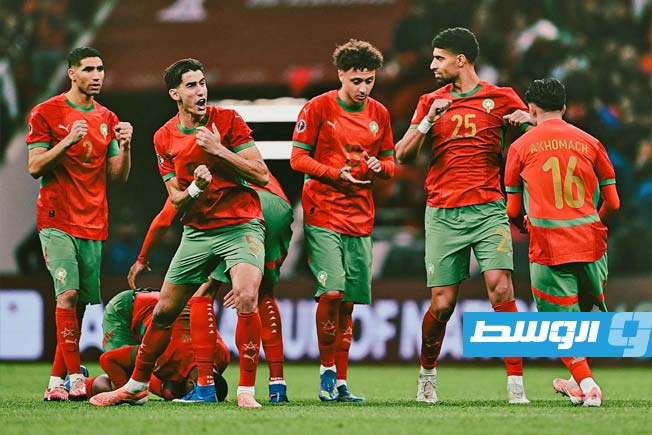
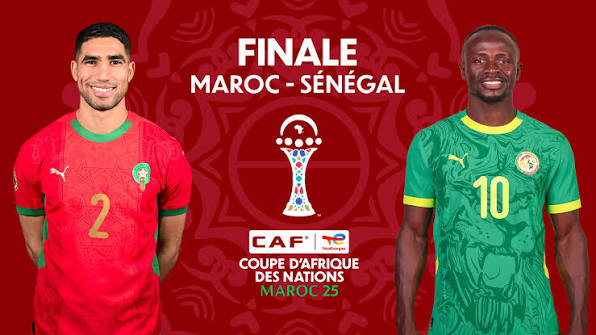
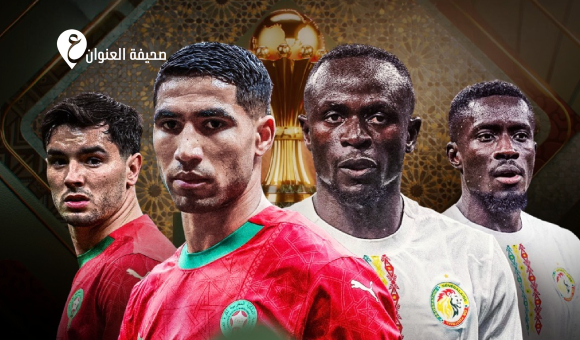
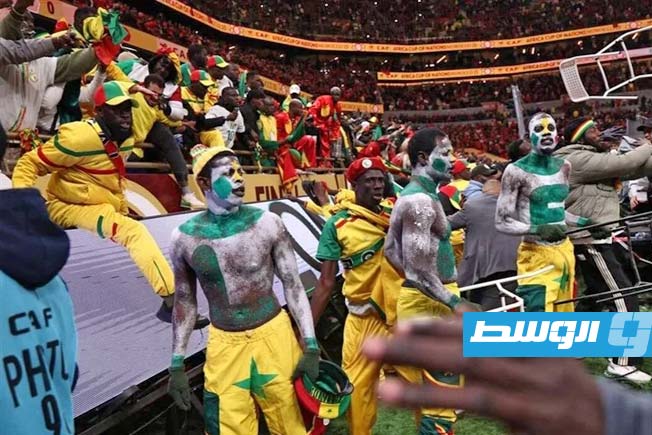
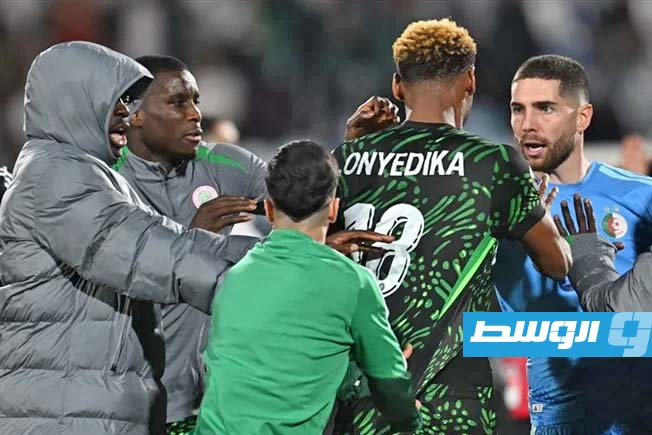
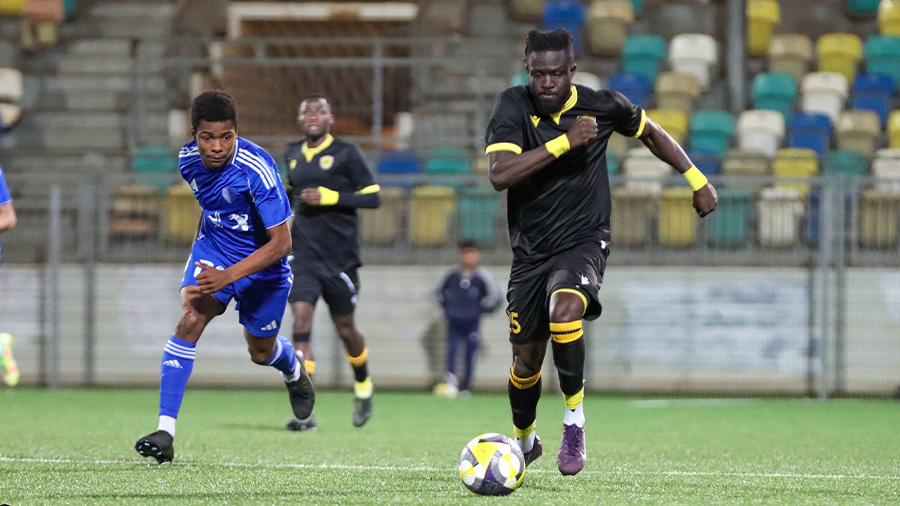
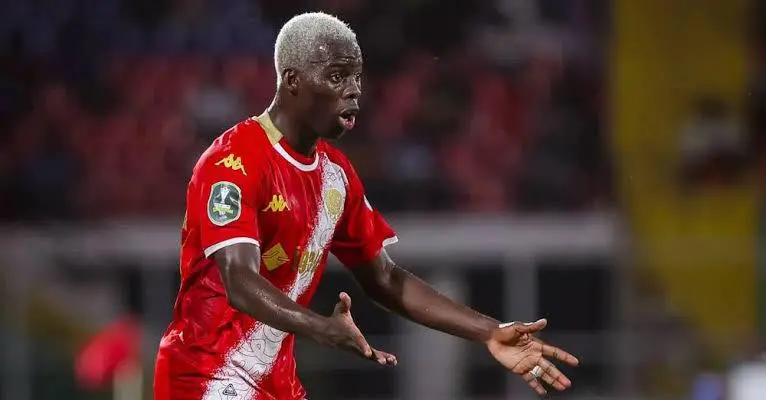
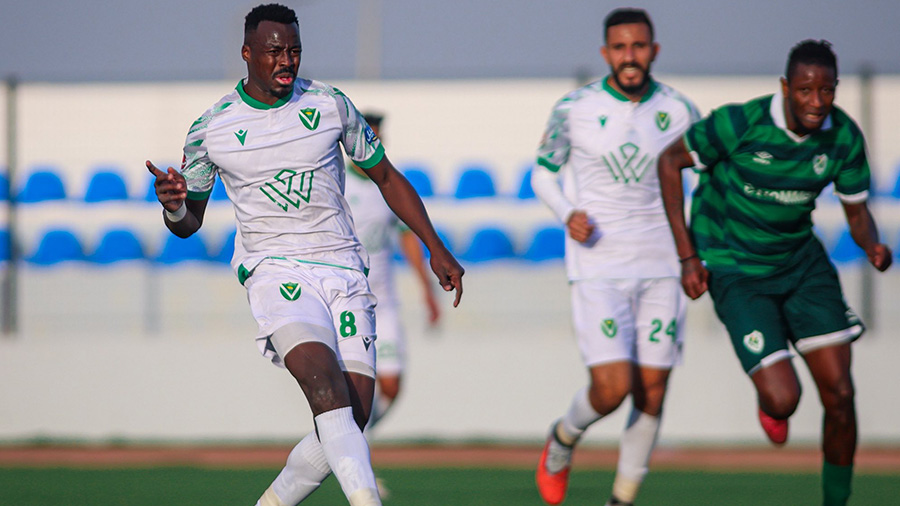
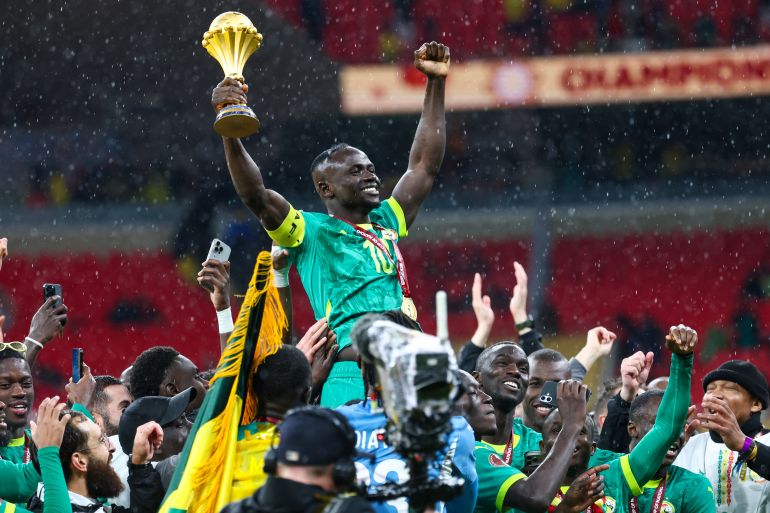
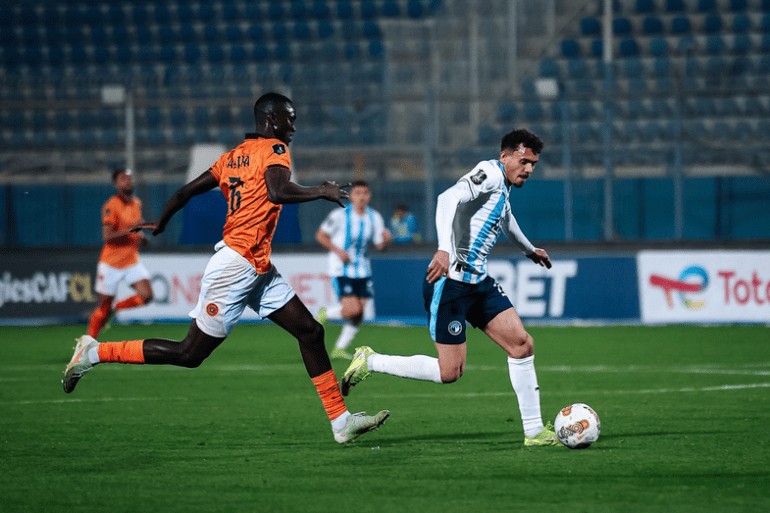
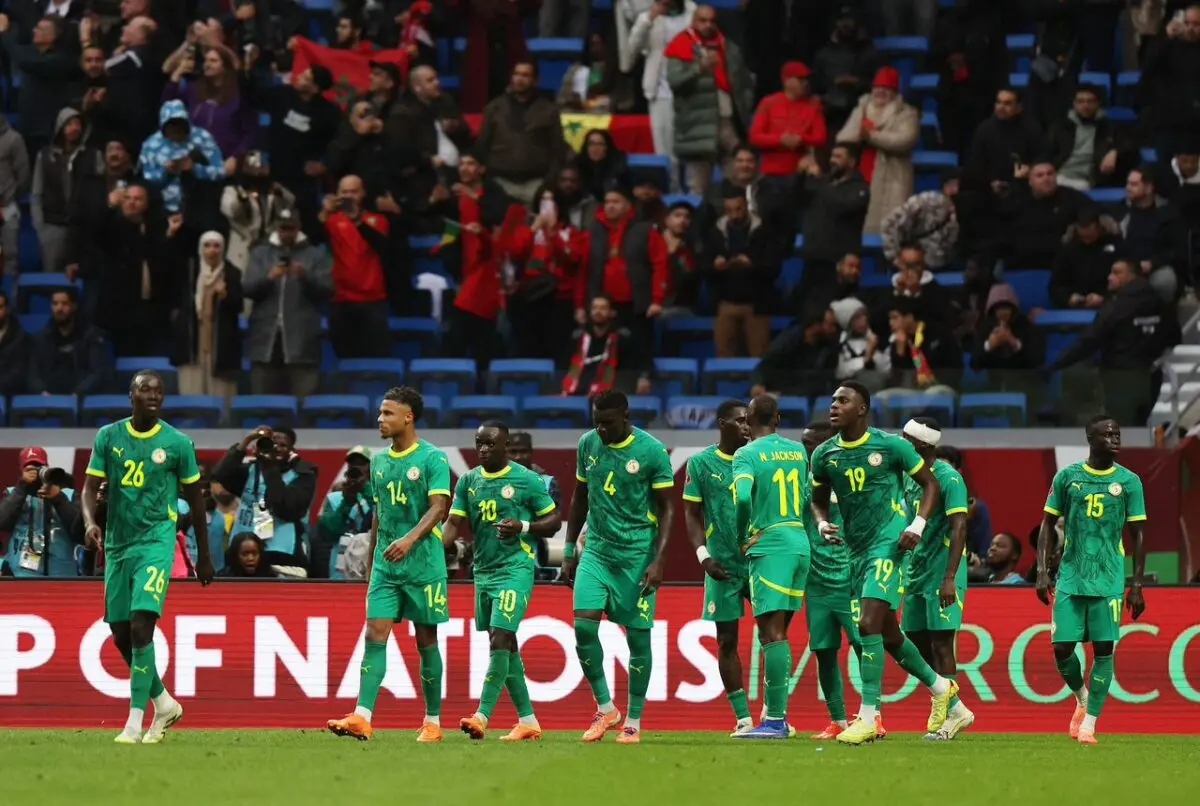
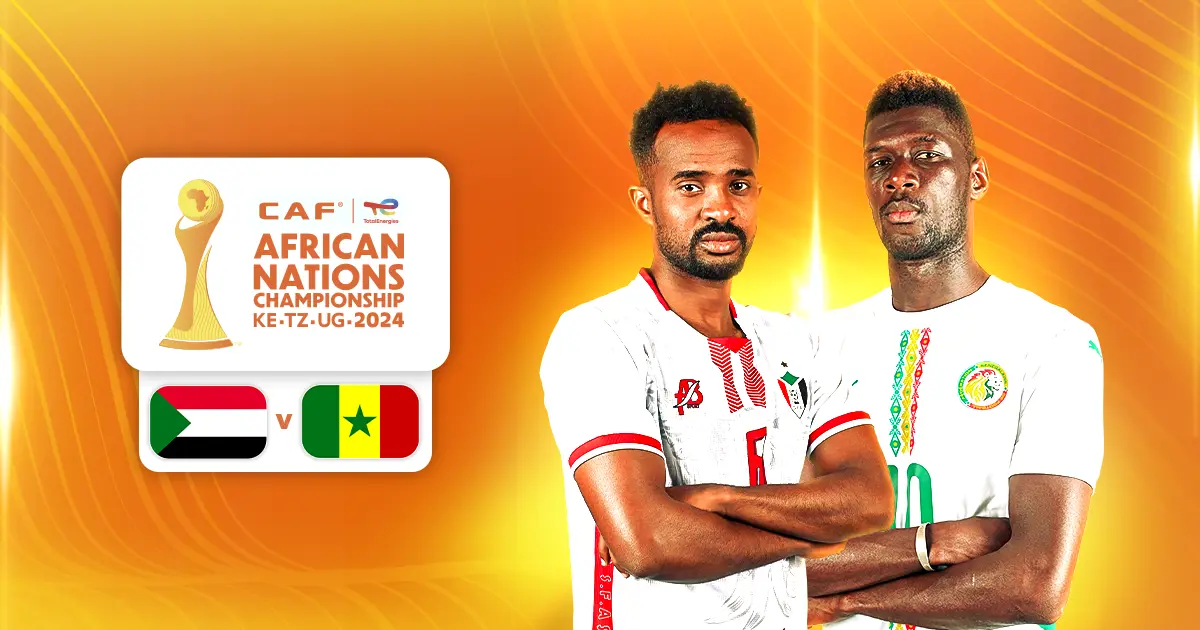
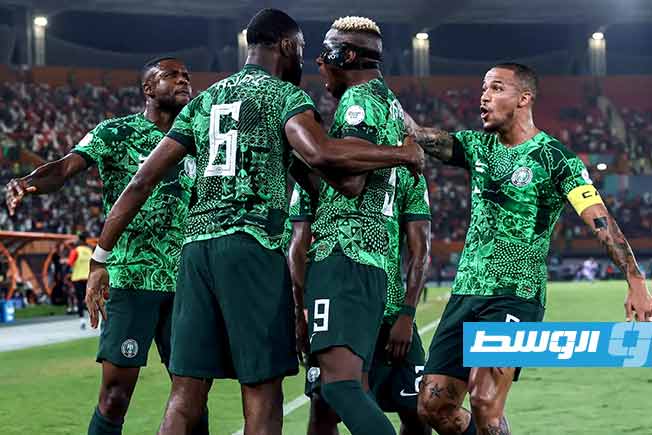
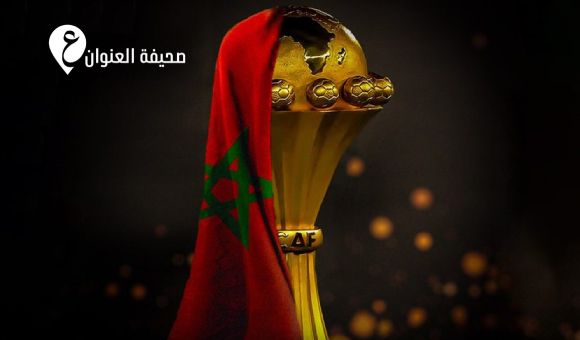
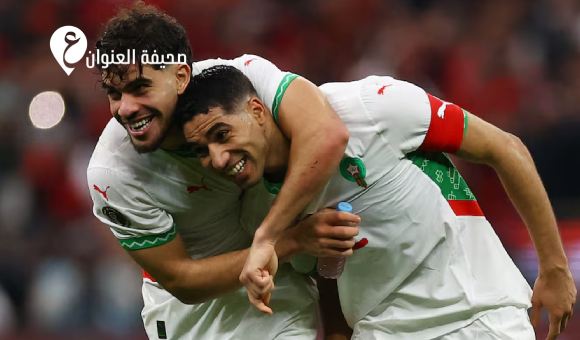
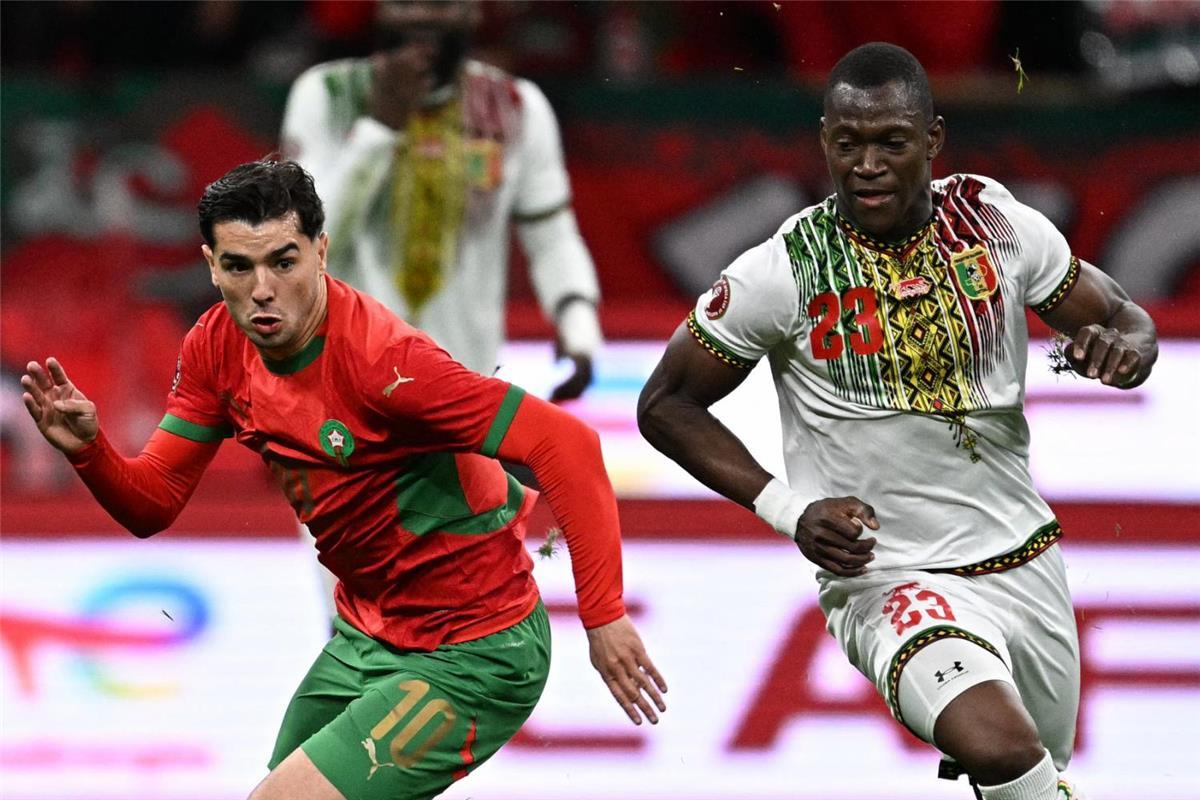
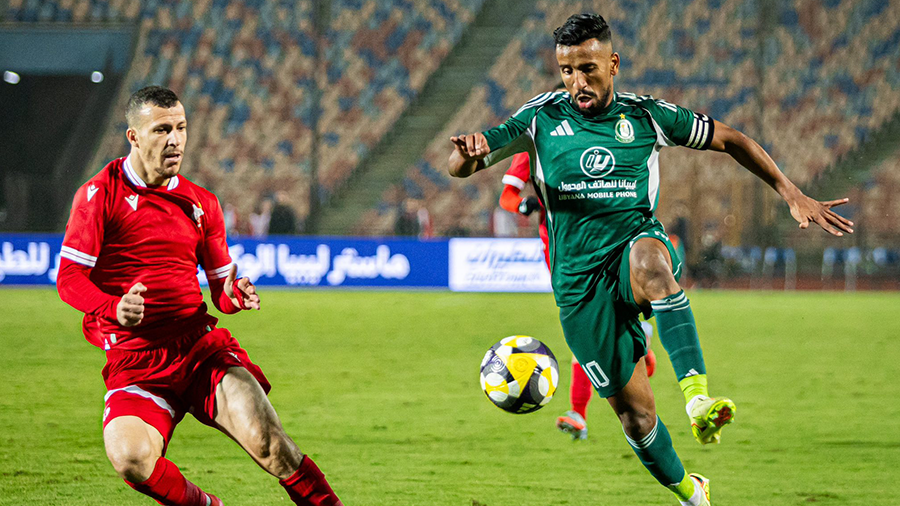
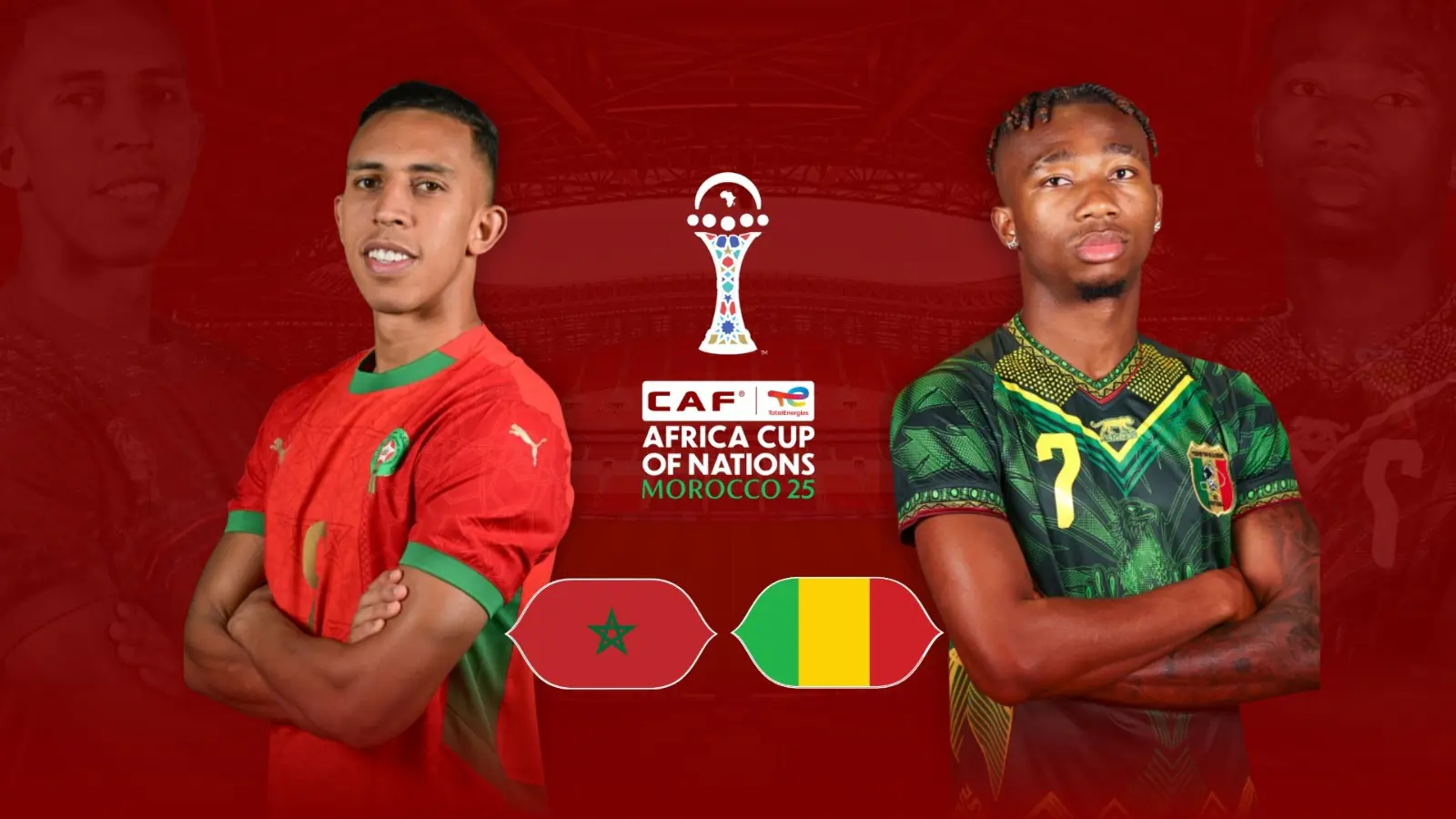
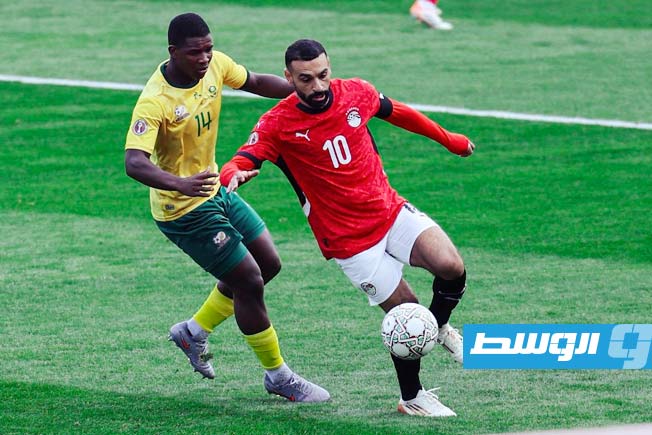
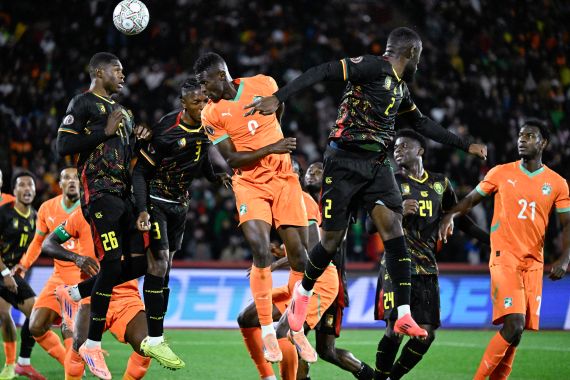
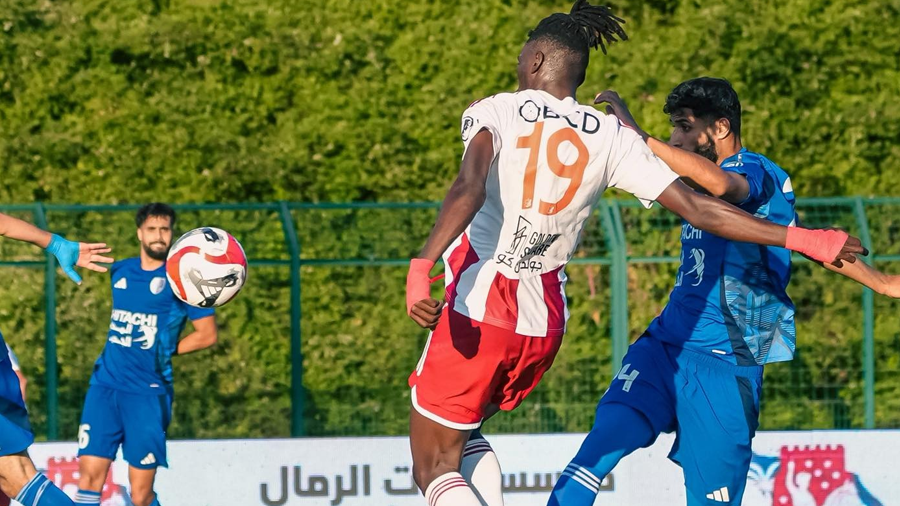
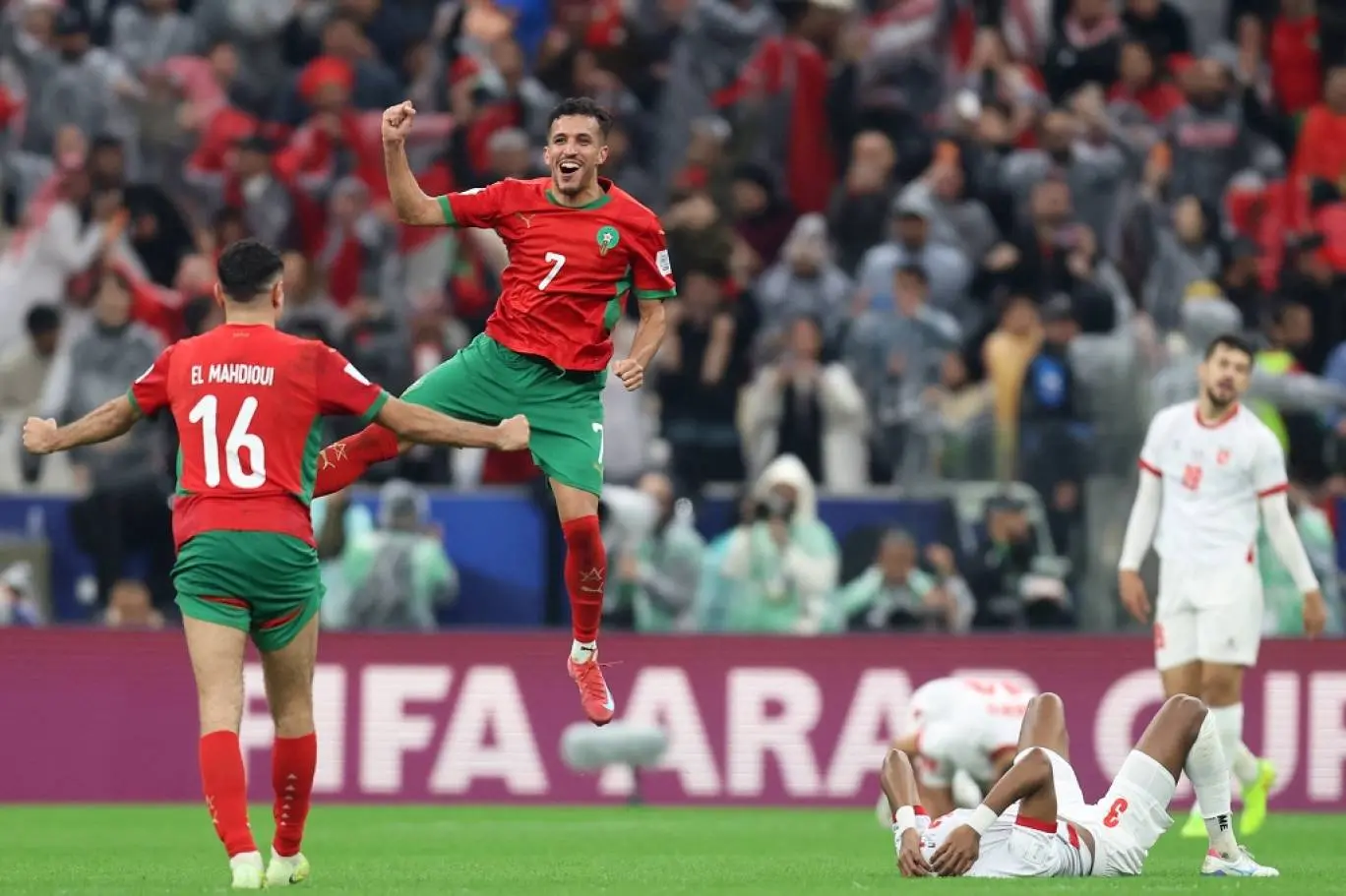
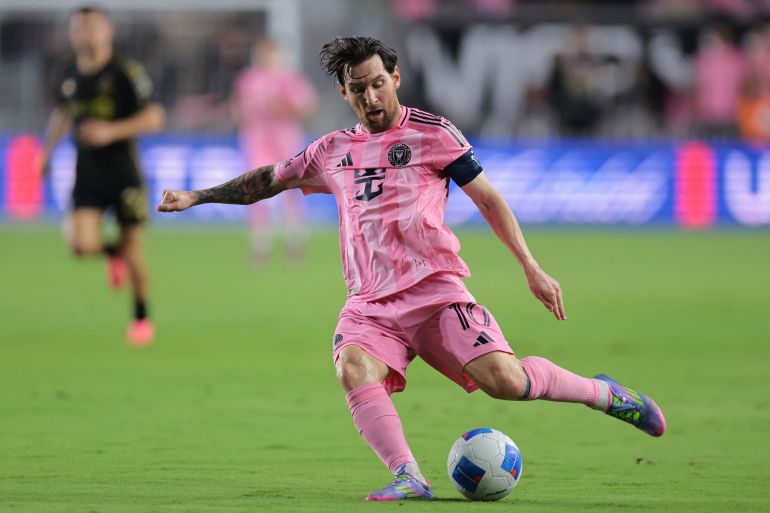
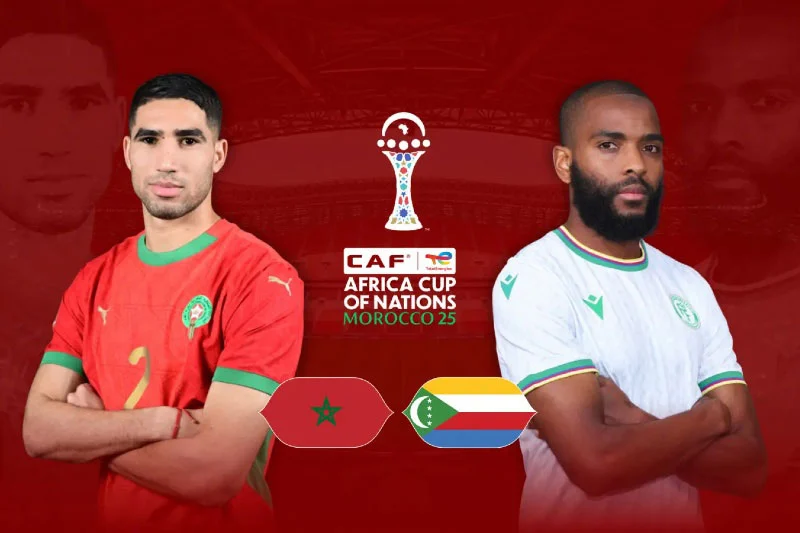
Senegal’s top scorer, Pape Gueye, acknowledged that his team made a mistake by leaving the pitch during the final of the Africa Cup of Nations football match against host nation Morocco, as stated in an interview on Sunday.
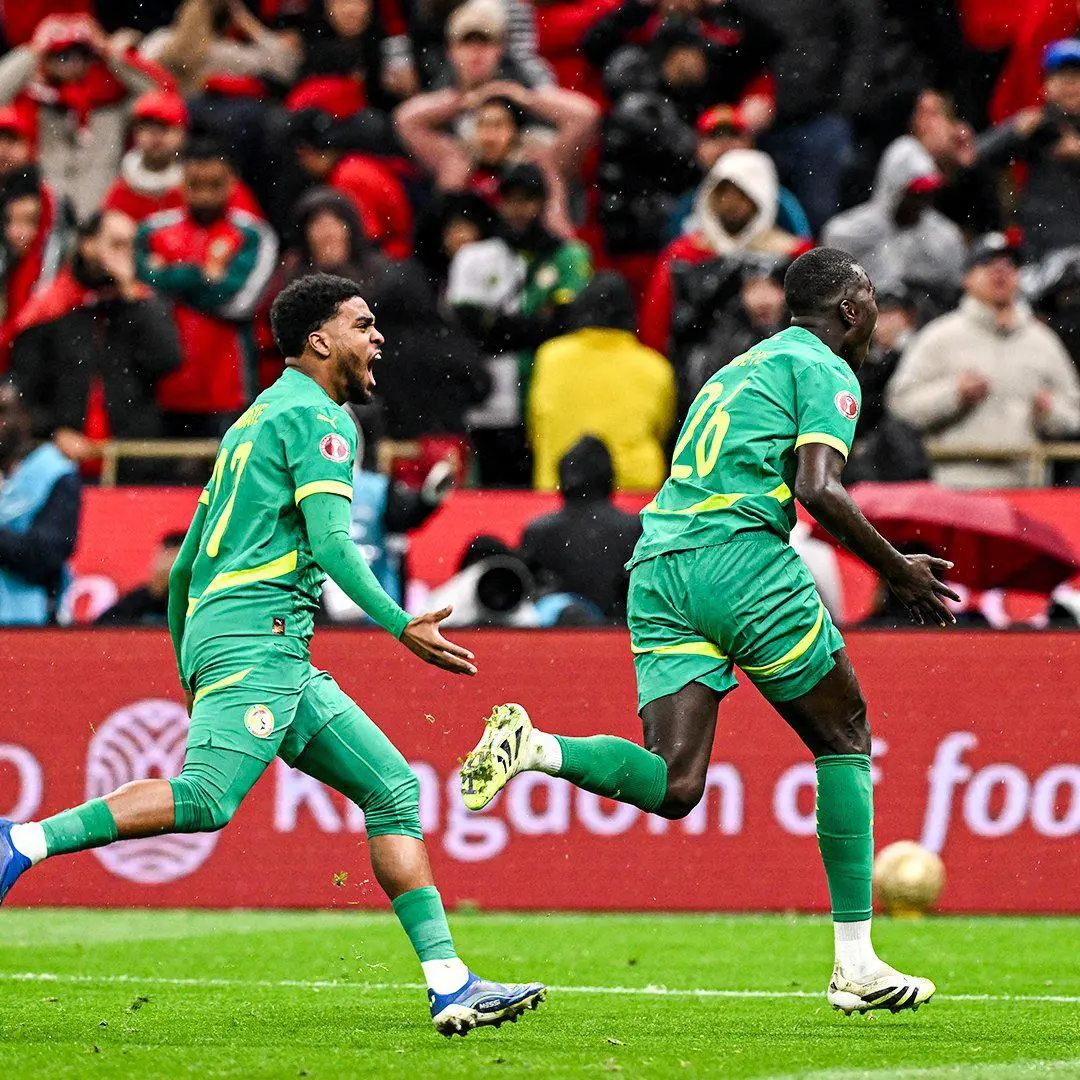
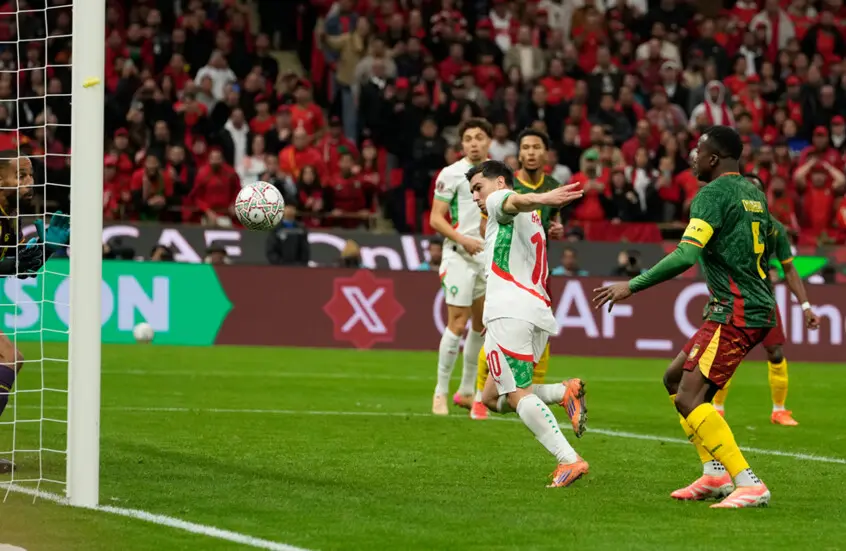
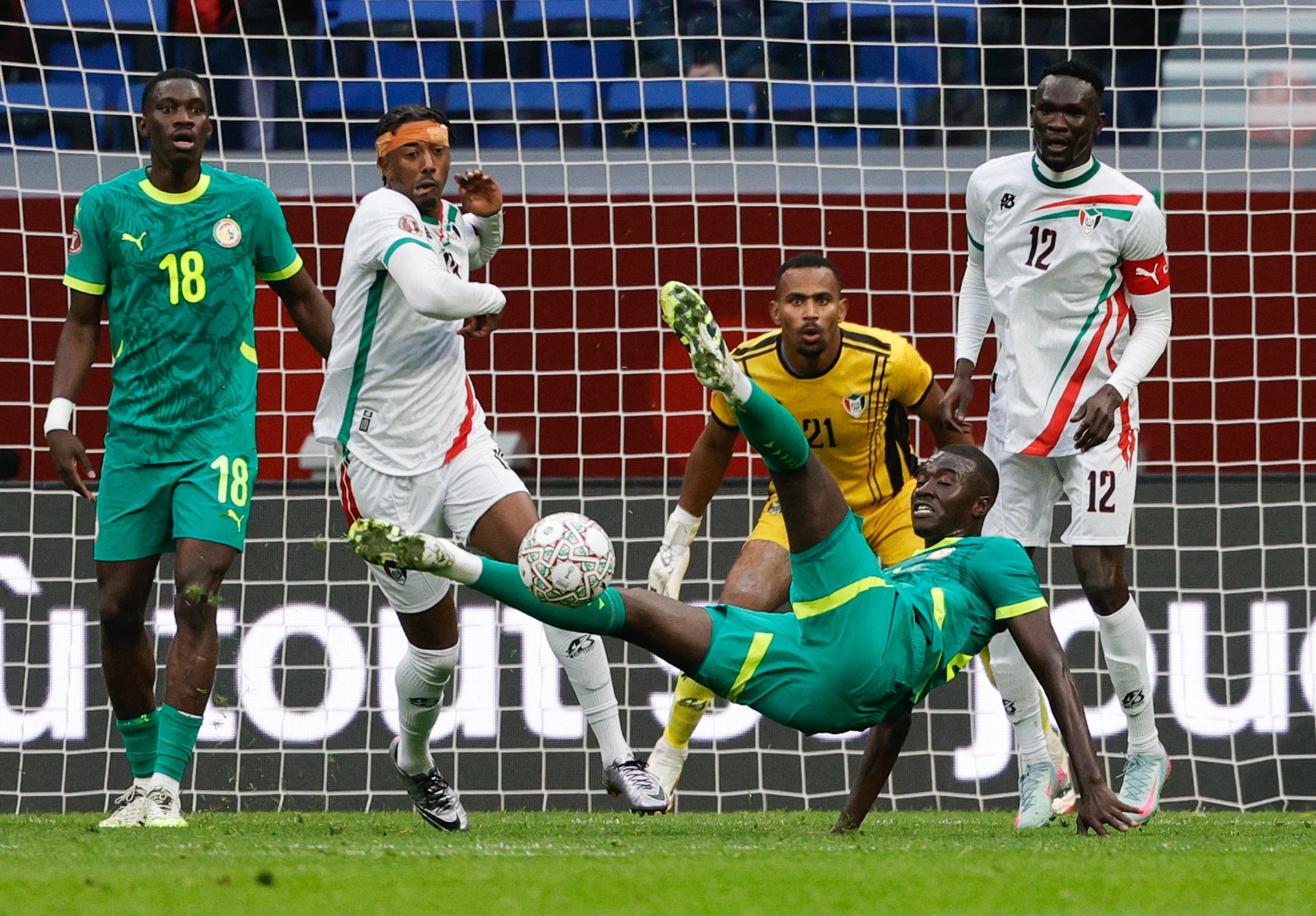
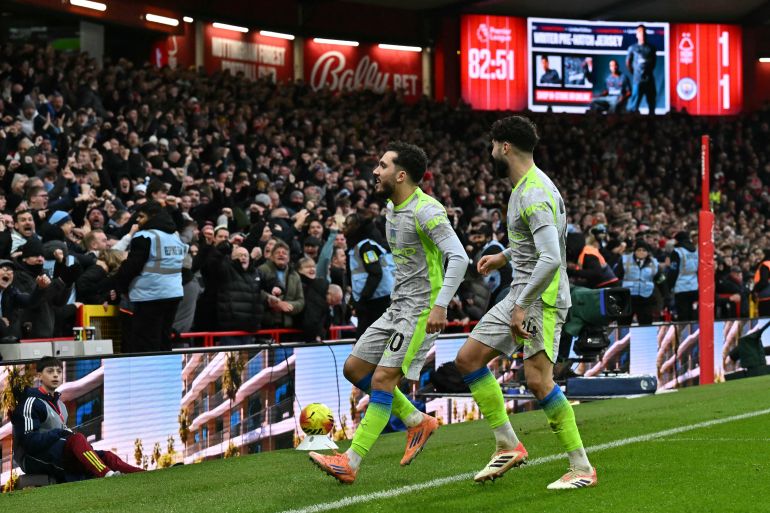
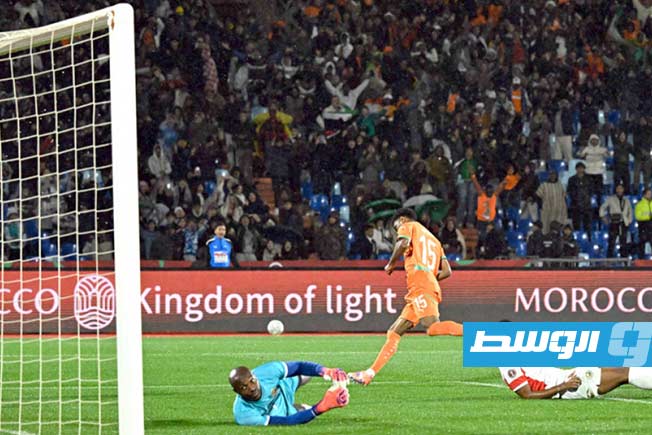
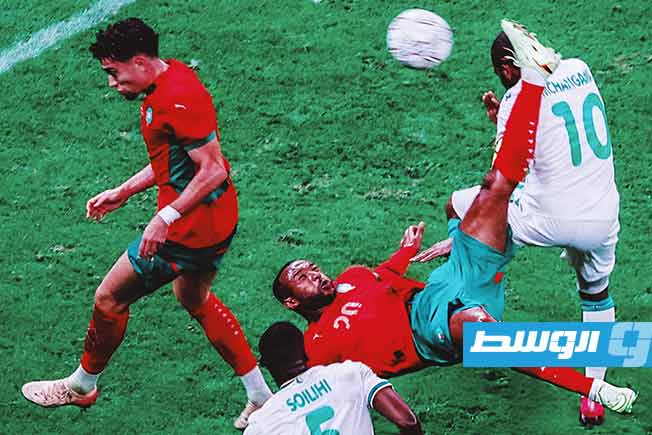
Gueye scored the winning goal for the “Lions of Teranga” against the hosts 1-0 in extra time, after the original 90 minutes ended in a goalless draw in Rabat last week in a controversial and chaotic match.
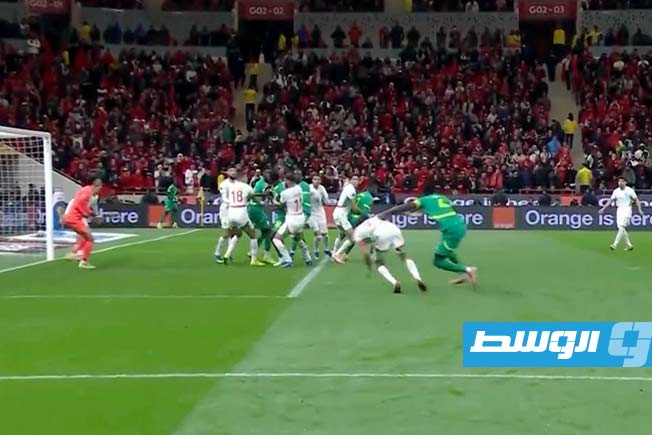
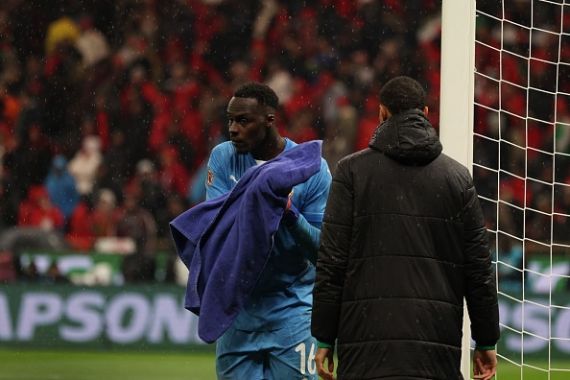
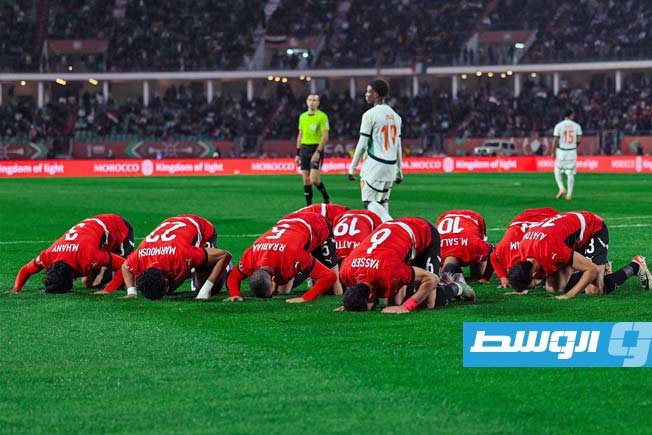
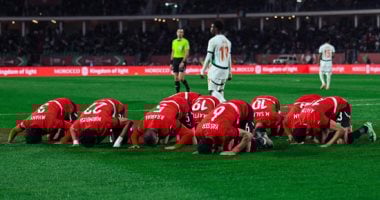
Senegal’s players were furious late in the game after a penalty was awarded against them, leading them to decide to leave the pitch, which caused the match to be halted for about twenty minutes.
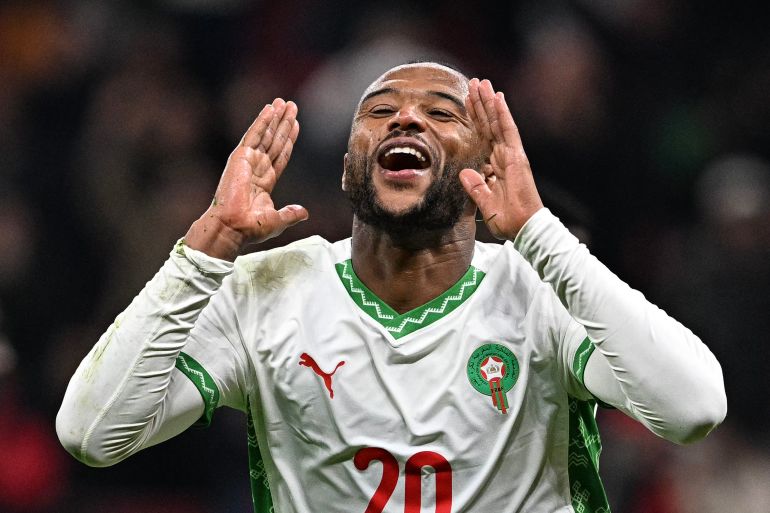
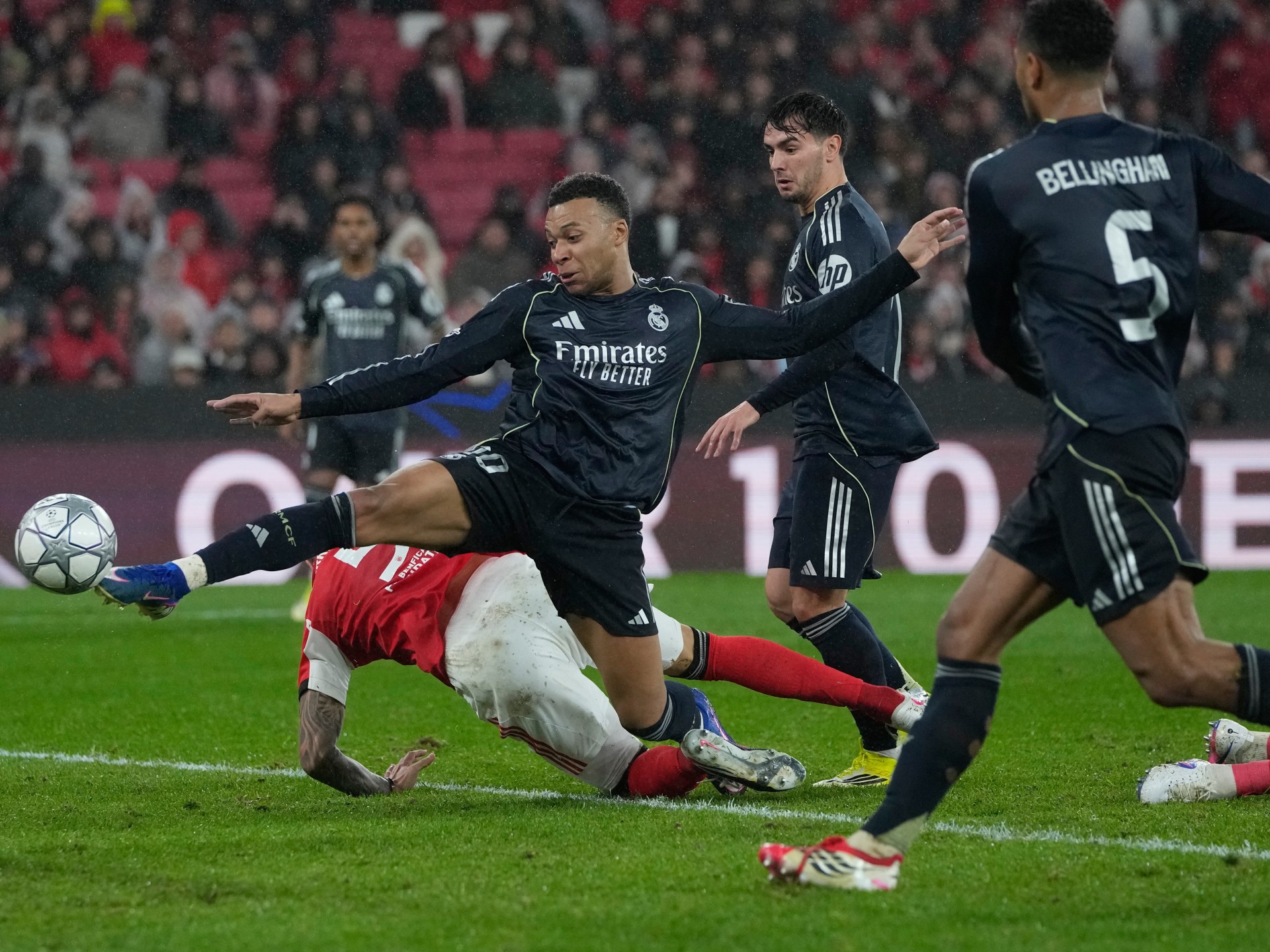
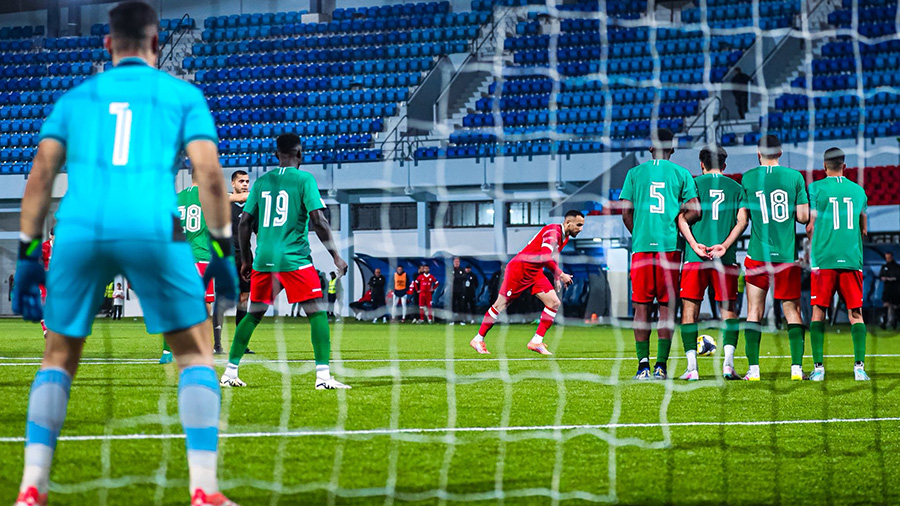
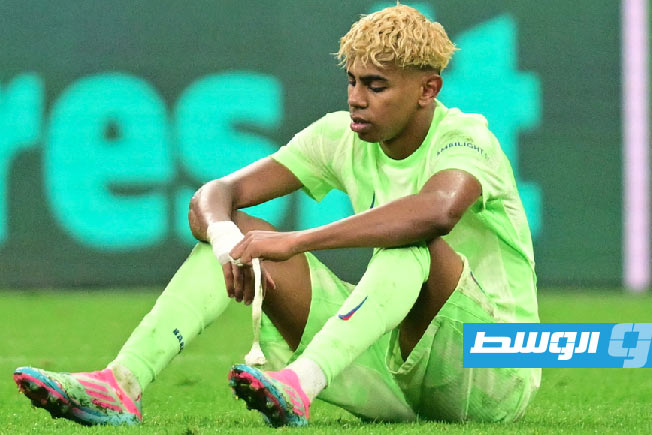
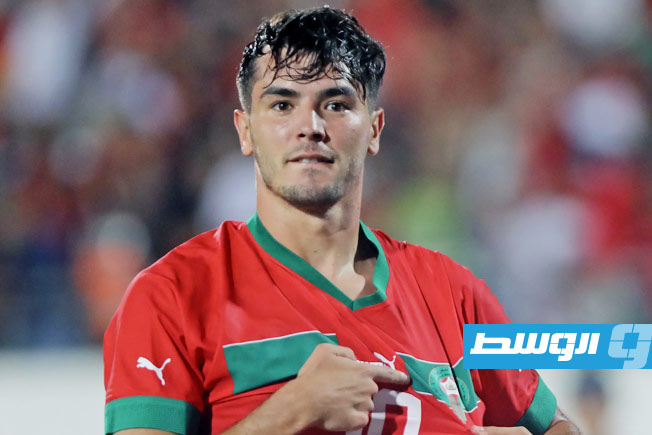
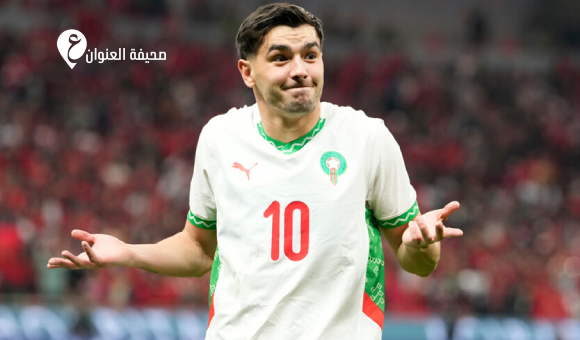
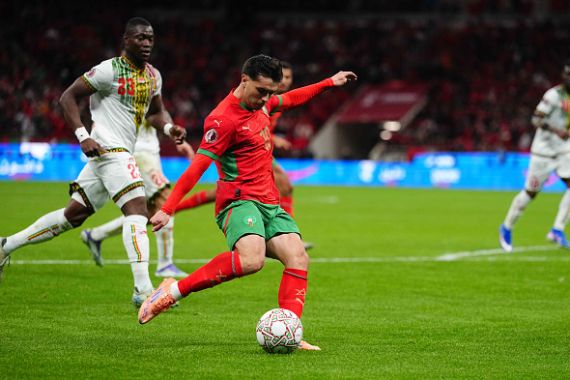
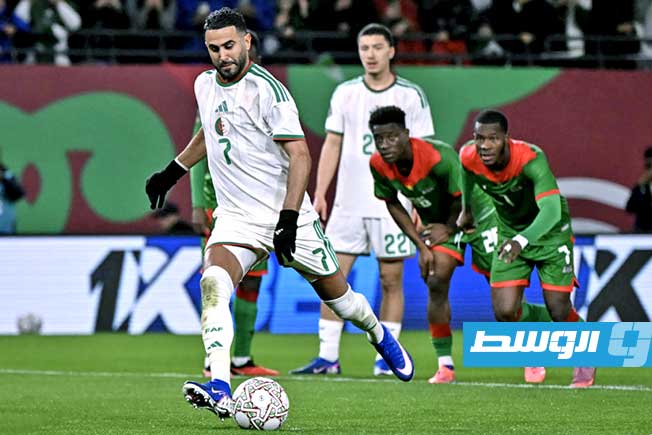
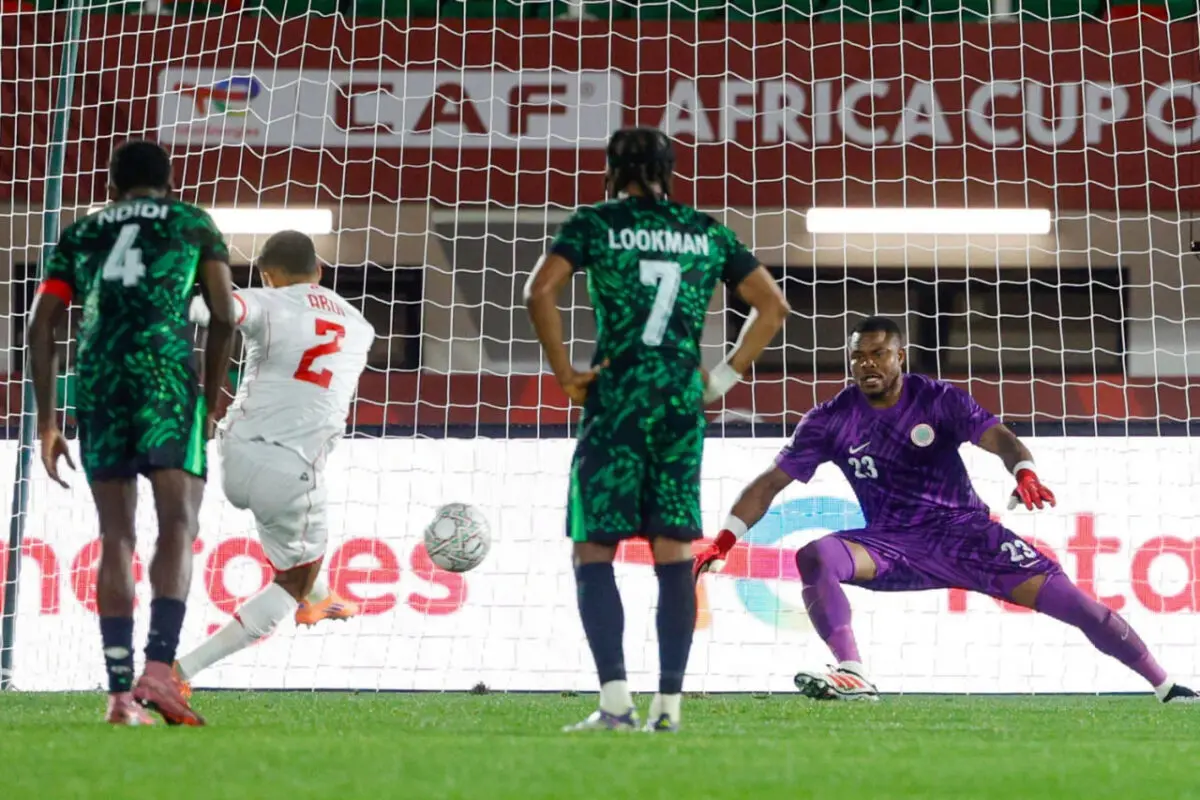
After they returned to the field, Real Madrid’s Spanish star Ibrahim Diaz missed the penalty in a shocking manner, taking a Panenka-style kick, before Gueye scored the winning goal in the first half of extra time (94th minute).
The 26-year-old midfielder said, “We are human after all, we realized our mistake and returned to the pitch.” He added, “Anyone can make a mistake.”
Gueye praised his teammate Sadio Mané, the star who remained on the pitch urging his teammates to return and complete the match.
Tension also dominated the Senegalese players, especially after a goal of theirs was disallowed due to a foul in the build-up two minutes before Diaz was awarded the penalty.
Gueye added, referring to Mané: “He found the right words at the right moment, and that shows how important he is to us.” He added, “We owe him a great deal of thanks.”
Gueye expressed his surprise at the way Diaz took the penalty using the “Panenka” technique, for which the player faced widespread criticism for the outcome.
He continued: “It was a bold move, and I wouldn’t have risked it myself.”
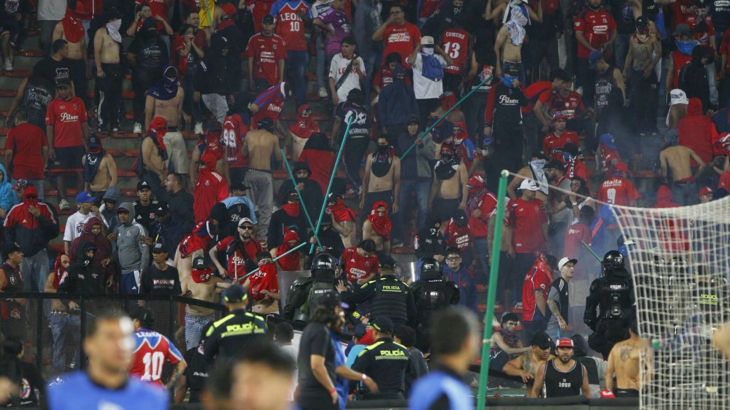
The Moroccan Football Federation has officially referred the incident of the walk-off and the behavior of the fans to the Confederation of African Football (CAF), the tournament’s organizing body, as well as to the International Federation.
Senegal
Senegal is a West African nation known for its rich cultural heritage and historical significance as a former French colony and a key hub in the transatlantic slave trade. Its cultural sites include the Island of Gorée, a UNESCO World Heritage site that memorializes the slave trade, and the Saint-Louis historic city center, which reflects its colonial past.
Africa Cup of Nations
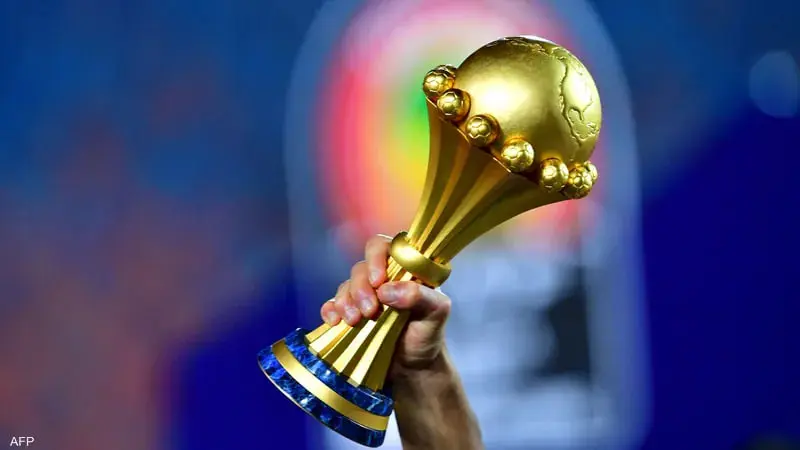
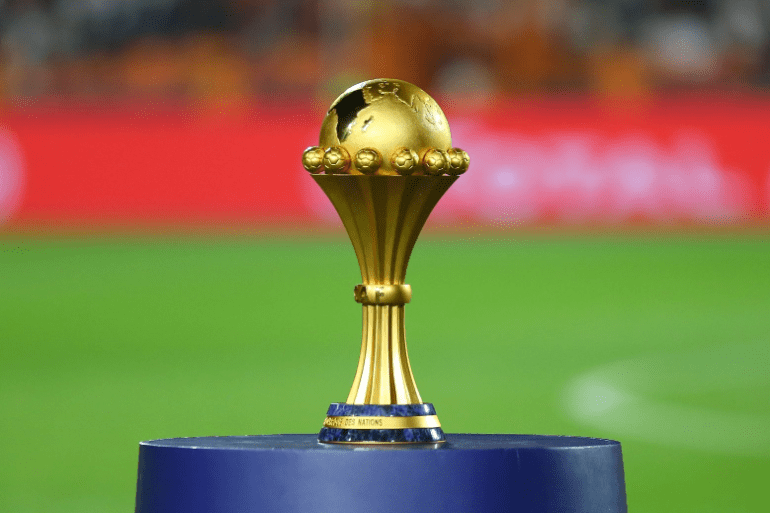
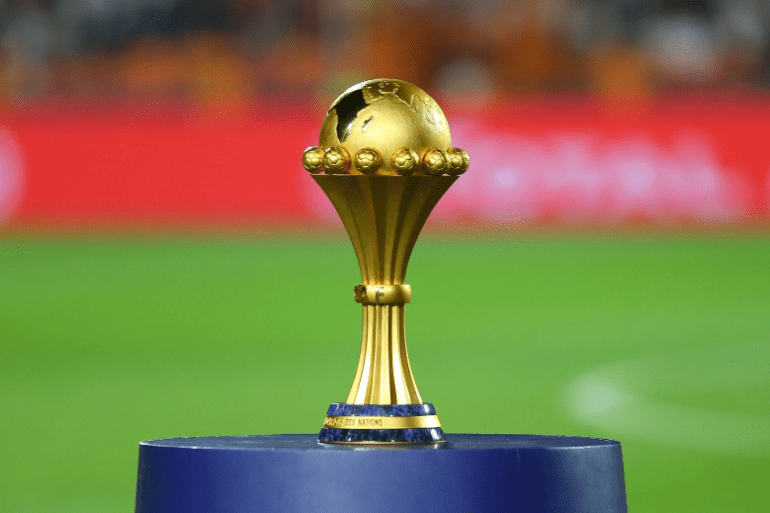
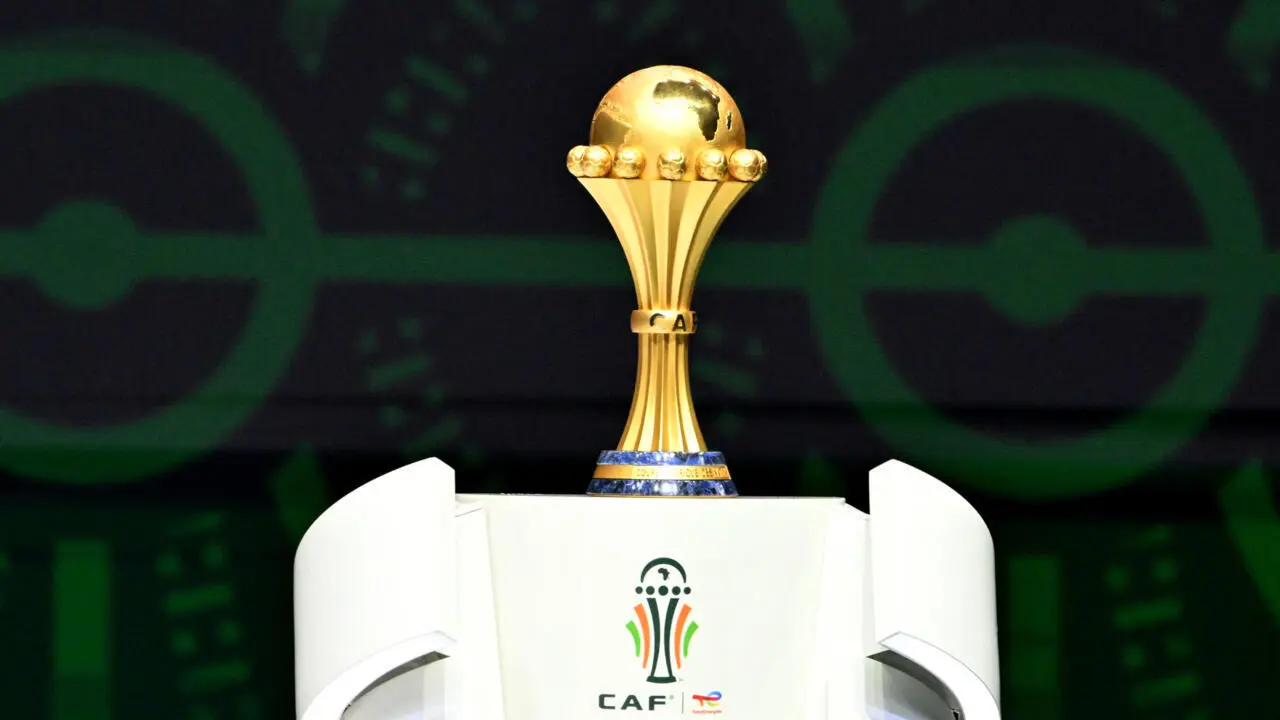
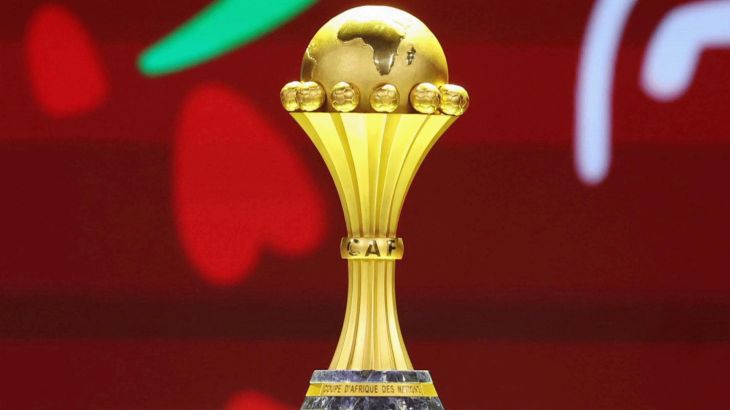
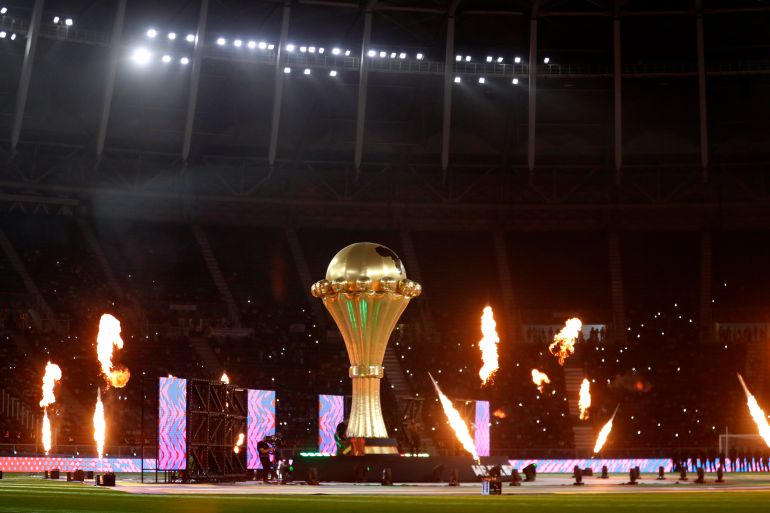
The Africa Cup of Nations (AFCON) is the premier international men’s football competition in Africa, first held in 1957. It was founded by the Confederation of African Football (CAF) to promote unity and sporting excellence on the continent, with Egypt winning the inaugural tournament.
Morocco
Morocco is a North African country with a rich history shaped by indigenous Amazigh (Berber) cultures, Arab influence from the 7th century, and successive dynasties like the Almoravids and Almohads. Its cultural sites, such as the ancient city of Fez and the Koutoubia Mosque in Marrakech, reflect this blend of Arab, Islamic, and Amazigh heritage. The country is also known for its well-preserved medieval medinas and historic kasbahs.
Rabat
Rabat is the capital city of Morocco, founded in the 12th century by the Almohad Caliphate as a ribat (fortified monastery). It is now a modern political and administrative center, recognized as a UNESCO World Heritage Site for its well-preserved historic quarters, including the Hassan Tower and the Chellah necropolis.
Real Madrid
Real Madrid is a professional football club based in Madrid, Spain, founded in 1902. It is one of the world’s most successful and famous football clubs, historically renowned for its European success, including a record number of UEFA Champions League titles. The club has been home to many legendary players and is deeply embedded in Spanish sporting and cultural identity.
Confederation of African Football
The Confederation of African Football (CAF) is the administrative and controlling body for association football in Africa, founded in 1957 during a period of decolonization. It organizes major continental competitions, including the Africa Cup of Nations, and represents the interests of its member associations within FIFA.
International Federation
The International Federation of Red Cross and Red Crescent Societies (IFRC) is a global humanitarian organization founded in 1919 in Paris to coordinate assistance between National Societies. It is the world’s largest humanitarian network, providing aid without discrimination during disasters, health emergencies, and other crises.