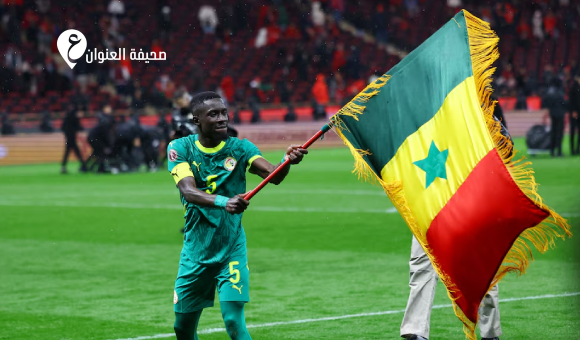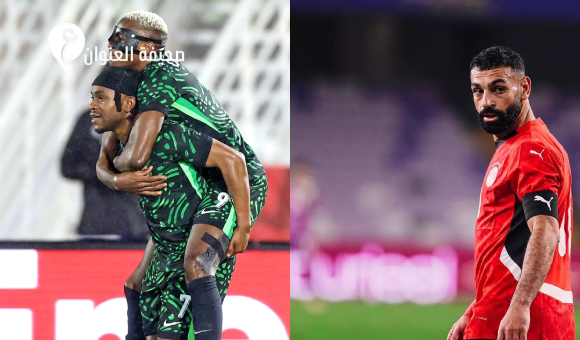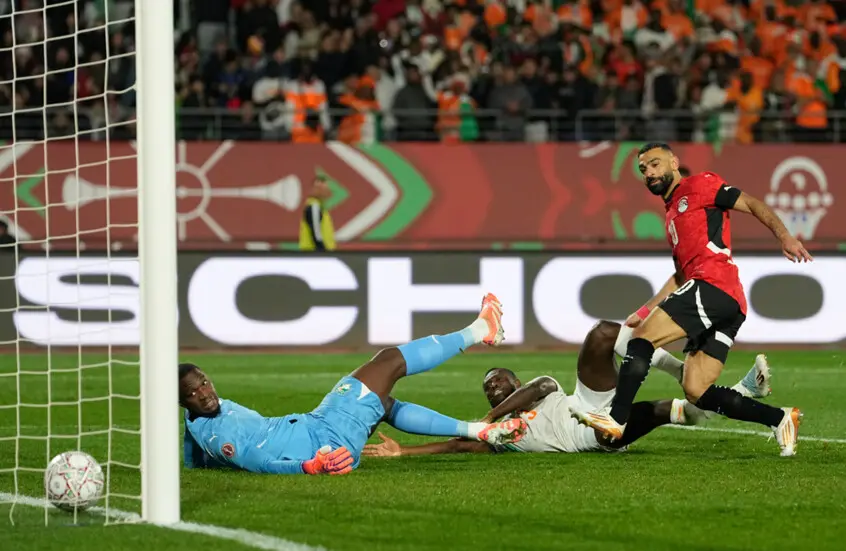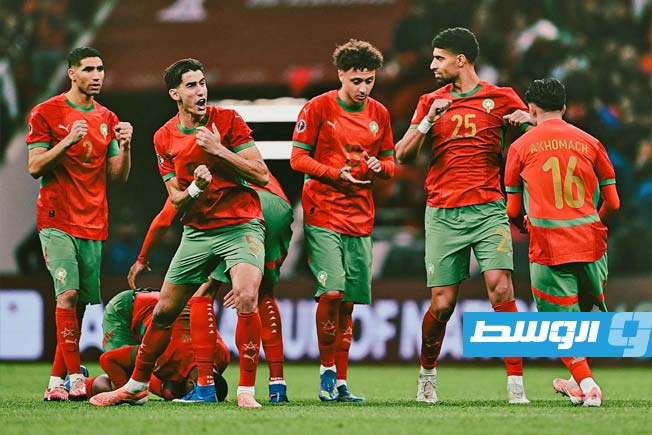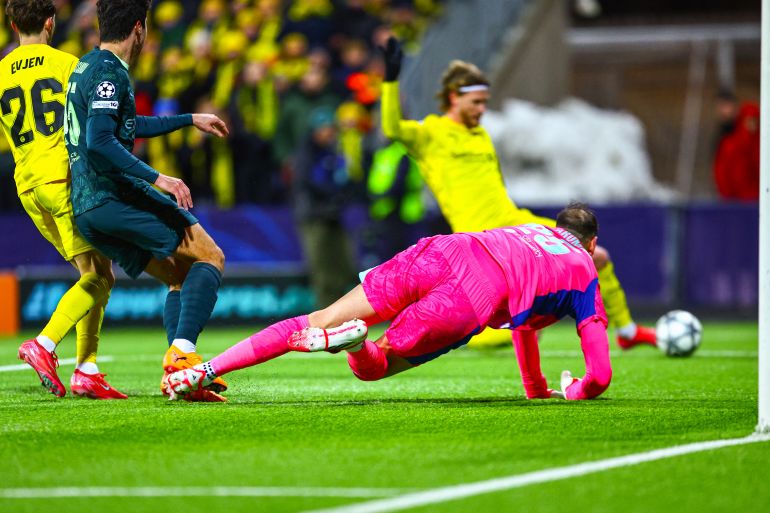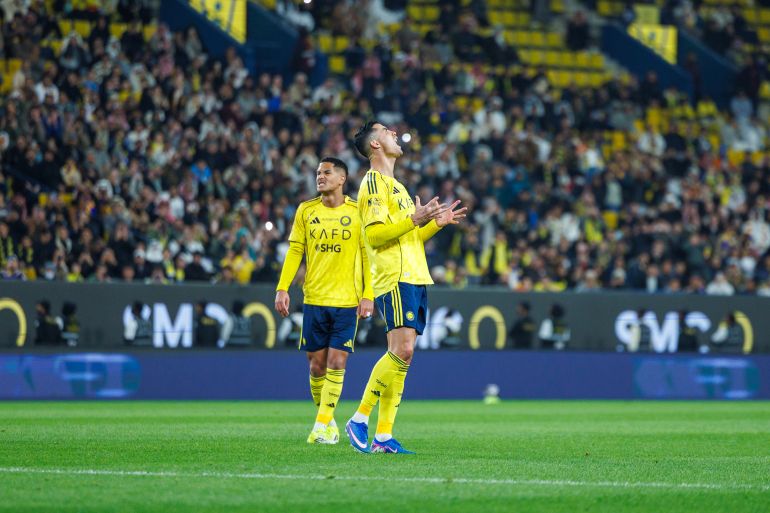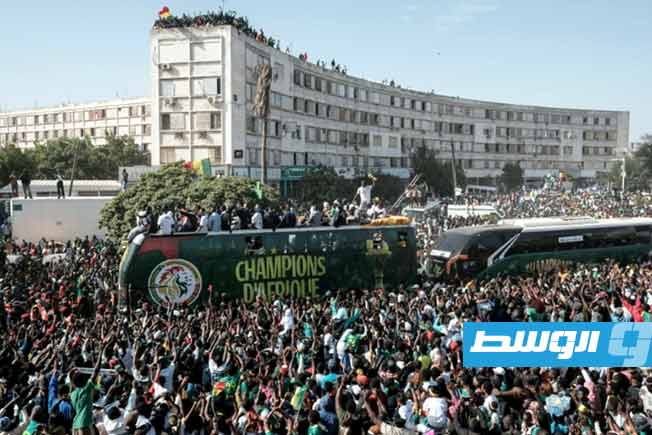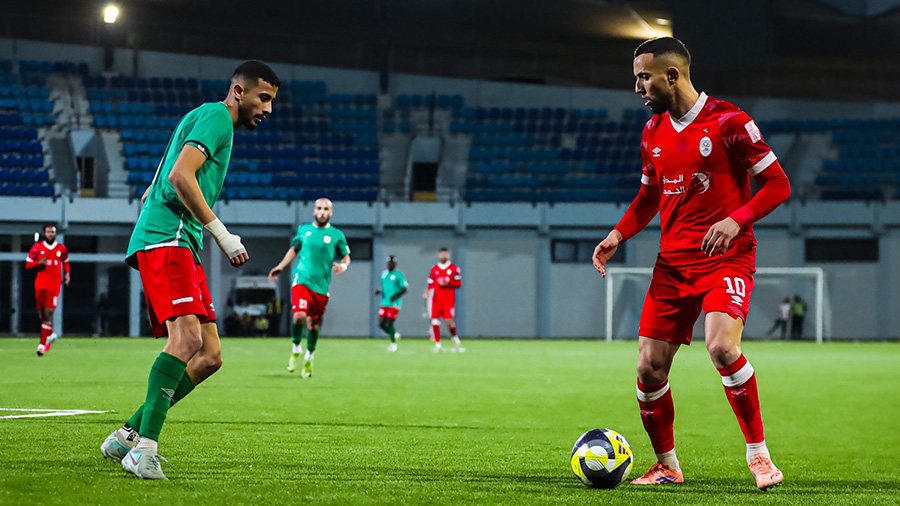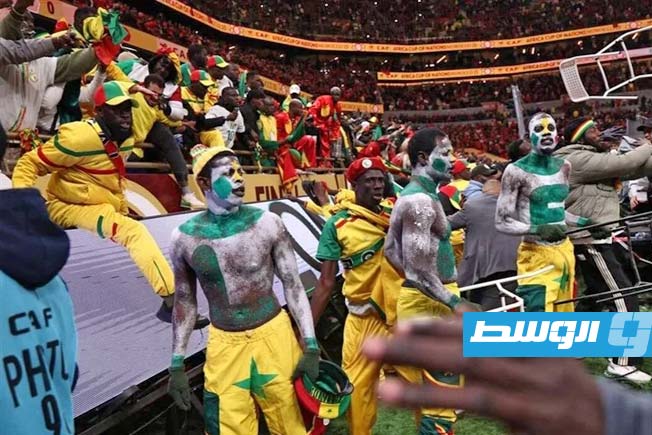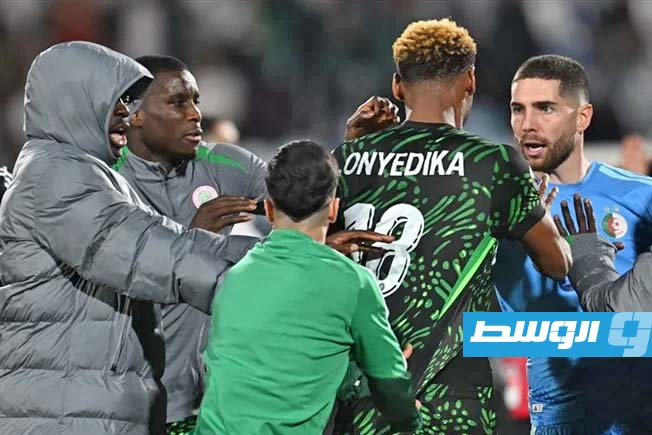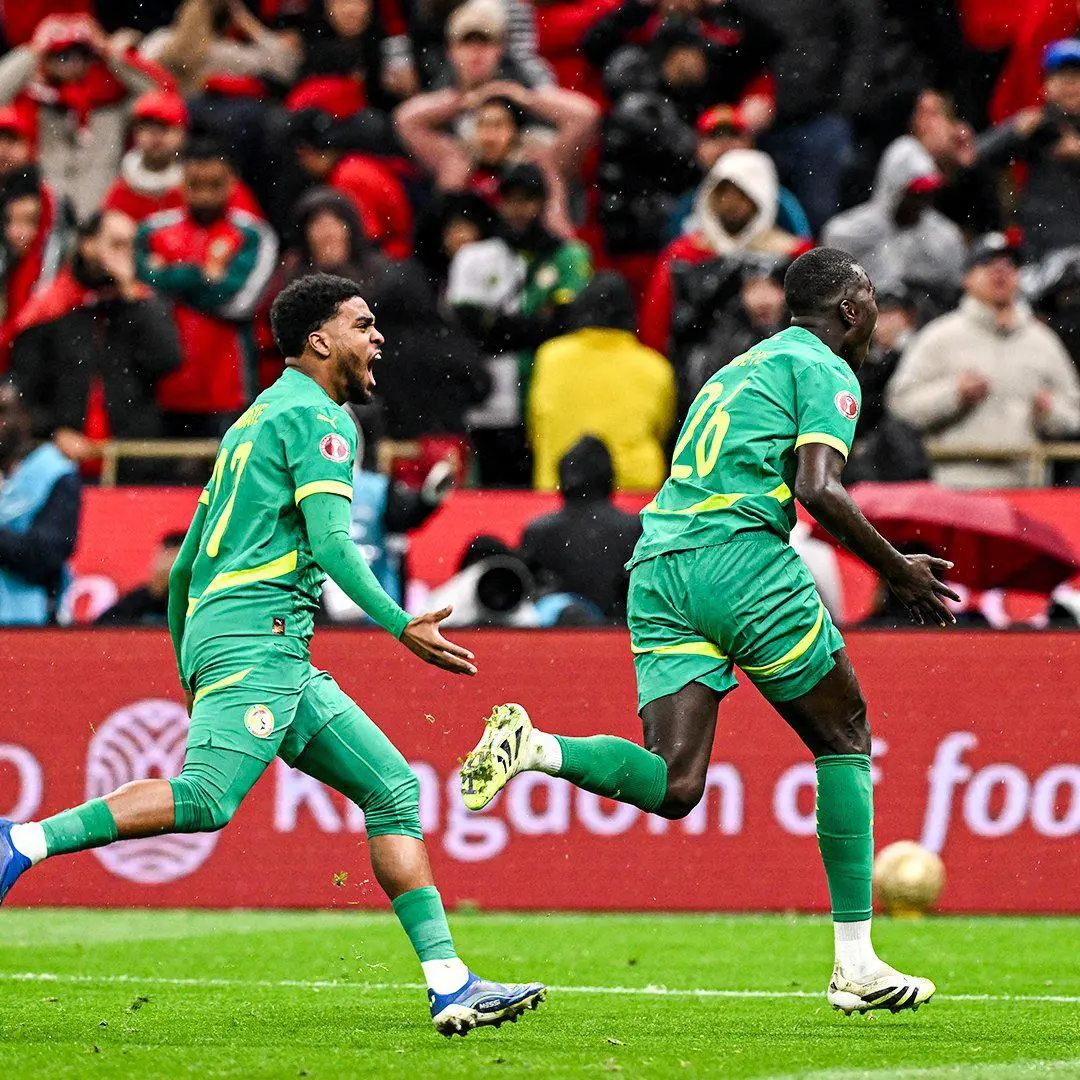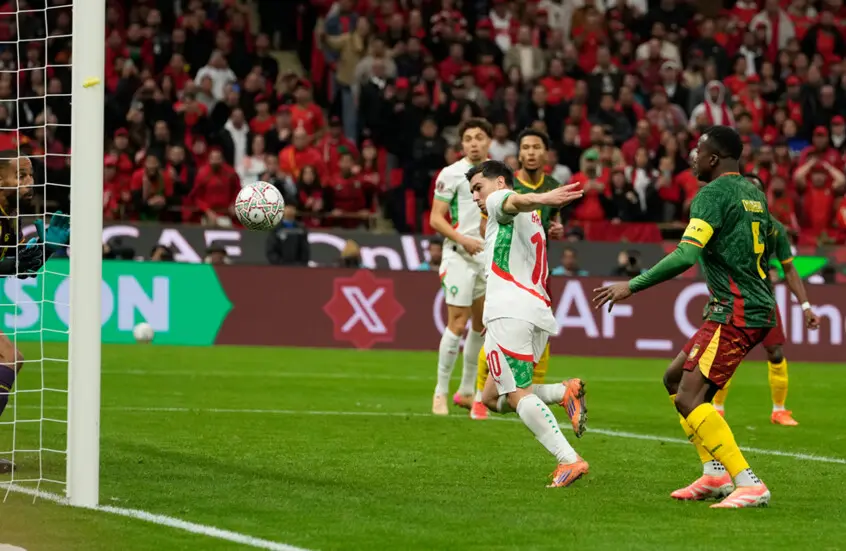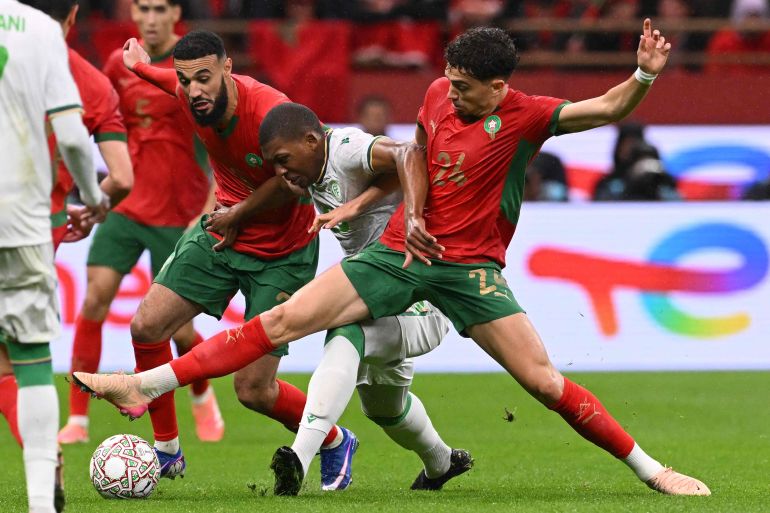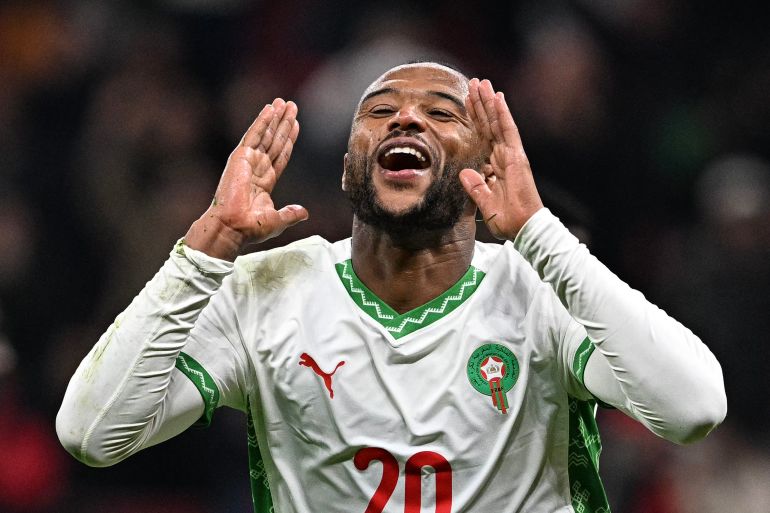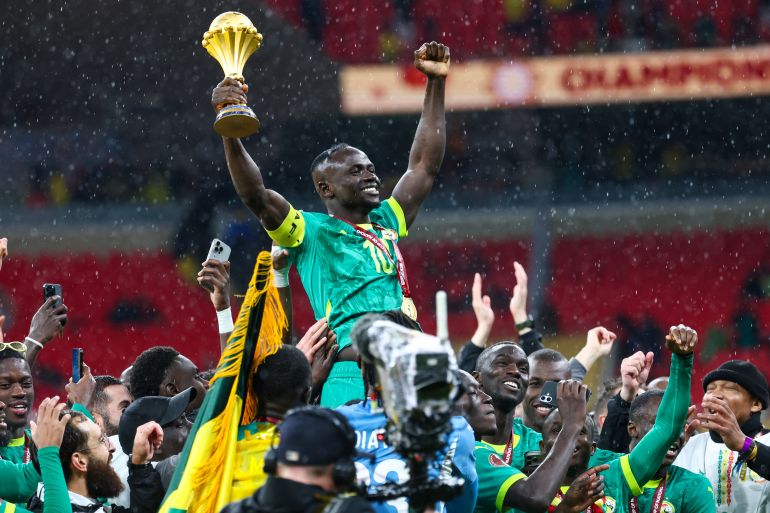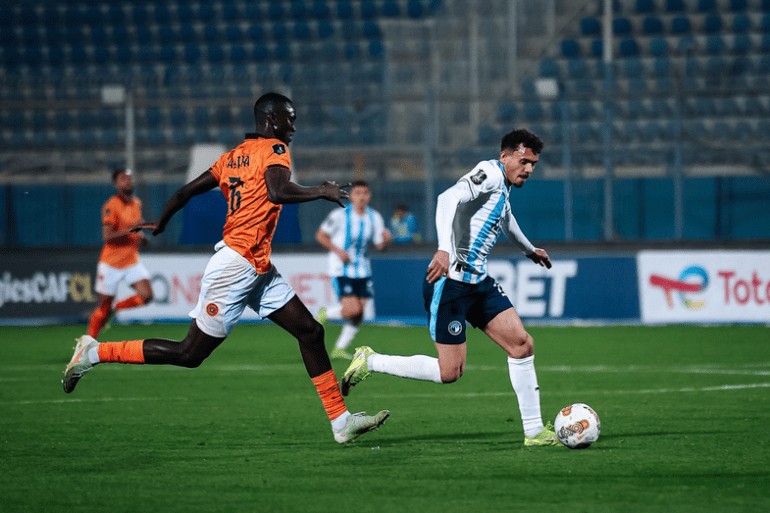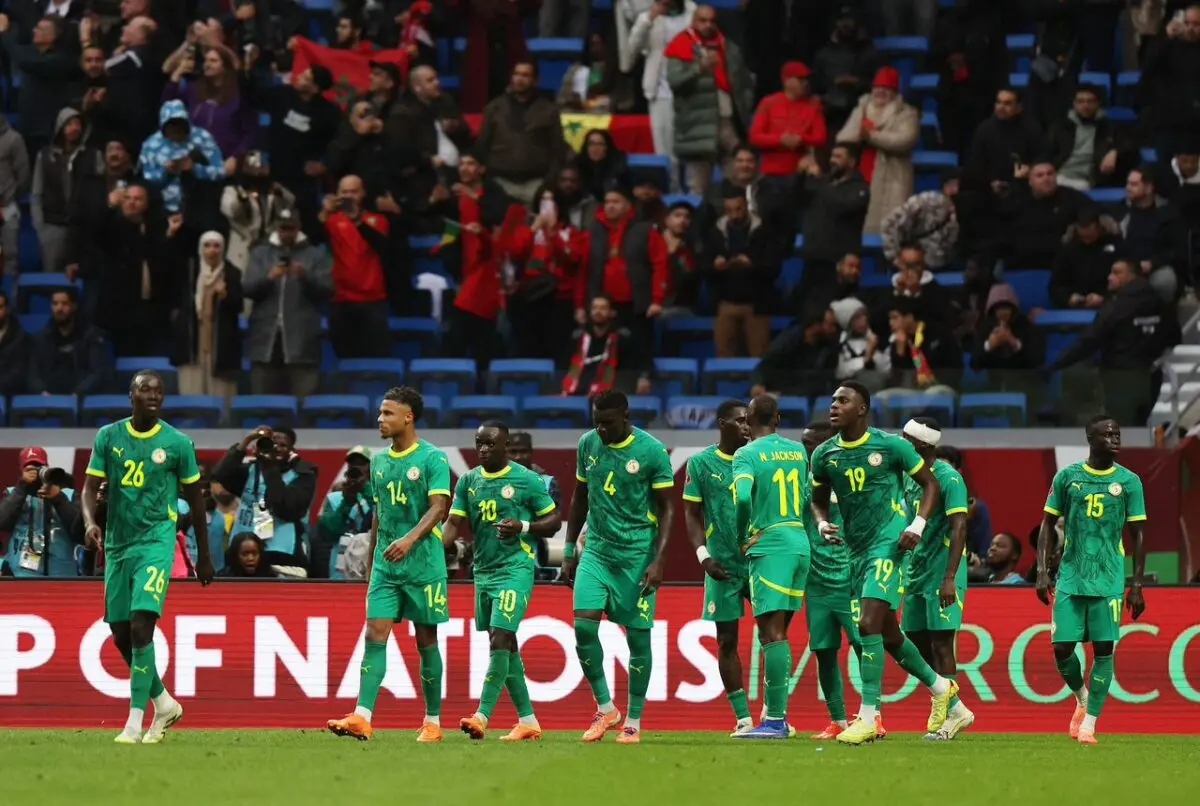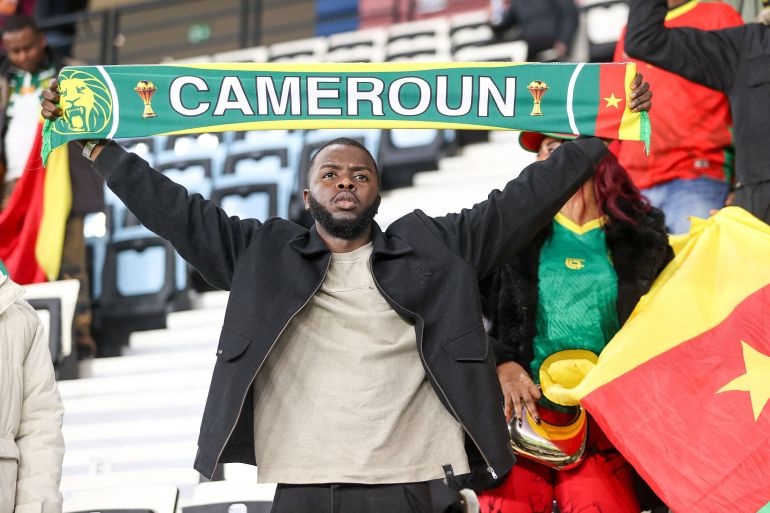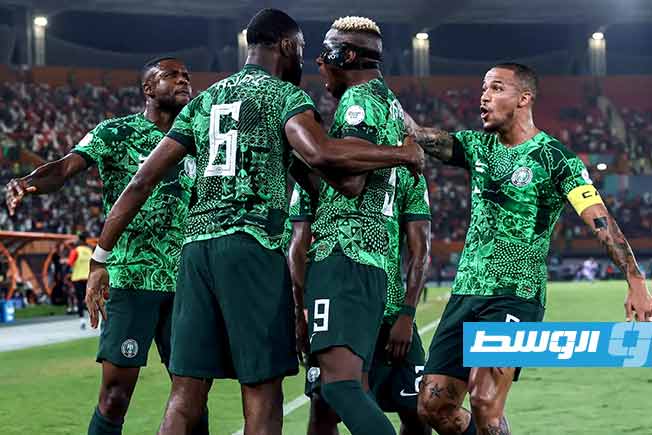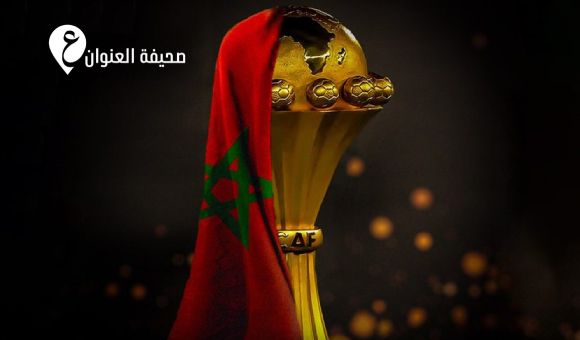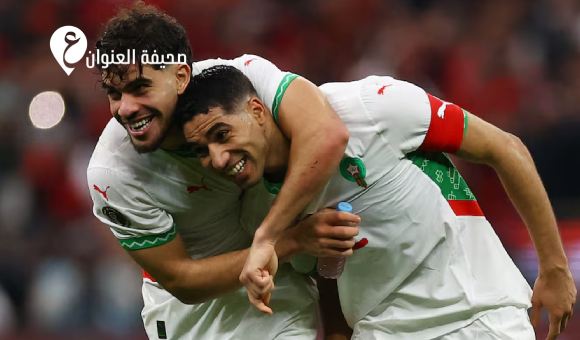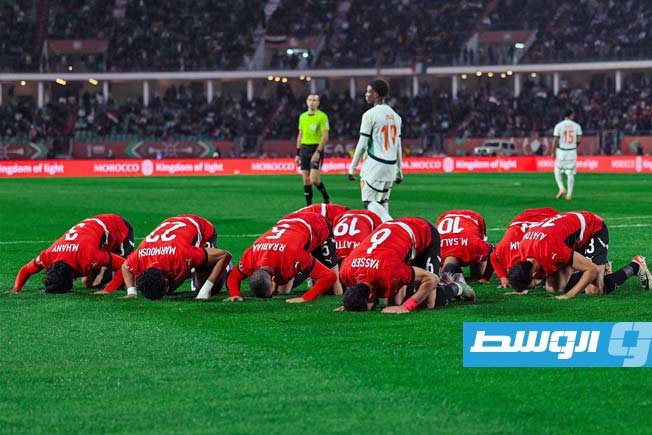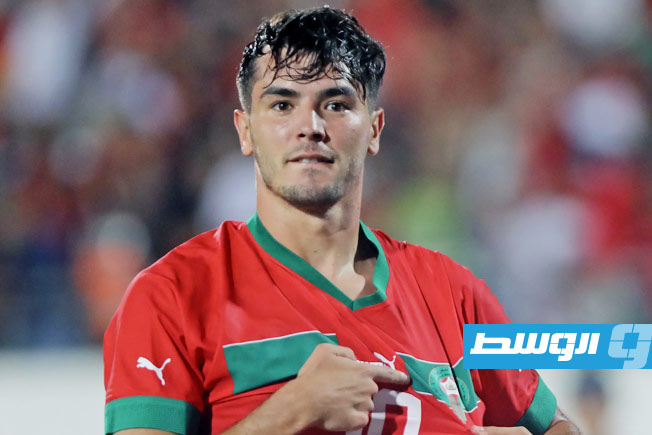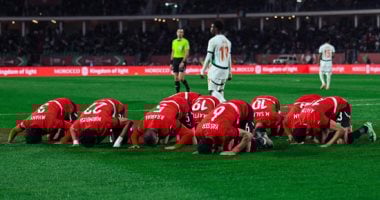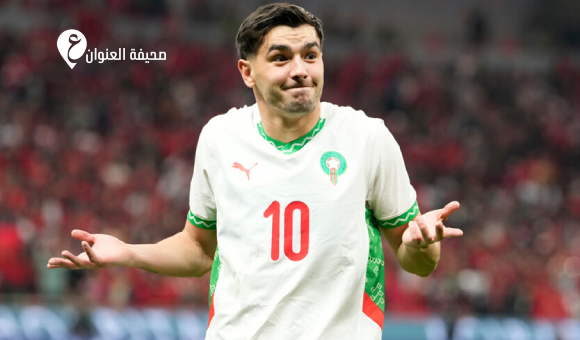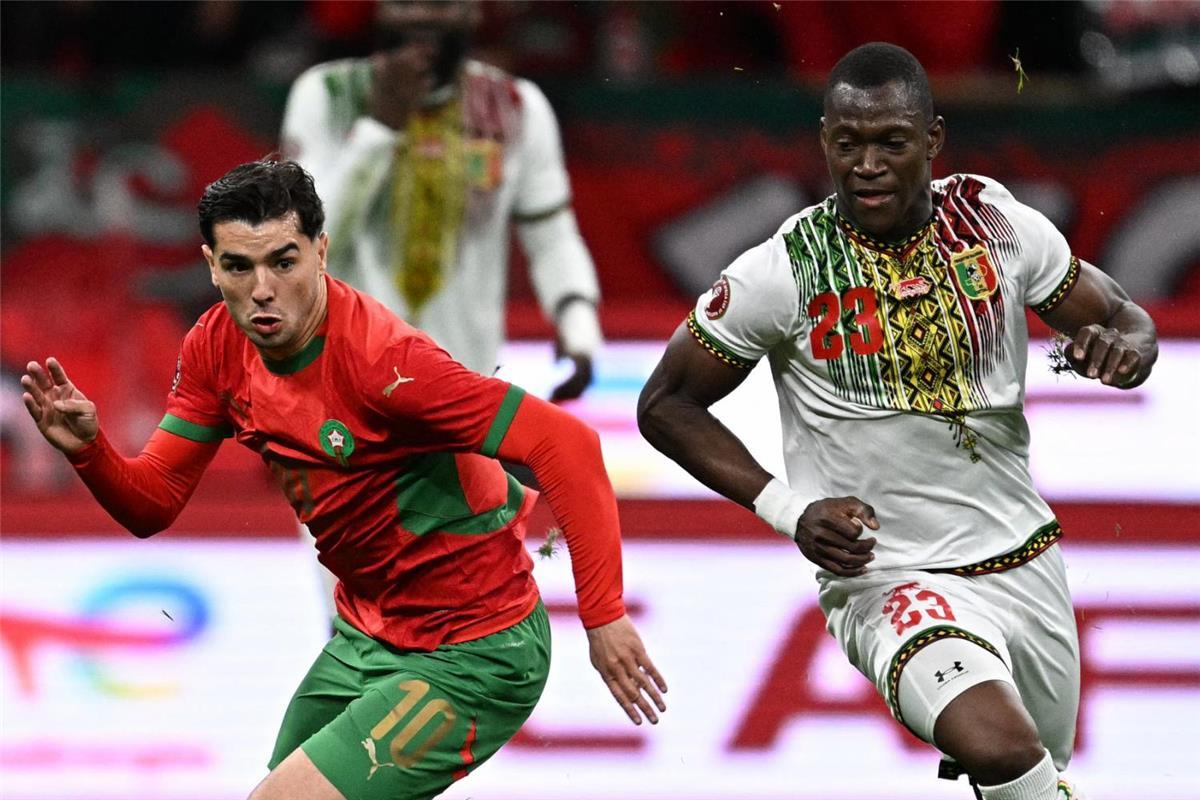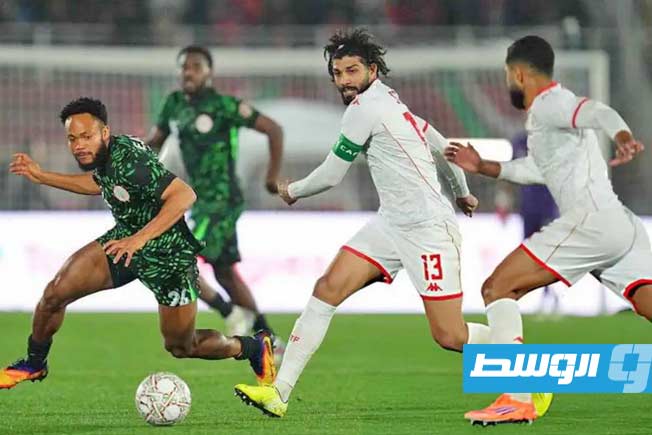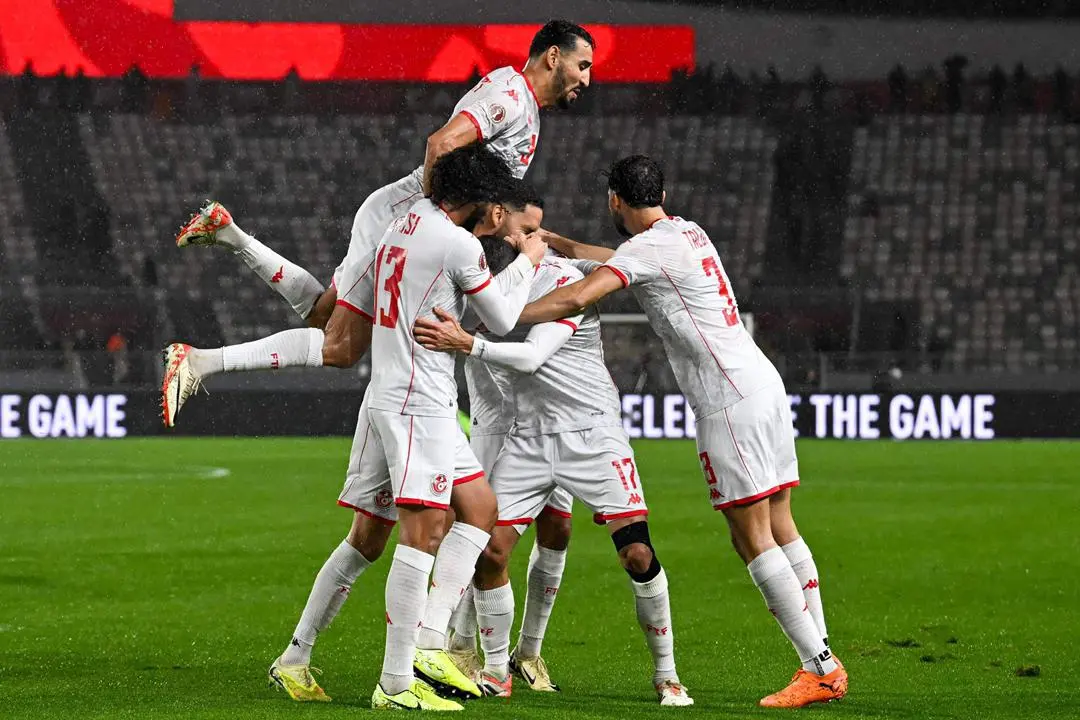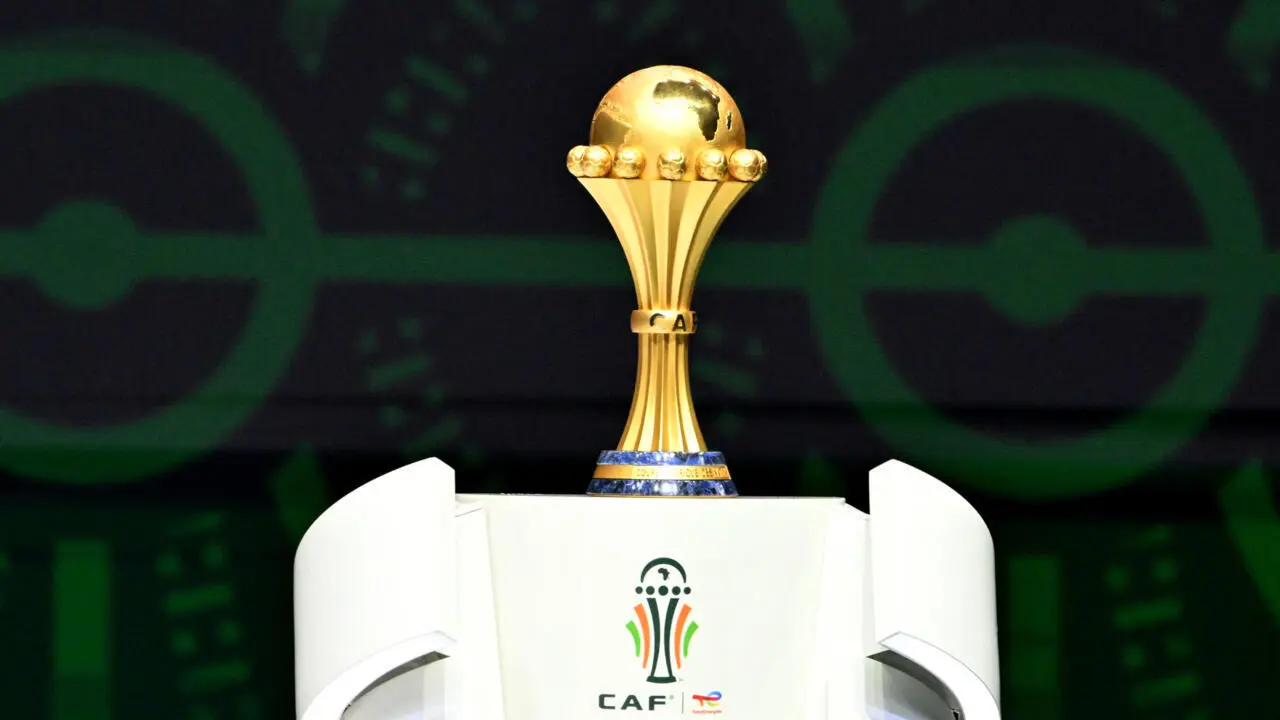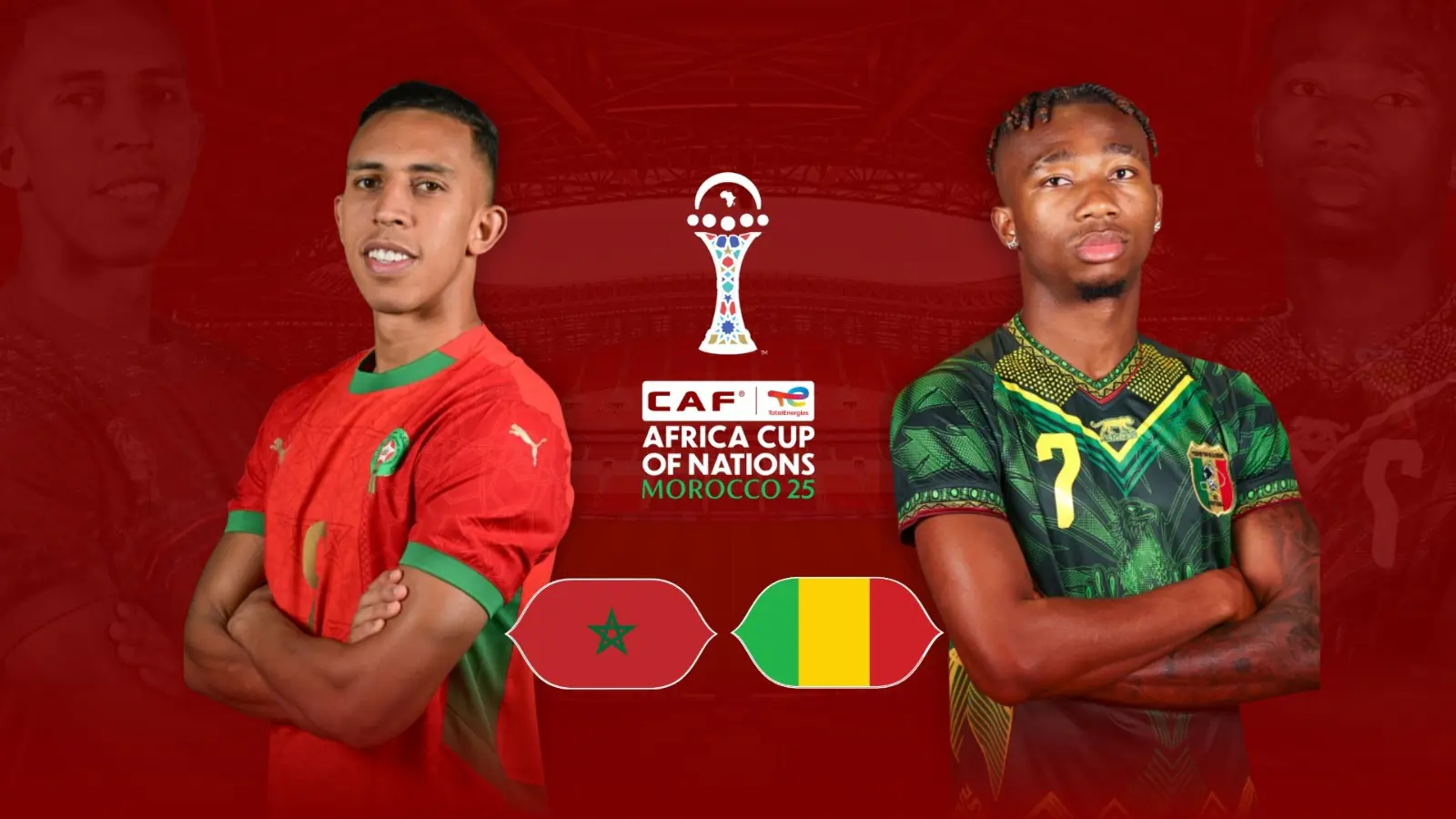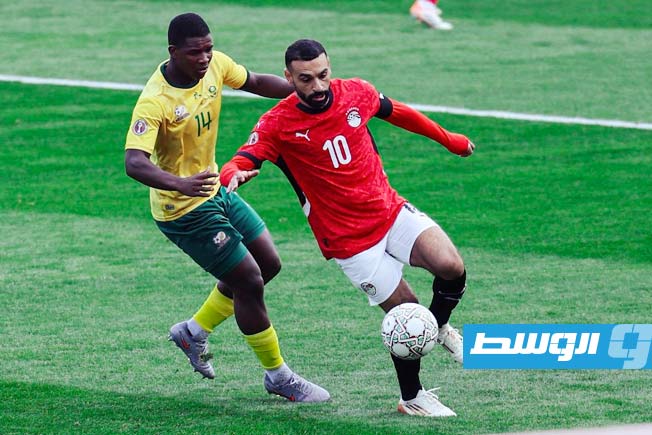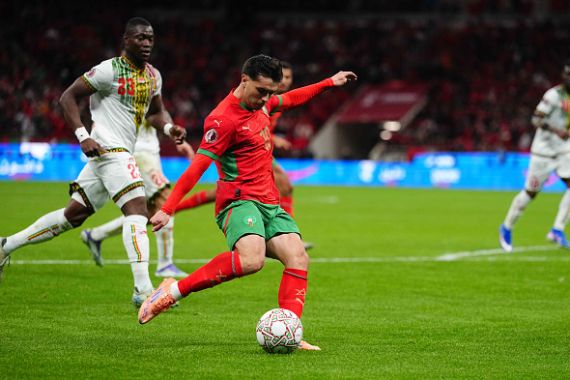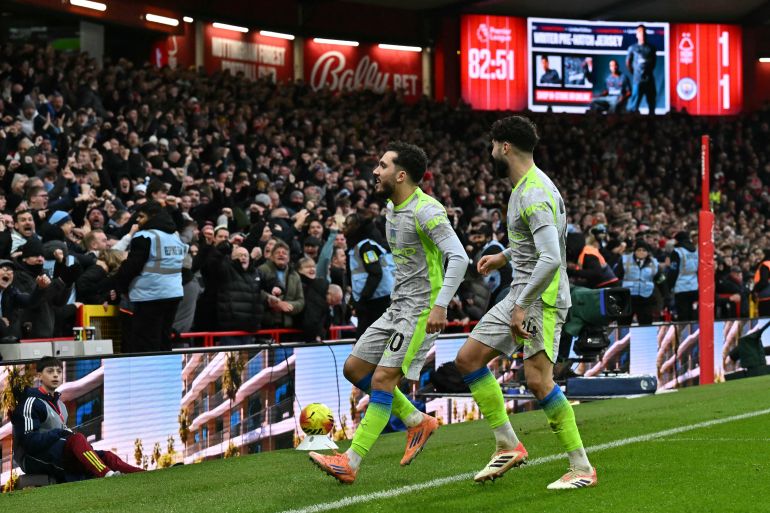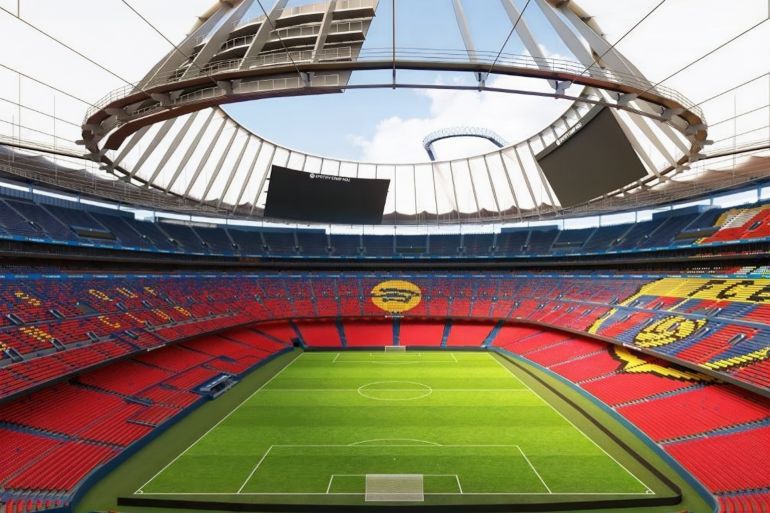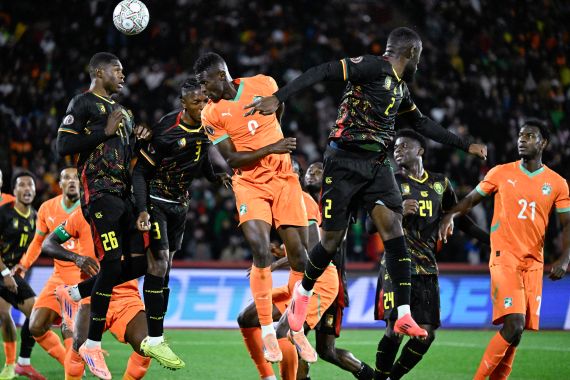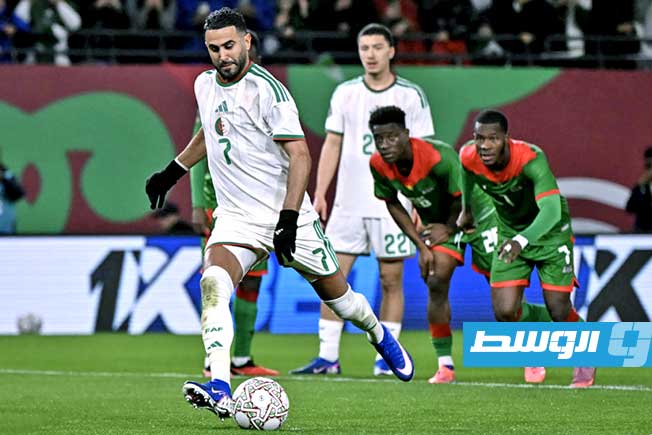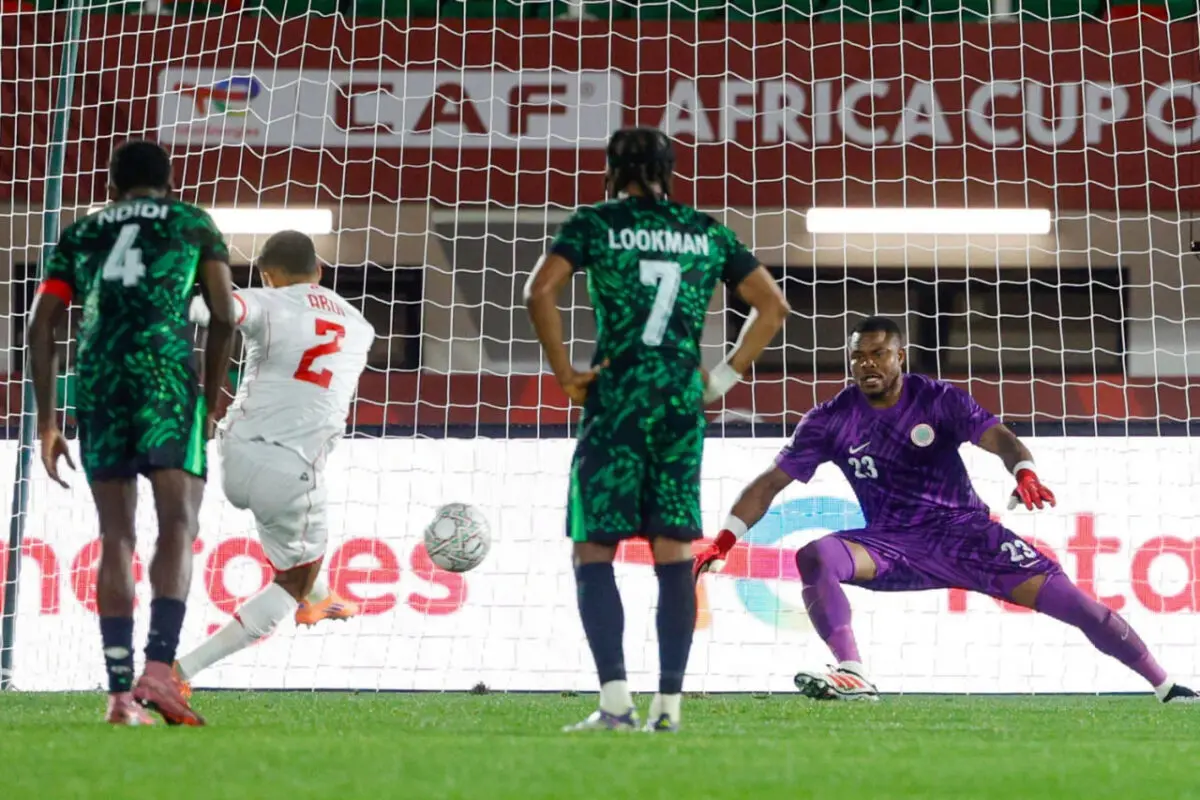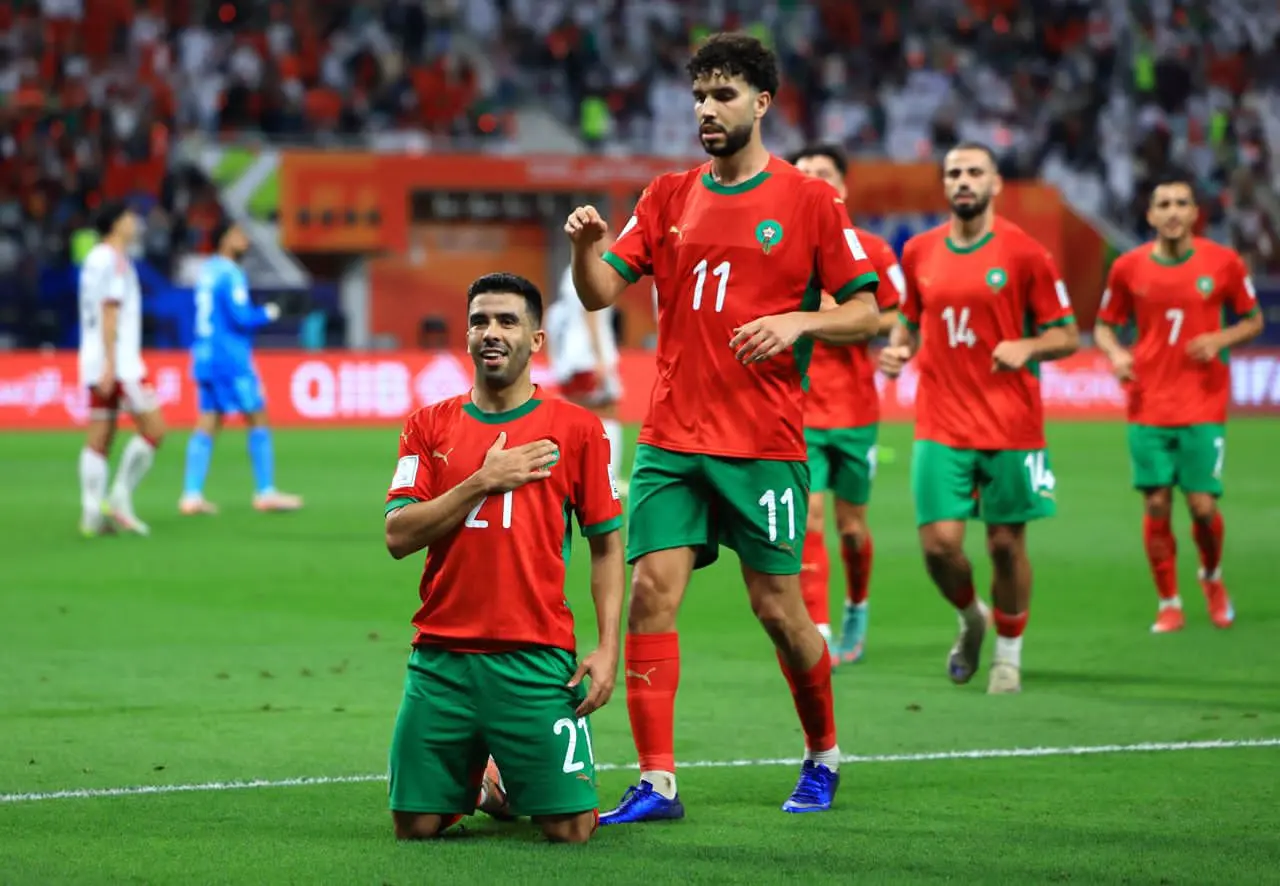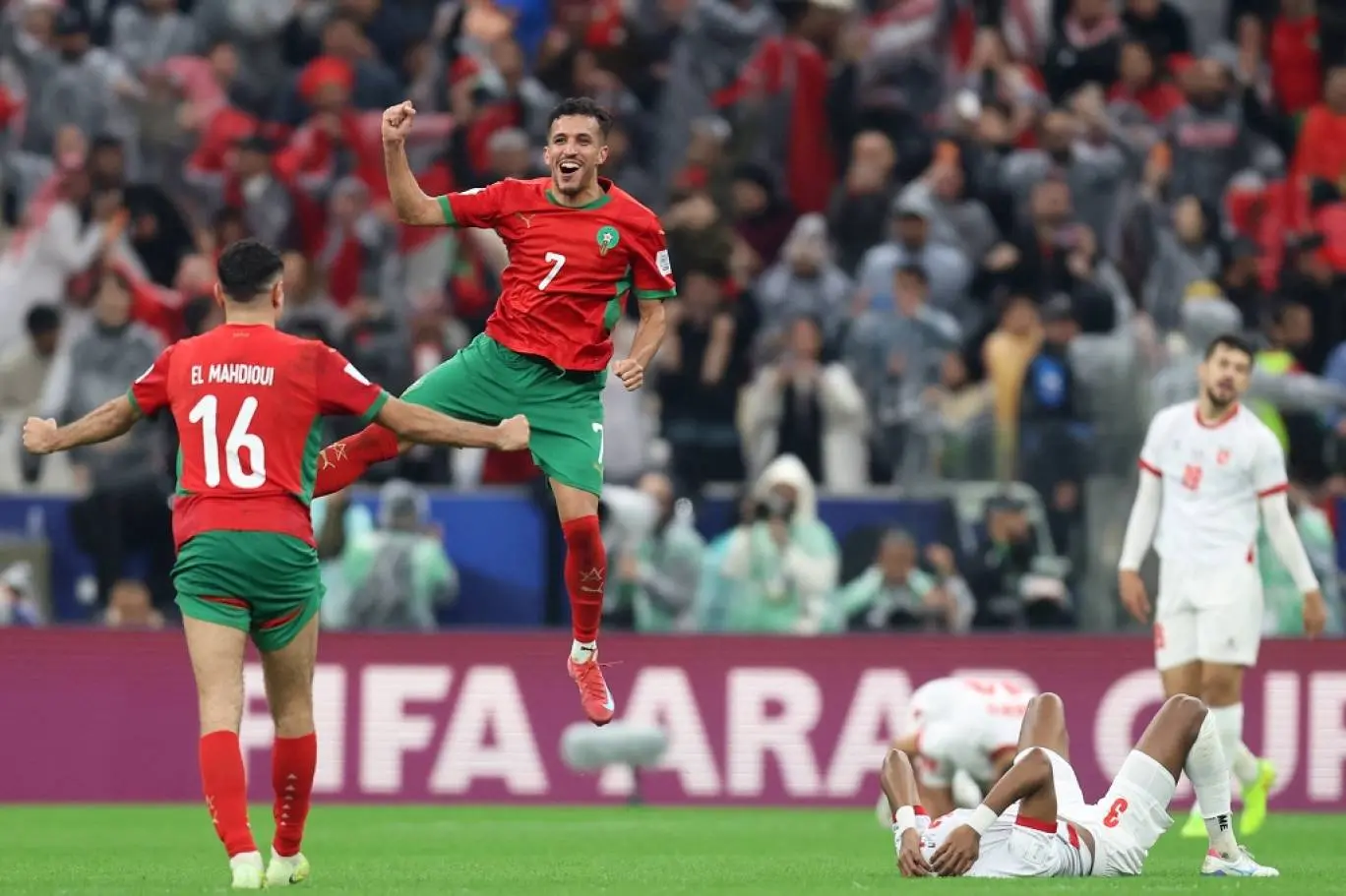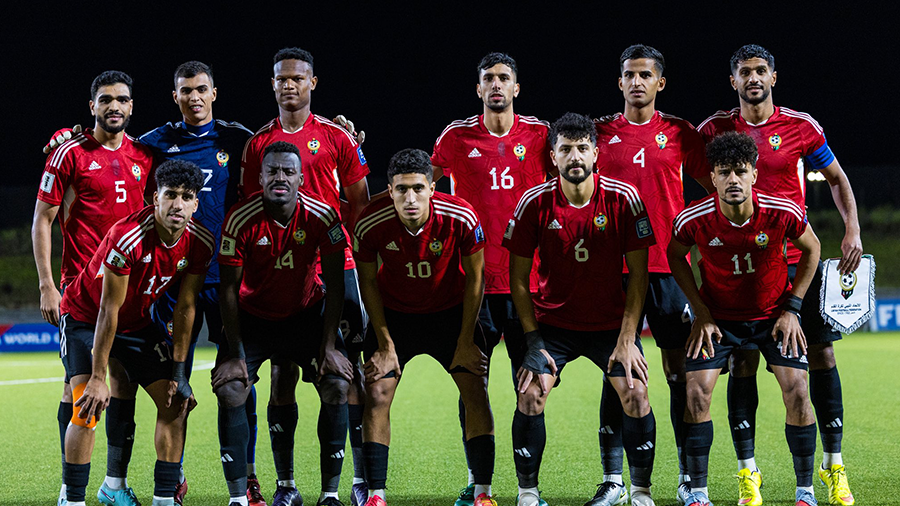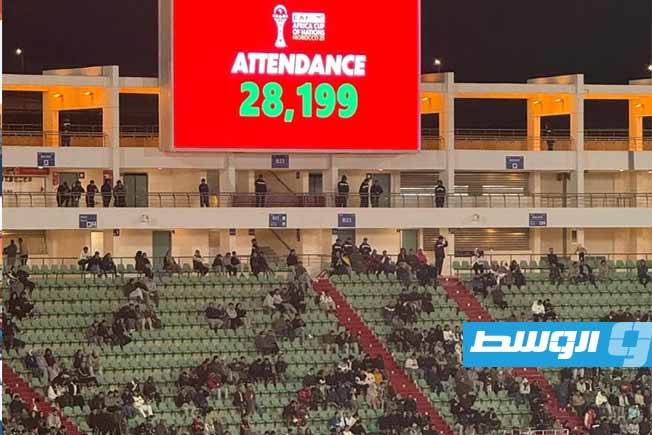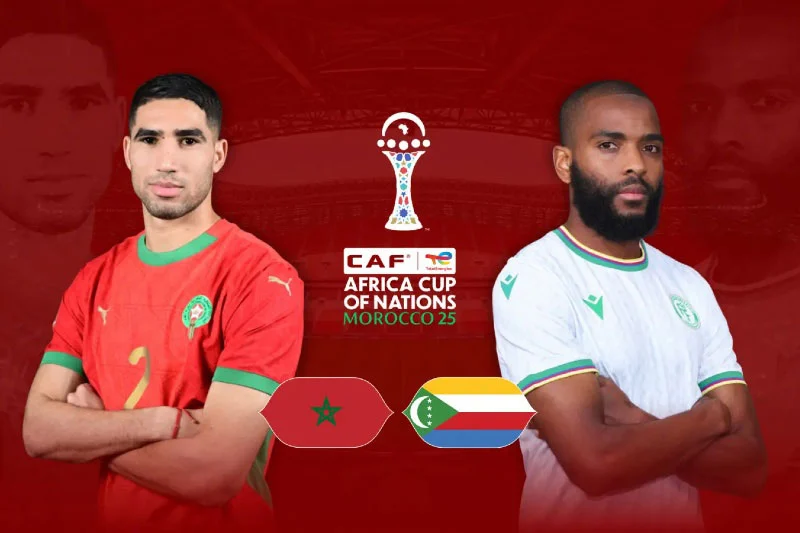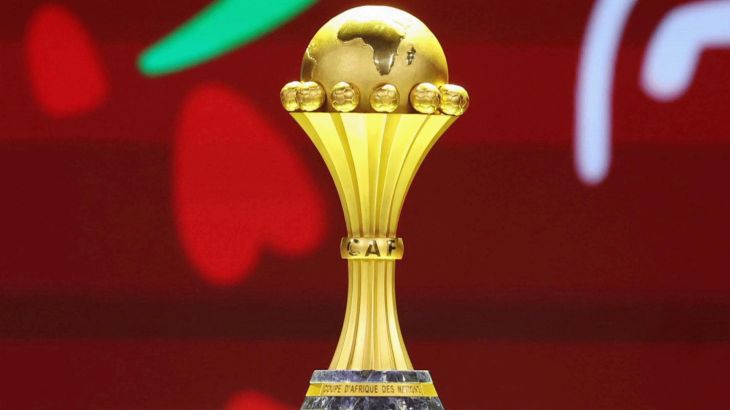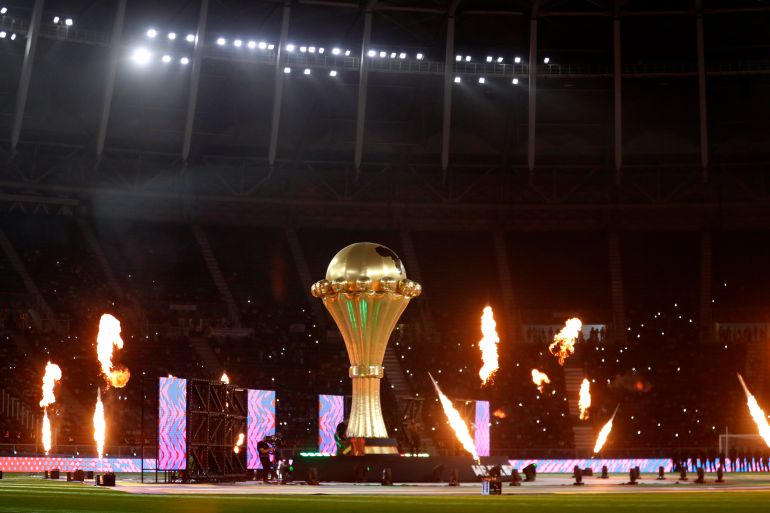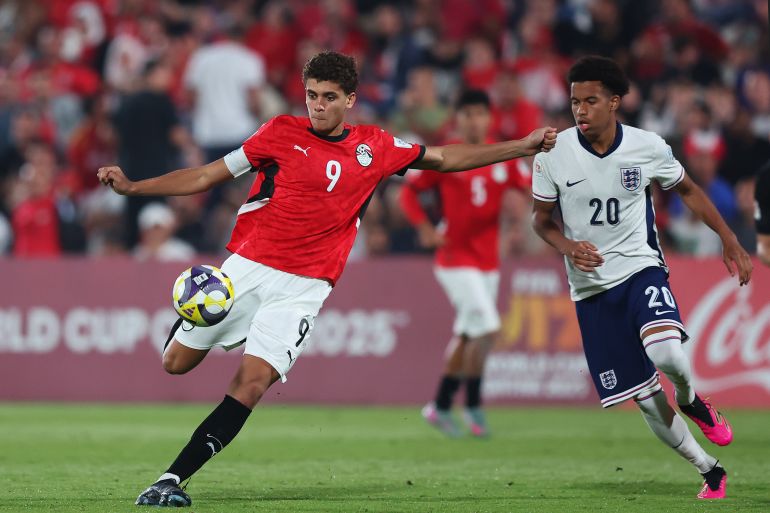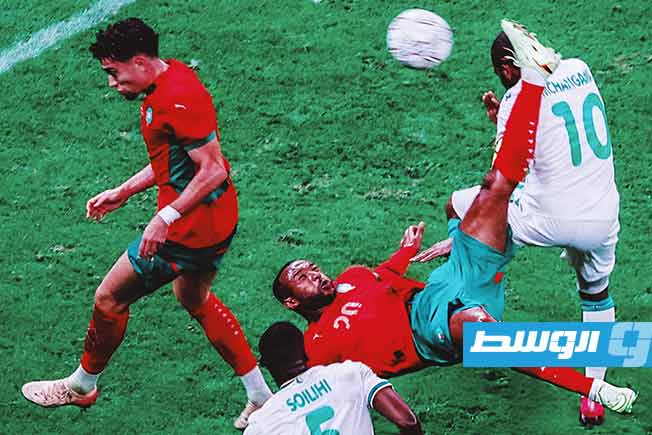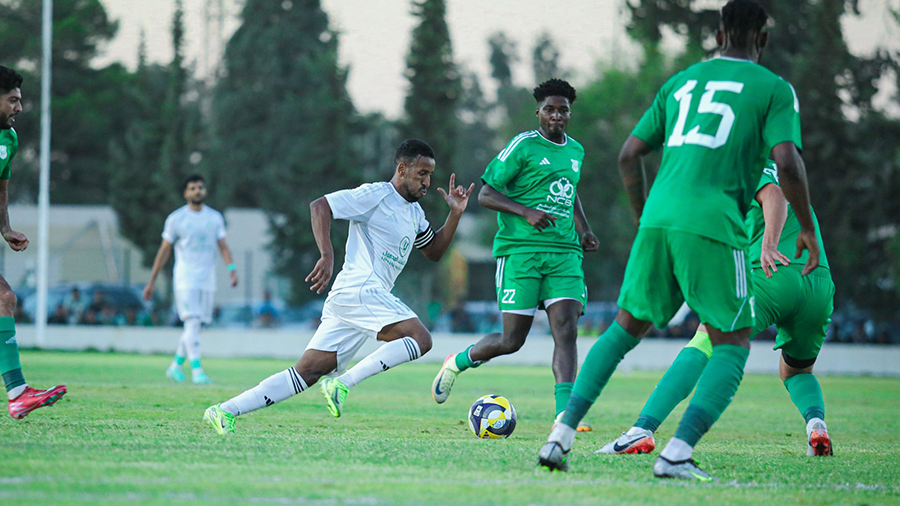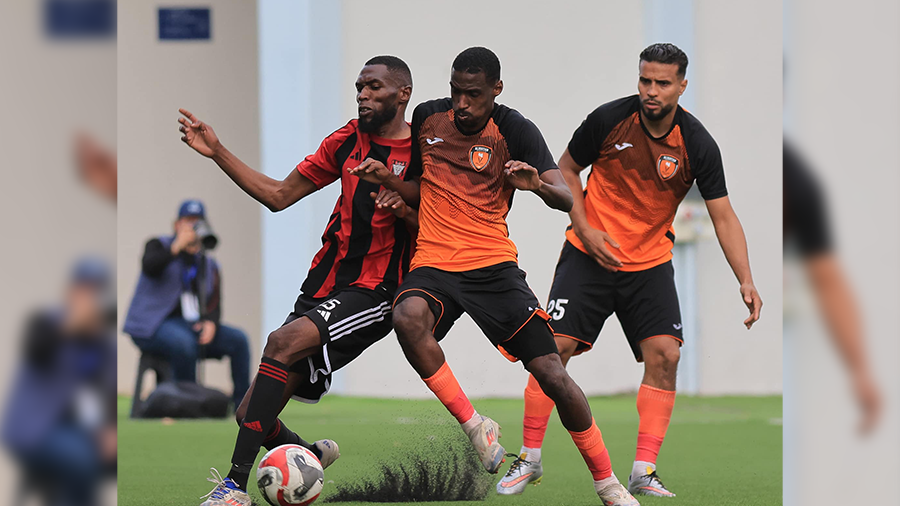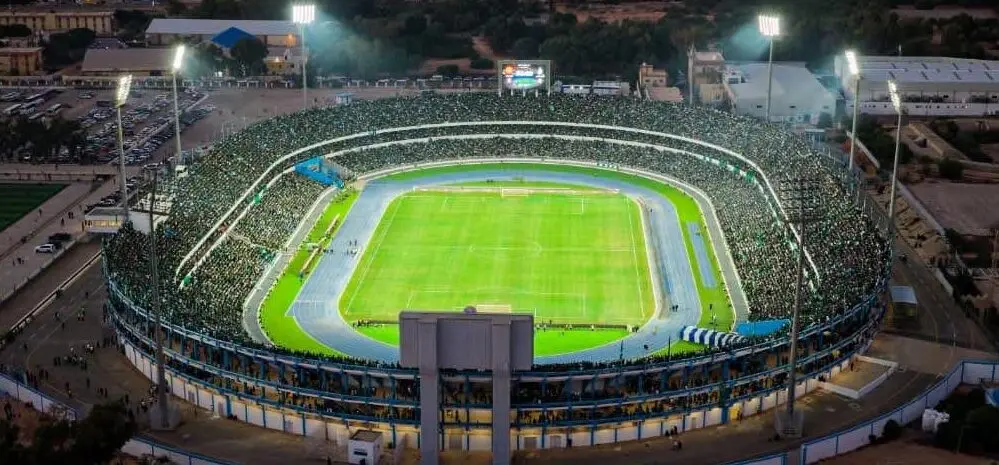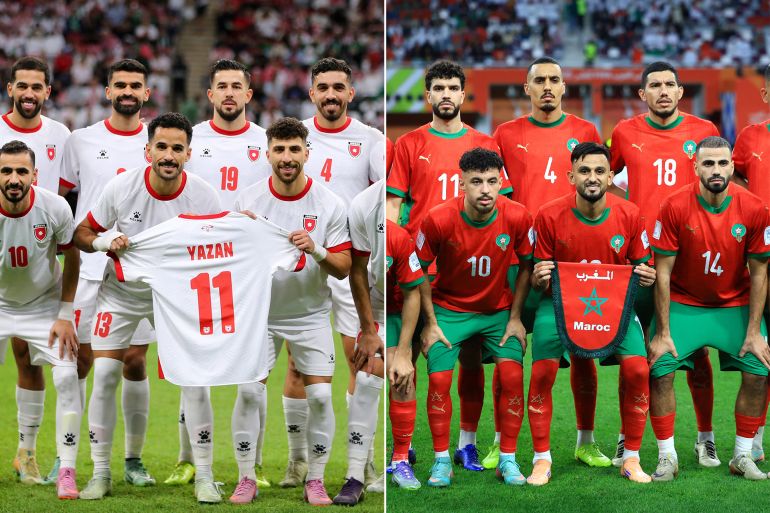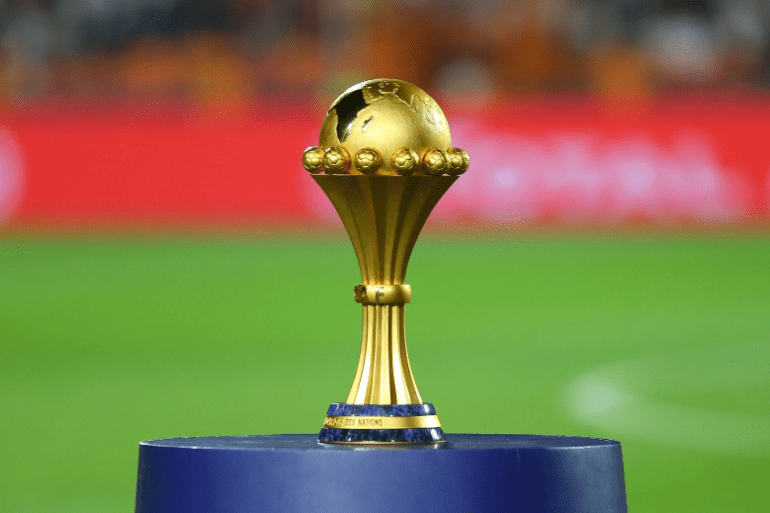
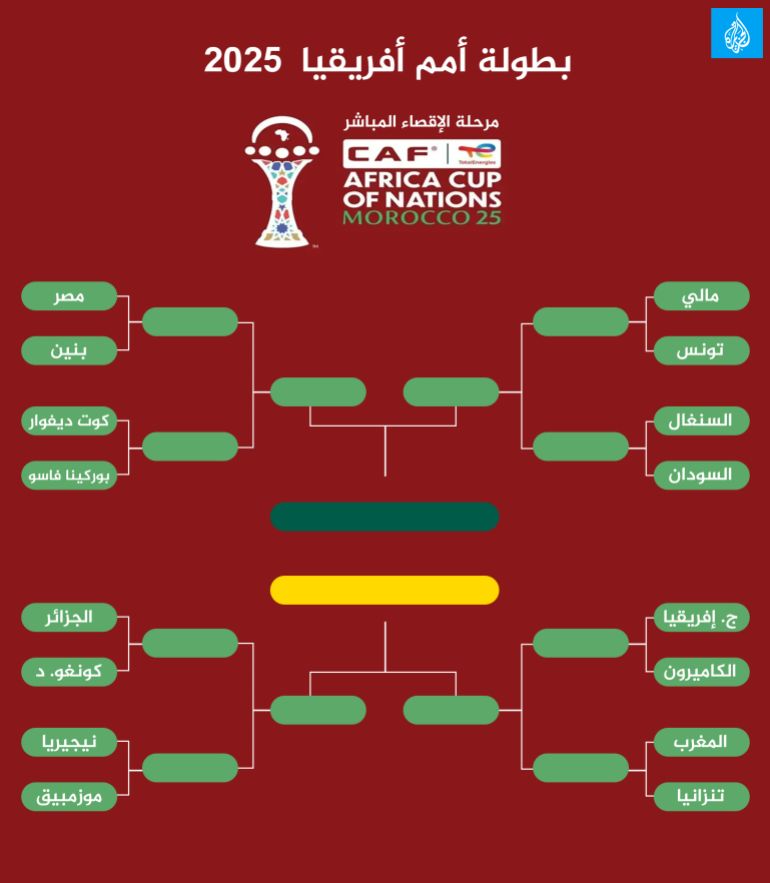
We review the matches for the Round of 16 of the 2025 Africa Cup of Nations football tournament, currently being held in Morocco, which will begin next Saturday.
The Africa Cup features 6 groups, with the winner and runner-up from each group, along with the best 4 third-placed teams, qualifying for the Round of 16.
Africa Cup of Nations Round of 16 matches: Schedule and venues
Saturday, January 3, 2026
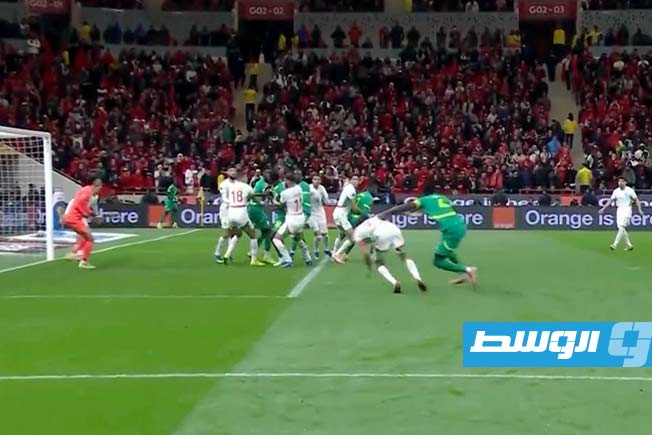
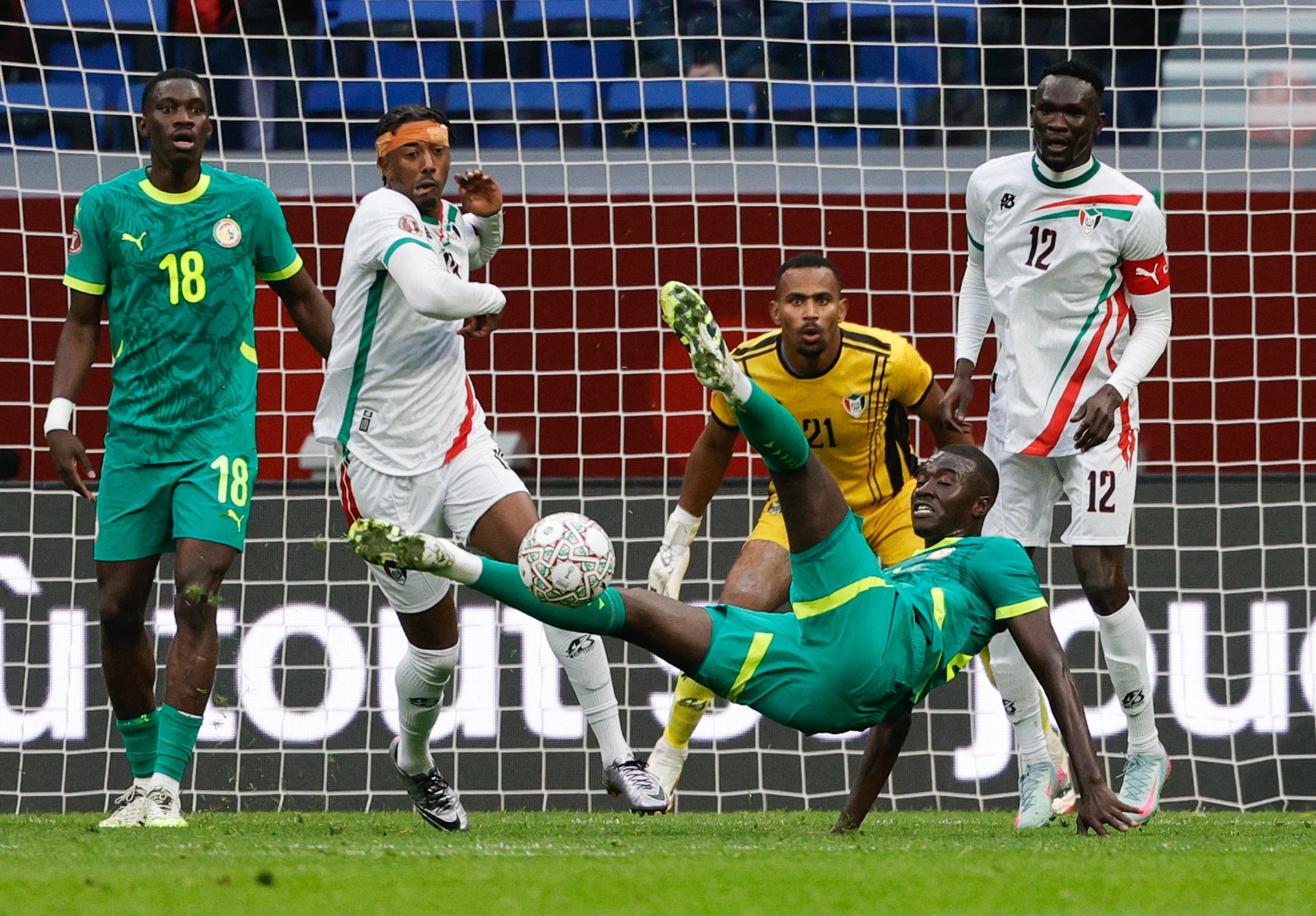
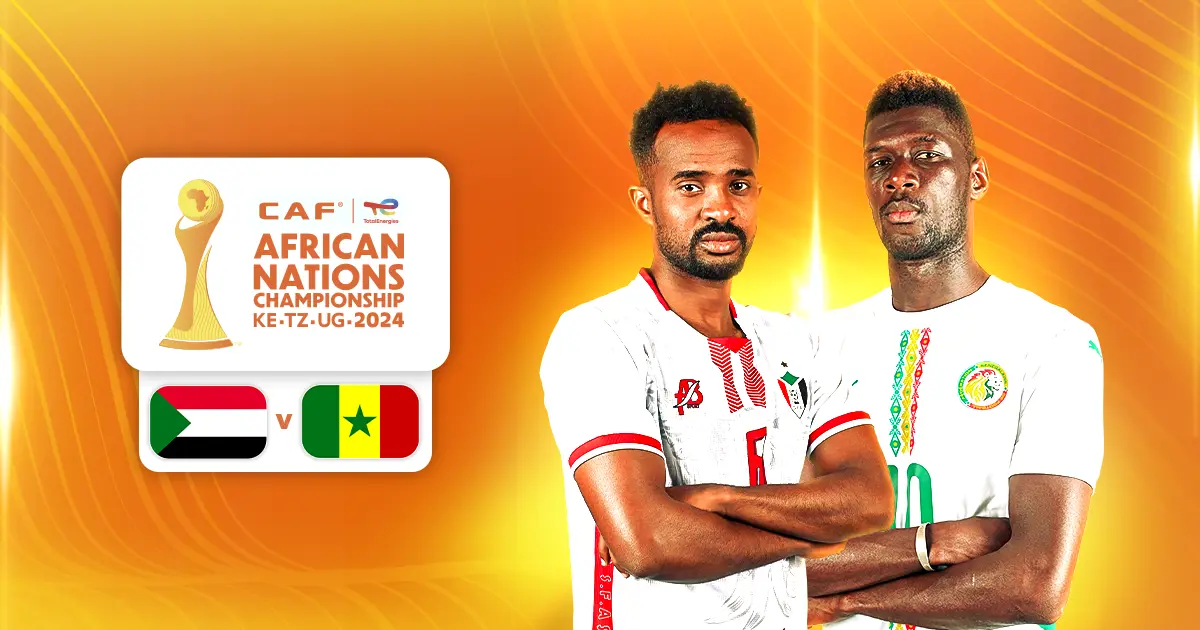
- Match 37: Senegal vs Sudan (Grand Stade de Tanger, Tangier), 6:00 PM Egypt time, 5:00 PM Morocco, Tunisia, Algeria time (7:00 PM Saudi Arabia, Qatar time).
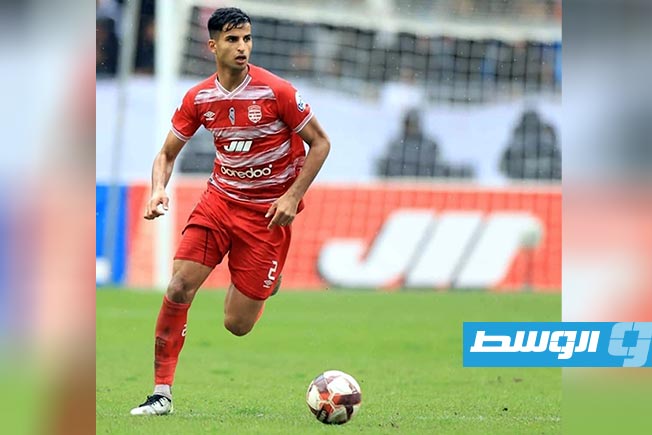
- Match 38: Mali vs Tunisia (Stade Mohammed V, Casablanca), 9:00 PM Egypt time, 8:00 PM Morocco, Tunisia, Algeria time (10:00 PM Saudi Arabia, Qatar time).
Sunday, January 4, 2026
- Match 39: Morocco vs Tanzania (Prince Moulay Abdellah Stadium, Rabat), 6:00 PM Cairo time, 5:00 PM Morocco, Tunisia, Algeria time (7:00 PM Saudi Arabia, Qatar time).
- Match 40: South Africa vs Cameroon (Stade du Brade, Rabat), 9:00 PM Egypt time, 8:00 PM Morocco, Tunisia, Algeria time (10:00 PM Saudi Arabia, Qatar time).
Monday, January 5, 2026
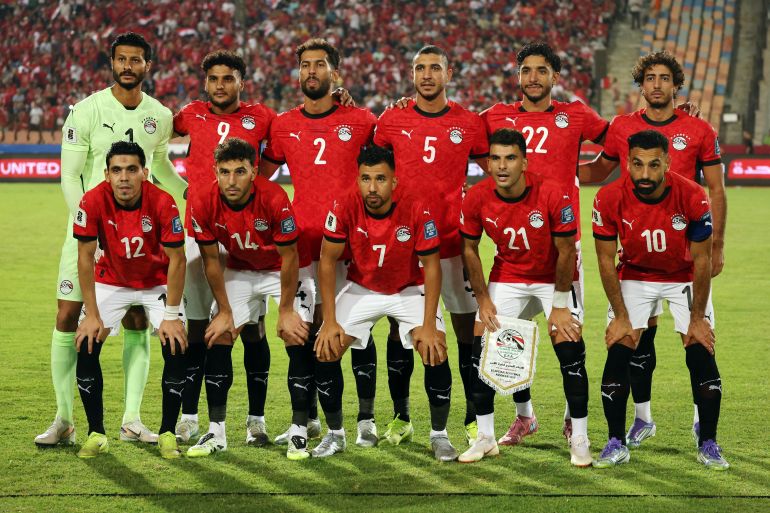
- Match 41: Egypt vs Benin (Grand Stade d’Agadir, Agadir), 6:00 PM Egypt time, 5:00 PM Morocco, Tunisia, Algeria time (7:00 PM Saudi Arabia, Qatar time).
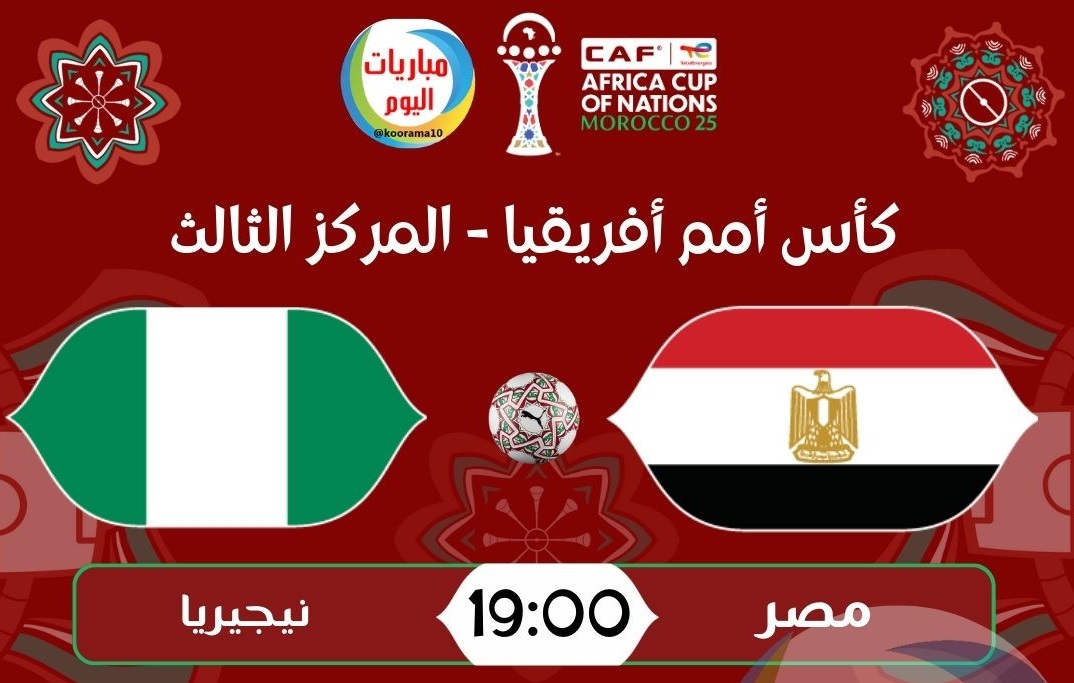
- Match 42: Nigeria vs Mozambique (Complexe Sportif de Fès, Fez), 9:00 PM Egypt time, 8:00 PM Morocco, Tunisia, Algeria time (10:00 PM Saudi Arabia, Qatar time).
Tuesday, January 6, 2026
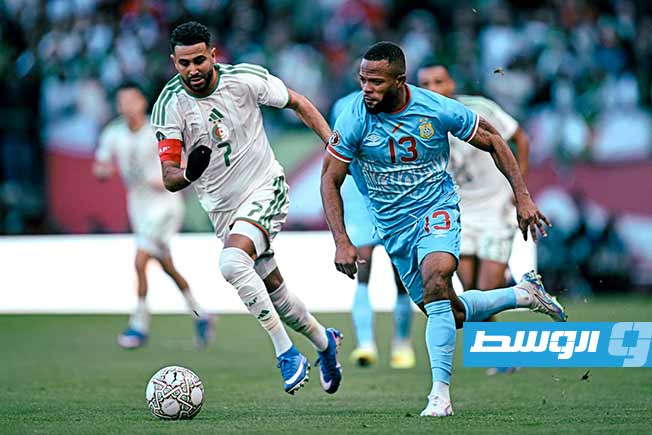
- Match 43: Algeria vs DR Congo (Stade Olympique, Rabat), 6:00 PM Egypt time, 5:00 PM Morocco, Tunisia, Algeria time (7:00 PM Saudi Arabia, Qatar time).
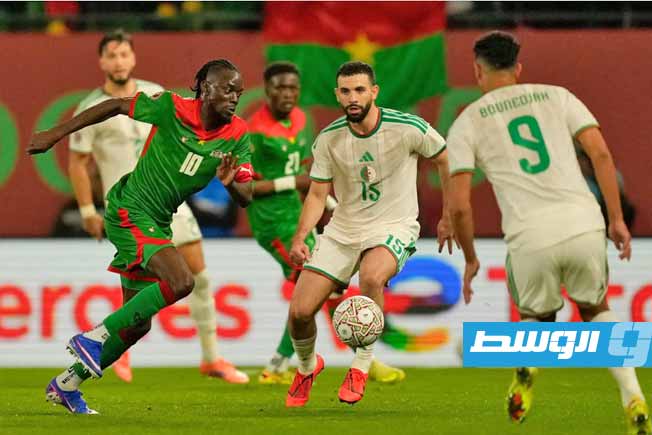
- Match 44: Côte d’Ivoire vs Burkina Faso (Grand Stade de Marrakech, Marrakesh), 9:00 PM Egypt time, 8:00 PM Morocco, Tunisia, Algeria time (10:00 PM Saudi Arabia, Qatar time).
The Africa Cup of Nations regulations state that if two or more teams are tied on points, the following criteria will be used to determine qualification for the Round of 16:
- Results of the direct matches between the tied teams.
- If still tied, the goal difference in the matches played between the tied teams will be used, in the case of more than two teams being tied.
- If the tie persists, the overall goal difference for all group matches for each team will be considered.
- Then, the total number of goals scored in all group matches.
- Finally, a draw will be conducted to determine the qualifier.
Morocco
Morocco is a North African country with a rich history shaped by indigenous Amazigh (Berber) cultures, Arab influence from the 7th century, and successive dynasties like the Almoravids and Almohads. Its cultural sites, such as the ancient city of Fez and the Koutoubia Mosque in Marrakech, reflect this blend of Arab, Islamic, and Amazigh heritage. The country’s historic medinas, kasbahs, and varied landscapes from the Sahara Desert to the Atlas Mountains are central to its identity.
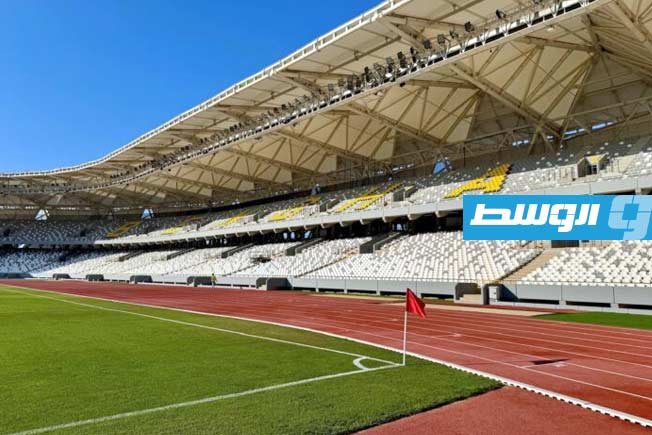
Grand Stade de Tanger
The Grand Stade de Tanger is a modern football stadium in Tangier, Morocco, inaugurated in 2011. It was built to host matches for the 2015 Africa Cup of Nations and serves as the home ground for the Moroccan national team and local club IR Tanger. The stadium’s construction was part of a larger national project to develop world-class sporting infrastructure in the country.
Tangier
Tangier is a historic port city in northern Morocco, strategically located at the entrance to the Mediterranean Sea. It has a long and complex history of control by various civilizations, including the Phoenicians, Romans, Arabs, Portuguese, and Spanish, and was an international zone administered by multiple European powers in the 20th century. Today, it is known for its unique blend of Moroccan and European cultural influences.
Stade Mohammed V
The Stade Mohammed V is a major multi-purpose stadium in Casablanca, Morocco, inaugurated in 1955. Originally named Stade Marcel Cerdan, it was renamed in honor of Sultan Mohammed V following Morocco’s independence, serving as a historic venue for sports and large national events.
Casablanca
Casablanca is Morocco’s largest city and a major economic hub, originally settled by Berbers and later developed under French colonial rule in the 20th century. It is renowned for its iconic Art Deco architecture and the Hassan II Mosque, one of the world’s largest mosques, which features a minaret overlooking the Atlantic Ocean.
Prince Moulay Abdellah Stadium
Prince Moulay Abdellah Stadium is a major sports venue in Rabat, Morocco, named after Prince Moulay Abdellah, the brother of King Hassan II. It was originally constructed in 1983 and later renovated to host the 2019 African Games, serving as a key site for football matches and athletic events.
Rabat
Rabat is the capital city of Morocco, founded in the 12th century by the Almohad Caliphate as a ribat (fortified monastery). It is now a modern political and administrative center, recognized as a UNESCO World Heritage Site for its well-preserved historic quarters, including the Kasbah of the Udayas and the Hassan Tower.
Stade du Brade
The Stade du Brade is a multi-purpose stadium located in Saint-Denis, on the French overseas island of Réunion. It was inaugurated in 2009 and primarily serves as the home ground for the football club SS Saint-Louisienne. The stadium was built to modernize the island’s sports infrastructure and host larger regional competitions.
Grand Stade d’Agadir
The Grand Stade d’Agadir is a modern multi-purpose stadium in Agadir, Morocco, inaugurated in 2013. It was built to replace the city’s older stadium and to host matches for the 2015 Africa Cup of Nations football tournament.
Agadir
Agadir is a major coastal city in Morocco, known today for its modern beach resorts. The city was largely rebuilt following a devastating earthquake in 1960, which destroyed much of its historic kasbah; the hilltop ruins of the old kasbah remain as a memorial.
Complexe Sportif de Fès
The Complexe Sportif de Fès is a major sports complex in the city of Fès, Morocco. It was constructed to host the 2013 FIFA Club World Cup and has since served as a key venue for football matches and other athletic events, featuring the 45,000-seat Stade de Fès as its centerpiece.
Fez
Fez is a historic city in northern Morocco, founded in the 8th-9th centuries and renowned as home to the University of al-Qarawiyyin, established in 859 and considered the oldest continuously operating university in the world. Its medina, Fes el-Bali, is a UNESCO World Heritage site, preserving a dense, medieval urban fabric of Islamic architecture, traditional souks, and artisan quarters that reflect its long history as a center of learning, culture, and commerce.
Stade Olympique
The Stade Olympique is a multi-purpose stadium in Montreal, Canada, built as the main venue for the 1976 Summer Olympics. Its distinctive inclined tower, the tallest in the world, was completed after the Games and now houses an observatory and mechanical systems for the retractable roof.
Grand Stade de Marrakech
The Grand Stade de Marrakech is a multi-purpose stadium in Marrakech, Morocco, which opened in 2011. It was built to host matches for the 2015 Africa Cup of Nations and serves as the home stadium for the Kawkab Marrakech football club.
Marrakesh
Marrakesh is a historic city in western Morocco, founded in 1062 by the Almoravid dynasty and serving as a major political, economic, and cultural center for centuries. It is renowned for its vibrant medina, a UNESCO World Heritage site, and iconic landmarks like the Koutoubia Mosque and the bustling Jemaa el-Fnaa square.