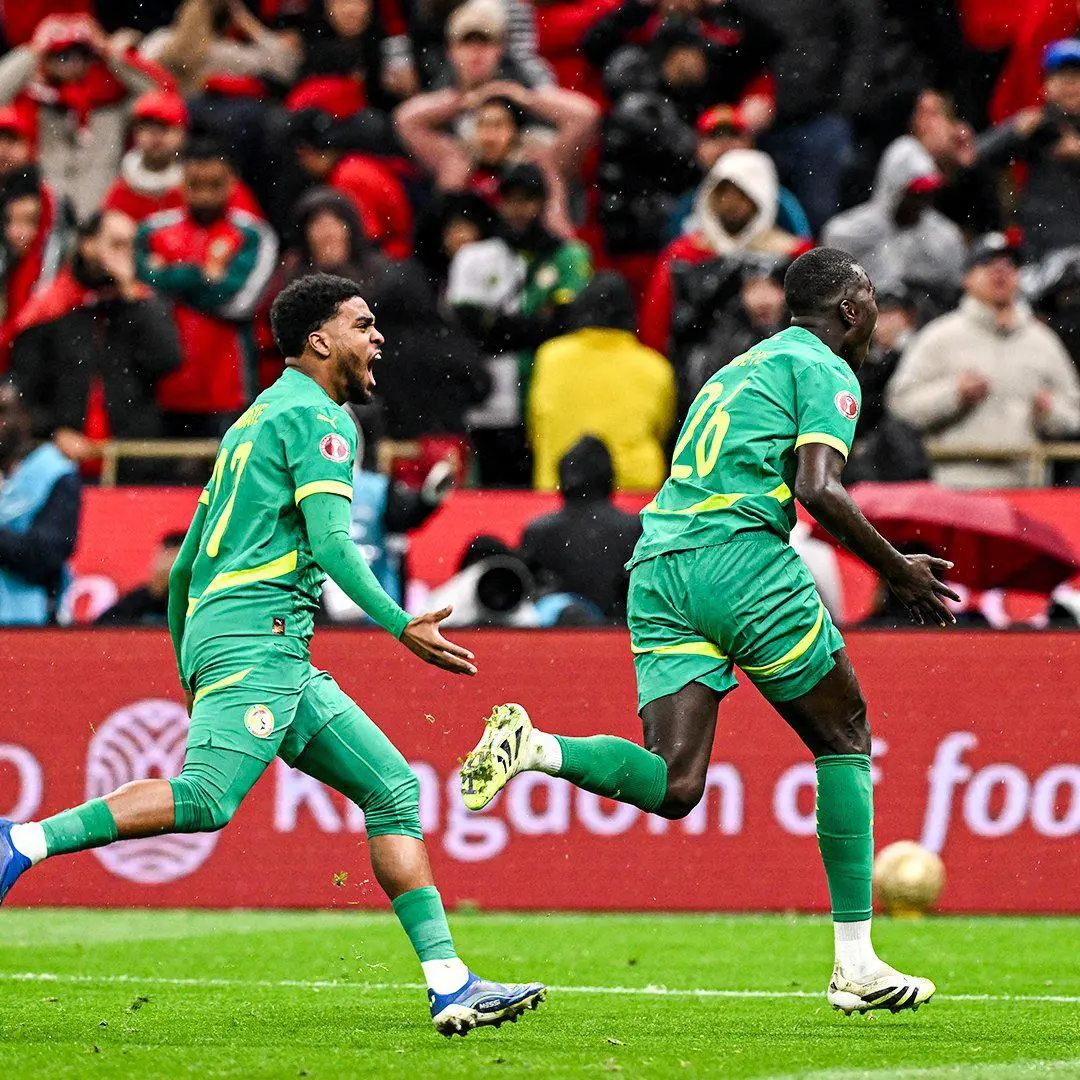
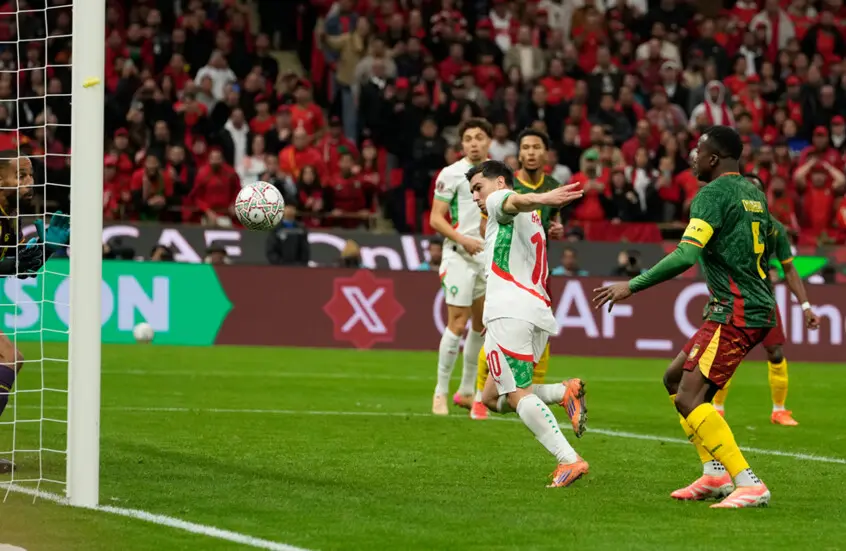
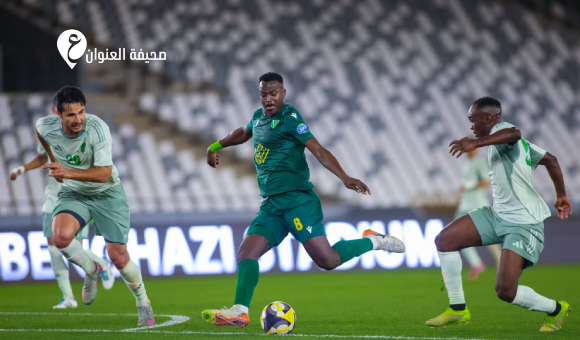
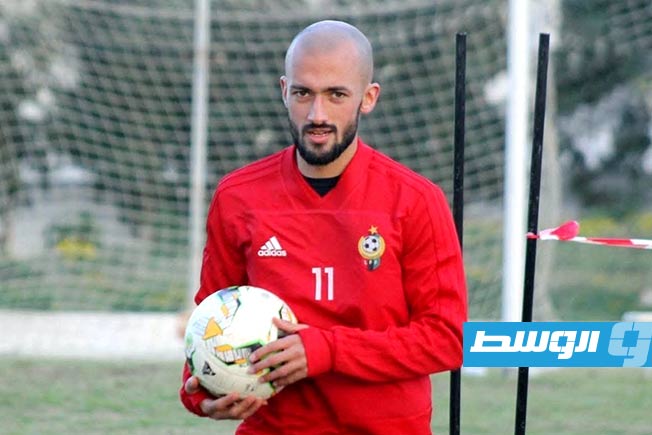
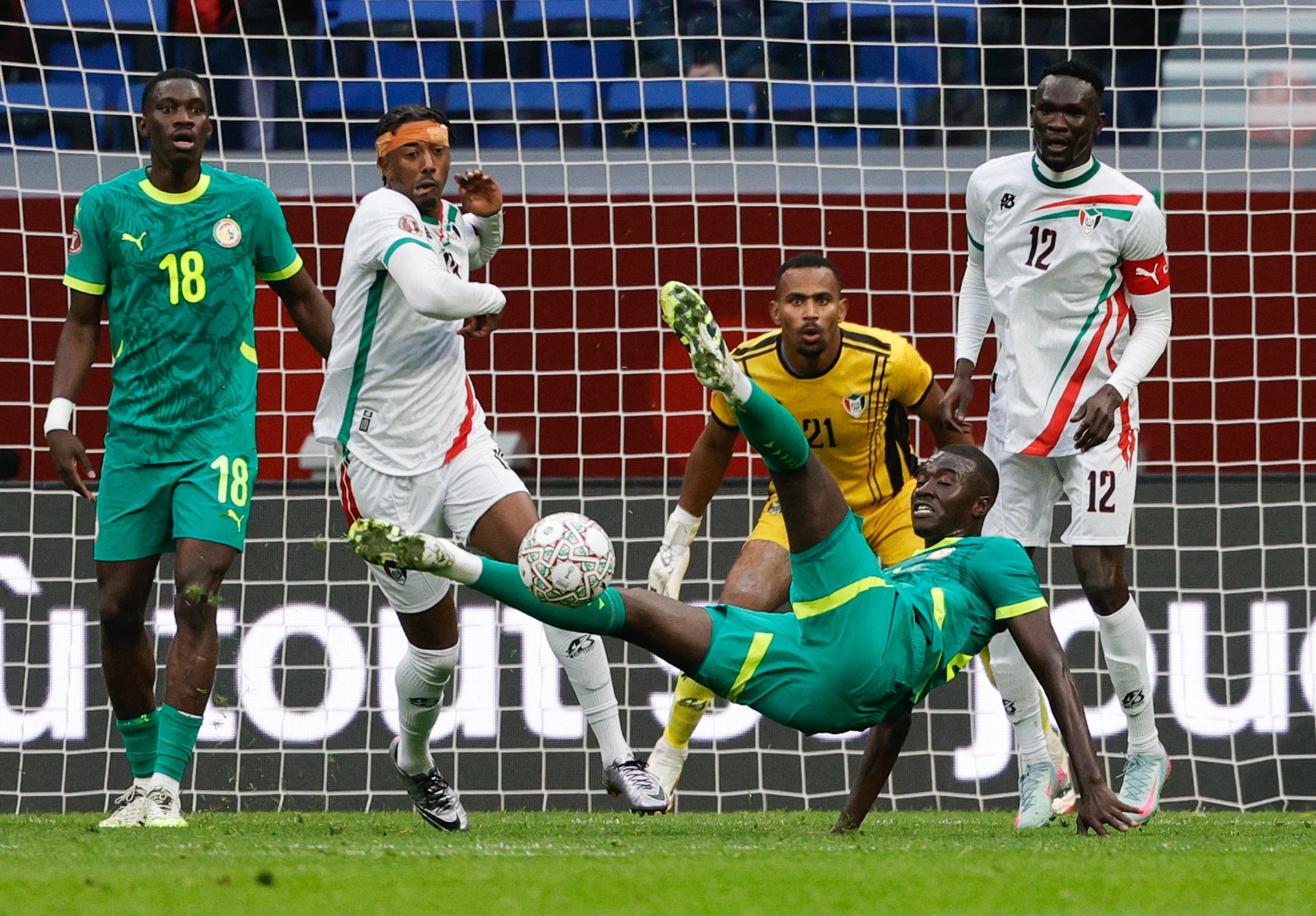
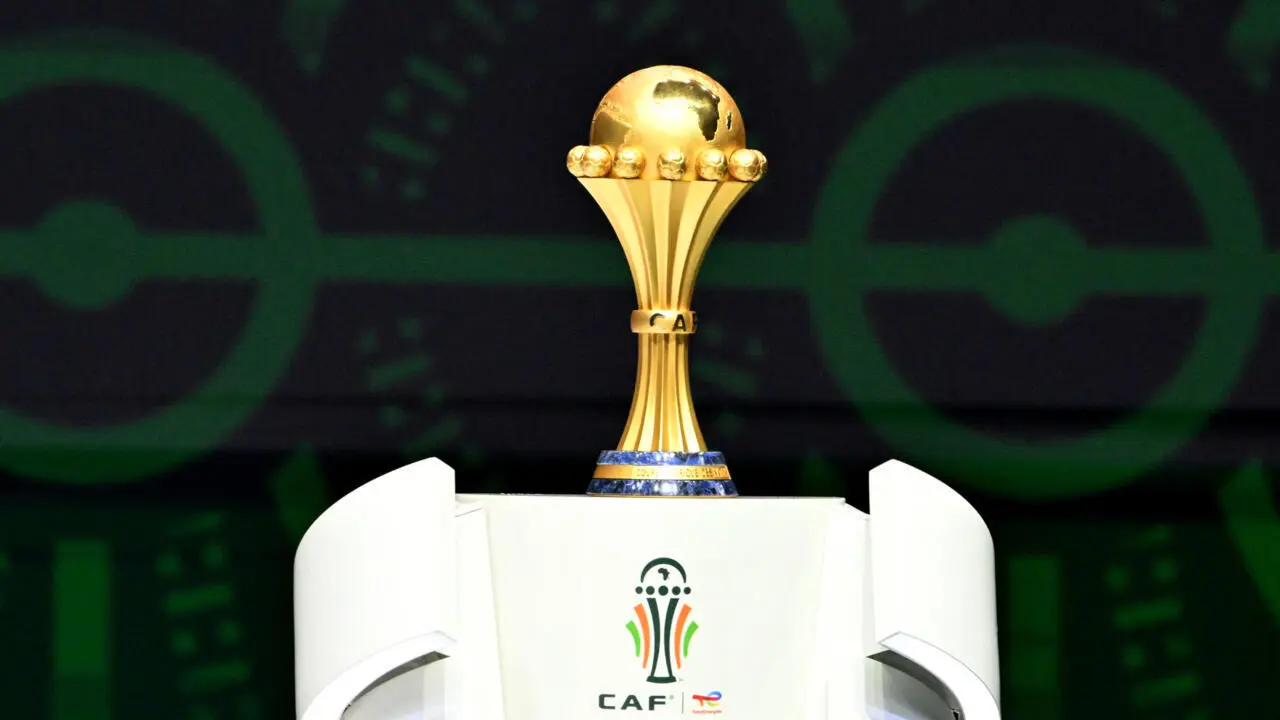
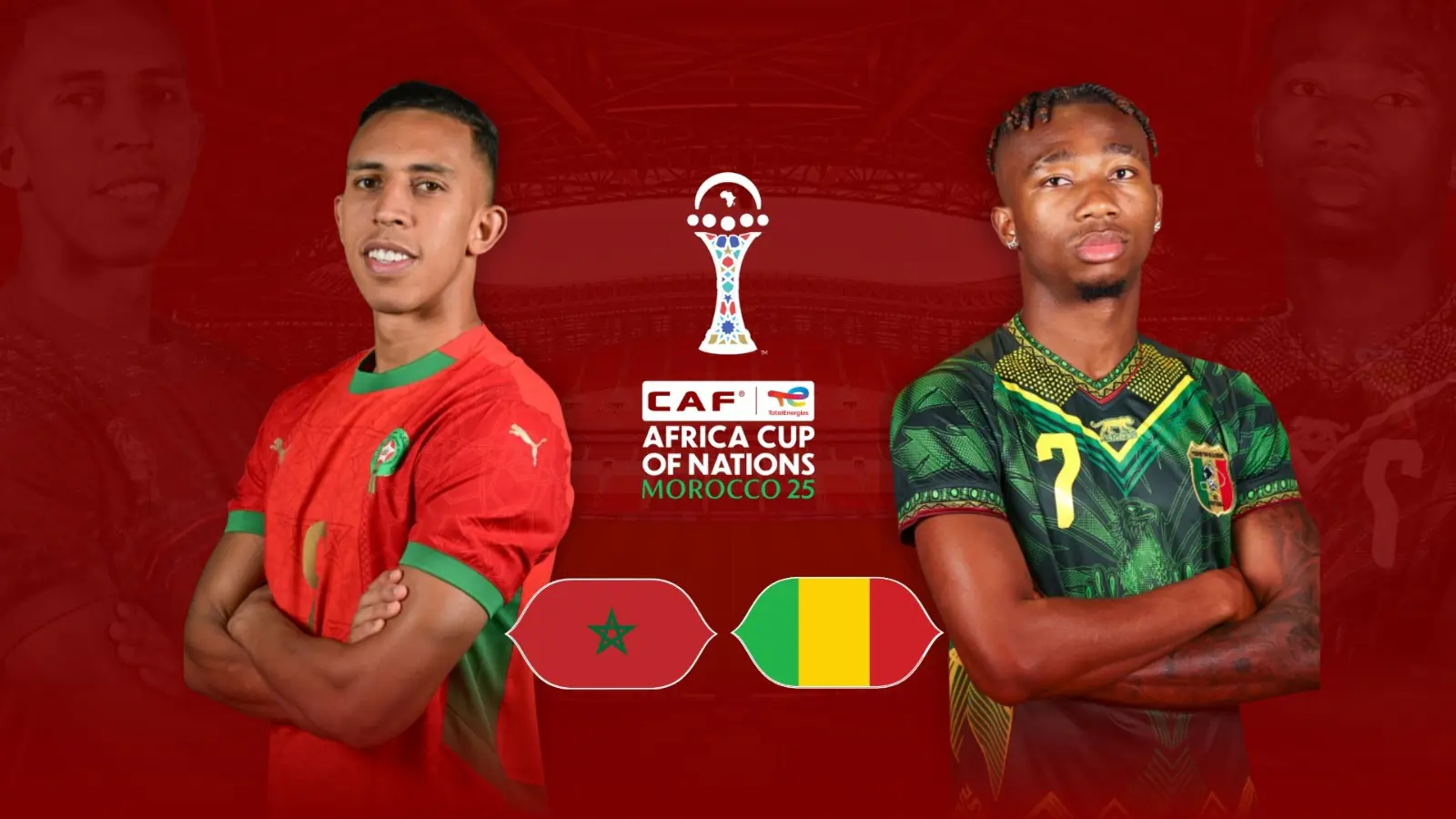
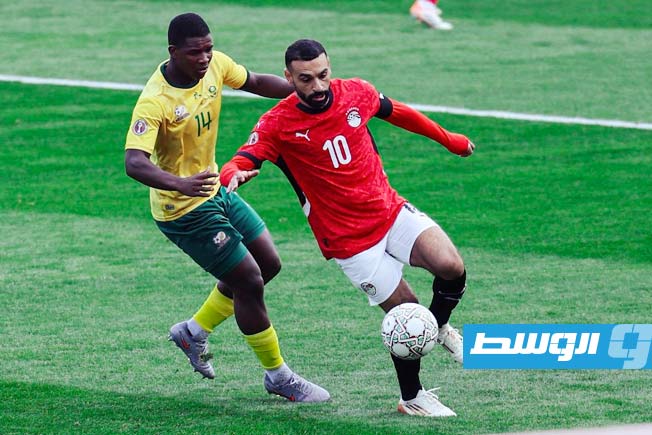
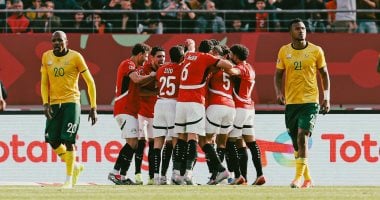
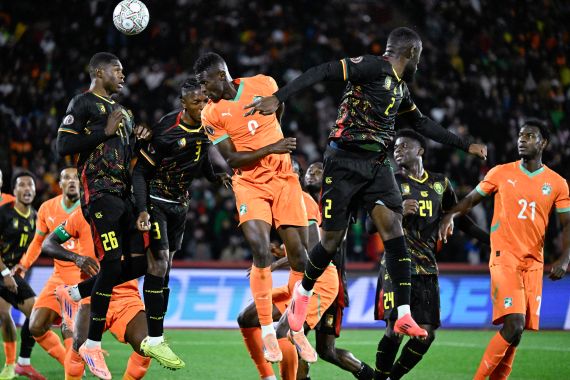
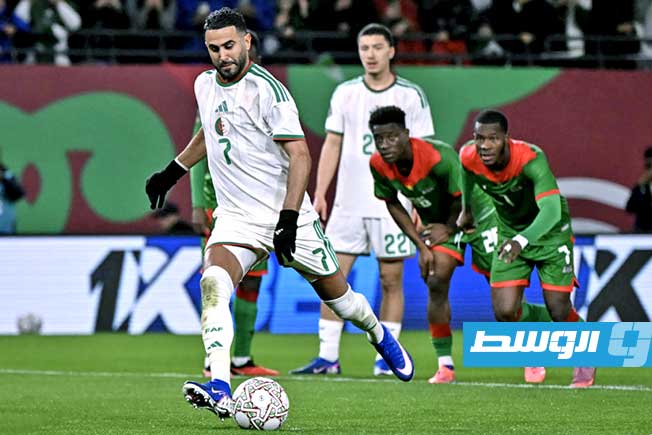
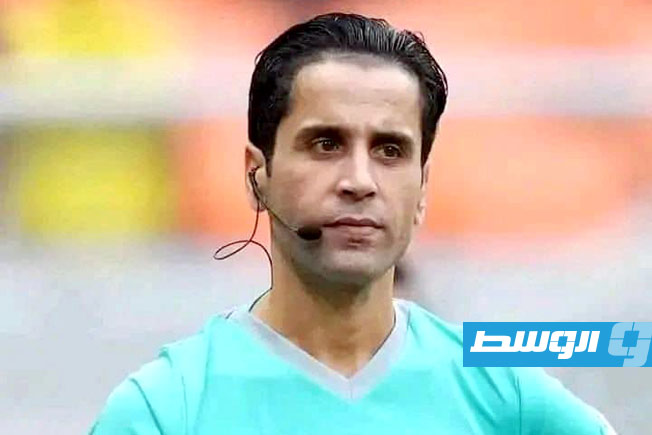
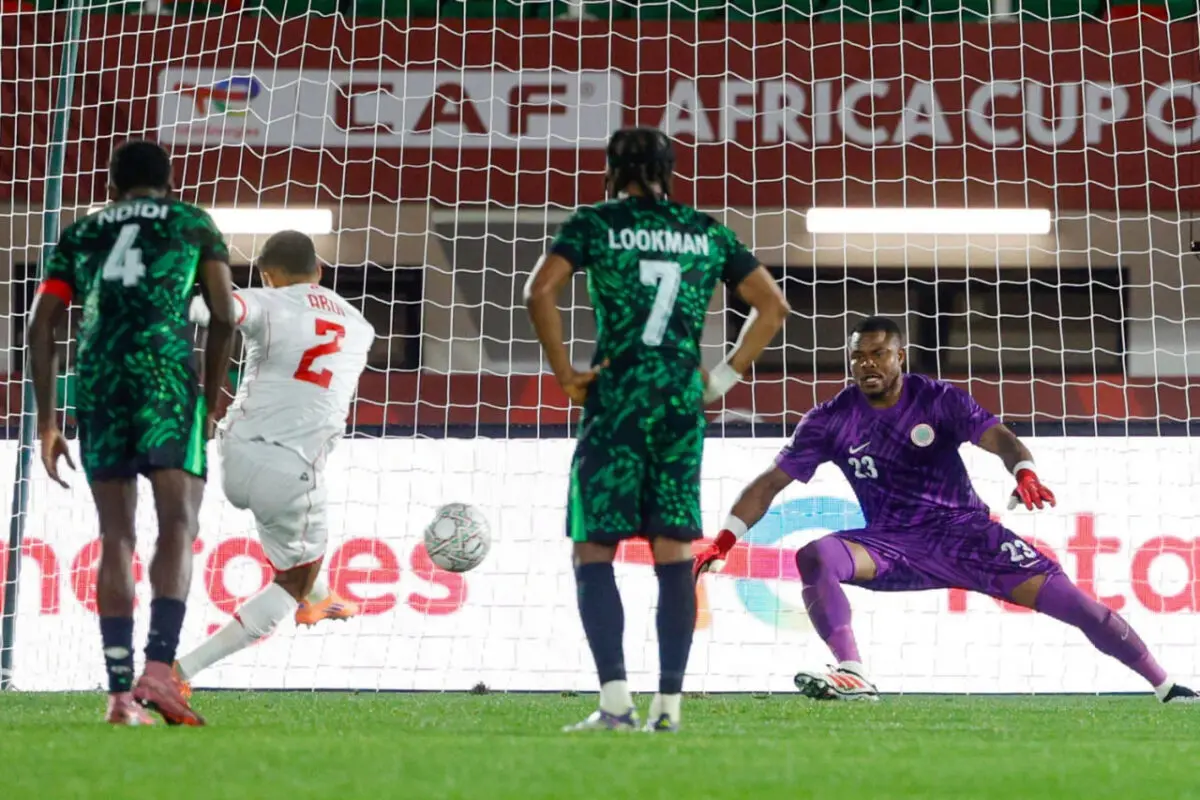
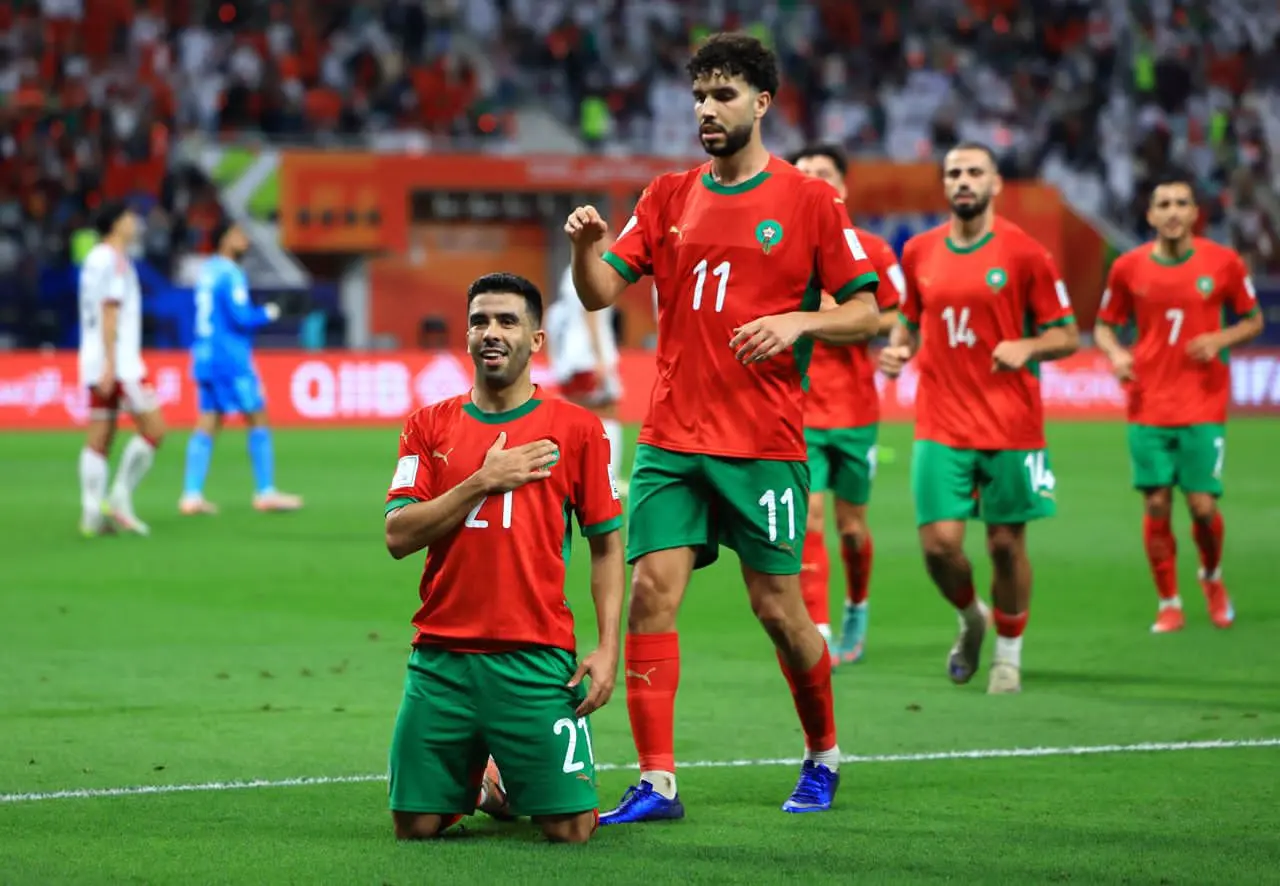
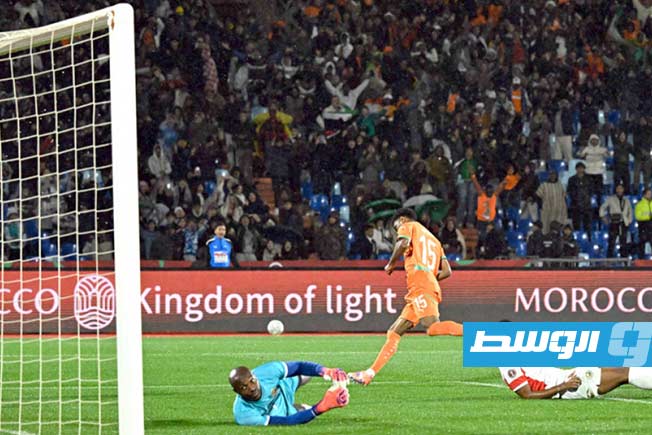
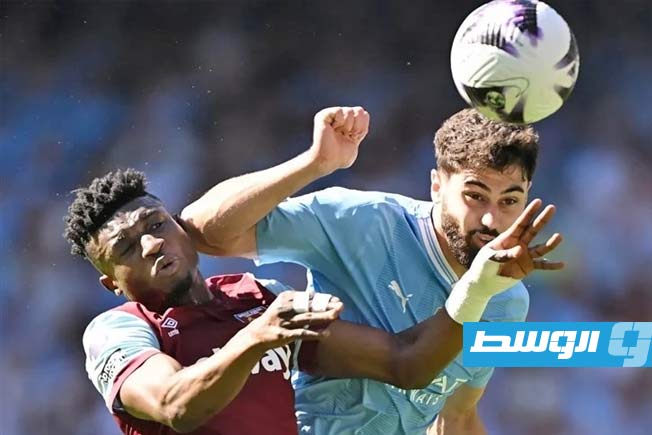
South African striker Lyle Foster escaped a red card after his controversial actions towards an assistant referee during his country’s match against Cameroon in the 2025 Africa Cup of Nations held in Morocco.
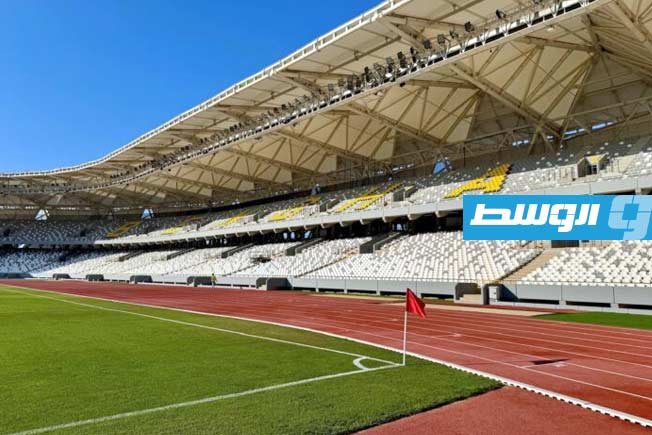
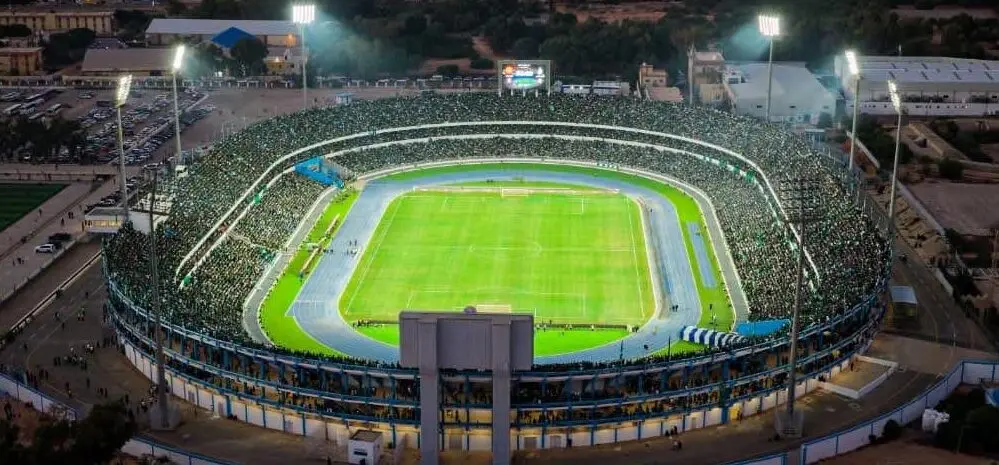
The South African national team exited the tournament yesterday, Monday, following a 1-2 loss to Cameroon in the round of 16 match held at the City Stadium in Rabat.
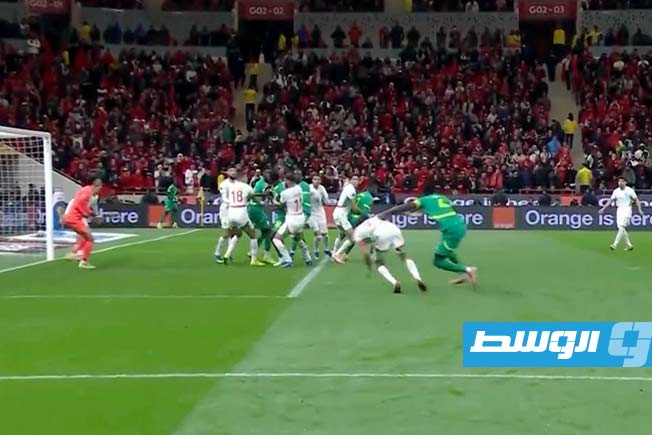
Foster lost his composure after the assistant referee raised his flag, indicating a foul against the player following a minor clash with a Cameroonian defender.
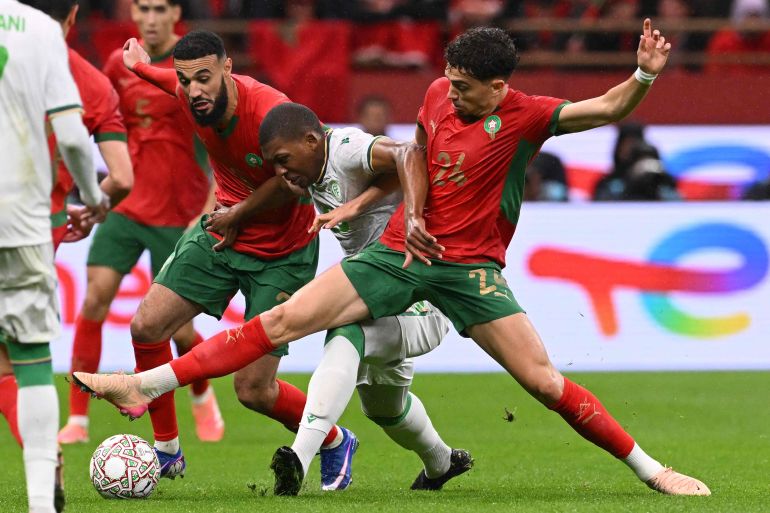
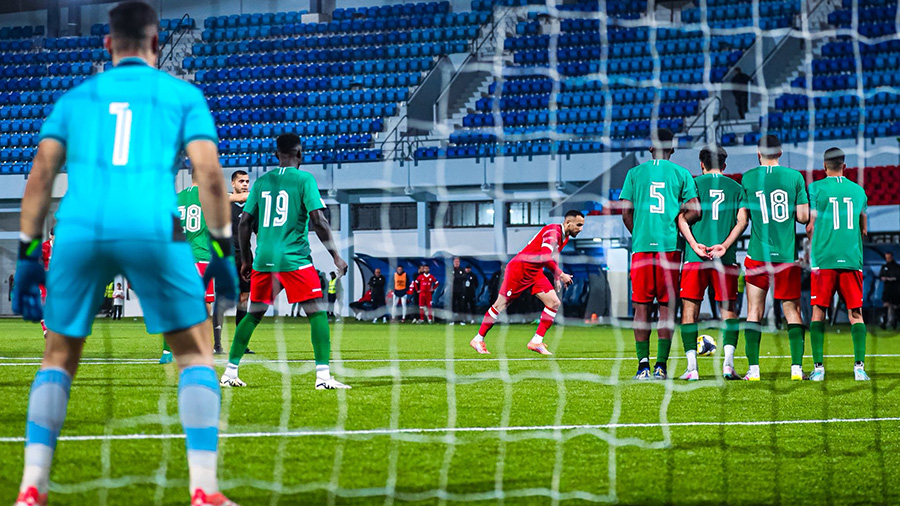
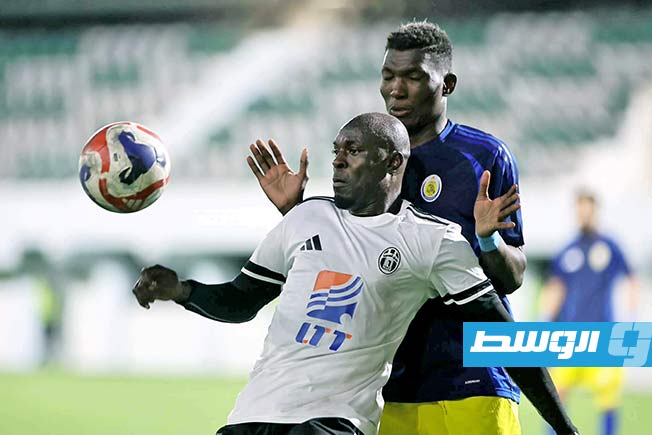
Foster charged into the penalty area and attempted to shoot, but Cameroonian defender Che Malone Jr. got to the ball first and cleared it out of the box. The two players then contested for the ball, with the latter falling, claiming a push from the former, prompting the assistant to raise his flag. The referee awarded a free kick to Cameroon.
Immediately, Foster approached the assistant referee, got close to him, and slapped his outstretched hand multiple times. Despite this, the referee only showed a yellow card, which occurred eight minutes before the end of the match when Cameroon was leading 2-0.
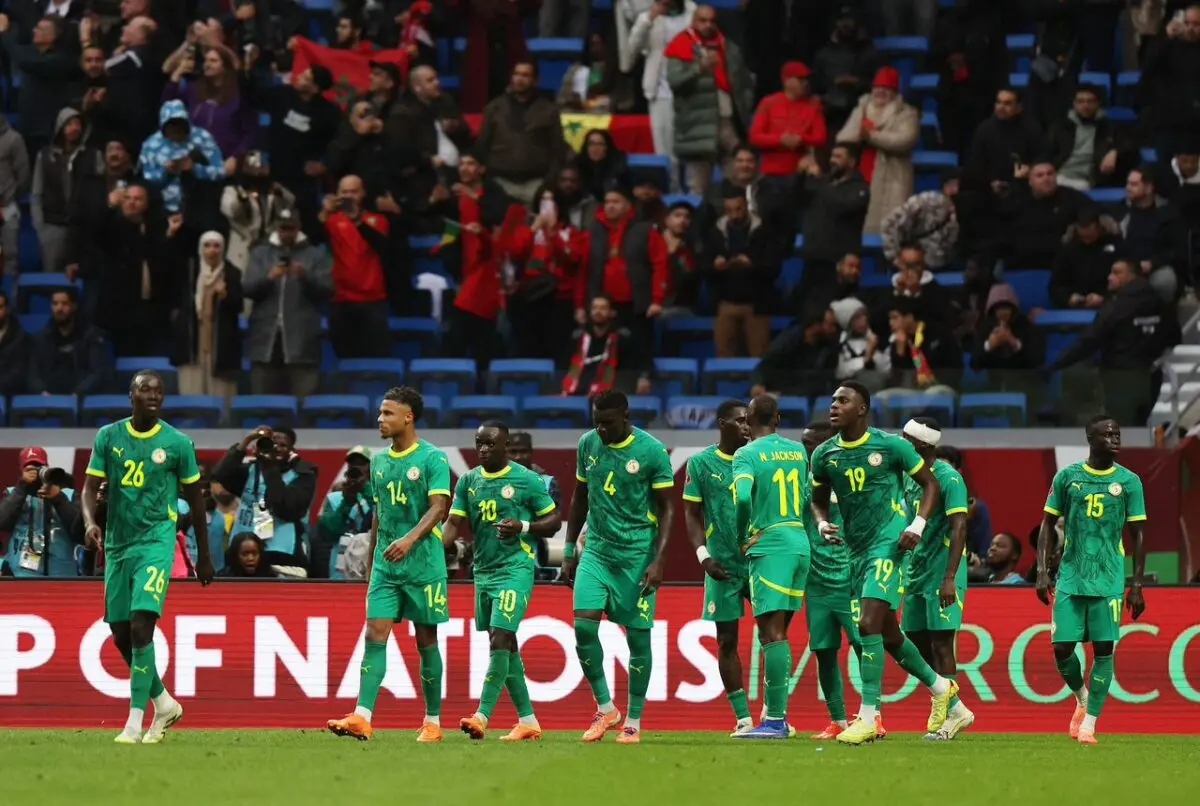
His teammate Evidence Makgoba scored a goal to reduce the deficit (1-2) two minutes before the end of regular time, but it wasn’t enough to keep South Africa in the tournament.
During this edition of the Africa Cup, Foster, the Burnley striker, participated in four matches, playing a total of 343 minutes. He contributed to four goals, scoring two and assisting two others.
South Africa
South Africa is a country located at the southern tip of the African continent, known for its diverse cultures and complex history of colonialism and apartheid. Its modern democratic state was founded in 1994 after the end of institutionalized racial segregation, with Nelson Mandela becoming its first Black president. The nation is renowned for landmarks like Robben Island and Table Mountain, which symbolize its journey and natural beauty.
Cameroon
Cameroon is a Central African country known for its diverse geography and culture, often called “Africa in miniature.” Its modern history stems from colonial rule by Germany, followed by French and British administration after World War I, leading to its independence in 1960 and the unification of its English and French-speaking regions.
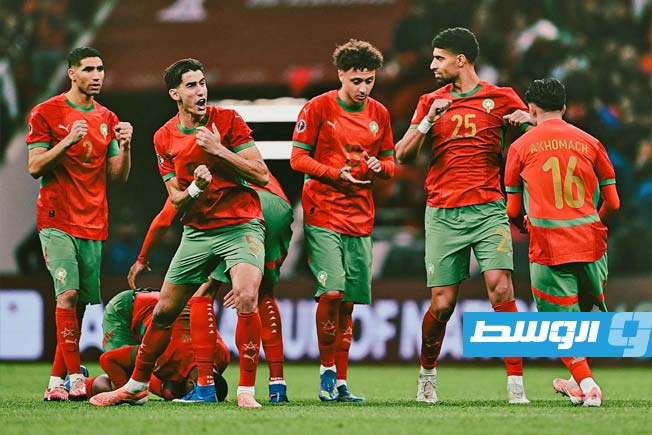
Morocco
Morocco is a North African country with a rich history shaped by indigenous Amazigh (Berber) cultures, Arab influence from the 7th century, and successive dynasties like the Almoravids and Almohads. Its cultural sites reflect this blend, from the ancient Roman ruins of Volubilis to the imperial cities of Fez and Marrakech, with their historic medinas, mosques, and madrasas. The country’s strategic location has also made it a crossroads of African, European, and Islamic civilizations.
City Stadium
City Stadium is a multi-purpose sports venue located in Lviv, Ukraine, originally constructed in the early 20th century. It was officially opened in 1925 and has since undergone several major renovations, serving as a key site for football matches and other athletic events throughout its history.
Rabat
Rabat is the capital city of Morocco, founded in the 12th century by the Almohad Caliphate as a ribat (fortified monastery). It is now a modern political and administrative center, recognized as a UNESCO World Heritage Site for its well-preserved historic quarters, including the Hassan Tower and the Chellah necropolis.
Africa Cup of Nations
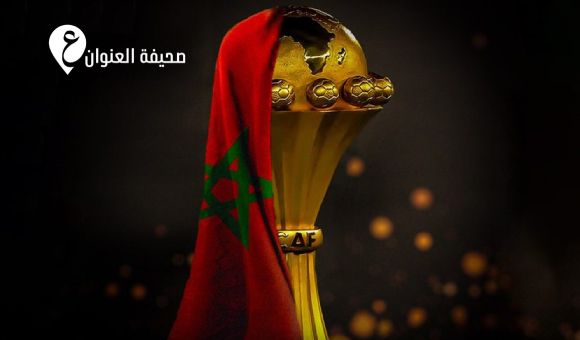
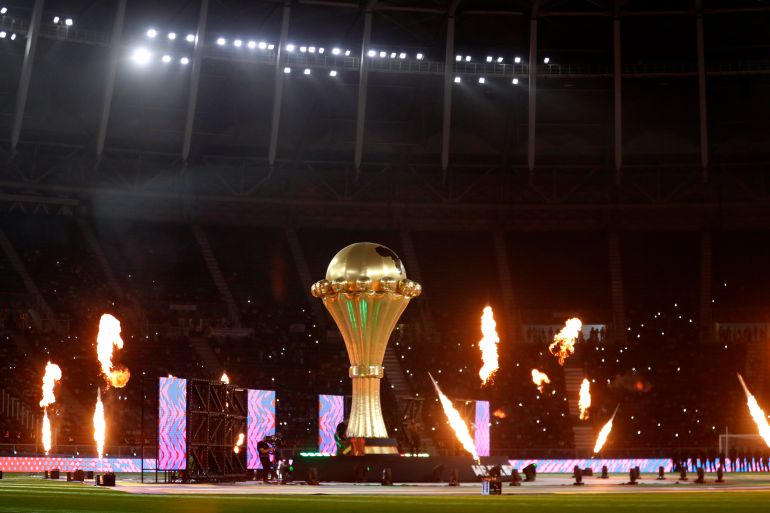
The Africa Cup of Nations (AFCON) is the premier international men’s football competition in Africa, first held in 1957. It was founded by the Confederation of African Football (CAF) and has grown from three initial participants to a major continental tournament featuring 24 national teams.
Burnley
Burnley is a historic industrial town in Lancashire, England, known for its pivotal role in the cotton manufacturing boom of the 19th century. Its landscape is marked by Victorian-era mills and terraced housing, and it is home to the football club Burnley FC, founded in 1882.