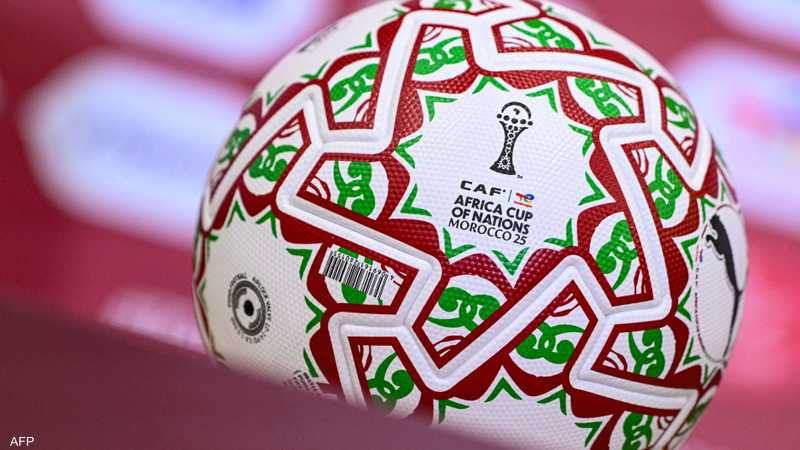
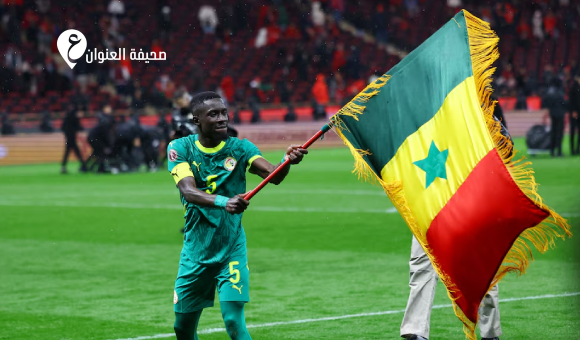
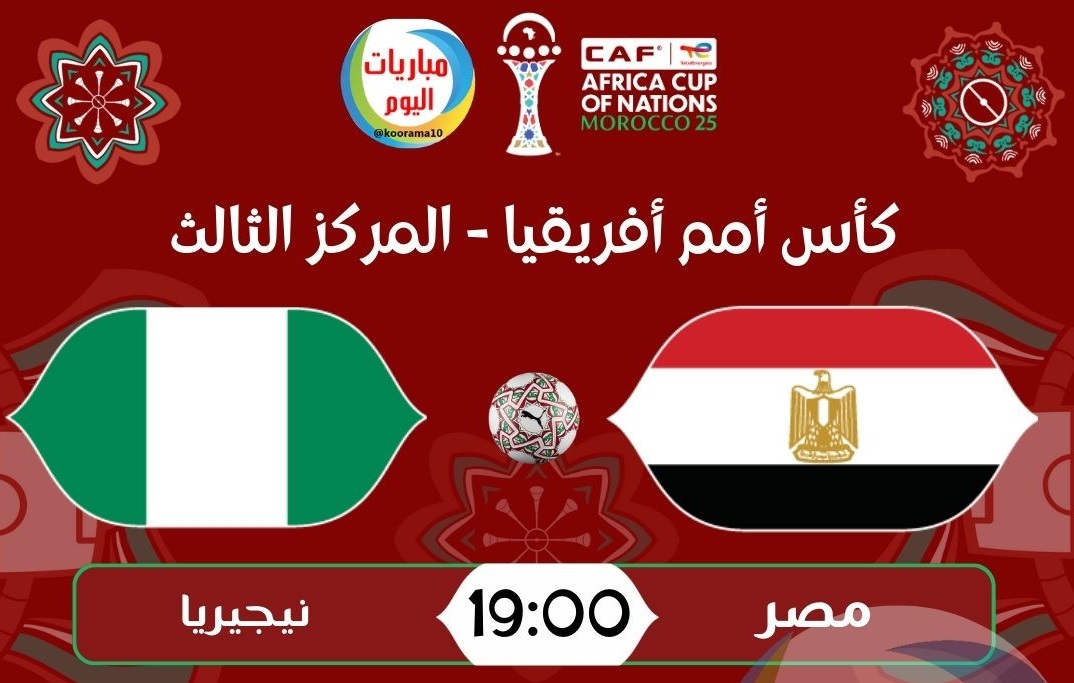
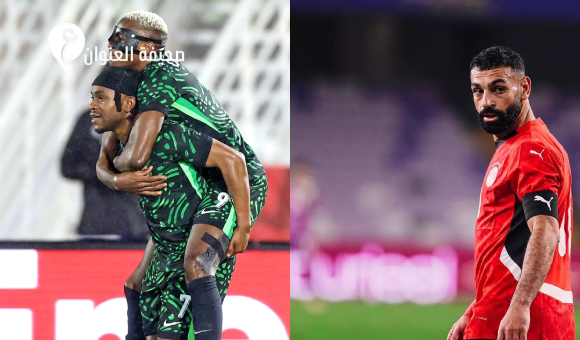
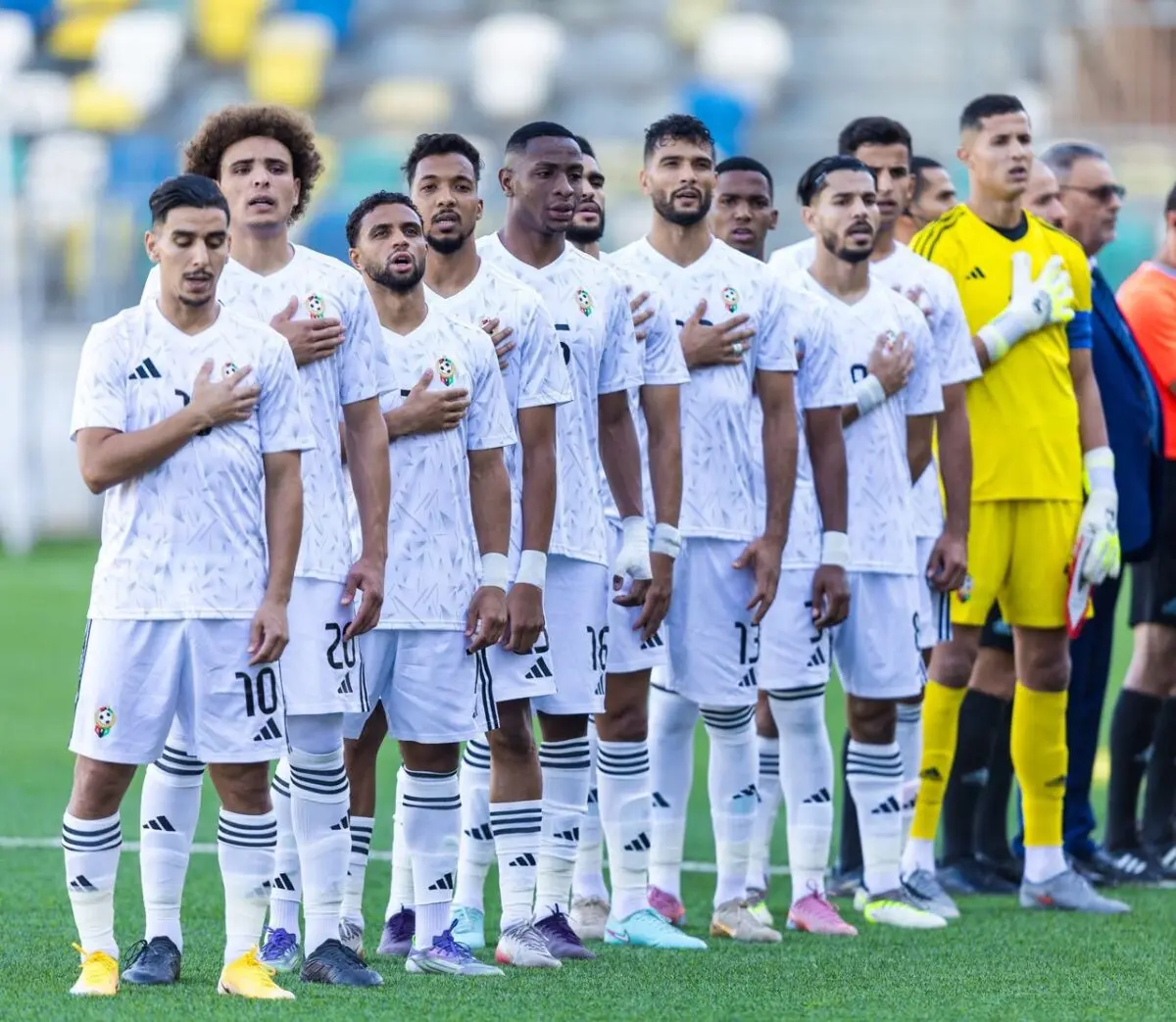
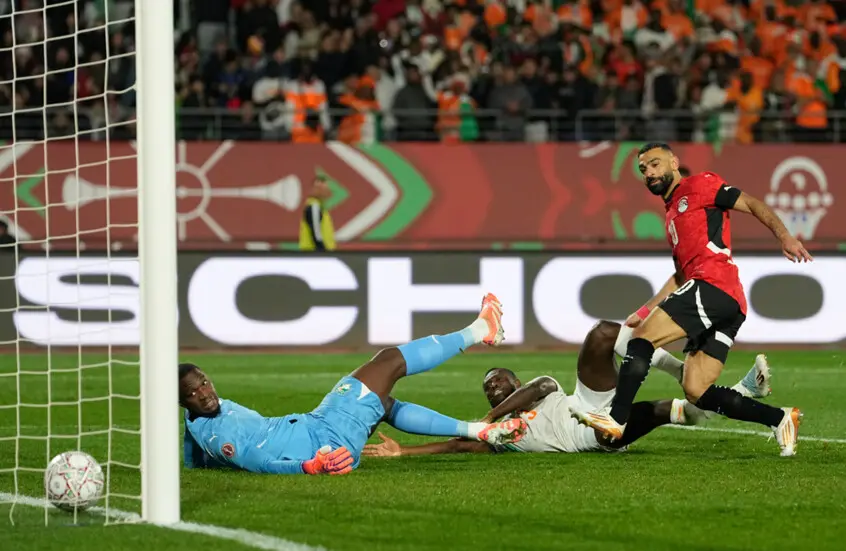
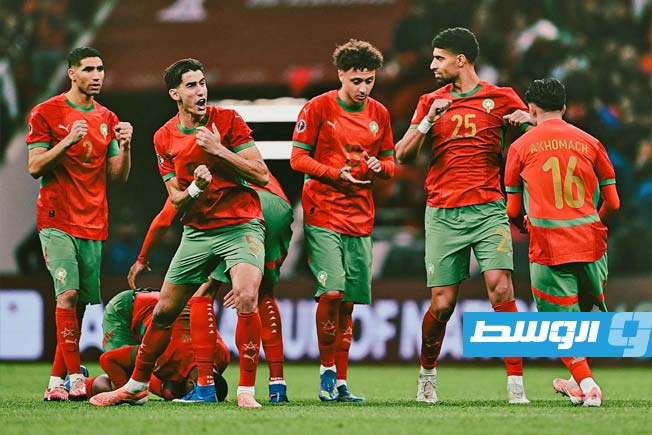
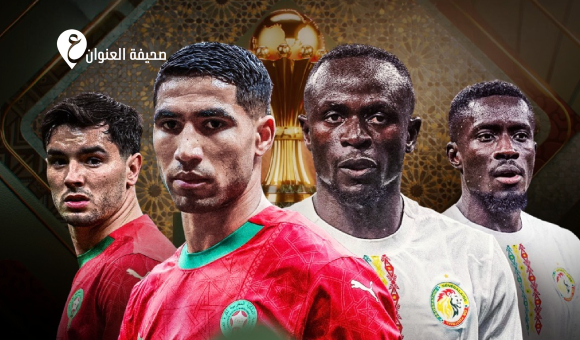
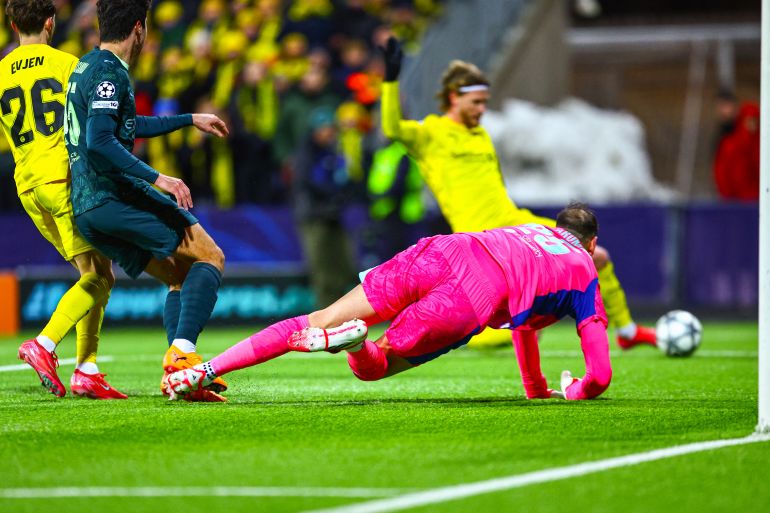
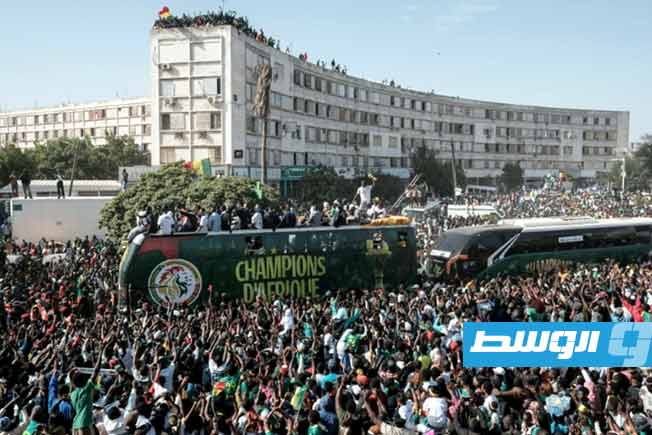
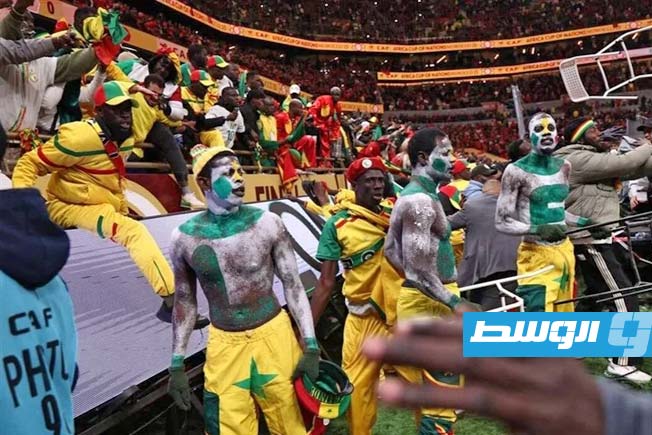
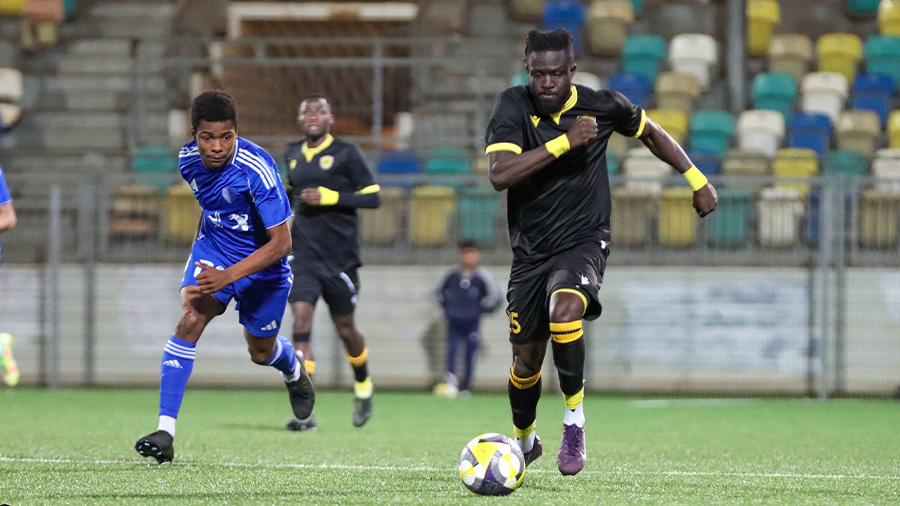
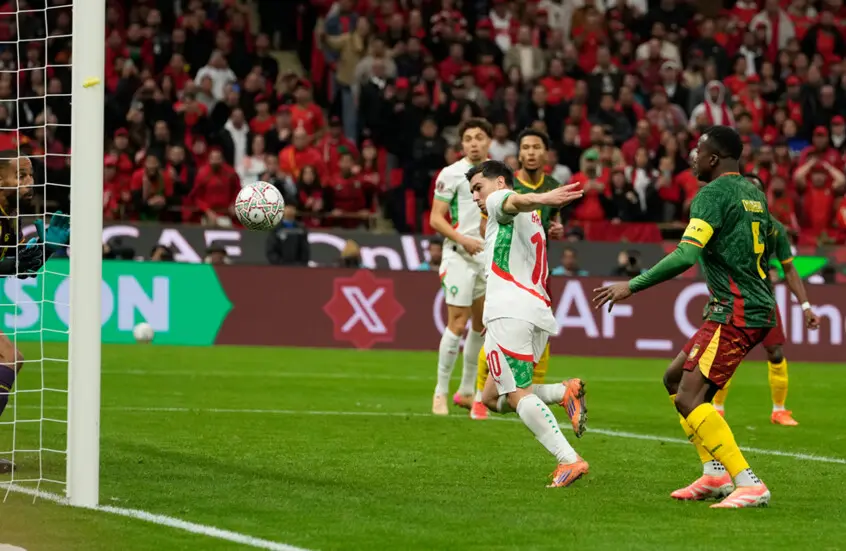
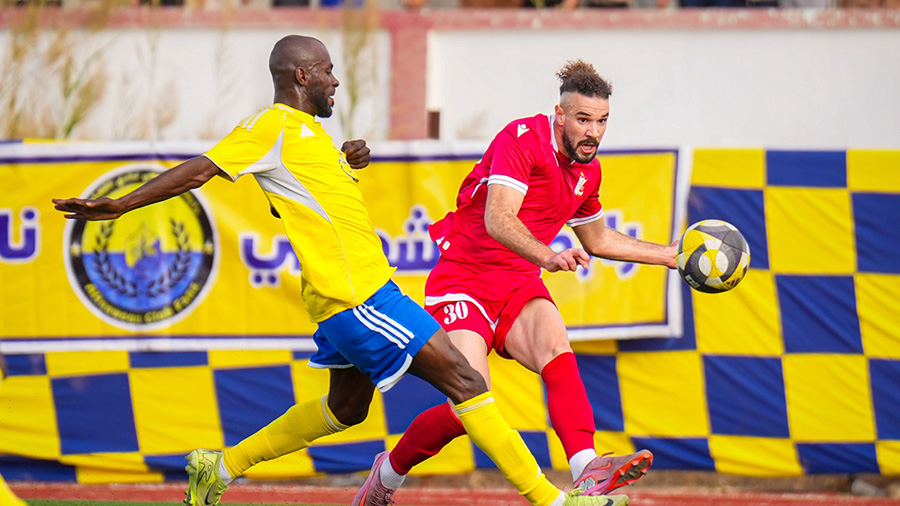
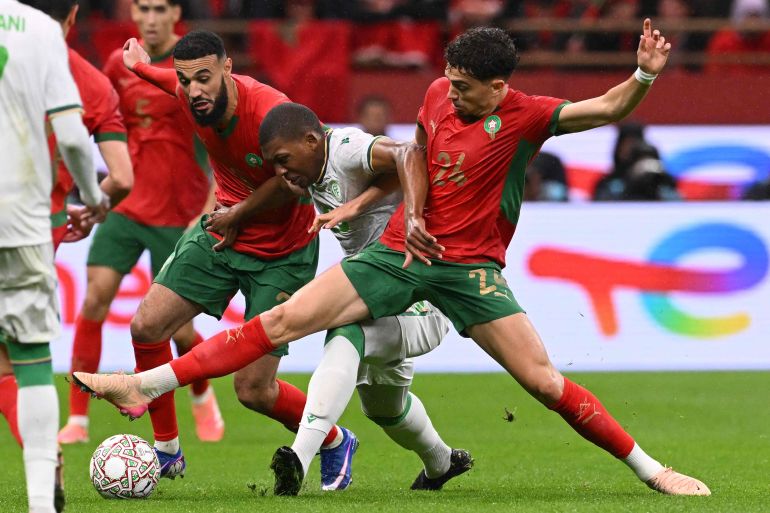
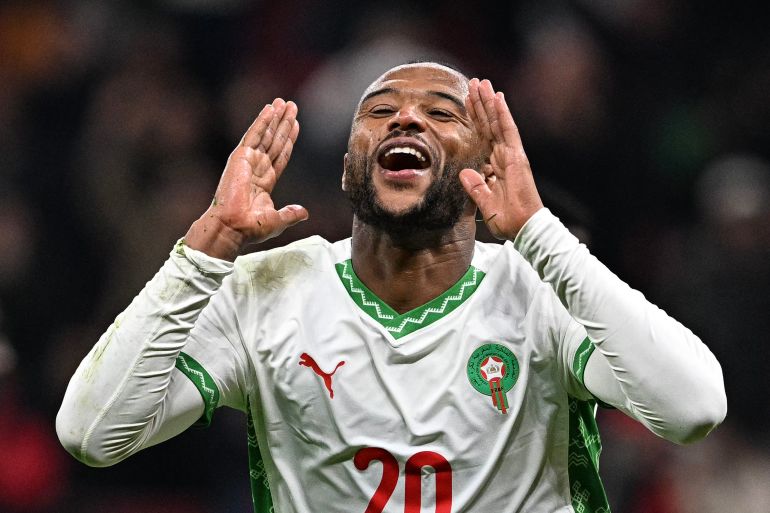
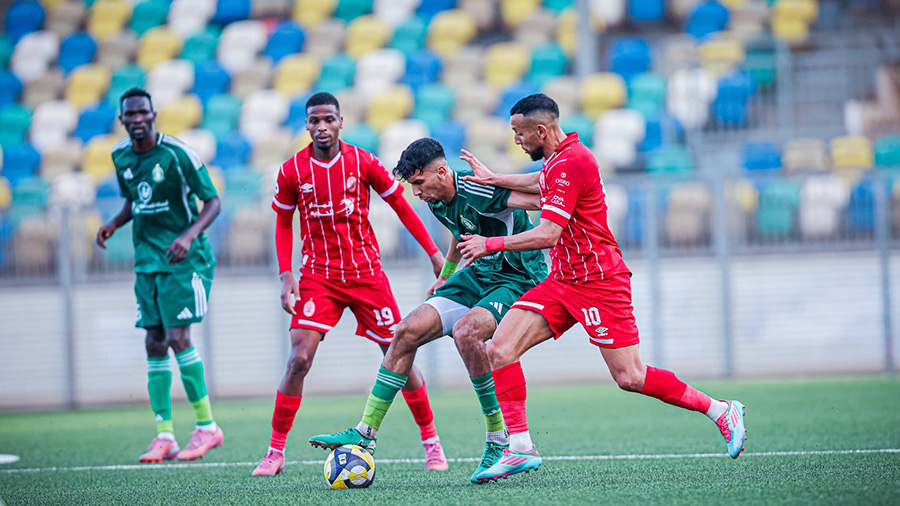
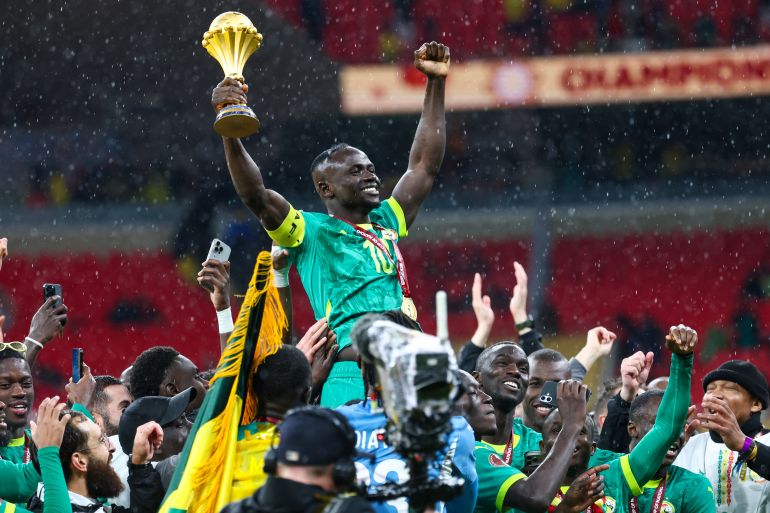
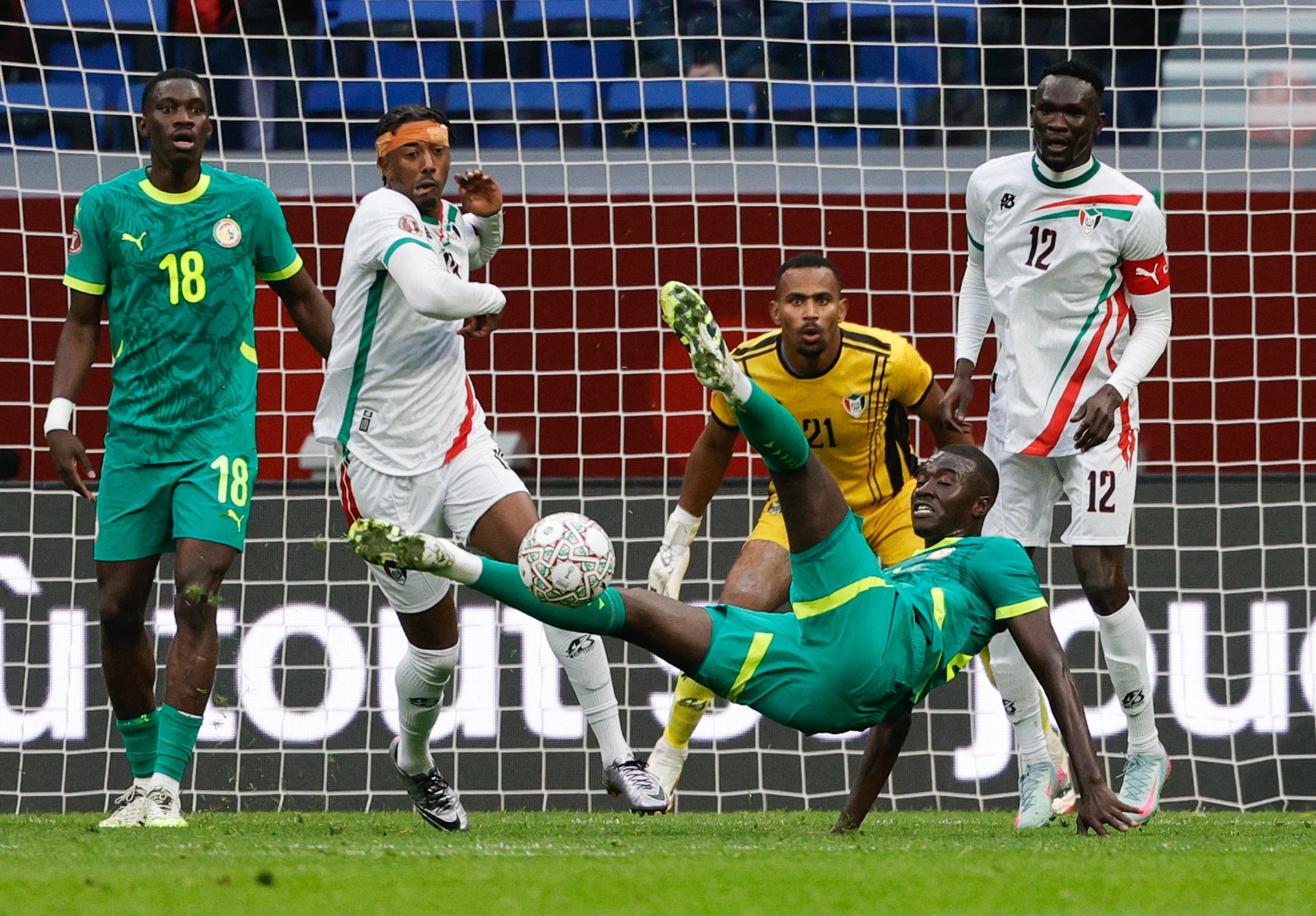
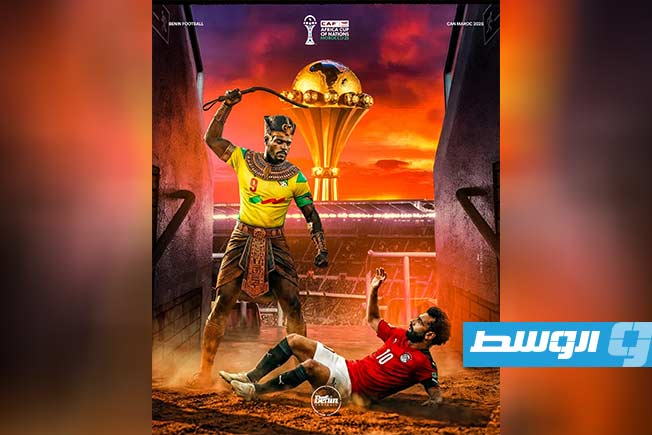
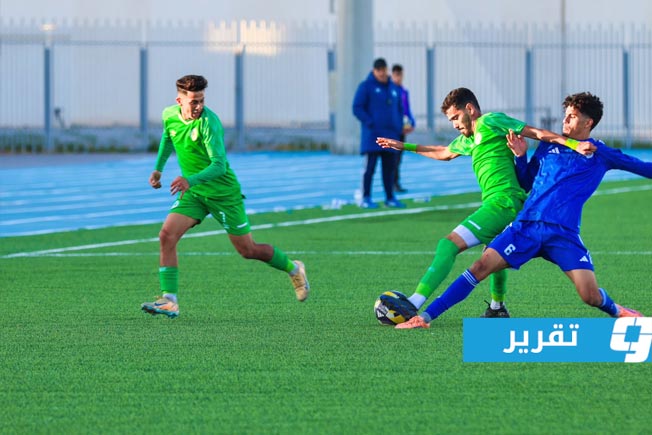
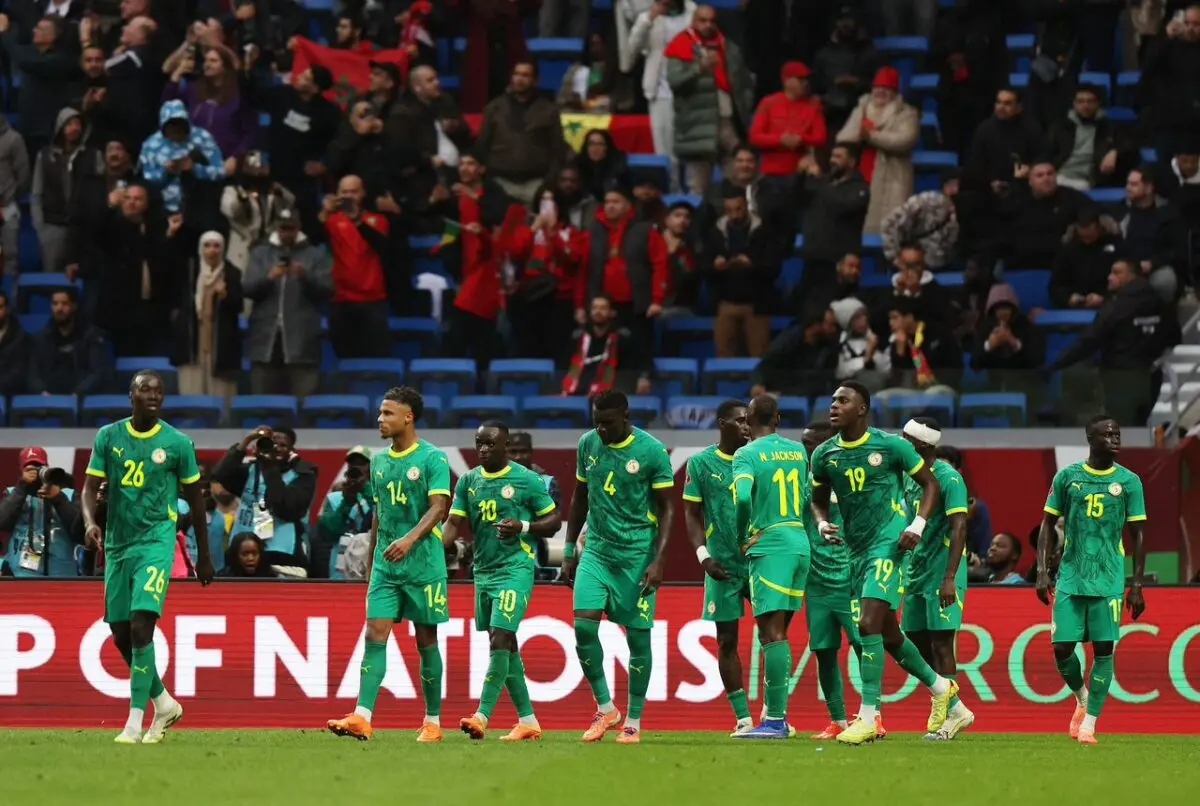
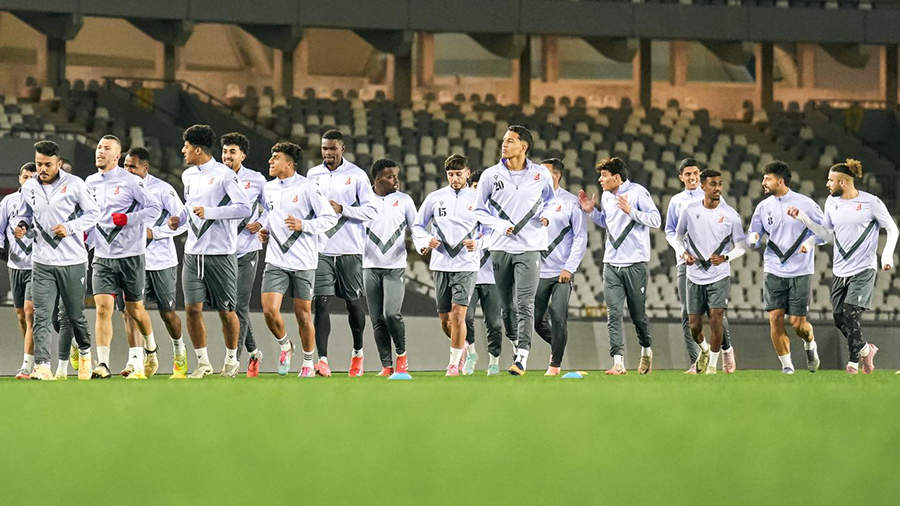
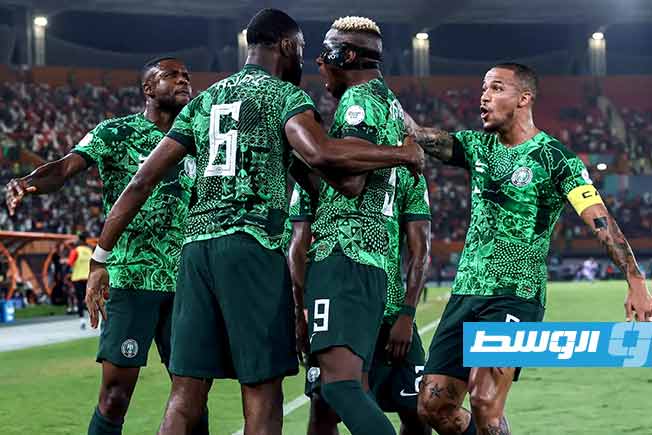
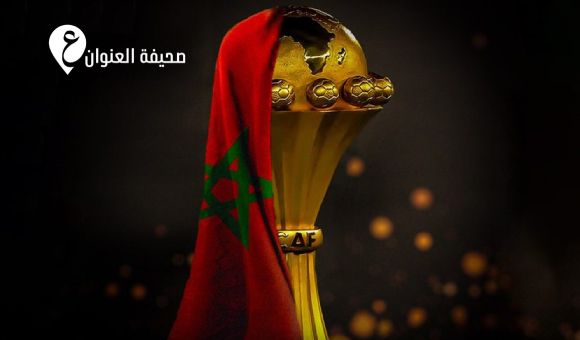
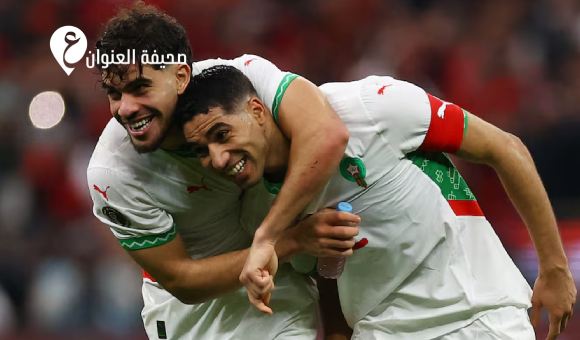
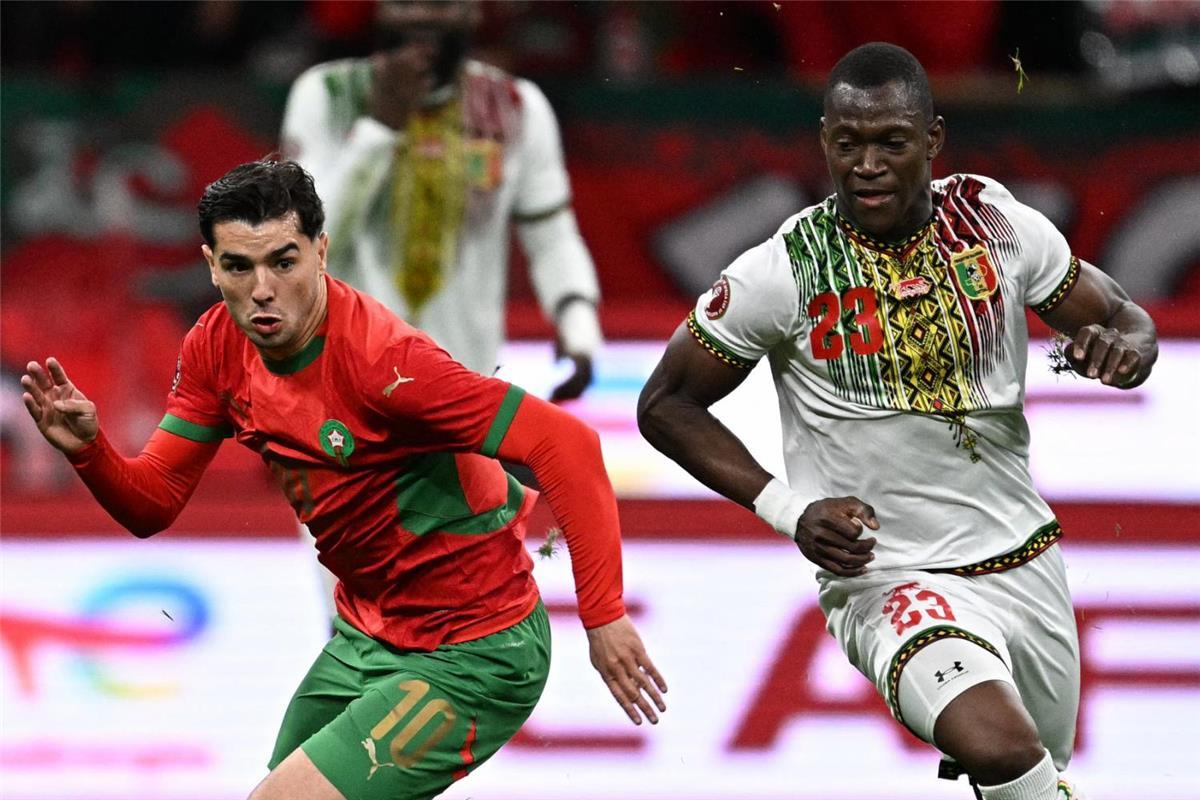
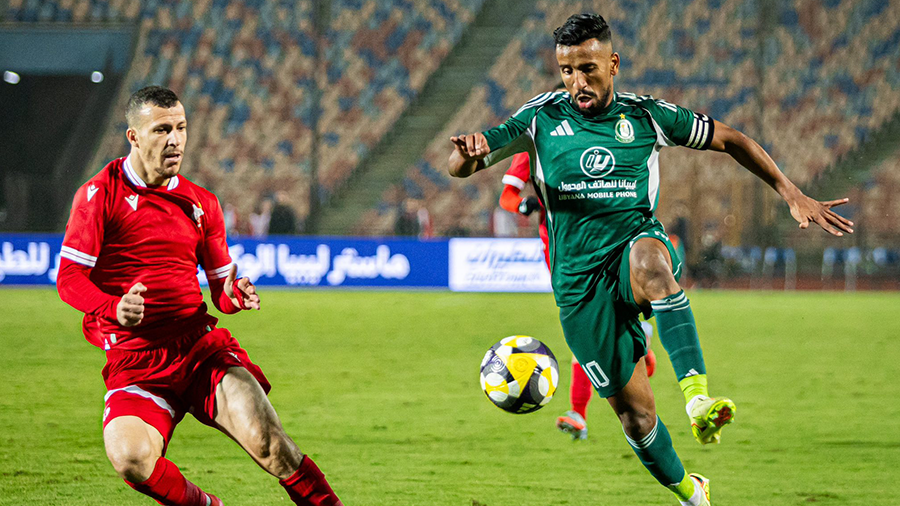
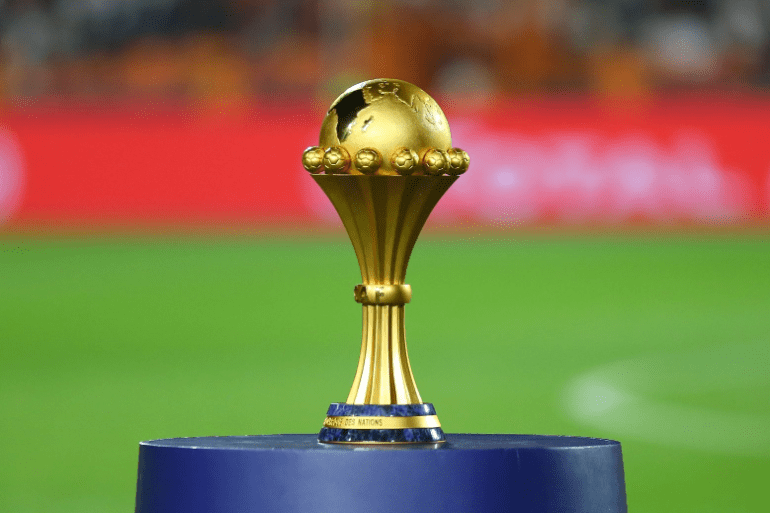
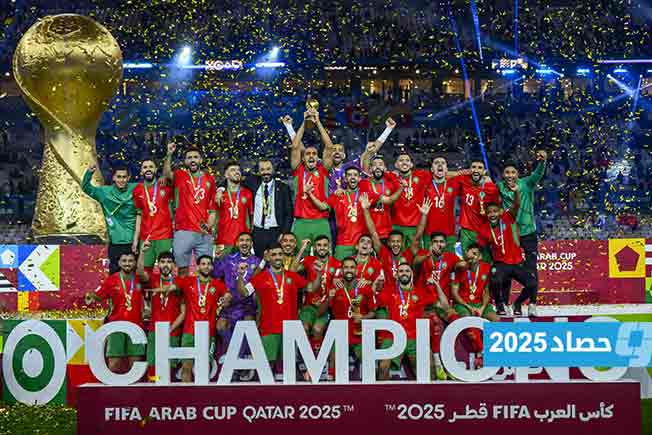
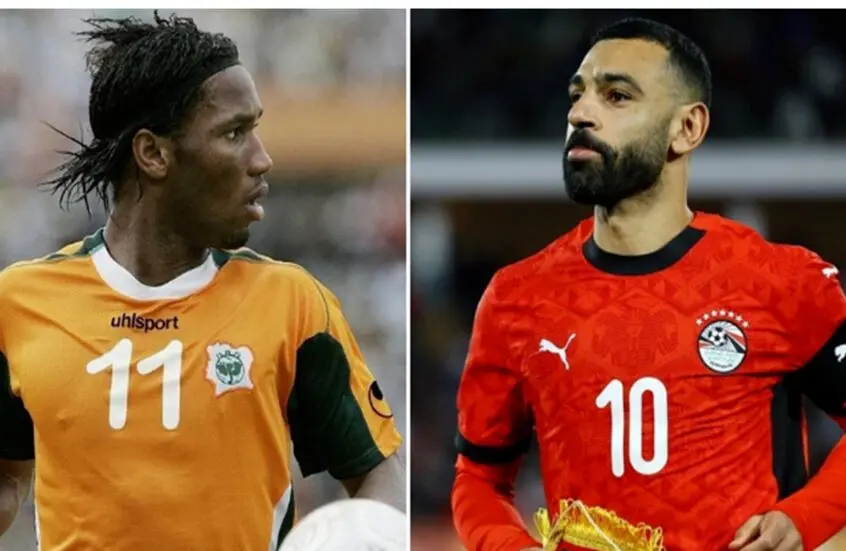
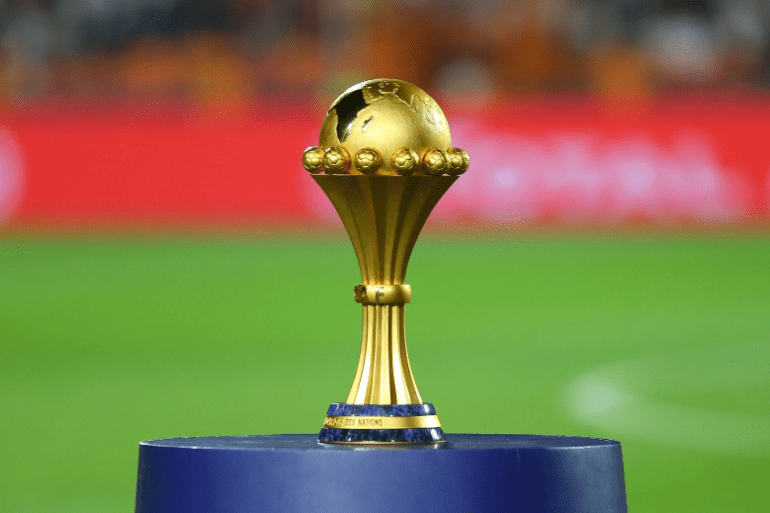
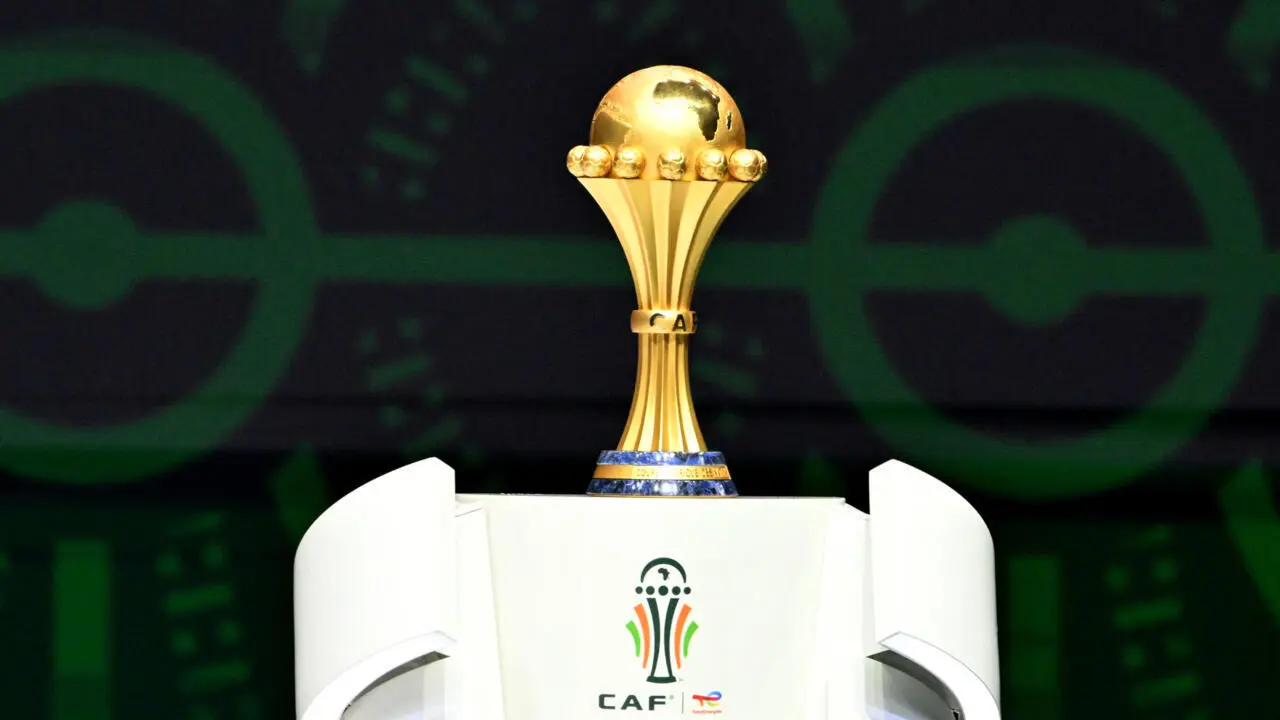
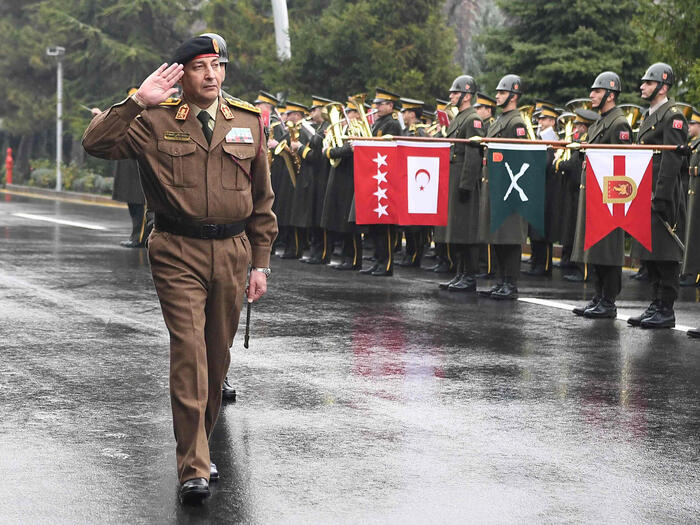
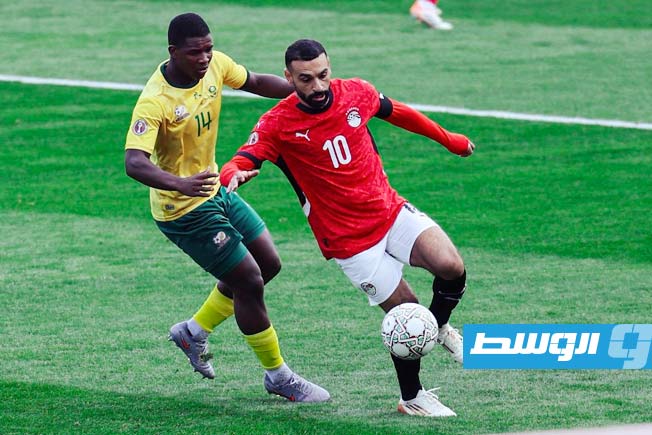
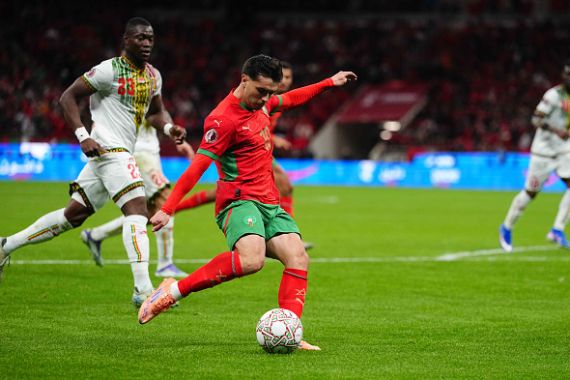
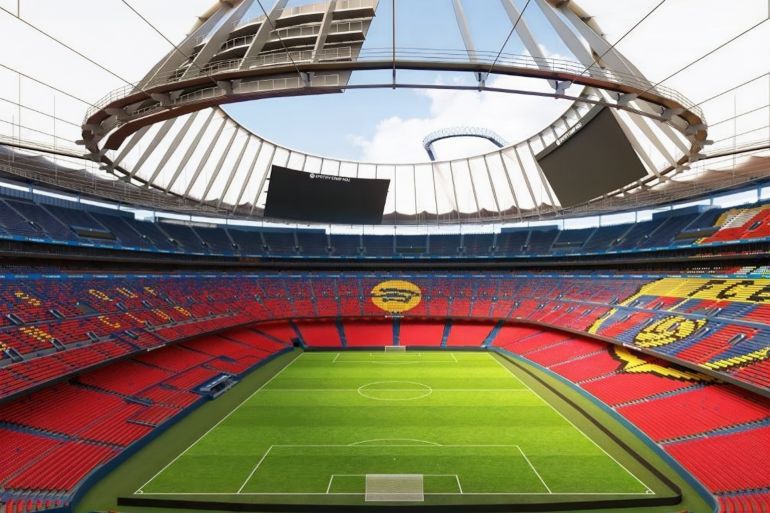
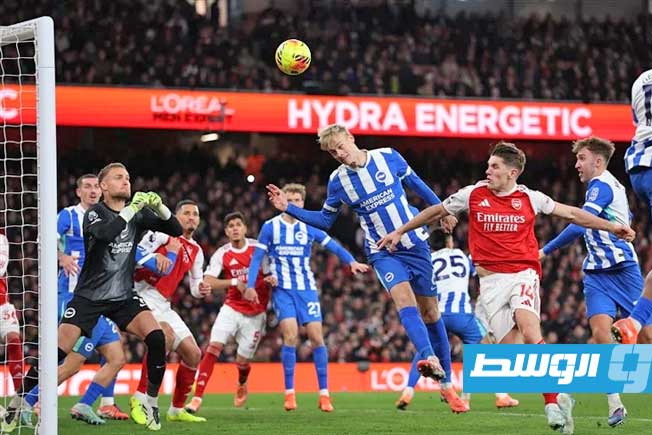
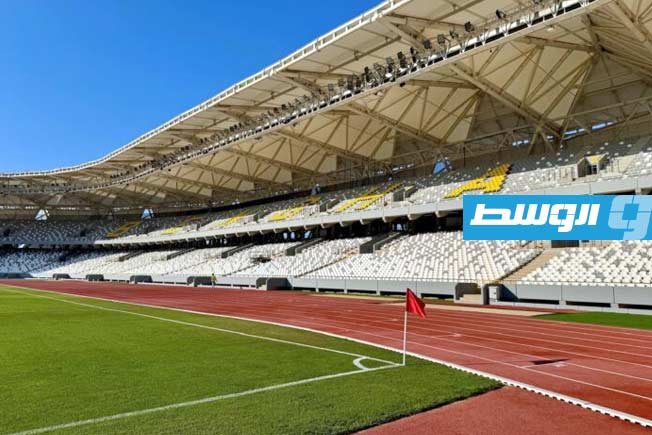
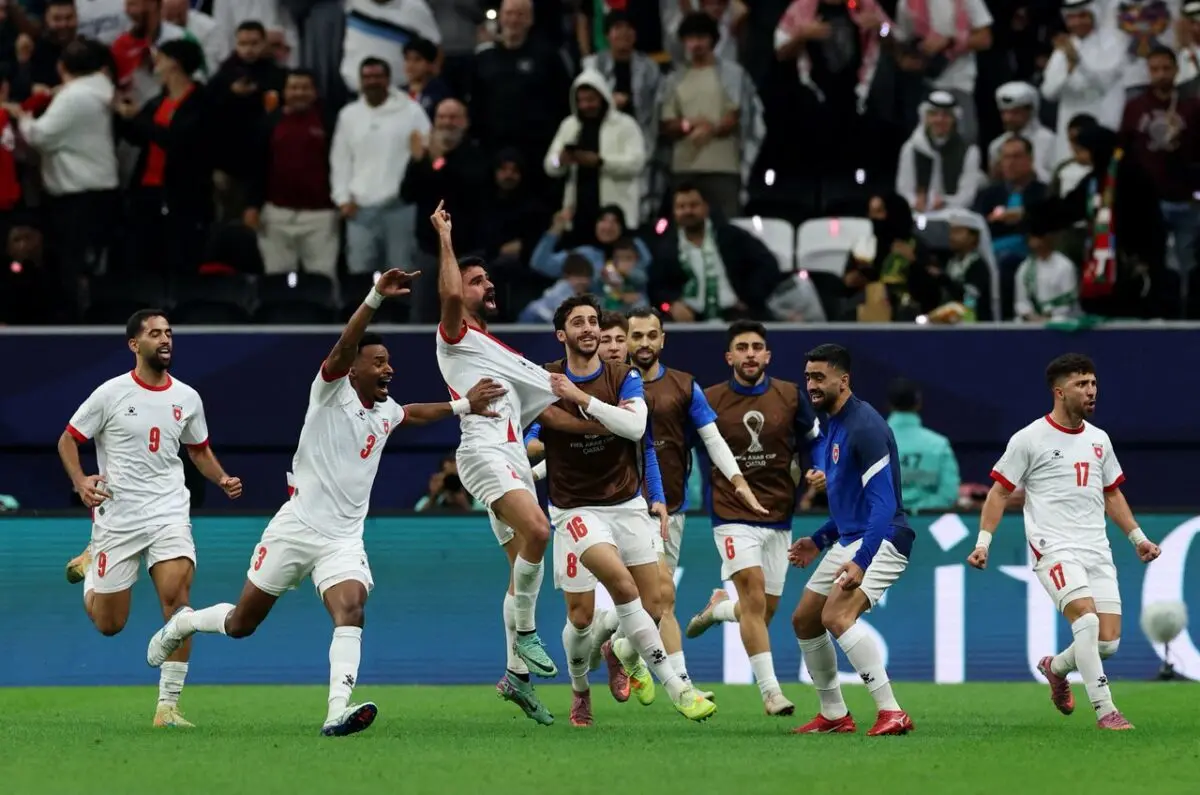
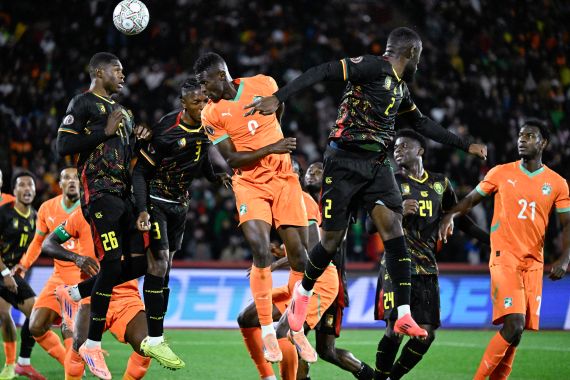
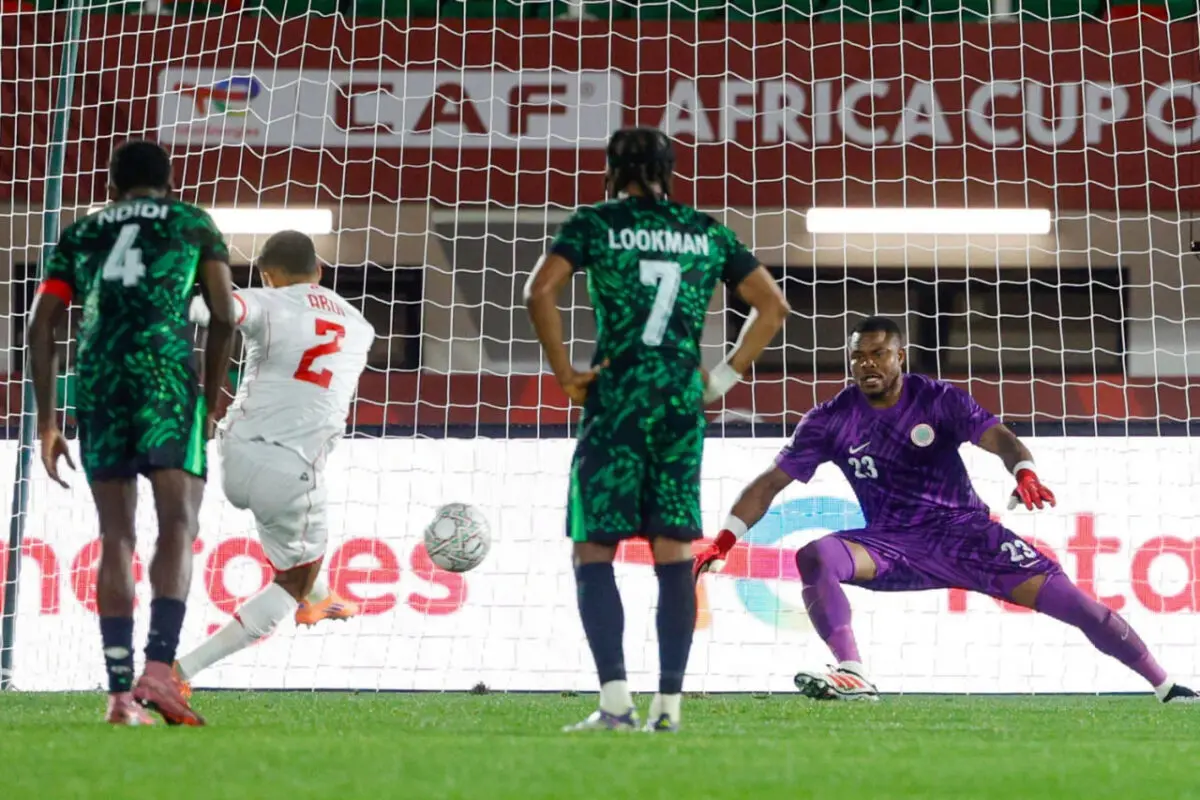
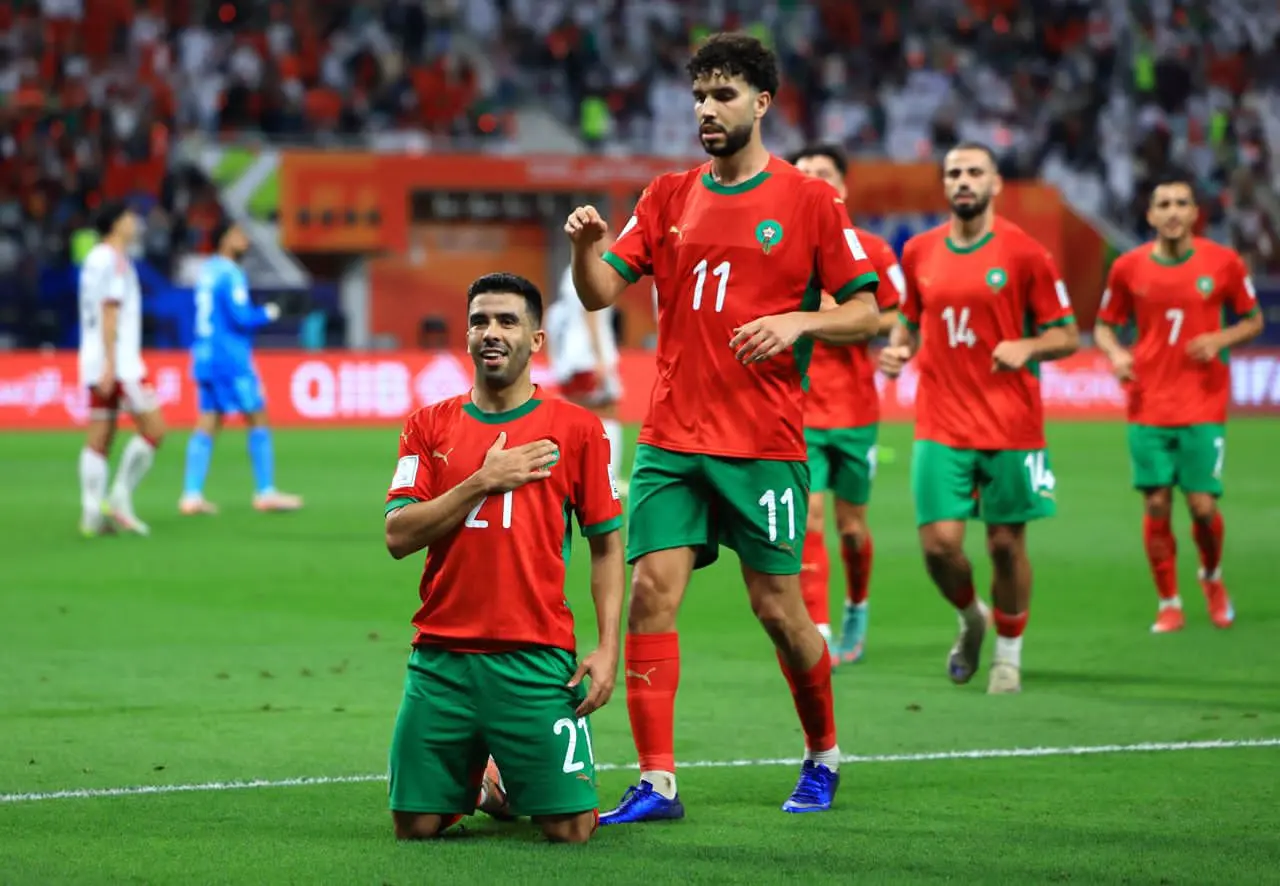
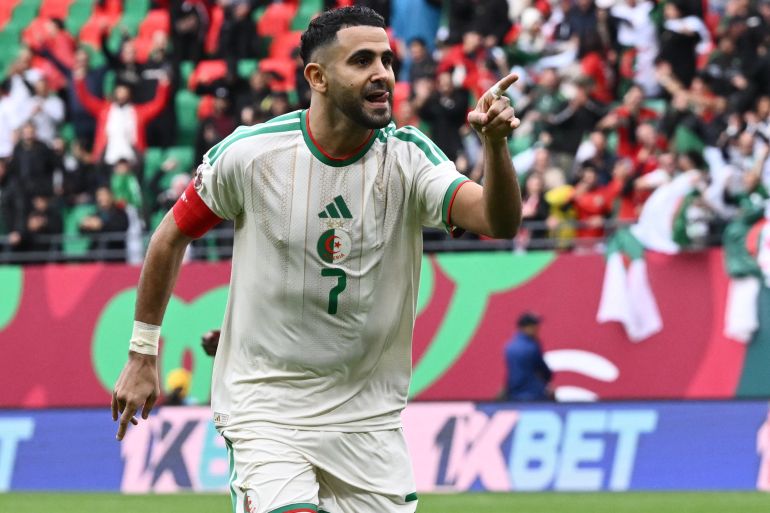
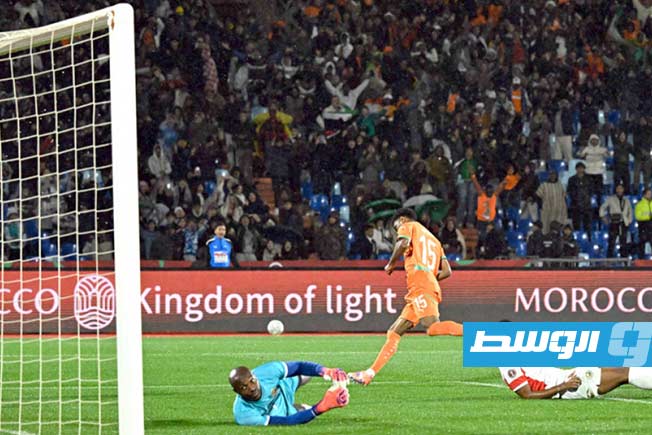
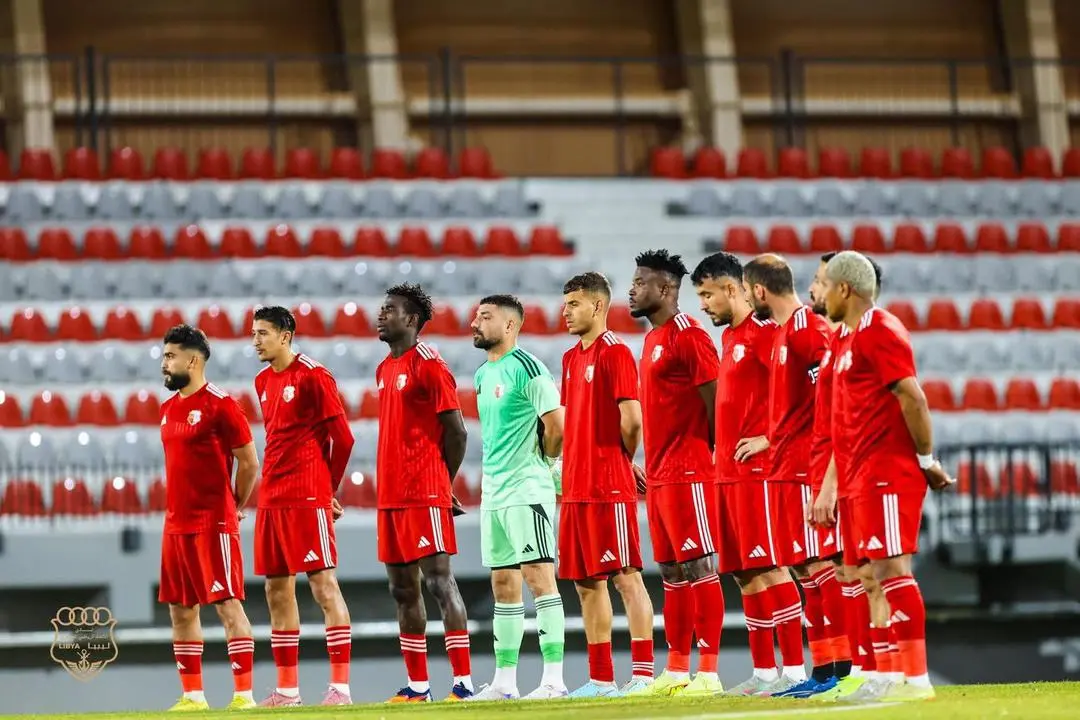
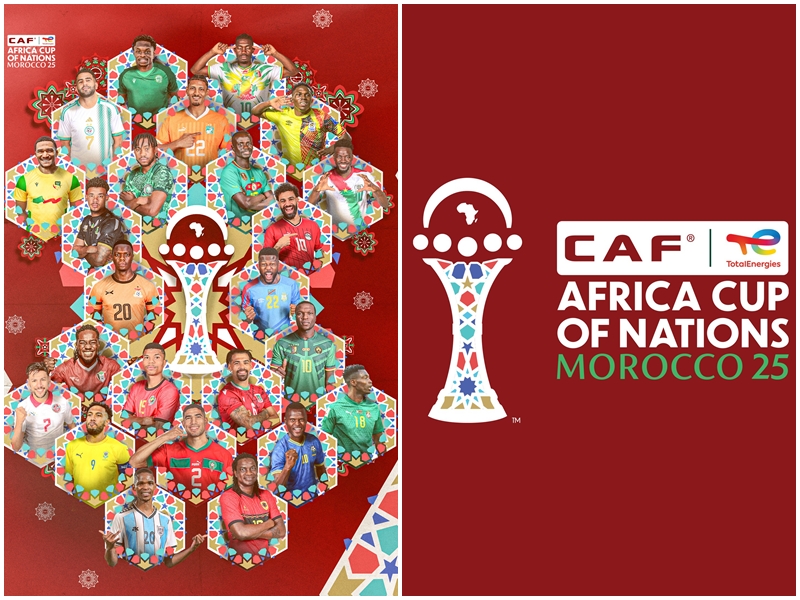
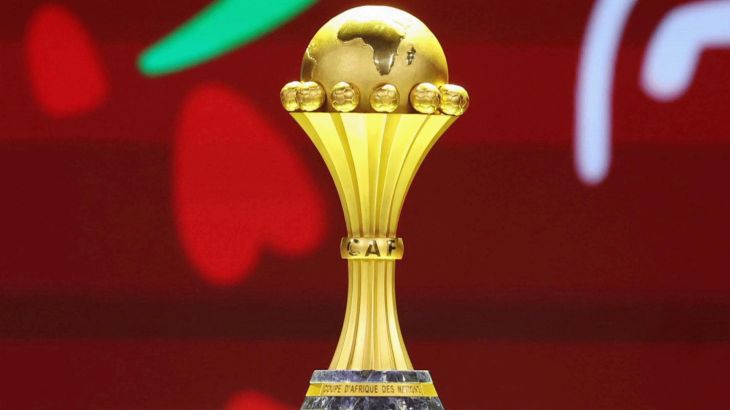
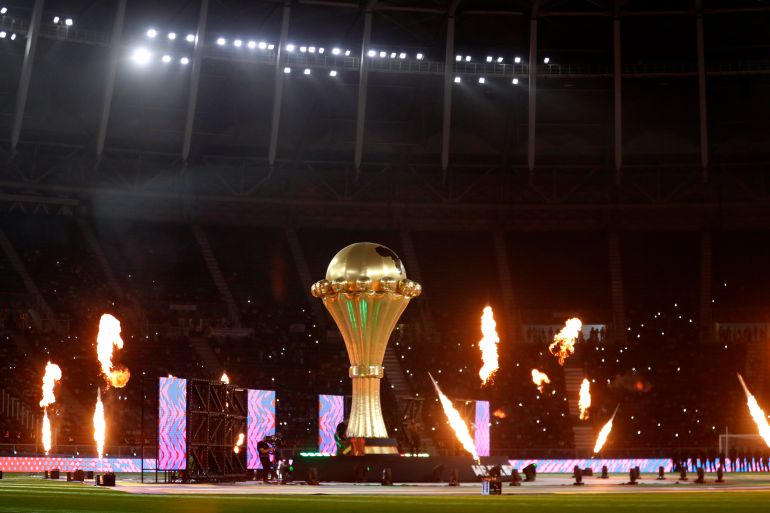
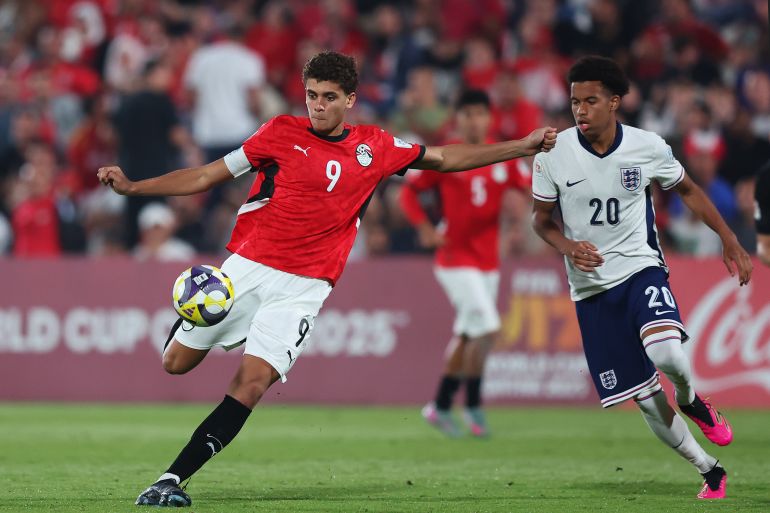
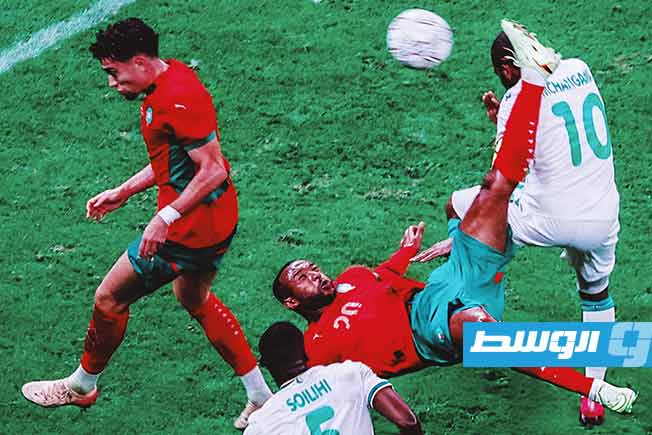
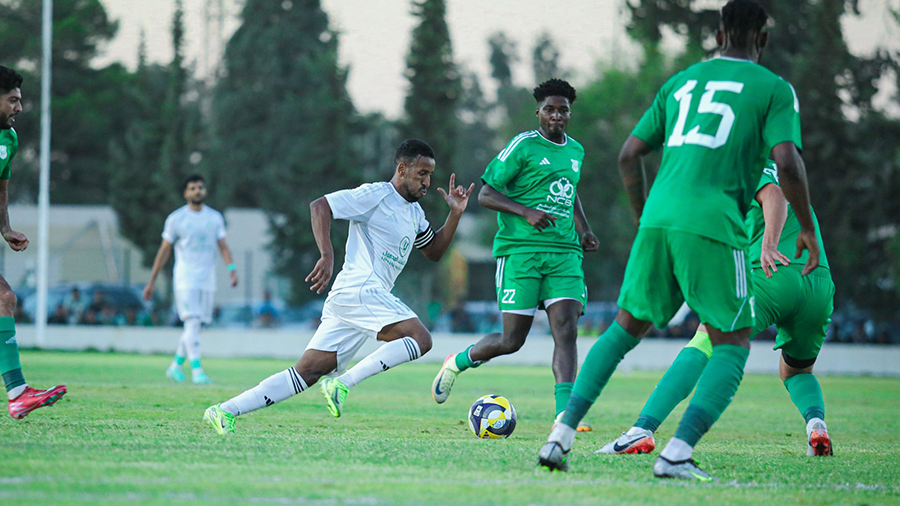
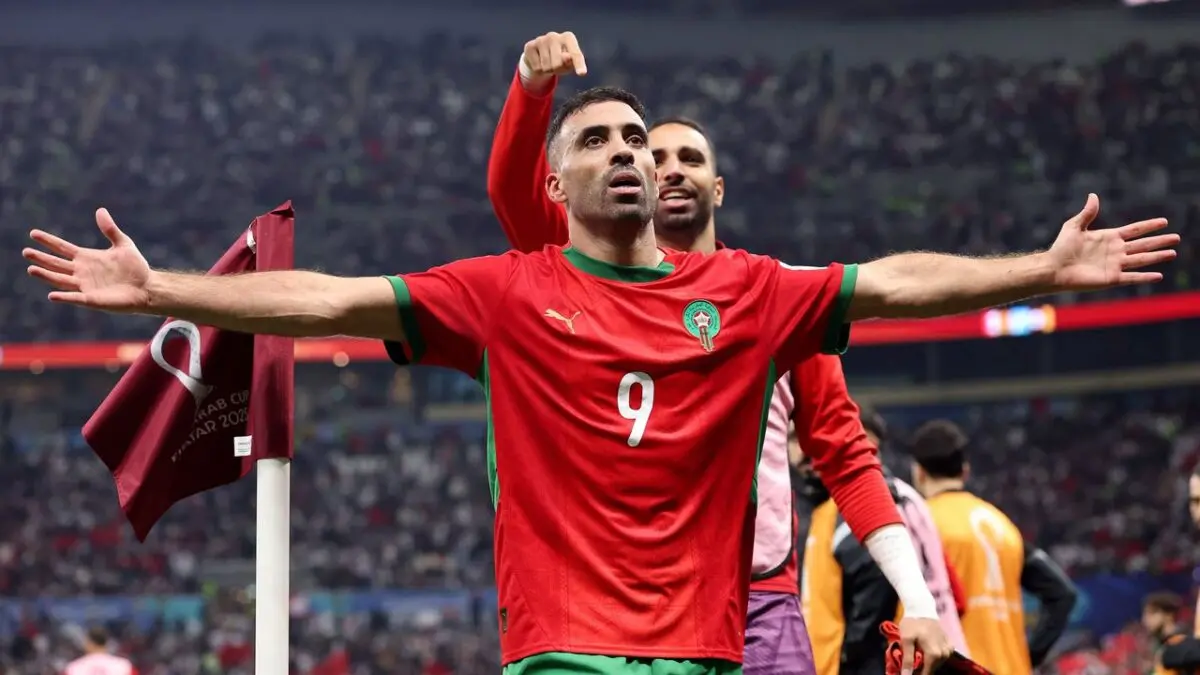
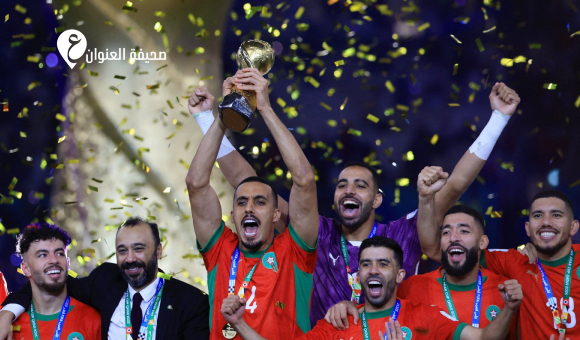
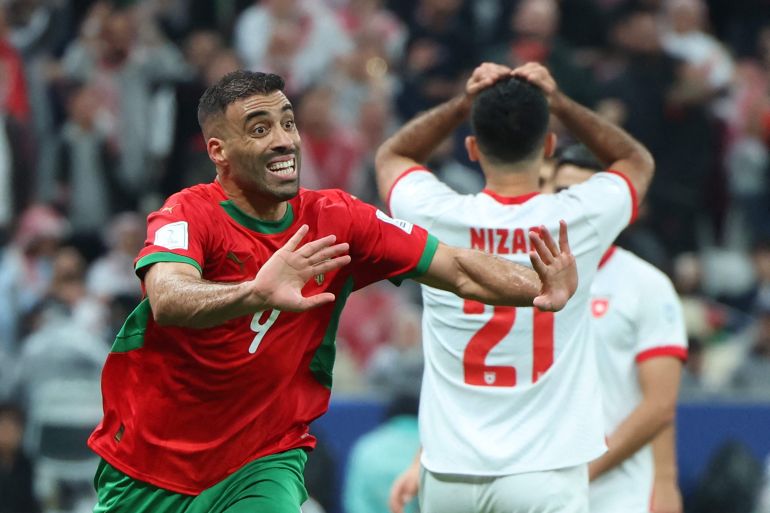
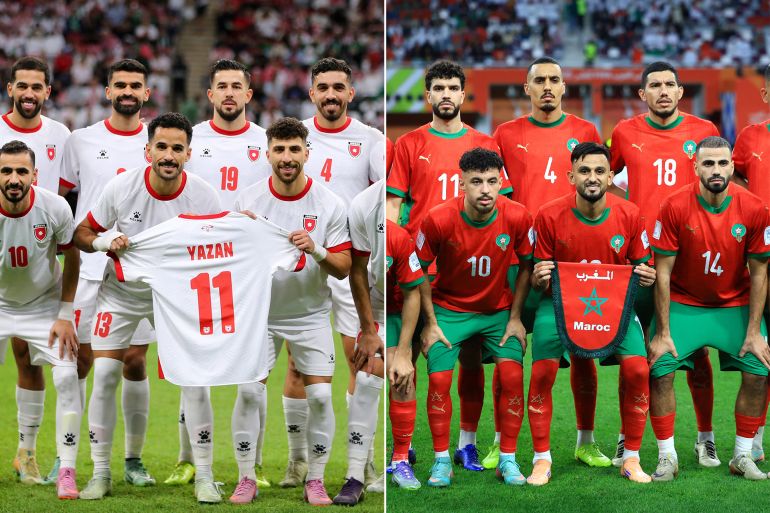
The 2025 Africa Cup of Nations football tournament kicks off in Morocco on Sunday with the participation of 24 national teams from across the continent. This is one of the fiercest African football tournaments of the year, running from late December until January 18th.
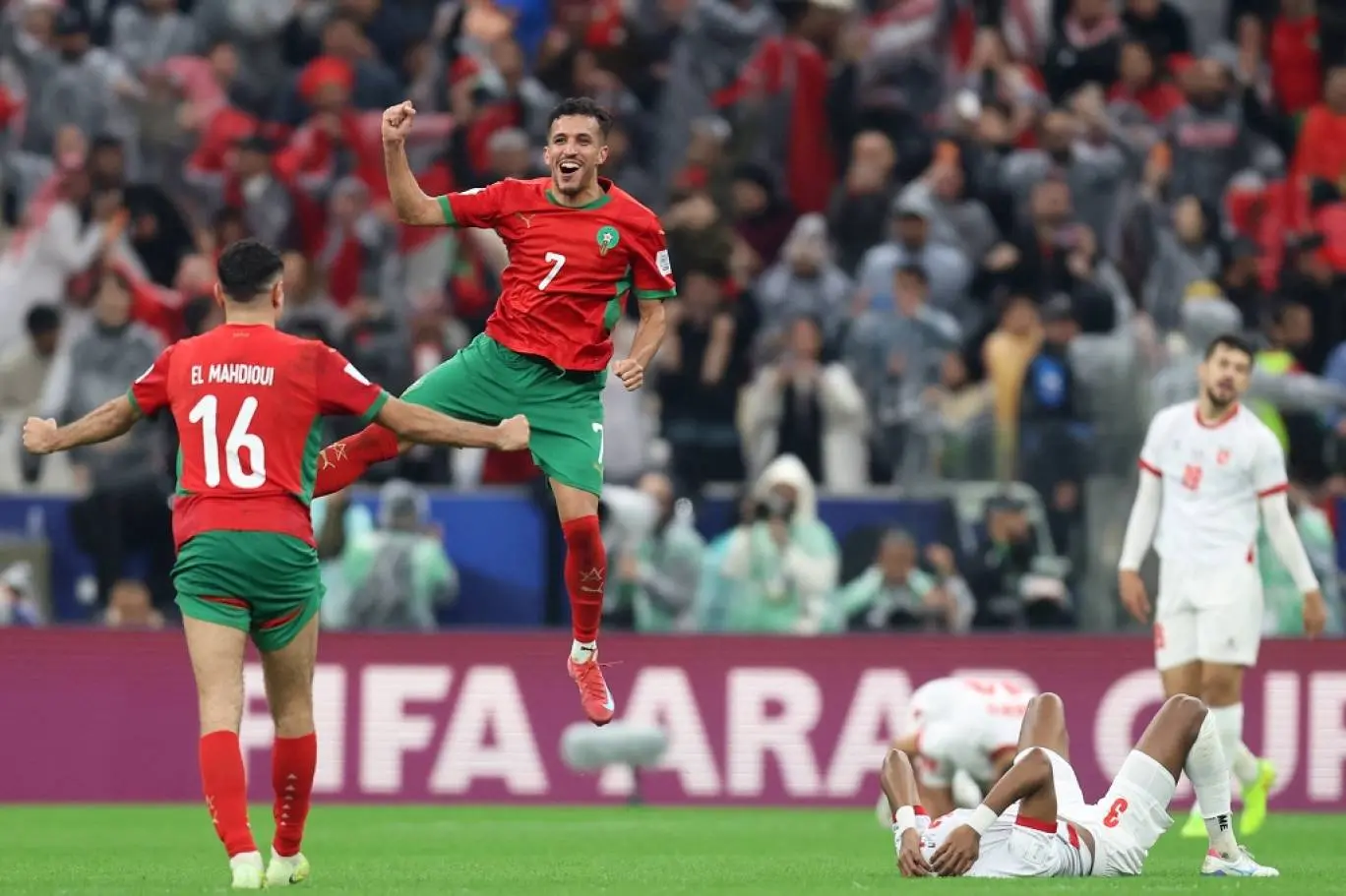
The first round includes several Arab national teams aiming for strong results and qualification to the knockout stages: Morocco (the host country), Egypt, Tunisia, Algeria, Sudan, and Comoros.
Morocco National Team Matches (Group One)
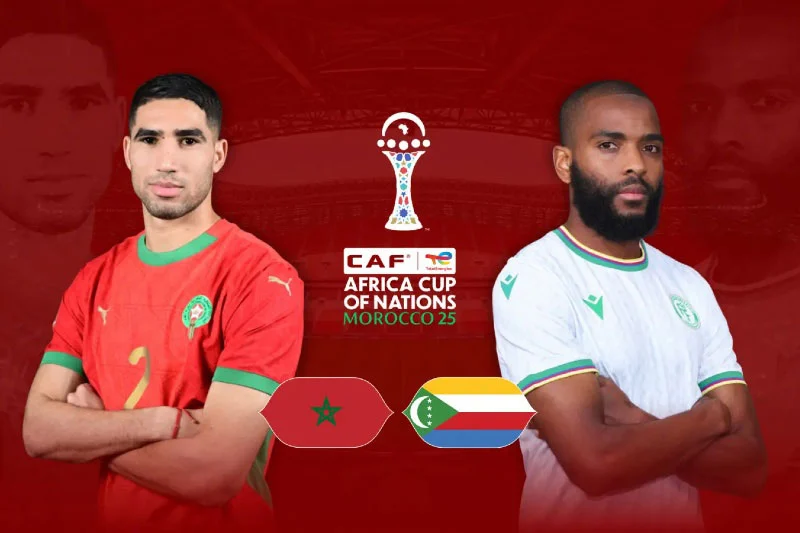
The host nation opens the tournament with a match against Comoros: December 21st, at 20:00 Morocco time (19:00 GMT).
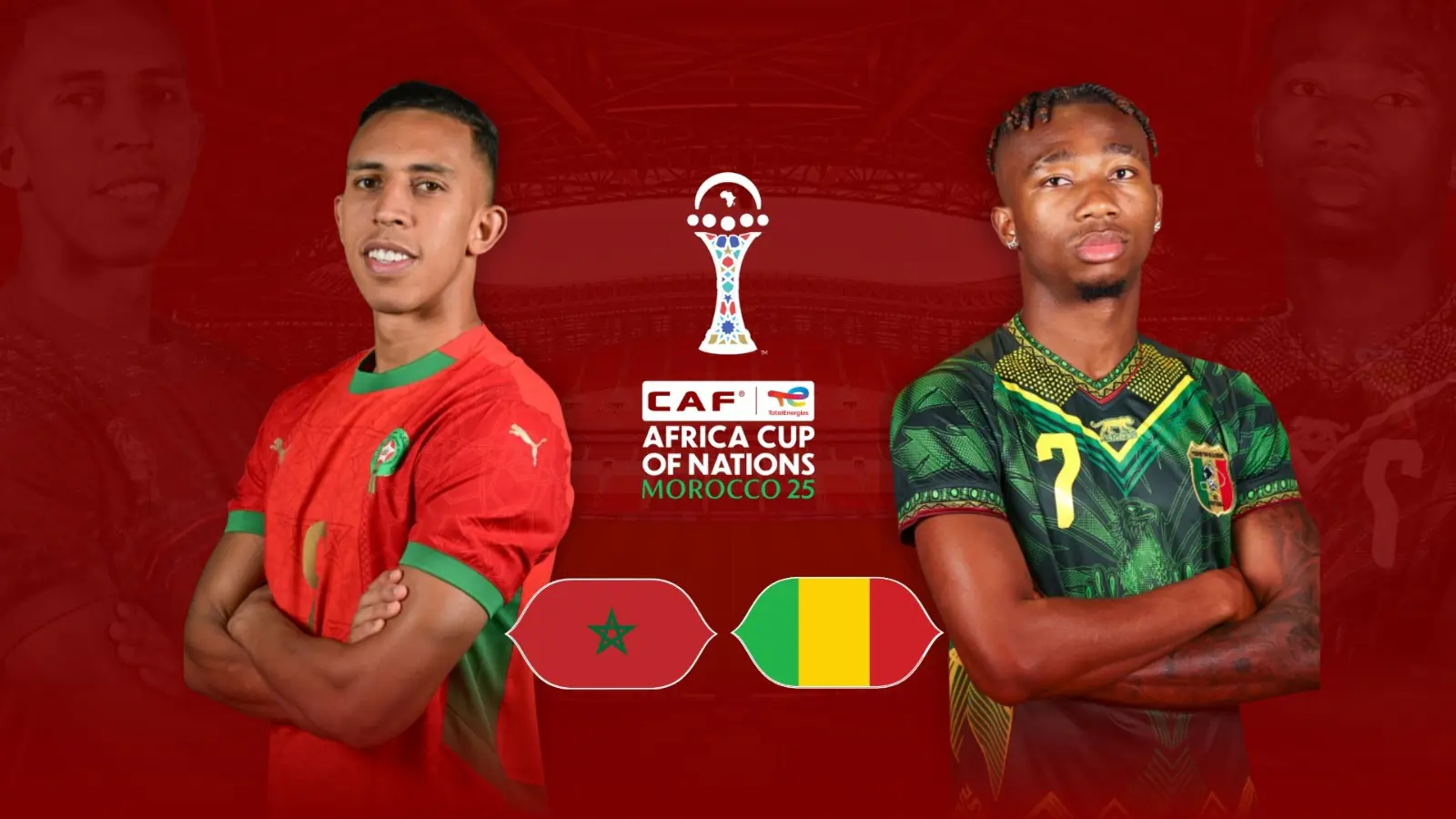
Morocco vs. Mali: December 26, 2025, at 21:00 Morocco time (20:00 GMT).
Morocco vs. Zambia: December 29, 2025, at 20:00 Morocco time (19:00 GMT).
Comoros (Group One)
The Comoros national team enters the tournament in the same group as Morocco and seeks to deliver a surprising performance:
vs. Morocco: December 21, 2025, at 20:00 Morocco time (19:00 GMT).
Comoros vs. Zambia: December 26, 2025, at 18:30 Morocco time (17:30 GMT).
Comoros vs. Mali: December 29, 2025, at 20:00 Morocco time (19:00 GMT).
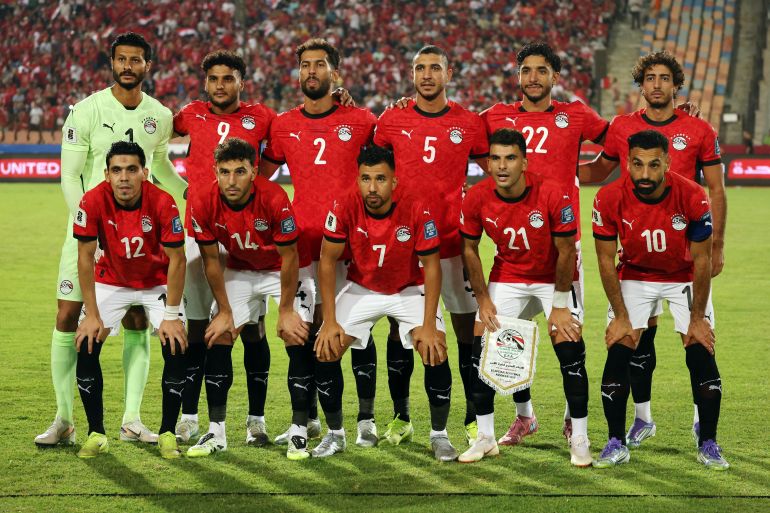
Egypt (Group Two)
The Egyptian national team faces strong competition within its group:
Egypt vs. Zimbabwe: December 22, 2025, at 21:00 Morocco time (20:00 GMT).
vs. South Africa: December 26, 2025, at 16:00 Morocco time (15:00 GMT).
Egypt vs. Angola: December 29, 2025, at 17:00 Morocco time (16:00 GMT).
Tunisia (Group Three)
The Eagles of Carthage begin their tournament campaign against Uganda:
vs. Uganda: December 23, 2025, at 21:00 Morocco time (20:00 GMT).
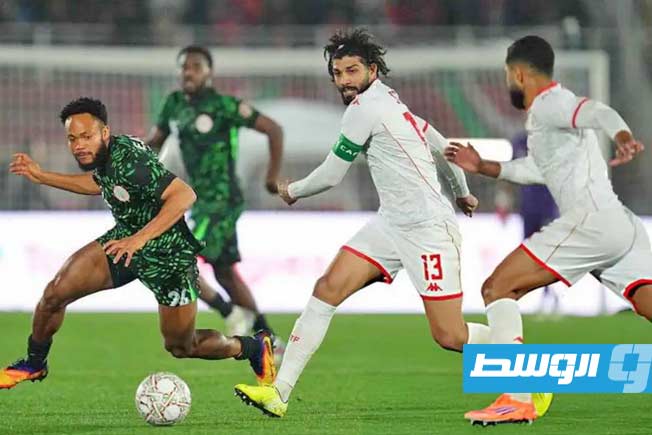
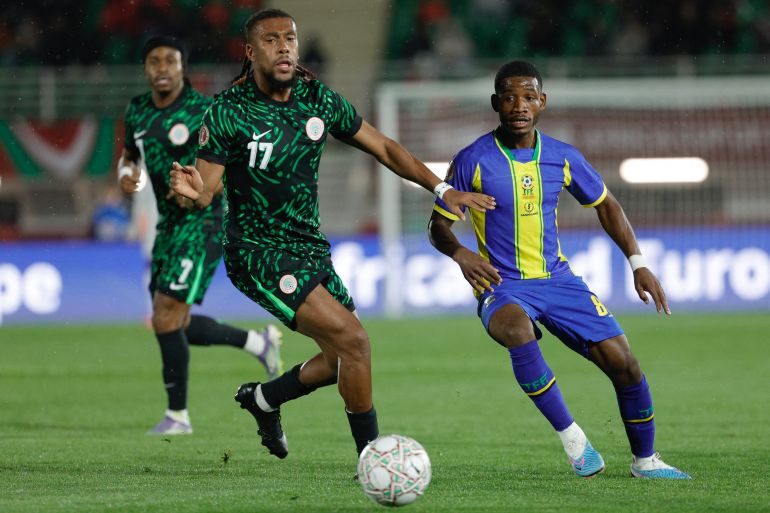
Nigeria vs. Tunisia: December 27, 2025, at 21:00 Morocco time (20:00 GMT).
Tunisia vs. Tanzania: December 30, 2025, at 17:00 Morocco time (16:00 GMT).
Algeria (Group Five)
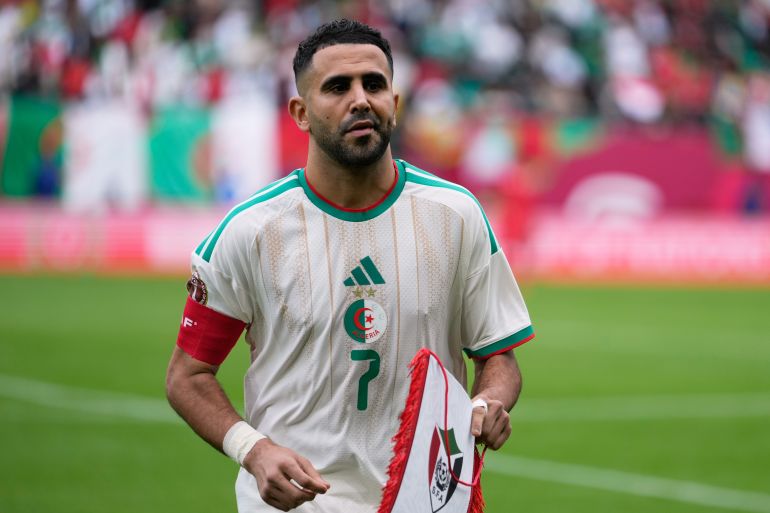
The Desert Warriors compete in Group Five:
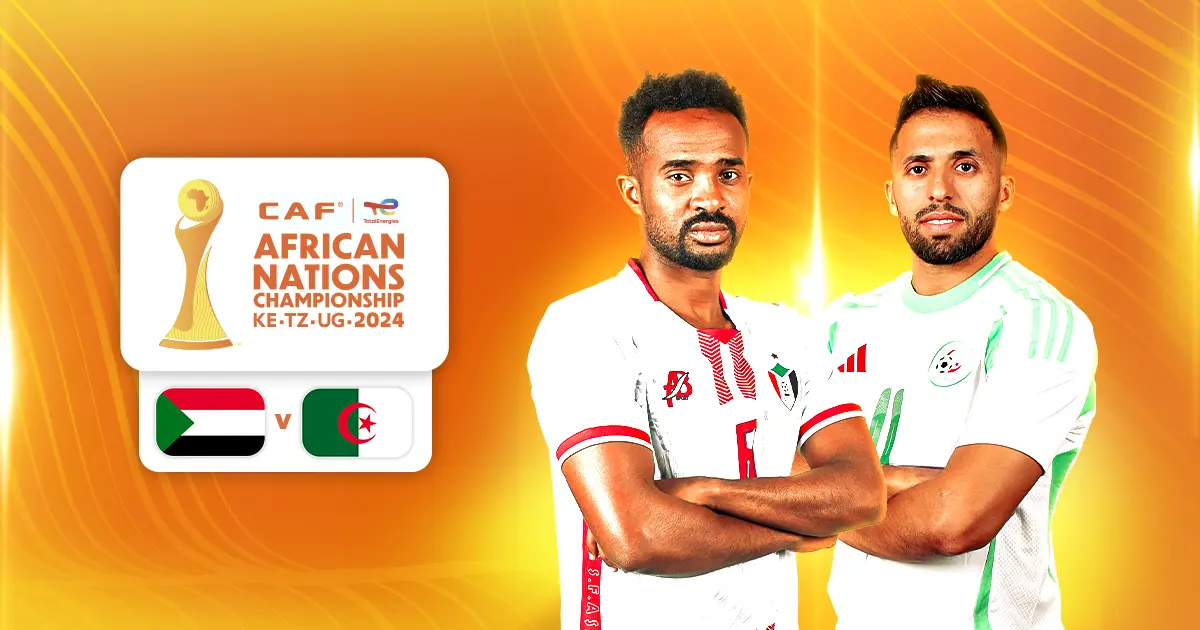
vs. Sudan: December 24, 2025, at 16:00 Morocco time (15:00 GMT).
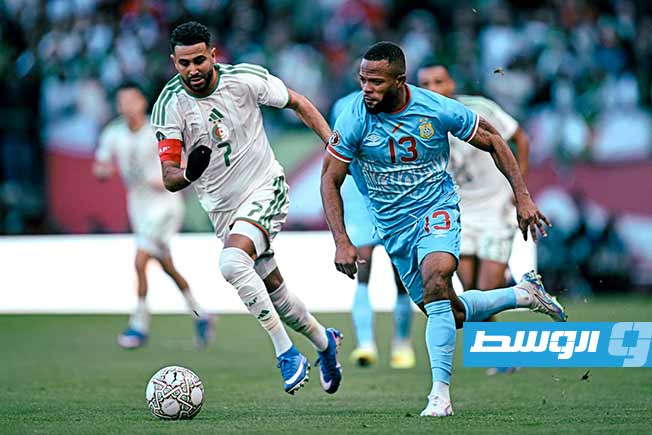
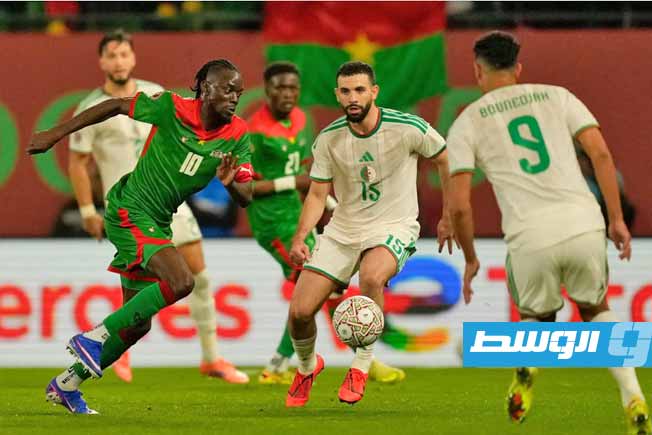
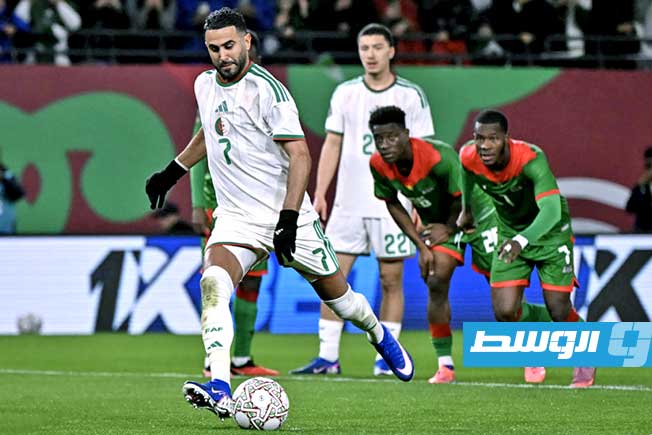
Algeria vs. Burkina Faso: December 28, 2025, at 18:30 Morocco time (17:30 GMT).
Algeria vs. Equatorial Guinea: December 31, 2025, at 17:00 Morocco time (16:00 GMT).
Sudan (Group Five)
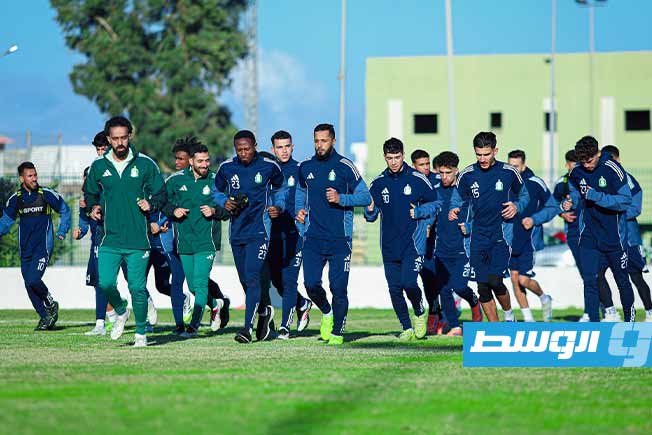
The Sudanese national team aims to cause upsets in the tournament and prove itself among the strongest teams in the group.
Algeria vs. : December 24, 2025, at 16:00 Morocco time (15:00 GMT)
Sudan vs. Equatorial Guinea: December 28, 2025, at 16:00 Morocco time (15:00 GMT)
Burkina Faso vs. Sudan: December 31, 2025, at 17:00 Morocco time (16:00 GMT)
Morocco
Morocco is a North African country with a rich history shaped by indigenous Amazigh (Berber) cultures, Arab influence from the 7th century, and successive dynasties like the Almoravids and Almohads. Its cultural sites, such as the ancient Roman ruins of Volubilis and the historic medinas of Fez and Marrakech, reflect this diverse heritage and its role as a crossroads of civilizations.
Comoros
The Comoros is an archipelago nation in the Indian Ocean, with a history shaped by a blend of African, Arab, and French influences. It was an important hub in historic Swahili trade networks and later became a French colony before gaining independence in 1975. The country is known for its volcanic landscapes, diverse culture, and being one of the world’s largest producers of ylang-ylang.
Africa
Africa is the world’s second-largest continent, known as the cradle of humankind due to archaeological evidence showing the origins of human evolution. It is home to a vast array of diverse cultures, languages, and historic civilizations, including ancient Egypt, the Mali Empire, and Great Zimbabwe. The continent’s more recent history was profoundly shaped by European colonization in the late 19th century and the subsequent movements for independence in the 20th century.
Egypt
Egypt is home to one of the world’s oldest civilizations, with a recorded history spanning over 5,000 years and famed for its pharaonic monuments like the Pyramids of Giza and the Great Sphinx. This ancient culture flourished along the Nile River, leaving a legacy of hieroglyphic writing, monumental architecture, and complex religious beliefs that continue to define the region’s identity.
Tunisia
Tunisia is a North African country with a rich history shaped by ancient civilizations, including the Phoenicians, Romans, and Arabs, with Carthage as a prominent historical site. Its culture reflects a blend of Arab, Berber, and Mediterranean influences, evident in its architecture, cuisine, and traditions. Modern Tunisia is known as the birthplace of the 2010-2011 Arab Spring uprisings.
Algeria
Algeria is a North African country with a rich history shaped by ancient Berber civilizations, Roman rule, and centuries of Ottoman influence. It gained independence from France in 1962 after a prolonged and brutal war of liberation. The nation’s cultural heritage is reflected in diverse sites like the Roman ruins at Timgad and the historic Casbah of Algiers, a UNESCO World Heritage site.
Sudan
Sudan, located in Northeast Africa, is home to ancient civilizations such as the Kingdom of Kush, which ruled from its capital at Meroë and famously conquered Egypt in the 8th century BCE. The modern Republic of Sudan gained independence from Anglo-Egyptian rule in 1956 and is historically significant for its numerous archaeological sites and diverse cultural heritage.
Mali
Mali is a West African country historically renowned as the heart of the powerful Mali Empire (c. 1235–1670), which controlled trans-Saharan trade routes and was famed for the wealth of its ruler, Mansa Musa. Its cultural sites include the legendary city of Timbuktu, an ancient center of Islamic scholarship and trade whose historic mosques and manuscripts are UNESCO World Heritage Sites.
Zambia
Zambia is a landlocked country in southern Africa, historically inhabited by Bantu-speaking groups before coming under British colonial rule as Northern Rhodesia until gaining independence in 1964. It is renowned for its vast natural resources, particularly copper, and as the home of the spectacular Victoria Falls, one of the world’s largest waterfalls.
Zimbabwe
Zimbabwe is a country in southern Africa, named after the ancient stone city of Great Zimbabwe, which was the capital of a powerful kingdom from the 11th to 15th centuries. The modern nation gained independence from British colonial rule in 1980, and its history is deeply intertwined with the legacy of the Shona civilization and more recent political and economic challenges.
South Africa
South Africa is a country located at the southern tip of the African continent, known for its diverse cultures, languages, and dramatic landscapes. Its modern history is profoundly shaped by colonialism and the institutionalized racial segregation of apartheid, which ended in 1994 with the establishment of a constitutional democracy and the election of Nelson Mandela as president.
Angola
Angola is a country in southwestern Africa with a rich history shaped by powerful pre-colonial kingdoms, centuries of Portuguese colonization, and a long civil war following independence in 1975. Culturally, it is known for its diverse ethnic groups, vibrant music like semba and kizomba, and significant sites such as the Mbanza Kongo ruins, a UNESCO World Heritage site that was the capital of the historic Kingdom of Kongo.
Uganda
Uganda is a landlocked East African nation known for its diverse landscapes, including the source of the Nile River and mountain gorilla habitats. Its history includes powerful pre-colonial kingdoms like Buganda, followed by British colonization until independence in 1962, and a subsequent period of political turmoil. Today, it is recognized for its rich cultural heritage and significant wildlife conservation efforts.
Nigeria
Nigeria is a West African country with a rich history shaped by ancient kingdoms like the Nri and Benin, British colonization in the 19th century, and independence achieved in 1960. It is Africa’s most populous nation and is renowned for its diverse cultural heritage, including influential music, literature, and film industries.
Tanzania
Tanzania is an East African nation known for its rich cultural heritage and significant historical sites, including the ancient port of Kilwa Kisoani, a major Swahili trading center from the 9th century. It is also home to natural wonders like Mount Kilimanjaro and the Serengeti, with its history deeply shaped by indigenous groups, Arab trade, German and British colonial rule, and its independence in 1961.
Burkina Faso
Burkina Faso is a landlocked West African nation whose modern borders were established during French colonial rule, gaining independence in 1960. Historically, it was the heart of the Mossi Kingdoms, powerful states that date back to the 11th century and were known for their cavalry and complex political structures. The country’s name, meaning “Land of Honest People,” was adopted in 1984.
Equatorial Guinea
Equatorial Guinea is a small Central African nation consisting of a mainland region and several islands, including Bioko where the capital, Malabo, is located. It gained independence from Spain in 1968 and has since been characterized by its significant oil reserves and long-standing authoritarian rule under the same political family. The country’s culture reflects its Spanish colonial history and diverse indigenous ethnic groups like the Fang.