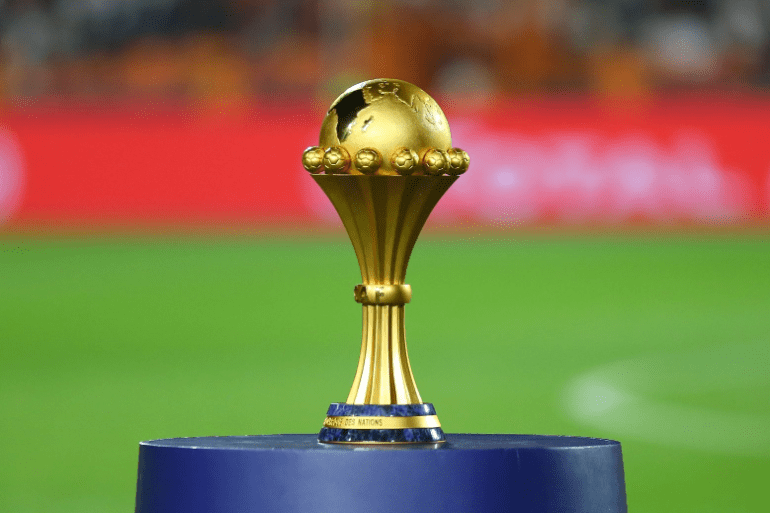
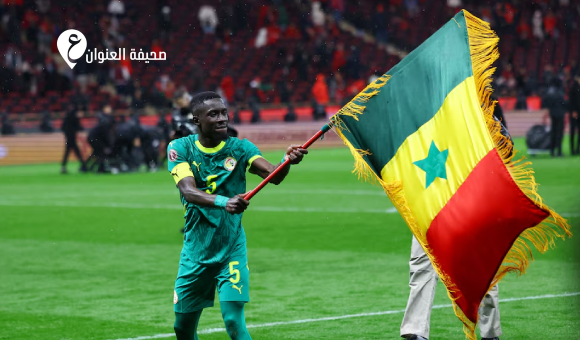
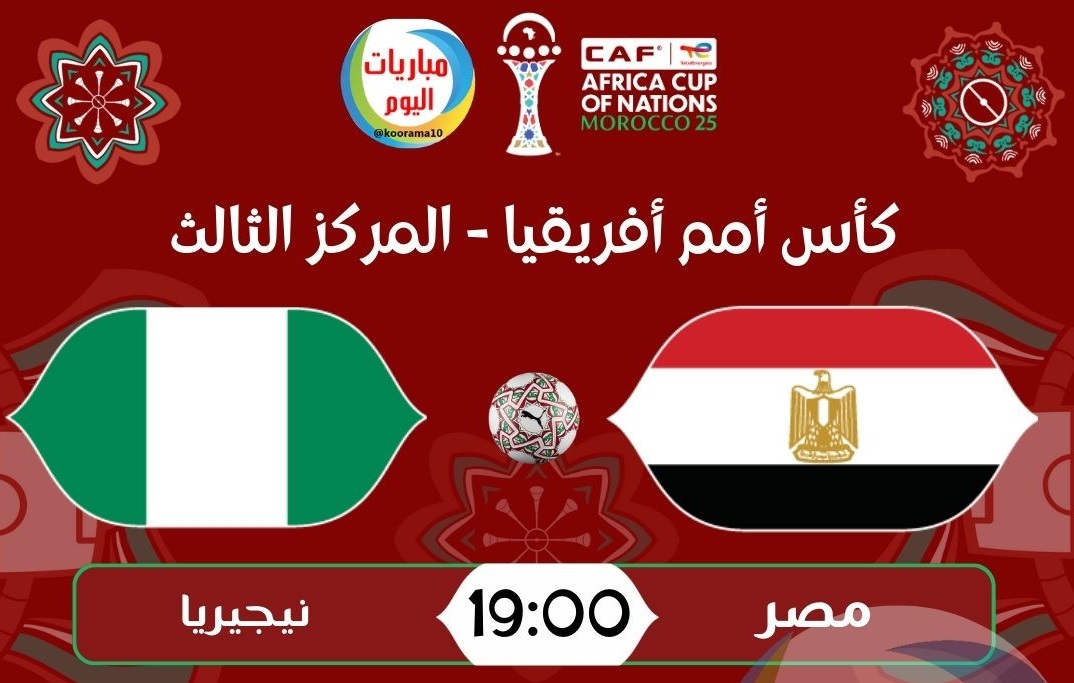
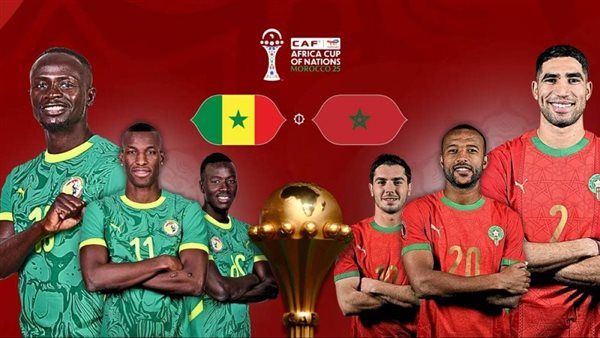
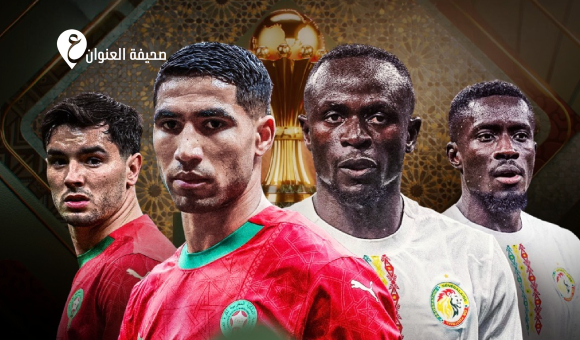
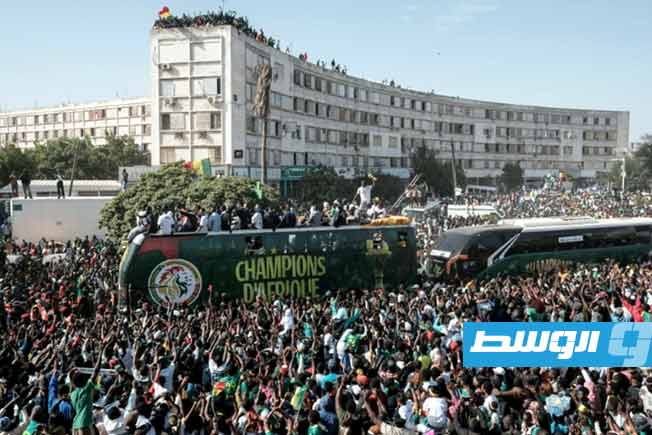
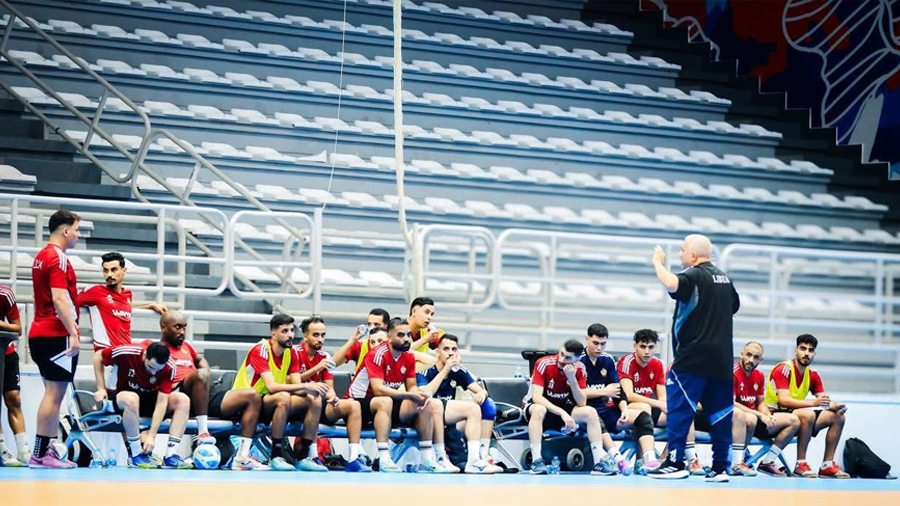
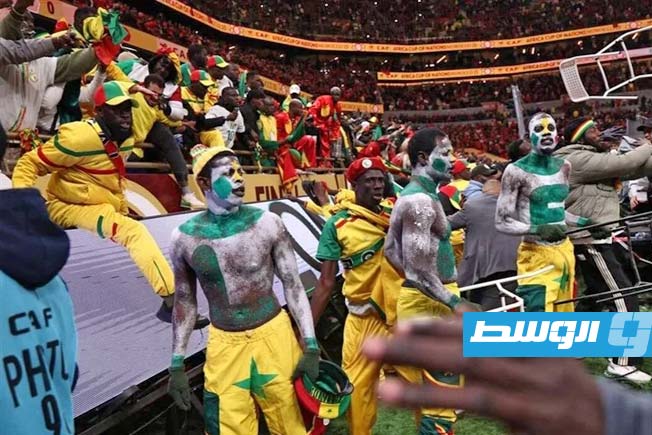
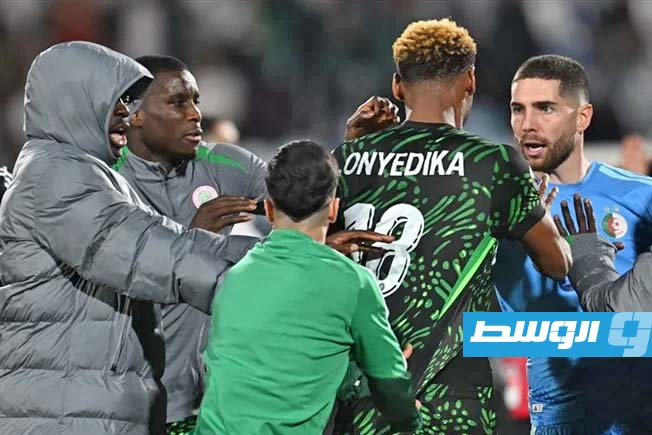
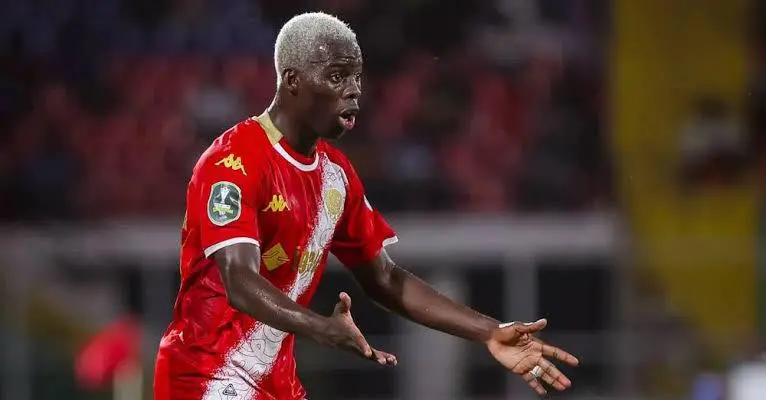
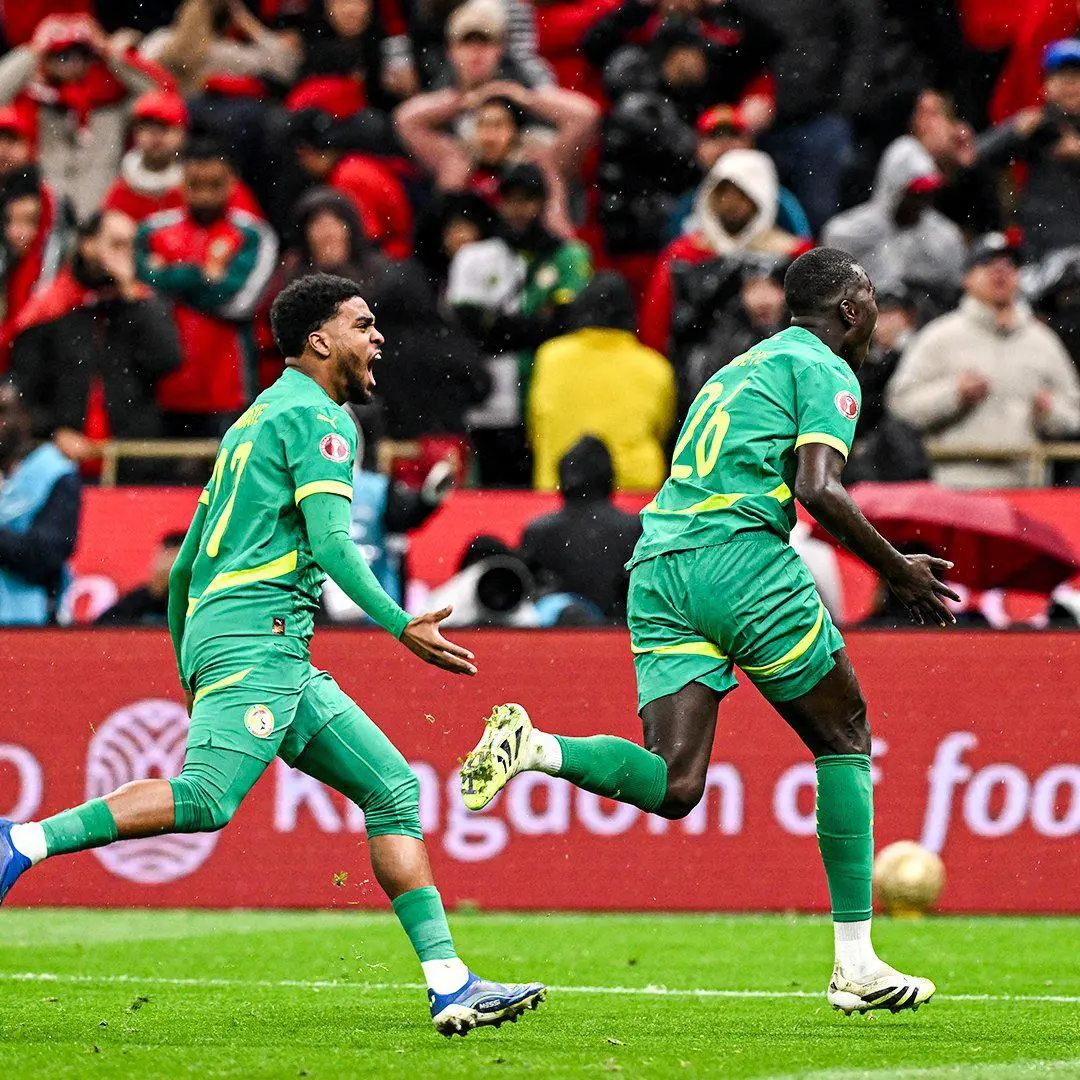
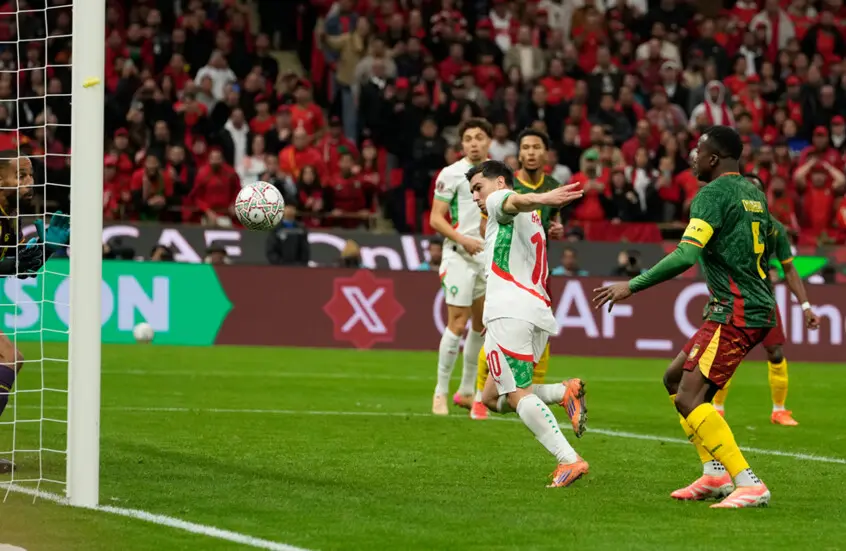
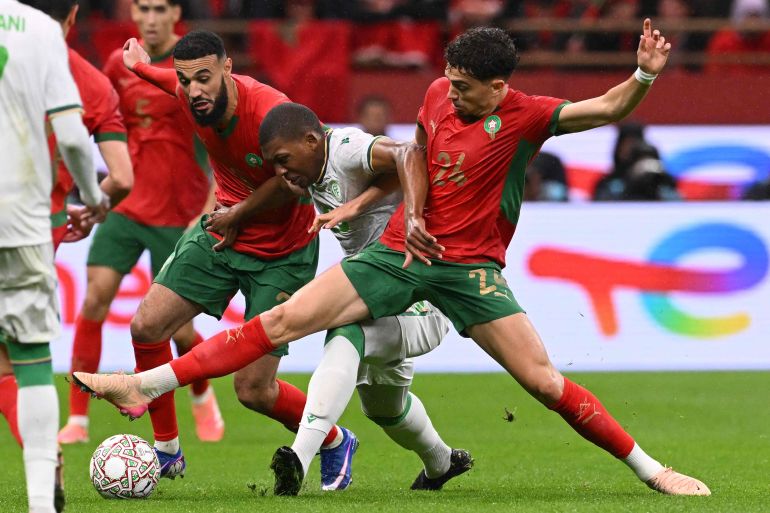
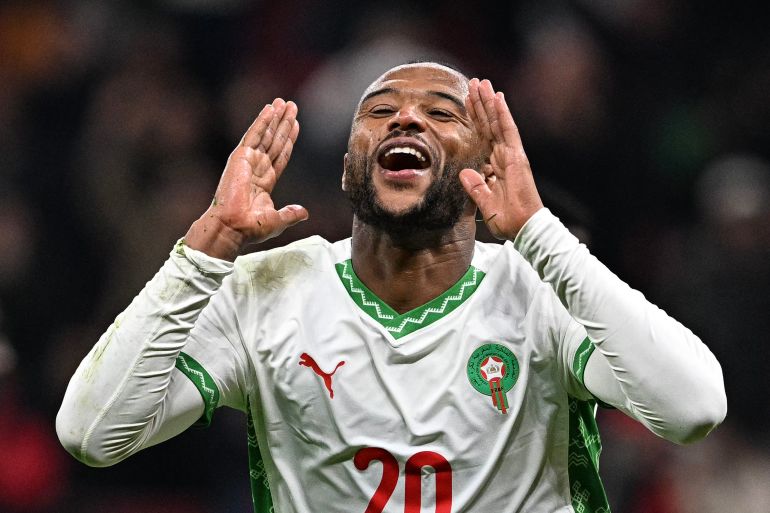
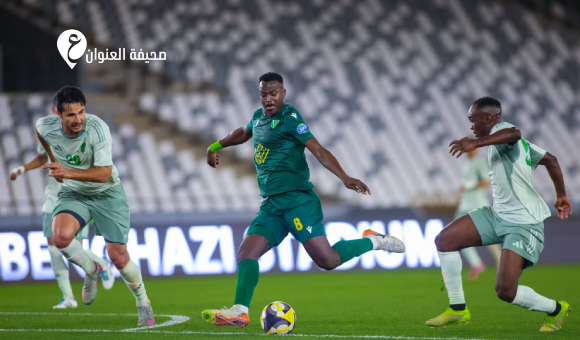
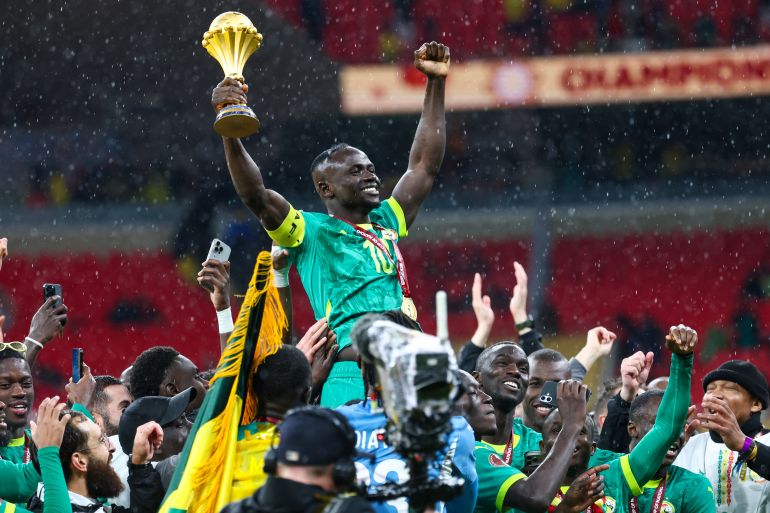
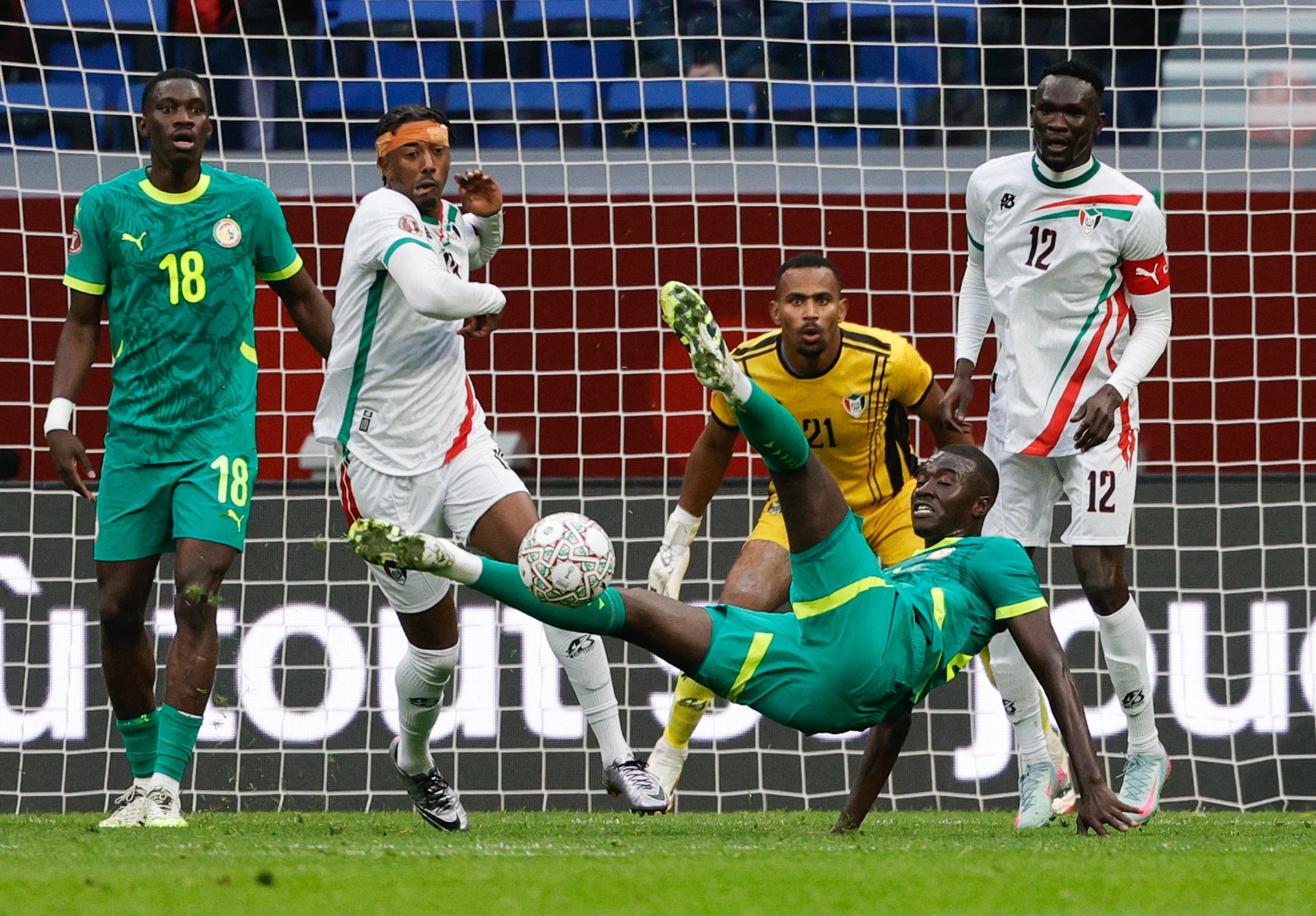
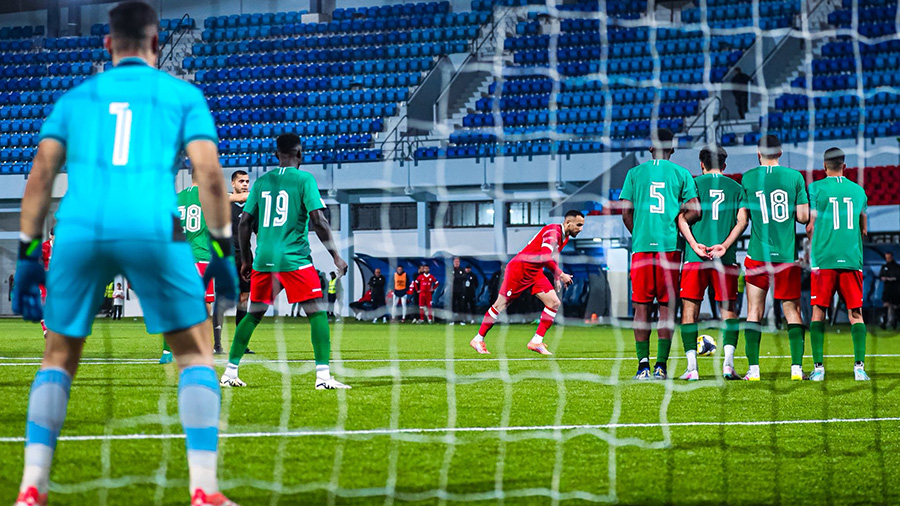
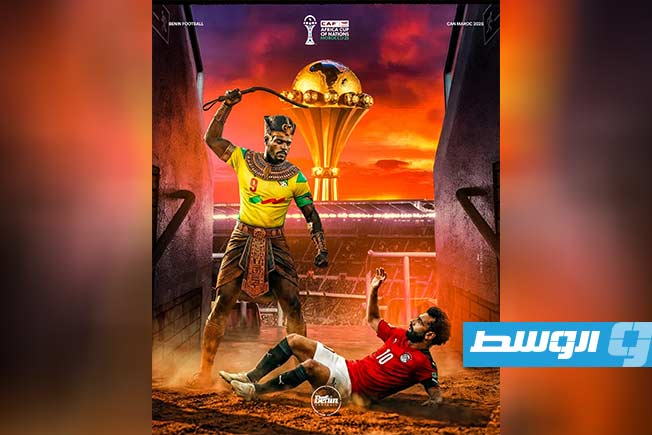
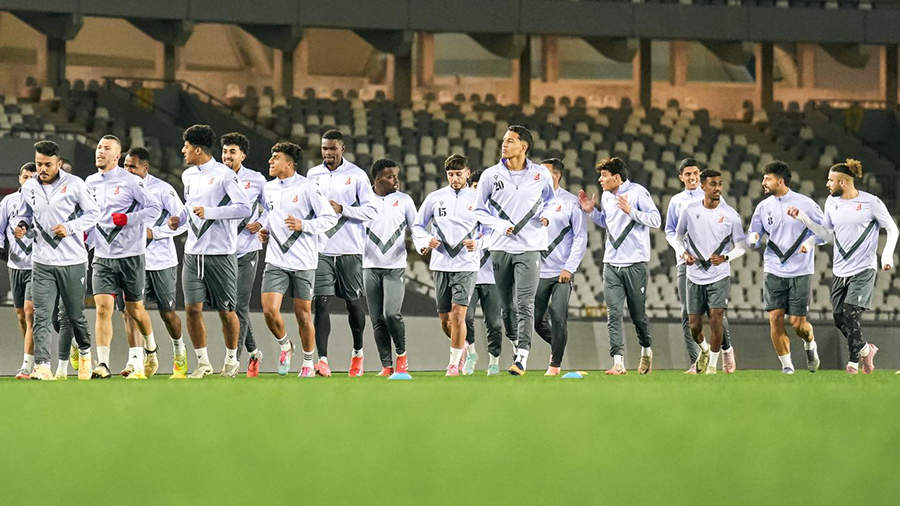
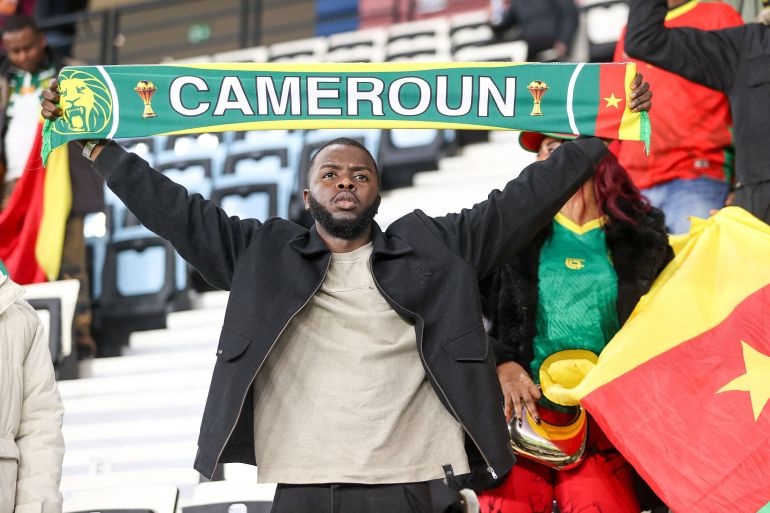
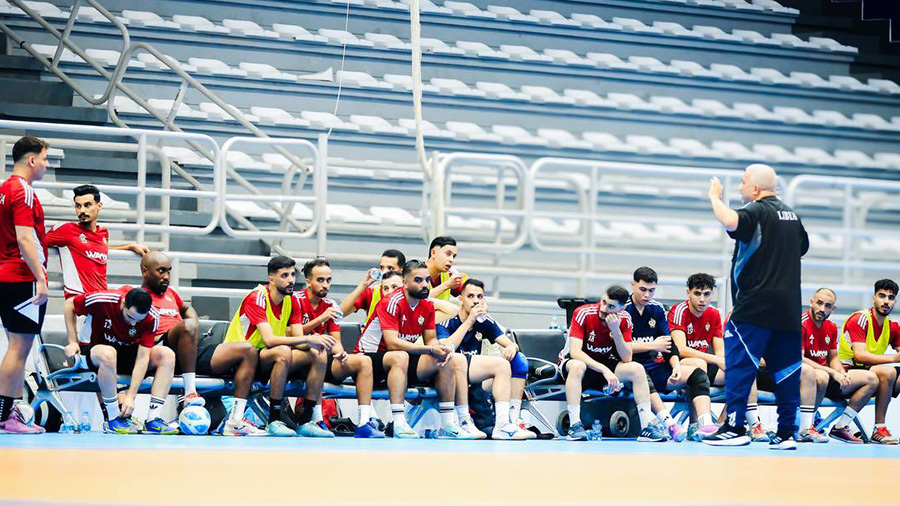
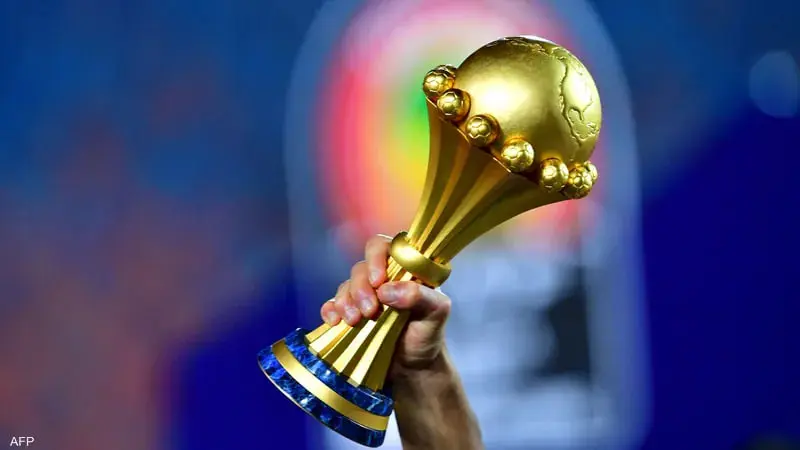
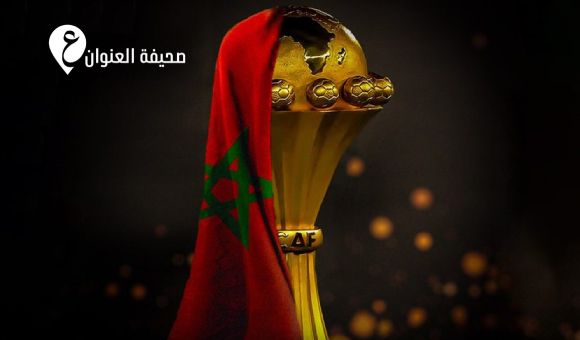
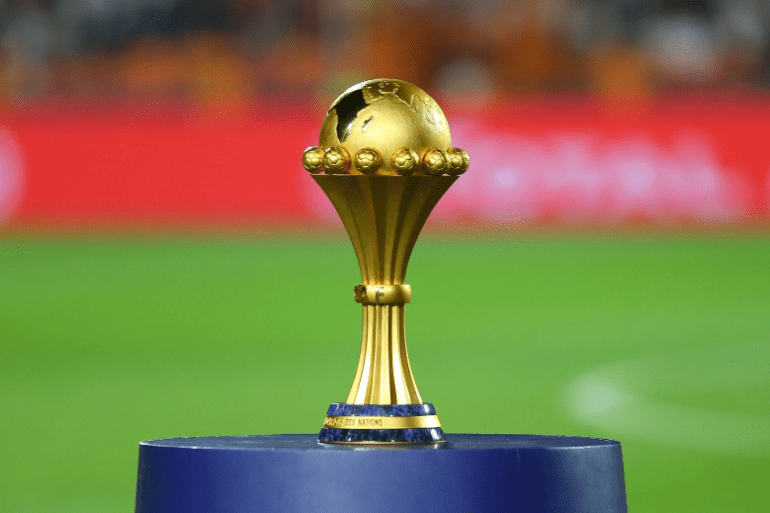
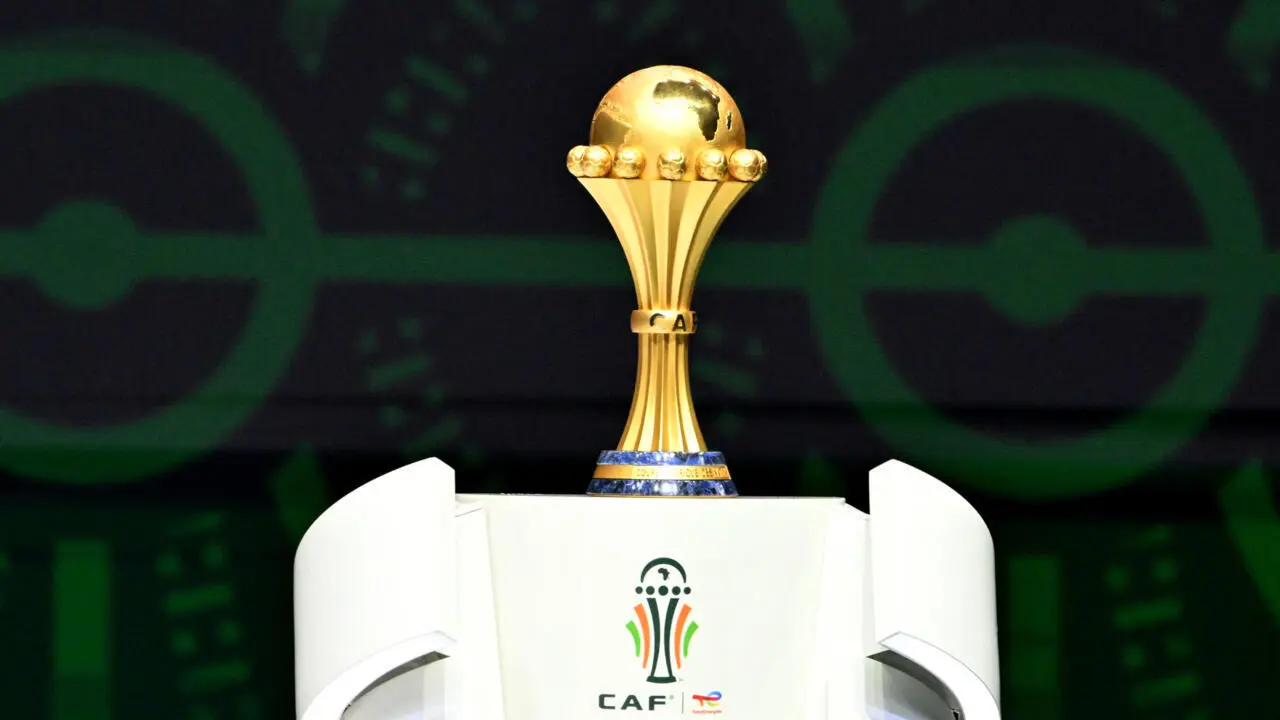
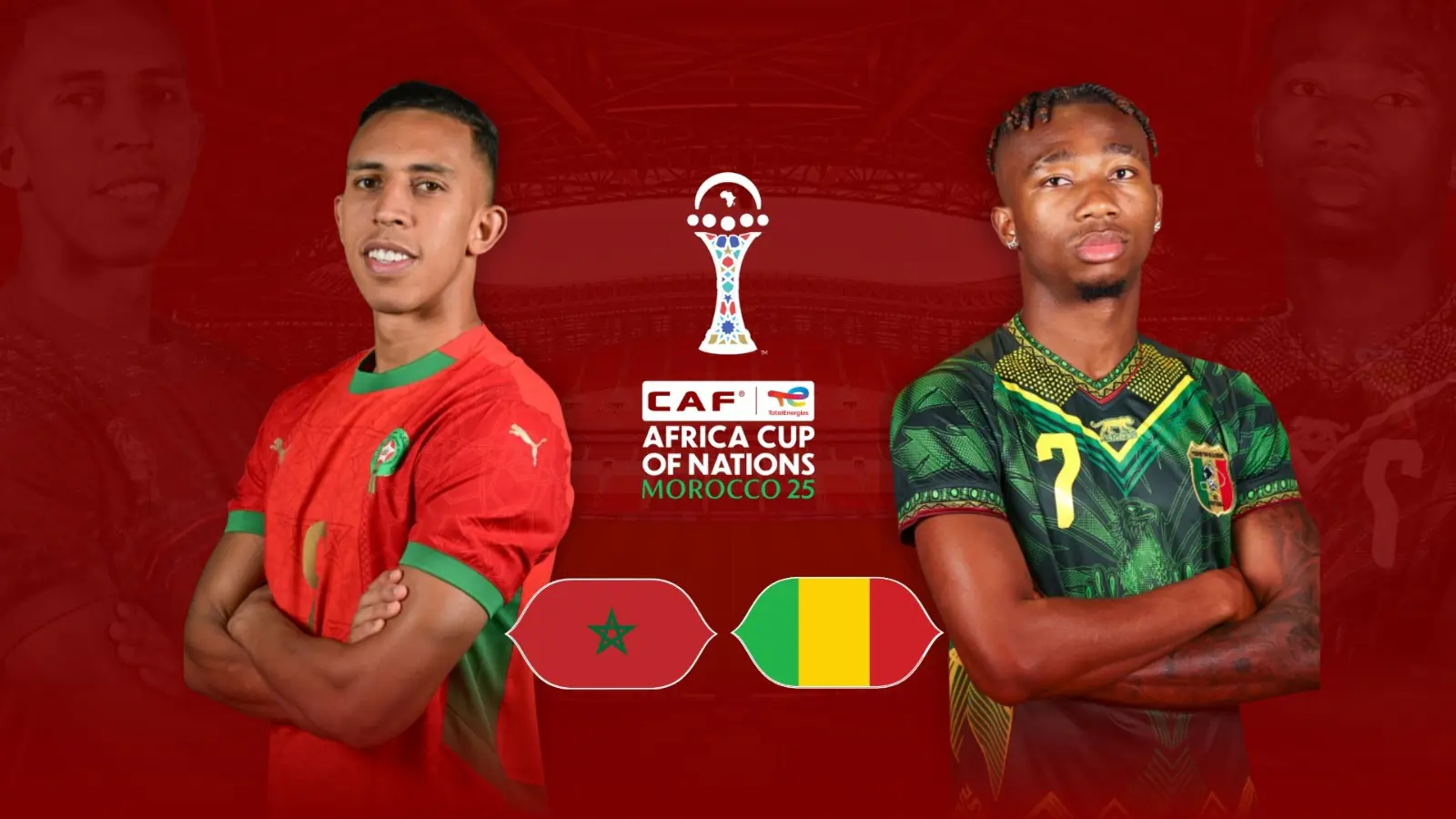
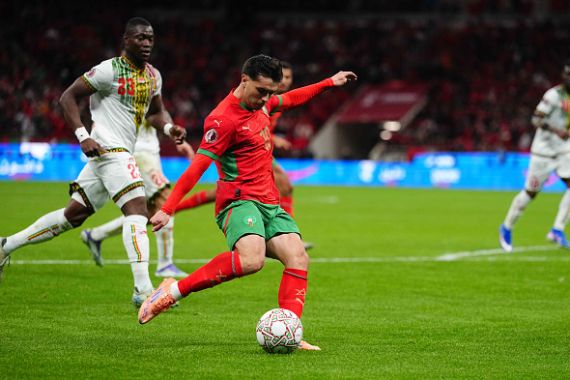
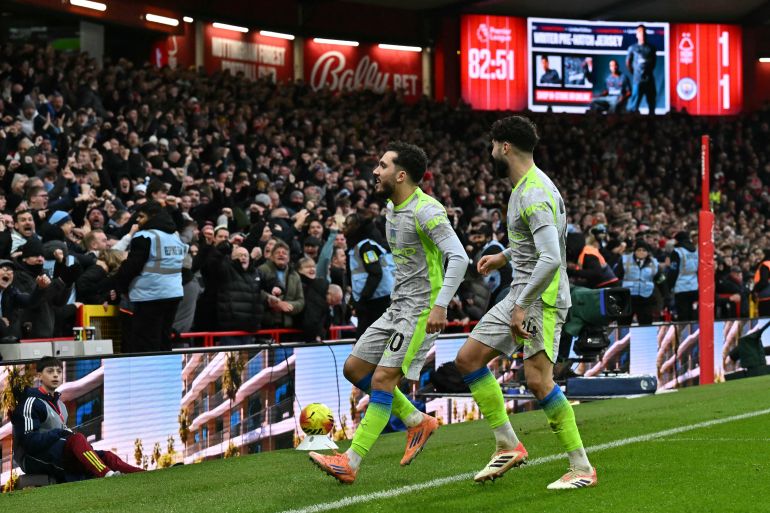
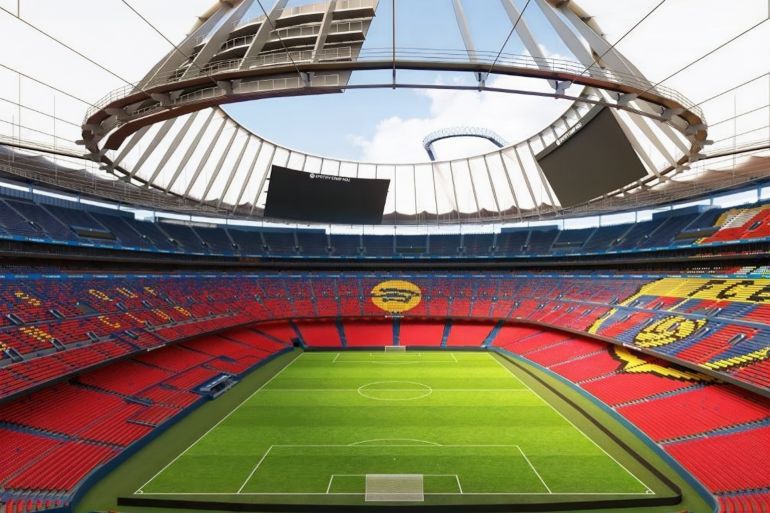
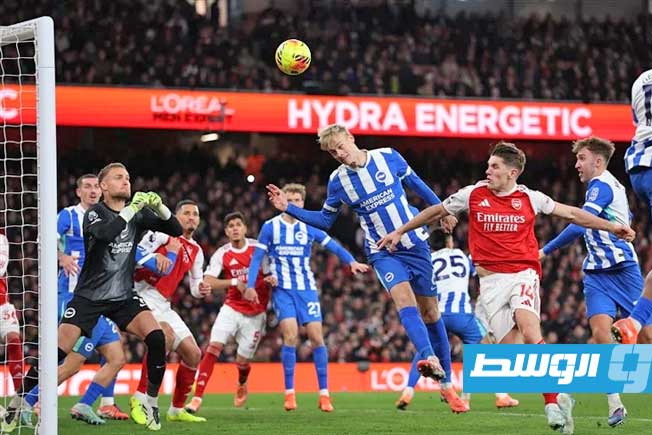
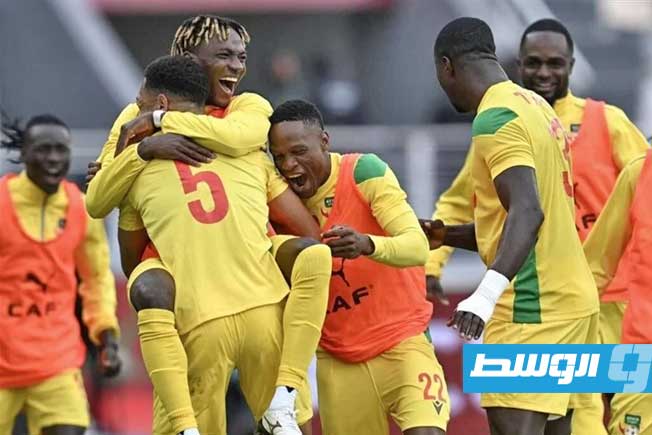
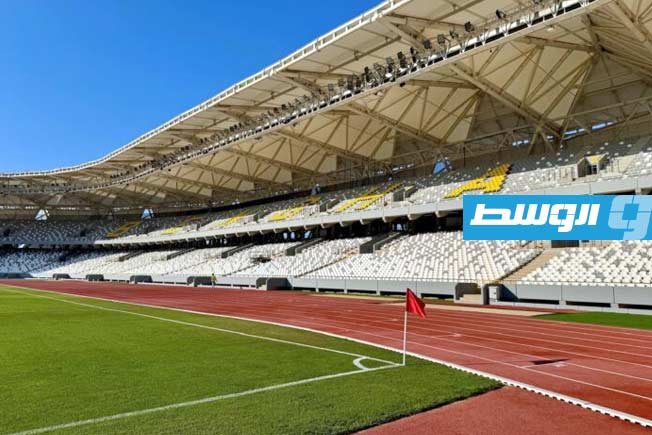
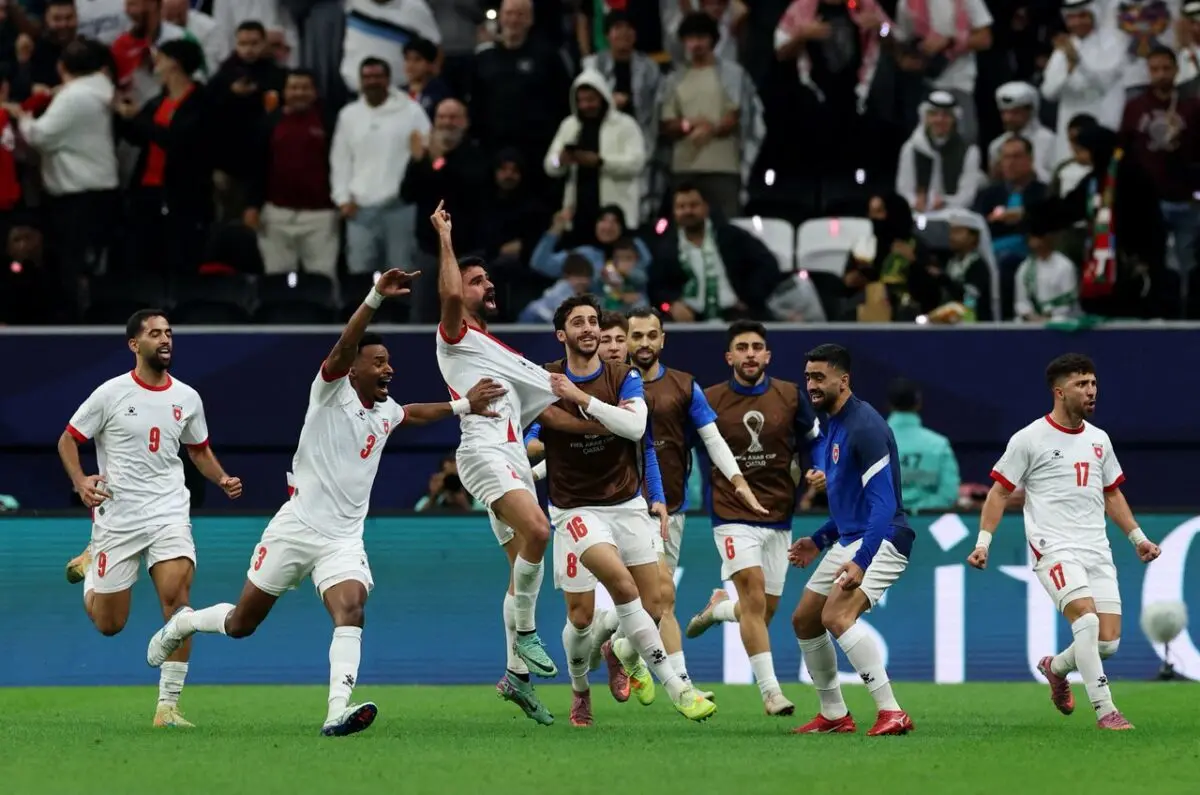
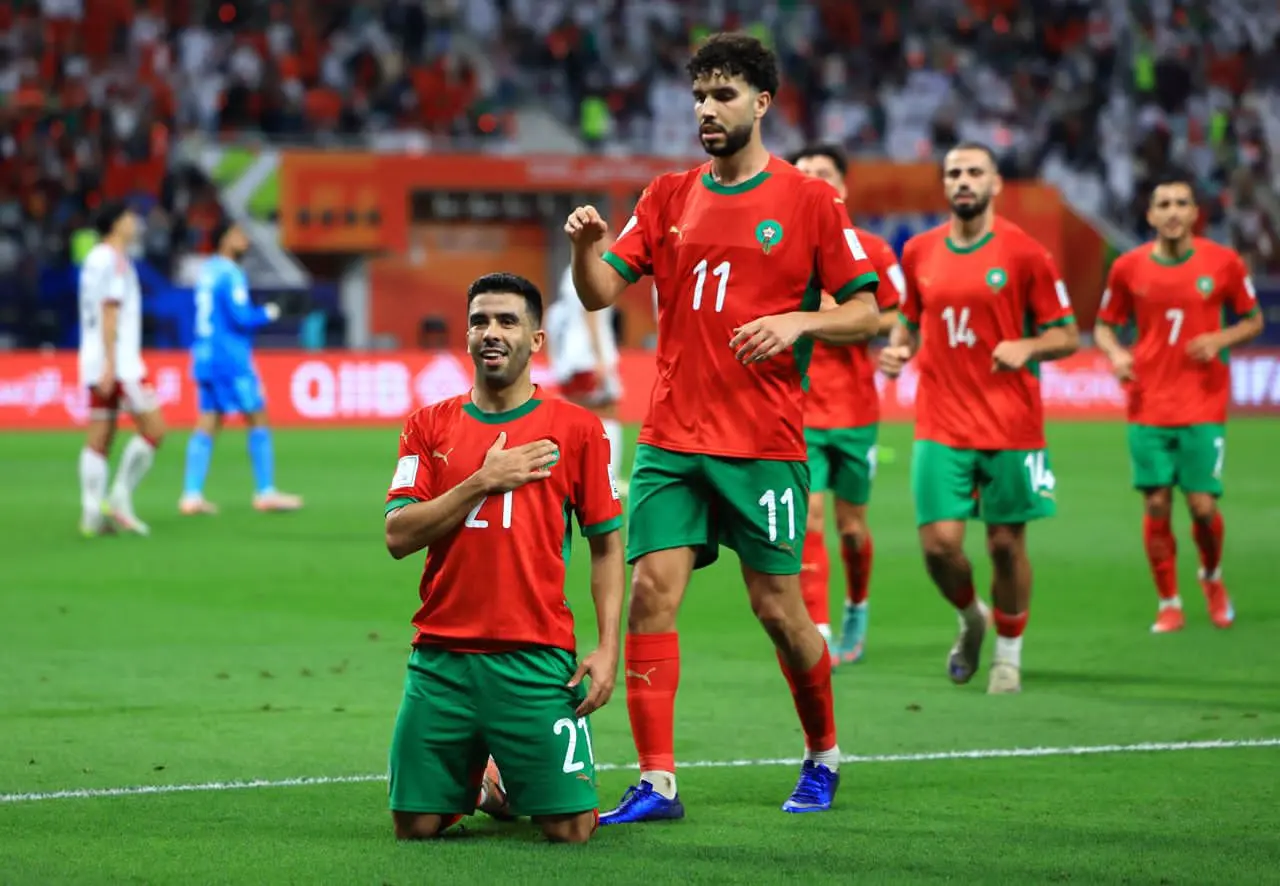
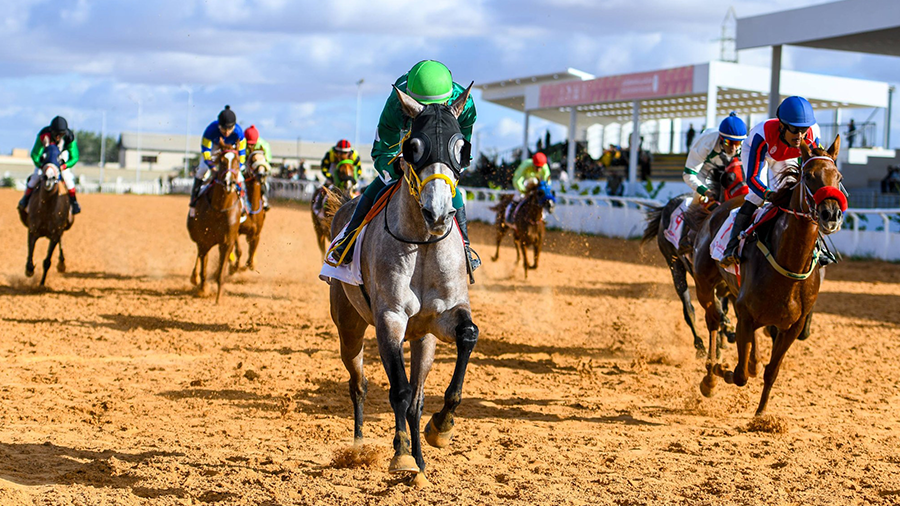
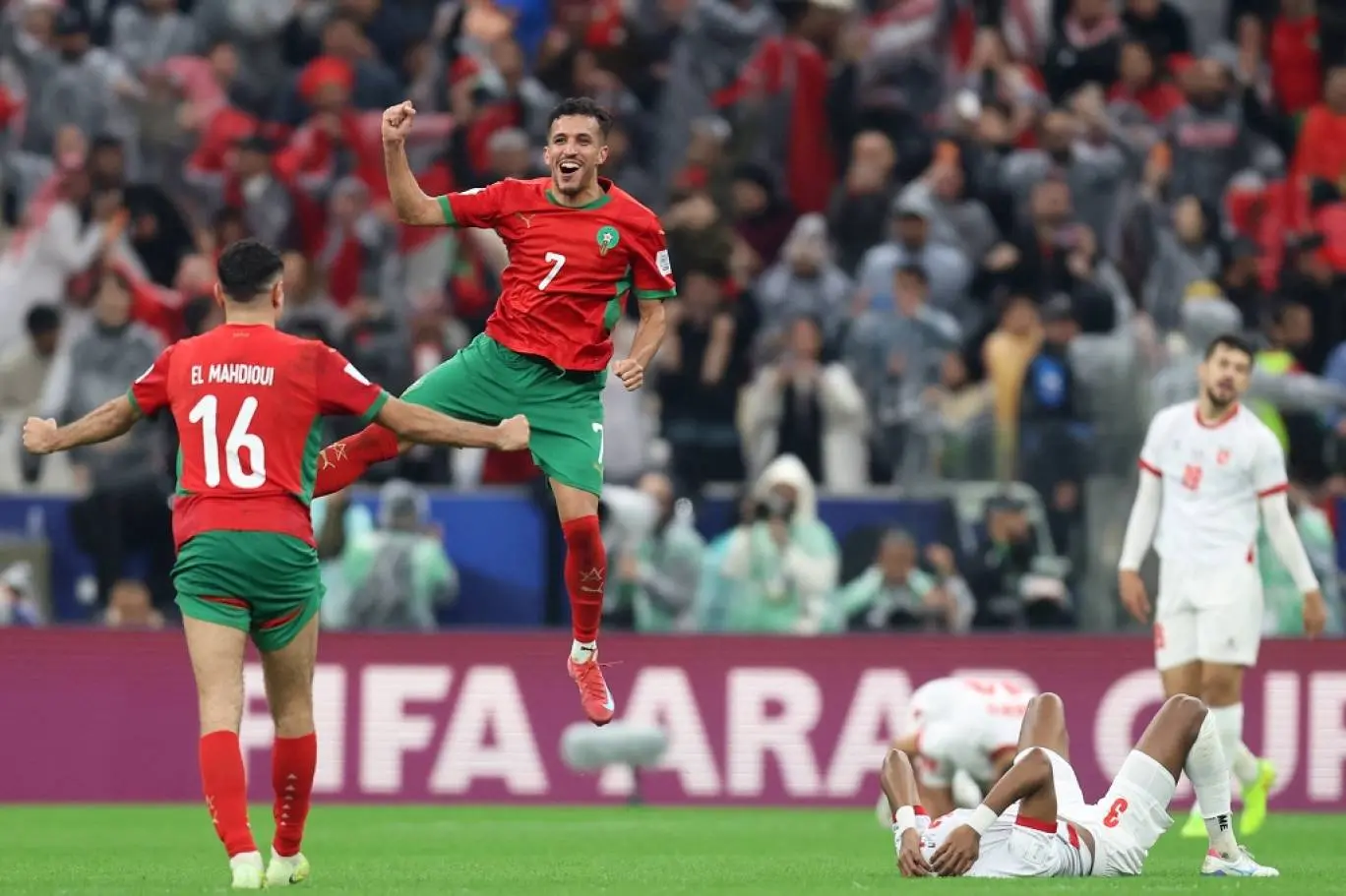
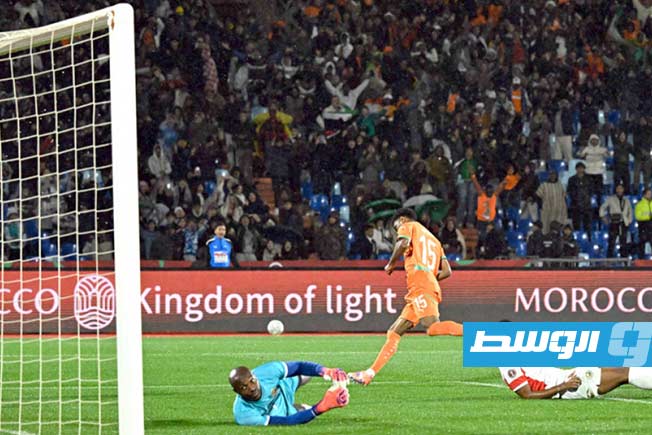
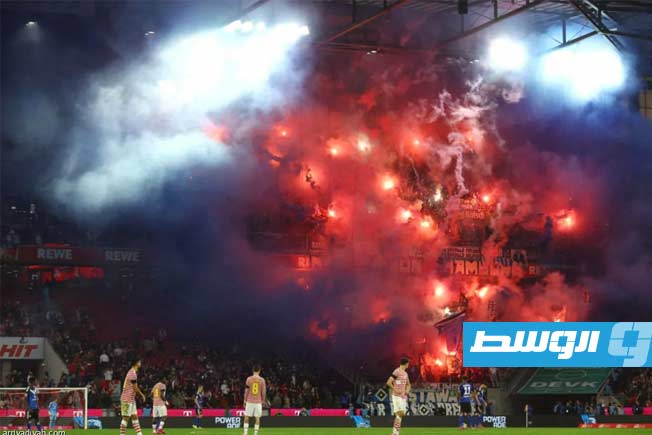
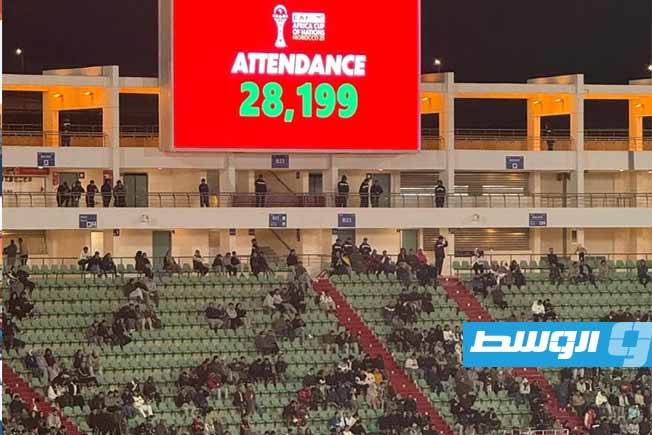
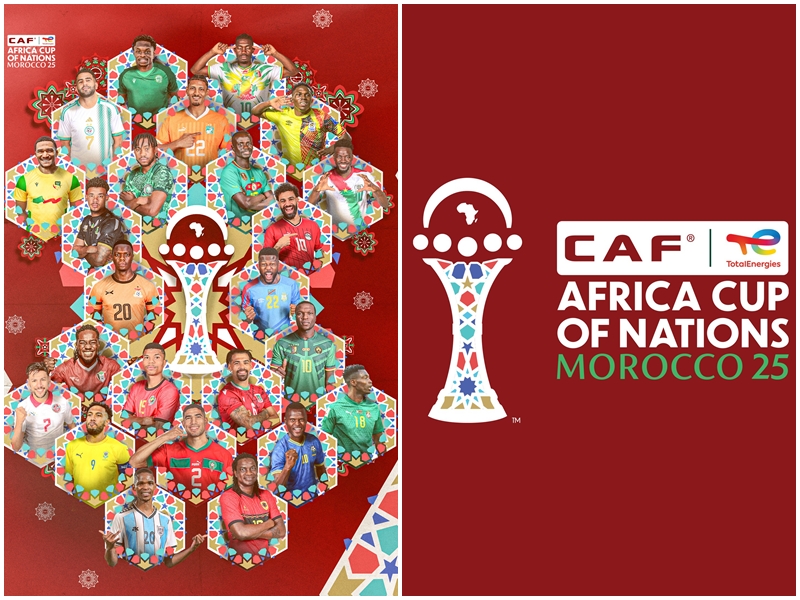
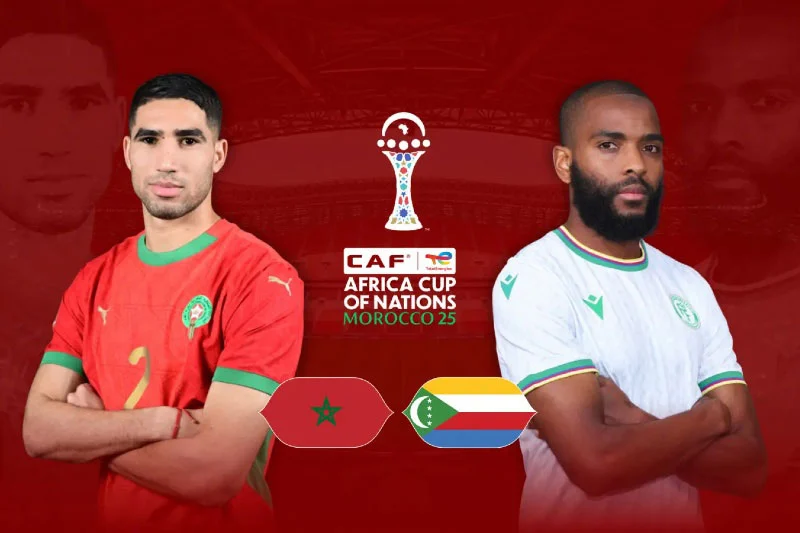
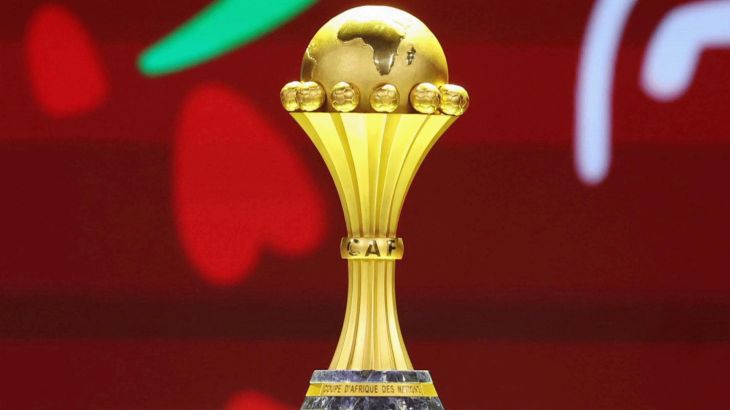
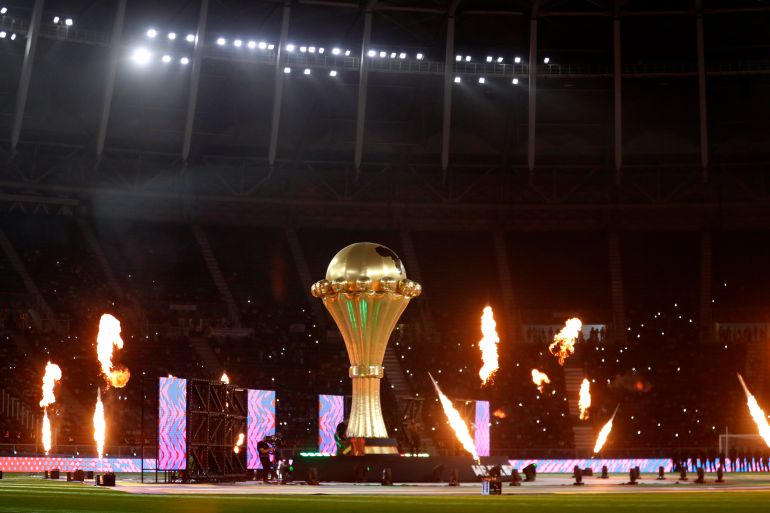
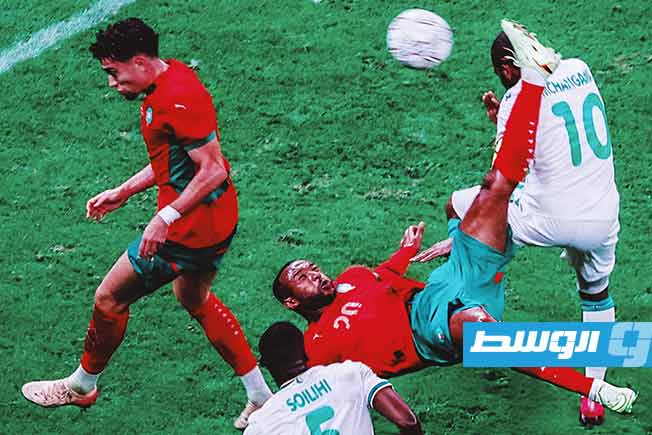
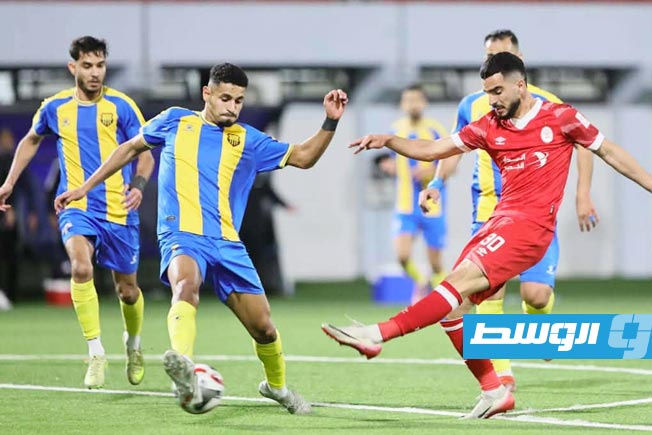
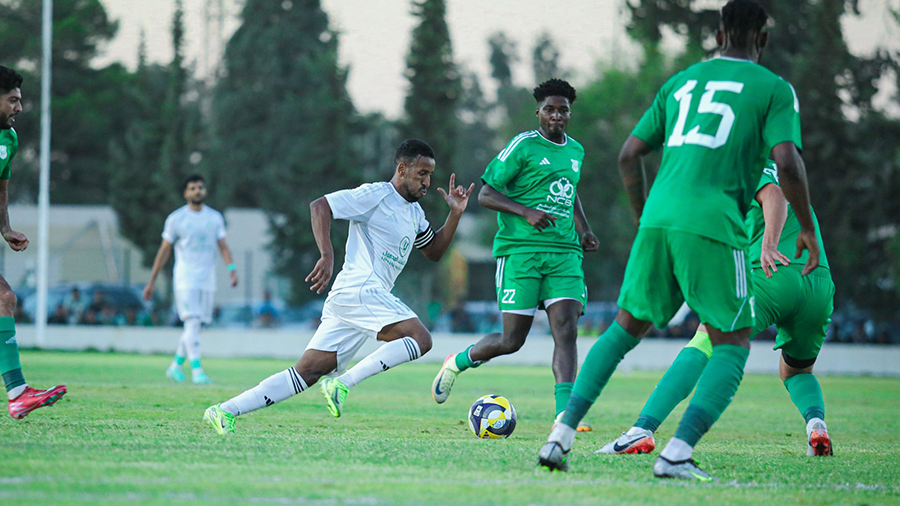
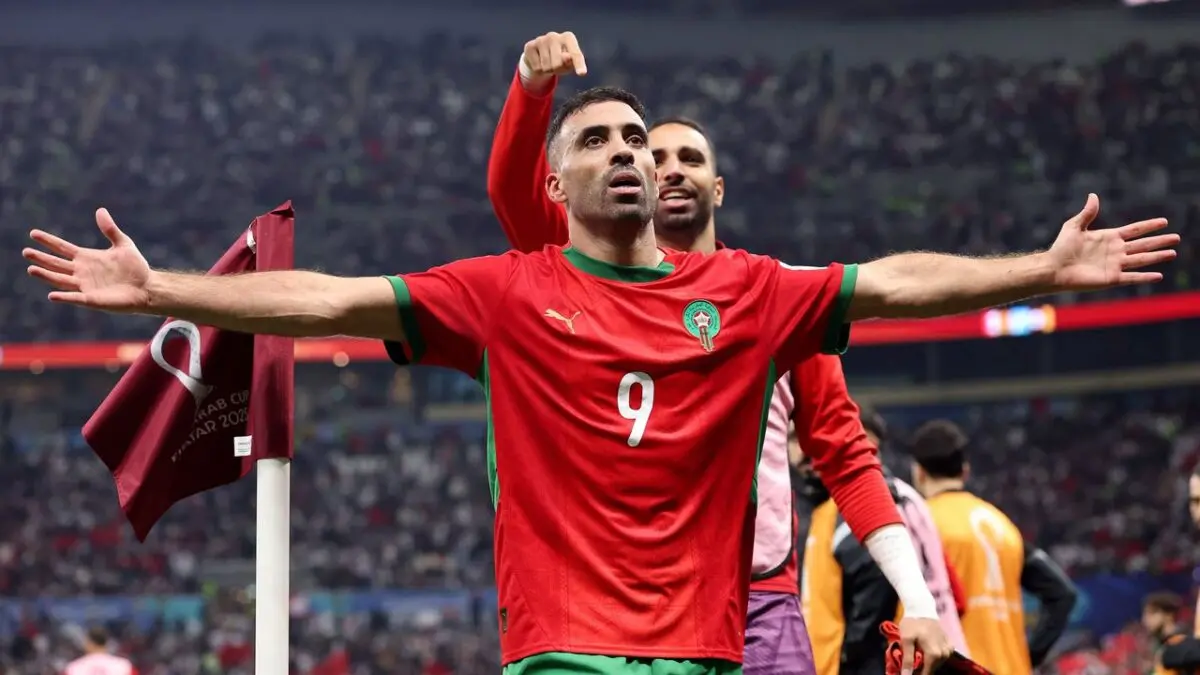
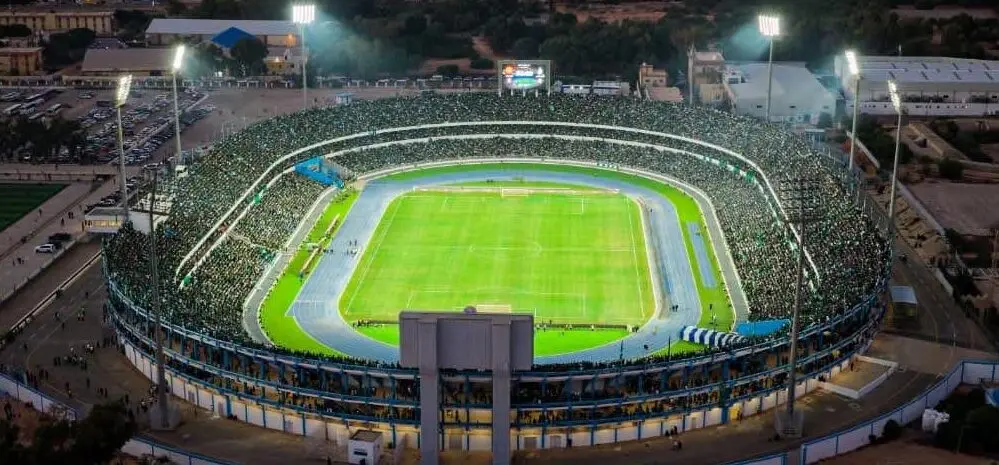
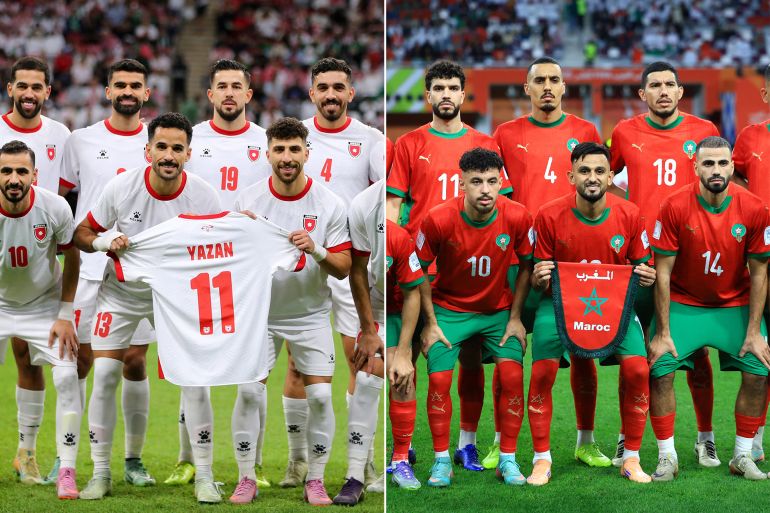
The exciting matches of the 2025 Africa Cup of Nations, currently being held in Morocco, continue until January 18th.
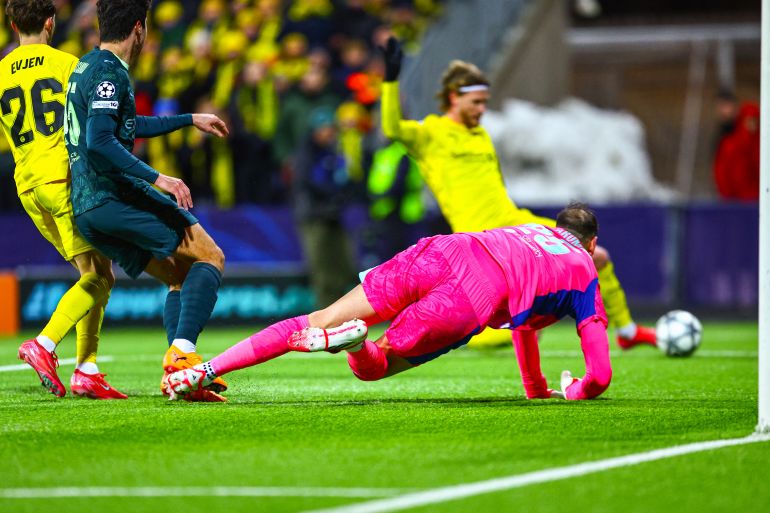
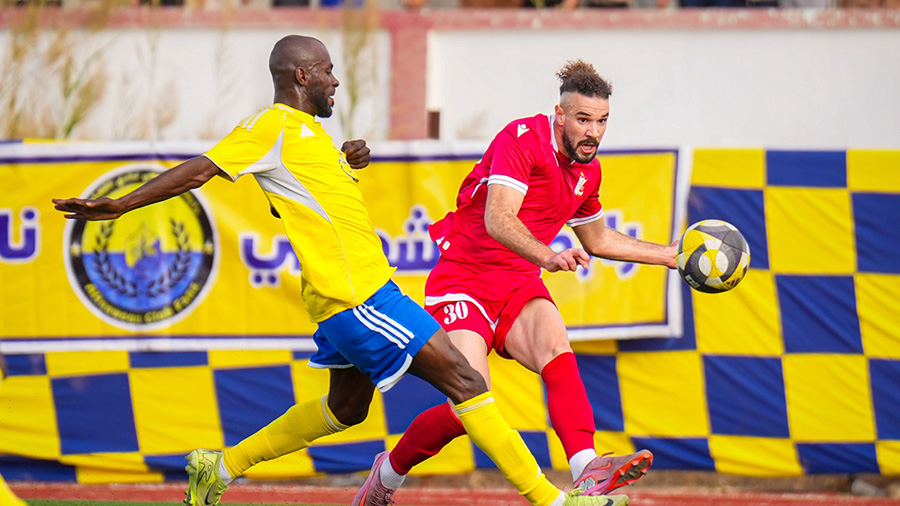
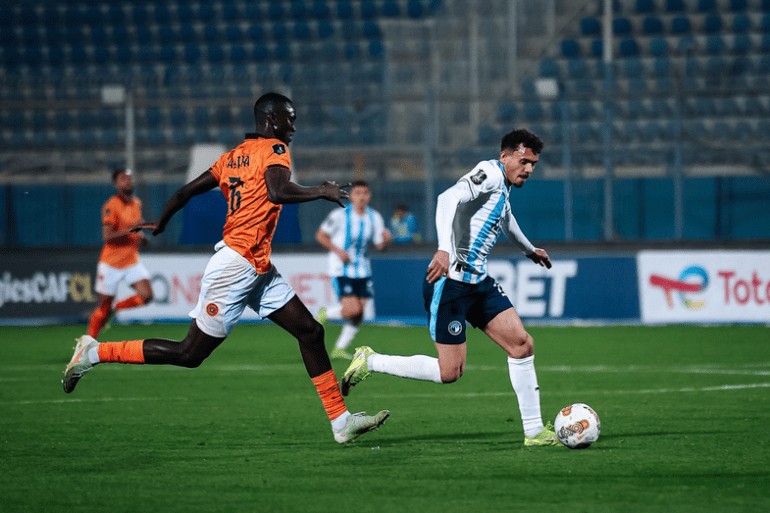
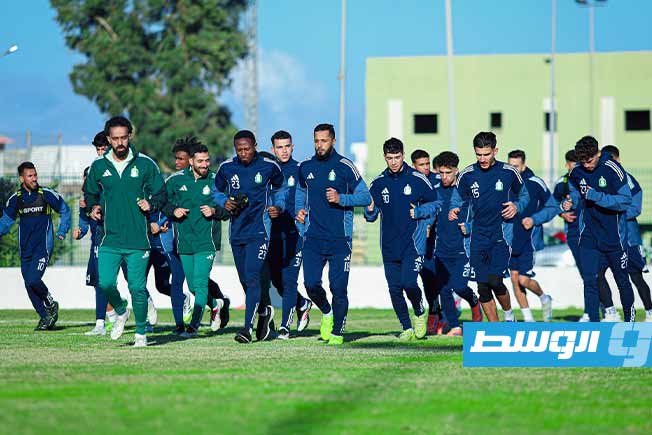
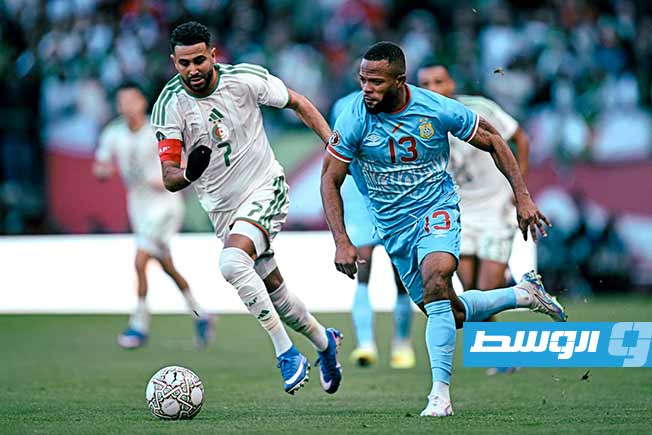
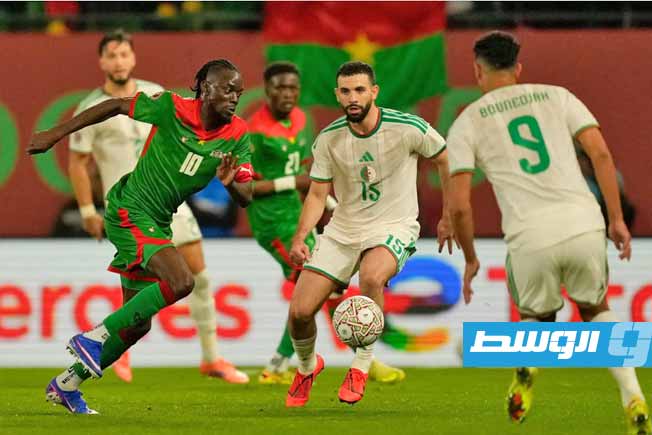
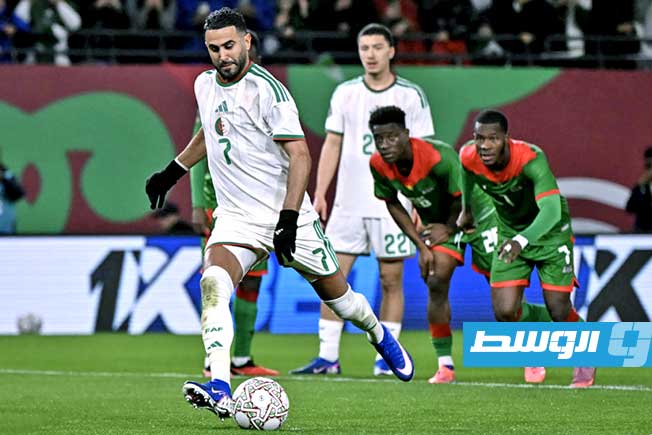
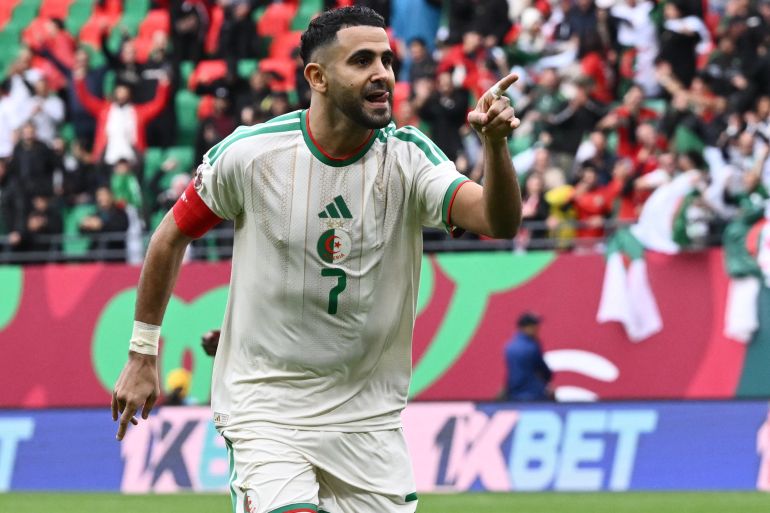
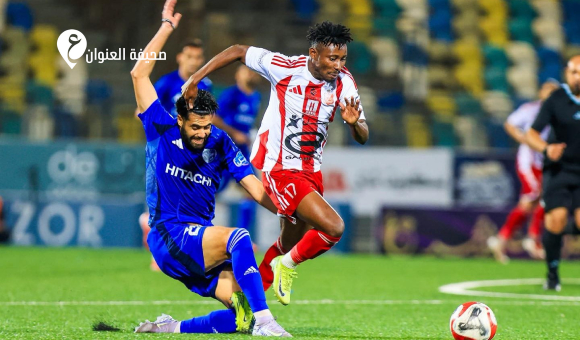
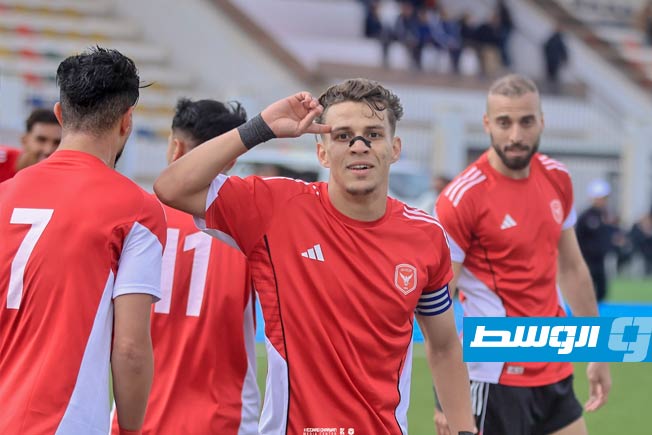
The Algerian national team secured the third spot in the tournament’s Round of 16 following a deserved 1-0 victory over Burkina Faso on Sunday in the second round of Group Five.
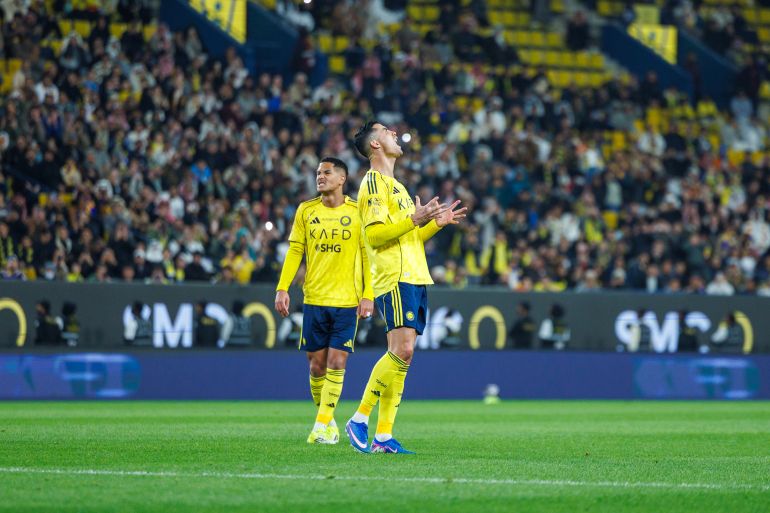
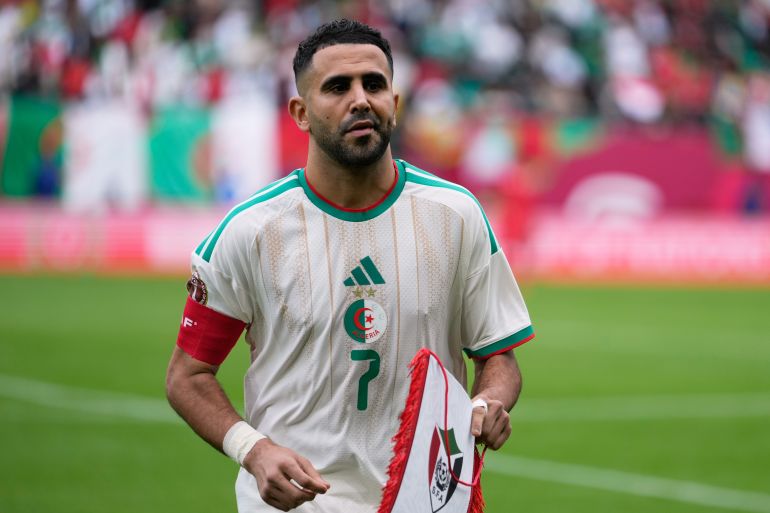
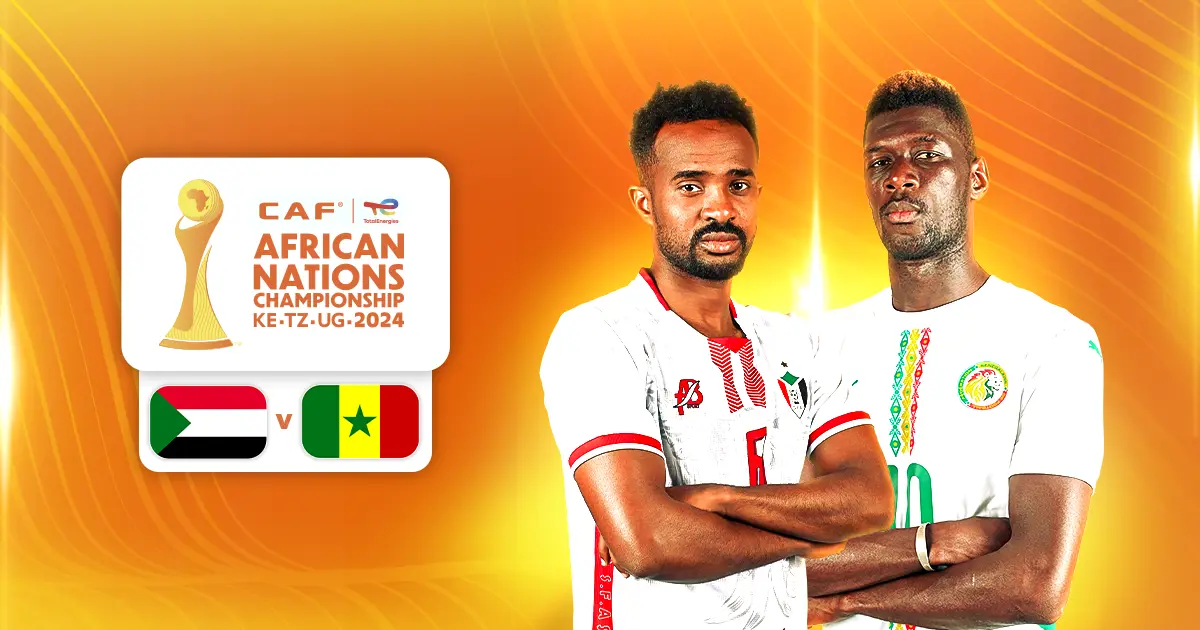
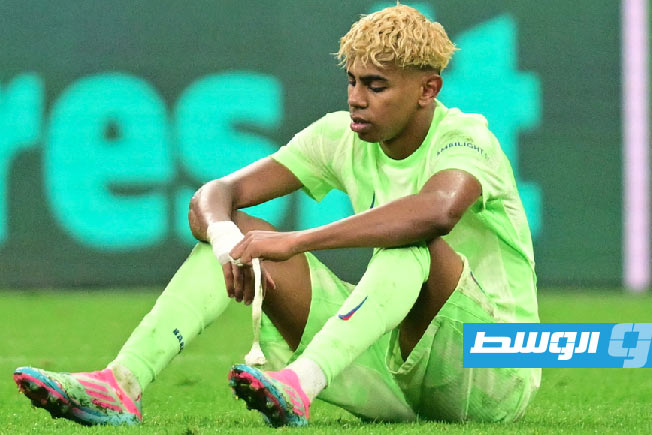
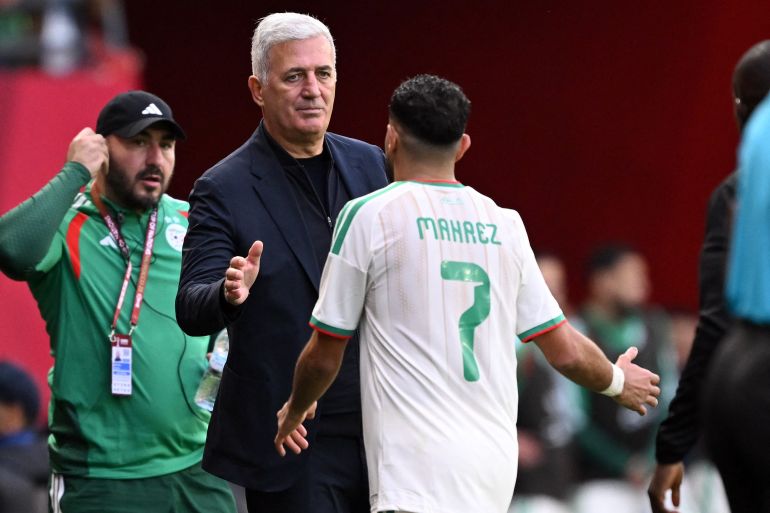
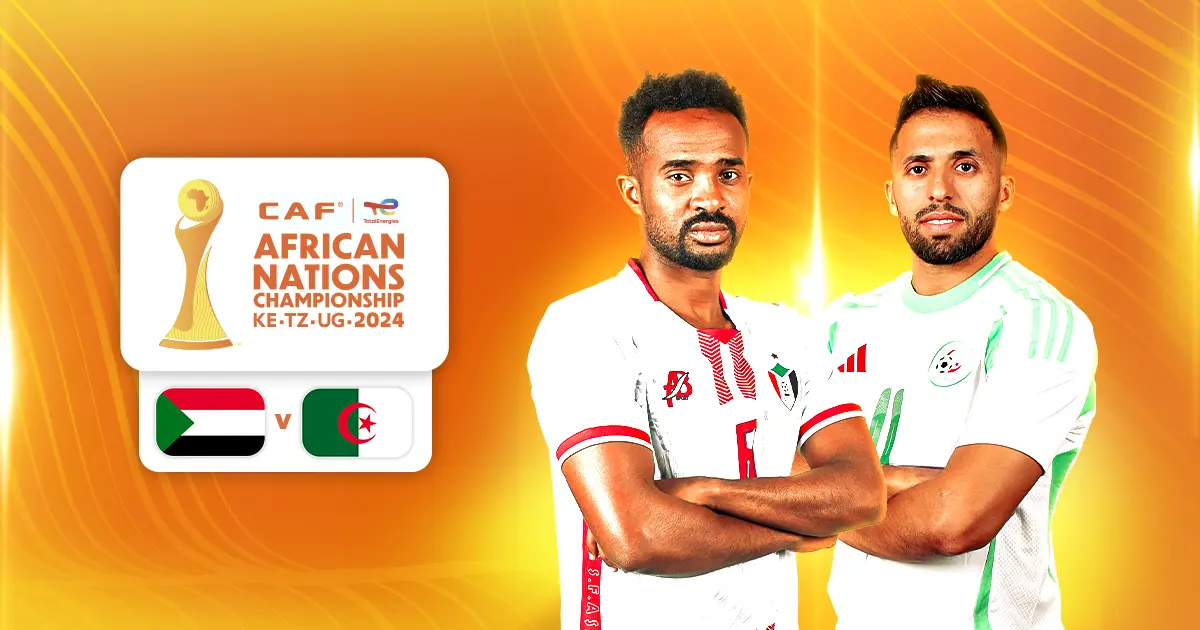
The veteran star Riyad Mahrez scored Algeria’s goal in the 23rd minute from a penalty kick, continuing his habit of finding the net for the second consecutive match, after scoring a brace against Sudan in the first round.
Mahrez now leads the top scorers’ list in the current edition of the competition with 3 goals, one goal ahead of his closest pursuer.
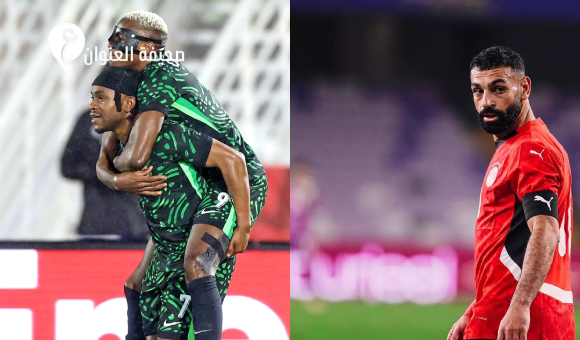
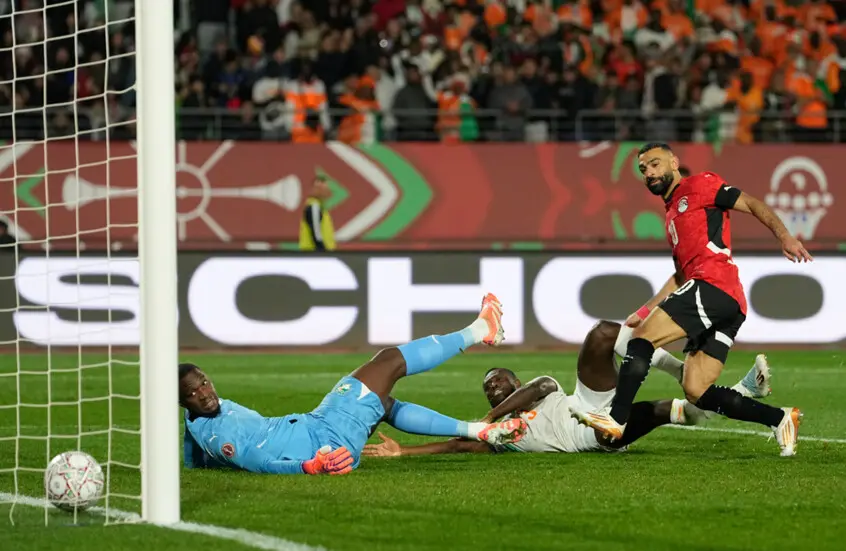
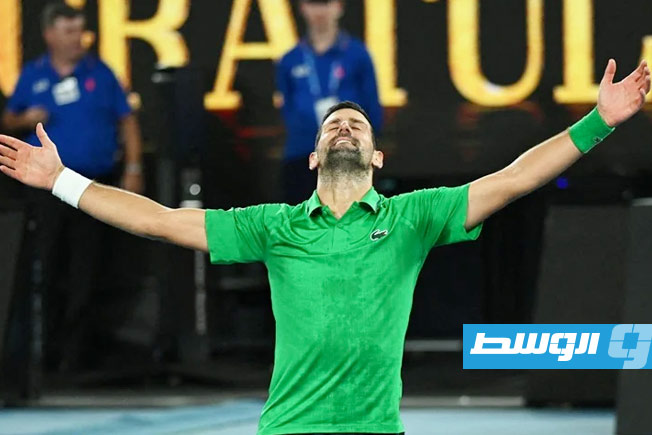
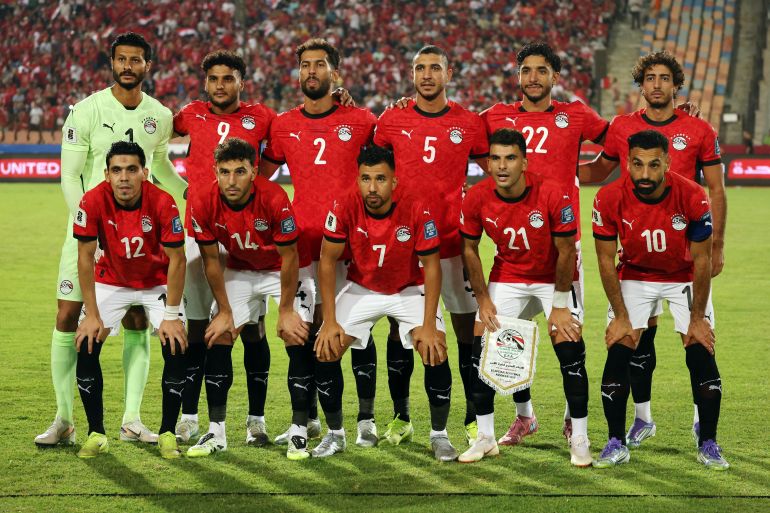
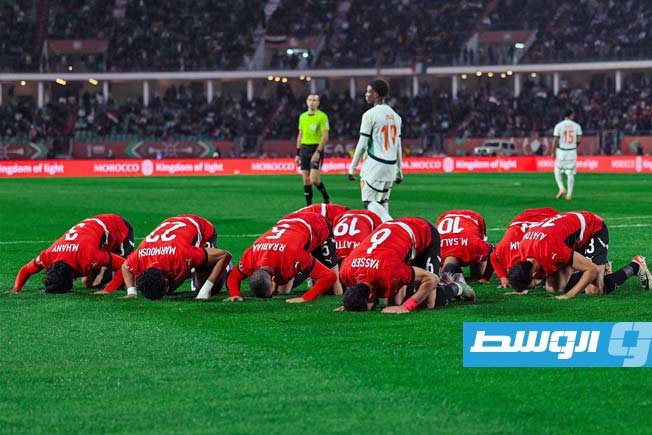
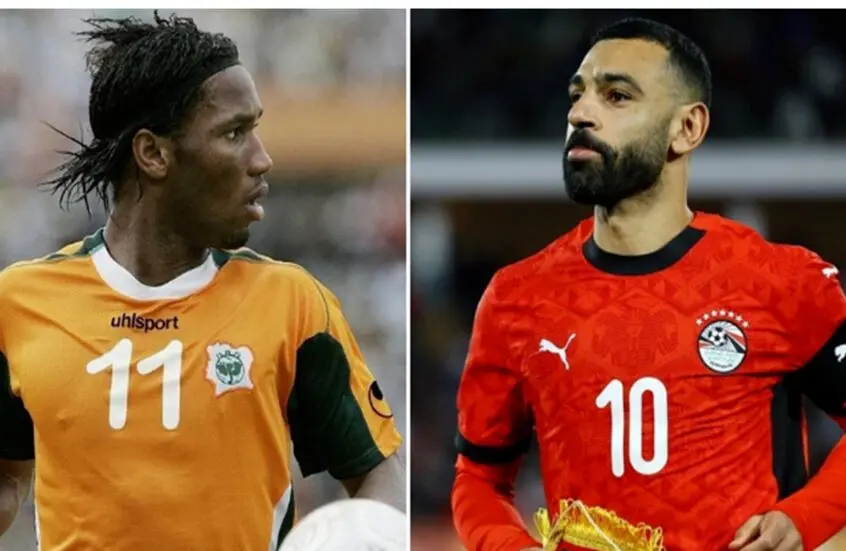
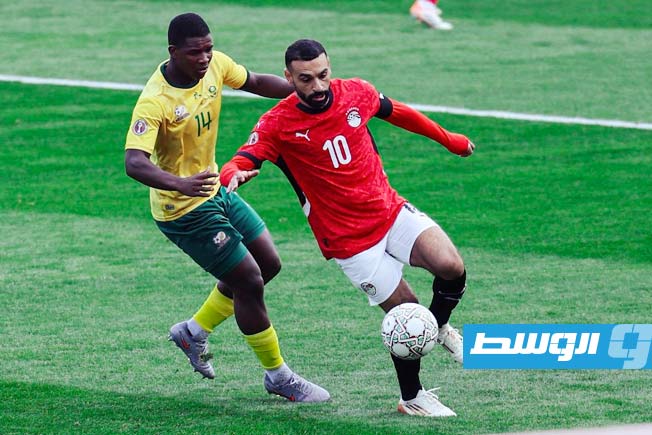
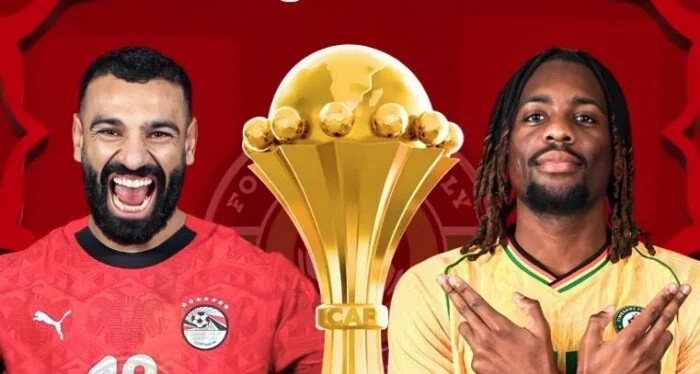
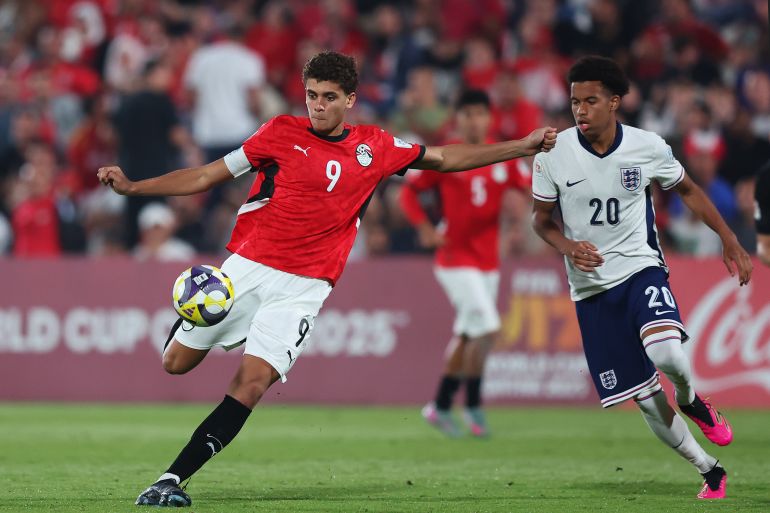
Meanwhile, the Egyptian national team qualified for the Round of 16 by topping Group Two after a hard-fought 1-0 win over South Africa, thanks to a penalty goal by Mohamed Salah.
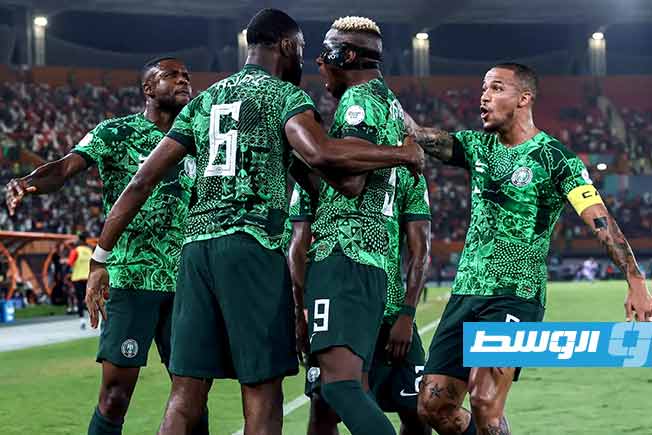
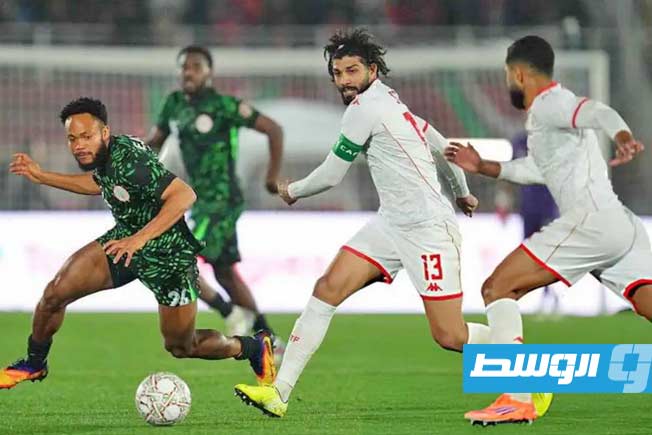
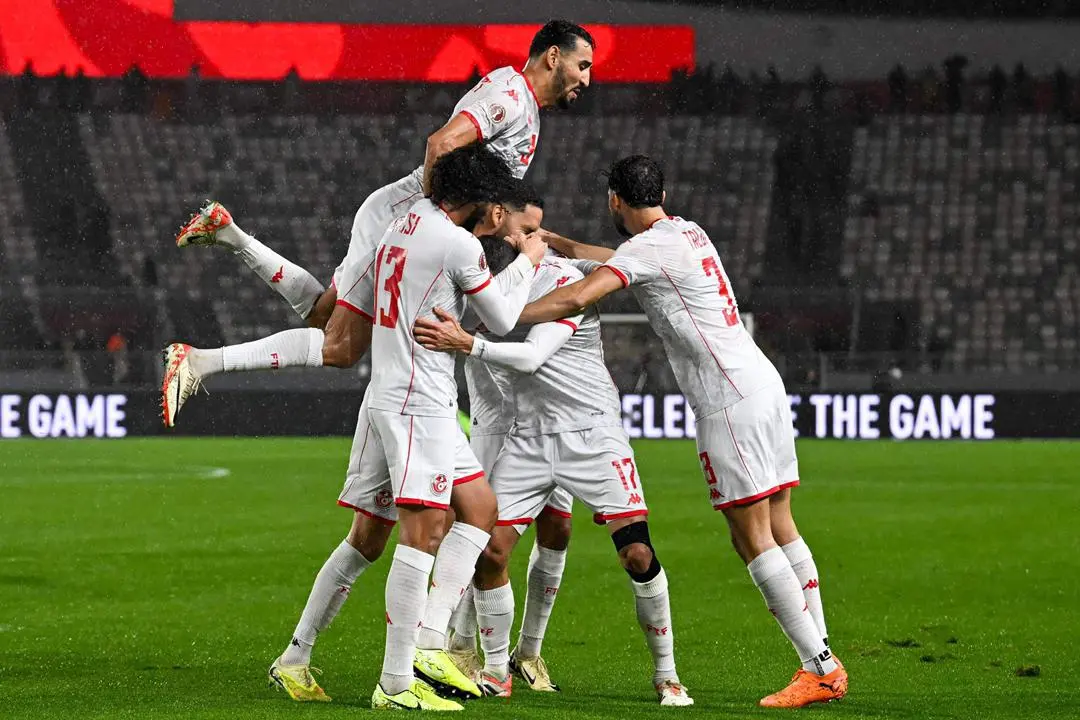
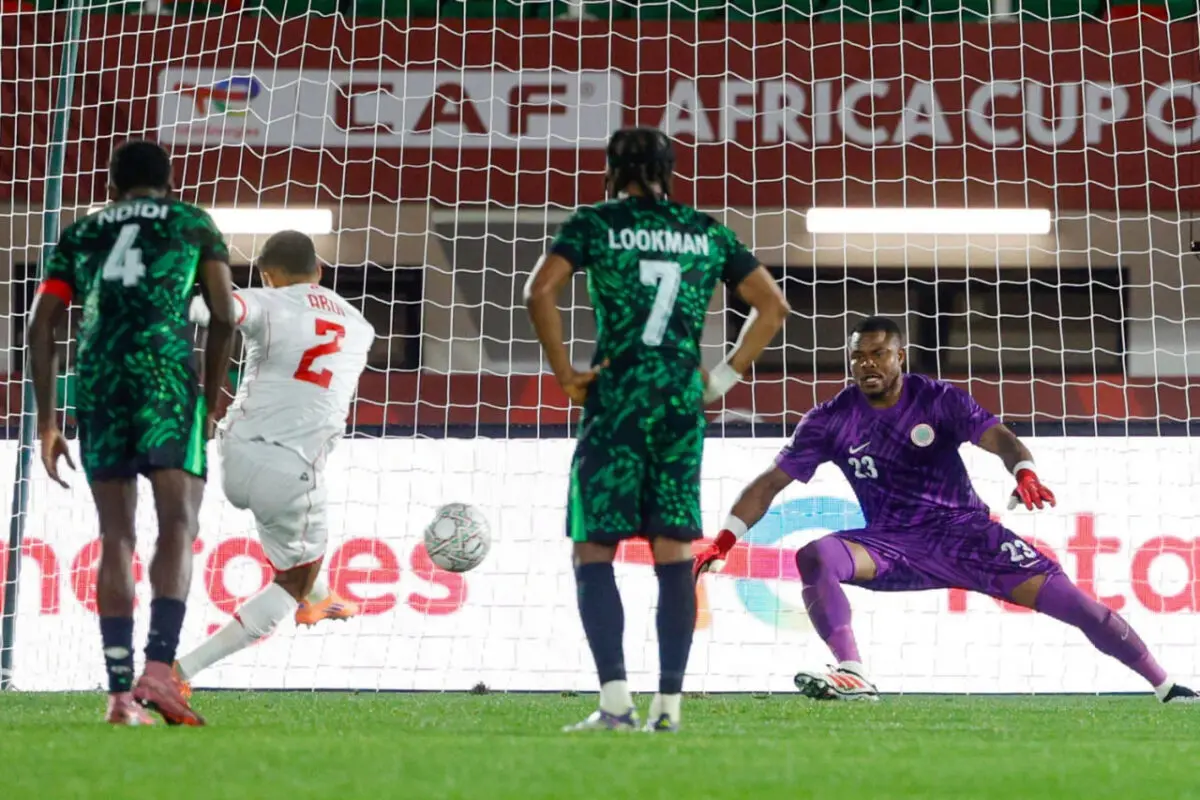
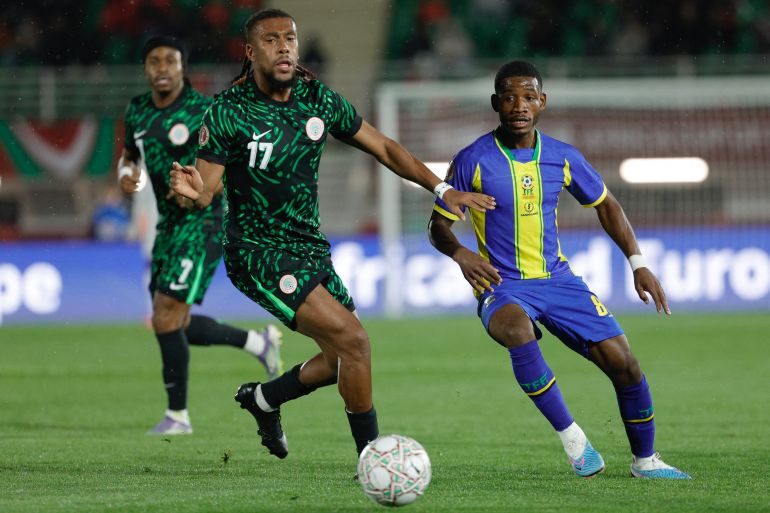
Nigeria also qualified for the same round with victories over Tunisia and Tanzania in Group Three.
- Group One
Africa Cup of Nations
The Africa Cup of Nations (AFCON) is the premier international men’s football competition in Africa, first held in 1957. It was founded to celebrate African football independence and unity, with Egypt winning the inaugural tournament. The competition is organized by the Confederation of African Football (CAF) and is now held every two years.
Morocco
Morocco is a North African country with a rich history shaped by indigenous Amazigh (Berber) cultures, Arab influence from the 7th century, and successive dynasties like the Almoravids and Almohads. Its cultural sites, such as the ancient Roman ruins of Volubilis and the historic medinas of Fez and Marrakech, reflect this diverse heritage and its role as a crossroads of civilizations.
Algeria
Algeria is a North African country with a rich history shaped by ancient Berber kingdoms, Roman rule, and centuries of Ottoman influence. It gained independence from France in 1962 after a protracted war, and its cultural heritage includes numerous UNESCO World Heritage sites, such as the Roman ruins of Timgad and the historic Casbah of Algiers.
Burkina Faso
Burkina Faso is a landlocked West African nation whose modern borders were established during French colonial rule, gaining independence in 1960. Historically, the region was home to several powerful kingdoms, including the Mossi states, which date back to the 11th century. The country’s name, meaning “Land of Honest People,” was adopted in 1984, reflecting its cultural heritage and national identity.
Sudan
Sudan, located in Northeast Africa, is home to ancient civilizations such as the Kingdom of Kush, which ruled from the city of Meroë and famously conquered Egypt in the 8th century BCE. The country’s rich history includes numerous archaeological sites, while modern Sudan gained independence from Anglo-Egyptian rule in 1956.
Egypt
Egypt is home to one of the world’s oldest civilizations, with a recorded history spanning over 5,000 years, famously centered around the Nile River and the pharaonic dynasties that built iconic monuments like the Pyramids of Giza. Its rich cultural heritage includes ancient temples, hieroglyphic writing, and significant contributions to mathematics and architecture, later influenced by Greco-Roman, Coptic Christian, and Islamic periods. Modern Egypt remains a pivotal cultural and political center in the Arab world.
South Africa
South Africa is a country located at the southern tip of the African continent, renowned for its diverse cultures, languages, and dramatic landscapes. Its modern history is profoundly shaped by colonialism and the institutionalized racial segregation of apartheid, which ended in 1994 with the establishment of a constitutional democracy and the election of Nelson Mandela as president. The nation is home to significant cultural and natural sites, including the Cradle of Humankind, a UNESCO World Heritage site containing fossils of ancient hominids.
Nigeria
Nigeria is a country in West Africa with a rich history shaped by ancient kingdoms like the Nok, Benin, and Oyo, as well as its colonial past under British rule before gaining independence in 1960. It is Africa’s most populous nation and is renowned for its diverse cultures, vibrant arts, and significant global contributions in music, literature, and film.
Tunisia
Tunisia is a North African country with a rich history shaped by ancient civilizations, including the Phoenician city of Carthage, Roman rule, and later Arab-Islamic influence. Its cultural sites, such as the well-preserved Roman amphitheater at El Jem and the historic medina of Tunis, reflect this diverse heritage. Today, it is known as the birthplace of the Arab Spring and for its Mediterranean coastline and Saharan landscapes.
Tanzania
Tanzania is an East African nation home to significant cultural and natural sites, most notably the island of Zanzibar with its historic Stone Town—a UNESCO World Heritage site reflecting Swahili coastal trade culture—and the Serengeti plains, inhabited by humans for millions of years. The mainland, formerly Tanganyika, merged with Zanzibar in 1964 after gaining independence from British colonial rule.
Comoros
The Comoros is an archipelago nation in the Indian Ocean, with a history shaped by a blend of African, Arab, and French influences. It was an important hub in early Indian Ocean trade and later became a French colony before gaining independence in 1975. The country is known for its volcanic landscapes, diverse culture, and being one of the world’s leading producers of ylang-ylang.
Mali
Mali is a West African country historically renowned as the heart of several powerful empires, most notably the Mali Empire, which flourished from the 13th to 16th centuries and was famed for its wealth, scholarship in Timbuktu, and the pilgrimage of Mansa Musa. Today, it is home to significant UNESCO World Heritage Sites, including the ancient cities of Timbuktu and Djenné, though these cultural treasures face threats from environmental and security challenges.
Zambia
Zambia is a landlocked country in southern Africa, known for its vast wilderness areas and the spectacular Victoria Falls along its border with Zimbabwe. Historically, it was a British protectorate called Northern Rhodesia before gaining independence in 1964, with its economy historically centered on copper mining.
Angola
Angola is a country in southwestern Africa with a rich history shaped by powerful pre-colonial kingdoms like Kongo and Ndongo, followed by centuries of Portuguese colonization until it gained independence in 1975. Its notable cultural sites include the Fortress of São Miguel in Luanda, a historic Portuguese fort, and the Tundavala Fissure, a dramatic natural landscape. The country’s diverse culture blends indigenous traditions with Portuguese influences, evident in its music, like semba and kizomba, and its vibrant arts scene.
Zimbabwe
Zimbabwe is a country in southern Africa, named after the ancient stone city of Great Zimbabwe, which was the capital of a powerful kingdom from the 11th to 15th centuries. The modern nation gained independence from British colonial rule in 1980, and its history is deeply connected to the Shona civilization and later European colonization.
Uganda
Uganda is a landlocked East African nation known for its diverse landscapes, including Lake Victoria and the Rwenzori Mountains. Historically, it was home to several kingdoms like Buganda before becoming a British protectorate in the late 19th century, gaining independence in 1962. Its rich culture is shaped by numerous ethnic groups and a complex modern history.
DR Congo
The Democratic Republic of the Congo (DRC), located in Central Africa, is a vast country with immense mineral wealth and biodiversity, including the Congo Rainforest. Its modern history is marked by colonization as the Belgian Congo, a tumultuous independence in 1960, and prolonged periods of conflict and political instability since. The nation is home to significant cultural and natural sites, such as Virunga National Park, a UNESCO World Heritage site and Africa’s oldest national park.
Benin
Benin refers to both a modern West African country and the historic Kingdom of Benin, which was a major pre-colonial power centered in what is now southern Nigeria. The kingdom, renowned for its sophisticated art, especially bronze and ivory sculptures, flourished from the 13th to the 19th century before being annexed by the British Empire in 1897. The modern Republic of Benin, formerly known as Dahomey, gained independence from France in 1960.
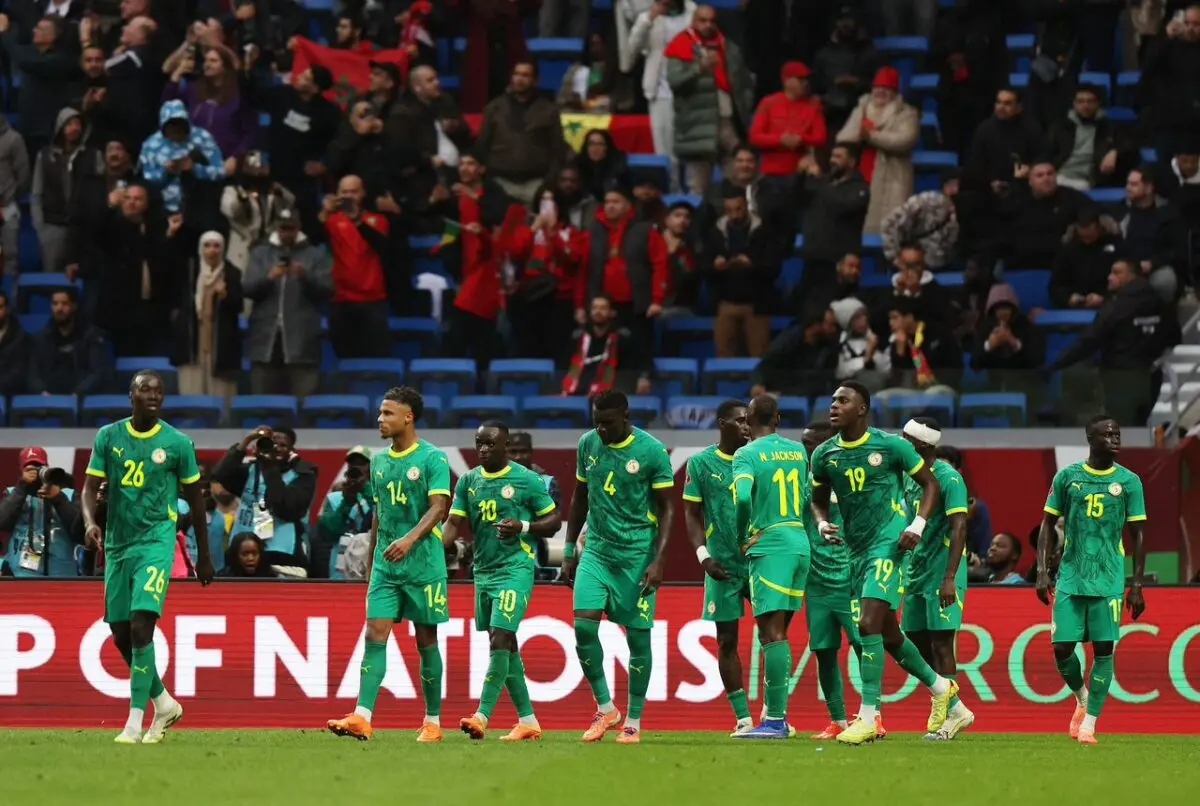
Senegal
Senegal is a West African country known for its rich cultural heritage and historical significance, particularly as a center of the transatlantic slave trade, with sites like Gorée Island serving as poignant reminders. It gained independence from France in 1960 and is recognized for its stable democracy and vibrant arts scene, including music genres like mbalax. The country is also home to several UNESCO World Heritage Sites, such as the Stone Circles of Senegambia and the Saloum Delta.
Botswana
Botswana is a landlocked country in Southern Africa known for its stable democracy, thriving economy driven by diamond mining, and vast wilderness areas like the Okavango Delta. Historically a British protectorate called Bechuanaland, it gained independence in 1966 and has since maintained one of the world’s fastest-growing economies. Its culture is deeply influenced by the Tswana people, and the country is globally renowned for its commitment to wildlife conservation.
Equatorial Guinea
Equatorial Guinea is a small Central African nation consisting of a mainland region and several islands, including Bioko where the capital, Malabo, is located. It gained independence from Spain in 1968 and has since been shaped by the long rule of President Teodoro Obiang Nguema Mbasogo and the discovery of significant offshore oil reserves in the 1990s.
Ivory Coast
The Ivory Coast, officially known as Côte d’Ivoire, is a West African nation with a history shaped by pre-colonial kingdoms, French colonization from the late 19th century, and independence in 1960. A significant cultural site is the historic town of Grand-Bassam, a UNESCO World Heritage site that was the first French colonial capital and features colonial architecture alongside traditional Nzema houses. The country is also renowned for its diverse cultural traditions, including music genres like *coupé-décalé* and vibrant festivals celebrated by its many ethnic groups.
Mozambique
Mozambique is a country in Southeast Africa with a rich history shaped by Bantu-speaking peoples, Arab trade, and Portuguese colonization, which lasted nearly five centuries until independence in 1975. Its cultural heritage includes diverse traditions, music, and cuisine, with notable sites like the Island of Mozambique, a UNESCO World Heritage site that served as a historic Portuguese trading post.
Cameroon
Cameroon is a Central African country known for its diverse geography, ranging from beaches and rainforests to savannas and mountains. Historically, it was a German protectorate in the late 19th century before being divided into French and British administrative zones after World War I, achieving full independence in 1960. Its culture is exceptionally varied, with over 200 ethnic groups and linguistic influences from French, English, and numerous indigenous languages.
Gabon
Gabon is a country on the west coast of Central Africa, historically inhabited by Pygmy peoples and later Bantu tribes, with a colonial past under French rule from 1885 until its independence in 1960. It is known for its vast rainforests, biodiversity, and cultural sites like the ancient rock engravings at the Lopé National Park, a UNESCO World Heritage site that reflects human settlement dating back over 400,000 years.