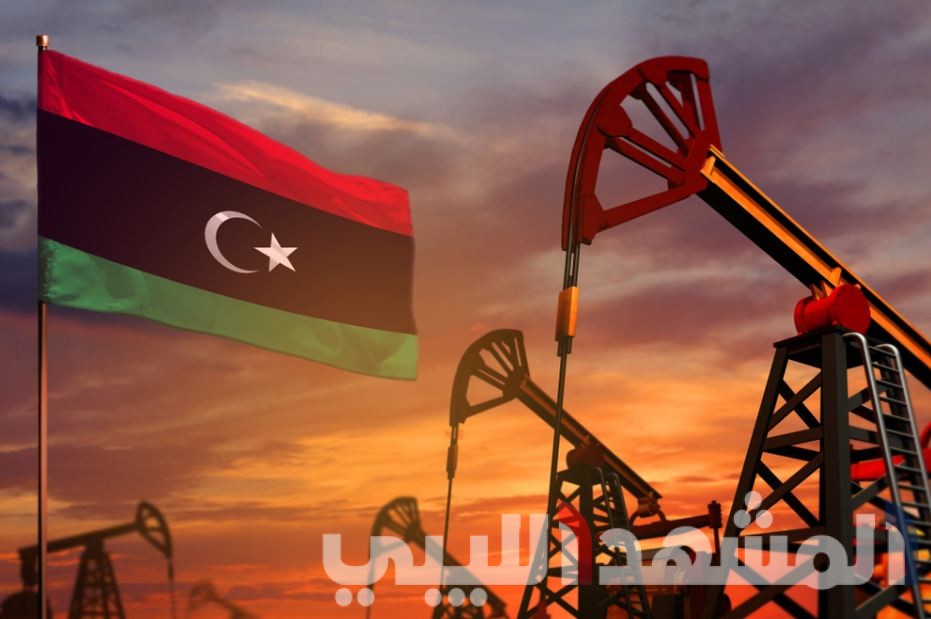
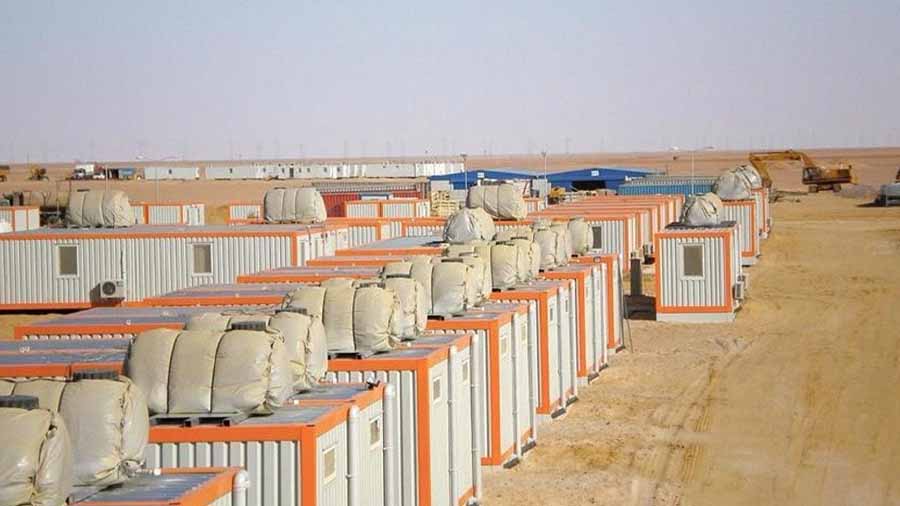
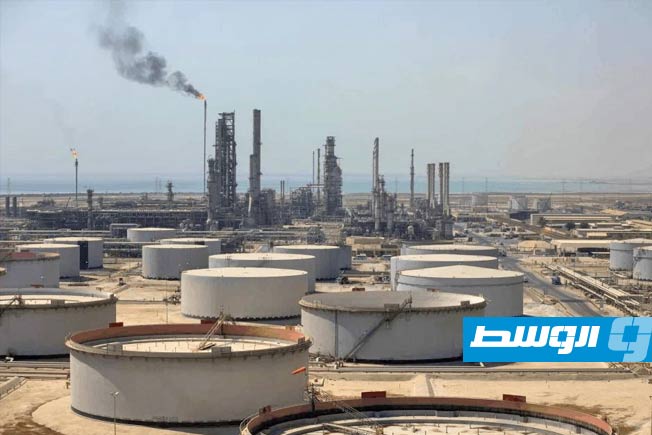
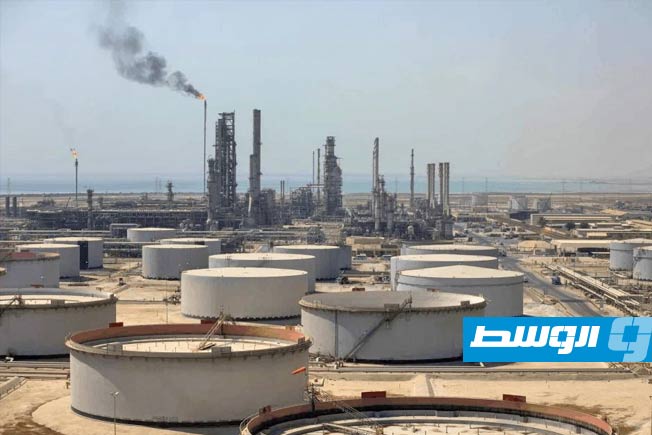
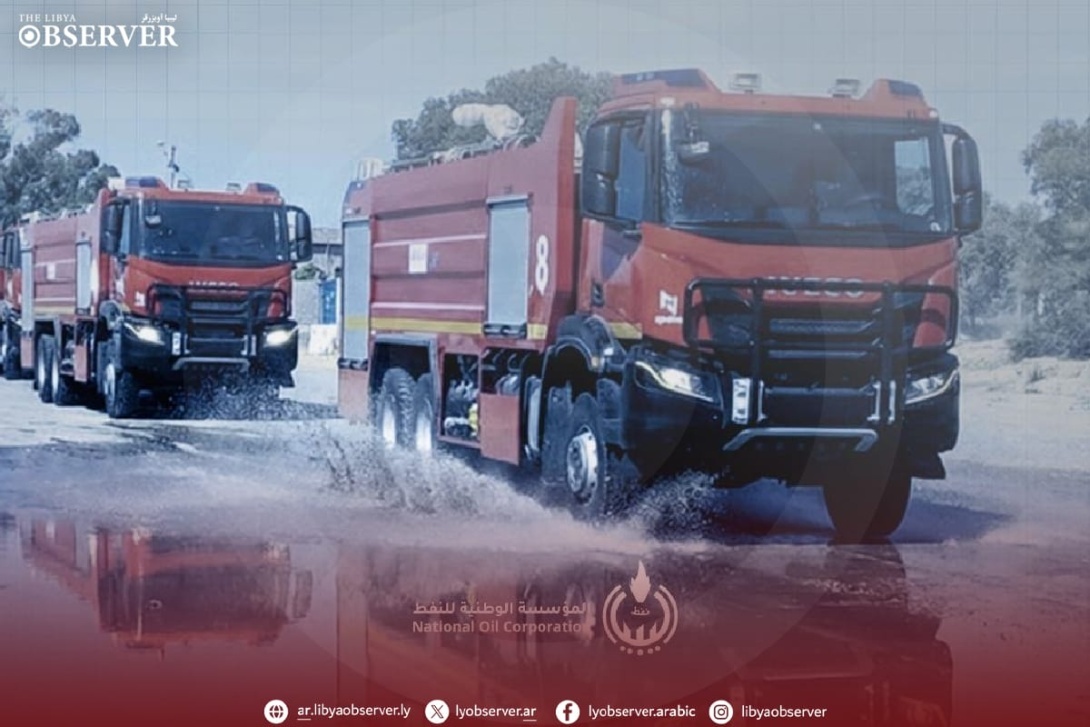
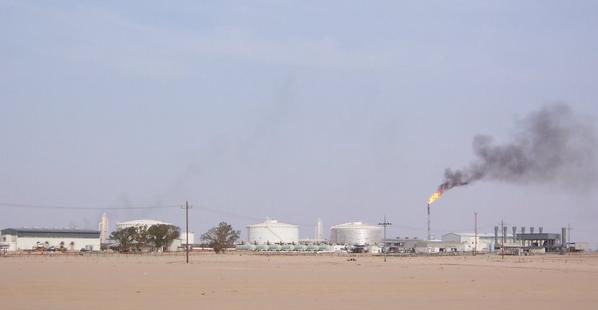
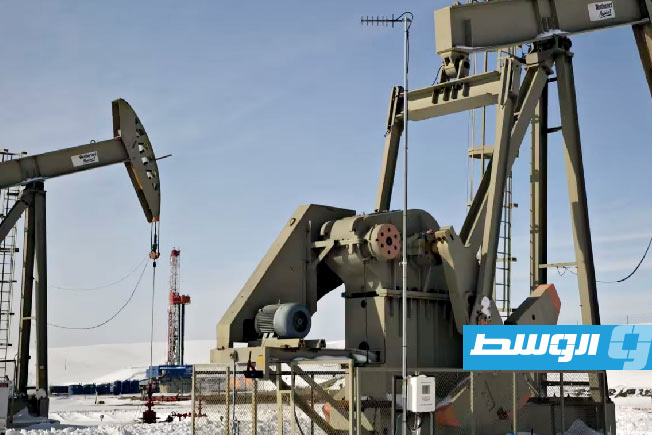
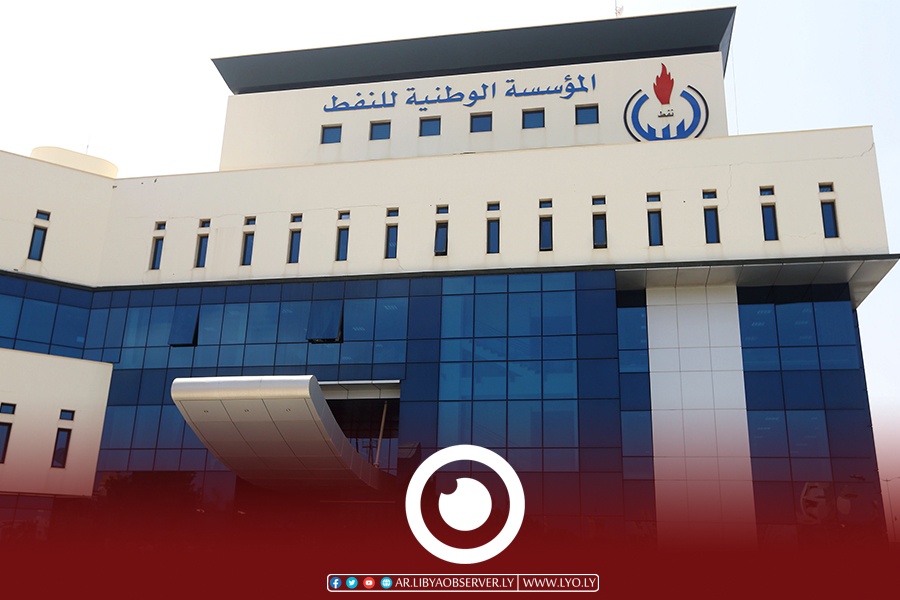
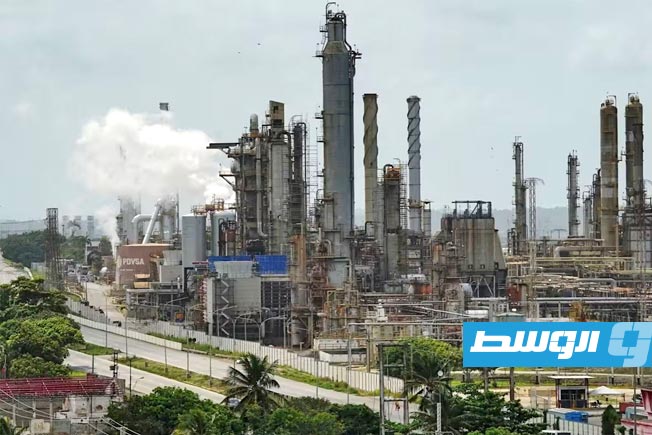
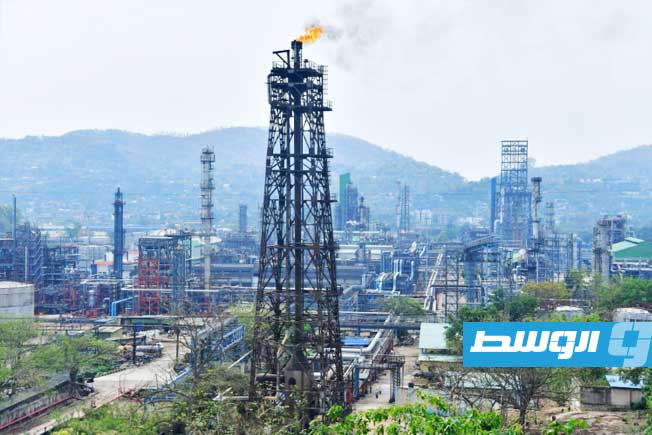
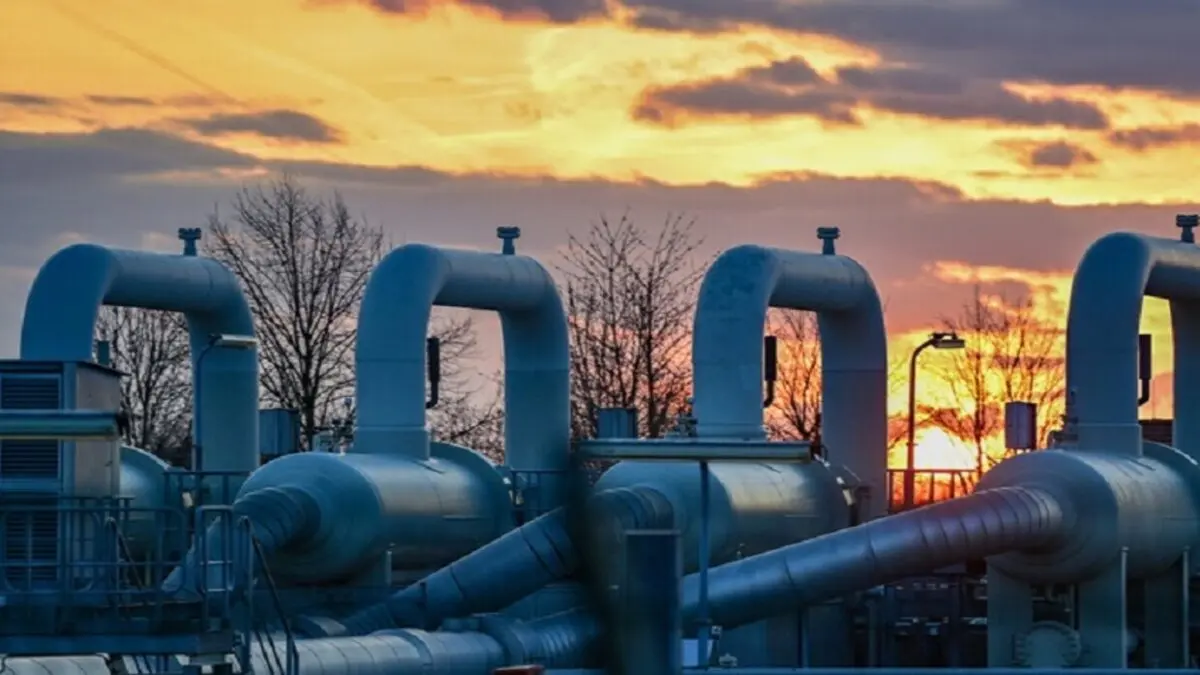
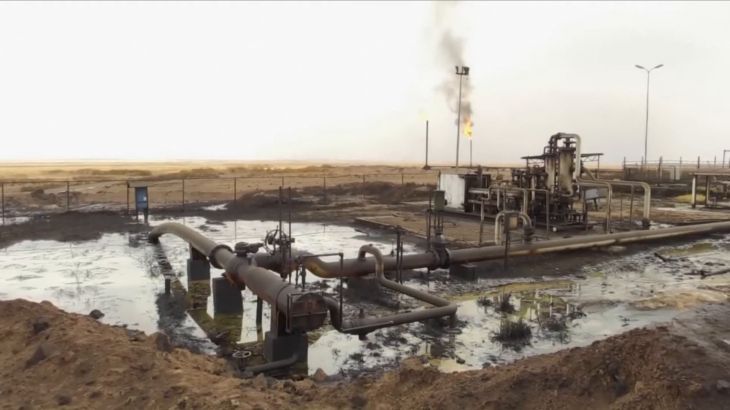
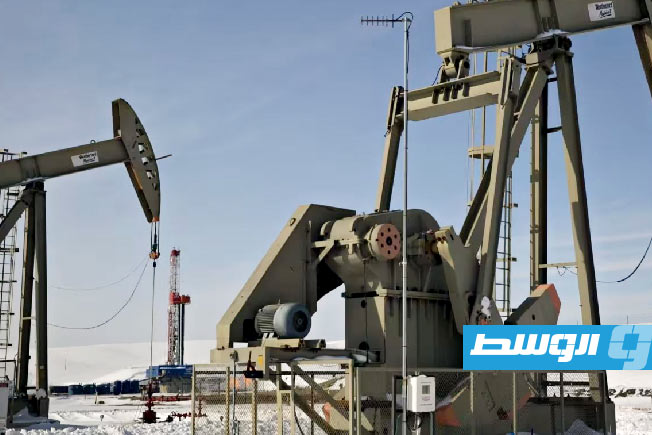
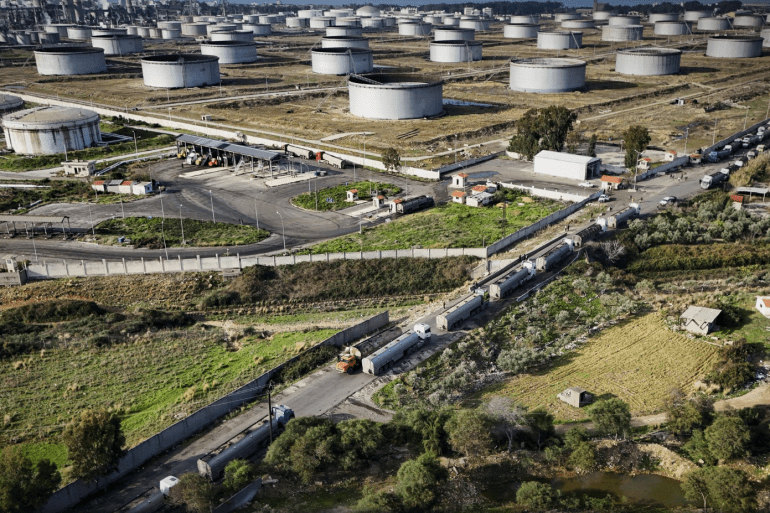
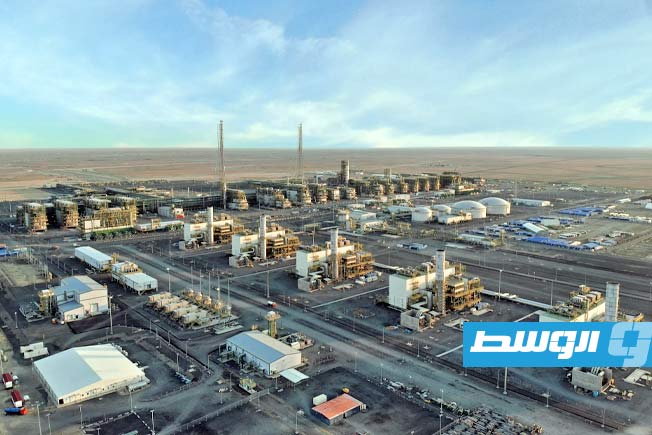
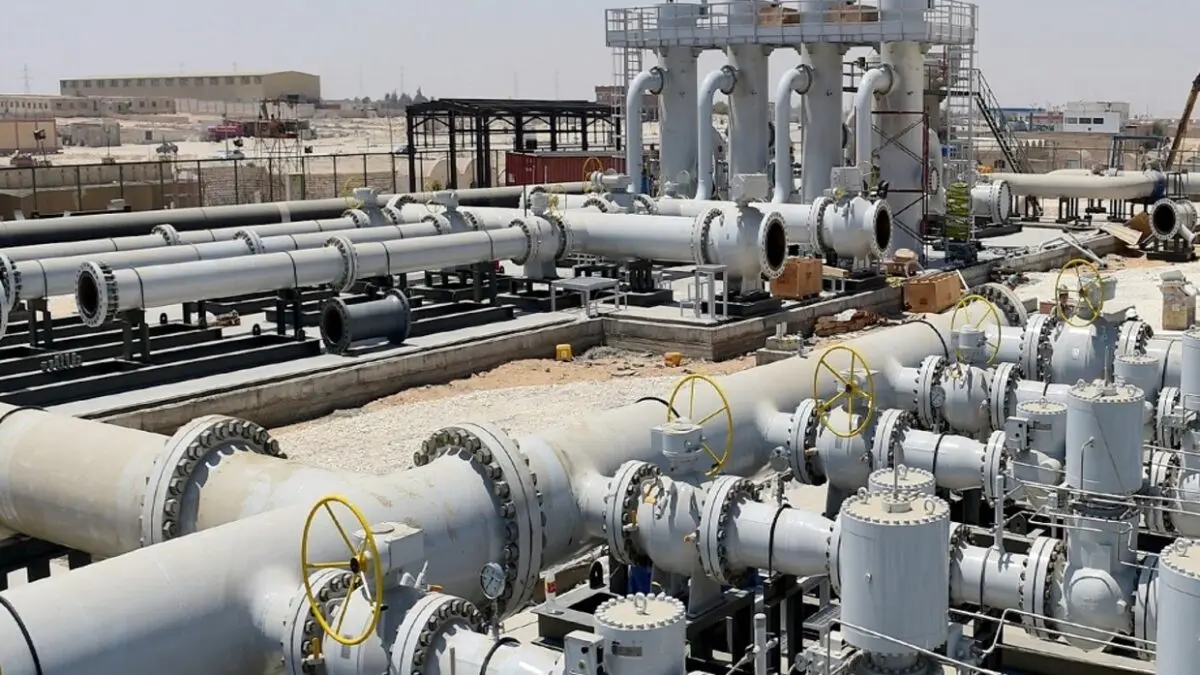
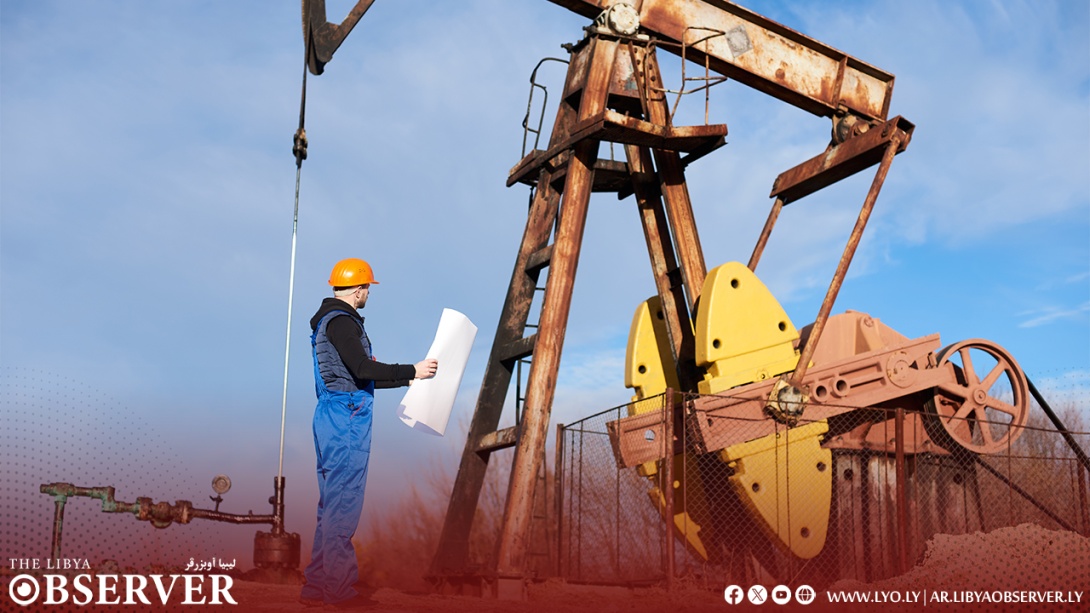
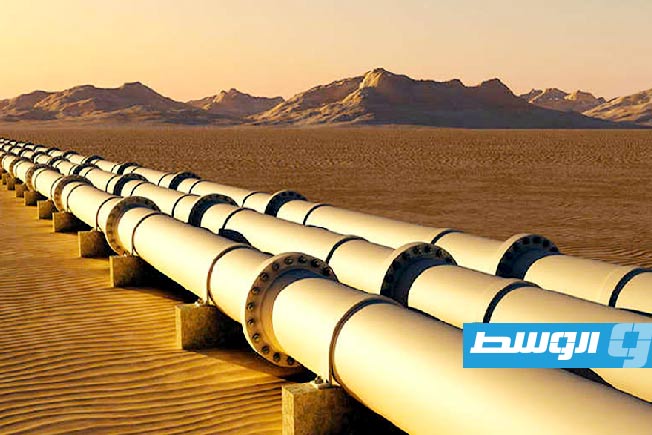
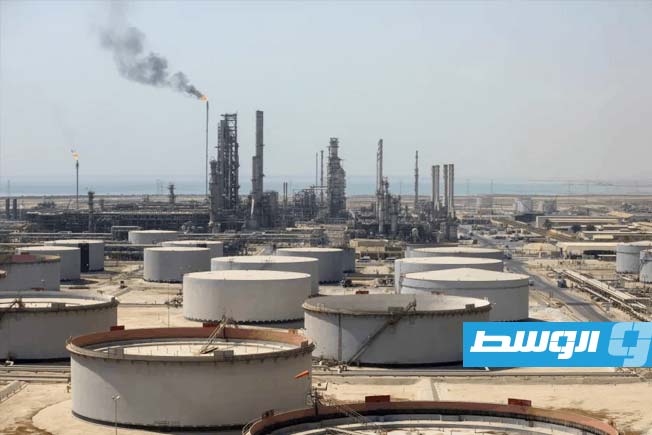
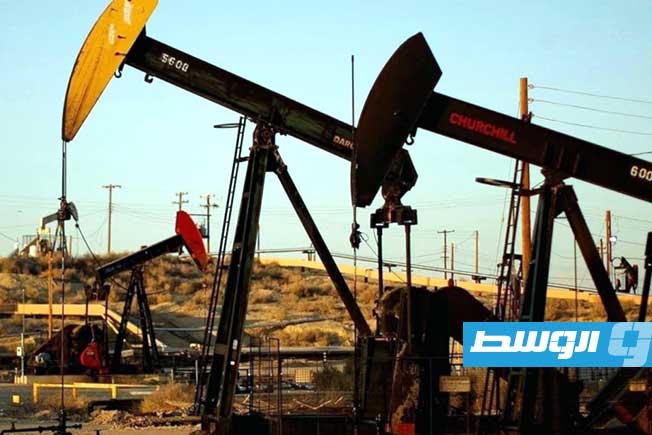
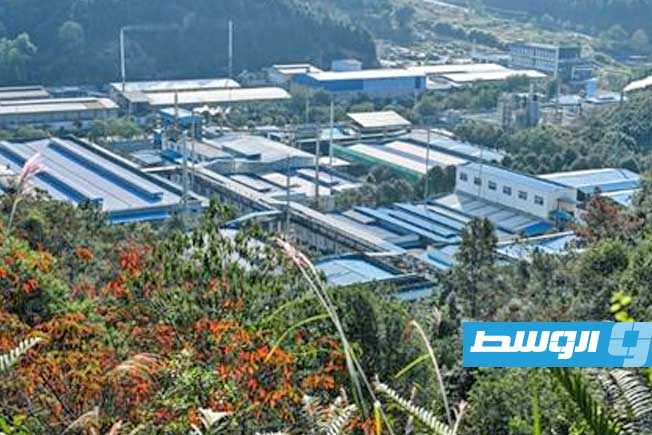
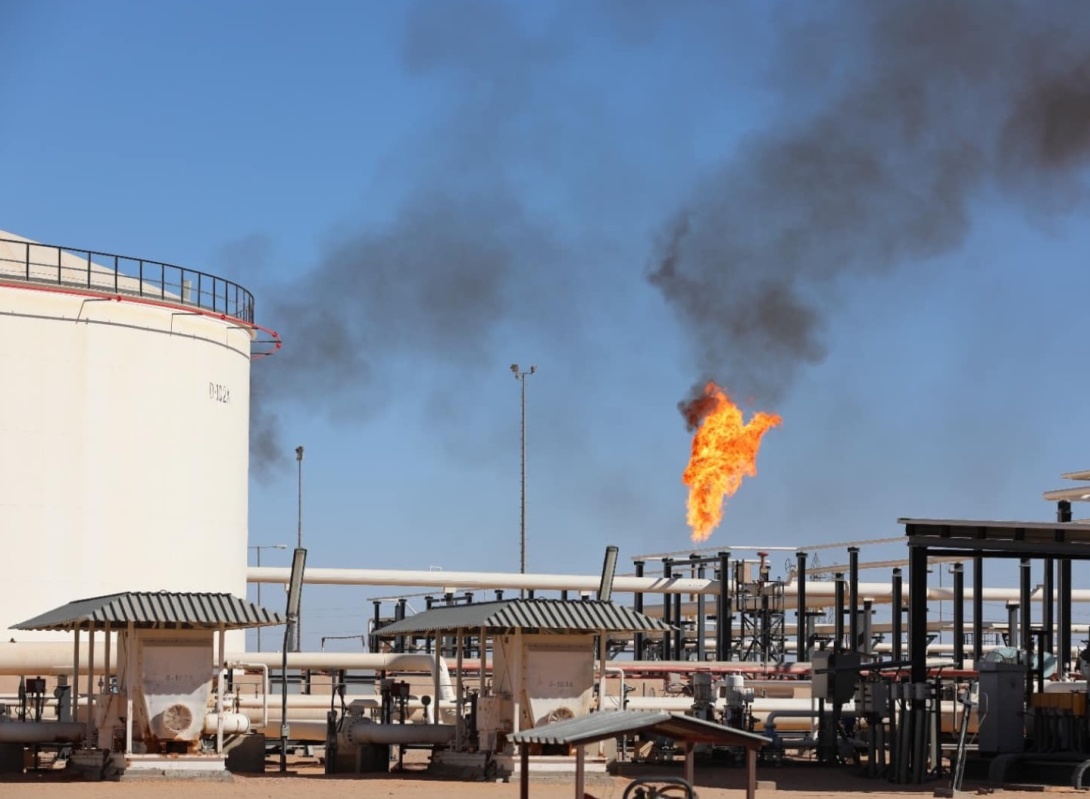
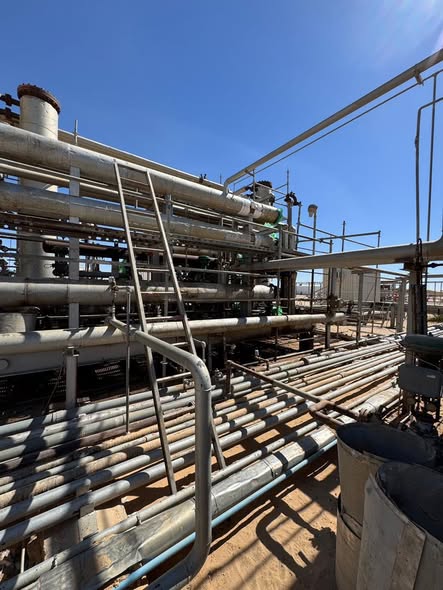
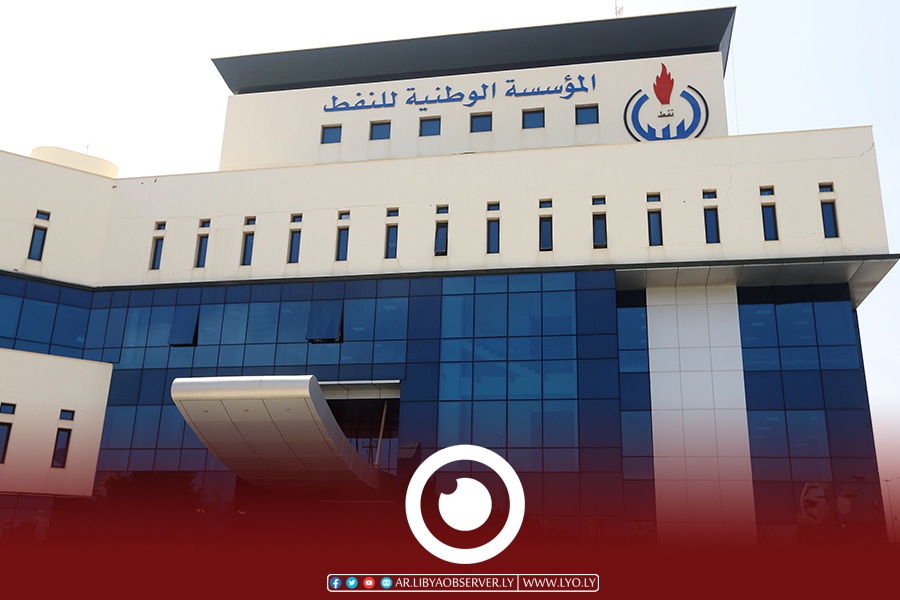
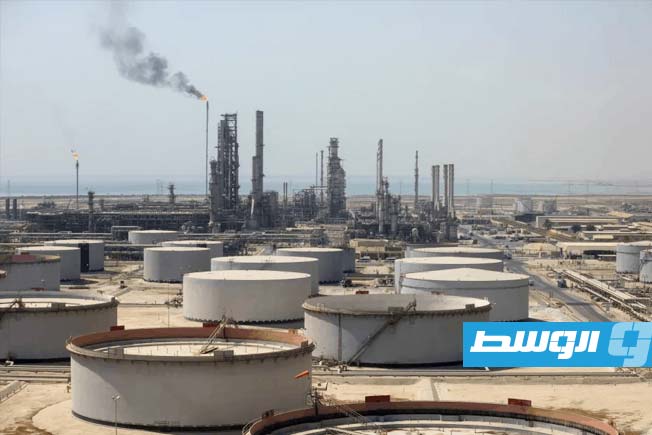
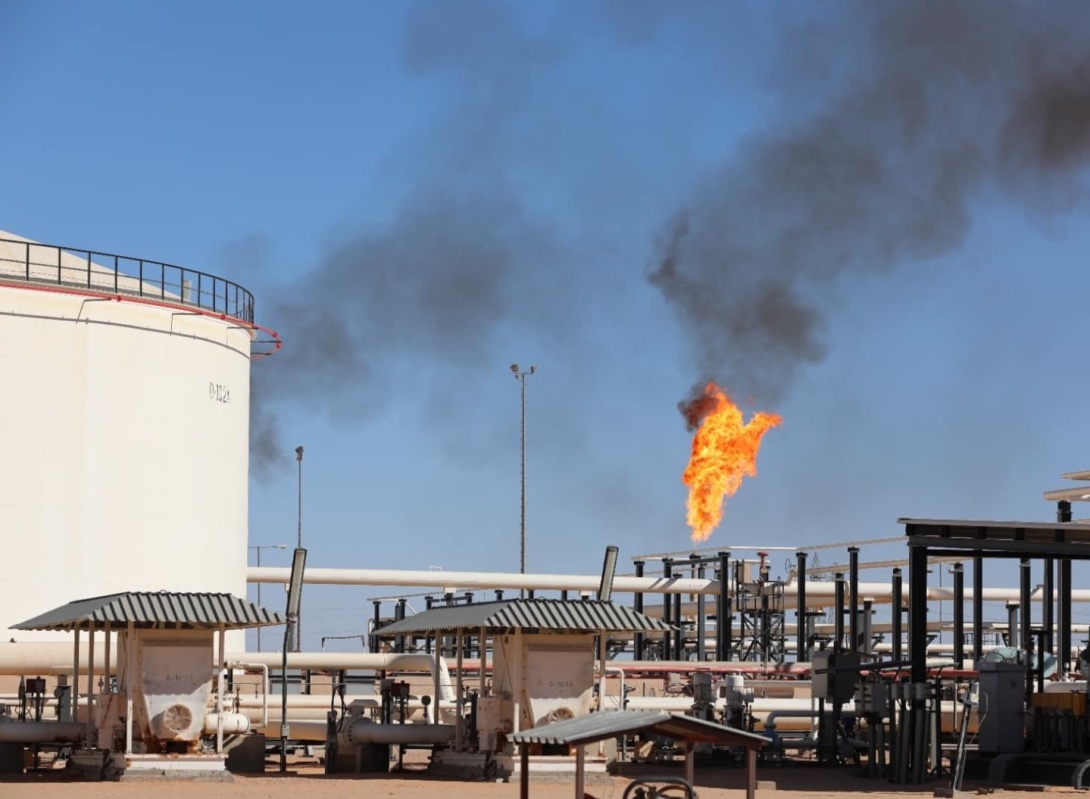
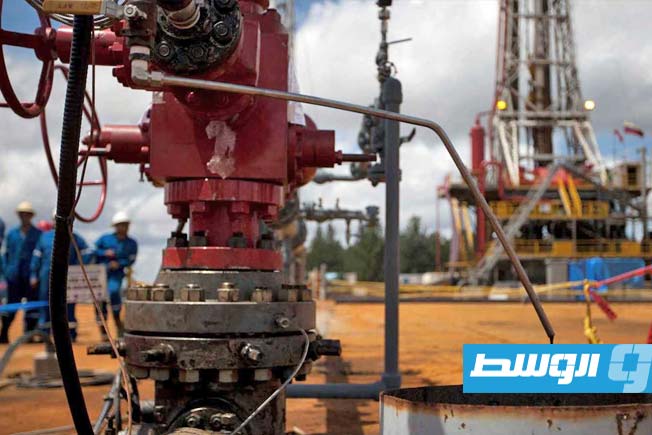
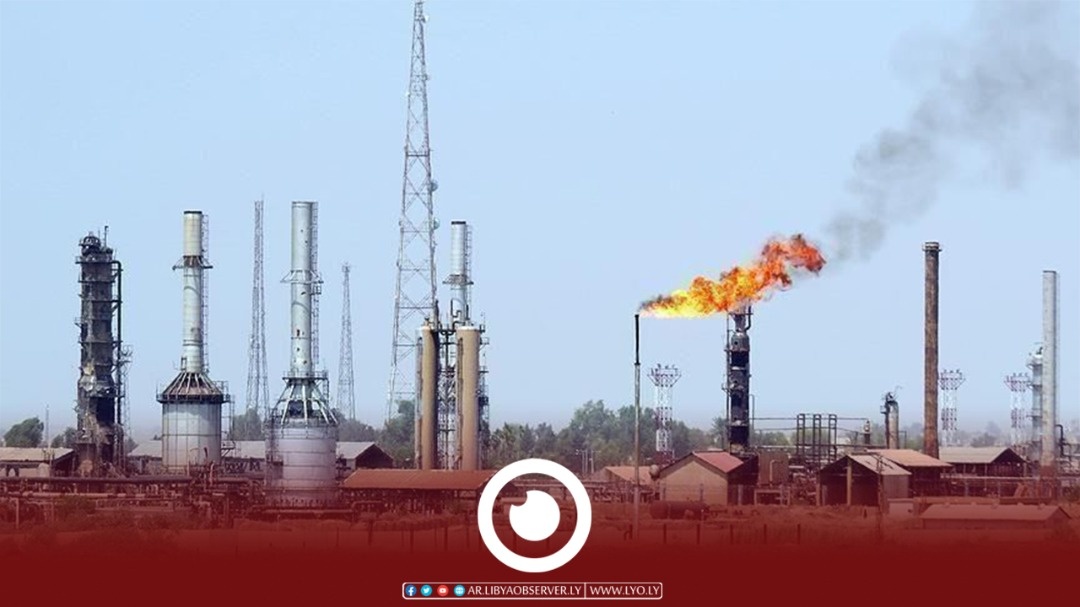
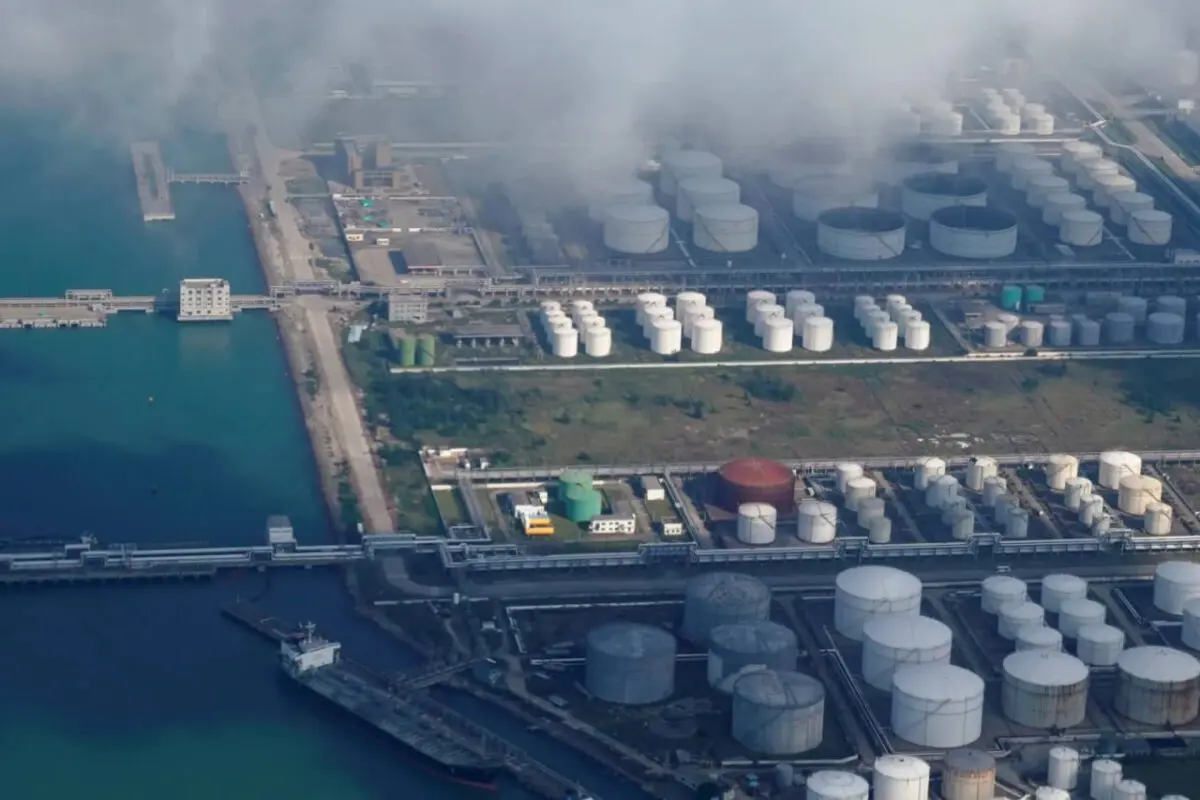
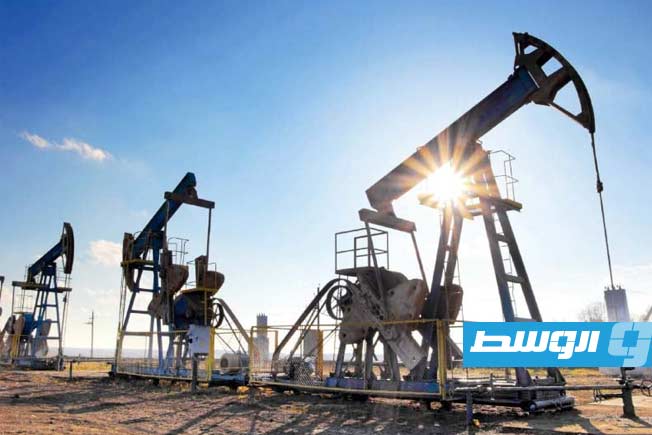
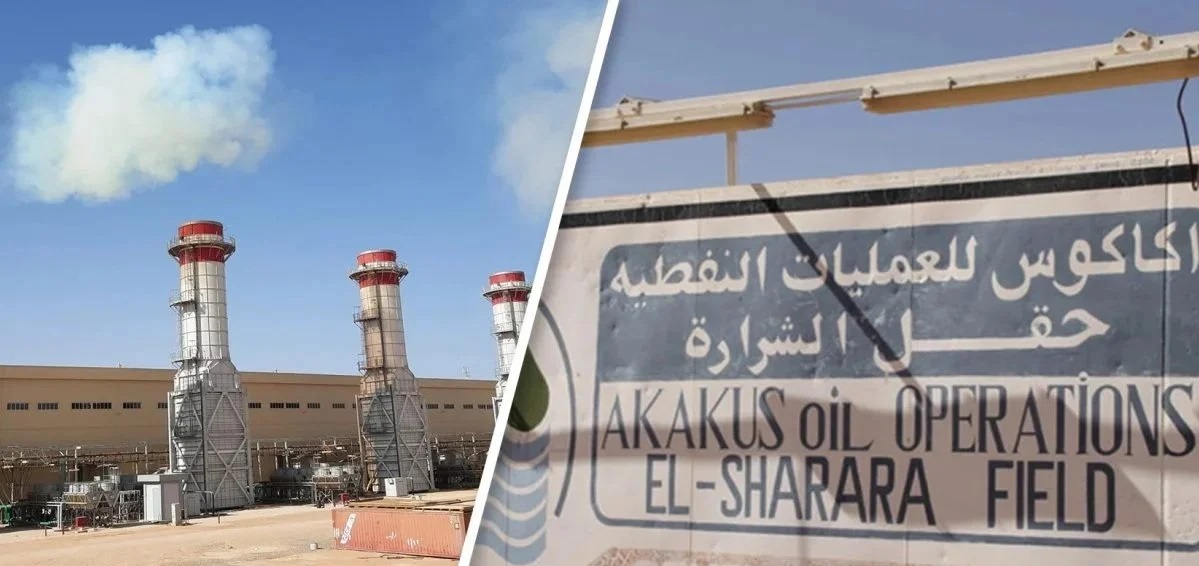
The National Oil Corporation announced this Thursday the resumption of actual operational activities at the Sarir Refinery, following the successful completion of a series of precise technical tests conducted over the past period.
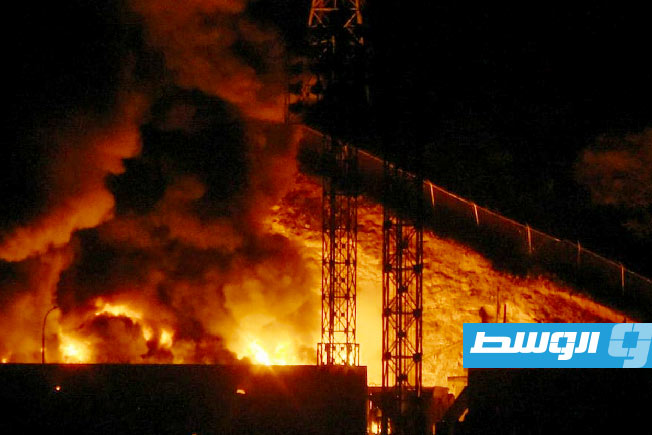
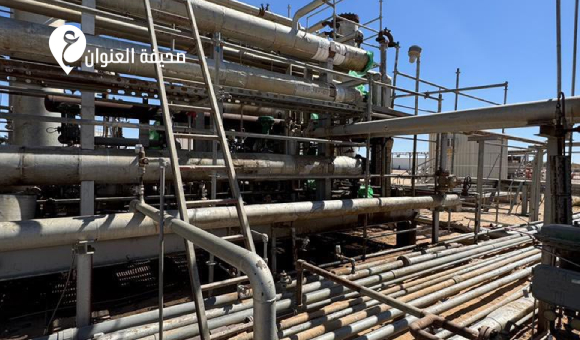
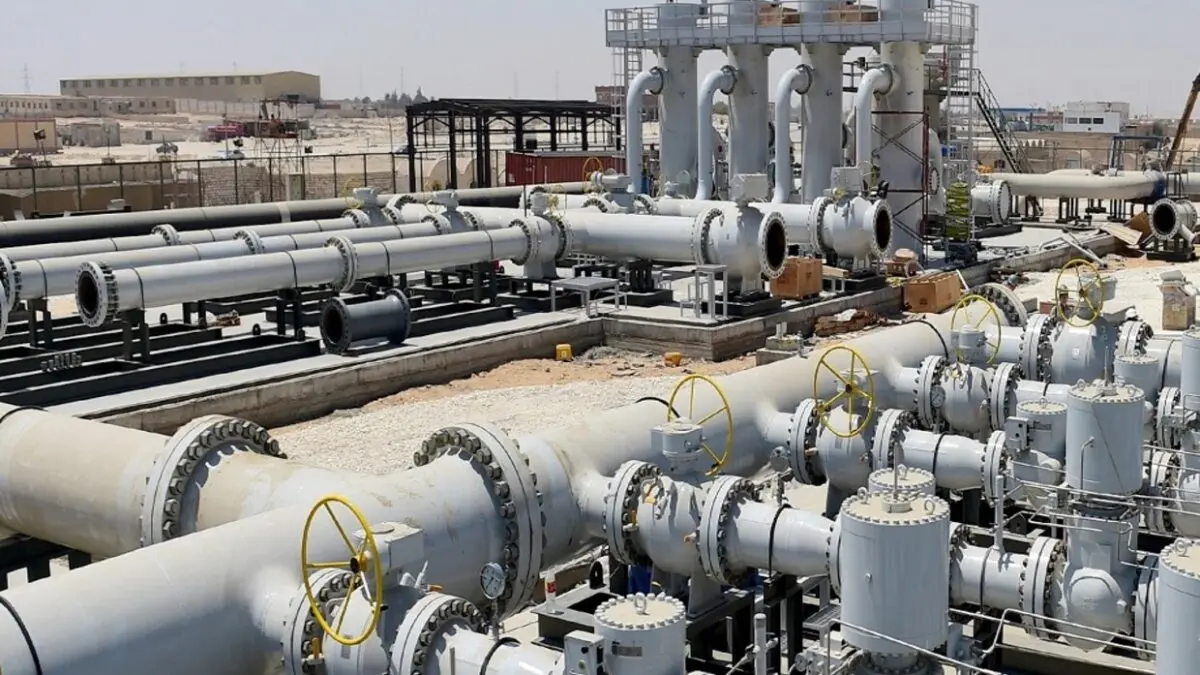
The Corporation stated in a release that the Arabian Gulf Oil Company has successfully completed the major overhaul project for the Crude Distillation Unit, confirming that the technical challenges faced by the teams during implementation necessitated temporary operational shutdowns to ensure the safety of personnel and equipment.
Importance of the Step
The resumption of operations at the Sarir Refinery is considered an important step in enhancing production capacity and ensuring the stability of refining operations, which contributes to supporting the local market and meeting its needs for petroleum derivatives.
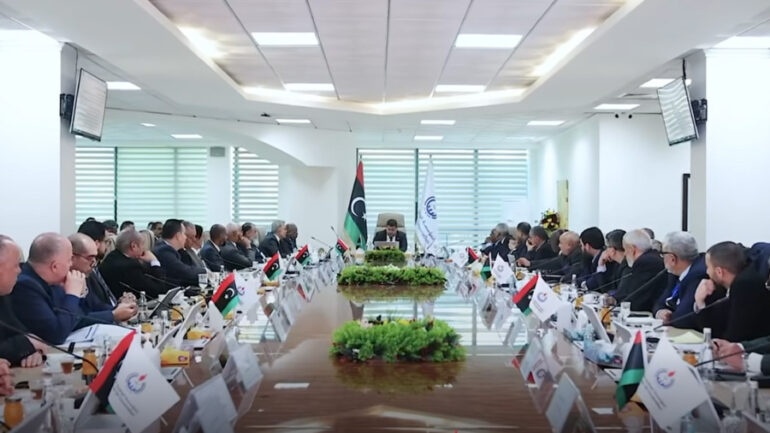
National Oil Corporation
The National Oil Corporation (NOC) is the state-owned oil company of Libya, established in 1970 to manage the country’s hydrocarbon resources. It oversees all aspects of Libya’s oil and gas production, from exploration to export, and has been a central pillar of the national economy since its founding.
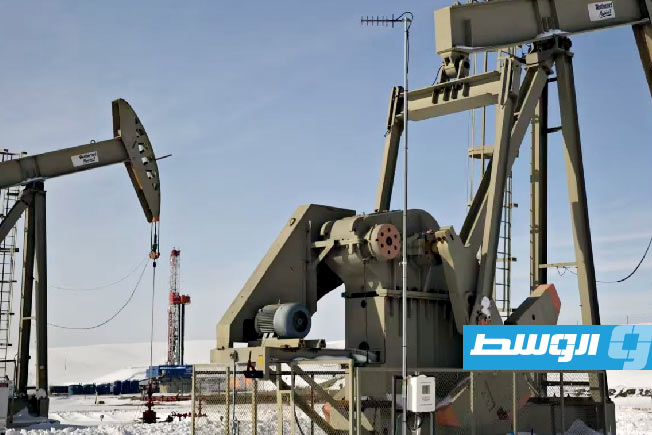
Sarir Refinery
The Sarir Refinery is an oil refinery located in the Sarir oil field of eastern Libya. It was originally constructed in the 1980s and has been a critical part of the country’s hydrocarbon industry, though its operations have been frequently disrupted by conflict and political instability since 2011.
Arabian Gulf Oil Company
The Arabian Gulf Oil Company (AGOCO) is a Libyan state-owned oil company established in 1979, following the nationalization of the assets of foreign oil firms. It operates primarily in the Sirte Basin and is a key subsidiary of Libya’s National Oil Corporation, playing a major role in the country’s petroleum production and export sector.
Crude Distillation Unit
The Crude Distillation Unit (CDU) is the primary processing unit in an oil refinery, where crude oil is first heated and separated into its basic components, or fractions, based on boiling points. This fundamental process, known as fractional distillation, has been the cornerstone of petroleum refining since the industry’s inception in the mid-19th century, enabling the production of fuels and feedstocks.