Acting Libyan Representative in Tokyo Welcomes Return of Japanese Companies to Contribute to Implementing Development Projects in Libya.
libyawire.org > News > Culture > Acting Libyan Representative in Tokyo Welcomes Return of Japanese Companies to Contribute to Implementing Development Projects in Libya.
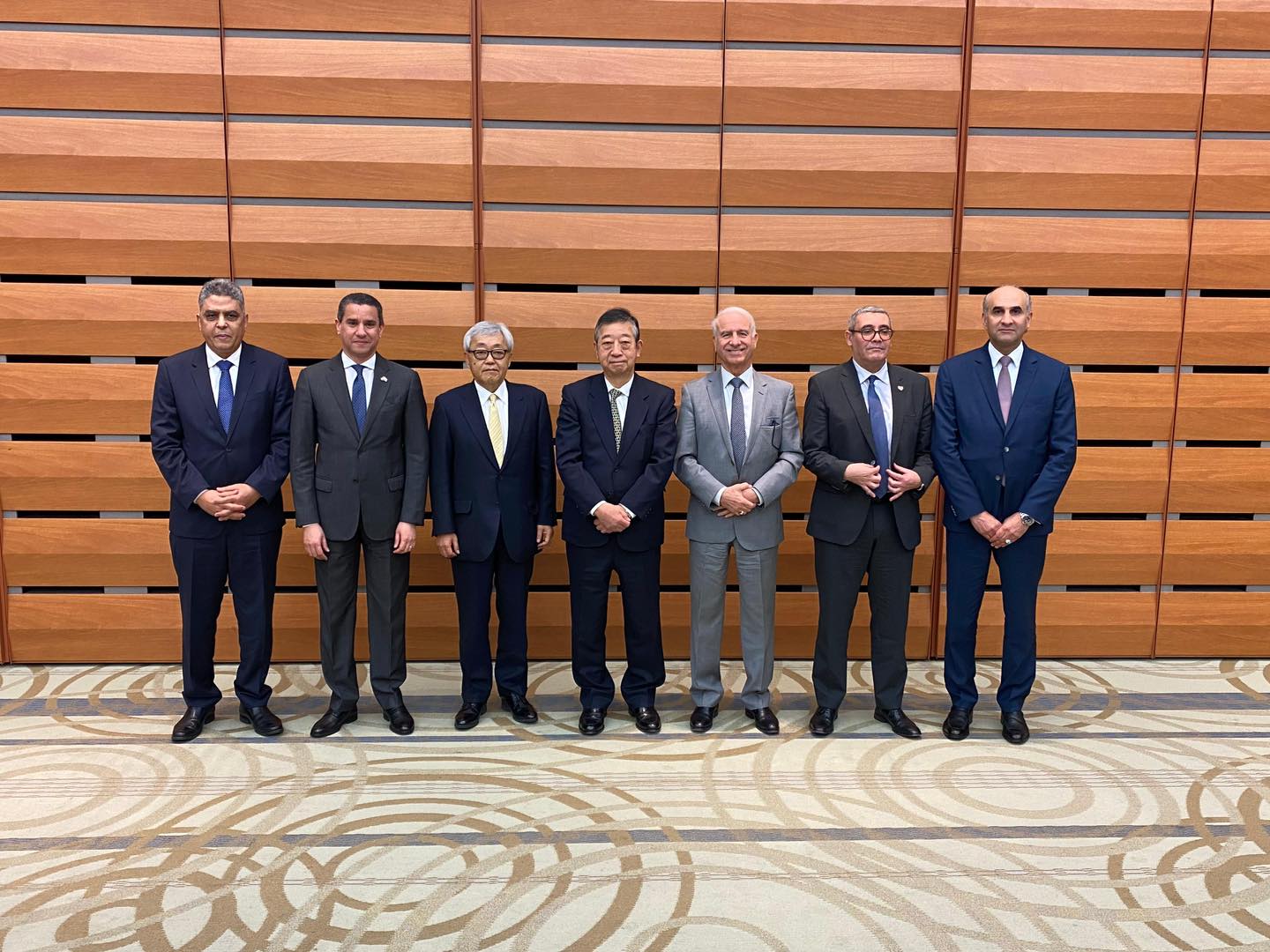
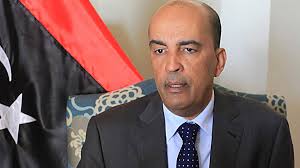
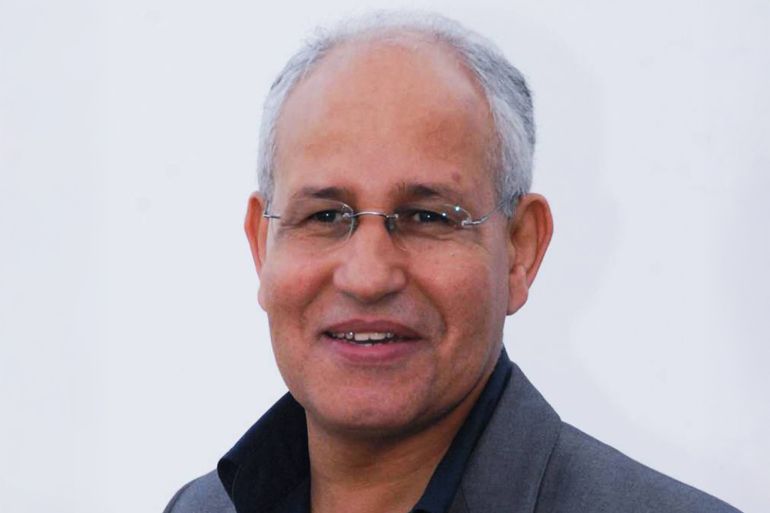
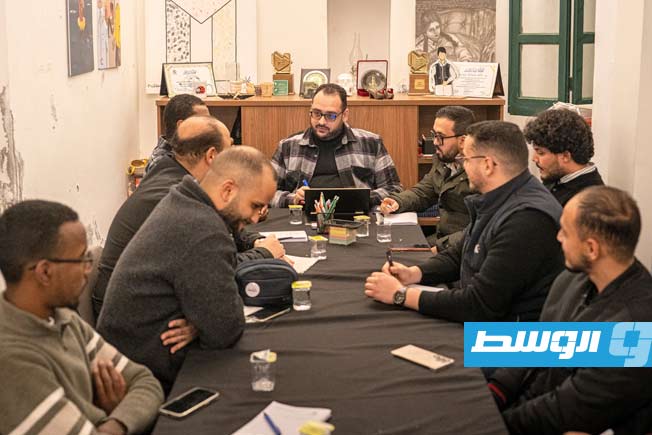
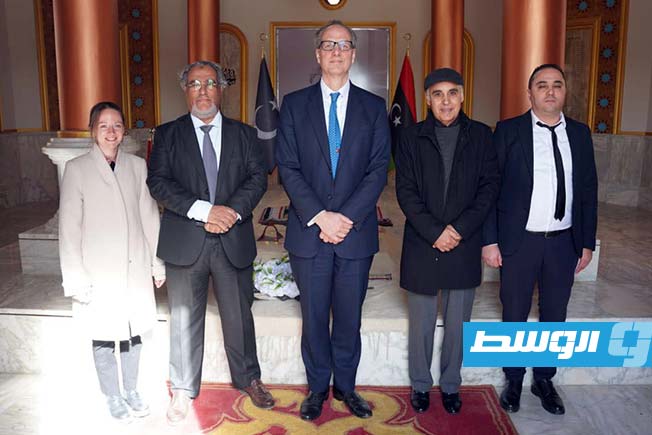
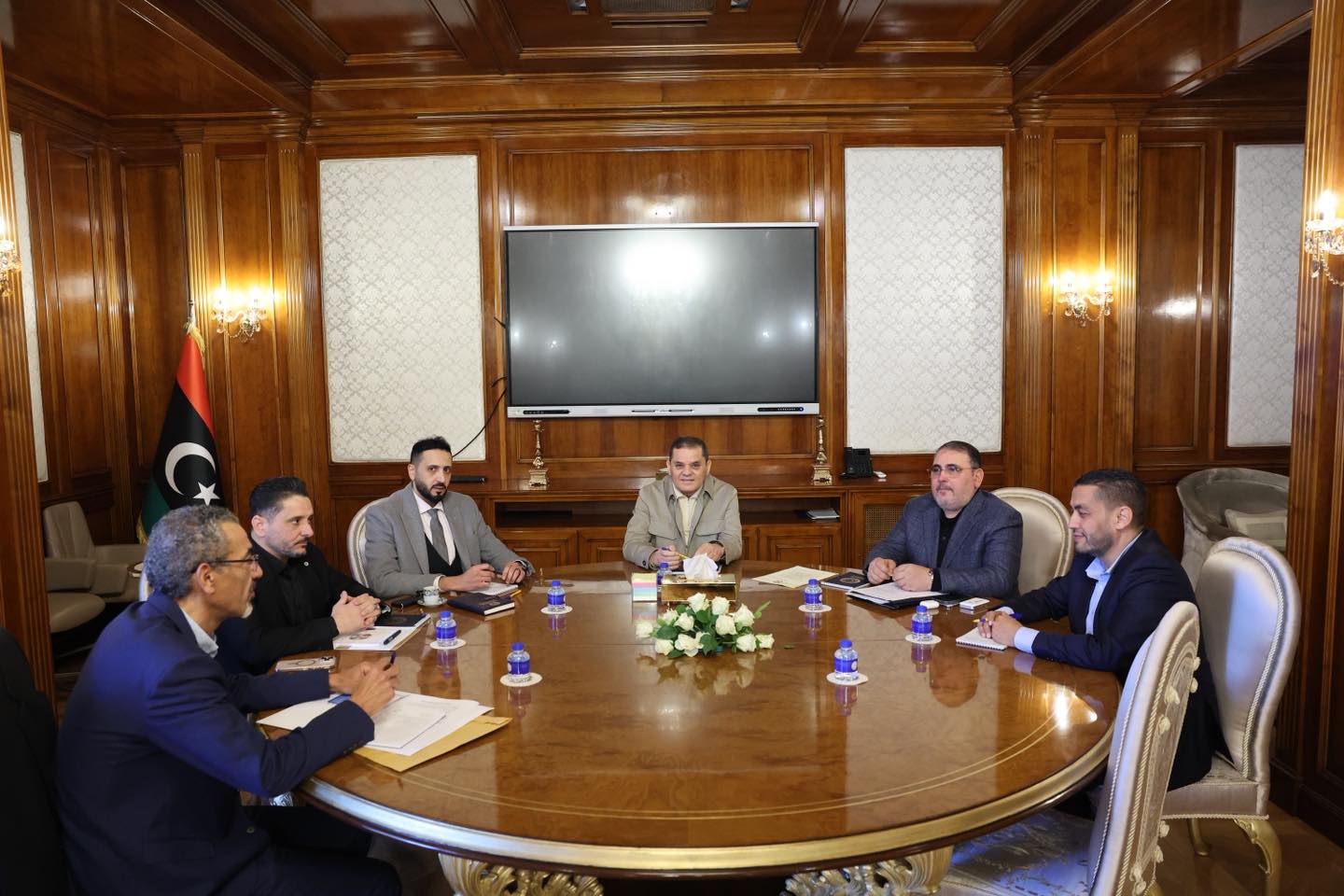
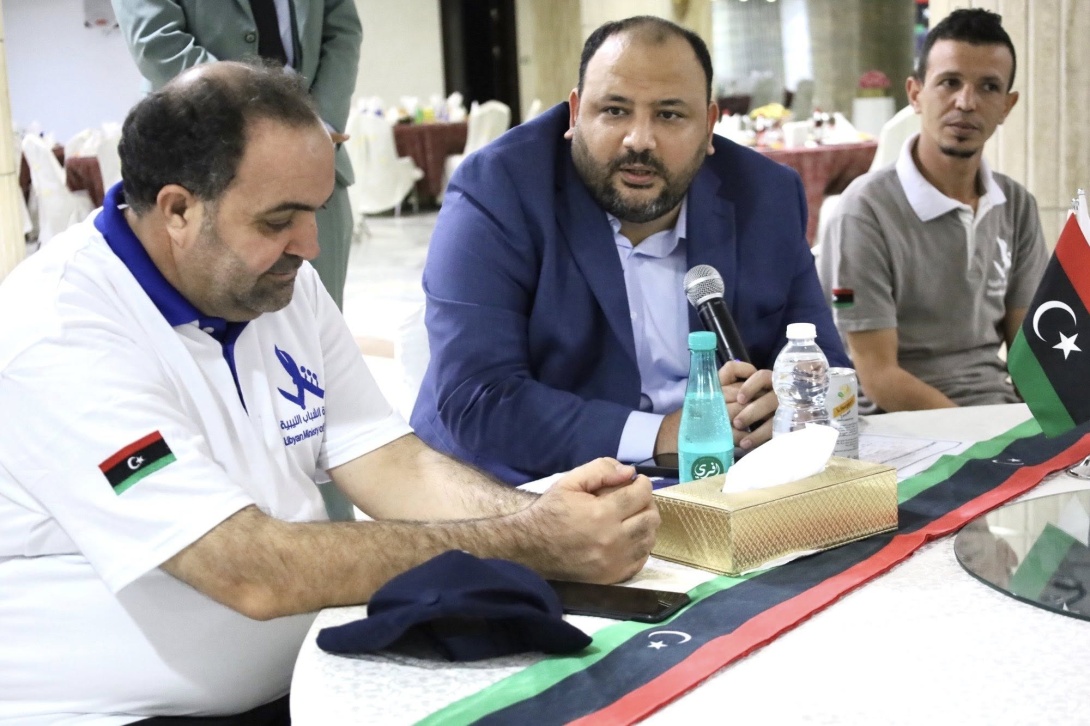
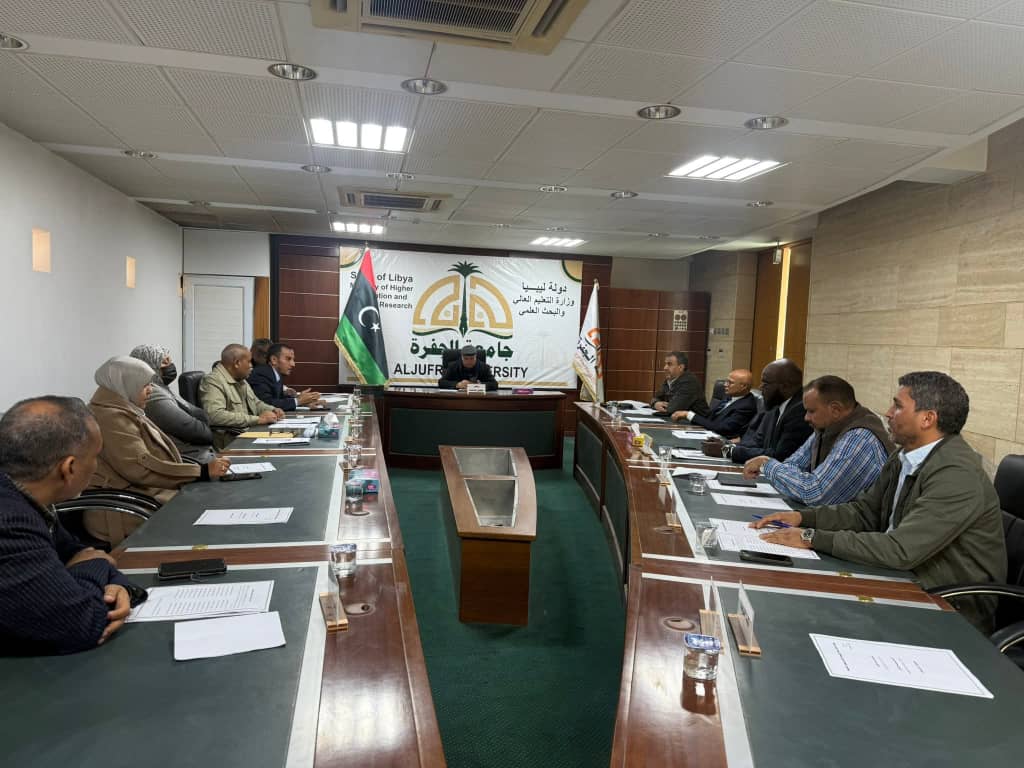
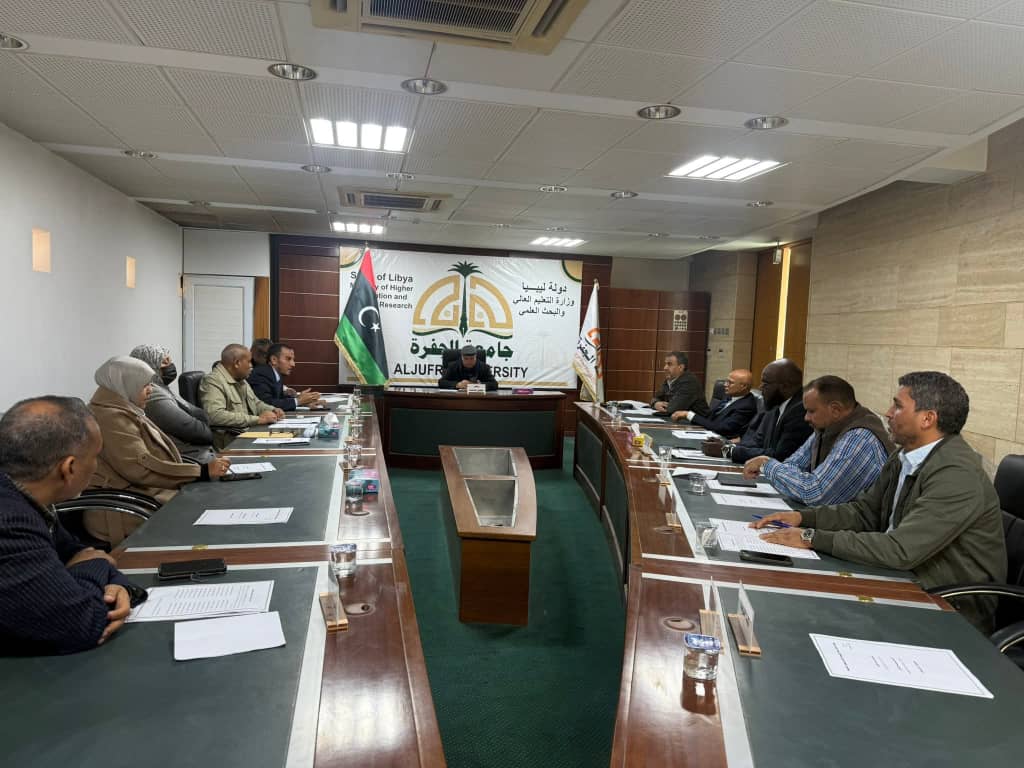
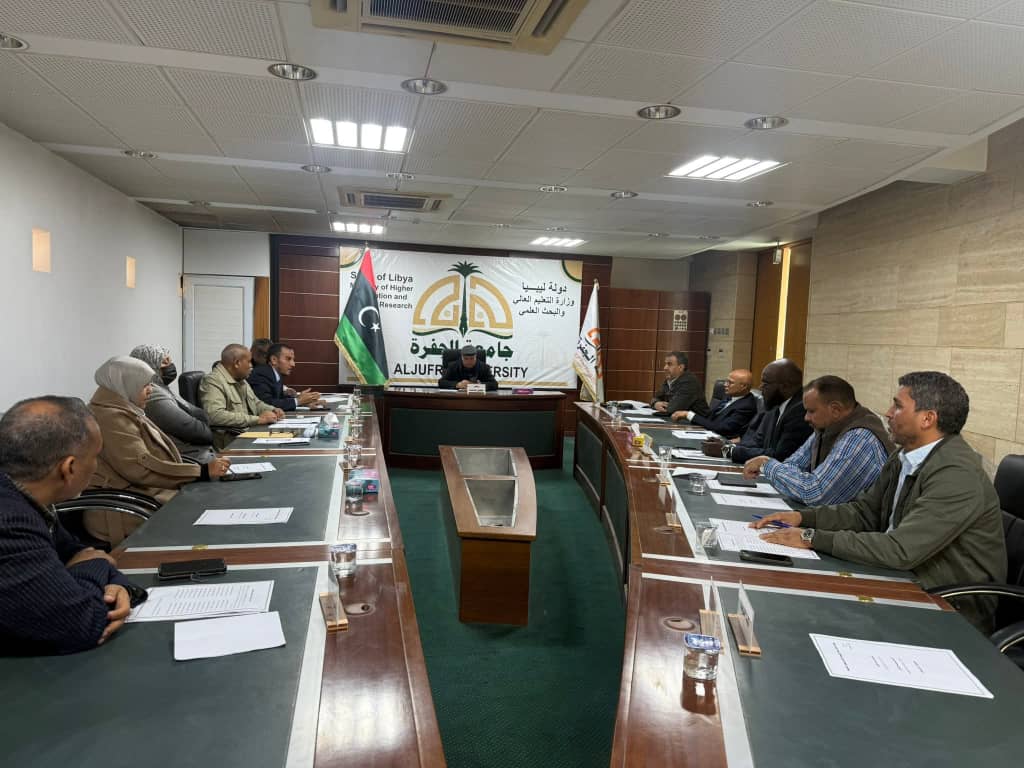
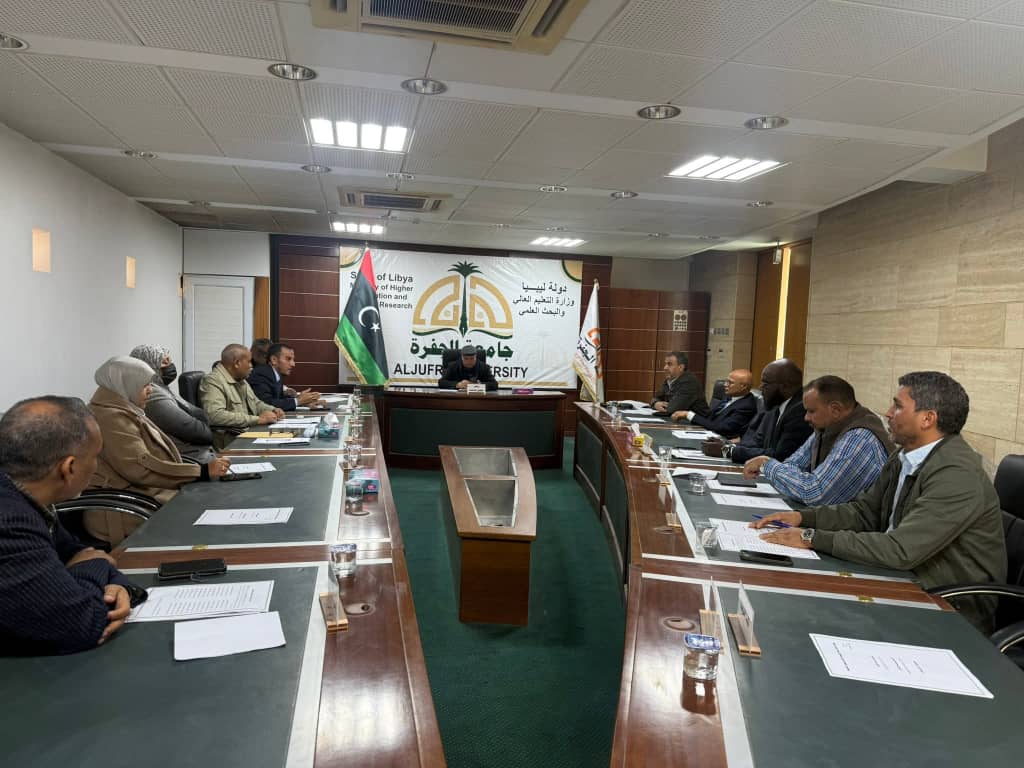
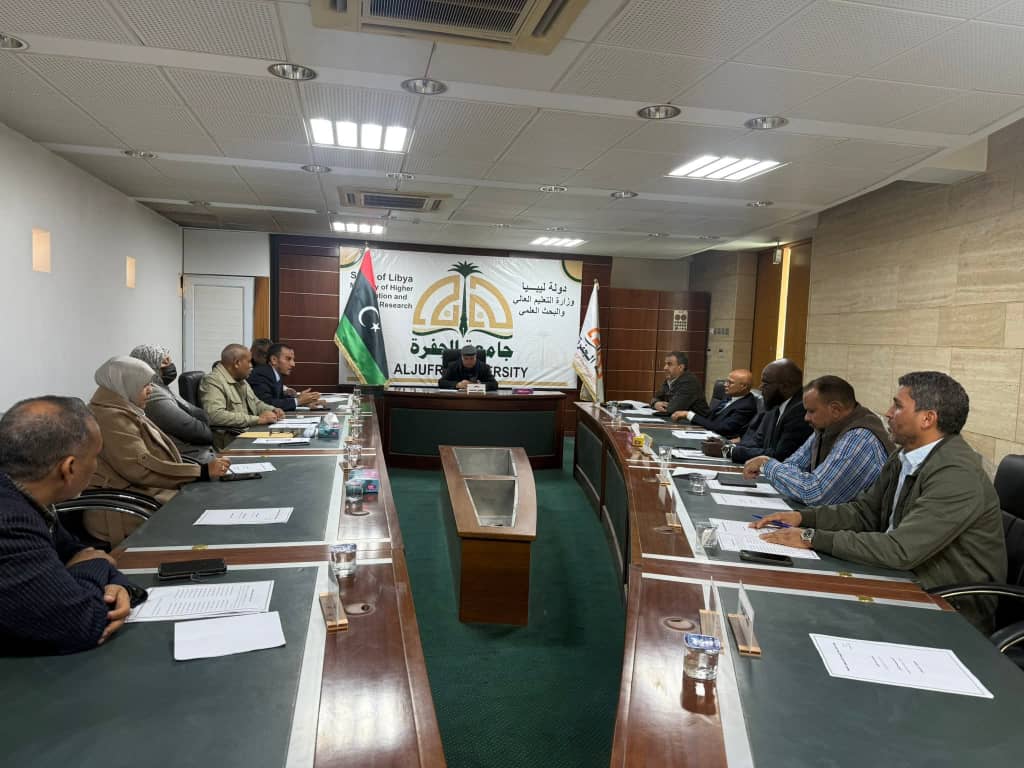
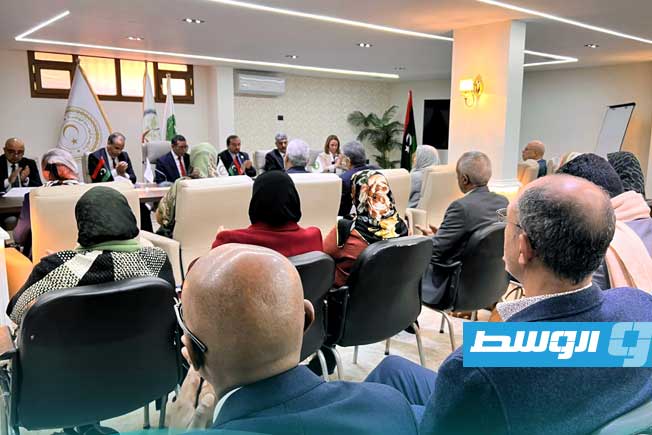
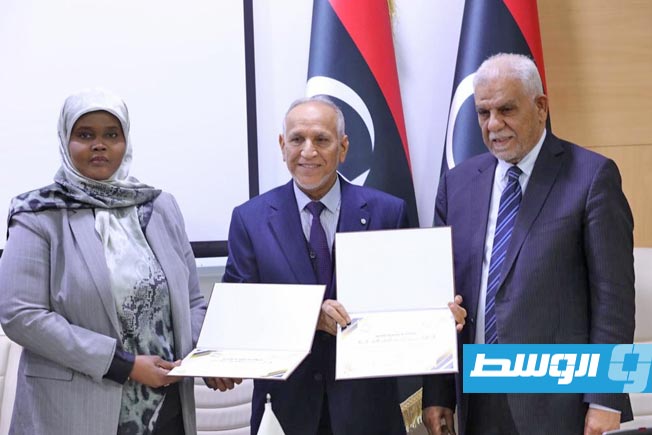
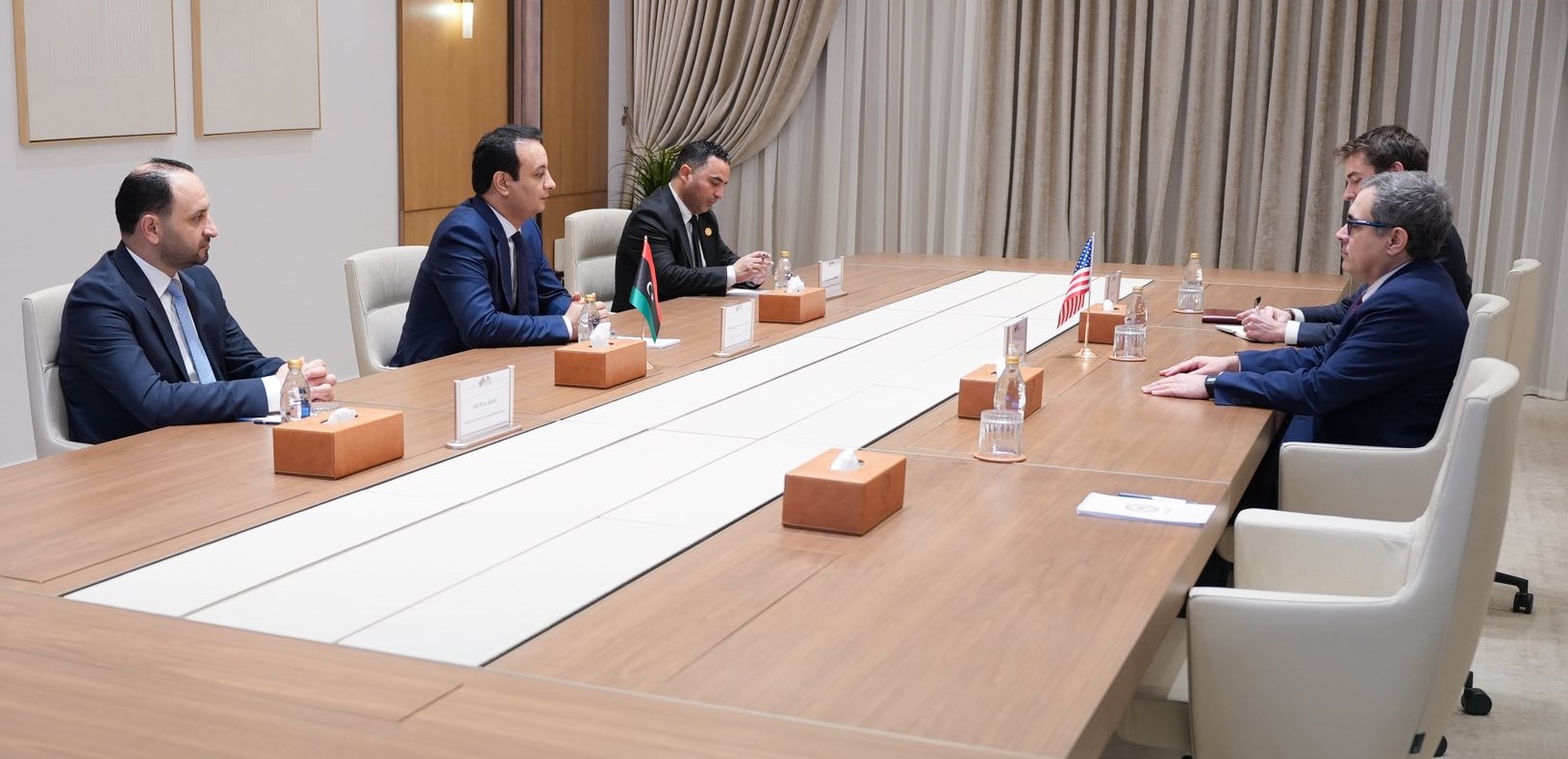
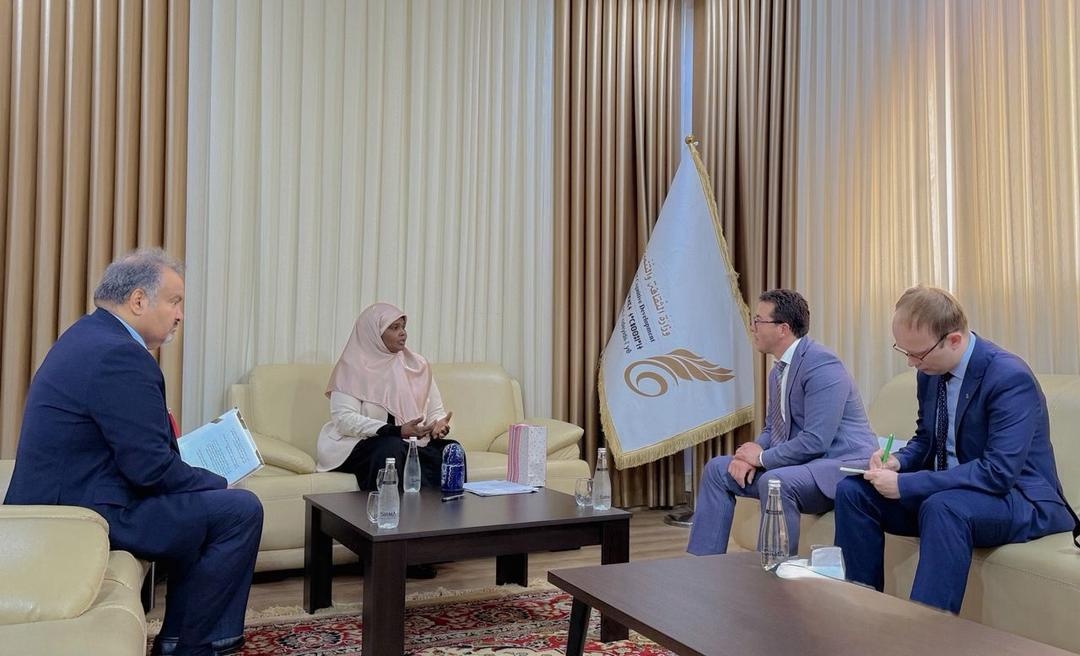
Tripoli, February 20, 2026 – The Chargé d’Affaires of the Libyan Embassy in Japan participated in a meeting of ambassadors from North African countries with the Japanese Business Federation (Keidanren).
The Chargé d’Affaires reviewed the positive developments in the security and economic situation in Libya, noting the return of many companies to resume their activities. He affirmed Libya’s welcome for the return of Japanese companies to contribute to the implementation of development projects.
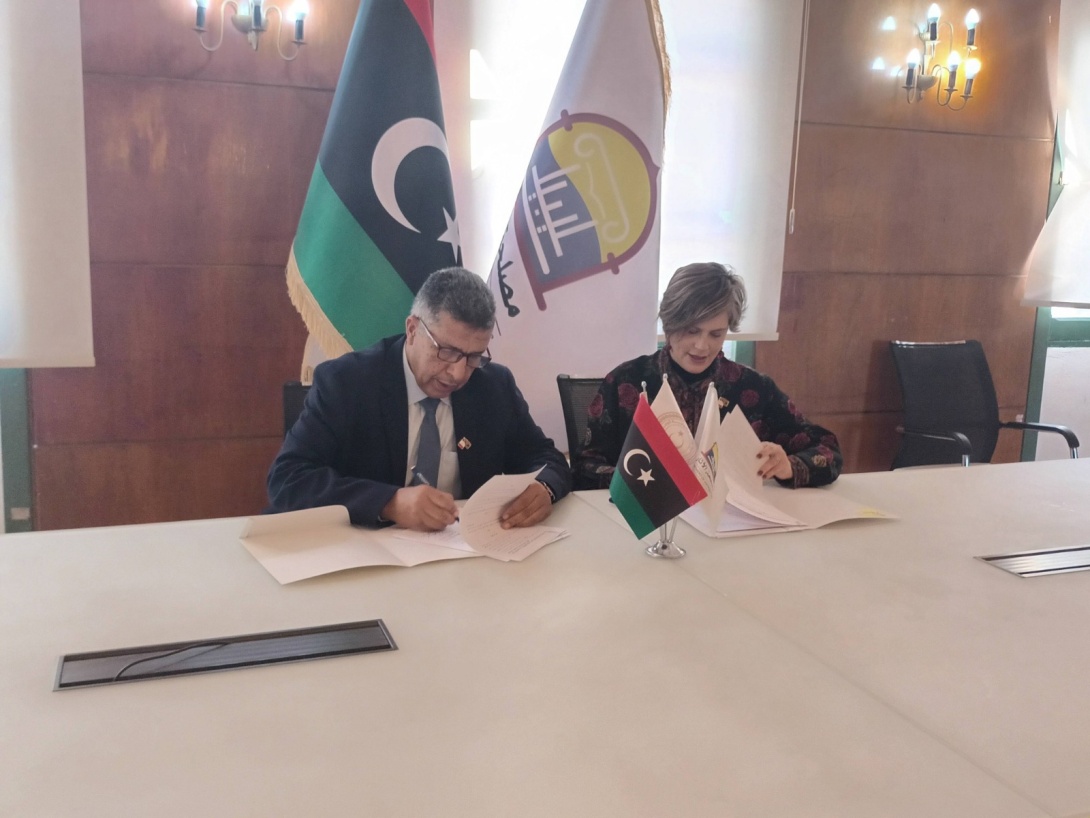
The meeting – held at the Federation’s headquarters with the heads of mission from Libya, Morocco, Mauritania, Tunisia, and Egypt in attendance – discussed ways to enhance economic and investment cooperation between Japan and North African countries.
The head of the Keidanren’s Africa Committee emphasized the importance of expanding partnership horizons and leveraging the available potential on the African continent, particularly in the fields of natural resources and human capital.
The meeting was attended by a number of senior executive officials from the Federation, as well as representatives from several major Japanese companies.
…
Tripoli
Tripoli is the capital and largest city of Libya, with a history dating back to the 7th century BC when it was founded by the Phoenicians. It later became a significant Roman city and a major port under various rulers, including the Ottomans and Italians, which is reflected in its historic medina and Red Castle (Assaraya al-Hamra).
Libyan Embassy in Japan
The Libyan Embassy in Japan is the diplomatic mission representing Libya in Tokyo, established to foster bilateral relations between the two nations. Its history reflects the broader political changes in Libya, with its operations and diplomatic stance evolving through different governmental periods, including the monarchy, the Gaddafi era, and the post-2011 transitional governments.
Japan
Japan is an island nation in East Asia with a history spanning millennia, from its early imperial era to the feudal shogunate periods and its rapid modernization following the Meiji Restoration. It is renowned for its unique cultural heritage, including traditions like tea ceremony and kabuki, as well as its significant global influence in technology and pop culture.
Japanese Business Federation
The Japanese Business Federation, known as Keidanren, is Japan’s most influential economic organization, founded in 1946 to help rebuild the nation’s postwar economy. It represents the interests of Japan’s largest corporations and major industrial associations, playing a central role in shaping national economic and industrial policy.
Keidanren
Keidanren, or the Japan Business Federation, is a powerful economic organization founded in 1946 that represents Japan’s major corporations and business interests. It plays a central role in shaping national economic policy and fostering cooperation between the government and the private sector. Historically, it was formed by merging with Nikkeiren (Japan Federation of Employers’ Associations) in 2002, consolidating its influence on both industrial policy and labor relations.
Libya
Libya is a North African country with a rich history rooted in ancient civilizations like the Phoenicians and Romans, followed by centuries of Arab and Ottoman influence. In the modern era, it was an Italian colony before gaining independence in 1951, later becoming known for Muammar Gaddafi’s lengthy rule from 1969 until the 2011 revolution. The country is home to UNESCO World Heritage sites, such as the ruins of Leptis Magna, which testify to its significant historical legacy.
Morocco
Morocco is a North African country with a rich history shaped by indigenous Amazigh (Berber) cultures, Arab influence from the 7th century, and successive dynasties like the Almoravids and Almohads. Its cultural sites, such as the ancient city of Fez and the Koutoubia Mosque in Marrakech, reflect this blend of Arab, Islamic, and Amazigh heritage. The country’s historic medinas, kasbahs, and varied landscapes from the Sahara Desert to the Atlas Mountains are central to its identity.
Mauritania
Mauritania is a country in Northwest Africa known for its vast Saharan desert landscapes and rich cultural history rooted in Berber, Arab, and African influences. Historically, it was part of several West African empires and later a French colony before gaining independence in 1960. Notable cultural sites include the ancient trading cities of Chinguetti and Ouadane, which are UNESCO World Heritage centers of Islamic scholarship and desert architecture.
Tunisia
Tunisia is a North African country with a rich history shaped by ancient civilizations, including the Phoenicians who founded Carthage, followed by Roman, Arab, and Ottoman rule. It later became a French protectorate before gaining independence in 1956. Today, it is known for its archaeological sites, Mediterranean coastline, and as the birthplace of the Arab Spring pro-democracy movement in 2011.
Egypt
Egypt is home to one of the world’s oldest civilizations, with a recorded history spanning over 5,000 years and iconic monuments like the Pyramids of Giza and the Sphinx from the Old Kingdom era. Its rich cultural legacy includes pharaonic, Greco-Roman, Coptic Christian, and Islamic influences, centered for millennia along the fertile Nile River valley.
Africa Committee
The Africa Committee, also known as the Comité de l’Afrique, was a 19th-century French parliamentary body established in 1890. Its primary purpose was to oversee and coordinate colonial policy and administration across France’s expanding territories in Africa, particularly in West and Central Africa. It played a significant role in shaping the governance and economic exploitation of these regions during the era of the French colonial empire.
African continent
The African continent is the world’s second-largest and second-most populous landmass, widely recognized as the birthplace of humankind. It possesses an exceptionally deep and complex history, encompassing ancient civilizations like Egypt and Aksum, vast empires such as Mali and Great Zimbabwe, and a profound cultural legacy shaped by diverse kingdoms, trade routes, and traditions.