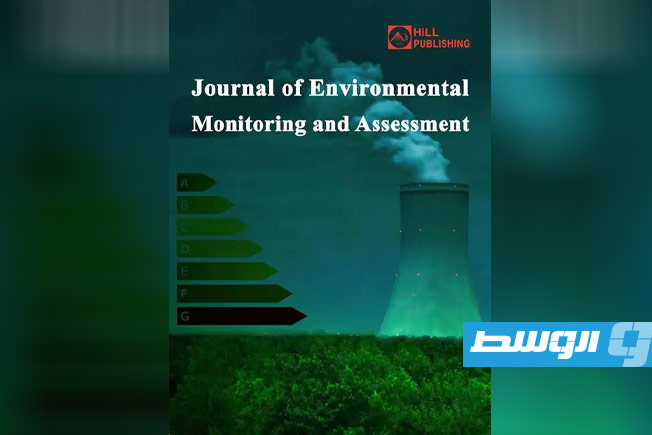
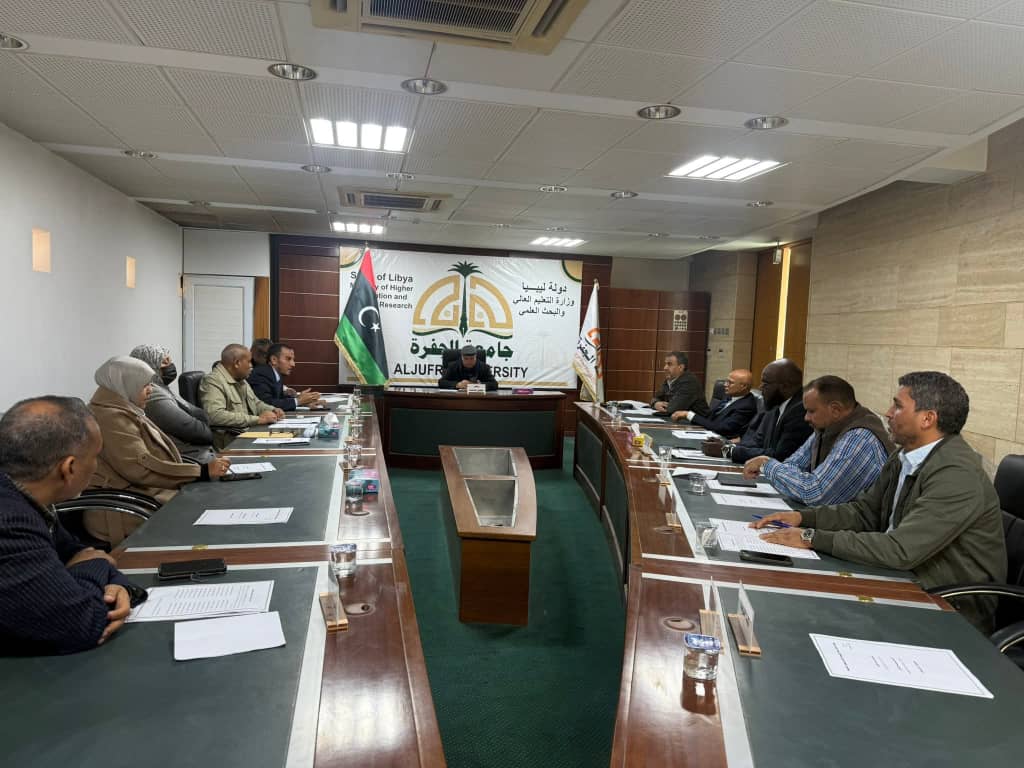
In an effort to enhance the presence of Arab academics in international scientific journals, nominations have opened to join the editorial board of the emerging international scientific journal, the Journal of Environmental Monitoring and Assessment (JEMA), following an official invitation to join its editorial team.
The journal aims to expand its editorial board by nominating experienced professors and academic researchers, particularly those holding the rank of associate professor or higher, in the fields of environment, engineering, applied sciences, or related scientific disciplines.
This academic opportunity offers a number of advantages, most notably participation in international scientific activity, expanding academic networks, early access to the latest scientific research, as well as benefits related to scientific publishing and academic evaluation.
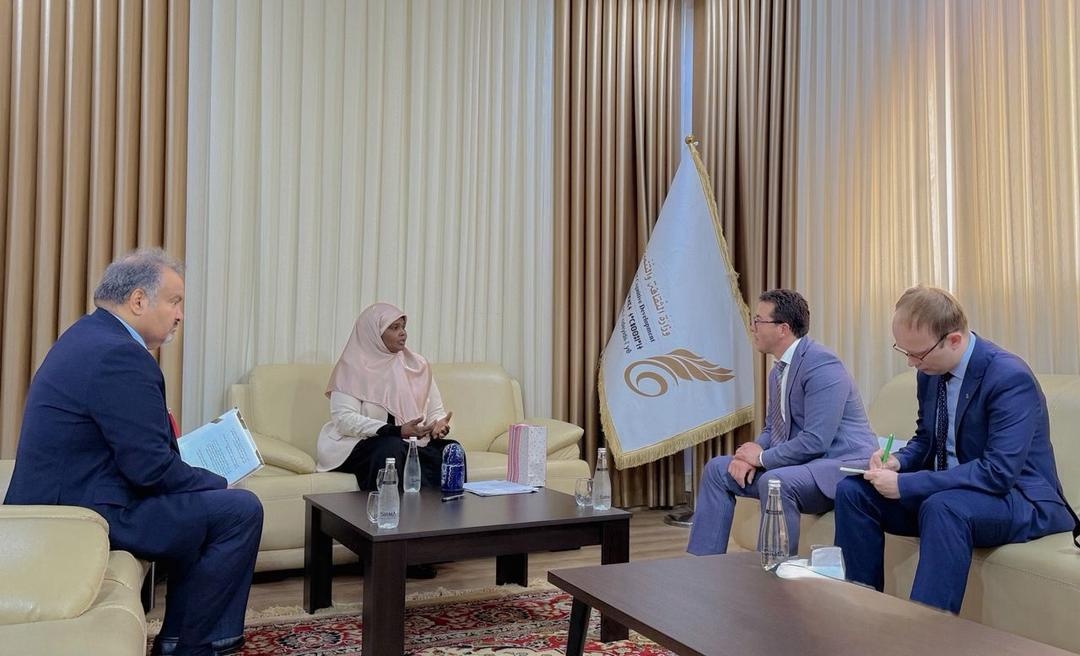
Interested parties or those who know researchers meeting the criteria were called upon to communicate directly to coordinate nomination procedures, emphasizing the importance of representing Libyan and Arab researchers in international scientific forums and enhancing their academic presence on a global level.
Journal of Environmental Monitoring and Assessment
The Journal of Environmental Monitoring and Assessment is a peer-reviewed scientific publication focused on research related to monitoring, assessing, and managing environmental systems. It was established to provide a platform for disseminating studies on pollution, ecological risk, and environmental data analysis, contributing to the field since its inception.
JEMA
JEMA, or the Jordan Exporters and Manufacturers Association, is a non-profit organization established in 1985 to represent and support Jordanian industrial and export sectors. It plays a key role in promoting Jordanian products internationally and advocating for policies that enhance the competitiveness of local industries.
Libyan
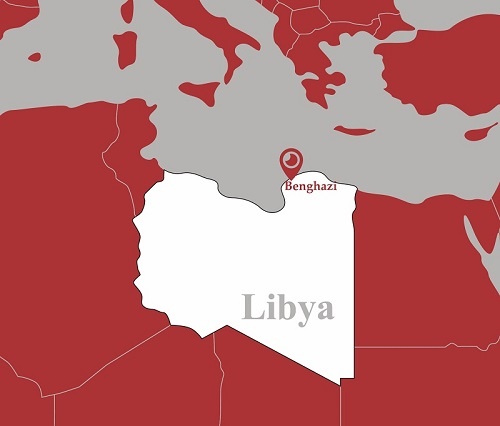
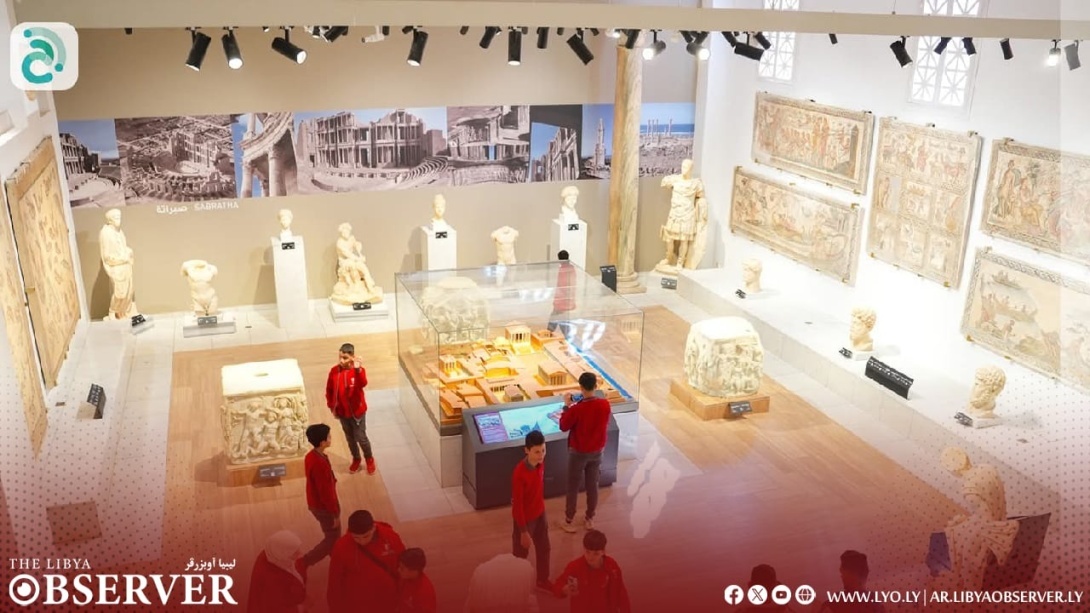
Libya is a North African country with a rich history shaped by ancient civilizations like the Phoenicians and Romans, notably at sites such as Leptis Magna. In the modern era, it was an Italian colony before gaining independence in 1951, later becoming known for its long rule under Muammar Gaddafi from 1969 until the 2011 revolution. Its cultural heritage includes well-preserved Greco-Roman ruins and significant Islamic architecture.
Arab
“Arab” broadly refers to the Arab world, a cultural and linguistic region spanning the Middle East and North Africa, united by the Arabic language. Historically, the rise of Islam in the 7th century and the subsequent Arab empires were pivotal in spreading the Arabic language and culture across this vast area. Today, it encompasses numerous nations and peoples with shared linguistic and cultural heritage, though diverse in local customs, histories, and political realities.