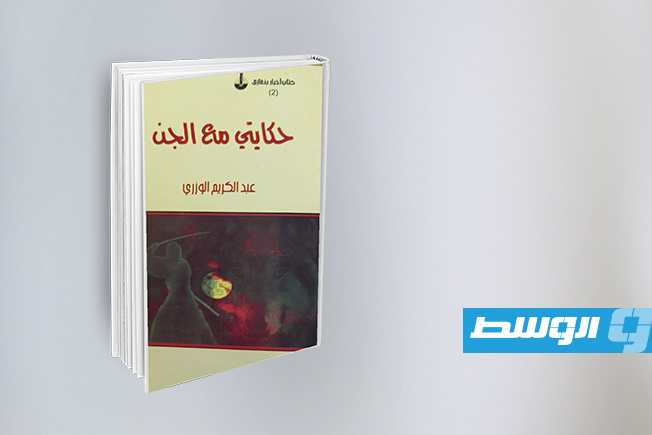
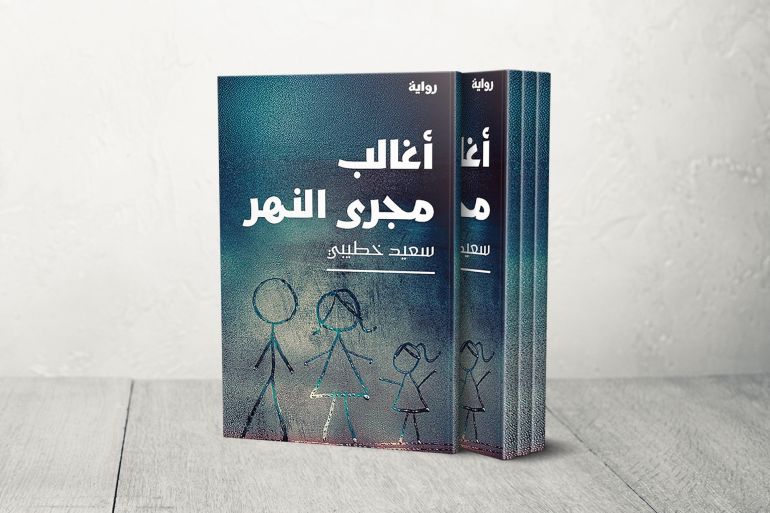
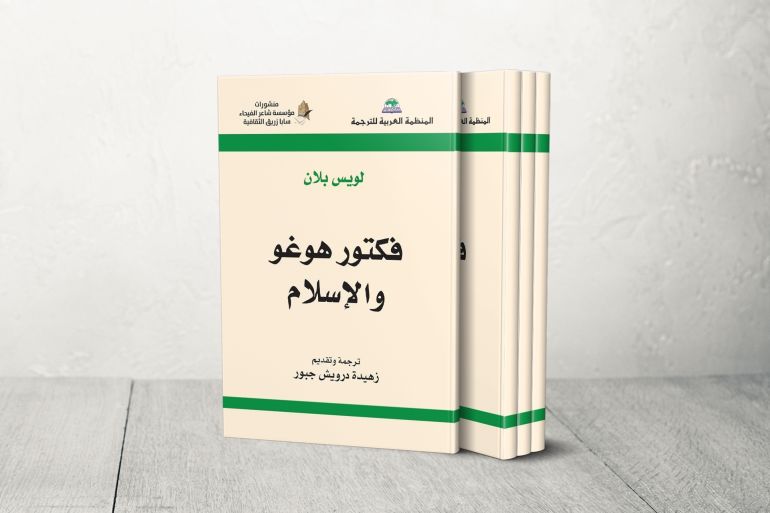
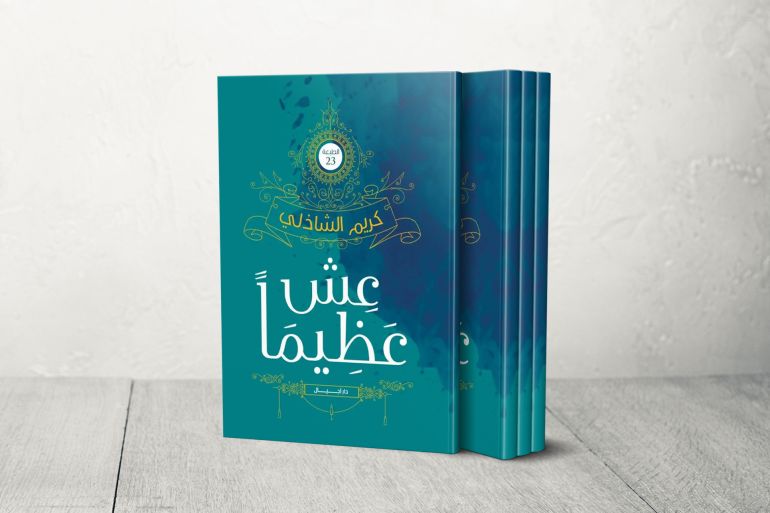
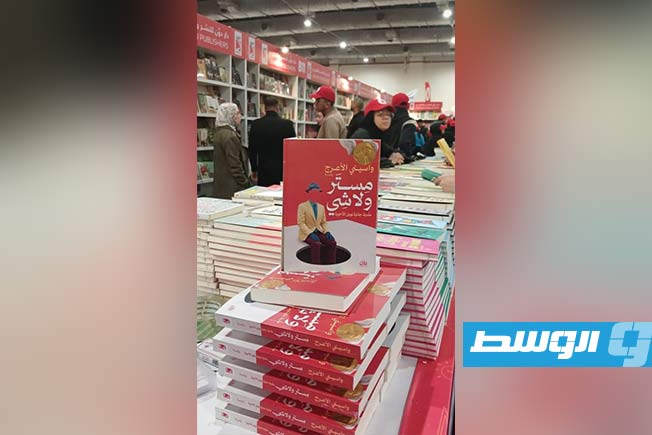
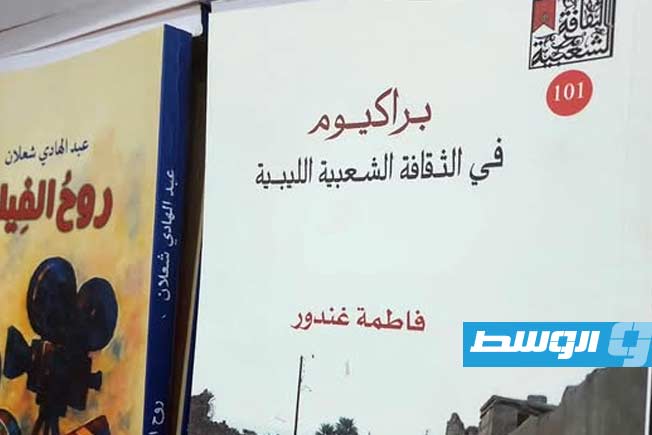
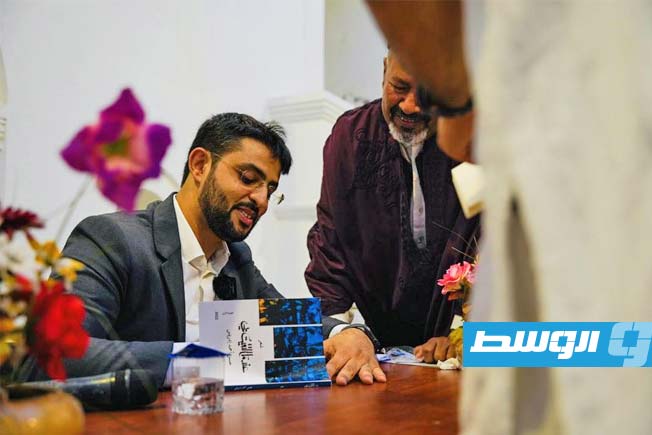
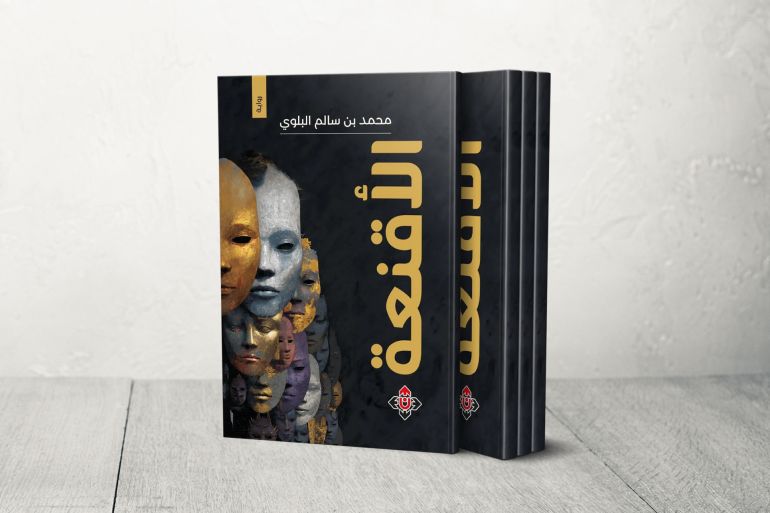
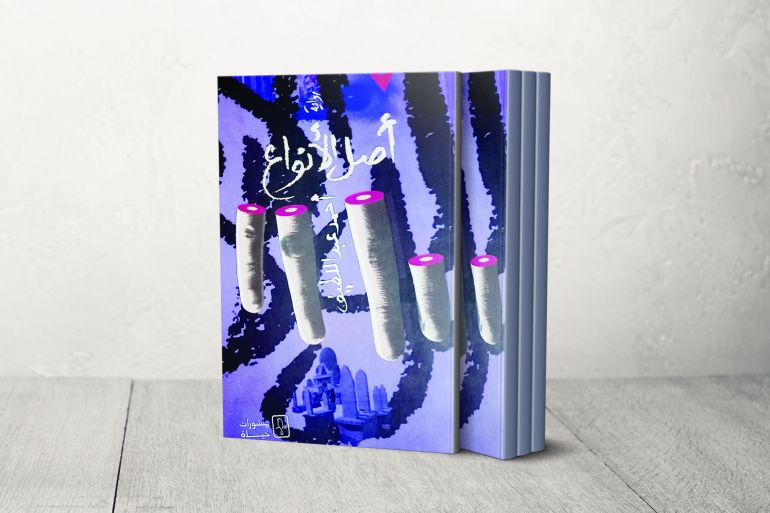
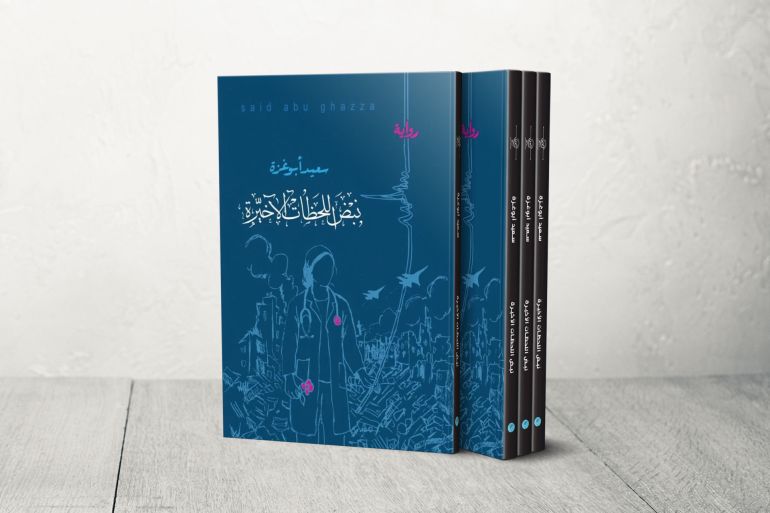
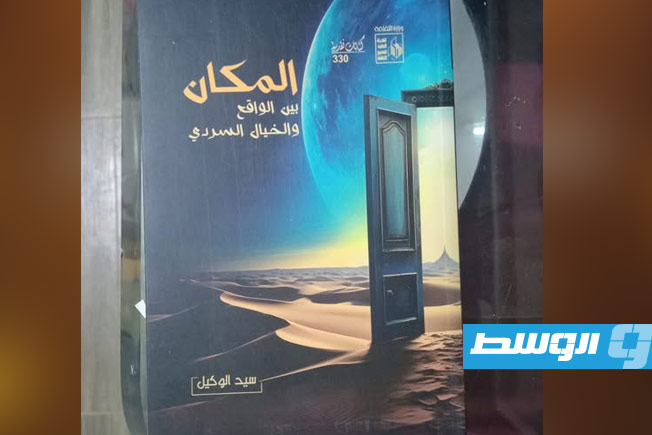
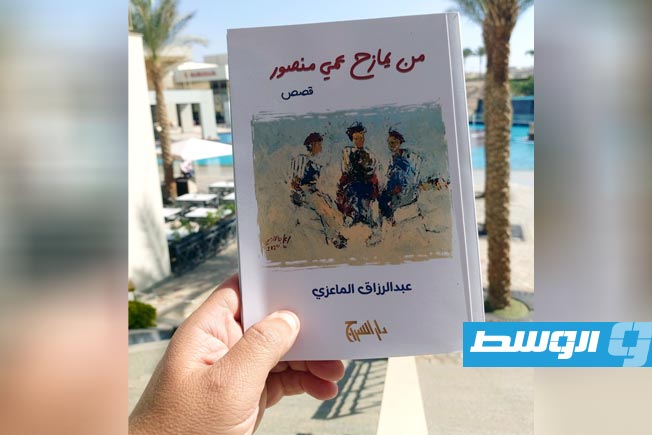
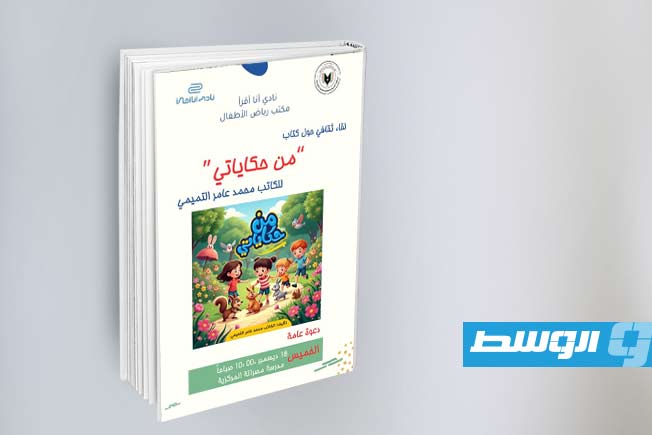
The book “My Story with the Jinn,” published in 2004, represents one of the earliest attempts to write horror literature in Libya.
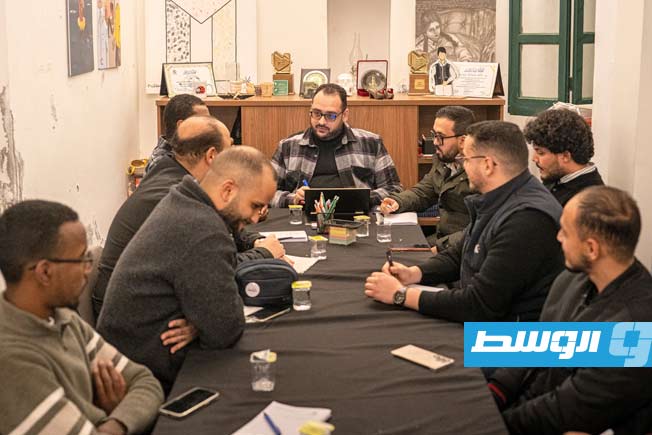
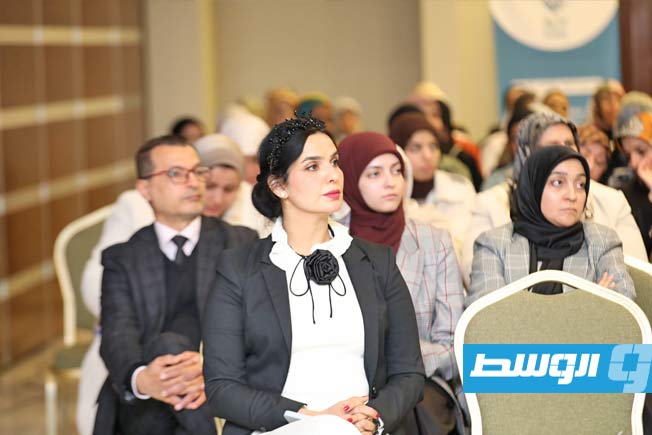
The story of how the book was found was recounted: “Once, while at the Libyan Culture Square, a customer, a well-read individual, spoke about old attempts to write horror literature in Libya, pointing out rare names and experiences, and then handed me a copy” of the book. It was added: “Years passed, and the book remained preserved among my collection until I finally stumbled upon it by chance while searching through my home library. Returning to it felt like rediscovering a work that transcends its superficial classification.”
It was confirmed that the book cannot be considered mere horror stories, explaining that “what distinguishes this work is that it is not based on fear, but on a clever use of narrative. It mimics a social period when the phenomenon of charlatans and sorcerers spread throughout Libya, revealing methods of deception and the exploitation of simple people through a storytelling style that carries a lesson before thrills.”
The discussion concluded by saying: “The stories in the book are short and direct, but profound in meaning, giving the reader an opportunity to reflect on a social reality the country experienced. This makes the book a cultural document no less important than being a literary work.”
My Story with the Jinn
“My Story with the Jinn” is a popular and enduring Moroccan folk tale, often associated with the city of Fez, that explores themes of magic, morality, and encounters with supernatural beings from Islamic folklore. While its exact origins are unclear, it is part of a rich oral storytelling tradition and has been adapted into various forms, including theatrical performances that are sometimes staged in historic venues like the Al Batha Museum. The tale reflects deep cultural beliefs about the unseen world of jinn and their interaction with humans.
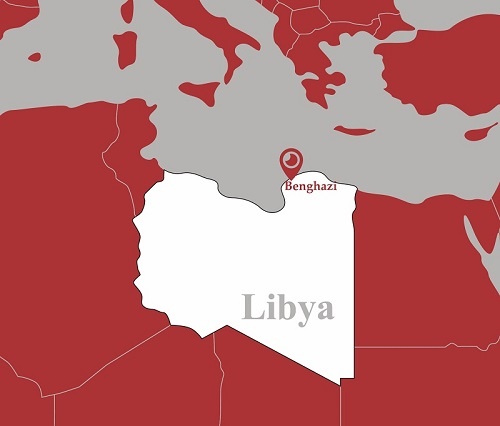
Libya
Libya is a North African country with a rich history rooted in ancient civilizations like the Phoenicians and Romans, followed by centuries of Arab and Ottoman influence. In the modern era, it was an Italian colony before gaining independence in 1951, later becoming known for Muammar Gaddafi’s lengthy rule from 1969 until the 2011 revolution. Its cultural sites include the well-preserved Roman ruins of Leptis Magna, a UNESCO World Heritage site.
Libyan Culture Square
Libyan Culture Square, located in the capital city of Tripoli, is a major public plaza historically known as Green Square under the Gaddafi regime. It has long served as a central gathering point for official ceremonies, public events, and political rallies. Following the 2011 revolution, its name was changed to Martyrs’ Square to honor those who died in the uprising.