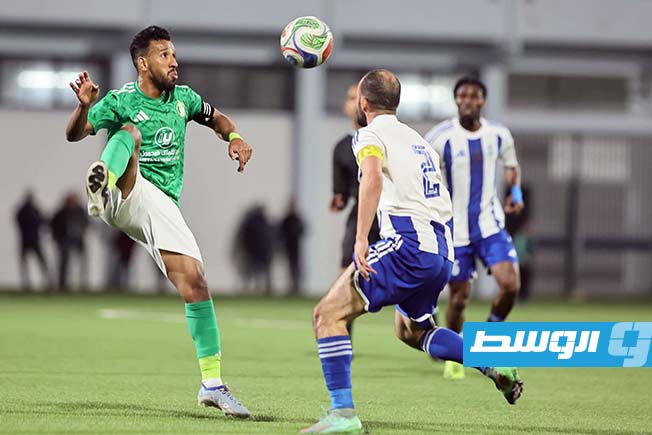
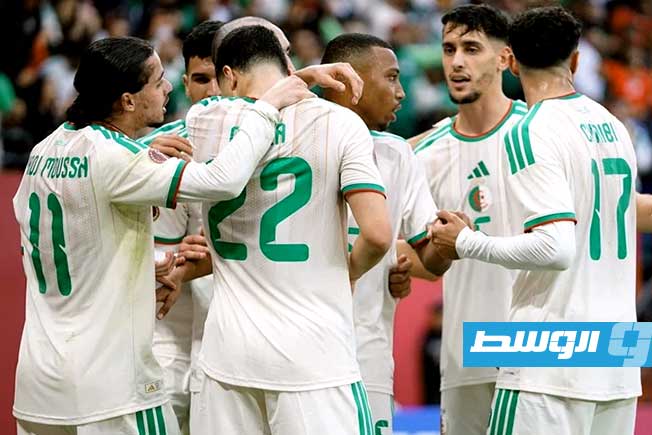
A rare event at the dawn of the new millennium: “Knights of the Mediterranean” win the International River Tournament in December 1999.
libyawire.org > News > Sport > A rare event at the dawn of the new millennium: “Knights of the Mediterranean” win the International River Tournament in December 1999.
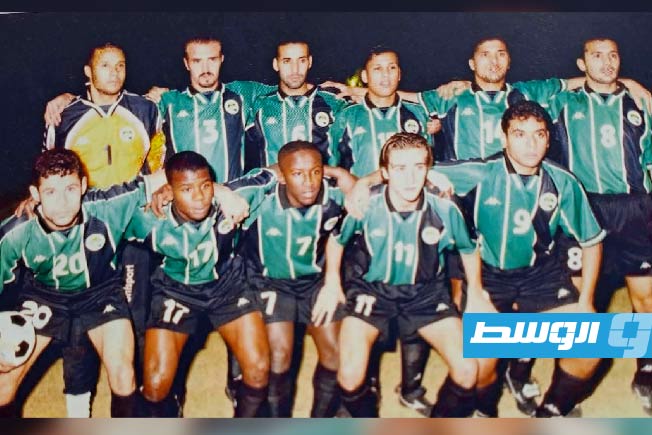
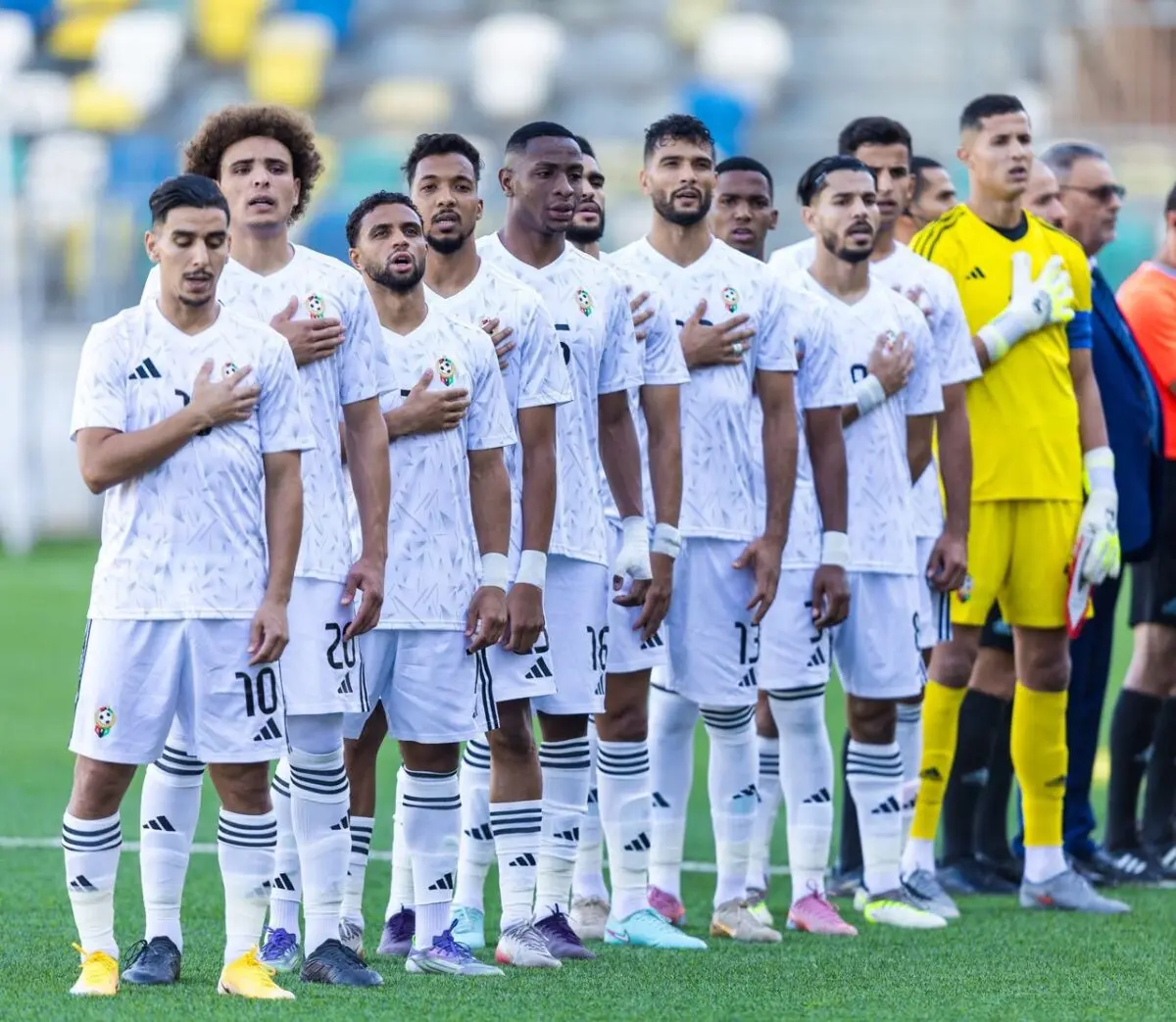
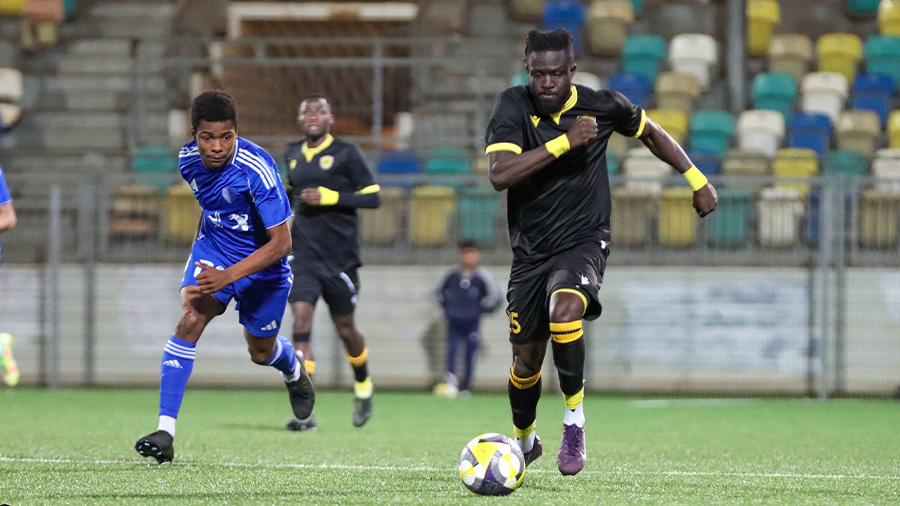
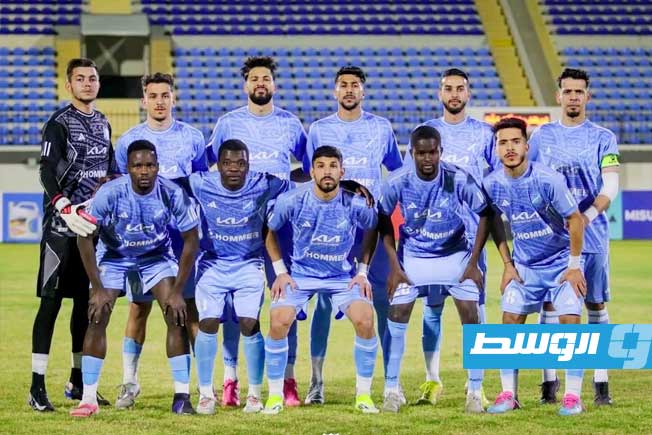
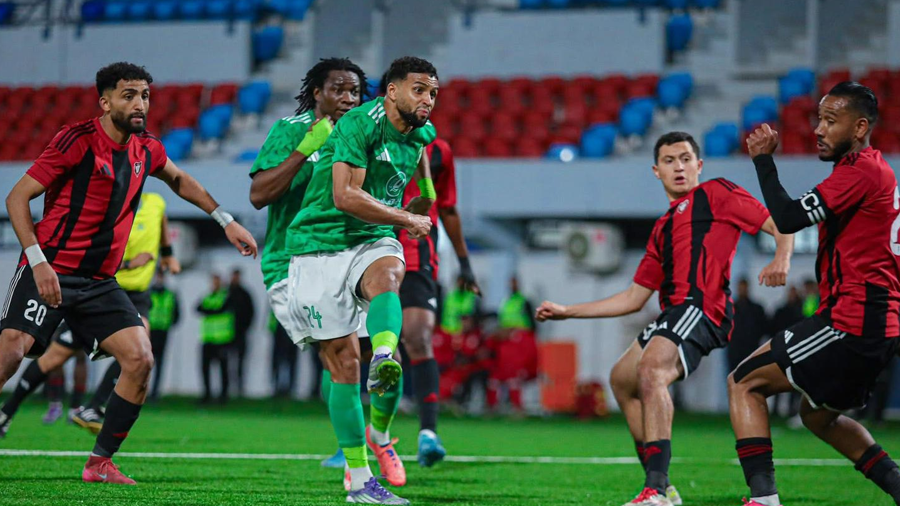
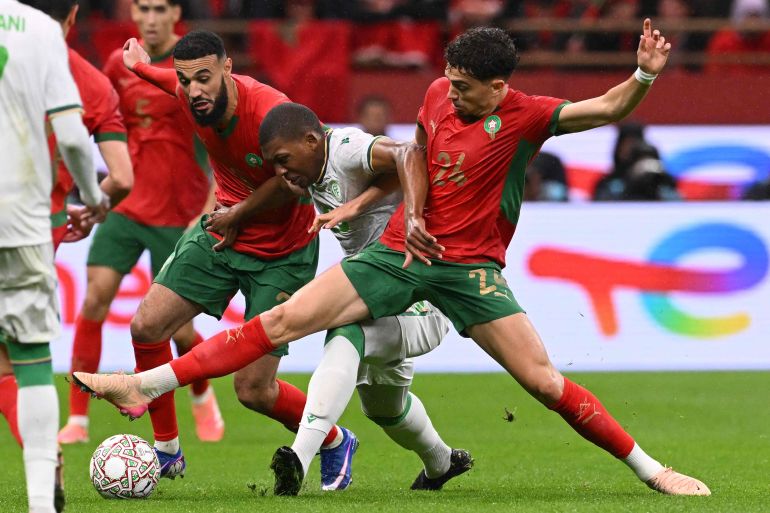
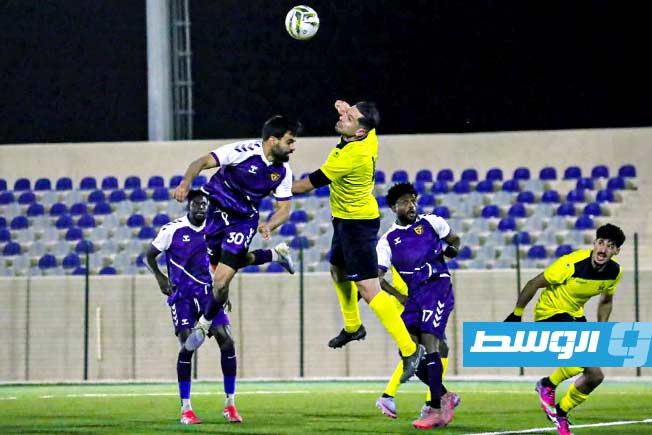
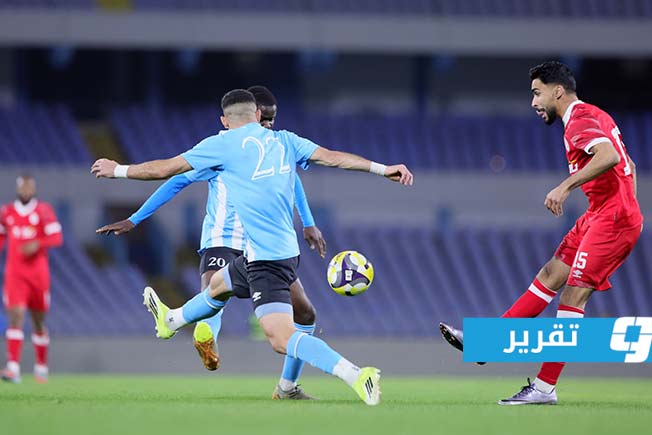
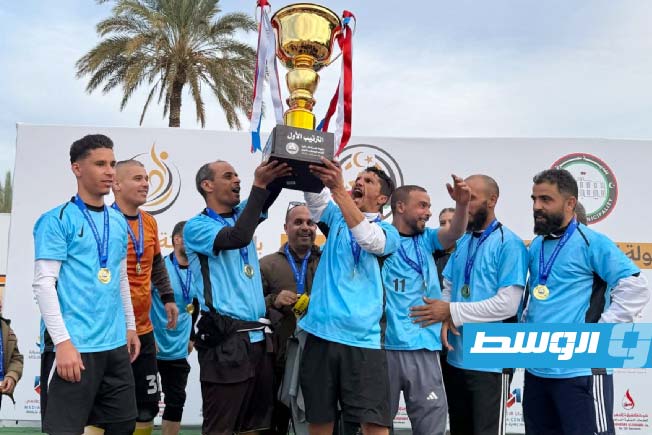
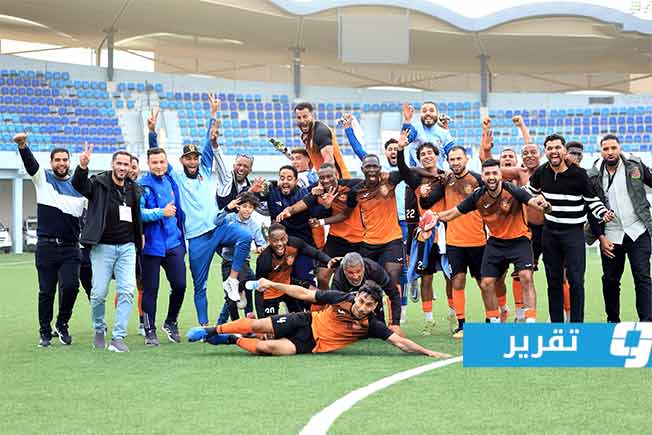
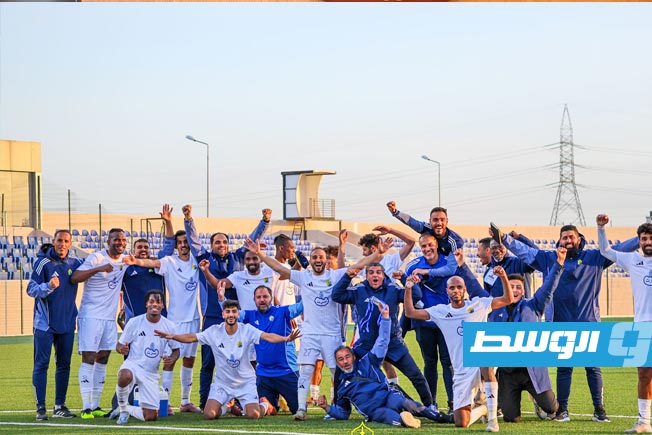
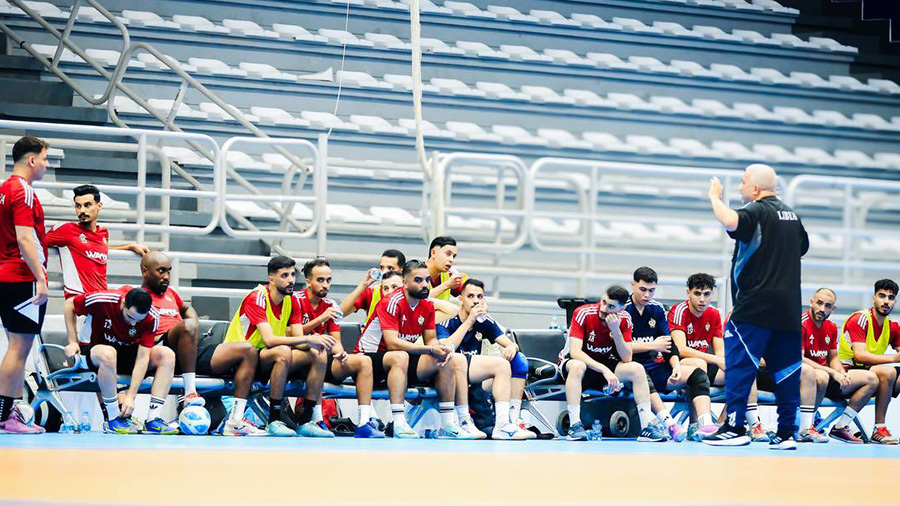
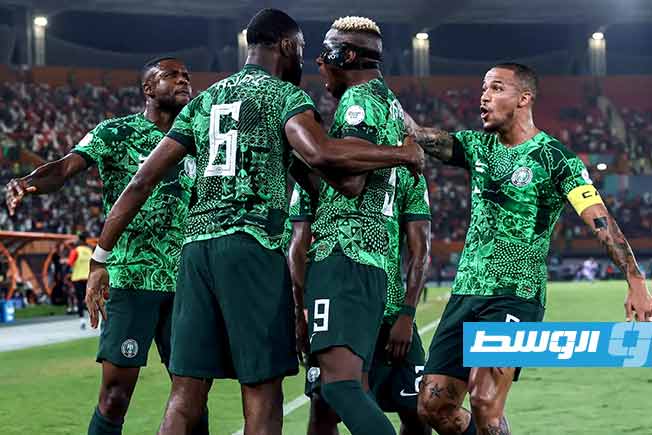
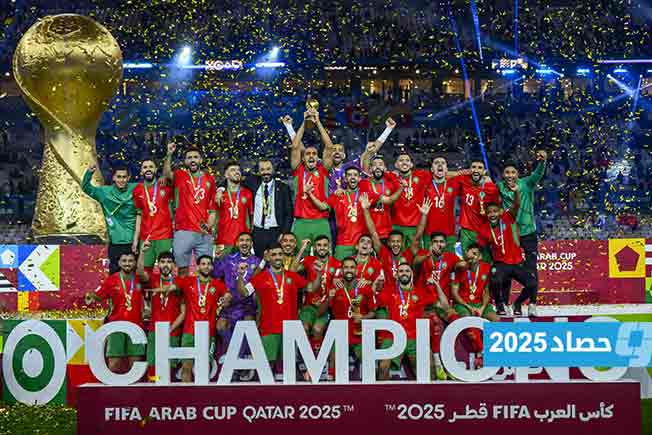
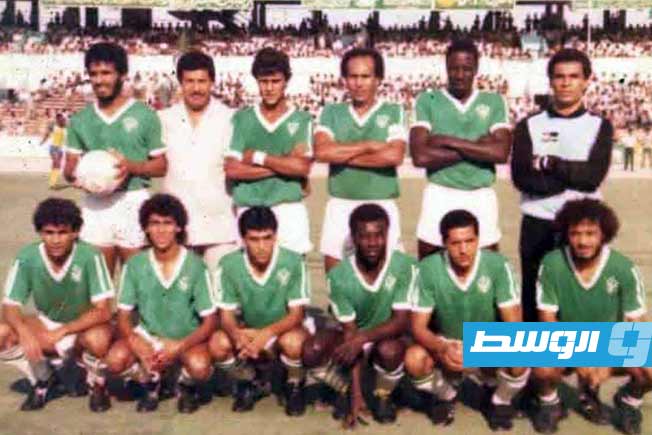
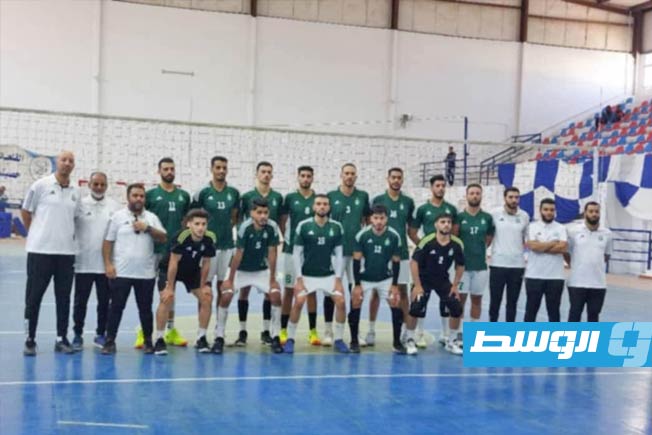
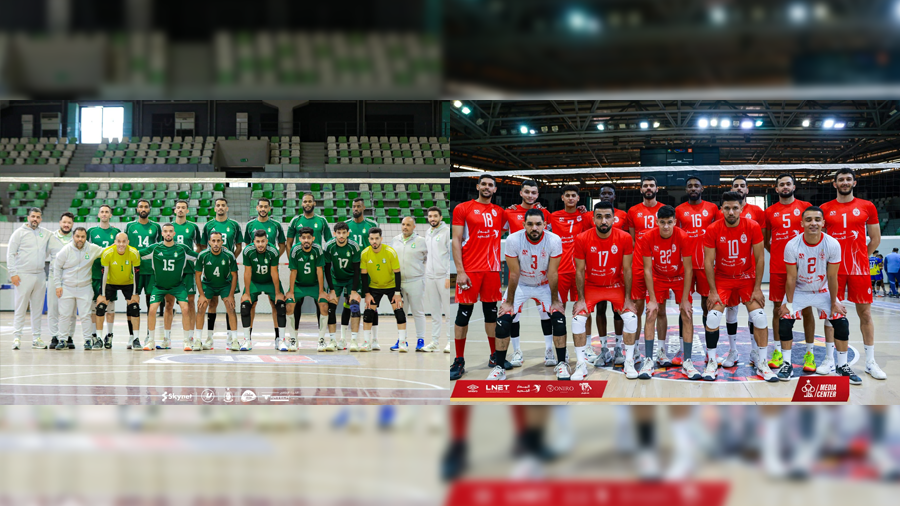
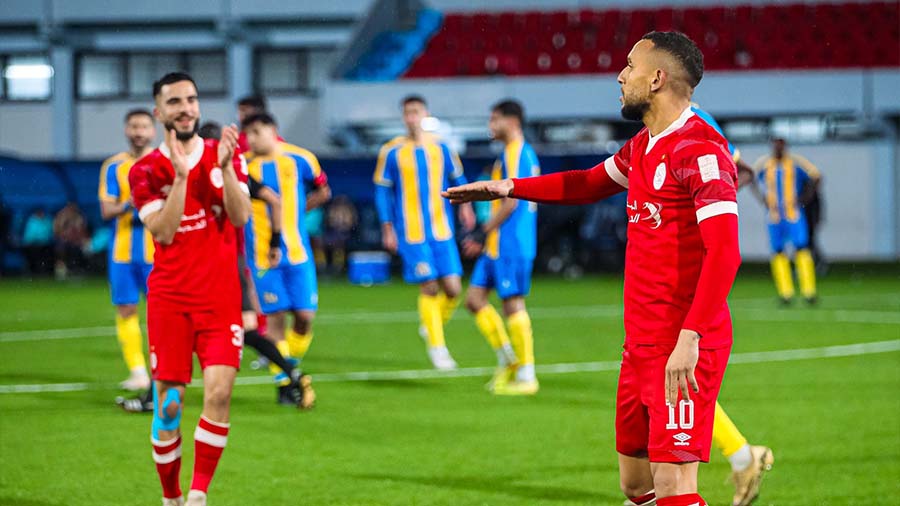
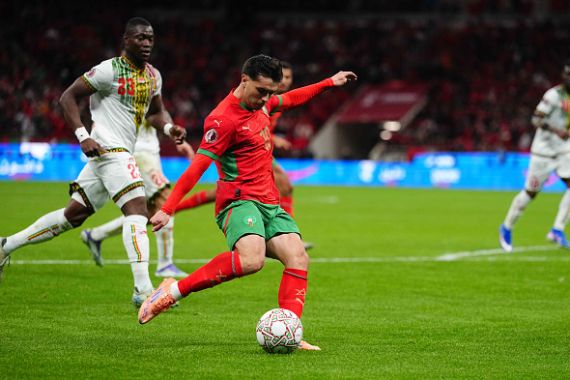
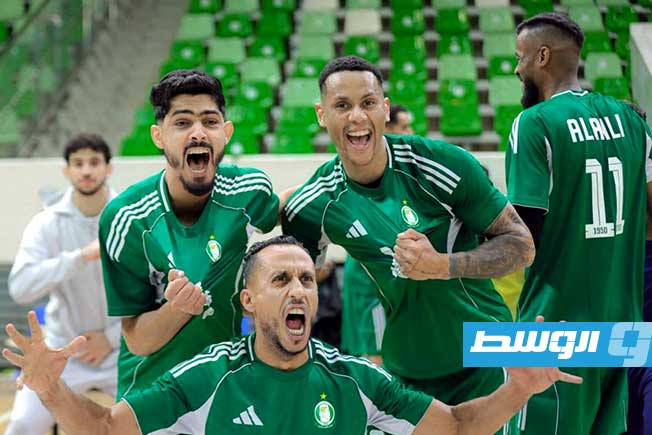
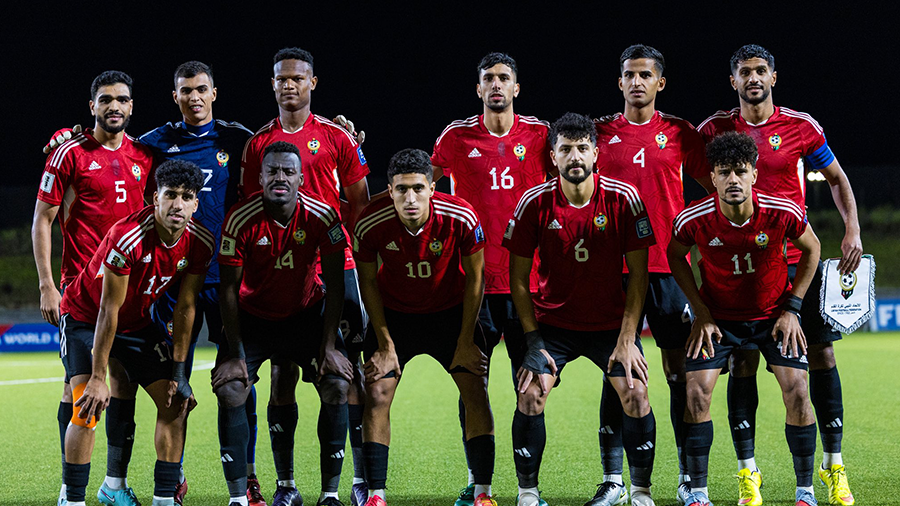
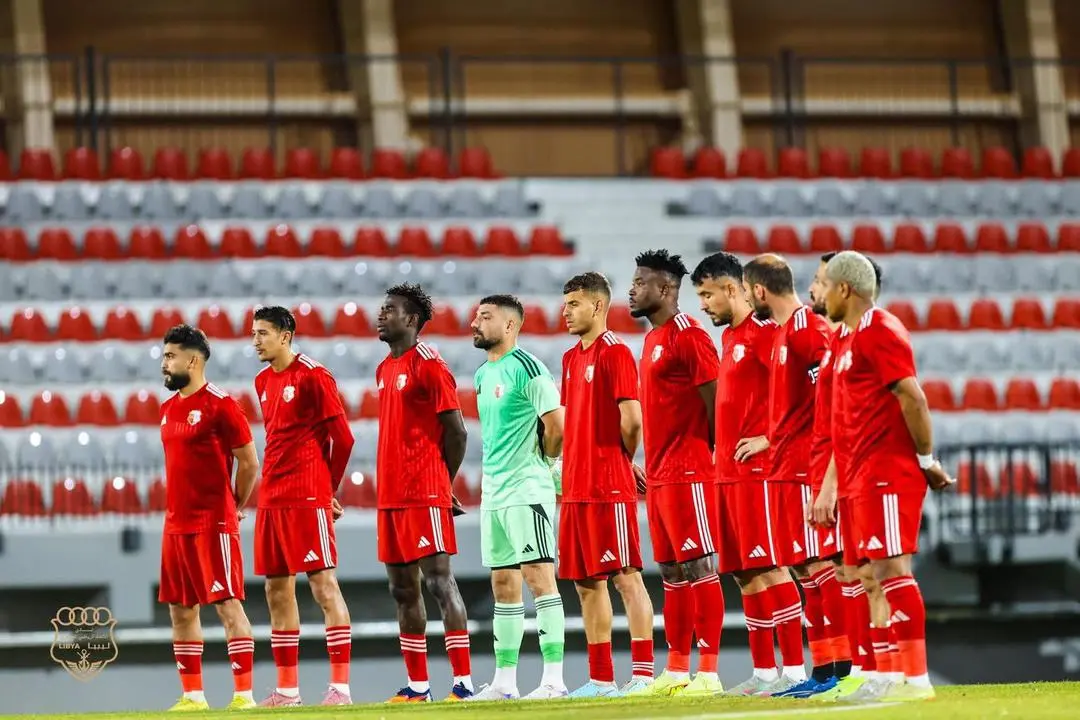
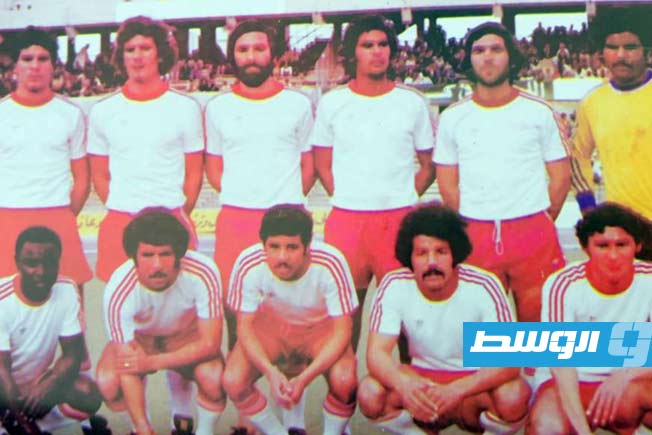
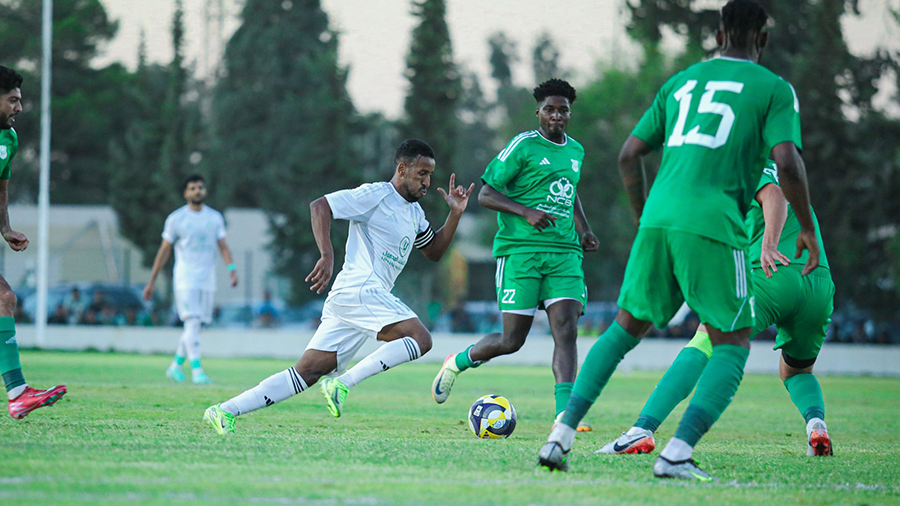
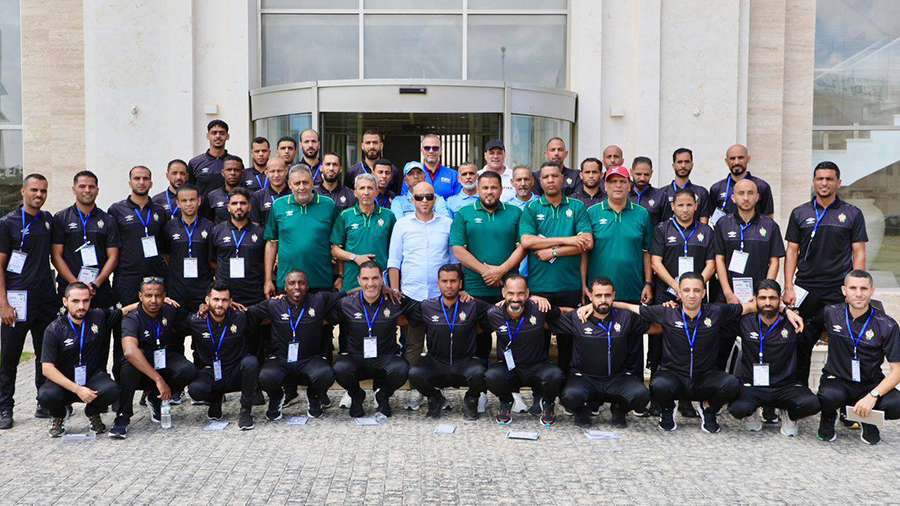
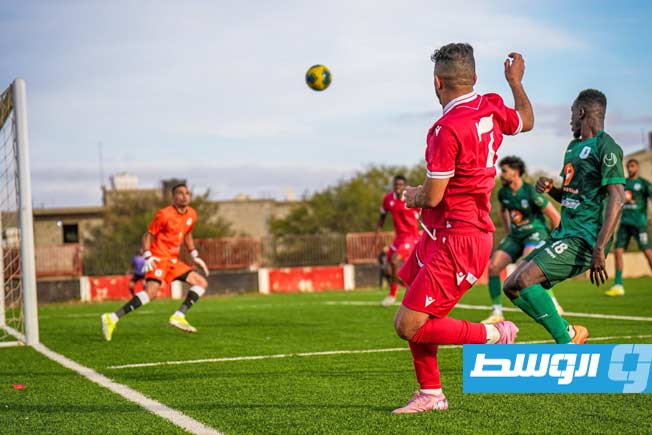
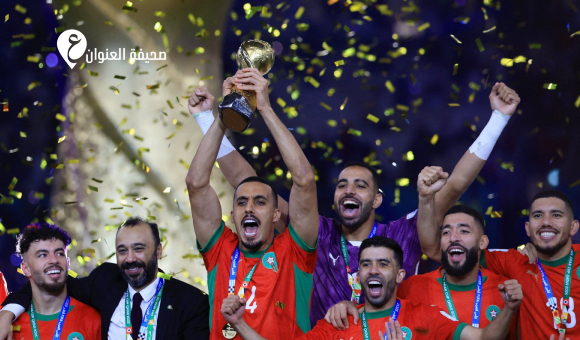
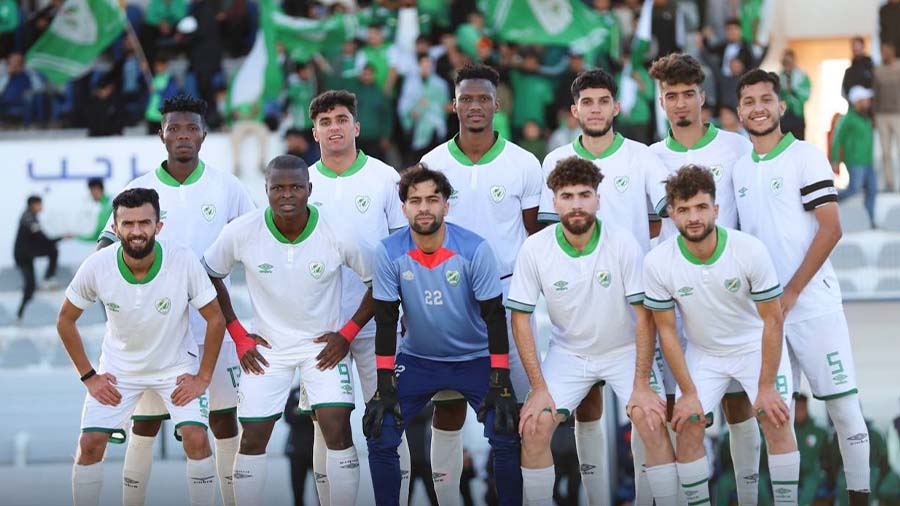
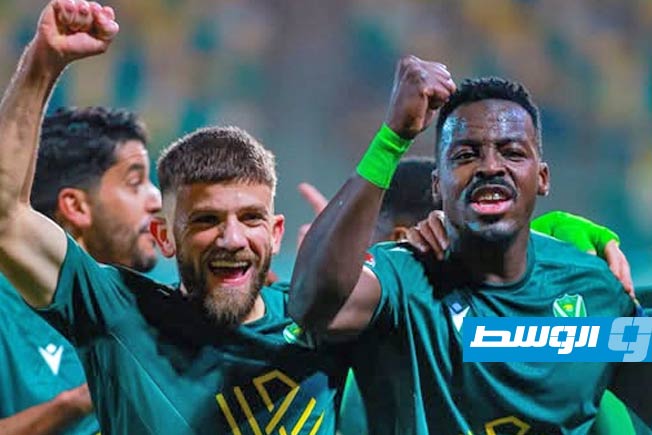
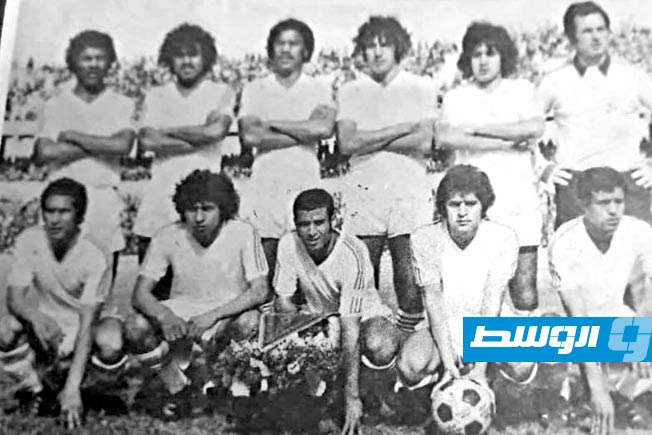
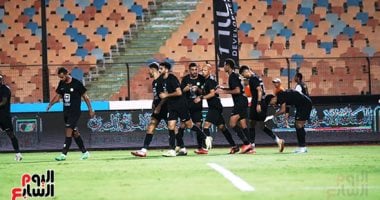
Around this time in late December, a rare and historic football event that doesn’t happen often comes to mind, when the Libyan national football team, the ‘Knights of the Mediterranean’, were crowned champions of the second edition of the friendly International River Tournament. The tournament was held in the city of Benghazi in late December 1999, and its events continued, entering history at the dawn of the year 2000.
The second edition of the International River Tournament witnessed the participation of five strong national teams, which included, alongside the host Libyan national team, Gabon, Cameroon, Togo, and Ghana, giving the championship a distinctive competitive character and raising its technical value.
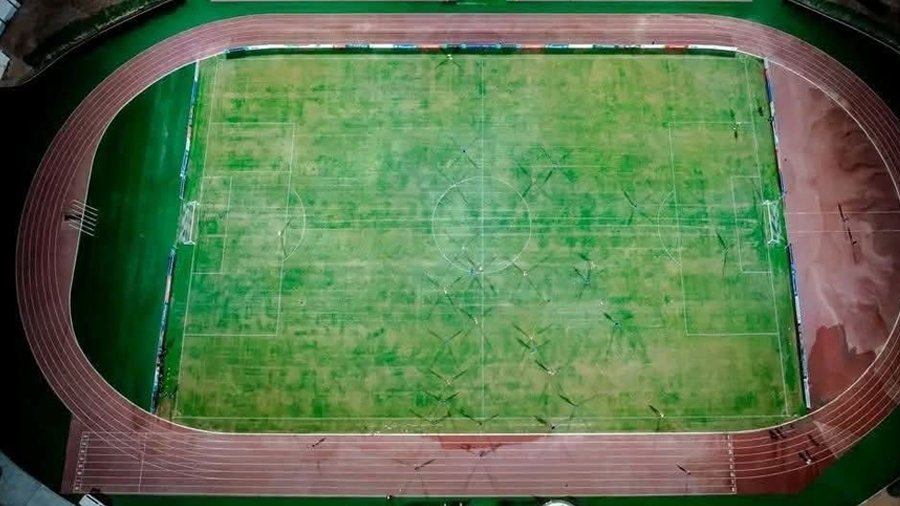
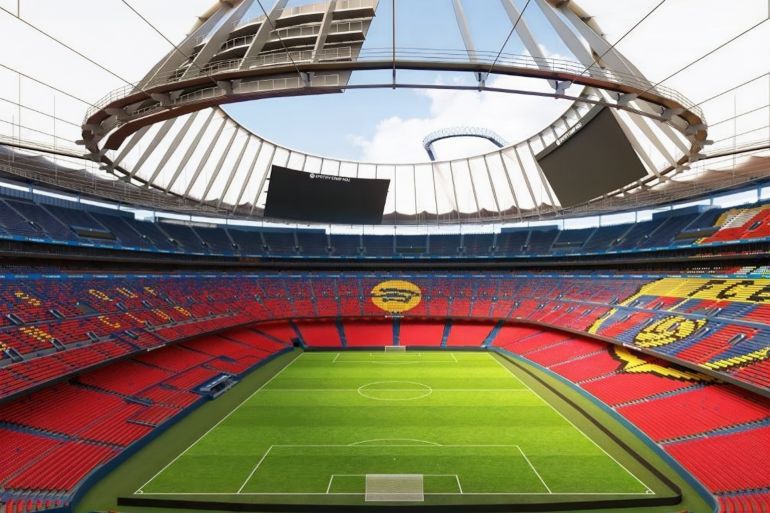
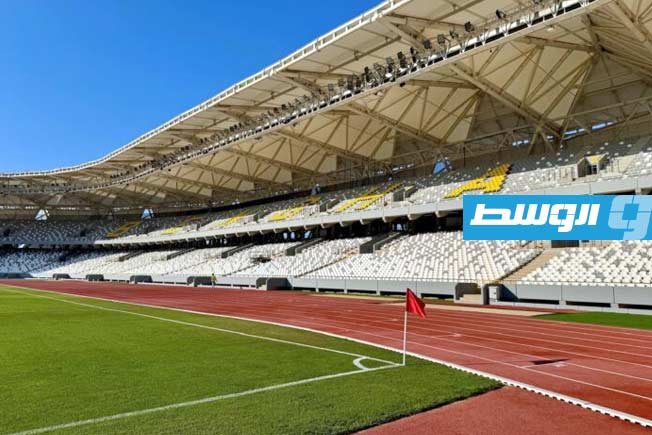
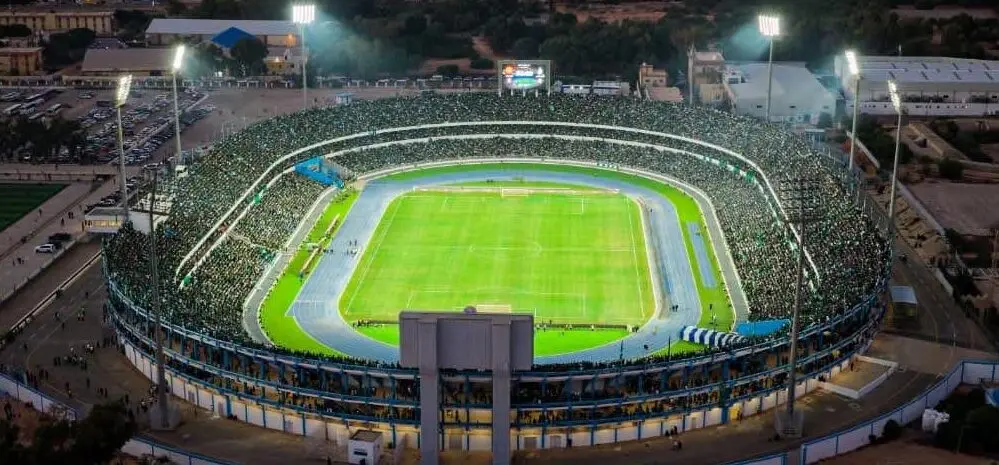
All the tournament’s matches were held at the Benghazi Sports City Stadium, amid notable public attendance and significant media attention at the time.
The Path to the Title… Exciting Victories and Draws
The national team began its journey in the tournament strongly, achieving a victory in the opening match against the Gabon national team with two unanswered goals.
In the second match, the Libyan team drew goalless with the Cameroon national team in a match characterized by physical strength and defensive discipline. The national team returned to winning ways in the third match, after overcoming the Togo national team with two unanswered goals.
The Ghana Match… A Game That Spanned Two Years
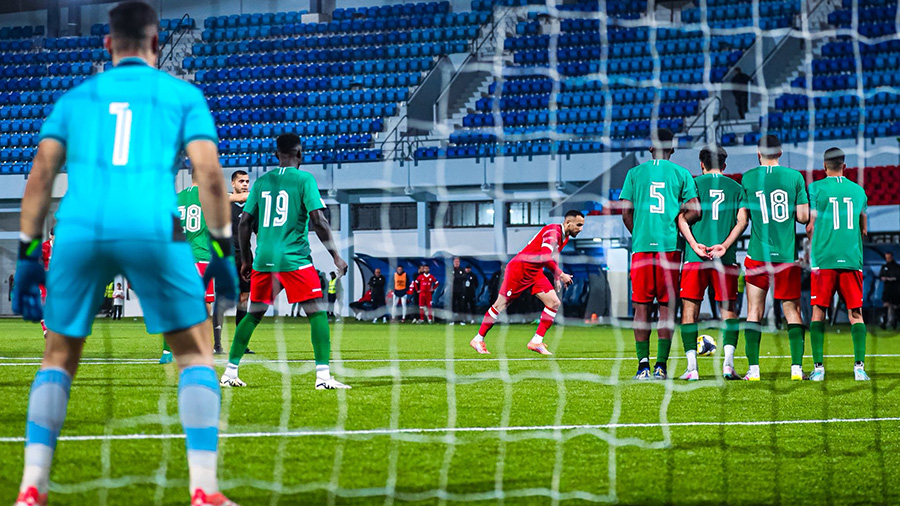
The national team concluded its matches in the tournament with a positive 1-1 draw against the Ghana national team, in a match that witnessed a rare historical precedent.
The match kicked off on the night of December 31, 1999, before midnight, and its second half was completed after passing 1:00 AM, meaning part of it was played after entering the new year and the new millennium of 2000, in an exceptional historical scene that does not occur often on football pitches.
The goal for our national team in this match was scored.
The Final Standings… The Title by the Numbers
The national team came top of the tournament’s final standings, crowned champions after collecting 8 points from two wins and two draws, during which they scored 5 goals and conceded only one goal, surpassing the Ghana national team on goal difference after being tied on points.
The Gabon national team came in third place with 7 points, followed by the Cameroon national team in fourth with 4 points, while the Togo national team came fifth and last with no points.
The Last Imprint of Coach
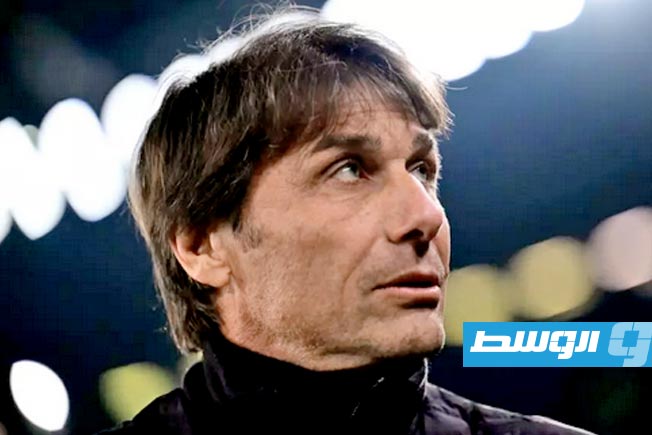
The national team was led in this tournament by the Italian coach, which marked his final appearance at the helm of the national team’s technical staff, after previously leading the team in the Arab Sports Games in Jordan and achieving the bronze medal.
He concluded his journey with the national team in the best possible way, by winning the International River Tournament title, before the famous Argentine coach Carlos Bilardo took over the task after him.
The National Team Squad in the Tournament
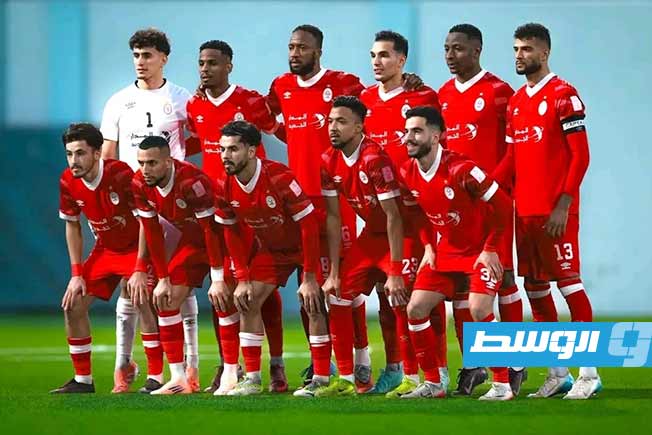
The national team squad participating in the International River Tournament included the players: Misbah Shangab (goalkeeper), Khalifa Al-Maqni, Saleh Asmida, Hassan Al-Ferjani, Mahmoud Makhlouf, Faisal Abushala, Riyad Jumaa, Tariq Al-Taib, Khaled Al-Merghani, Jihad Al-Muntasir, Ezz El-Din Al-Misrati, and Salem Al-Tawargi.
An Immortal Championship in the Memory of Libyan Football
The 1999 International River Tournament remains a bright station in the history of Libyan football, not only for the results and achievements accomplished in it, but for the rare historical moments it carried that spanned two years, and embodied an important phase in the journey of the Libyan national team.
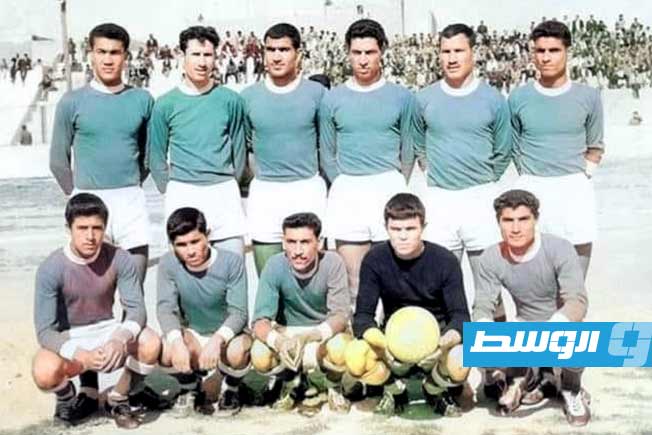
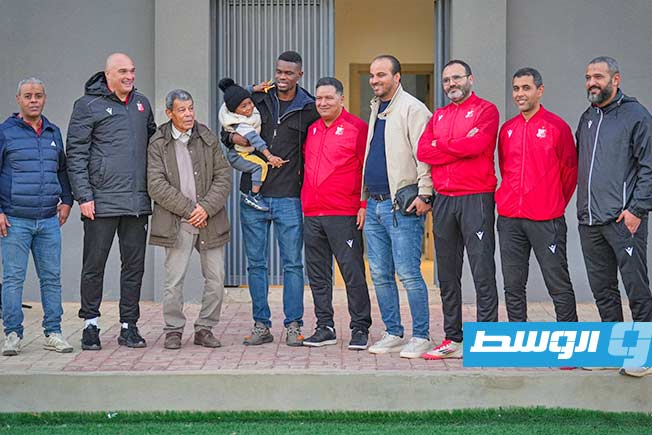
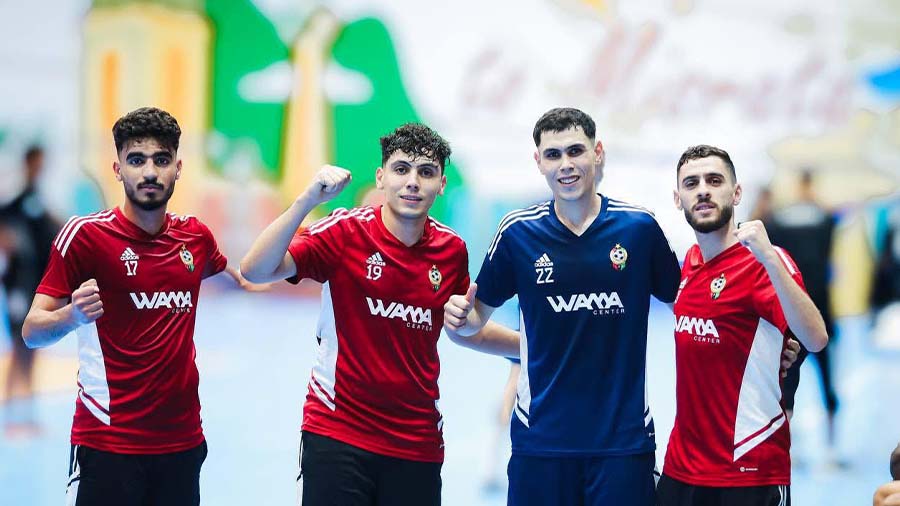
<img alt="With the Libyan national football team, champions of the second edition of the friendly International River Tournament." src="https://libyaw
Libyan national football team
The Libyan national football team, representing Libya in international football, was founded in 1953 and is governed by the Libyan Football Federation. Historically, the team’s most notable achievement was winning the African Cup of Nations in 1982 while hosting the tournament. Its history has often been intertwined with the nation’s political changes, affecting its participation in international competitions over the decades.
Knights of the Mediterranean
“Knights of the Mediterranean” likely refers to the historical and cultural legacy of the Knights Hospitaller (Order of St. John), who were prominent in the Mediterranean from the 11th to 18th centuries. Originally founded to provide care for pilgrims in Jerusalem, the order evolved into a major military force, famously ruling Rhodes and later Malta, where they defended Christian interests against the Ottoman Empire. Their fortifications, palaces, and cultural influence remain key historical sites across the region.
International River Tournament
The International River Tournament is an annual whitewater rafting competition held on the Vltava River in Prague, Czech Republic. It was first organized in 2003 and has grown into a major sporting event that attracts professional and amateur teams from around the world to navigate a challenging urban course.
Benghazi
Benghazi is a major city in eastern Libya, historically significant as a center of trade and culture since its founding as the Greek colony of Euesperides. It played a pivotal role in Libya’s modern history, serving as the provisional capital after the 2011 revolution and being a key site during the Second World War.
Gabon
Gabon is a country on the west coast of Central Africa, historically inhabited by Pygmy peoples and later Bantu tribes, with a colonial past under French rule from 1885 until its independence in 1960. It is known for its significant biodiversity, protected in national parks, and its economy has long been driven by oil production.
Cameroon
Cameroon, located in Central Africa, is a culturally diverse nation often called “Africa in miniature” due to its varied geography and over 250 ethnic groups. Its modern history stems from colonial rule by Germany, followed by French and British administration after World War I, leading to its independence and unification in 1960 and 1961. The country is known for its rich traditions, including music like makossa, and natural sites such as Mount Cameroon and the Waza National Park.
Togo
Togo is a West African nation whose history includes pre-colonial kingdoms, German colonization in the late 19th century, and subsequent French administration before gaining independence in 1960. Culturally, it is known for its vibrant voodoo traditions, colorful festivals, and diverse ethnic groups like the Ewe and Kabye. Notable sites include the colonial architecture in Lomé and the sacred forests of Koutammakou, a UNESCO World Heritage site inhabited by the Batammariba people.
Ghana
Ghana is a West African nation known for its rich history as the site of several pre-colonial empires, most notably the Ashanti Kingdom. It gained global significance in 1957 by becoming the first sub-Saharan African country to achieve independence from European colonial rule. Today, it is celebrated for its stable democracy, vibrant culture, and historical sites like Cape Coast Castle, a poignant reminder of the transatlantic slave trade.
Benghazi Sports City Stadium
Benghazi Sports City Stadium is a major multi-purpose stadium in Benghazi, Libya, originally opened in the 1960s. It was extensively renovated and reopened in 2009, serving as a key venue for football matches and large public events in the city.
Jordan
Jordan is a country in the Middle East with a rich historical legacy, most famously home to the ancient city of Petra, a Nabatean capital carved into rose-red sandstone cliffs over 2,000 years ago. It also contains significant biblical sites and well-preserved Roman ruins, such as those at Jerash. The modern Hashemite Kingdom of Jordan was established in the 20th century following the dissolution of the Ottoman Empire.
Argentina
Argentina is a South American nation with a rich cultural history shaped by indigenous heritage, Spanish colonization in the 16th century, and subsequent waves of European immigration. Its iconic cultural sites include the cosmopolitan capital of Buenos Aires, known for tango and historic neighborhoods, and natural wonders like the Perito Moreno Glacier in Patagonia.
Carlos Bilardo
Carlos Bilardo is a former Argentine football player and manager, best known for coaching the Argentina national team to victory in the 1986 FIFA World Cup. His pragmatic and tactical approach, often referred to as “bilardismo,” emphasized results and left a significant mark on Argentine football strategy.
Misbah Shangab
Misbah Shangab is a historical shrine located in Herat, Afghanistan, believed to be the burial site of a 10th-century Islamic scholar and mystic. It is an important local pilgrimage site and a notable example of Timurid-era architecture, reflecting the region’s rich cultural and religious history.
Khalifa Al-Maqni
Khalifa Al-Maqni is a prominent cultural and historical site in Algeria, specifically a mosque and zawiya (religious school) in the city of Tlemcen. It was built in the 13th century during the reign of the Marinid dynasty and is named after the Sufi saint Sidi Khalifa Al-Maqni, serving as an important center for Islamic learning and spirituality in the region.
Saleh Asmida
“Saleh Asmida” is a traditional village located in the Atlas Mountains of Morocco, known for its distinctive earthen architecture and historic kasbah. It serves as a cultural site that preserves the heritage and communal lifestyle of the Amazigh (Berber) people, with many structures dating back several centuries.
Hassan Al-Ferjani
Hassan Al-Ferjani is a prominent Tunisian footballer who plays as a midfielder. He began his professional career in Tunisia before moving to play for clubs in Egypt and Saudi Arabia, and he has also been a regular member of the Tunisian national team. While not a physical place or cultural site, he is a significant figure in contemporary Tunisian and Arab sports culture.
Mahmoud Makhlouf
Mahmoud Makhlouf is a prominent mausoleum and religious site in Damascus, Syria, dedicated to a 13th-century Sufi saint of the same name. It has served as a center for prayer and pilgrimage for centuries, reflecting the deep-rooted Sufi traditions within Syrian Islamic culture. The site is known for its distinctive architectural elements, including a large dome and an ornate interior.
Faisal Abushala
Faisal Abushala is a Libyan cultural and historical site, specifically a prominent mosque located in the city of Benghazi. It is named after King Faisal of Saudi Arabia, reflecting historical ties, and has served as a significant religious and community center in the region.
Riyad Jumaa
Riyad Jumaa is a historic neighborhood in the city of Fez, Morocco, known for its traditional houses and intricate architecture. It dates back to the Marinid era (13th-15th centuries) and served as a residential quarter for notable families, reflecting the rich urban and social history of the old medina.
Tariq Al-Taib
Tariq Al-Taib is a historic neighborhood in the city of Jeddah, Saudi Arabia, known for its traditional architecture and cultural significance. It is part of the old Al-Balad district, a UNESCO World Heritage site, and reflects Jeddah’s history as a major Red Sea port and gateway for pilgrims.
Khaled Al-Merghani
Khaled Al-Merghani is a prominent mosque and cultural center located in Khartoum, Sudan. It is named after the influential Sudanese Islamic scholar and judge, Sheikh Khaled Al-Merghani, who was a key figure in the country’s religious and educational history in the 19th and 20th centuries. The site serves as a major hub for religious activities and Islamic learning in the capital.
Jihad Al-Muntasir
“Jihad Al-Muntasir” is not a widely recognized historical place or cultural site. The term appears to be an Arabic name, potentially referring to a person or a concept, rather than a physical location with a documented public history. Therefore, a summary about it as a cultural or historical site cannot be provided.
Ezz El-Din Al-Misrati
Ezz El-Din Al-Misrati is a prominent Libyan journalist and media figure, best known for his long-running political talk show “Al-Sa’ah Al-Arabiyah” (The Arab Hour). He gained significant influence for his coverage and analysis during the 2011 Libyan revolution and the subsequent political transitions, often conducting high-profile interviews with key leaders. His career has been defined by his focus on pan-Arab issues and Libyan domestic politics from his base in Qatar’s Al Jazeera network.
Salem Al-Tawargi
Salem Al-Tawargi is a prominent cultural and historical site in Libya, specifically a mosque and mausoleum complex in the city of Zliten. It is named after the 16th-century Islamic scholar Salem Abu Lifa Al-Tawargi and serves as an important center of Islamic learning and Sufi tradition. The site is renowned for its distinctive Ottoman-era architecture and its annual religious festivals.