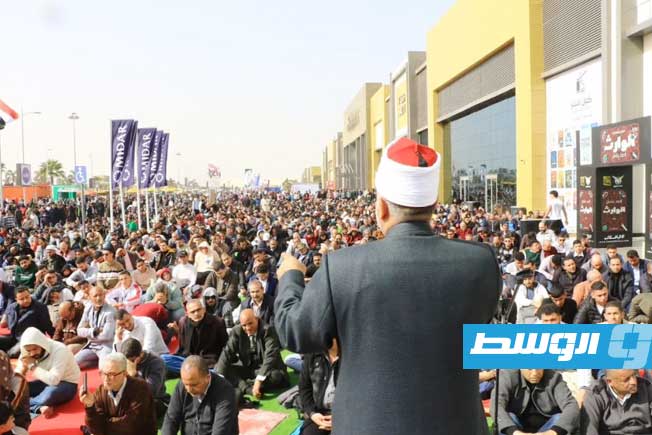
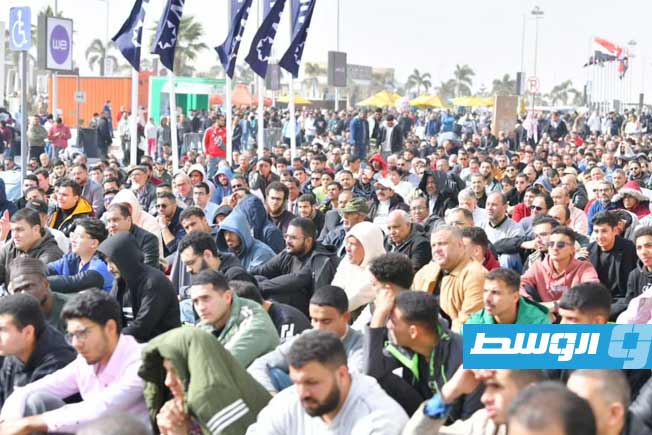
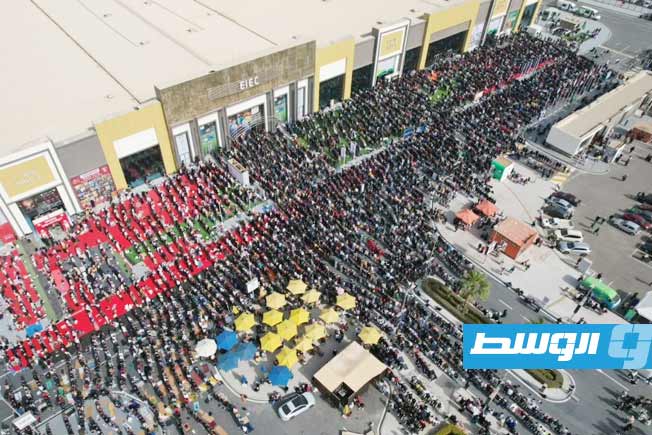
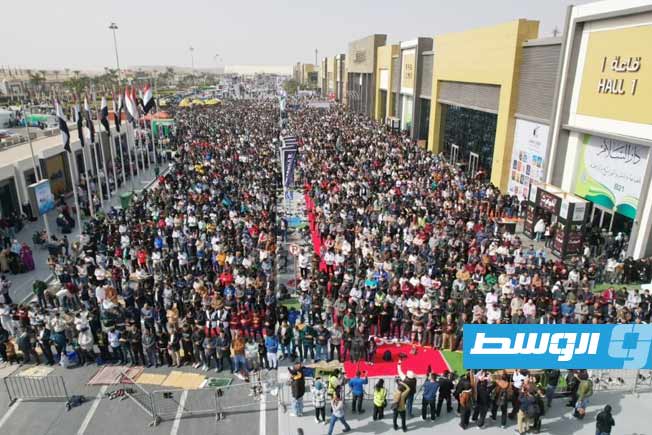
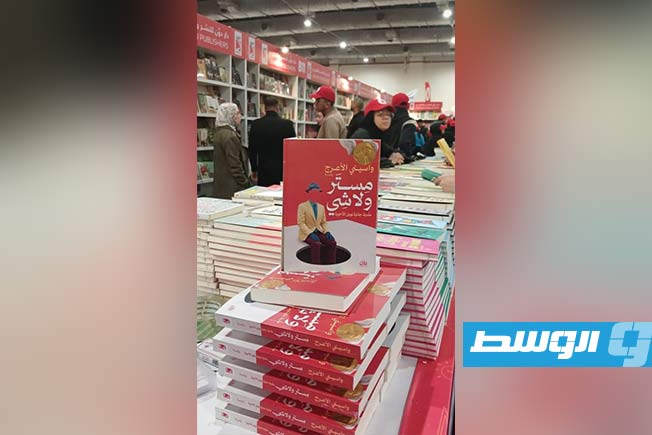
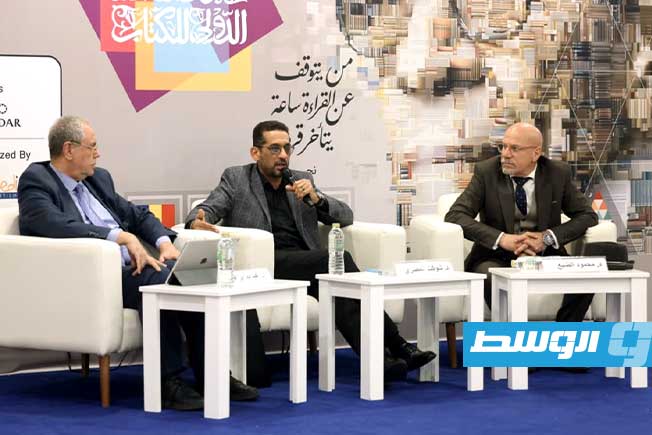
The 57th edition of the Cairo International Book Fair is witnessing a notable public turnout on its second day, as visitors of all age groups flocked to the halls of the Egypt International Exhibition Center.
This influx coincided with the Friday prayer held in the fair’s square, attended by hundreds of thousands. The Friday sermon focused on emphasizing the role of knowledge and culture in building society, according to a post by the Egyptian Ministry of Culture on Friday via Facebook.
The dense crowds of visitors reflect the public’s confidence in the fair as a national event, highlighting the diverse cultural program that caters to the different interests of readers.
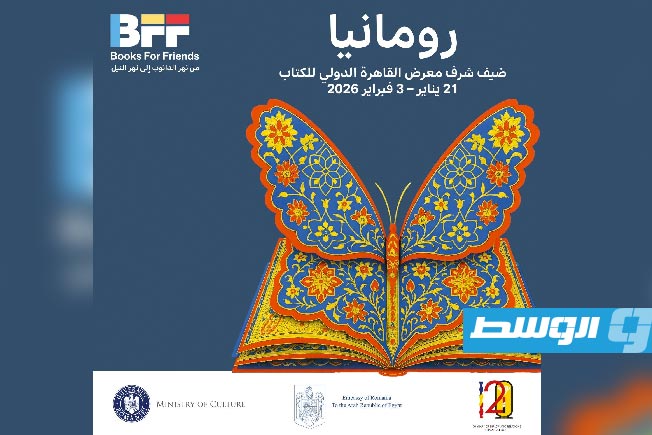
– <a>Under the slogan “A Book for Friends”… Romania opens its activities as the guest of honor at the Cairo International Book Fair
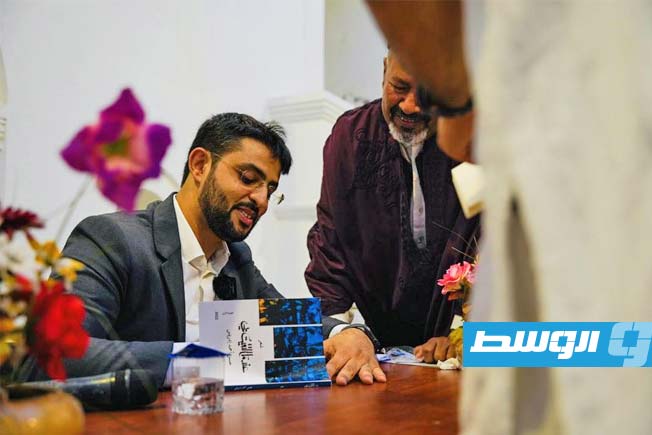
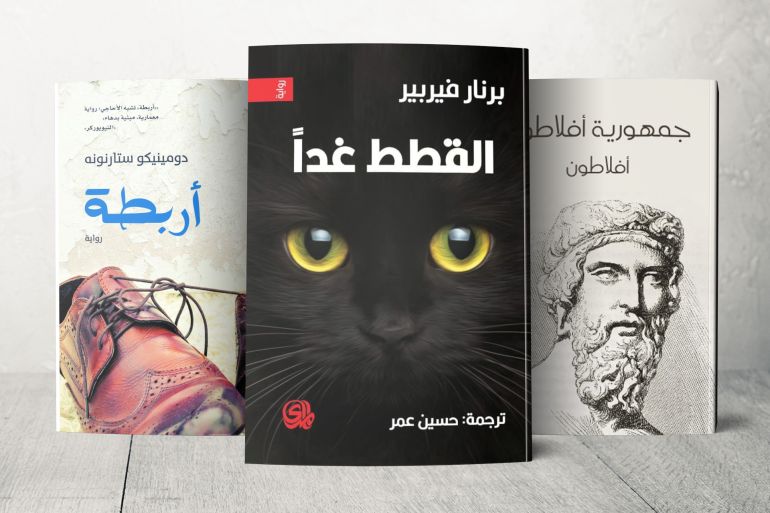
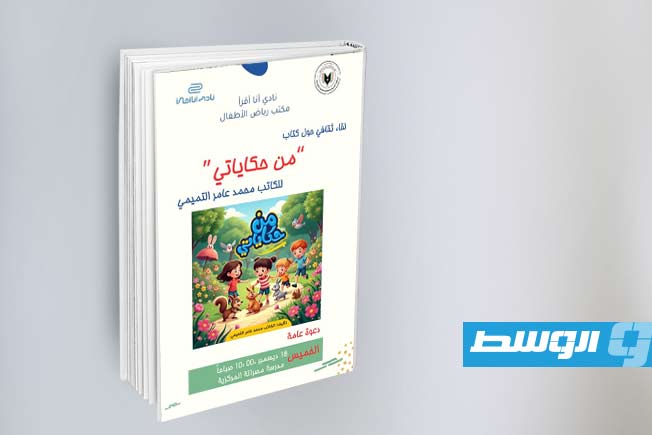
– <a>Dar Al-Jaber launches the book “The Strong Woman is Neither Defeated Nor Broken” at the Cairo International Book Fair 2026
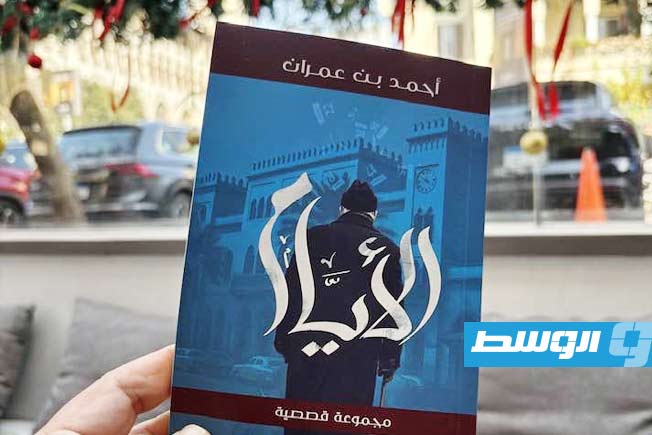
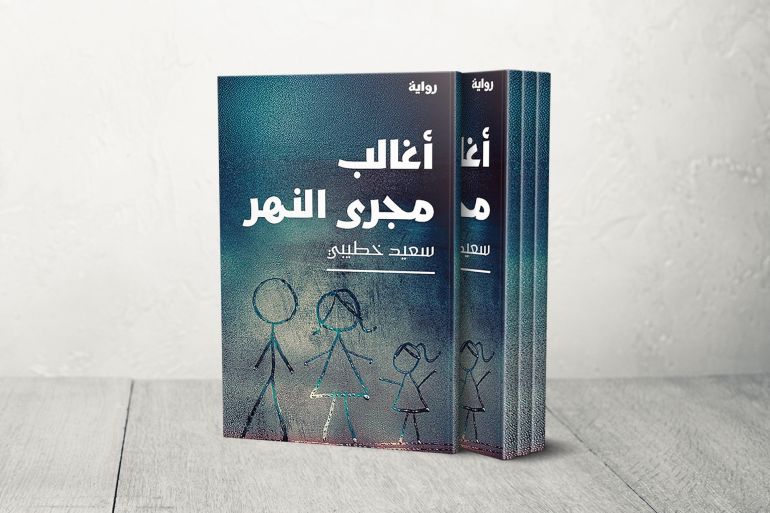
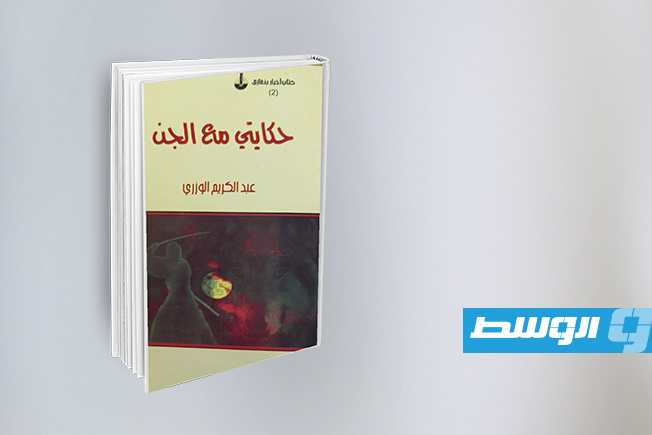
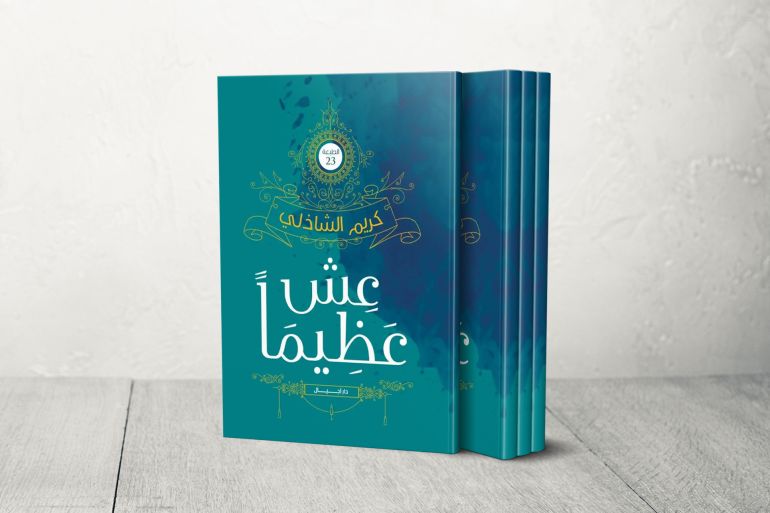
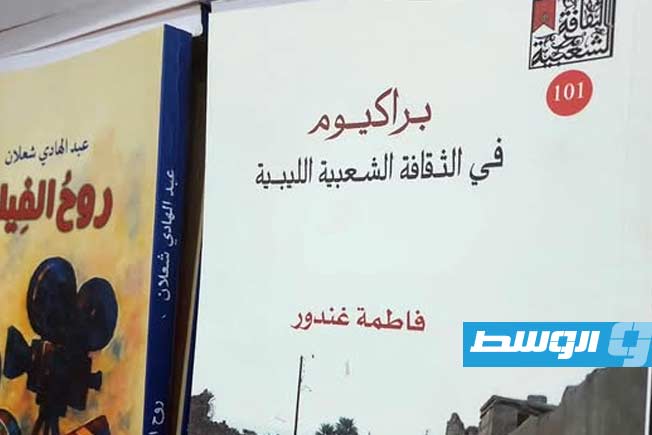
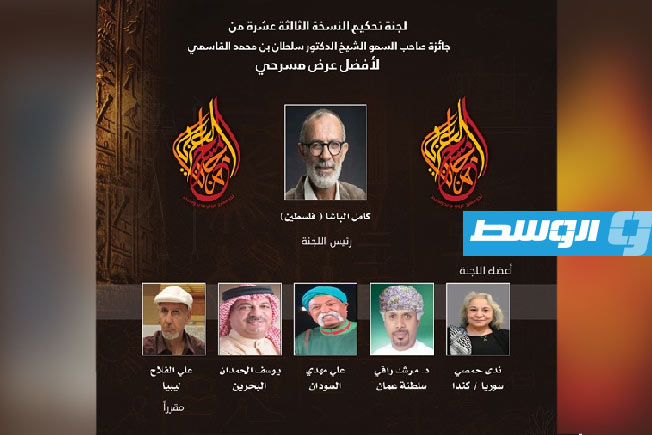
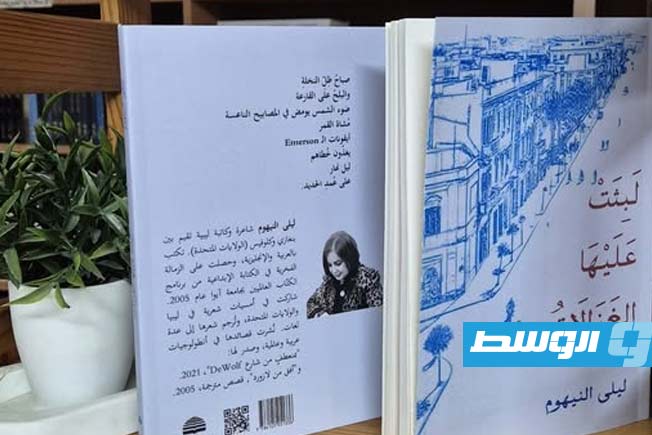
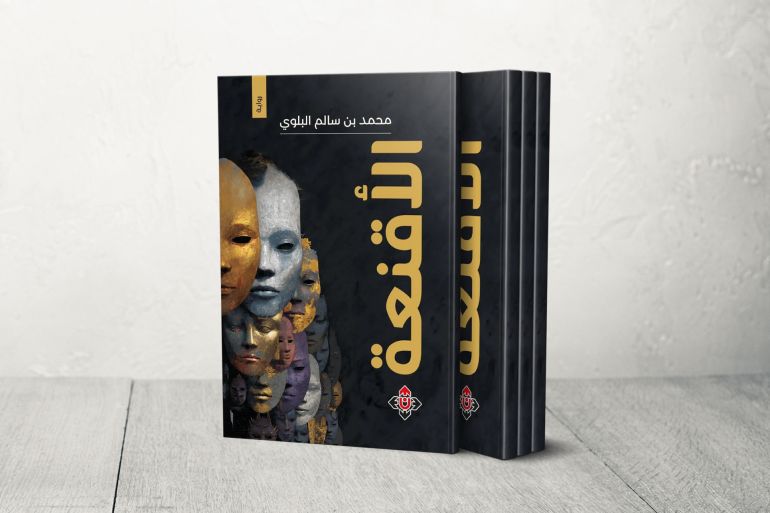
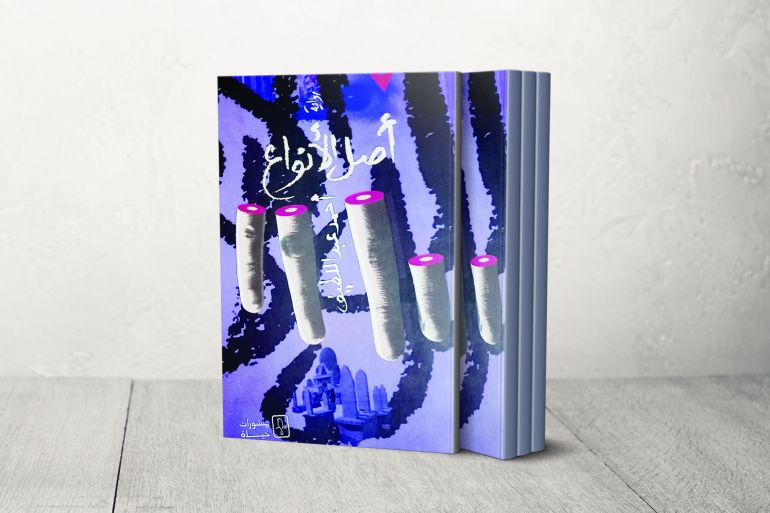
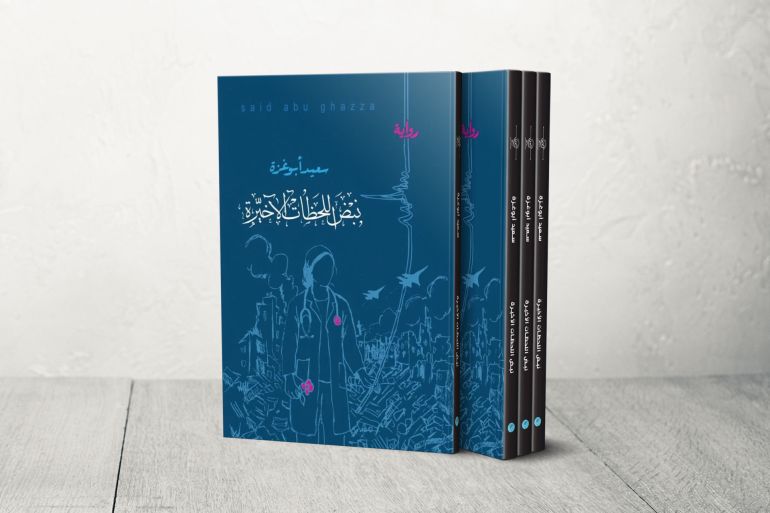
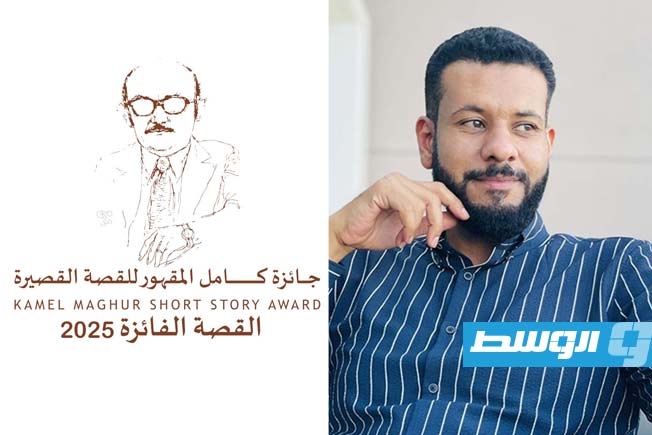
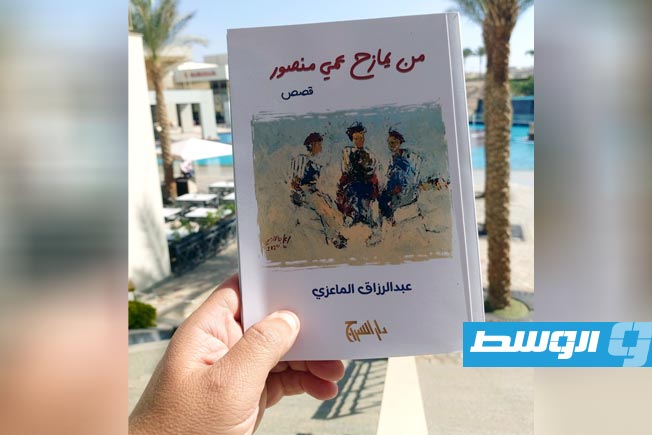
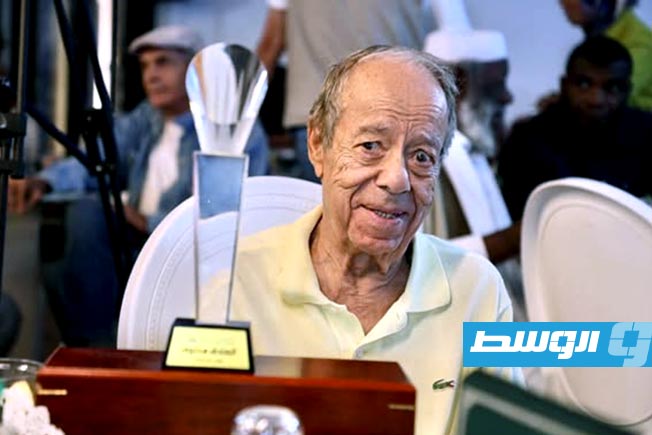
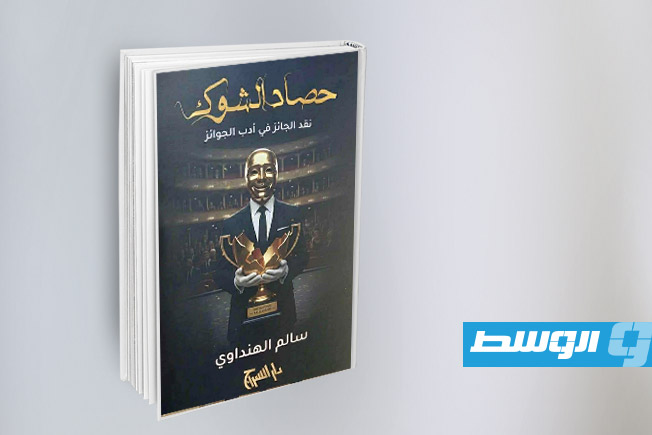
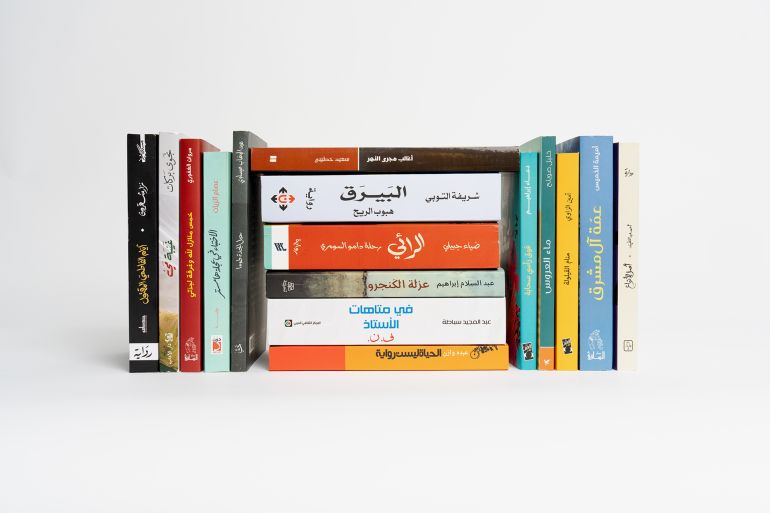
– <a>Release of the first book containing the shortlisted stories for the Kamil Al-Maghour Short Story Award – First Edition 2024
The tight organization has contributed to accommodating the crowds, and the turnout embodies a societal awareness of the value of the book and its role in supporting the publishing industry.
Schedule of Events: Between Presence and Absence
Regarding participation, the events schedule revealed a cultural presence from thirteen Arab countries, led by Egypt alongside notable participation from countries of the Mashriq, the Maghreb, Sudan, Yemen, and Palestine.
Foreign countries also recorded active participation, such as China, Romania, Greece, Germany, and Canada, through translation seminars and cultural dialogue.
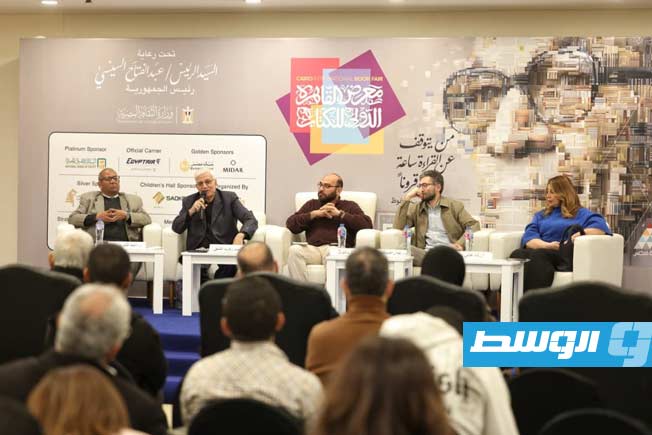
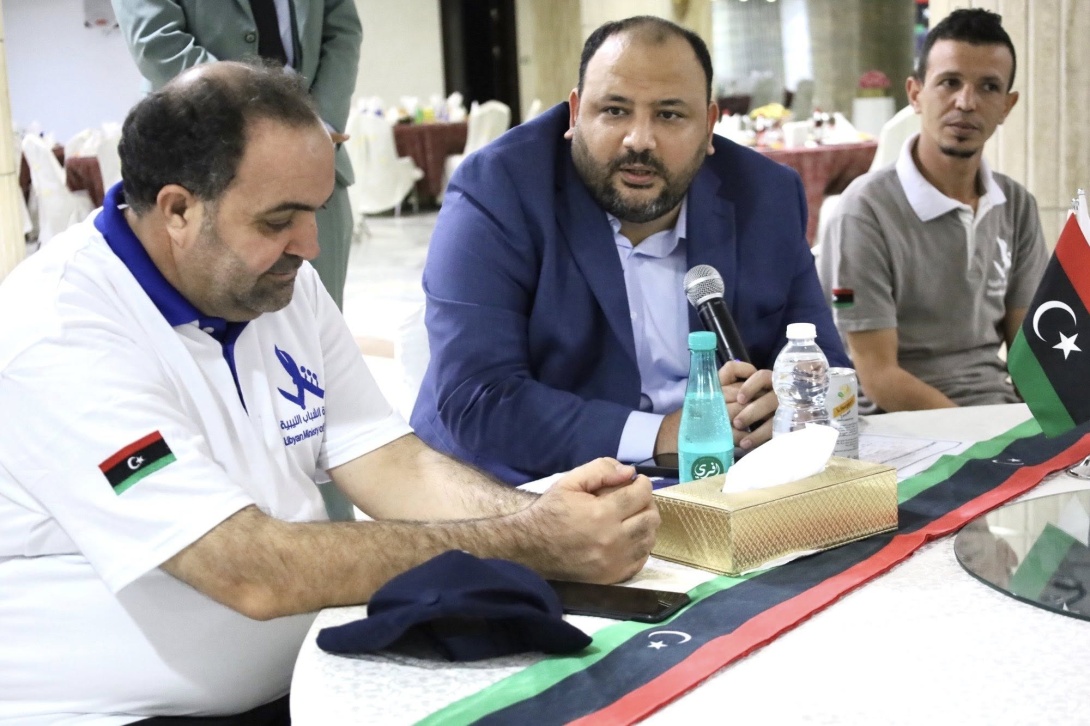
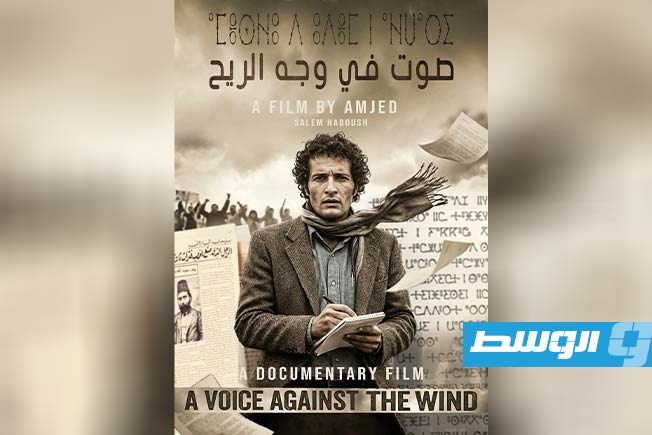
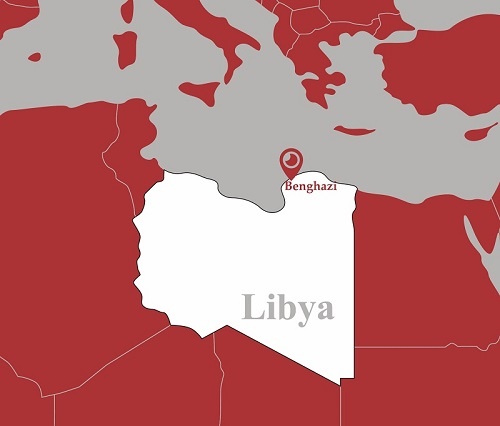
In contrast, direct participation by intellectuals in the official seminars was absent for countries such as Kuwait, Qatar, Syria, Libya, and Mauritania, despite their presence in exhibition pavilions.
An elevated view of the Friday prayer at the Cairo International Book Fair at the exhibition grounds in Cairo, on January 23, 2026.A view of the Friday prayer at the Cairo International Book Fair at the exhibition grounds in Cairo, on January 23, 2026.
Cairo International Book Fair
The Cairo International Book Fair is one of the world’s largest and oldest book fairs, first held in 1969. It is held annually at the Egypt International Exhibition Center and serves as a major cultural event in the Arab world, showcasing literature from Egypt and numerous other countries.
Egypt International Exhibition Center
The Egypt International Exhibition Center is a major trade and exhibition venue located in New Cairo, inaugurated in 1984. It hosts numerous international fairs and events, playing a significant role in Egypt’s economic and commercial sectors.
Egyptian Ministry of Culture
The Egyptian Ministry of Culture is a government body established in 1958, responsible for preserving and promoting Egypt’s vast cultural heritage and contemporary arts. Its history is intertwined with modern Egyptian state-building, aiming to safeguard archaeological sites, manage museums, and support artistic expression following the 1952 revolution.
Facebook
Facebook is a social media platform founded in 2004 by Mark Zuckerberg and his Harvard University classmates. It began as a university networking site before expanding globally, fundamentally changing online communication and becoming one of the world’s largest technology companies.
Romania
Romania is a country in Southeastern Europe, historically formed from the principalities of Moldavia, Wallachia, and Transylvania. It is renowned for its preserved medieval towns, the Carpathian Mountains, and the legend of Count Dracula associated with Bran Castle.
Dar Al-Jaber
Dar Al-Jaber is a historic palace located in the Al-Hasa region of Saudi Arabia, originally constructed in the early 20th century. It served as a residence and administrative center for the local Al-Jaber family, who were influential regional leaders. The structure is an example of traditional Najdi architecture and reflects the historical significance of the region.
Kamil Al-Maghour Short Story Award
The Kamil Al-Maghour Short Story Award is a prestigious literary prize in Libya, established in 1974 and named after the renowned Libyan writer Kamil Al-Maghour. It aims to encourage and recognize excellence in the Arabic short story form, serving as a significant platform for writers across the Arab world.
Egypt
Egypt, home to one of the world’s oldest civilizations, is famed for its ancient monuments like the Pyramids of Giza and the Great Sphinx, which date back over 4,500 years. Its long history includes the Pharaonic kingdoms, later periods under Greek, Roman, and Arab rule, and its role as a major cultural and political center in the Arab world.
Mashriq
The Mashriq is a historical and cultural region encompassing the eastern part of the Arab world, including countries like Iraq, Syria, Lebanon, Jordan, Palestine, and Kuwait. Its name, meaning “the place of sunrise,” distinguishes it from the Maghreb (“the place of sunset”) in North Africa, and it has been a central heartland of Arab and Islamic civilization for centuries.
Maghreb
The Maghreb is a region in North Africa encompassing the countries of Morocco, Algeria, Tunisia, Libya, and Mauritania. Historically, it was home to ancient Berber kingdoms, later became part of the Roman Empire, and was profoundly shaped by the Arab-Muslim conquests in the 7th and 8th centuries. The term itself means “place of the setting sun” in Arabic, reflecting its position west of the Arab heartlands.
Sudan
Sudan is a country in Northeast Africa with a rich history as the home of ancient Nubian kingdoms, such as Kush, which rivaled ancient Egypt. In the modern era, it was under Anglo-Egyptian colonial rule before gaining independence in 1956, and it is historically significant for the archaeological sites of Meroë and its location along the Nile River.
Yemen
Yemen is a country on the Arabian Peninsula with a rich history as a center of ancient civilizations and trade, notably the Kingdom of Saba (Sheba). Its cultural landscape includes historic sites like the Old City of Sana’a, with its distinctive architecture, and the Socotra Archipelago, known for its unique biodiversity.
Palestine
Palestine is a historical and geographic region in the Eastern Mediterranean, with a deeply layered history of Canaanite, Israelite, Roman, Byzantine, Islamic, and Ottoman rule. It is central to the Abrahamic religions and is the location of significant holy sites in Jerusalem, Bethlehem, and Hebron. In the modern era, it is at the heart of a protracted political and territorial conflict between Israelis and Palestinians.
China
China is one of the world’s oldest continuous civilizations, with a recorded history spanning over four millennia. It is home to numerous UNESCO World Heritage sites, such as the Great Wall and the Forbidden City, which reflect its long imperial past and profound cultural achievements.
Greece
Greece is a southeastern European country known as the cradle of Western civilization, with a history spanning ancient city-states like Athens and Sparta, the Byzantine Empire, and Ottoman rule. Its rich cultural heritage is globally influential, particularly in philosophy, democracy, and the arts, and is embodied by iconic archaeological sites such as the Acropolis and Delphi. Modern Greece emerged as an independent nation in the 19th century following a war of independence against the Ottoman Empire.
Germany
Germany is a country in Central Europe with a complex history, most notably marked by its division into East and West Germany following World War II and its peaceful reunification in 1990. It is a major cultural and economic power, known for its contributions to philosophy, music, science, and its numerous historical sites, including medieval castles, WWII memorials, and remnants of the Berlin Wall.
Canada
Canada is a North American country formed in 1867 through Confederation, evolving from earlier British and French colonial territories. It is known for its vast landscapes, multicultural society, and a historical development deeply influenced by Indigenous peoples, colonization, and immigration.
Kuwait
Kuwait is a sovereign Arab state situated at the head of the Persian Gulf, historically established as a sheikhdom in the 18th century by clans from the Arabian interior. Its modern history was profoundly shaped by the discovery of oil in the 1930s, which transformed it into a wealthy nation, and by the Iraqi invasion and subsequent Gulf War in 1990-1991.
Qatar
Qatar is a sovereign nation on the Arabian Peninsula, historically shaped by its Bedouin heritage and centuries of pearl diving. It transformed dramatically in the mid-20th century following the discovery of vast oil and natural gas reserves, which propelled it into a position of significant global economic and political influence. Today, it is known for its modern skyline, hosting major international events, and preserving its cultural identity through institutions like the Museum of Islamic Art.
Syria
Syria is a country in the Middle East with a rich history as a cradle of civilization, home to ancient cities like Damascus, one of the world’s oldest continuously inhabited cities. It has been a major cultural and commercial crossroads for millennia, ruled by numerous empires including the Romans, Umayyads, and Ottomans. The country has faced significant conflict and destruction in its recent history due to an ongoing civil war that began in 2011.
Libya
Libya is a North African country with a rich history that includes ancient Phoenician and Greek settlements, most notably at Cyrene, and later Roman rule. It was part of the Ottoman Empire before Italian colonization in the early 20th century, gaining independence as a kingdom in 1951 and later becoming a republic under Muammar Gaddafi from 1969 until the 2011 revolution. The country is home to five UNESCO World Heritage Sites, including the extensive Roman ruins of Leptis Magna.
Mauritania
Mauritania is a country in Northwest Africa known for its vast Saharan desert landscapes and rich Islamic scholarly traditions. Historically, it was part of several West African empires and later became a French colony, gaining independence in 1960. A significant cultural site is the ancient caravan city of Chinguetti, a UNESCO World Heritage site founded in the 13th century, which served as a major center for Islamic learning and trans-Saharan trade.
Cairo
Cairo is the sprawling capital of Egypt, founded in 969 CE by the Fatimid dynasty and situated near the ancient pyramids of Giza. It serves as a major cultural and political hub of the Arab world, historically centered around landmarks like Al-Azhar University and the medieval Islamic district of Old Cairo.