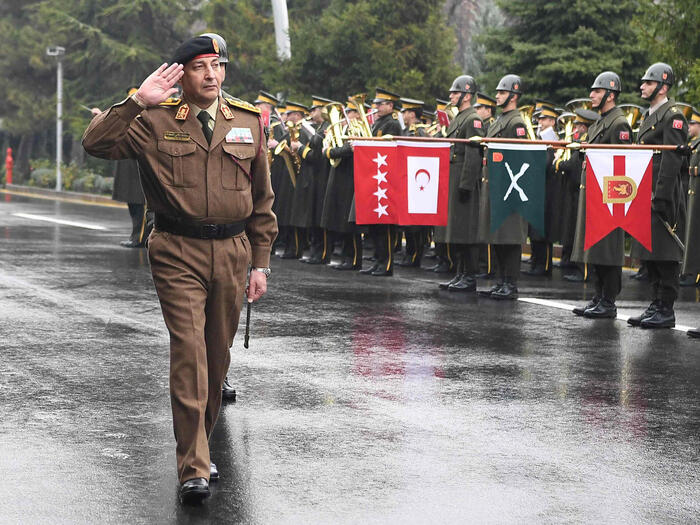
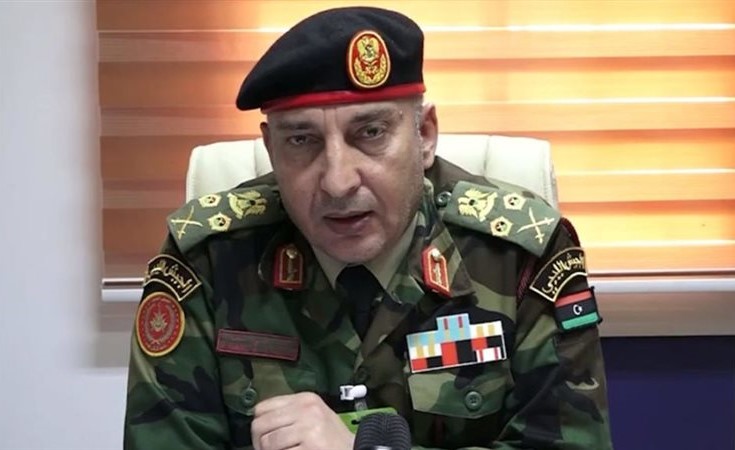
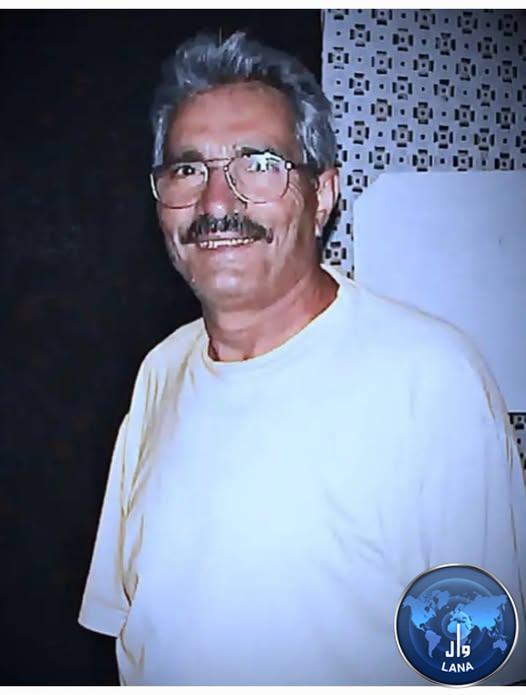
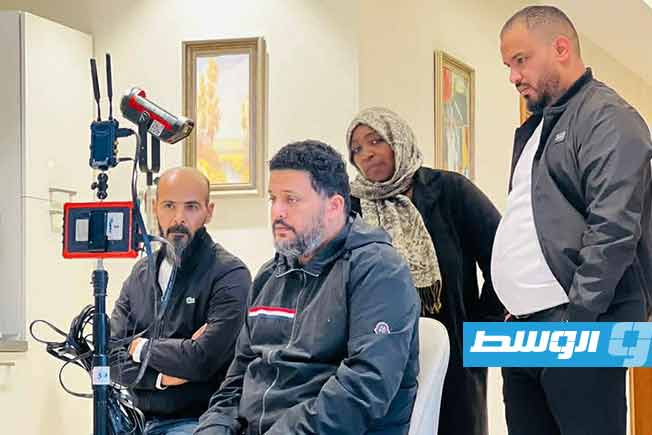
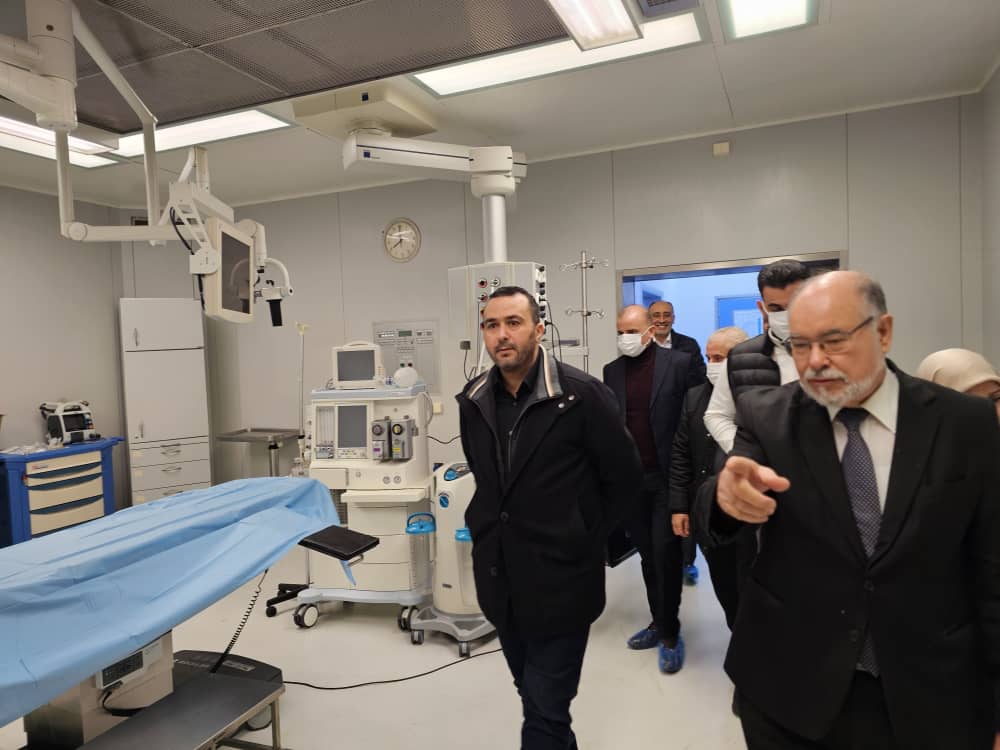
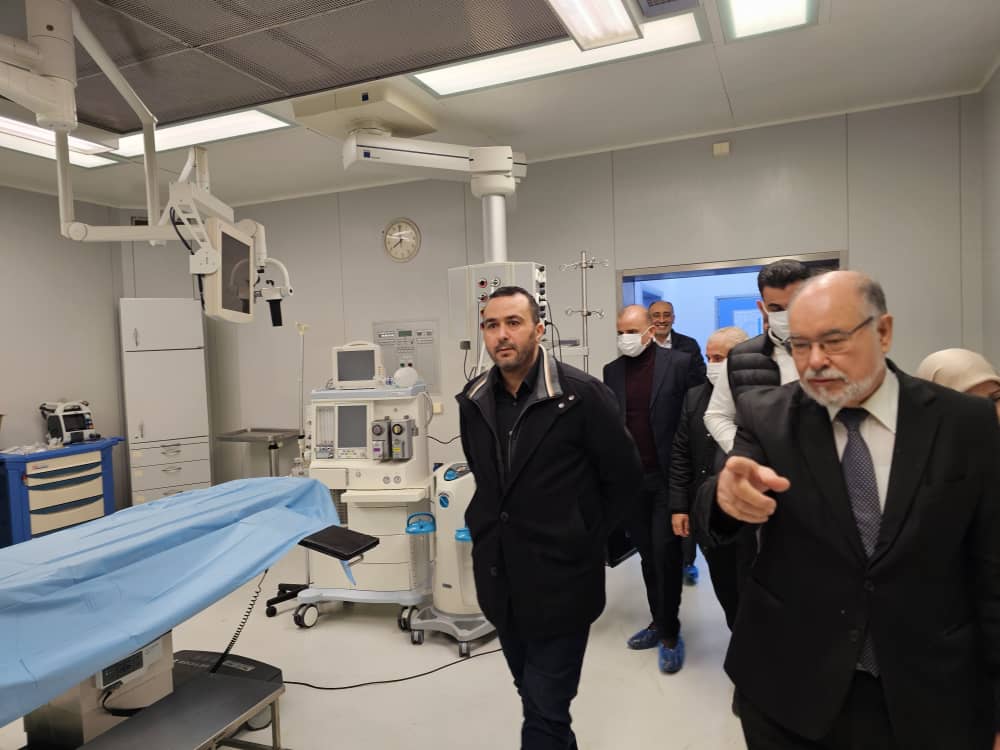
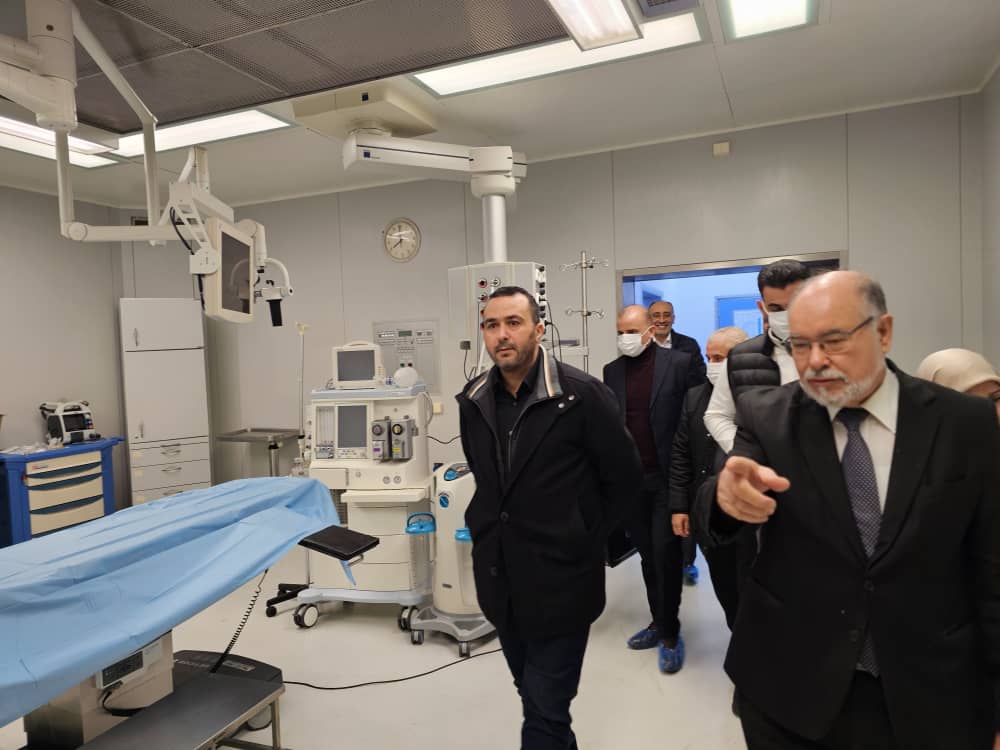
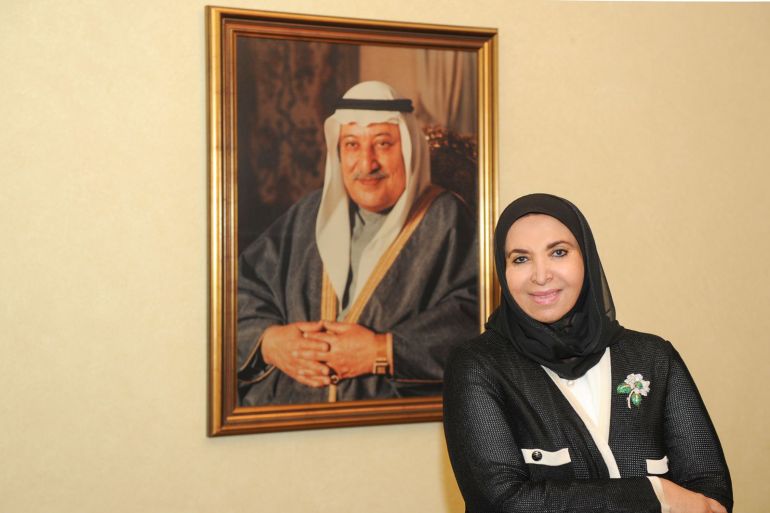
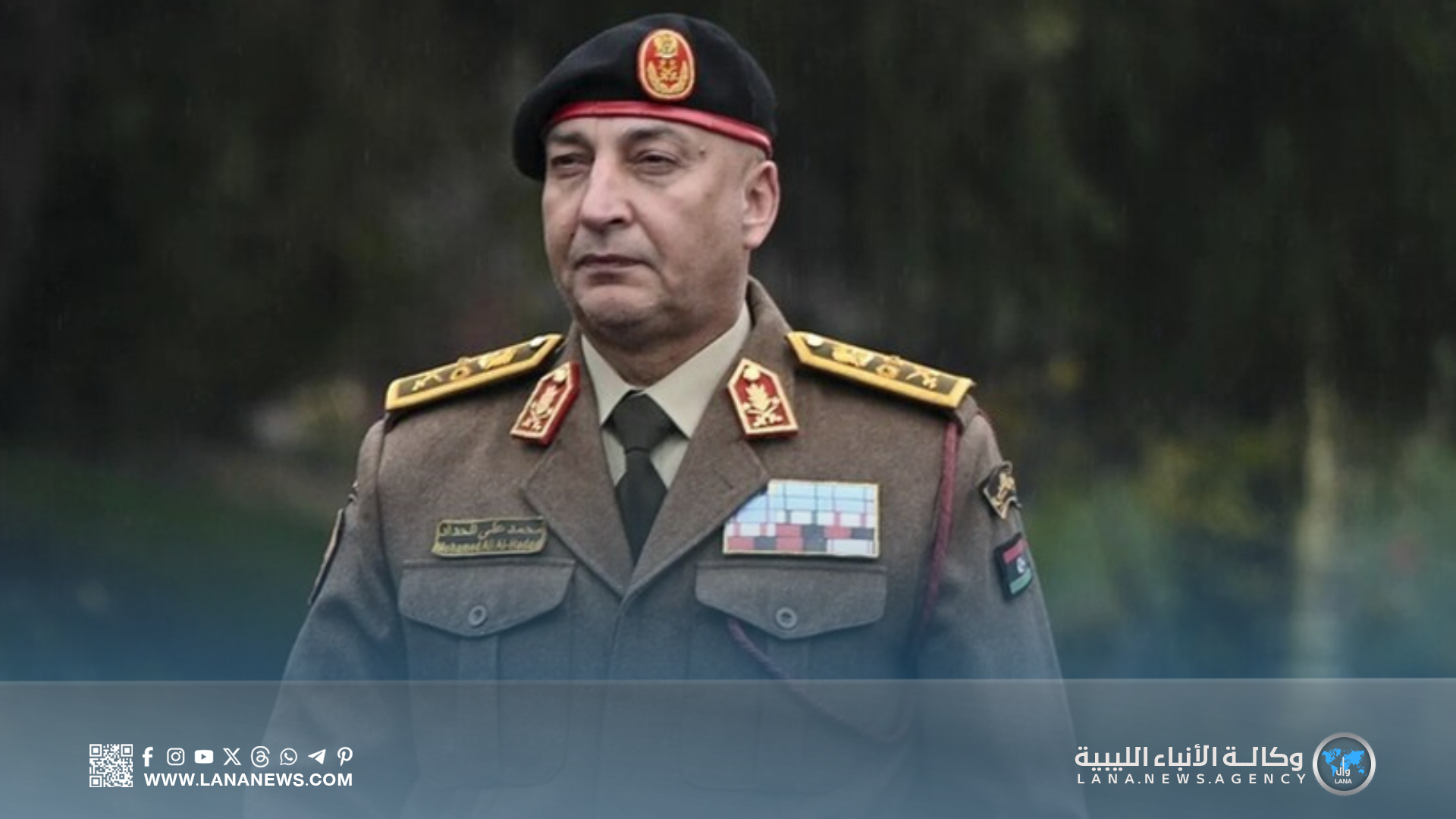
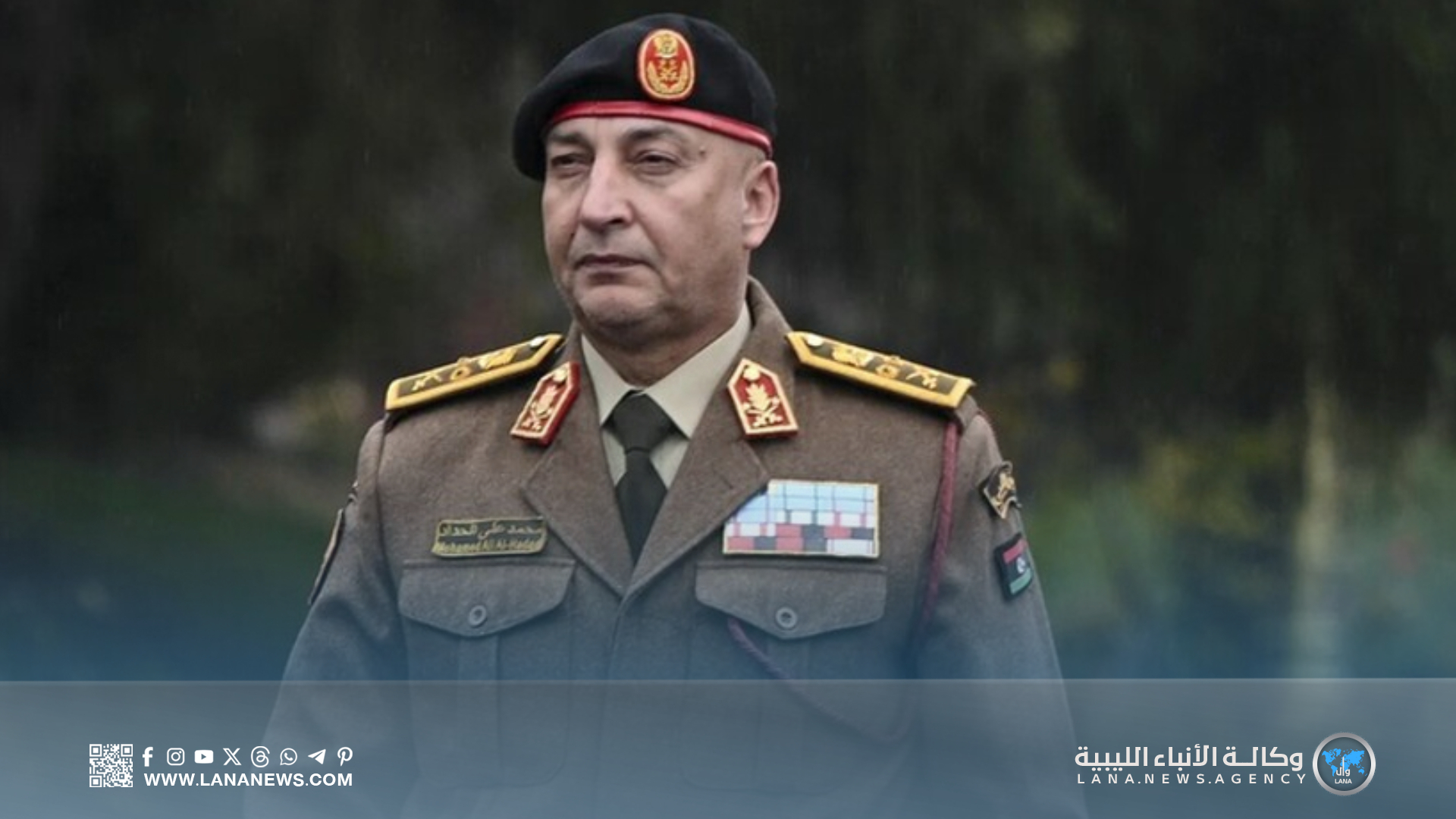
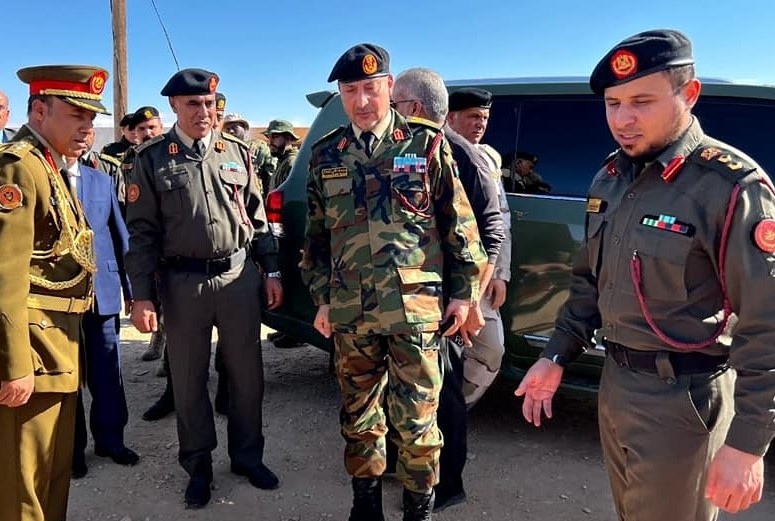
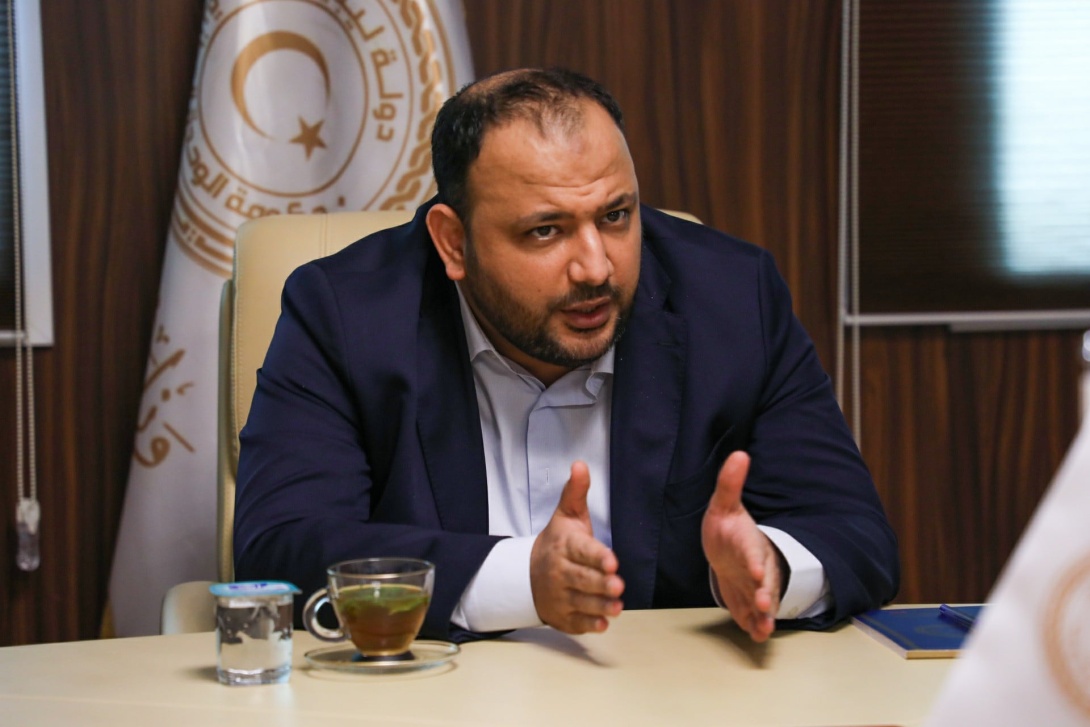
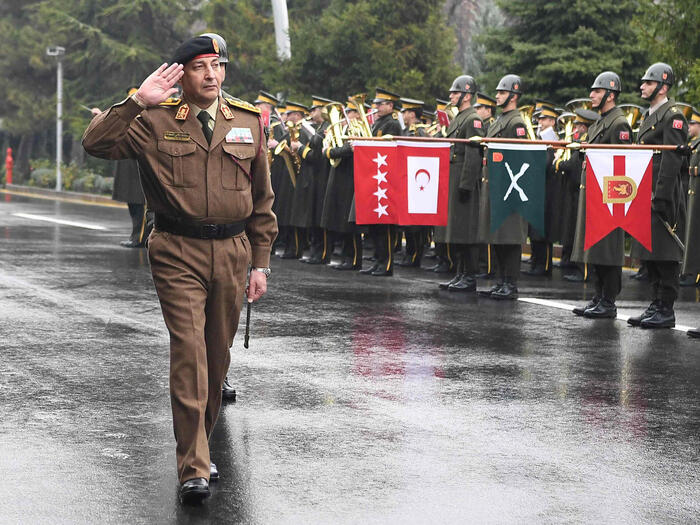
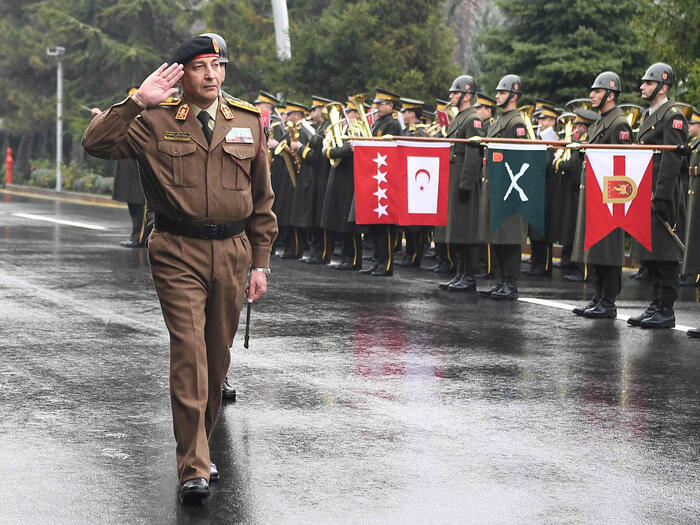
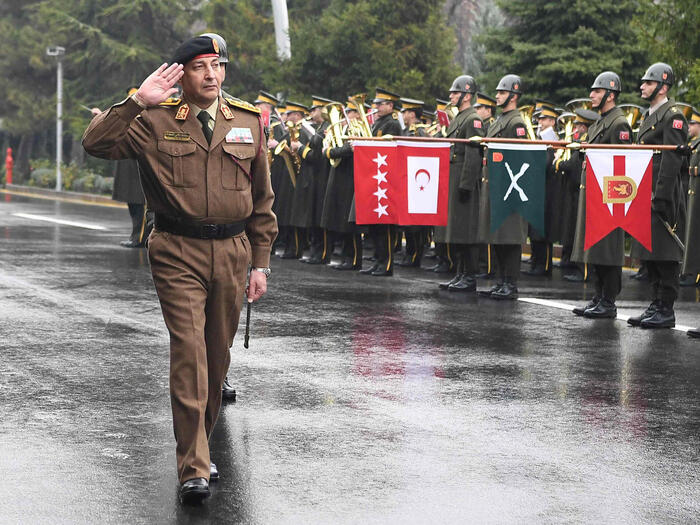
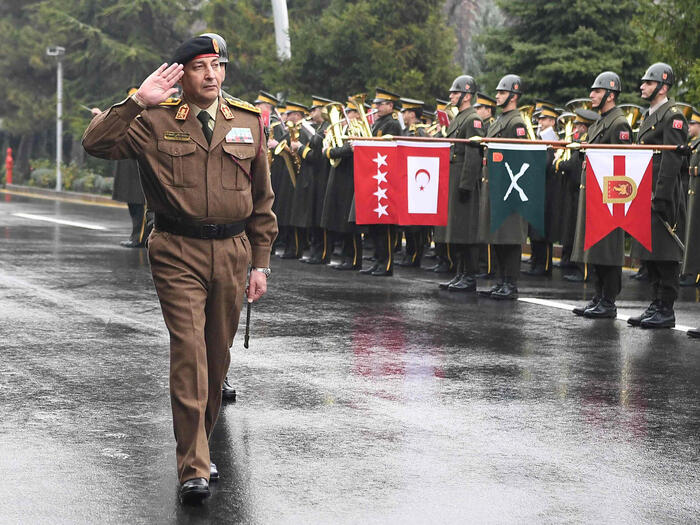
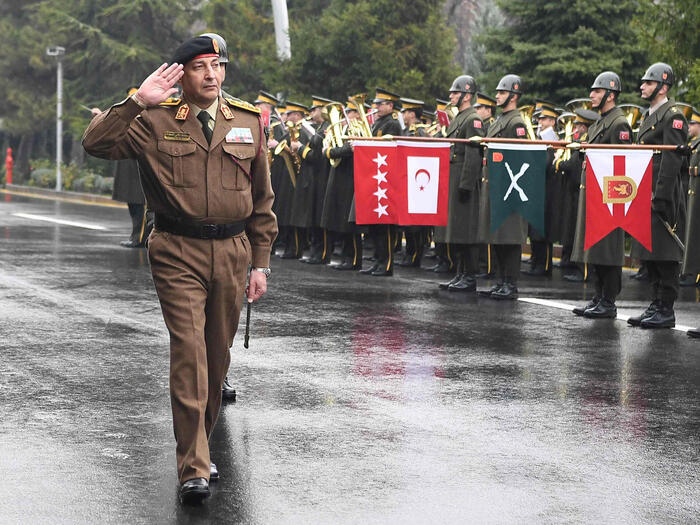
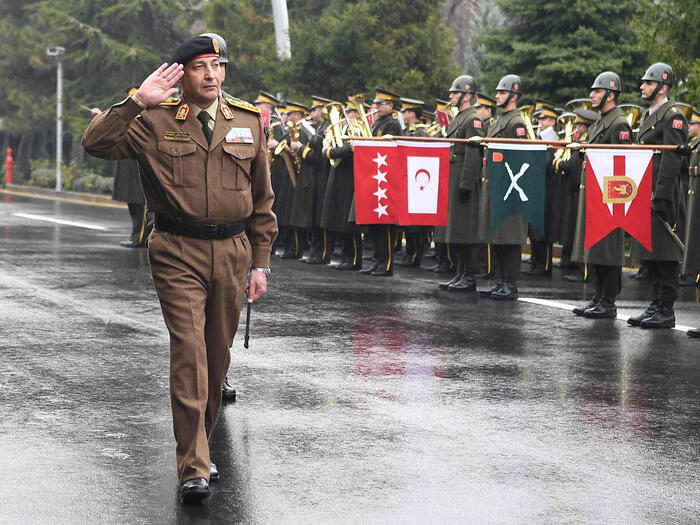
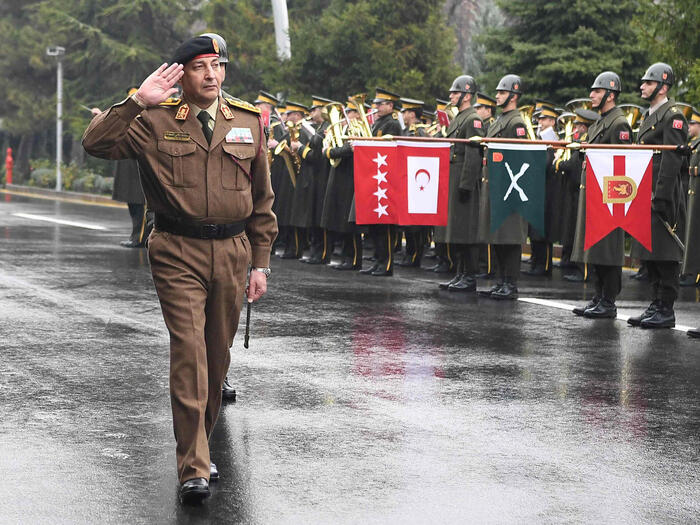
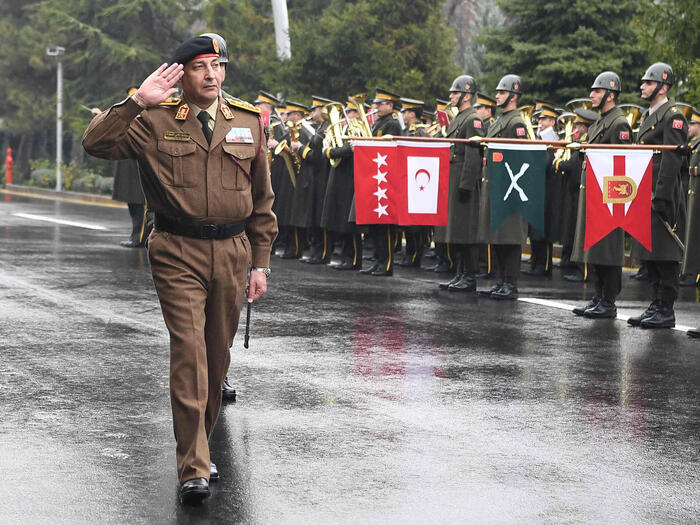
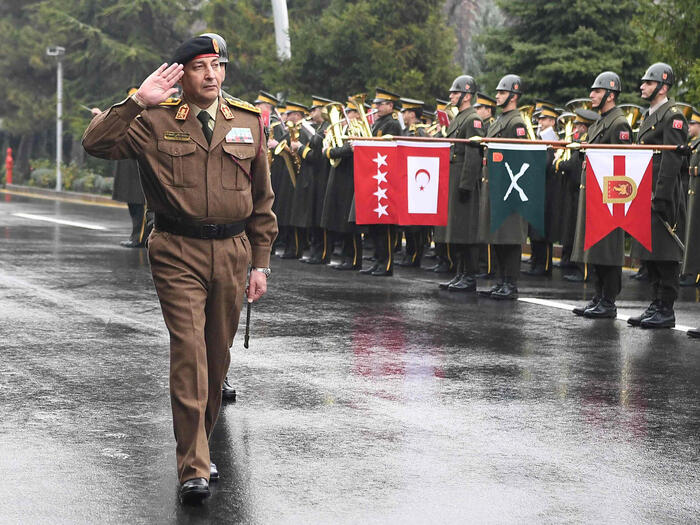
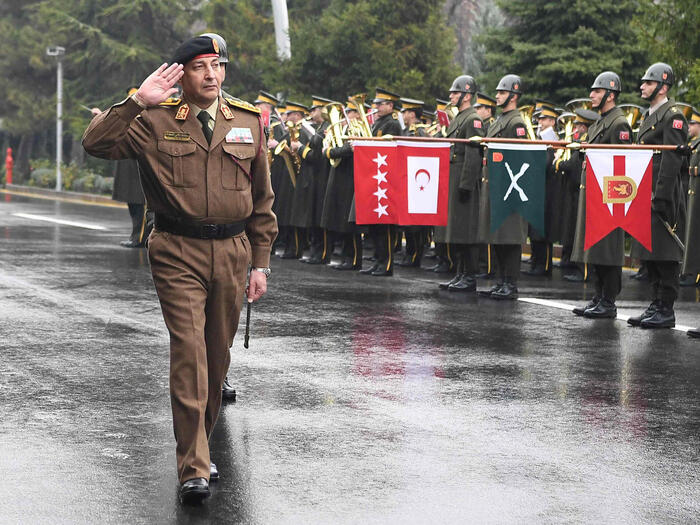
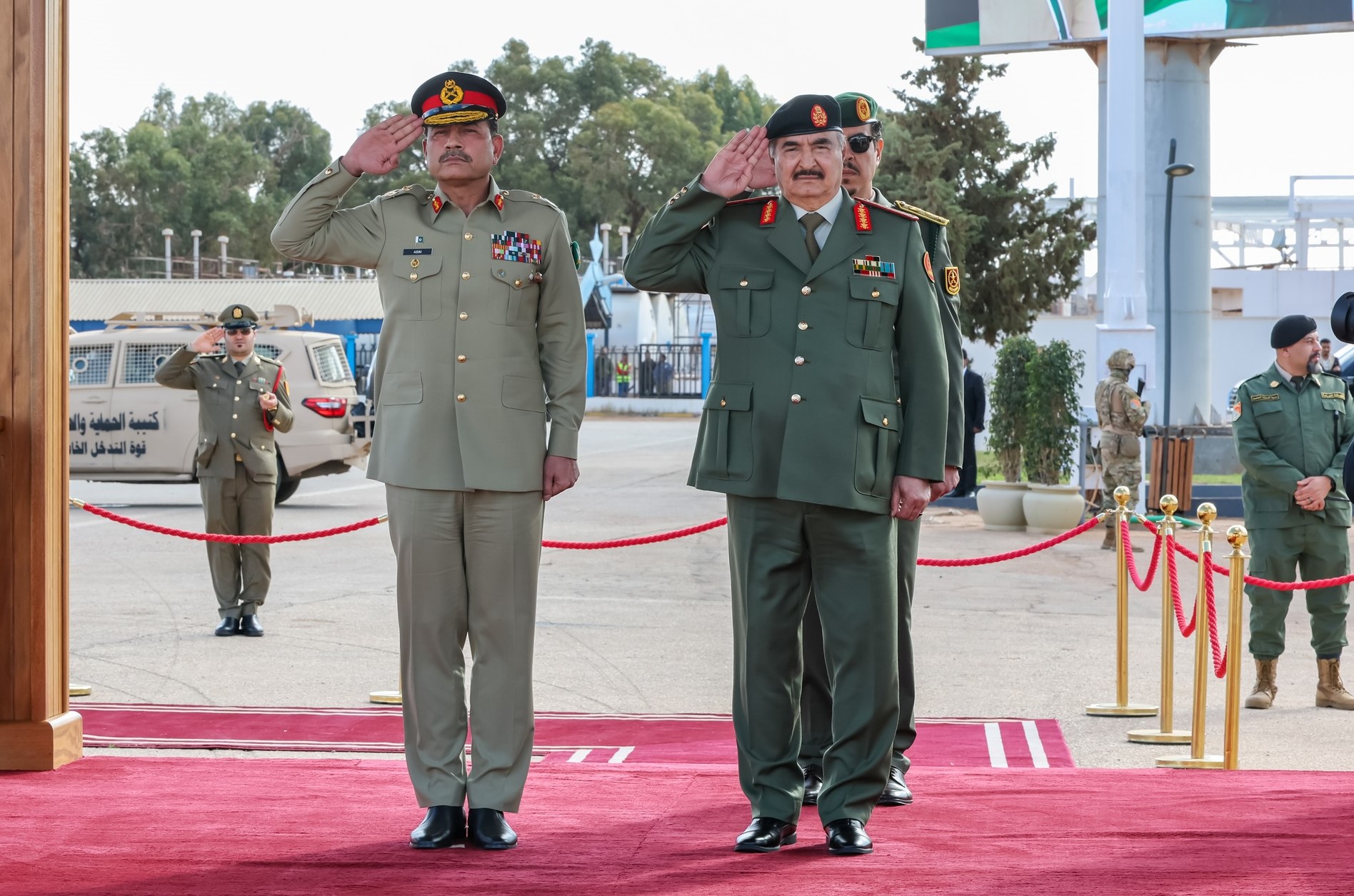
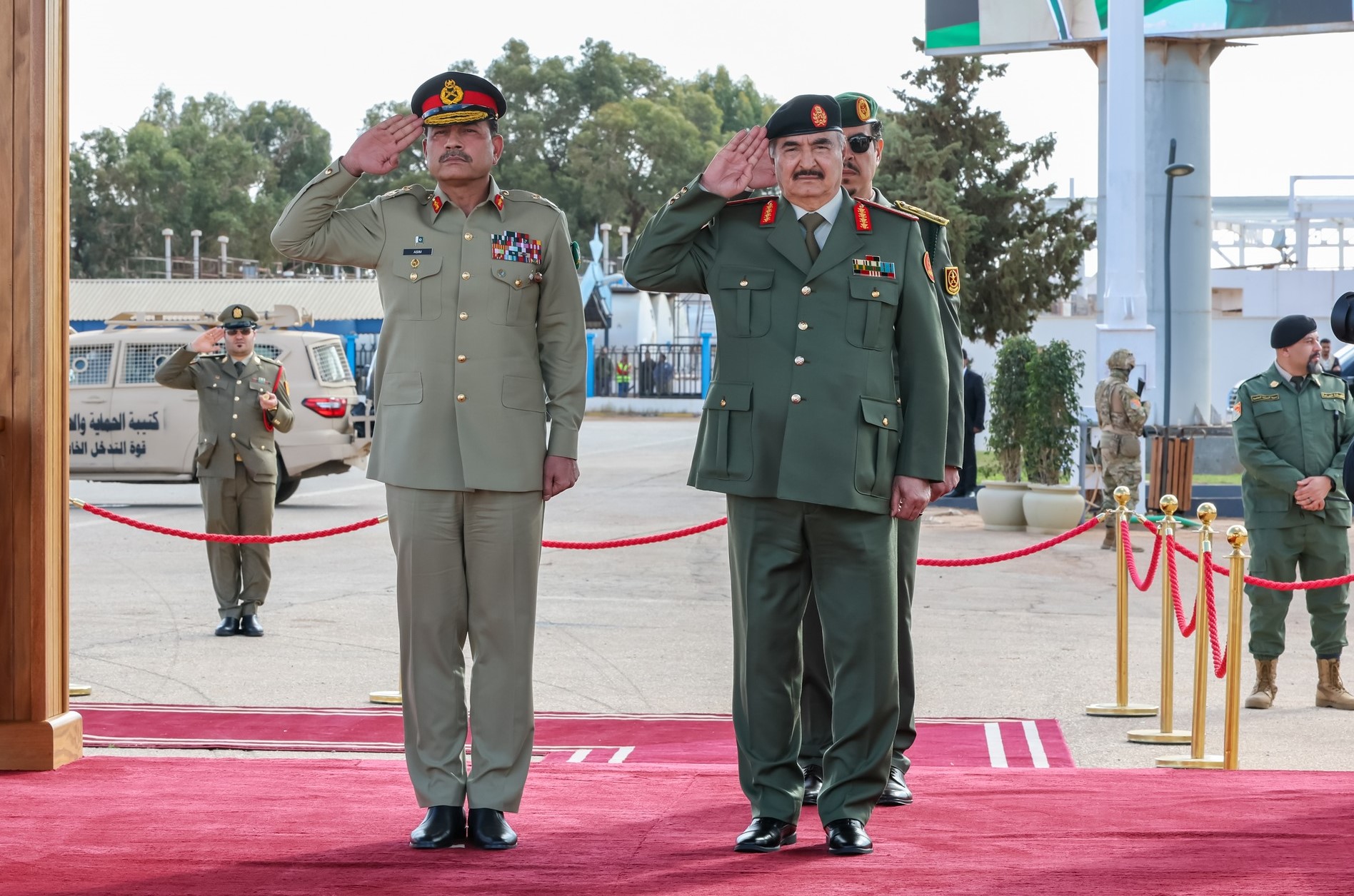
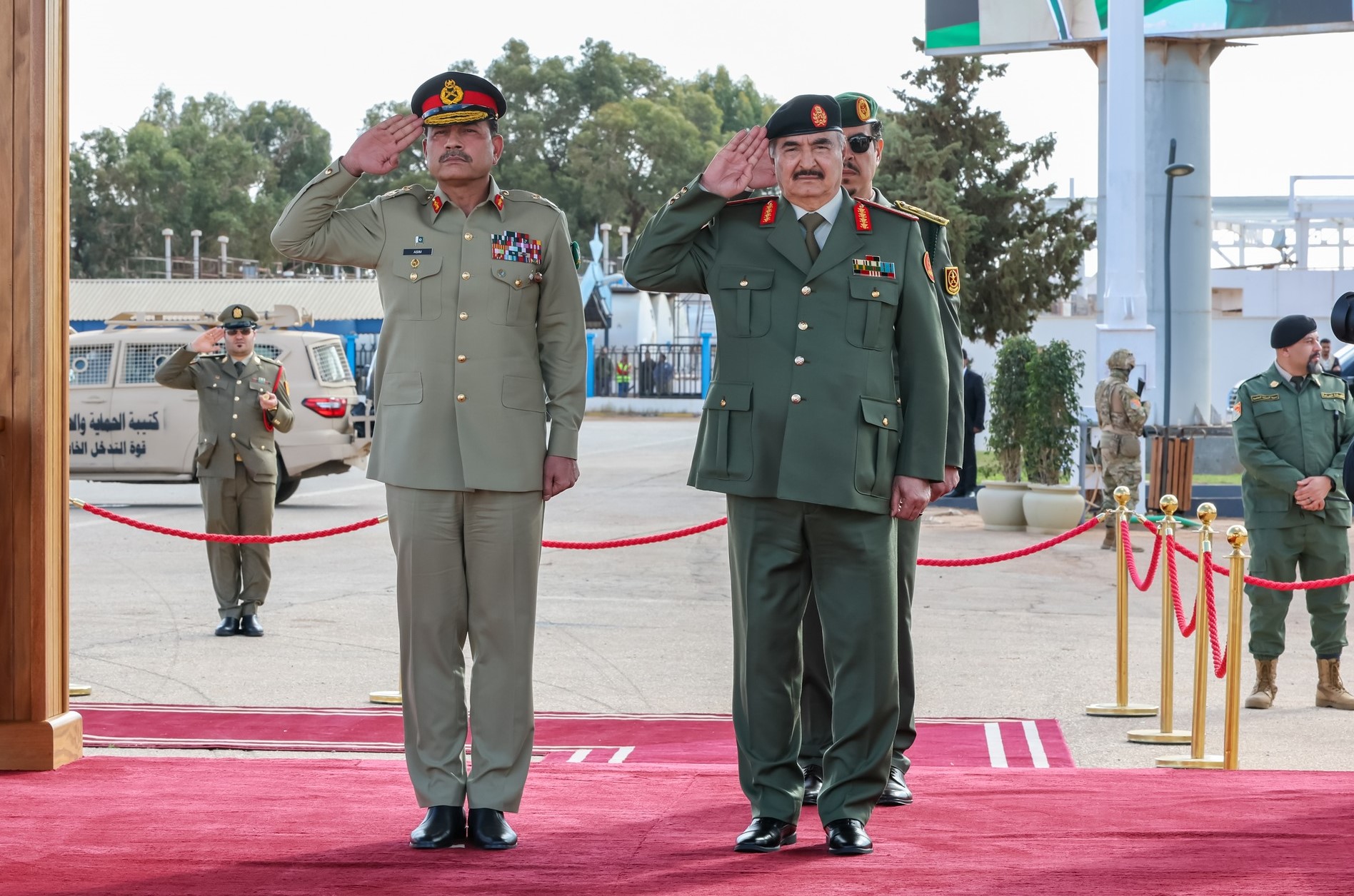
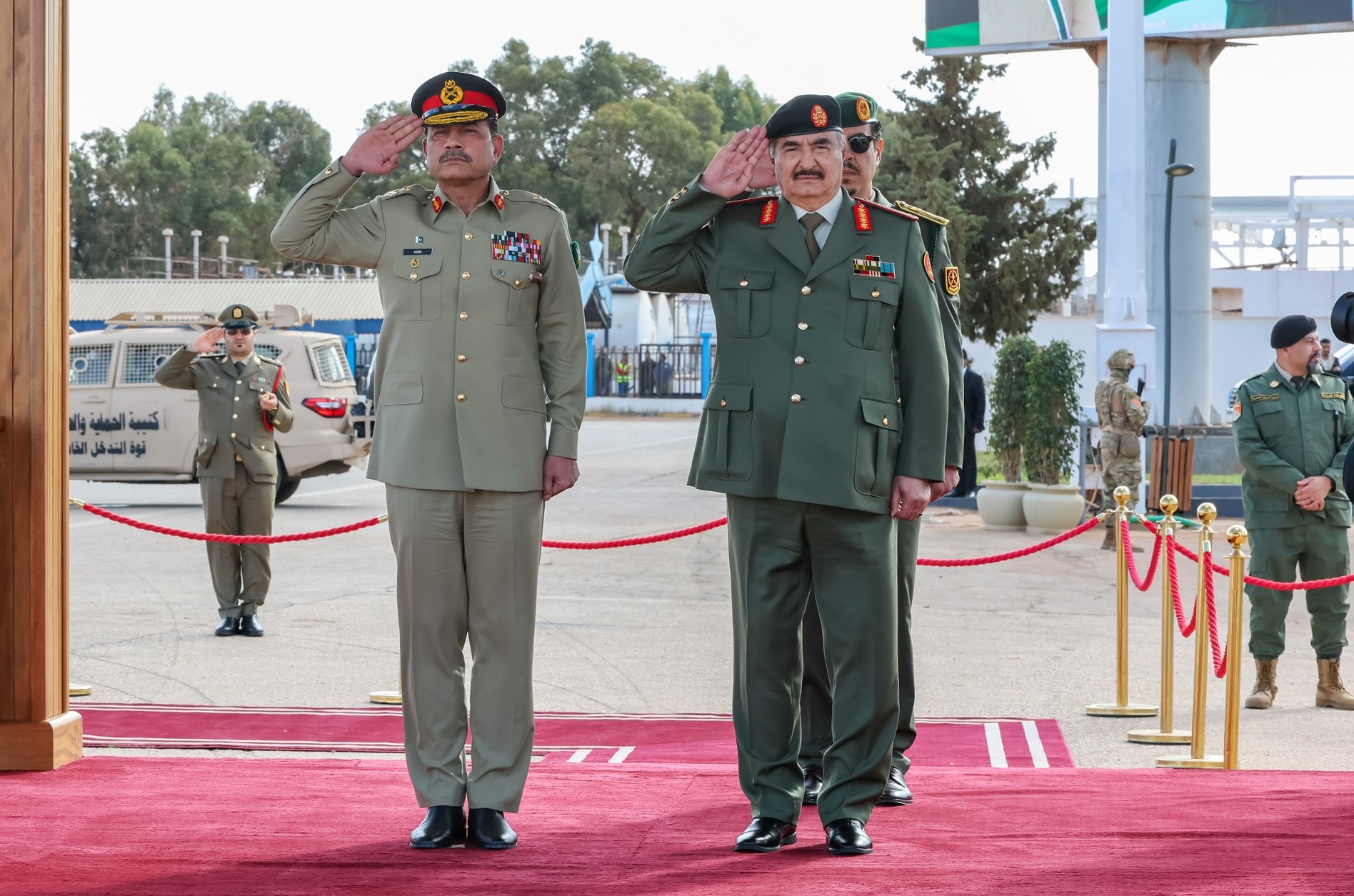
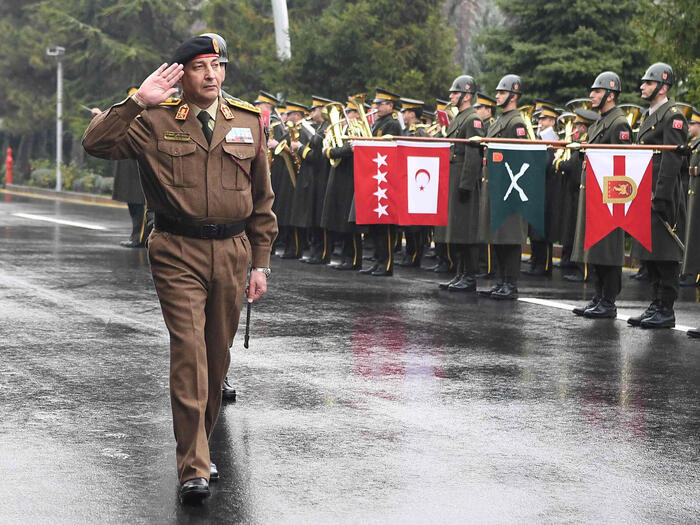
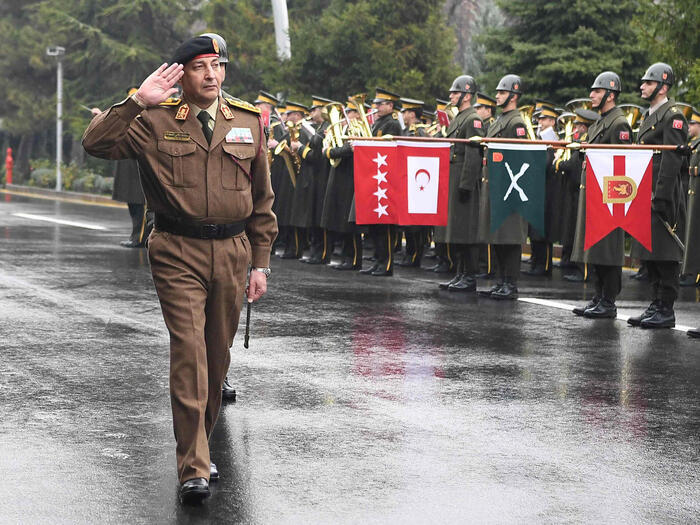
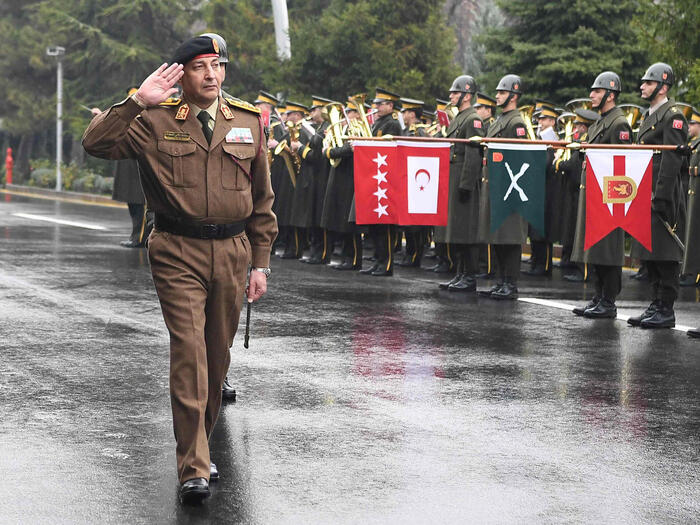
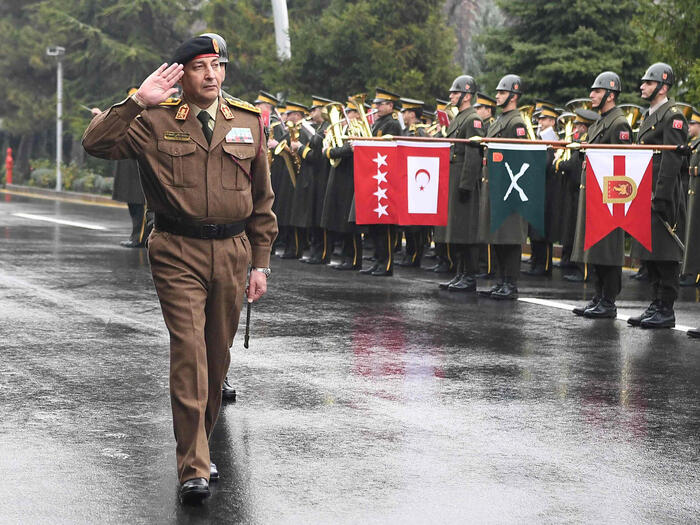
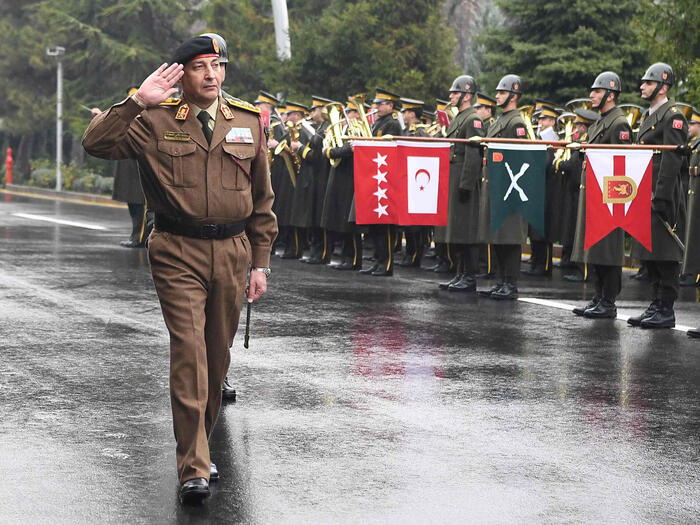
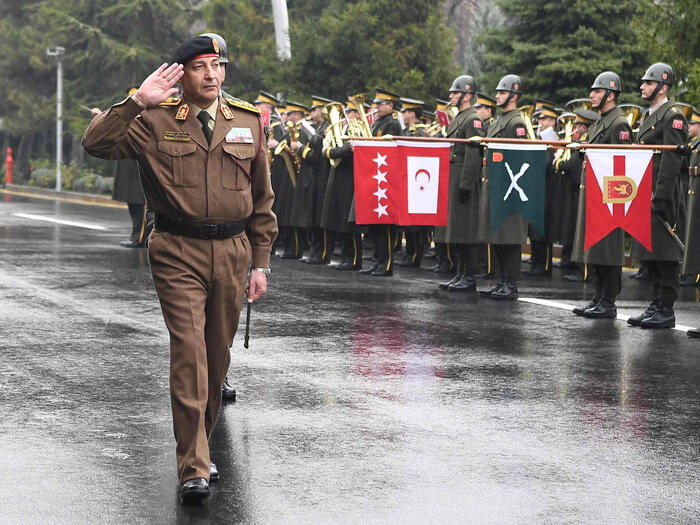
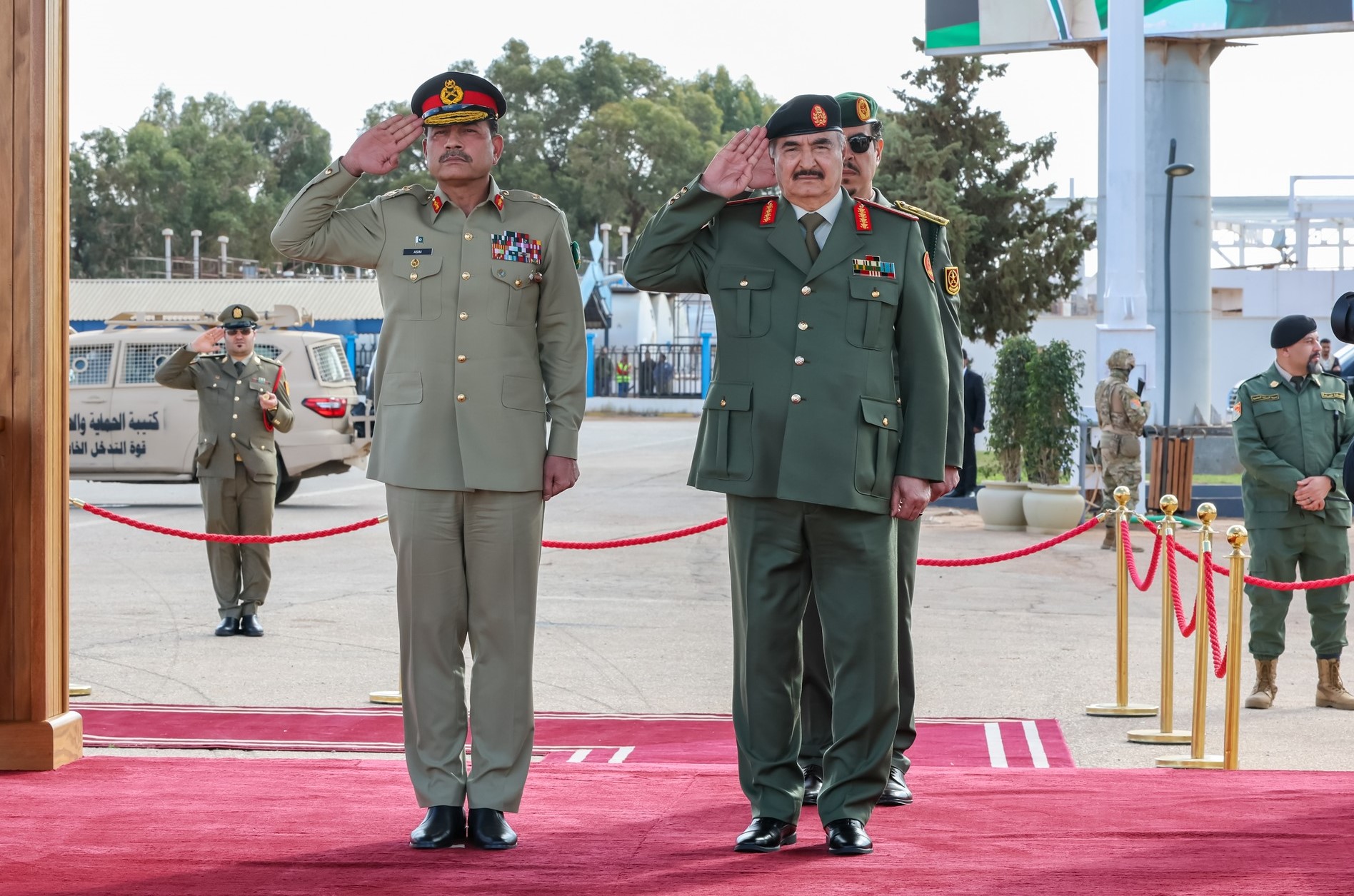
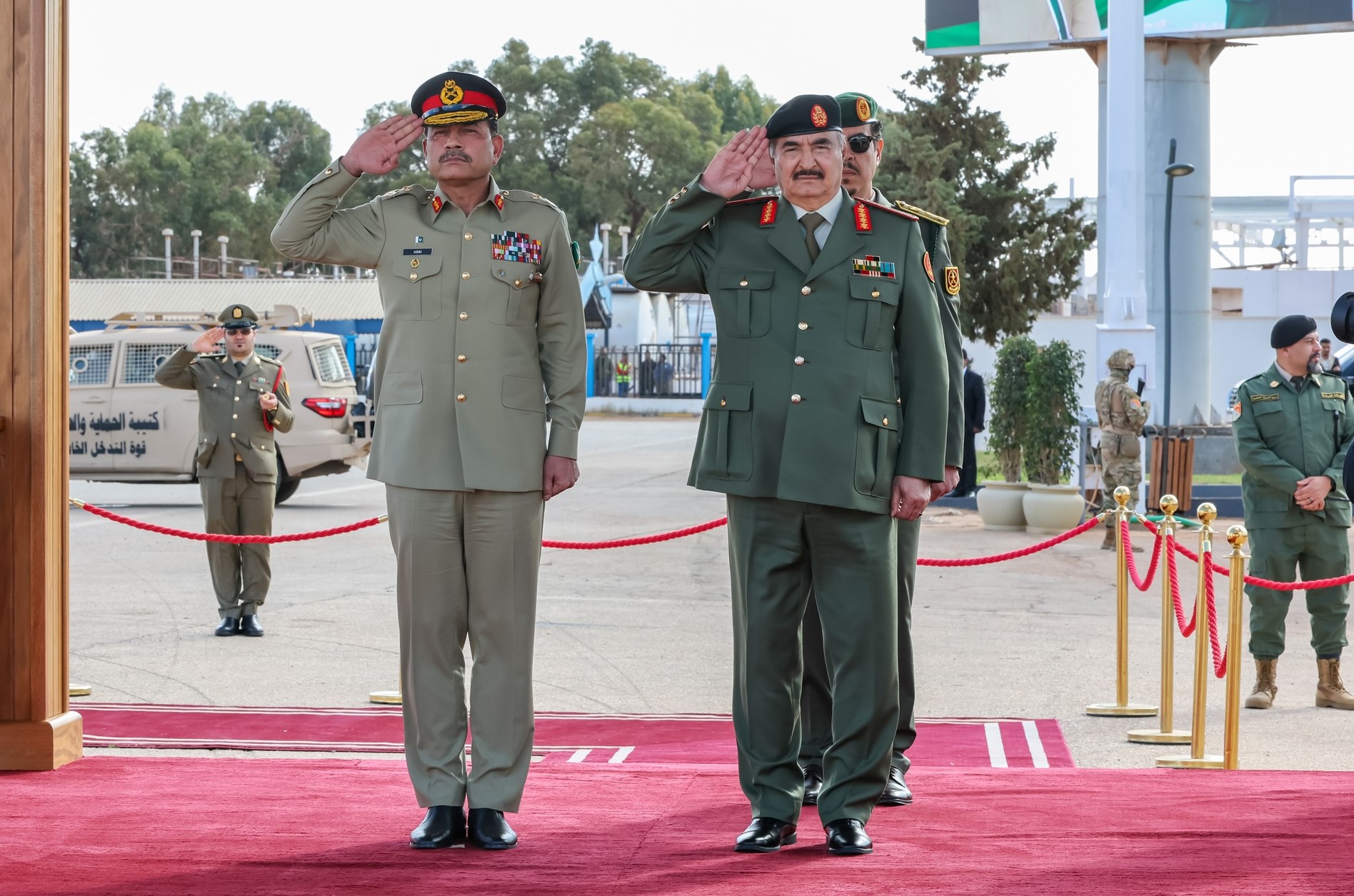
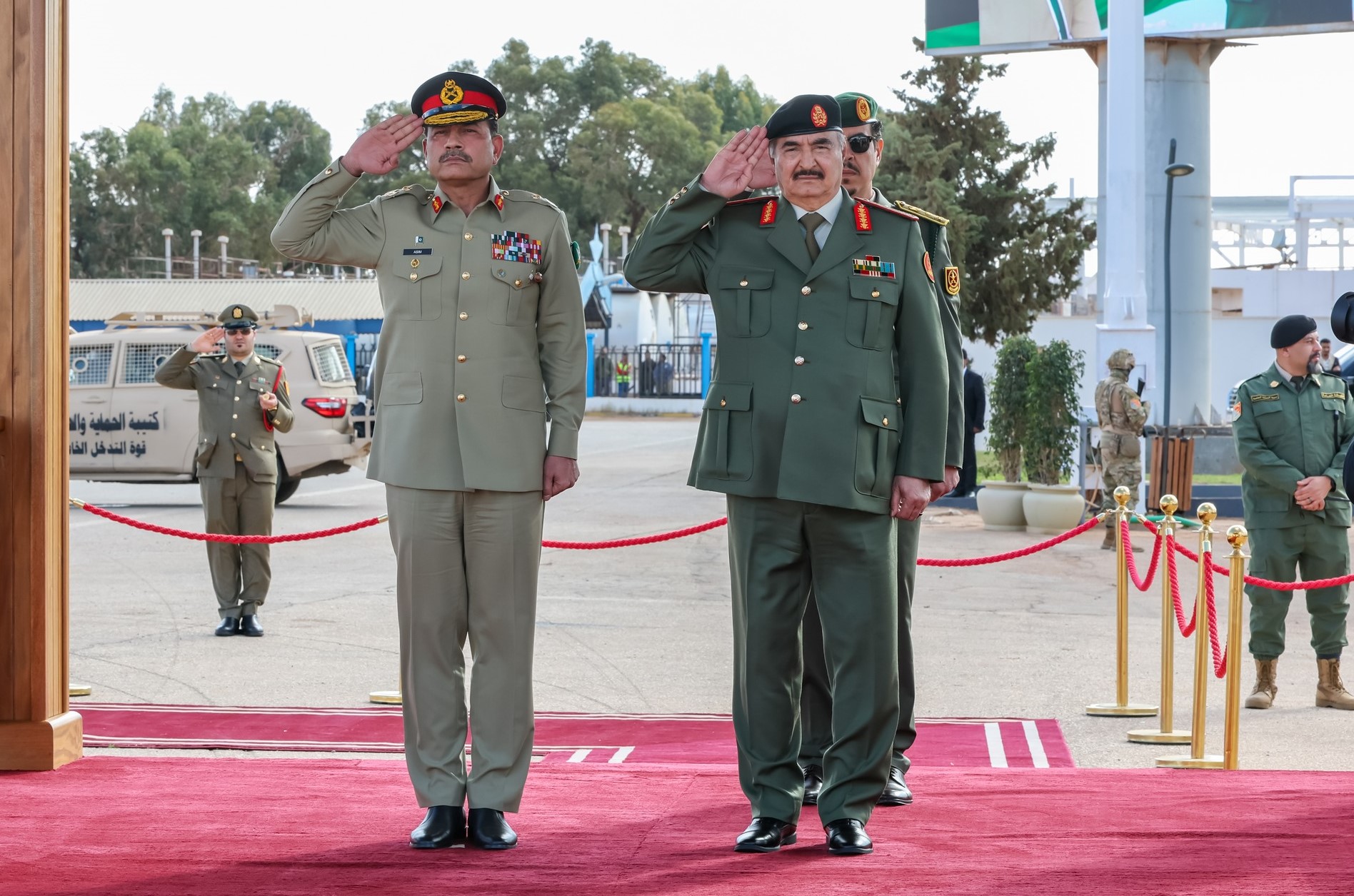
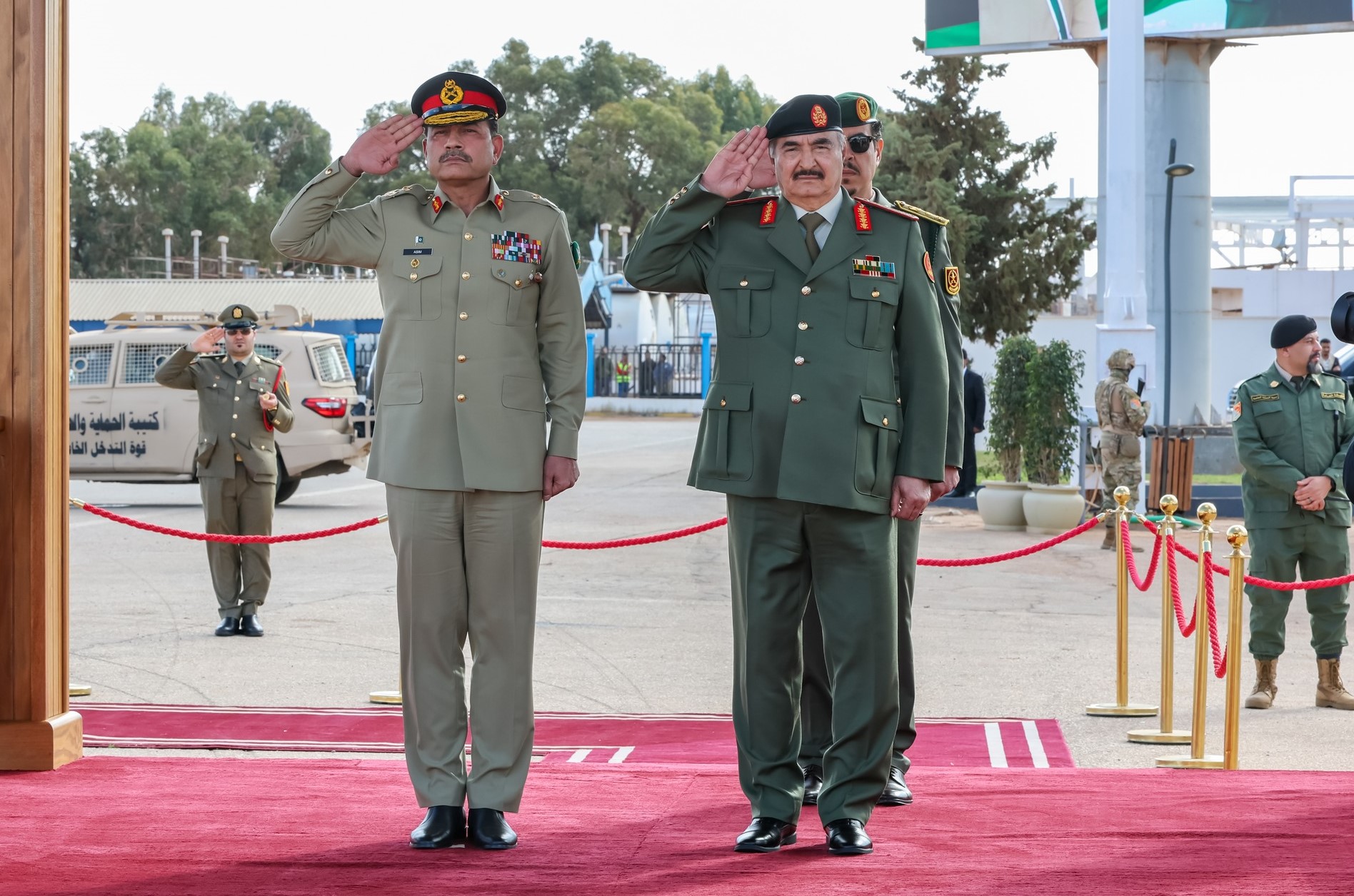
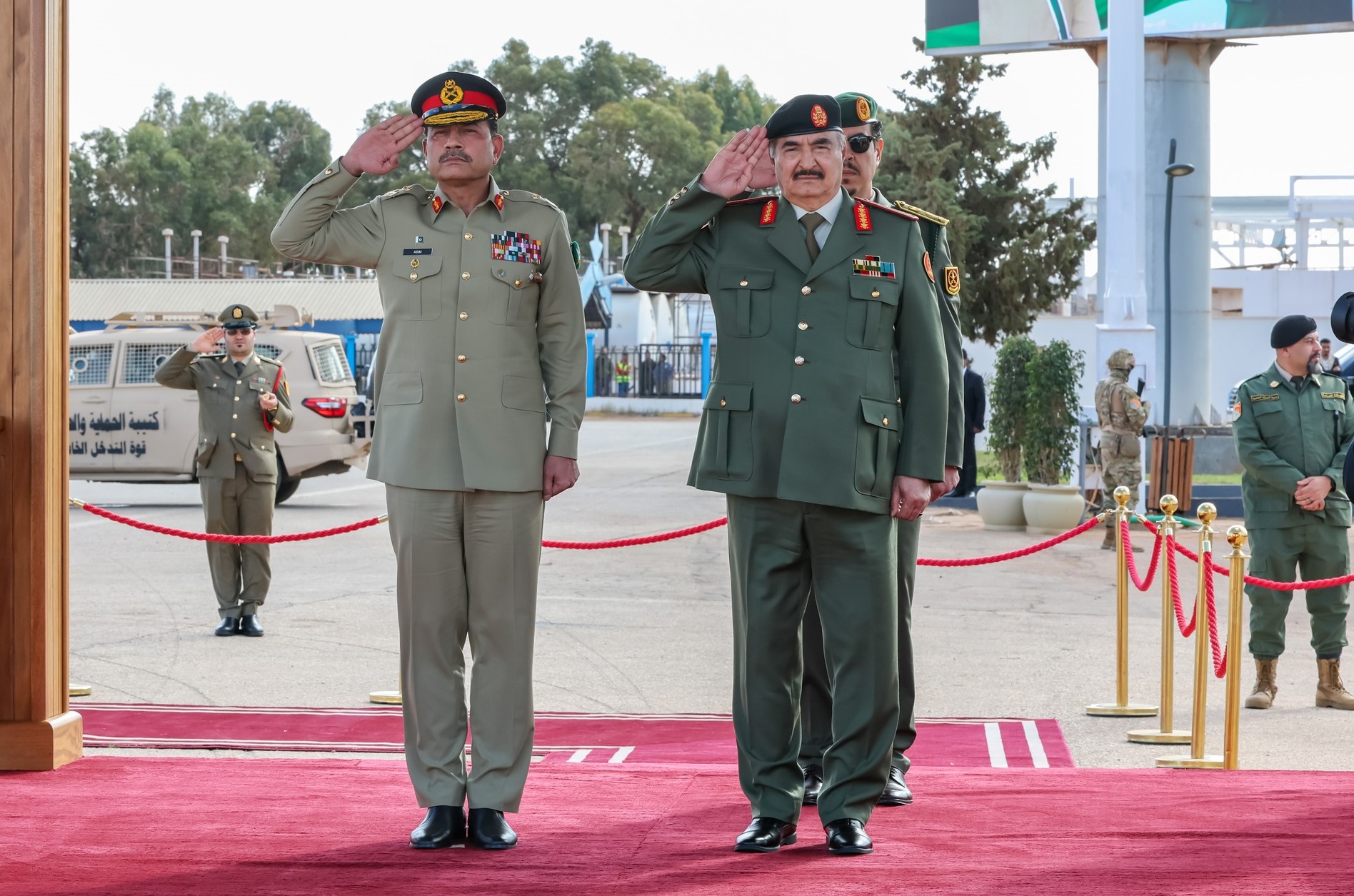
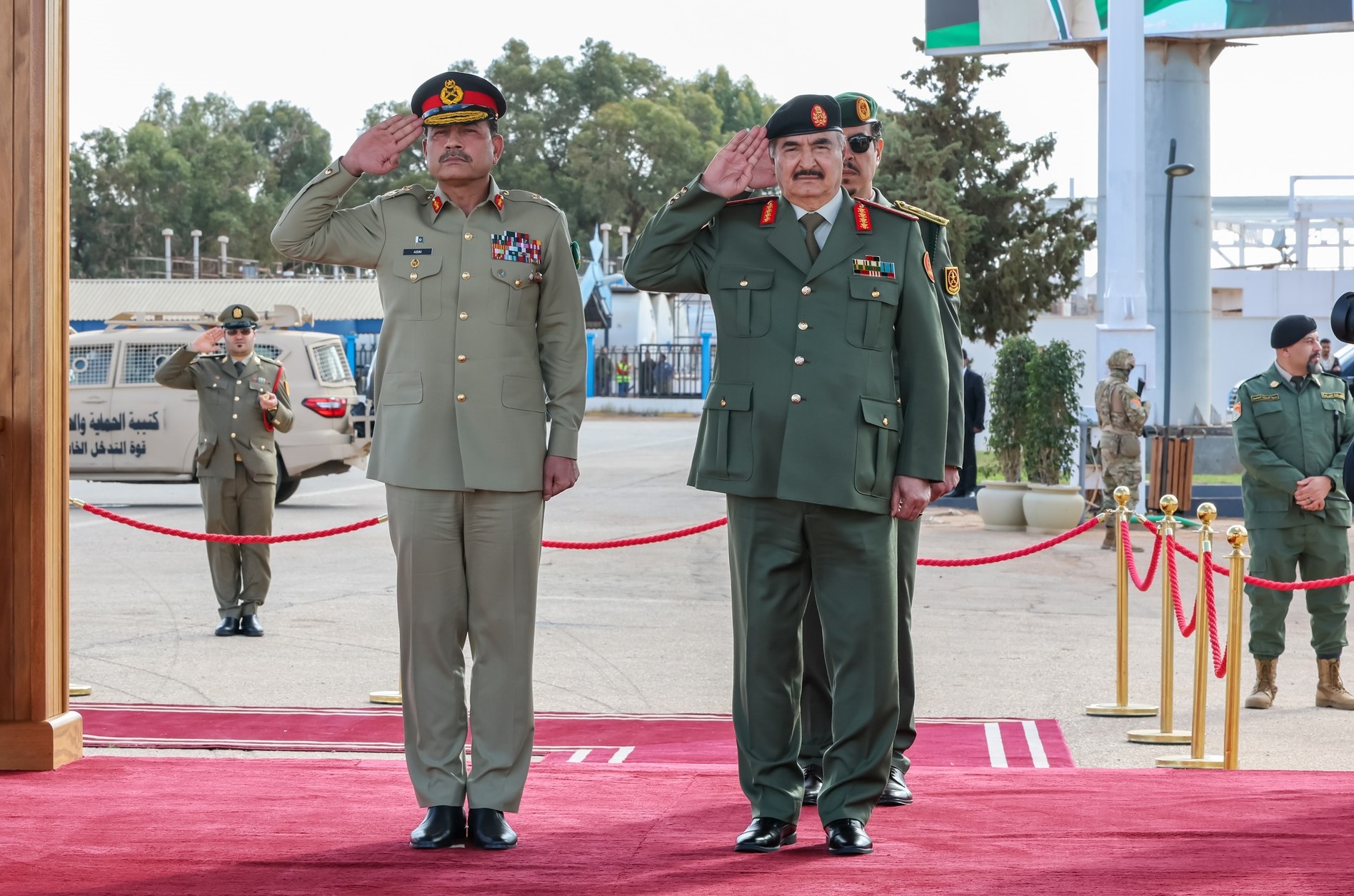
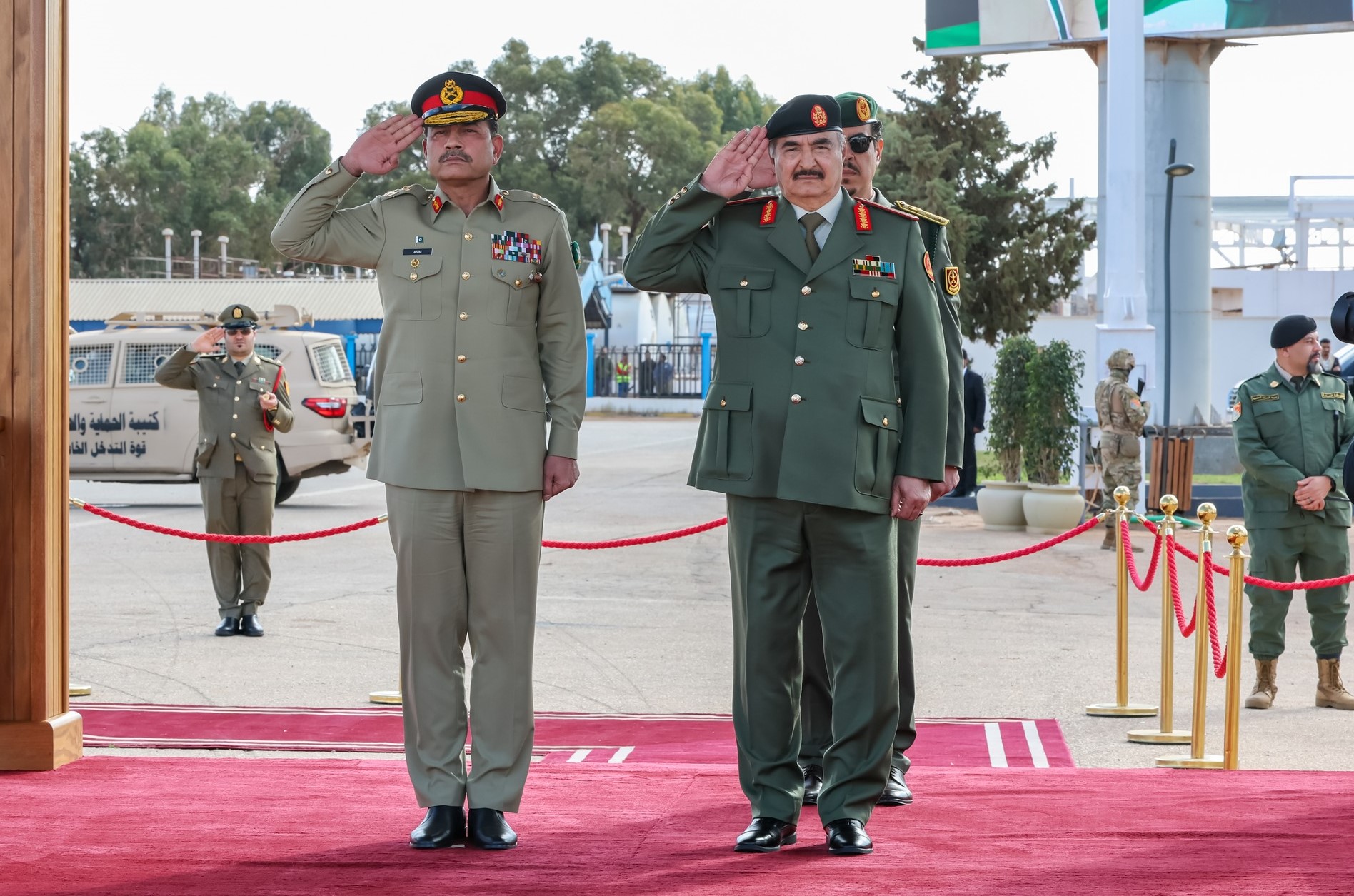
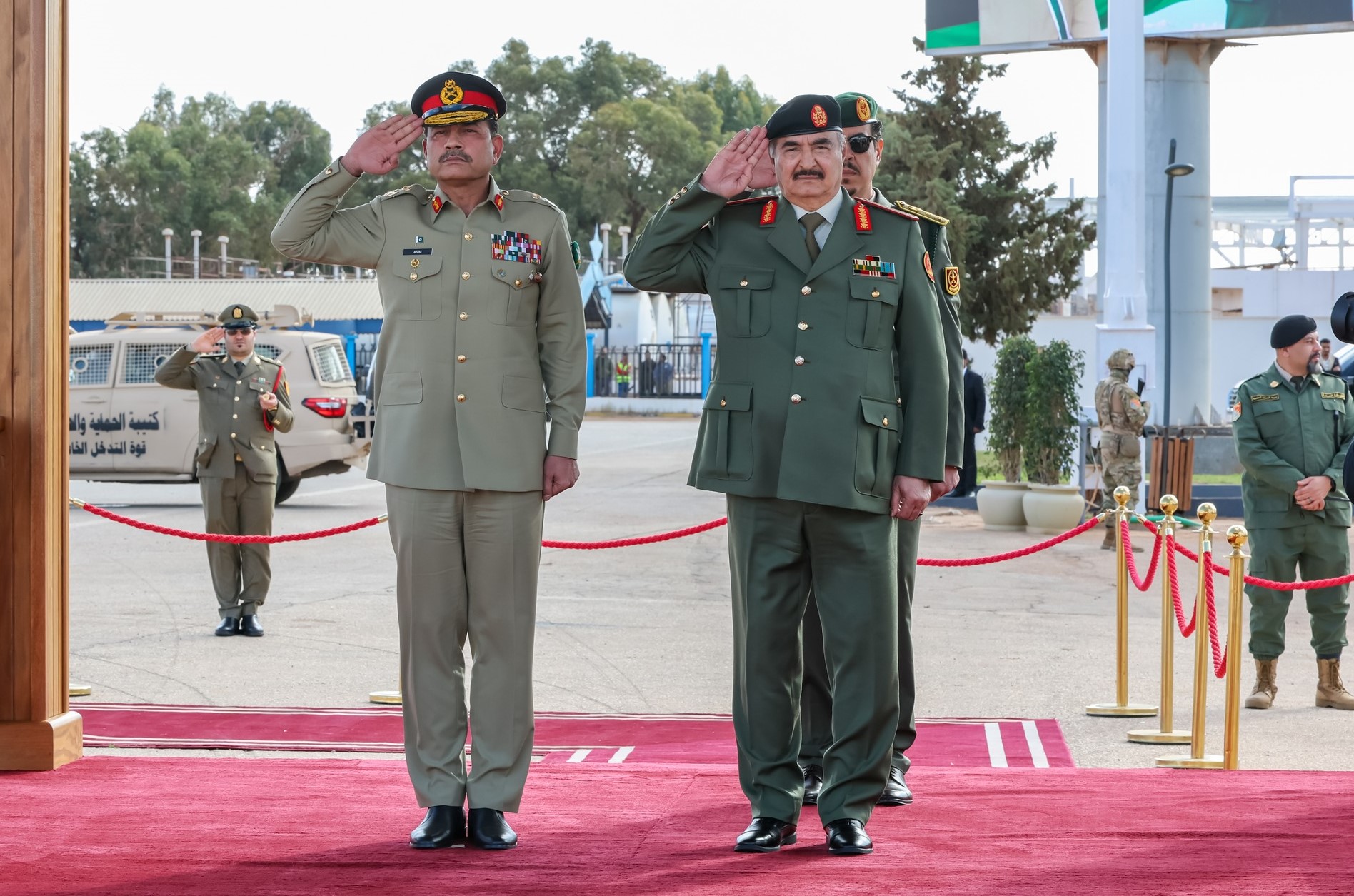
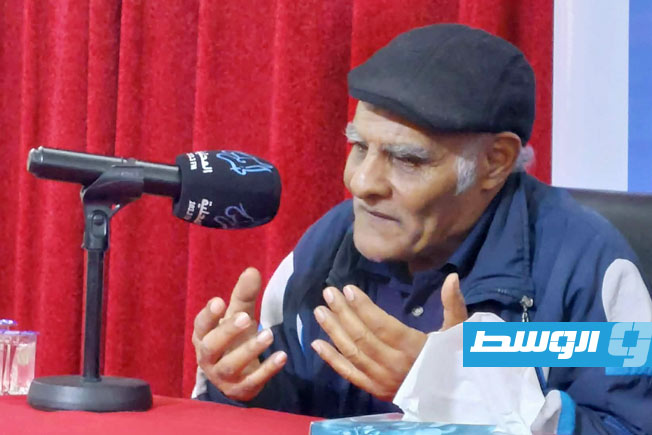
A military funeral ceremony was held on Saturday morning at the Merted military base in the Turkish capital, Ankara, for Chief of General Staff General Mohammed Al-Haddad and his companions, prior to the transfer of their remains to Libya.
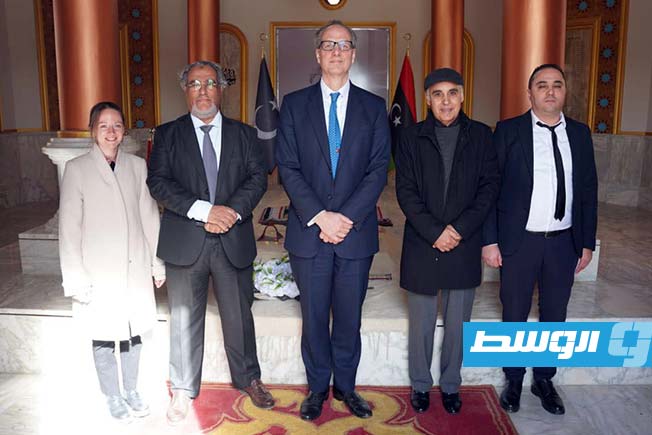
The ceremony was attended by the Turkish Minister of Defense, the Chief of the General Staff, the Commander of the Land Forces, the Commander of the Naval Forces, the Libyan Ambassador to Ankara, as well as a Libyan military delegation and family members of the victims.
The Ministry of Defense of the Government of National Unity had stated in a Friday evening announcement that an official funeral ceremony would be held at 10 a.m. on Saturday for Al-Haddad and his comrades in the capital, Tripoli, in accordance with established military traditions and protocols, and in coordination with the General Command of the Libyan Army.
Merted military base
The Merted military base, located in Hungary, was originally a Soviet airbase during the Cold War. It was later used by the Hungarian Air Force and has more recently been developed into a key logistics hub for NATO operations in the region.
Turkish capital
Ankara became the capital of Turkey in 1923, following the Turkish War of Independence and the establishment of the Republic by Mustafa Kemal Atatürk. It replaced Istanbul as the capital to symbolize a break from the Ottoman past and a new, modern Turkish state centered in Anatolia. The city is home to significant historical sites like the ancient citadel of Ankara and the Anıtkabir, the mausoleum of Atatürk.
Ankara
Ankara is the capital city of Turkey, strategically located in the central Anatolia region. It was declared the capital in 1923 by Mustafa Kemal Atatürk, replacing Istanbul to symbolize the new, modern Turkish Republic. The city’s history dates back to ancient times, having been an important cultural and commercial center for civilizations including the Hittites, Phrygians, Romans, and Ottomans.
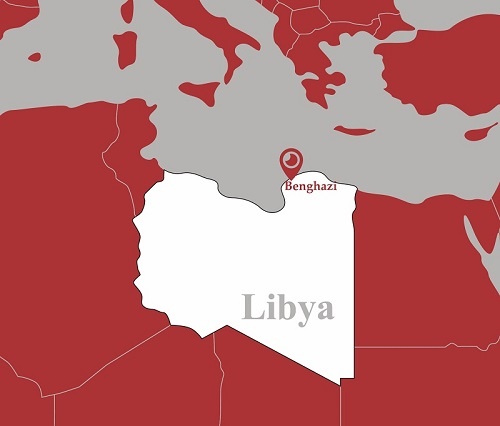
Libya
Libya is a North African country with a rich history that includes ancient Phoenician and Greek settlements, most notably at Cyrene, and later Roman rule. It was part of various Islamic caliphates after the 7th century and experienced Italian colonization in the 20th century before gaining independence. The nation’s modern history has been significantly shaped by the long rule of Muammar Gaddafi from 1969 until the 2011 civil war.
Tripoli
Tripoli is the capital and largest city of Libya, with a history dating back to the 7th century BC when it was founded by the Phoenicians. It later came under Roman, Byzantine, Arab, Ottoman, and Italian rule, which is reflected in its historic architecture, such as the Red Castle (Assaraya al-Hamra) and the old medina.