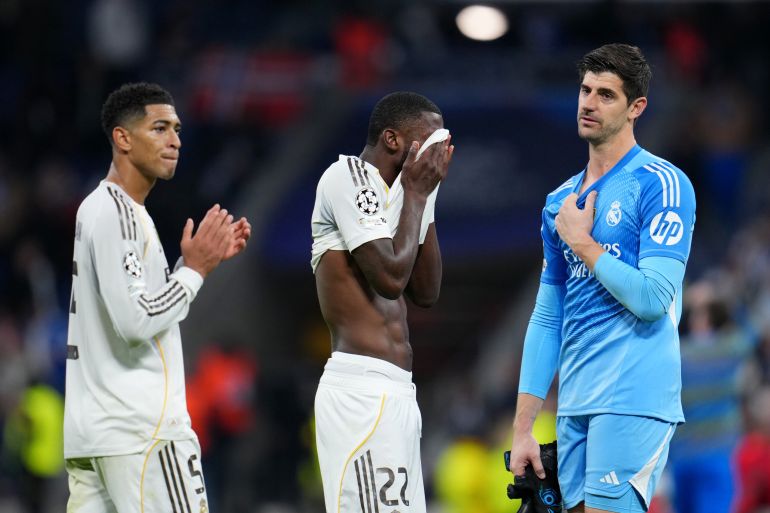
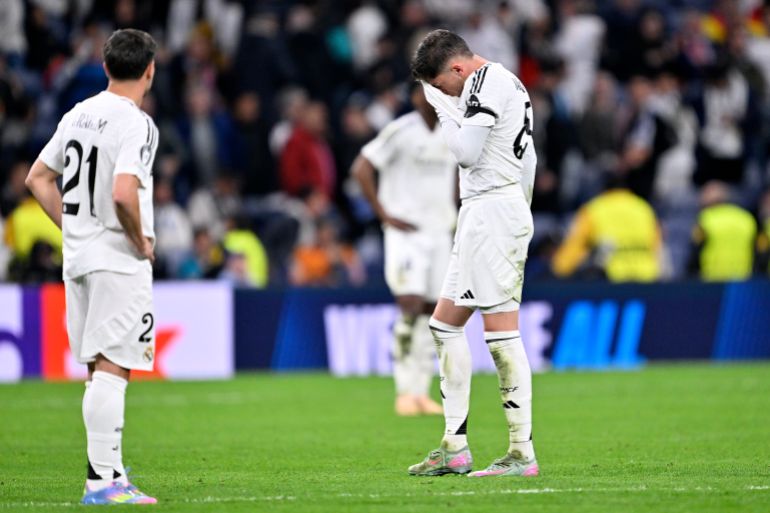
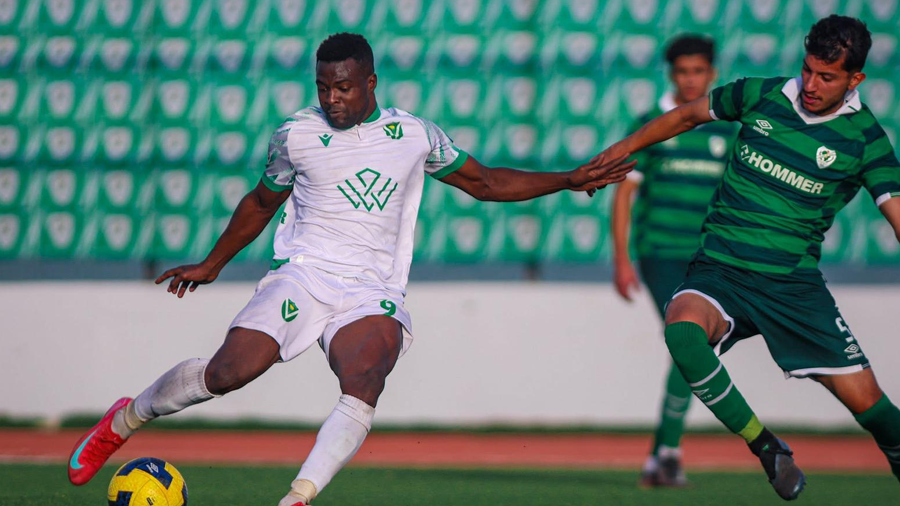
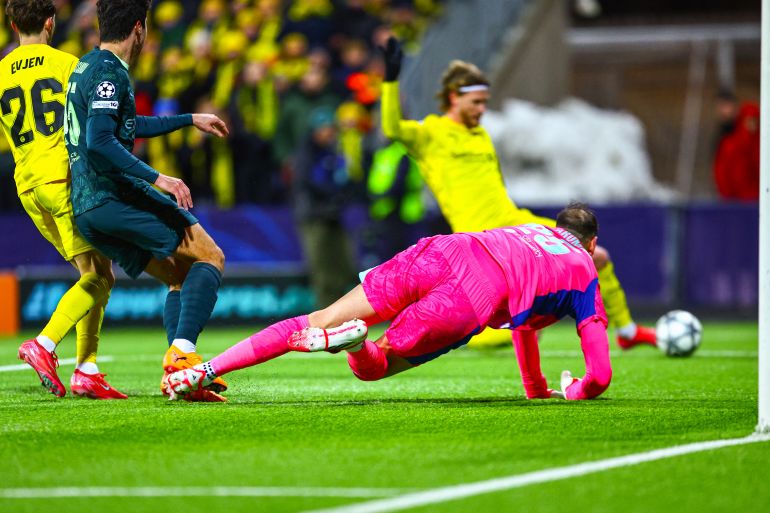
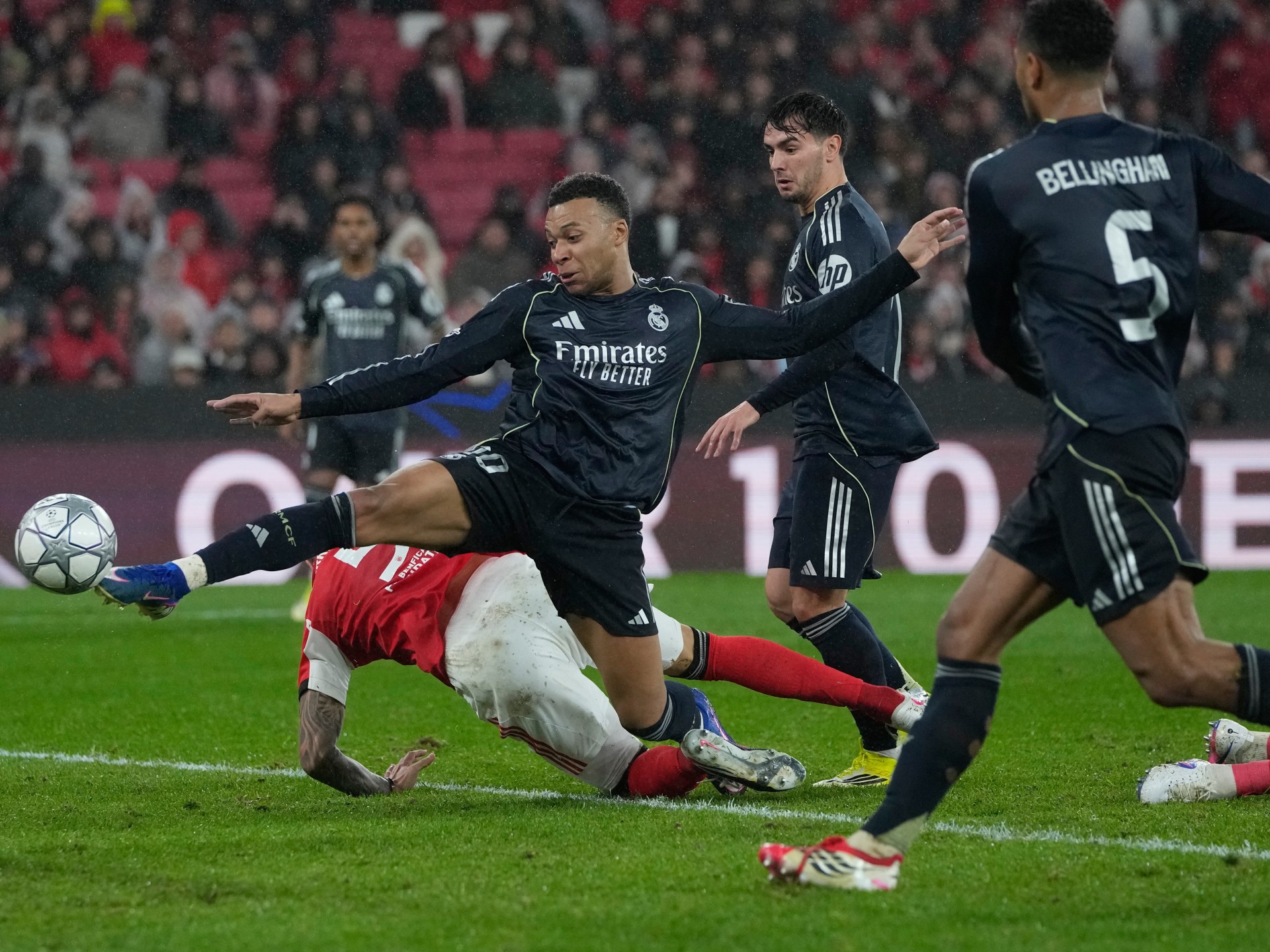
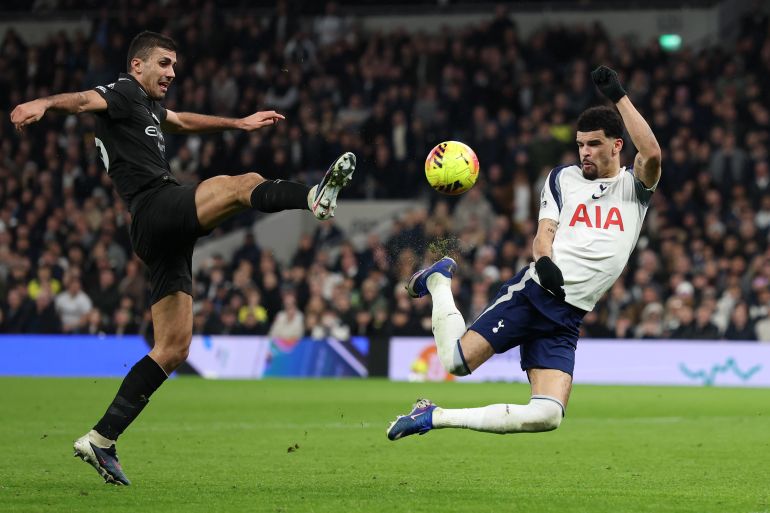
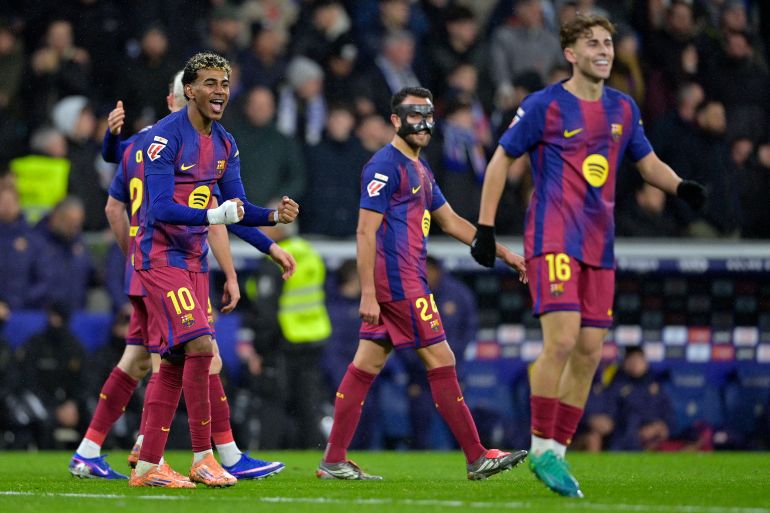
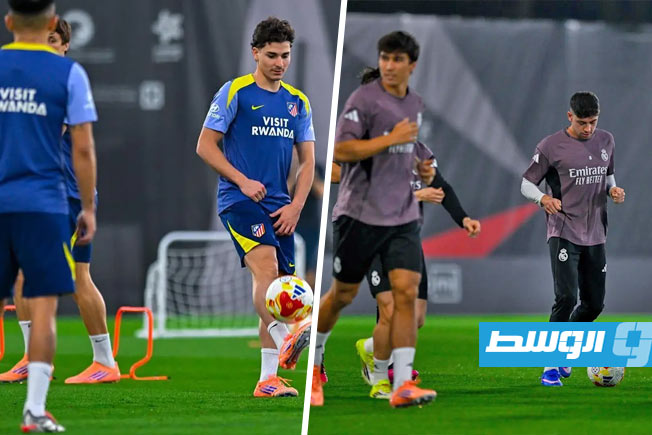
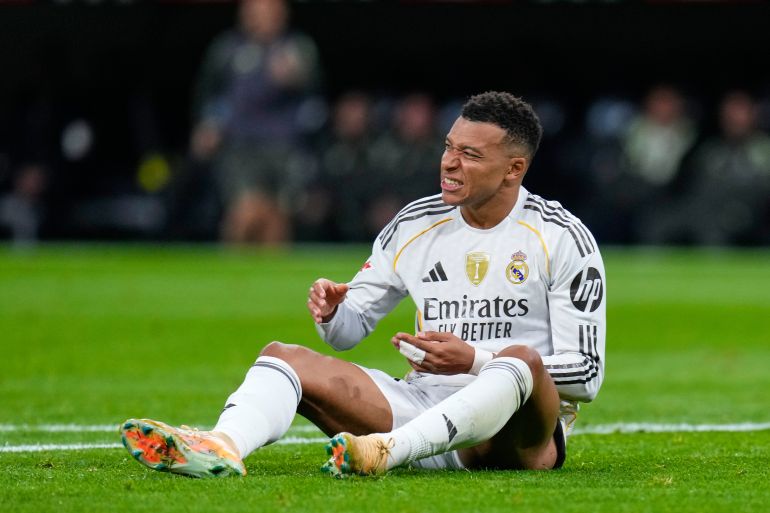
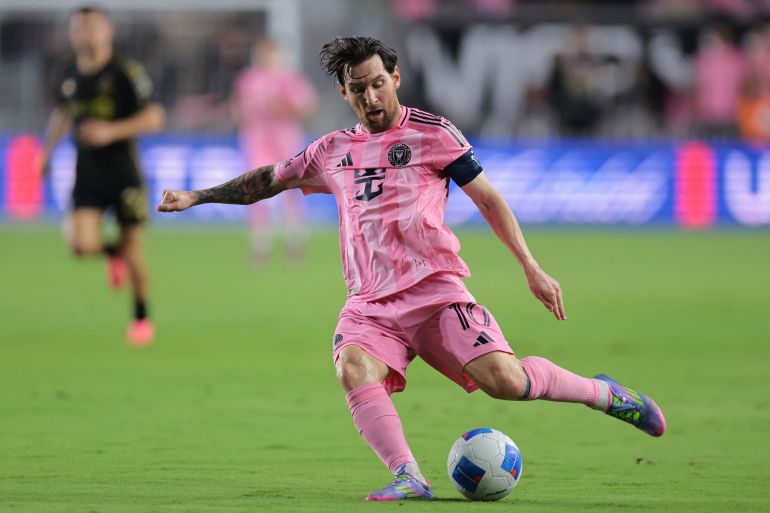
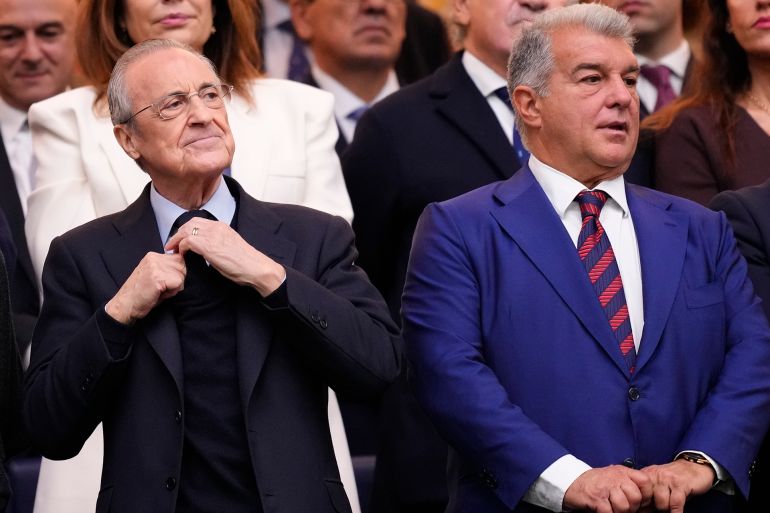
Real Madrid has endured a disastrous year on both sporting and administrative fronts, ending 2025 without winning any trophies and with a large number of unresolved issues.
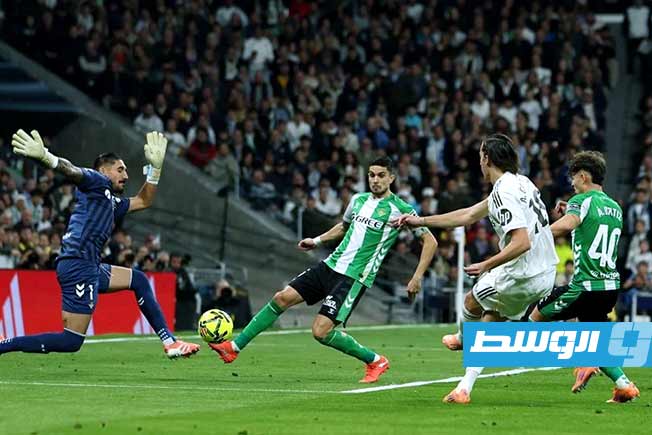
The victory over Sevilla last Saturday in the team’s final match of 2025 did little to ease the burden of a turbulent year, which the club concluded with zero trophies and numerous administrative crises.
A Trophy-Less Year
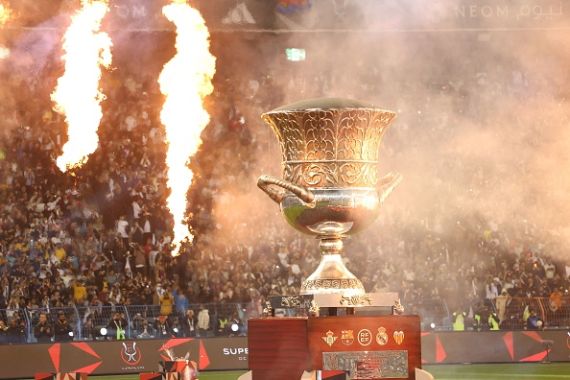
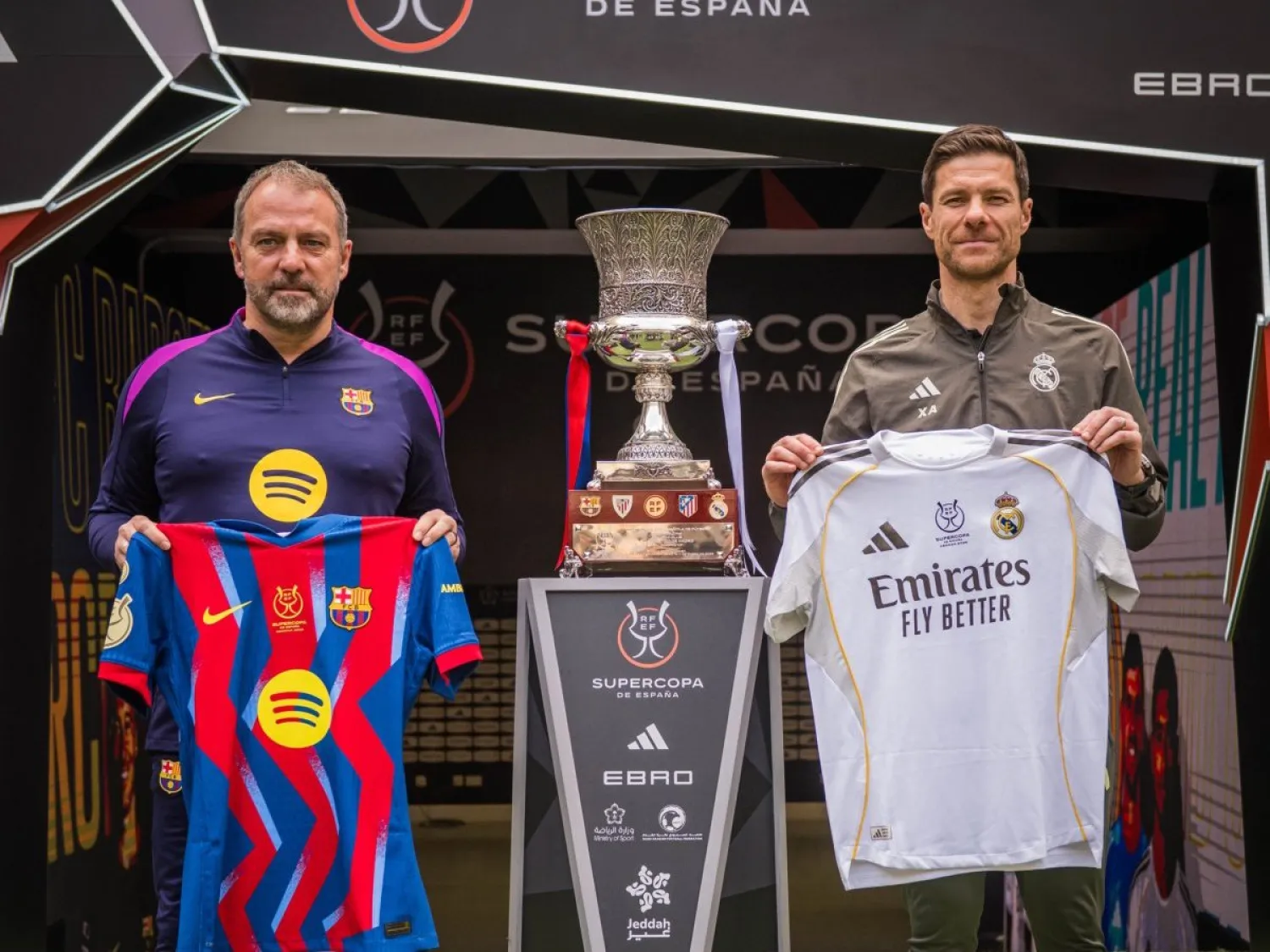
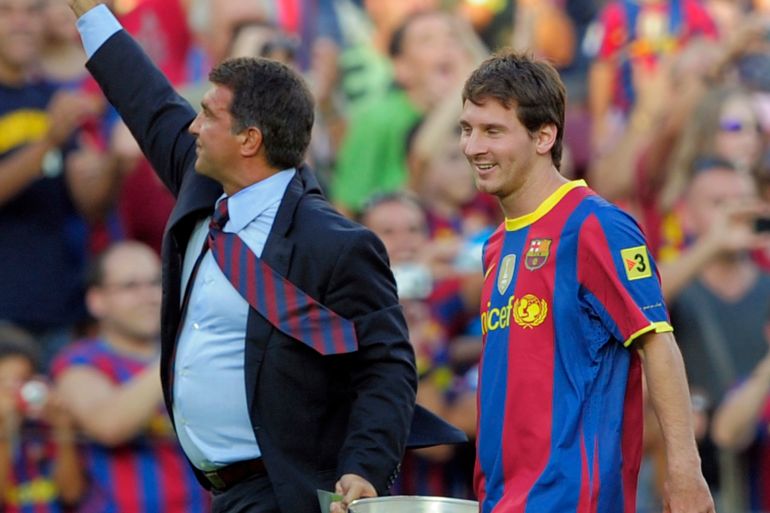
The year 2025 began with a heavy defeat for Real Madrid in the Spanish Super Cup final, losing 5-2 to their rivals Barcelona. They then conceded the other two domestic titles (the Copa del Rey and La Liga respectively) during April and May, also to Barcelona.
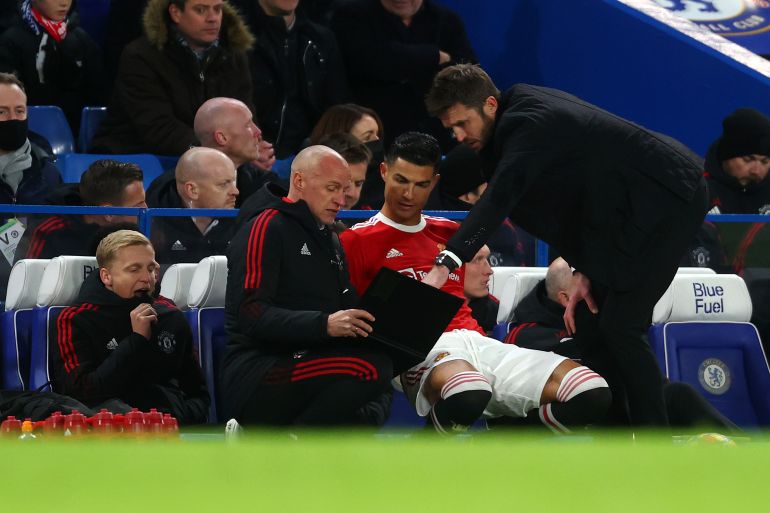
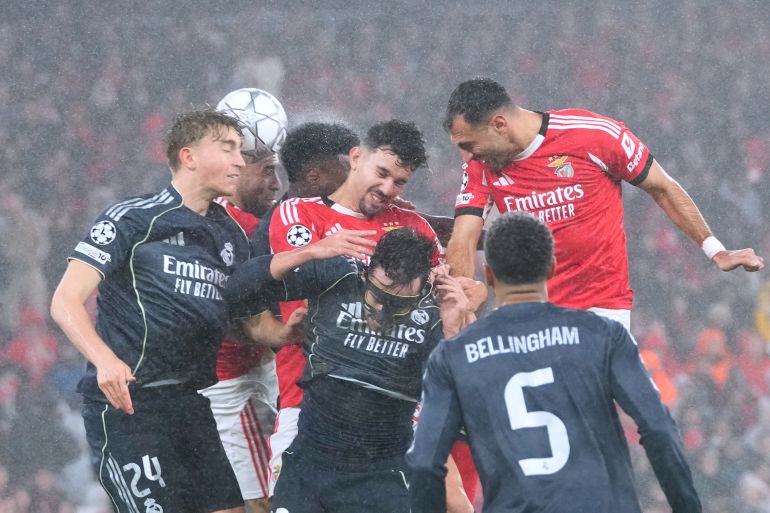
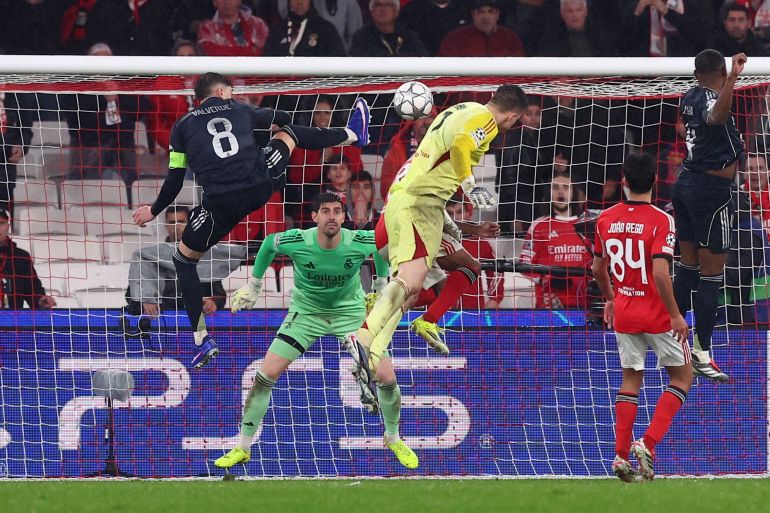
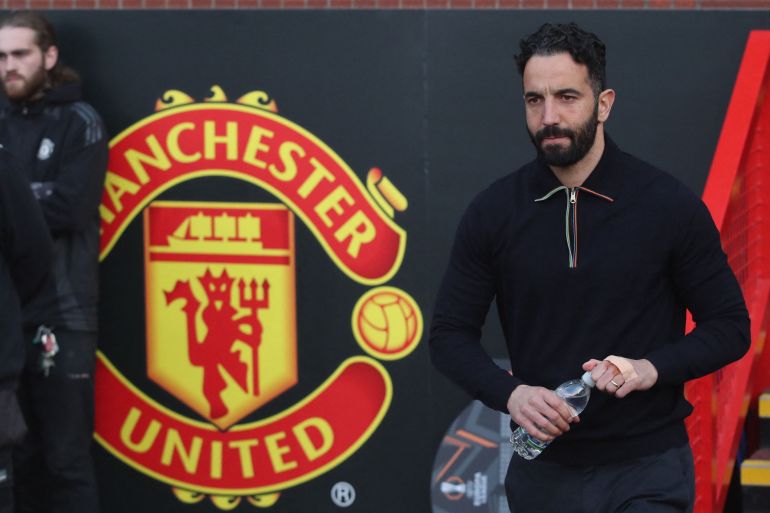
On the European stage, Real Madrid fared no better. The team failed to secure direct qualification to the round of 16 in the Champions League after not finishing in the top eight positions under the new format. This forced them into a difficult playoff against Manchester United, a match that was described as one of the “few positive moments in 2025.”
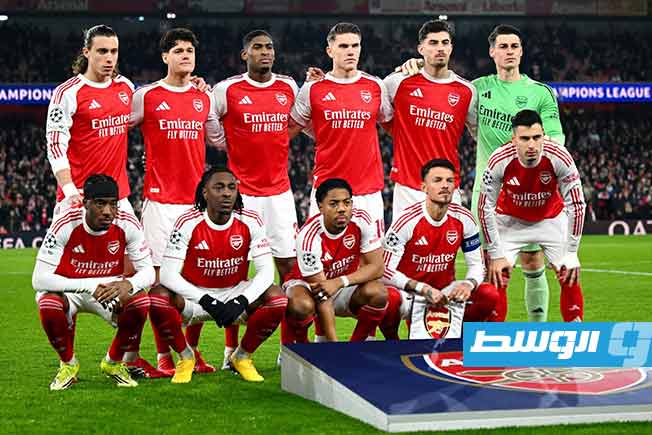
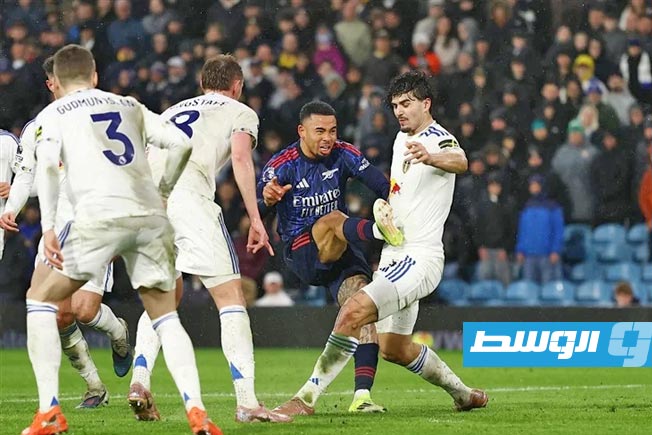
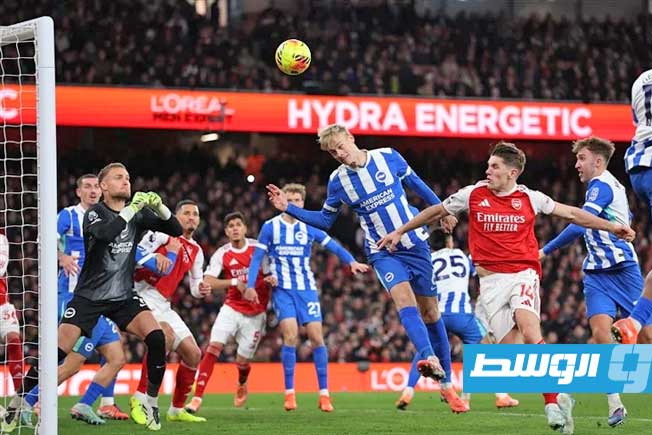
After narrowly surviving the Madrid derby in the round of 16, which required a penalty shootout and a crucial double save from Julián Álvarez against Atlético Madrid, Real Madrid’s journey in the prestigious European competition ended at the quarter-final stage. They were defeated by Arsenal both home and away, with an aggregate score of 5-1.
End of an Era and Start of a New Project
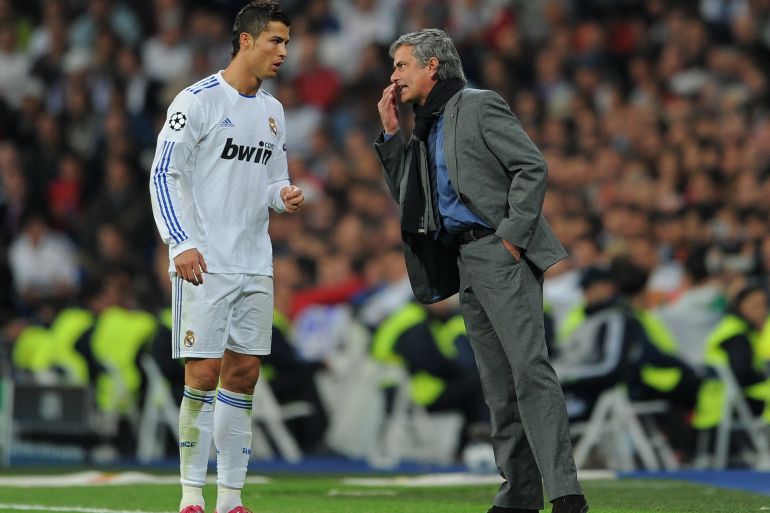
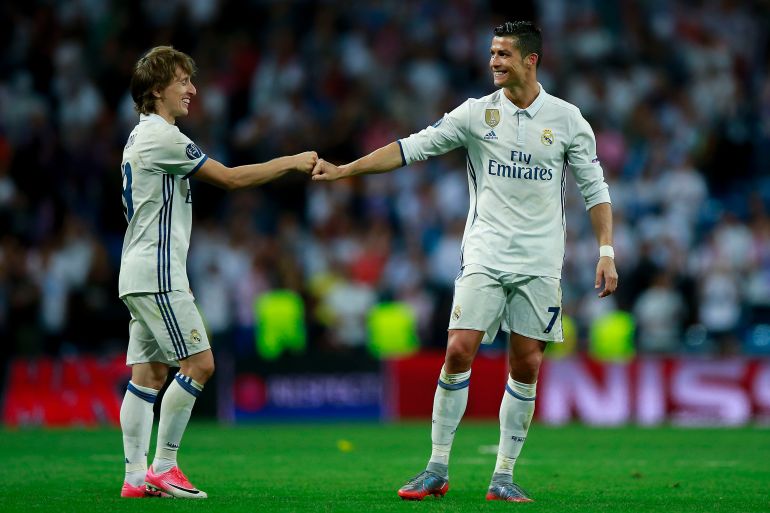
Coinciding with the loss of the La Liga title to Barcelona in May, Real Madrid witnessed the departure of two figures who marked the end of an era in the club’s history. Luka Modrić and former coach Carlo Ancelotti announced their exits from the club, and the fans bid them farewell in a grand ceremony at the Santiago Bernabéu stadium.
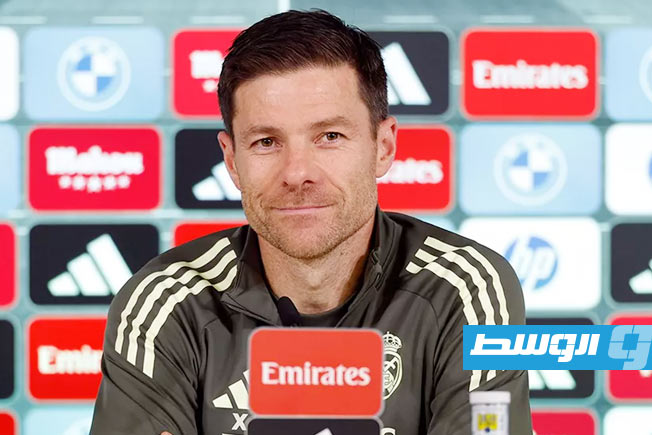
Subsequently, Real Madrid turned its attention to the Club World Cup under its new coach, Xabi Alonso. This tournament was hoped to be the “grand finale to a season where the club aspired to win 7 trophies,” but ultimately only two were won: the UEFA Super Cup and the Intercontinental Cup, both achieved in 2024.
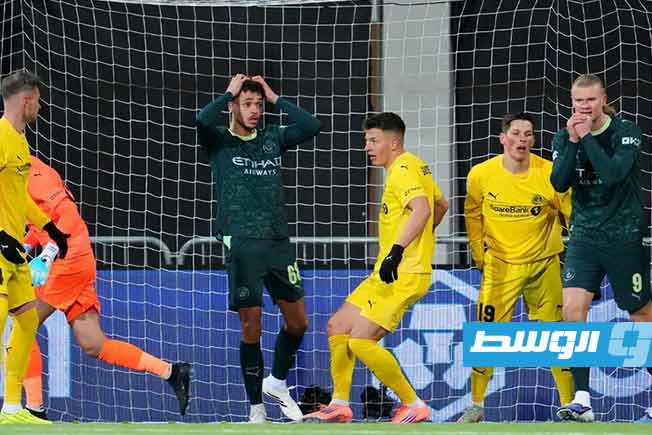
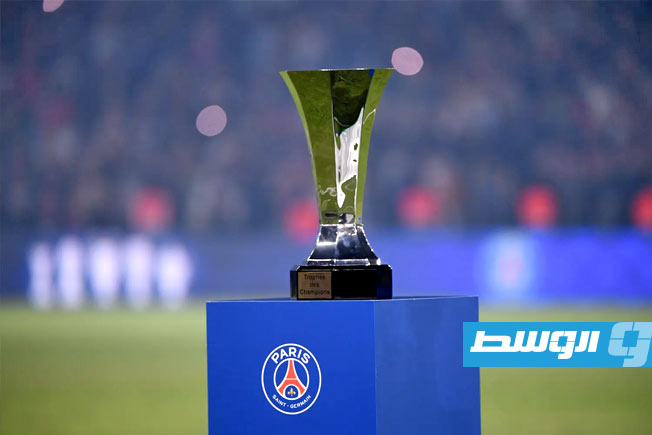
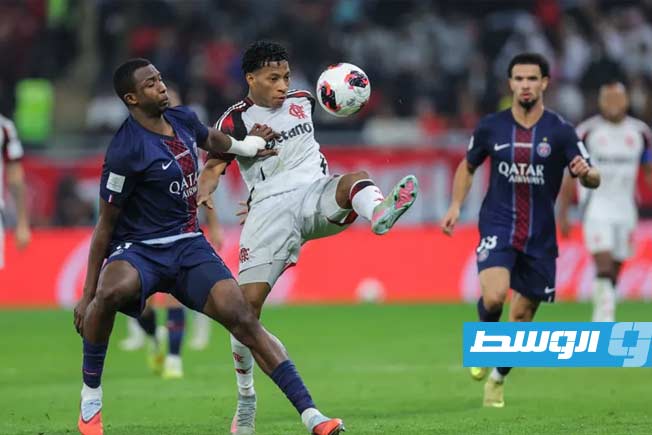
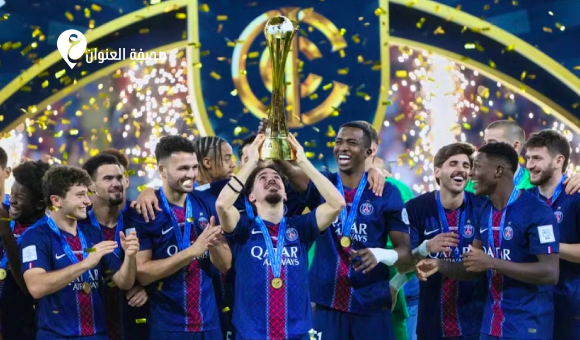
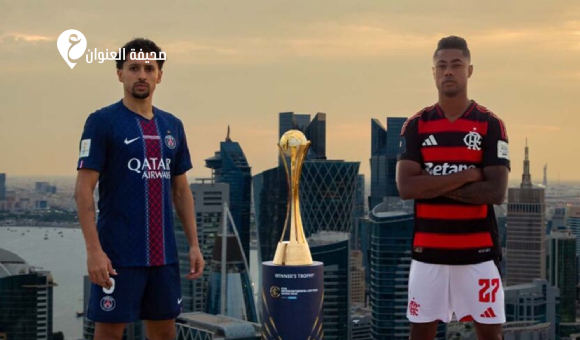
At the Club World Cup, Real Madrid delivered a decent performance before suffering a crushing 4-0 defeat to Paris Saint-Germain in the semi-final.
An Unstable Start to the 2025-2026 Season
The start of the current season for Real Madrid has been unstable, fluctuating between highs and lows in terms of results and technical performance. After leading La Liga from the third to the fourteenth round, the team now trails its rival Barcelona by 4 points.
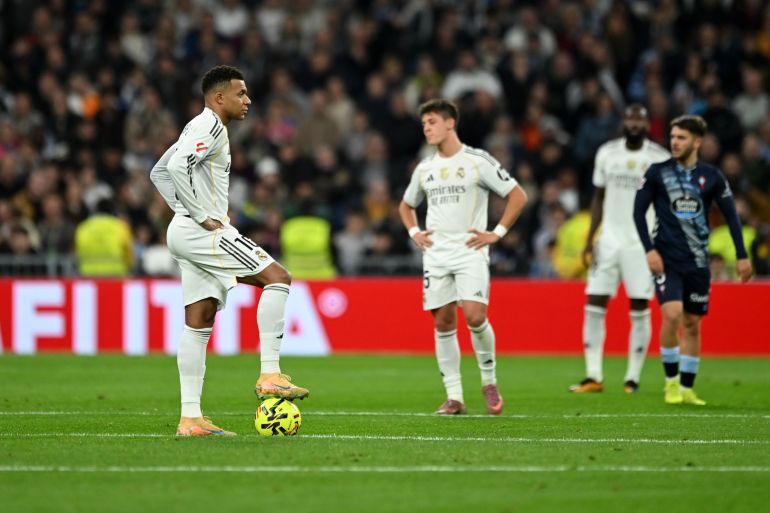
The loss to Celta Vigo in La Liga added to the troubles of the team under coach Alonso.
Since Real Madrid’s 2-0 loss to Celta V
MADRID
Madrid is the capital city of Spain, officially established as the capital by King Philip III in 1606. Its history, however, dates back to a 9th-century Moorish fortress, and it later flourished under the Habsburg and Bourbon monarchies, becoming a major political and cultural center of Europe.
SPAIN
Spain is a southwestern European country with a rich history shaped by successive influences, including Roman rule, Islamic Al-Andalus, and the unification of its Christian kingdoms. Its cultural sites, such as the Alhambra palace and the Sagrada Família basilica, reflect this diverse heritage through distinctive architecture and art.
Estadio Santiago Bernabeu
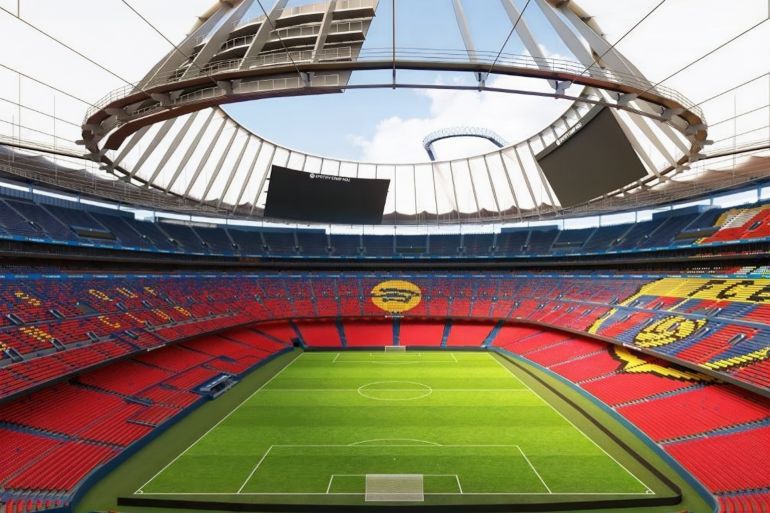
The Estadio Santiago Bernabéu is the iconic home stadium of Real Madrid Football Club in Madrid, Spain, inaugurated in 1947 and named after the club’s legendary former president. It has since been renovated multiple times and has hosted numerous major football events, including European Cup finals and the 1982 FIFA World Cup.
Real Madrid
Real Madrid is a professional football club based in Madrid, Spain, founded in 1902. It is one of the world’s most successful and famous sports clubs, historically renowned for its European dominance, particularly during the 1950s and its record number of UEFA Champions League titles.
Manchester City
Manchester City is a professional football club based in Manchester, England, founded in 1880 as St. Mark’s (West Gorton). The club has a long history, with its most transformative period beginning in 2008 with its acquisition by the Abu Dhabi United Group, leading to significant investment and numerous domestic and international successes.
Sevilla
Seville is a historic city in southern Spain, renowned for landmarks like the Seville Cathedral, a Gothic masterpiece built on the site of a former mosque, and the Real Alcázar, a royal palace with Moorish architectural roots. Its history is deeply tied to Roman, Islamic, and later Christian rule, and it flourished as a major port during the Spanish exploration of the Americas.
Barcelona
Barcelona is a historic coastal city in northeastern Spain, renowned for its unique Catalan culture and architecture. Its history dates back over 2,000 years to a Roman settlement, and it is famously the home of Antoni Gaudí’s modernist masterpieces, such as the Sagrada Família basilica. The city’s Gothic Quarter preserves its medieval past, while its status as a major Mediterranean port has shaped its vibrant, cosmopolitan character.
Manchester United
Manchester United is a professional football club based in Old Trafford, Greater Manchester, England, founded in 1878 as Newton Heath LYR Football Club. It is one of the most successful and widely supported football clubs in the world, having won a record 20 English league titles and three European Cups/UEFA Champions League trophies. The club’s modern history was profoundly shaped by the legacy of manager Sir Matt Busby, particularly after the 1958 Munich air disaster, and later by the prolonged success under Sir Alex Ferguson from 1986 to 2013.
Arsenal
The Arsenal is a historic military complex in Venice, Italy, established in the early 12th century. It was the heart of the Venetian Republic’s naval power, functioning as a large, state-owned shipyard and armory that enabled rapid warship production. Its innovative assembly-line techniques and secured walls were crucial to Venetian maritime dominance for centuries.
Atlético Madrid
Atlético Madrid is a professional football club based in Madrid, Spain, founded in 1903. Historically known as a club representing the working class, it has established itself as a major force in Spanish and European football, winning numerous domestic and international titles.
Paris Saint-Germain
Paris Saint-Germain is a professional football club based in Paris, France, founded in 1970 following a merger of existing clubs. It has since become one of France’s most successful teams, winning numerous domestic titles and establishing itself as a major force in European football.
Celta Vigo
Celta Vigo is a professional football club based in Vigo, Galicia, Spain, founded in 1923 through the merger of two local clubs. It is historically known for its strong presence in La Liga and for representing Galician identity, though it has never won the top-flight league title.
Santiago Bernabéu stadium
The Santiago Bernabéu Stadium in Madrid is the iconic home of Real Madrid Football Club, inaugurated in 1947 and named after the club’s former president. It has since been renovated multiple times and has hosted major events, including the 1982 FIFA World Cup final and UEFA Champions League finals.
Club World Cup
The Club World Cup is an international men’s football tournament organized by FIFA, contested by the champion clubs from each of the six continental confederations. It was first held in 2000, replacing the Intercontinental Cup, and aims to crown an official world champion at the club level.
UEFA Super Cup
The UEFA Super Cup is an annual football match contested by the winners of the UEFA Champions League and the UEFA Europa League. It was first played in 1972 and was officially recognized by UEFA in 1995, serving as the traditional curtain-raiser for the European club season.
Intercontinental Cup
The Intercontinental Cup was an annual football competition contested between the winners of the European Cup/UEFA Champions League and the South American Copa Libertadores from 1960 to 2004. It was organized by UEFA and CONMEBOL to determine the best club side in the world, often characterized by intense and sometimes violent matches. It was replaced in 2005 by the FIFA Club World Cup.
La Liga
La Liga is the top professional football division in Spain, founded in 1929. It is one of the world’s most prestigious football leagues, historically dominated by clubs such as Real Madrid and FC Barcelona.
Copa del Rey
The Copa del Rey is Spain’s premier annual domestic football cup competition, first held in 1903. It is one of the oldest football tournaments in the world and is open to teams from La Liga and the lower divisions, culminating in a prestigious final.
Spanish Super Cup
The Spanish Super Cup is an annual football competition contested by the winners of Spain’s top domestic competitions. Originally a two-team match starting in 1982, it was reformatted in 2020 to include four teams and is now frequently hosted abroad, notably in Saudi Arabia.
Champions League
The UEFA Champions League is an annual European club football competition organized by the Union of European Football Associations (UEFA). It was first introduced in the 1955–56 season as the European Champion Clubs’ Cup, evolving into its current group and knockout format in 1992. It is widely considered the most prestigious club tournament in world football.
UEFA Champions League
The UEFA Champions League is an annual club football competition organized by the Union of European Football Associations (UEFA). It was first introduced in the 1955–56 season as the European Champion Clubs’ Cup, evolving into its current group and knockout format and name in 1992. It is widely considered the most prestigious club tournament in European football.