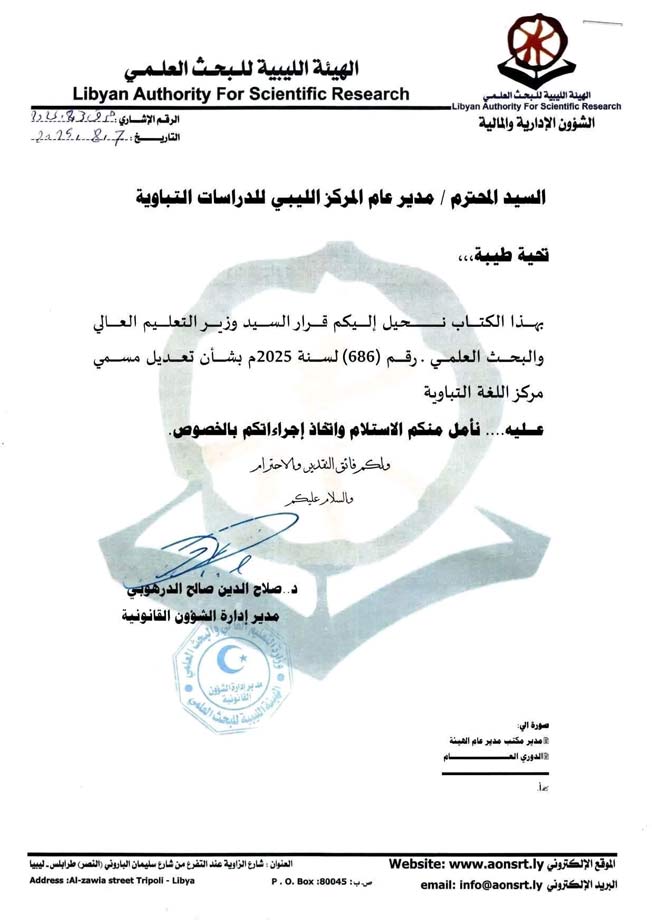
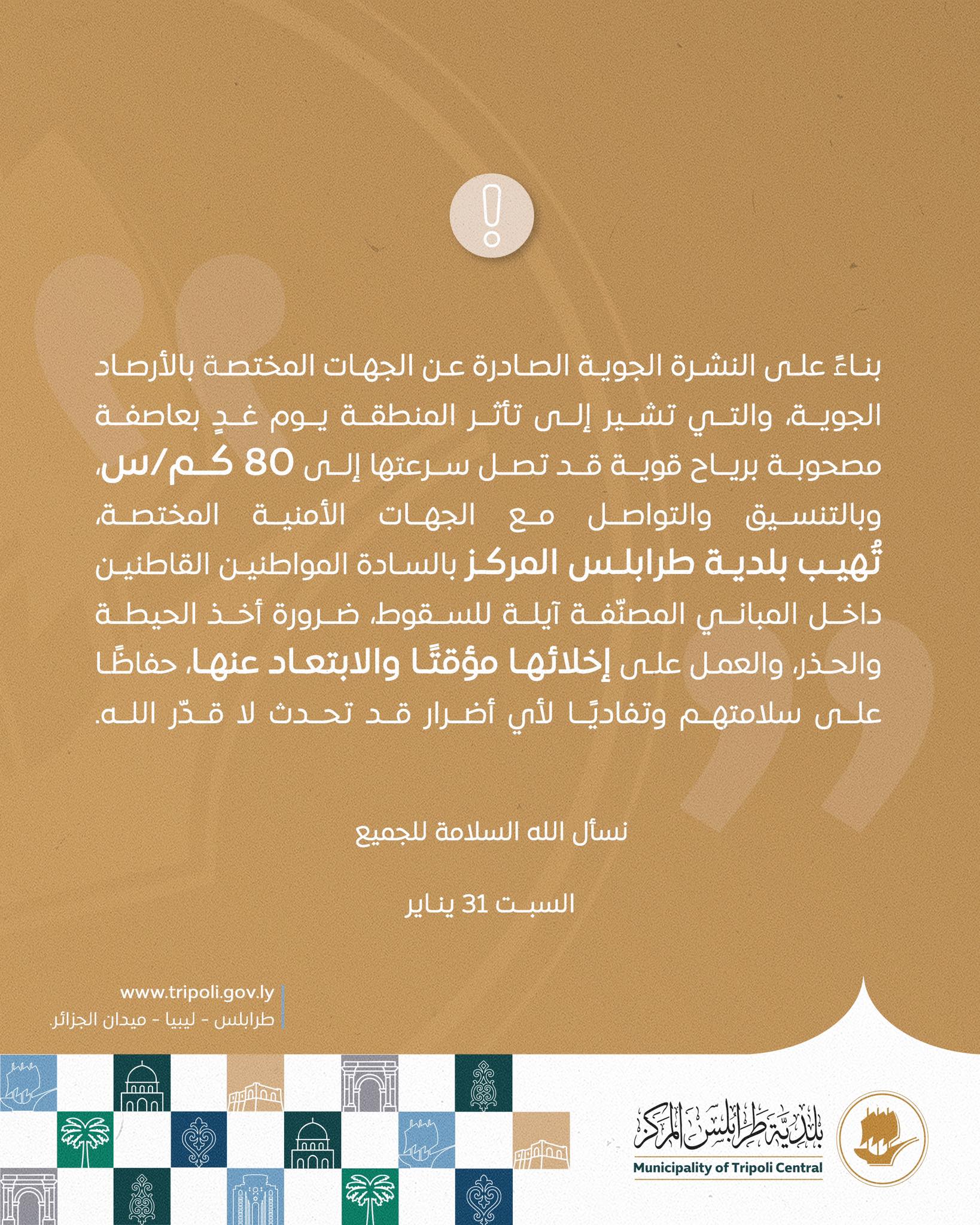
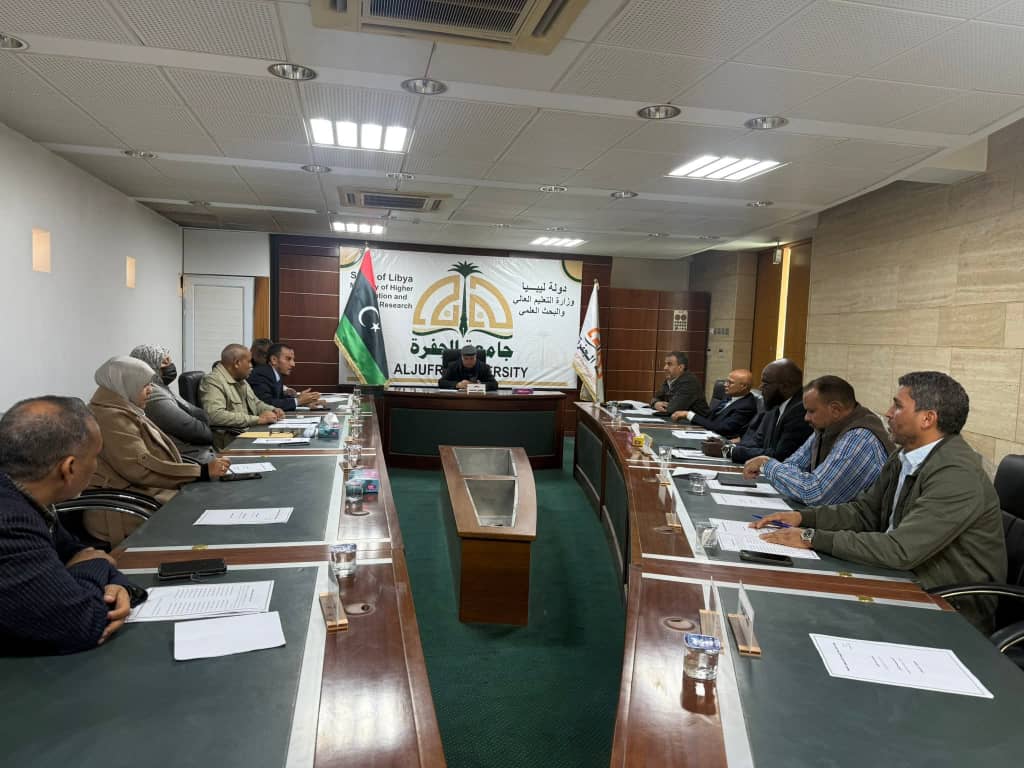
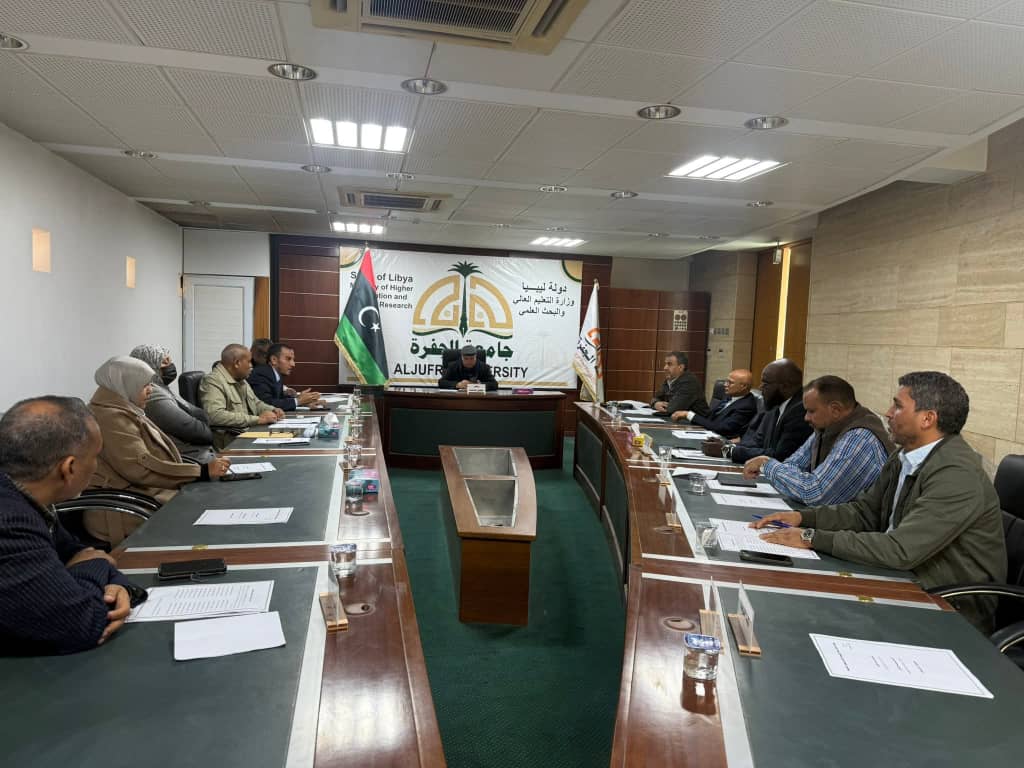
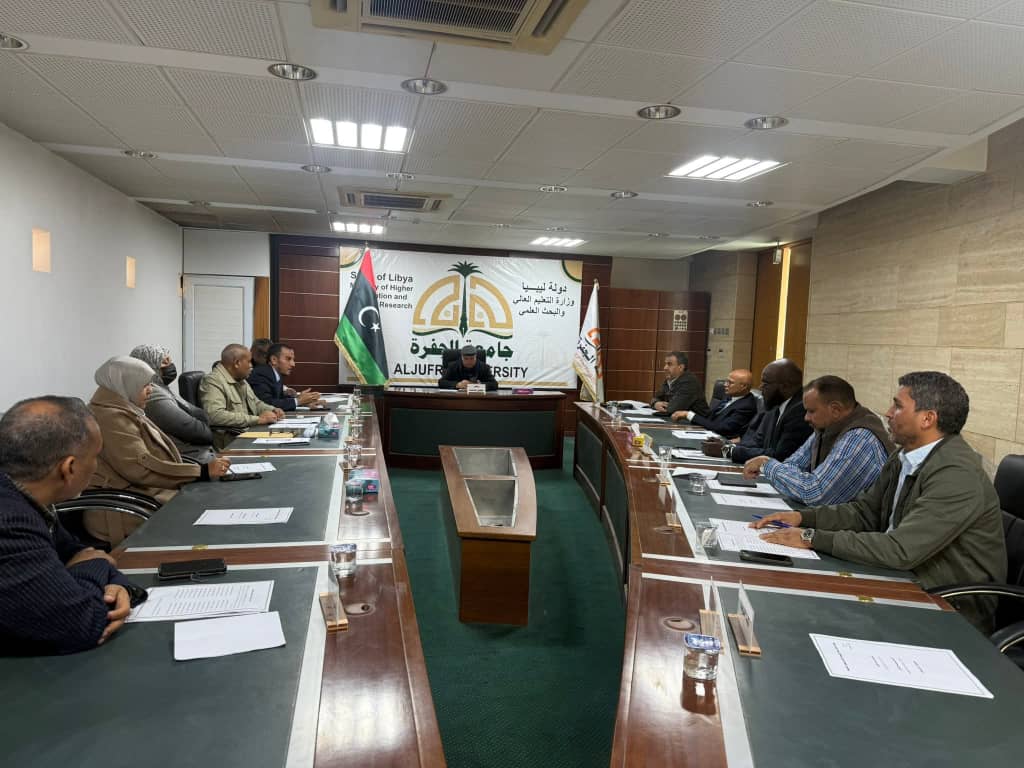
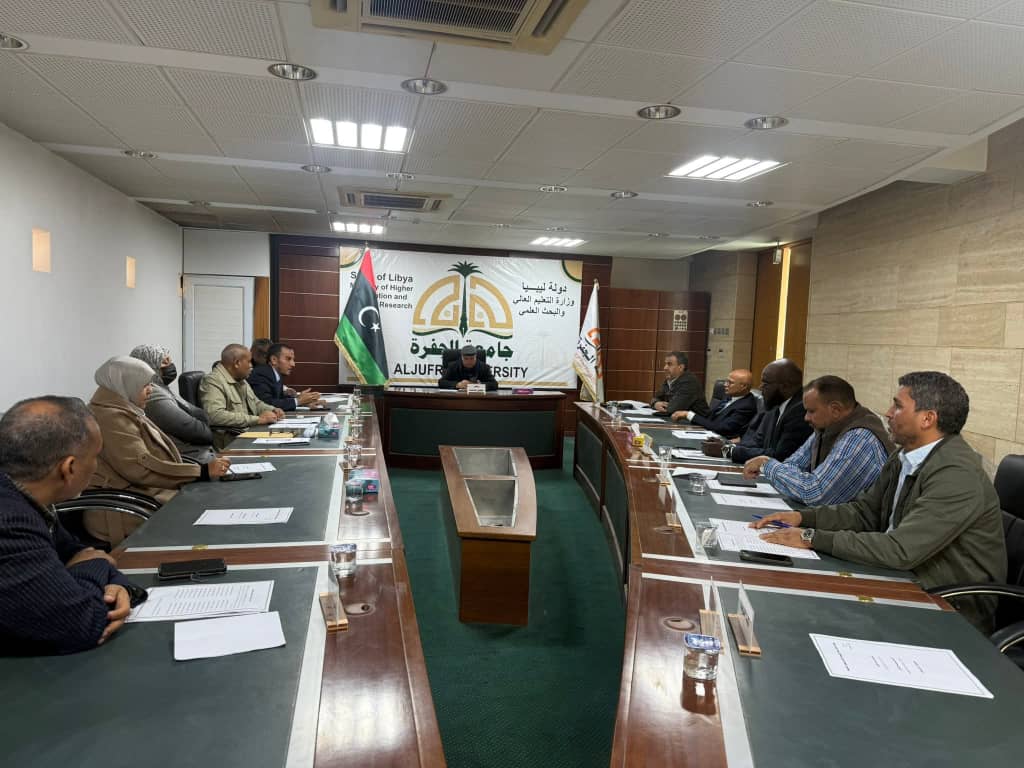
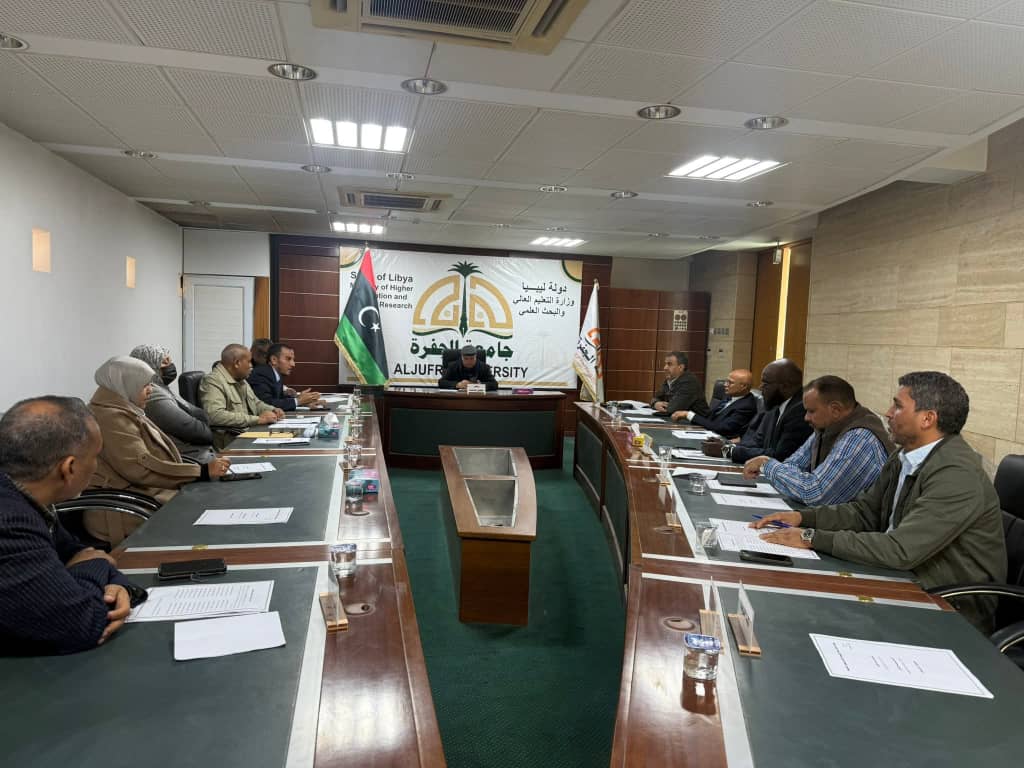
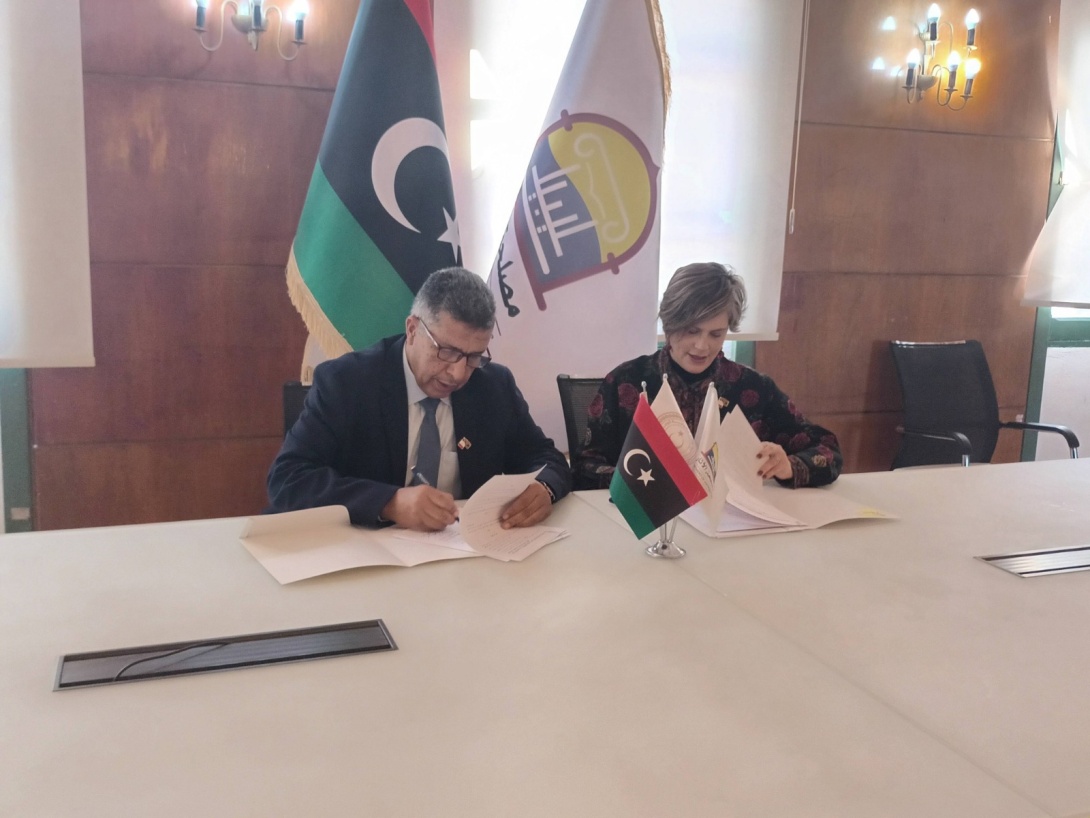
In a step reflecting official recognition of the importance of “Tebu Studies” and their role in preserving linguistic and cultural diversity, the director of the “Libyan Scientific Research Authority” issued a decision to integrate the Tebu Language Center into the Authority under a new name: the “Libyan Center for Tebu Studies”.
Under this decision, the Center’s work and its scientific and research publications will transition to an accredited academic institutional framework. This ensures it receives official scientific backing and enhances its research standing at the national level.
This transformation is not limited to institutional support alone. It also entrusts the Center with a doubled national responsibility: to document the Tebu language, safeguard its intellectual heritage, and develop specialized scientific research related to it. This contributes to preserving one of the authentic cultural components of Libyan society.
This step comes as part of the efforts of the “Libyan Scientific Research Authority” to support specialized study centers and promote scientific research linked to cultural and linguistic identity, wishing the Center’s management and its research team success in this new phase.
About the Tebu Language
The Tebu language is one of the indigenous languages in southern Libya, carrying significant cultural and historical heritage. The Tebu Language Center was established with the aim of documenting this language, studying it scientifically, and working to preserve it from extinction. Its integration into the Libyan Scientific Research Authority grants it an official academic framework that supports specialized scientific research and enhances the presence of Tebu studies in the Libyan scientific and cultural landscape.
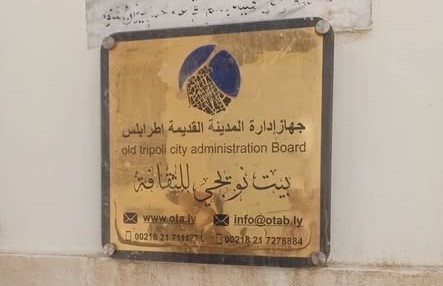
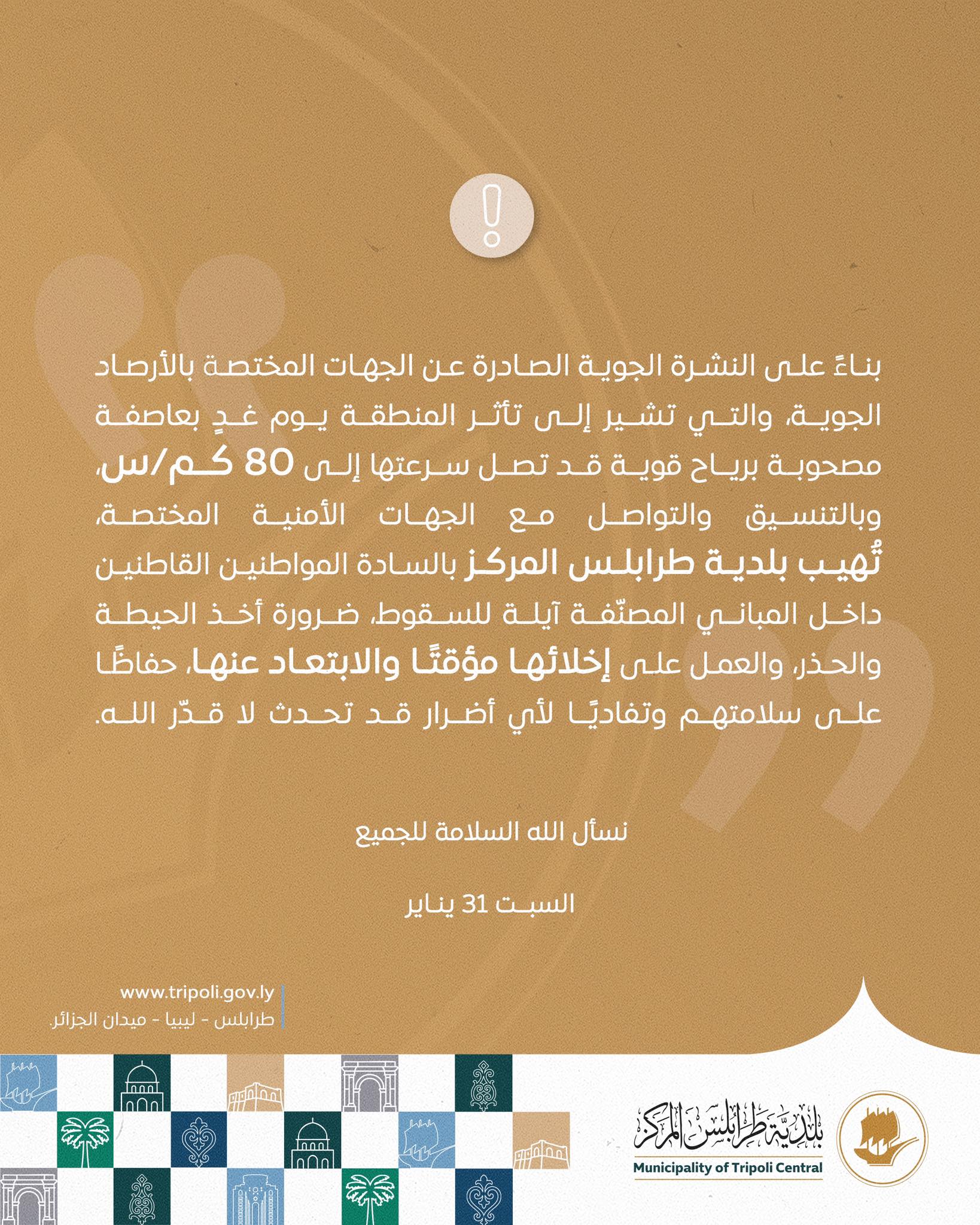
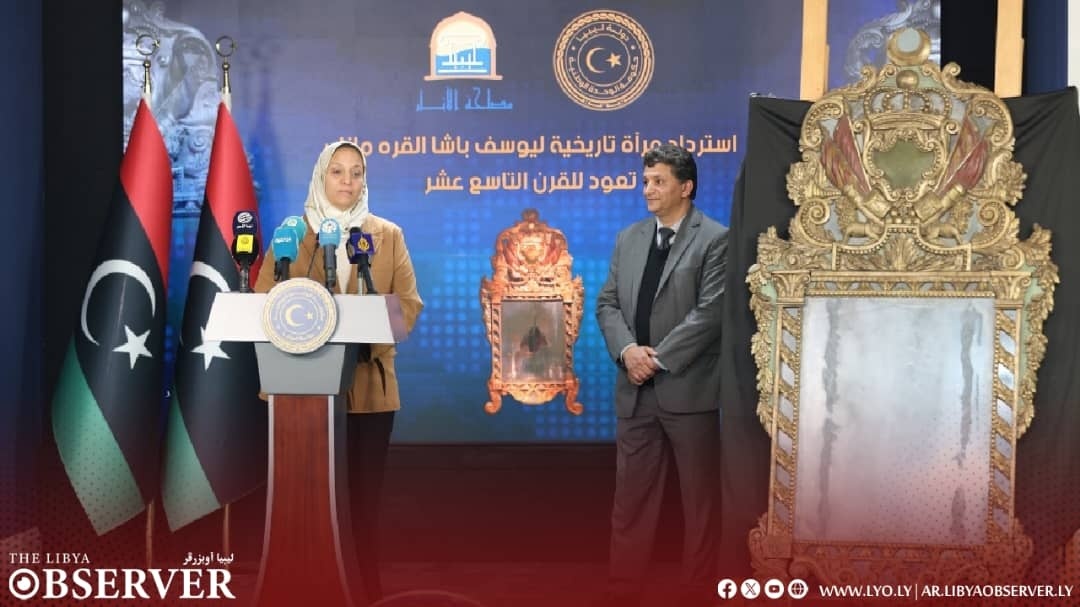
Image from the decision
Tebu Language Center
The Tebu Language Center is an educational institution dedicated to preserving and teaching the Tebu (or Tedaga) language, which is spoken by the Tebu people primarily in the Tibesti Mountains region of Chad, Libya, Niger, and Sudan. It serves as a cultural hub to safeguard this endangered Afro-Asiatic language, often through documentation, literacy programs, and community engagement aimed at reversing language shift among younger generations.
Libyan Scientific Research Authority
The Libyan Scientific Research Authority is a government body established to promote and coordinate scientific research across Libya, often focusing on areas like agriculture, industry, and environmental studies. Its history is tied to national efforts following independence to develop scientific infrastructure and address local challenges through applied research.
Libyan Center for Tebu Studies
The Libyan Center for Tebu Studies is a cultural institution dedicated to researching and preserving the heritage of the Tebu people, an indigenous ethnic group primarily inhabiting the Sahara in southern Libya. It focuses on documenting their language, history, and traditions, which have been historically marginalized. The center’s establishment reflects broader efforts to recognize and protect the cultural diversity within Libya.
Libya
Libya is a North African country with a rich history rooted in ancient civilizations like the Phoenicians and Romans, followed by centuries of Arab and Ottoman influence. In the modern era, it was an Italian colony before gaining independence in 1951, later becoming known for Muammar Gaddafi’s lengthy rule from 1969 until the 2011 civil war. The country is home to UNESCO World Heritage sites, such as the ruins of Leptis Magna, which showcase its significant classical past.
southern Libya
Southern Libya is a vast desert region historically inhabited by nomadic Berber and Tuareg peoples, with a landscape featuring the Acacus Mountains, a UNESCO World Heritage Site known for its ancient rock art dating back thousands of years. The area was a crucial part of trans-Saharan trade routes and later saw conflict during the 2011 Libyan Civil War and subsequent instability.
Facebook
Facebook is an online social media and social networking service founded by Mark Zuckerberg in 2004, initially for Harvard University students before expanding globally. It has grown into a major technology company, Meta Platforms, and has fundamentally reshaped global communication, social interaction, and digital advertising.