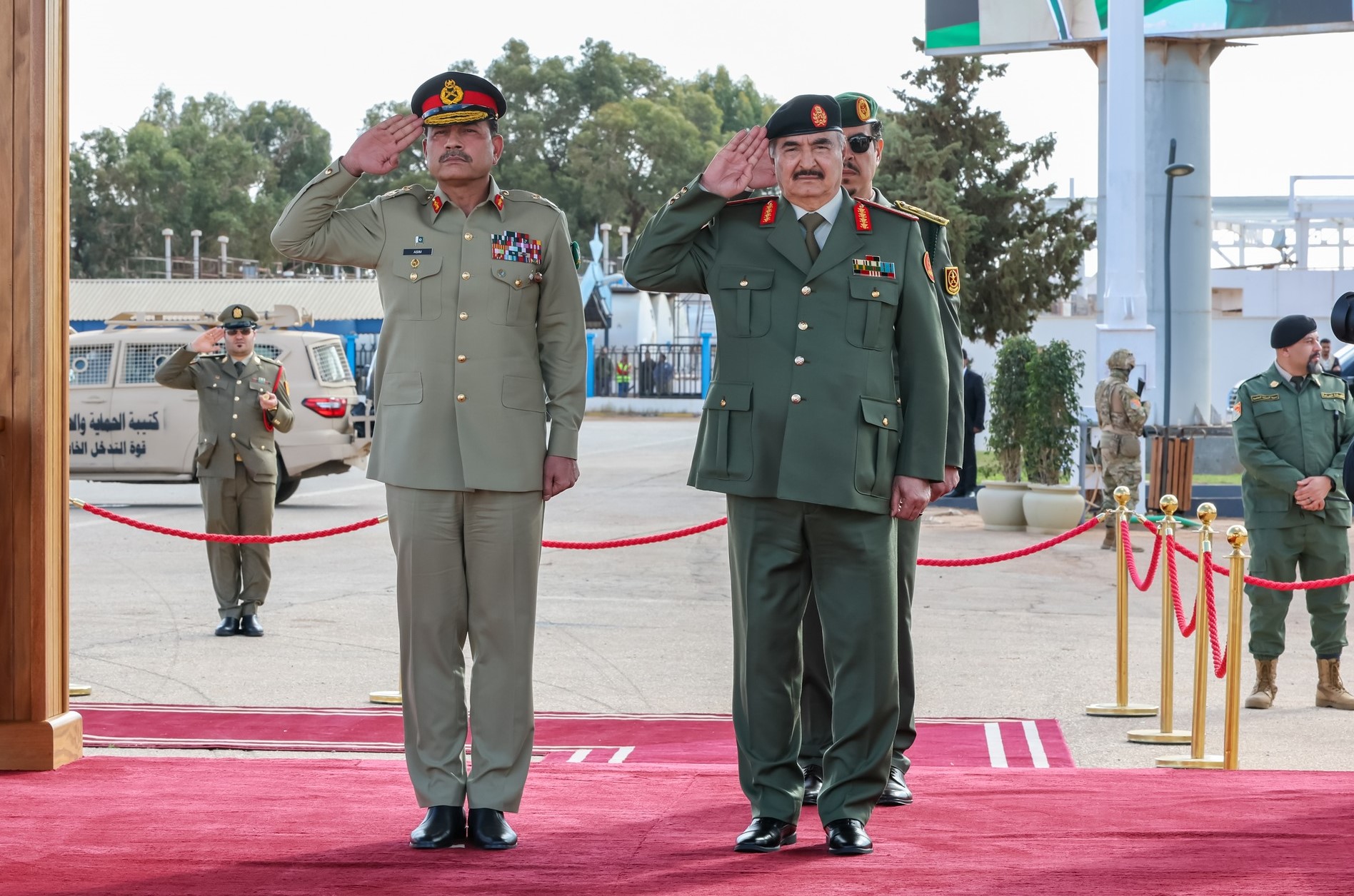
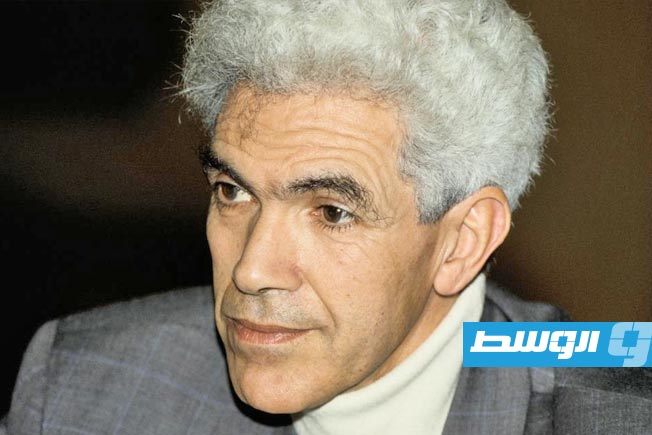
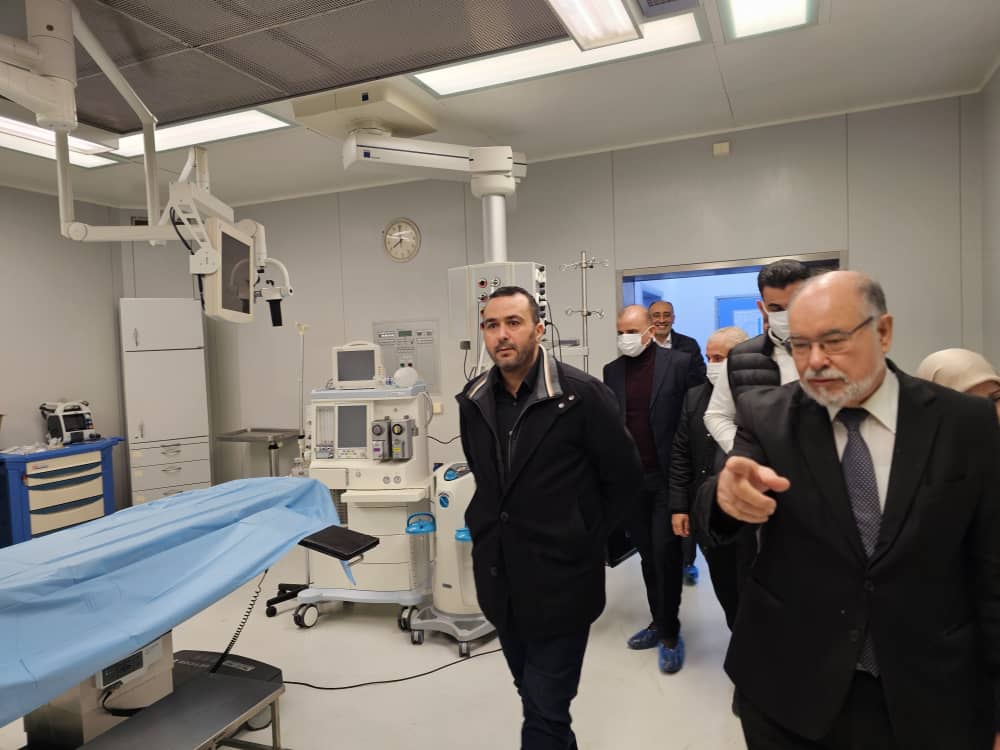
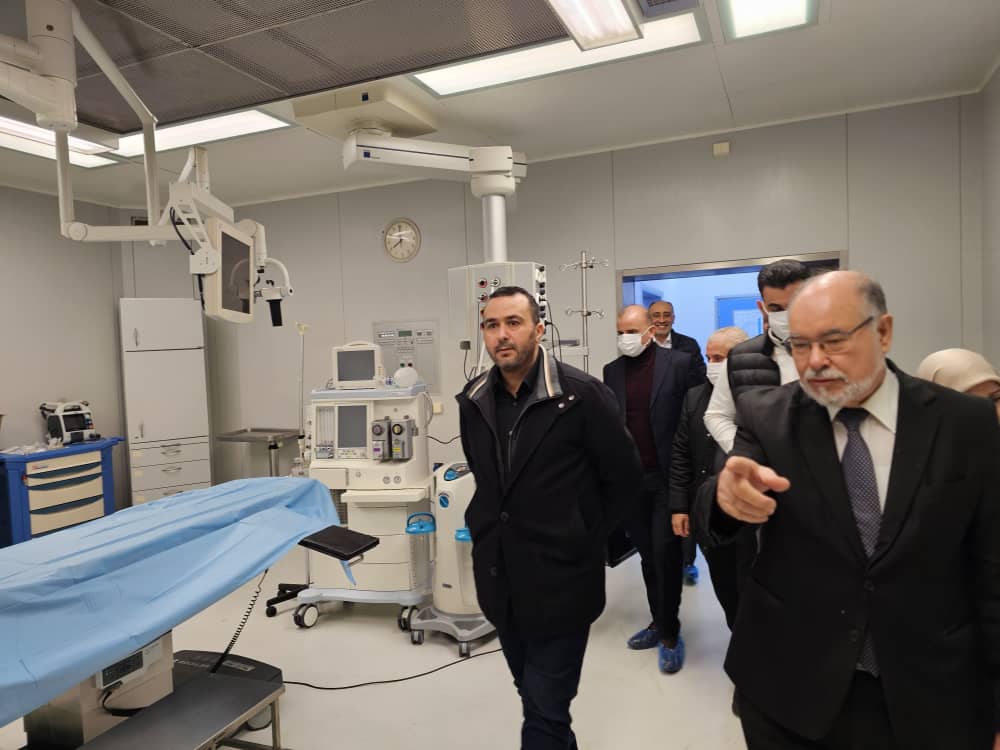
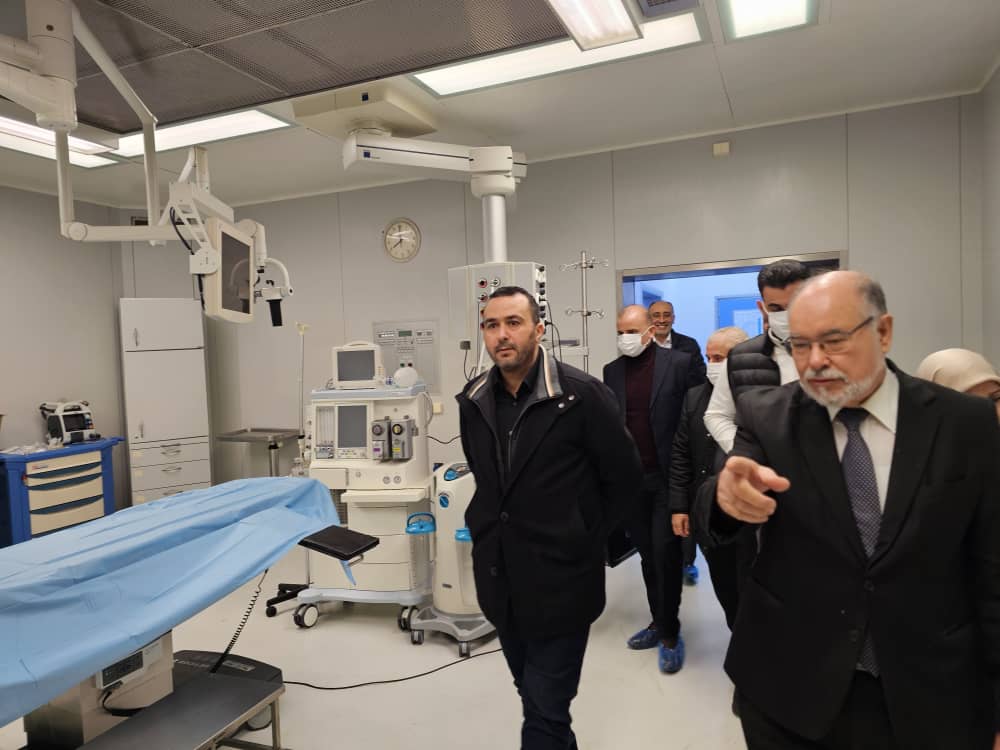
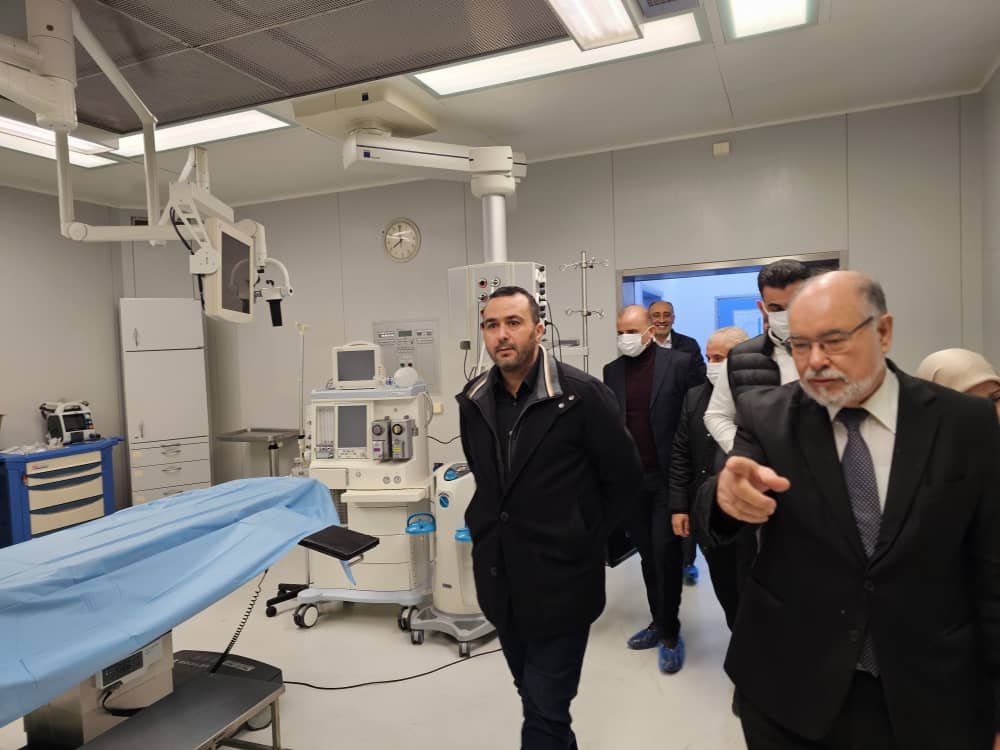
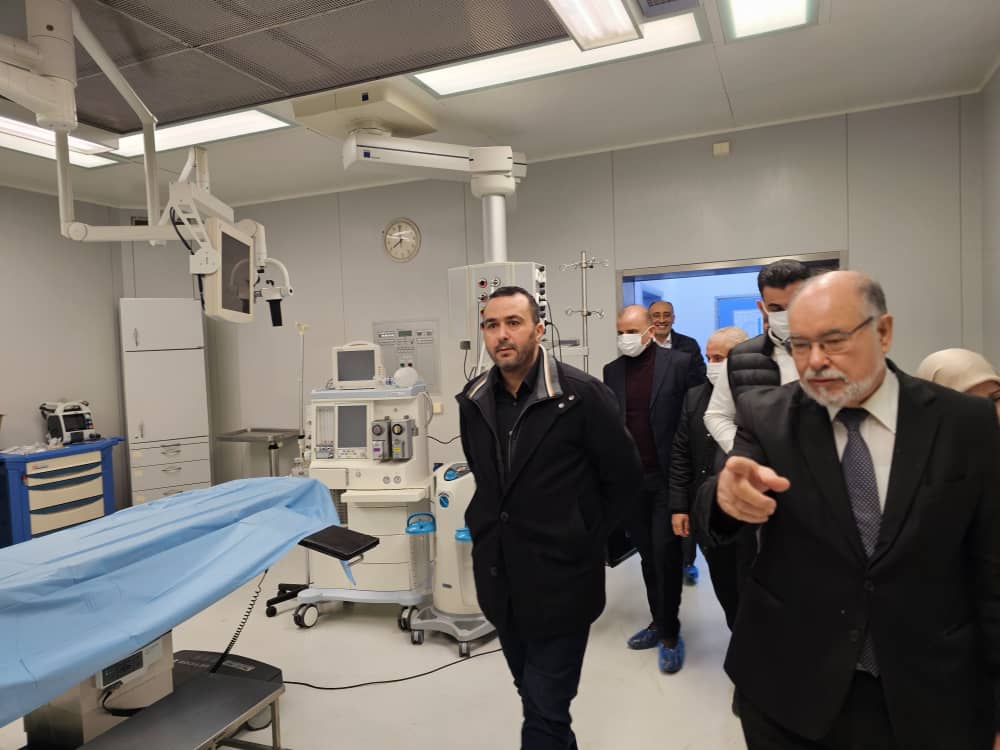
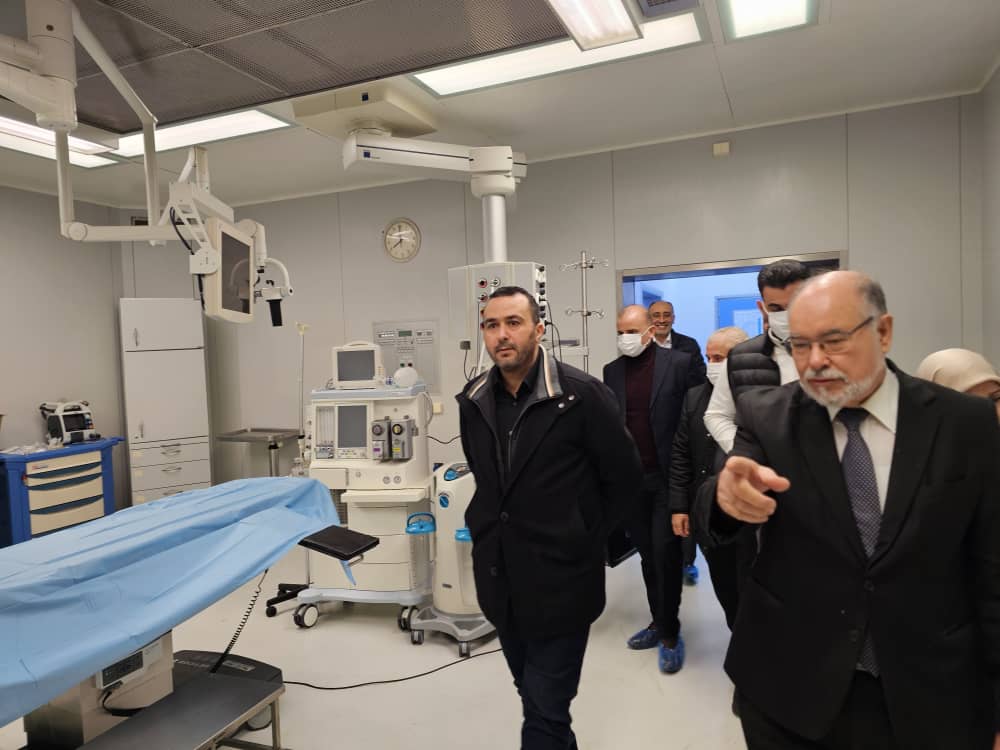
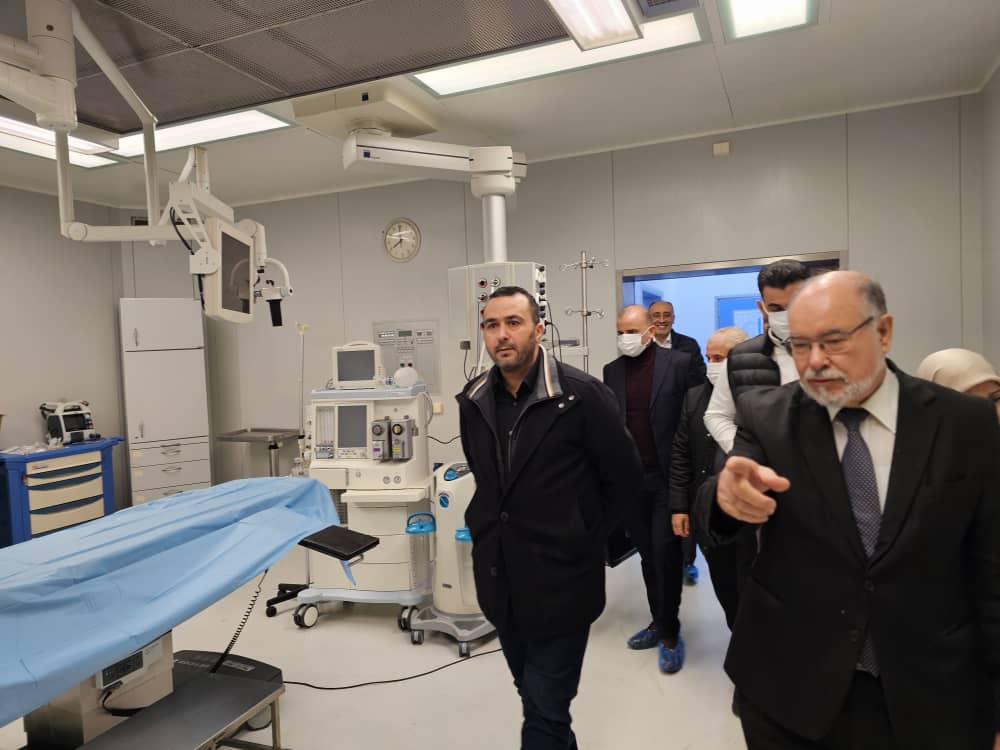
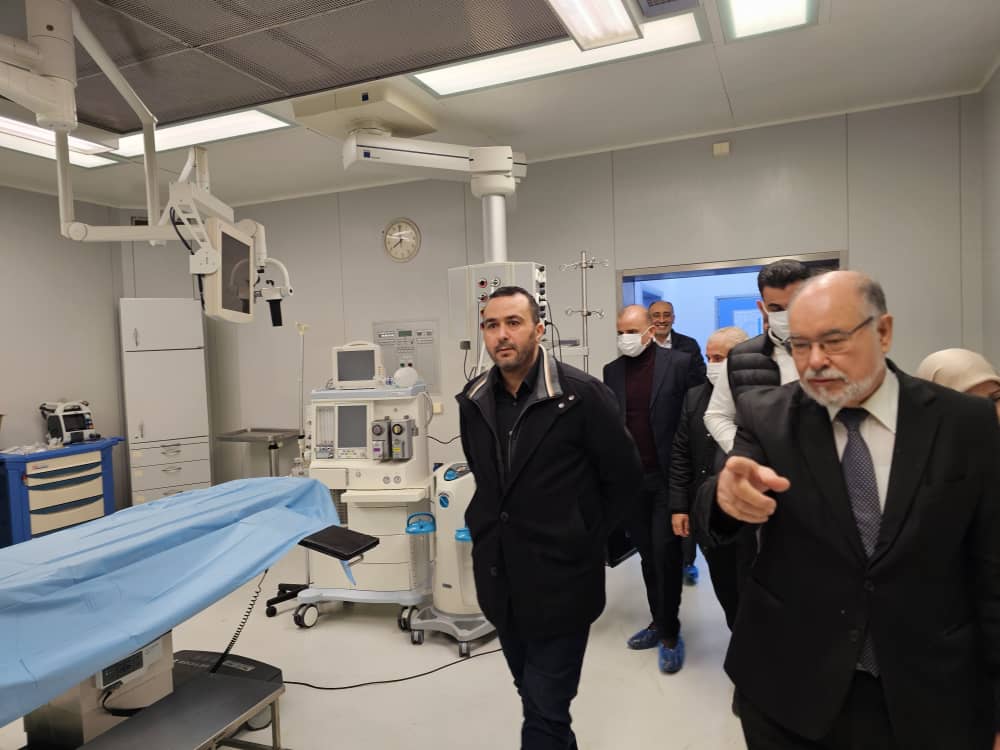
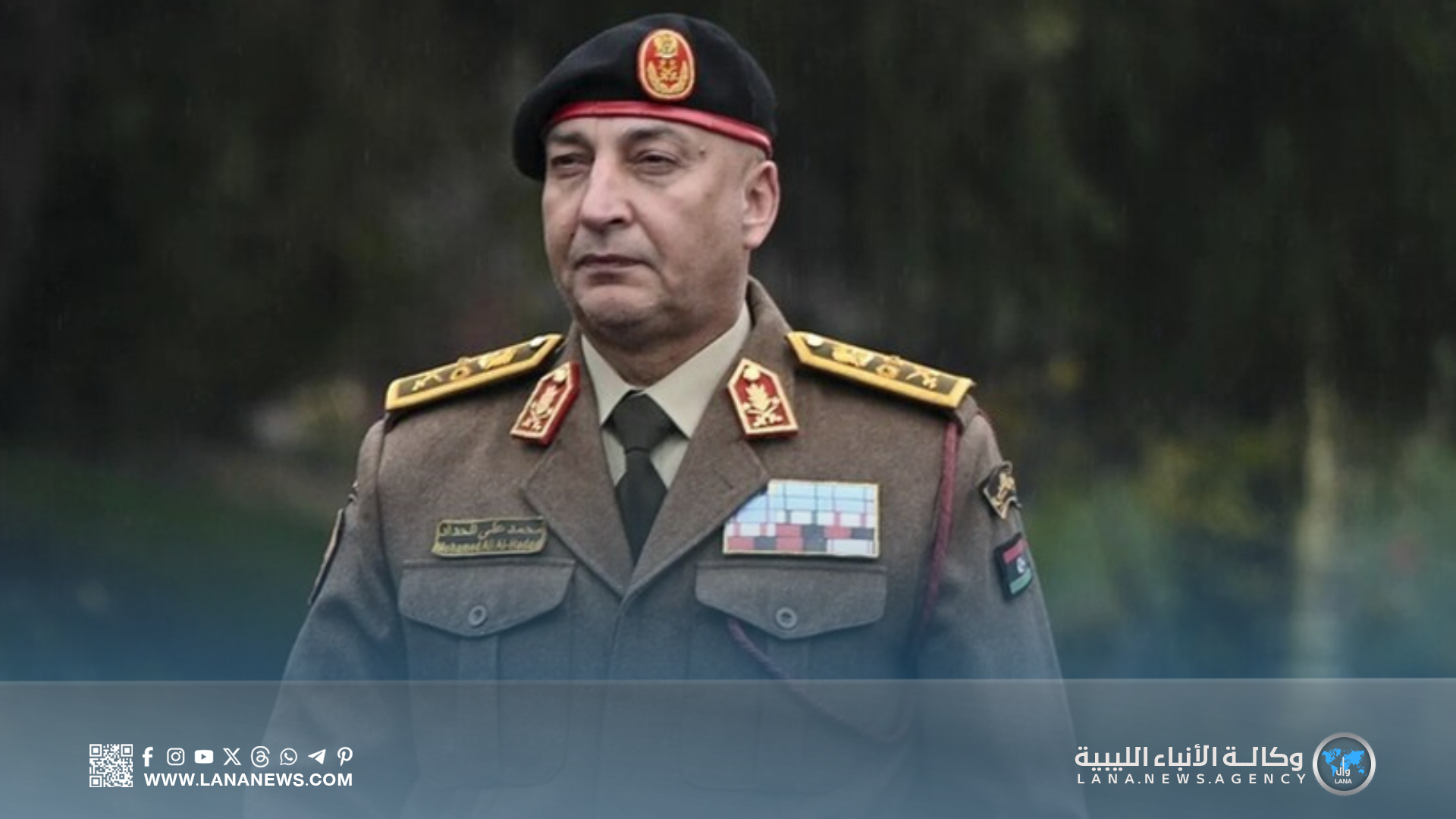
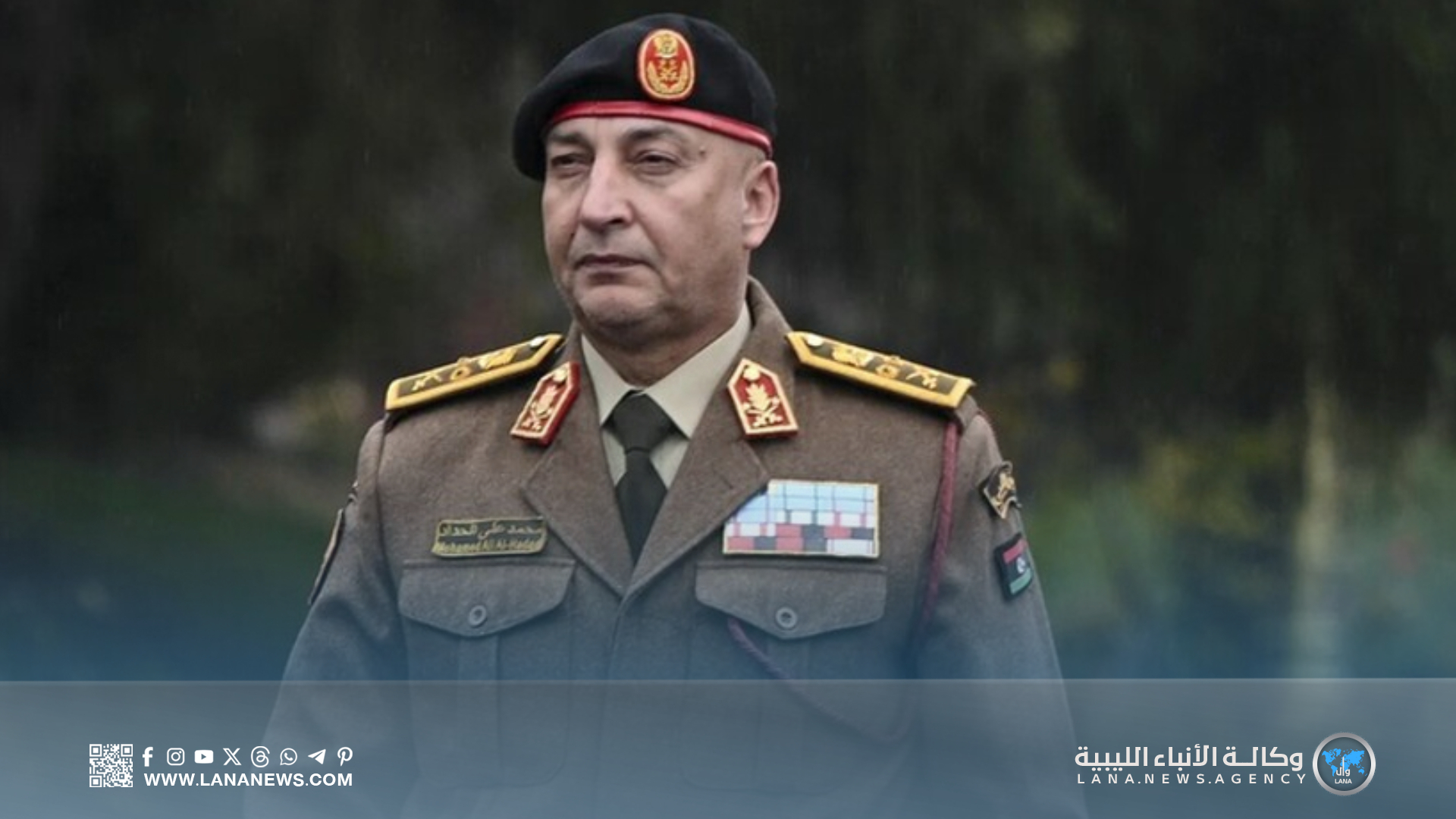
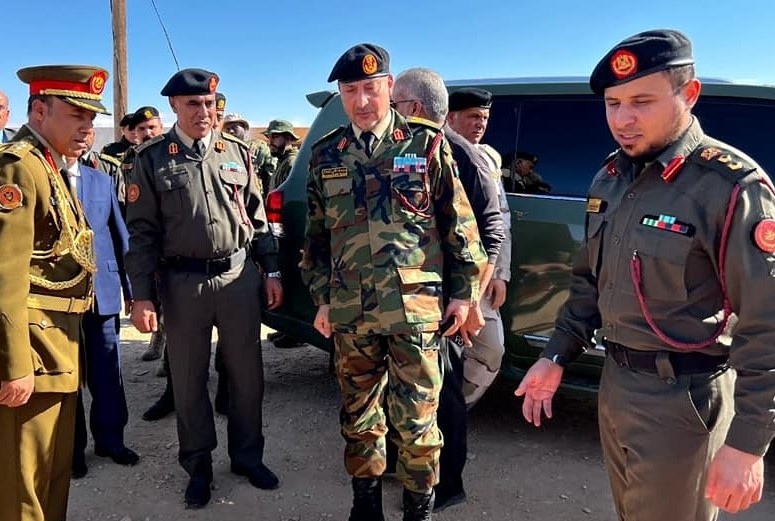
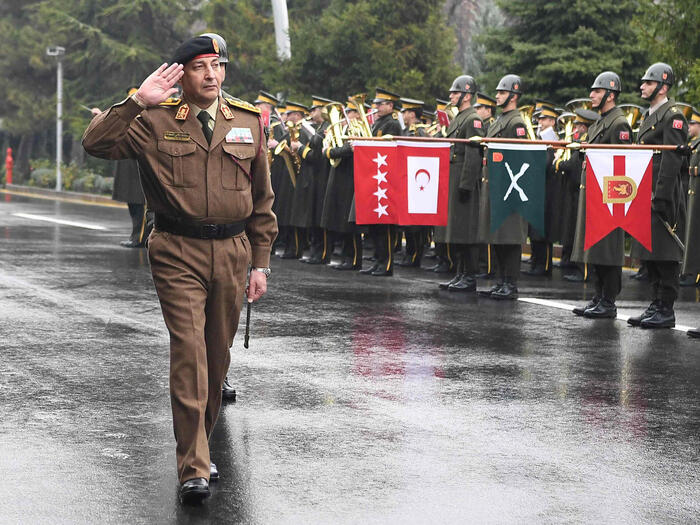
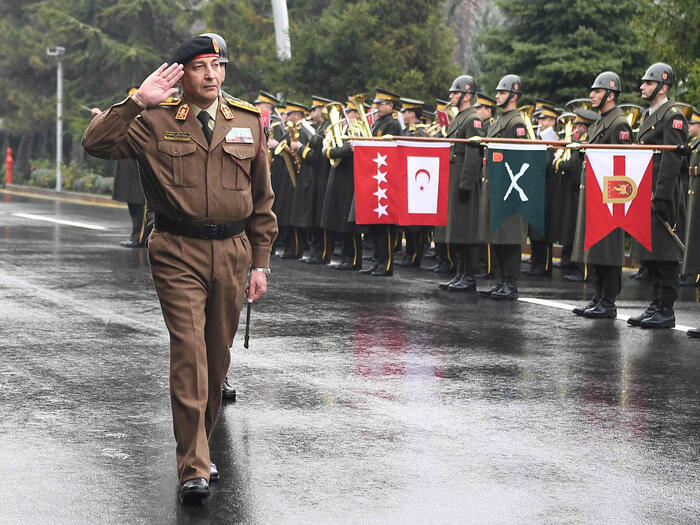
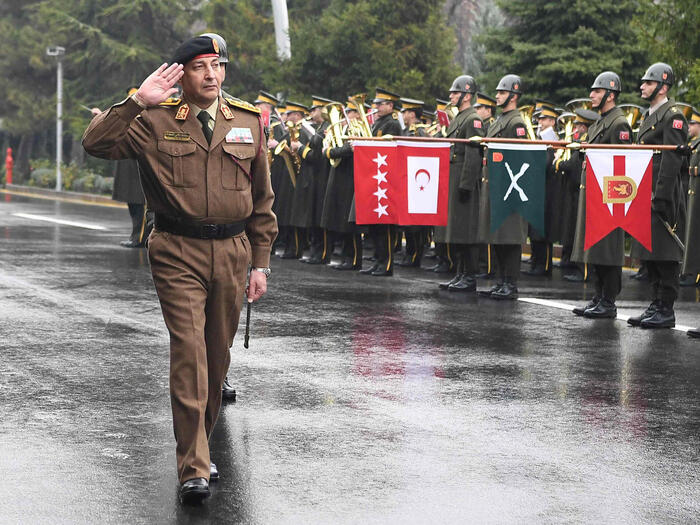
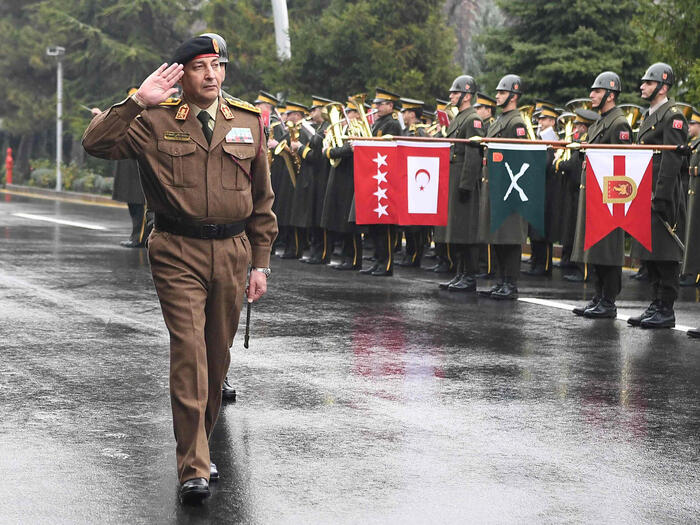
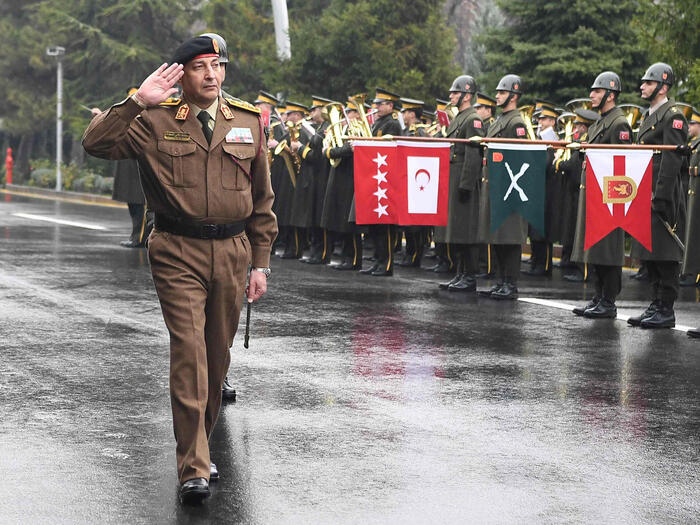
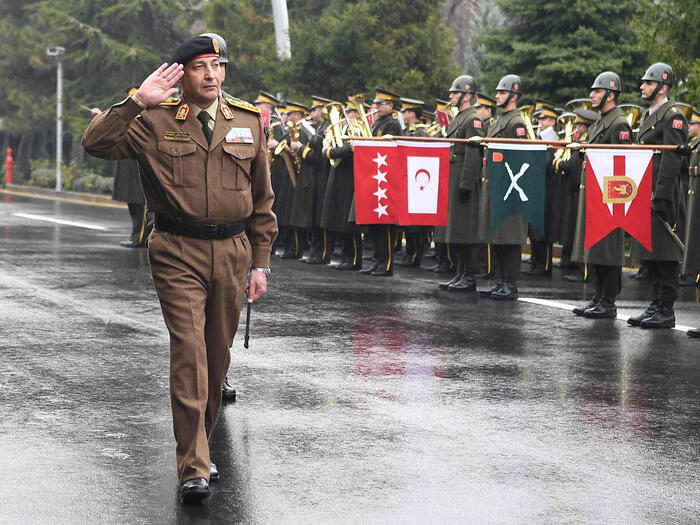
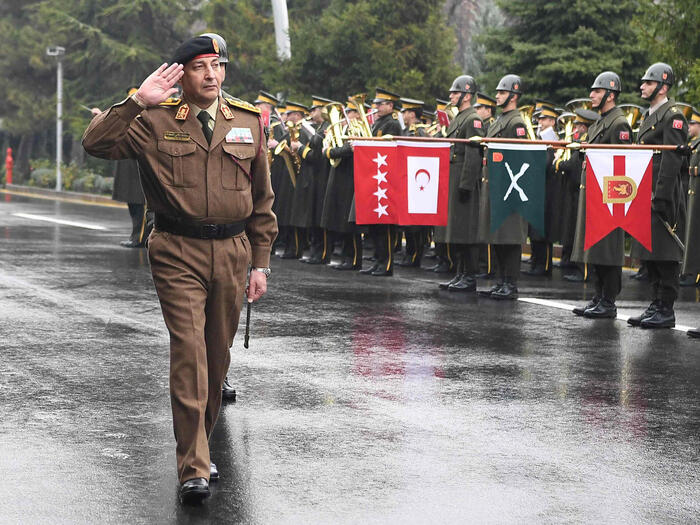
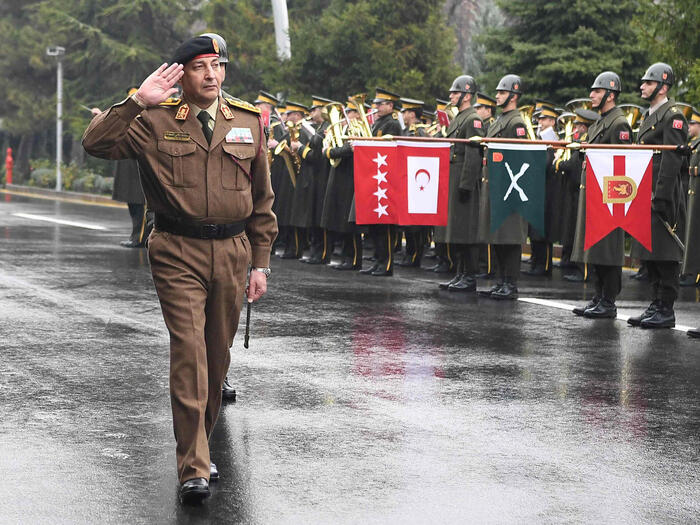
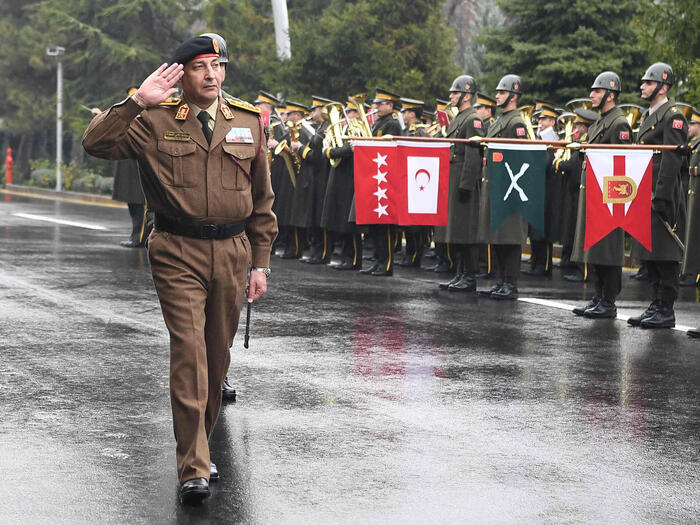
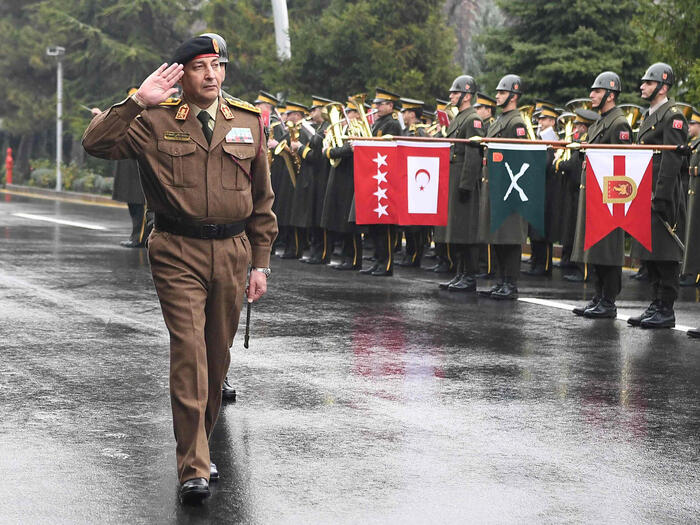
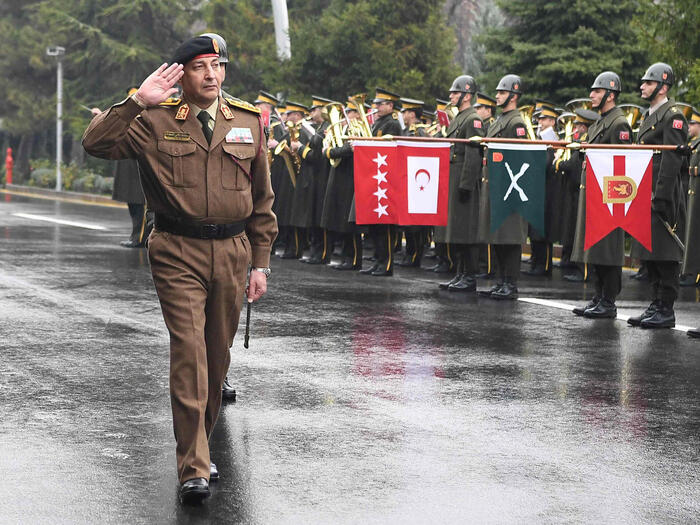
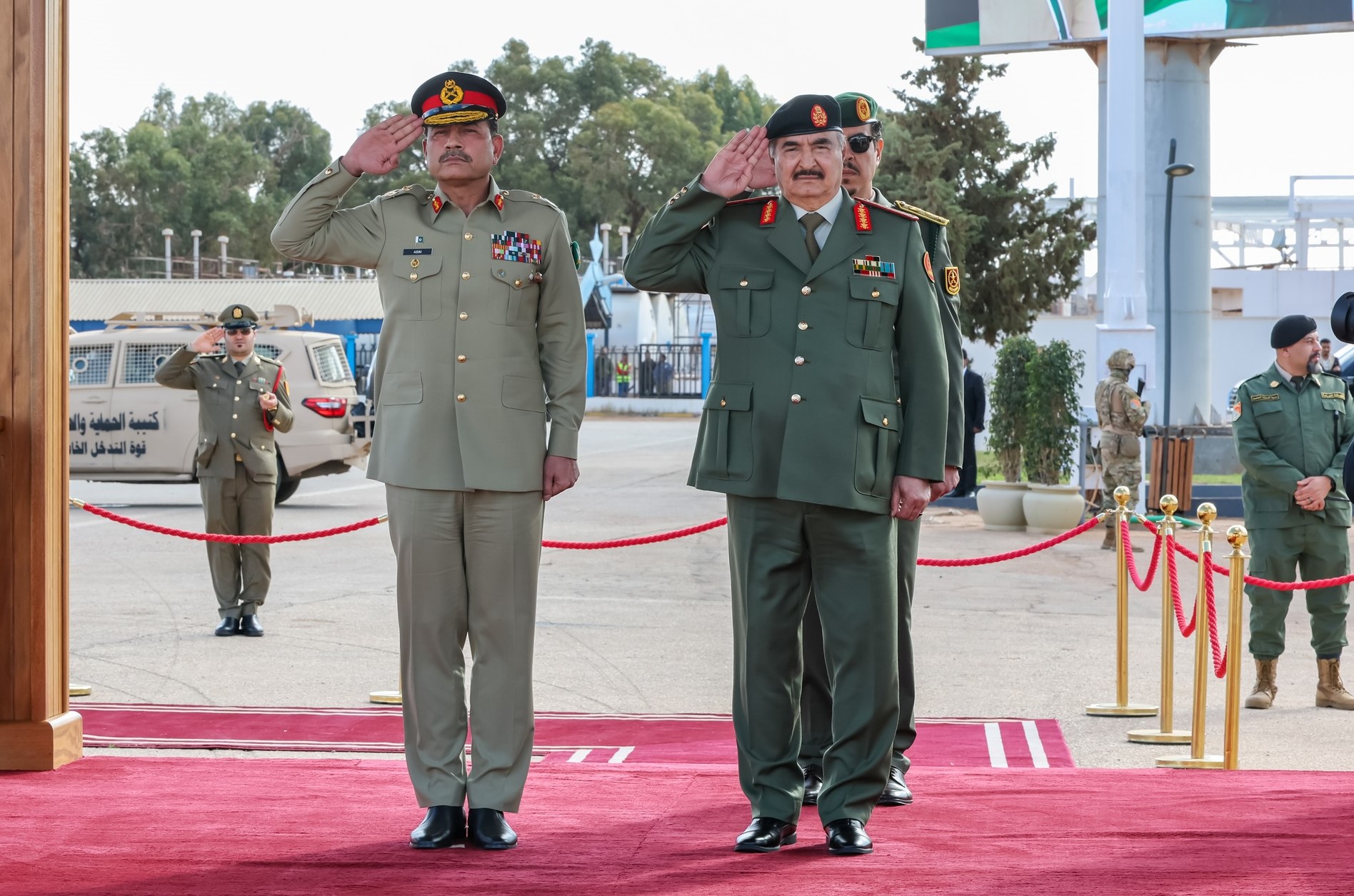
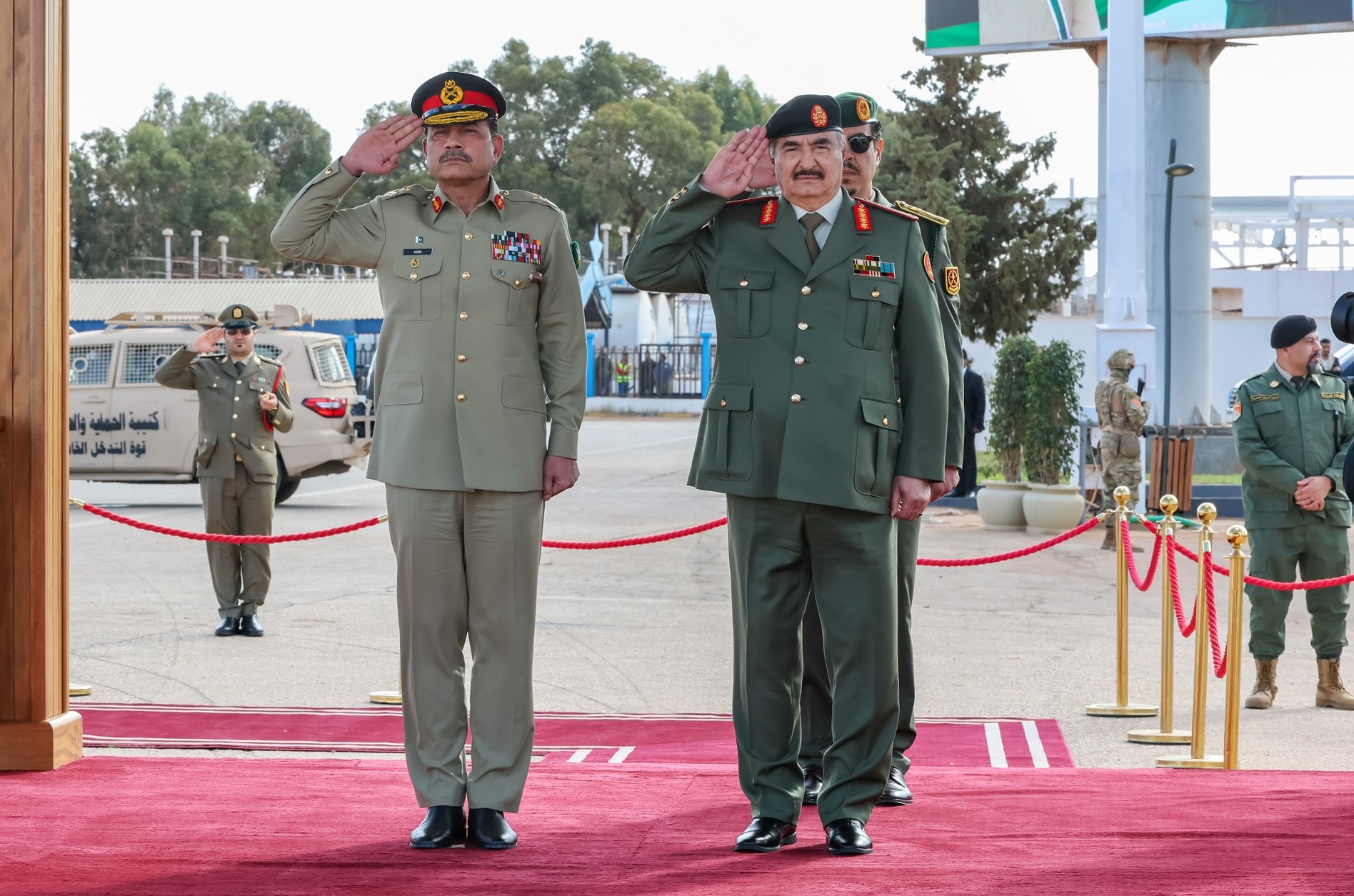
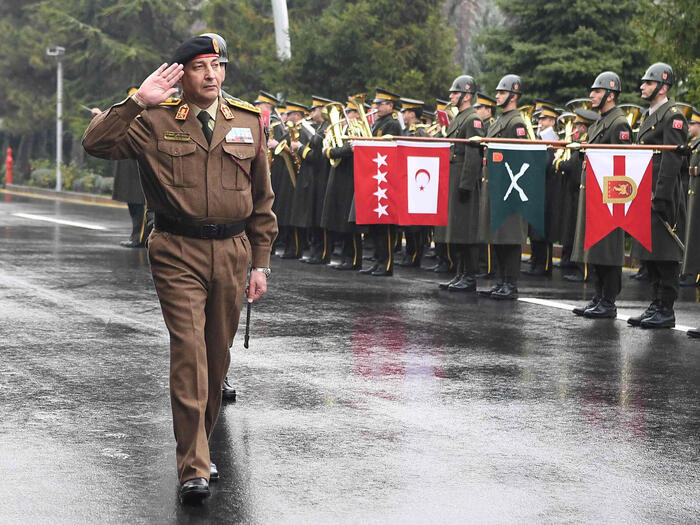
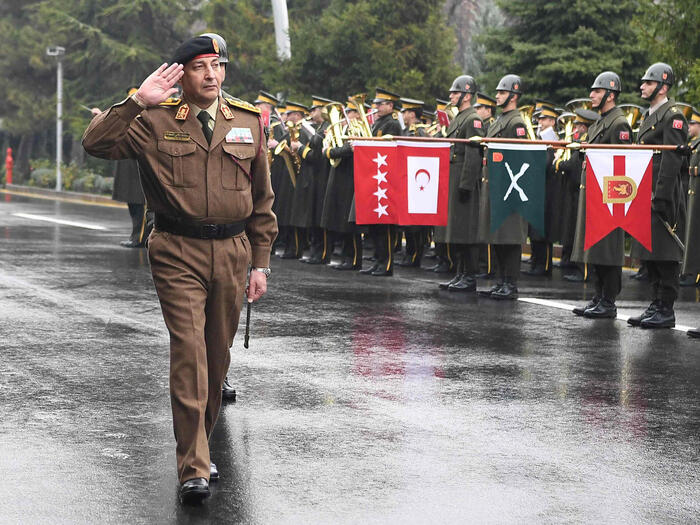
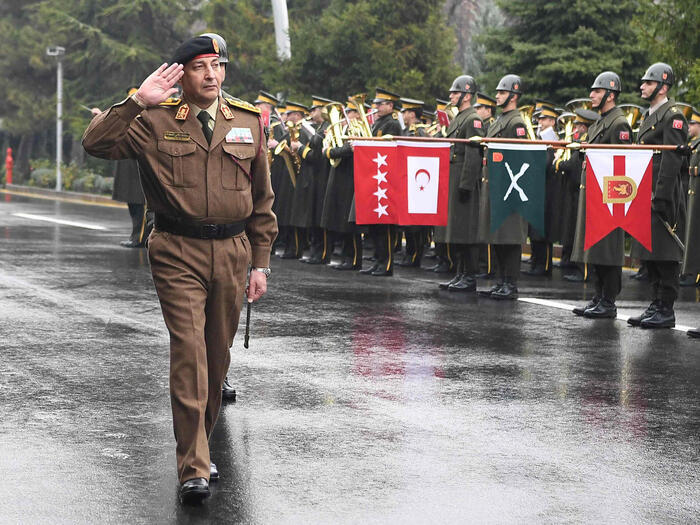
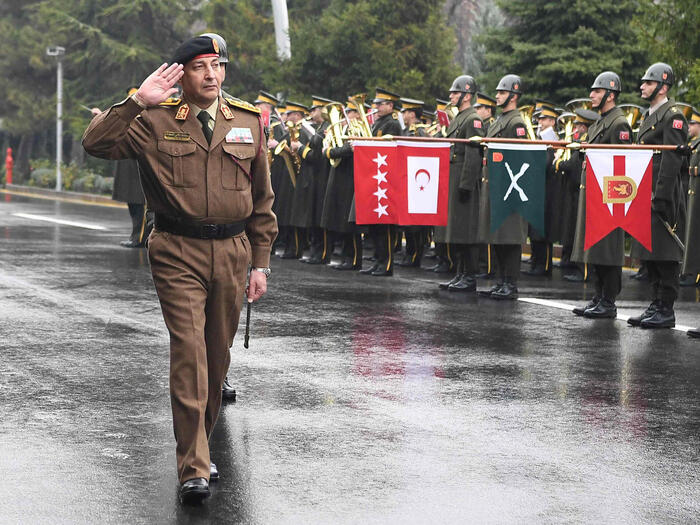
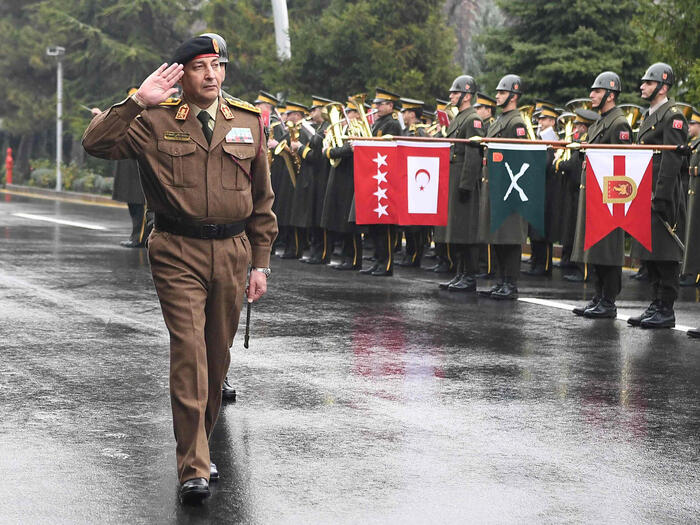
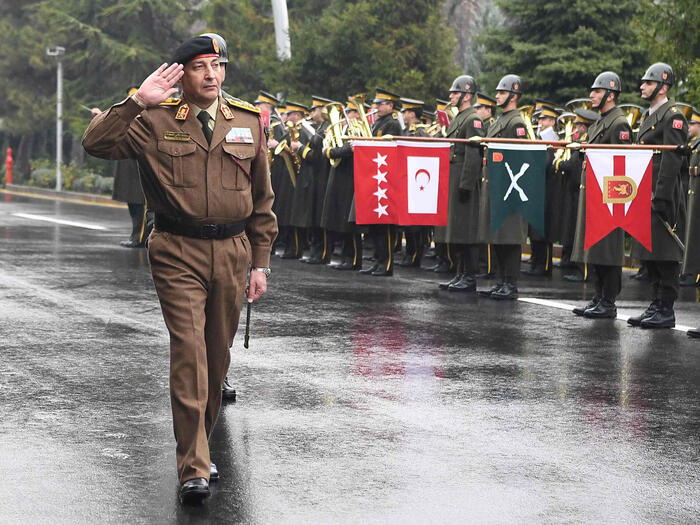
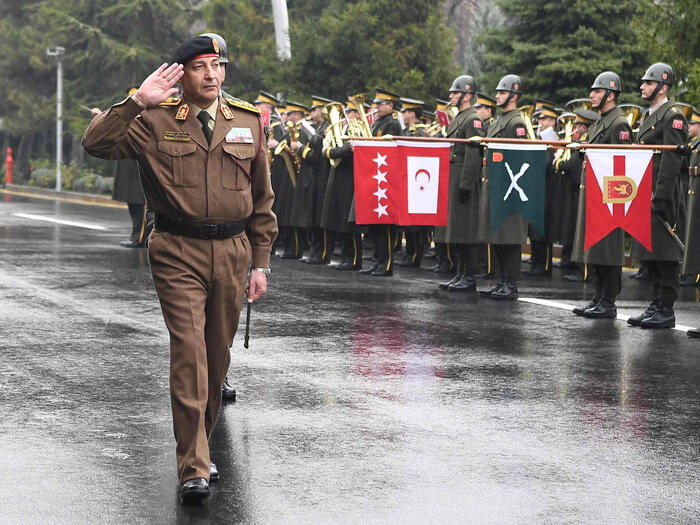
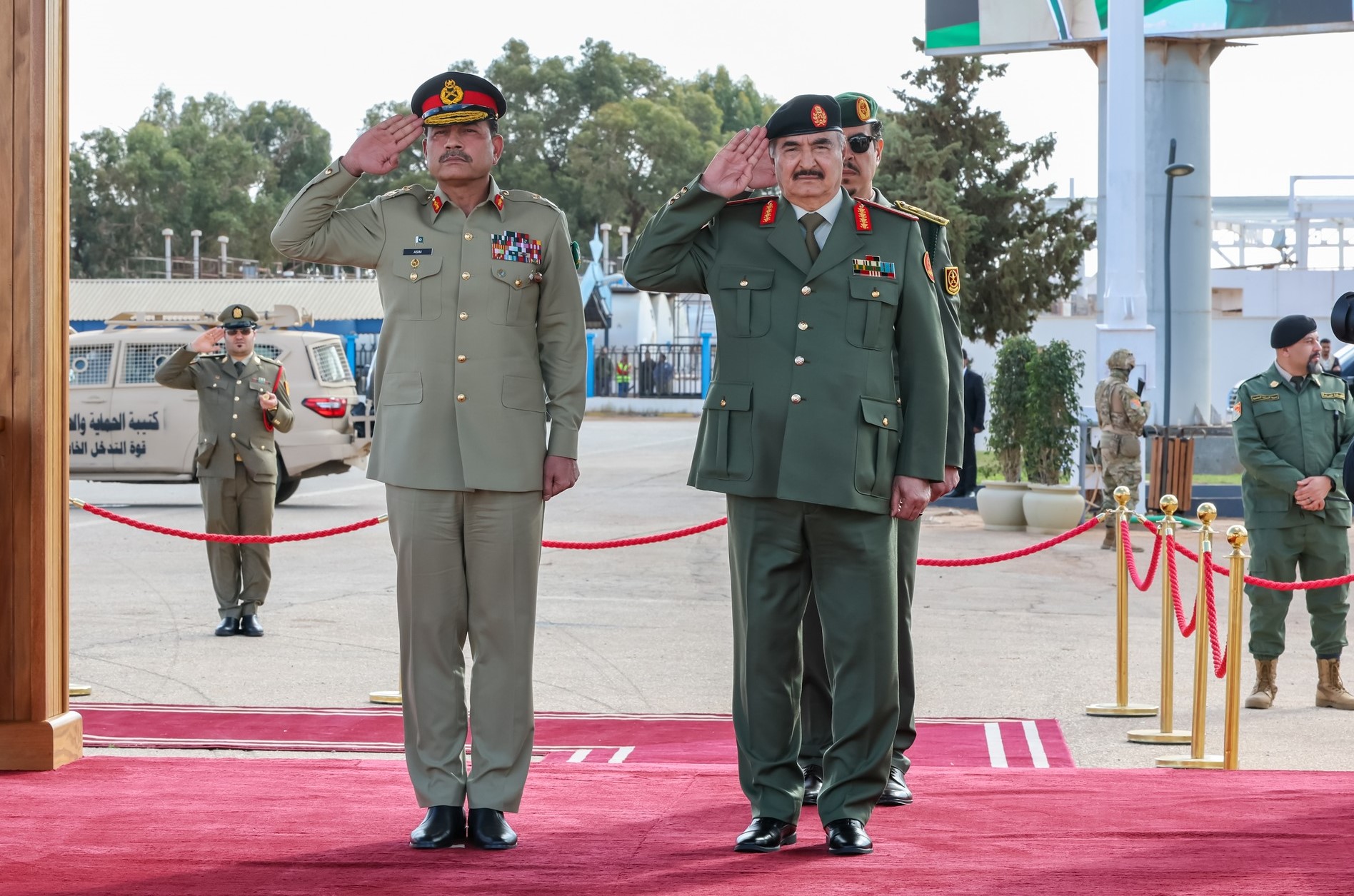
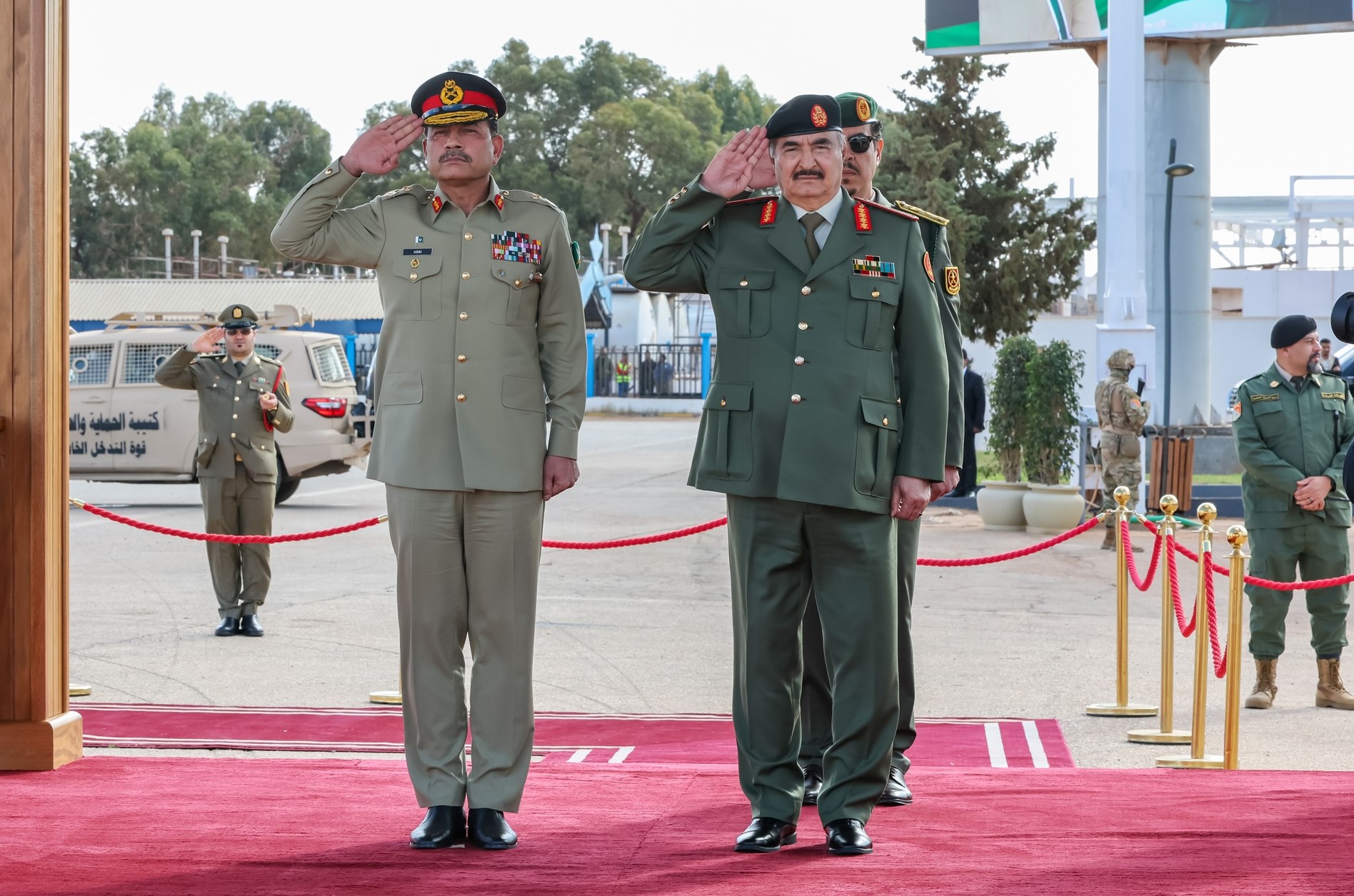
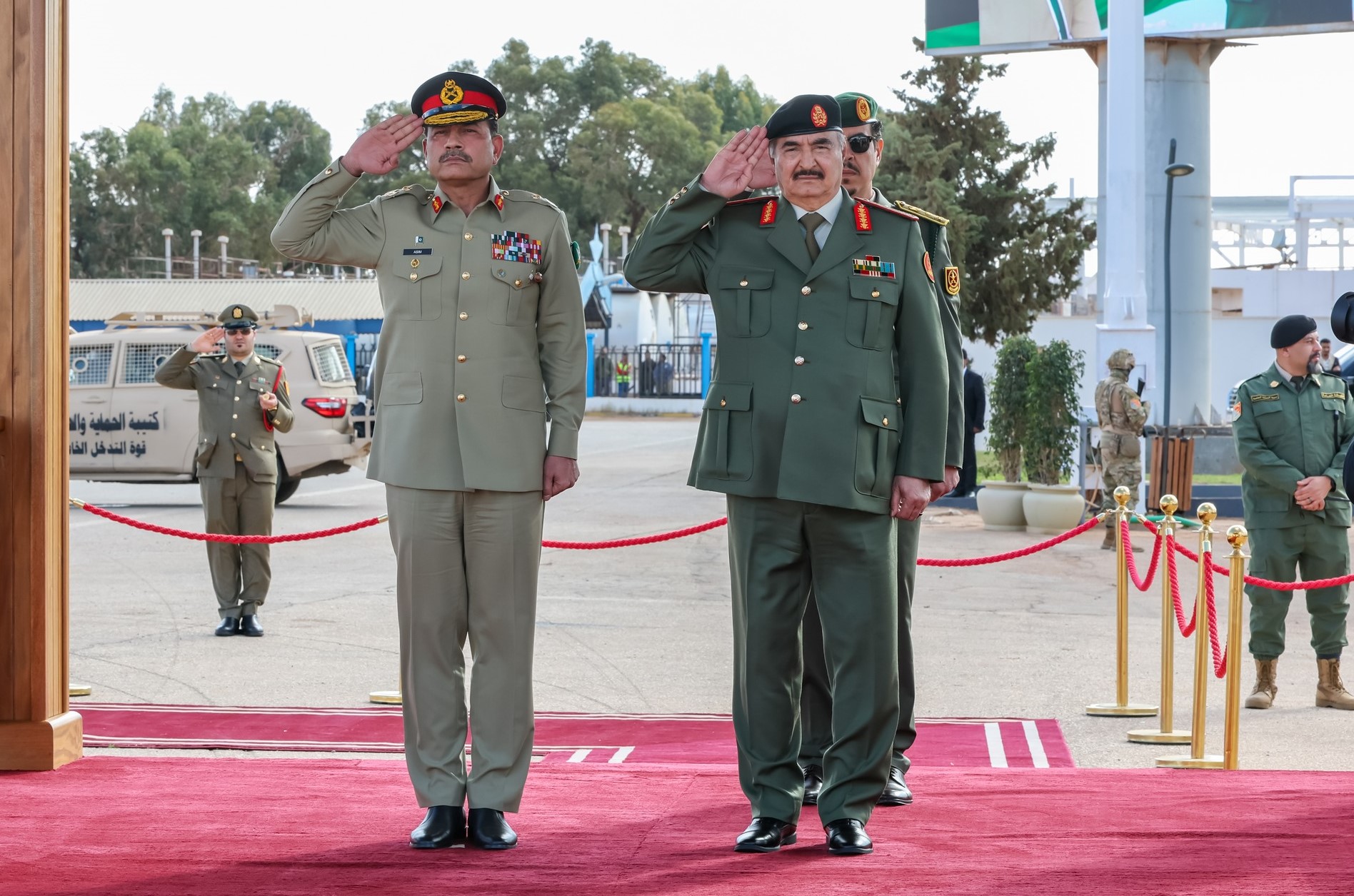
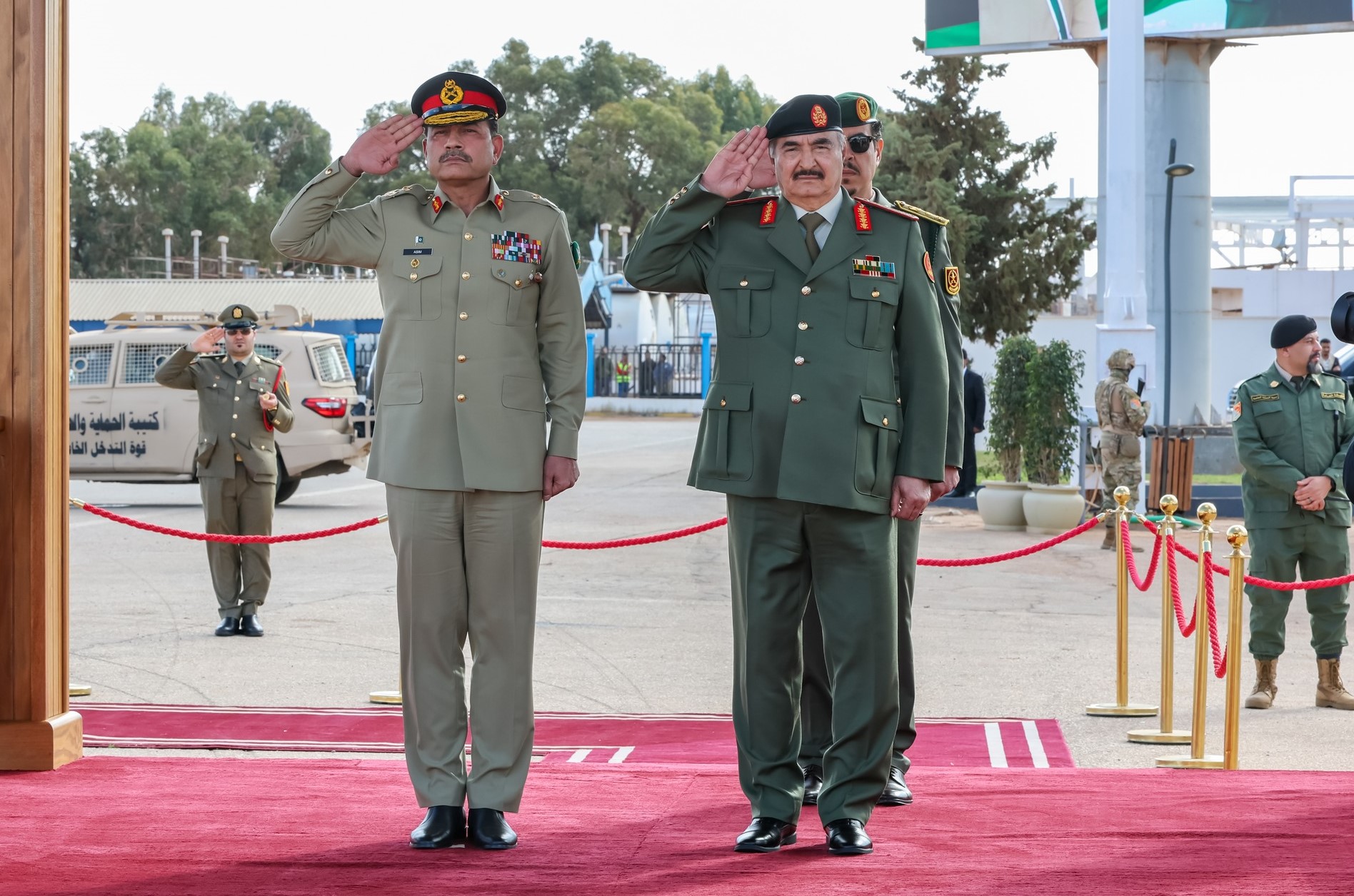
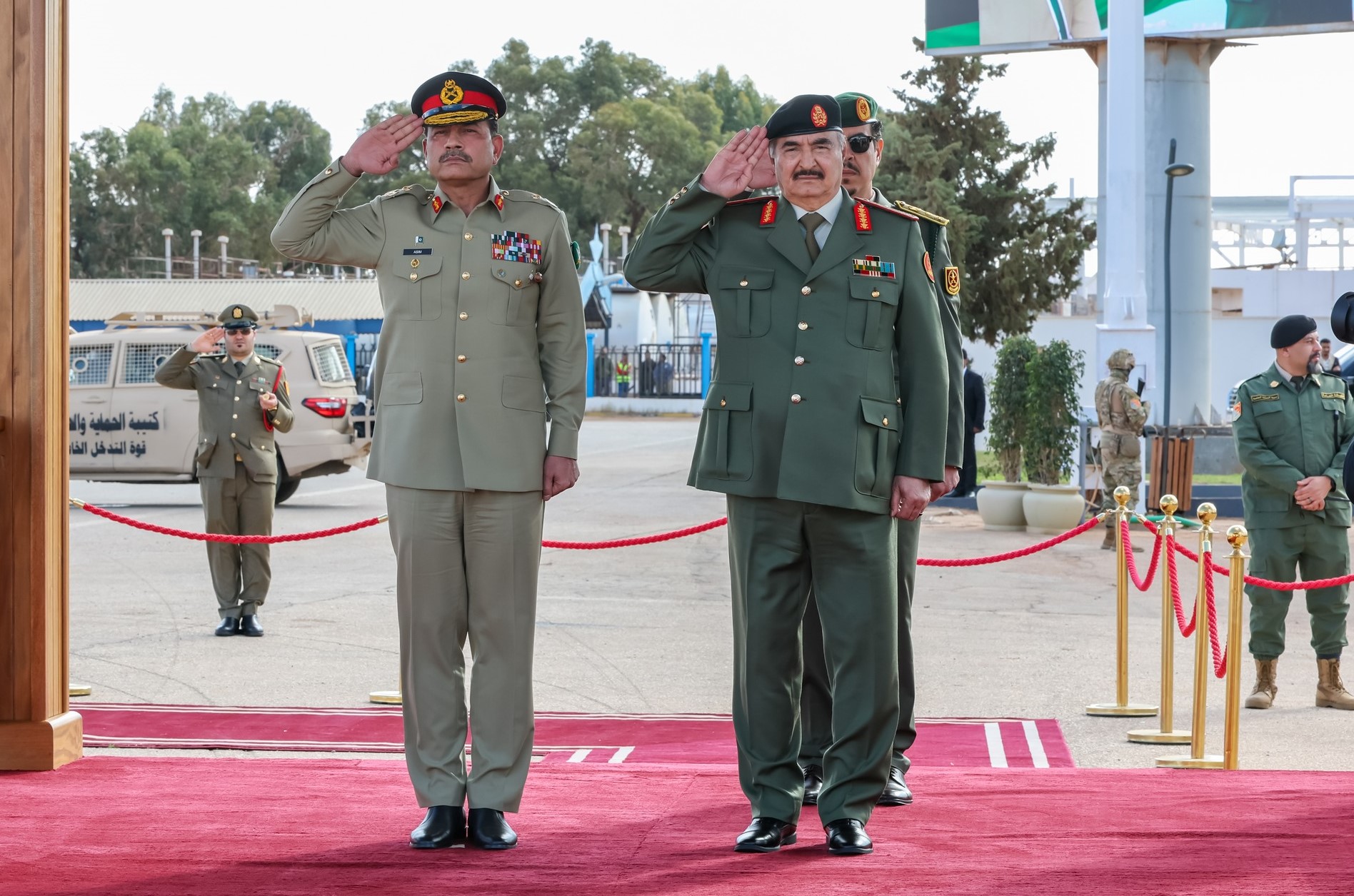
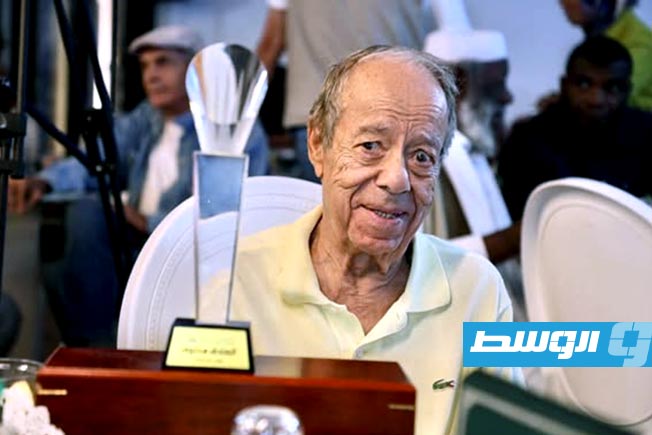
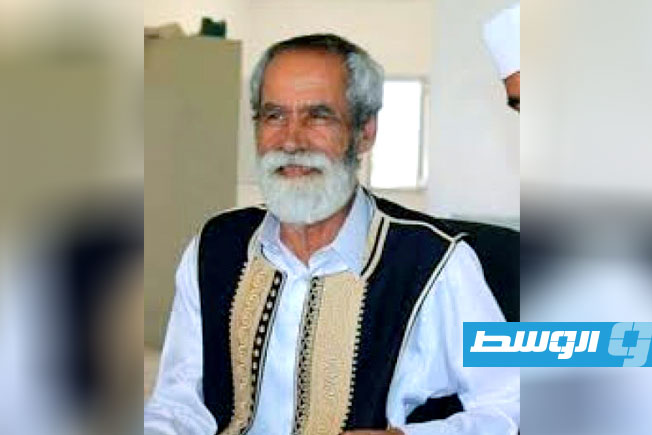
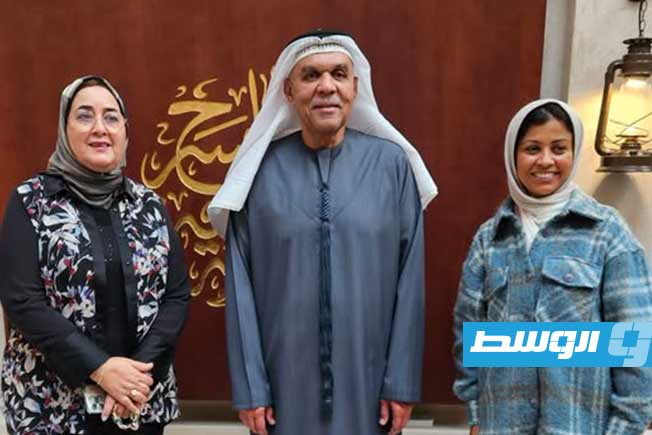
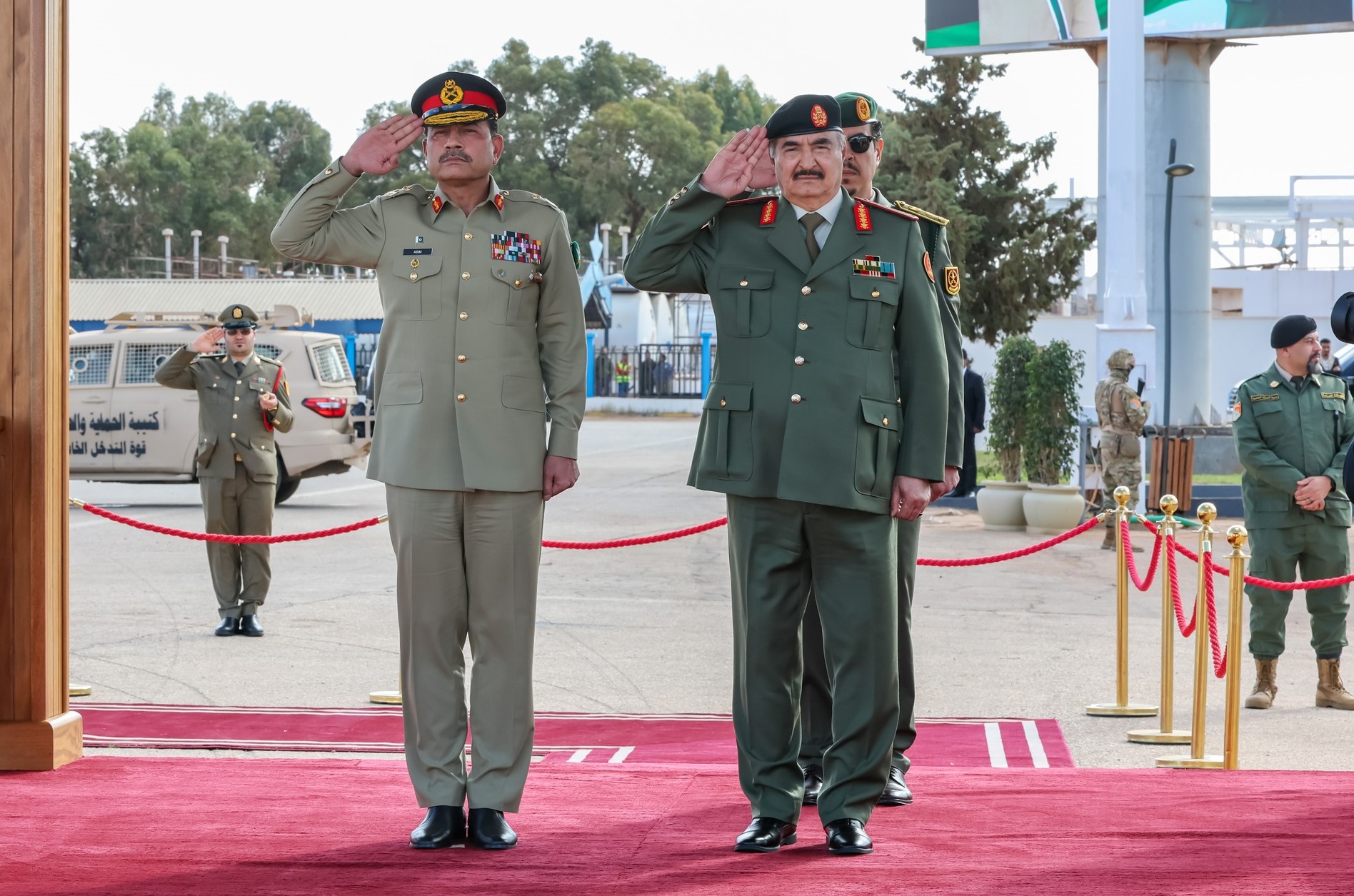
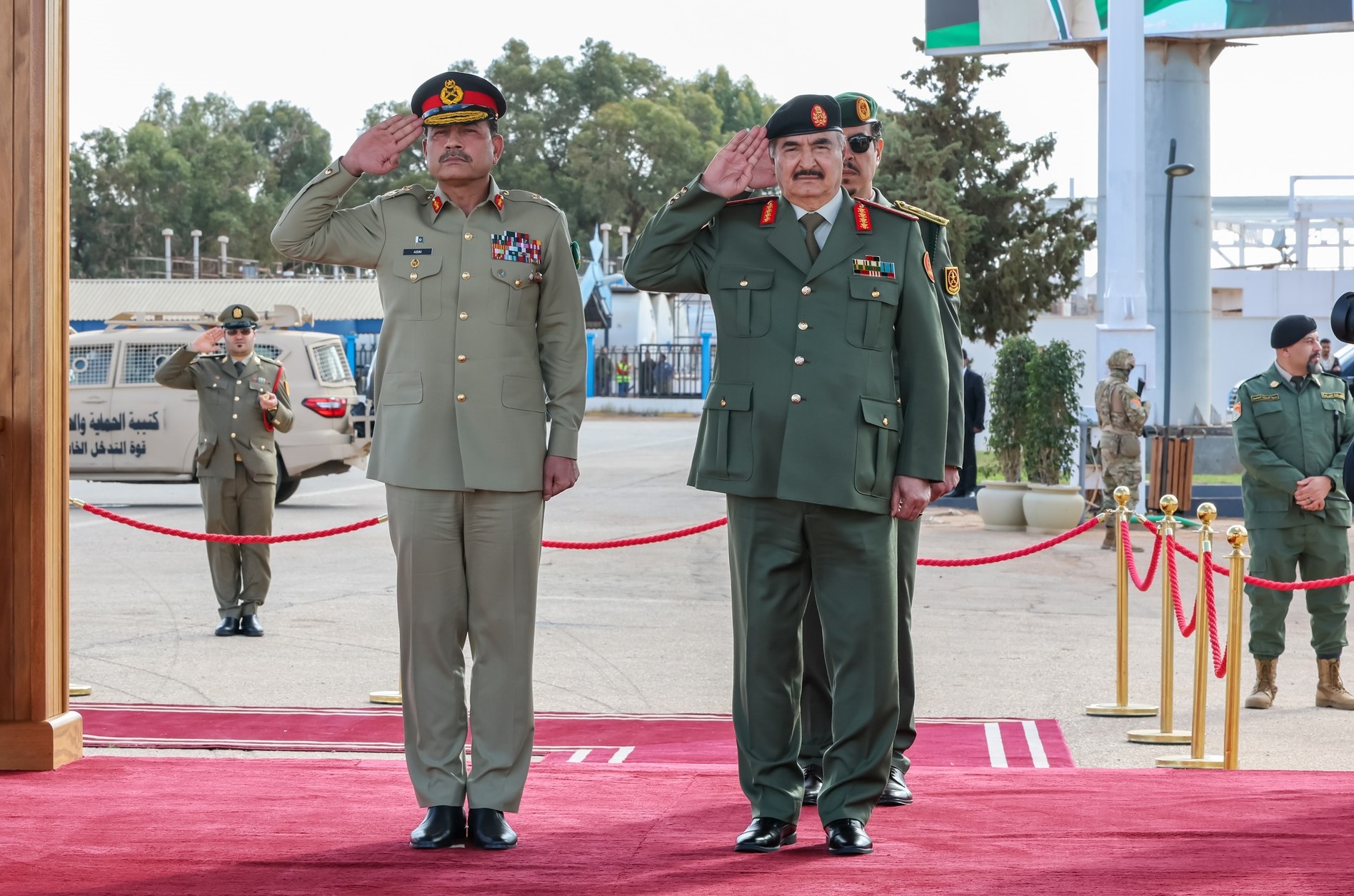
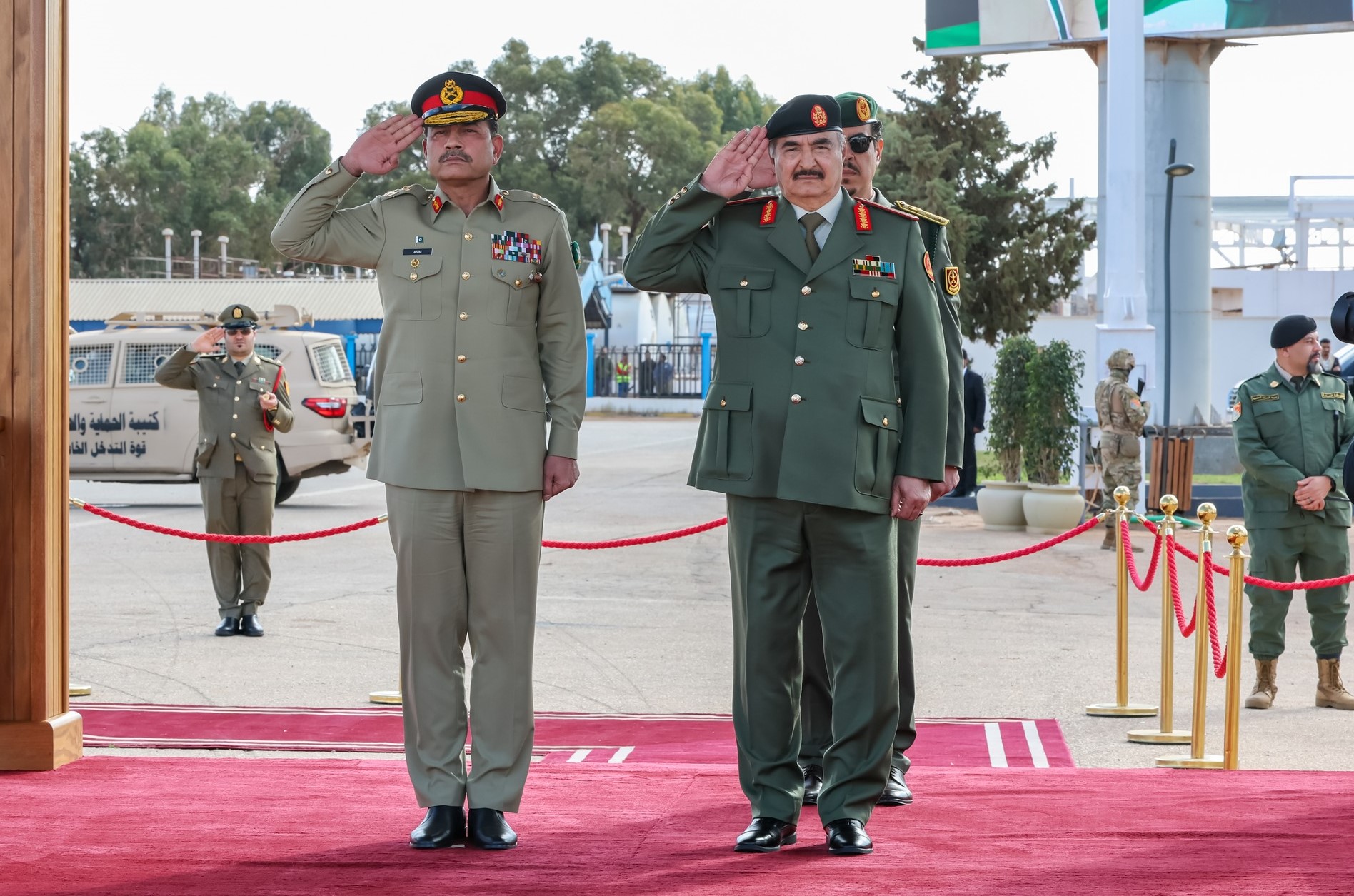
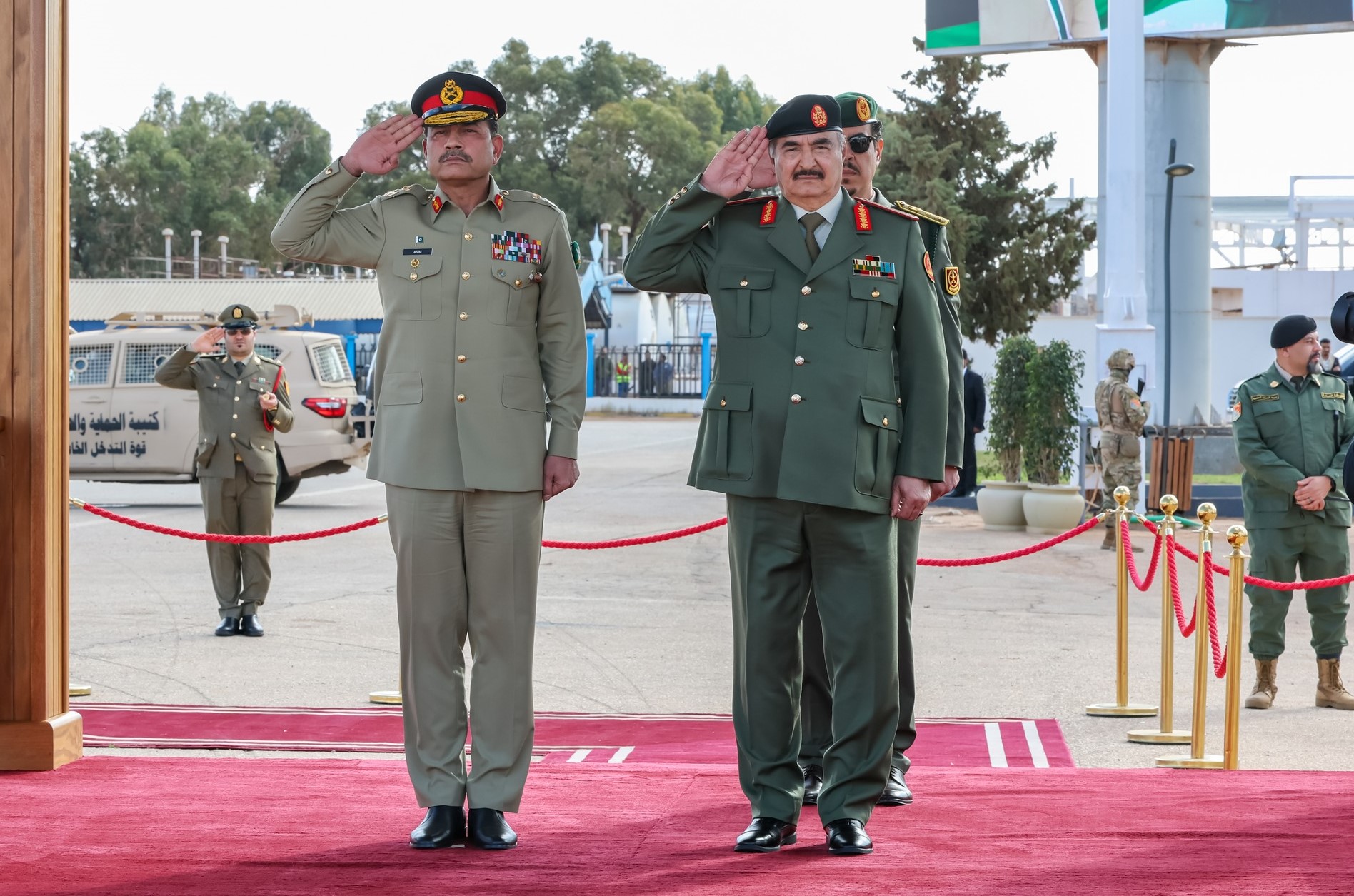
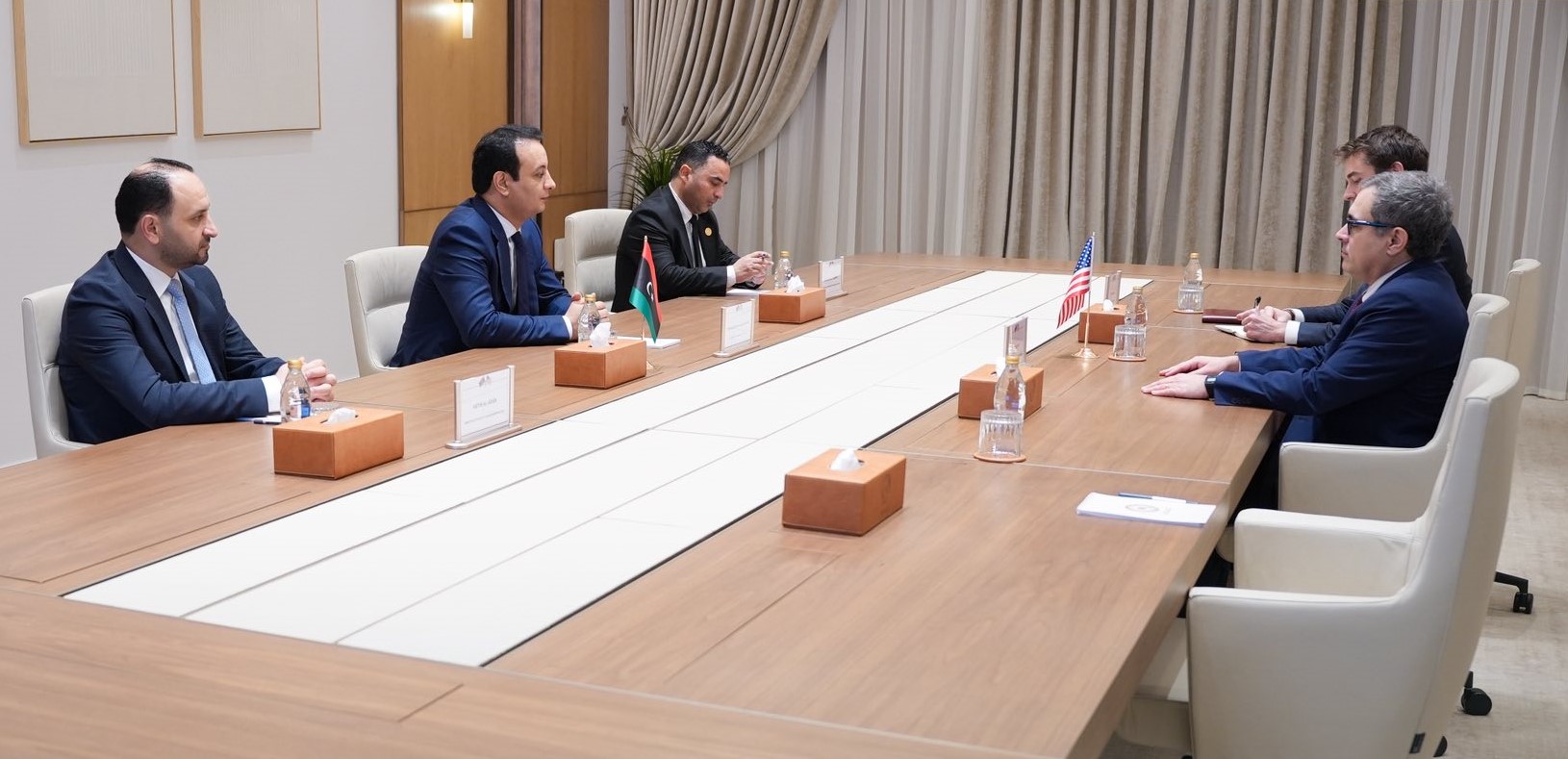
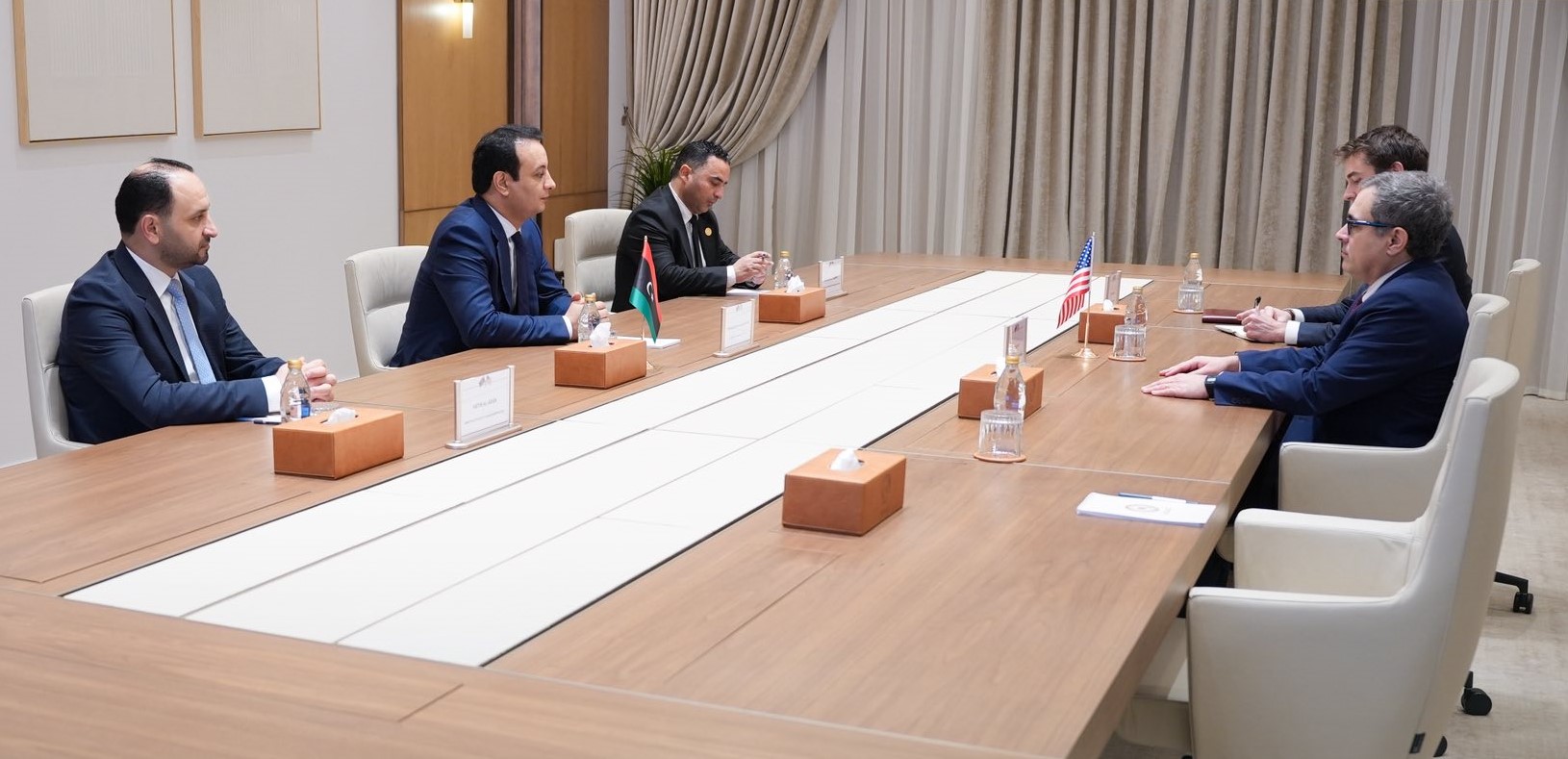
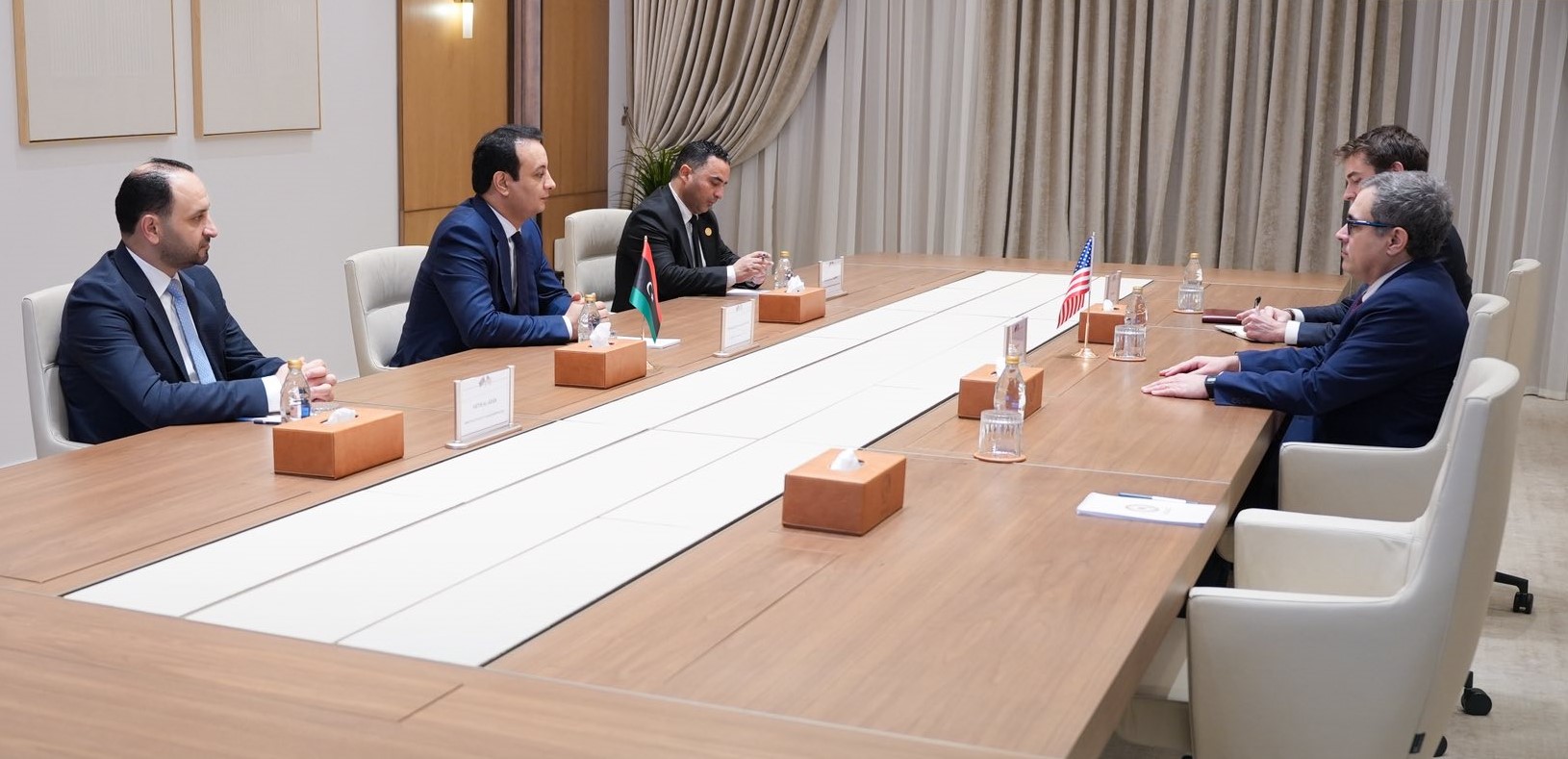
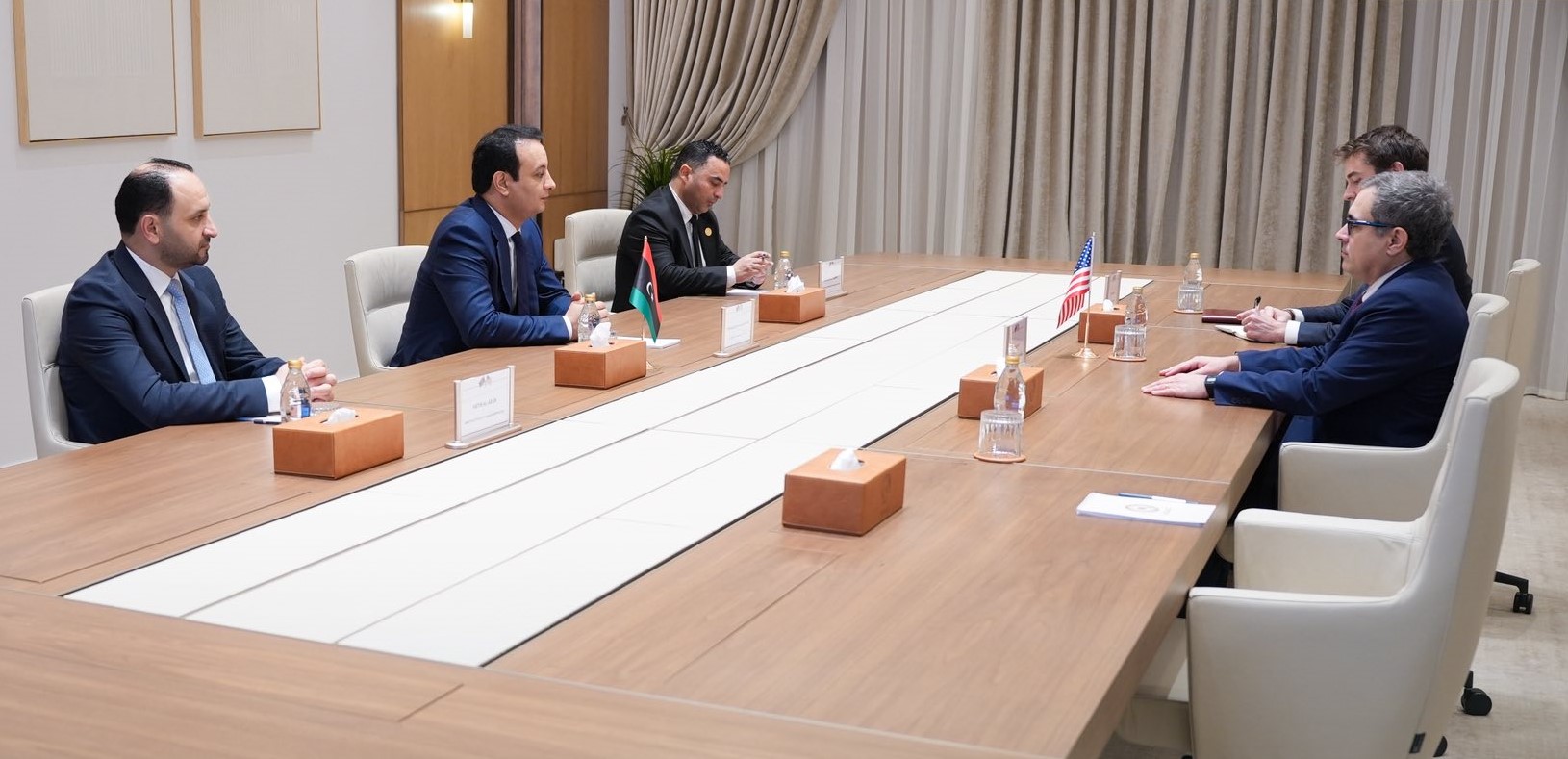
Tripoli, December 23, 2025 – The Government of National Unity has announced an official three-day period of mourning across the entire country. During this time, flags will be flown at half-mast at all state institutions, and celebratory and official events will be suspended. This is in mourning for the lives of the Chief of the General Staff of the Libyan Army, Lieutenant General Mohammed Al-Haddad, and his companions, who passed away following the crash of their aircraft while returning from an official mission in Turkey.
The government mourned, in a statement issued Tuesday night into Wednesday, each of the following:
– Chief of the General Staff of the Libyan Army, Lieutenant General Mohammed Al-Haddad.
– Chief of Staff of the Ground Forces, Major General Al-Fitouri Gharibil.
– Director of the Military Manufacturing Authority, Brigadier General Mahmoud Al-Qatwi.
– Advisor to the Chief of the General Staff, Mr. Mohammed Al-Asawi Diab.
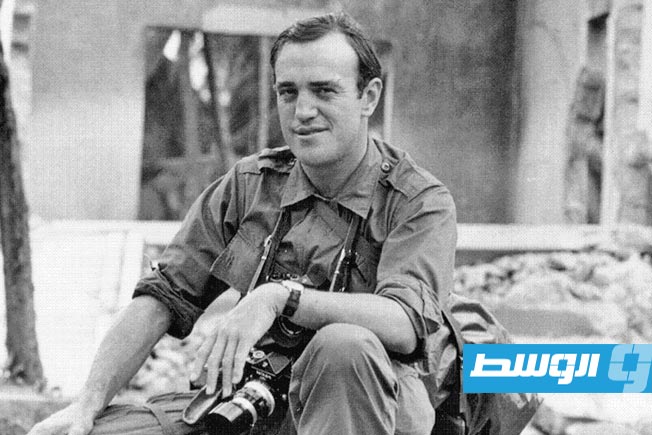
– And the photographer from the Media Office of the General Staff Presidency, Mr. Mohammed Omar Ahmed Mahjoub.
In its statement, the government confirmed that the nation has lost an elite group of its men who served Libya with dedication and sincerity, and were models of discipline, responsibility, and national commitment. They contributed their efforts to serving the military institution and the Libyan state. The government extended its condolences to their families and comrades in the armed forces.
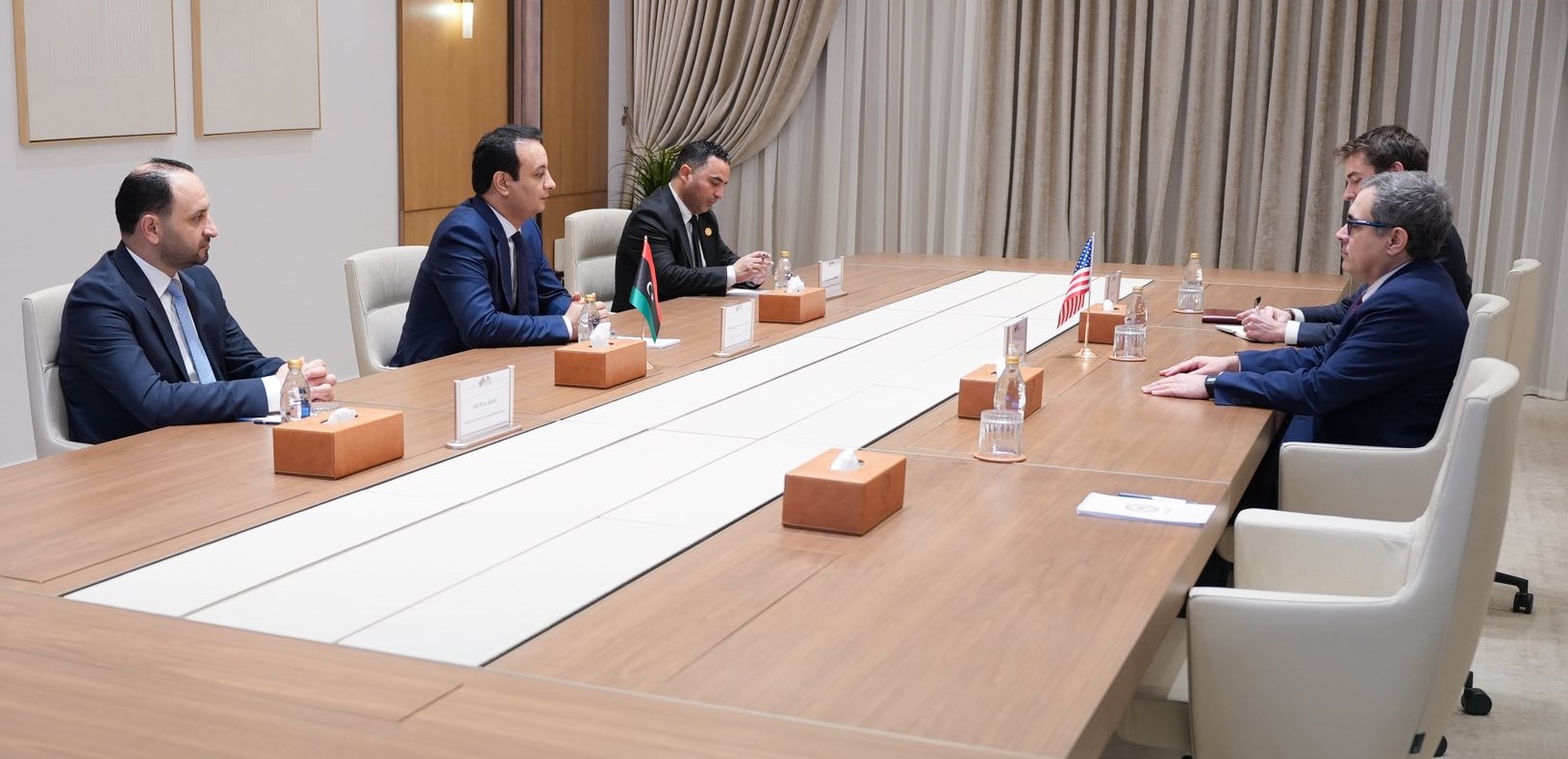
According to the statement, the head of government has directed the Ministry of Defense to dispatch an official delegation to Ankara to ascertain the circumstances of the incident, follow up on related procedures, and coordinate directly with the relevant Turkish authorities. This is to ensure the completion of investigations and the taking of necessary measures within established frameworks.
Tripoli
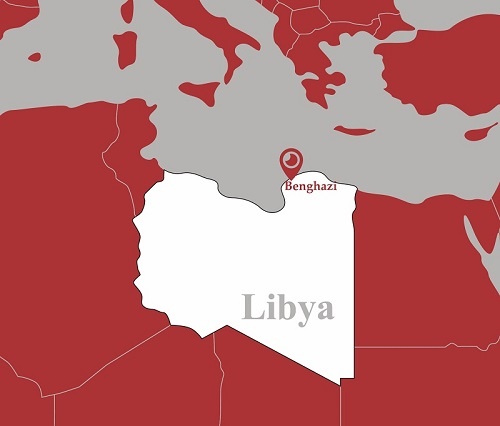
Tripoli is the capital and largest city of Libya, with a history dating back to the 7th century BC when it was founded by the Phoenicians. It later became a significant part of the Roman Empire, the Ottoman Empire, and an Italian colony, which is reflected in its diverse architecture in the old medina. Today, it serves as the country’s major political, economic, and cultural center.
Libya
Libya is a North African country with a rich history rooted in ancient civilizations like the Phoenicians and Romans, followed by centuries of Arab and Ottoman influence. In the modern era, it was an Italian colony before gaining independence in 1951, later becoming known for Muammar Gaddafi’s lengthy rule from 1969 until the 2011 revolution. The country is home to UNESCO World Heritage sites, such as the ruins of Leptis Magna, which testify to its significant historical legacy.
Turkey
Turkey is a transcontinental nation bridging Europe and Asia, with a rich history as the heart of the Byzantine and Ottoman Empires. Its cultural sites, such as the Hagia Sophia in Istanbul and the ancient ruins of Ephesus, reflect this layered heritage spanning millennia. Modern Turkey was founded as a republic in 1923 by Mustafa Kemal Atatürk following the collapse of the Ottoman Empire.
Ankara
Ankara is the capital city of Turkey, strategically located in the central Anatolia region. It was declared the capital in 1923 by Mustafa Kemal Atatürk, replacing Istanbul to symbolize the new, modern, and secular Republic of Turkey. The city’s history dates back millennia, with ancient roots including the Hittites and a prominent role as a Roman provincial center known as Ancyra.
Government of National Unity
The Government of National Unity (GNU) is a political arrangement where rival parties, often after a conflict or crisis, form a coalition cabinet to share power and govern together. A prominent historical example is South Africa’s first post-apartheid government in 1994, led by Nelson Mandela, which included the African National Congress and the National Party to ensure a peaceful transition.
Libyan Army
The Libyan Army is the official military force of Libya, originally established after the country gained independence in 1951. Its history has been marked by significant fragmentation and conflict, particularly following the 2011 civil war and the fall of Muammar Gaddafi, leading to a situation where multiple rival factions now claim authority over different parts of the armed forces.
General Staff of the Libyan Army
The General Staff of the Libyan Army is the central command headquarters for Libya’s military forces, located in Tripoli. It was historically established under the monarchy and later became a key institution during Muammar Gaddafi’s rule from 1969 until his overthrow in 2011. Since the 2011 civil war, control of the facility and the institution itself has often been contested between rival governments and militias in Libya’s fragmented political landscape.
Ground Forces
The Ground Forces are the land warfare component of a nation’s military, typically representing its largest and oldest branch. Historically, they trace their origins to the earliest organized armies, evolving from infantry and cavalry units into modern combined arms formations. Their primary role is to engage in direct combat, secure territory, and provide defense on land.
Military Manufacturing Authority
The Military Manufacturing Authority is a state-owned defense industrial conglomerate in North Korea, responsible for overseeing the production of weapons, munitions, and military equipment. It was established to centralize and control the country’s defense industry under the ruling Workers’ Party of Korea.
Media Office of the General Staff Presidency
The Media Office of the General Staff Presidency is the official communications and public relations department for the highest military command in Turkey. It is responsible for disseminating official statements, announcements, and news related to the Turkish Armed Forces, operating under the authority of the Chief of the General Staff. Its history is intertwined with the modern structure of the Turkish military, serving as a key interface between the institution and the public.
Ministry of Defense
The Ministry of Defense is the government department responsible for implementing national defense policy and overseeing a country’s armed forces. Historically, such institutions evolved from earlier offices like war departments, becoming central to modern state administration in the 19th and 20th centuries. Its specific history and location vary by nation, but it consistently serves as the primary headquarters for military command and strategic planning.