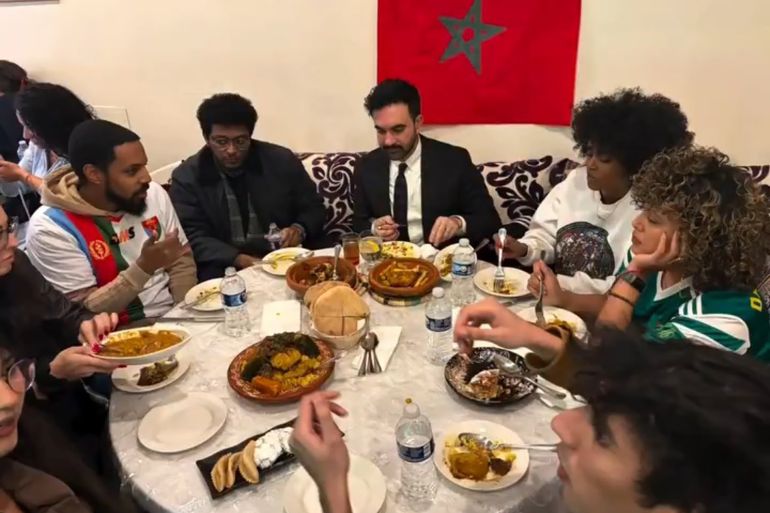
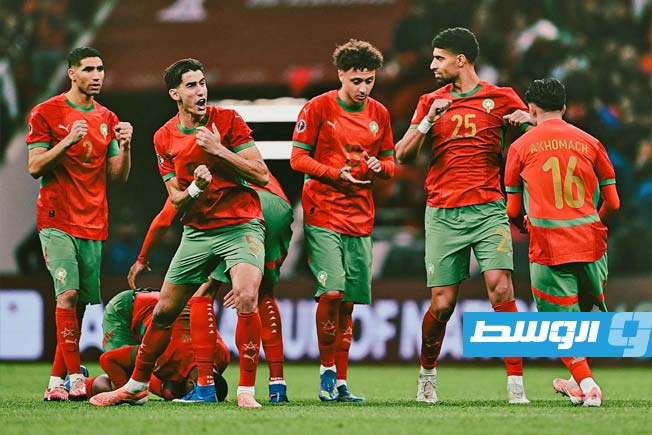
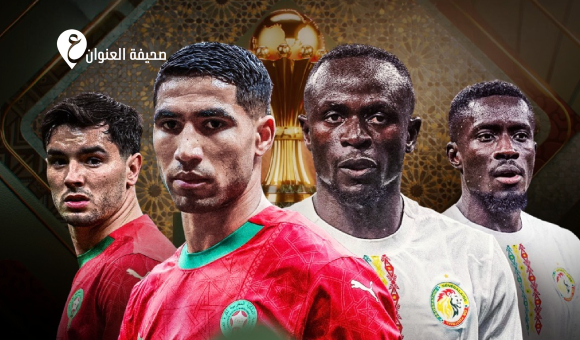
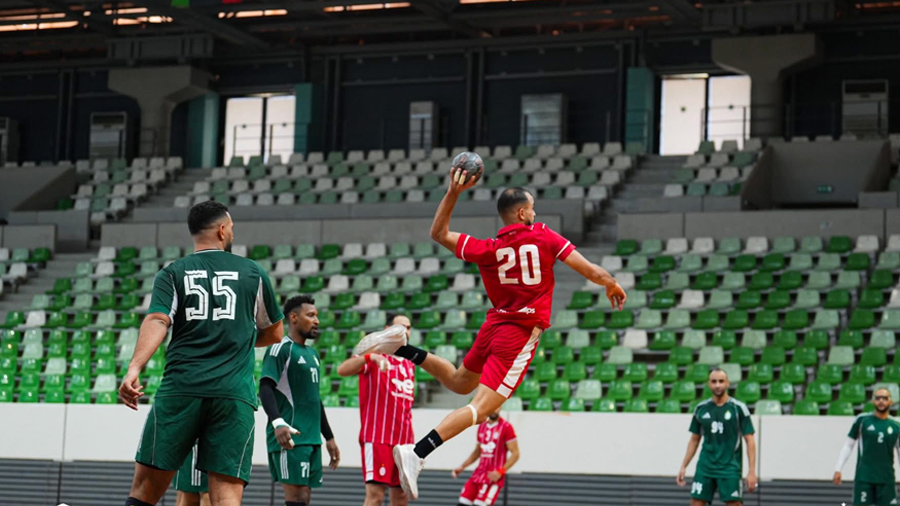
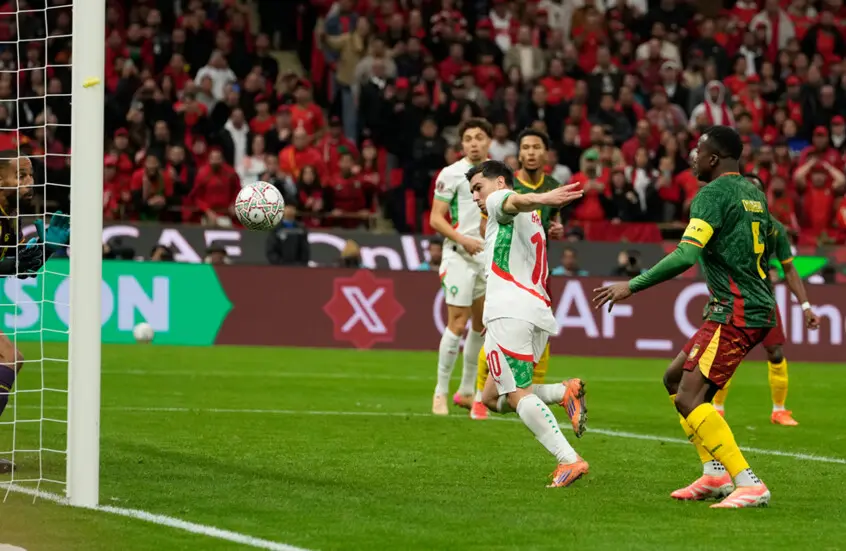
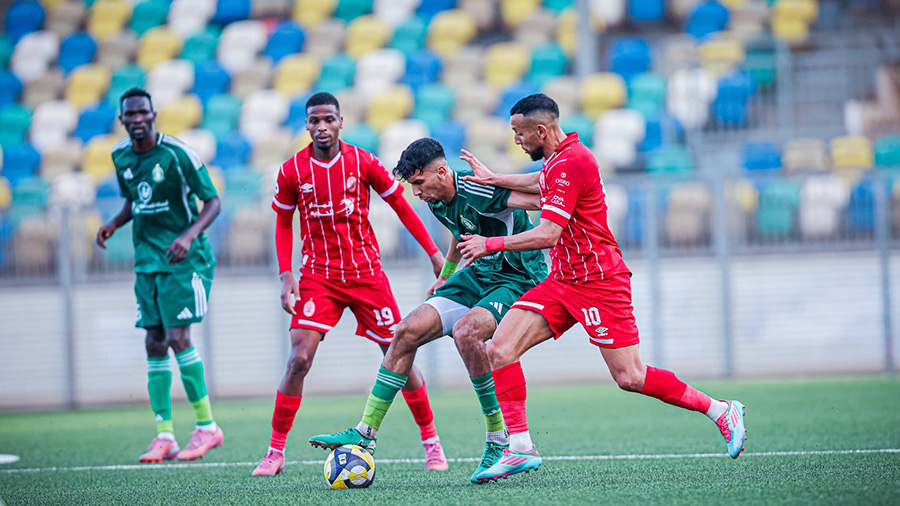
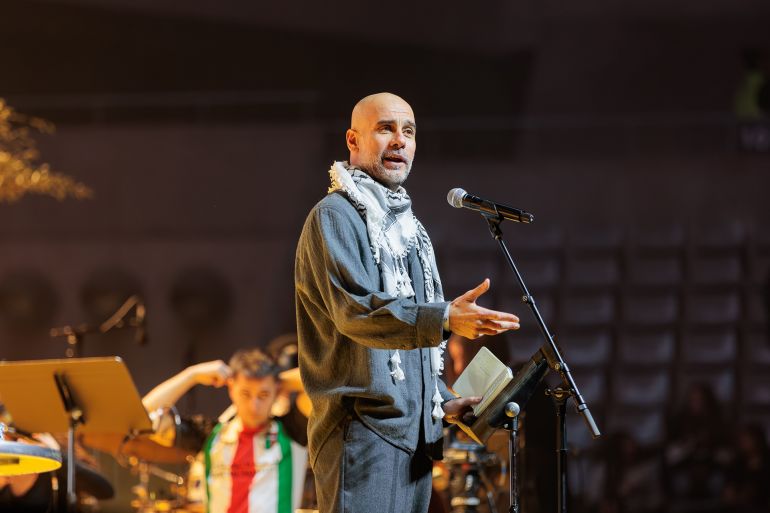
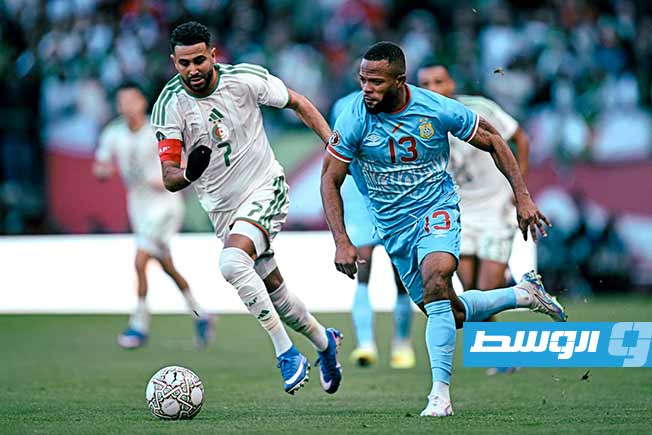
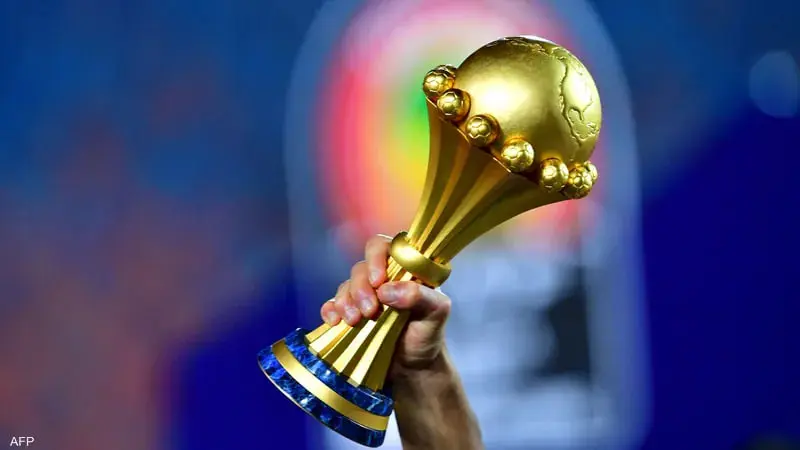
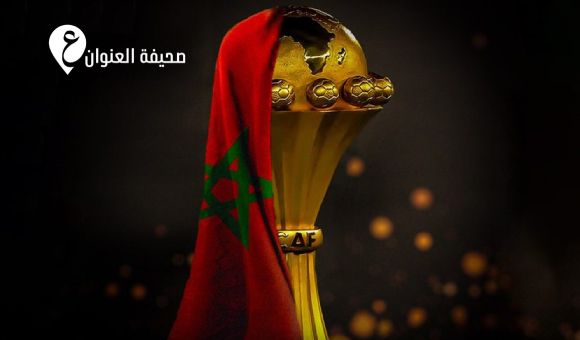
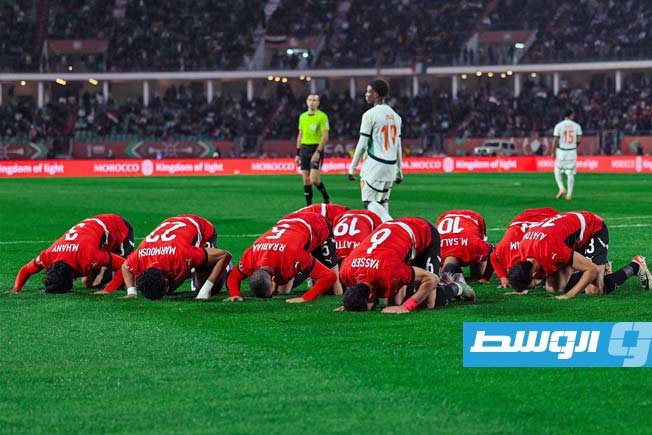
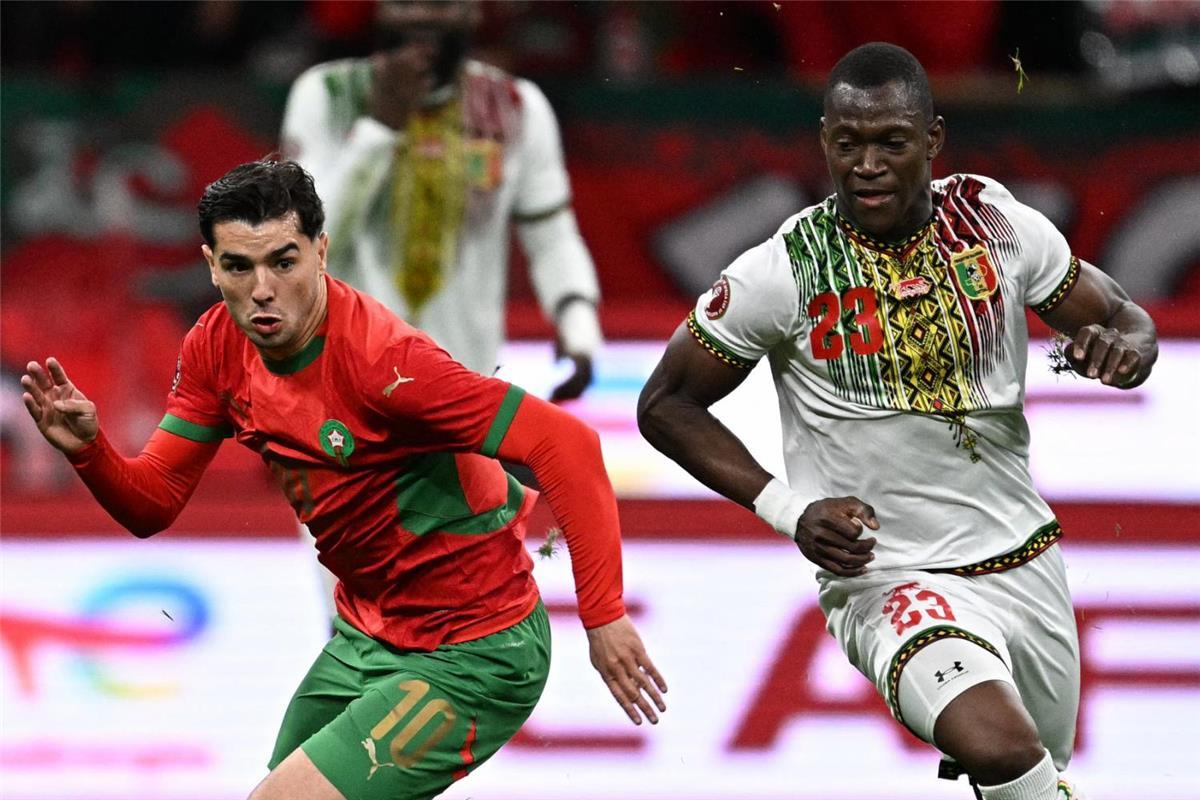
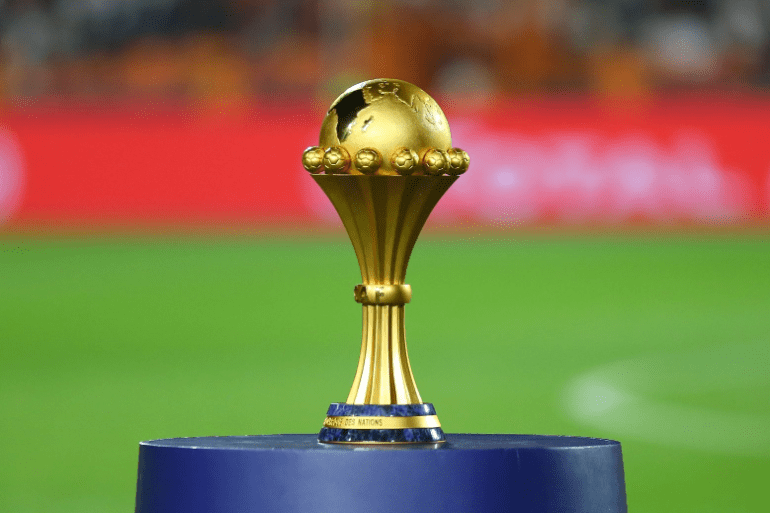
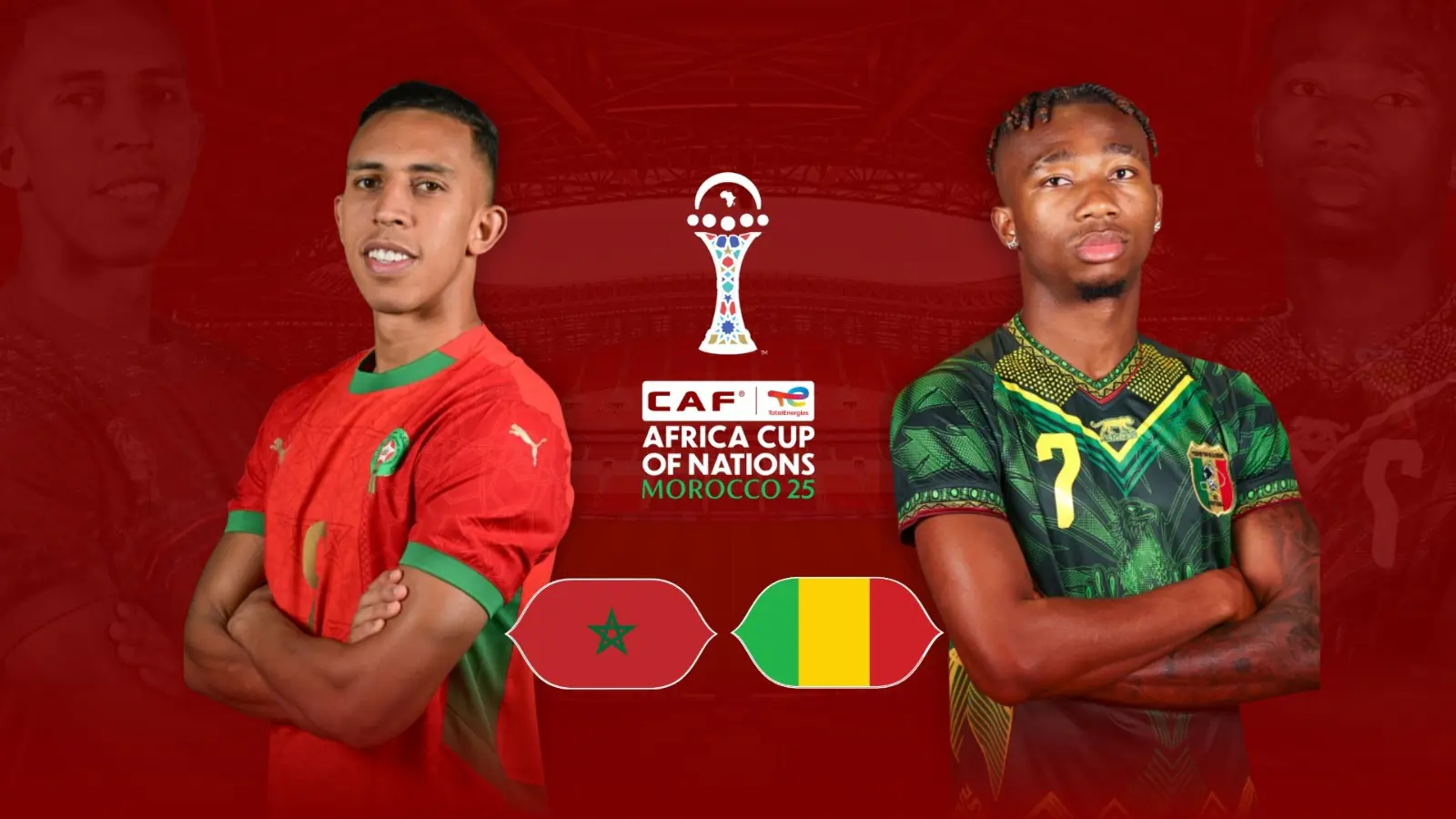
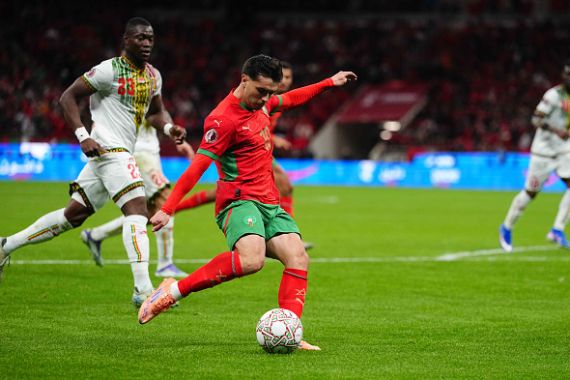
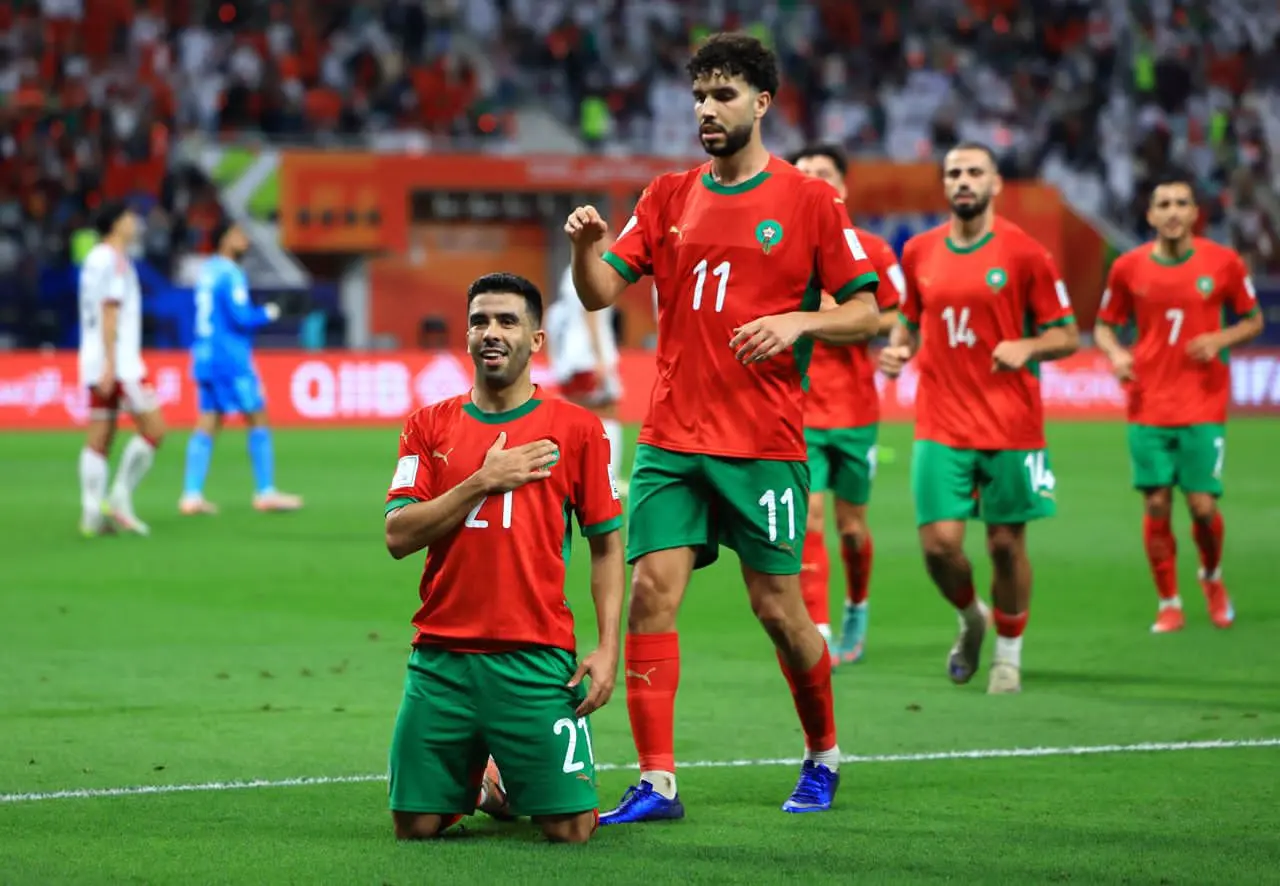
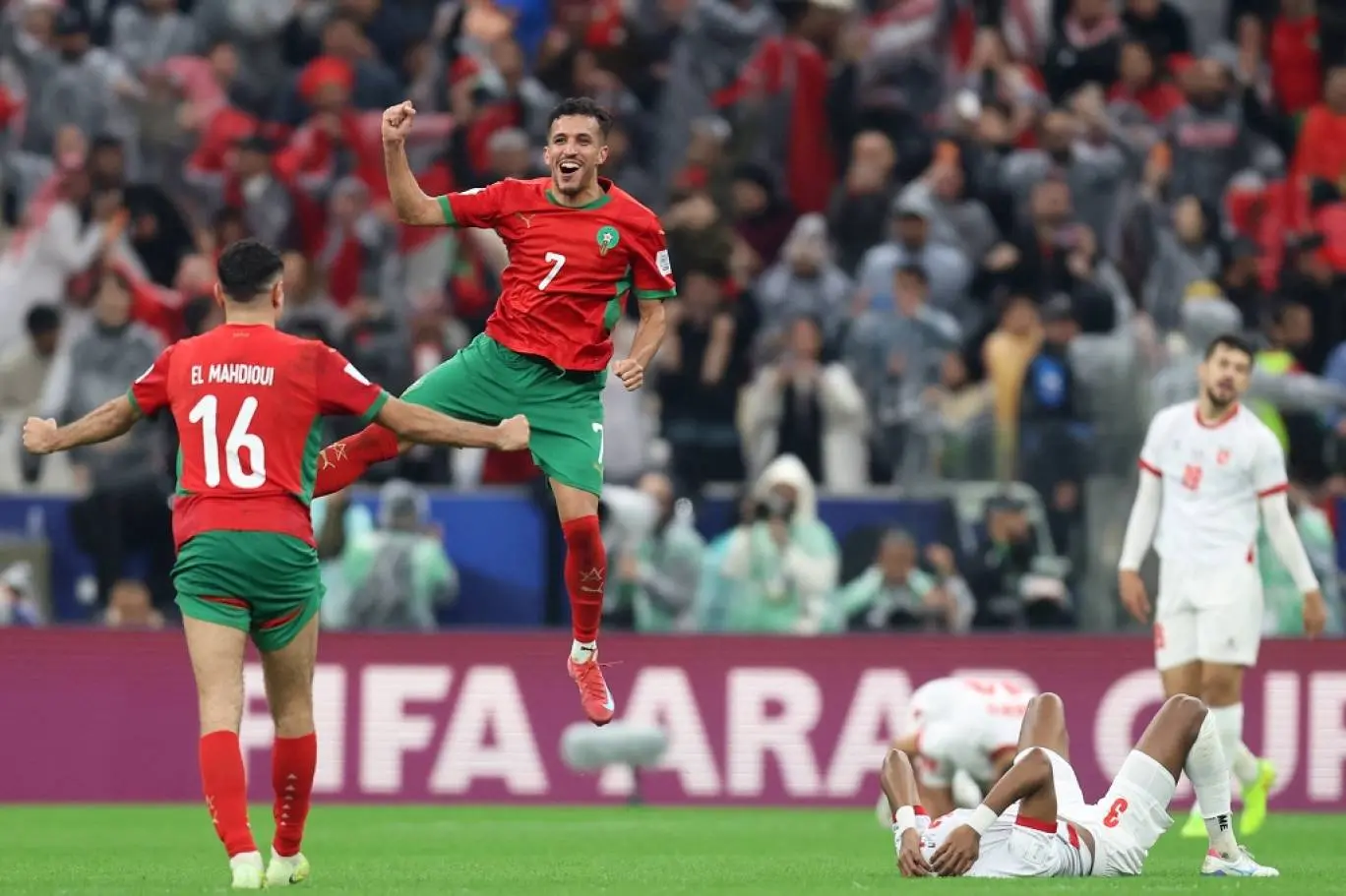
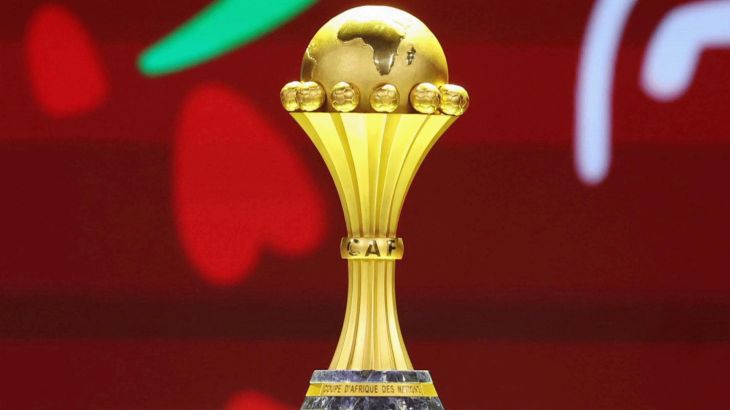
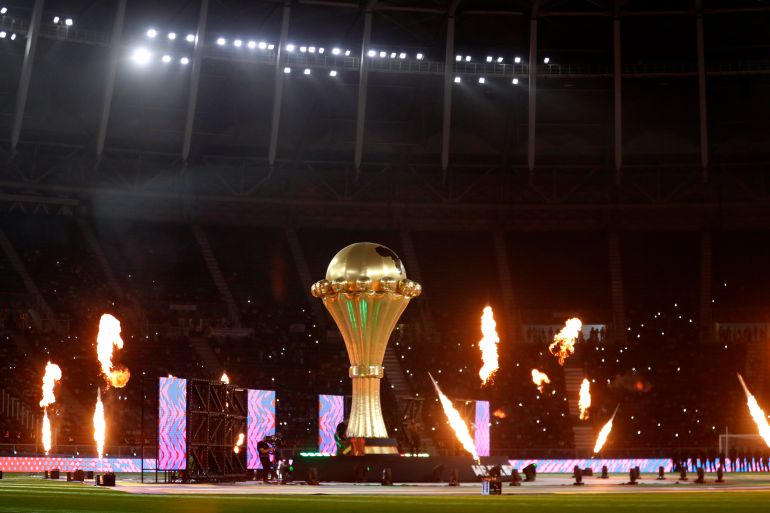
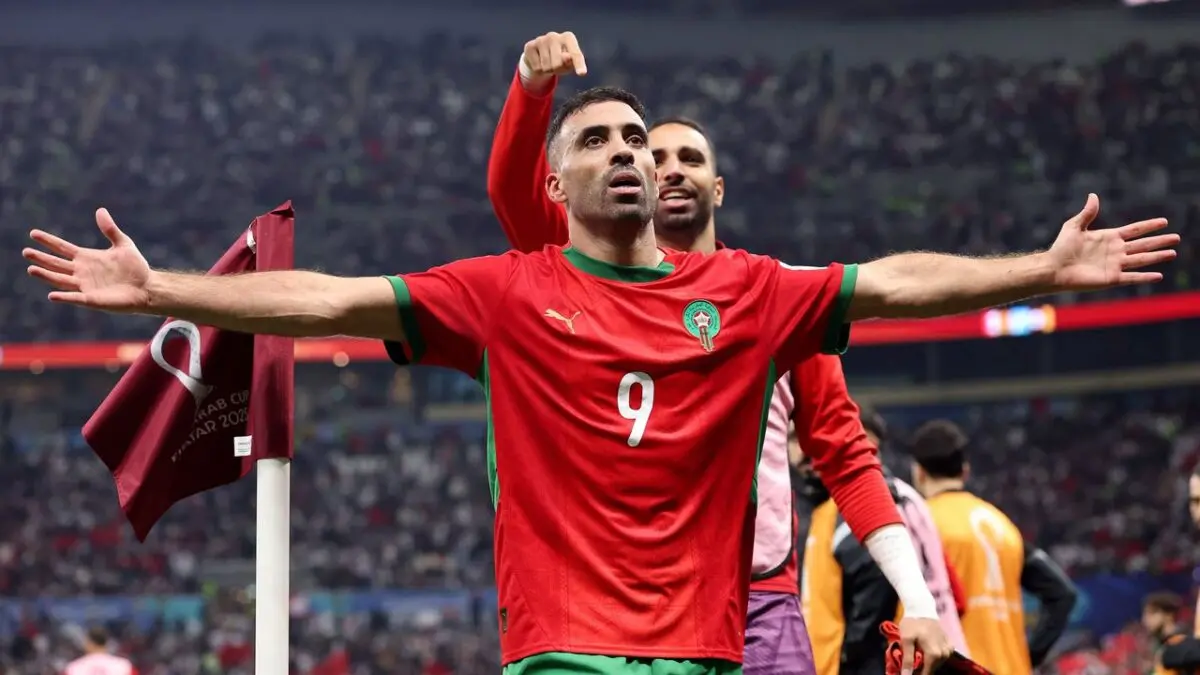
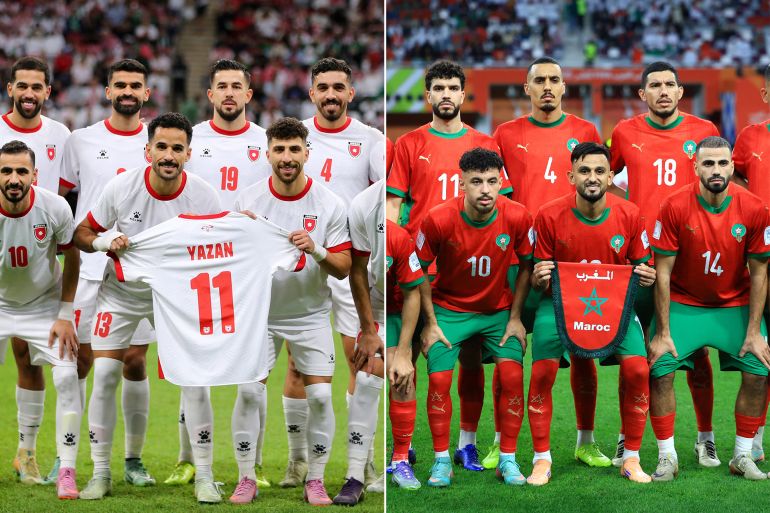
New York Mayor Zahran Mamdani enthusiastically watched the opening match of the Africa Cup of Nations between Morocco and the Comoros from a Moroccan restaurant in Queens last Sunday.
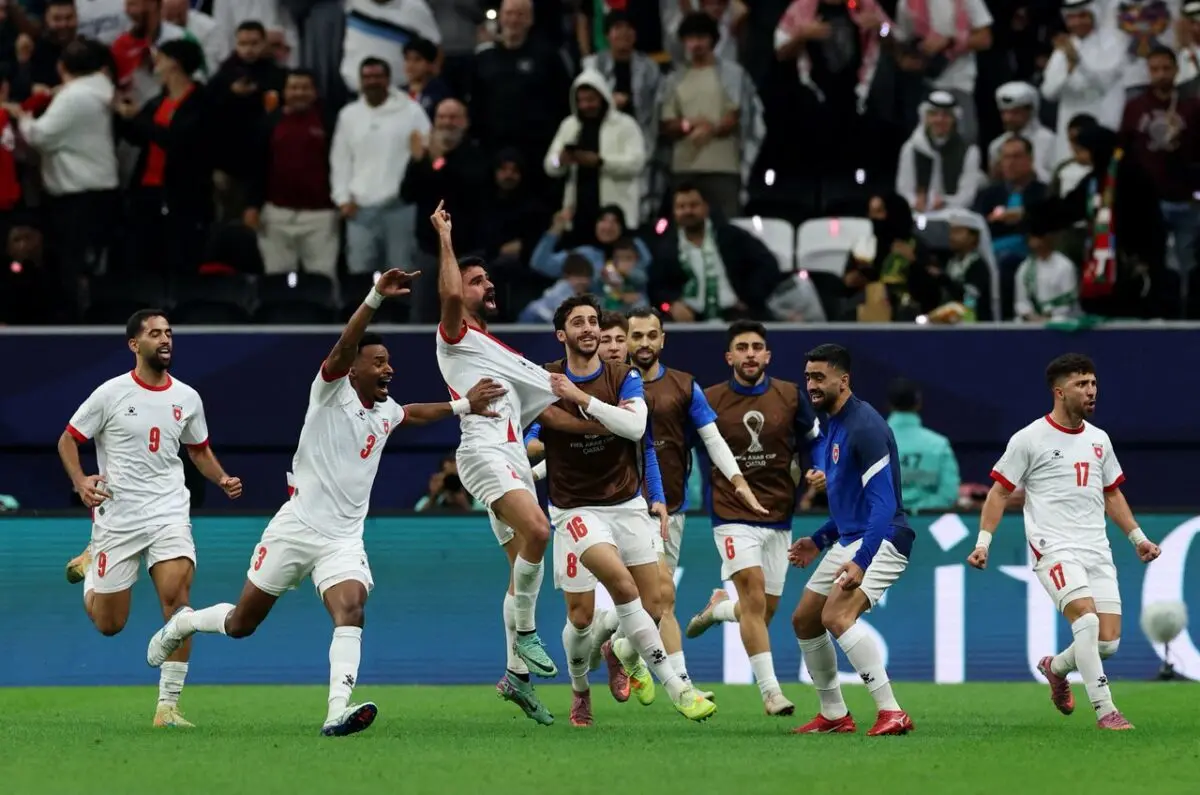
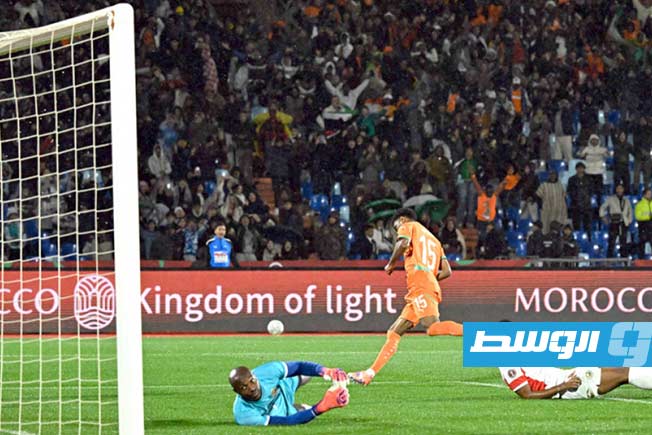
Zahran Mamdani did not miss the start of the 2025 Africa Cup of Nations tournament during a tour in New York on Sunday. The mayor, elected in November, watched the tournament’s opening match between Morocco and the Comoros (2-0) from a Moroccan restaurant in Queens.
The restaurant commented on a video posted to its social media accounts, saying: “What an amazing moment at Dar Al Bahja today! We were honored to host Zahran Mamdani during the Morocco match.”
It added: “He was truly one of the kindest, most joyful, and humble people. He watched the match with everyone, smiling and laughing, spreading genuine happiness, like one family.”
The video showed Mamdani taking photos with restaurant patrons, smiling and laughing with them, and sharing Moroccan tagine and other globally renowned Moroccan dishes.
While it is not yet clear which team he will support during the 2025 Africa Cup of Nations in Morocco, Zahran Mamdani is likely to follow the matches in Group Three closely for a good reason, as Tunisia will face Uganda, his home country.
New York
New York City, originally founded as New Amsterdam by Dutch colonists in 1624, grew into a major port under British rule and later became a primary entry point for millions of immigrants in the 19th and 20th centuries. Today, it is a global hub of finance, culture, and commerce, renowned for landmarks like the Statue of Liberty, Times Square, and Central Park. Its history is deeply intertwined with waves of immigration, rapid industrialization, and its enduring role as a symbol of opportunity and diversity.
Queens
Queens is a borough of New York City, originally established in 1683 as one of the original counties of New York. It is known for its immense cultural diversity, being one of the most ethnically varied urban areas in the world, and is home to major sites like Flushing Meadows-Corona Park, which hosted two World’s Fairs.
Morocco
Morocco is a North African country with a rich history shaped by indigenous Amazigh (Berber) cultures, Arab influence from the 7th century, and successive dynasties like the Almoravids and Almohads. Its cultural sites, such as the ancient city of Fez and the Koutoubia Mosque in Marrakech, reflect this blend of Arab, Islamic, and Amazigh heritage.
Comoros
The Comoros is an archipelago nation in the Indian Ocean, with a history shaped by a blend of African, Arab, and French influences. It was an important hub in early Indian Ocean trade routes and later became a French colony before gaining independence in 1975. The country is known for its volcanic landscapes, diverse culture, and being one of the world’s leading producers of ylang-ylang essence.
Africa Cup of Nations
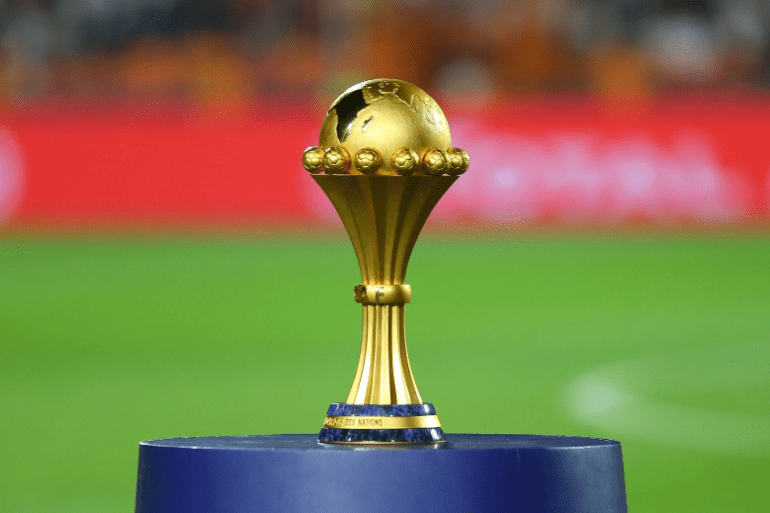
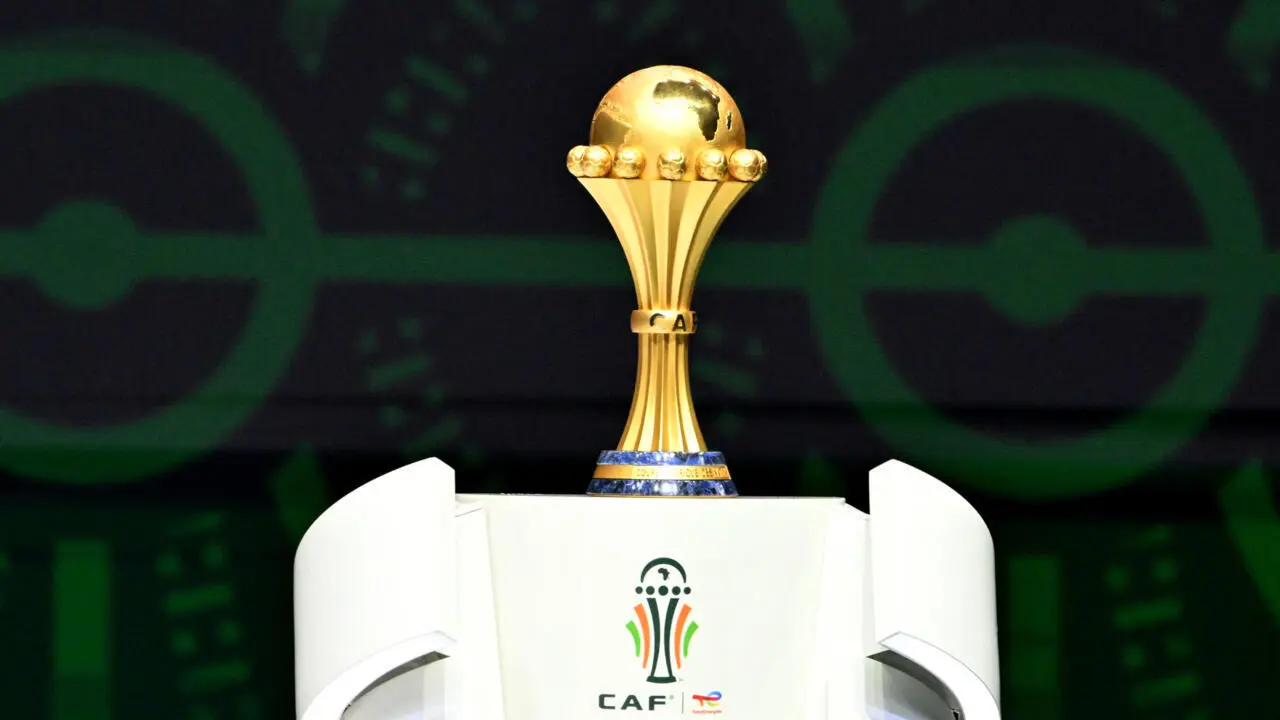
The Africa Cup of Nations (AFCON) is the premier international men’s football competition in Africa, first held in 1957. It was founded to unite African nations through sport and has grown from three initial participants to include 24 national teams competing for the continental title every two years.
Dar Al Bahja
Dar Al Bahja is a historic palace located in Fez, Morocco, originally constructed in the late 19th century during the reign of Sultan Hassan I. It served as a royal residence and is renowned for its exquisite Moroccan architecture, featuring intricate zellij tilework, carved wood, and ornate stucco. Today, it operates primarily as a museum showcasing traditional arts and crafts.
Tunisia
Tunisia is a North African country with a rich history shaped by ancient civilizations, including the Phoenicians who founded Carthage, and later Roman, Arab, and Ottoman influences. Its cultural sites, such as the ruins of Carthage and the medina of Tunis, reflect this diverse heritage. Today, it is known as the birthplace of the Arab Spring and for its Mediterranean coastline and historic architecture.
Uganda
Uganda is a landlocked East African nation known for its diverse landscapes, including the source of the Nile River and mountain gorilla habitats. Its history includes powerful kingdoms like Buganda, British colonial rule from the late 19th century, and independence achieved in 1962. The country’s rich culture is a blend of numerous ethnic groups, each with distinct languages, music, and traditions.