
A new study suggests that the beneficial effects of dogs on human mental health may be partly due to a “microbial exchange” between the two.
Research published in a scientific journal indicates that the increase of these microorganisms on and inside the bodies of dog owners is linked to mental health.
Previous studies have found that individuals who grow up with dogs from a young age and continue to have them later in life score higher on measures of social support and affection.
Other studies have also shown that dog owners have differences in the community of beneficial microbes living in their gut, known as the gut microbiome, compared to those who do not own dogs.
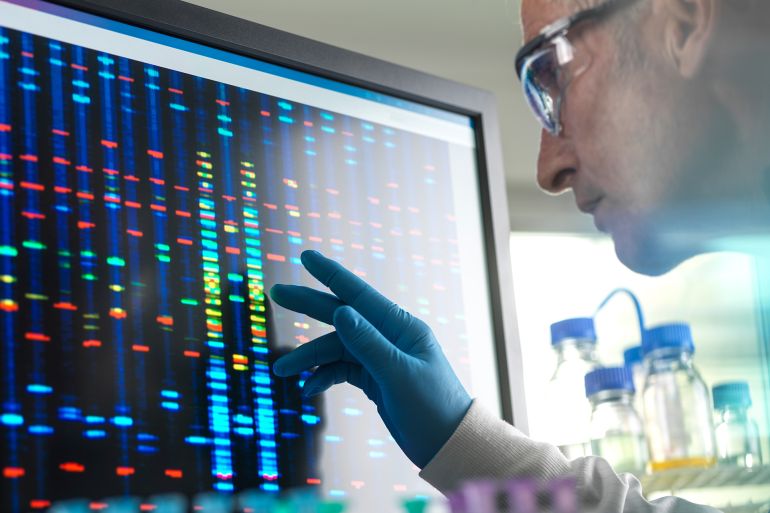
In the new study, microbiome samples collected from 13-year-olds who had dogs in their homes and from those who did not were analyzed.
Researchers found similar diversity and richness of species between the two groups, but the structure of the microbiome contained differences, suggesting that owning a dog changed the abundance of specific bacteria.
When researchers treated mice with microbiome samples from teenagers who owned dogs to see if it would affect their social behavior and how, they found that mice receiving samples from dog owners spent more time approaching their peers and showed a greater degree of “positive social behavior.”
The most interesting result from this study is that bacteria promoting positive social behavior or empathy were discovered in the microbiome of individuals who own dogs.
While more research is needed, the findings suggest that having a dog in the home can alter the microbiome in ways that support mental health, empathy, and positive social behavior.