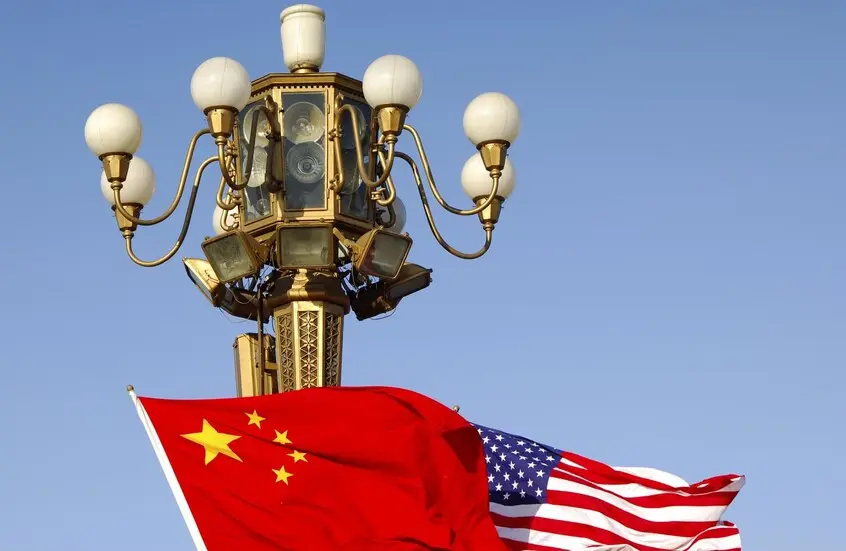
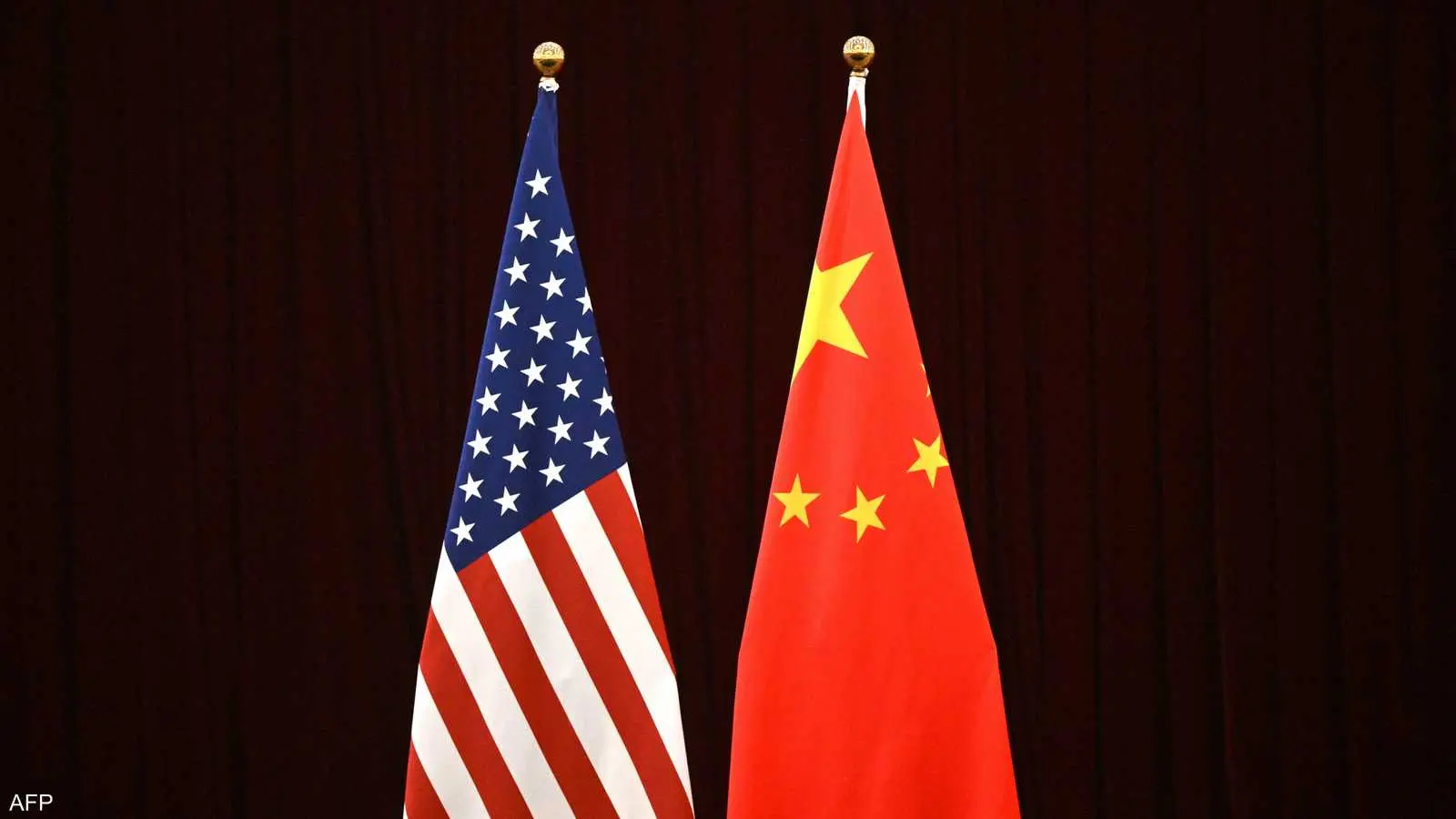
The administration of US President Donald Trump has announced the launch of a new international alliance named “Pax Celica,” aimed at enhancing the technological independence of the United States and its allies, and reducing reliance on China in vital sectors such as semiconductors and rare earth materials used in both military and civilian applications.
The alliance includes Japan, South Korea, Singapore, the Netherlands, the United Kingdom, Israel, the UAE, and Australia, and encompasses the most influential companies and investors in the global AI supply chain.
It was noted that “Pax Celica” will provide a platform for joint research and development cooperation and help build robust infrastructure for modern technology, with a focus on competing with Chinese projects such as the Belt and Road Initiative.
This move comes after China’s near-total dominance over rare earth minerals, which are a fundamental component of modern technologies and industrial innovation, in addition to its significant investments in artificial intelligence and quantum computing, giving it a clear competitive advantage in the global market.
Experts confirm that the “Pax Celica” alliance will contribute to strengthening the leadership of the United States and its allies in innovation, ensuring the stability of global supply chains, and reducing risks associated with dependence on a single country for vital resources.
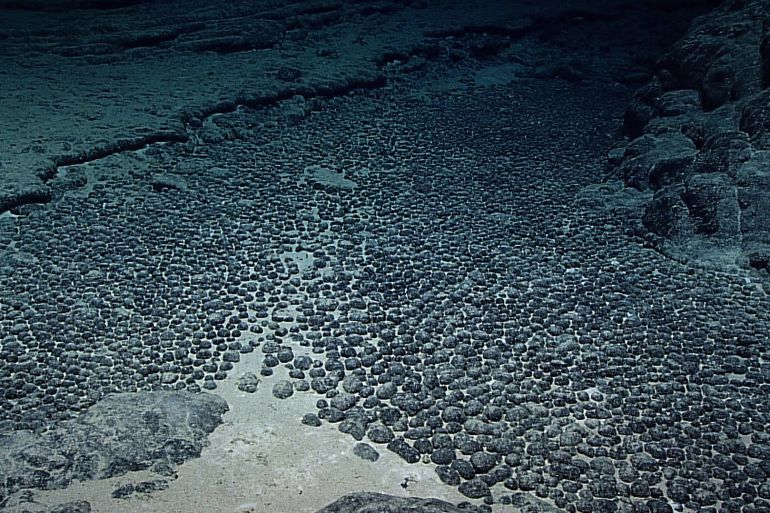
Rare earth materials are a fundamental element in the manufacturing of smartphones, semiconductors, and military equipment. China has dominated the production of these materials for decades, granting it significant economic and strategic power.
Through the “Pax Celica” alliance, Washington aims to enhance its technological independence, ensure shared leadership with its allies in vital sectors, and confront emerging global challenges in the age of artificial intelligence and industrial innovation.
United States
The United States is a federal republic founded in 1776 after declaring independence from Great Britain, with its modern government established by the Constitution in 1789. Its history is marked by westward expansion, industrialization, and its emergence as a global superpower in the 20th century. The nation is defined by its diverse cultural heritage, stemming from immigration, and its significant influence on global politics, economics, and popular culture.
China
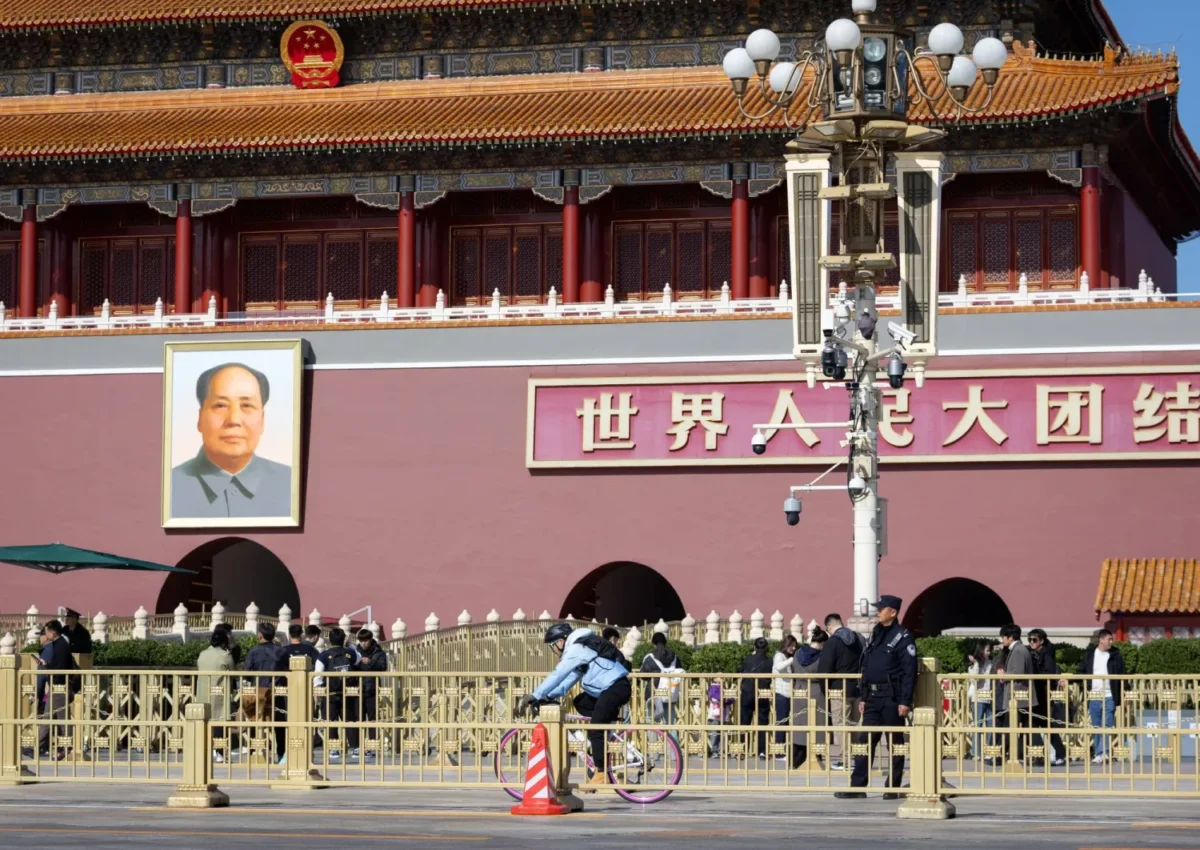
China is one of the world’s oldest continuous civilizations, with a recorded history spanning over four millennia. It is home to numerous UNESCO World Heritage sites, such as the Great Wall and the Forbidden City, which reflect its long imperial past and profound cultural achievements.
Japan
Japan is an island nation in East Asia with a rich cultural history spanning thousands of years, from its ancient Shinto traditions and imperial rule to the feudal era of samurai and the modernizing Meiji Restoration. It is renowned for its unique blend of deep tradition and cutting-edge technology, reflected in sites like historic temples, castles, and vibrant contemporary cities.
South Korea
South Korea, officially the Republic of Korea, is a country in East Asia located on the southern half of the Korean Peninsula. Its history includes the ancient Three Kingdoms period, the later Joseon Dynasty, and its establishment as a modern nation following the division of Korea after World War II and the Korean War. Today, it is known globally for its rapid economic development, technological innovation, and vibrant popular culture.
Singapore
Singapore is a modern city-state in Southeast Asia that was founded as a British trading colony in 1819 by Sir Stamford Raffles. It gained independence in 1965 and rapidly transformed into a global financial hub, known for its multicultural society, strict governance, and iconic landmarks like Marina Bay Sands.
Netherlands
The Netherlands, officially the Kingdom of the Netherlands, is a country in Northwestern Europe known for its flat landscape, extensive canal systems, and historic windmills. Its history is marked by its 17th-century Golden Age as a major maritime and economic power, during which it established a vast colonial empire and became a global center for trade and art.
United Kingdom
The United Kingdom is a sovereign nation comprising England, Scotland, Wales, and Northern Ireland, with a history of unification spanning centuries, notably through the Acts of Union in 1707 and 1800. Its global influence was profoundly shaped by the British Empire and the Industrial Revolution, leading to its development as a constitutional monarchy with a rich parliamentary tradition.
Israel
Israel is a country in the Middle East, established as a modern state in 1948 following a United Nations partition plan. It is a historic homeland for the Jewish people, with deep cultural and religious ties to the region spanning millennia, including sites sacred to Judaism, Christianity, and Islam.
UAE
The United Arab Emirates (UAE) is a federation of seven emirates on the Arabian Peninsula, formed in 1971 following the end of British protection. Historically a region of pearl diving, fishing, and trade, it has rapidly transformed into a global hub of commerce, tourism, and modern architecture, with its history deeply rooted in Bedouin culture and Islamic traditions.
Australia
Australia is a continent and nation with a rich Indigenous history spanning over 65,000 years, followed by British colonization beginning in 1788. It is known for its unique ecosystems, iconic landmarks like the Sydney Opera House and Uluru, and a modern multicultural society shaped by waves of immigration.
Belt and Road Initiative
The Belt and Road Initiative (BRI) is a global infrastructure development strategy launched by the Chinese government in 2013, aiming to enhance regional connectivity and economic integration. It draws inspiration from the historical Silk Road trade routes, seeking to build modern networks of railways, ports, and energy pipelines across Asia, Africa, and Europe.