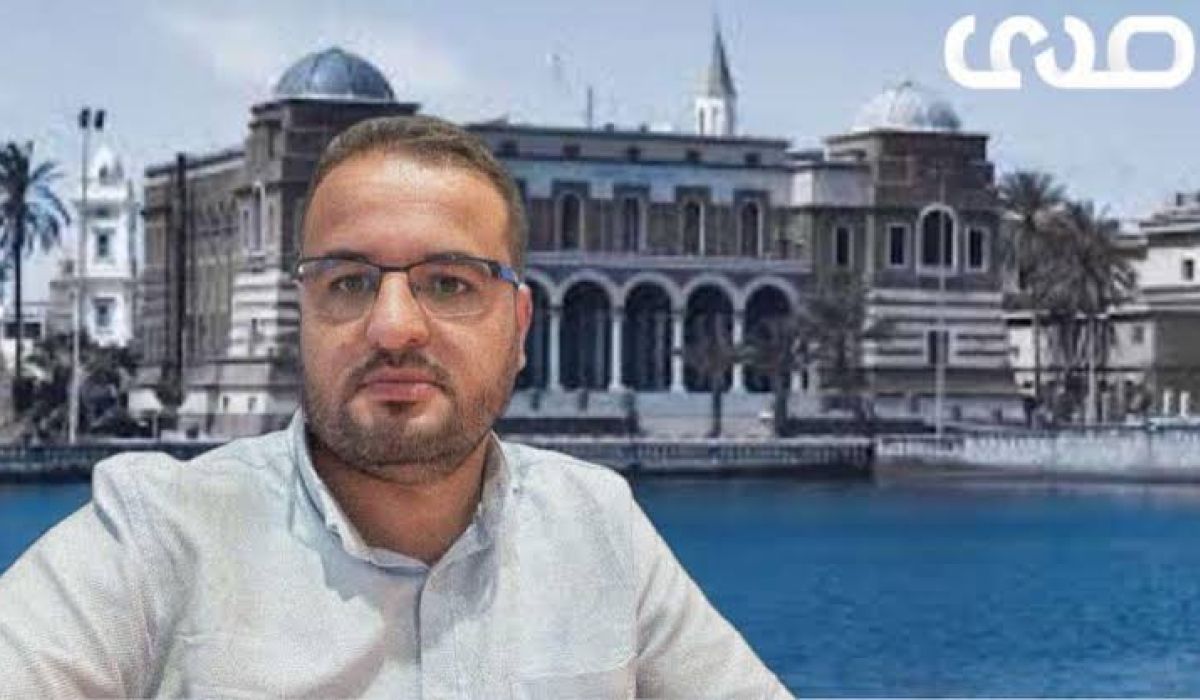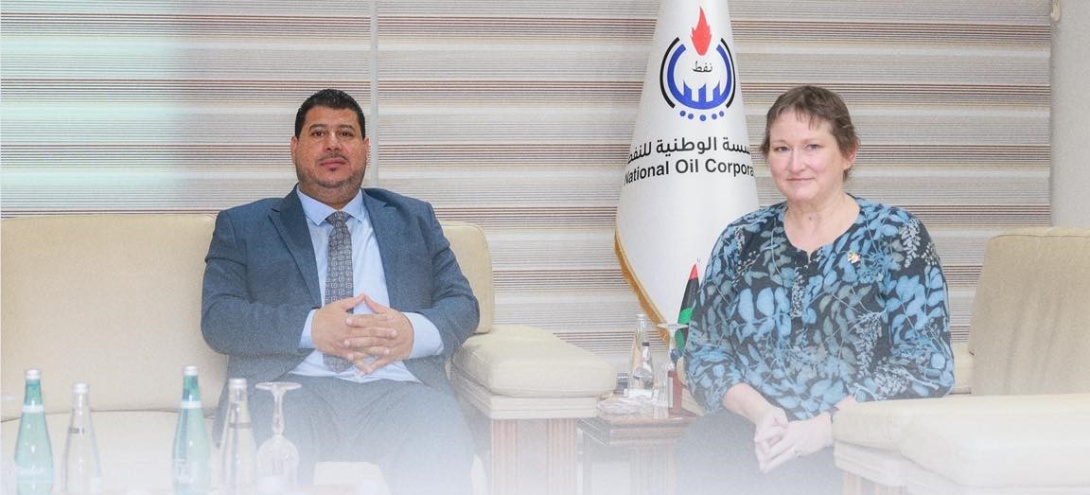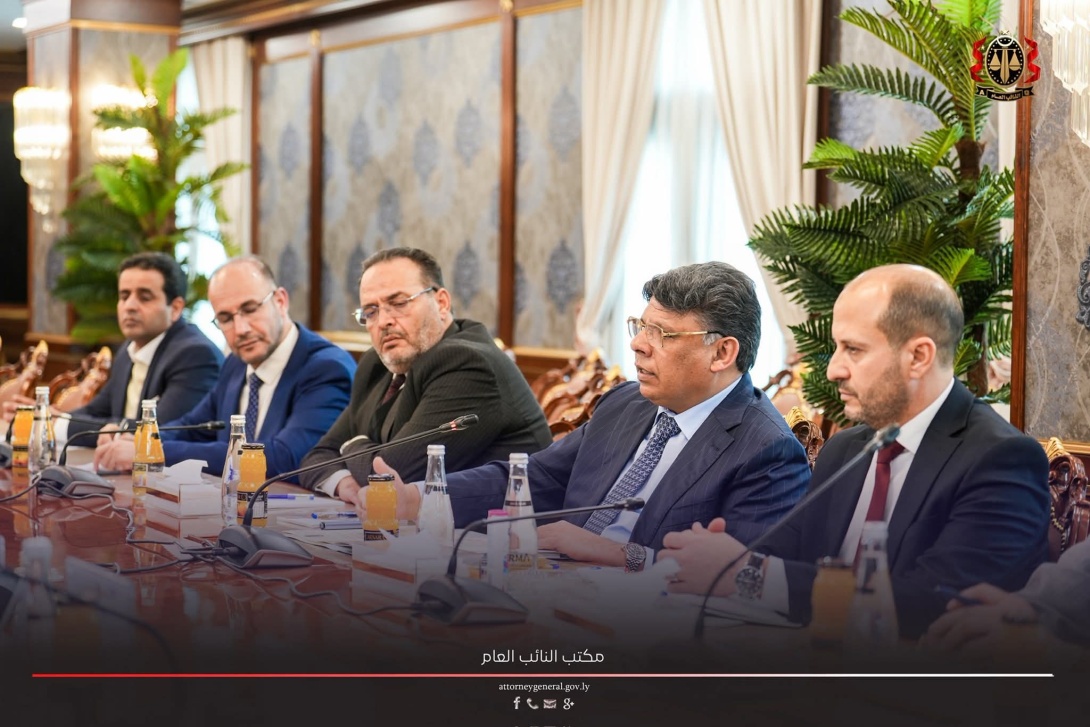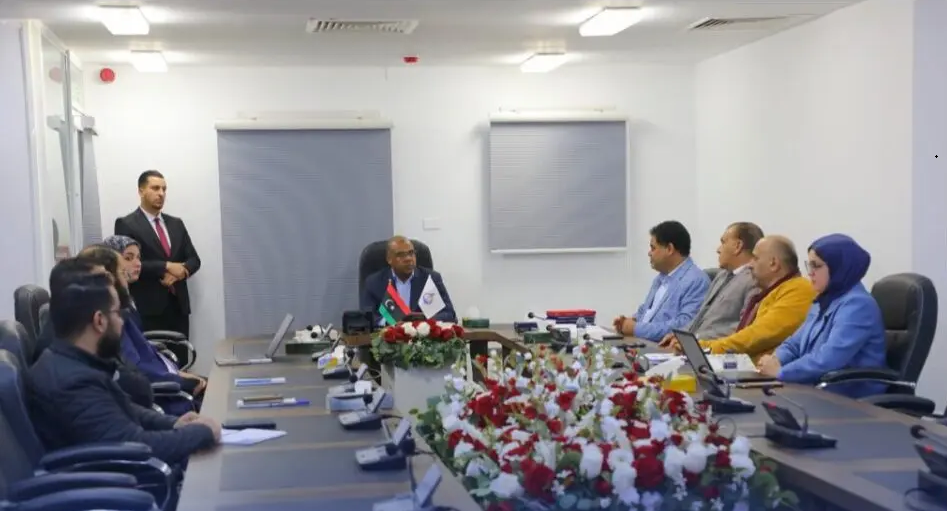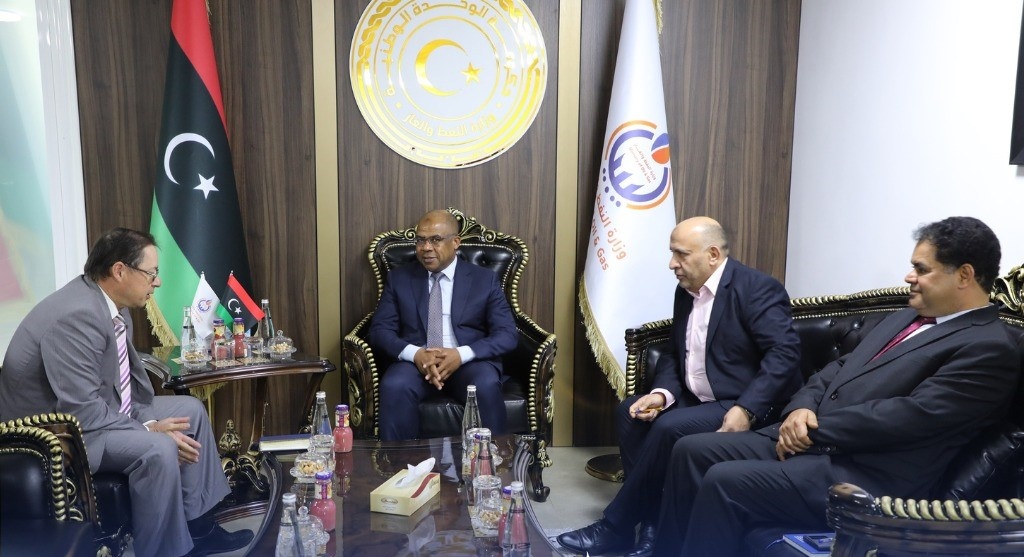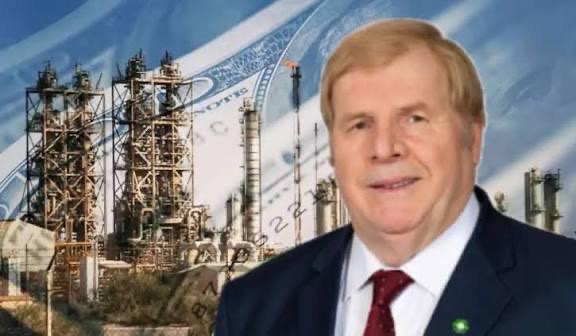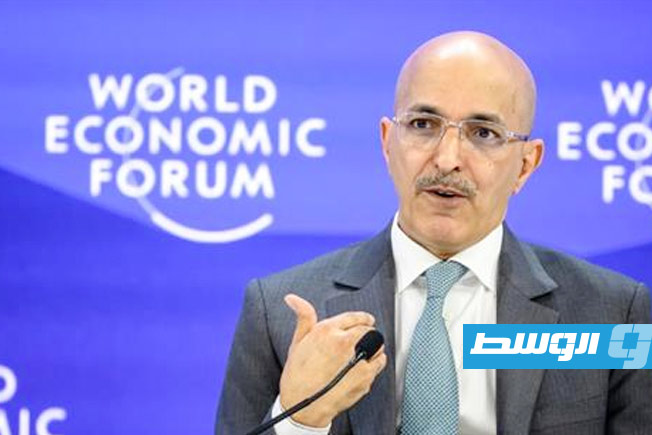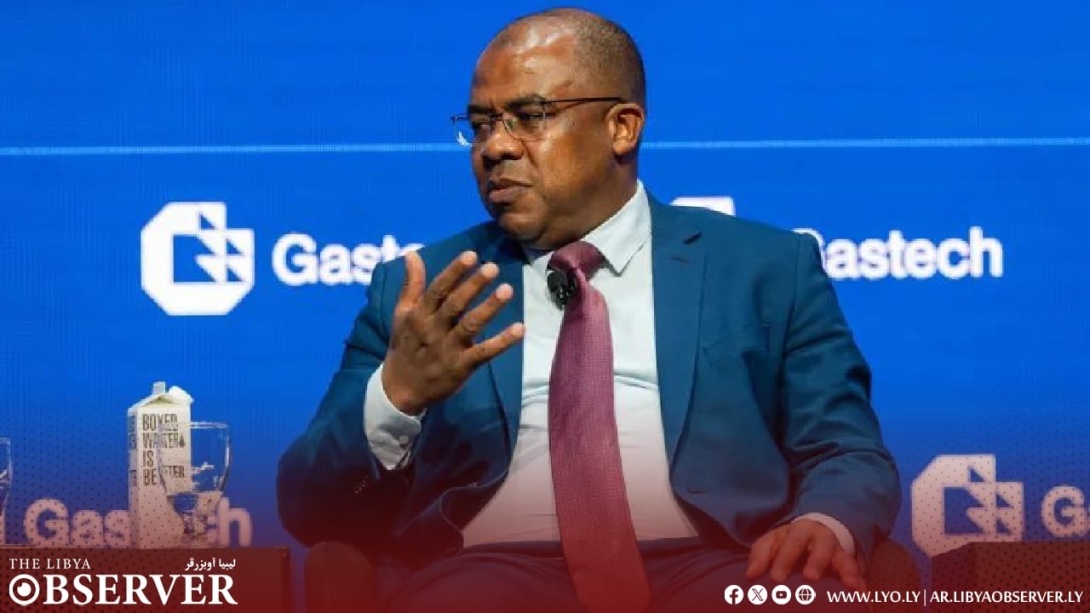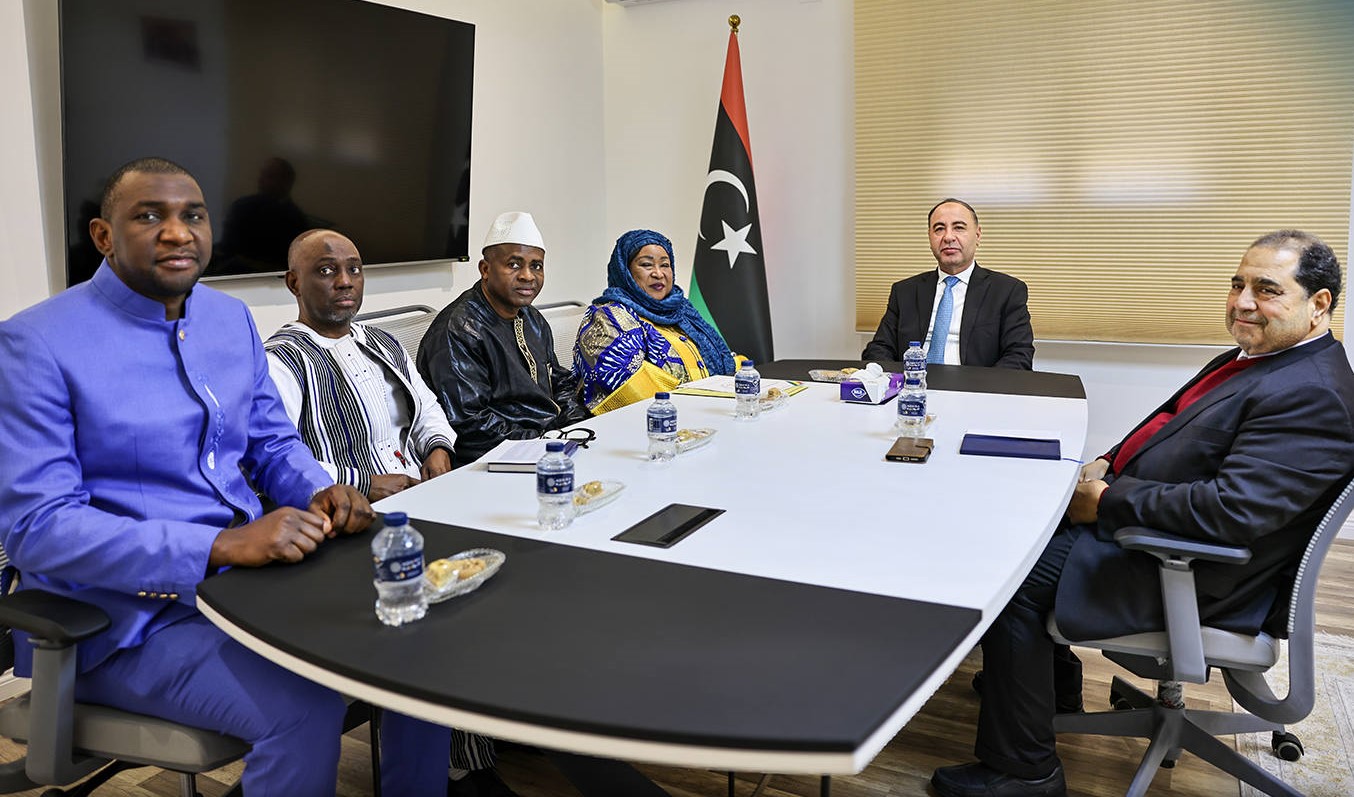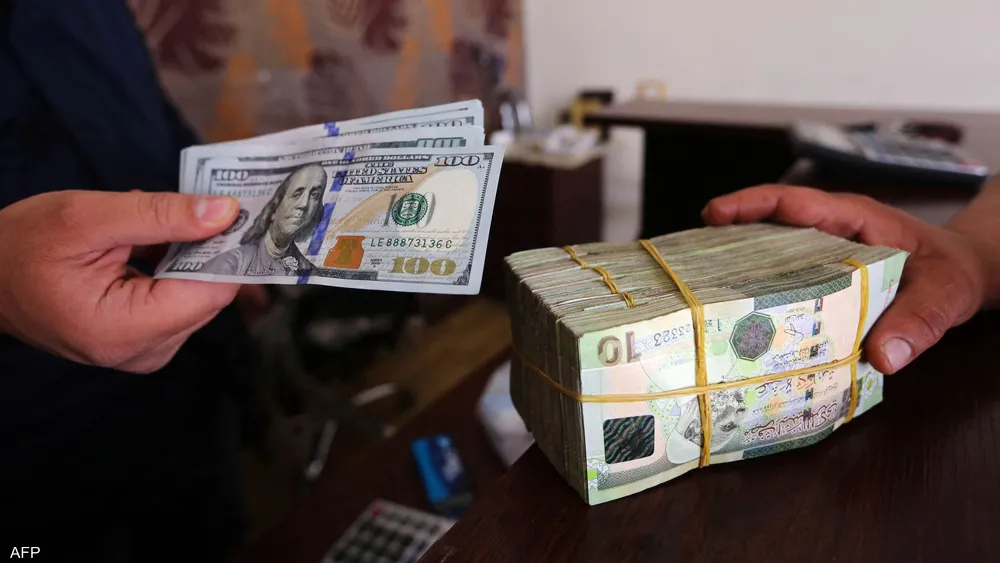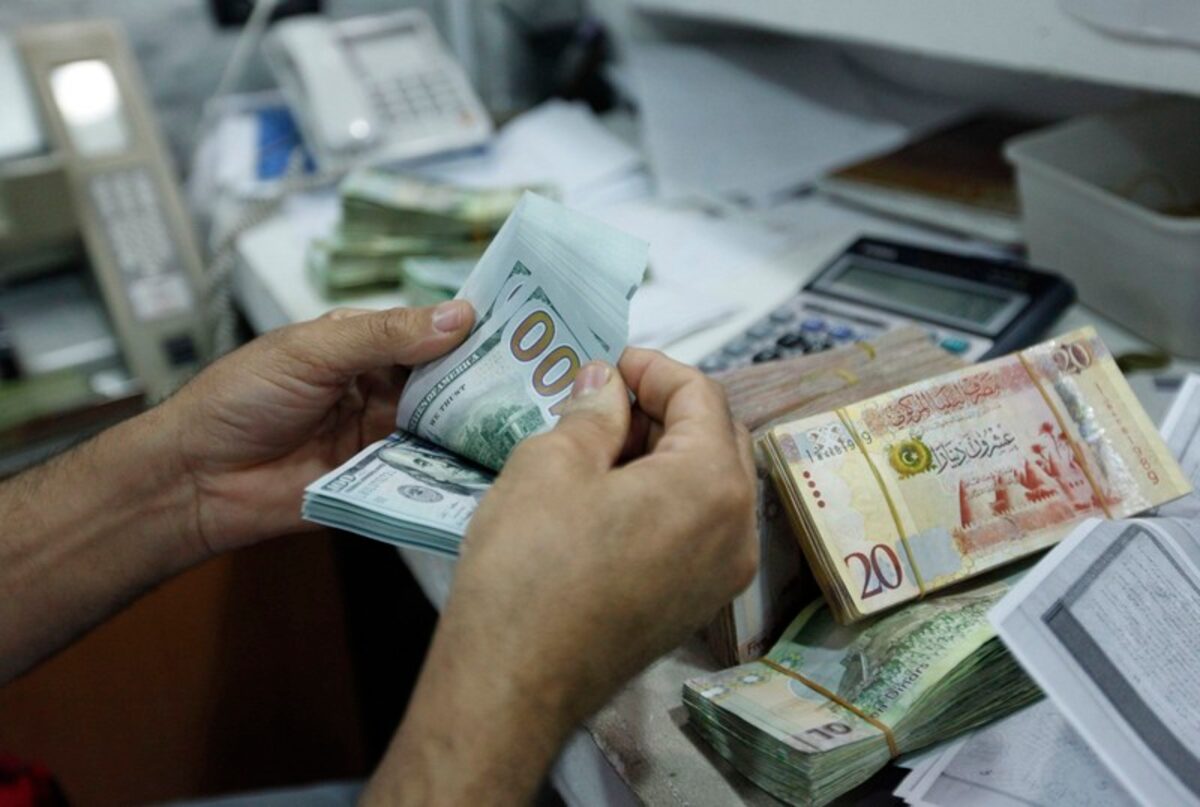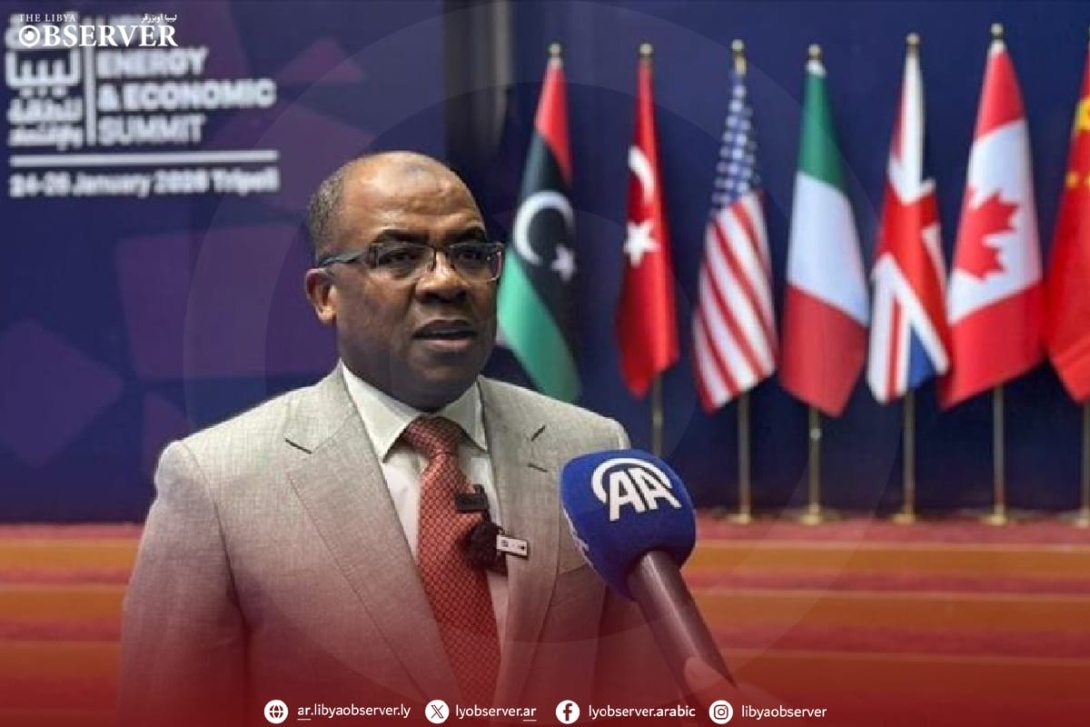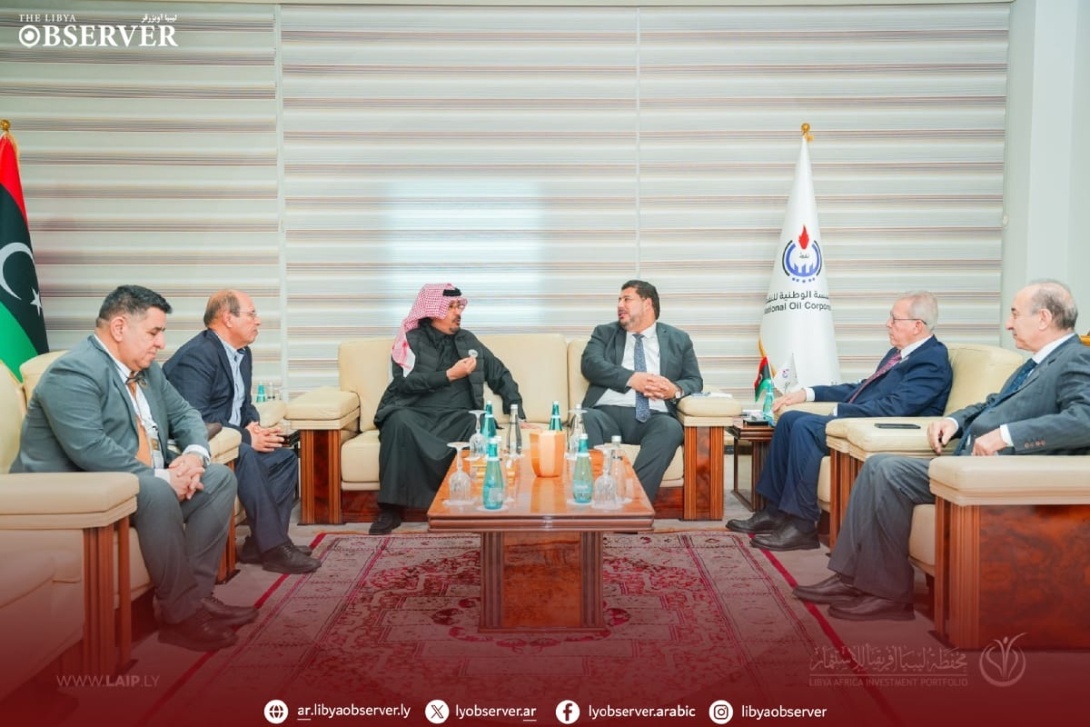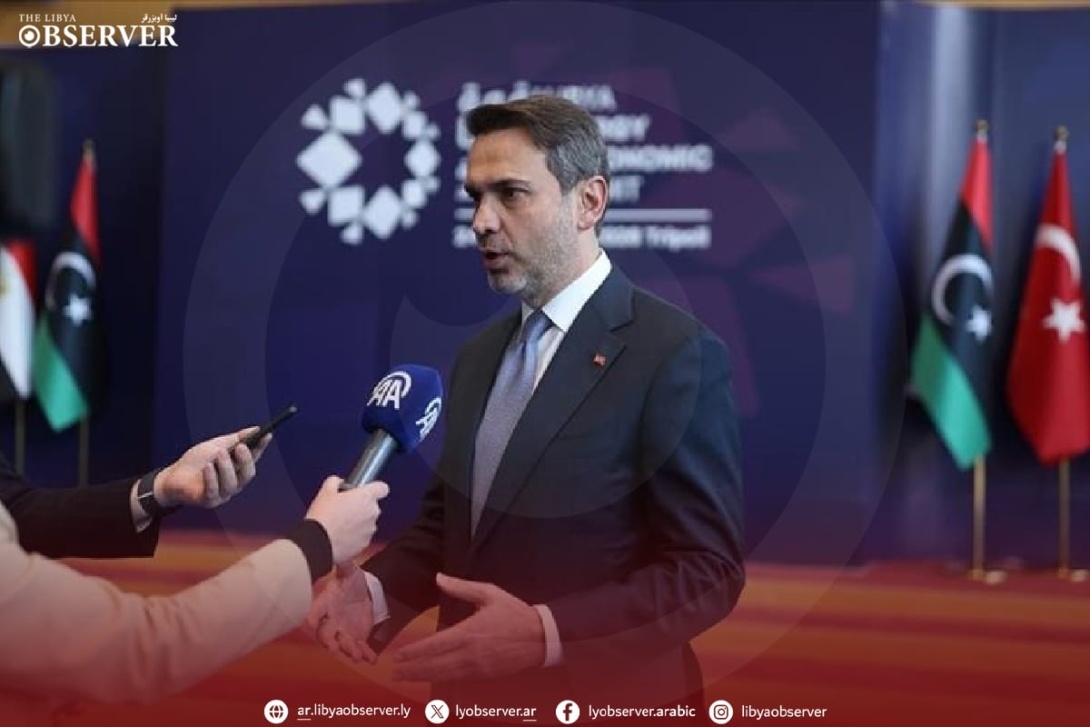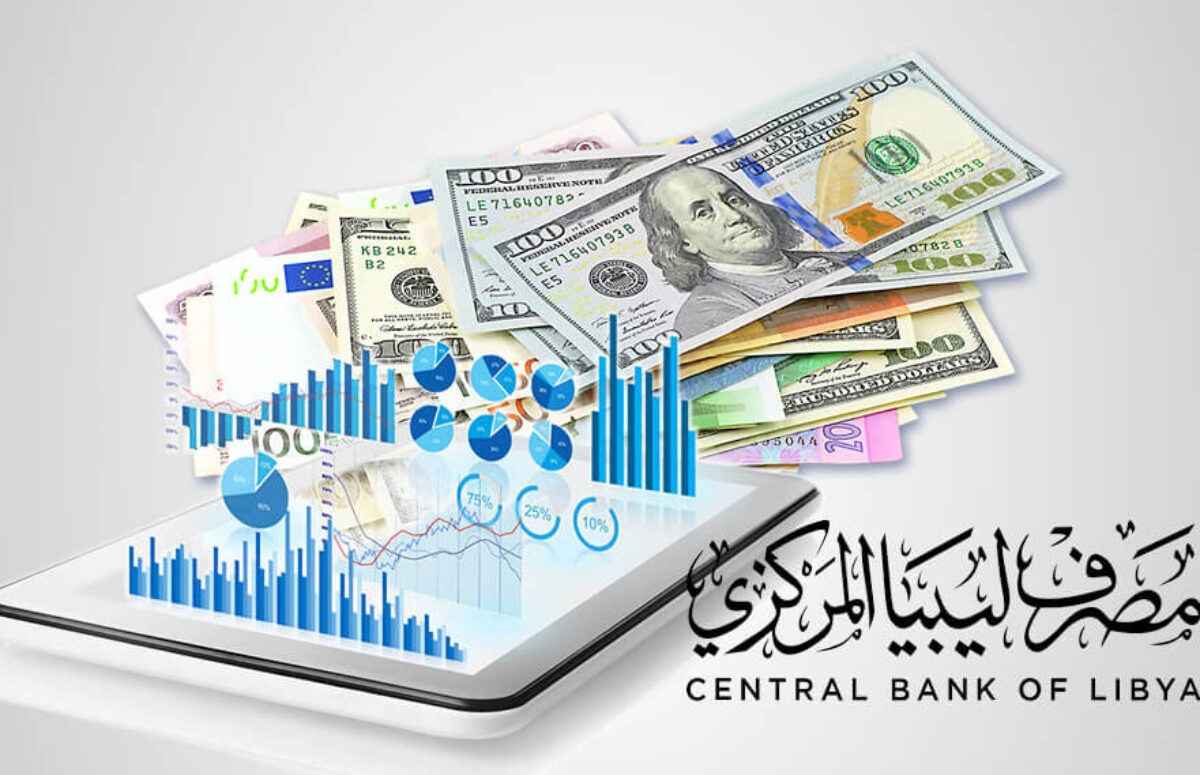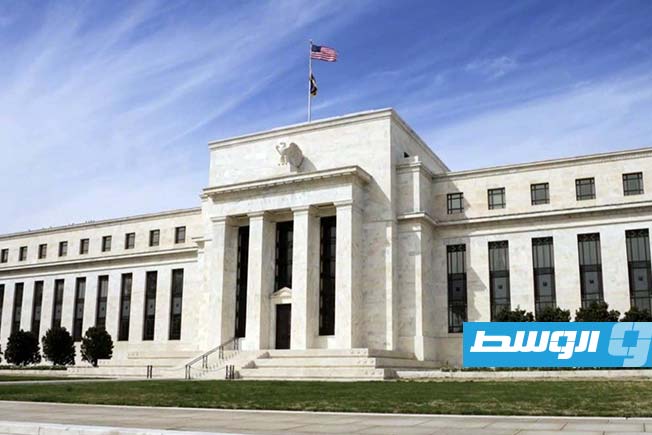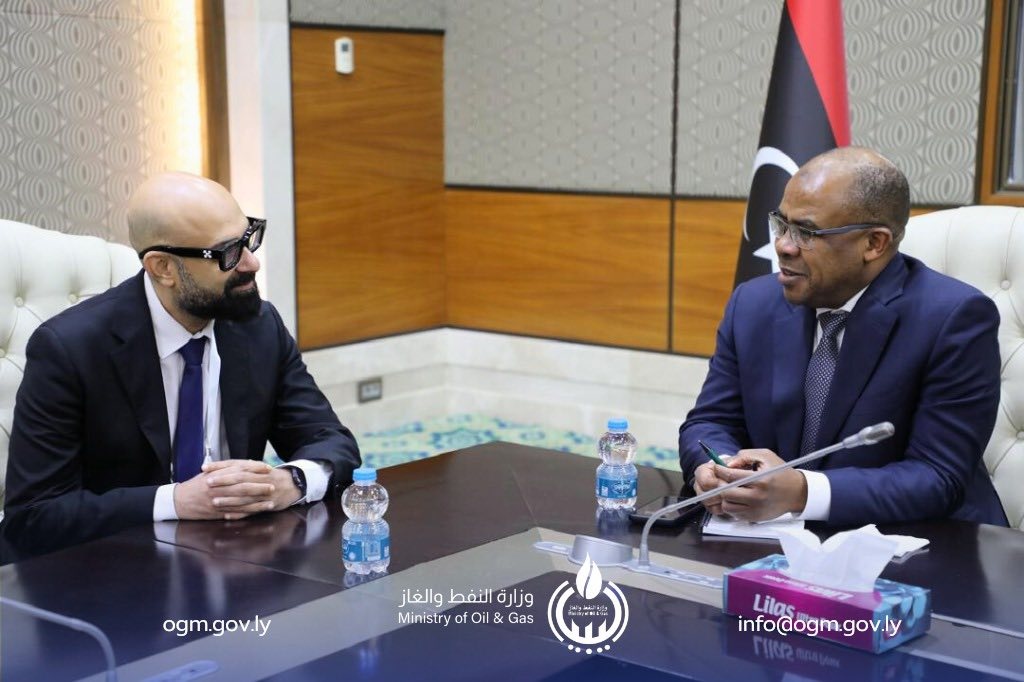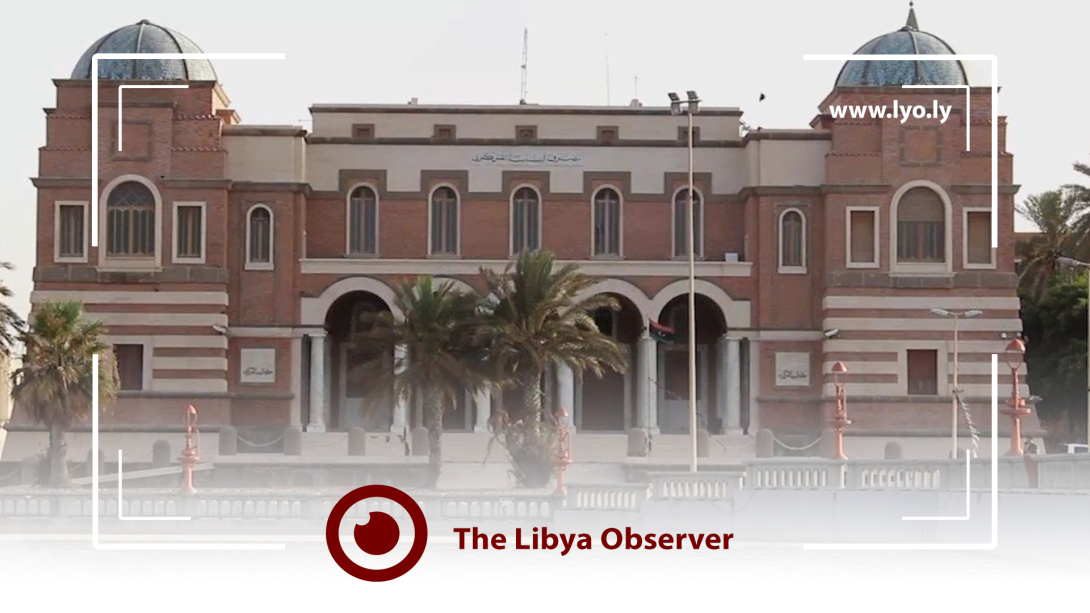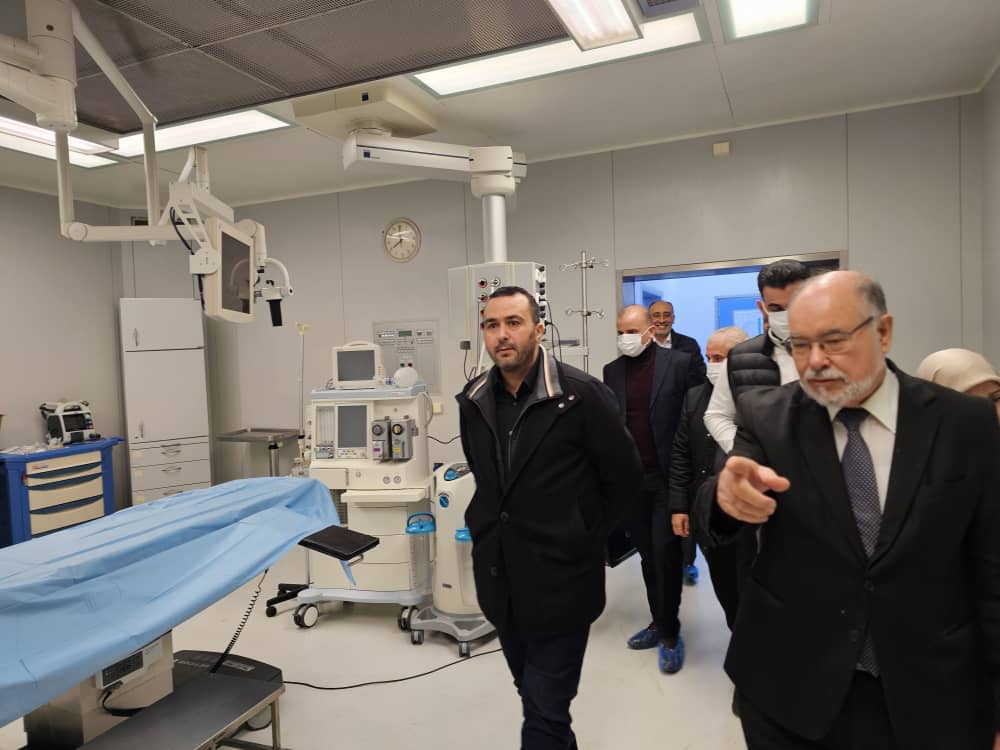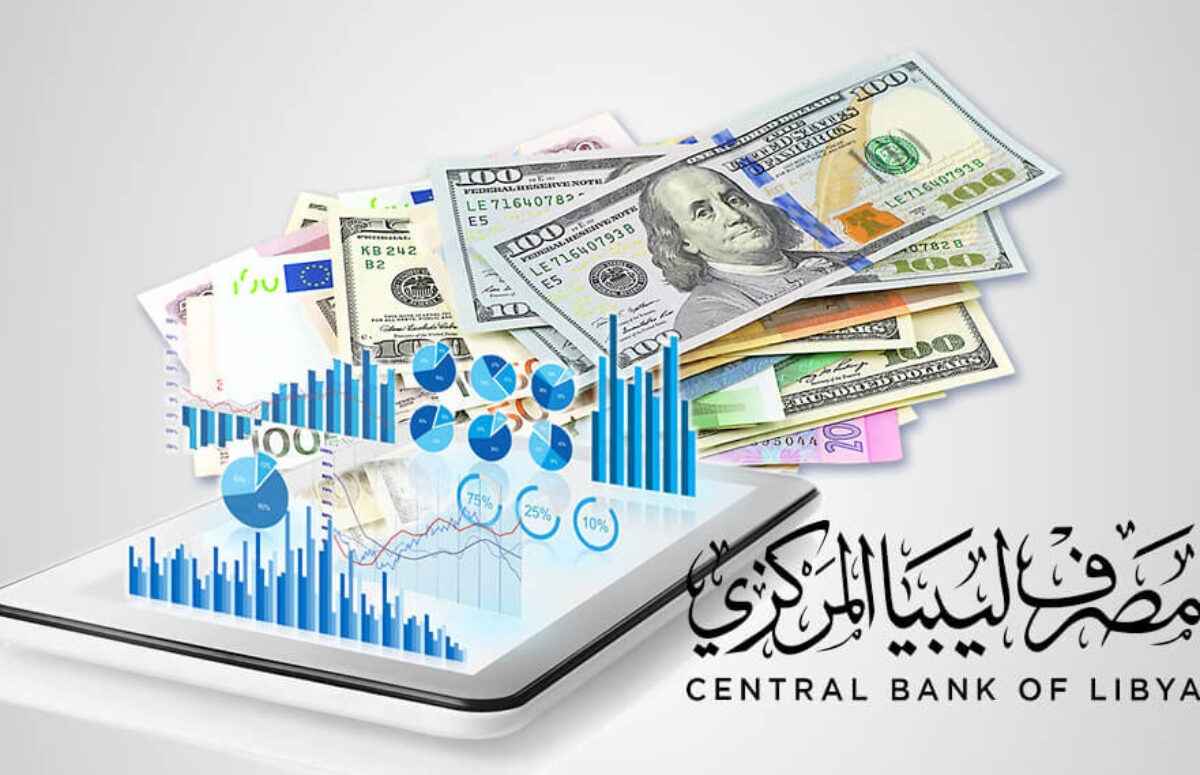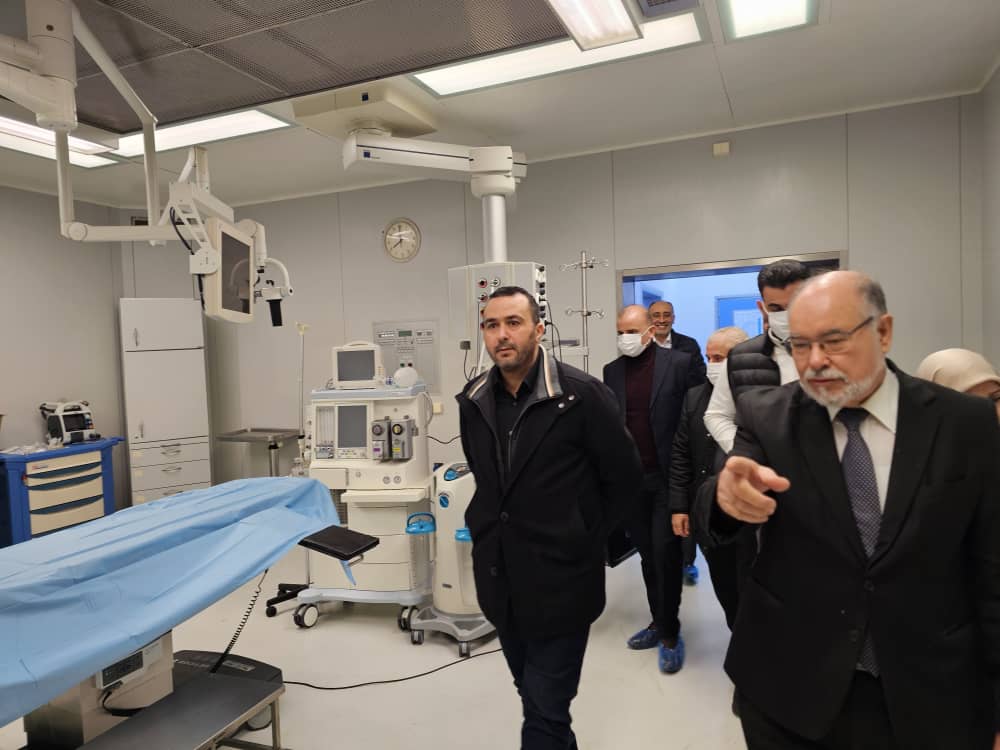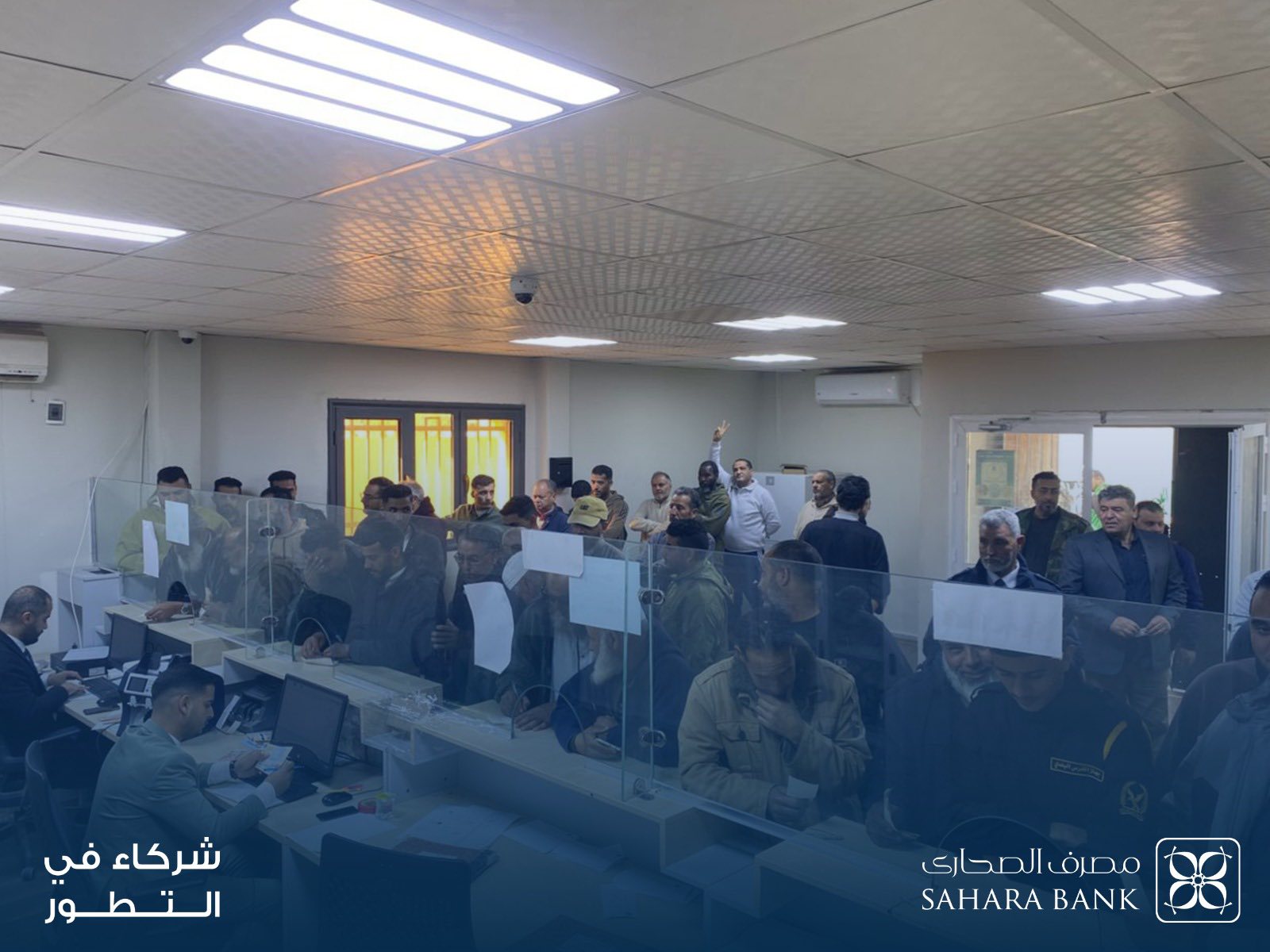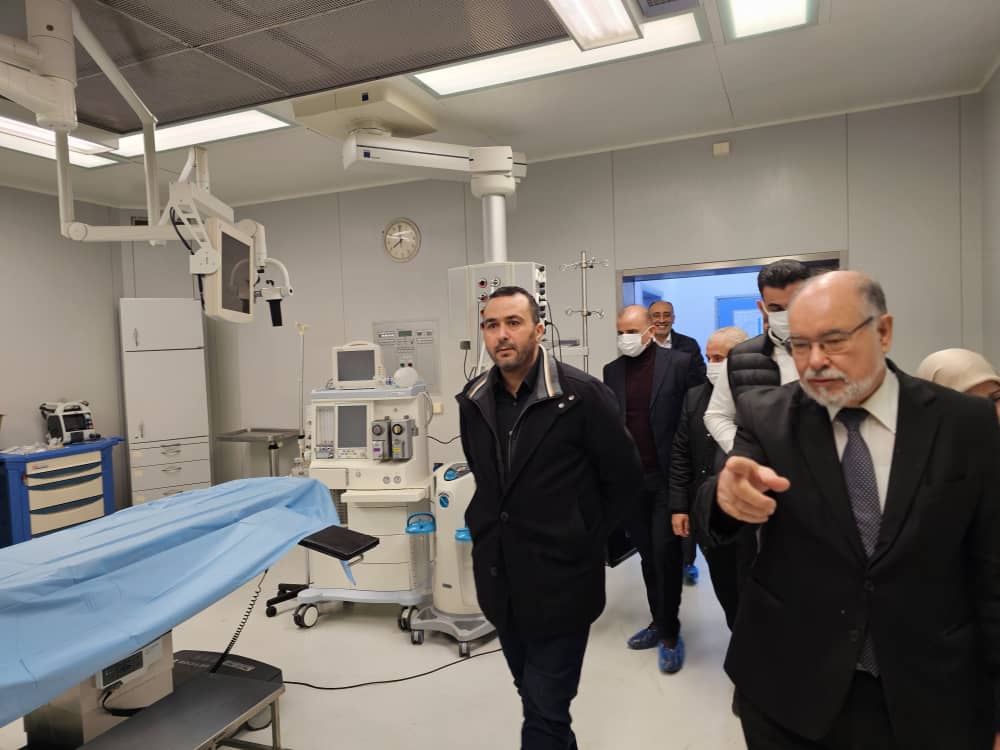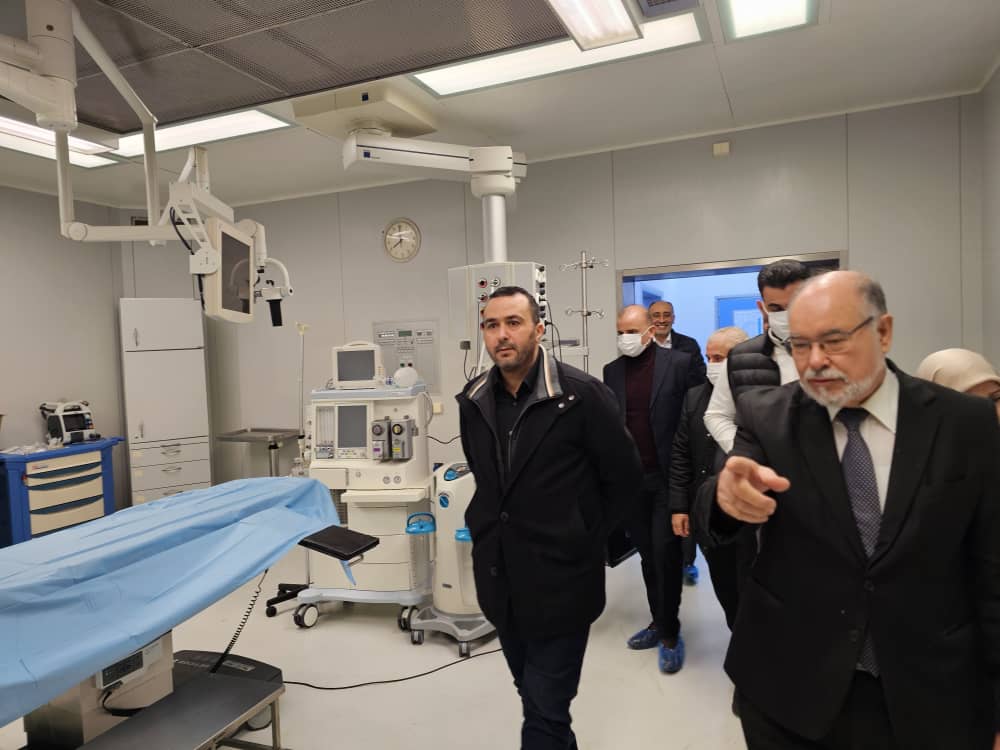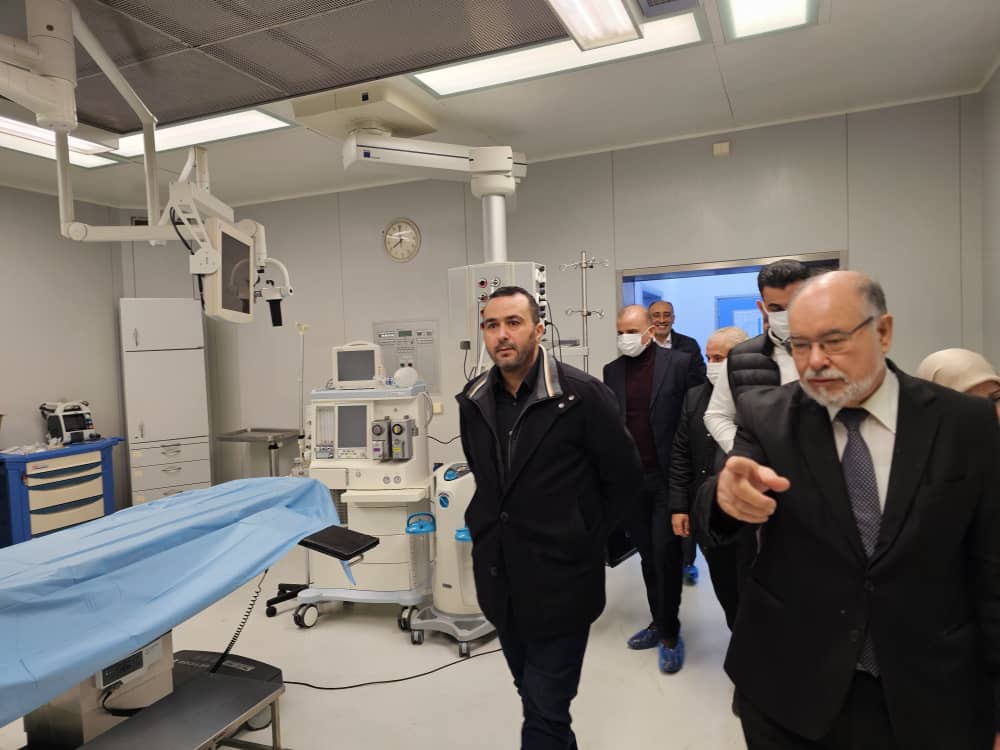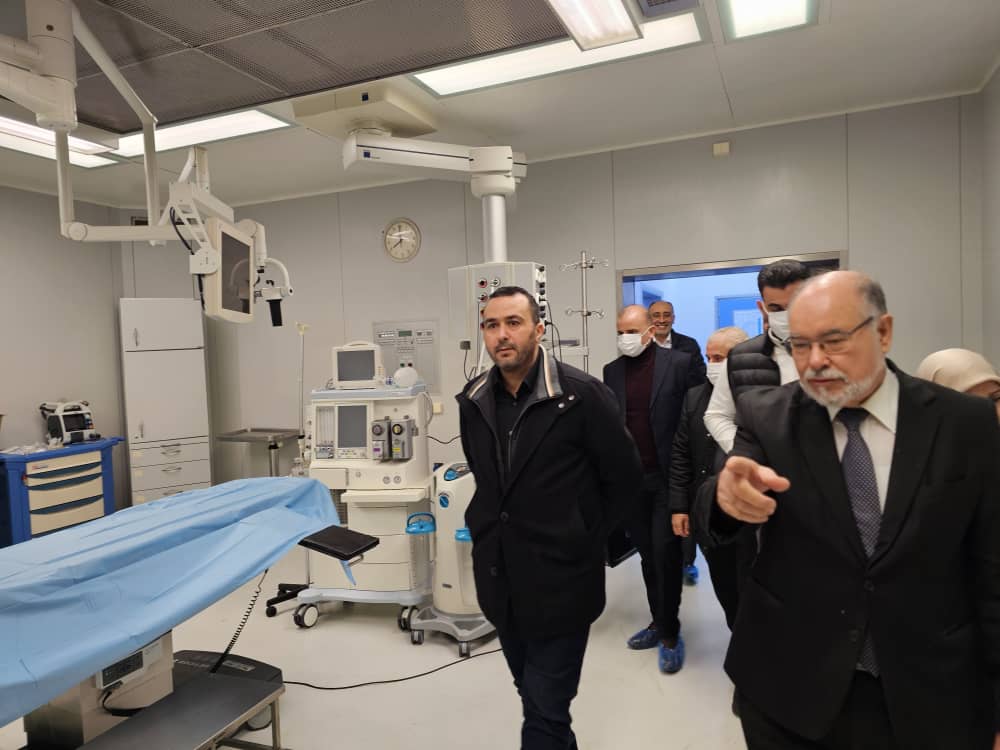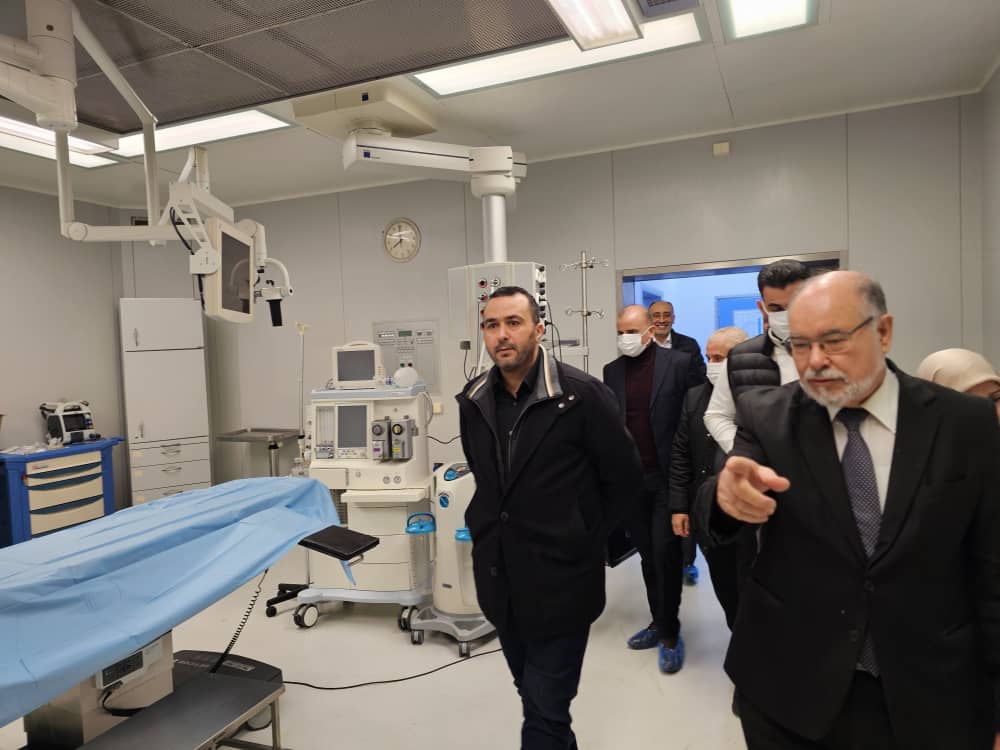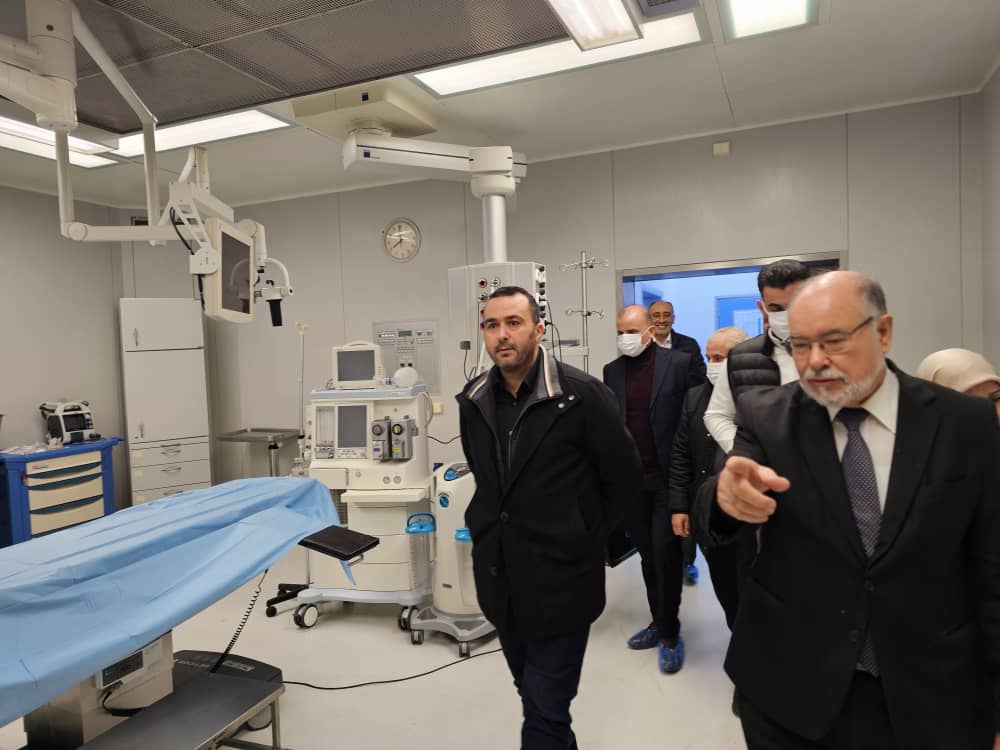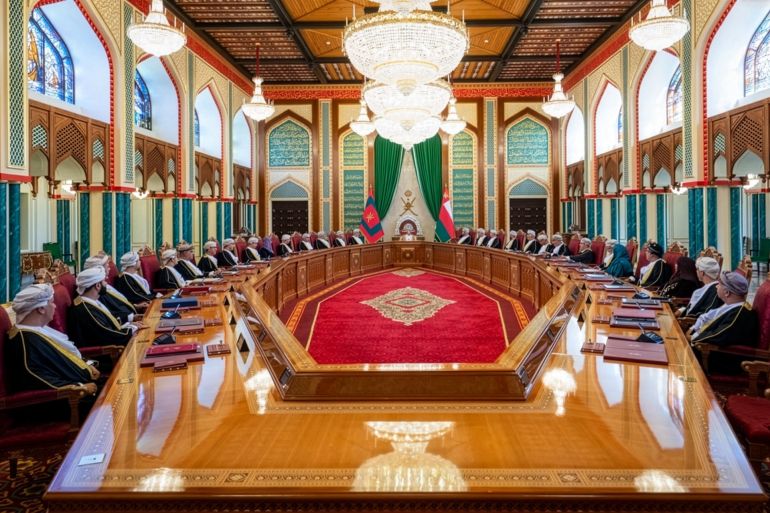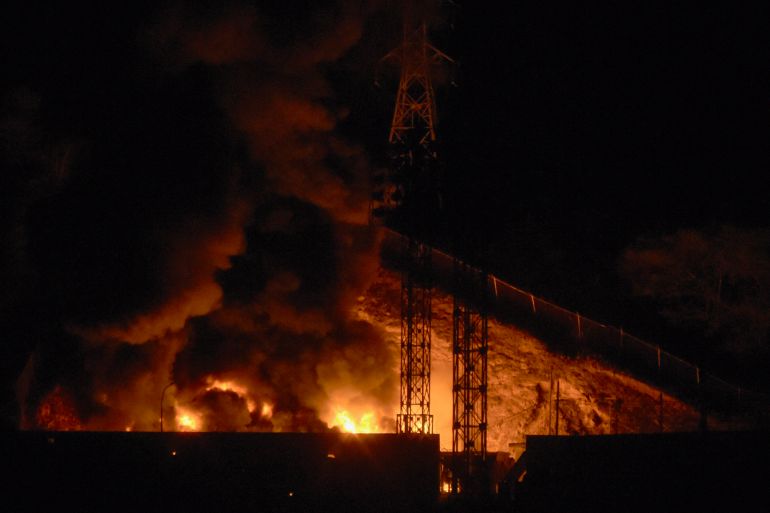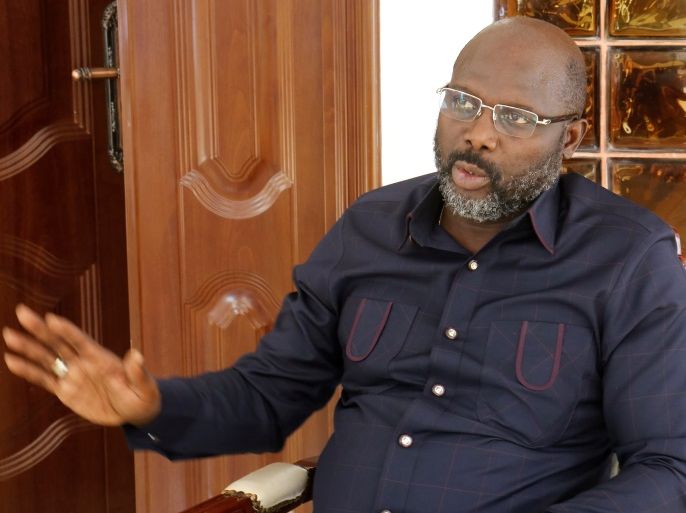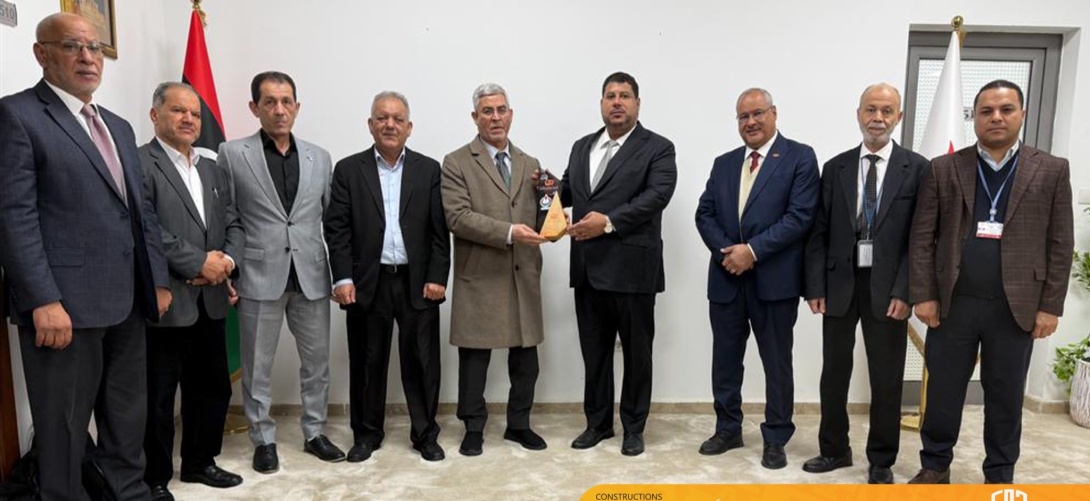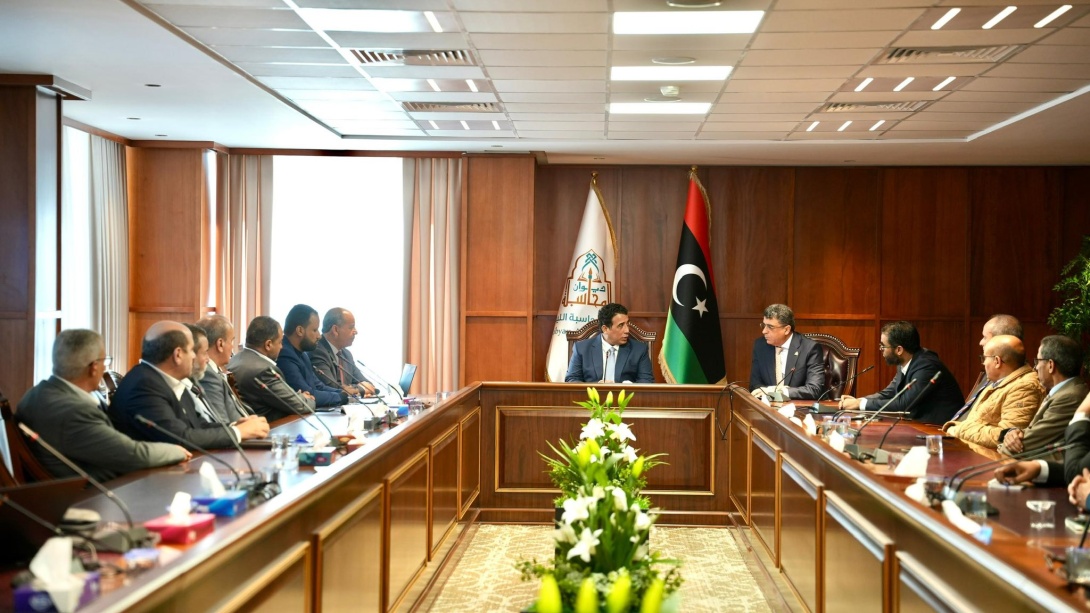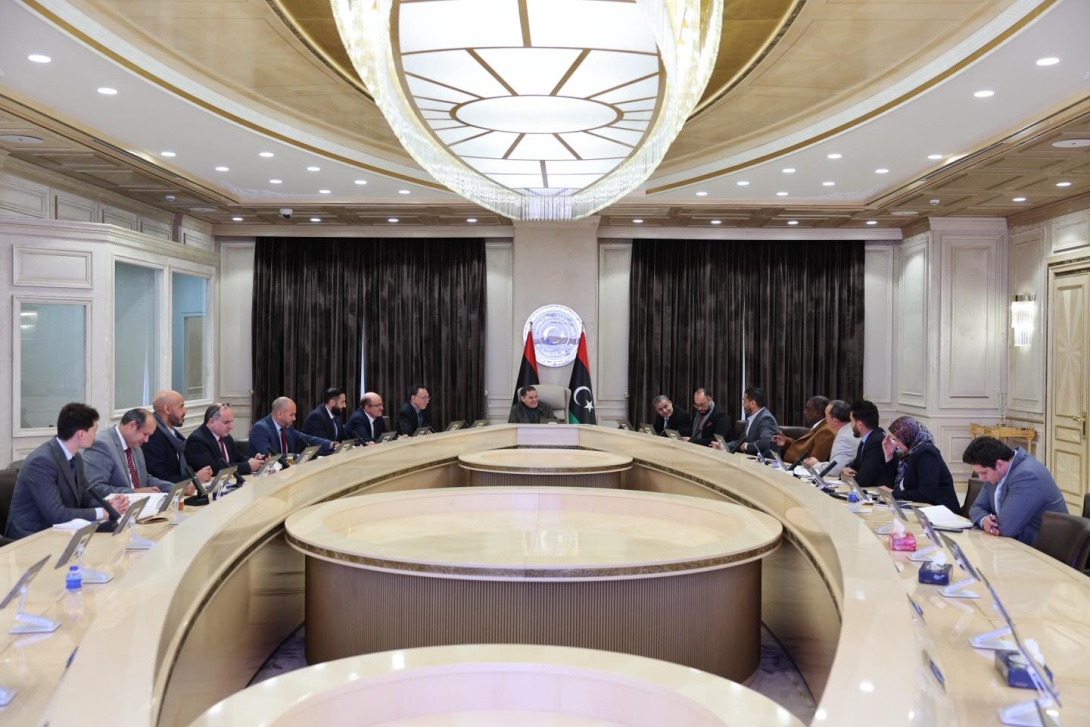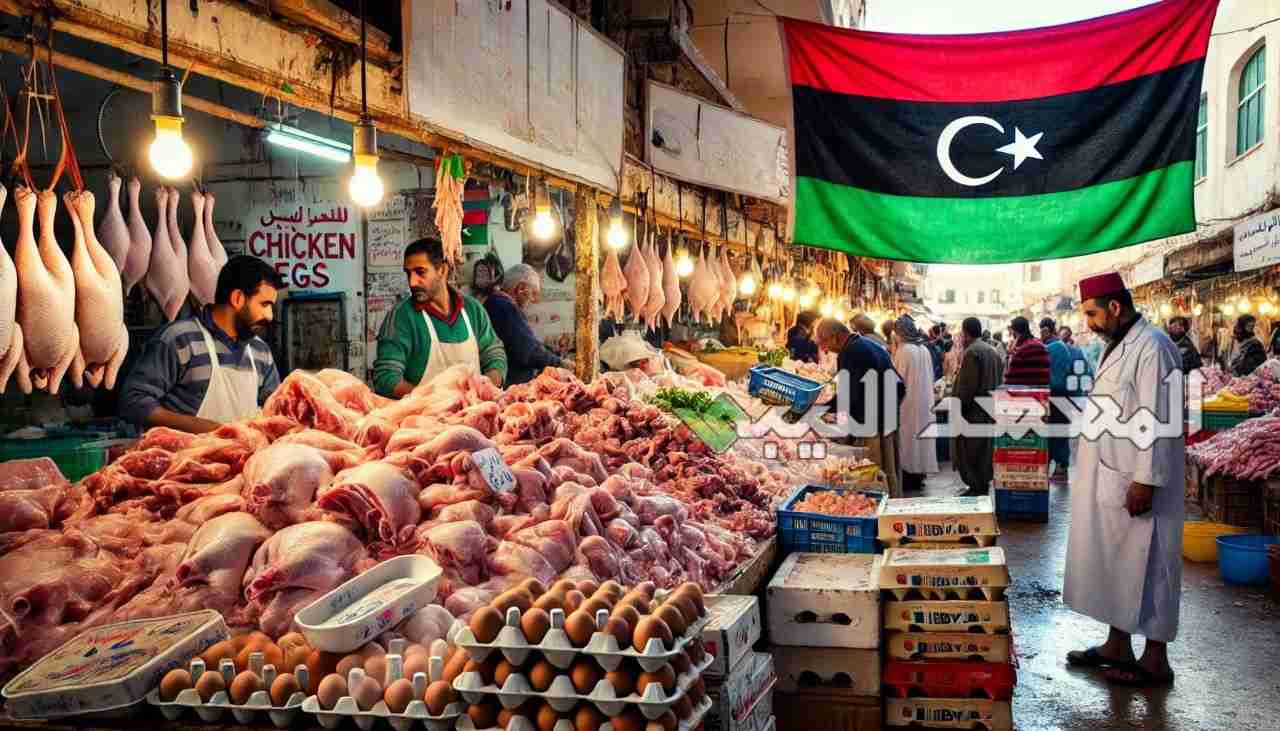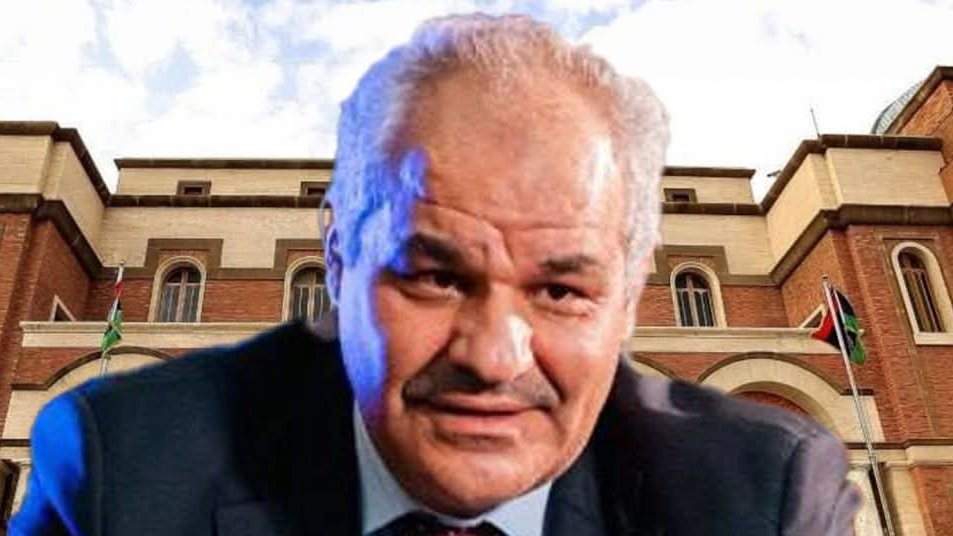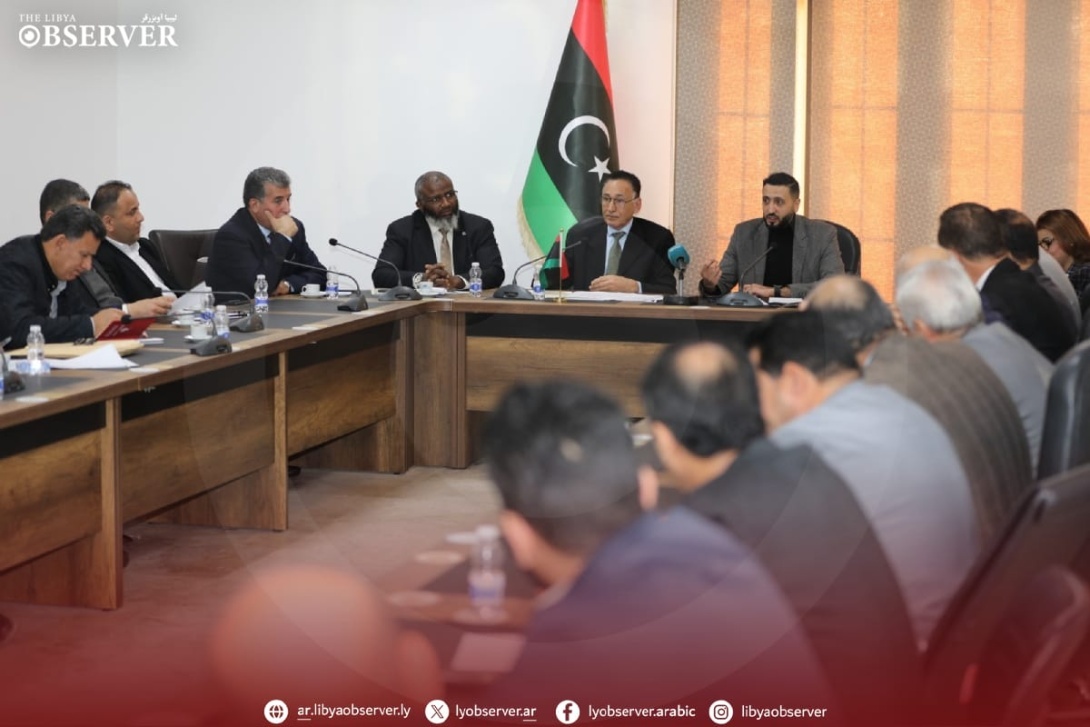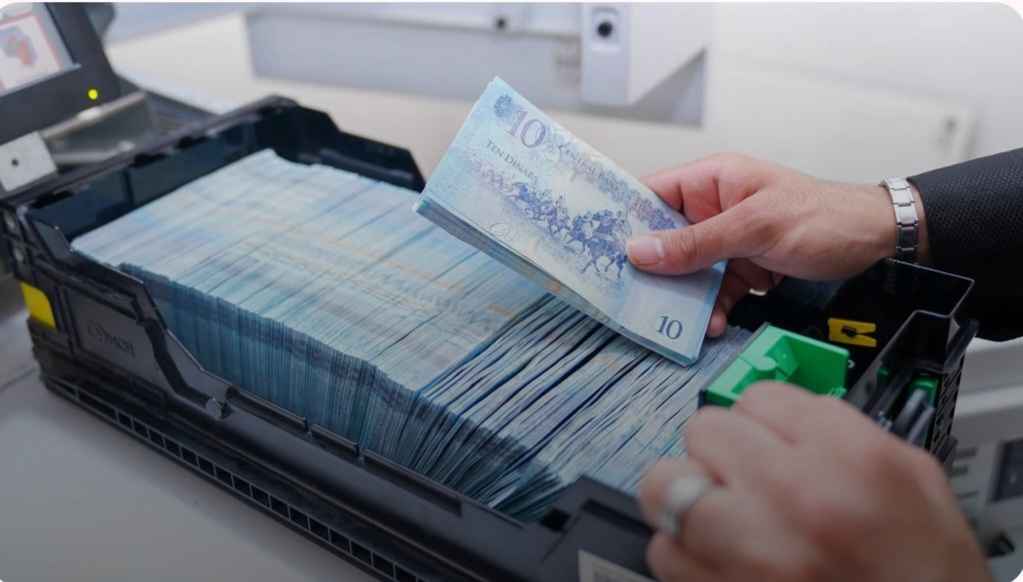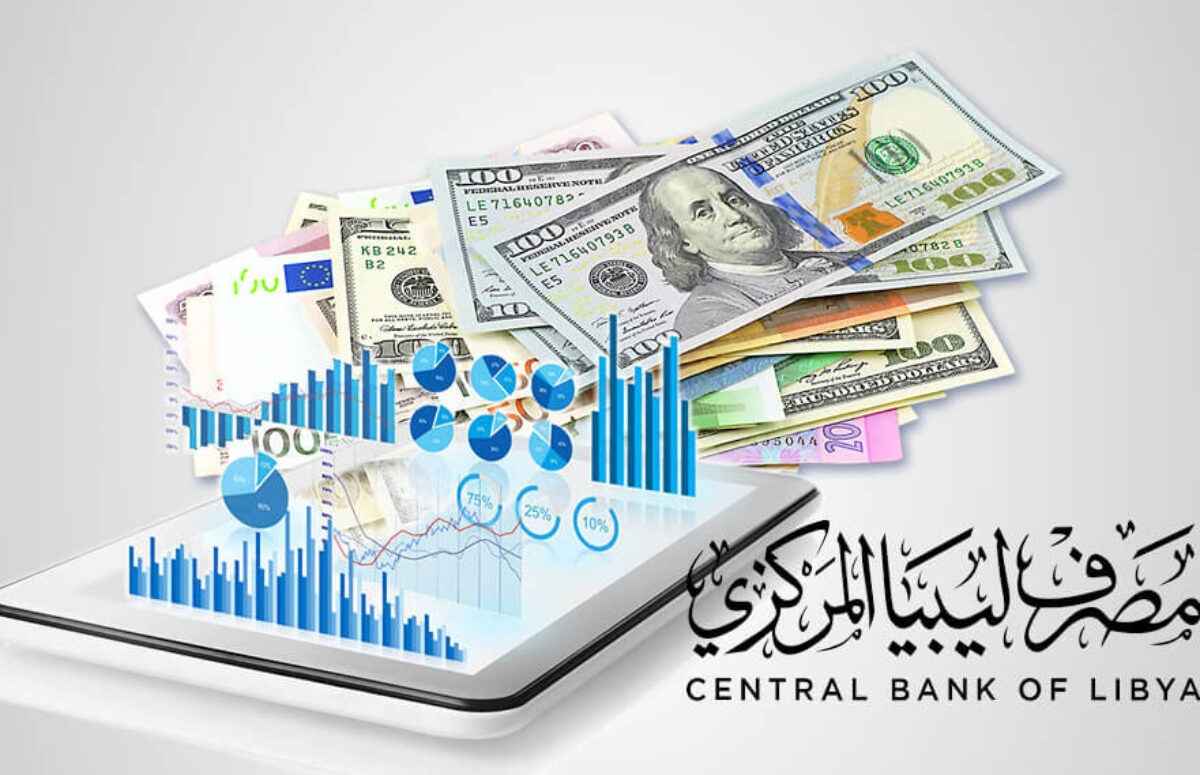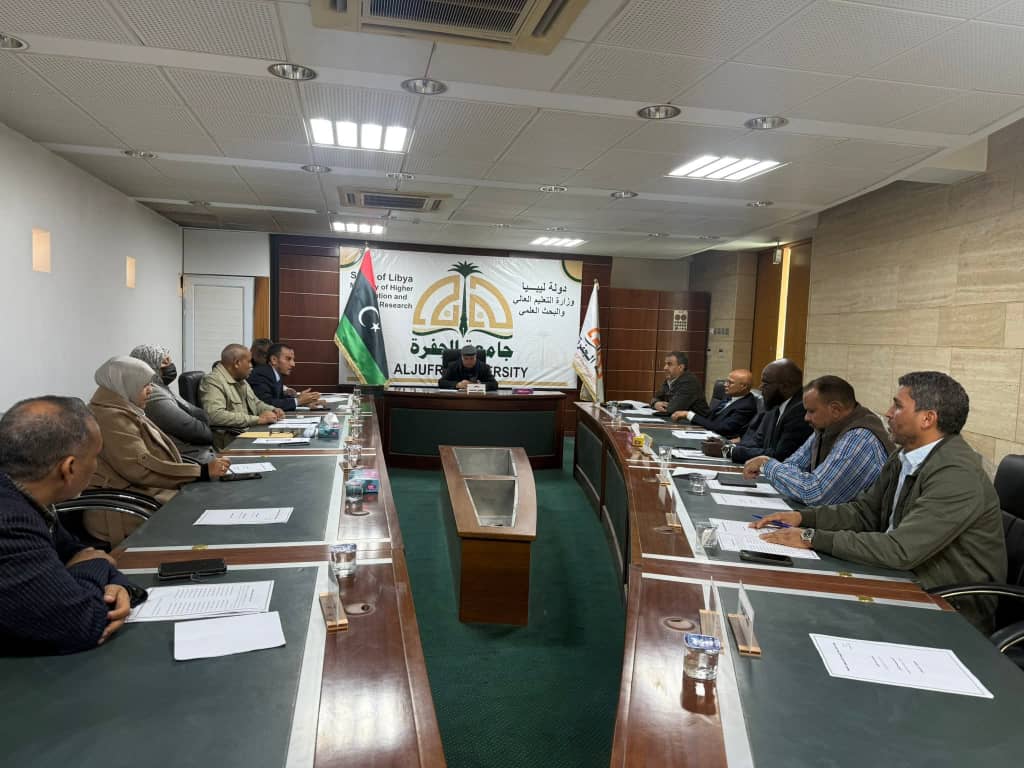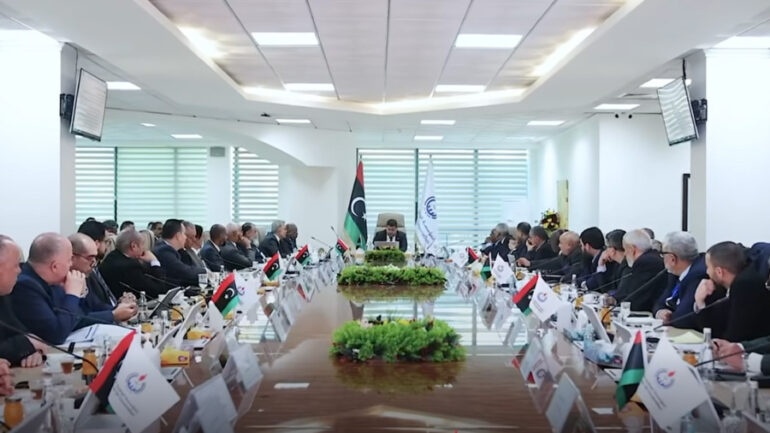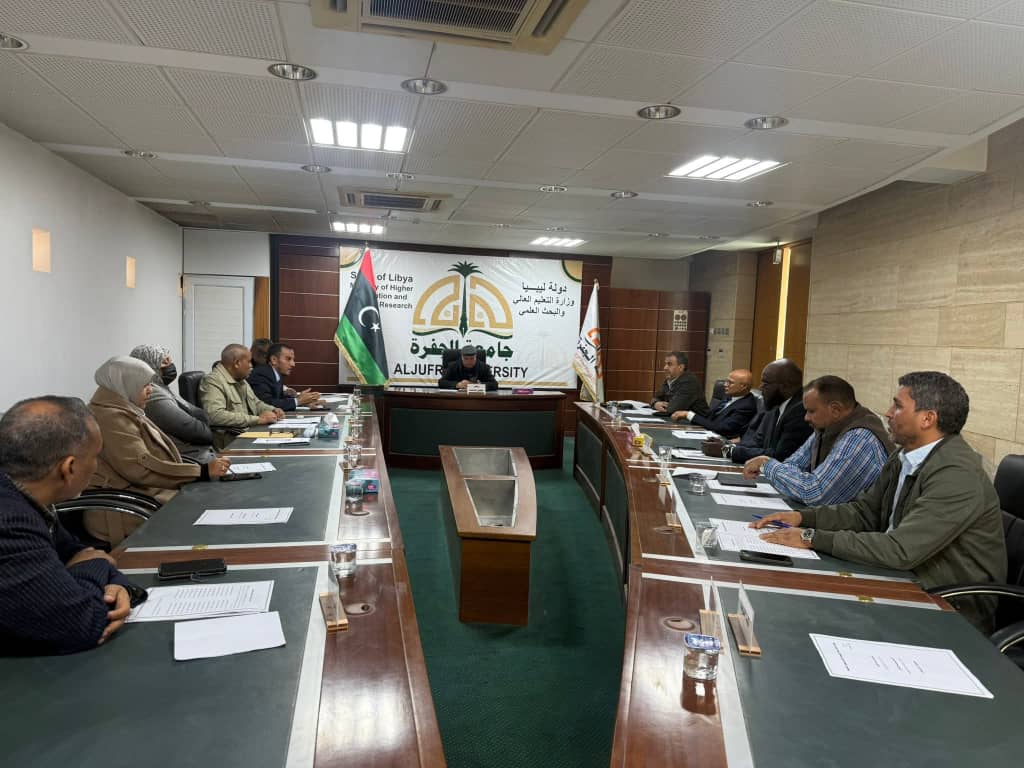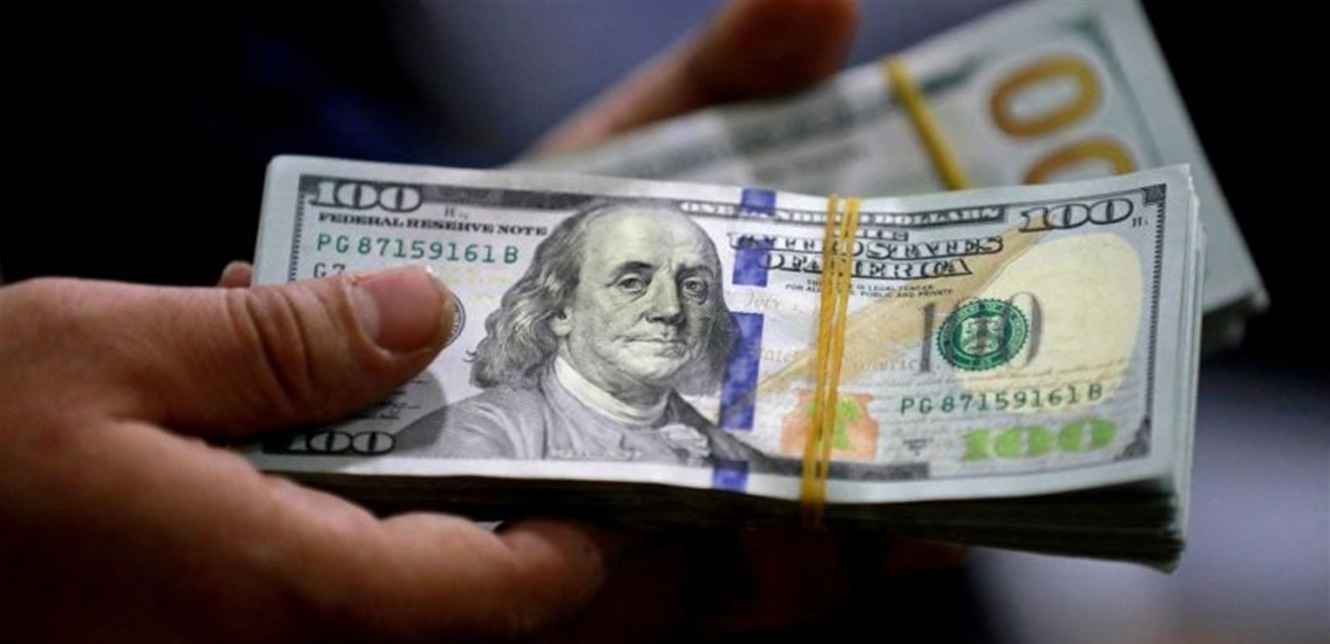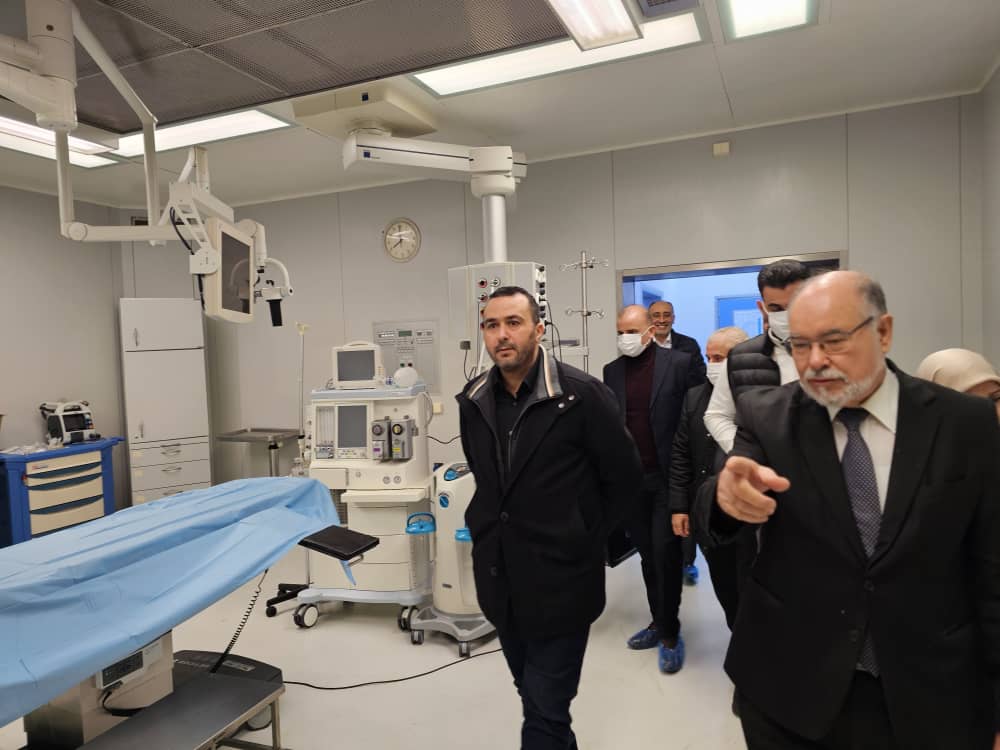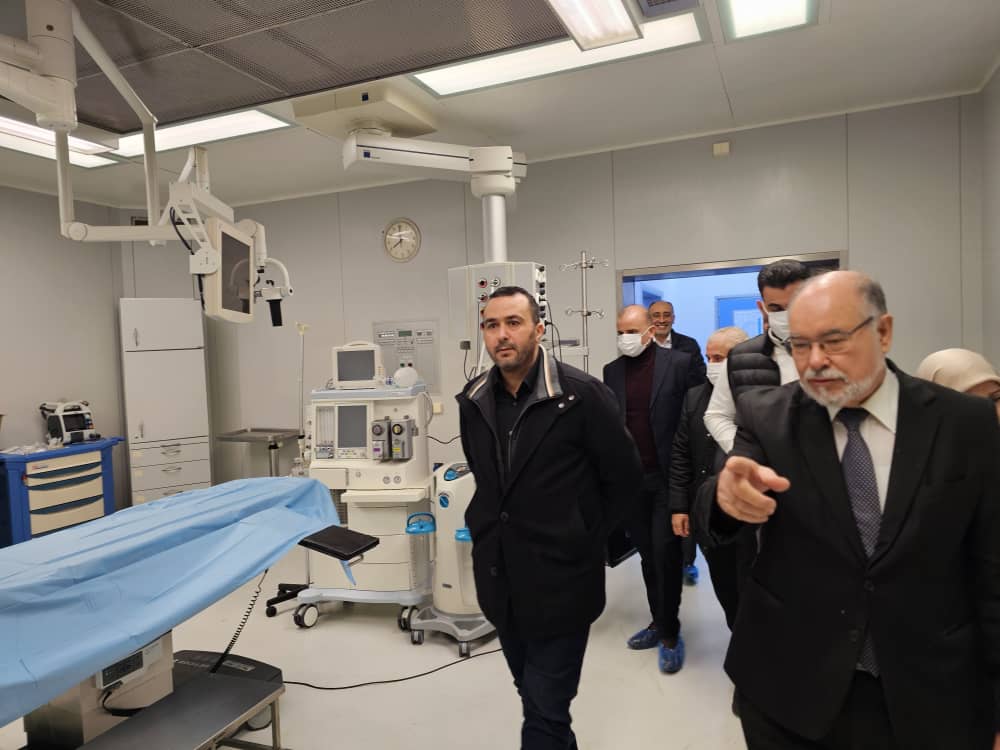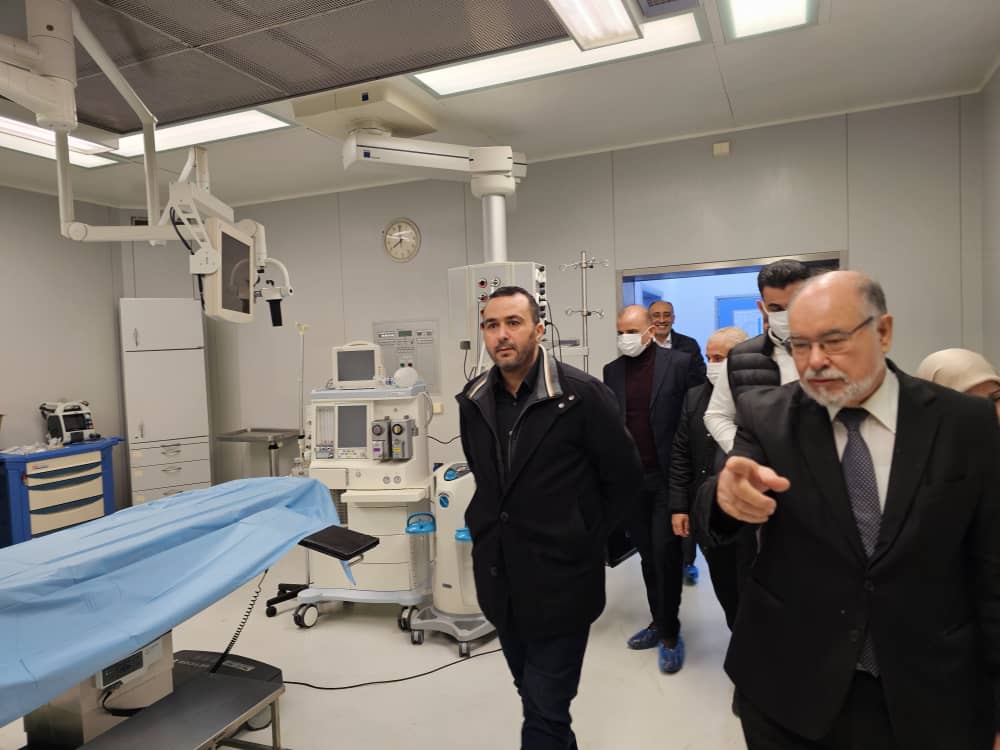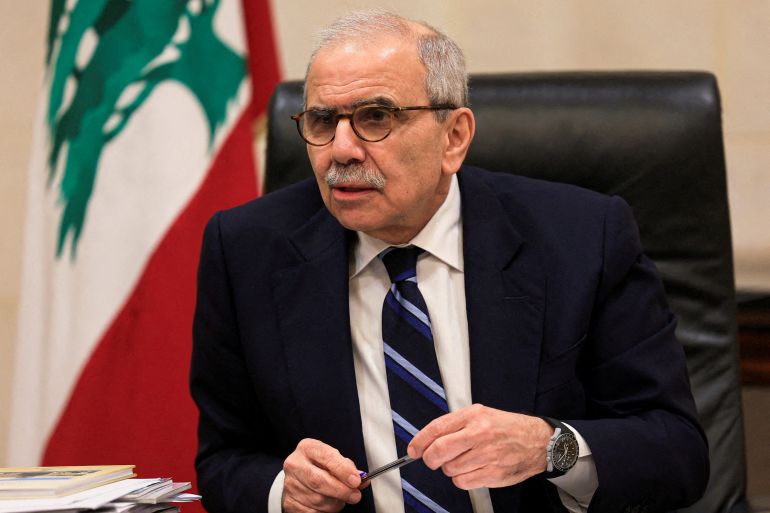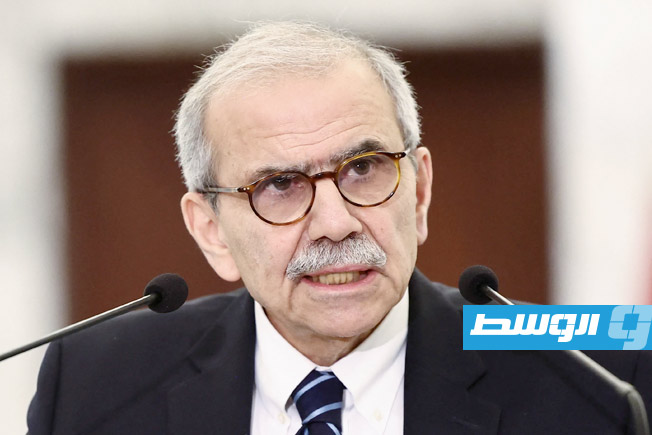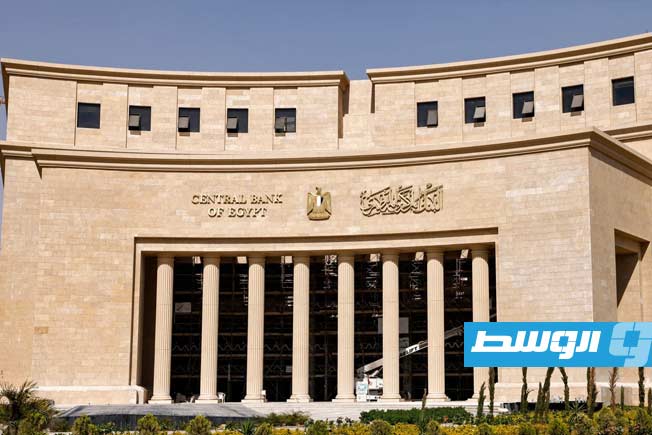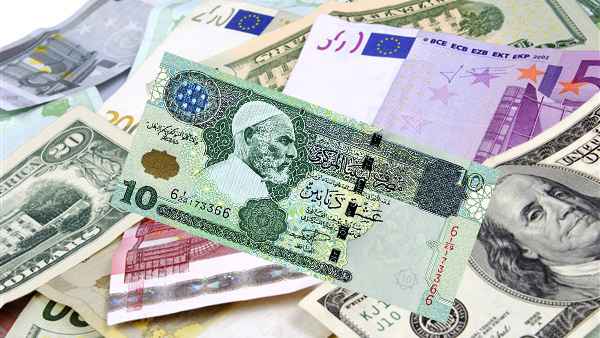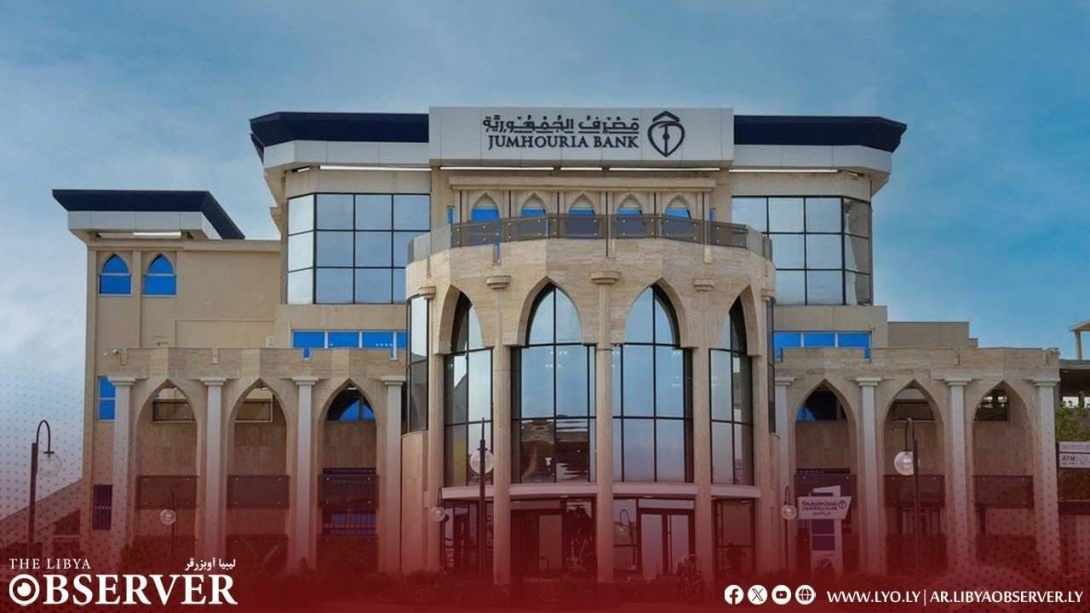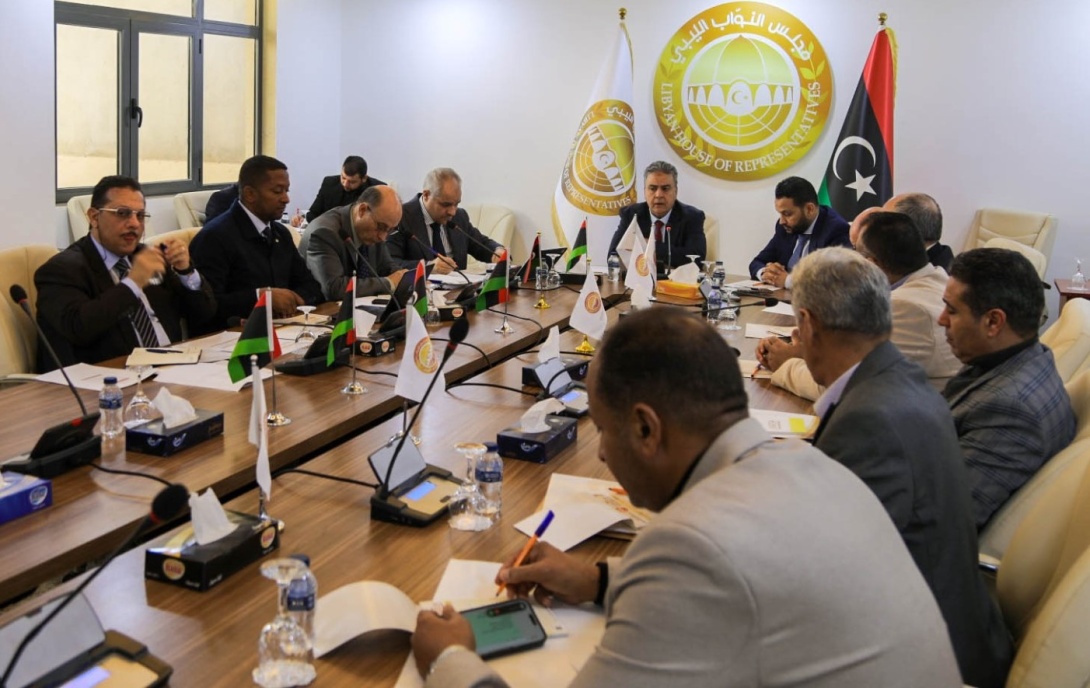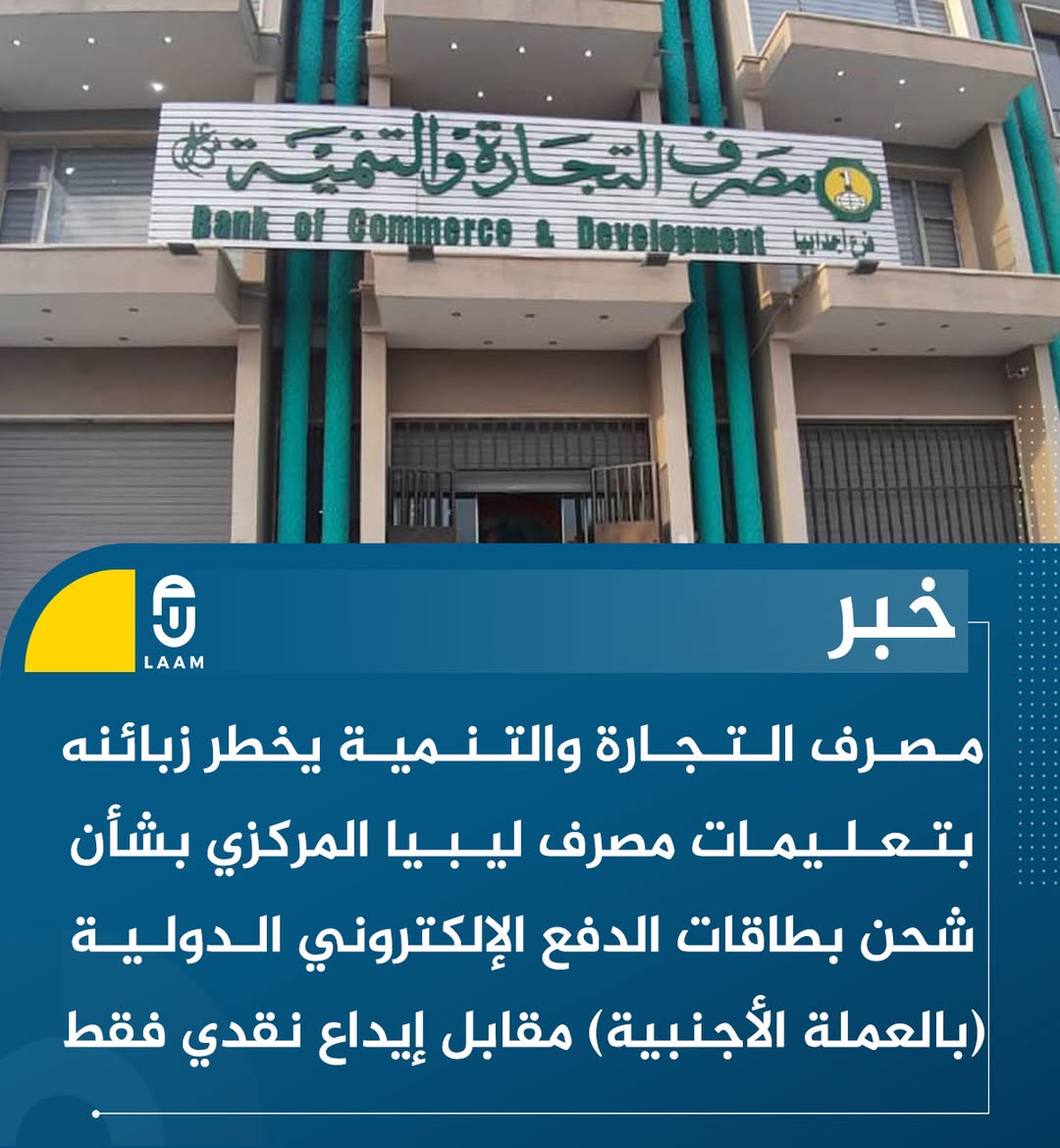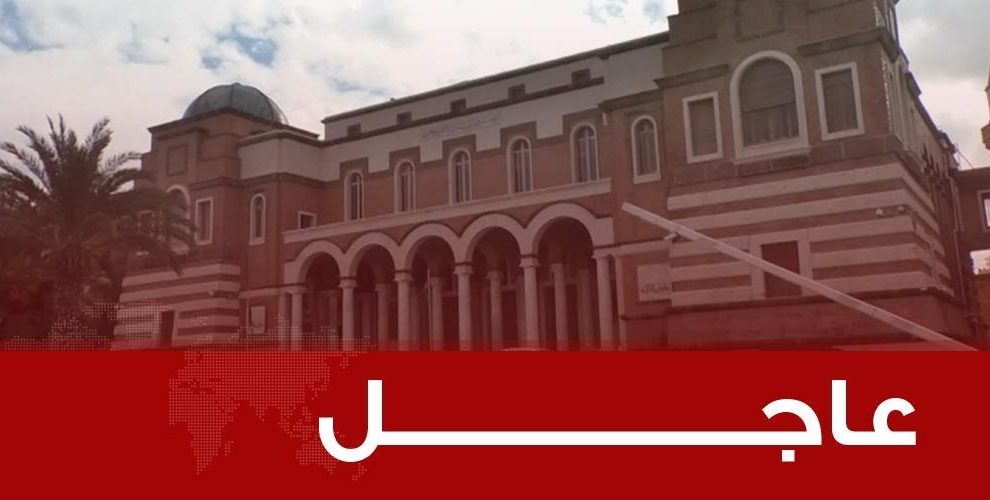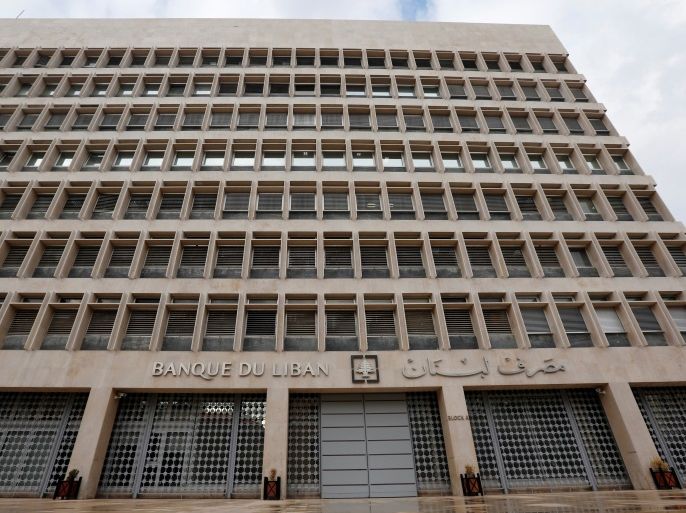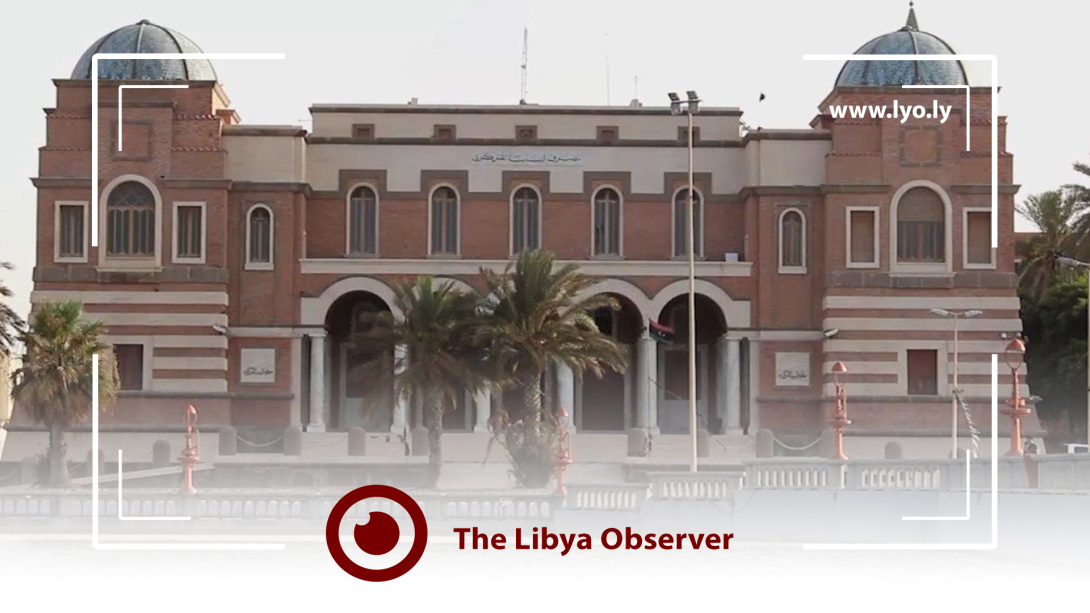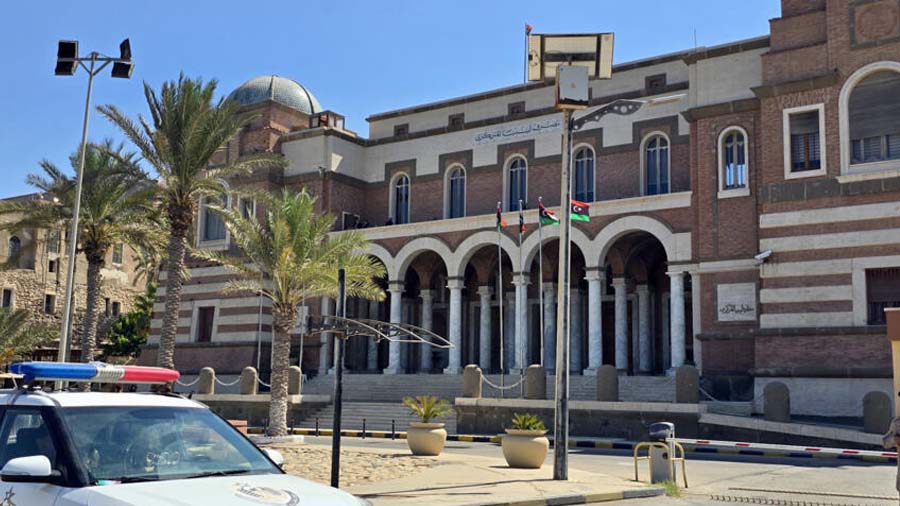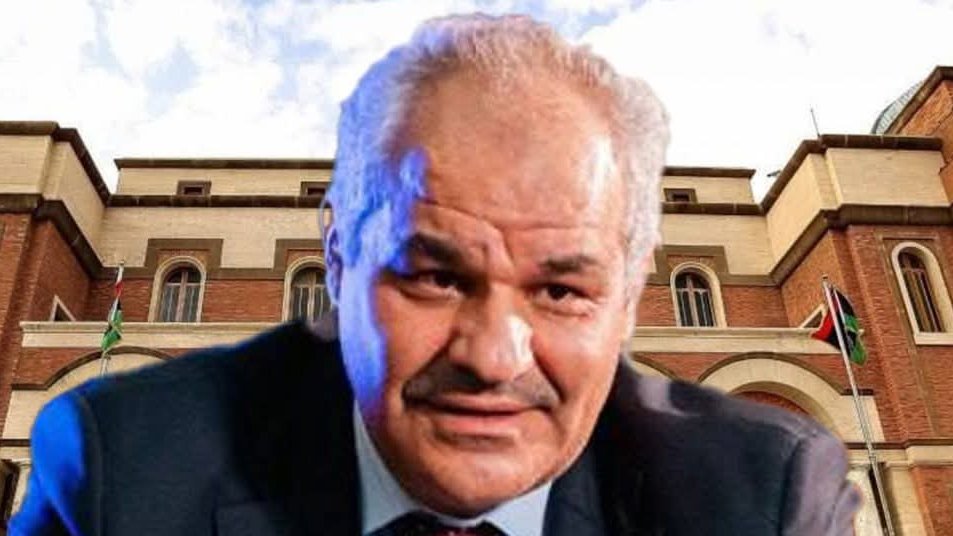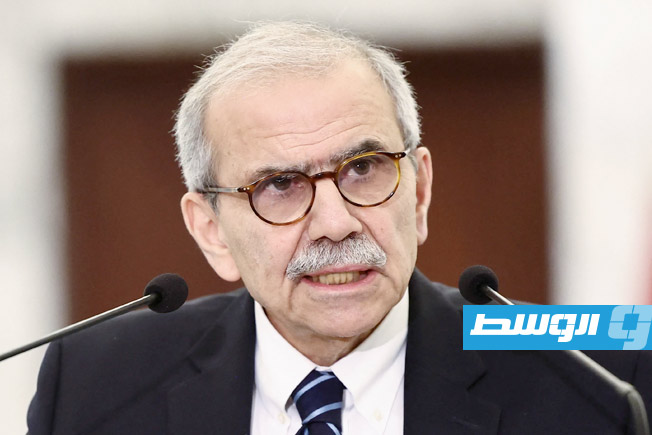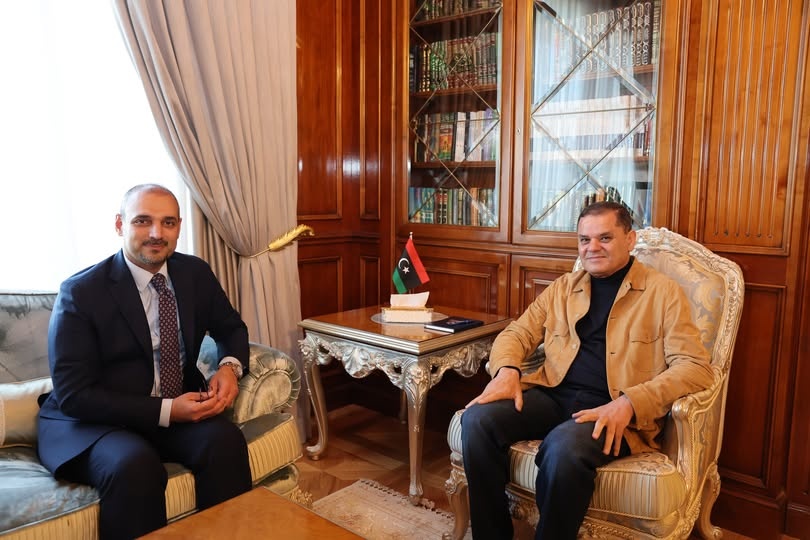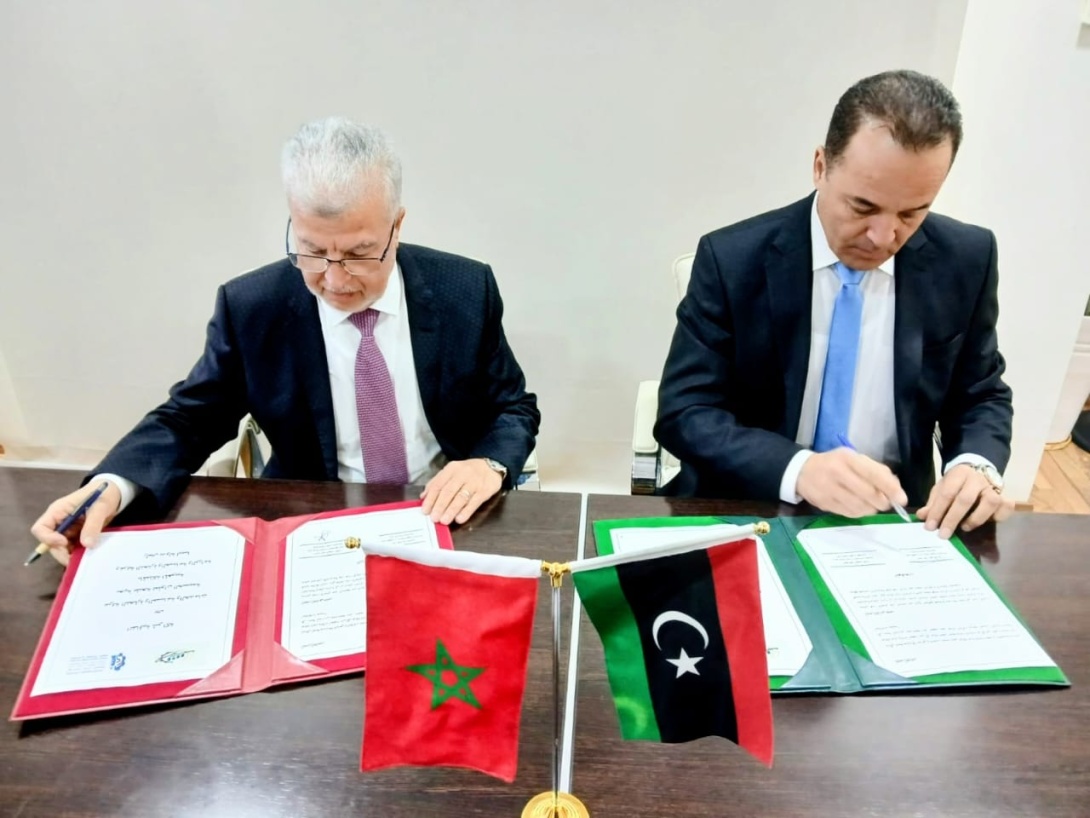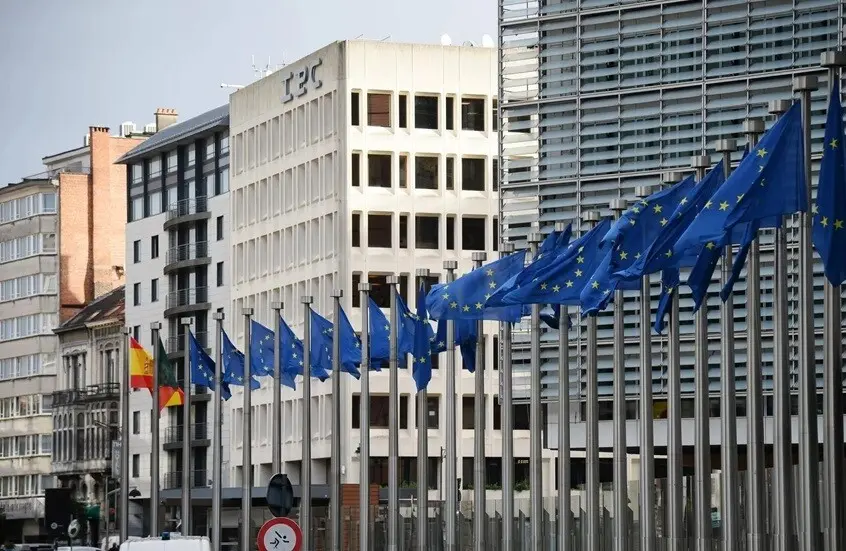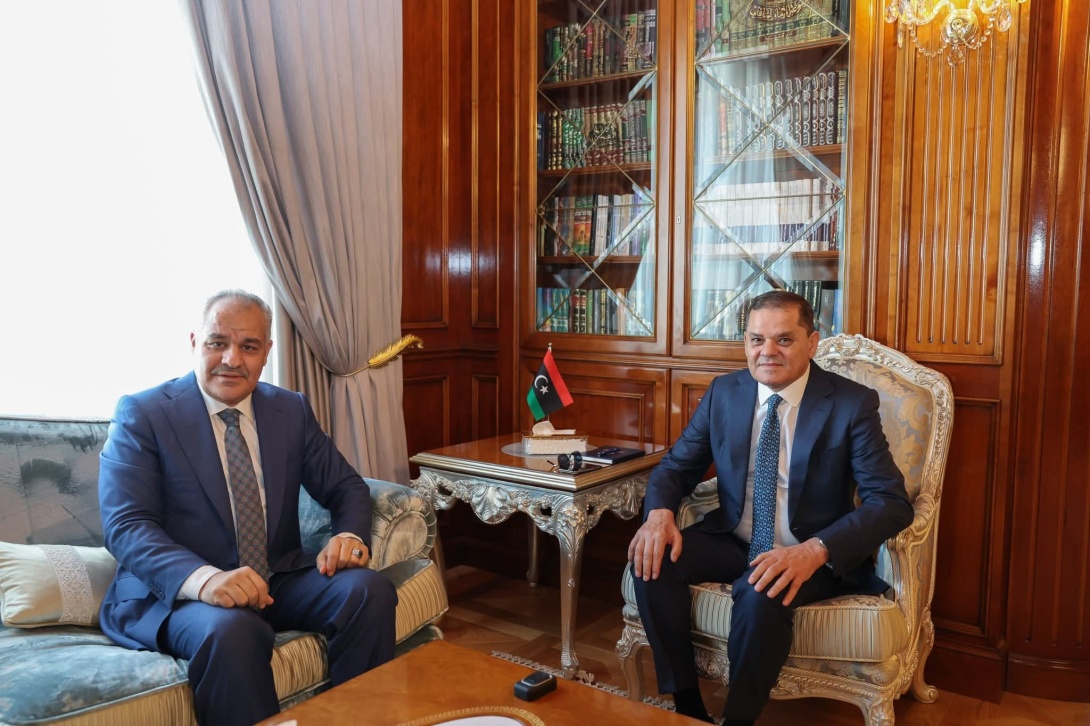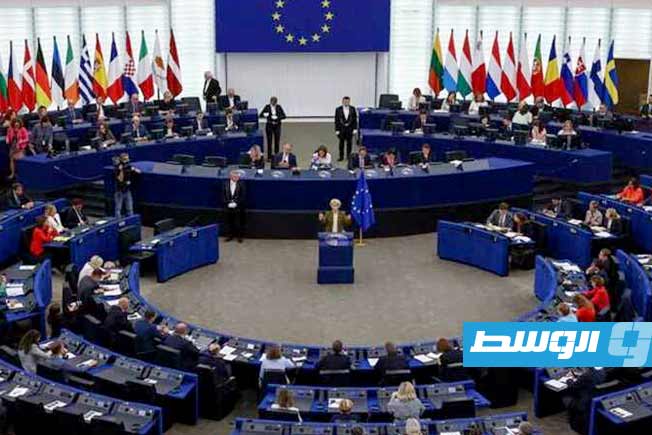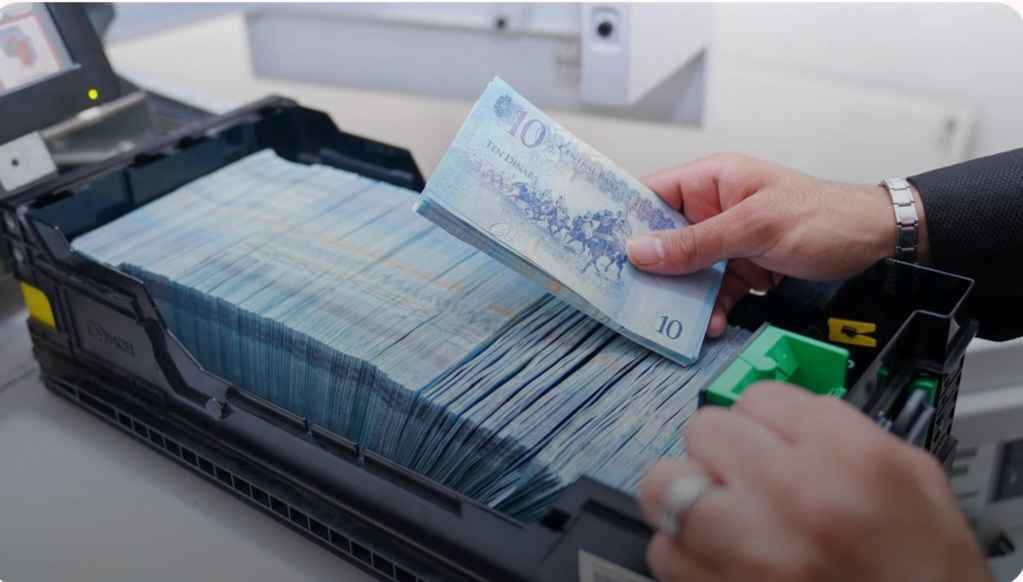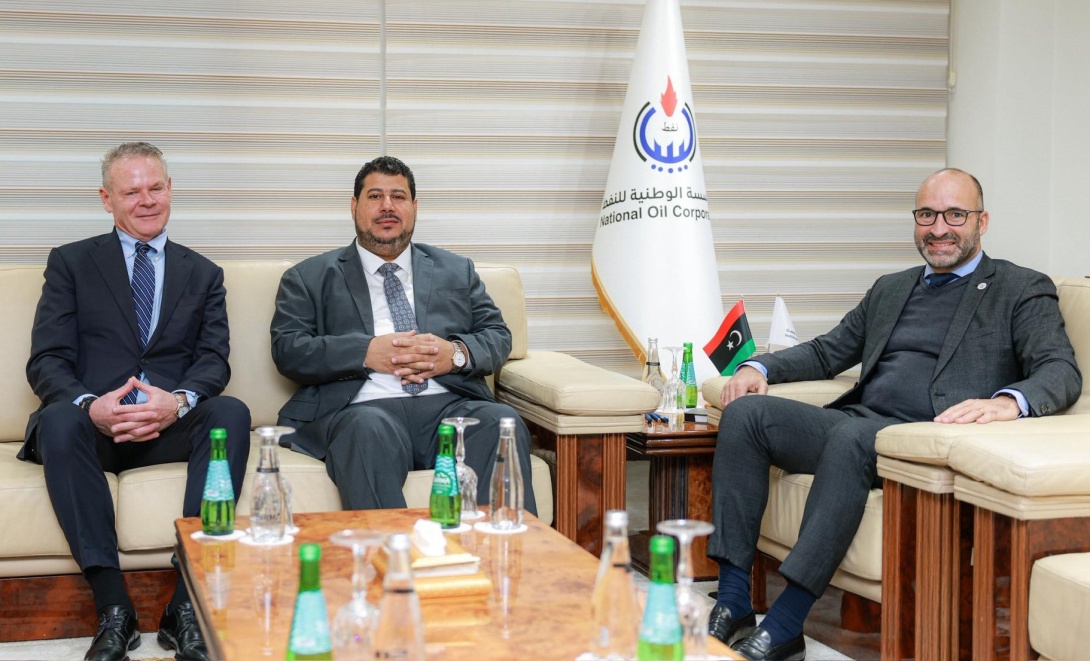
The Governor of Libya’s Central Bank has discussed efforts to stabilize the country’s economy with the European Union’s Ambassador to Libya, according to a post on social media platform X.
The talks reportedly focused on supporting economic reforms aimed at expanding trade and investment between Libya and Europe.
It was added that the Central Bank of Libya’s commitment to financial sustainability and inclusive development across the country was praised, with the EU reaffirming its support for the reform program through targeted technical assistance and capacity-building initiatives.
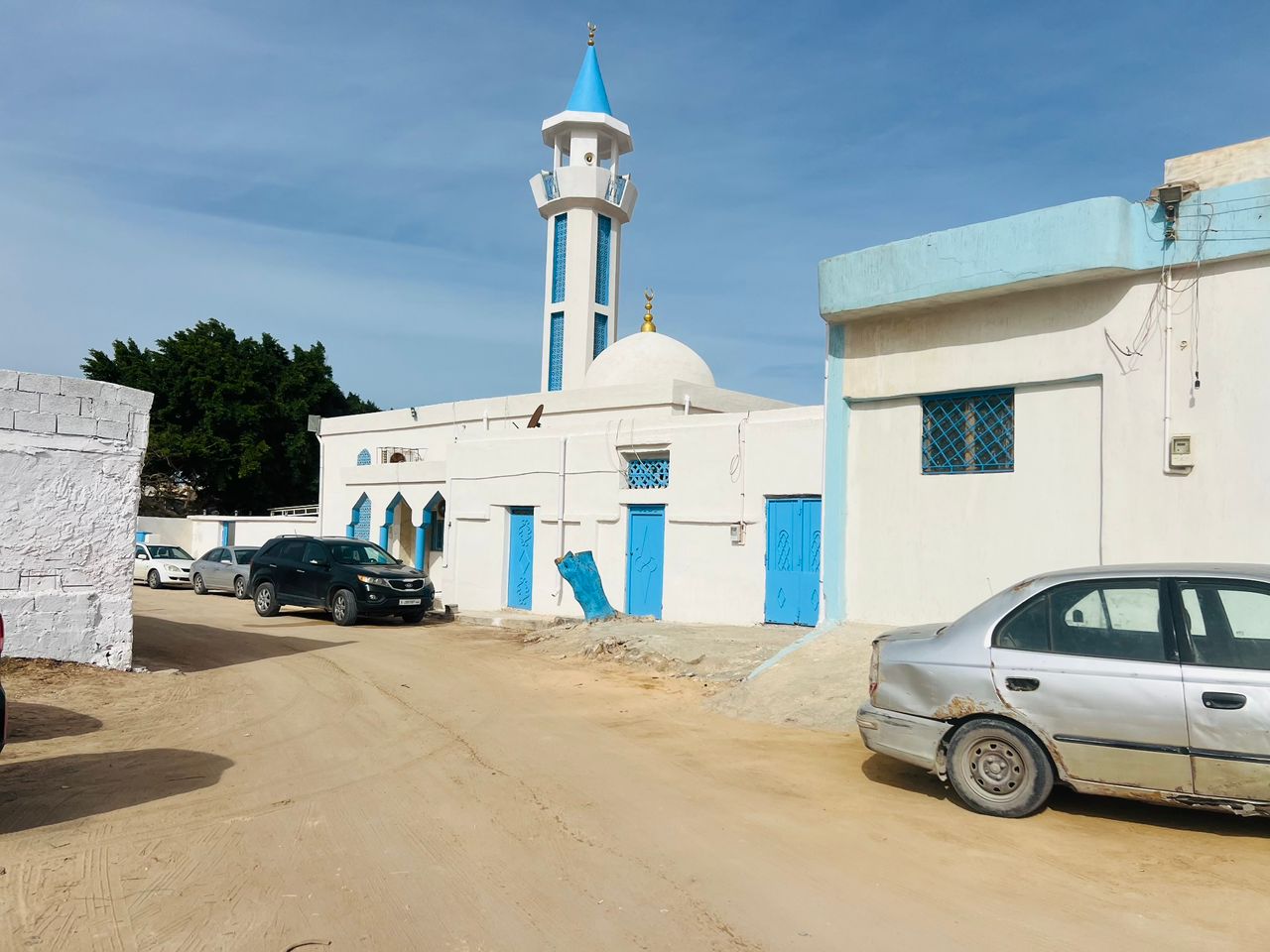
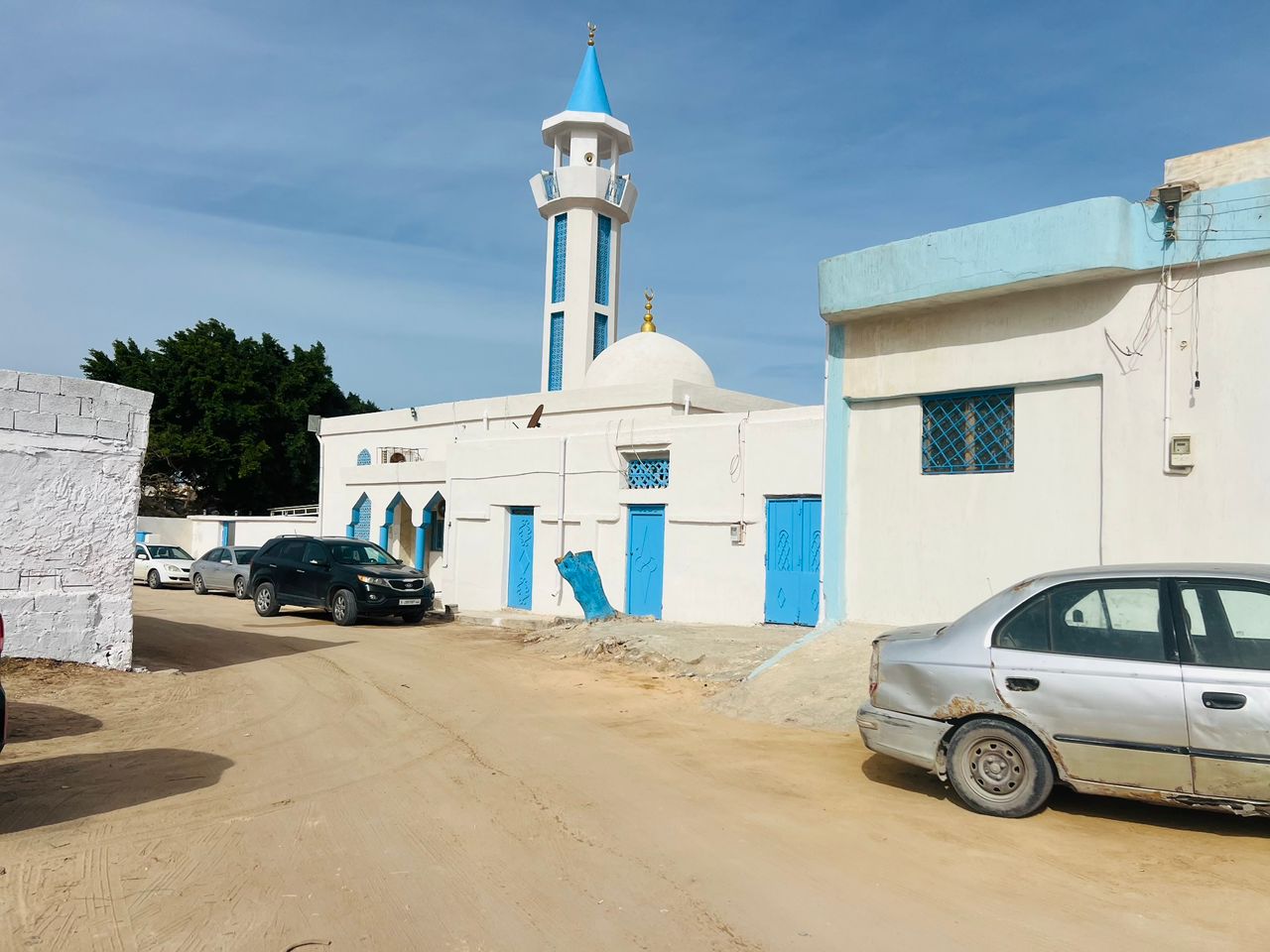
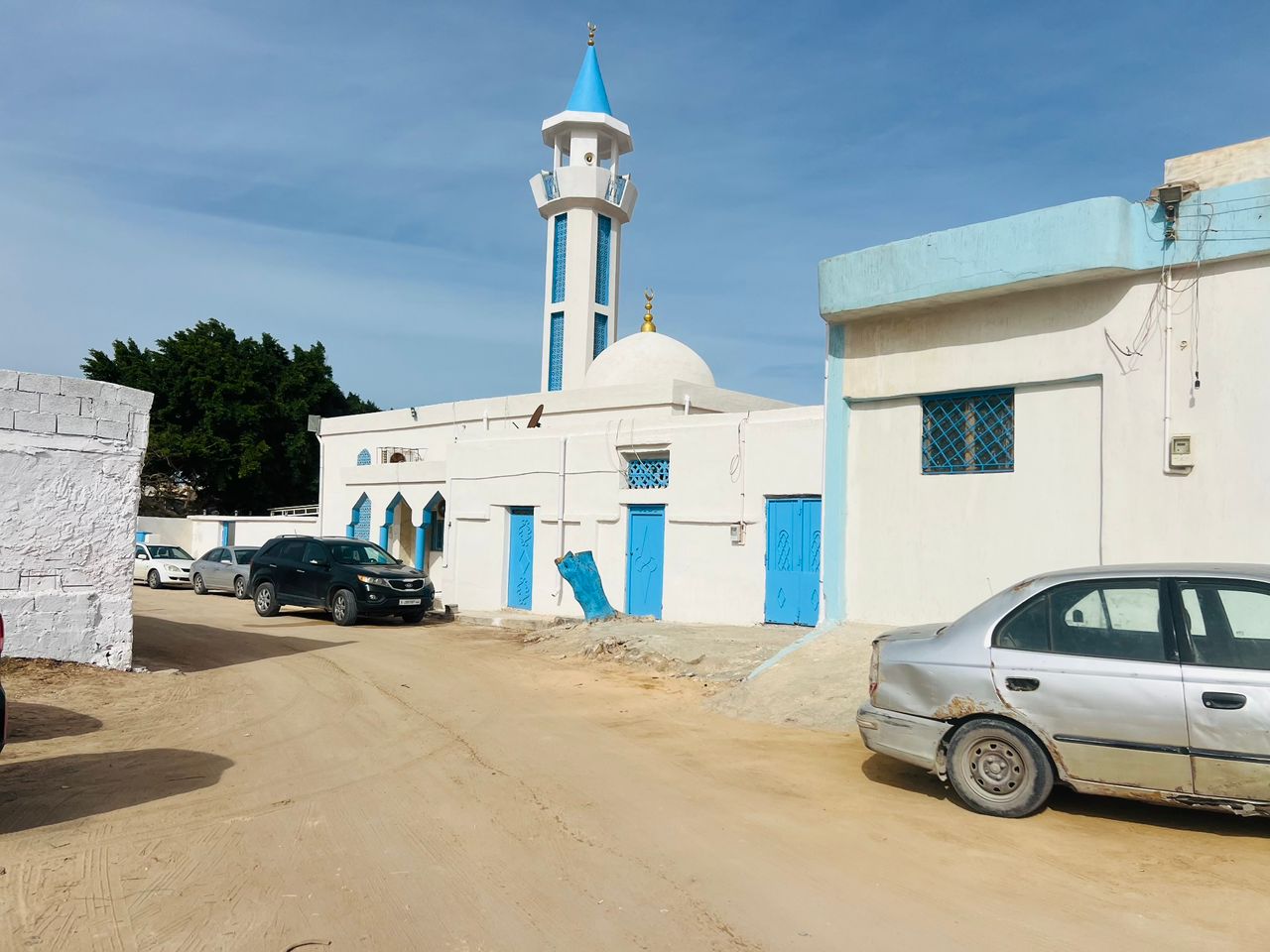
Libya
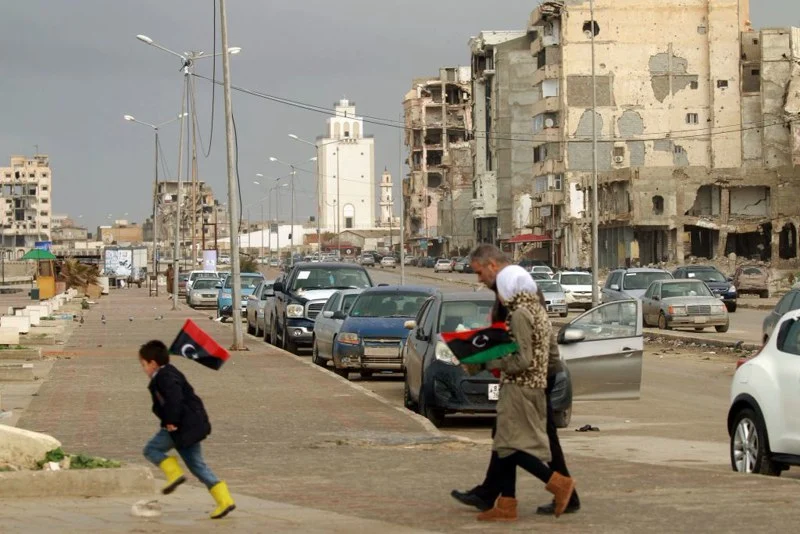
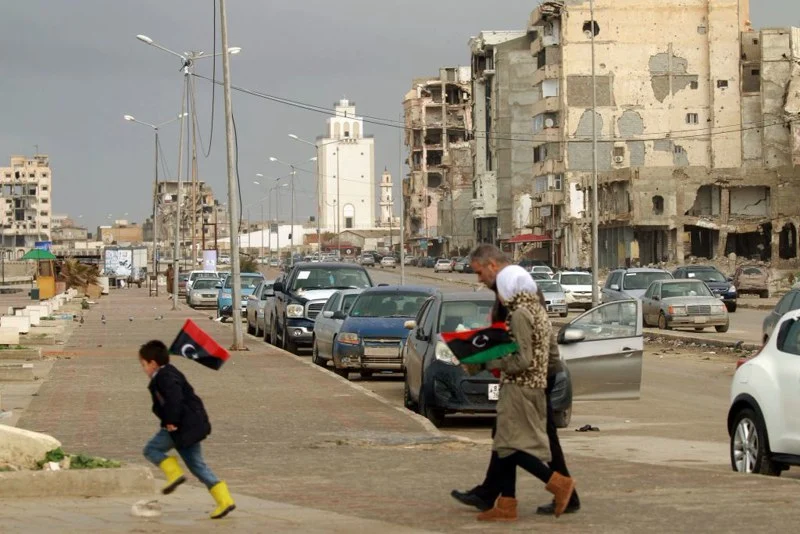
Libya is a North African country with a rich history rooted in ancient civilizations like the Phoenicians and Romans, followed by centuries of Arab and Ottoman influence. In the modern era, it was an Italian colony before gaining independence in 1951, later becoming known for Muammar Gaddafi’s lengthy rule from 1969 until the 2011 revolution. Its cultural sites include the well-preserved Roman ruins of Leptis Magna, a UNESCO World Heritage site.
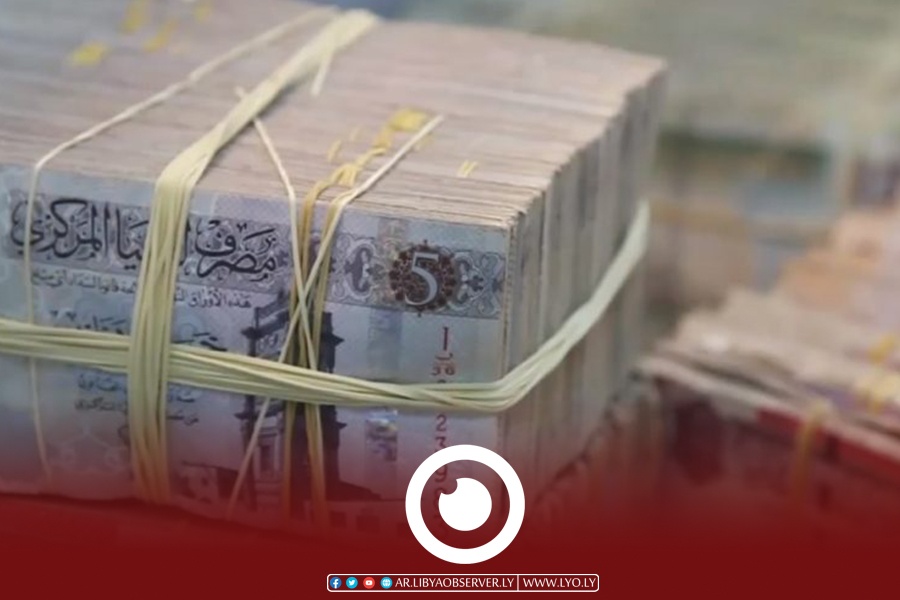
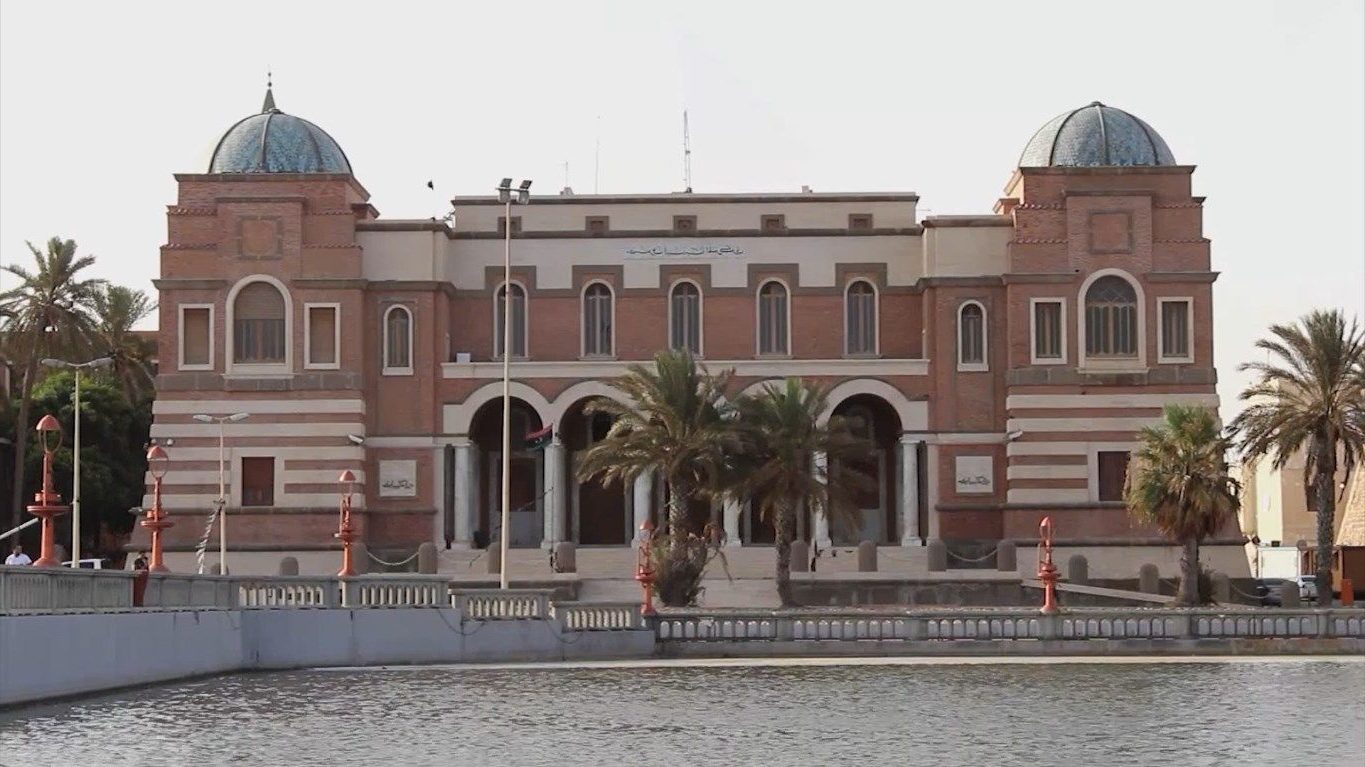
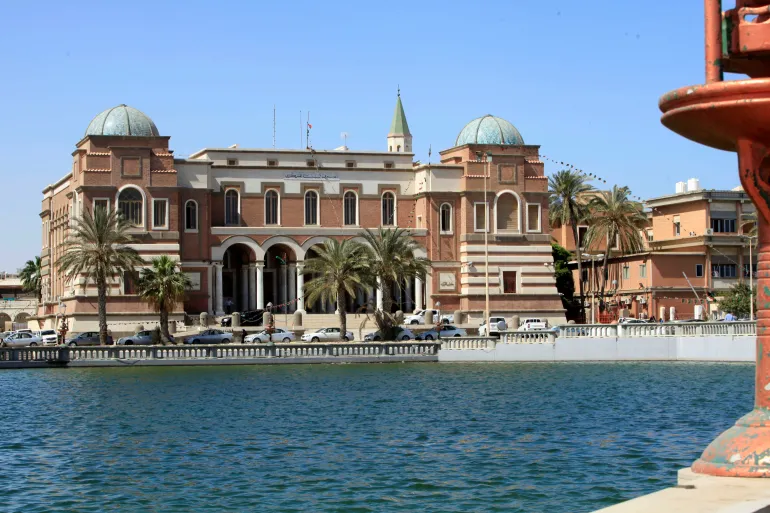
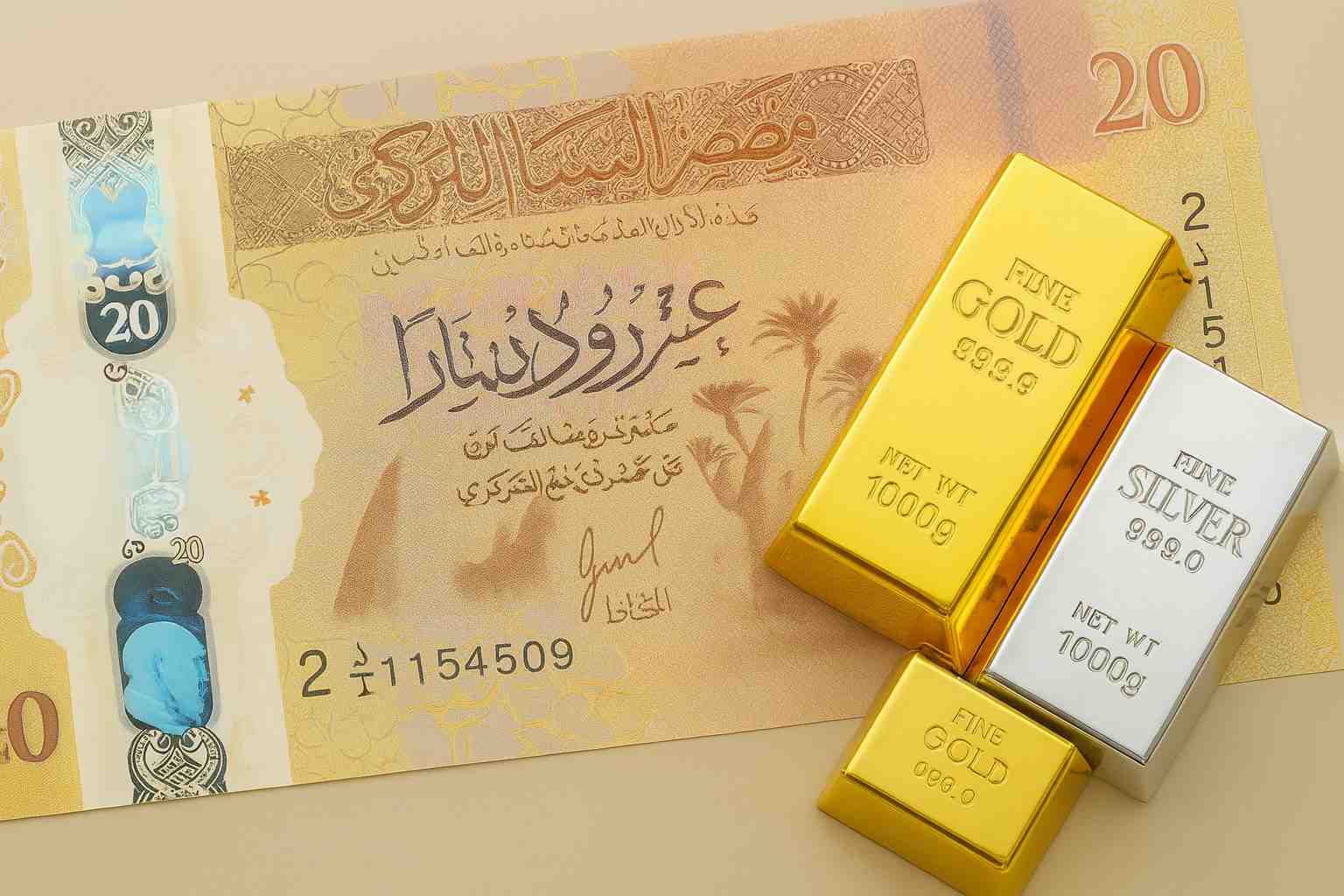
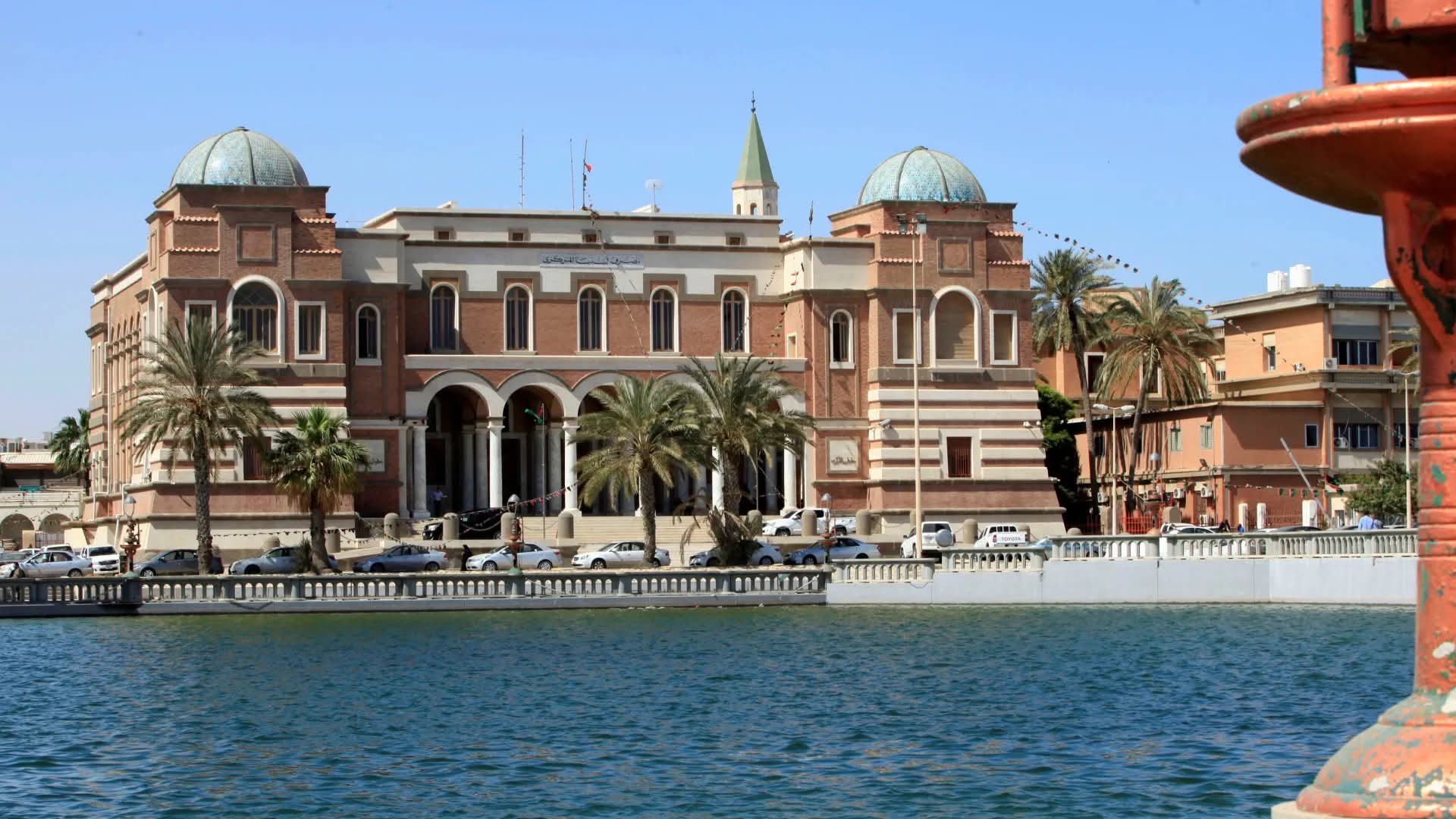
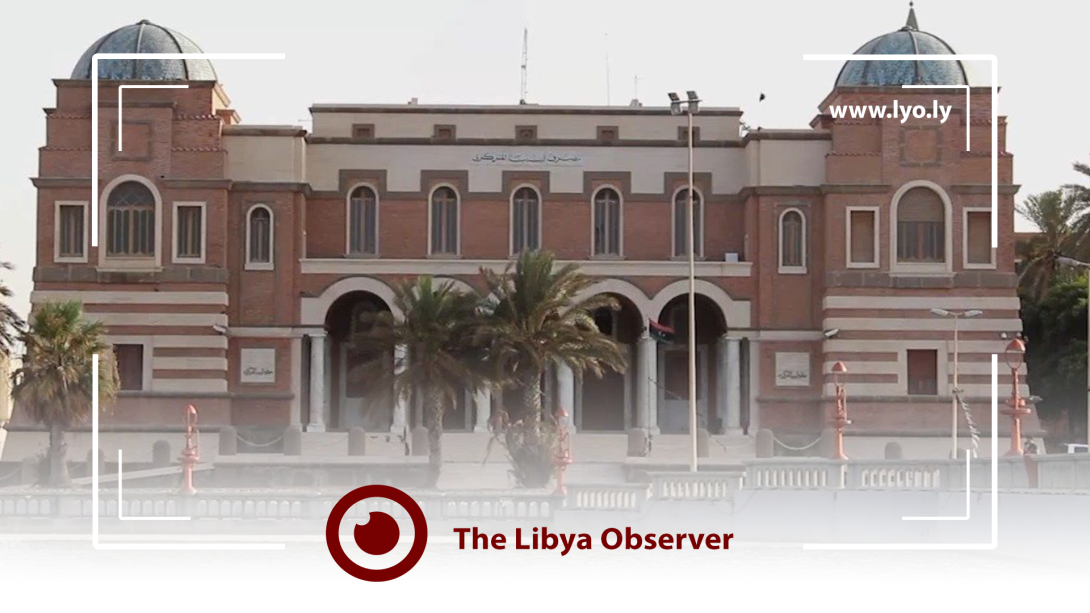
Central Bank of Libya
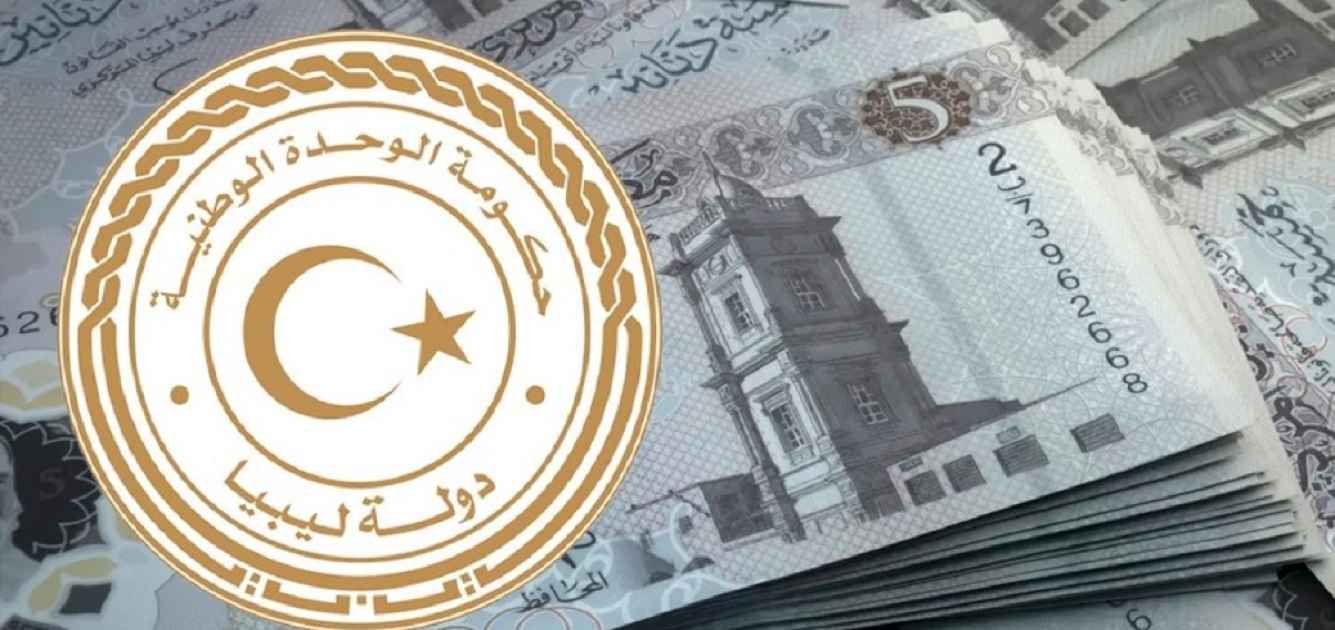
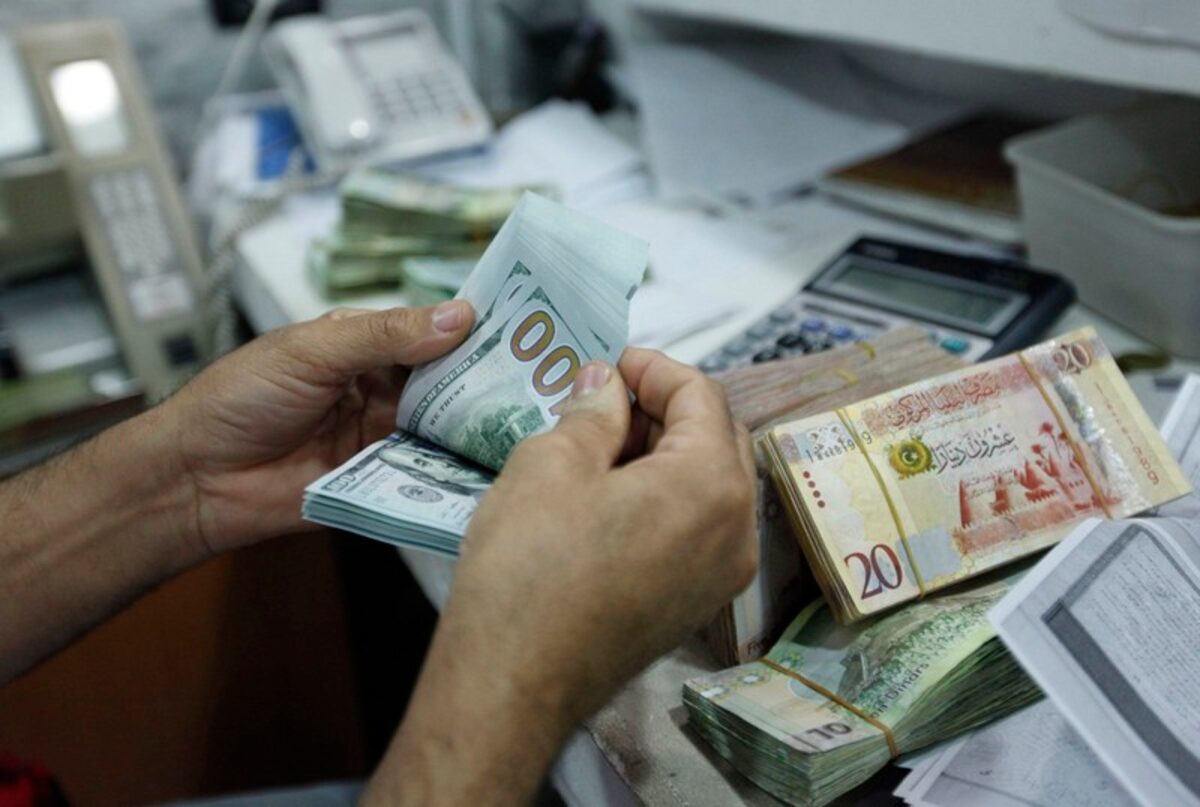
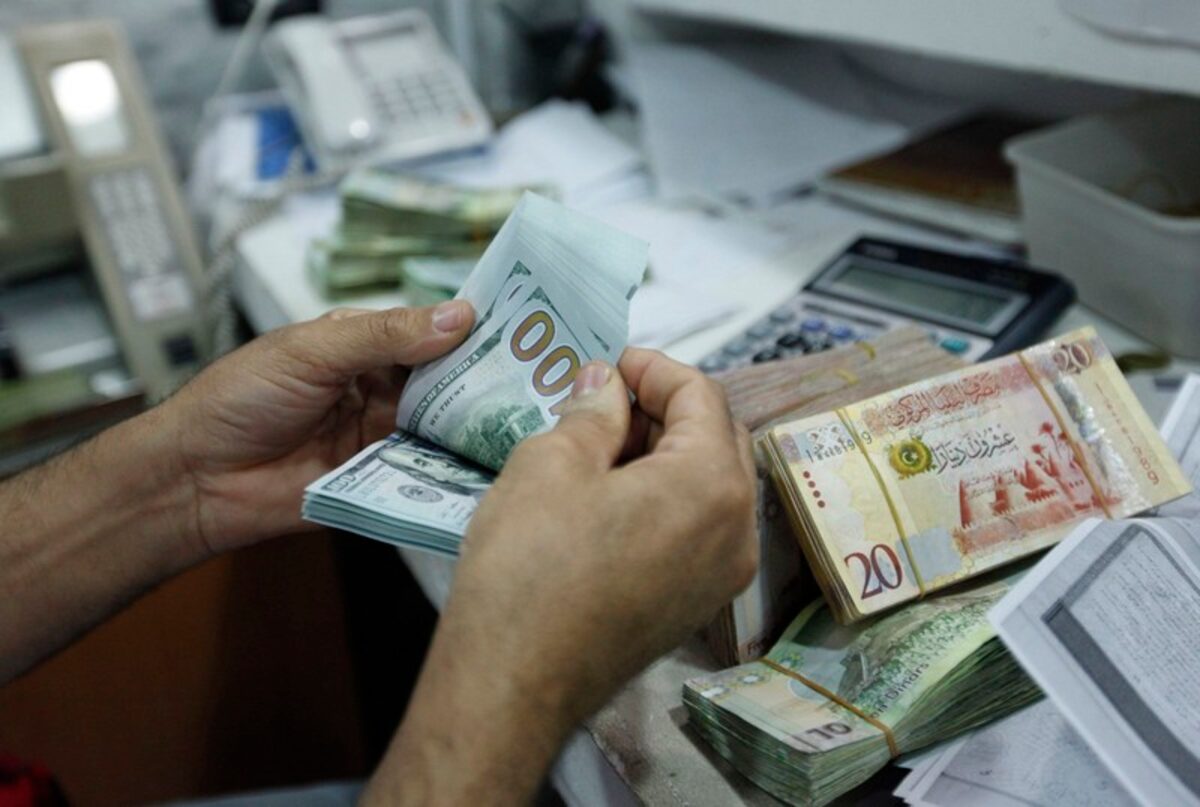
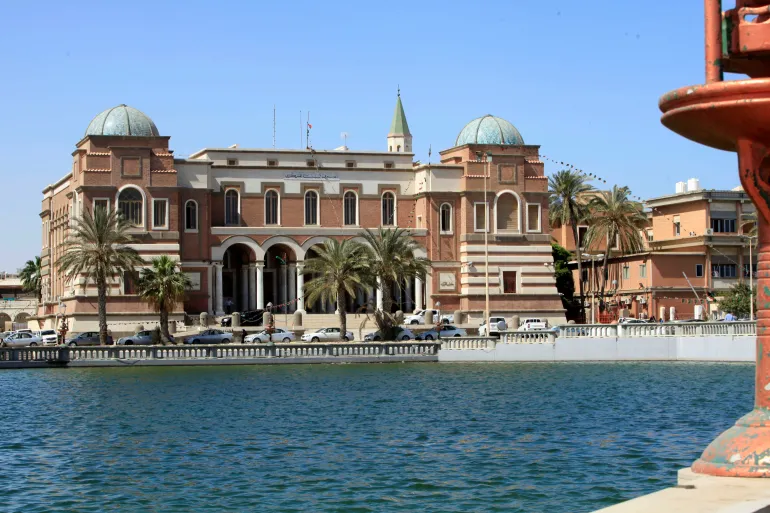
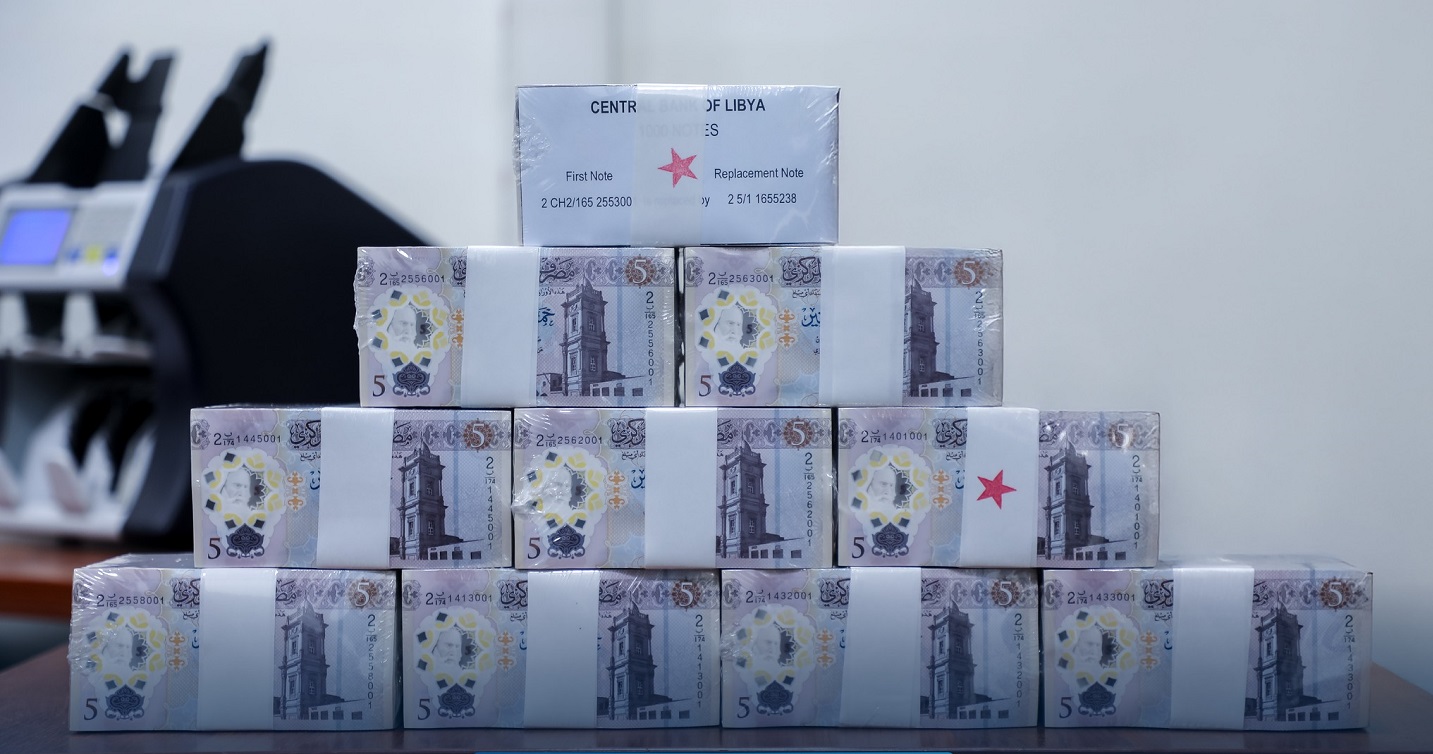
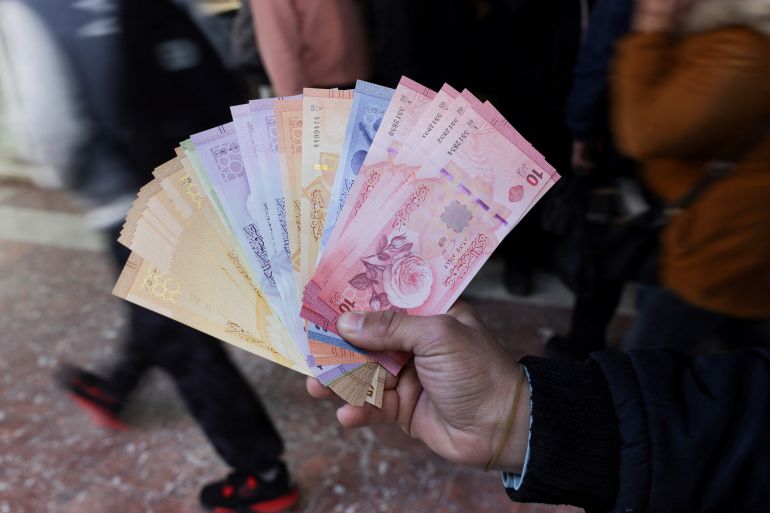
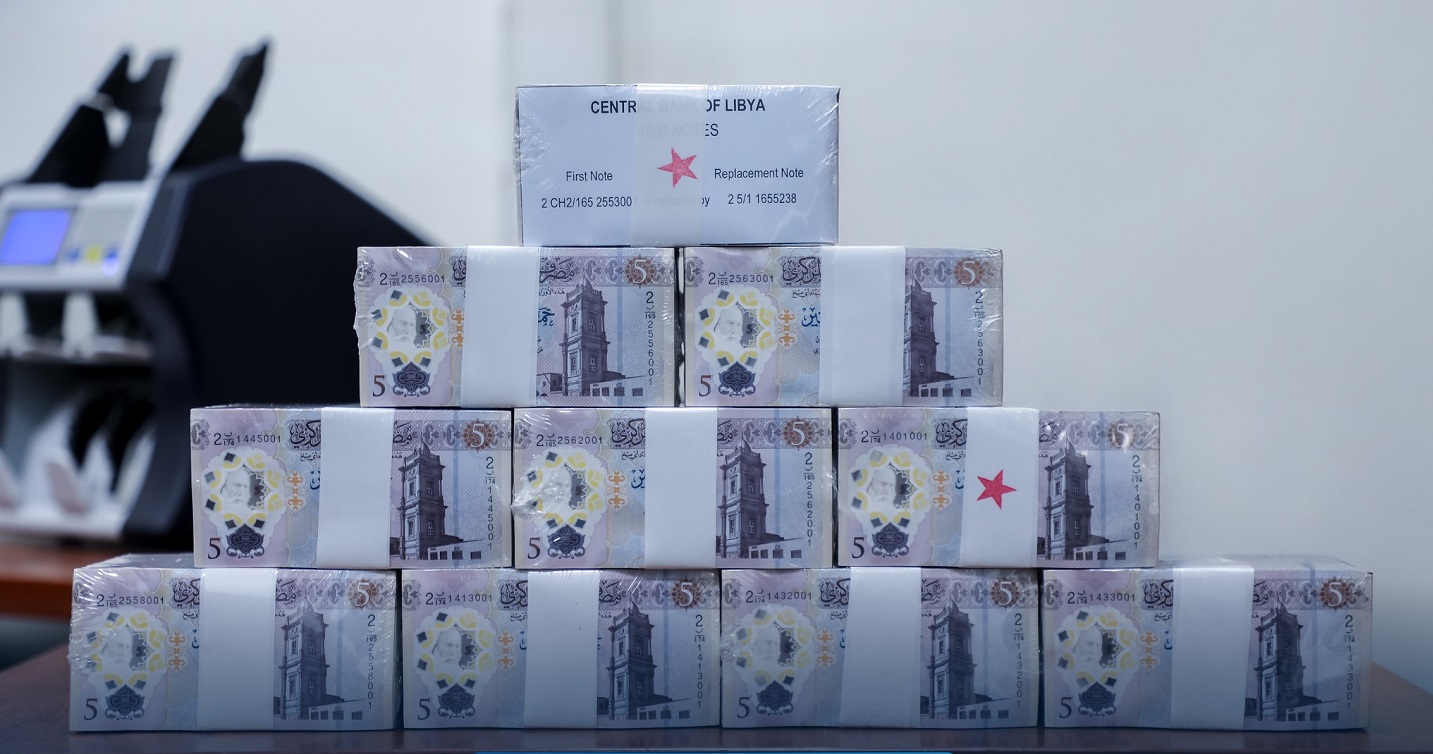
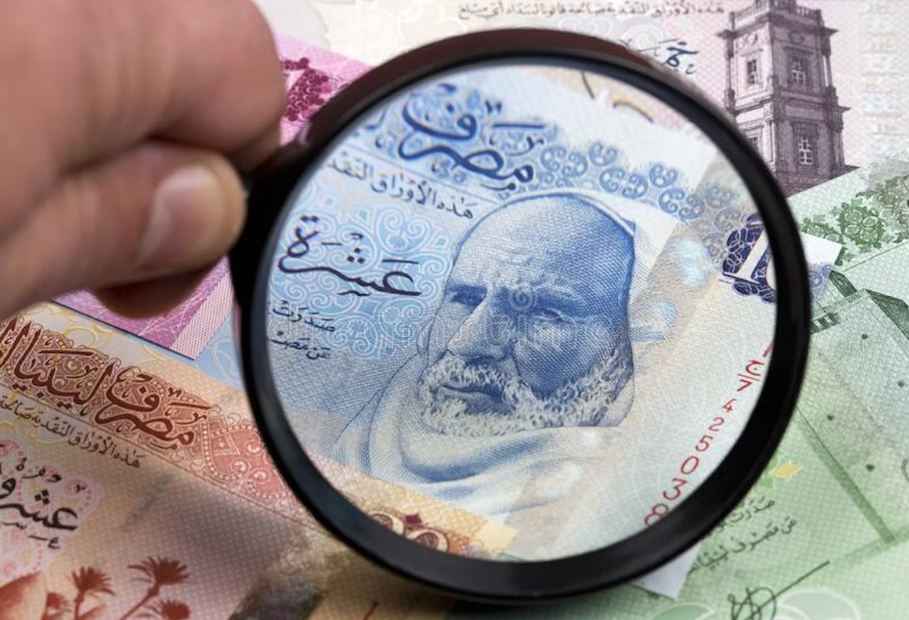
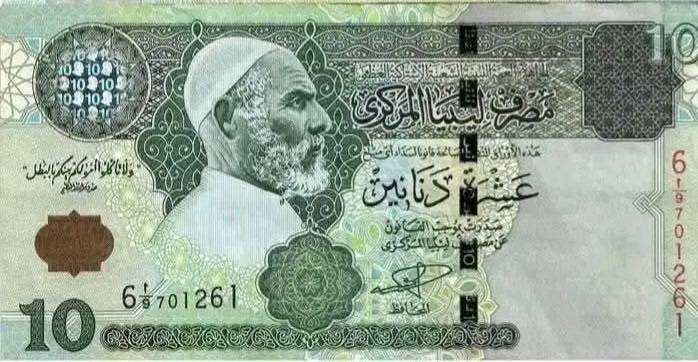
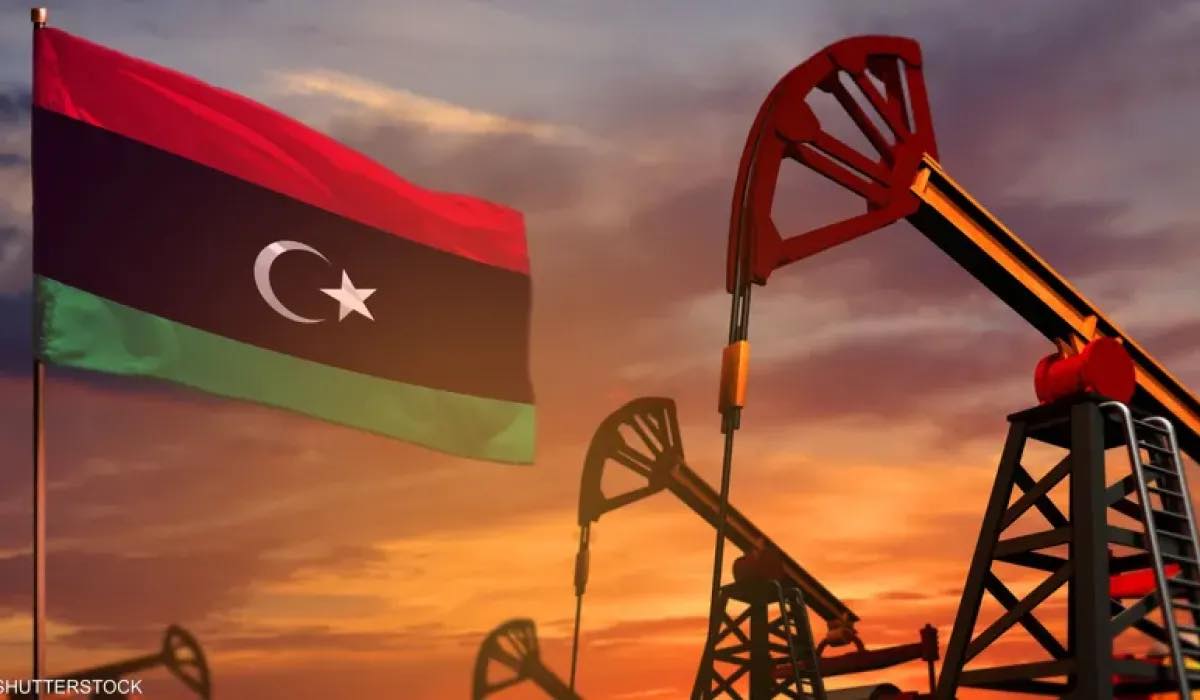
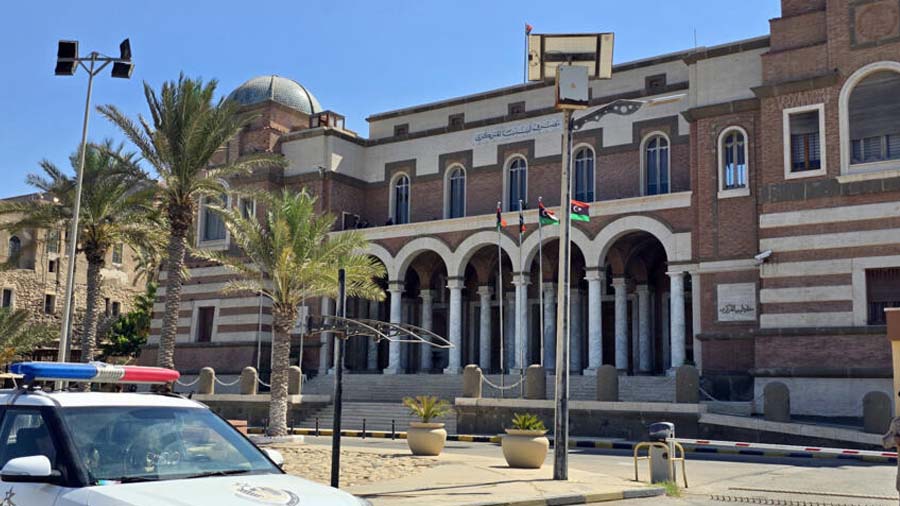
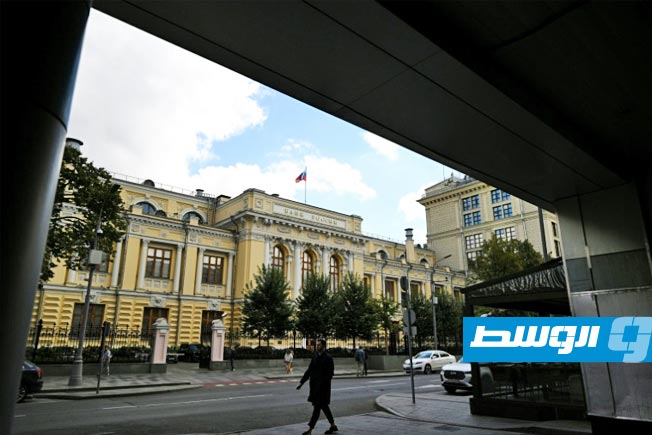
The Central Bank of Libya is the primary monetary authority of Libya, established in 1956 to issue currency and manage the country’s financial reserves. Its history has been deeply affected by political conflict, particularly since 2011, leading to a prolonged period where rival administrations in the east and west of the country have claimed control over the institution and Libya’s vital oil revenues.
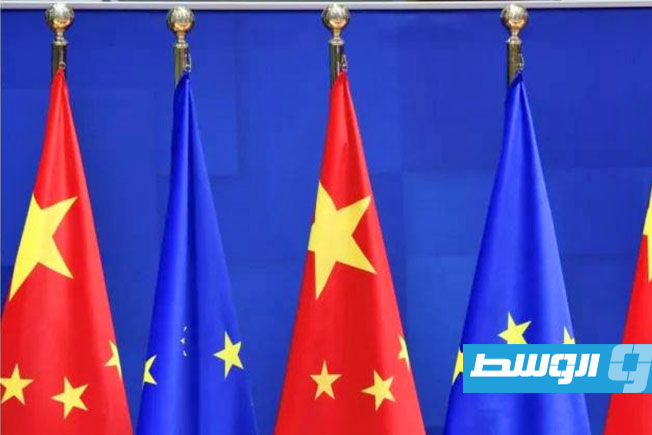
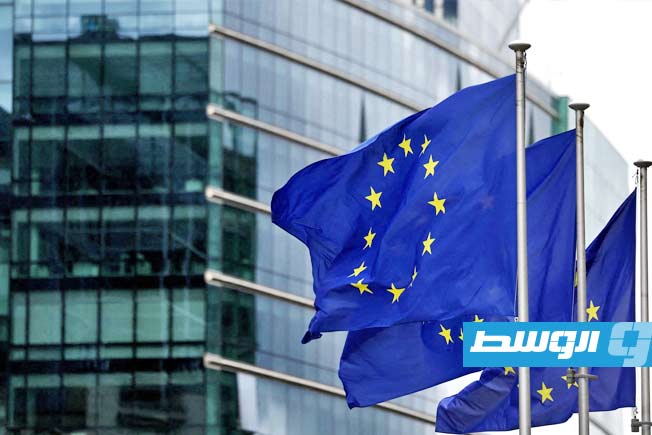
European Union
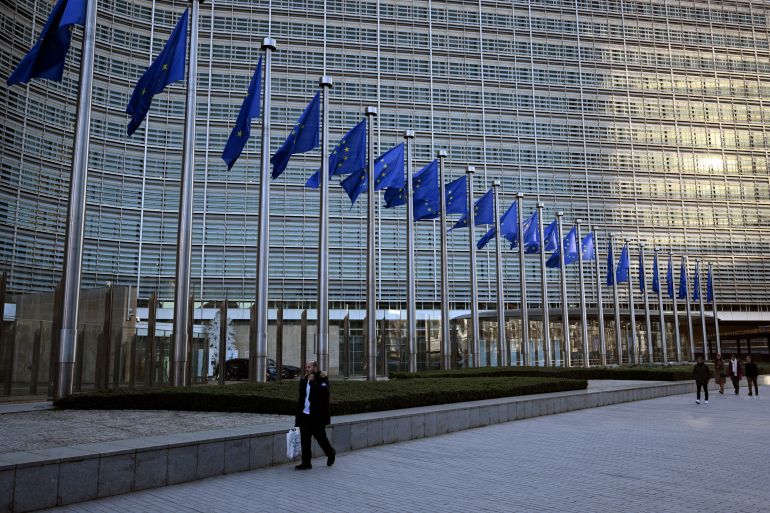
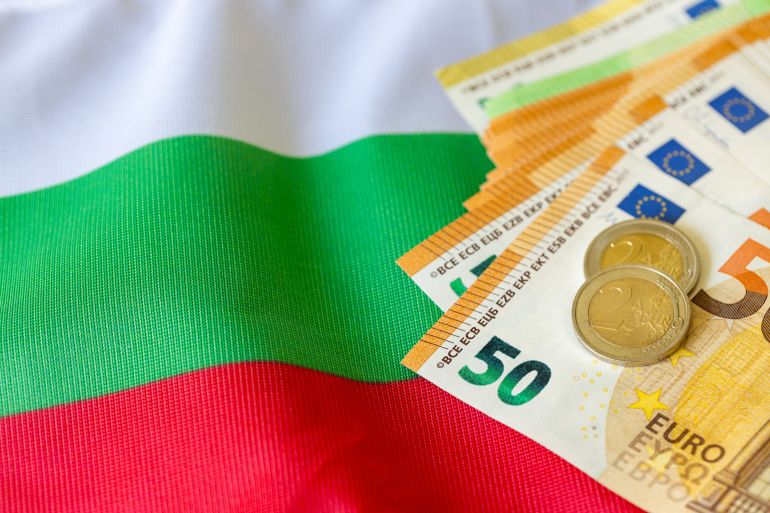
The European Union (EU) is a political and economic union of 27 European countries, founded after World War II to foster economic cooperation and prevent future conflict. Its origins trace to the 1951 European Coal and Steel Community, which evolved through key treaties into a single market with common policies and a shared currency, the euro, used by 20 member states.
Europe
Europe is a continent with a rich and complex history, shaped by ancient civilizations like Greece and Rome, the medieval period, the Renaissance, and the transformative events of the Industrial Revolution and two World Wars. Culturally, it is renowned for its diverse array of artistic movements, architectural landmarks, and influential philosophical and political ideas. Today, it is home to numerous UNESCO World Heritage Sites and is a major center for global culture, politics, and economics.