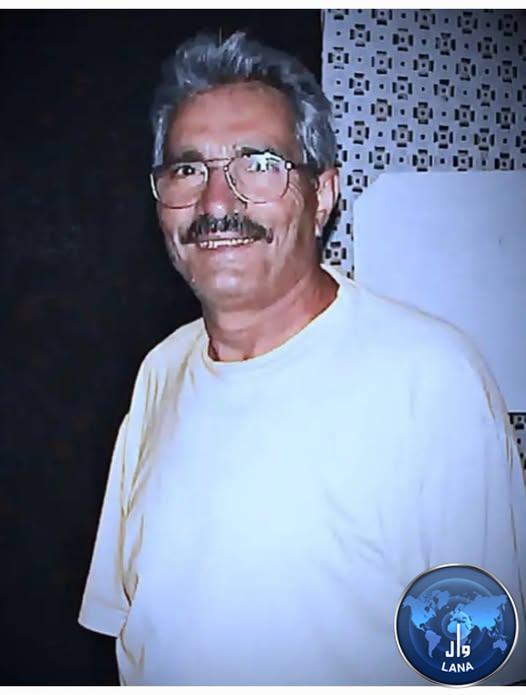
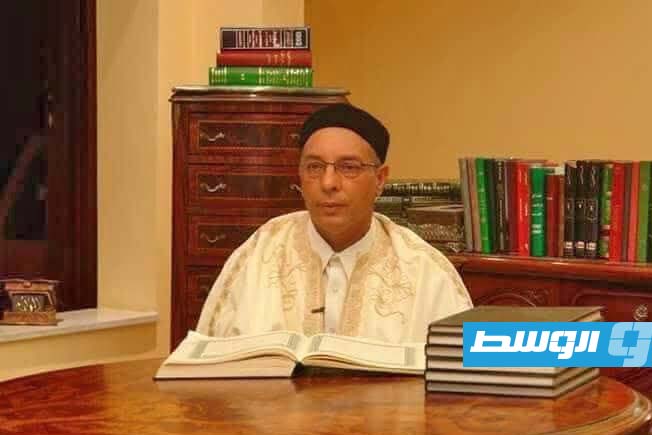
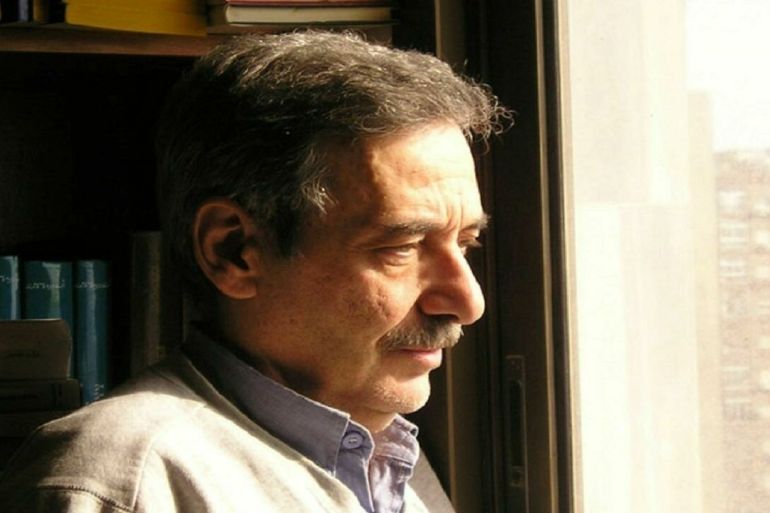
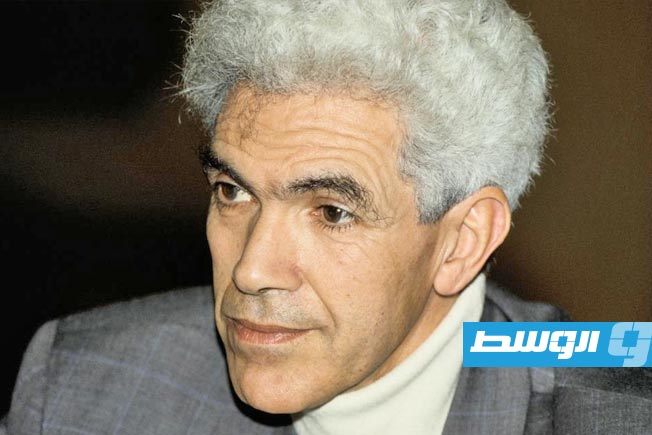
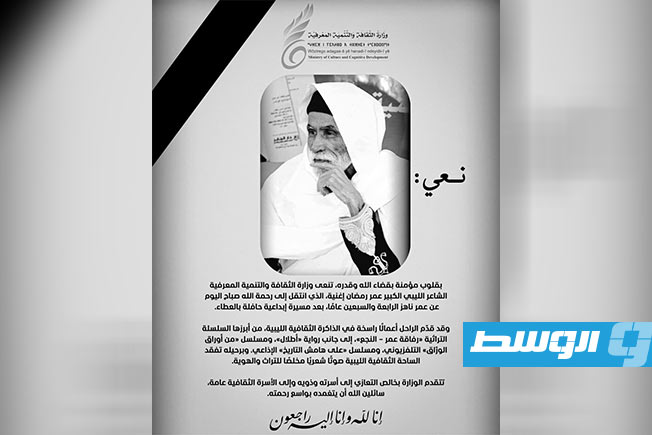
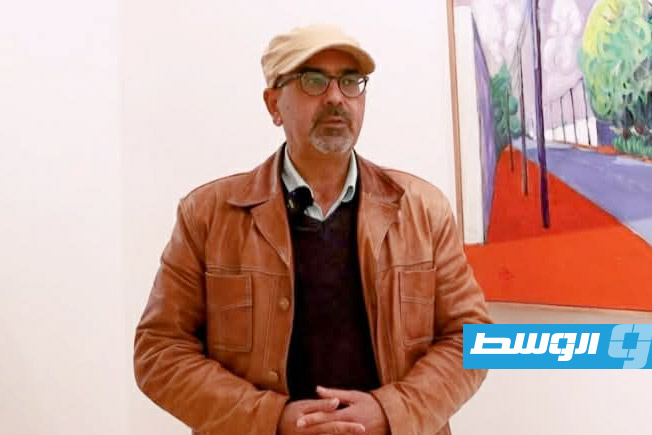
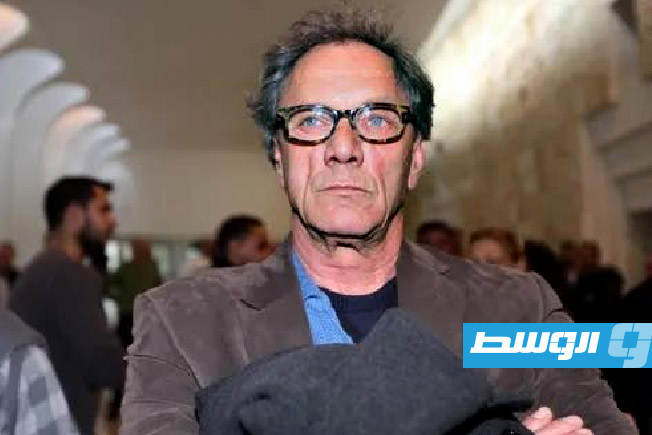
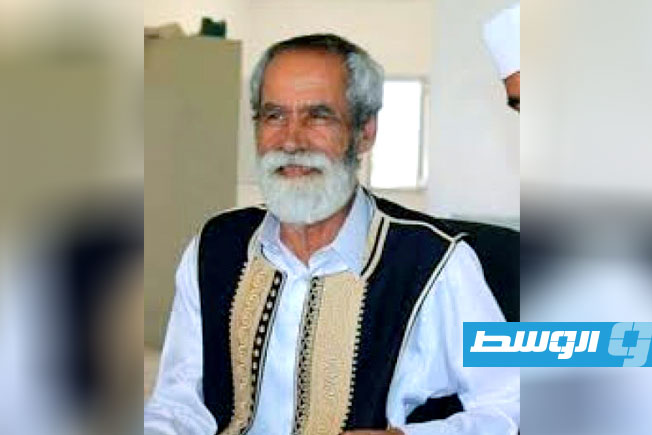
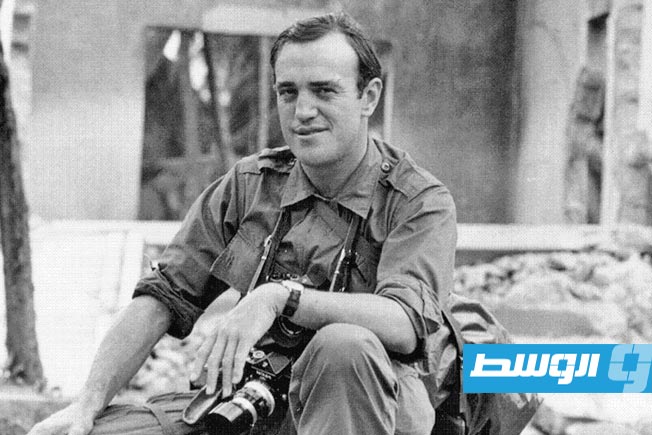
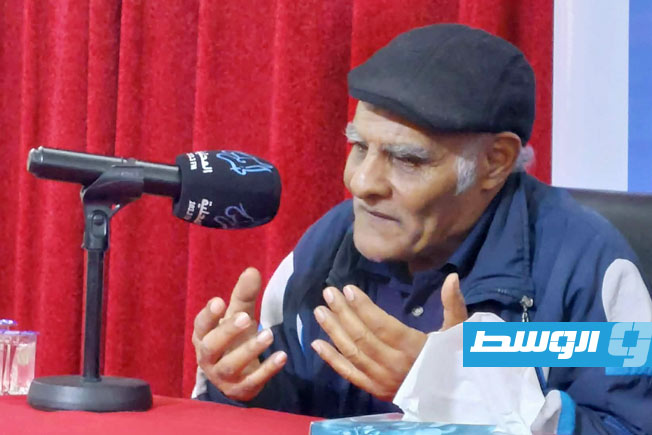
The Libyan International University and academic and medical circles in Libya mourned Professor Dr. Al-Sadiq Ahmed Makhlouf Al-Warfali, who passed away on Sunday at the age of 88, after a journey filled with exceptional contributions, leaving behind a medical and artistic legacy that will remain etched in the nation’s memory.
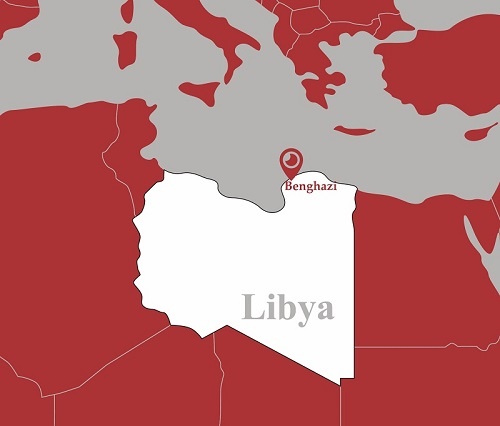
Professor Makhlouf, born in the city of Benghazi in 1937 on “Al-Shuwaikhat Street,” is considered one of the fundamental pillars upon which modern medicine in Libya was built.
His journey began at “Al-Ameer” school, then moved to “Cairo University” where he earned a Bachelor’s degree in Medicine and Surgery with distinction in 1963. He later specialized in orthopedic surgery, earning a Doctorate in 1980, in addition to a precise Master’s degree in fracture fixation from Switzerland.
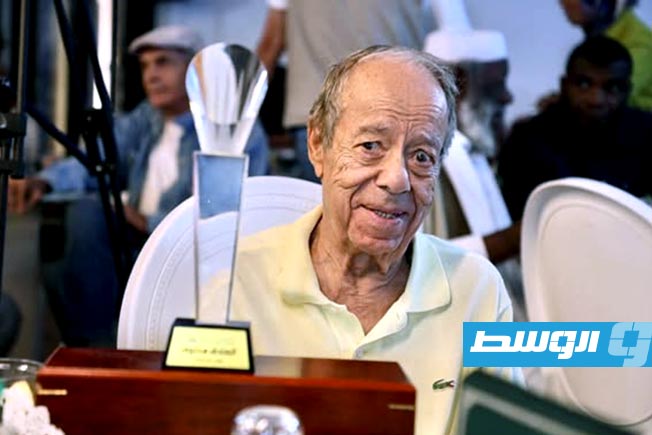
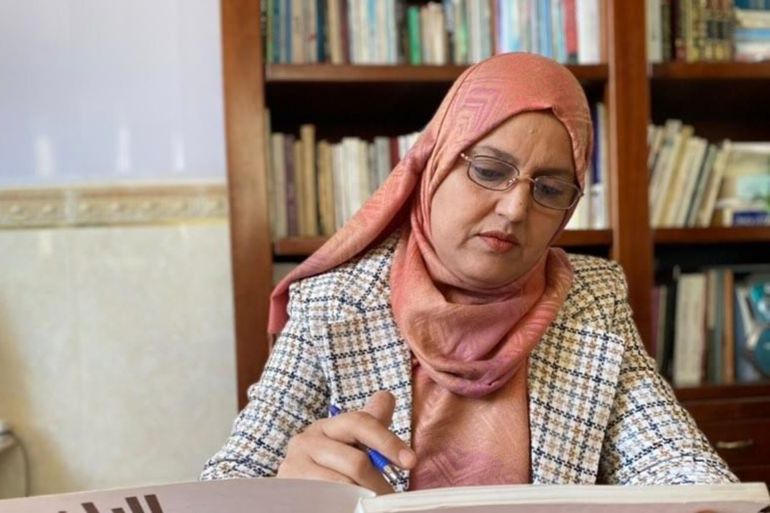
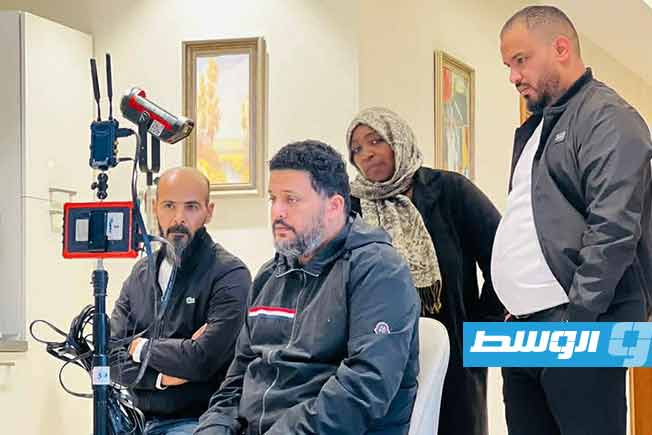
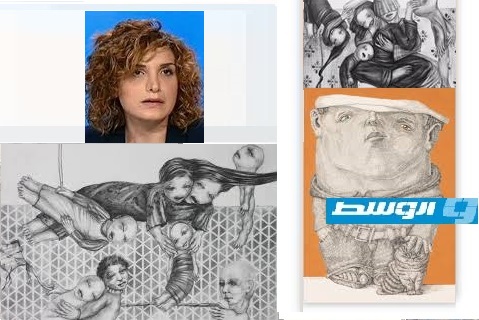
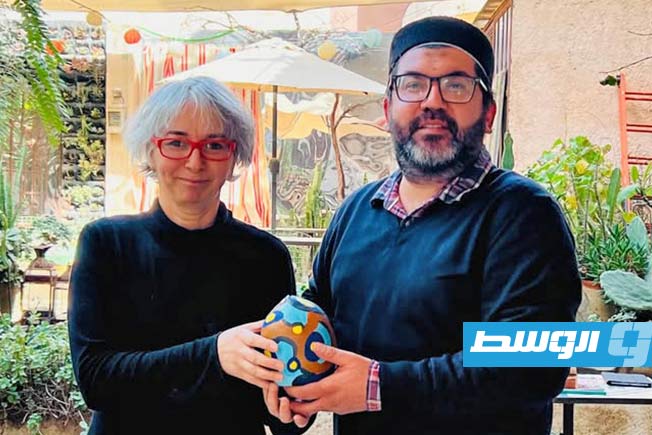
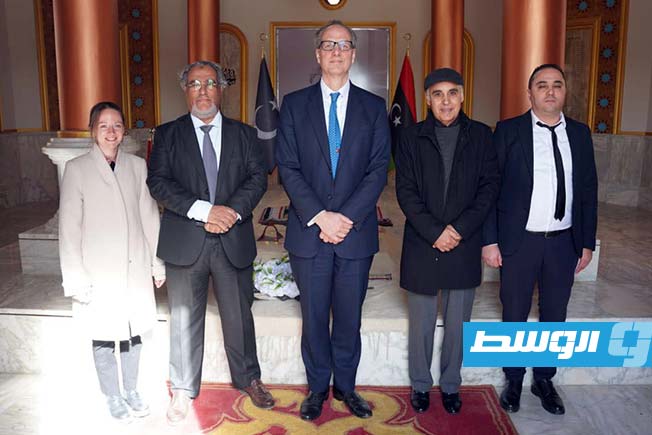
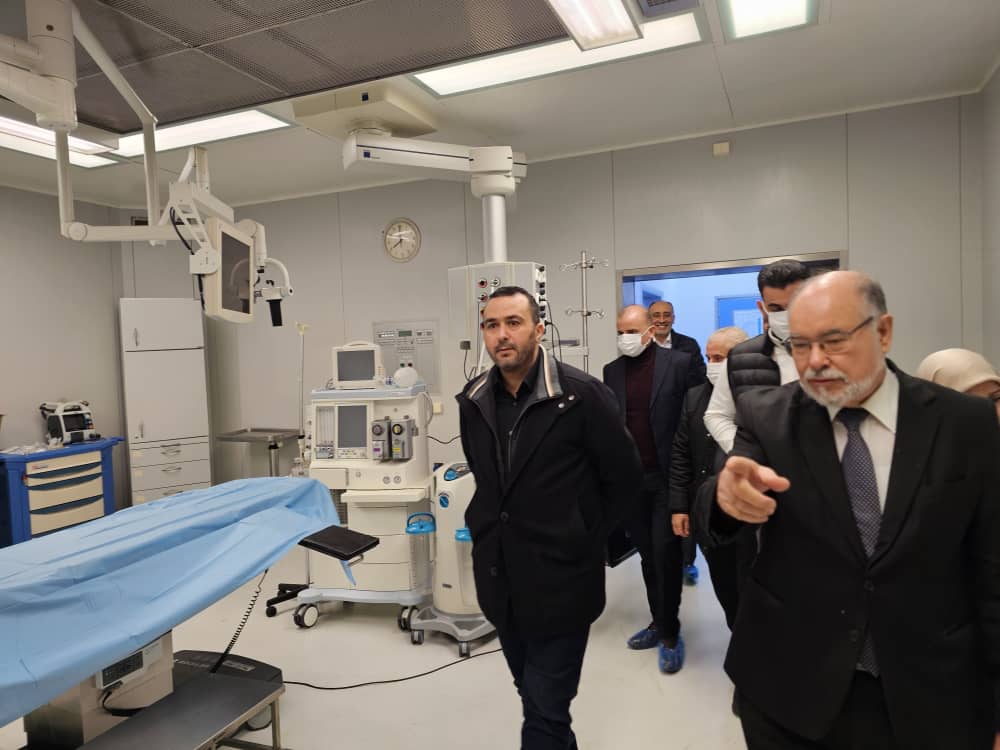
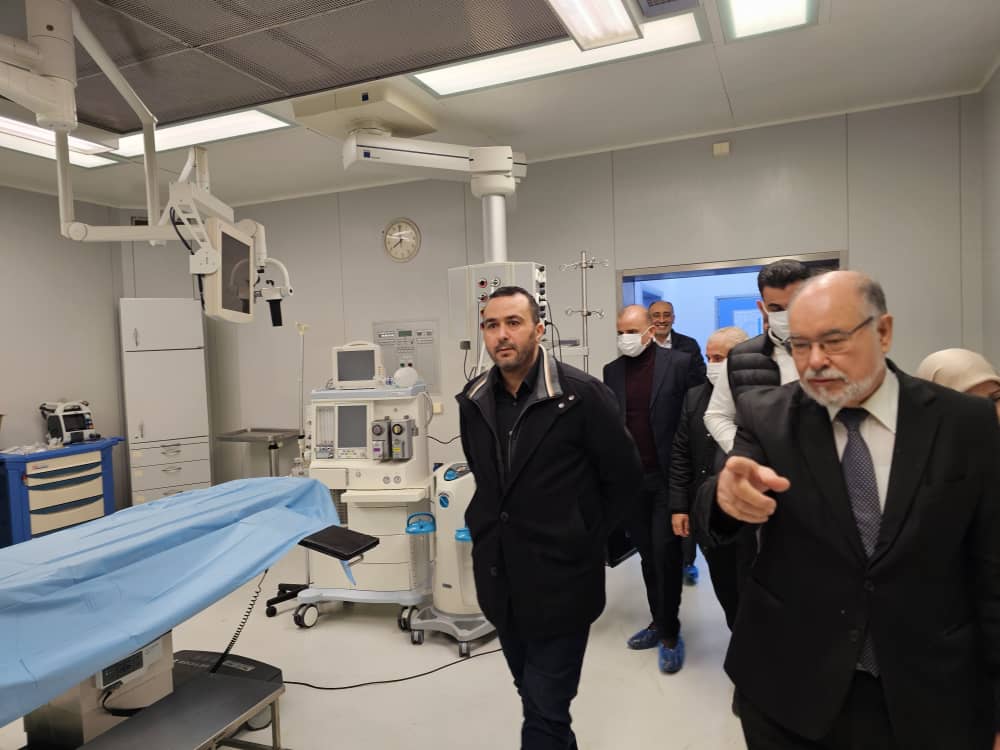
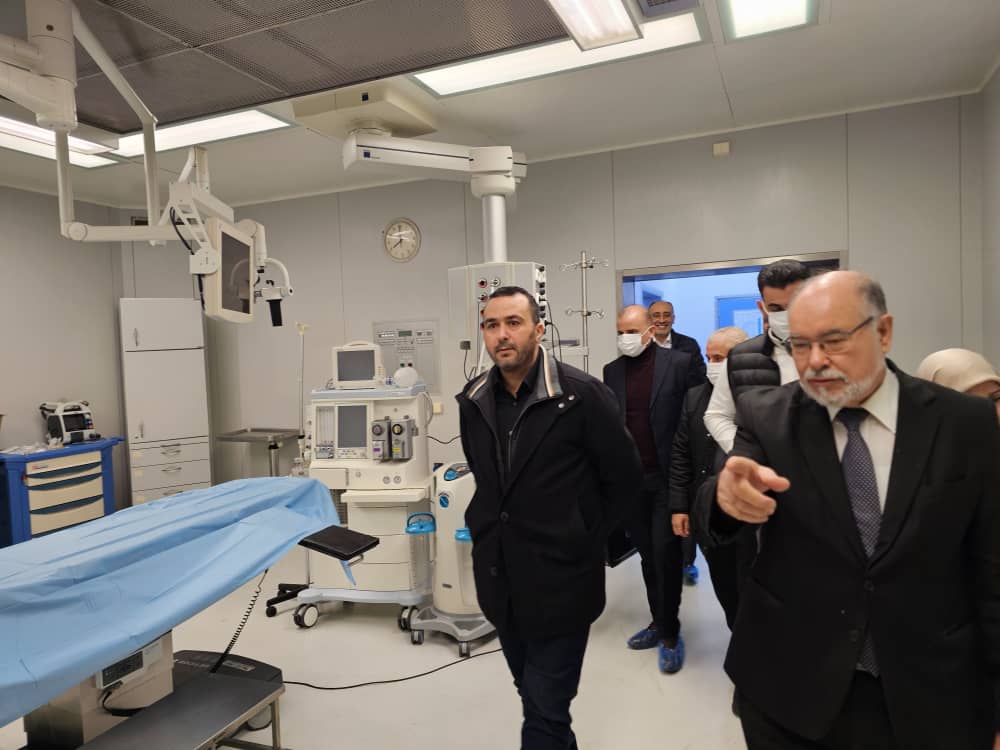
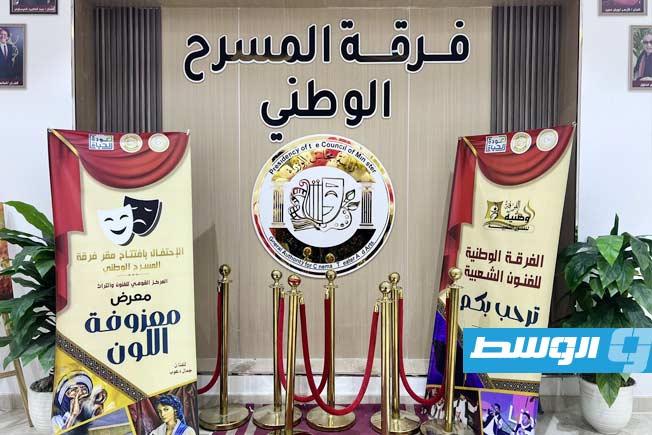
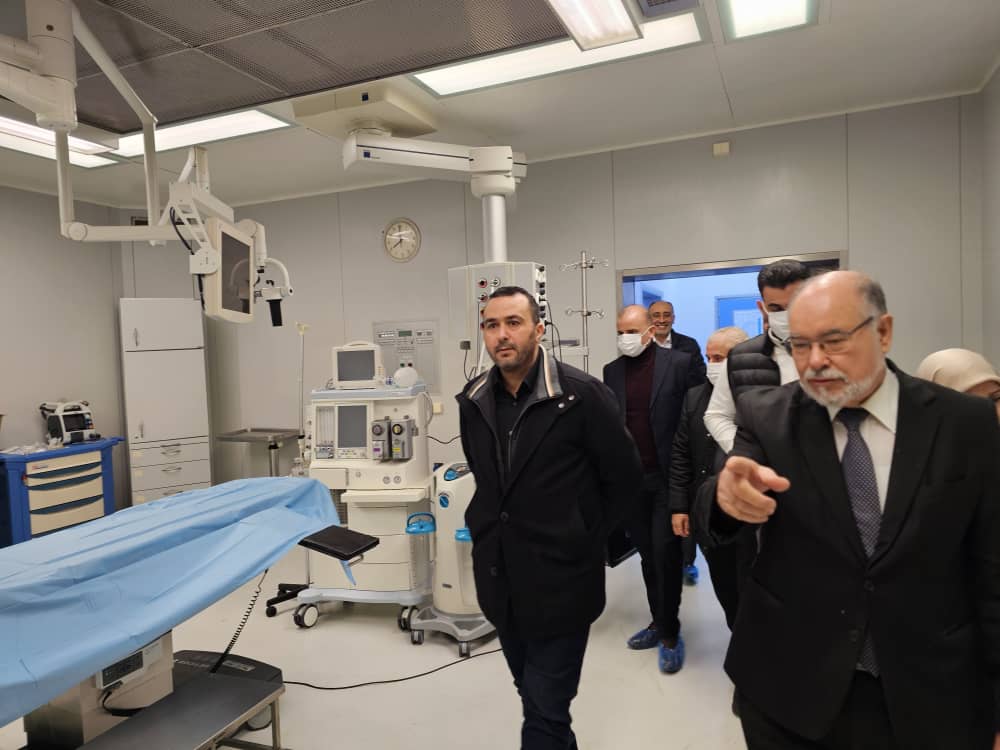
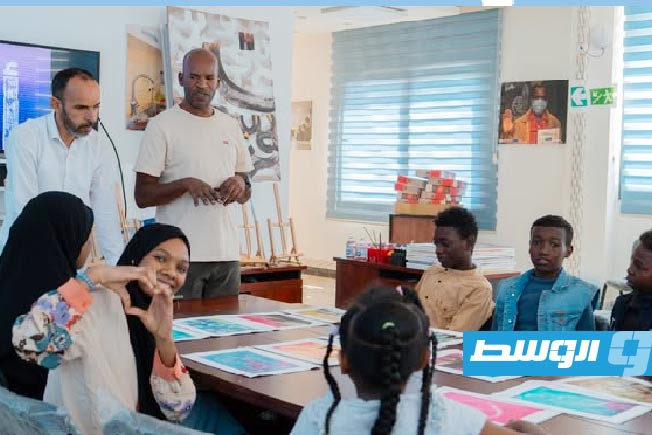
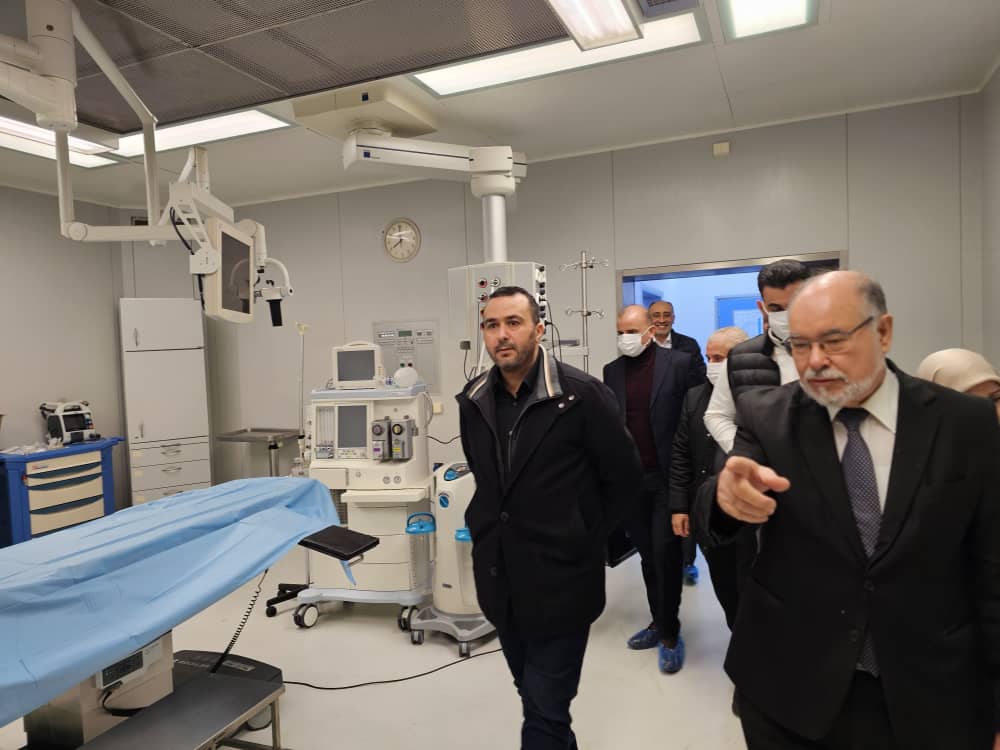
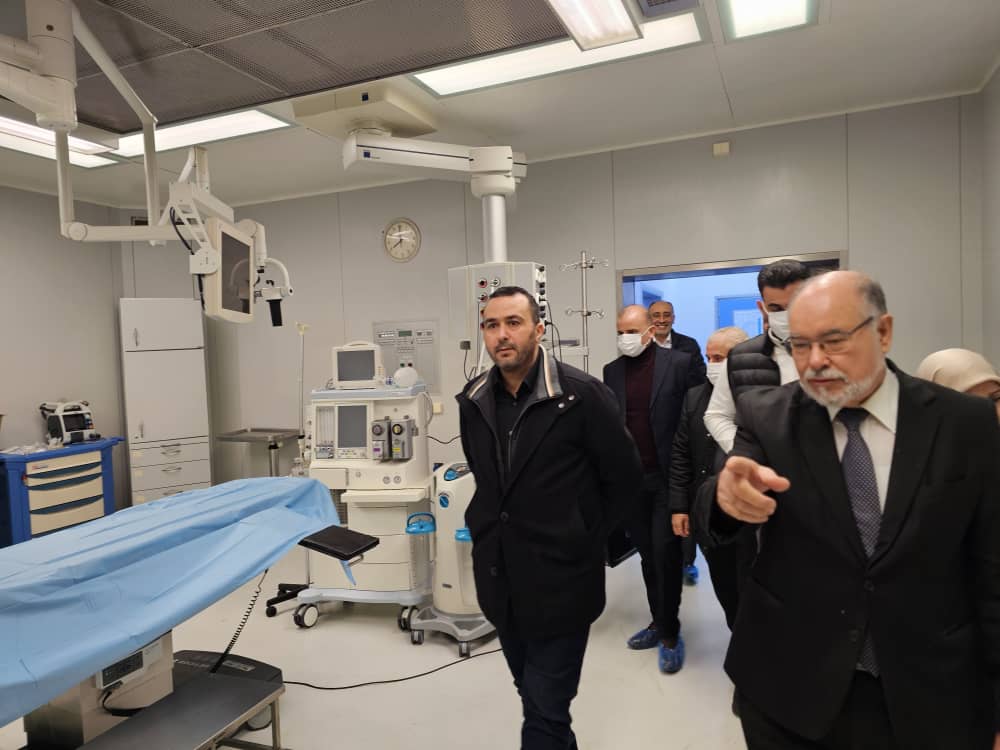
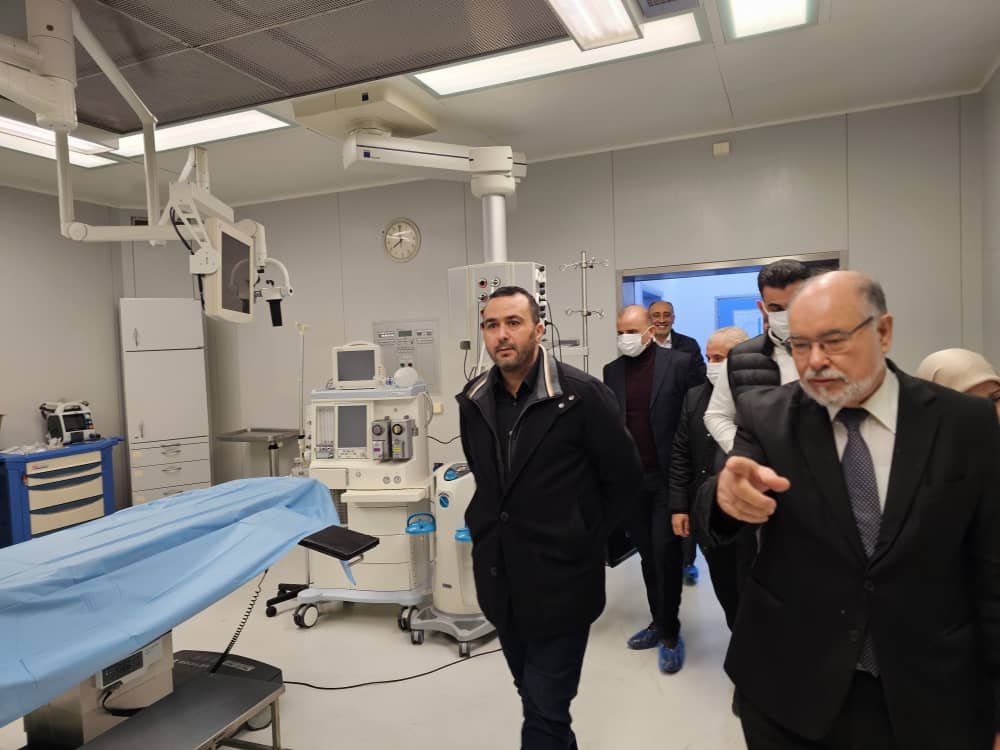
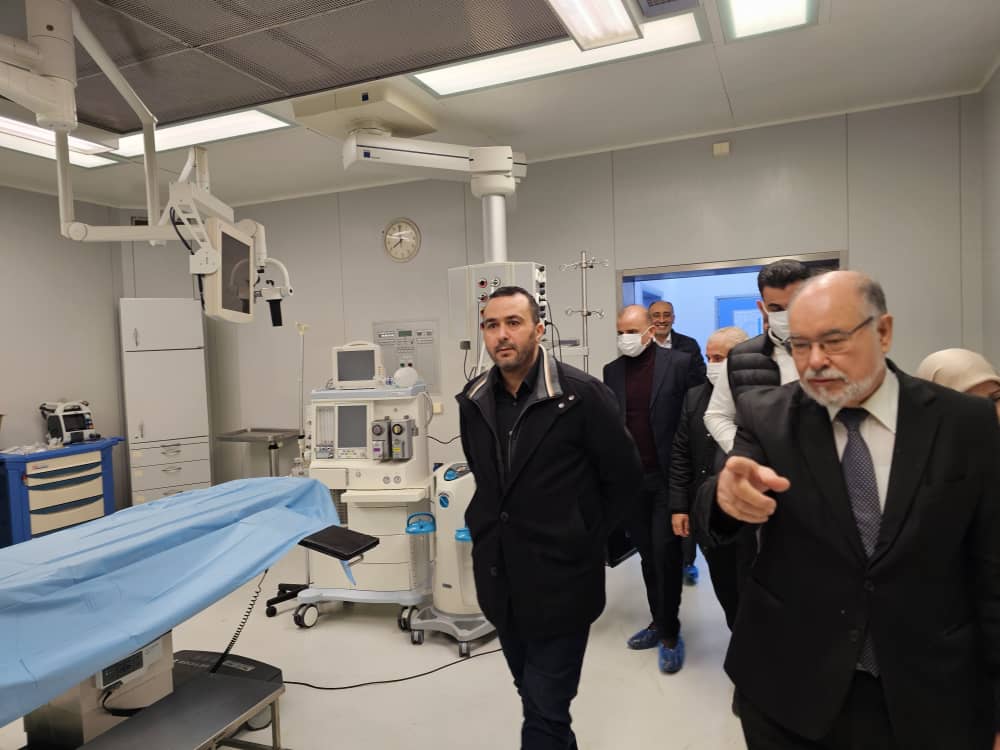
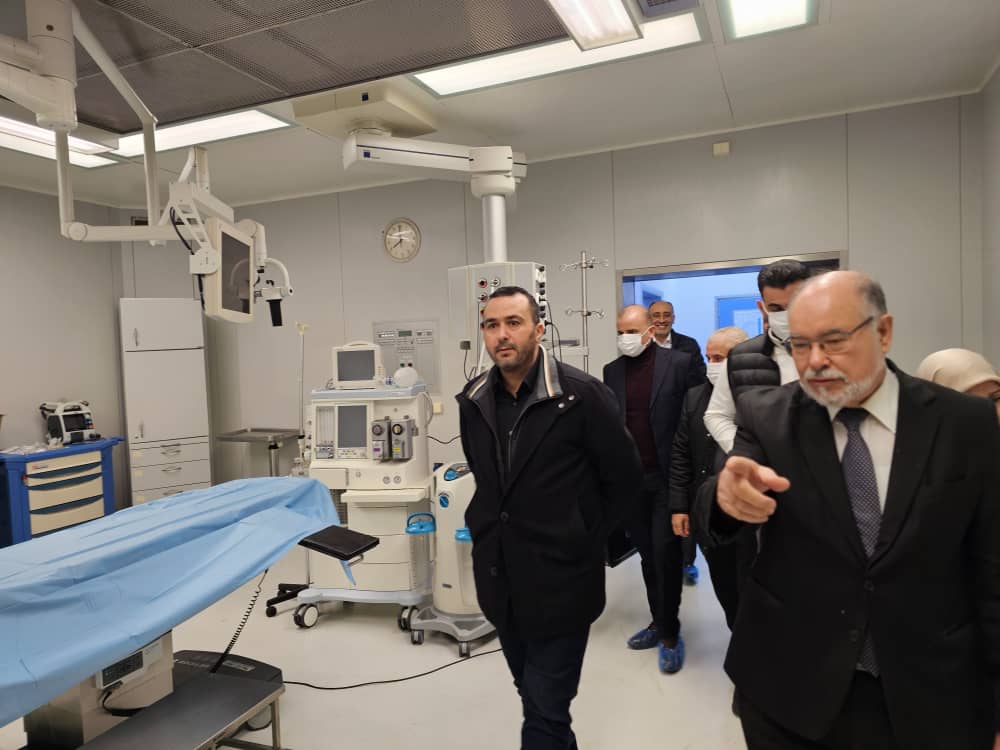
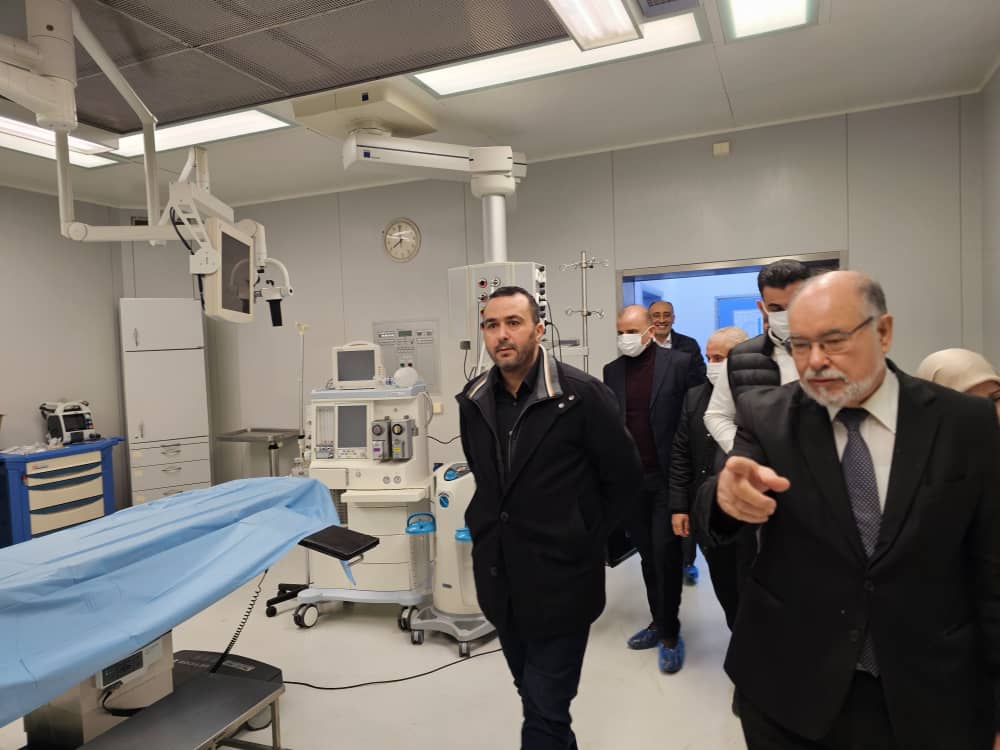
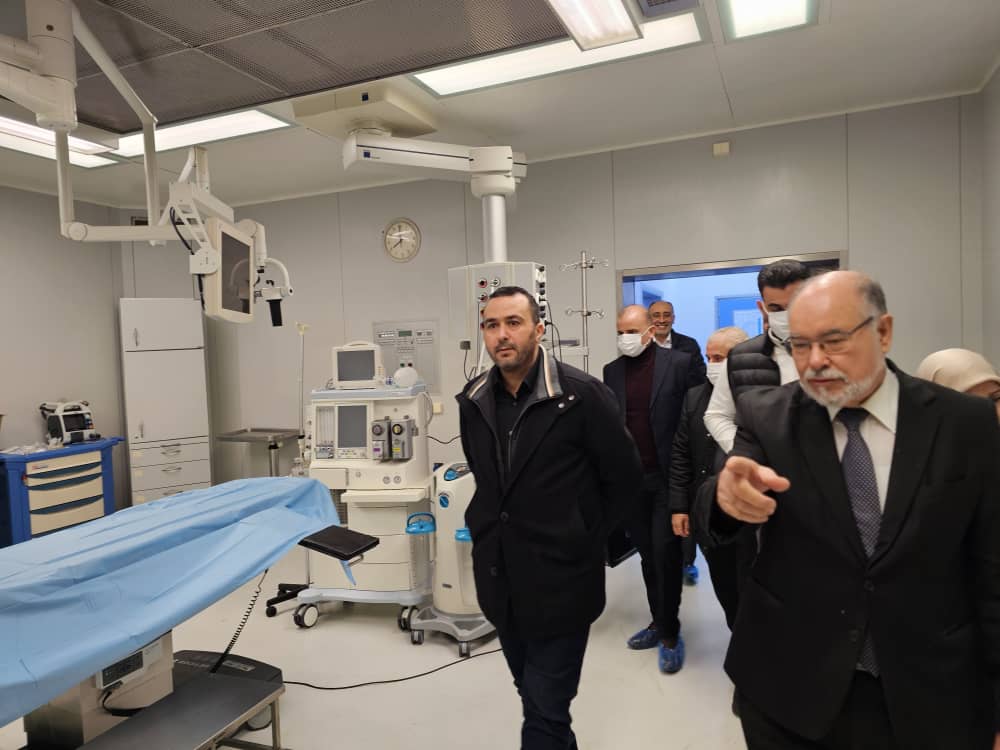
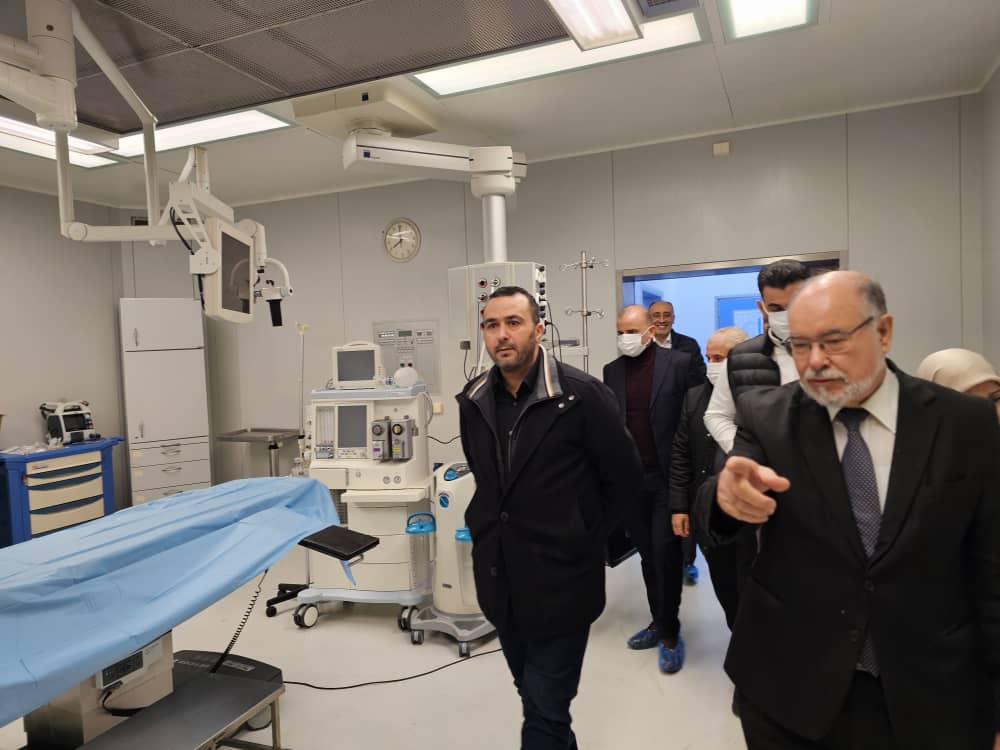
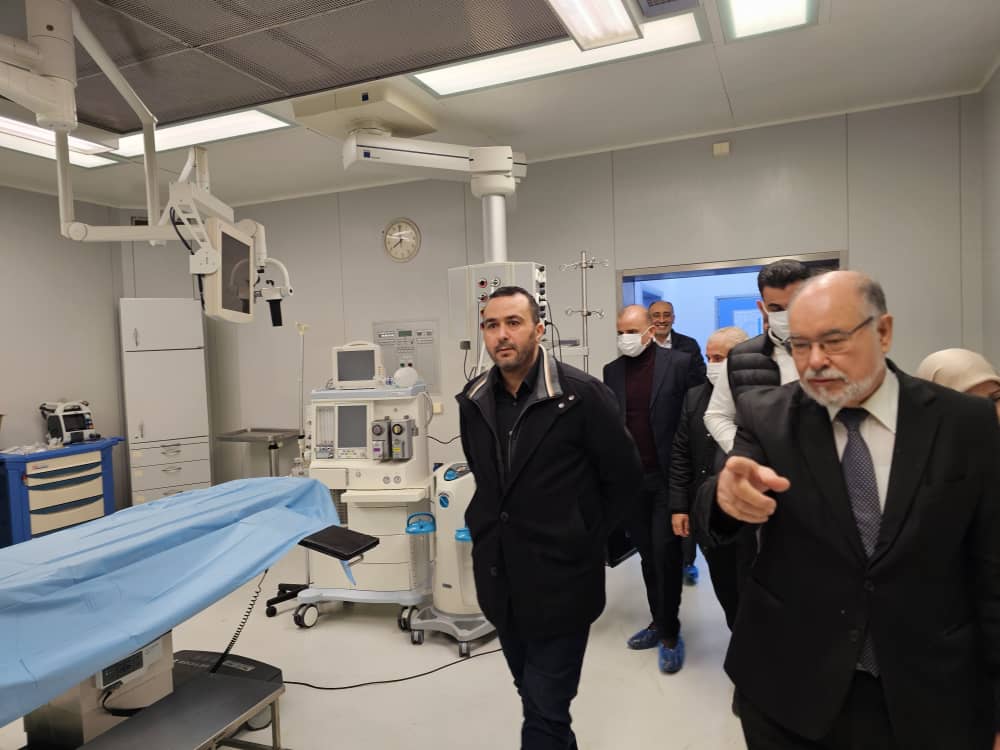
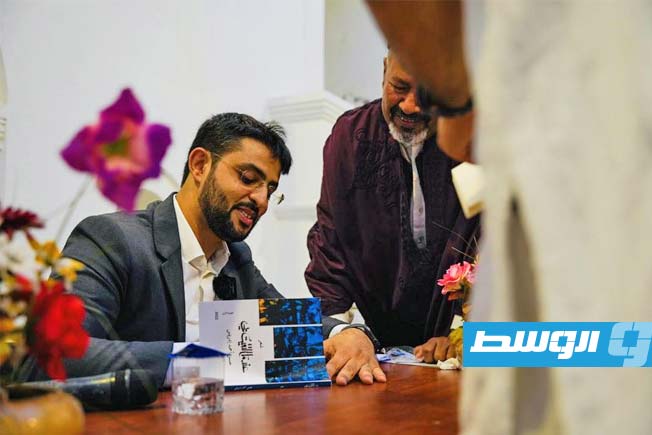
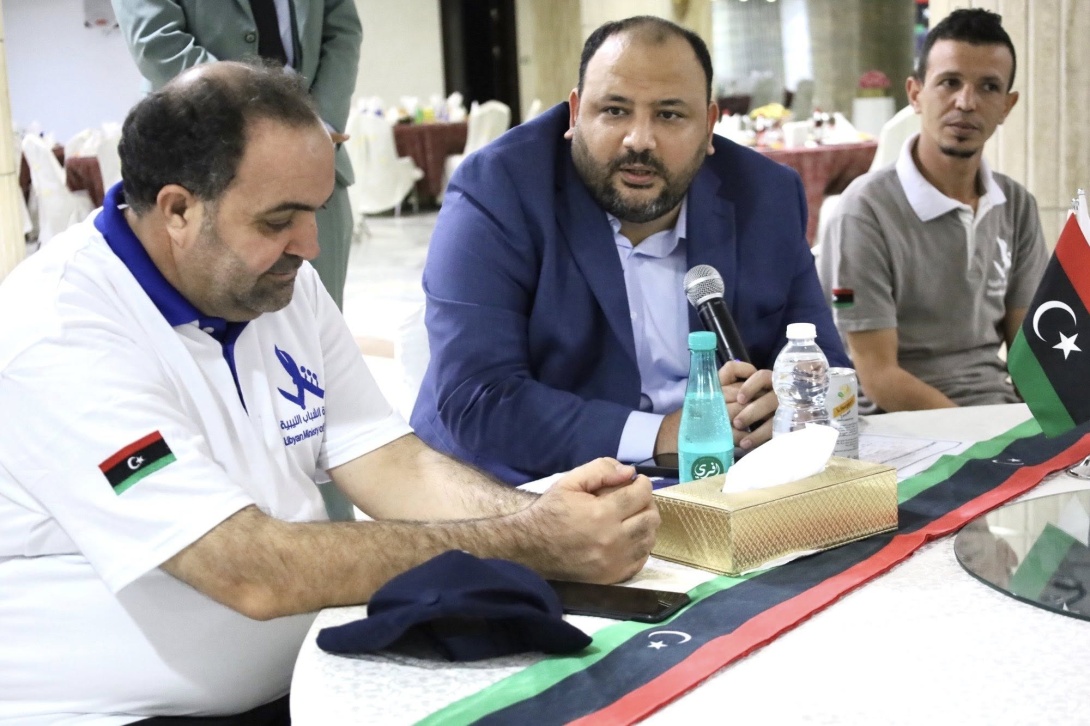
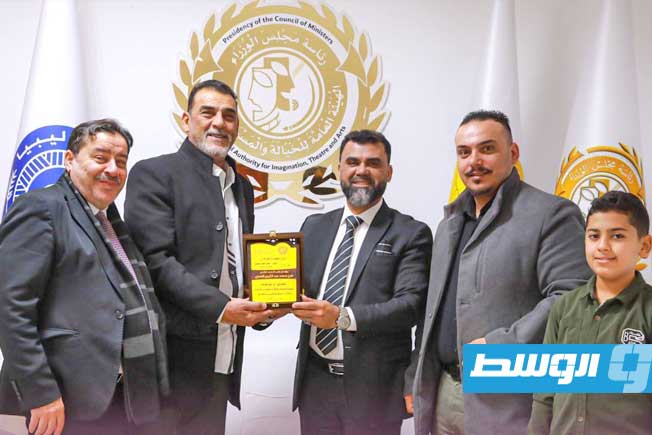
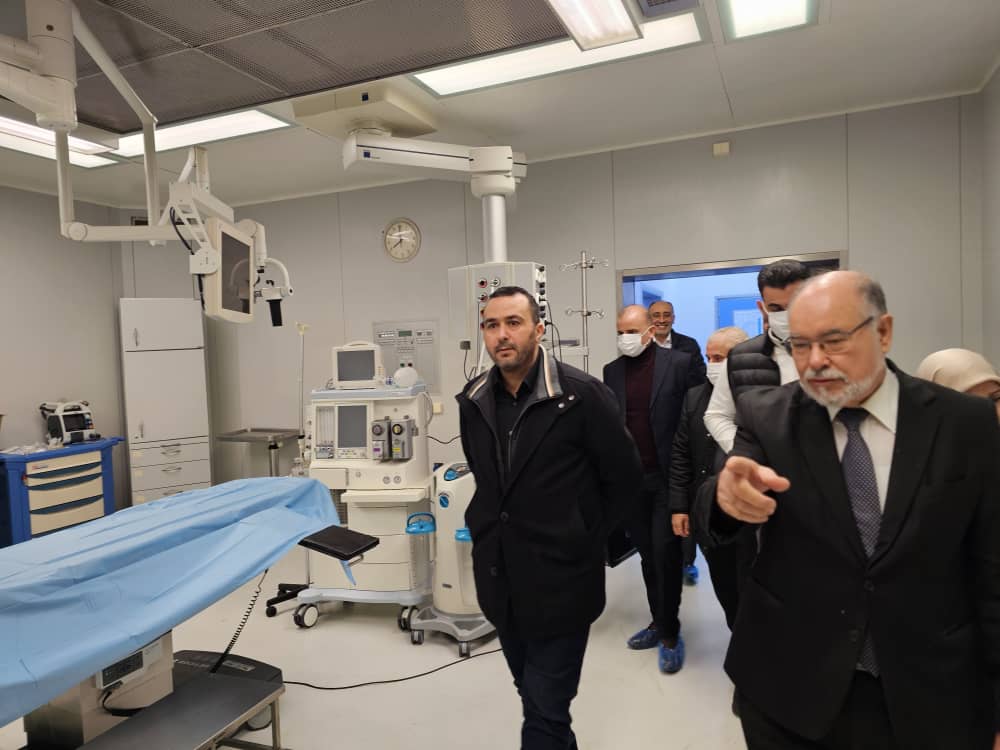
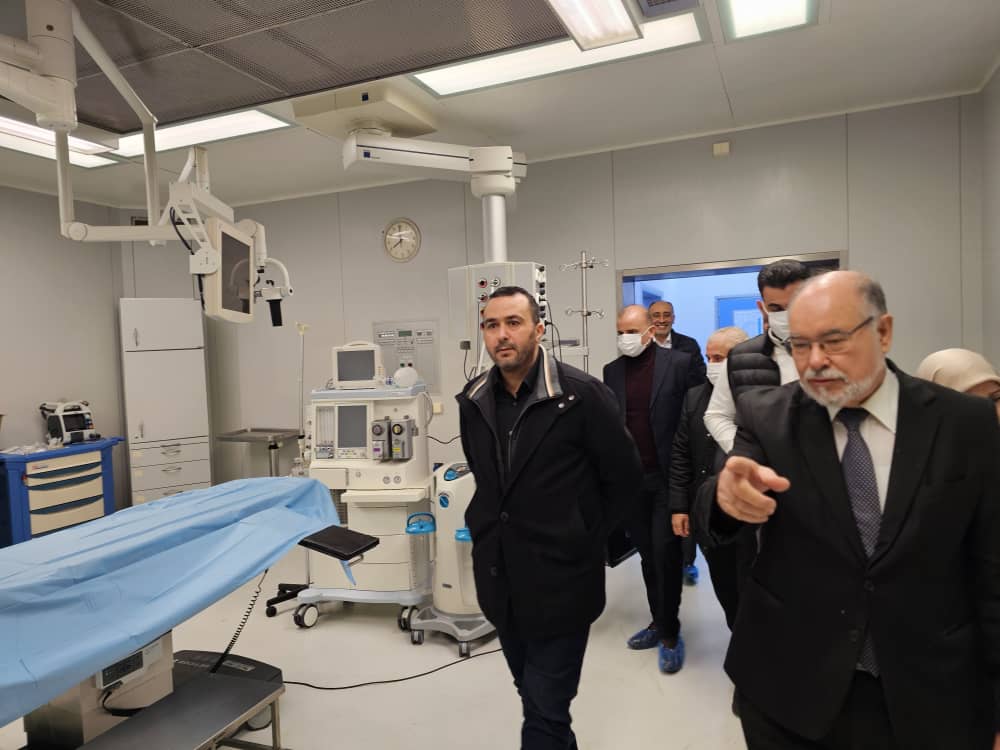
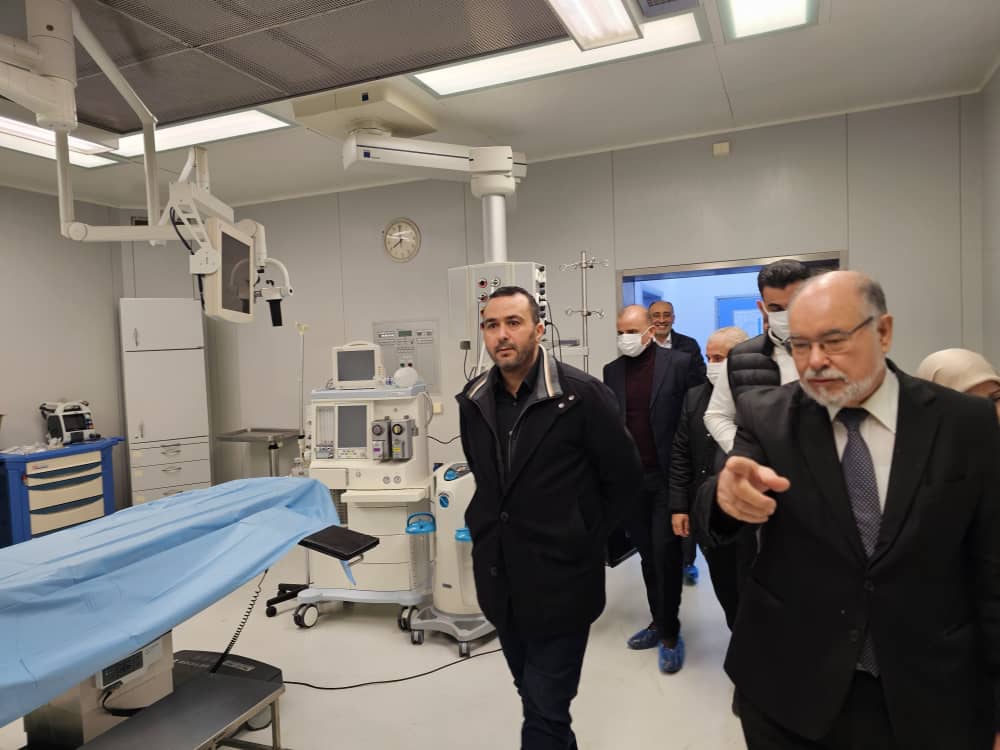
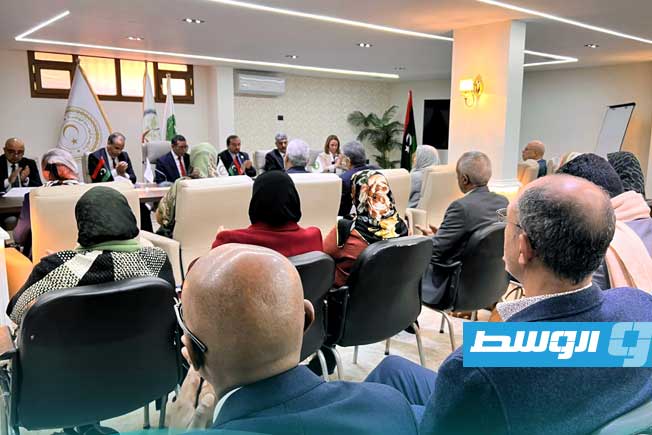
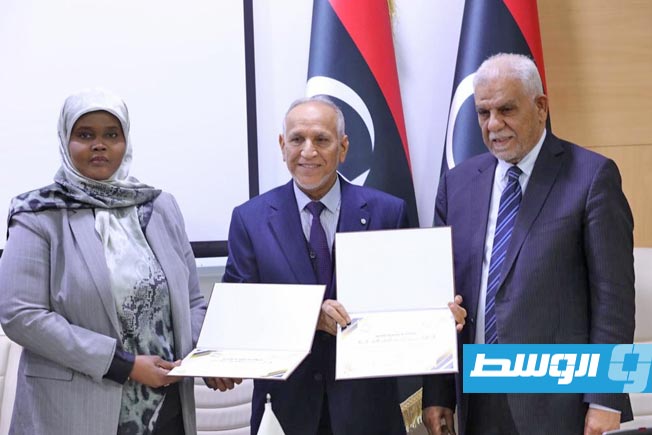
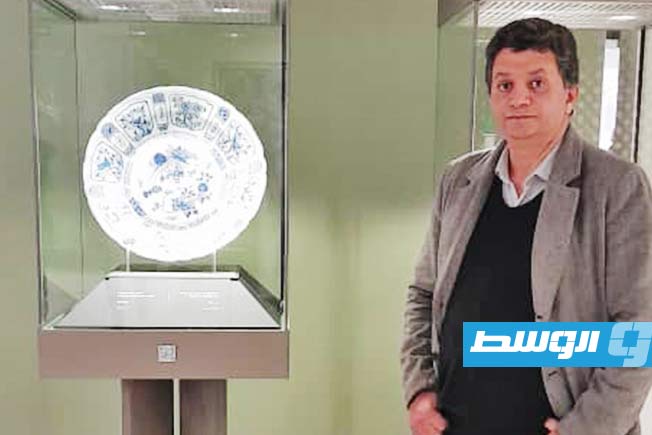
– In pictures: Honoring Libyan Orthopedics Professor Al-Sadiq Makhlouf
His contributions were not limited to clinical practice as the Director General of “Al-Jalaa Hospital” and Dean of the Faculty of Medicine. He was also a global reference as a member of the Swiss Association for Fracture Fixation and the European Association for Chest Wall Surgery, and he left a reference book for the medical library titled: (ESSENTIALS OF ORTHOPAEDICS AND FRACTURES).
Artistic Paintings on Arab Reality
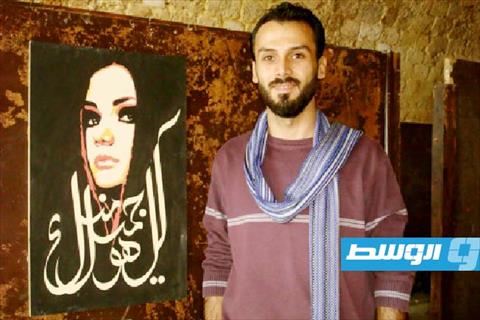
The late Professor Al-Sadiq Makhlouf was distinguished as a “multi-talented” figure; the medical scalpel was not an obstacle to the artist’s brush. He began painting at a young age and held successful exhibitions in the world’s art capitals: Paris, London, and Geneva.
Alongside his scientific career, Makhlouf was also a poet, writer, and musician. In his final days, he spent most of his time among his paintings, which embodied his vision of reality. Among his most prominent works are the paintings “Uprising” and “The Return of Hulagu,” which he considered closest to his own self.
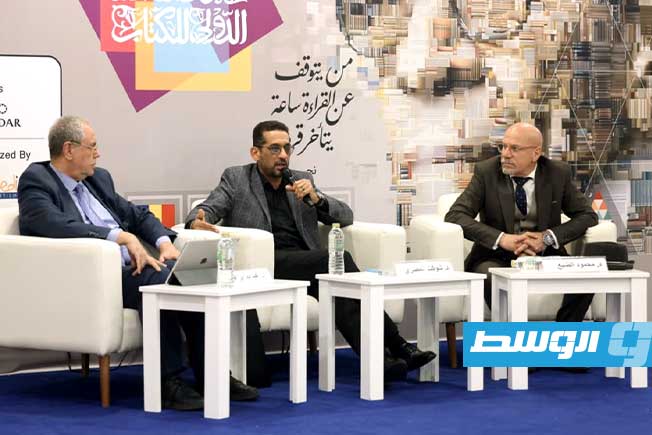
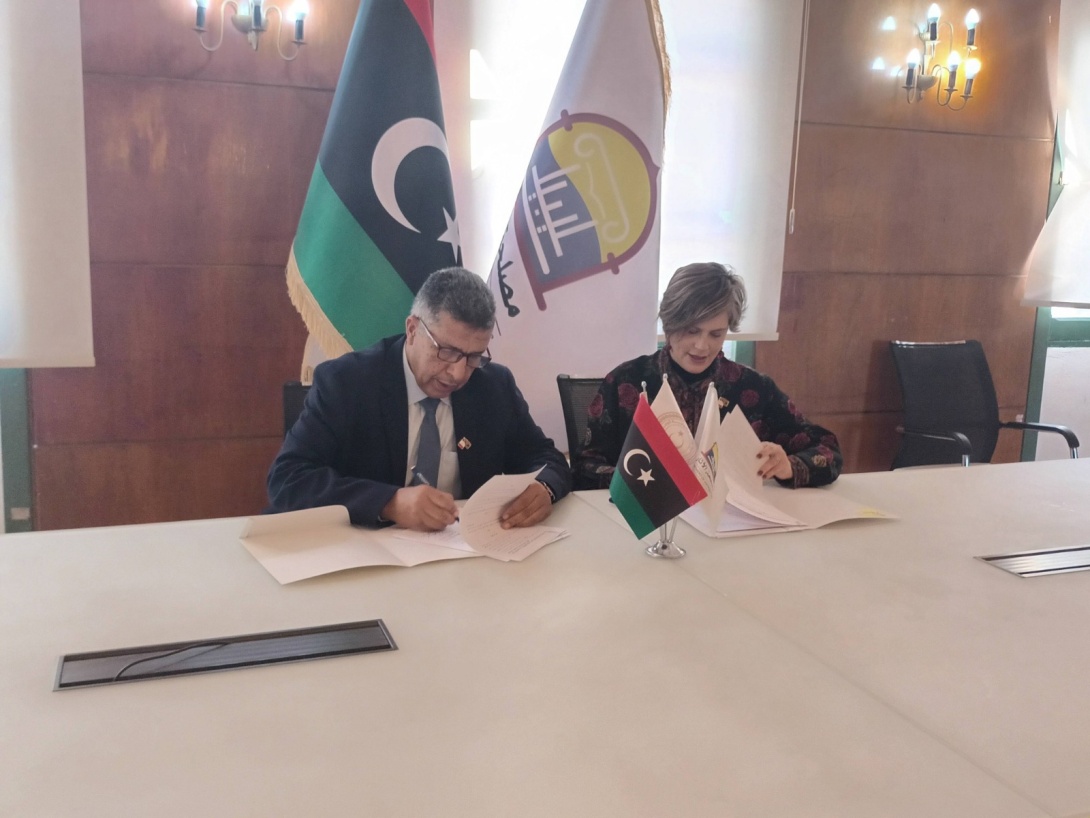
He was honored by the Libyan International University a year ago, moments in which the late professor expressed his happiness and gratitude for this recognition.
Libya
Libya is a North African country with a rich history rooted in ancient civilizations like the Phoenicians and Romans, followed by centuries of Arab and Ottoman influence. In the modern era, it was an Italian colony before gaining independence in 1951, later becoming known for Muammar Gaddafi’s lengthy rule from 1969 until the 2011 revolution. Its cultural sites include the well-preserved Roman ruins of Leptis Magna, a UNESCO World Heritage site.
Benghazi
Benghazi is a major city in eastern Libya, historically significant as a center of trade and culture since its founding as the Greek colony of Euesperides. It played a pivotal role in Libya’s modern history, serving as a co-capital and a focal point during the 2011 revolution.
Al-Shuwaikhat Street
Al-Shuwaikhat Street is a major commercial and cultural artery in Kuwait City, historically known as a bustling center for traditional gold and textile souks. Its history is intertwined with Kuwait’s merchant past, serving as a key trading hub long before the nation’s oil boom transformed its economy. Today, it remains a vibrant destination that blends historic market culture with modern shopping.
Al-Ameer school
Al-Ameer School is a historic educational institution in Kuwait, originally founded in 1949 as the “Mubarakiya School” before being renamed in honor of Sheikh Abdullah Al-Jabir Al-Sabah. It played a pivotal role in the development of Kuwait’s modern education system during the mid-20th century. The school is recognized for its distinctive architectural style and its contribution to educating generations of Kuwaiti students.
Cairo University
Cairo University, founded in 1908, is Egypt’s oldest and one of its most prestigious institutions of higher education. It was established as a secular, national university to provide modern education and has since played a central role in the country’s academic, cultural, and political life.
Switzerland
Switzerland is a landlocked country in Central Europe known for its long history of neutrality, which was formally established by the Congress of Vienna in 1815. It is a federal republic comprised of 26 cantons and is globally recognized for its political stability, direct democracy, and its role as host to numerous international organizations.
Al-Jalaa Hospital
Al-Jalaa Hospital is a major medical facility in Gaza City, originally established in 1986. It gained international attention during the Israeli-Palestinian conflict when its main building, housing media offices, was destroyed by an Israeli airstrike in May 2021.
Faculty of Medicine
The Faculty of Medicine is an academic institution dedicated to medical education and research, with its origins often tracing back to the establishment of a university or medical school. Historically, many of the world’s oldest faculties, such as those at the University of Bologna or the University of Paris, were founded in the medieval period, shaping the development of modern medical science.
Swiss Association for Fracture Fixation
The Swiss Association for Fracture Fixation (AO Foundation) is a global medical non-profit founded in Switzerland in 1958 by a group of surgeons. Its history is defined by pioneering systematic research and education in orthopedic trauma, fundamentally establishing the principles of modern surgical fracture treatment worldwide.
European Association for Chest Wall Surgery
The European Association for Chest Wall Surgery (EACTS) is a professional medical society founded to advance the field of thoracic and chest wall surgery. It was established to foster education, research, and clinical excellence, playing a key role in standardizing surgical techniques and improving patient outcomes across Europe.
Paris
Paris is the capital of France, historically founded as a Gallo-Roman settlement in the 3rd century BC on the Île de la Cité. It grew into a major European center of art, philosophy, and politics, famously symbolized by landmarks like the Notre-Dame Cathedral, the Louvre Museum, and the Eiffel Tower.
London
London is the capital of the United Kingdom, founded as a Roman settlement called Londinium nearly 2,000 years ago. It has since grown into a major global city, historically serving as the centre of the British Empire and a focal point for finance, culture, and politics. Its rich history is reflected in landmarks like the Tower of London, Westminster Abbey, and the Houses of Parliament.
Geneva
Geneva is a major global city in Switzerland, historically known as a center for the Protestant Reformation under John Calvin in the 16th century. It is now a key hub for international diplomacy, hosting numerous United Nations agencies and the Red Cross.
Libyan International University
The Libyan International University is a private higher education institution founded in 2007 in Benghazi, Libya. It was established to expand access to university education and offers a range of undergraduate and postgraduate programs across various disciplines.