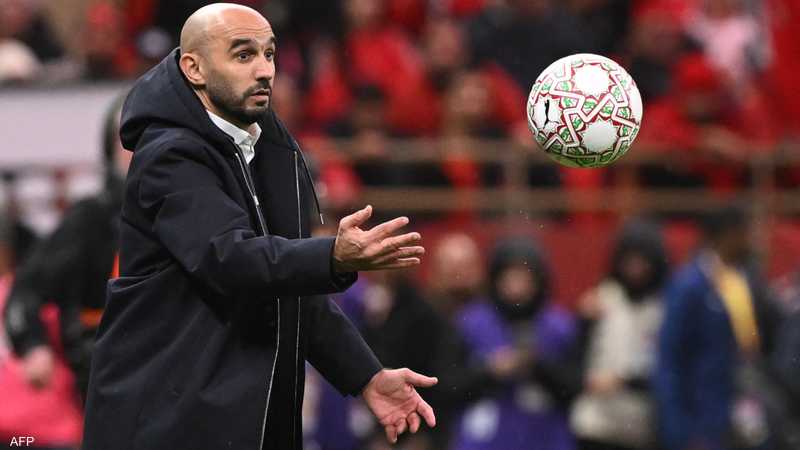
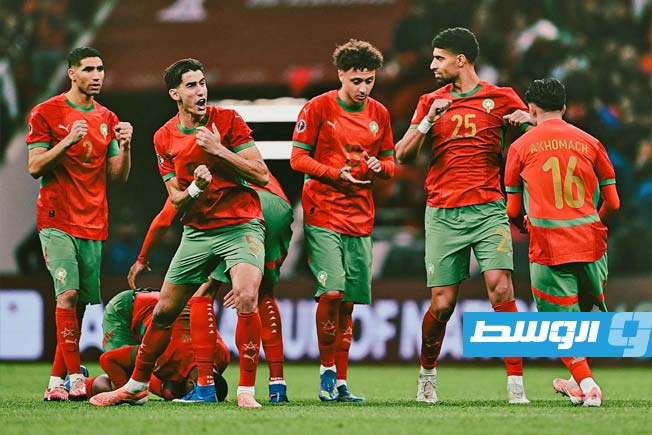
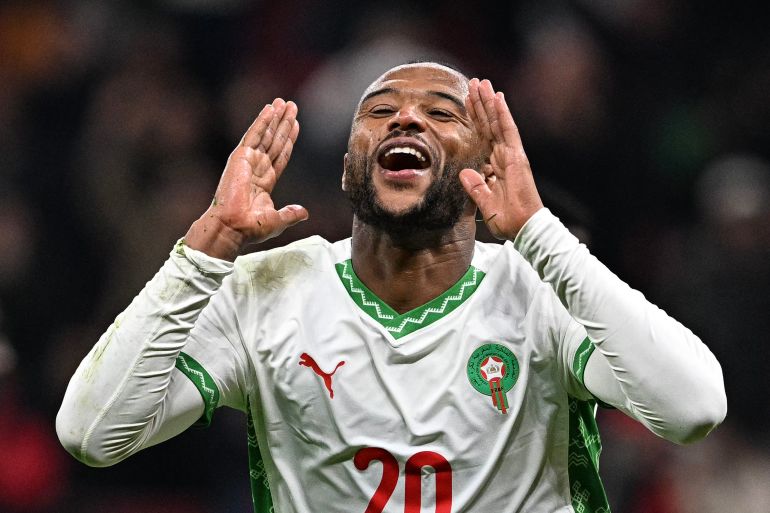
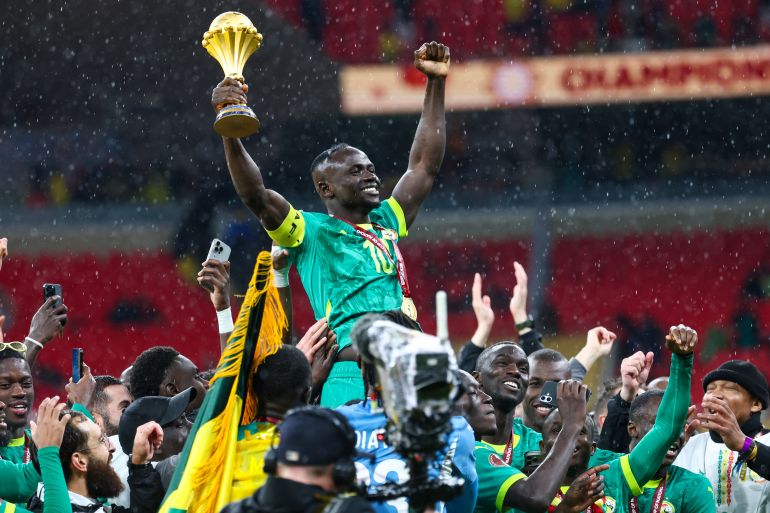
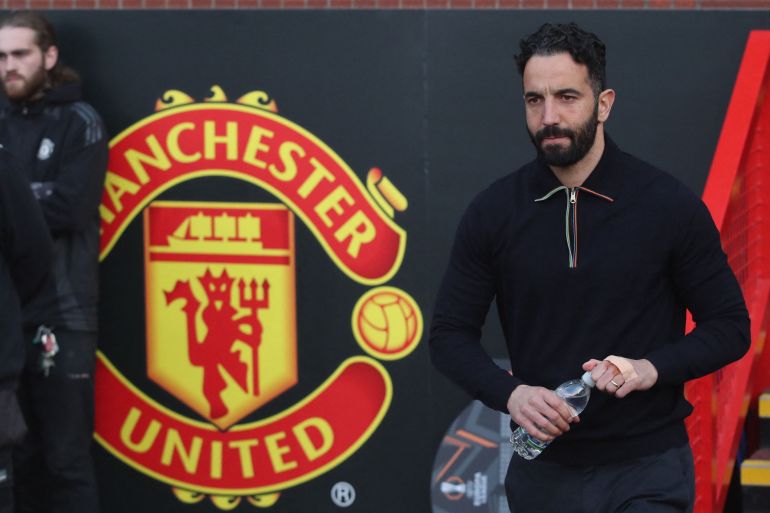
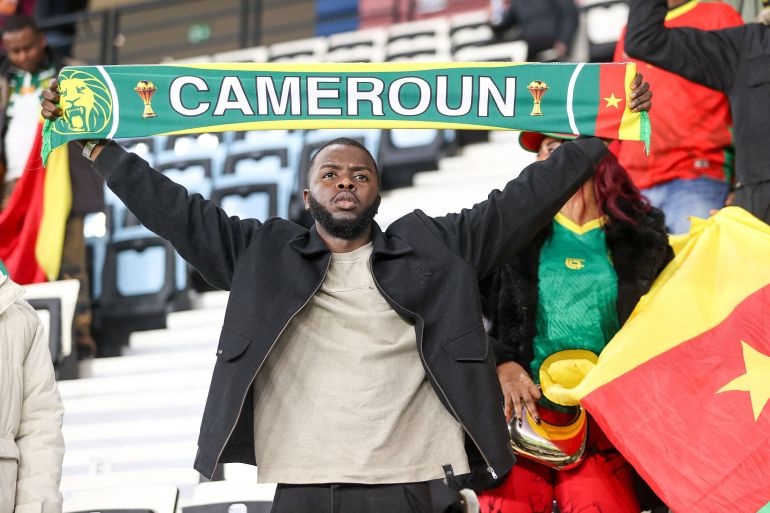
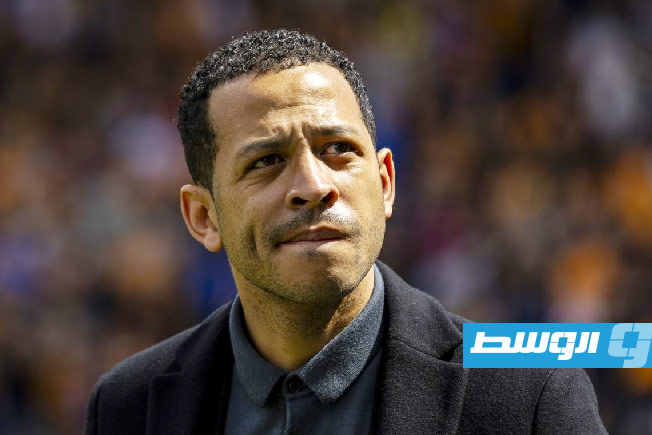
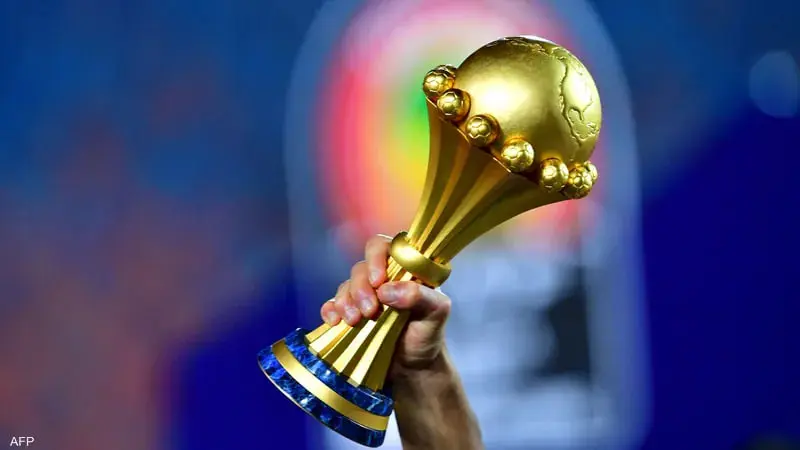
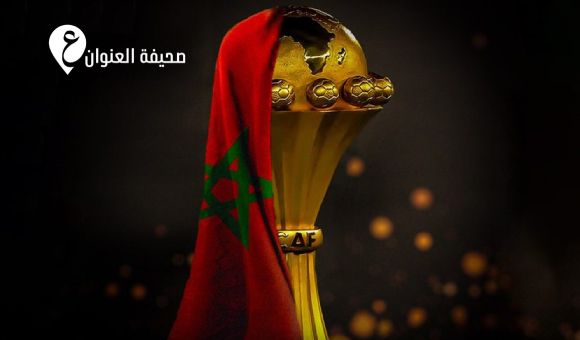
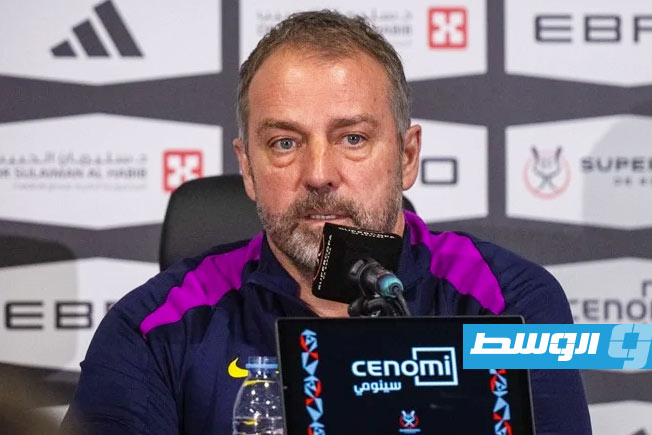
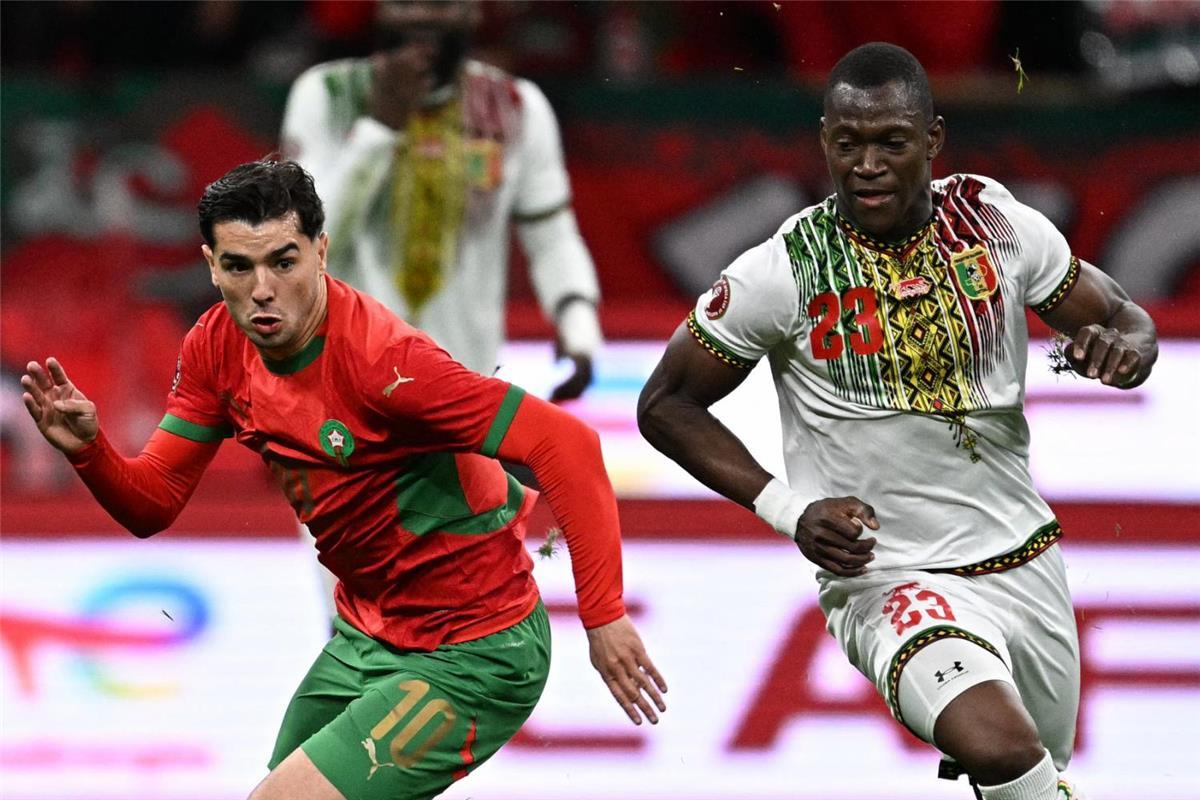
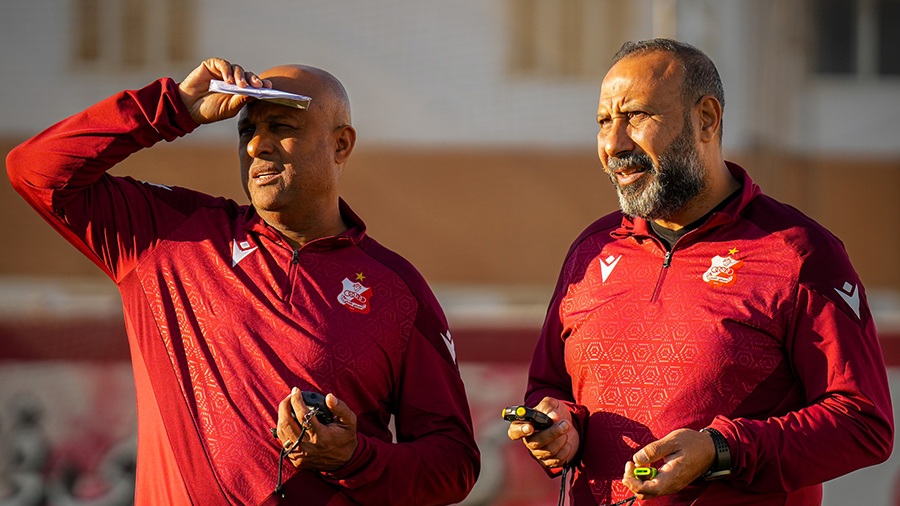
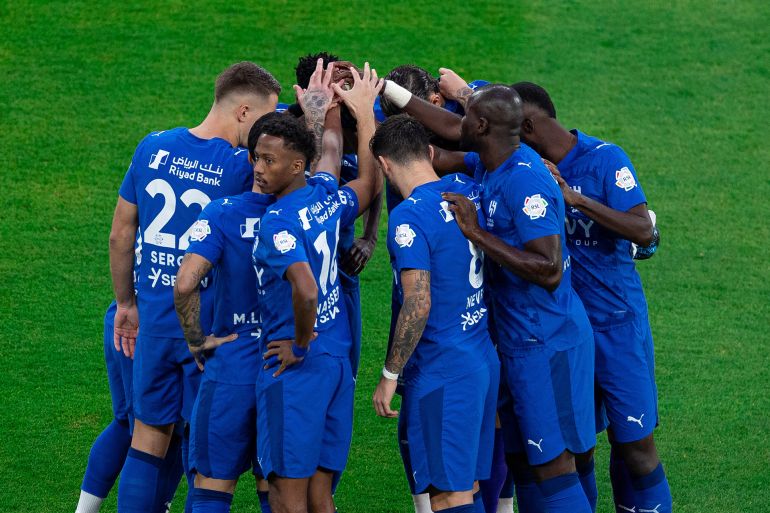
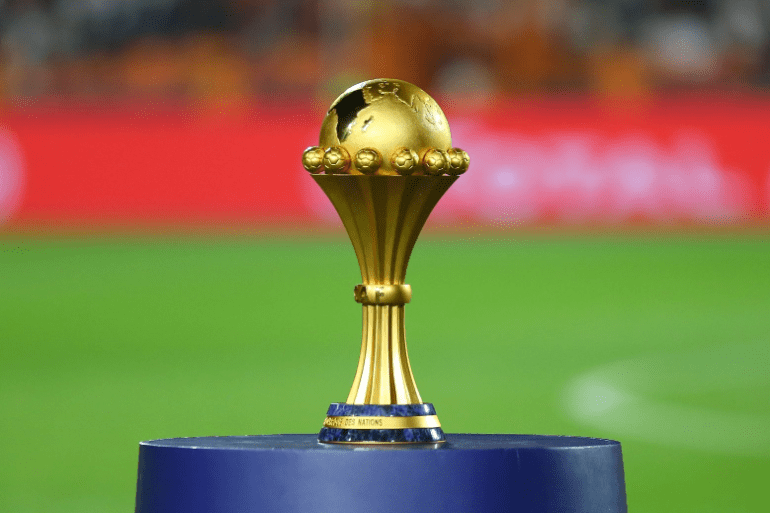
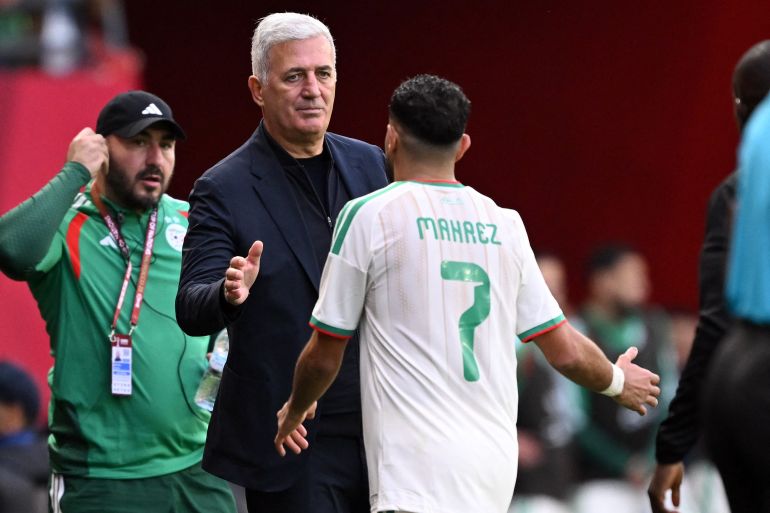
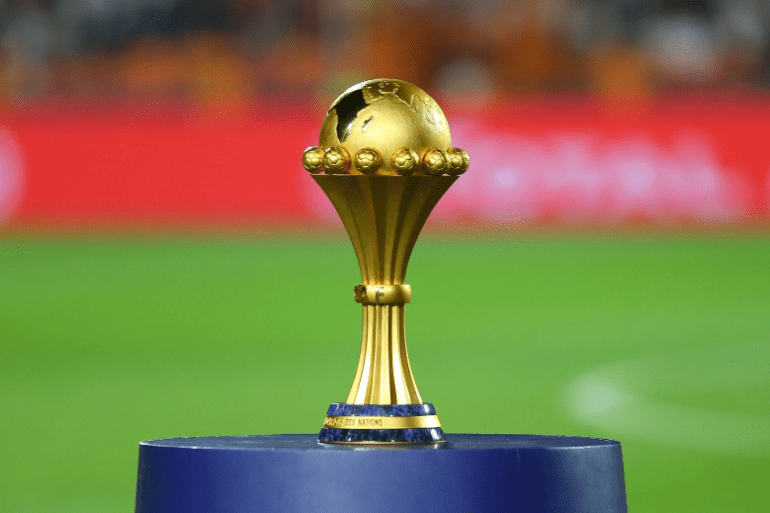
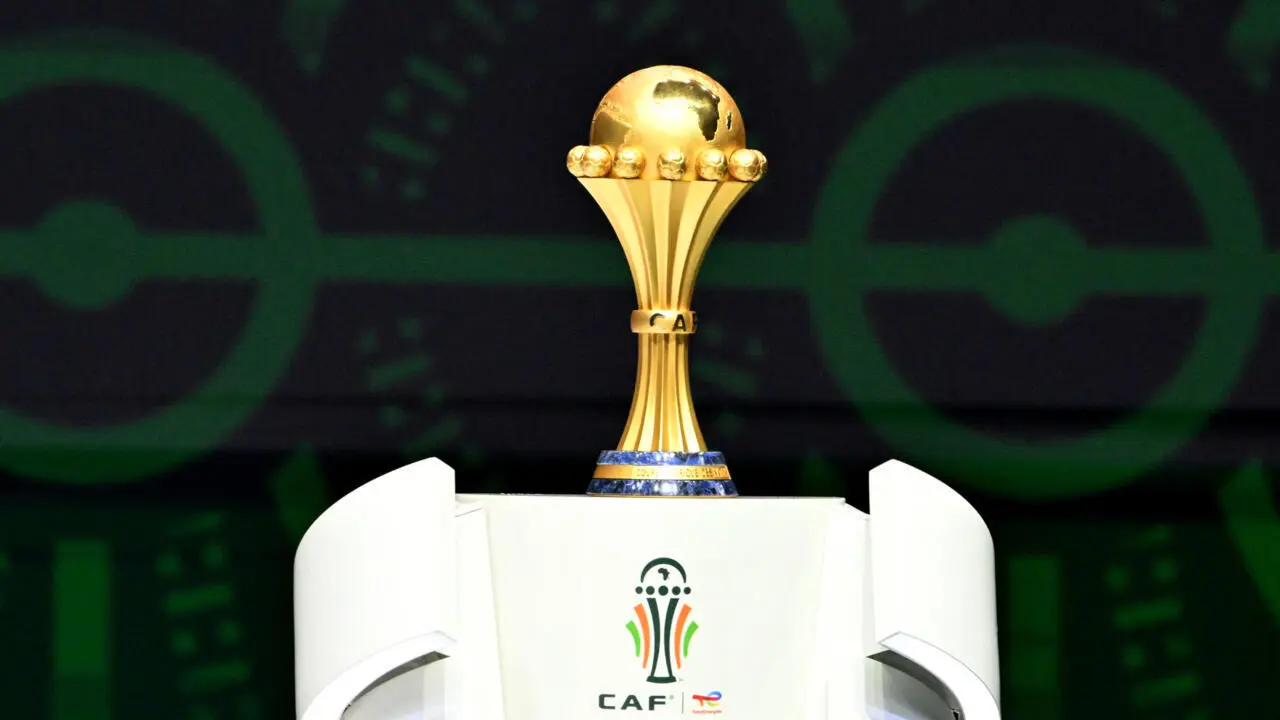
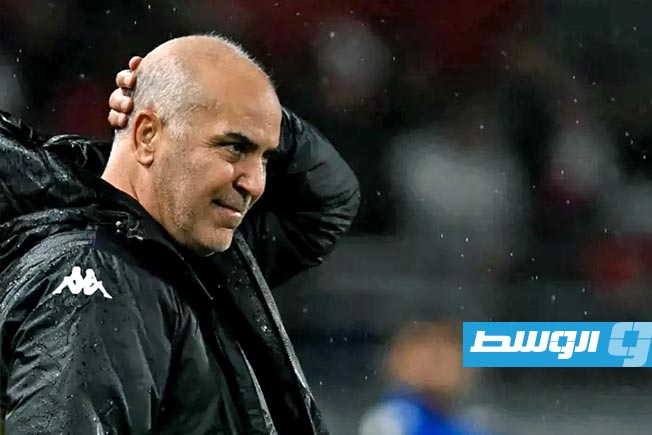
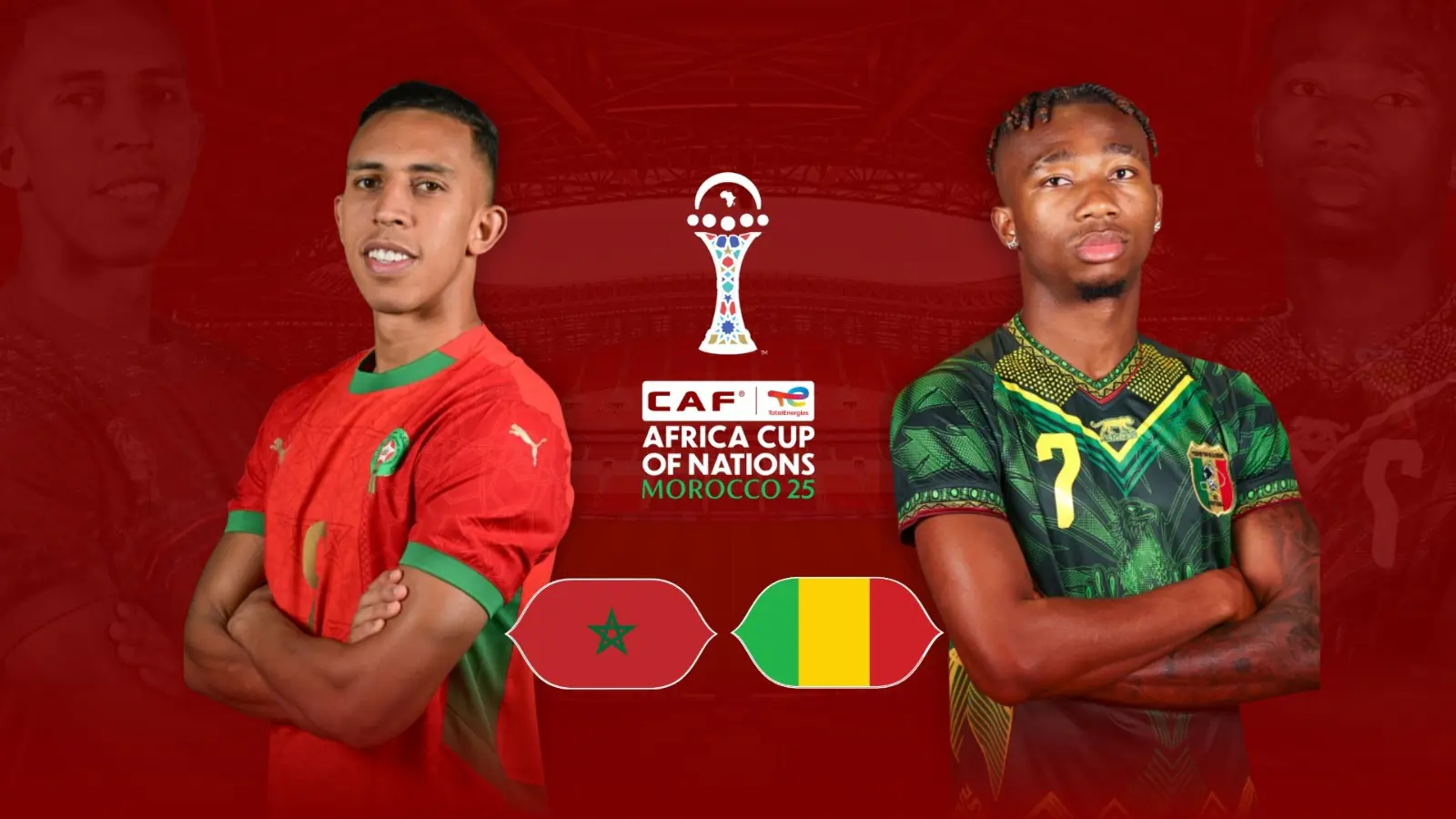
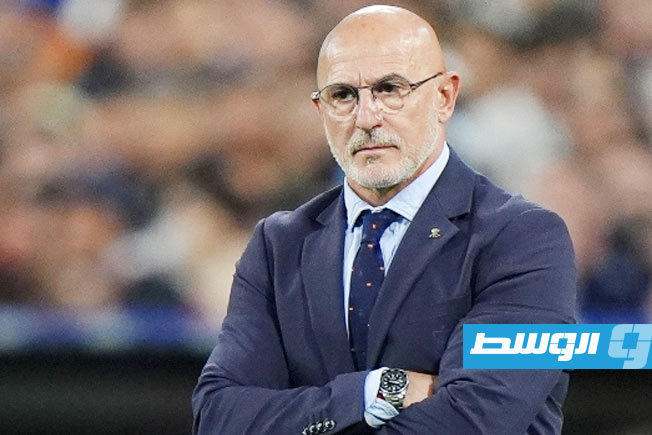
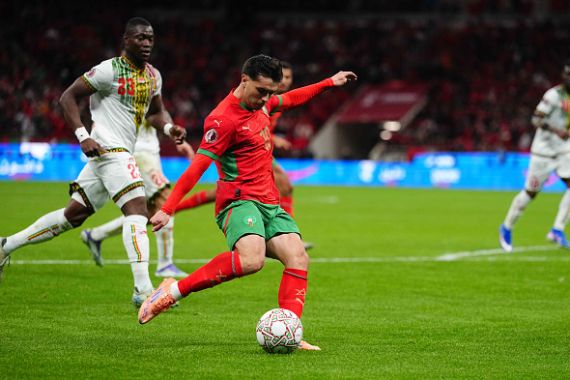
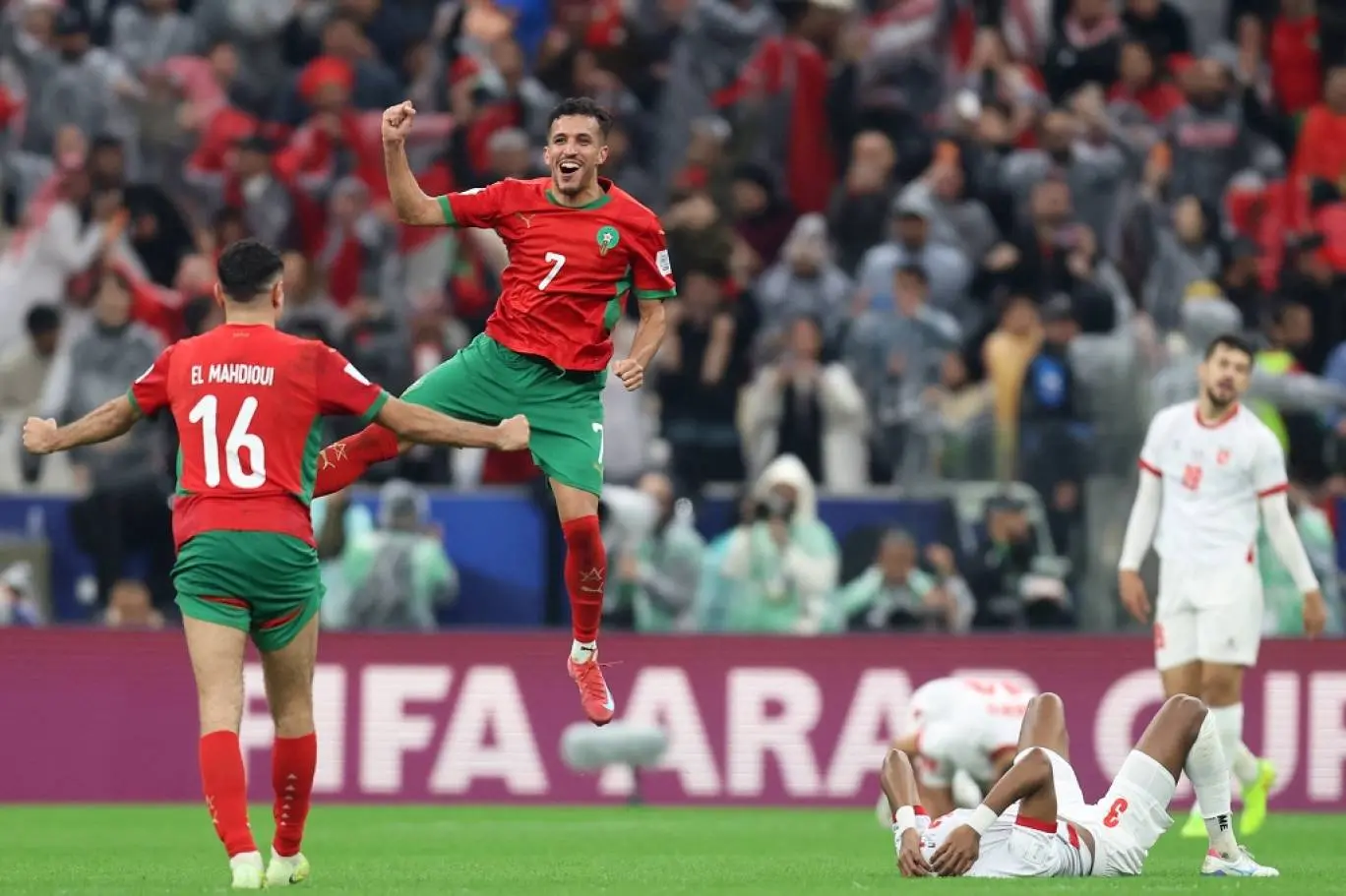
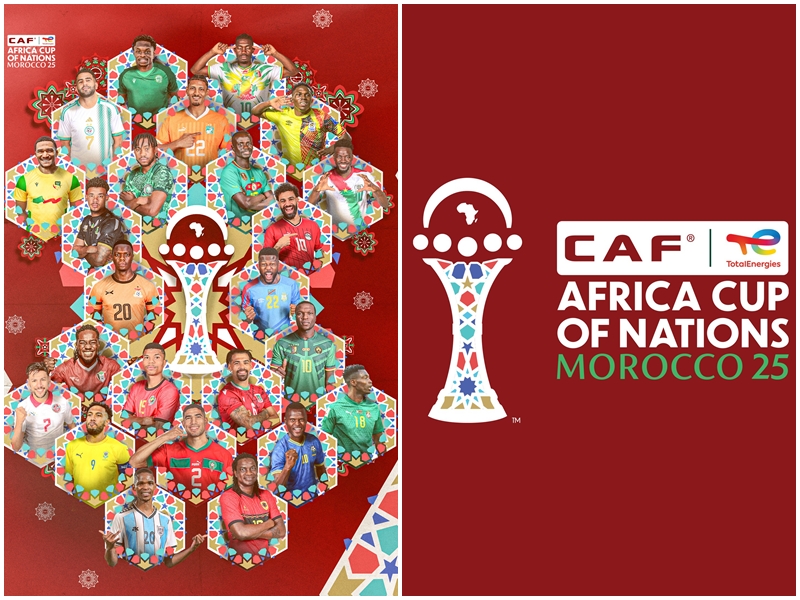
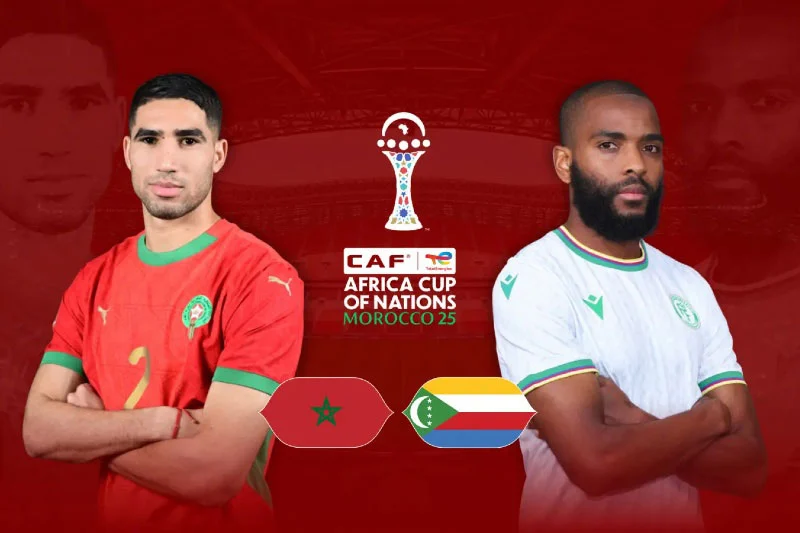
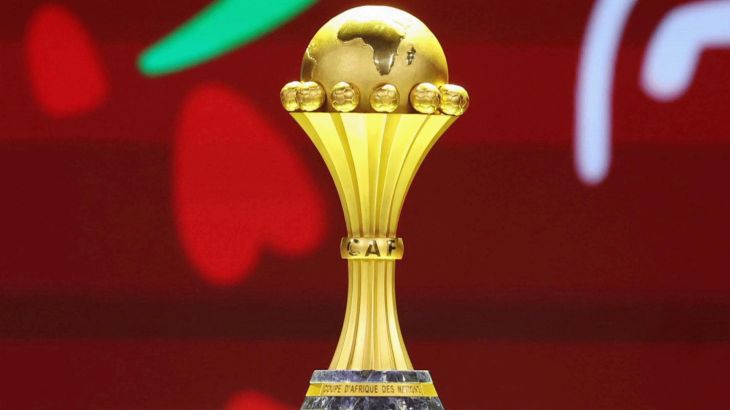
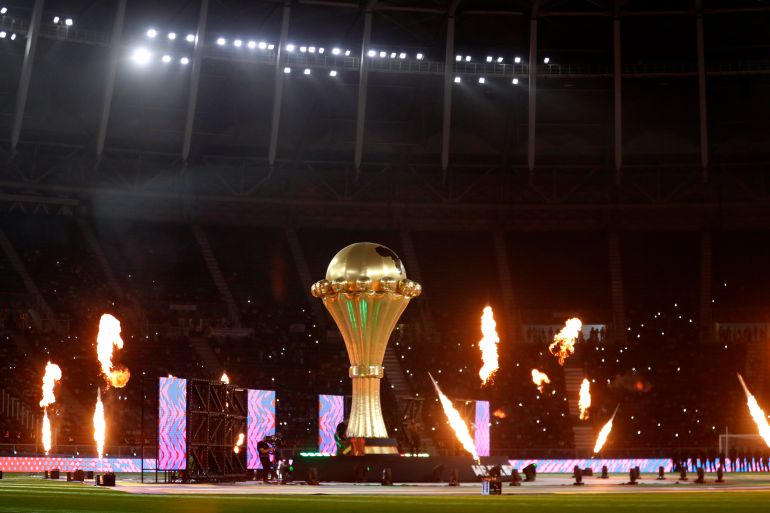
The head coach of the Moroccan national team emphasized the importance of the 2-0 victory over Comoros on Sunday evening, in the opening match of the 35th edition of the Africa Cup of Nations, being held in Morocco until January 18th.
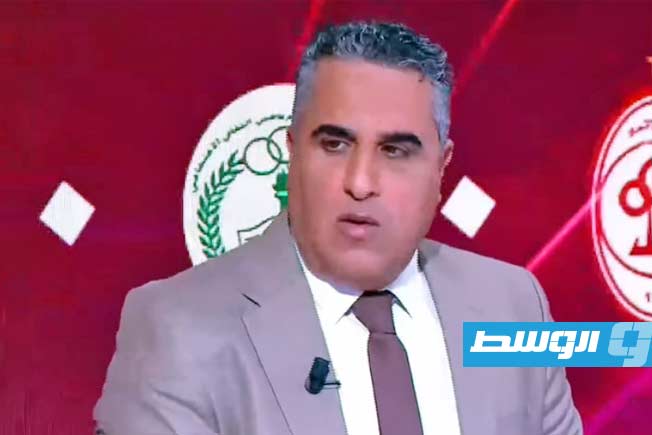
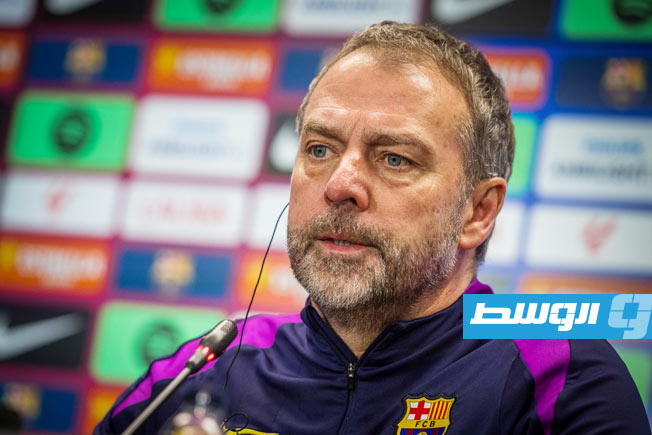
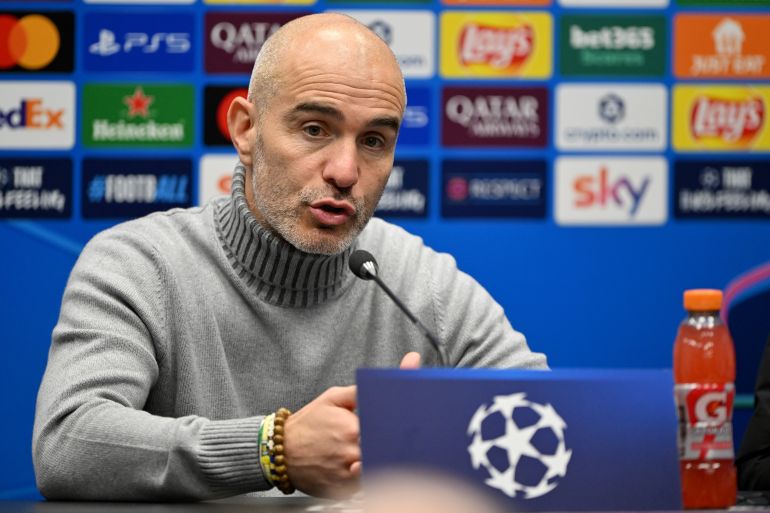
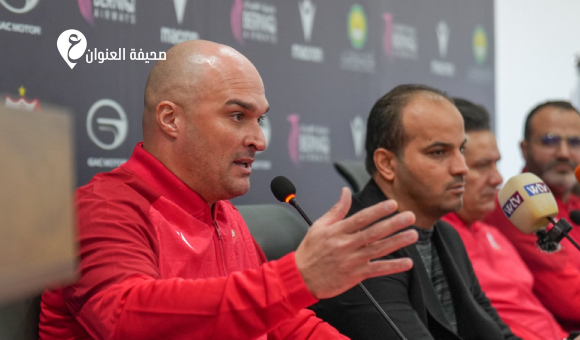
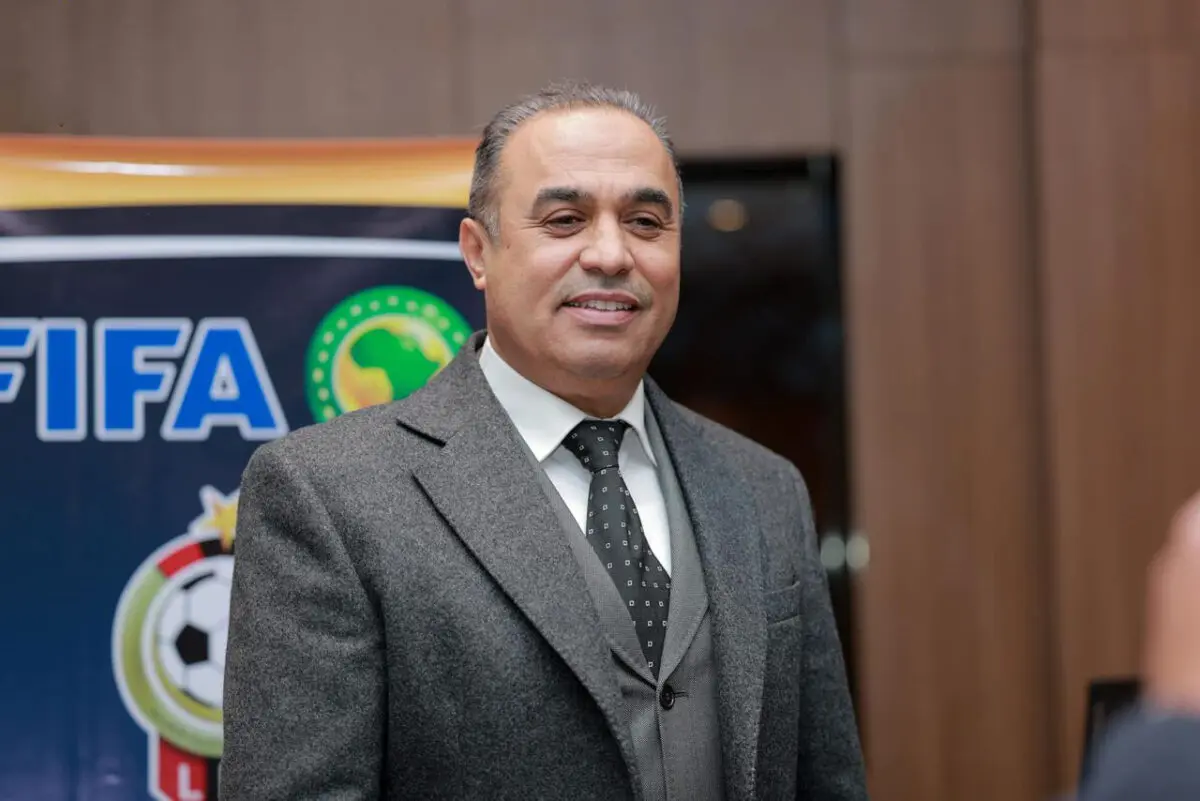
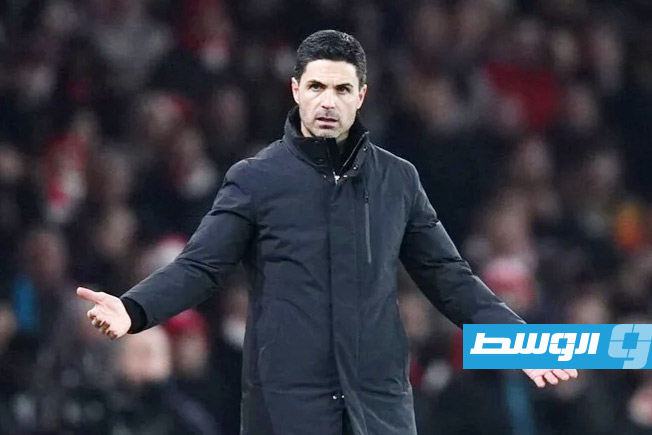
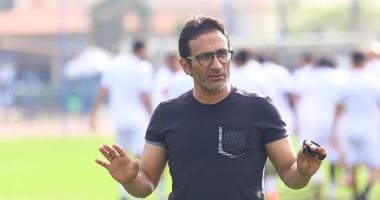
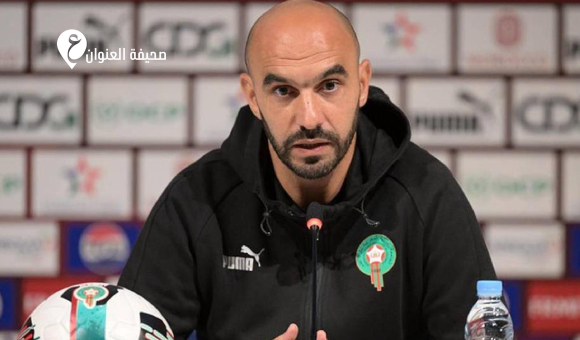
In televised comments after the match, he said: “Opening matches are always difficult. We dominated and controlled possession in the first half, but without creating real danger.”
He added: “We corrected that in the second half with substitutions and attacking intensity, and we scored two goals.”
He continued, saying: “We knew chances would come and we controlled the match. It was important to win in front of our fans to get into the competitive atmosphere.”
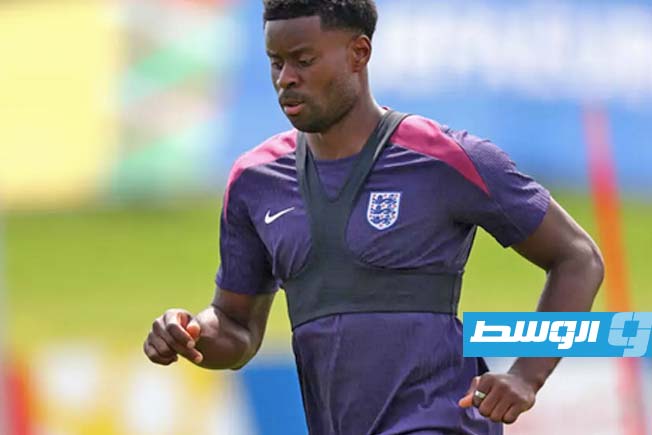
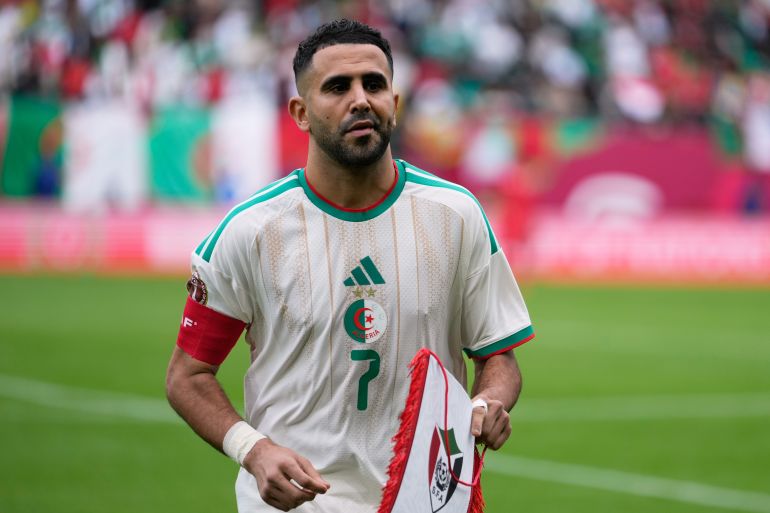
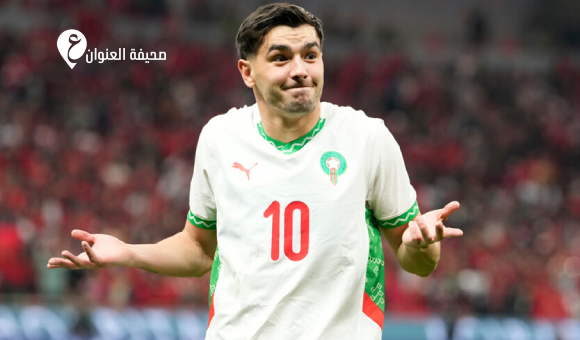
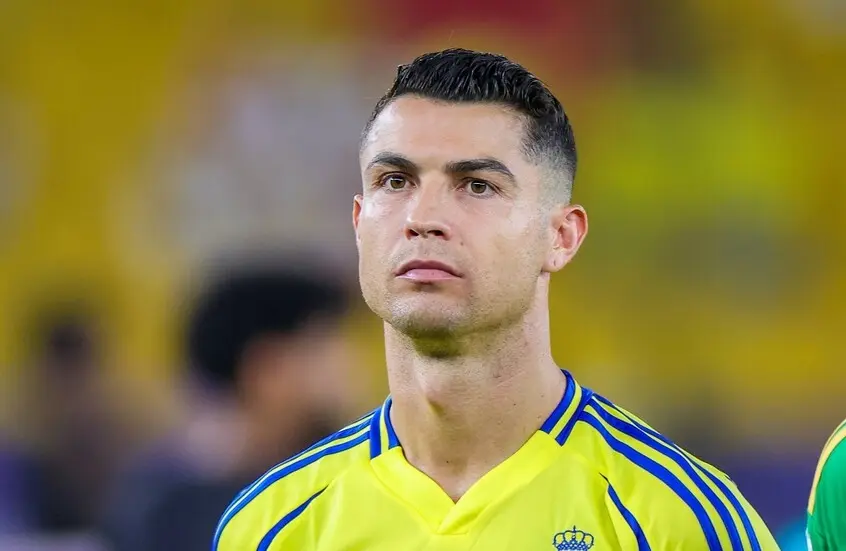
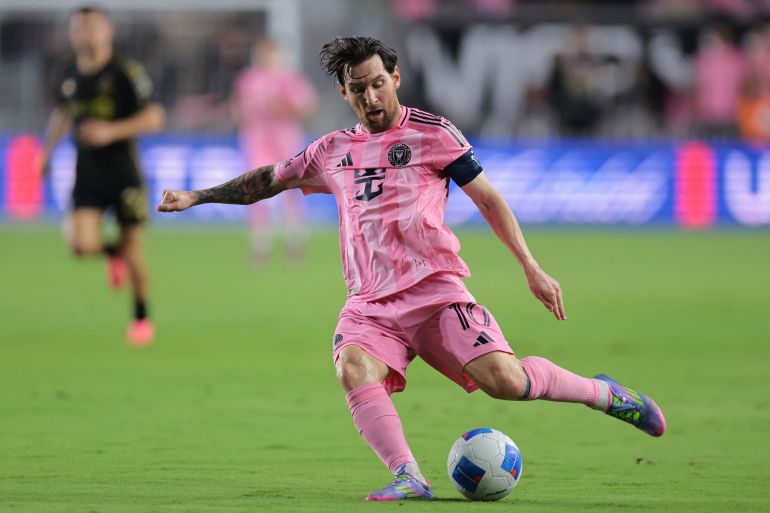
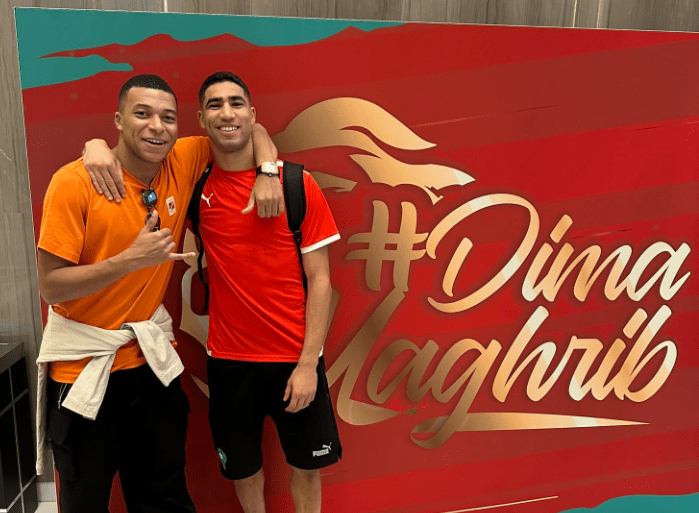
Regarding the absence of a key player, the coach confirmed: “We need him because he is the best player in Africa and among the best in the world. If he had played today, he would have been useful, especially on the wing, but we did not want to take the risk. We will see if he plays against [opponent] on Friday.”
He concluded by saying: “It’s a good start. Winning is important in front of our fans to get into the competitive atmosphere.”
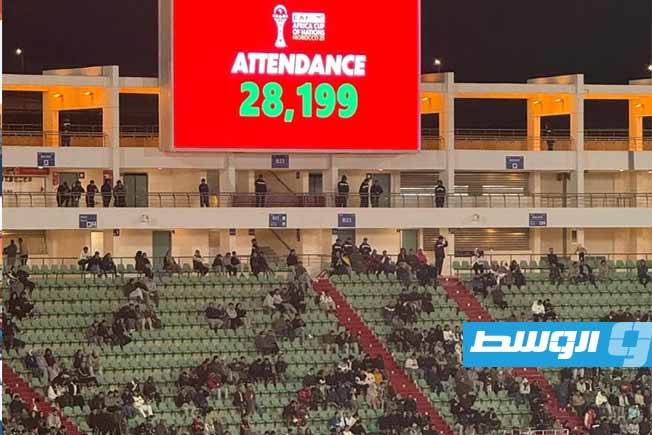
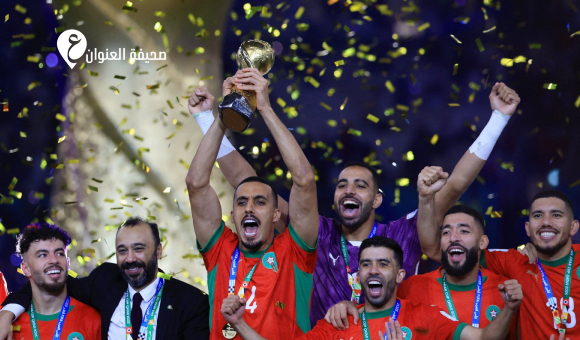
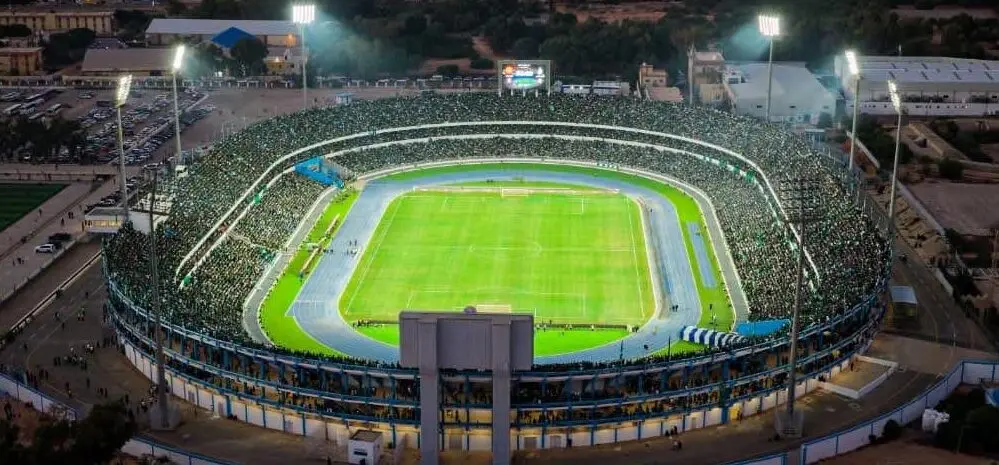
In front of 60,880 spectators, the team, seeking its second title in 50 years, specifically since 1976 in Ethiopia, earned 3 points and avoided repeating its stumble into a draw in its opening match of the 1988 edition on home soil against the Democratic Republic of Congo (1-1).
Morocco strengthened its international record for consecutive victories by raising it to 19.
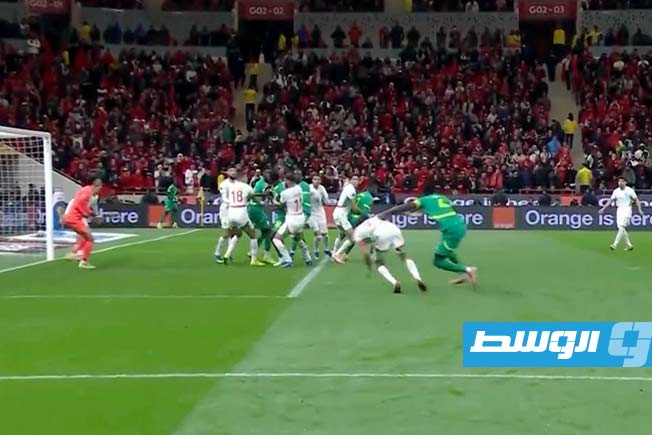
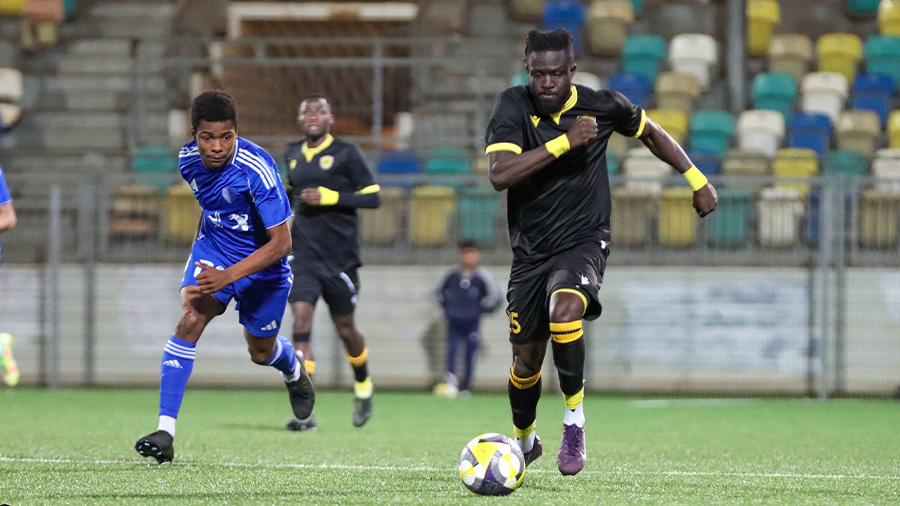
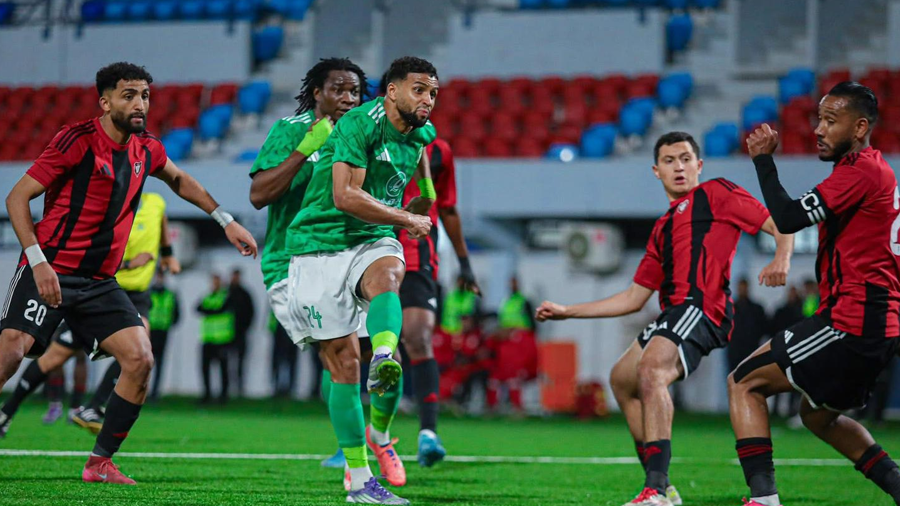
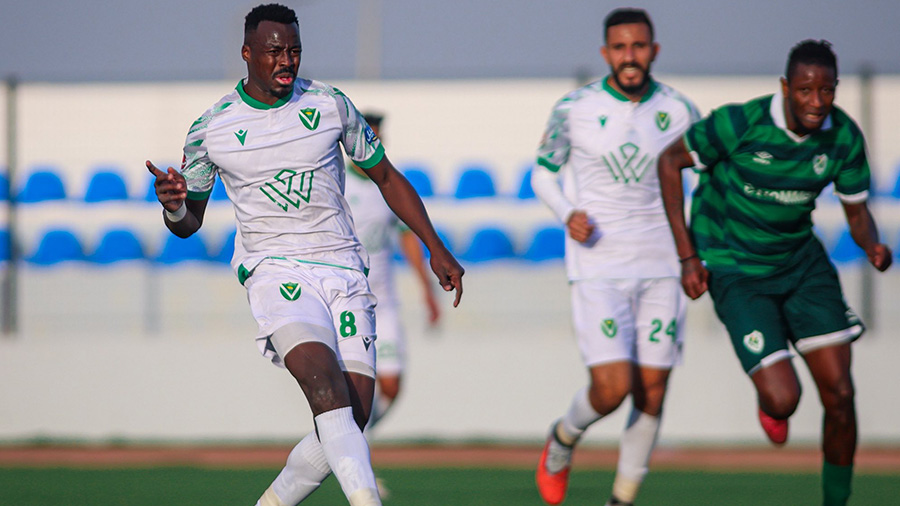
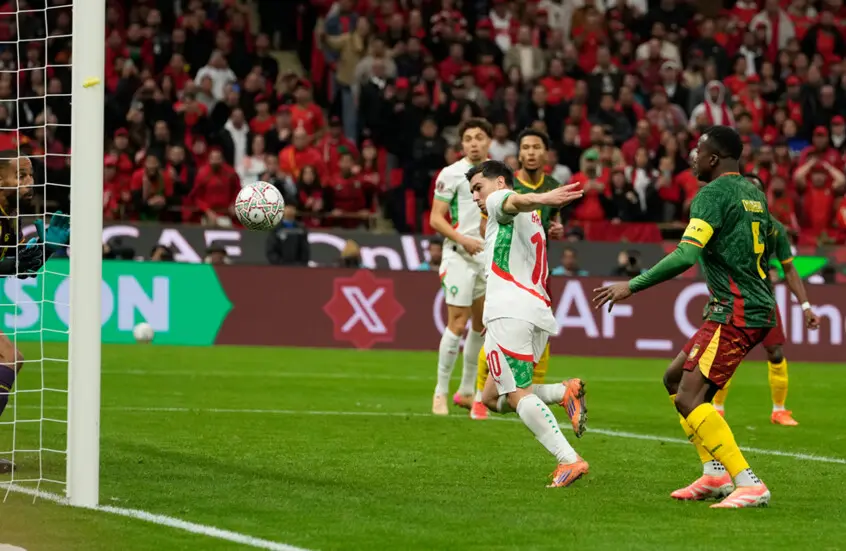
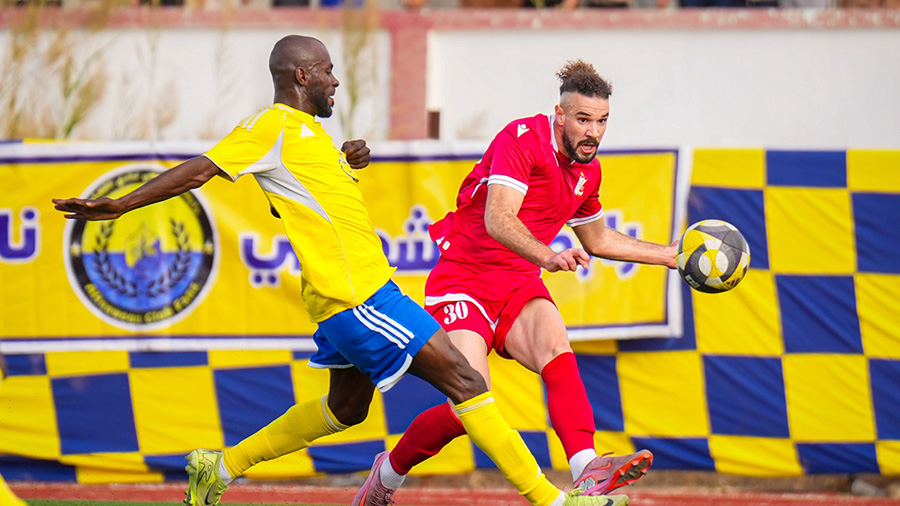
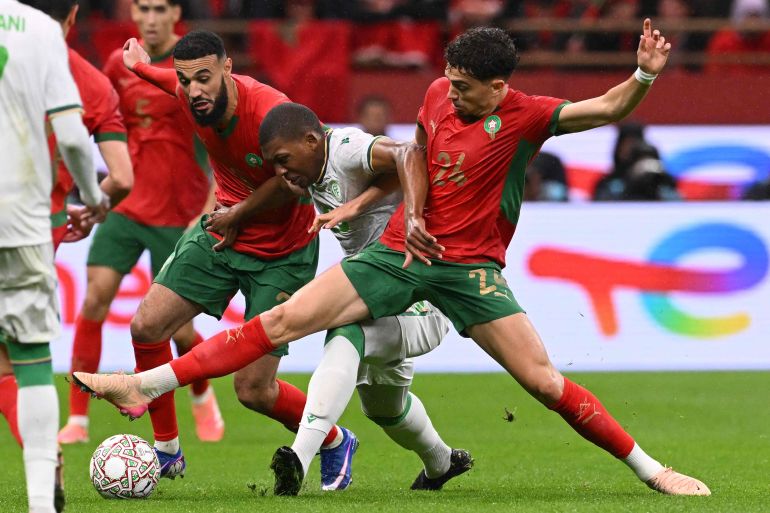
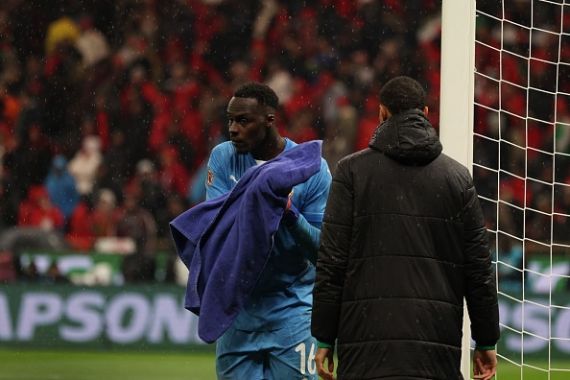
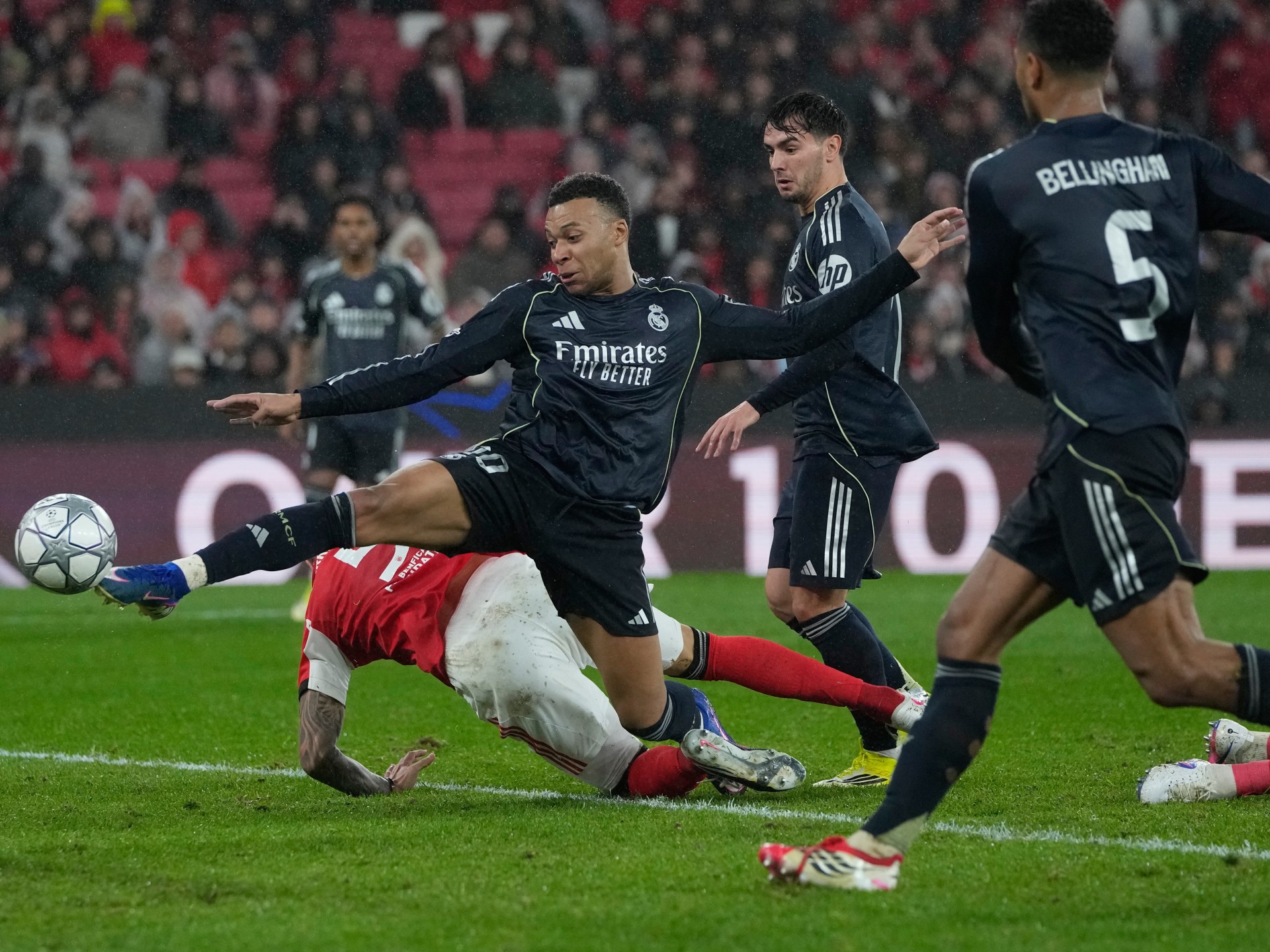
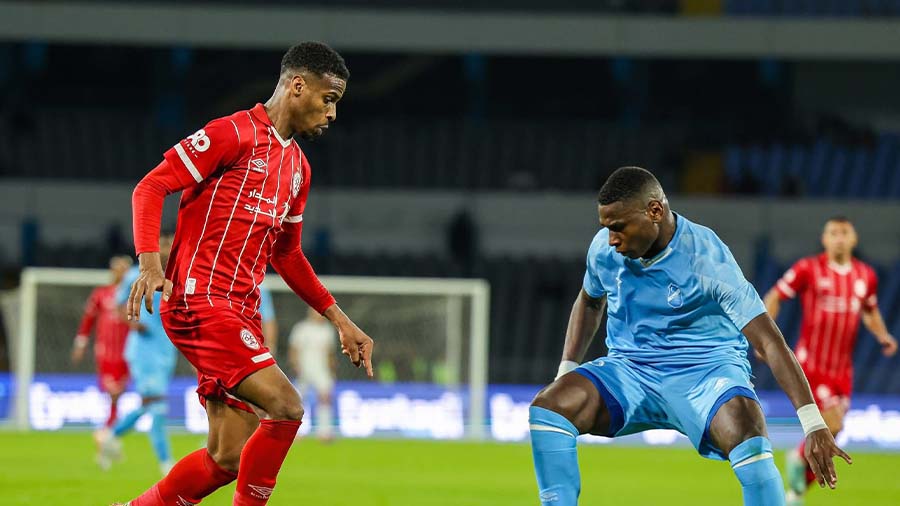
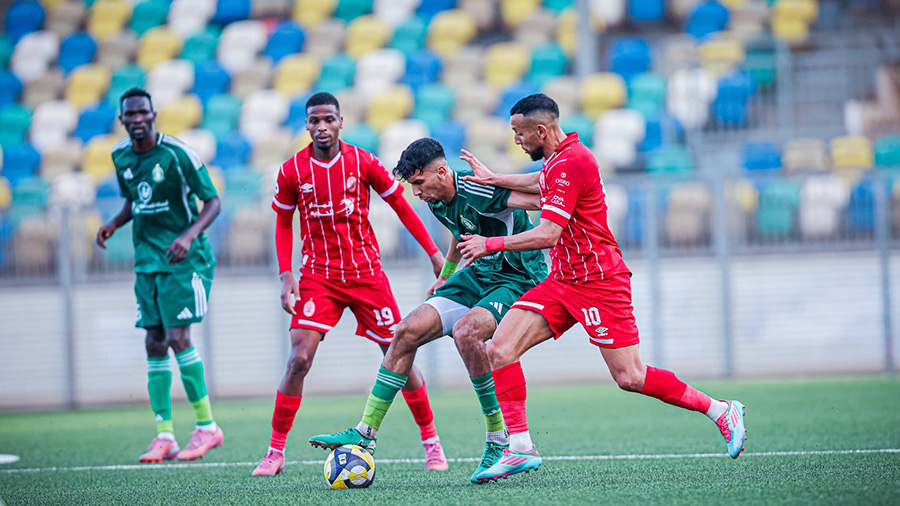
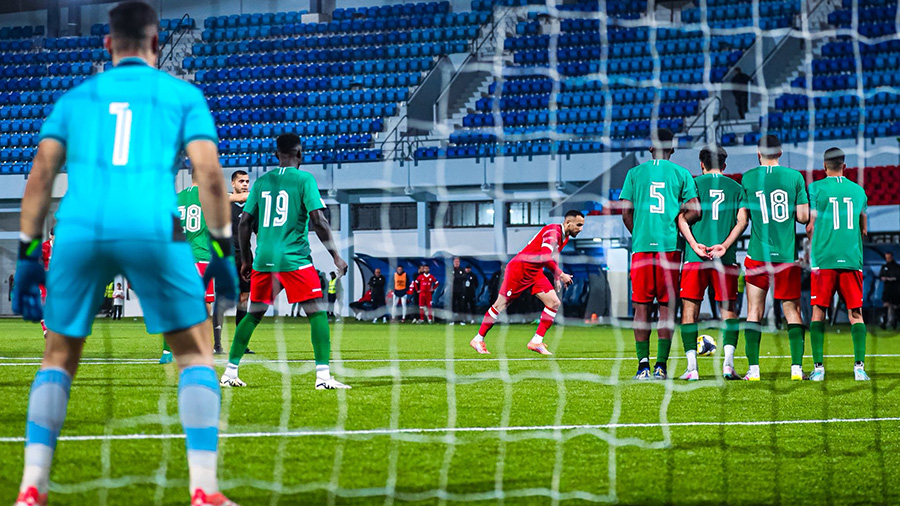
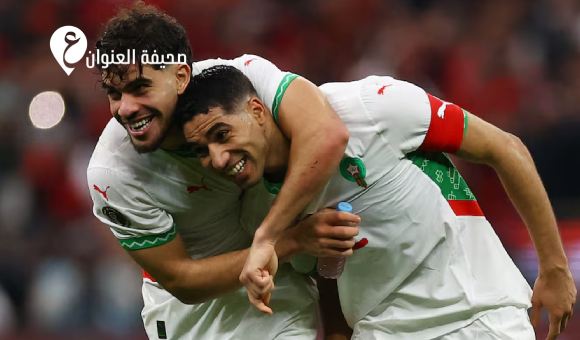
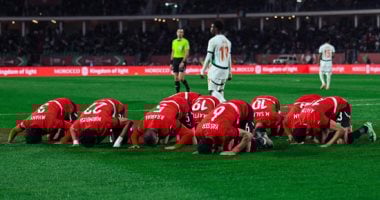
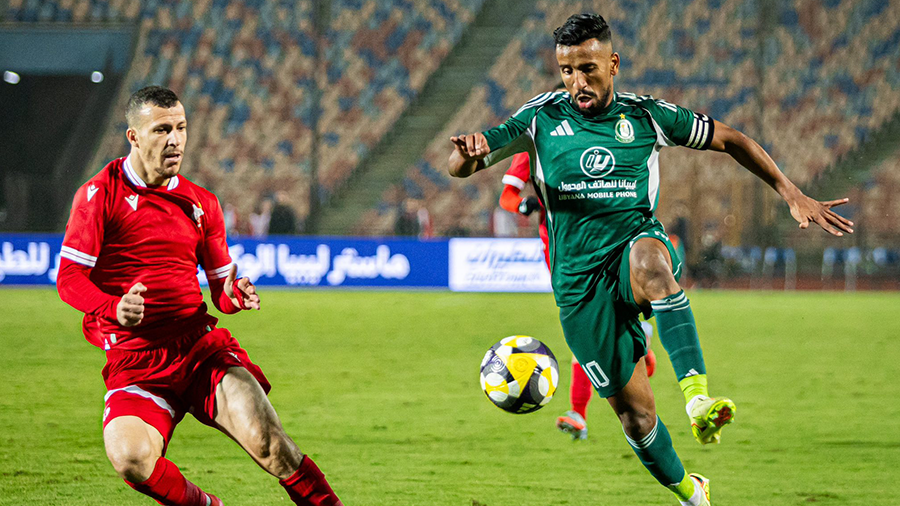
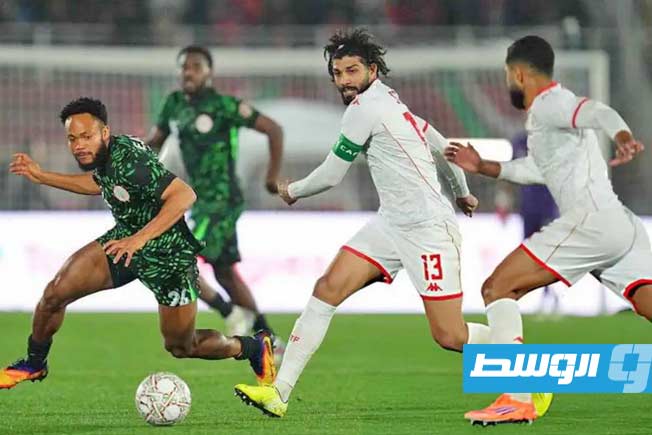
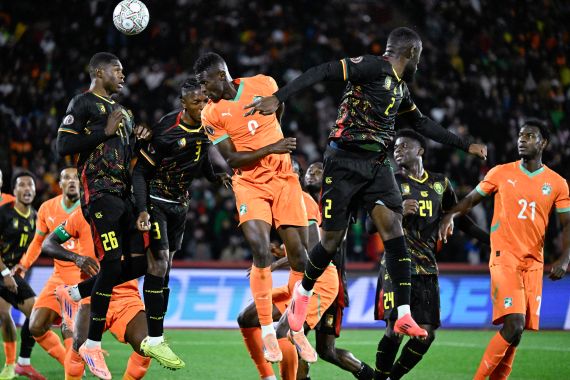
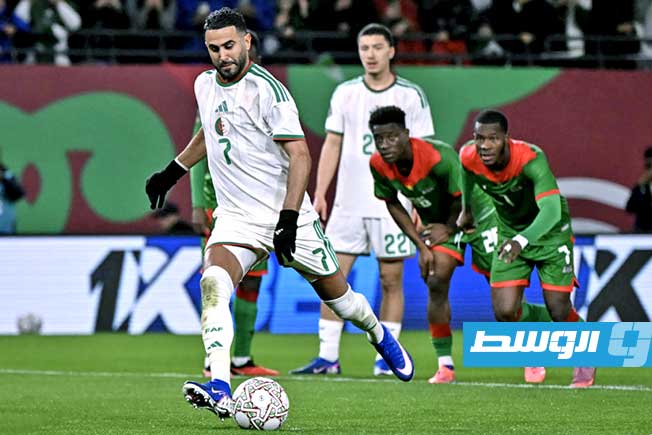
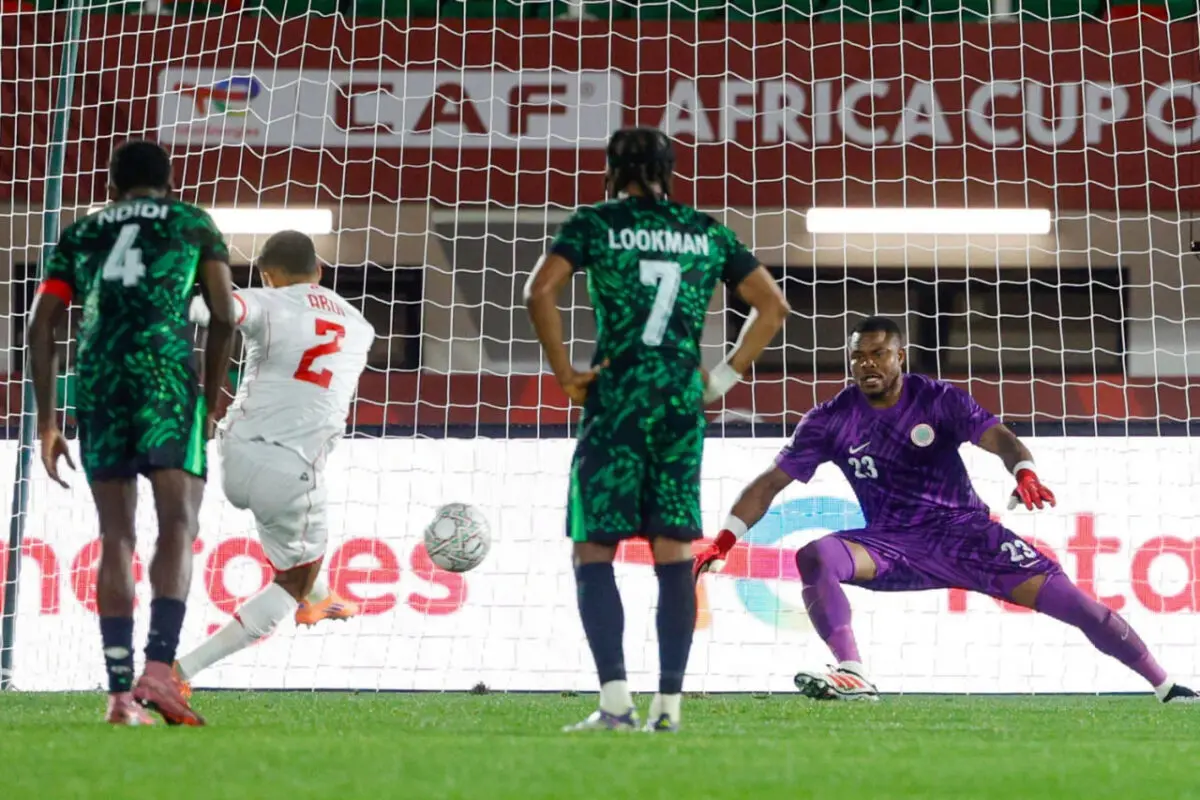
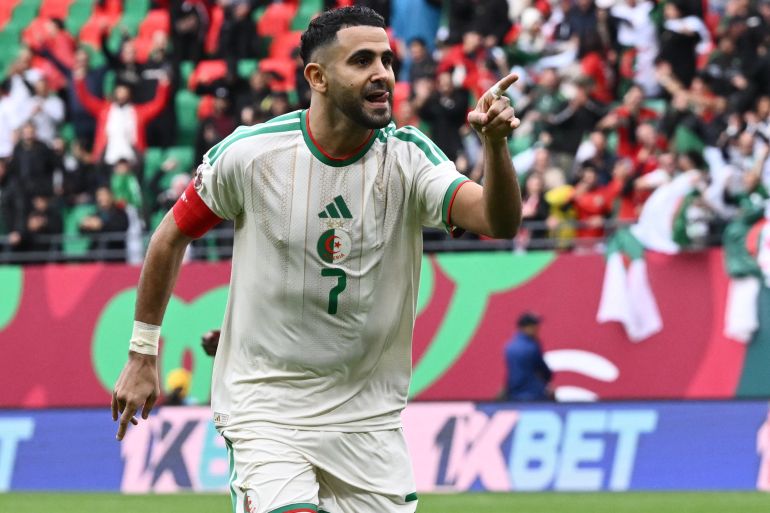
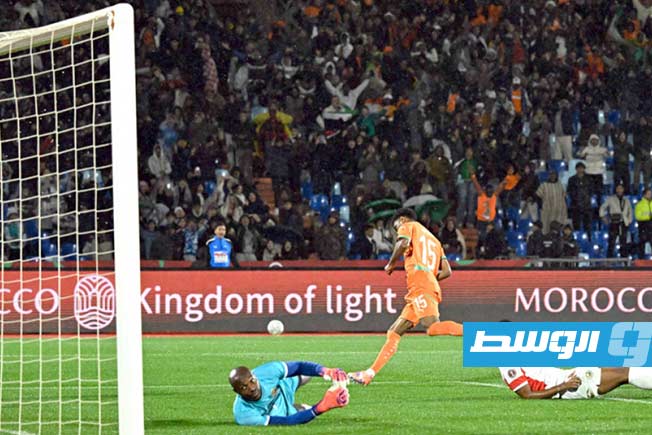
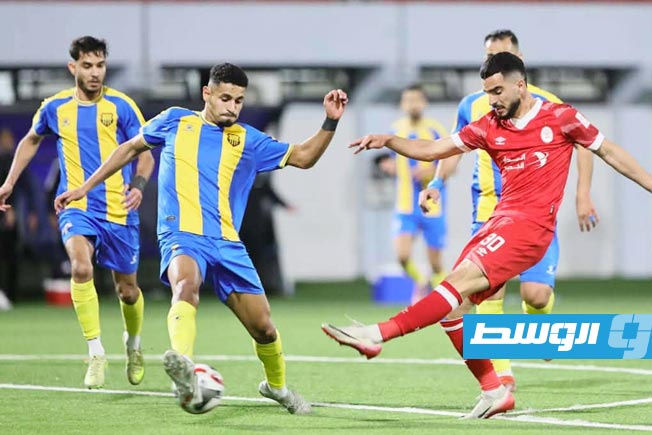
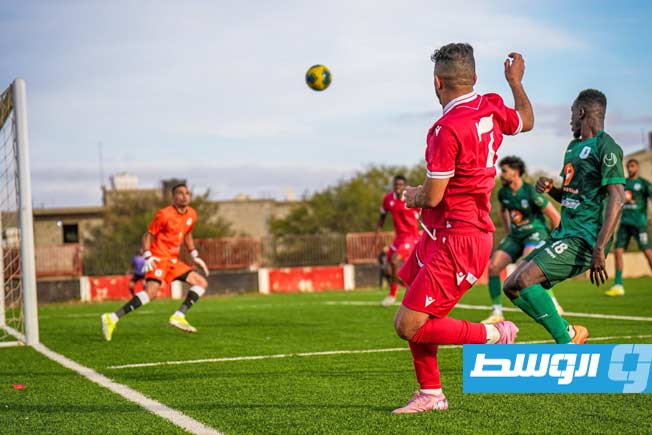
The Moroccan national team imposed its control on the course of the match from beginning to end, but its possession was sterile and did not pose any real danger to the goal of Comoros’ goalkeeper Yannick Pandor, except for earning a penalty which Sofiane Rahimi missed (11′).
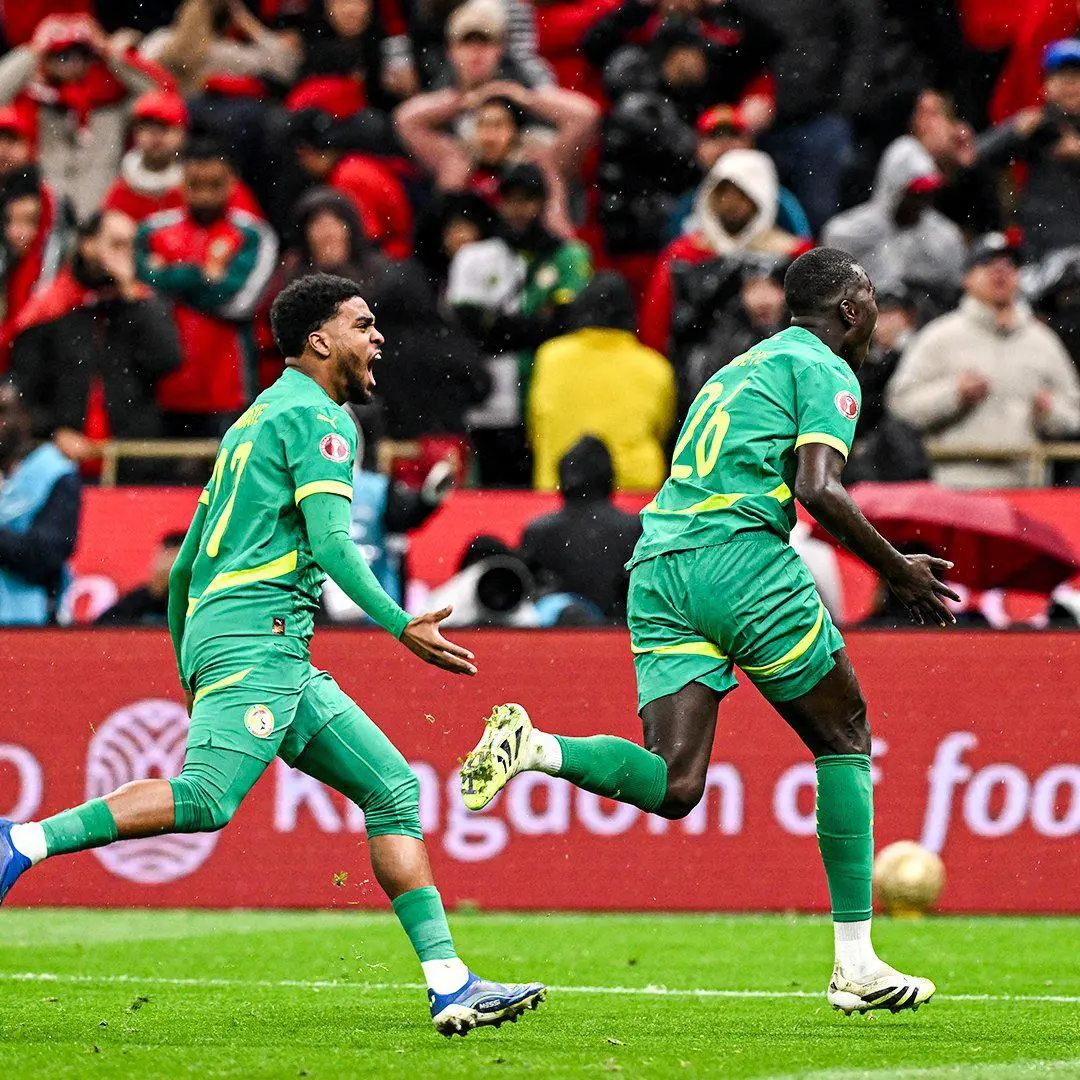
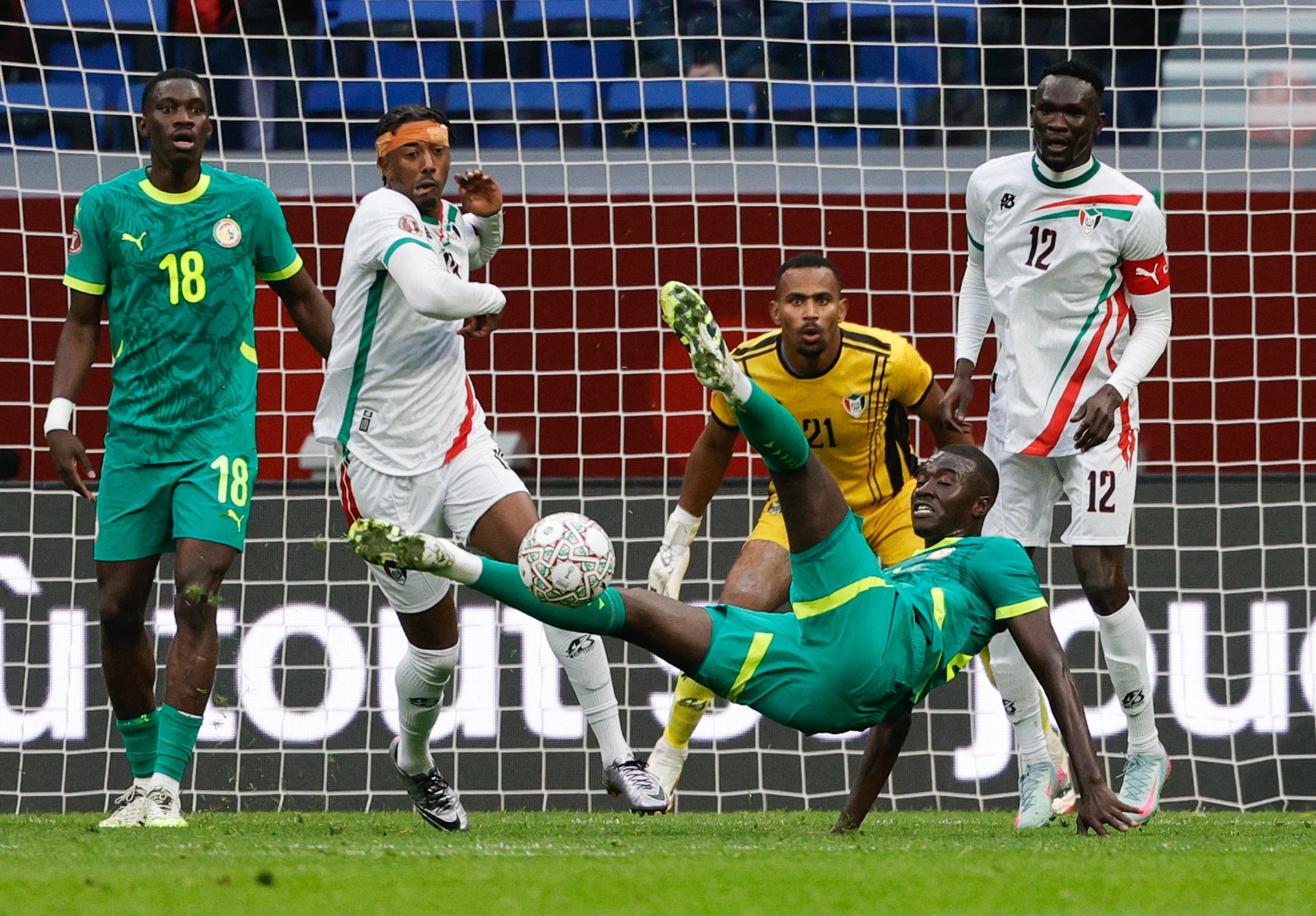
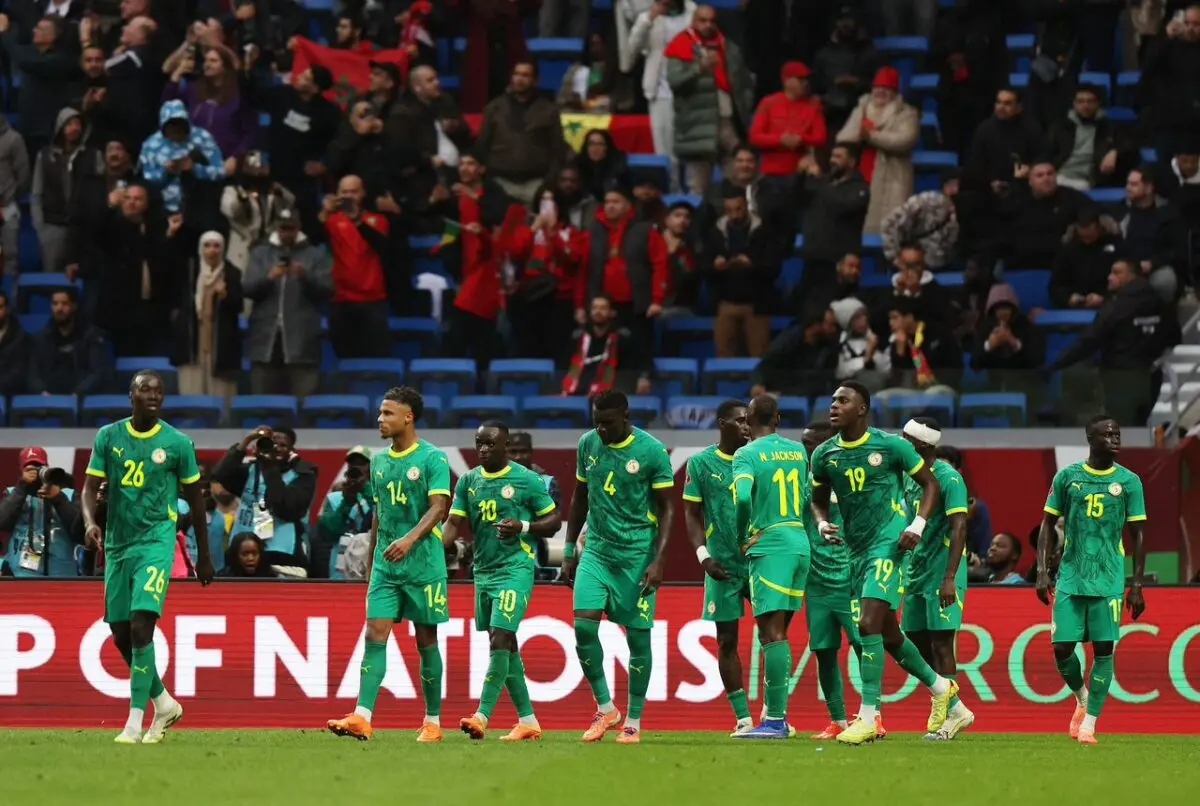
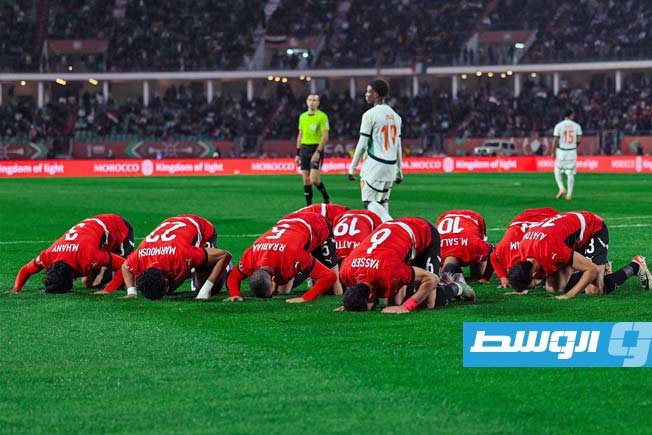
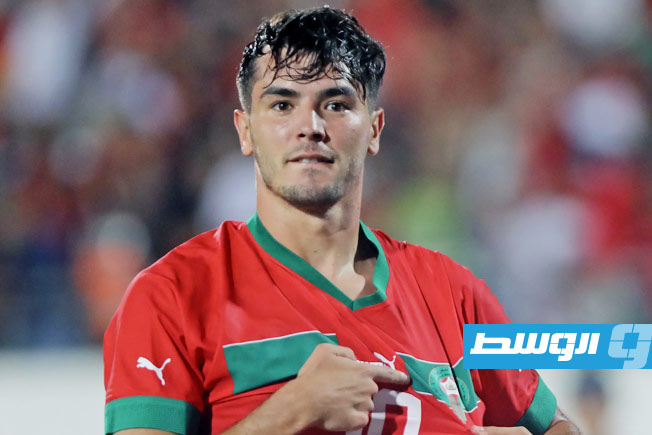
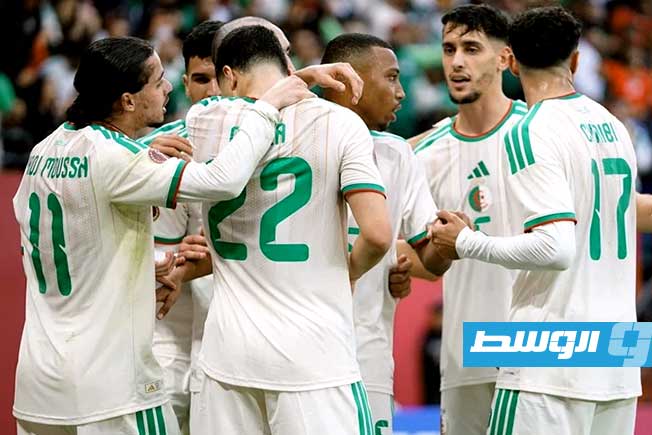
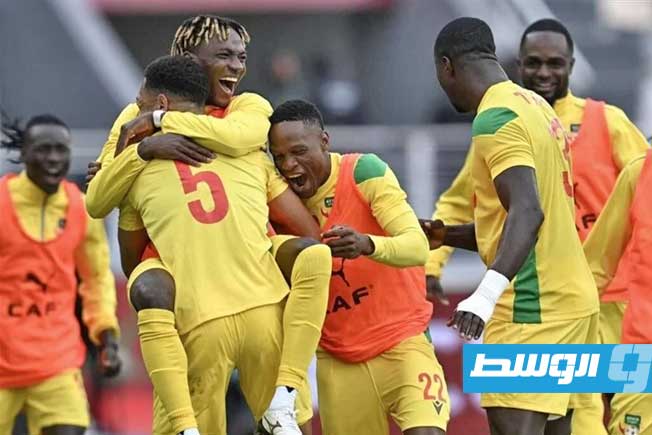
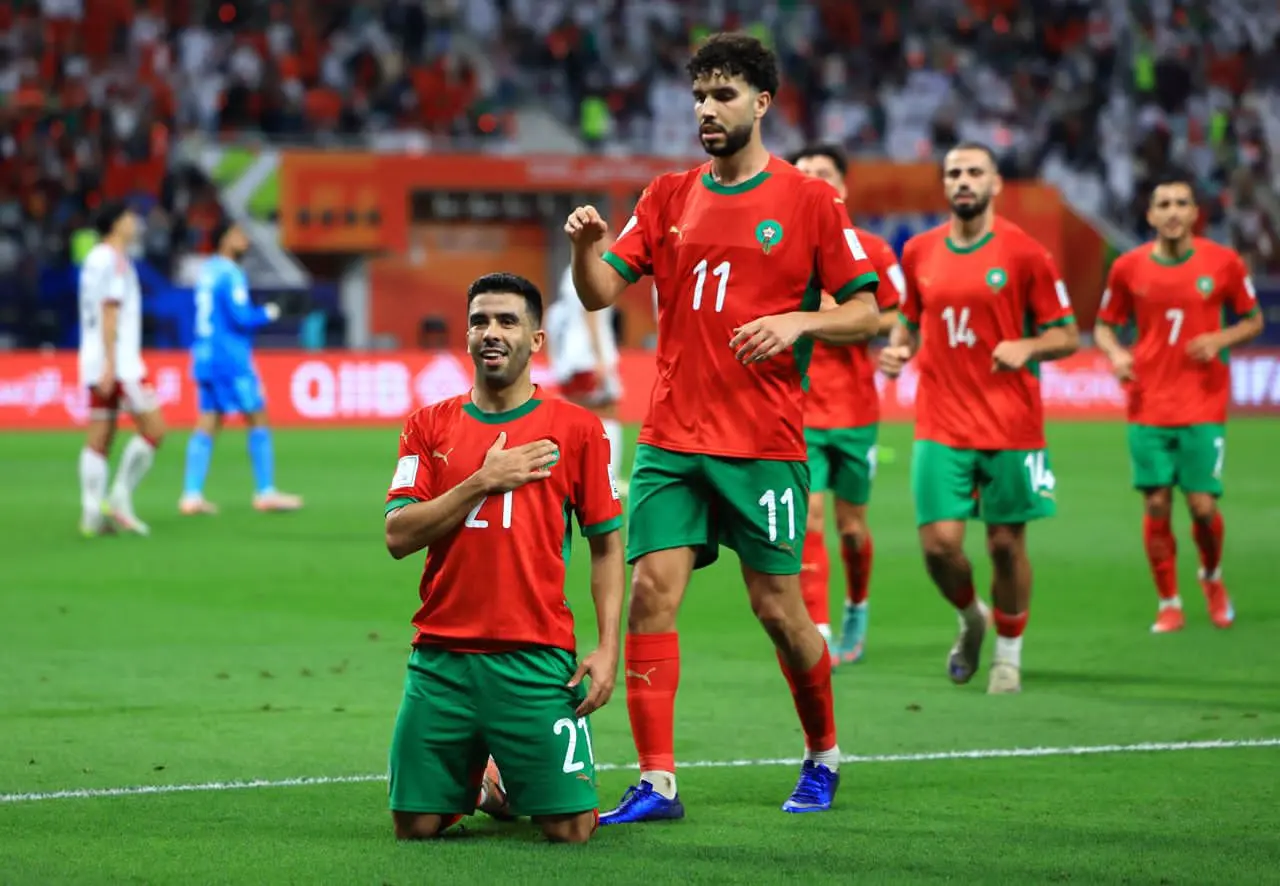
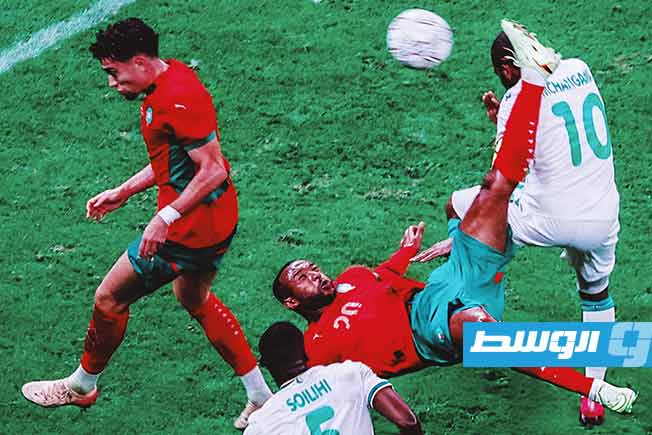
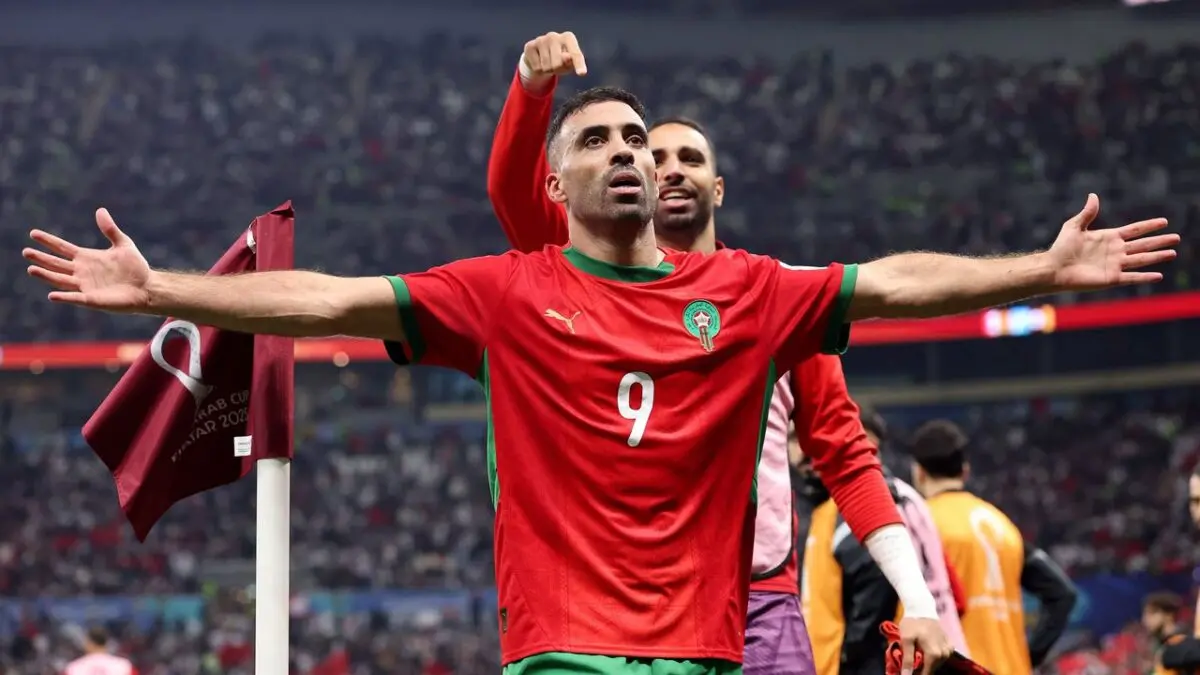
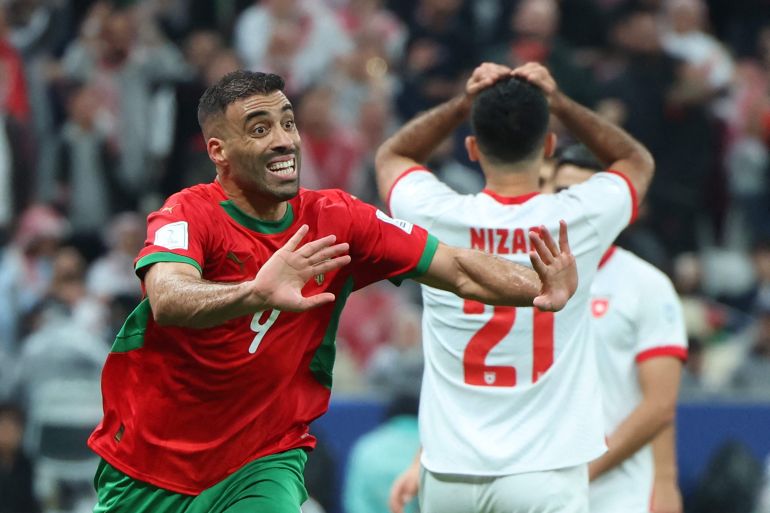
The team’s struggles continued in the second half until Ibrahim Diaz gave them the lead, then Ayub El Kaabi secured the win with a second, spectacular acrobatic goal.
This is Morocco’s fourth victory over Comoros in five encounters between them, with one draw, and its second in the continental tournament after the first in the Cameroon 2022 edition, also with a clean double.
Mali will play against Zambia on Monday as part of the same group’s matches.
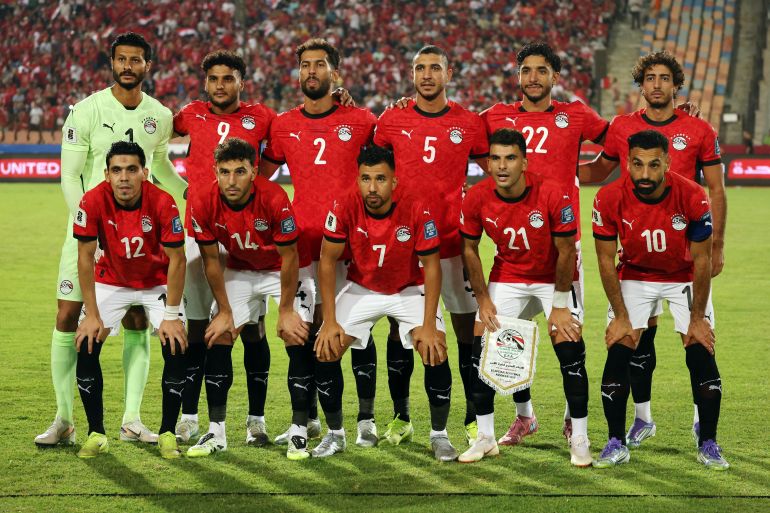
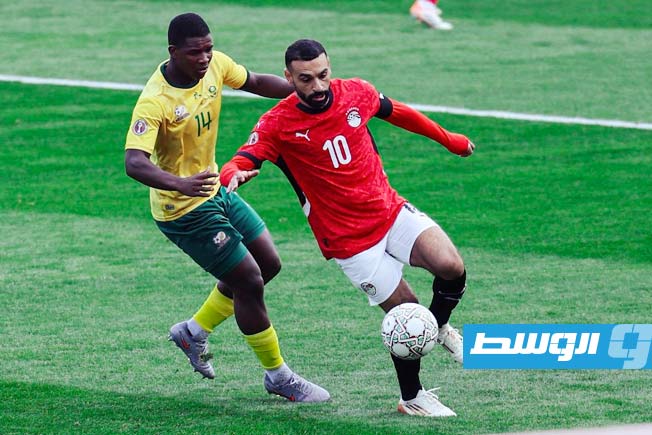
Two matches will also be held within the second group, where the Angola national team meets South Africa in Marrakech, and the Egypt national team faces Zimbabwe in Agadir.
Morocco
Morocco is a North African country with a rich history shaped by indigenous Amazigh (Berber) cultures, Arab influence from the 7th century, and a series of powerful dynasties like the Almoravids and Alaouites. It is known for its diverse cultural heritage, which is reflected in historic sites such as the medieval medina of Fez, the Koutoubia Mosque in Marrakech, and the ancient Roman ruins of Volubilis. The country gained independence from French and Spanish protectorates in 1956.
Comoros
Comoros is an island nation off the east coast of Africa, consisting of three main islands: Grande Comore, Mohéli, and Anjouan. Its history is marked by a blend of African, Arab, and French influences, having served as a key hub in the Indian Ocean trade and later becoming a French colony before gaining independence in 1975.
Africa Cup of Nations
The Africa Cup of Nations is the premier international men’s football competition in Africa, first contested in 1957. It was founded to foster unity and sporting excellence among African nations, with its early history closely tied to the continent’s decolonization movements. The tournament is now held every two years and is organized by the Confederation of African Football (CAF).
Ethiopia
Ethiopia is an ancient nation in the Horn of Africa, historically known as Abyssinia and notable as one of the few African countries never to be fully colonized. It is home to significant cultural and religious sites, including the rock-hewn churches of Lalibela from the 12th-13th centuries and the former capital of the Aksumite Empire, a major power from the 1st to the 8th centuries.
Democratic Republic of Congo
The Democratic Republic of Congo, located in Central Africa, is a country with a complex history marked by the pre-colonial Kingdom of Kongo, a brutal period as the personal colony of King Leopold II of Belgium, and a turbulent post-independence era since 1960. It is renowned for its vast mineral wealth and the Congo River basin, which contains the world’s second-largest rainforest.
Cameroon
Cameroon, located in Central Africa, is a culturally diverse nation often called “Africa in miniature” for its varied geography and over 250 ethnic groups. Its modern history stems from colonial rule by Germany, followed by French and British administration after World War I, leading to its independence in 1960 and the eventual unification of its English and French-speaking regions.
Mali
Mali is a West African country historically renowned as the seat of several powerful empires, most notably the Mali Empire, which flourished from the 13th to 16th centuries and was famed for its wealth and centers of learning like Timbuktu. Today, it is a culturally rich nation containing UNESCO World Heritage Sites, including the ancient cities of Timbuktu and Djenné, though many of its historical monuments face threats from conflict and environmental factors.
Zambia
Zambia is a landlocked country in southern Africa, historically home to various Bantu-speaking kingdoms before becoming a British protectorate in the late 19th century. It gained independence in 1964 and is renowned for natural wonders like Victoria Falls, one of the world’s largest waterfalls, and its significant wildlife reserves.
Angola
Angola is a country in southwestern Africa with a rich history shaped by powerful pre-colonial kingdoms like Kongo and Ndongo, followed by centuries of Portuguese colonization until it gained independence in 1975. Its cultural sites include the Fortress of São Miguel in Luanda, a historic Portuguese fort, and the Tundavala Fissure, a dramatic natural landscape. The nation’s culture reflects a blend of indigenous traditions and Portuguese influences, particularly in music, dance, and religion.
South Africa
South Africa is a country located at the southern tip of the African continent, known for its diverse cultures, languages, and dramatic landscapes. Its modern history is profoundly shaped by colonialism and the institutionalized racial segregation of apartheid, which ended in 1994 with the establishment of a constitutional democracy and the election of Nelson Mandela as president.
Marrakech
Marrakech is a historic city in Morocco, founded in 1062 by the Almoravid dynasty. It served as a key political, economic, and cultural center of the Islamic West, renowned for its ancient medina, vibrant souks, and landmarks like the Koutoubia Mosque.
Egypt
Egypt is home to one of the world’s oldest civilizations, with a recorded history spanning over 5,000 years and famed for its pharaonic monuments like the Pyramids of Giza and the Great Sphinx. Its rich cultural heritage was shaped by successive influences, including Greek, Roman, Coptic Christian, and Islamic rule, with the Nile River serving as the central artery for its development and enduring power.
Zimbabwe
Zimbabwe is a country in southern Africa, named after the ancient city of Great Zimbabwe, a stone ruin from the 11th to 15th centuries that was the capital of a prosperous kingdom. The modern nation gained independence from British colonial rule in 1980, following a period of conflict. It is known for its diverse landscapes, including Victoria Falls, and a rich cultural heritage from the Shona and Ndebele peoples.
Agadir
Agadir is a major coastal city in southwestern Morocco, known for its modern beach resorts and vibrant tourism industry. The city was largely destroyed by a devastating earthquake in 1960 and was subsequently rebuilt with a contemporary, earthquake-resistant design, which explains its modern architectural landscape.