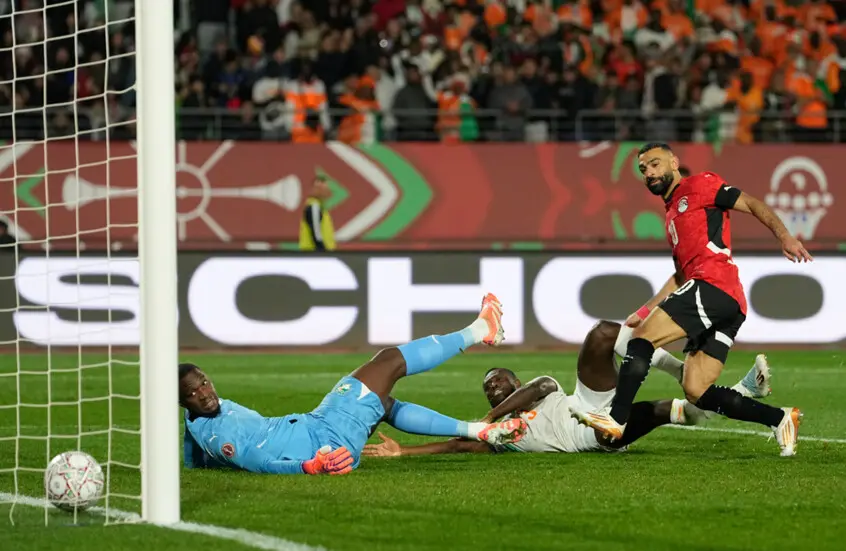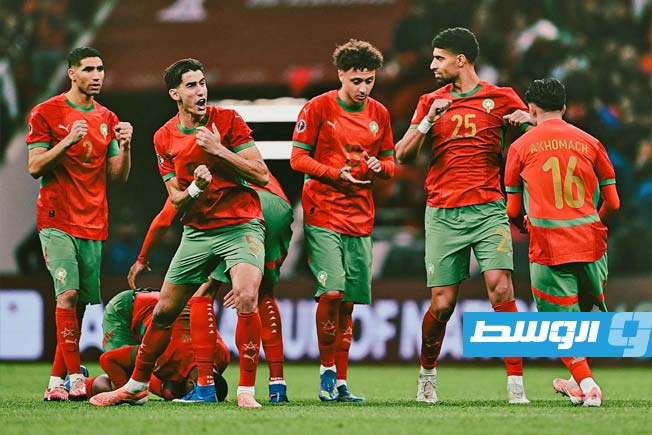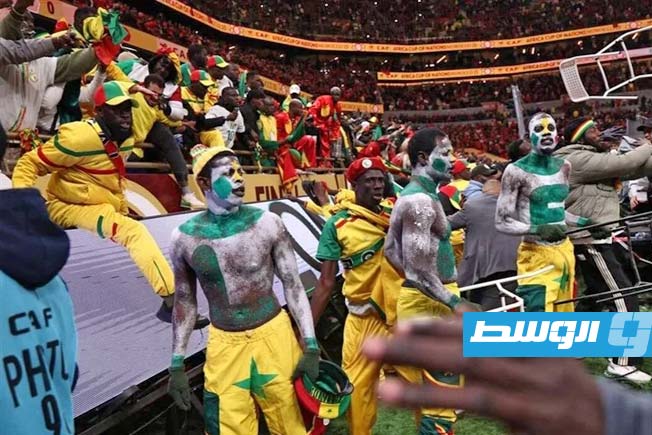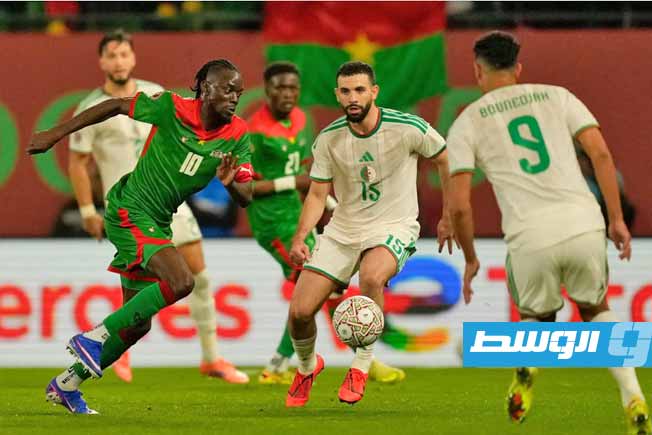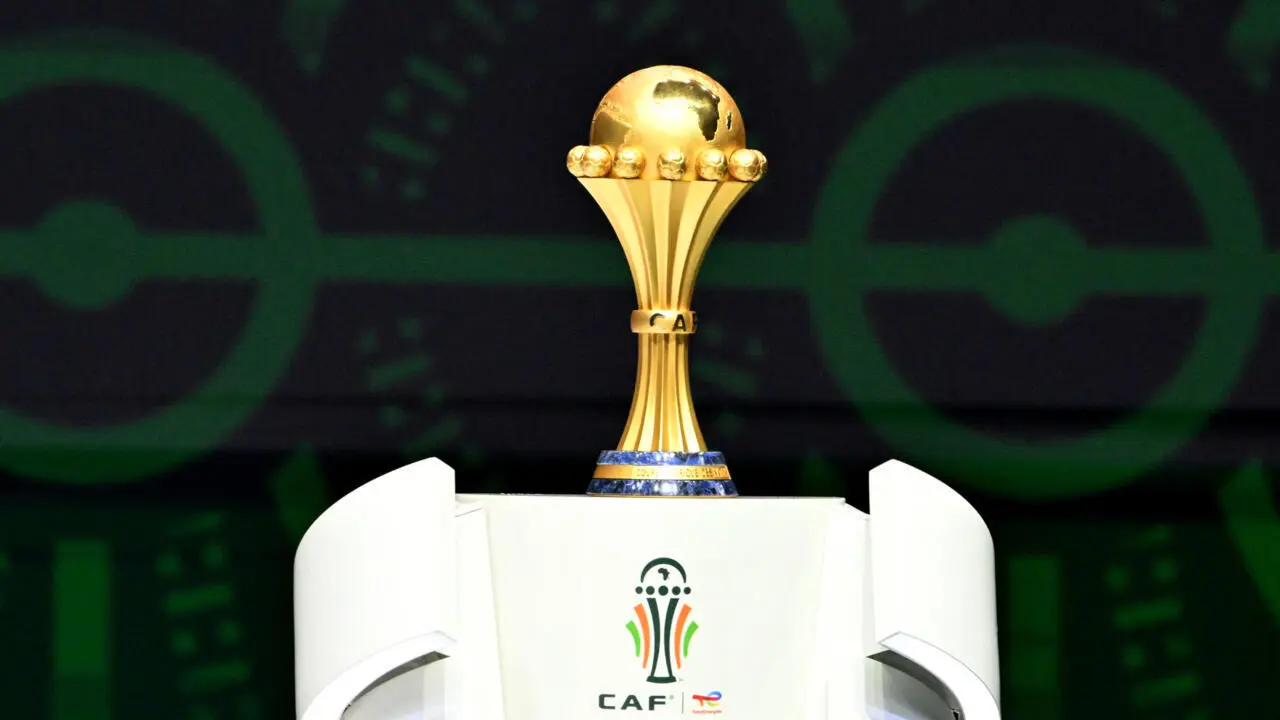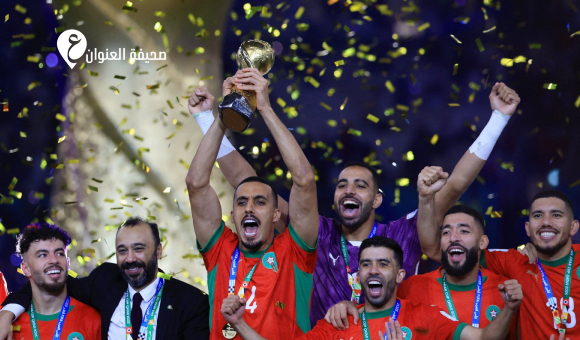
Social media users reacted to the Confederation of African Football’s (CAF) decision to organize the Africa Cup of Nations every 4 years instead of every 2 years, a move that sparked widespread debate on social media platforms.
It was announced during a meeting of the CAF Executive Committee that the tournament will be held every 4 years starting from 2029, following discussions with all partners and consideration of the global match calendar.
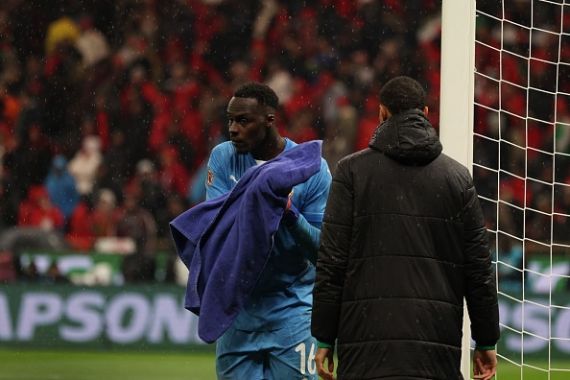
The decision was justified by the need to consider the interests of African professional players in European clubs. It was indicated that the confederation is keen to balance its duty towards African football and its duty towards the players who compete in the world’s best clubs, especially in Europe.
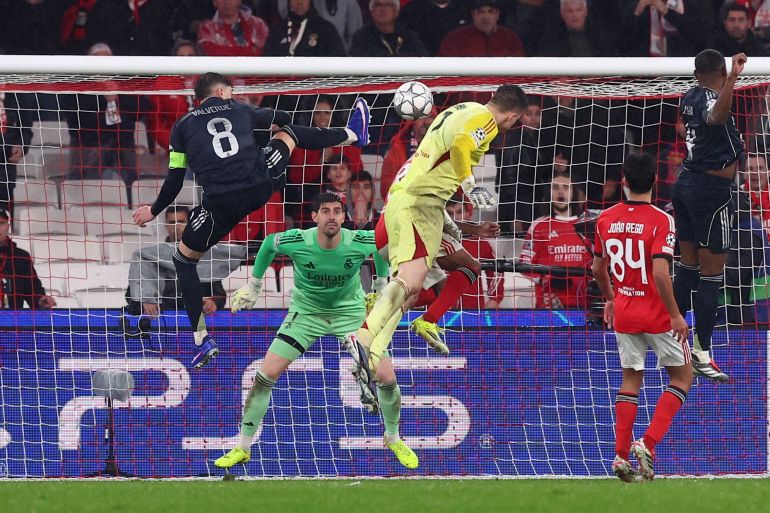
Reports indicated that the timing of the African tournament coinciding with the European league calendar harms major clubs, as the number of African players participating in the Cup who are professionals in Europe’s top five leagues is 138 players, which disturbs the clubs that pay huge salaries to these players.
Financial reports also showed that the tournament is a major source of revenue for African football, contributing 80% of the Confederation of African Football’s income. The latest edition in Côte d’Ivoire in 2023 achieved a record of more than $1.5 billion.
In a related development, the African confederation increased the prize money for the winning national team from $7 million to $10 million.
The Future of the Tournament
A recent program highlighted the division among social media users’ opinions between supporters and opponents of the decision, with differing views on its impact on African football and the future of the continental tournament.
Some commentators see positive aspects of the decision for African national teams. One user wrote:
Holding it every two years increased the number of continental and regional international matches, which raised the ranking of some African national teams to levels they may not deserve. But after this decision, there will be equality among the national teams of all continents.
On the other hand, another user considered that CAF is faltering in its decisions, calling for alternative solutions:
This is faltering. The African confederation must either move the tournament to the summer or align with the international calendar. They are tiring and exhausting African professional players.
In a contrasting opinion, another user expressed rejection of the decision, considering it a submission to Western pressure.
From an economic perspective, another user criticized the huge spending on the tournament, calling for funds to be directed towards development, writing:
A poor continent spends billions every two years for a football competition. It would be better to allocate these sums to building schools, hospitals, roads, services, factories, and agriculture.
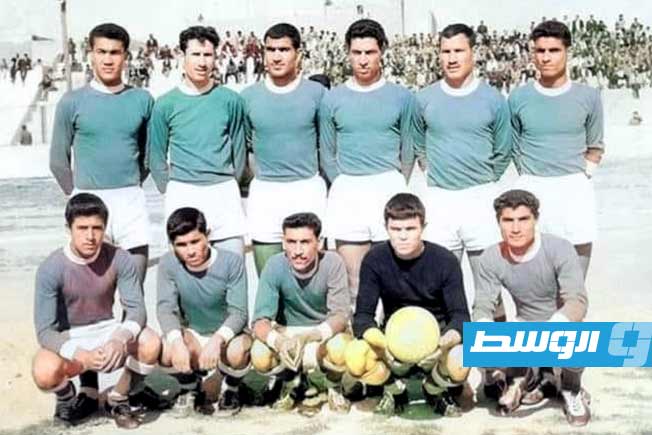
It is worth noting that the first edition of the tournament was held in 1957 and had been held every two years. Host countries witness a significant economic boost from match revenues, tourism, trade, and transportation.
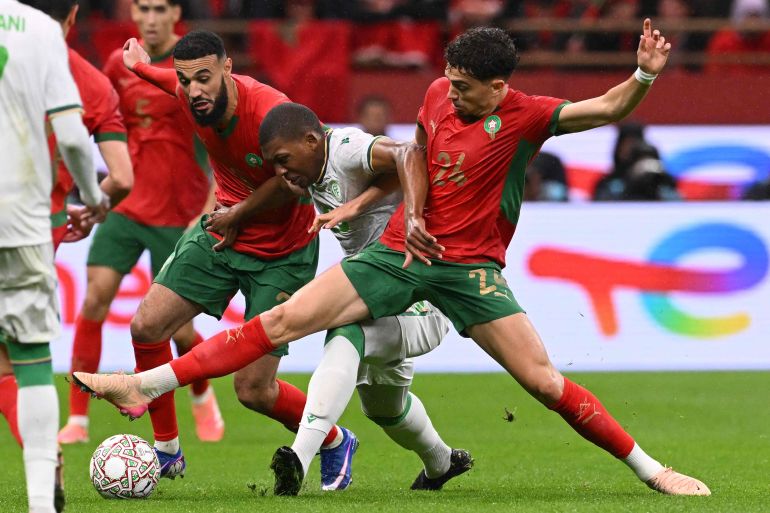
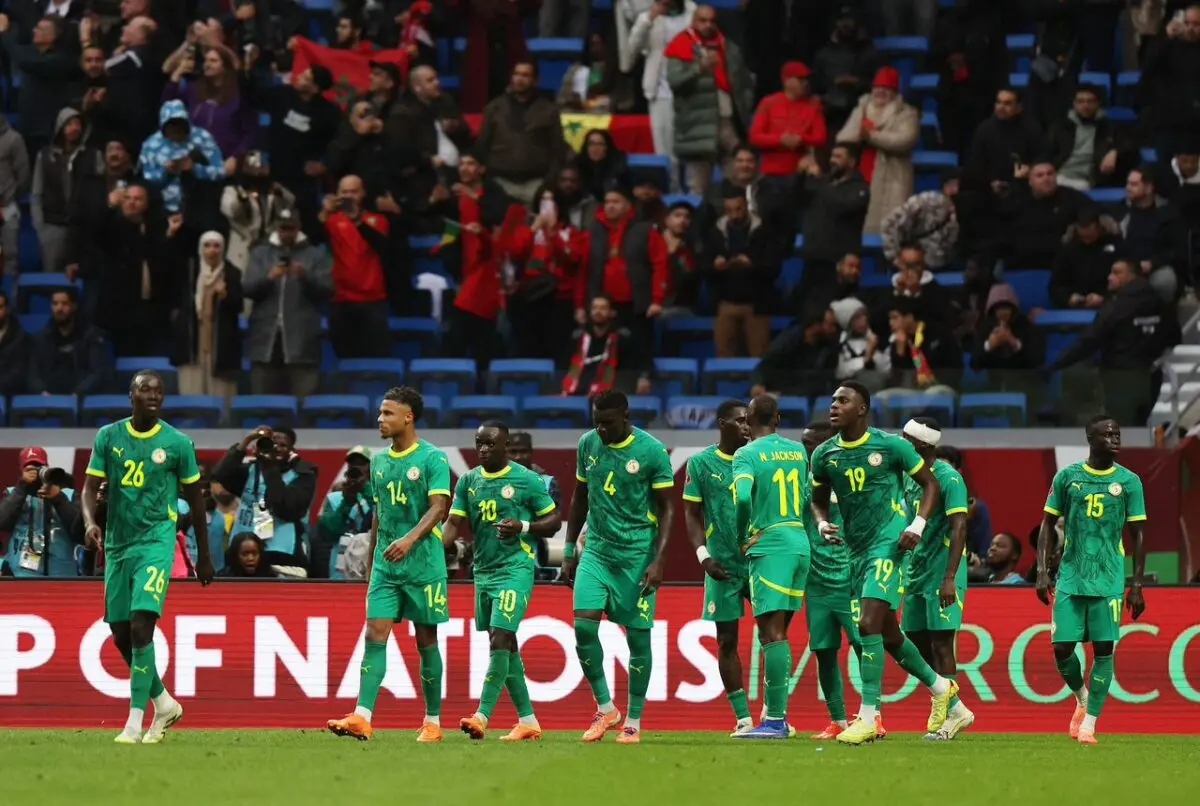
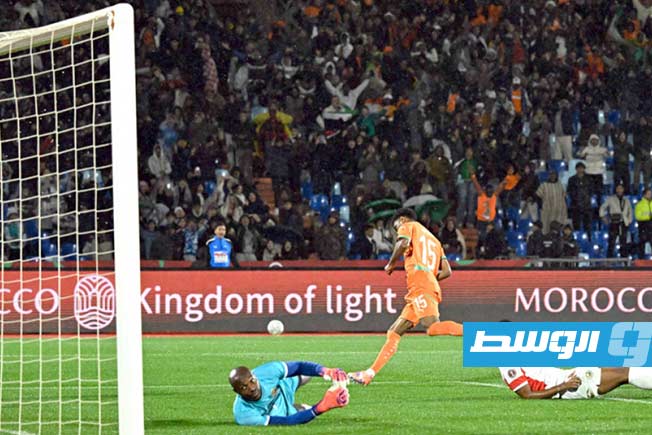
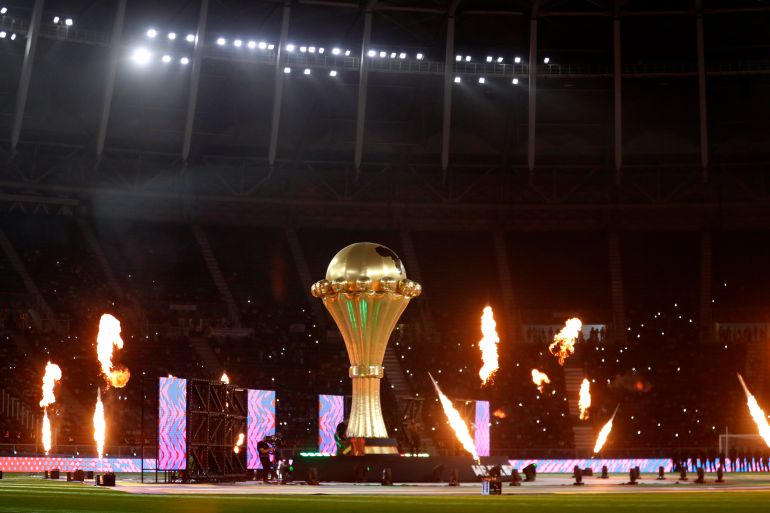
The 35th edition of the tournament opens today in Morocco and is expected to generate revenues approaching $1.2 billion.